Bloomberg

A Hundred Firms Pull $45 Billion of Deals Since War in Ukraine

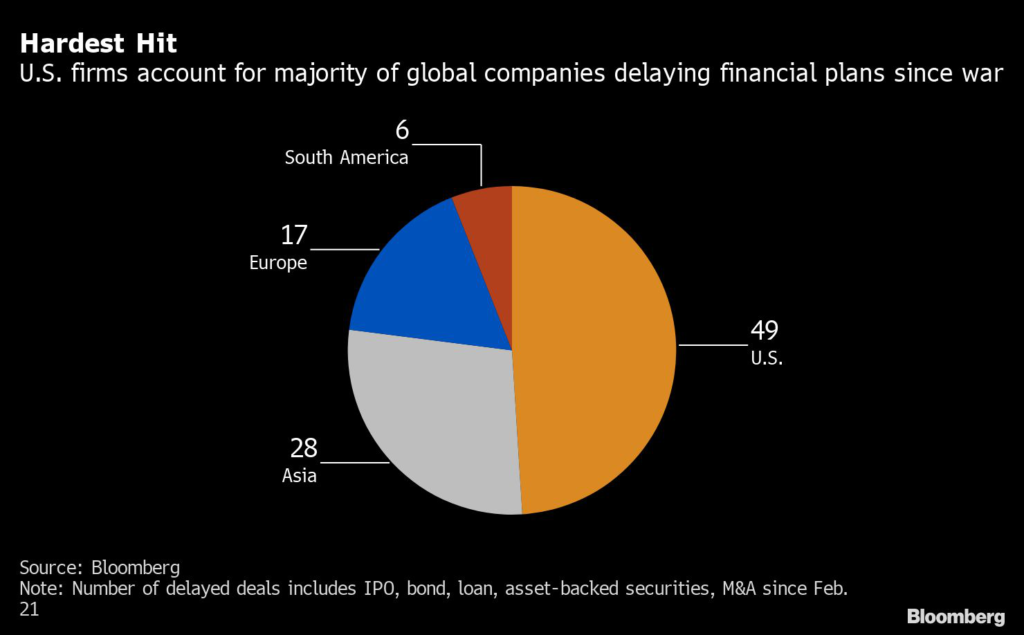
(Bloomberg) — At least a hundred companies worldwide have delayed or pulled financing deals worth more than $45 billion since Russia’s invasion of Ukraine.

These include initial public offerings, bonds or loans and acquisitions. U.S. equity market deals were the worst hit by global volatility in the first quarter as a crop of firms postponed listings, while Japanese and European debt markets also suffered from delays.

See more: Worksheet of delayed deals in global markets since Feb. 21

The disruption comes as the conflict roiled funding markets, hurt investor appetite for risk and increased uncertainty over growth, interest-rate hikes and supply chains. The pulled deals mean the feast in fees that bankers experienced last year may be about to turn to famine.

“Volatile markets have meant that it has been harder to execute deals,” said Marco Baldini, head of EMEA bond syndicate at Barclays Plc. Sales of high-grade bonds plummeted as the war in Ukraine unfolded, but in a promising sign “volumes have picked up significantly as we head into Easter,” he said.

Timing Problem

About 50 companies have shelved their IPO plans since late February, of which almost 30 were U.S. listings, including the likes of Bioxytran Inc., Crown Equity Holdings Inc. and Sagimet Biosciences Inc. It’s difficult to estimate the total value of the delayed IPOs, as most of the transaction sizes haven’t been revealed.

The most prominent delays with disclosed amounts came from Asia and Europe. Olam International Ltd. postponed a primary listing of its food unit on the London Stock Exchange that would have valued the business at 13 billion pounds ($17.1 billion), while Chinese conglomerate Dalian Wanda Group Co. put on hold a planned Hong Kong IPO of its shopping mall unit that was targeting to raise about $3 billion.

“Many plans for fresh offerings are likely to be shelved until a measure of more calm returns,” said Susannah Streeter, senior investment and markets analyst at Hargreaves Lansdown Plc. “Timing is everything for an IPO.”

M&A Hit

Mergers and acquisitions have not been left unscathed, with around 10 deals valued at more than $5 billion stalled since the war. That’s left global M&A down 15% in the first three months of the year to $1.02 trillion, the lowest tally since the third quarter of 2020, according to data compiled by Bloomberg. 

Microsoft Corp.’s $69 billion takeover of video game publisher Activision Blizzard Inc. was one of the few megadeals as companies mostly shied away from large transactions. 

The worst decline was in Europe, where acquisitions targeting the region’s companies fell 38%. The U.K’s Spectris Plc ended negotiations in March to buy Oxford Instruments Plc in a deal that would have been valued at 1.8 billion pounds. Peel Hunt Ltd. said the delayed deals will dent its investment banking revenue, while peer Numis Corp. also warned of a hit.

The impact of the war has been felt across global bond markets, where issuance is down 14% so far this year, according to Bloomberg data. Eight issuers from Europe, including the Slovak Republic, utility EnBW Energie Baden-Wuerttemberg AG, and French financial firm Coface SA shelved more than $5 billion of bonds.

In Japan, seven companies including Sumitomo Mitsui Construction Co. Ltd., Tohoku Electric Power Co. Inc. and Orix Corp. have pulled domestic bond issues totaling about $800 million. And in India, even state-owned Indian Railway Finance Corp. Ltd. couldn’t avoid delaying its sale. 

Read more: Shelved Bond Deals Point to Strains in India Credit Market 

Other debt markets, including leveraged loans and asset-backed securities, are also struggling. 

Callaway Golf Co. was marketing a $950 million loan before placing it on hold indefinitely in early March, citing market conditions. German eye-care firm Veonet Group shelved a 795 million euro loan that was in syndication on the day the war erupted on Feb. 24.

Even electric car giant Tesla Inc. had to delay a sale of more than $1 billion in asset-backed securities in mid-March, while the likes of Deutsche Bank AG had to put commercial mortgage-backed deals on hold.

Read more: Two More CMBS Sales Put On Hold Amid Market Weakness

“The war in Ukraine is exacerbating existing supply chain constraints and raising input costs for corporate borrowers, just as central banks are set to tighten financial conditions in response to the worst inflation data in decades,” says Scope Ratings in a recent report.

More stories like this are available on bloomberg.com

©2022 Bloomberg L.P.

SoftBank Liquidates Most of Portfolio at ‘Nasdaq Whale’ Unit: FT

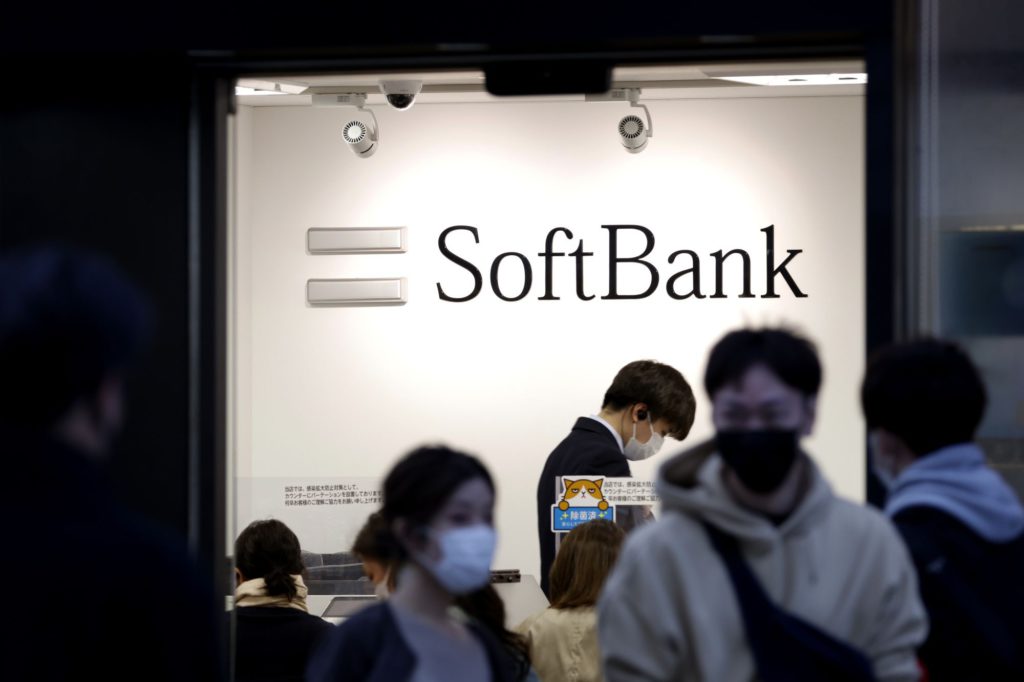
(Bloomberg) — SoftBank has closed most of its positions in the internal hedge fund SB Northstar following losses of between $6 billion and $7 billion from the so-called ‘Nasdaq whale’ trades, the Financial Times reports, citing an unidentified person familiar with the matter. 

Citing regulatory filings, the Financial Times reported Saturday that Northstar’s investment manager, SB Management, held a bit more than $1 billion in U.S. listed stocks at the end of 2021, down from more than $17 billion a year earlier. The majority of their European investments were also dissolved during the same period, which included a $5 billion bet on drug-maker Roche Holding AG, the person told the FT. The ‘handful’ of positions left had been transferred to SoftBank Group, FT reported. 

Read More: Son Personally Lost $1.3 Billion on SoftBank Stock Trading

Referencing SoftBank’s earnings presentation last November, the company told FT that SB Northstar’s activities and its portfolio had been significantly reduced as founder Masayoshi Son had said at the time. 

Akshay Naheta, a senior SoftBank executive who had worked on some of the company’s biggest deals, also left the company on Thursday, the paper reported, citing an unidentified person familiar with the matter. Bloomberg reported in December that the executive was in talks to leave in order to focus on his long-only fund. 


More stories like this are available on bloomberg.com

©2022 Bloomberg L.P.

China Removes Key Hurdle to Allow U.S. Full Access to Audits

(Bloomberg) — China modified a decade-long rule that restricted offshore-listed firms’ financial data sharing practice, potentially removing a key hurdle for U.S. regulators to gain full access to auditing reports of the majority of the 200-plus Chinese companies listed in New York. 

The revised draft rules deleted the requirement that on-site inspections should be mainly conducted by Chinese regulatory agencies or rely on their inspection results, the China Securities Regulatory Commission said in a joint statement with other regulators Saturday. The CSRC will provide assistance during the process through a cross-border regulatory cooperation mechanism. Meanwhile, all companies listed directly or indirectly overseas will be responsible for properly managing confidential and sensitive information, and protecting national information security, according to the statement.

The amendments mark an unusual reversal by Beijing, potentially ending a decades-long dispute that escalated when the U.S. set a 2024 deadline for kicking non-compliant businesses off the New York Stock Exchange and Nasdaq. The compromise would also show China’s willingness to balance national security concerns with the needs of investors and businesses at a time when its economy faces numerous challenges.

U.S.-listed Chinese stocks climbed Friday following a Bloomberg News report that regulators in Beijing are working on a framework that’ll grant their U.S. counterparts full access to auditing reports for a majority of the companies listed in New York. The compromise will allow most firms to keep their U.S. listings, according to people familiar with the matter. 

The revisions, pending public feedback until April 17, show “China has always been open to cross-border audit cooperation,” the CSRC said in a Q&A statement, adding that the moves will provide support for “safe and efficient” cross-border cooperation including joint inspections.

Under the rules issued in 2009, working papers drafted onshore during the process of overseas share sales were forbidden from being shared with any foreign entities or individuals. Working papers that concern state secrets or national security were also prohibited from being stored, processed or transmitted in non-confidential computer systems.  

The CSRC said it’s rare in practice that companies need to provide documents containing confidential and sensitive information. However, if required during the auditing process, they must obtain approvals in accordance with related laws and regulations, the watchdog said.

Chinese authorities are trying to bolster investor confidence following a series of crackdowns that have rattled markets. Promising greater policy stability, China’s top financial regulator last month said it supports overseas listings, prospects for which have been clouded by a raft of new rules and a stand-off with the U.S. over access to company audits. 

There are more than 200 Chinese firms listed in the U.S. as American Depository shares, with a combined market capitalization of $2.1 trillion as of May 2021, including eight national-level state-owned enterprises, according to a report from the U.S. government. The threat of delisting and China’s regulatory crackdowns have spurred a selloff in the Nasdaq Golden Dragon China Index, which lost about half its value in the past year. 

The latest changes could help minimize national security risks in listed firms’ shared data, enabling them to open audit papers to U.S. regulators when needed. 

Still, Securities and Exchange Commission Chair Gary Gensler this week tamped down speculation that a solution was imminent, signaling that only total compliance with audit inspections will allow the companies to keep trading on U.S. markets.

China could simply move a firm to a non-U.S. bourse if it wants to shield financial documents, Gensler said in an interview. He also pointed out that the American law focuses on non-compliant countries rather than specific companies. So if one request is blocked, it means the requirement isn’t being satisfied.

China tightened scrutiny on overseas listings last year after the New York initial public offering of ride-hailing giant Didi Global Inc., which proceeded despite regulatory concerns. In December it imposed new restrictions on offshore offerings by firms in sectors that are off-limits to foreign investment. 

The securities regulator proposed that any company whose listing could pose a national security threat be banned from proceeding. Firms could use the so-called variable interest entities (VIEs) structure to pursue overseas IPOs after meeting compliance requirements, the CSRC had said. 

VIEs, a vehicle pioneered by Sina Corp. during a 2000 IPO and used by numerous technology giants to list in the U.S., have been a perennial worry for global investors since they operated in a legal grey zone. Chinese regulators only started acknowledging their existence in a series of new rules over the past year. 

“The CSRC will firmly support companies to choose their listing destinations based on their own will,” the regulator said on Saturday. 

(Updates with CSRC comment in the fitth paragraph.)

More stories like this are available on bloomberg.com

©2022 Bloomberg L.P.

Ukraine Update: U.S. Steps Up Military, Defense Assistance

(Bloomberg) — The U.S. defense department is sending $300 million in additional military and medical assistance to Ukraine, including the Switchblade dive-bombing drone. U.S. President Joe Biden’s administration will help allies move Soviet-made tanks to Ukraine to support its defenses, the New York Times reported.

President Xi Jinping said China finds the situation in Ukraine “deeply regrettable.” Xi held a virtual summit Friday with European Union leaders, who said they expect Beijing at the very least not to interfere with sanctions imposed on Russia. A call between Chinese President Xi and Ukrainian President Volodymyr Zelenskiy is just a matter a time, according to a Chinese diplomat.

Russia said two Ukrainian helicopters made a rare strike across the border, hitting an oil tank facility in the city of Belgorod. Zelenskiy, in an interview with Fox News, declined to say whether he had ordered the raid. 

(See RSAN on the Bloomberg Terminal for the Russian Sanctions Dashboard.)  

Key Developments

  • Gazprom Starts Telling Clients How to Pay for Gas in Rubles
  • Russian Retreat From Chernobyl Opens Door for IAEA Monitors
  • Putin Set for $321 Billion Windfall If Oil, Gas Keep Flowing
  • Chinese Buyers Given Flexibility to Pay in Yuan for Russian Oil
  • Russia Seeks New Ways to Sell Its $20-Billion-a-Year Gold Output

All times CET:

Xi-Zelenskiy Call ‘A Matter of Time,’ China Says (4 a.m.)

“It’s always been on the agenda,” Wang Lutong, head of the Chinese Foreign Ministry’s European department, said Saturday at a briefing in Beijing.

Xi has spoken to several leaders since the invasion, including Putin, but Zelenskiy hasn’t been one of them. Xi may be reluctant to speak with Putin’s wartime rival so soon after declaring a “no limits” partnership with the Russian leader in early February.

When asked about Zelenskiy’s comment that China should be among the countries acting as its security guarantor in any peace deal with Russia, Wang said the topic wasn’t discussed at the summit with EU officials. “We’d have to study the details of that agreement,” he said.

U.S. to Help Move Soviet-Made Tanks to East (2:27 a.m.) 

The White House will help allies move Soviet-made tanks to Ukraine to support its defenses in the country’s eastern Donbas region, the New York Times reported, citing an unidentified U.S. official.

The transfers will begin soon, the official told the Times while declining to say how many tanks would be sent or from which countries they will come. 

The tanks will give Ukraine the ability to conduct long-range artillery strikes on Russian targets in Donbas, according to the report. The decision, which marks the first time the U.S. has helped transfer tanks in the war, comes in response to a request from Zelenskiy, the official told the newspaper. 

The White House and the Defense Department did not immediately respond to requests for comment.

U.S. Adds 120 Entities to Blacklist (2:20 a.m.)

The U.S. Commerce Department on Friday added 120 entities in Russia and Belarus involved in the defense, aerospace and maritime industries to a blacklist that will restrict their ability to do business with American firms.

The additions to the entity list were intended to “degrade” those industries as Russia continues its invasion of Ukraine, the department said in a statement.

“These parties are being effectively cut off from the inputs necessary to sustain Putin’s war and shows that the United States has the capabilities to detect, identify, and restrict parties in Russia, Belarus, or elsewhere that seek to support that effort,” Commerce Secretary Gina Raimondo said in the statement.

U.S. Providing $300 Million in Military, Medical Equipment (2 a.m.) 

The Department of Defense said it will provide communications systems, medical supplies and unmanned aerial systems including the Switchblade dive-bombing drone. The new equipment brings the total U.S. commitment to more than $2.3 billion in security assistance, the agency said in a statement.

The Defense Department will start a contracting process to procure the new equipment, rather than drawing down from U.S. defense stock. The Pentagon for the first time has disclosed on record it is supplying the Switchblade. It’s also sending the Puma, a hand-launched reconnaissance drone, and providing the Ukrainian military access to commercial imagery likely to include Russian military positions.

Zelenskiy Wants Advanced Weapons From U.S. (1 a.m.) 

Zelenskiy called on President Joe Biden and other U.S. allies to provide Ukraine with additional advanced weapons. In an interview with Fox News on Friday, Zelenskiy added that a Western failure to swiftly provide such weapons would call into question whether the U.S. is “playing games.”

“Just give us missiles, give us airplanes,” he said. If “you cannot give us F-18 or F-19 or whatever you have, give us the old Soviet planes. That’s all.”

Zelenskiy declined to say whether he had ordered the Ukrainian raid across the Russian border.

U.S. Cancels ICBM Test on Russia Tensions, Reuters Says (11:30 p.m.)

The U.S. military has canceled a test of its Minuteman III intercontinental ballistic missile, after earlier delaying the test in order to lower nuclear tensions with Russia, Reuters reported, citing the Air Force. 

Evacuations Rise But Red Cross Says Mariupol Blocked (10:40 p.m.)

Ukraine evacuated more than 6,200 people from combat zones on Friday, a larger number than in recent days. But Deputy Prime Minister Iryna Vereshchuk said buses intended to take more people out of Mariupol, the southern port that’s seen some of the most intense fighting, are still unable to get there. 

Russian forces “have been doing everything not to allow corridors to work,” she said in a video address to Mariupol’s people. Ukraine has urged the U.S., China and the Vatican to put pressure on Russian President Vladimir Putin over the city’s evacuation, she said. 

The International Committee of the Red Cross also said that its team had attempted to facilitate a safe passage from Mariupol on Friday, but was forced to withdraw and will make another attempt on Saturday.

Oil Drops Below $100 After Big Weekly Decline (10:15 p.m.)

Crude futures in New York declined below $100 a barrel after posting the biggest weekly decline in more than 10 years. U.S. allies said they would join the Biden administration in releasing strategic reserves to counter the run-up in prices triggered by the invasion of Ukraine and subsequent sanctions against Russia.

Russia Says Fire Out at Belgorod (9:26 p.m.)

The Russian Emergency Ministry said the fire at the Belgorod oil depot has been extinguished, Tass reports. The Belgorod mayor said on Telegram people living near the facility can return to their homes. 

Earlier Friday, Moscow said two Ukrainian military helicopters attacked the facility, about 50 km (30 miles) north of the border.

Russian Pullout from Chernobyl Completed, IAEA Says (7:44 p.m.)

All Russian forces have left the Chernobyl nuclear plant in Ukraine — site of the deadly 1986 meltdown — and international monitors are preparing to go in, the International Atomic Energy Agency said on Twitter.

Director General Rafael Mariano Grossi “intends to head an IAEA assistance and support mission” to the plant “as soon as possible,” the agency said.

U.K. Creates Sanctions Exception for Russia Bond Payments (7:24 p.m.)

The U.K. Treasury has approved a sanctions exception for the banks, clearinghouses and other intermediaries that help funnel payments on Russia’s international sovereign bonds to investors.

The British government published a notice outlining the exemption from its Russia-related sanctions regime to allow for financial services enabling the transfer of such payments. The measure applies to debt that was issued by the Russian government before March 1, is effective from April 1 and is set to expire June 30.

EU Leaders Warn China on Russia Sanctions (4:13 p.m.)

“We expect China, if not supporting the sanctions, at least to do everything not to interfere in any kind,” European Commission President Ursula von der Leyen told reporters after the meeting with Xi. “On that point we were very clear.” She added the EU expected China to use its influence on Russia to end the war.

Chinese Premier Li Keqiang said during the summit that Beijing has been promoting peace talks on Ukraine in its own way, and is willing to play a constructive role. 

Refugees May be Able to Swap Hryvnias Into Euros (2:15 p.m.)

Ukrainian refugees in the EU may soon be able to swap some of their banknotes into euros and other currencies. The EU’s executive arm asked member states to set up facilities that allow each person to exchange up to 10,000 hryvnia ($339) free of charge at an official rate set by the Ukrainian central bank. Poland started a similar initiative in March.

Many of the 4 million people who’ve fled Ukraine — over half of them going initially to Poland — have had trouble swapping hryvnia for local currency because banks haven’t been willing to take risks related to wild exchange-rate swings.

Russia’s Chief Negotiator Says Talks Have Resumed (12:55 p.m.) 

Talks between Russia and Ukraine resumed on Friday via video conference, Russia’s chief negotiator Vladimir Medinsky said on his Telegram channel, adding his country’s stance on Donbas and Crimea is unchanged. Mykhailo Podolyak, an adviser to the Ukrainian president’s chief of staff, confirmed that the discussions are continuing.

Gazprom Starts Giving Details on Ruble Payment Plan (12:35 p.m.)

Russia’s Gazprom is starting to tell clients how to pay for their gas after Putin said purchases from “unfriendly” nations including Europe would need to be settled in rubles. Germany is still going over the details before coming to any conclusions, government spokesman Wolfgang Buechner told reporters.

Meanwhile the Kremlin signaled that gas would keep flowing, and said payments for April gas weren’t due until late in the month or early May.


More stories like this are available on bloomberg.com

©2022 Bloomberg L.P.

The 1% Tax That Has India’s Crypto Industry Predicting Chaos

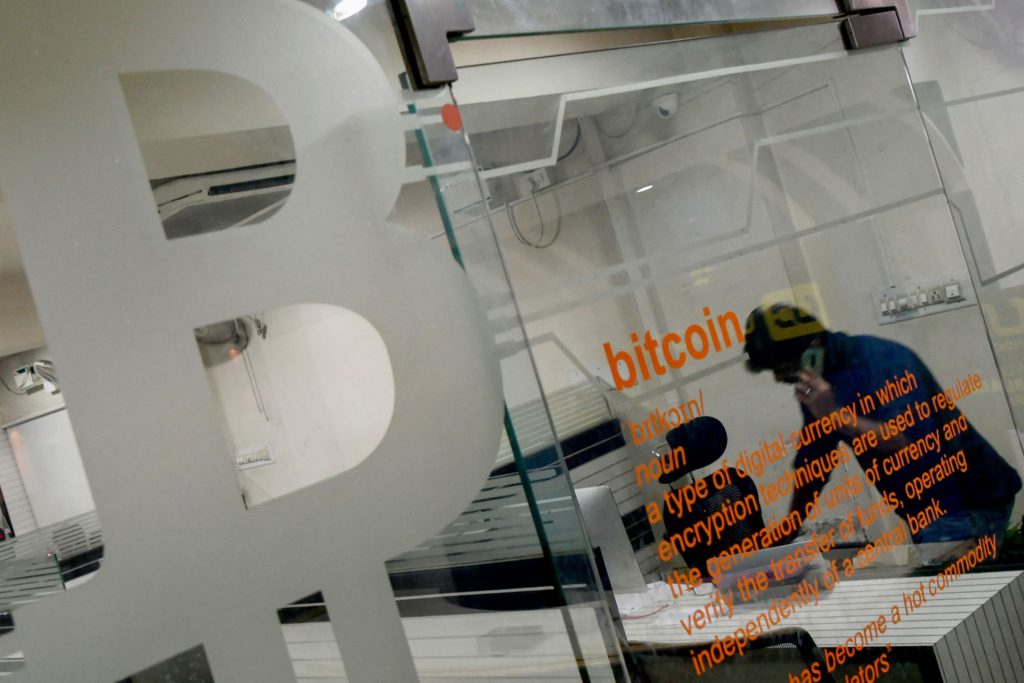
(Bloomberg) — When India’s government unveiled a plan to tax crypto assets in February, it was the 30% rate on income from digital-asset investments that grabbed headlines. But it’s a different levy that has the industry warning of a potentially destabilizing liquidity crunch. 

Along with the capital gains charge, the finance ministry announced a 1% tax deductible at source, or TDS, on all digital-asset transfers above a certain size, starting July 1. No other country imposes such a tax on crypto, according to Anoush Bhasin, founder of crypto asset tax advisory firm Quagmire Consulting. 

Crypto-exchange executives, lawyers and tax analysts warn that the TDS will suck liquidity out of the market by forcing high-frequency traders to dramatically curtail their trading. Combined with the government’s decision not to permit offsetting of trading losses in digital assets, it threatens to accelerate an exodus of crypto companies and workers from India, they say.

India Bans Offsetting Loss on One Crypto With Gain From Another 

Nischal Shetty, chief executive officer of WazirX, India’s biggest crypto exchange, called the TDS “the worst-case scenario for the industry.”

“There will be no liquidity left in the markets,” said Manhar Garegrat, executive director of policy at crypto exchange CoinDCX. “Trades placed by buyers will not get executed as efficiently as they do today, and such inefficiency will eventually dwindle the whole ecosystem.” 

Bleeding Talent

The tax package and the ban on offsetting losses — which only applies to crypto — represents the latest salvo by a government that still hasn’t clearly stated that it will allow cryptocurrencies. India, with an estimated 15 million active crypto users, has been stuck in regulatory limbo since the Supreme Court in 2020 overturned a central bank directive banning regulated entities from working with digital-assets companies.

Sandeep Nailwal, the co-founder of Indian blockchain startup Polygon, warned this month that thousands of developers, investors and entrepreneurs are decamping for more crypto-friendly destinations as a result of the uncertainty. 

Crypto Brain Drain Is ‘Crazy’ in India, Polygon Co-Founder Says

When the government first unveiled the crypto levies, the announcement was met with relief because it was interpreted as a sign that there wouldn’t be an outright ban on cryptocurrency trading. That changed as the industry digested the details of the TDS.  

Under the new regime, the buyer of a crypto asset must deduct the 1% TDS on behalf of the seller if a transaction exceeds 10,000 rupees (about $132). Smaller trades would also be taxed if they top a cumulative 50,000 rupees in a financial year, according to Bhasin.   

Investors will be entitled to a refund if the total amount set aside for TDS during a fiscal year exceeds their overall tax liability for the period.

Capital Gets Choked

When done over a centralized exchange, it’s the bourse’s responsibility to deduct the TDS for a trade, Bhasin said. On a decentralized trading platform where the buyer and seller interact without an intermediary, people typically trade anonymously, which makes collecting TDS complicated. 

While a capital gains tax reduces the appeal of crypto for investors, the TDS poses a threat to the very underpinnings of the market, critics say. India doesn’t impose such a levy on stock trading. 

The typical high-frequency trader could see 60% of their capital blocked for TDS payments after just 100 trades, estimates Garegrat, who is also a member of India’s Blockchain and Crypto Assets Council.

“The way the tax has been worked out will lead to people moving out of the country,” said Dinesh Kanabar, CEO of Dhruva Advisors, a tax and regulatory advisory firm.

Speaking in the Lower House of Parliament on March 25, Finance Minister Nirmala Sitharaman said the TDS will allow the government to track transactions and doesn’t represent an additional levy. But executives and experts counter that if that’s the sole intention, it could have been accomplished just as well with a much smaller rate without disrupting trading. 

Like with decentralized exchanges, enforcing the TDS system will be almost impossible when it comes to offshore trading platforms, Garegrat said. So the tax will mainly serve to push trading off the locally-based exchanges over which the Indian government has the most visibility, he added. 

The system gets even more onerous for traders in crypto pairs, like Bitcoin/Ether, according to Quagmire’s Bhasin. That’s because each trade involves two separate transactions — for example, buying Bitcoin from one counterparty, then selling it and purchasing Ether from another. 

“At one stage you will liable to lose 1% because you are selling BTC and at the next step you will be liable to deduct 1% TDS because you are buying ETH from another seller,” he said. “The accounting will be super crazy for this.” 

More stories like this are available on bloomberg.com

©2022 Bloomberg L.P.
Wall Street’s Slashed Prices Reflect New Reality for China Tech

(Bloomberg) — After years of breakneck growth that catapulted Chinese tech firms into stock market giants, a number of strategists are coming to terms with the new reality of a sector beset by slower expansion and lower earnings. 

Morgan Stanley has lowered target prices for tech firms including Alibaba Group Holding Ltd. and Tencent Holdings Ltd., while China International Capital Corp. said this week it assumes zero valuation for some tech investments in 2022. JPMorgan Chase & Co. slashed its target prices across China tech last month, some by more than a half, after changing their valuation model.  

The simmering changes in models and thinking are a reflection of the challenging environment facing the industry, as regulatory risks and Covid-19 disruptions make it increasingly difficult to determine fair value. It’s a new normal that the firms themselves are embracing. After reporting the slowest pace of quarterly growth on record, Tencent acknowledged a “new industry paradigm” where reckless growth is no longer feasible.   

Read: Tencent Declares ‘Reckless’ Tech Era Over as Growth Tanks  

“We are hearing a common theme from key players in the Chinese internet sector of shifting to a more prudent strategy when it comes to investing in new growth areas and pulling back to focus closer to the core business,” said Ramiz Chelat, portfolio manager at Vontobel Asset Management. “We are more constructive on companies that have already displayed investment discipline,” than those that are intending to, Chelat added. 

The Hang Seng Tech Index, which tracks some of China’s biggest tech firms, recorded a fifth straight quarterly loss, shedding almost 20% in the three months through March. Their peers trading on American exchanges fell by a similar extent. 

The losses came despite a mid-March pledge by the Chinese government to stabilize markets and end more than a yearlong crackdown on private enterprise. Limited progress in negotiations between Beijing and Washington over auditing China firms is also a concern, raising the risk of delisting from U.S. exchanges.

On Friday, Bloomberg reported that in what would be a rare concession, Chinese authorities were preparing to give U.S. regulators full access to auditing reports of the majority of the 200-plus companies listed in New York as soon as mid-this year.

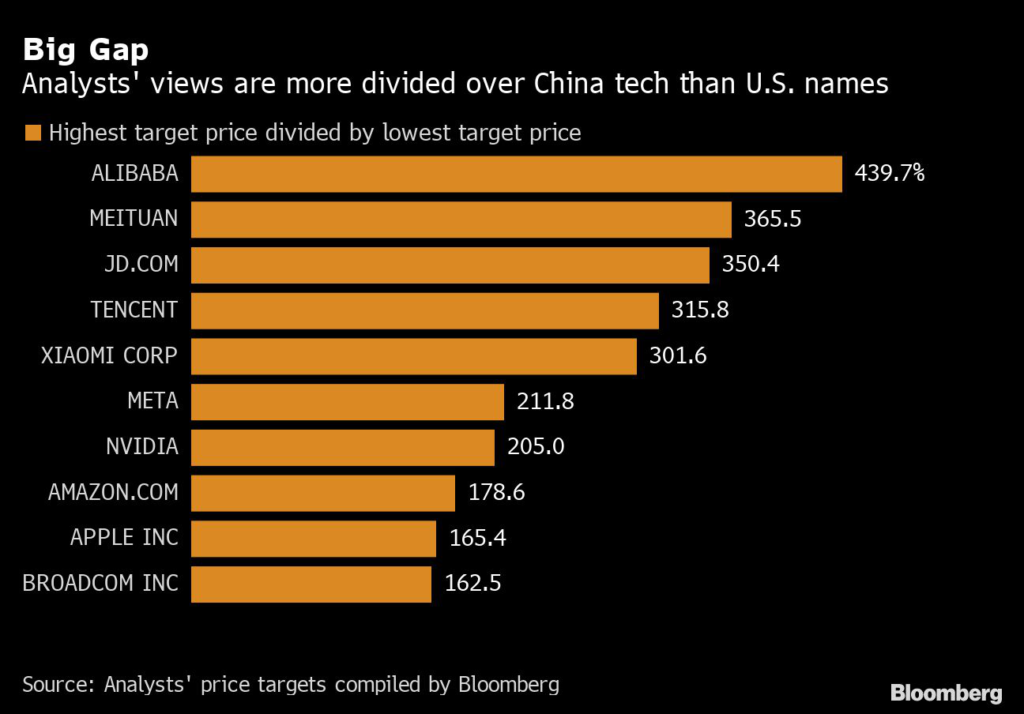
To be sure, a majority of analysts still hold aggressive 12-month targets based on longer-term optimism and as prices remain far below a February 2021 peak. Only two of the 63 analysts tracked by Bloomberg rated delivery behemoth Meituan a sell, while its average target price is 52% higher than its last trading level.

Drilling Down

The vast divergence in target prices for tech stems from different valuation approaches. 

Under what’s called the sum-of-the-parts (SOTP) method, which adds up the market value of various business units, Morgan Stanley says it would put Alibaba’s U.S. stock price target at $360, their earlier bull case. That figure has now been trimmed to $220 when backing out the value of non-core business, such as Taobao Deals.

A more prudent and preferred methodology for the brokerage is using a discounted cash flow method (DCF), which values the stock at $140. On Thursday, its U.S. shares closed at $108.80.

“Right now, the price targets we are having across the board are very easy to achieve in the DCF model by giving it a discount because we sit at so much risk associated,” said Manuel Muehl, analyst at DZ Bank AG, who is one of the three analysts rating Tencent a sell. He called it “unrealistic” for bullish analysts to avoid pricing in political risks. 

JPMorgan switched to adopt price-to-earnings multiples, which focuses more on earnings growth and compares with industry peers, from SOTP methods in assessing most tech giants as they cited a “regime shift.” 

“While shares of these Chinese tech firms may be bottoming out, we are not seeing any new growth catalysts,” said Andy Wong, fund manager at LW Asset Management Advisors Ltd. in Hong Kong, whose fund trimmed down their China exposure last July. “What we have been waiting to see are changes in business models to work with the regulatory new normal, but we don’t see much in sight.”

More stories like this are available on bloomberg.com

©2022 Bloomberg L.P.
Microsoft Hires Ex-Seattle Police Chief Best for Security Role

(Bloomberg) — Microsoft Corp. has hired former Seattle police chief Carmen Best as director of global security risk operations.

Best will be in charge of the Redmond, Washington-based company’s “global virtual security operations team, intelligence, executive threat intel, special asset security, event security, travel security, security risk operations, security program management office,” she wrote on LinkedIn. She also serves on the artificial intelligence ethics board of policing technology company Axon Enterprise Inc. 

A 28-year veteran of the Seattle police force, Best became the first Black woman to serve as chief in 2018 but left in 2020 amid cuts to the department and controversy over its handling of protests following the murder of George Floyd. Additional concerns have been raised about missing text messages from Best’s phone covering key periods during the protests and her comments that she periodically deleted messages from the device.  The hire was reported earlier by GeekWire. 

More stories like this are available on bloomberg.com

©2022 Bloomberg L.P.

Pandemic Recovery Stocks a Good Bet, Causeway’s Ketterer Says

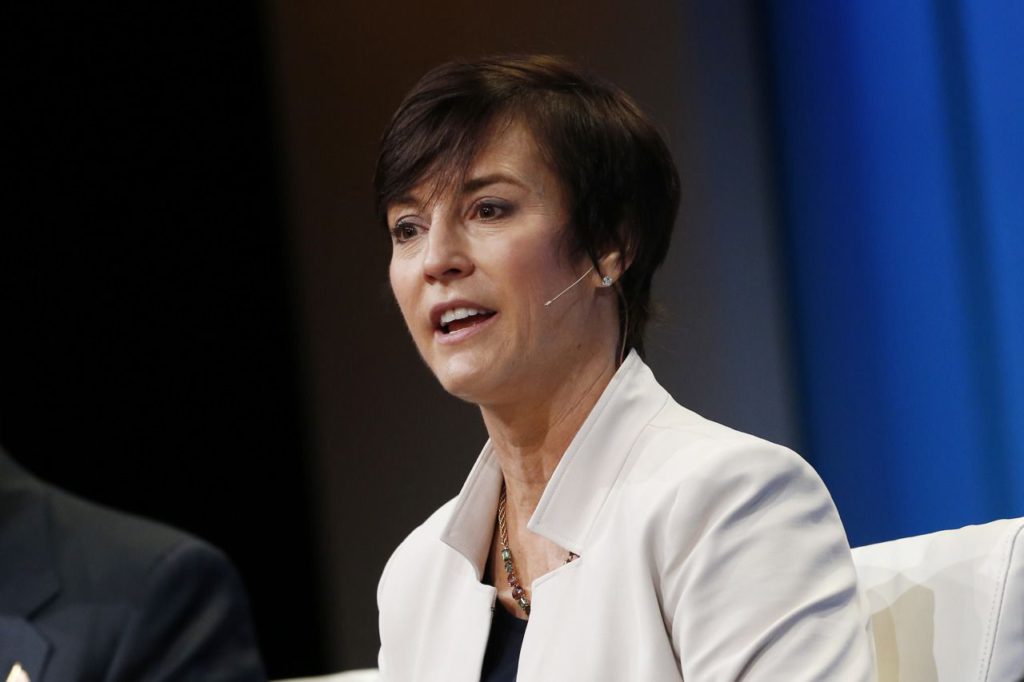
(Bloomberg) — It’s still a good time to buy stocks that benefit from a pandemic recovery, such as airline and travel companies, according to Sarah Ketterer, chief executive officer of Causeway Capital Management.

Investments with upside that have been held down by the prolonged Covid-19 outbreak and Russia’s invasion of Ukraine include Google parent Alphabet Inc. and Ryanair Holdings Plc, Europe’s biggest discount airline, she said during an interview Friday with David Westin on Bloomberg Television’s “Wall Street Week.”  

“Alphabet is interesting to us, because some of their ads are related to travel and leisure and we see that recovering,” Ketterer said. “These are opportunities for investors, because we can’t assume that invasions last forever and this pandemic is thankfully dissipating.”

Stocks rallied this week, recovering some of the ground lost so far in 2022, while bonds flashed a key recession warning sign as rates of short-term Treasuries exceeded longer-term debt in what’s known as a yield-curve inversion. 

Bond yields surged as a strong jobs report bolstered the Federal Reserve’s case to use aggressive interest rate hikes to attack inflation.

Liz Ann Sonders, chief investment strategist for Charles Schwab & Co., warned that earnings growth is likely to narrow as the Fed hits the economic brakes and labor and other costs rise.

“I think we’re on the cusp of a more difficult period,” she said on “Wall Street Week.”

More stories like this are available on bloomberg.com

©2022 Bloomberg L.P.
Toyota Bests GM Again in Latest U.S. Tally: Auto Sales Update

(Bloomberg) — Automakers’ struggles with supply-chain issues continued in the first quarter as all major producers that reported sales posted steep declines in the period. General Motors Co., which lost the U.S. sales crown last year, once again finished behind Toyota Motor Corp. 

Semiconductor shortages and pandemic upheaval still weigh on the industry, which now confronts additional challenges related to the war in Ukraine, volatile fuel prices and hard-to-find materials for batteries and other components. That’s upending production and leaving dealer lots barren across the U.S.

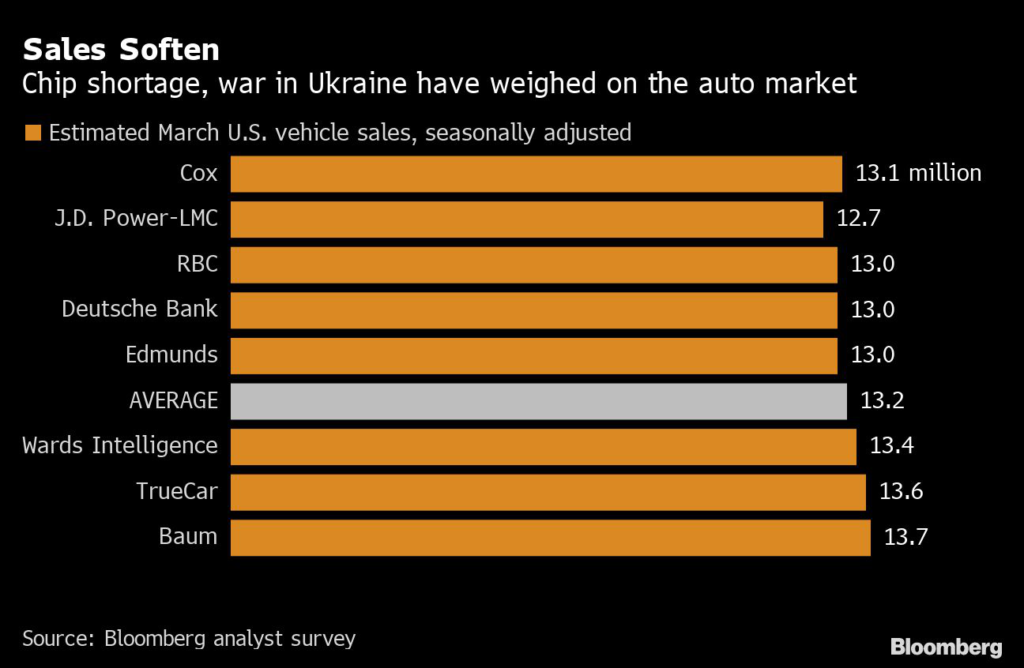
Automakers likely sold a seasonally adjusted annual rate of about 13.2 million new vehicles in March, down 26% from a year earlier, according to the average forecast of eight market researchers surveyed by Bloomberg.

The impact of the challenges became clearer Friday as major automakers began reporting U.S. sales for the year-to-date. Tesla Inc., which reports global deliveries, and Ford Motor Co. will also announce in the coming days.

Toyota, which overtook GM in the last quarter of 2021 as the No. 1 seller in the U.S., retained its crown in early 2022 based on the initial reports. It was buoyed by more inventory, fewer trim options and a heavy reliance on hybrid models. Consumers have flocked to hybrids and electric vehicles amid soaring gas prices.

Read more: Toyota Poised for Sales Victory Lap as Gas Prices Boost Hybrids

Whether buyers can actually get what they’re looking for is another question. Many manufacturers have had to slow output due to supply-chain issues, meaning consumers have to wait longer for their preferred vehicle model, pay higher prices or buy something else entirely.

GM’s Sales Sink

General Motors posted a 20% drop in sales to 512,846 cars and trucks, losing out to rival Toyota for a second consecutive quarter — albeit by less than 2,000 vehicles. Sales of its priciest pickups and SUVs were up, as it directed supplies of semiconductors to those high-profit vehicles. The Chevy Silverado HD trucks rose 11%, the heavy-duty version of its GMC Sierra pickup gained 12% and the blingy Cadillac Escalade climbed 6.7%.

Toyota Highlights Hybrids

The Japanese automaker saw sales in the first three months drop 15% to 514,592 vehicles, reflecting constraints on production due to the chip shortage. Hybrid gas-electric models, which now make up more than a quarter of Toyota’s sales, dipped only 3.9% as the automaker prioritized those vehicles for scarce chips. Sales of hybrid versions of the brand’s top selling vehicle — the RAV4 compact SUV — rose by double digits in the quarter. 

Stellantis Stems Decline

Transatlantic automaker Stellantis NV said its sales fell 14% in the first quarter, which was better than the decline of the rest of the industry. The Jeep brand helped keep sales from falling further with even volume compared to the same quarter a year ago. The Ram pickup boasted deliveries of 127,116 vehicles, down 15% but more than GM’s Silverado in the quarter.

Hyundai’s Retail Record

Retail was red hot for the Korean automaker, with U.S. sales up 1.4% to a record 159,676 vehicles, even as overall sales for the brand fell 4%. Hyundai attributed the drop to its decision to stop fleet sales to rental car companies and other businesses, a move designed to save semiconductors for its more profitable retail channel. Standouts included its Tucson compact SUV and Venue subcompact SUV models. 

Honda’s CR-V Slide

Sales at Honda declined 23% in the quarter to 266,418 vehicles, with deliveries of its best-selling CR-V compact SUV down 38%. But it’s also benefiting from higher demand for its hybrid models, hitting a monthly sales record for those models in March.

Nissan’s Leaf Lift

Nissan’s sales fell almost 30% to 201,081 units in the first three months and its Infiniti luxury brand was hit particularly hard, down 41%. One bright spot: the Leaf EV, which saw a 49% jump. 

More stories like this are available on bloomberg.com

©2022 Bloomberg L.P.
Tomorrow’s Central Bankers Need to Think Like MBA Students

(Bloomberg) — After an extraordinary series of global supply chain snags caused by the pandemic, the next generation of central bankers is taking a page from the business school play book, learning how the market reacts to bottlenecks and what monetary policy can do to help.

The educational shift, seen recently at a masters program in Malaysia for young policy makers, underscores how the flow of goods has become key to understanding the way two years of supply chain snarls helped drive consumer prices to their fastest in decades. 

Read more: Global Supply Lines Brace for ‘Menacing’ Economic Costs to Widen

As part of the course, set up by the Asia School of Business with backing from the Massachusetts Institute of Technology, students play the Root Beer Game, a version of the decades-old classic in MBA programs that helps illustrate supply and demand signals and dynamics, from producers down to consumers. 

Young officials played alongside students from the business school, allowing them an opportunity to simulate how the flow of goods impacts monetary policy decision making.

“It corresponds to what happens in the real world,” said Vipichbolreach Long, of the National Bank of Cambodia, who played the role of a retailer. “We can see the chaos in the supply chain with manufacturers and wholesalers confused when the signal from downstream was unclear, and what that means for monetary policy transmission,” Long said.

There’s been no shortage of teachable moments on the course as the pandemic forced central banks to unleash trillions of dollars worth of unprecedented support for governments, households and companies as the world economy froze. 

How that stimulus, which helped drive a surge in demand, collided with supply chain issues surprised policy makers globally, including at the Federal Reserve. Initial predictions by policy makers that price pressures caused by supply shortages would prove transitory have fallen flat.

Move Earlier

Chair Jerome Powell, testifying before Congress last month acknowledged that, in hindsight, if the Fed understood how the pandemic-induced bottlenecks would collide with strong demand “it would have been appropriate to move earlier” in normalizing policy.

That’s among lessons policy makers from Asia, as well as Saudi Arabia, Sudan and the Maldives, are learning in the full-time, one-year residential course for a Masters of Central Banking, which includes a six week program at MIT. The fee of 365,000 ringgit ($86,700) includes accommodation in Kuala Lumpur and travel to Washington, New York and Cambridge, Massachusetts.

While flooding their economies with money helped to drive a quick recovery, the monetary policy binge will leave a legacy that future central bankers will be dealing with for years to come. House prices and stock markets have soared through the pandemic, fueling concerns over widening inequality, and leaving officials with the challenge of raising rates without crashing the recovery.

The exercise comes as policy makers the world over are scrambling to work out what, if anything, central banks can do in response to supply driven inflation. Eli Remolona, who runs the course, said the root beer exercise offers lessons on how lag effects work and how hard it can be to predict the way policy impacts the economy.

Read more: MIT’s ‘Beer Game’ Shows Humans Are Weakest Link in Supply Chain

“We leverage on the pandemic and how central banks have responded,” said Remolona, who formerly was chief Asia-Pacific representative at the Bank for International Settlements and also had a long career at the Federal Reserve Bank of New York.

In another assignment away from their text books, the young officials are given the opportunity to critique press conferences given by the Fed’s Powell and his European Central Bank counterpart, Christine Lagarde, in order to hone their own communication skills. It’s especially important to monitor the likes of the Fed and ECB given their policy moves eventually spill over to emerging market economies, said Arlene Aguinaldo of Bangko Sentral ng Pilipinas.

“It does make us appreciate how difficult it is to communicate well” on monetary policy, she said. 

Better Equipped

The curriculum covers topics that include crisis prevention, behavioral finance, cybersecurity, digital currencies and ethics. Advisers to the course span the world of central banking such as Zeti Aziz, former governor of Bank Negara Malaysia, Robert Merton, MIT academic and Nobel Laureate in economics.

Students interviewed for this article, who spoke in a personal capacity and were not representing their central banks, said the program allows them to hear from world leading economists and former policy makers while at the same time network with peers from emerging economy central banks.

“We cannot give a guarantee we’ll prevent the next crisis,” said Yi Duan Ho, of Bank Negara Malaysia. “But we are better equipped to go through it.”

More stories like this are available on bloomberg.com

©2022 Bloomberg L.P.
Close Bitnami banner
Bitnami