Bloomberg

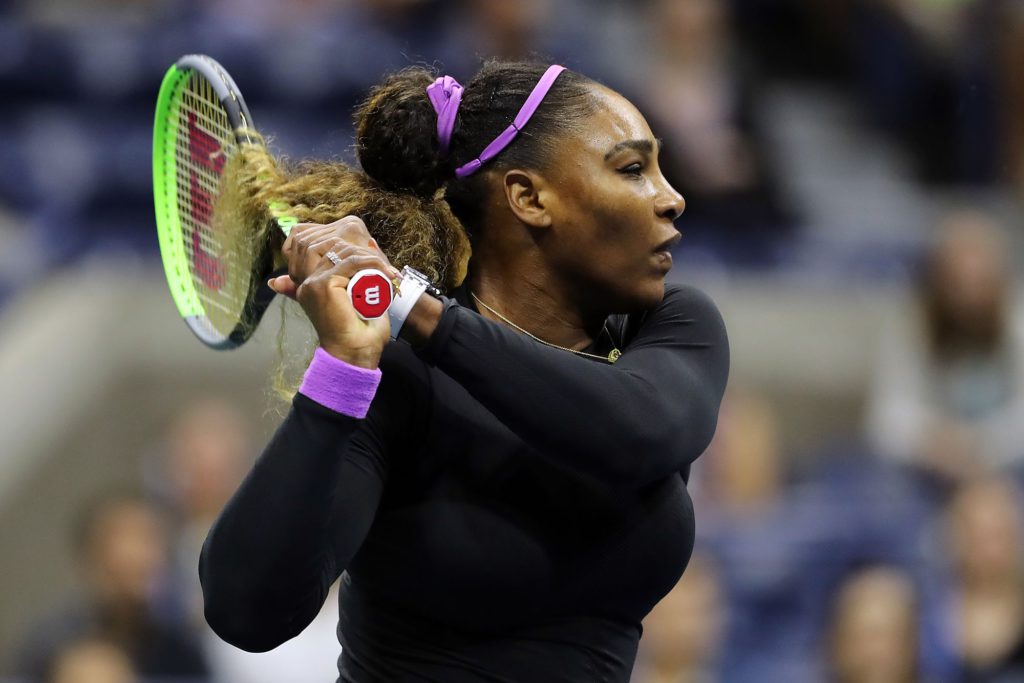
Serena Williams’s Venture Capital Fund Raises $111 Million

(Bloomberg) — Tennis great Serena Williams has raised $111 million for an early stage venture capital fund with a focus on diversity, the firm said Tuesday.

About three-quarters of the companies backed by Serena Ventures LLC are led by founders from under-represented communities, the firm has said. Founded in 2014, it currently has a portfolio of about 60 startups, according to the New York Times, which reported the news earlier Tuesday.

The firm has leaned into crypto, investing in NFT marketplace Bitski and Bitcoin rewards application Lolli. Last month, Serena Ventures said it had invested in Nestcoin, a Nigeria-based web3 startup aiming to make cryptocurrency more accessible. Also last month Williams’s husband, the Reddit co-founder Alexis Ohanian, unveiled a $510 million crypto-focused fund at his own venture capital firm.

Other investments for Serena Ventures include the financial-tech company Esusu and online course platform MasterClass, where Williams has also taught classes.

More stories like this are available on bloomberg.com

©2022 Bloomberg L.P.

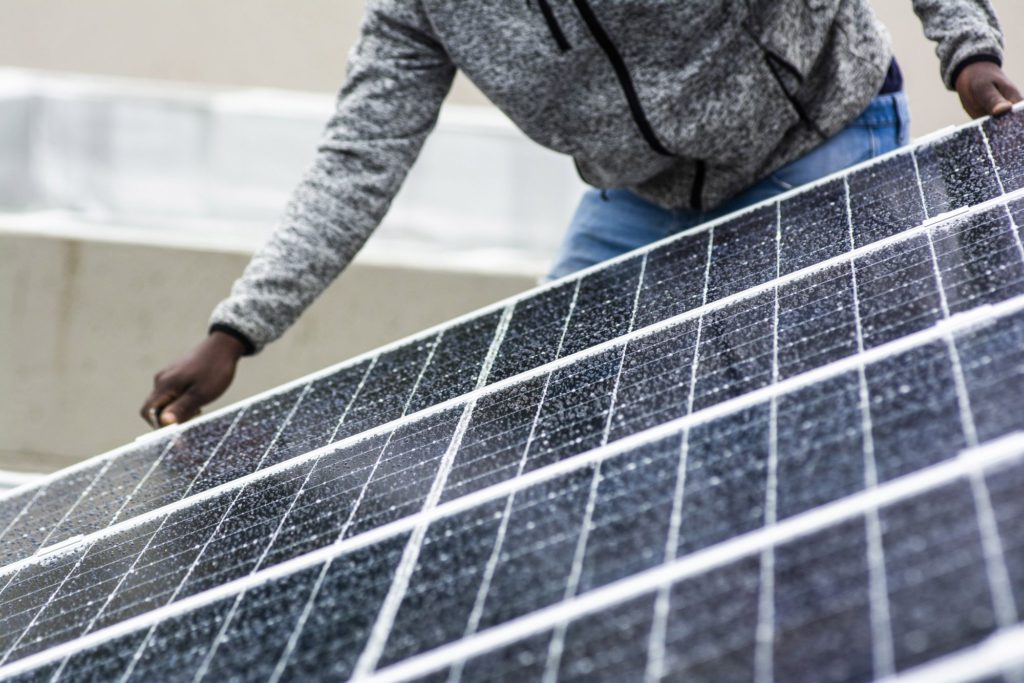
Asset-Financing Fintech M-Kopa Raises $75 Million For Expansion

(Bloomberg) — M-Kopa Holdings raised $75 million in growth equity after a funding round led by Generation Investment Management LLP and Broadscale Group LLC.

The capital injection, with money from new investors including LocalGlobe LLP’s Latitude Fund and HEPCO Capital Management LLC, brings M-Kopa’s total equity funding to $190 million, according to an emailed statement. Existing investors CDC Group Plc and LGT Lightrock also participated.

The company has operations in Kenya, Uganda, Nigeria and Ghana, and plans to enter other markets. M-Kopa will also expand its payments model beyond asset financing to include health insurance, cash loans and buy-now-pay-later merchant partnerships. It targets to reach 10 million customers in the coming years from two million, it said.

M-Kopa started in 2011 as a retailer of solar-powered electrical equipment on micro-payment terms. In sub-Saharan Africa, where 85% of the population survives on $5.50 per adult daily, access to credit is limited for under-banked, offline and hard-to-reach consumers, M-Kopa said.

“The company’s rapid customer growth demonstrates the massive unmet demand in this sector,” said Broadscale’s managing partner, Andrew Shapiro.

Investors have shown more interest in African technology enterprises since 2021 when startups on the continent raised a record $5 billion.

More stories like this are available on bloomberg.com

©2022 Bloomberg L.P.

Supply Chain Snarls Dent Norway’s Electric Vehicle Advance

(Bloomberg) — Delivery and production challenges hit new car sales in Norway last month, hampering the goal to remove new fossil-fuel vehicles from car dealerships by 2025.

First-time car registrations fell by 24% in February from a year earlier, with the emission-free share dropping to about 76% from 84% in January, according to data compiled by the Norwegian Information Council for Road Traffic. Still, that’s up from a market share for EV’s of 48% in the same month last year.

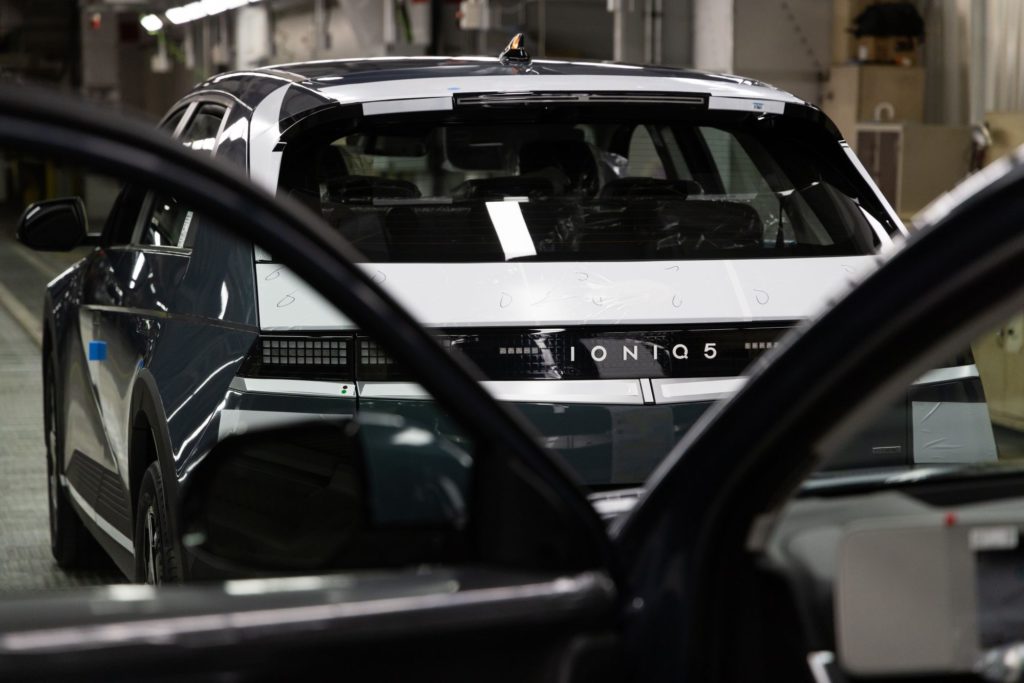
A shortage of semiconductors for car production was behind the decline, while challenges finding space on car-carrying ships added to the drop, the council said. The Hyundai IONIQ 5 was the most popular model for the month, followed by the BMW iX and the Audi Q e-tron. About 9.4% of all new cars sold ran purely on petrol or diesel, while 15% were hybrids. 

Read more: EV Sales Hit Record in Norway With Fossil Engines Soon Gone

More stories like this are available on bloomberg.com

©2022 Bloomberg L.P.

Australian PM Morrison Infected; Hong Kong Deaths: Virus Update

(Bloomberg) — Hong Kong’s Covid-19 fatality rate is now the highest in the developed world amid a wave of deaths among its under-vaccinated elderly population, ramping up pressure on officials to get the outbreak under control.

The banking regulator in Hong Kong is lobbying the government to shorten the strict hotel quarantine placed on incoming travelers, seeking to reduce the hotel quarantine to seven days, followed by another week of isolation from home.

Hong Kong plans a lockdown to underpin a mandatory Covid-19 testing drive this month, according to local media. Japan ended a ban on new entry by foreigners and eased quarantine rules.

Key Developments:

  • Virus Tracker: Cases exceed 437 million; deaths top 5.9 million
  • Vaccine Tracker: More than 10.8 billion doses administered
  • Coronavirus Daily: Are you ready for normal life?
  • Hong Kong’s isolation plan crumbles as infections soar
  • Hong Kong deaths among worst on at-risk elderly

Australia PM Morrison Has Covid (10:25 a.m. NY)

Australian Prime Minister Scott Morrison has tested positive for Covid-19, he said on social media. “I am experiencing flu-like symptoms and will be recovering over the next week,” Morrison said. He is isolating at home in Sydney.

Lobbying for Shorter Quarantine (5:35 p.m. HK)

Hong Kong’s banking regulator told finance executives in recent weeks that it’s lobbying the government to shorten the strict hotel quarantine placed on incoming travelers as it seeks to prop up confidence in the city’s status as a financial hub. 

Hong Kong Monetary Authority told a group of banks that it will start engaging with the government to reduce the hotel quarantine to 7 days from 14 days, followed by another week of isolation from home, said people familiar with the talks, asking not to be identified because the meetings were private.

Hong Kong’s Record Death Rate (4:46 p.m. HK)

Hong Kong’s Covid-19 fatality rate is now the highest in the developed world. The financial hub averaged eight deaths per 1 million people in the 10 days through Monday, the most among advanced economies, according to Bloomberg calculations based on Johns Hopkins University data. 

Hong Kong reported a record of 117 new deaths Tuesday. Most of the fatalities during the current wave have been elderly people, and 91% of those who died weren’t double vaccinated, according to government data released Sunday. 

Singapore Cases at Highest in a Week (10:30 a.m. NY)

Singapore’s new local Covid cases increased to the highest level in a week, according to the Ministry of Health’s data. The number of new local infections, including those detected through rapid testings, rose to 23,891 as of noon time on Tuesday, from 13,450 on Monday.  

Tuesdays tend to be Singapore’s biggest caseload each week, owing in part to weekend catch-ups and people testing at the start of the week. The past two weeks have seen cases drop before a Tuesday spike, delaying a potential reopening.

The city-state plans to substantially ease restrictions once the current wave peaks.

Japan Opens to Newcomers (2:23 p.m. HK)

Japan ended a ban on new entry by foreigners and eased quarantine rules as of Tuesday.

New foreign entrants except for tourists will be admitted, with a cap of 5,000 arrivals a day, from 3,500. Japan also scrapped the quarantine period for those who have had a booster shot and have entered from countries unlisted by the government, and lowered it to three days for those who came from places on the list.

U.S. Warns on Travel to Vietnam (1:39 p.m. HK)

The U.S. State Department raised its travel advisory for Vietnam to the highest level in response to recent surges in Covid-19 infections. Vietnam is ranked as level 4, which means Americans should avoid all travel there, according to a statement. Vietnam on Monday reported 94,385 new cases.

China Health Expert Sees Opening Up (11:38 a.m. HK)

One of China’s top health experts raised the possibility that China could follow western nations and attempt to live with Covid-19, a rarely voiced view in the country as it persists with its Covid-Zero strategy.

“At an appropriate timing in the near future, China will surely present its version of the roadmap for co-existing with the virus,” Zeng Guang, former chief epidemiologist of Chinese Center for Disease Control and Prevention, said on his social media account. 

Virus Fears Wane, NYT Says (10:29 a.m. HK)

Americans are less worried about catching and spreading Covid-19 compared with six months ago, according to a new poll by The Associated Press-NORC Center for Public Affairs Research, the New York Times reported.

Support is also decreasing for mask mandates, which are easing across much of the U.S., the poll found, according to the NYT.

Hong Kong Weighs Public Transport Halt (10:04 a.m. HK)

Hong Kong is weighing whether to halt public transport during a lockdown or allow residents who test negative with rapid screening kits to leave their homes, the South China Morning Post reported, citing unidentified people.

The government is considering a number of options about the lockdown, including whether it should be citywide or done on a rolling basis, according to the report.

Thailand Cuts Second Visitor Test (9:06 a.m. HK)

Vaccinated foreign visitors to Thailand will no longer be required to take a second RT-PCR test after arrival from Tuesday as the nation woos tourists. The insurance requirement for Thai visas has also been lowered to $20,000 from $50,000.

From Tuesday, authorities will start distributing free rapid antigen test kits through 2,000 centers nationwide amid a health ministry warning that daily cases could spike to 100,000 by mid-April. New infections fell to 20,420 on Tuesday.

Malaysia to Exempt Some Travelers From Test (8:29 a.m. HK)

Malaysia will relax coronavirus testing requirements for some travelers starting Thursday, Health Minister Khairy Jamaluddin said in a statement.

The exemption applies to those arriving in Malaysia via the vaccinated travel lane with Singapore, the Langkawi travel bubble, and short-term business travel via one-stop centers, he said.

More stories like this are available on bloomberg.com

©2022 Bloomberg L.P.

U.S. Manufacturing Growth Firms on Stronger Orders, Output

(Bloomberg) — U.S. manufacturing activity advanced in February after an omicron-related setback a month earlier, as new orders growth and production accelerated.

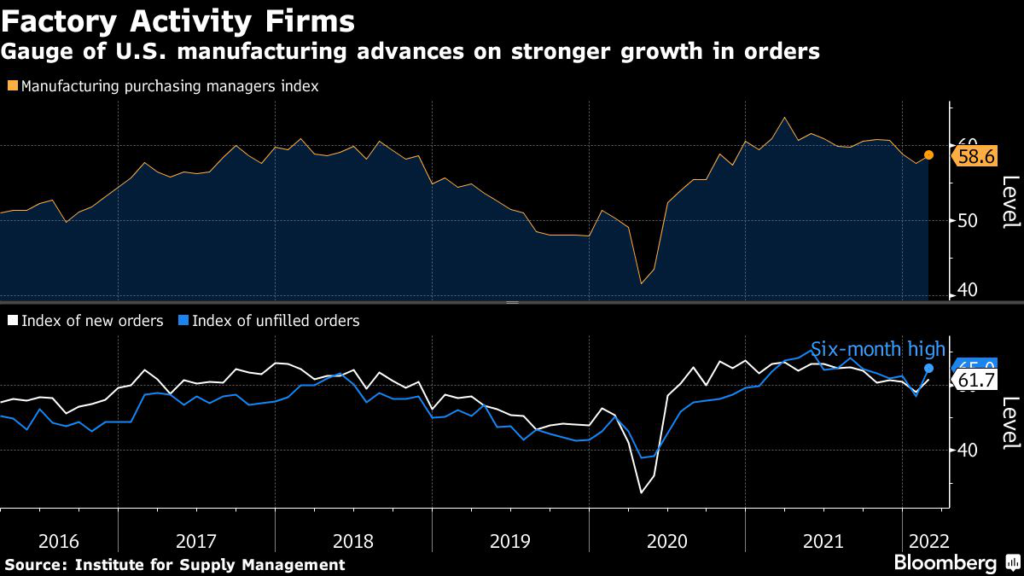
The Institute for Supply Management’s gauge of factory activity increased to 58.6 from 57.6 in January, according to data released Tuesday. Readings above 50 indicate expansion. The median projection in a Bloomberg survey of economists called for the measure to improve to 58.

ISM’s new orders measure advanced nearly four points to a five-month high of 61.7 following Covid-19 related softness in January. While production improved, the data highlight how manufacturers are still struggling to keep up with demand for consumer merchandise and business equipment.

The group’s gauge of order backlogs jumped by 8.6 points, the most in 11 years, while supplier delivery times slowed further.

Average lead times in February set record highs in all three categories. For materials used in the production process they climbed to 97 days. Lead times for capital equipment grew to 173 days and for supplies used in maintenance, repairs and operations they rose to 50 days.

“The U.S. manufacturing sector remains in a demand-driven, supply chain-constrained environment,” Timothy Fiore, chair of ISM’s Manufacturing Business Survey Committee, said in a statement. The omicron variant “remained an impact in February; however, there were signs of relief, with recovery expected in March.”

Sixteen manufacturing industries reported growth in February, led by apparel, textiles, paper and transportation equipment.

A measure of prices paid by producers eased from the prior month but may soon move higher as the cost of commodities including crude oil jump with Russia’s invasion of Ukraine. Many manufacturers have passed along higher costs for both materials and labor to consumers, helping to fuel the fastest inflation in decades.

Select ISM Industry Comments

“Electronic supply chain is still a mess.” – Computer & Electronic Products

“Demand for transportation equipment remains strong. Supply of transportation services continues to be a major issue for the supply chain.” – Transportation Equipment

“Coupled with the continuing difficulties in procurement of ocean freight, operational planning and managing costs are our biggest challenges.” – Food, Beverage & Tobacco Products

“Demand for steel products has increased to historic levels, driven by the automotive and energy industries.” – Fabricated Metal Products

“In the automotive area, the microchip shortage is causing slowness in growth.” – Machinery

“We are expecting a year of strong demand, higher prices and continued supply chain challenges.” – Textile Mills

“Production has been more consistent due to availability of parts, but we are not able to increase builds to cut into the backlog.” – Electrical Equipment & Appliances

“Business is still strong. Facing logistics and raw material supply chain issues with some products.” – Plastics & Rubber

The ISM employment index declined to its lowest level since October, though continued to indicate hiring growth in the sector. The government’s monthly jobs report, out Friday, is expected to show manufacturing payrolls increased by 24,000 in February.

Meantime, the group’s gauge of export orders jumped to a one-year high of 57.1, while a measure of imports picked up.

(Adds average delivery times)

More stories like this are available on bloomberg.com

©2022 Bloomberg L.P.
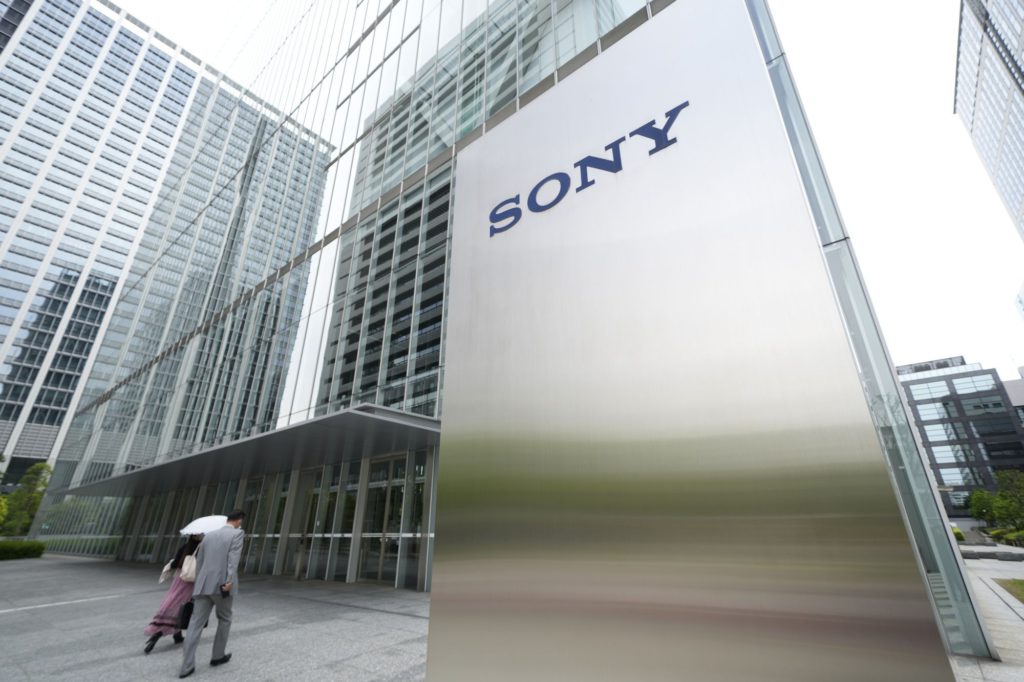
Sony Merges Anime Franchises Under Crunchyroll Brand

(Bloomberg) — Sony Group Corp. is consolidating its anime offerings under the Crunchyroll brand, seven months after acquiring the streaming service from AT&T Inc. for $1.2 billion.

Crunchyroll and Sony’s Funimation are the go-to streaming services for Western anime fans. The two brands will be merged into a single subscription, giving Crunchyroll subscribers access to Funimation’s previously exclusive library, with pricing plans ranging from $7.99 to $14.99 a month, Sony said in a statement on Tuesday. The prices are unchanged from Crunchyroll’s current offerings.

The move will help Crunchyroll leverage its understanding of Western anime fans to expand the service at a time of booming interest in Japanese animation. Anime is the third most in-demand TV subgenre globally, according to data from Parrot Analytics. More than 190 anime titles are released every year. Sony made the purchase last year with the aim of broadening distribution for Crunchyroll’s content partners and creating new offerings for anime fans as competition heats up from Netflix Inc., Amazon.com Inc. and Hulu LLC. 

“The new Crunchyroll is the realization of a dream, and we are grateful to the creators of anime and the millions of fans who have joined us in making the community what it is today,” Crunchyroll Chief Executive Officer Colin Decker said in the statement.

More stories like this are available on bloomberg.com

©2022 Bloomberg L.P.
Bets for More Dovish Fed Fuel Daily Reversals in Nasdaq

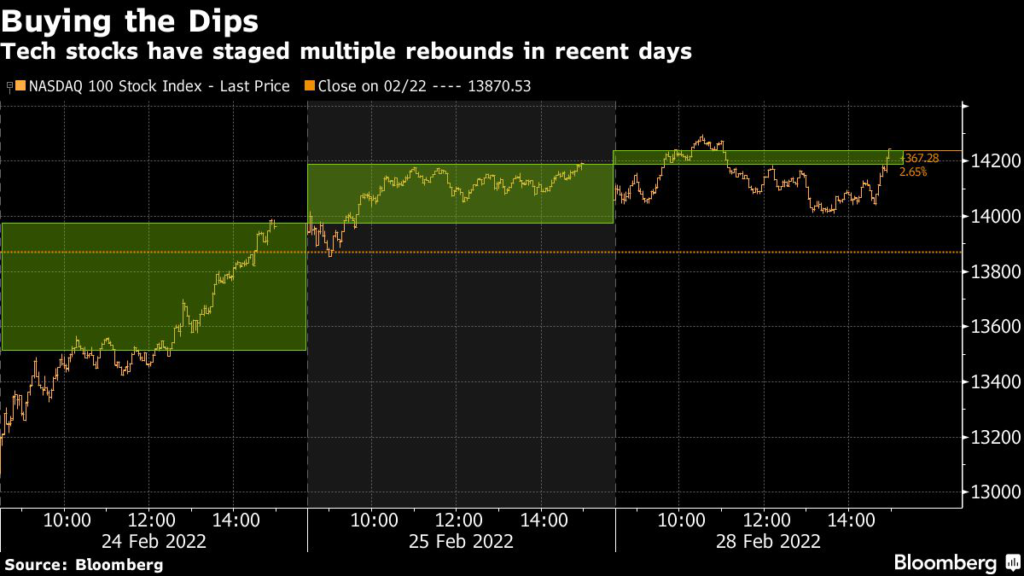
(Bloomberg) — Technology stocks have led the advance in U.S. stocks since Russia’s invasion of Ukraine began, with early declines turning to gains each day. 

The turnarounds reflect a shift in sentiment: While the war may curb growth globally, the conflict also has prompted investors to pare back their expectations for how quickly the Federal Reserve will raise interest rates.

That means a more favorable environment for high-growth stocks such as Palo Alto Networks Inc. and Crowdstrike Holdings Inc. that are valued on future earnings. After the tech-heavy Nasdaq 100 Index’s worst two-month stretch since the pandemic’s onset, investors are stepping in to buy now that valuations have come a down a bit.  

“There’s been real relief on the rate front,” said Leo Grohowski, chief investment officer at BNY Mellon Wealth Management. “We were already seeing a buy-the-dip mentality from weak sentiment in an oversold market, but the idea of a less-aggressive Fed is a main reason for the turnarounds in the Nasdaq.”

On Monday, the Nasdaq 100 fell as much as 1.3% before closing with a gain of 0.3%. More dramatically, Thursday’s session began with a drop of 3.2% that ended with a 3.4% gain, the biggest intraday swing since March 2020.

According to BofA Global Research, “buying of this dip by retail was more aggressive than during other 10% pullbacks post-crisis,” which the firm suggest could be due to a fear of missing out “on what has generally been a continually successful strategy post-crisis.”

The Nasdaq 100 fell 0.2% on Tuesday. Among the biggest components, Apple Inc. rose 0.3% and Alphabet Inc. advanced 0.4%, while Microsoft Corp. slipped 0.1%, Amazon.com Inc. dropped 0.3%, and Meta Platforms Inc. fell 0.6%.

High inflation, supply-chain issues, and slower growth have pulled stocks down from their record levels of recent months, souring investor sentiment so much that any would-be big sellers of tech stocks have already lightened up. The weakness also has brought tech valuations back near their long-term averages. 

“This doesn’t mean that tech will start working right away, but at this point it’s hard to see who is still waiting to sell,” said Sameer Samana, senior global market strategist at Wells Fargo Investment Institute. “We’re back in the ballpark for valuations being reasonable and some names are getting pretty compelling.”

Tech Chart of the Day

Cathie Wood’s ARK Innovation ETF has bounced off lows as rate hike bets have cooled. The poster child for hyper-growth stocks had fallen about 60% from its peak as some of its holdings suffered from the end of the pandemic boom, while others were hurt by concern over higher interest rates.

Top Tech Stories

  • Baidu’s revenue beat estimates after efforts to monetize artificial intelligence technology helped offset losses in ad sales triggered by China’s economic slowdown
  • Washington is expected to lean on major Chinese companies from SMIC to Lenovo to join U.S.-led sanctions against Russia, aiming to cripple the country’s ability to buy key technologies and components
  • Sea Ltd.’s Shopee is pulling out of France, retreating from a major market just months after launching its maiden foray into Europe
  • Networking gear maker Zyxel has stopped shipping from China to Europe by rail, as war in Ukraine threatens to snarl a key land route at the heart of Xi Jinping’s Belt-and-Road initiative
  • Zoom projected sales for the current quarter that fell short of Wall Street’s estimates, ramping up pressure on the software vendor to show it can continue to grow beyond the pandemic boom
  • EV maker Lucid Group fell as much as 15% in U.S. premarket trading after lowering its production target for 2022. The company cited “extraordinary” challenges with logistics and its supply chain


(Updates trading prices, adds comments from BofA Global Research.)

More stories like this are available on bloomberg.com

©2022 Bloomberg L.P.
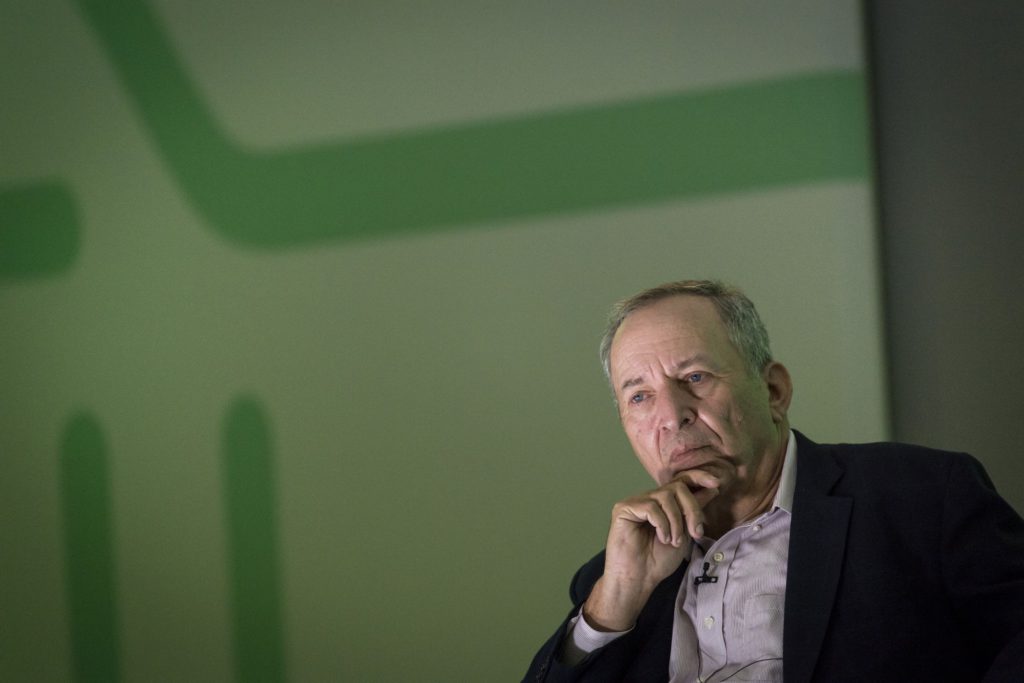
Summers Says ‘More Dangerous World’ Requires an FDR-Like Pivot

(Bloomberg) — Former Treasury Secretary Lawrence Summers urged President Joe Biden to ditch the “usual laundry list of policy proposals” in his State of the Union speech, in favor of a pivot toward grappling with a global environment dramatically altered by Russia’s invasion of Ukraine and its tightening links with China.

In the same way that President Franklin D. Roosevelt pivoted from battling the Great Depression to winning World War II, Biden “needs to shift from being the ‘protect the middle class from the pandemic’ president to being ‘prepare America for the struggle ahead’ president,” Summers told Bloomberg Television’s “Wall Street Week” with David Westin on Friday. He said he was hoping for a “real change in tone.”

“We are looking at an event of potentially vast significance and concern,” Summers said in a follow-up interview Monday, referring to the Russian invasion of Ukraine and the tightening alignment of Russia with China. “Our ability to meet these challenges depends on recognizing them for what they are.”

Biden will need to rally Americans in a great campaign to support the principles of democracy in face of authoritarian threats, said Summers, a paid contributor to Bloomberg Television and a Harvard University professor.

The president delivers his address at 9 p.m. Washington time on Tuesday.

National Endeavor

“The United States faces far graver challenges to its security than anyone would have thought likely even several years ago,” Summers said. “That needs to have ramifications for almost every aspect of our national life.”

Summers, also a former director of the White House National Economic Council, likened the importance of the tightening bonds between Moscow and Beijing today to the realignment of China toward the U.S. that President Richard Nixon achieved in 1972.

American corporate leaders are among those that may need to rethink their approaches in the new environment, he said. “Anyone who thinks that is not a challenge to their ability to flourish and profit as a business is making an enormous mistake.”

“There was a tendency for some CEOs to treat the United States as a kind of primitive loyalty, but to emphasize that they had to do what was best for their company — which could mean going anywhere and doing anything” in operations around the world, he said Monday.

Corporate Responsibility

While not advocating “hard and fast rules” for U.S. companies’ engagement with China, Summers said too much effort has been spent by policy makers on American corporate interests in that country. Washington in the meantime “underinvested” in U.S. technological competitiveness.

“When we see the dominant emphasis in the economic policies of many countries shift from international integration to self-reliance as a dominant economic value, we know we are headed into a much more dangerous world,” he also said.

Summers urged Biden to put “more emphasis on our stake in what’s happening globally” with regard to challenges ranging from resisting aggression, confronting the pandemic and addressing semiconductor shortages to safeguarding the dollar’s status as the world’s reserve currency by moving to contain inflation.

“We are going to need to spend more on national defense and more on global security — in terms of not just military threats, but threats from climate change and threats from pandemics,” he said.

With regard to Russia, Summers advocated moves to spur an exodus of capital from the country, in addition to the sanctions already put in place.

“It’s in our interest to facilitate capital flight” from Russia, he said. “Our strategy needs to give weight to facilitating the exit of elites from Russia” who are prepared to renounce their Russian citizenship and relocate their funds, Summers said, noting benefits to the U.S. from emigration from Germany in the 1930s.

(Updates with comment on Russia capital flight in final two paragraphs.)

More stories like this are available on bloomberg.com

©2022 Bloomberg L.P.

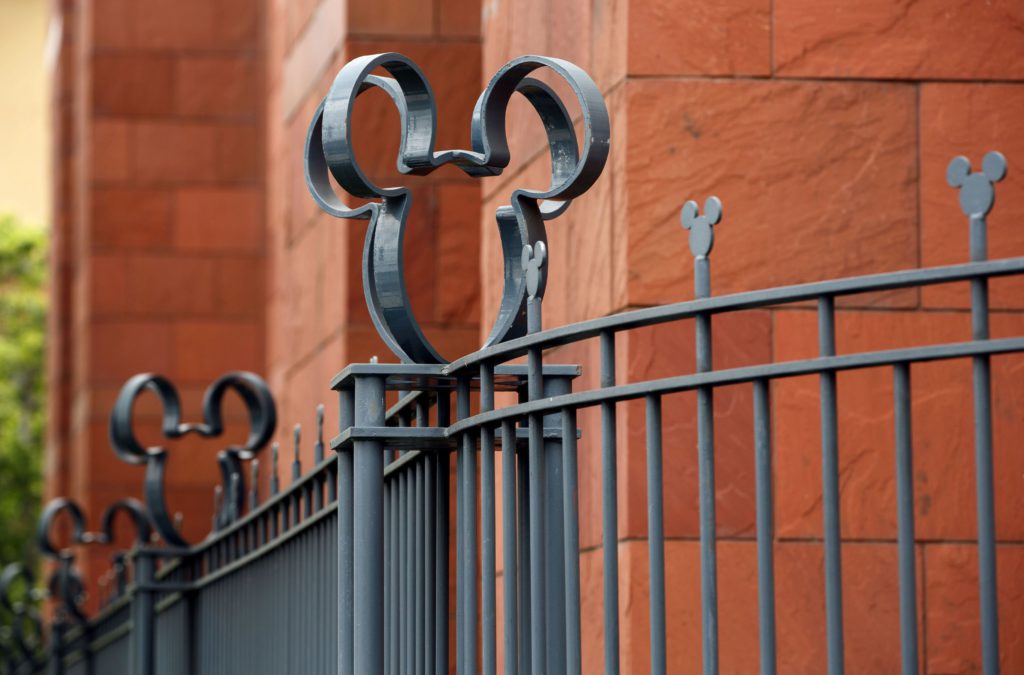
Disney, WarnerMedia Pause New Film Releases in Russia

(Bloomberg) — Major Hollywood entertainment companies including Walt Disney Co. and WarnerMedia are pausing the releases of new films in Russia in response to the country’s invasion of Ukraine. 

Disney has put on hold the debut of the new Pixar movie “Turning Red,” about a girl who turns into a giant panda, citing the “unprovoked invasion of Ukraine and the tragic humanitarian crisis”. The film will make its debut in the U.S. on the Disney+ streaming service March 11.

“We will make future business decisions based on the evolving situation,” the company said in a statement. Disney also said it would also work with international relief organizations to provide aid to refugees.

WarnerMedia, a division of AT&T Inc., said it would delay the introduction of “The Batman,” a installment of the DC Comics franchise starring Robert Pattinson as the titular superhero. It comes out March 4 in the U.S. and is expected to be one of the year’s highest-grossing pictures.

Sony Pictures Entertainment said it paused planned theatrical releases in Russia, including that of “Morbius,” a Spider-Man spin-off starring Jared Leto. Paramount Pictures said on Tuesday that it would delay the debuts of its films “The Lost City” and “Sonic the Hedgehog 2” in Russia.

Hollywood, like many other industries, is struggling with how to react to the invasion of Ukraine. Russia was the ninth-largest foreign market for U.S. films in 2019 and many new releases are scheduled to open there.  

A senior manager at Disney’s music group said in a message to music publishers that banking sanctions against Russia were preventing the company from receiving payments associated with its hit soundtrack “Encanto,” according to a copy of the message which was posted by a third party on Twitter.

Songs from “Encanto” have been translated into Russian and Ukrainian, and were being downloaded frequently on YouTube. Disney said the manager’s views were not reflective of the company as a whole.


(Updates with Paramount in fifth paragraph.)

More stories like this are available on bloomberg.com

©2022 Bloomberg L.P.
Ukraine Expands Crypto Donation Program Exceeding $20 Million

(Bloomberg) — Ukraine is expanding the list of cryptocurrencies it will be accepting for donation amid an outpouring of support and looming humanitarian crisis after an invasion by Russian forces. 

About $24.6 million through 26,000 crypto donations has been collected so far by Ukraine and non-governmental organizations supporting its military, according to blockchain-analytics firm Elliptic. 

The country will now also accept Polkadot’s DOT, the 11th-biggest cryptocurrency by market value, in addition to Bitcoin, Ether and Tether, according to a statement on a government Twitter account Tuesday. More tokens will be also accepted soon, the post said.

Since Ukraine posted wallets soliciting money a couple days ago, it’s received about $8.2 million in a Bitcoin wallet and $7.1 million in an Ether wallet — almost all of which has subsequently been transferred out — according to data from Blockchain.com. 

Read more: Crypto Billionaire, Pussy Riot Join Effort to Send Ukraine Money

Ukraine has tweeted about a possible crypto airdrop — or promotional event that typically involves giving away free coins — saying “an airdrop has not been confirmed yet.” It wasn’t immediately clear what sort of airdrop the account was referring to, nor any details about what or who it might involve.

Bitcoin is up another 7.1% to $44,600 on Tuesday amid speculation cryptocurrencies will gain favor in the wake of sanctions against Russia. Ether advanced 7.4% and DOT is up 15% over the past 24 hours as of 9:15 a.m. in New York, according to pricing from CoinGecko.

(Updates with further context and a new tweet.)

More stories like this are available on bloomberg.com

©2022 Bloomberg L.P.
Close Bitnami banner
Bitnami