Bloomberg

Bitcoin Tops $44,000 in Tentative Comeback as Portfolio Hedge

(Bloomberg) — Bitcoin kept advancing on Tuesday, briefly trading above $44,000 for the first time since Feb. 17 amid mounting signs that the war in Ukraine is bolstering demand for cryptocurrencies. 

The largest cryptocurrency rose as much as 6% to $44,183 and traded at $43,400 at 12:54 p.m. in Hong Kong, gaining along with other major digital tokens. Equities benchmarks across Asia were also mostly up, with Japan’s Topix index rising 1%. 

Bitcoin’s outperformance over the past few days of intensifying combat in Ukraine and escalating sanctions on Russia has some bulls pointing to a break from the narrative that crypto is just another risk asset. Adam Farthing, chief risk officer for Japan at crypto trading firm B2C2, said Bitcoin could “de-link from risk” and start trading more like a hedge to geopolitical instability and inflation.

“Bitcoin can benefit from some of the instability which will likely befall the dollar and euro” as a result of worsening international tensions, said Louis Curran, managing partner at Gigabyte Investment, in a LinkedIn post on Tuesday. 

Read more: Bitcoin Volume Spikes in Russia and Ukraine as Sanctions Hit

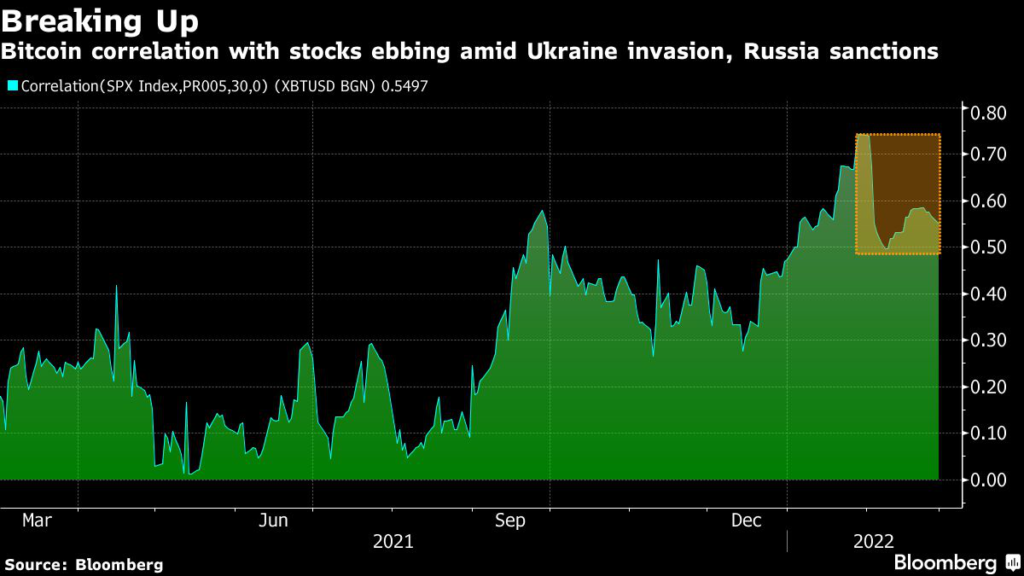
While still elevated at 0.55, Bitcoin’s correlation with the S&P 500 has come off after surpassing 0.7 earlier this year, data compiled by Bloomberg show. A correlation of 1 means two assets move perfectly in tandem, while a zero correlation displays their fluctuations are wholly independent.  

“We note a few indications that Bitcoin may be at — or near to — a turning point,” B2C2’s Farthing said in a note. “The fact that put skew is not trading near the recent highs indicates the market may be starting to worry about being underinvested in Bitcoin,” he wrote, referring to the relationship between the price of bullish and bearish options on the digital token. 


More stories like this are available on bloomberg.com

©2022 Bloomberg L.P.

U.S. Expects Chinese Tech Firms to Help Choke Off Russia Supply

(Bloomberg) — Washington is expected to lean on major Chinese companies from Semiconductor Manufacturing International Corp. to Lenovo Group Ltd. to join U.S.-led sanctions against Russia, aiming to cripple the country’s ability to buy key technologies and components.

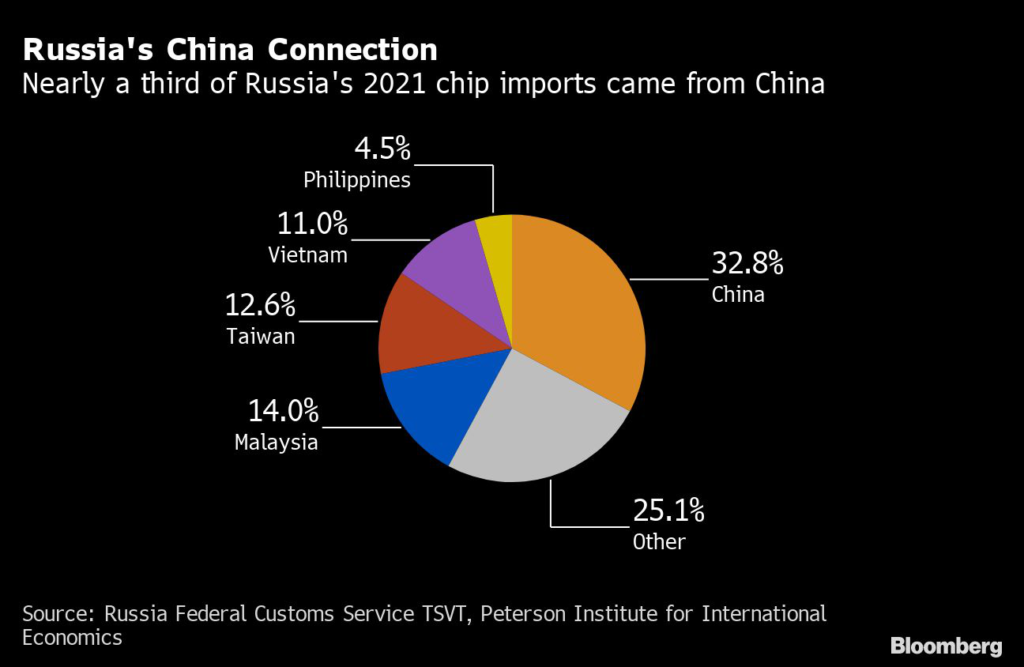
China is Russia’s biggest supplier of electronics, accounting for a third of its semiconductor imports and more than half of its computers and smartphones. Beijing has opposed the increasingly severe measures that the U.S. has taken to restrict Russia’s trade and economy in response to its invasion of Ukraine, however U.S. officials expect tech suppliers such as SMIC to uphold the new rules and curtail trade of sensitive technology with American origin, especially as it relates to Russia’s defense sector.

Any items produced with certain U.S. inputs, including American software and designs, are subject to the ban, even if they are made overseas, a U.S. official told Bloomberg News on Monday. Companies that attempt to evade these new controls would face the prospect of themselves being cut off from U.S.-origin technology and corporate executives risk going to jail for violations.

Consumer electronics such as Apple Inc. iPhones and laptops for personal use are not affected.

Foreign companies have taken rapid steps to pull out of Russia in the wake of its military aggression, reversing three decades of investment by Western and other overseas businesses following the collapse of the Soviet Union in 1991. Oil firms BP Plc, Shell Plc and Equinor ASA each announced plans to withdraw from partnerships and projects in Russia and the U.S. government has promised incentives for “countries that adopt substantially similar export restrictions” in a push for multilateral cooperation.

Foreign Companies From Shell to Daimler Are Abandoning Russia

Russia gets 70% of its supply of chips, computers and smartphones from China, according to Mary Lovely of the Peterson Institute for International Economics, citing 2020 data from the United Nations International Trade Statistics Database. On Monday, China’s Foreign Ministry again voiced its disapproval of sanctions. 

“China doesn’t approve of resorting to sanctions to try to resolve problems, even more we oppose illegal, unilateral sanctions without an international mandate,“ Foreign Ministry spokesman Wang Wenbin said at a regular press briefing in Beijing. He added that nations “should not harm the legitimate rights and interests of the Chinese side.”

Beijing has made self-sufficiency in the semiconductor sector a national priority, but for now its tech companies still rely heavily on U.S. designs and technology. SMIC continues to use chipmaking equipment from American vendors including Applied Materials Inc. even after it got blacklisted by the U.S. in 2020. If the company fails to comply with U.S. sanctions, it could face tightening of restrictions that may make it more difficult or impossible to secure licenses for repair parts and new equipment.

Meanwhile, smartphone maker Xiaomi Corp., like the majority of mobile electronics vendors, uses chips from Qualcomm Inc., Qorvo Inc., and Skyworks Solutions Inc., according to Bloomberg’s supply chain data analysis. And Lenovo depends on Advanced Micro Devices Inc. and Intel Corp.’s processors for its PC products.

Representatives of SMIC, Lenovo and Xiaomi didn’t immediately respond to requests for comment.

The U.S. tech sanctions against Russia mirrored Washington’s move in 2020 to cut off Chinese telecom giant Huawei Technologies Co.’s access to critical chips the company needed for its smartphone and 5G operations amid prolonged international trade tensions. Huawei has seen its core business units falter and its sales plummet since.

More stories like this are available on bloomberg.com

©2022 Bloomberg L.P.

A 59-Hour Week Is Common for Singapore Gig Workers, Study Shows

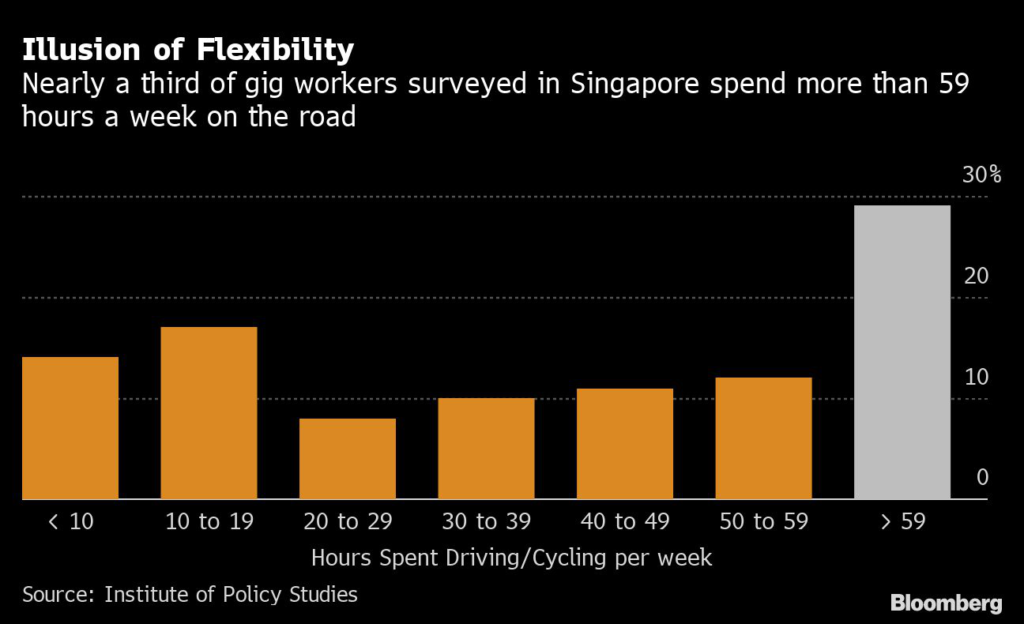
(Bloomberg) — Drivers for Singapore’s food delivery and ride-hailing companies are often working almost 60 hours a week, a survey found, underscoring the lack of protections for gig workers in the city-state.

About 29% of drivers work more than 59 hours a week, according to a survey of nearly 1,000 workers by the National University of Singapore’s Institute of Policy Studies. About one-quarter of the drivers surveyed worked exclusively for Gojek. The rest said they also drove for other companies, including Grab Holdings Ltd. 

Singapore, along with governments around the world, is considering legislative changes to protect gig-economy workers. Ride-hailing and food-delivery companies like Gojek, Grab, Delivery Hero SE’s Foodpanda and Deliveroo Plc. have flourished during the pandemic but also exacerbated social inequities. 

Many who lost jobs during downturns have taken jobs delivering food or driving passengers but now find it difficult to exit the industry. Labor laws in Singapore limit the work week to 44 hours for employees, but because gig workers are not considered full-time staff, these protections do not apply to them. 


People working for ride-hailing and food-delivery apps are often under pressure to hit targets in order to earn a meaningful wage, the report said. Effectively, those incentives require “drivers to work non-stop for 14 to 16 hours a day,” said Harris, 55, a driver that was interviewed by the institute. “It’s dangerous.”

Companies encourage or penalize riders to nudge them toward certain behaviors, the institute found. Canceling jobs assigned would have an impact on their ranking and future earnings, in turn limiting the freedom workers have.

Around half of drivers surveyed said that they would leave the ride-sharing industry if there were job opportunities. However, only 31% said that they could easily get a job similar to their previous role or related to their education. 

Nearly 60 hours a week behind the wheel takes time away from building skills to develop a career, and those who are more educated may find they’ve fallen behind their professional peers, the institute said in its study. 

More stories like this are available on bloomberg.com

©2022 Bloomberg L.P.

Sea’s Shopee Exits France Just Months After Europe Foray

(Bloomberg) — Sea Ltd.’s Shopee is pulling out of France, retreating from a major market just months after launching its maiden foray into Europe.

The site will close on March 6, Shopee said in a notice on its website in the country, promising to complete all paid orders till then.

France was one of the most significant new markets for the Singapore-based internet giant, which embarked on an aggressive international push last year to drive growth beyond Southeast Asia. The pullback marks another blow abroad for Sea, whose signature game Free Fire was banned in India last month. Shopee could now turn its focus on other key markets such as Latin America.

The move comes as the online retail and entertainment empire backed by China’s Tencent Holdings Ltd. faces increased regulatory scrutiny in India. Sea lost more than $16 billion of its value in its biggest daily drop after Delhi abruptly banned its most popular mobile gaming title, underscoring the geopolitical challenges it faces in expanding its offering beyond Southeast Asia. 

Investors are growing concerned the ban may just be the start of Sea’s troubles. Franklin Dynatech Fund and Blackrock Capital Appreciation Fund Inc. were among the asset managers that cut their holdings in Sea in January, according to data analyzed by Bloomberg.

“Following a short-term, preliminary pilot, we have decided not to continue the Shopee service in France,” the company said in an emailed statement. “Other markets are unaffected. We continue to adopt an open-minded and disciplined approach to exploring new markets.”

More stories like this are available on bloomberg.com

©2022 Bloomberg L.P.

Toshiba Restructuring Plans Thrown Into Question as CEO Resigns

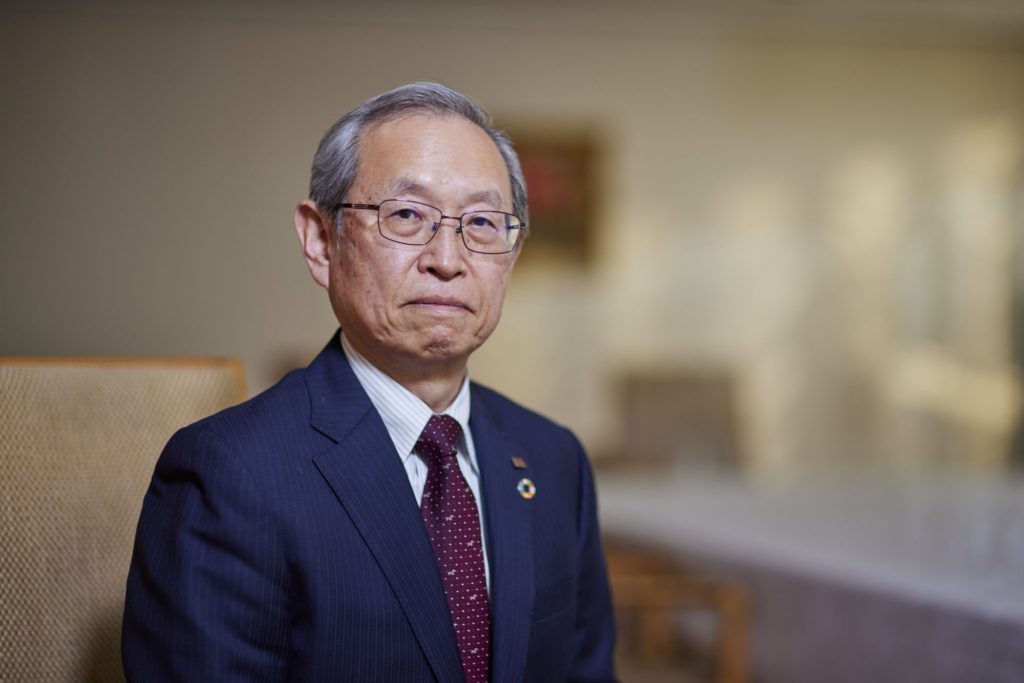
(Bloomberg) — Toshiba Corp.’s Chief Executive Officer Satoshi Tsunakawa resigned from his post in the latest turbulent move at the Japanese firm which could lead to yet another review of its plans to split. 

He will be replaced on an interim basis by senior executive Taro Shimada, with the board of directors pledging to monitor his performance, and suggesting it could appoint an external candidate instead. Tsunakawa will remain for now as chair of the board of the directors.

While Toshiba reiterated that the board still views the plan into two companies as its best option, earlier media reports indicated the new management could review the controversial proposal, which Tsunakawa has vociferously supported. 

Toshiba executives will hold a briefing at 3 p.m. local time today, a spokeswoman said. 

Toshiba last month scrapped its plan to divide into three listed companies and switched to a proposal to split into two instead. While Toshiba did not give a reason for today’s management change, Tsunakawa resigned to take responsibility for the chaos caused by the abrupt alteration of its reorganization plans, TV Tokyo reported. 

Activist investors have called for the company to review other options, including a potential sale to private equity. But management have been reluctant to pursue that option, with Tsunakawa saying in an interview last week that going private was full of risks that would be “impossible” to ignore. 

Toshiba shares rose as much as 5%, the biggest intraday gain since April.  

“The stock move shows Toshiba’s stakeholders don’t like the idea of splitting the company, whether it’s two or three,” Ace Research Institute Hideki Yasuda said. “The market is pricing in that the chance of Toshiba going private has increased.”

Toshiba CEO Says Going Private Too Risky as Activists Seek Sale

Investors have been cool on both proposals to split, with shares still trading below the level before the first split proposal was unveiled last year. 3D Investment Partners Pte, the Japanese company’s second-largest shareholder, has called on the company to reopen negotiations with private equity firms which some see as the key to unlocking its value. 

Nikkei BP reported last week that the firm received an early takeover offer from Blackstone Inc., which was strenuously denied by both sides. 

Tsunakawa had voiced public opposition to a privatization. In the interview with Bloomberg Television, he said that Toshiba would lose orders from utilities and local governments if it went private, and would be forced to sell sensitive technology in areas such as nuclear, defense and cybersecurity. 

Senior executive Mamoru Hatazawa will also step down along with Tsunakawa. Toshiba plans to hold a shareholder meeting for March 24 to gauge investor support for its revised plan to separate into two entities. 

Shimada, 55, was hired from Siemens AG to lead Toshiba’s digital strategy in 2018. He was personally approached to join the company by Tsunakawa’s predecessor, Nobuaki Kurumatani, who had formerly worked at private equity firm CVC Capital Partners. 

(Updates with confirmation of Tsunakawa’s resignation)

More stories like this are available on bloomberg.com

©2022 Bloomberg L.P.

Sanctions on Russia Puts Focus on China’s Central Bank

(Bloomberg) — China’s central bank could provide a financial lifeline to Russia if Beijing decides to buck Western efforts to cut its strategic partner out of the global financial system.

The People’s Bank of China has a multi-billion dollar currency swap with Russia’s central bank, allowing the two nations to provide liquidity to businesses so they can continue trading. China has also signed Russian banks onto its homegrown payments settlement system, seen as an alternative to the SWIFT messaging system, which many Russian lenders will be banned from using.

It’s unclear whether that support will be forthcoming though, with the PBOC yet to disclose how it will respond to the Russia sanctions. It didn’t reply to faxed questions on Monday for more detail, including on the status of Russian foreign exchange reserves or the currency swap line. China is treading cautiously for now, with two major state-owned banks restricting financing for purchasing Russian commodities.

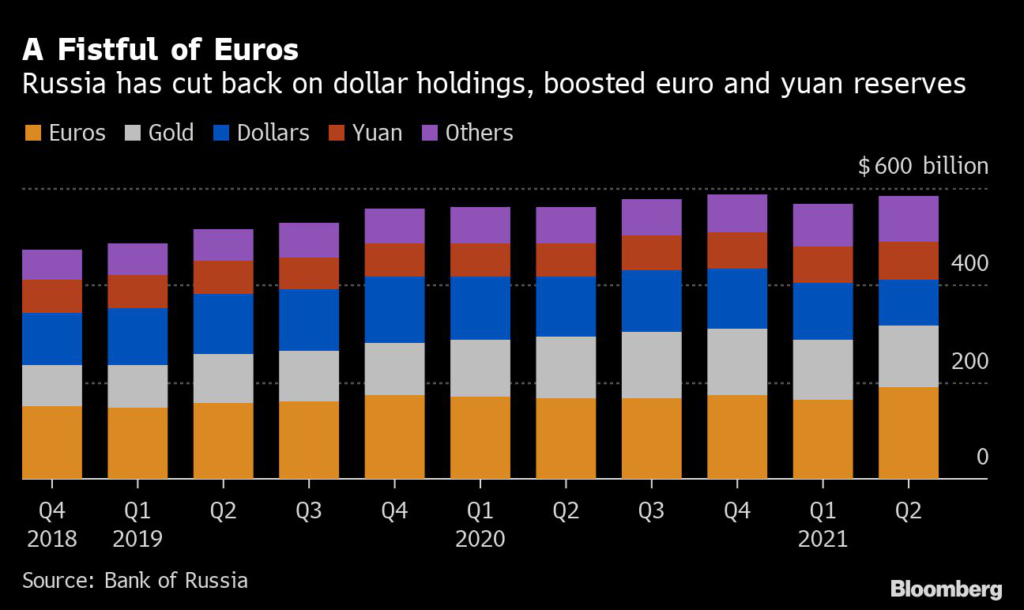
The biggest help to Russia could come from the yuan assets held in foreign exchange reserves. About 13% of Russia’s reserves, or an estimated $77 billion, were in Chinese assets as of June 2021, the most recent figures from the Bank of Russia. Selling off those holdings would give Russia much-needed liquidity.

“The Chinese assets and yuan in Russian foreign reserves can be an effective tool for Russia to counter the impact of U.S. and European sanctions,” said Yu Lingqu, vice director of the center for financial studies at China Development Institute, a state-backed think tank in Shenzhen.

Western nations announced restrictive measures freezing roughly half of Russia’s reserves held in Group of Seven nations. However, China didn’t sign onto those sanctions and the U.S., Europe and others can’t prevent Russia from accessing its reserves held in Chinese assets, according to the European Union’s top diplomat Josep Borrell. 

Western nations “cannot block the reserves of the Russian central bank in Moscow or in China,” Borrell said over the weekend, noting that Russia has been preparing financially for this situation in the last few years by reducing dollar assets and putting reserves into euros and the yuan. 

China is unlikely to follow Western nations to freeze Russia’s yuan assets, Yu said, as both countries “want to fight back against the U.S. and dollar hegemony in the global financial system.”

Beijing’s dilemma is how to aid its strategic partner Russia without breaking Western sanctions. President’s Xi Jinping’s government will have to choose whether it continues to give Russia access to those funds and China’s financial system, and whether it utilizes the currency swap arrangement between the two nations.

With Chinese banks starting to restrict financing for imports of Russian commodities, the 150 billion yuan ($24 billion) swap line could be used to help Chinese companies pay for imports of Russian energy products of other goods.

There will be a focus on whether Russia tries to secure the foreign exchange swap lines with China, which are backed perhaps by Russia’s gold, ING Bank NV analysts Chris Turner and Francesco Pesole wrote in a report. It remains very unclear whether China would want to participate in such a venture given the risk of secondary sanctions, they said.

The swap agreement was signed in 2014 after Russia was sanctioned for invading Crimea and began trying to reduce it’s exposure to the dollar and the U.S. financial system. There’s little detail released about the agreement or explanation of how it’s been used in the past. However, the PBOC branch in Qingdao said in 2018 that it had facilitated a ruble loan using the swap, with Bank of China lending a local firm rubles so it could import Russian goods. 

It remains to be seen whether that agreement will be enough to sustain a trading relationship worth almost $150 billion dollars last year. 

Limited Alternative 

The sanctions could also give a boost to China’s home-grown payments system for cross-border yuan transactions. 

Launched by the Chinese central bank in 2015, the Cross-Border Interbank Payment System, or CIPS, is seen as a potential alternative to the U.S.-dominated global settlement system of which SWIFT is a part. Many Russian banks were cut off from SWIFT, the messaging system run by the Society for Worldwide Interbank Financial Telecommunication, and used for trillions of dollars worth of transactions. 

CIPS has multiple local participating banks in Russia. However, its reach compared with SWIFT is small. The fledgling system only has 75 direct participating banks — mostly Chinese lenders — and 1,205 indirectly participating banks. In comparison, SWIFT has over 11,000 member institutions, and the yuan only accounted for 3% of payments through the system in January.

While CIPS provides messaging, clearing and settlement services, transactions through CIPS may still rely on messages sent via SWIFT if it involves banks that are not directly plugged into the CIPS system, according to Yu. 

“There are opportunities for the international use of yuan and the CIPS, but we shouldn’t be blindly optimistic,” said Yu.

(Updates with analyst comment on currency swap.)

More stories like this are available on bloomberg.com

©2022 Bloomberg L.P.

Toyota Idles Japan Plants as Supplier Hit by Cyberattack

(Bloomberg) — Toyota Motor Corp.’s Japanese factories suspended output on Tuesday after a key parts supplier shut down its computer systems due to a cyberattack, the latest blow to the carmaker’s efforts to make up for lost production earlier this year.

The world’s top auto producer is halting operations at all 14 plants in its home country, impacting about 5% of output for the month. The stoppage is linked to Kojima Press Industry Co., which confirmed Tuesday its server was subject to a suspected ransomware attack over the weekend. Toyota shares rose less than 1% in Tuesday morning trading.

The manufacturer of metal, plastic, and electronic components shut down its server Sunday after discovering it was infected with a virus and receiving threatening messages, the supplier said in a statement. The closely held parts maker is in contact with relevant police and government authorities and is trying to restore its system from March 2, a spokesperson for the company said late Monday. 

The incident hinders Toyota’s efforts to return to full production following factory halts in January and February because of chip shortages and Covid-related disruptions. Toyota, which had been relatively resilient to supply chain snags through most of the pandemic, has been trying to ramp up production to make up for lost output and meet soaring global demand for new vehicles. 

“It’s hard to believe the timing of this for Toyota,” said Bloomberg Intelligence analyst Tatsuo Yoshida. “The auto industry has been focused completely on parts shortages, but this is a reminder that cyberattacks are a serious risk that must constantly be monitored.” 

Russia Link?  

Japanese Prime Minister Fumio Kishida said the government would investigate the incident and whether Russia was involved in the cyberattack. 

“Regarding any connection with Russia, it is hard to answer until we have conducted thorough checks,” Kishida told reporters late Monday, according to a transcript of his remarks on his website. Industry Minister Koichi Hagiuda said Tuesday Japan’s government is currently gathering information on the cyberattack on Kojima Press. 

Japan has joined other western nations in banning certain Russian banks from the SWIFT payments messaging system and promised to restrict transactions with Russia’s central bank, potentially preventing Vladimir Putin’s government from accessing billions of dollars worth of reserves. 

Read more: Japan Seeks to Show Unity With G-7 on New Russia Sanctions

Cyberattacks have risen in Japan in recent years. Authorities identified 12,275 cyber-crime cases in the country last year, a record high, according to Japan’s National Police Agency. Japan’s manufacturing industry is the largest target for crimes such as ransomware attacks.

In 2020, Mitsubishi Electric Corp. was the victim of a cyberattack that resulted in the loss of client information. Sony Group Corp.’s email system and PlayStation networks were hacked in 2014 during the release of a comedy about a fictional assassination of North Korean leader Kim Jong Un.

The system outage is also affecting Toyota’s affiliates. Hino Motors Ltd. is suspending all of its Japan plants, the bus and truck maker said late Monday. Daihatsu Motor Co. is suspending its Kyoto factory, according to the Nikkei, which was first to report Toyota’s shutdown.

Toyota said earlier this month it was planning to produce 950,000 vehicles in March, up from 843,393 a year earlier. A one-day stoppage for Toyota’s factories in Japan translates to roughly 13,000 vehicles, according to Shiori Hashimoto, a spokeswoman. The company operates 28 assembly lines in Japan.

Toyota’s production fell 15% in January as the company halted output in the Chinese city of Tianjin when the government carried out multiple rounds of mass-testing on residents. In February, some of Toyota’s North American operations were affected by protests that shut some of the main trade routes between the U.S. and Canada. 

Read more: Toyota Production Dips in January on Chip, Covid Disruptions

The disruptions in the first month of the year prompted Toyota to cut its output goal for the fiscal year through March to 8.5 million vehicles from a previous target of 9 million. The company is investigating whether it can resume operations from Wednesday, Hashimoto said.

(Adds latest information from Kojima in second and third paragraphs, government comment in seventh paragraph.)

More stories like this are available on bloomberg.com

©2022 Bloomberg L.P.

Manchin Calls for More U.S. Energy Production: Ukraine Update

(Bloomberg) — Russia banned its residents from transferring hard currency abroad, as President Vladimir Putin sought countermeasures against countries imposing sanctions over the invasion of Ukraine. 

The drumbeat of penalties against Russia continued, as the European Union approved sanctions on some of Russia’s wealthiest tycoons, and Britain told ports not to service Russian-flagged vessels.

The U.S. said it was expelling 12 Russian diplomats at the United Nations. And the mayor of Kharkiv, Ukraine’s second-largest city, said residential areas were being shelled and “this a war to destroy the Ukrainian people.”


A Ukrainian delegation led by the defense minister agreed to further talks after meeting with Russian officials on the border with Belarus. In Kyiv, Ukrainian President Volodymyr Zelenskiy repeated a request for his country to be fast-tracked into the EU. Russia’s currency and bonds plunged.

Key Developments

  • Ukraine Fighting Intensifies as Prospects for Russia Talks Dim
  • Ukraine Wants EU Membership But Accession Often Takes Years
  • Bank of Russia Reassures on Debt After Putin’s Sanctions Gambit
  • Putin’s Nuclear Threat Has West Wondering Again If He’s Bluffing
  • China’s Muddled Ukraine Response Feeds Rare Domestic Debate

All times CET:

Manchin Urges Biden to Bolster Domestic Energy (2:30 a.m.) 

On the eve of President Joe Biden’s State of the Union address, Senator Joe Manchin, a West Virginia Democrat, said he wanted the administration to encourage more domestic energy production and that he was planning weeks of hearings on energy independence, both for the U.S. and to support NATO allies.  

“We produce energy cleaner than anybody in the world,” Manchin said at the Capitol on Monday evening. “We’re buying 650,000 barrels a day from Russia. It’s ridiculous. Totally ridiculous.” 

Senator Lindsey Graham, a South Carolina Republican, said that Ukraine’s ambassador to the U.S., Oksana Markarova, had asked that Russian oil and gas be sanctioned. “We’re not using the energy sector as a weapon,” Graham said. “We’re not hitting Putin where it hurts most.”

Harley-Davidson, GM Halt Shipments to Russia (1:40 a.m.)

Harley-Davidson, Inc. and General Motors Co. say they’ll halt shipments to Russia, a sign economic sanctions against the country are having an impact.

Harley suspended its business in Russia, according to a statement from the Milwaukee, Wisconsin-based motorcycle manufacturer. Harley relied on Europe and the Middle East for 31% of sales last year. It doesn’t break out sales to Russia.

GM cited “a number of external factors, including supply chain issues and other matters beyond the company’s control.”

“Our thoughts are with the people of Ukraine at this time,” the automaker said Monday in an emailed statement. Earlier Monday, Boeing Co. closed its office in Kyiv, and “paused” operations at its Moscow training campus, a spokeswoman for the Chicago-based planemaker said in an email.

Stocks Close Well Off Day’s Lows While Bonds Climb (10:13 p.m.)

Stocks almost wiped out their losses, with energy producers joining a rally in oil. 

Bonds and gold advanced as sanctions on Russia for its invasion of Ukraine heightened fears of a hit to global economic growth.

Netflix, Disney Feel Side Effects of Russia Conflict (10:34 p.m.)

Netflix Inc. said it won’t be adding Russian channels to its service under regulations that were to take effect March 1.

“Given the current situation, we have no plans to add these channels,” a spokesperson for the streaming giant said in an emailed statement.

The Moscow Times reported last year that Netflix has more than 100,000 local subscribers and thus is supposed to air some 20 local channels including state-run Channel One, entertainment-focused NTV and the Russian Orthodox Church’s in-house channel.

Separately, a Walt Disney Co. music executive said banking sanctions against Russia will cut into revenue from its popular “Encanto” soundtrack. Songs from the film, which were translated into Russian and Ukrainian, are frequently downloaded on YouTube in both countries, according to a letter from the manager that was posted by a third party on Twitter.

Musk Satellite Dishes Arrives in Ukraine, Drawing Thanks (10:30 p.m.)

Elon Musk fulfilled a promise to get additional SpaceX satellite dishes into Ukraine, drawing thanks from the deputy prime minister who had pleaded for the tools to keep internet communications working amid Russia’s invasion.

Mykhailo Fedorov, who is also Ukraine’s minister of digital transformation, tweeted a photograph of the additional Starlink dishes and said they had arrived. “You are most welcome,” Musk, who is chief executive officer of SpaceX as well as Tesla Inc., tweeted in response.

U.S. Orders 12 Russian Diplomats at UN to Leave (9:28 p.m.)

The U.S. has ordered 12 Russian diplomats to the United Nations to leave, UN envoy Vassily Nebenzia said during a UN Security Council meeting, calling it a “gross violation by the host country.”

Richard Mills, deputy head of the U.S. mission to the UN, confirmed the expulsion of the diplomats, adding it was a step taken “in full accordance with” U.S. obligations as the host country to the UN. The U.S. mission said in a statement that “this action has been in development for several months.”

White House Press Secretary Jen Psaki added that the expelled Russians “had abused their privileges of residency in the United States by engaging in espionage activities that are adverse to our national security.”

Pentagon Seeks ‘Deconfliction Mechanism’ With Russia (9:25 p.m.)

The Pentagon is exploring options for a “deconfliction mechanism” with Russia, Pentagon spokesman John Kirby said. Kirby indicated there isn’t such a plan in place as Russian forces invading Ukraine focus on encircling major cities.

A plan to avoid unintended conflicts will be important as Ukraine’s air space is contested, Kirby said, because “some of that air space butts right up against NATO territory.” 

“We don’t have any indications right now from the Russians that they would also be interested in exploring those options,” Kirby told reporters at the Pentagon. “It’s got to be a two-way street.”

Prosecutor Says He’ll Probe Possible War Crimes in Ukraine (9:18 p.m.)

Karim AA Kham QC, the prosecutor for the International Criminal Court, said he’s decided to open an investigation into “the situation in Ukraine.”

“There is a reasonable basis to believe that both alleged war crimes and crimes against humanity have been committed in Ukraine,” he said in a statement. He said he is asking his team to explore how to preserve evidence and then would seek authorization “from the Pre-Trial Chamber of the Court to open an investigation.”

White House Press Secretary Jen Psaki told reporters Monday that some of Russia’s alleged actions in Ukraine, if true, “would potentially be a war crime.”

JPMorgan’s Dimon Cites ‘Workarounds’ to SWIFT Sanctions (9:01 p.m.)

Jamie Dimon, chief executive officer of JPMorgan Chase & Co., said there are ways around sanctions against Russia involving the SWIFT bank messaging system.

“There are a lot of workarounds for SWIFT, so there are different tools we use for different reasons,” Dimon said Monday in an interview on Bloomberg Television. “The banks are talking with the government so everyone understands the issues, not because they’re for or against any particular thing.”

Kyiv Mayor Calls Situation ‘Difficult and Tense’ (8:49 p.m.)

The situation in Kyiv is “difficult and tense,” according to mayor Vitali Klitschko, who announced a ban on the sale of alcoholic beverages in Ukraine’s capital city from March 1. Air raid sirens were going off about every half hour in Kyiv.

Kharkiv’s mayor, Ihor Terekhov, said residential areas were being shelled. “This is not a military operation,” he said. “This is a war to destroy the Ukrainian people.”

A military unit in Brovary, east of Kyiv, was shelled, resulting in 1 killed and 5 wounded, according to Brovary’s mayor.

Turkey to Restrict Transit of Russian Warships Through Straits (8:31 p.m.)

Turkey has decided to restrict Russian warships from using waterways it controls to transit into the Black Sea due to Putin’s invasion of Ukraine, according to two Turkish officials familiar with the matter.

The officials, who asked not to be named due to the sensitivity of the matter, fleshed out President Recep Tayyip Erdogan’s pledge earlier on Monday to “exercise” the authority over the straits granted to Turkey by the 1936 Montreux Convention to prevent an escalation of fighting.

The Turkish straits give Russia’s Black Sea fleet entry to the Mediterranean. The Montreux agreement allows Ankara to regulate maritime traffic through the waterways during peace and wartime alike. So far, there had been no transit requests from the government in Moscow since the measures came into force, the officials said.

EU Adopts Sanctions on Some of Russia’s Wealthiest Tycoons (8:26 p.m.)

The European Union adopted sanctions on some of Russia’s wealthiest tycoons as the bloc ratchets up penalties on Moscow for its invasion of Ukraine. 

The list includes a handful of billionaires who haven’t yet been hit by sanctions in the U.S.: metals tycoon Alisher Usmanov, Alfa Group owners Mikhail Fridman and Petr Aven, plus Alexei Mordashov, who controls a major steel company. Bloomberg first reported the names on Sunday.  

The EU is already working on further measures to penalize more oligarchs, according to two people familiar with the plans, who asked not to be identified because the work is private.

U.S. Prods Crypto Exchanges to Thwart Sanctions Dodgers (7:46 p.m.)

The Biden administration is asking crypto exchanges to help ensure that Russian individuals and organizations aren’t using virtual currencies to avoid sanctions leveled on them by Washington, according to people with direct knowledge of the matter.

The White House’s National Security Council and the Treasury Department have sought help from operators of some of the world’s largest trading platforms to thwart any attempts to sidestep the restrictions levied by the U.S. and its allies after Russia invaded Ukraine last week, said the people. The effort comes as the Biden administration grapples with how to police the asset class amid concerns that tokens can be used to avoid the heavily-regulated traditional financial system.   

Spokespeople for the Treasury Department and White House declined to comment on discussions with crypto exchanges. A White House official said that cryptocurrencies aren’t a substitute for the heavily used U.S. dollar in Russia, but that American authorities are aggressively continuing to fight any misuse of digital assets to avoid sanctions.

Putin Retaliates by Banning Foreign Debt Service (6:40 p.m.)

President Vladimir Putin banned all Russian residents from transferring hard currency abroad, including for servicing foreign loan contracts. It wasn’t clear whether the new rules applied to Russia’s sovereign debt and if they constituted default. The central bank put Russia’s total external debt at $478 billion.

The steps, which take effect Tuesday, are part of a package of retaliatory measures for U.S. and European sanctions over his invasion of Ukraine. They also include restrictions on companies buying back their own stock, according to the text of the decree. 

Russia Says Ukraine Agreed to Continue Talks (6:15 p.m.)

Russia and Ukraine have agreed to continue talks aimed at ending the war after consulting with their presidents, the Interfax news service reported, citing top officials from the two delegations that met in Gomel, Belarus on Monday.

The Kremlin said Vladimir Medinsky, head of the Russian delegation, may report to President Vladimir Putin later Monday about the talks, according to Interfax. It cited Medinsky as saying the two delegations agreed to meet “in the coming days” on the Polish-Belarusian border.

Mikhail Podolyak, an adviser to Ukrainian President Volodymyr Zelenskiy, also said the two sides had discussed prospects for a second round of talks soon, according to the news service.

U.K. Will Continue to Target Wealthy Russians (6 p.m.)

The U.K. government will continue working through its target list of oligarchs, focusing on their houses, their yachts, and every aspect of their lives, Foreign Secretary Liz Truss told the House of Commons.

More legislation will follow in coming weeks to sanction Russian-occupied territories in the Donbas, extending more sanctions to Belarus, and limiting Russian deposits in U.K. banks, she added.

Northern Cities Kharkiv, Chernihiv Under Fire (5:53 p.m.)

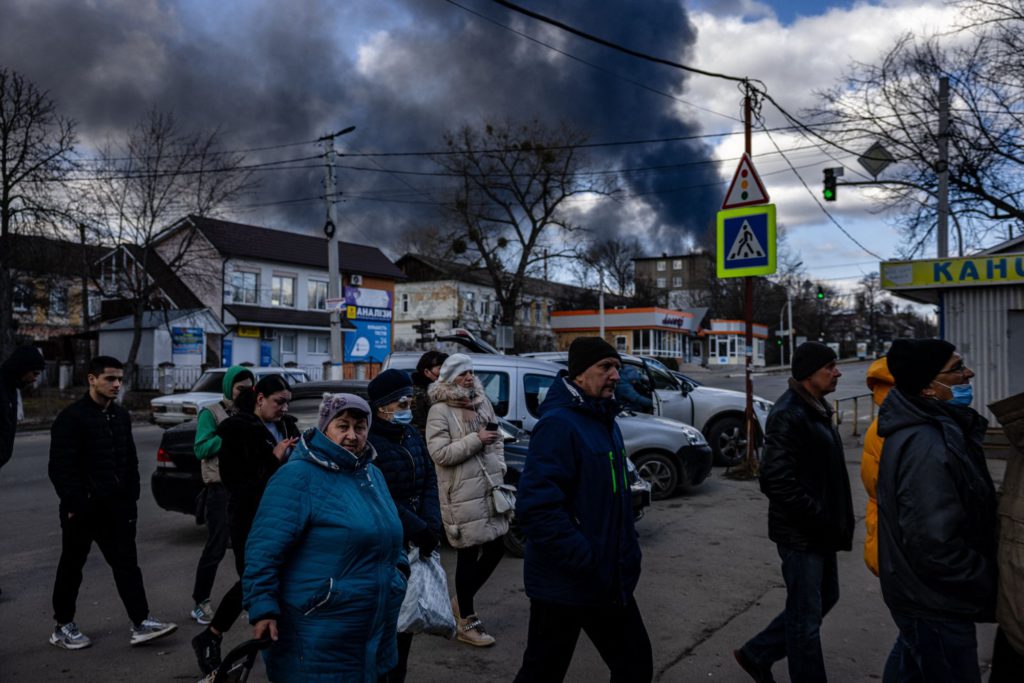
Russian forces moved in on Kharkiv, Ukraine’s second-largest city, where local television footage showed a barrage of missile strikes on a residential neighborhood. At least 11 people were killed and dozens wounded, the regional administration said. Russia has said it doesn’t target civilians. 

In the northern city of Chernihiv, civilians were among those killed, according to the state emergency service. Mayor Vitali Klitschko said there were clashes in the city overnight.

Russia Has Yet to Win Air Superiority: U.S. Official (5:45 p.m.)

President Vladimir Putin has now committed almost 75% of his pre-staged forces in Ukraine, according to a senior U.S. defense official. Russia has yet to achieve air superiority, the official said, even as it employs combat power ranging from rockets, missiles and manned aircraft to mechanized forces, artillery and infantry.

Russia’s main advance to encircle the capital, Kyiv, remains slowed because of Ukrainian resistance, and logistics and resupply problems, the official said.

The heaviest assaults were still on Kharkiv as Russia employs siege tactics in its effort to encircle the city, and Ukrainians are using everything from small arms to surface-to-air missiles to resist the invasion, the official said.

Ruble Plunges, Commodities Rise as Sanctions Ramp Up (5:45 p.m.)

Traders struggled to price the ruble as international sanctions shook the country’s financial system. The Russian currency lost a third of its value in offshore trading at one point, its biggest-ever slump. It was down 16% at 98.235 as of 5:59 p.m. in Moscow, compared with 107.0642 on the offshore market — a 22% loss.

The central bank canceled local trading altogether in stocks and bonds as the price of Russian-linked shares and debt tumbled overseas. The latest developments also sent shockwaves through other equity markets, though U.S. and European indexes erased most of their losses through the day. Oil and gas prices pared gains after earlier surges.

U.K. Blocks Russian Ships from Docking at Ports (5:15 p.m.)

U.K. Transport Secretary Grant Shapps has written to all U.K. ports asking them not to provide access to any Russian vessels which are owned, chartered or operated by any Russian citizens or are flying the Russian flag. A spokesman for the Department for Transport could not provide any more details on what the measure would cost the Kremlin or individual Russians.

Ukraine Appeals to EU for Air Defense Systems: Official (4:43 p.m.)

The Ukrainian government has appealed to the EU for military hardware including air defense and anti-missile systems, as well as anti-tank weapons, according to an EU official familiar with the request, who was granted anonymity to talk about confidential discussions.

The requests from Kyiv also include howitzers, cannon, mortars, projectile launchers and automatic weapons, the official said. The request comes as the EU agreed to spend 450 million euros to supply military aid, including lethal weapons, to Ukraine. 

More stories like this are available on bloomberg.com

©2022 Bloomberg L.P.

Tech Gear Maker Warns Conflict Is Blocking China-Europe Railway

(Bloomberg) — Networking gear maker Zyxel Communications Corp. has stopped shipping from China to Europe by rail, as war in Ukraine threatens to snarl a key land route at the heart of Xi Jinping’s Belt-and-Road initiative.

Zyxel, a maker of routers and switches controlled by Taiwan’s Unizyx Holding Corp., suspended freight through the link operated by China Railway about three days ago, President Karsten Gewecke said.

The company anticipates potential disruptions along the route, which links China to swathes of Europe and Asia and is considered a major component of Beijing’s so-called Belt-and-Road initiative, a Zyxel representative said. The conflict now risks worsening a global shipping crisis that’s cut off supplies of electronics from smartphones and gaming consoles to chips for cars over the past year.

The Taiwanese company had begun relying more on orders by train because they take three to four weeks to arrive, while a ship might take a couple of months, Gewecke said in an interview. 

“I was concerned that we could end up with a lot of products stuck” at the Polish border, Gewecke said in an interview. “With Europe, because of difficulties in getting space on container ships, we started using maybe a year and a half ago trains across from China, over Russia into Europe – into Germany.”

Read more: China’s Dilemma Is How to Support Russia When West Matters More

The rail network, part of which runs through Russia and encompasses Belarus, is a major conduit for the export of Chinese-made goods such as laptops to the European continent. Almost 10 million notebooks were shipped through that network from the giant city of Chongqing — a major laptop production base — in 2020 alone, according to Chinese media outlet 21st Century Business Herald.

Corporations around the globe are grappling with fallout from the invasion of Ukraine, which threatens to upend banking, energy supply and currencies across the globe. Now American-led sanctions on the export of technology are also giving the industry pause.

If U.S. sanctions bar Russia from buying American technology, that could prevent Zyxel from selling them telecommunications infrastructure like network switches, he added, because they use U.S. chipsets. Last year, Zyxel had already experienced delays because of chip shortages.

“Frankly, at the moment I’m more concerned about the team itself than the business,” Gewecke said.

Read more: Russia’s Chip Supply at Risk From U.S.-Led Push for Sanctions

More stories like this are available on bloomberg.com

©2022 Bloomberg L.P.
BitConnect’s Indicted Founder Kumbhani Has Disappeared, SEC Says

(Bloomberg) — BitConnect founder Satish Kumbhani, charged criminally in the U.S. last week with a $2.4 billion Ponzi scheme, has vanished from his native India, officials said.

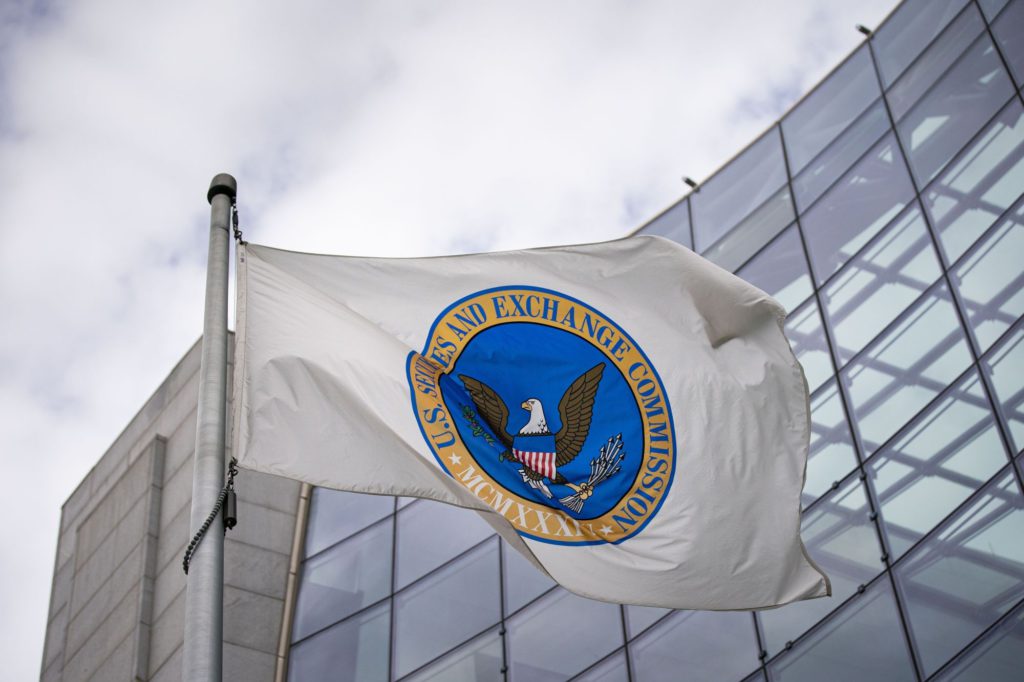
Last September, the Securities and Exchange Commission separately sued Kumbhani, claiming he fraudulently raised more than $2 billion from investors in his cryptocurrency exchange platform. But the SEC didn’t know where he was and couldn’t serve him with the lawsuit.  

The mystery deepened a bit Monday. 

Kumbhani, 36, “has likely relocated from India to an unknown address in a foreign country,” SEC attorney Richard Primoff said in a court filing. “Since November, the commission has been consulting with that country’s financial regulatory authorities in an attempt to locate Kumbhani’s address. At present, however, Kumbhani’s location remains unknown.” 

Primoff asked U.S. District Judge John Koeltl for an extension until May 30. The SEC said it wants to look for Kumbhani and if it finds him in the U.S., serve him with the complaint. 

Of course, if Kumbhani comes to the U.S., he could be arrested and potentially go to prison if he’s convicted of charges in the indictment filed Friday in San Diego. Prosecutors said he created BitConnect in 2016 and the digital token, BitConnect Coin.

Kumbhani touted BitConnect’s “lending program” based on proprietary “trading bot” and “volatility software” that would trade on the global crypto markets. But in reality, the lending program was a massive Ponzi scheme that raised $2.4 billion from investors around the world before shutting down in January 2018, prosecutors said.

The next day, one of Kumbhani’s promoters based in South Korea warned that “some people here are talking about committing suicide” and that “lots of [Korean investors] invested everything they have,” according to the indictment. A promoter in Australia also wrote that “we are getting death threats…[and] the coin will be useless!!!!!”

BitConnect used money from new investors to pay earlier ones, the U.S. said. He is charged with wire fraud, operating an unlicensed money transmitting business, and three conspiracies: to commit wire fraud; commodity price manipulation; and international money laundering.

Read More: SEC Sues Five BitConnect Promoters Over $2 Billion Scheme

Last September, BitConnect’s top promoter in North America, Glenn Arcaro, pleaded guilty. In November, prosecutors said they would sell about $57 million in cryptocurrency seized from Arcaro. This month, a judge approved an amended order for the sale. 

The indictment of Kumbhani seeks to forfeit $2.4 billion attributable to his actions. 


More stories like this are available on bloomberg.com

©2022 Bloomberg L.P.
Close Bitnami banner
Bitnami