Bloomberg

Hudson Bay Capital to Expand in Greenwich With Connecticut’s Aid

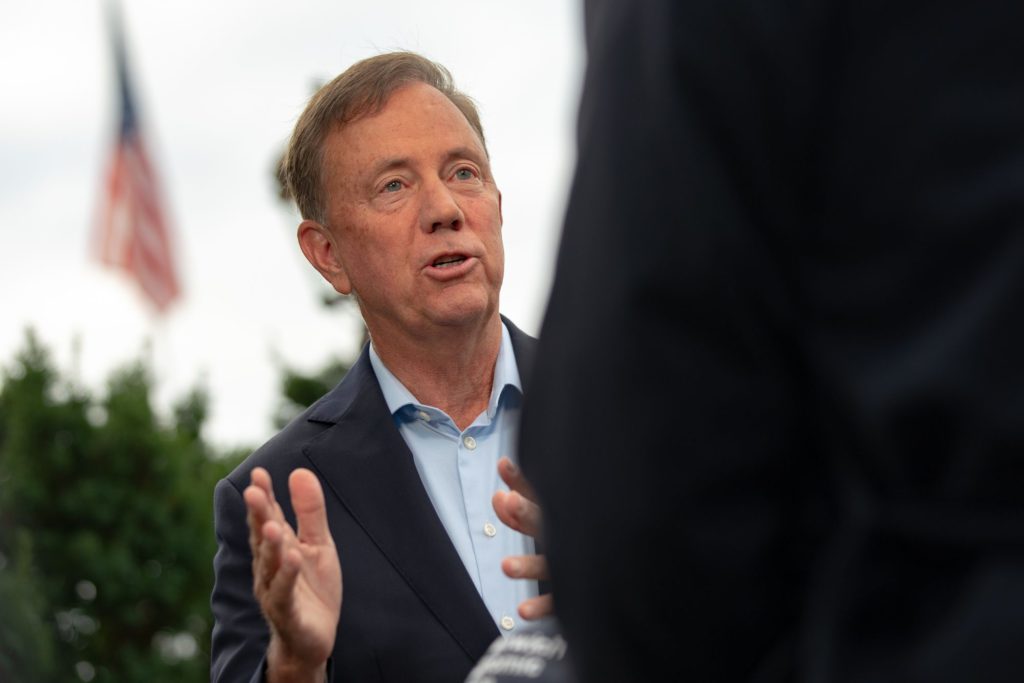
(Bloomberg) — Hedge fund Hudson Bay Capital is expanding its office in Greenwich with the help of Connecticut’s taxpayers. 

The asset management firm will receive as much as $1.3 million from the state if it creates and retains 40 new full time jobs, Governor Ned Lamont said in a statement. Hudson Bay, the successor to Gerber Asset Management, employs 120 worldwide and expects its Greenwich office to employ about 50 people as new positions are filled.

Connecticut has revamped its business incentive program so that subsidies are handed out only after jobs have been created. The state is targeting “strategic investments” in the high-paying financial services and advanced manufacturing sectors. The state, an epicenter of the hedge-fund business, is home to Ray Dalio’s Bridgewater Associates and Steven Cohen’s Point 72 Asset Management, among others.

In November, Lamont announced that Digital Currency Group, which invests in bitcoin and block-chain technology companies, was relocating its headquarters to Stamford from New York City. DCG will get about $5 million if it creates and retains 300 new full-time jobs. 

More stories like this are available on bloomberg.com

©2022 Bloomberg L.P.

Abu Dhabi Finance Hub Cuts Nearly Three Dozen Expat Jobs

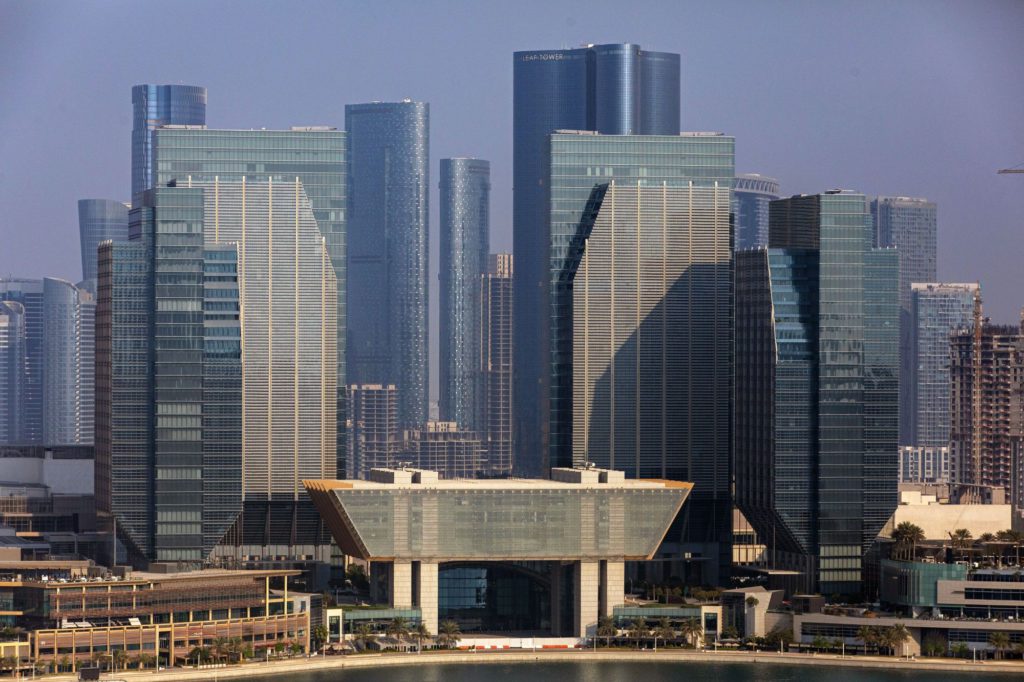
(Bloomberg) — Abu Dhabi Global Market, an international financial center based in the capital of the United Arab Emirates, has laid off at least 35 employees, mainly expatriates, people familiar with the matter said.

Most of the cuts in recent weeks were in the strategy and business development teams, where revenue failed to meet expectations, the people said, asking not to be identified as the matter is private. The layoffs included ADGM’s strategy chief, they said.  

ADGM Authority Chief Executive Officer Mark Cutis has also left the financial center after less than a year in the role, people with direct knowledge of the matter told Bloomberg last month. 

“With our new board of directors in place, ADGM recently completed a strategic review,” a spokesperson said. As part of the changes, ADGM is in the process of hiring in areas including crypto, according to two of the people. 

Over the past year, ADGM has continued its push to lure more financial technology companies to Abu Dhabi, a city that’s among the few globally to manage over $1 trillion in sovereign wealth capital. State-owned firms have also expanded rapidly over the past decade, offering high salaries that have made the city appealing for expatriates.

The free zone rolled out a virtual asset regulatory framework and has held talks with cryptocurrency exchanges, including Binance Holdings Ltd., that are looking to expand their presence in the country.

Entities including Switzerland’s SEBA Bank and Thailand’s PTT have recently opened offices at ADGM, whose client base grew 42% to over 4,000 in 2021. The workforce at Al Maryah Island, where ADGM is based, grew 10% to more than 18,000 last year. 

(Updates with details on ADGM in last paragraph)

More stories like this are available on bloomberg.com

©2022 Bloomberg L.P.

EU Sanctions Plan to Limit Russia’s Access to Financial Markets

(Bloomberg) — EU leaders will discuss Thursday evening a broad sanctions package that includes measures restricting Russia’s access to Europe’s financial sector and restricting key technologies, according to people familiar with the matter.

The draft proposals, which EU leaders are expected to green-light as part of a sanctions package at their emergency summit, would also broaden sanctions on individuals, as well as criteria to target wealthy Russian oligarchs, and to tighten visa rules for diplomats, making asset freezes and travel bans more effective, the people said. The proposals are still subject to change and would require the unanimous approval of the EU’s 27 member states. 

The financial sanctions included in the package, which have been closely coordinated with the U.S. and the U.K., are aimed at restricting Russia’s access to international markets. The U.K. announced its package of sanctions on Thursday, with many provisions mirroring ones the EU adopted earlier this week or is considering Thursday.

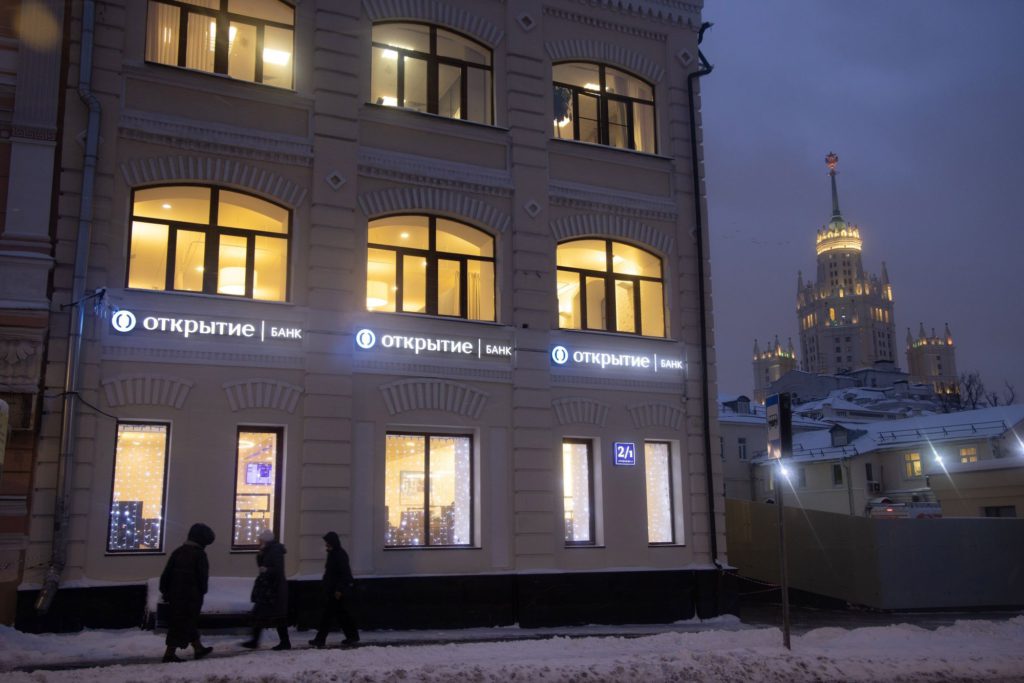
Two additional Russian banks — Alfa Bank and Bank Otkritie — would be added to the list of financial institutions prohibited from borrowing or buying securities. It would prohibit the listing of new shares of Russian state-owned enterprises on EU exchanges and blacklist several state-owned companies in the shipbuilding and shipping industries. The people familiar with the proposal described it on the condition of anonymity since it is still under discussion.

The EU would also move to stop financial inflows from Russia into the EU by imposing limits on bank deposits and bar Russians from investing in EU securities. 

“These sanctions will suppress Russia’s economic growth; increase the borrowing costs; raise inflation; intensify capital outflows; and gradually erode its industrial base,” European Commission President Ursula von der Leyen told reporters earlier Thursday.

In one of the strongest elements of the package, the EU has worked in lockstep with the U.S. to introduce export controls on dual-use and high-tech goods, with a particular focus on electronics, computers, telecom and information security, sensors and lasers and marine applications.

“Our measures will weaken Russia’s technological position in key areas, actually from which the elite makes most of their money,” von der Leyen says. “And this ranges from high-tech components to cutting-edge software. This will also seriously degrade the Russian economy in all areas in the future.”

The proposal also includes an export ban on aircraft, aircraft parts and related equipment, as well as a ban on the sale of equipment and technology needed to update Russian oil refineries to modern environmental standards. 

The leaders could also discuss even stronger measures, such as banning Russian financial institutions from interbank operations in euros, such as clearing, and cutting Russia off Swift, the international payments system, according to people familiar with matter. But those steps are seen less likely for now, with some western European governments strongly opposing a Swift cut-off. The bloc is also unlikely to sanction Russian President Vladimir Putin directly. One person said some leaders will push for a more ambitious package than the current proposal, but other states prefer an incremental approach.

Another topic that EU leaders will address Thursday night includes a further round of sanctions that would include Belarus for its role in Russia’s attack on Ukraine.

More stories like this are available on bloomberg.com

©2022 Bloomberg L.P.

Redwood Hedge Fund Gains 14% in 2021 on Malls, AMC’s Landlord

(Bloomberg) — Redwood Capital Management posted a 14% net return in its $4.2 billion flagship hedge fund last year, according to people with knowledge of the matter.

The New York-based credit and special situations investor benefited from wagers on troubled shopping malls and lenders mired in regulatory issues, while holdings in embattled Chinese developers hurt its performance, said the people, who asked not to be identified because the results are private.

A representative for Redwood declined to comment.

Amid exuberant markets and easy monetary policy, last year was hardly a welcoming environment for distressed investing. Still, Redwood profited from bets in companies including British subprime lender Provident Financial, which is winding down its long-struggling consumer credit unit following a regulatory probe, and distressed debt of telecommunications company Frontier Communications, which handed ownership to creditors when it exited bankruptcy last year, the people said.

Redwood’s biggest gain came from the equity of EPR Properties, a real estate investment trust that counts AMC Entertainment as its largest tenant, the people said. EPR shares rallied early last year as pandemic restrictions loosened and AMC rode the “memestock” frenzy, they added.

Meanwhile, Redwood’s position in China Evergrande Group bonds cost it 2.1% last year, the people said. The hedge fund didn’t anticipate the swift unraveling of Hengda Real Estate Group — Evergrande’s residential subsidiary and main onshore unit– and assumed the developer’s other businesses would hold most of their value, the people said. 

One of Evergrande’s most actively traded bonds now changes hands for roughly 13.5 cents on the dollar, down from the 20 to 30 cent range late last year when distressed debt heavyweights such as Redwood, Saba Capital Management and Marathon Asset Management built up holdings. 

Redwood’s $1.5 billion Opportunity Fund, which invests in high-yield debt and secured corporate obligations, gained a net 11.6% in 2021, the people said. Its second drawdown fund, a private equity-like vehicle, rose roughly 35% last year and is returning capital to investors, they added. 

The firm raised $1.8 billion for its third drawdown fund, which began investments last July, the people said. 

Redwood was founded in 2000 and is run by Ruben Kliksberg and Sean Sauler.

More stories like this are available on bloomberg.com

©2022 Bloomberg L.P.

European Football Clubs Cancel Deal With Bitci.com Crypto Group

(Bloomberg) — Two European football clubs have terminated their commercial relationships with Bitci.com, the Turkish-based crypto group, according to people with direct knowledge of the decisions.

The move by Sporting Lisbon, the club that unearthed global superstar Cristiano Ronaldo, and Italy’s Spezia, follows McLaren Racing’s recent decision to end its sponsor deal with Bitci.

Bitci is a Turkish cryptocurrency group with its own blockchain network. According to its website it runs fan token schemes for a number of sports teams, including RCD Espanyol, RC Celta de Vigo, Moto GP, and the Brazil national football team. 

In the case of Sporting Lisbon, the contract was terminated because Bitci failed to make payments, a person familiar with the matter said.

Sports teams and leagues around the world have been rushing into the launch of crypto sponsorships and digital fan tokens, which promise fans the chance to apply for benefits or influence the colors a team wears.

Sporting Lisbon, which had announced its partnership with Bitci in September, said it has made a “strategic disalignment,” according to a spokesman. It has since removed all references to the Bitci and its products from the team’s website.

Spezia, which currently plays in Italy’s Serie A, has also ended its sponsor deal, a spokesperson confirmed. Bitci began its partnership with Spezia last September.

Bitci did not respond to a request for comment. 

A planned Bitci.com fan token for Premier League football team Wolverhampton Wanderers has not yet been launched despite a sponsorship agreement in June. Wolves is still carrying out due diligence, people familiar with the situation said last week.

More stories like this are available on bloomberg.com

©2022 Bloomberg L.P.

Quebec Pension Giant Posts Highest Returns in a Decade on Private Markets Boom

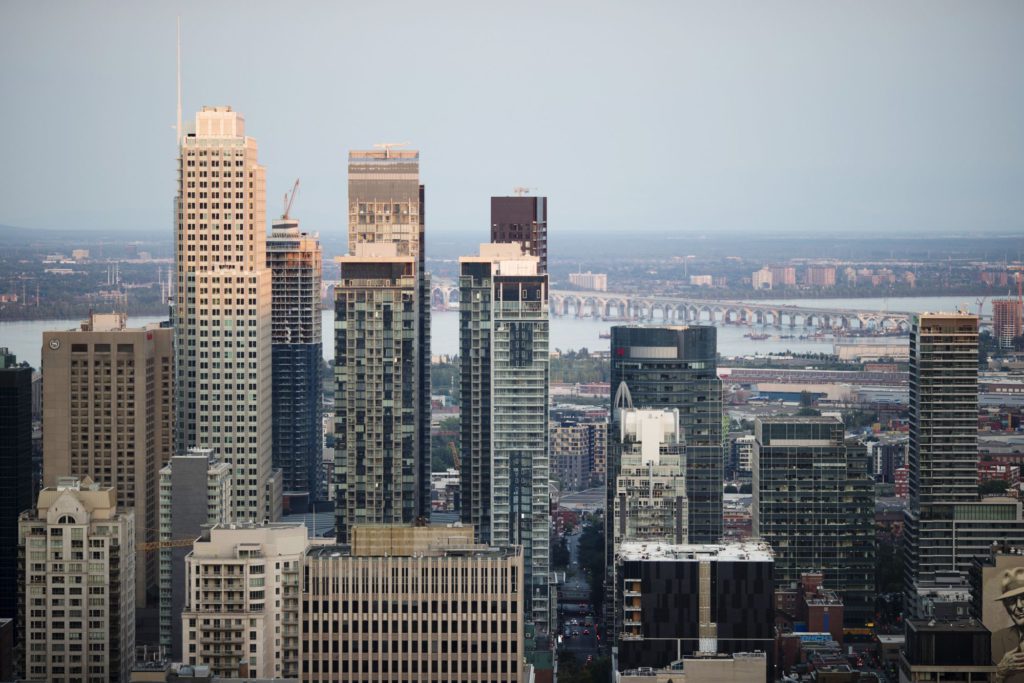
(Bloomberg) — Caisse de Depot et Placement du Quebec posted the highest returns since 2010 last year, with growth boosted by its private equity holdings and public stock portfolio.  

The Montreal-based pension manager, Canada’s second-largest, returned 13.5% in 2021, exceeding its benchmark, according to a statement on Thursday. Investment gains stood at C$49 billion ($38.2 billion), pushing net assets to C$419.8 billion from C$365 billion a year earlier. 

“This shows that our strategies are working and effectively taking into consideration today’s key challenges: the climate transition, the digitization of the economy and ongoing changes on the international stage,” CDPQ Chief Executive Officer Charles Emond said.

The fund has decided to sell all securities affected by Western sanctions being imposed on Russia in response to its invasion of Ukraine, Emond told reporters at a briefing Thursday. “It’s impossible not to be exposed to Russia,” he said. “The consequences will last beyond the conflict when it comes to the market, and we need to position ourselves accordingly.”

‘Good Positioning’

The fund’s private equity holdings returned 39.2% due to “good positioning in the technology, finance, health care and consumer sectors,” according to the statement. The fund earned 16.2% in equity markets and 14.5% in infrastructure, stemming from renewable energy and telecommunications assets. 

The firm also took advantage of liquid markets last year and sold C$13 billion of private-equity assets, compared with C$10 billion in acquisitions. 

CDPQ’s new investments included leading a $147 million financing round in Druva Inc., a California-based cloud data protection firm, and taking a majority stake in Wizeline Inc., a technology services supplier operating in several countries. 

Investments also included a C$1 billion investment in Constellation — a property, casualty and life insurance platform — and taking a “significant” stake in Grupo Diagnóstico Aries, a Mexican medical diagnostic services group.

Separately, CDPQ expects to be under pressure this year because of high inflation and impending interest rate rises, the firm’s head of liquid markets, Vincent Delisle, said at the briefing. “For us, 2022 is a year where the increase in interest rates would go together with a slowdown of economic growth,” he said, adding the Russian invasion of Ukraine “complicates things for central banks.”

French Language

Based in Canada’s majority French-speaking province, CDPQ said it has scheduled meetings with all of the Quebec-based companies in its portfolio that have annual meetings, know locally as assemblies, to “put French in the middle of the equation,” Emond said. “If a company in Quebec has a general assembly only in English, and we have some of them that do that, that’s unacceptable.”

The move comes not long after Air Canada’s chief executive officer sparked a public relations disaster when he admitted he’s not comfortable speaking in French despite 14 years at the Montreal-based airline. That development prompted the CEO to issue an apology to Quebeckers, including including Quebec Premier Francois Legault and ministers in Justin Trudeau’s federal government. 

(Updates with 2022 outlook in ninth paragraph)

More stories like this are available on bloomberg.com

©2022 Bloomberg L.P.

Crypto, Soros and the Global Drive to Fund a Revolution in Myanmar

(Bloomberg) — Each weekend in Singapore, the Myanmar diaspora congregates at the Peninsula Plaza for news — and a taste — of home. 

Customers stream into a pop-up food stall graced by a life-sized image of Myanmar’s deposed leader, Aung San Suu Kyi, where volunteers sell home-made delicacies such as tea-leaf salad and Mohinga, a rice-noodle and fish soup.

The stall’s owner, May Kyaw Soe Nyunt, says she takes in about S$5,000 ($3,700) in a weekend, with all the funds sent to her homeland to help those having to endure life under the military regime.

“I want the world to know people in Myanmar are suffering,” she said through a translator. 

Singapore is one link in a global fund-raising effort that’s sprung up since the army seized control in Myanmar last February. With the economy in meltdown and no official international assistance, the exiled government is seeking to raise $1 billion to look after its supporters and maintain its challenge to the rule of the armed forces, the Tatmadaw. 

But there’s a problem: The country’s banking system is tightly controlled by the junta, which designates the democratic National Unity Government (NUG) a terrorist group. So activists and the shadow government alike have to resort to unofficial channels to ensure the money escapes the regime’s clutches — and for the NUG, that includes embracing cryptocurrencies.  

It has already recognized Tether, a digital coin intended as a proxy to the U.S. dollar, as a means to speed up its trade, services and payment systems. But the NUG is prepared to go further in defiance of the Central Bank of Myanmar, which banned the use of all digital currencies in 2020 and threatened imprisonment and fines for violations. 

“When the time is right and if it’s needed for our revolution, we will definitely expand the list of our approved cryptocurrencies,” Tin Tun Naing, the NUG minister of planning, finance and investment, said in an interview. He cited Bitcoin and Litecoin, saying “we won’t hesitate to do it” if the NUG sees a need. 

“Many institutions and organizations around the world are really eager to help us in this revolution,” he added. 

While it’s unclear how much cryptocurrency the NUG has received, or how they can convert it to material support on the ground, the group itself is gaining traction globally. The European and French parliaments adopted resolutions recognizing the NUG as Myanmar’s only legitimate government, while U.S. Secretary of State Antony Blinken has tweeted support.

The junta defends the need for military rule saying that more than 11 million votes were cast fraudulently in the 2020 elections won by Aung San Suu Kyi and her party in a landslide.    

Many of those in the democratic resistance have long garnered backing from billionaire George Soros. According to the present Ministry of Information, he visited Myanmar four times between March 2014 and January 2017 and met with Aung San Suu Kyi twice, while his son Alexander Soros visited seven times from 2017 to 2020 and met with her six times. Soros himself said back in 2012 that he’d been supporting the democracy movement in Myanmar for 20 years.  

Myanmar’s military government announced last year that actions would be taken against the Soros-backed Open Society Myanmar (OSM) for breaking the rules for organizations, having frozen its savings totaling some $4 million deposited at four local banks. The junta accused some of its staff of withdrawing deposits from a private bank and providing cash assistance to a campaign that opposes the military known as the Civil Disobedience Movement. Investigations are ongoing.  

The Open Society Foundation declined a request for comment on its role in Myanmar, but referred to a statement it issued last year saying that claims of financial misconduct made by the military were false, as were claims that OSM had acting illegally and used its own funds for illegal purposes. 

“The junta will try to block our sources of income if they know more, for example, from which banks” funds are flowing, said NUG Foreign Minister Zin Mar Aung, who as a student was sentenced to 28 years in prison for reading a poem critical of the military. So the NUG is using “more innovative ways to secure funds,” she said.   

That includes “Click-to-Donate,” a web page directing viewers to a series of advertisement clips, with the amount raised depending on the number of viewings. In January, the platform raised S$457,765 ($341,000), its Facebook page shows. The NUG also launched a digital national lottery that in August reportedly sold out within an hour, raising over $60,000.

The shadow government has grander plans, though, as it seeks to ensure that schools and hospitals stay open, the wages of striking workers are paid, and it pursues its own Covid-19 vaccination program — all helping to keep resistance alive. 

Perhaps its most ambitious move is a sale of what it calls “Spring Revolution Special Treasury Bonds.” Buyers receive a certificate promising to repay the sum paid in two years, without interest. An initial offer in late November proved so popular that it had to be pulled within a day of its launch. Sales resumed in January, and about $20 million has been raised. 

“The NUG has been very innovative and I think pretty successful in raising funds in a number of different ways,” said Richard Horsey, a political analyst and senior adviser with the International Crisis Group. “But it’s nowhere near the amount of money they want.”

Myanmar has a long history of coups and military rule, but the periods of democracy have also been troubled. Aung San Suu Kyi, whose “struggle against oppression” was cited in the award of her Nobel Peace Prize in 1991, is a tarnished leader in the world’s eyes, after she defended the military in the wake of a 2017 crackdown against Rohingya minorities that was denounced by UN agencies as ethnic cleansing and genocide.

Major General Zaw Min Tun, chief spokesman for the State Administration Council, as the military regime is known, said that the deposed civilian government had presided over the country’s economic decline from 2018, a situation since exacerbated by Covid-19 and the outside imposition of “politically motivated sanctions.” 

“The previous government didn’t support local businesses,” he said by phone. “They largely depended on external loans, grants and international support. Our economy was at risk.” In the year since the junta took over, Myanmar’s trade deficit has been turned into a surplus, “but we still need to do a lot,” he said. 

He appealed to the public not to donate to the NUG or other opposition groups, saying the money will go toward weapons and “terrorist activities only. They spend nothing on public health, social affairs and economic activities that will help the people.” 

One year after the coup, Myanmar’s military regime and the shadow civilian administration are effectively in a competition to establish parallel governmental and financial systems.

The junta is grappling with an economy weakened by clashes with armed ethnic groups, and has to contend with fleeing foreign investors and the threat of additional U.S. sanctions. The World Bank estimates Myanmar’s economy contracted by nearly 20% in the last fiscal year and projections show almost half of its 55 million population could be living below the national poverty line as of early 2022.

Myanmar Generals Face Spiraling Economy, Threat of New Sanctions

That economic precariousness, along with a major cash shortage and a slew of penalties restricting financial flows into the country, has sent both the junta and the shadow government racing for innovative routes to generate revenue. 

Sitting at the center of the NUG’s web of fund-raising efforts is Linn Thant, a former political prisoner who’s been in exile in the Czech Republic for more than a decade. 

While Prague may seem an unlikely staging post in channeling finance to Southeast Asia, the Czechs are long-standing friends of Myanmar’s democracy activists. Vaclav Havel, the former president, proposed Aung San Suu Kyi to the Nobel committee. 

The Czech Republic is one of few countries where the NUG is allowed access to a bank account — a thorn in the side of the Tatmadaw as it struggles to assert itself across Myanmar. The funds that flow through the account are used “strictly for humanitarian purposes” and not for military operations or weapons, Linn Thant said in his modest apartment office in an outlying district of Prague.

“From the Czech bank account, we are transferring to Thai banks, or U.S. accounts we have and then our partners, NGOs, buy humanitarian aid, food, clothing, water that is sent across the Thai-Myanmar or Indian border,” he said.

It’s in response to that kind of financial blockade where crypto comes in. 

For the shadow government, crypto can bypass traditional intermediaries, namely banks and other financial institutions, allowing a degree of confidentiality as the junta tightens its grip. At least in theory, it also offers potential stability since Tether is supposed to be backed by one U.S. dollar, whereas the Myanmar kyat plunged almost 50% against the greenback after the coup before stabilizing.

“Nowadays many countries in the world are moving towards a cashless society,” Zin Mar Aung, the NUG foreign minister, said by phone from a secure undisclosed location. “Even if there are challenges, we will make sure to overcome them by making use of technology.”

A digital currency is also under consideration for when the revolution succeeds. “We already have infrastructure, technology, skilled personnel and institutions that will support us in place,” said Tin Tun Naing, the NUG finance minister. “We have everything ready.” 

The junta is also studying the benefits of a digital kyat. 

Last year anti-coup protesters in the finance sector, including central bank staff, refused to work in a bid to strangle the economy. The central bank said in May that banking operations were returning to normal, but months later junta diplomats abroad complained privately that the financial system was no longer functioning, according to the head of a crypto exchange involved in one such discussion.

“We are taking the establishment of a digital currency and improving online payment systems into consideration,” junta spokesman Zaw Min Tun said. He cited the goal “to improve financial activities in Myanmar.” 

However, a digital kyat would also enable easier detection and monitoring of transactions aimed at overthrowing the government. 

Still, it remains to be seen whether digital currencies can gain traction in Myanmar. Despite widespread launch of mobile services in 2014, internet penetration was just 43% in January 2021, according to Datareportal. As of 2019, under the civilian government, 74% of the population were unbanked.

Central banks need a sound regulatory structure and technology for digital currencies to be viable, said Kim Edwards, the World Bank’s senior economist for Myanmar. Hence, he said, Myanmar “is not in the best position to pursue something like this.”

One such attempt has already collapsed. Last year, an anonymous group launched the Myanmar Dollar, which aimed to replace the national currency with a digital one that leverages the NUG as the primary stakeholder. It failed amid a lack of support, according to a project volunteer who asked not to be named for fear of retribution.

On the ground, the situation remains grim, with Myanmar on the precipice of full-blown military conflict. Among the diaspora, many are willing to donate if it will help ease suffering and bring about a return to democracy. 

At May Kyaw Soe Nyunt’s stall in Singapore, some forego the food and simply drop off packets of cash.  She says she is unable to return home as long as the junta is in place. So she does the next best thing by raising funds, arguing that she has nothing left to fear. 

Asked how the money gets to Myanmar, she declines to elaborate. “It’s complicated and dangerous,” she said.

(Updates story that was first published yesterday to add a statement from the Open Society Foundation.)

More stories like this are available on bloomberg.com

©2022 Bloomberg L.P.

Zelenskiy Says Russia Trying to Seize Chernobyl: Ukraine Update

(Bloomberg) — U.S. President Joe Biden is expected to address the crisis around 12:30 p.m. ET, according to a White House official

Leaders from Group of Seven nations spoke by phone as countries grapple with how to respond to Russian President Vladimir Putin’s invasion of Ukraine, which has seen military forces go in from the north, east and south accompanied by missile and artillery fire. The European Union, U.S. and U.K. promised more sanctions they said would hit Russia’s economy and financial sector hard. 

The government in Kyiv declared martial law and pleaded for international support including harsher sanctions, with President Volodymyr Zelenskiy calling on citizens to take up arms. A senior Russian lawmaker said Moscow aims to ensure a pro-Moscow government, pushing out U.S. influence. Russian military vehicles are now in the northern region that includes the capital.

The war has upended markets, with the ruble and Russian stocks sinking while oil and gold soared. European gas prices surged as the attacks put fuel supplies in Europe — already in the midst of an energy crunch — at further risk. Commodity exports from Ukraine, one of the world’s most important grain suppliers, were thrown into chaos.

Key Developments

  • Biden’s Inner Circle Feared Sanctions Wouldn’t Stop Putin 
  • Russian Stocks Suffer Third-Worst Rout in History of Markets
  • Biden Vows ‘Severe Sanctions’ on Russia as Putin Launches Attack
  • European Energy Prices Soar After Russia Attacks Ukraine Targets
  • Ukraine Debt Swaps Signal 80% Chance of Default as Stress Mounts
  • Oil Soars to $105 as Russia Attacks Targets Across Ukraine

All times CET:

U.S. Spies Bought Time by Getting Russian Invasion Right (5:34 p.m)

It failed to prevent a war, but almost everything the U.S. said Russia would do in Ukraine has come to pass. 

As Alberto Nardelli, Jennifer Jacobs and Kitty Donaldson report, the intelligence that President Joe Biden made public in a highly unusual process gave the world a preview of Russian President Vladimir Putin’s true intentions, robbing him of the element of surprise. 

It also gave the U.S. time to rally support from its allies on sanctions that in normal circumstances would have taken months to hash out.

EU Countries Shun World Cup Qualifiers in Russia (5:23 p.m.)

The football associations of Poland, Sweden and the Czech Republic condemned Moscow’s invasion of Ukraine and said they would refuse to play World Cup qualifier matches scheduled in Russia for March, according to a statement.

The countries said they expect the global football association FIFA and its European equivalent UEFA to present alternative options. Poland was to vie for qualification at the Qatar World Cup against Russia on March 24 in Moscow. The winner would face Sweden or the Czech Republic on March 29. 

Calls Mount to Ban Russia From Swift (5:10 p.m.)

Ukrainian Foreign Minister Dmytro Kuleba renewed calls to cut off Russia from the Swift international payments system, and the Financial Times reported that U.K. Prime Minister Boris Johnson is also pushing hard for that step. 

The move, which would limit Russia’s access to the broader financial world, remains unlikely because some European countries worry it would hurt them more than it would hurt Putin.

Zelenskiy Says Russian Forces Trying to Seize Chernobyl (5:04 p.m.) 

Ukrainian President Volodymyr Zelenskiy said Russian troops are trying to seize the area around the Chernobyl nuclear power plant, according to a Twitter post. The facility is located about 80 miles (129km) north of the capital, Kyiv, several miles south of the Belarus border. Holding Chernobyl would provide Russian troops a staging point that couldn’t be shelled. 

In later televised comments, Zelenskiy said Ukraine’s military is operating “excellently” in the Donbas region and “reliably controls” the second-largest city of Kharkiv. There’s a “fierce” battle in the Kherson region with Russian troops that are pressing north into Ukraine from Crimea, which Moscow annexed in 2014, he said.  

Zelenskiy said the army was blocking Russian airborne troops at the airport in Hostomel, about 30 km (18 miles) northwest of Kyiv. “Nobody will be able to force Ukrainians to give up their freedom and Ukraine’s independence,” he said.

Russia Used 75 Bombers, More Than 100 Missiles (4:57 p.m.) 

The initial wave of Russia’s attack on Ukraine involved 75 heavy and medium bombers and more than 100 missiles of various types, according to a U.S. defense official who briefed reporters. 

The Russian attack appears designed to seize key population areas, including Kharkiv, and invading forces have so far not been seen in western Ukraine, according to the official, who added that the goal appears to be the decapitation of Ukraine’s government.  

The official didn’t announce any new U.S. troop movements in Europe, but said that six F-35 jets will arrive in Estonia, Lithuania and Romania today. Their deployment was previously announced. 

ECB’s Lagarde, EU Finance Chiefs to Brief on Friday (4:37 p.m.) 

European Central Bank President Christine Lagarde and finance chiefs will hold a news conference Friday afternoon after a meeting in Paris where they’ll address the economic impact of Russia’s invasion of Ukraine.

Her comments will be closely watched by investors trying to gauge how the crisis will affect the ECB’s plans to gradually exit stimulus measures and move toward rate hikes. Austrian Governing Council member Robert Holzmann told Bloomberg News earlier that the conflict may slow the ECB’s action.

EU finance ministers rewrote their agenda for the previously scheduled Paris meeting to focus on the Ukraine crisis. 

Police Close Moscow Square Where Anti-War Rally Planned (4:34 p.m.)

Police blocked access to Moscow’s central Pushkinskaya Square, where Russian anti-war protesters planned a rally. Demonstrations against the action in Ukraine have been largely muted; Kremlin authorities have taken an increasingly hard line against dissent over the last year.

A handful of Russian celebrities, including TV anchor Maksim Galkin and rock star Zemfira Ramazanova, criticized the military intervention on social media, while 200 journalists, including from state-controlled Tass and RT, signed a petition condemning the attack. Dozens of individual picketers have been detained in cities around Russia, according to OVD-Info, an independent human-rights monitoring group that the government has labeled a “foreign agent.”

Turkish Ship Hit by Shell in Black Sea (4:22 p.m.)

The Yasa Jupiter, a Marshall Island-flagged ship owned by Istanbul-based YA-SA Holding, was slightly damaged by a shell after unloading coal at the Ukrainian port of Odesa, the company said.

No one was injured, it said. It was unclear whether the ship was deliberately targeted or who fired the shell, and the ship is heading under its own power to the closest port for a damage assessment, YA-SA Holding said.

U.S. Equities Plunge With Nasdaq Entering Bear Market (4:10 p.m.)

U.S stocks followed global equities lower at the open of New York trading as the attack by Russia cast a pall over global markets.

The S&P 500 and Nasdaq 100 slid, with the latter entering a bear market. The Stoxx 600 Europe index shed 3.6% and Asian equities fell to the lowest since 2020. Meanwhile, Russian shares slumped the most on record after a trading suspension ended.

EU Will Call for New Sanctions Against Belarus (3:55 p.m.)

EU leaders will call for a third package of sanctions to be prepared, this one to target Belarus for its involvement in the invasion of Ukraine, according to draft conclusions prepared for the Thursday that could still be changed.

The EU already has an array of sanctions against the country over human rights abuses and the use of migrants to stage what Brussels has called a hybrid attack aimed at destabilizing the bloc’s border. Lithuanian President Gitanas Nauseda said earlier Thursday he’ll call for sanctions on Belarus at the summit because “aggression is taking place from the territory of this country.”

Russian Invasion Upends Air Travel, Stokes Fear for Staff (3:51 p.m.)

Air travel has been scrambled across much of eastern Europe, with the European Union Aviation Safety Agency imposing flight bans above Ukraine and areas across its northern, southern and eastern borders.

Airlines were also giving large swathes of Russia a wide berth almost as far north as Moscow, after EASA warned that mid-range missiles could pose a threat there.

Wizz Air, one of the few foreign airlines with bases in Ukraine, was extracting four planes and staff from Lviv and Kyiv. Airline-tracking website FlightRadar24 showed a LOT Polish Airlines service bound for Kyiv turning back to Warsaw, while an Air Moldova flight from Tel Aviv was rerouted to Romania. 

U.S. Unlikely to Target Russian Oil, Gas Sector: Ex-Official (3:40 p.m.)

The Biden administration, fearful of doing anything to increase already skyrocketing oil and gasoline prices, is unlikely to directly sanction Russia’s oil and natural gas sector, according to Bob McNally, a former White House official who is president of consultant Rapidan Energy Group.

“I expect stringent sanctions, but nothing on energy — bankers, ships and oligarchs,” McNally said in an interview. “They don’t want to add upward pressure on oil prices — they are absolutely terrified.”

Russia’s Attack Still Rattling Markets (3:30 p.m.)

In Ukraine, stress on the debt markets deepened, with credit-default swaps signaling an 80% chance of default within five years.

European gas prices extended gains, with benchmark Dutch gas futures soaring as much as 47%, the most since at least 2005. German power for March jumped as much as 42%. Oil also surged, with Brent futures trading as high as $105 a barrel.

Ukrainian Commodities Trade Thrown Into Chaos (3:01 p.m.)

Commodity exports from Ukraine have been disrupted as the invasion closes ports and railways. Egypt, the biggest wheat importer and a large consumer of Russian and Ukrainian wheat, canceled an auction after receiving one offer.

Ukrainian iron ore miner Ferrexpo Plc said the government had suspended rail transportation, while steel giant ArcelorMittal said it slowed production to a “technical minimum” and stopped output from its underground iron ore operations.

Traffic in Border Region Ticks Up as EU Braces for Refugee Influx (2:47 p.m.)

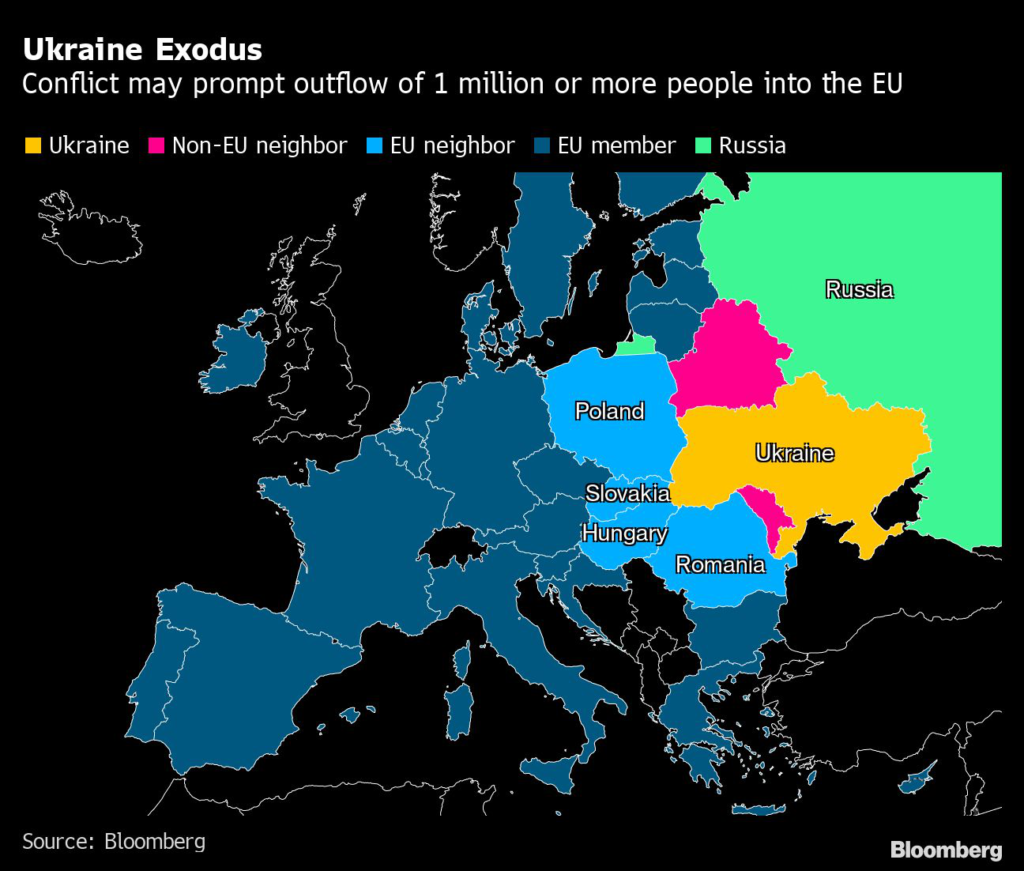
EU member states bordering Ukraine registered an increase of traffic across the border as the bloc braces for what could be an exodus of over a million refugees. Poland, Slovakia, Hungary and Romania have said they’re prepared for the influx.

Polish officials in recent weeks have spoken of more than a million migrants, while others put the number much higher. Hungary’s Viktor Orban, a champion of anti-immigration policies who faces re-election in April, says his country will also take in those fleeing war.


Romania Says Russia Blocks Ships Heading to Ukraine (2:32 p.m.)

A Russian military vessel in international waters in the Black Sea is currently diverting or stopping commercial ships heading toward Ukrainian ports, according to Romania’s Naval Force.

Russia Aims for Destruction of Ukraine Forces: Analyst (2:02 p.m.)

Russia’s invasion is following an early progression many military analysts had predicted, with an intense barrage of missile attacks launched from afar to destroy Ukraine’s airfields, air defenses and control systems.

Read more: Vladimir Putin’s Televised Address on Ukraine

It appears that Putin has opted for a large campaign aimed at achieving regime change, rather than a more limited take over of the separatist Donbas territories he has recognized as independent.

Yet taking — rather than merely threatening — Kyiv, a city of 2.8 million, would risk months of urban warfare and require all the manpower Russia has available.

Scenes From Ukraine as Russia Launches Attacks: Photos  

Top Officials to Brief U.S. Lawmakers (1:58 p.m) 

Secretary of State Antony Blinken, Treasury Secretary Janet Yellen, Pentagon chief Lloyd Austin, and Joint Chiefs of Staff Chairman General Mark Milley are expected to brief all House members via a call at 6:30pm in Washington, according to a person familiar with a plan. 

Macron Says Sanctions Will Match Russia’s Actions (1:45 p.m.)

Those penalties will be military and economic, and will touch on energy, French President Emmanuel Macron said in a televised speech, adding that decisions will be taken after talks with allies at the upcoming Group of Seven, European Union and NATO summits.

Ukraine Reports Heavy Fighting at Airport Near Kyiv (1:32 p.m.)

There’s heavy fighting at Hostomel airport, about 35 km (21 miles) northwest of the capital, Kyiv, Ukrainian presidential adviser Mykhaylo Podolyak said.  

Russia’s attack on the airport may be aimed at bringing in airborne troops and an assault on the government administration, he added. 

One of Russia’s goals “is to remove top authorities,” Podolyak said, advising journalists to leave the presidential office in downtown Kyiv. 

U.S. Suspends Diplomatic Presence in Ukraine (1:13 p.m.)

The U.S. has removed all State Department personnel from Ukraine and suspended its diplomatic presence and consular operations in the country, a U.S. official said. Several other countries, including Croatia, said they plan to keep some embassy staff in Kyiv.

U.K. Aims to “Hobble Russian Economy,” Johnson Says (1:06 p.m.) 

Prime Minister Boris Johnson said the U.K. will set out “a massive package of economic sanctions designed to hobble the Russian economy” as he condemned Moscow’s full-scale invasion of Ukraine. 

Tanker Owners Avoid Russian Crude (12:55 p.m.) 

Oil tanker owners immediately became reluctant to ship Russian crude while they wait to see what sanctions the West might impose. 

Russia relies on tankers to handle about two thirds of its crude exports, meaning that any prolonged disruption to shipping would be more serious.

Ukraine Grain and Metal Exports in Chaos as Rail and Ports Close

Russian Military Advances Into Kyiv Region, Ukraine Says (12:30 p.m.) 

Russian military vehicles breached Ukraine’s Kyiv region, the Ukrainian border guard service said. The Russians crossed via the border with Belarus, about 100 miles (160 km) from Kyiv.

“Border guards and soldiers are fighting,” according to the Ukrainian statement. The service said its units were also being shelled by multiple rocket launcher systems in the Zhytomyr region west of Kyiv. 

Kremlin Won’t Comment on Timing, Goals (12:05 p.m. CET)

Kremlin spokesman Dmitry Peskov declined to comment on key questions about Russia’s operation in Ukraine. He refused to elaborate on how long it will last, whether troops will move into the entire country, and whether Moscow aims to install a new government.

On his daily news call, Peskov said only that Russia’s aims are to “liberate Ukraine and neutralize its military potential.”

Asked about potential international isolation resulting from the move, Peskov said it was “impossible to close off a country like Russia with an Iron Curtain.” 

Oil Jumps Above $105 Over Fears of Disruption (11:55 a.m.) 

Russia is a key producer of both crude and refined products, with Europe relying on the nation for about a quarter of its oil.  

OPEC and its allies have a regular meeting scheduled on March 2 to decide on output levels for April. As of Wednesday, delegates from some of the biggest members were saying that triple-digit oil wouldn’t cause them to pump faster. But the group will be under pressure to ensure that prices don’t rise to levels that will start destroying demand.

Wave of Iranian Oil May Flood Asia If Nuclear Deal Reached 

NATO to Discuss Reaction at Friday Summit (11:46 a.m.) 

NATO leaders will hold a virtual summit on Friday to discuss the alliance’s reaction to the invasion, an official said.

The alliance said it continues to deploy additional land and air forces to member countries near Ukraine, along with more naval assets, to bolster defense and deterrence. Baltic nations and Poland had asked NATO for additional support in the wake of Russia’s invasion of Ukraine. 

Putin Summons Russian Tycoons to Kremlin (11:13 a.m.) 

With asset prices swooning, President Vladimir Putin called major shareholders and the leaders of Russia’s biggest companies to the Kremlin to discuss the situation in Ukraine, people familiar with the situation said, asking not to be identified because the information isn’t public.

Ukraine Breaks Ties With Russia as Casualties Mount (11:12 a.m.)

Ukraine has cut diplomatic ties with Russia and will not give up its independence, Zelenskiy said in a televised briefing from Kyiv. 

Zelenskiy said Ukrainian forces were defending themselves, and Russia was unable to break through the line of contact in Ukraine’s east. 

Battles are taking place inside Ukraine, including near the second-largest city, Kharkiv, and near Kherson in the south, according to the president’s spokesman, Oleksiy Arestovych, who added that several dozen Ukrainian soldiers had been killed, and the government will arm anyone prepared to defend the country.  

EU Envoys Agree to Finalize New Russia Sanctions (11:07 a.m.)

EU ambassadors unanimously backed a broad Russia sanctions package that had been drafted in the event of a Ukraine invasion, a senior diplomat told Bloomberg News. European leaders will discuss ways to toughen the package when they meet Thursday evening. 

The measures include sanctions targeting Russia’s economy and financial sector, restrictions on exports of tech goods and a curb issuing Russian diplomatic visas, the diplomat said.

U.S., EU Vow Swift Riposte, China Restrained on Russia: Reaction

Russian Forces Cross Into Ukraine From Crimea (10:18 a.m.)

Security camera footage shows a line of Russian military vehicles crossing into Ukraine from Russian-annexed Crimea, AP reported.

The movement came as Russian media reported Sergei Aksenov, the head of Crimea, ordered his government to prepare to reopen the Northern Crimean Canal. Ukraine cut the waterway off after Russia annexed Crimea in 2014, causing severe water shortages for the territory’s agriculture.

Ukraine’s border service also said attackers are trying to seize Ukraine’s Zmiinyi island on the Black Sea, roughly 100 km (60 miles) from Odessa, and are calling on Ukrainian troops to surrender.


EU May Consider Sanctioning Putin Personally (10:00 a.m.)

The EU may discuss measures to sanction Putin individually as a way to toughen the measures being considered, said diplomats who asked not to be identified talking about confidential preparations. 

Such a move would be mostly symbolic, since Putin’s wealth is something of a mystery. Officially, he owns hardly any assets. His annual income is about 10 million rubles ($116,400) and he owns three cars and an apartment, according to his latest financial disclosure. 

The option of targeting Putin individually isn’t in the package already prepared by the EU, but could materialize if there’s enough political agreement, one of the diplomats said.  

Russia Seeks Pro-Moscow Govt in Ukraine: Legislator (9:45 am CET)

Russia aims to ensure that a new government in Ukraine is friendly to Moscow and free of U.S. influence, according to a senior legislator from the ruling party.

“We will insist that the government that comes to power will be one that stands for constructive relations with our country,” Vyacheslav Nikonov, first deputy chairman of the International Affairs Committee in the State Duma, told state television. “Everything necessary for that will be done.”

U.S. influence in Kyiv, under which he said the country had become “anti-Russia,” will be removed, Nikonov said. 

Nord Stream 2 Opening ‘Unlikely in Medium Term’ (8:25 a.m.)

German Economy Minister Robert Habeck said he can’t see the Nord Stream 2 gas pipeline going into operation “in the medium term.”

Germany this week suspended the certification process for the link, which was built to transport Russian gas to Germany’s north coast alongside an existing pipeline. The U.S. — which has warned Europe about being too dependent on Russia for energy supplies — also imposed sanctions on Nord Stream 2 and its executives.

China Doesn’t Condemn Attack, Calls for Restraint (8:58 a.m.)

Beijing urged restraint by “all parties” and repeated criticism that the U.S. was to blame for “hyping” the prospect of war in Eastern Europe.

China didn’t wish to see what happened and urged all parties to give peace a chance, Foreign Ministry spokesperson Hua Chunying said at a regular briefing. Still, she noted that Russia’s Defense Ministry said it will not attack any cities while adding that Russia is independent and can set strategy based on its own interests.

Hua also reiterated that China and Russia were strategic partners, and trade would continue as normal.

Russia’s MOEX Stock Index Falls Most on Record (8:45 a.m.)


Russia Claims It Knocked Out Airbases (8:10 a.m.)

Russia subdued Ukrainian air defenses and knocked out the country’s military airbases, Interfax reported, citing the Defense Ministry.

Ukraine Says Gas Flowing Normally Despite Crisis (7:55 a.m) 

Ukrainian state company Naftogaz says all the facilities of its gas transportation system are operating as usual so far and that natural gas is being supplied in the required amounts. Oil transportation pipelines are also operating as normal.


Ukraine Imposes Martial Law as Russia Attacks: President (6:15 a.m.)

“Russia has attacked our military infrastructure and our border guards,” Zelenskiy said in a video posted on his telegram channel. “In many cities explosions were heard. We are imposing martial law across the entire territory of our state.”

The Ukrainian leader urged people to stay calm and remain at home if possible, saying “we are working, the army is working.”

Russia Says Targets Ukraine Military Infrastructure: Tass (5:59 a.m.)

Russia’s Defense Ministry said it’s using “high-precision” weapons to target Ukrainian military infrastructure, Tass reported.

Russian forces are using aircraft, artillery and missiles to destroy Ukraine’s air force, military airfields and anti-aircraft systems, the ministry said, in the first official Russian confirmation that its operations extend beyond Donbas.

More stories like this are available on bloomberg.com

©2022 Bloomberg L.P.

SoftBank Increases Stake in U.K. Retailer Gousto

(Bloomberg) — SoftBank Vision Fund 2, the equity arm of the Japanese tech giant, has increased its stake in Gousto, a U.K. meal-kit company.

The Vision Fund led a $230 million secondary placing for Gousto, replacing other investors. SoftBank already invested $100 million in the online food subscription service last month in a round that valued Gousto at $1.7 billion. 

Known for its red recipe boxes delivered to customers’ front doors, Gousto was well positioned for the pandemic, reporting its first profit in 2020 and selling 53 million meals. Grocery deliveries are becoming more and more popular with dozens of startups aiming to deliver food in less than 30 minutes.

Gousto has “succeeded in disrupting the traditional grocery channel when it comes to how we consume the evening meal,” Max Ohrstrand, director at SoftBank Investment Advisers, said Thursday in a statement announcing the investment. 

Other investors in the secondary placing include Fidelity International, Grosvenor Food & AgTech and Railpen, the U.K.’s seventh-largest pension fund, Gousto said in the statement. 

Gousto said it wants to double the number of workers in its tech team by the end of 2022.

“I’m thrilled that following on from their initial investment, SoftBank has increased its stake, which speaks volumes for where they see the business heading,” Gousto founder and Chief Executive Officer Timo Boldt said in the statement.

(Corrects to clarify no new money raised.)

More stories like this are available on bloomberg.com

©2022 Bloomberg L.P.
Bitcoin’s Digital Gold Luster Fades as Customary Havens Win Out

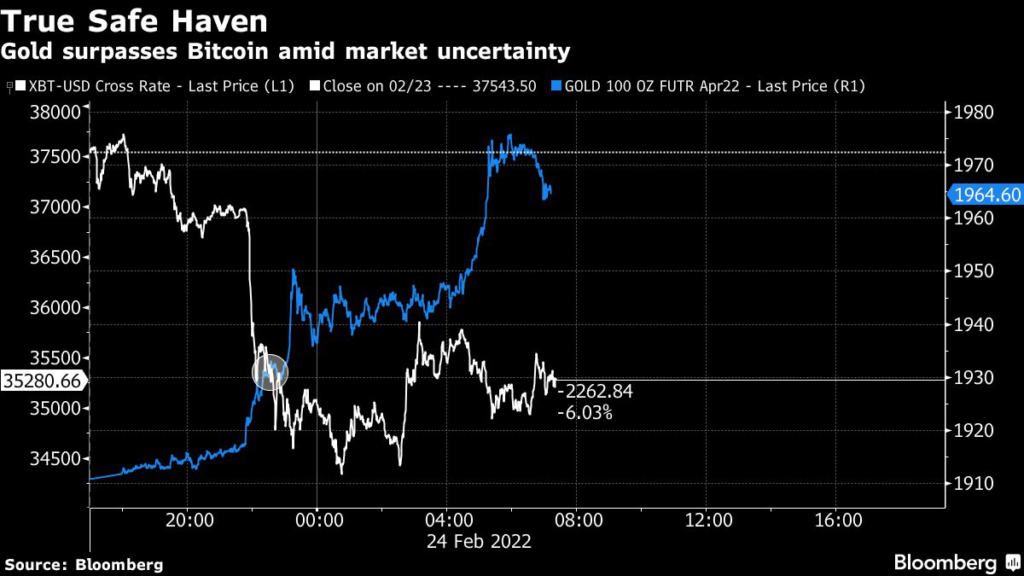
(Bloomberg) — Bitcoin is falling while gold is rising as investors seek traditional refuges amid the turmoil in Ukraine, undercutting the often-touted argument from advocates that the cryptocurrency is now a digital version of the long-time haven asset.   

“Bitcoin is much more of a momentum and risk-driven asset than it is the independent store of value that people want it to become, it’s not there yet,” said Tom Essaye, a former Merrill Lynch trader who founded “The Sevens Report” newsletter.     

Gold traded as high as $1,974 on Thursday, the most since September 2020, a year marked by the onset of the Covid-19 pandemic. The largest cryptocurrency by market value, Bitcoin fell as much as 8.5% to $34,337, the lowest in about a month. It has dropped almost 50% from its all-time high in November. 

“Gold is doing exactly what it should be doing right now, but it’s a much more mature asset and it’s got a proven history in these types of conflicts of how it trades,” Essaye said. “This is the first time Bitcoin has ever encountered a potentially major global conflict, and I would expect that the declines will continue as long as stocks are under pressure.”

Russia launched a full-scale attack on Ukraine Thursday. President Joseph Biden promised to imposed “severe” sanctions on the nation. The turmoil has been prompting investors to move their capital into safe havens, with gold reaching its highest peak in nearly two years. Treasuries and the dollar also strengthened.   

More stories like this are available on bloomberg.com

©2022 Bloomberg L.P.
Close Bitnami banner
Bitnami