Bloomberg

Lithium’s 1,200% Frenzy Tempered by Blip in China’s EV Market

(Bloomberg) — Lithium has run into a soft patch as its extraordinary two-year gain collides with signs of wariness over near-term demand from China’s electric vehicles.

The battery material’s price is set for a second weekly decline in China, while shares in lithium suppliers are falling. The culprit is the prospect of slower EV sales in coming months, which could blow back through the supply chain to raw materials. EV registrations plunged by more than a fifth in October from the prior month, data on Friday showed.

“It’s likely for lithium prices to face some small correction until early next year,” said Susan Zou, Shanghai-based analyst at Rystad Energy. “Battery makers need to destock while EV manufacturers are about to meet their annual targets. Meanwhile, they face elevated costs for raw materials and traditionally weaker consumption in the first quarter of the year.”

Lithium prices in China have about tripled over the past year, according to data from Asian Metal Inc., and rallied more than 1,200% since 2020 as supply struggles to match rampant demand. 

“We see the near-term lithium market remaining tight, supporting lithium prices,” analysts at Morgan Stanley wrote in a note Thursday. “However, we note that there is likely to be some price pullback when underlying demand for EVs starts to weaken sequentially, and industry players may become more cautious about placing orders and building inventory.” 

Government Aid

Chinese subsidies for EVs that encouraged rapid expansion over the past decade are due to be phased out at the end of 2022, though there is speculation they may be extended. Chinese EV giant BYD Co. is already raising the price of some cars, citing changes in government subsidies and volatile input costs.

“Whether the downturn in lithium prices remains sustainable would hinge on whether consumers would ultimately foot the bill of higher priced EVs,” said Keith Tan, associate regional pricing director for Asia metals at S&P Global Commodity Insights. “With government subsidies on EVs out of the picture next year, some in the industry think that the odds are stacked against further gains.”

Last week, China urged battery producers to expand output only when appropriate and avoid “vicious competition,” adding that it will punish companies for hoarding or price speculation. EV sales will be underpinned by rising economies of scale and global government stimulation, Citigroup Inc. wrote in a note this week lifting its short-term lithium forecasts.

“Overall fundamentals will support lithium prices to stay comparatively elevated in the next three to six months, as long as global economic growth can help maintain healthy EV demand next year,” Rystad Energy’s Zou added.

–With assistance from Chloe Lo.

More stories like this are available on bloomberg.com

©2022 Bloomberg L.P.

UK Bans Chinese Surveillance Gear From Sensitive State Premises

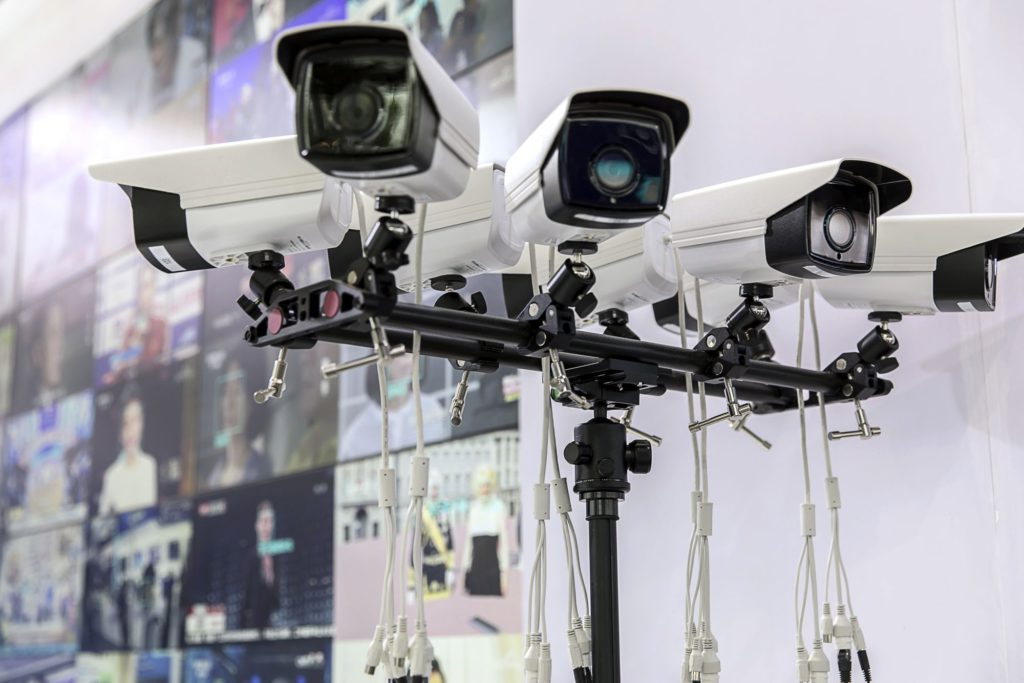
(Bloomberg) — The UK government will no longer deploy surveillance equipment made by Chinese companies at sites it considers sensitive, minister Oliver Dowden said in a statement Thursday.

“Since security considerations are always paramount around these sites, we are taking action now to prevent any security risks materialising,” Dowden said. The government’s decision was based on a review of current and future possible security risks arising from the installation of visual surveillance systems on the government estate.

China’s Hangzhou Hikvision Digital Technology Co. and Zhejiang Dahua Technology Co. are among the world’s leading video surveillance providers and have been on a US blacklist since 2019 because of concerns about them being implicated in human rights violations. Discontent about the lack of safeguards preventing the Chinese government from acquiring data and information from its companies has grown in recent years and other governments have taken steps to limit their exposure.

US legislators passed the Secure Equipment Act a year ago to similarly curtail the use of Chinese-made equipment in the country’s communication systems. UK Prime Minister Rishi Sunak has called China “a systemic challenge to our values and interests” and “the biggest state-based threat to our economic security.”

The UK government’s new instruction to state departments bans the addition at sensitive sites of equipment produced by companies subject to China’s National Intelligence Law. The government also advises considering whether to remove gear from such firms that’s already in place and applying the same risk mitigation to areas not considered sensitive.

Read more: UK Prime Minister Sunak’s China Pivot Will Need Careful Steering

More stories like this are available on bloomberg.com

©2022 Bloomberg L.P.

Ride-Hailing Nigeria Startup to Raise $100 Million in EV Push

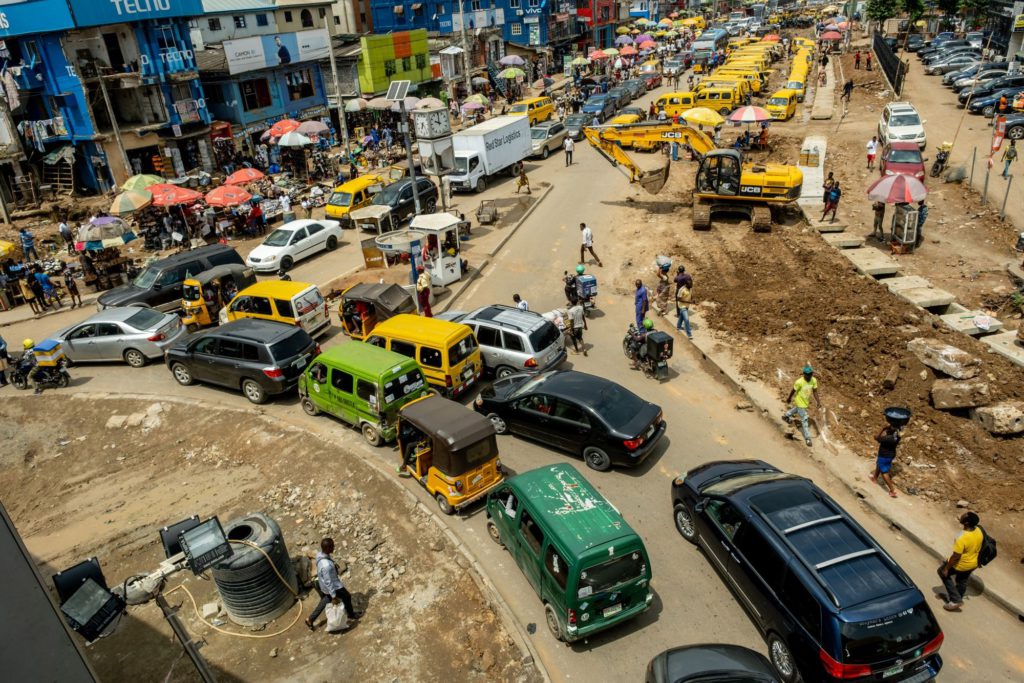
(Bloomberg) — Metro Africa Xpress Inc., a Nigerian ride-hailing startup, plans to raise $100 million to deploy electric vehicles in 10 African countries as demand for cheap, low-emissions transport increases. 

The company, backed by private-equity firm Lightrock LLP, expects to raise the funds by “the end of 2023,” enabling it to operate in countries including Cameroon, Uganda and Egypt, David Hoyme, director of international expansion, said in an interview. The firm currently has operations in Nigeria and Ghana.

The cost of owning EVs is cheaper than vehicles that use internal combustion engines. In Kenya, it costs 67% less, according to McKinsey & Co. Still, in a continent that largely depends on second-hand vehicles and suffers chronic power shortages, building an electric vehicle ecosystem may be challenging.

Max, as the company is known, raised $31 million last year. Hoyme, who previously worked at Goldman Sachs Group Inc. and Eventide Asset Management, plans to take advantage of his experience in negotiating partnerships to grow the company, he said.

Founded in 2015, the firm has a vehicle fleet — mainly three-wheeler rickshaws and sedans — of 9,000, of which just about 5% are electric. It plans to grow the proportion of electric vehicles to 70% by 2026, Hoyme said.

The Nigerian startup has partnerships with vehicle producers such as Yamaha Corp. and ride-hailing platform Bolt Technology OU as well as lenders. It is exploring further agreements that will help increase the supply of EV components including batteries to ease the adoption and expansion of the transport model on the continent, Hoyme said.


More stories like this are available on bloomberg.com

©2022 Bloomberg L.P.

Asian Shares Fall; Treasuries Rally After Holiday: Markets Wrap

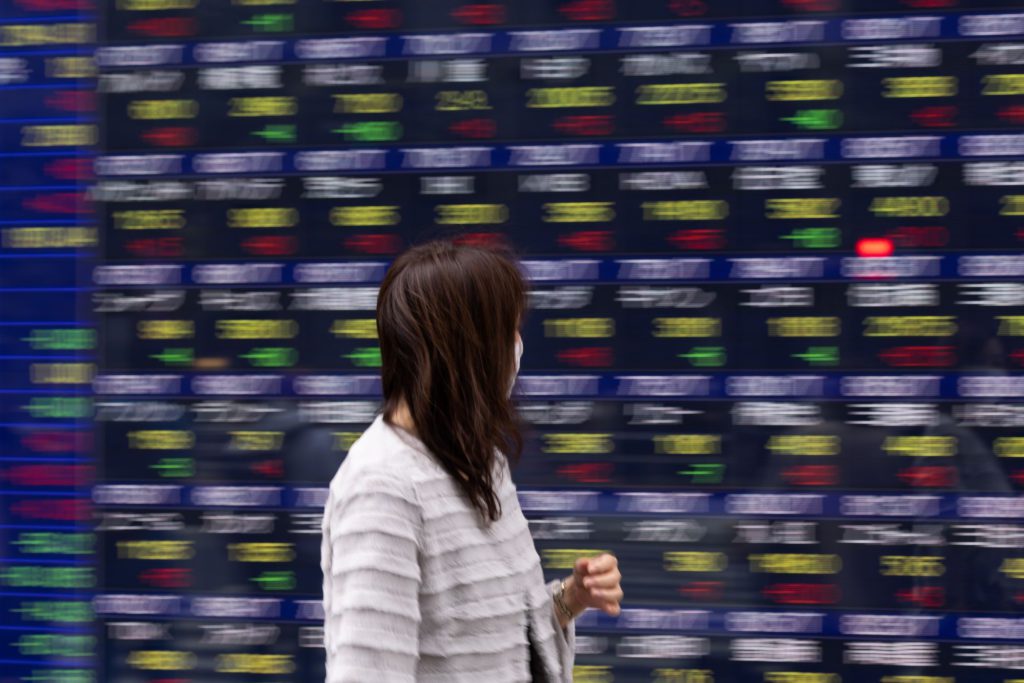
(Bloomberg) — A gauge of Asian stocks fell while US futures rose amid subdued trading on Friday. Treasuries climbed as trading resumed after the Thanksgiving holiday in the US. 

Hong Kong-listed technology stocks led declines among Chinese shares as investors weighed recent gains against an upswing in Covid-19 infections. Mainland benchmarks managed to eke out small gains in the face of lockdown-like restrictions affecting parts of Beijing. 

The advance in contracts for the S&P 500 and Nasdaq 100 follows commentary from Federal Reserve officials that supports the case a slower pace of interest-rate increases. The dollar fluctuated after three straight days of losses. 

Malaysia’s ringgit extended a rally as the appointment of a new prime minister cleared the political gridlock that has gripped the nation since recent elections.

The won climbed after the central bank governor said he needs to see strong signs that inflation is under control before discussing any prospect of a pivot away from policy tightening.

Yields on Japan’s benchmark 10-year bond rose one basis point to 0.25%, the top of the central bank’s target band, after Tokyo’s inflation picked up more speed to hit its fastest pace in 40 years. 

US markets will have a shortened session on Friday after the full-day closure Thursday. 

Oil headed for a third weekly loss as the European Union weighs a higher-than-expected price cap on flows of Russian crude and slowdown concerns threaten the outlook for energy demand.

Gold was poised for a modest weekly gain.

The outlook for Chinese markets is improving, despite the current flareup in virus cases, according to Jun Bei Liu, a portfolio manager at Tribeca Investment Partners.

“In the next 12 months things will get better. We have seen this playbook before across other economies,” she said on Bloomberg Television. “We’ll begin to see outperformance very soon in the next few quarters.” 

Some of the main moves in markets:

Stocks

  • S&P 500 futures rose 0.2% as of 2:39 p.m. in Tokyo.
  • Nasdaq 100 futures rose 0.4%.
  • The Topix Index was little changed
  • The Hang Seng Index fell 0.6%
  • The Shanghai Composite Index rose 0.6%
  • Euro Stoxx 50 futures were little changed

Currencies

  • The Bloomberg Dollar Spot Index was little changed
  • The euro was little changed at $1.0412
  • The Japanese yen was little changed at 138.63 per dollar
  • The offshore yuan was little changed at 7.1628 per dollar

Cryptocurrencies

  • Bitcoin fell 0.8% to $16,403.24
  • Ether fell 1.8% to $1,174.75

Bonds

  • The yield on 10-year Treasuries declined four basis points to 3.65%
  • Japan’s 10-year yield was at 0.25%
  • Australia’s 10-year yield advanced three basis points to 3.58%

Commodities

  • West Texas Intermediate crude rose 0.7% to $78.50 a barrel
  • Spot gold rose 0.2% to $1,758.22 an ounce

This story was produced with the assistance of Bloomberg Automation.

More stories like this are available on bloomberg.com

©2022 Bloomberg L.P.

Tesla Recalls Thousands of Cars in China on Software, Seat Belts

(Bloomberg) — Tesla Inc. is recalling almost 81,000 electric cars in China — more than it typically ships from its Shanghai factory in any given month — due to a software issue and seat belt problems.

The US EV maker will call back 70,434 imported Model S, Model X and Model 3 vehicles, and 10,127 China-made Model 3 cars, the nation’s State Administration for Market Regulation said in a statement Friday. 

The Model S and Model X recalls require an over-the-air software fix to address a defect in the cars’ battery management system, which may lead to a loss of power, while the Model 3s in question have a faulty seat belt fixture.

Tesla called for any impacted Model 3 owners to return their cars for a checkup and maintenance if needed, while urging drivers to be “cautious” on the road. 

The US electric vehicle maker is going through something of a rocky patch in China, the world’s biggest car market, with deliveries last month falling to 71,704 from a record high of 83,135 in September, underscoring the automaker’s recent price cut to boost demand. 

Tesla is also changing its marketing approach in China as fierce competition from domestic rivals like BYD Co. and uneven sales put its growth plans in what is also the world’s largest electric-car market at risk. 

Although Tesla recently upgraded its Shanghai factory to double capacity to about 1 million cars a year, wait times for cars have shrunk to as little as one week from as long as 22 weeks earlier this year, a sign the company is struggling to boost sales to meet those ambitions.

Elon Musk’s company is also suffering from various controversies over product safety in China following a recent accident in the southeast of the country that killed two people.

While Tesla earlier this month said it would assist a police investigation into the fatal crash involving the Model Y sports utility, claiming that data taken from the car showed no proof the brake pedal had been applied, the driver and his family insisted that accident must have been caused by a technical problem. 

It reminded the public of a high-profile protest last year, during which a Model 3 owner climbed atop a display vehicle at the Shanghai auto show and yelled that she almost died because her Tesla’s brakes failed. Tesla, which initially enjoyed a red carpet welcome in China, finally made a public apology after facing criticism from local authorities and state-run media, without acknowledging any defect to the car.

Friday’s recall isn’t the first either for Tesla in China, although its scale is smaller than prior ones.

In June last year, Tesla had to make a software fix to more than 285,000 cars, or most of the vehicles it had delivered there in recent years, to address a safety issue identified by the country’s regulator.

China is Tesla’s most important market after the US. The Model Ys and Model 3s made at its factory on the outskirts of Shanghai supply the local market and are also exported to other parts of Asia and Europe.

(Updates with context on scale of recall from first paragraph.)

More stories like this are available on bloomberg.com

©2022 Bloomberg L.P.

Australia Joins Push to Curb China’s Critical Metals Dominance

(Bloomberg) — Australia is vowing more assertive scrutiny of foreign investments in key commodities tied to electric cars and clean energy, in a potential warning to China which currently dominates the market.

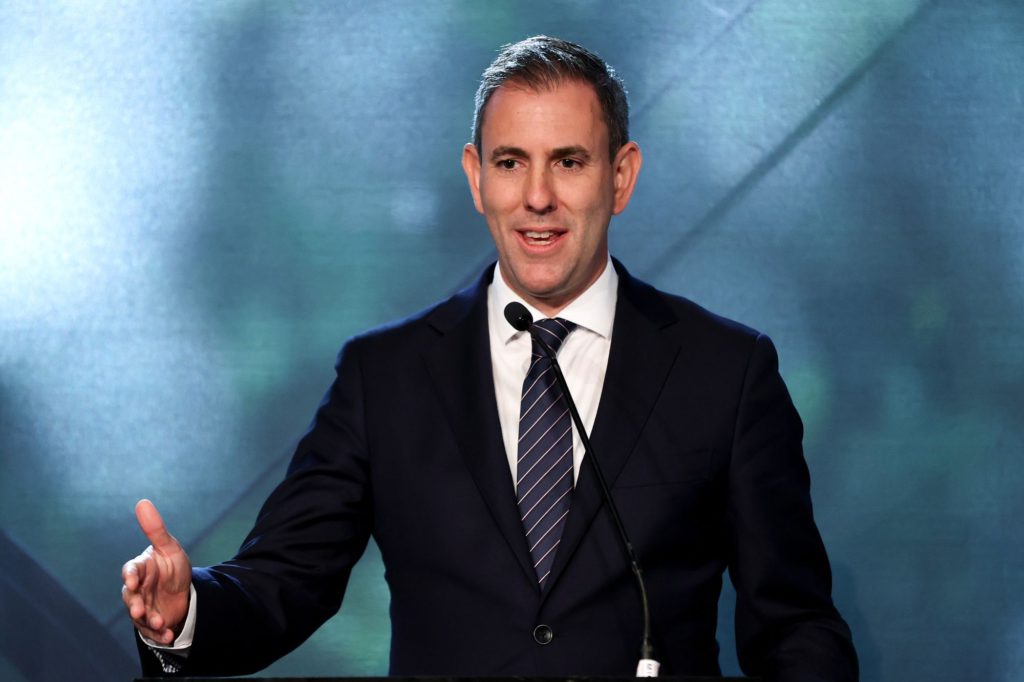
Treasurer Jim Chalmers has asked Treasury to work with the Foreign Investment Review Board and a range of other stakeholders to undertake a review of foreign investment in sectors like lithium and rare earths, he told a conference in Sydney on Friday.

“We’ll need to be more assertive about encouraging investment that clearly aligns with our national interest in the longer term,” Chalmers said in his speech.

While Chalmers didn’t directly identify China investment as a target of the review, Resources Minister Madeleine King said in a speech earlier this month that the Asian nation’s dominance of the market had led to “inherent vulnerabilities of concentrated supply chains.”

Australia’s latest move adds to a broader push against China’s dominance of battery metals and renewable energy technology following moves by President Joe Biden aimed at limiting the nation’s influence on key supply chains. Canada last month strengthened its rules around foreign investments in the sector and ordered three Chinese firms to sell their stakes in a trio of lithium explorers.

Australia, which has some of the world’s largest deposits of the resources vital in clean energy, military technology and advanced computers, has been working with the US to build its capacity in mining and processing of lithium and other critical minerals. Biden has offered incentives to boost domestic production, and called on allies to bolster processing capabilities.

Ganfeng Lithium Group Co. and Tianqi Lithium Corp. — China’s top two lithium producers — both hold stakes in key operations in Australia. Ganfeng holds 50% of the Mount Marion mine, while Tianqi controls the Kwinana refinery and a share of Western Australia’s Greenbushes, the world’s biggest lithium mine.

In February, China-based Shenghe Resources Holding Co. added a 19.9% stake in Peak Rare Earths Ltd., a Perth-based developer of projects in Africa and the UK.

Read more: Breaking China’s Grip on Rare-Earths Markets a ‘Pipe Dream,’ Australia Says

Resources Minister King told Bloomberg in October there has been interest in the sectors from investors in the European Union and from partners including South Korea.

While noting discussions among lithium-producing nations in South America on a possible agreement on production and pricing, and in Asia on a similar set up for nickel and other key battery minerals, Chalmers ruled out Australia’s potential involvement in creating an “OPEC-like” set up for critical minerals.

Indonesian Investment Minister Bahlil Lahadalia earlier this month floated the idea of alliance of nickel suppliers that he said would help to unite government policies on the in-demand battery metal. The plan had been discussed with both Canada and Australia.

“Rather than locking down supply chains and trying to create an OPEC-like set up for critical minerals, we’d be better off responding by diversifying global supply chains and making them more resilient,” Chalmers said.

(Updates with Resources Minister King’s comments in fourth paragraph)

More stories like this are available on bloomberg.com

©2022 Bloomberg L.P.

Singapore Warns of Potential Global Funding Markets Dysfunction

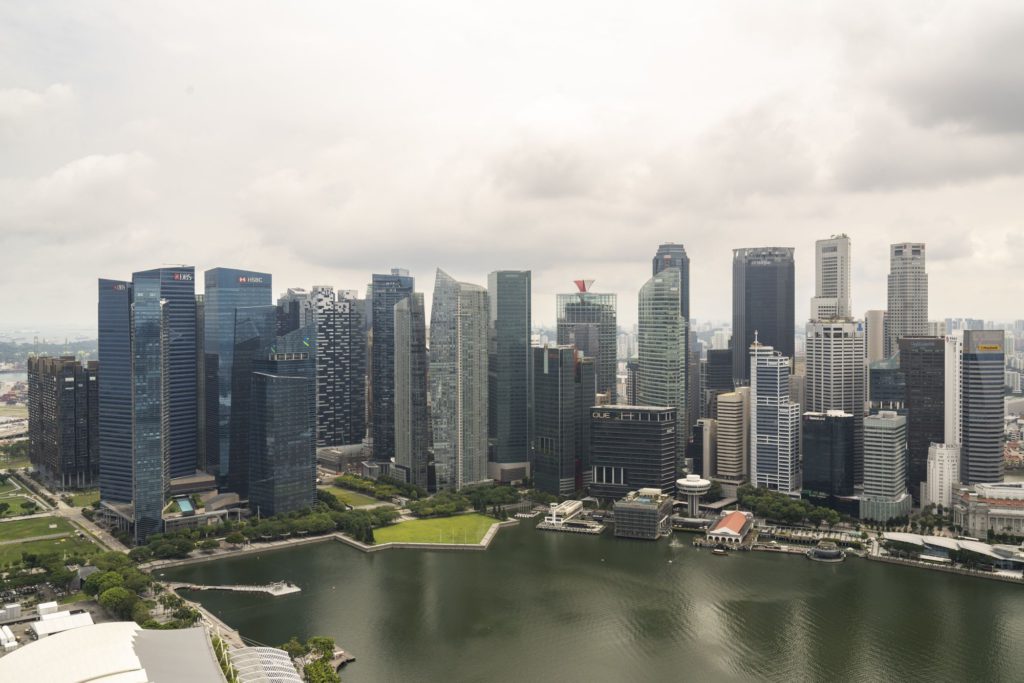
(Bloomberg) — Singapore’s central bank warned of “potential dysfunction” in global funding markets and liquidity strains on financial firms that could spill over to banks and companies, amid intensifying risks to international financial stability.  

Central banks should step up as market makers of last resort should liquidity stresses emerge that could threaten severe disruptions in core funding markets, the Monetary Authority of Singapore said in an annual review published Friday, referring to the issue as “the most immediate risk” to global financial stability. 

“Targeted and temporary interventions aimed at smoothing volatility would help avoid a breakdown in market functioning, without obstructing the necessary tightening of monetary policy to deal with the inflationary pressures in the economy,” the MAS said. 

The MAS is the latest to flag the mounting financial stability risks as central banks around the world combat inflation with aggressive policy tightening. Earlier this month, European Central Bank Vice President Luis de Guindos warned the threat to financial stability had grown larger and that the increase in interest rates was weighing more heavily on fiscal positions.

The cases of Britain, where the central bank was forced into action to prevent a gilt market crash, and South Korea underscore the current fragile state of markets. With short-term debt yields at their highest since the global financial crisis, officials in Korea have rushed to stem a credit crunch following the default of a property developer, pledging an aid package of at least 50 trillion won ($38 billion).

Higher Risks

“Tighter financial conditions and highly volatile markets could give rise to liquidity imbalances that central banks and fiscal authorities need to adequately address to avoid precipitating a disorderly liquidation of assets,” it said.

The global economy is beset by rising interest rates, higher inflation and slowing growth along with heightened geopolitical tensions and supply chain disruptions that have clouded the outlook for financial stability, the MAS said.

In Singapore, corporate, banking and household sectors are resilient, the MAS’ stress tests show. Still these sectors should prepare for more challenging macro-financial conditions and local indicators of financial vulnerabilities have edged up, it said. The city-state’s growth is likely to “stay restrained” in the coming quarters and the economy is projected to slow further to a below-trend pace next year, the central bank said.

Other Highlights From the Report 

  • Singapore banks should actively monitor and manage their credit risks because of potential pressure on asset quality coming from a global economic downturn and rising interest rates
  • In the local residential property sector, MAS warns higher interest rates and macroeconomic uncertainties could affect demand in the period ahead
  • For local companies, the liquidity ratios of hotels and restaurants, construction and property sectors have yet to fully recover, while most industries are currently at or exceeding pre-pandemic levels
  • MAS also warned of vulnerabilities from crypto-assets and decentralized finance posing “material risk” to global financial stability through linkages with the traditional financial system
  • Stablecoins’ proliferation as an alternative medium of exchange exposes the international financial system to such issuers


–With assistance from Nurin Sofia, Suvashree Ghosh and Catherine Bosley.

More stories like this are available on bloomberg.com

©2022 Bloomberg L.P.

Just `17 People and a Dog’ Stand Between Ukraine’s Neighbor and Energy Meltdown

(Bloomberg) — Moldova has not yet suffered sweeping blackouts of the kind seen in Ukraine. But President Maia Sandu said in early November that the price of gas to consumers had risen six-fold in a year, and families were now spending up to 70-75% of their incomes on utilities. Pro-Russia parties have organized protests to channel popular anger. The group at Moldova’s electricity utility tasked with keeping the country’s lights on were out of breath, literally running between meetings.

Backed by a staff of just 17, acting Energocom general director Victor Binzari and his two sidekicks have been scrambling to find new sources of power since mid-October, when Russian missile strikes in Ukraine took out the substations providing almost a third of Moldova’s electricity imports.

The remaining two thirds disappeared earlier this month, after Moscow reduced natural gas supplies to this diminutive ex-Soviet Republic, sandwiched between Ukraine, NATO member Romania and Russia’s great power ambitions.

Almost overnight, Moldova had to start buying about 80% of its power and half its natural gas from Europe —  the most abrupt transition from Russian to Western energy supplies experienced by any former Soviet-bloc country since the empire began its collapse in 1989.

Russia Knocks Out the Power Keeping Millions of Ukrainians Warm

On Tuesday, Russia’s energy giant Gazprom PJSC threatened to cut gas supplies further as of Nov. 28. On Wednesday, Moldova was without power for two hours after Russian missile strikes on Ukraine interrupted emergency flows from Europe.

Energy costs have tripled or more, blowing an estimated 8% of GDP hole in one of Europe’s poorest economies and creating a ready target for Moldova’s pro-Russia opposition parties to attack the government.

Russian Energy Cuts to Cost Tiny Moldova Over $1 Billion

“You understand that most people don’t have the possibility to pay, it is a huge difference,” Binzari said at his office in central Chisinau, squeezed between a relentless round of meetings and calls that has left him and his advisers with little sleep.

The European Union says it will help with funding, but money isn’t the only issue.

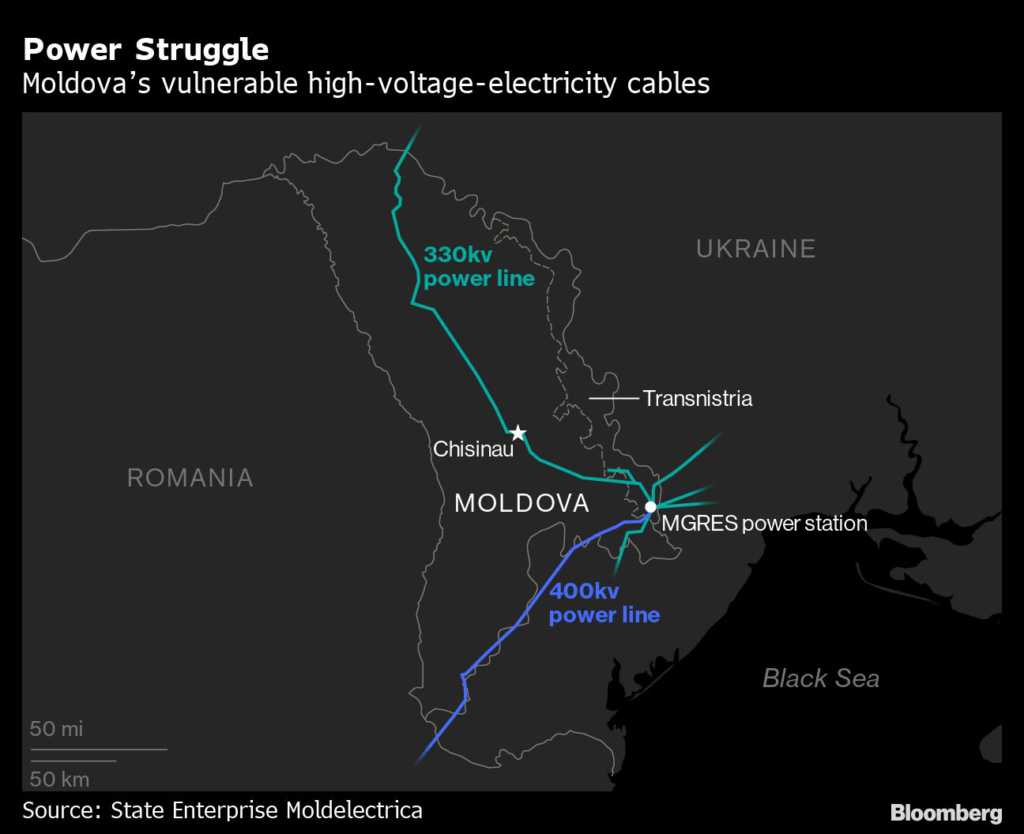
The 400 kilovolt cable from Romania through which the country now gets most of its power threads either side of the border with Ukraine before landing at a power station in Transnistria, a separatist territory that broke away from Moldova with the help of Russian troops in 1992.

Until Nov. 1, the mainly gas fired power station — run by the Russian-owned Moldavskaya GRES — provided the rest of the country with over half its electricity. Now it’s a de facto distribution hub for power on its way from Romania to Chisinau. A well-aimed Russian missile, or just the flip of a switch in Transnistria, could cut Moldova’s new European lifeline.

Wednesday’s nationwide blackout offered a foretaste. The cable from Romania likely failed in a domino effect as missile strikes disrupted the grid in Ukraine’s Odesa region, according to Maciej Wozniak, a Polish adviser sent to help Energocom.

Nations across Europe are struggling with rising energy prices, but none has seen prices rise as fast, from as low a base, or to be paid for by as poor a population. It took Poland seven years to make the transition to market prices, Wozniak said.

EU Proposes Brake on Gas Prices as Russia Squeezes AgainMoldova has not yet suffered sweeping blackouts of the kind seen in Ukraine. But President Maia Sandu said in early November that the price of gas to consumers had risen six-fold in a year, and families were now spending up to 70-75% of their incomes on utilities. Pro-Russia parties have organized protests to channel popular anger. 

Russia dismisses accusations it uses energy as a weapon. Gazprom gave justifications for cuts to Moldova’s contracted supply in October and November that were commercial and technical, respectively. Flows are down 49% from the amount due this month, according to Moldova. Explaining its latest threat of further cuts, Gazprom said Ukraine was holding onto transit gas intended for Moldova.

On Wednesday, Moldovagaz Chief Executive Officer Vadim Ceban said in a Telegram post that Ukraine did hold Moldovan gas on a balancing account, but by agreement; Moldova lacked capacity to store gas that had no buyers in October’s unusually warm weather, but would take its gas as temperatures fall.

As occurred in 2006, Gazprom’s disputes with Ukraine (and now Moldova) could end up cutting onward gas supplies to Europe. 

“It isn’t just a war being waged by generals in Ukraine, this is also economic and informational warfare,” said Tatiana Savva, deputy director of Moldova’s Public Property Fund, who also heads Energocom’s supervisory board and has pitched in to help Binzari.

Still, there are reasons Moldova’s worst fears may not materialize. If Transnistria cut the cable from Romania, for example, it could soon find the steel and other exports on which it depends for revenue blocked from reaching their EU markets. 

The minor miracle is that Moldova’s lights have stayed on at all. Still wholly dependent on Soviet legacy energy networks until this year despite warnings, the country is suddenly having to buy electricity contracts on European exchanges. That required opening foreign subsidiaries, offices and bank accounts, as well as registering for a Romanian trading license in the space of days.

“Last year we made 10 trading contracts. In the last two weeks we signed 30,” said Savva. “Where we would like to end up is with a diversified energy supply and a fully staffed company, and I’m not talking about 17 people and a dog.” 

Energocom needed so few personnel (in January there were 12, soon there will be 20) because until this year, little had changed since the USSR’s 1991 dissolution in the way Moldova got its power and gas. Electricity came from the same power plant, over the same cables, as in Soviet times.

Moldova saw the Russian energy cuts coming, said State Secretary for Energy Constantin Borosan. His ministry bought and stored as much gas as it could. It converted heating plants from gas to heavy oil, among dozens of other measures. With an assist from warm weather, he says, natural gas consumption fell almost 50% in October, year-on-year, and electricity consumption by 14.4% 

But power is hard to store and failures can be destructive. Take Chisinau’s glass factory, on the outskirts of the capital, which makes bottles for wines and spirits across Europe. Just five minutes without power would force the factory’s furnace to shut down, according to Chief Executive Officer Ion Covrig.

“It would take us 15 months and many millions of dollars to rebuild the furnace so it could restart,” Covrig said. Already he’s having to adjust to energy costs that are higher than for some competitors in Europe. He had a scare during Wednesday’s blackout, when power dropped for a few seconds before backups kicked in.

According to Victor Parlicov, previously head of Moldova’s energy regulator, Soviet energy infrastructure was built to help keep the union together, which is why the high voltage cable to Romania needlessly criss-crosses the border with Ukraine.

It’s also why the Soviet leadership attached Transnistria — a slice of mainly Russian-speaking territory on the east bank of the Dniester River — to Moldova when forming the then-republic, and why the main power plant and industries were put there, Parlicov said.

He also sees significance in the date of President Vladimir Putin’s invasion of Ukraine, because Feb. 24 was when a network test was scheduled to separate Ukraine and Moldova from the Russia-Belarus power grid for the first time, so they could trade electricity between themselves and the EU.

“Moldova was always seen by the Soviets as disloyal, and it was,” Parlicov said, because the mainly Romanian speaking region — now independent and bidding for EU membership — had revolted at every opportunity since being absorbed by the Russian empire in 1812. The web of Soviet power and pipelines supplying cheap Russian energy were designed to discourage any repeat.


More stories like this are available on bloomberg.com

©2022 Bloomberg L.P.

Retailers Prepare for a Muted Shopping Day: Black Friday Update

(Bloomberg) — US retailers are bracing for a slower-than-normal Black Friday as high inflation and sagging consumer sentiment erode Americans’ demand for material goods. 

After adjusting for inflation, seasonal sales are likely to fall 1.2%, the first decline since 2009, according to S&P Global Market Intelligence. At the same time, there’s a lot of nuance to be gleaned from companies’ earnings reports in recent weeks. It’s clear that shoppers are willing to fork out cash, if the price is right. A buildup of inventory has forced companies into widespread markdowns — a move that hurts profits but appears to be drawing in discount-hunting consumers.

At the same time, companies from Nordstrom Inc. to Kohl’s Corp. have noted weaker performance in late October and earlier December. If that trend continues, a stock rally that has bolstered the industry in recent weeks could prove short-lived. 

Bloomberg News will be following the latest developments as information becomes available throughout the day. All time stamps reflect the US East Coast. 

Adobe Sees 2.5% Growth — Without Inflation (12:01 a.m.)

A key question this Black Friday will be how much higher prices are contributing to better sales numbers.

Overall spending this holiday season is seen growing 2.5% from a year ago, compared with 8.6% last year and a whopping 32% in 2020, according to data from Adobe Inc. Those figures aren’t adjusted for inflation, meaning that sales could be down by volume given that consumer prices are up 7.7% from a year ago.

Telsey Sees Profits Amid Discounts as Key (12:01 a.m.) 

Success for retailers this holiday season will be determined by which companies can maintain their discounts and still come out profitable, said Dana Telsey, chief executive officer of Telsey Advisory Group, in a Nov. 23 interview on Bloomberg Television. There’s still more inventory “to get through as we enter the holiday season, which is going to lead to good deals and good values for the consumer,” she said.

Telsey also said that brick-and-mortar sales are likely to get a big boost this year because “we have not had this type of in-person shopping for two years during the holiday season” due to Covid-19.

–With assistance from Tonya Garcia and Daniela Sirtori-Cortina.

More stories like this are available on bloomberg.com

©2022 Bloomberg L.P.

Foreign Investors Pile Into Taiwan Stocks by Most in 15 Years

(Bloomberg) — Foreign investors are piling back into Taiwan’s market thanks to expectations of slower global rate hikes, helping make the benchmark gauge one of the region’s best performers this month.

The stock rebound and influx of foreign capital come ahead of local elections on Saturday, with polls serving as a show of confidence in the ruling Democratic Progressive Party ahead of a presidential vote in 2024.

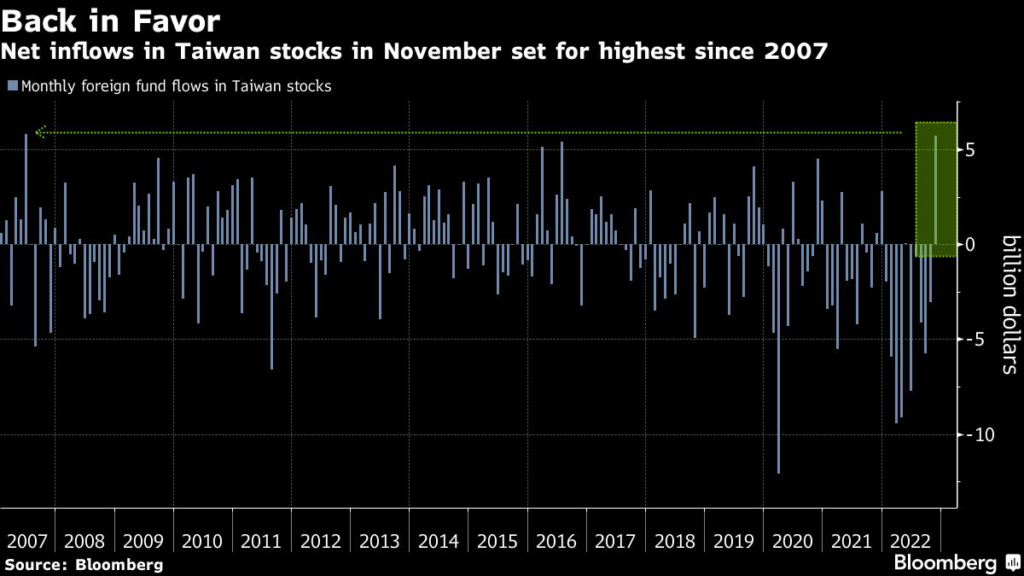
November’s net inflows into the island’s stocks reached $5.73 billion as of Thursday, set for the first positive figure in six months and the most since June 2007, according to Bloomberg-compiled data. 

More market watchers are calling an end to the semiconductor downcycle by mid-2023 amid enticing valuations. That, alongside a potential pivot by the Federal Reserve and easing geopolitical tensions after the meeting between China’s President Xi Jinping and his US counterpart Joe Biden, has helped the rebound in Taiwanese stocks. 

The Taiex Index is up 14% so far this month, set for its best in more than 13 years, with index heavyweight Taiwan Semiconductor Manufacturing Co. advancing 27%. The shifting sentiment has also lifted the Taiwanese dollar from its weakest level since 2016, with the currency jumping more than 4% in November to head for its strongest monthly gains since 1998.

Taiwan’s stocks are primed to advance further once the election overhang is removed, according to Angela Chuang, a fund manager at Capital Investment Trust Corp. “Past records show that the Taiex rose by 10% on average one month after local elections. So I think no matter which party wins, Taiwanese stocks will get a boost.”

Read: Winter Brings Hope to Taiwan Market as Vote Looms: Taking Stock

Taiwanese stocks suffered a massive selloff this year amid a global technology stock rout and rising political tensions with China. The Taiex Index is still down 19% this year, with net selling of $41.9 billion worth of stocks by foreigners set to be the most on record.

The outlook is more positive in the traditionally strong month of December, as “companies are buying back shares to boost their portfolios for year-end window-dressing,” said Ares Chou, a fund manager at Franklin Templeton SinoAm Securities Investment Management Inc.

–With assistance from Jeffrey Hernandez and Chester Yung.

More stories like this are available on bloomberg.com

©2022 Bloomberg L.P.
Close Bitnami banner
Bitnami