

Bloomberg

Ukraine Latest: UK to Send Helicopters; EU Cap on Oil Exports

(Bloomberg) — The UK said it completed its first delivery of helicopters to Ukraine and pledged to provide artillery rounds.

European Union ambassadors are scheduled to meet on Wednesday with the intention of approving a cap on Russia’s oil exports. The bloc watered down its latest sanctions proposal for the cap by delaying its full implementation and softening key shipping provisions.

The diplomats are expected to also discuss the price level at the meeting. If they back the proposal, the EU and the Group of Seven could announce the cap as early as this evening.

(See RSAN on the Bloomberg Terminal for the Russian Sanctions Dashboard.)

Key Developments

  • China Pauses Some Russian Oil Purchases Ahead of Price Cap
  • EU Set to Soften Russian Oil Price Cap Plan Before Approval
  • Europe Faces the First Test of Its Winter Energy Resilience
  • World’s Most-Crucial Fuel Heads for Shortage Touching Everything

On the Ground

Russian forces hit a maternity ward in the Zaporizhzhia region with missiles overnight, leaving one newborn baby dead, Governor Oleksandr Starukh said on Telegram. Russian troops are reinforcing their defensive positions on the Kryvyi Rih and Kherson axes and continue to shell Ukrainian forces and settlements on the right bank of the Dnipro River, Ukraine’s General staff said. Parts of the Chernihiv, Sumy, Kharkiv and Donetsk regions were also shelled over the past day, according to the military.

(All times CET)

Germany Pledges Support Until War Ends (9:57 a.m.)

German Chancellor Olaf Scholz said his government will support the administration in Kyiv until Russia’s war is over. 

“We will stick to this course — in solidarity with our closest allies — until this senseless, brutal, criminal war ends,” he told the lower house of parliament in Berlin. “Russia must finally stop this war!” 

UK Delivers Helicopters, Pledges Artillery Rounds (9:10 a.m.)

The UK said it completed its first delivery of helicopters to Ukraine and pledged an additional 10,000 artillery rounds, the Ministry of Defence said.

An undisclosed number of Sea King helicopters has been delivered to Ukraine to provide search and rescue capability, according to a statement from the ministry. It comes after Britain’s Royal Navy provided 10 weeks of Sea King training for 10 Ukrainian crews in the UK.

NATO Allies Test Air and Missile Defense Capabilities (9:05 a.m.)

NATO allies are testing their air and missile defense capabilities in Romania on Wednesday, simulating an attack by a fighter jet and using a French MAMBA surface-based system to repel it.

The exercise comes a week after a missile landed on Polish soil, killing two, that was likely the result of Ukrainian forces fending off a barrage of missile attacks from Russia. NATO has said the incident was likely caused by Ukrainian missile defense.

Putin Meets Fertilizer Tycoon Mazepin (8:30 a.m.)

Russian President Vladimir Putin met with Dmitry Mazepin, an investor in the Uralchem-Uralkali fertilizer group, to discuss fertilizers shipments issues, state television reported. 

Mazepin asked the president to help to re-start ammonium fertilizer shipments via Ukraine’s Odesa port as part of a grain shipment deal that was extended last week. 

Aid Stations Being Readied Amid Blackout Threat (3 a.m.)

Ukraine’s government is preparing a network of emergency aid stations across the country to help citizens endure mass blackouts that could drag on for days if Russia continues large-scale attacks on the nation’s energy infrastructure. 

‘’All of us should be prepared for any scenarios. given what kind of terrorists are fighting against our people and what they are struggling to do,” President Volodymyr Zelenskiy said in his regular nightly address on Tuesday.

The aid stations will give people access to basic services including electricity, mobile networks, Internet access, water and first aid.

More stories like this are available on bloomberg.com

©2022 Bloomberg L.P.
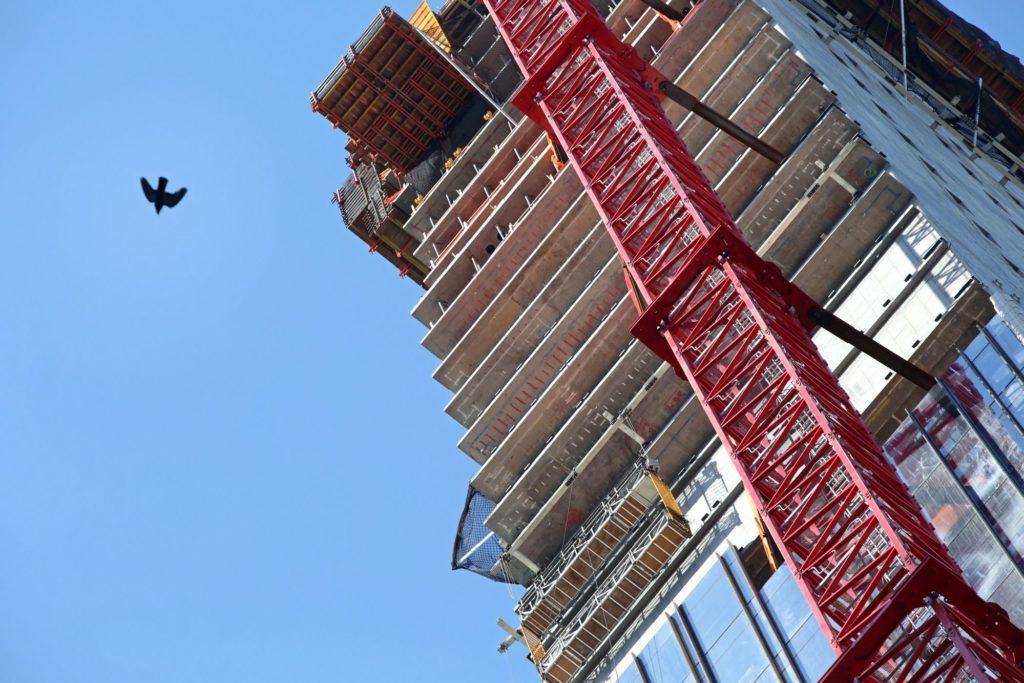
Turkish Developer in Tie-Up to Invest $2.2 Billion in US Housing

(Bloomberg) —

Turkish developer Nef is in a joint venture to invest about $2.2 billion to build affordable housing across the US where the pandemic has fueled a housing crunch.

Istanbul-based Nef signed an agreement with Miami-based Workforce Housing Partners LLC to develop about 10,000 condos, dormitories and rental units over five years, according to Nef Chairman Erden Timur.

The partnership, in which Nef holds 90% and Workforce Housing the rest, will initially develop 2,200 units — including apartments and 800 student dormitories — in Miami where demand for housing is high, Timur said in an interview in Istanbul. It then plans to build a further 3,800 units across the US next year. 

“We are focusing on areas in the US where there is a severe housing shortage,” he said. “Miami looks perfect for rental housing, as well as Austin in Texas.” It also plans to invest in Brooklyn, New York and downtown Los Angeles.

Decades of underbuilding have led to soaring prices and the biggest deficit of homes in the US. The shortage has taken on added urgency this year as rising rents contribute to the fastest inflation in decades and the pandemic exacerbated supply challenges. All together, the country needed almost 3.8 million homes in 2019, according to research by industry group Up for Growth. 

The US has long attracted interest from the Middle East. The region’s sovereign wealth funds have been building their portfolio of US property, while Investcorp, the region’s largest alternative asset management firm, bought over 200 properties worth about $2.5 billion in the US last year.

‘Housing Crisis’

There is “a housing crisis in America, especially in Miami, Southern California and major markets in Texas,” Jason Talbot, managing partner of Workforce Housing, said in the same interview in Istanbul. A spike in rental prices, significant domestic migration and “incredibly low vacancy rates have created a tremendous opportunity for developers” in those areas, he said.

Greater Miami, with a population of 6 million, is attracting real estate investments as crypto investors, hedge fund managers and lawyers relocate from other areas of the US, fueling demand for property after the Covid-19 pandemic. Ken Griffin recently moved his family and financial empire to Miami from Chicago.

“Post-Covid Miami is a much different place,” said Talbot. There’s a “huge influx of technology, finance and generally speaking a huge migration of domestic money and wealth domiciling in the state, which in turn creates a more diverse resilient local economy.”

The joint venture will build condos in the Goulds and Perrine districts of Miami Beach, which are expected to rent for about $1,900 a month. This compares with the average rental price of $2,520 for one-bedroom condos, which have jumped 34% year on year, according to Zumper Inc. 

It will also develop dormitories in the Novu project close to Florida International University. 

IPO Plans

The partnership plans to initially provide 25% to 35% of investments from its own equity and borrow the remainder from banks, Timur said. Proceeds from rental income will then help finance future housing projects, he said.

Timur is eventually considering an initial public offering of Nef’s holding company, which includes technology and land marketing units in the US or Europe. “We can consider this in 2025 or 2026,” he said.

Nef’s sole shareholder Timur Gayrimenkul has around 25 billion liras ($1.34 billion) of assets. About 13 billion liras of equity came from housing projects in Turkey this year, excluding land projects at home and housing projects abroad, Timur said. Sales reached 3.5 billion liras in 2021, he said.

Nef, formally known as Timur Gayrimenkul Gelistirme Yapi Ve Yatirim AS, has already constructed almost 15,000 units in Turkey, New York, the UK and Kazakhstan. Workforce Housing Partners has been active in Florida since 2010. 

More stories like this are available on bloomberg.com

©2022 Bloomberg L.P.
Booming UK Warehouse Values Come to Halt as  Interest Rates Outweigh Rent Hikes

(Bloomberg) —

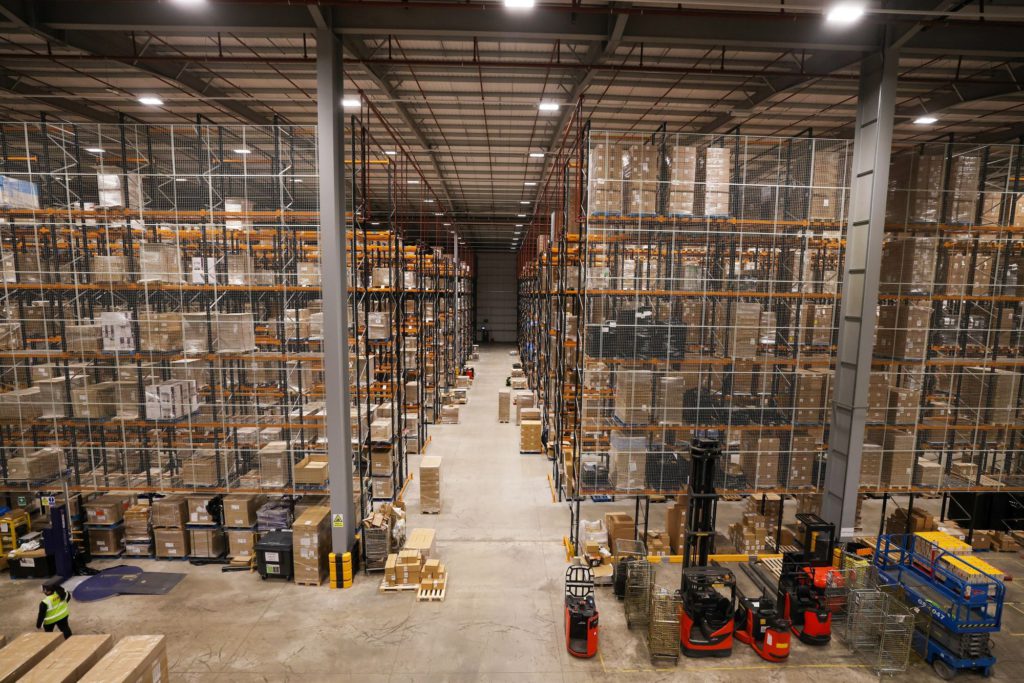
The astronomic growth in the value of UK warehouse properties is coming to a juddering halt as rising interest rates outweigh hefty rent hikes.

LondonMetric Property Plc, a landlord that transformed itself to capitalize on the boom in online shopping almost a decade ago, reported half year EPRA net assets per share that were 12.2% lower than the end of March. It signals the end of a dramatic period of growth in asset values for the company, which has tripled the size of its portfolio since its creation through a merger in 2013, thanks to its bet on warehouse demand. 

“We continue to operate in a volatile environment with a number of challenges facing both the economy and the consumer,” LondonMetric Chief Executive Officer Andrew Jones said. “Sharp movements in both bond yields and interest rates have brought to an end the era of cheap money and is having a material impact on real estate valuations.”

A severe shortage of warehouse space in areas close to population centers has underpinned massive rental growth, helping drive warehouse values higher. Rents continue to rise but the impact of higher rents has been more than offset by the increased cost of borrowing that’s feeding into property valuations. 

LondonMetric’s portfolio was valued at £3.5 billion at the end of September, down from £3.6 billion in March. That represents a slowdown from its previous financial year when the value of its portfolio jumped from £2.6 billion in 12 months. A 13.5% increase in net rental income in the six months through September helped cushion the blow to values from rising rates. 

London & Stamford and Metric Property merged to create LondonMetric Property in a 2013 deal that combined residential, office, retail and distribution real estate. In the following years, the newly formed firm pivoted its holdings and significantly increased its exposure to warehouses. Distribution property now makes up almost 75% of its portfolio.

More stories like this are available on bloomberg.com

©2022 Bloomberg L.P.
Bitcoin’s Crystal Ball Has a $5,000-to-$1 Million Range Post-FTX

(Bloomberg) — Pick a number and cross your fingers. Crypto naysayers who argue that’s the essence of Bitcoin prognostication are likely finding validation in the thick uncertainty shrouding the sector.

Over the past few days, long-term targets for the world’s largest token by market value have ranged from $5,000 at strategists BCA Research Inc. to $1 million by 2030 for Ark Investment Management’s Cathie Wood. 

The cavernous spread reflects the gnarly question of what further contagion may or may not lie ahead following the evisceration of Sam Bankman-Fried’s FTX exchange and trading house Alameda Research, onetime crypto darlings.

The blowup is just the latest contender for the darkest moment in digital assets amid a yearlong rout driven partly by surging interest rates. Bitcoin and a gauge of the top 100 tokens have shed some 70% over a period pockmarked with detonating crypto projects and bitter Twitter jousts between fallen moguls.

“People don’t know which platforms they can trust,” Adrian Przelozny, chief executive of the Independent Reserve crypto exchange, said on Bloomberg Television. “I think this will take a while to bubble through the market.”

Bitcoin, Ether and other major tokens have steadied this week, a hiatus from the selloff sparked by FTX — though the fear of wider fallout remains palpable. Bitcoin climbed about 2% to $16,460 as of 7:20 a.m. in London.

For BCA Research Chief Global Strategist Peter Berezin, positive real interest rates — the true cost of borrowing — have pushed up the opportunity cost of holding crypto. “Fiat currencies may get the last laugh,” he wrote in a note.

In contrast, Ark’s Wood is sticking by her bullish forecast of $1 million for the coin by 2030, citing the underlying technology of digital assets. She also said there’s likely to be more fallout from FTX in the immediate future.

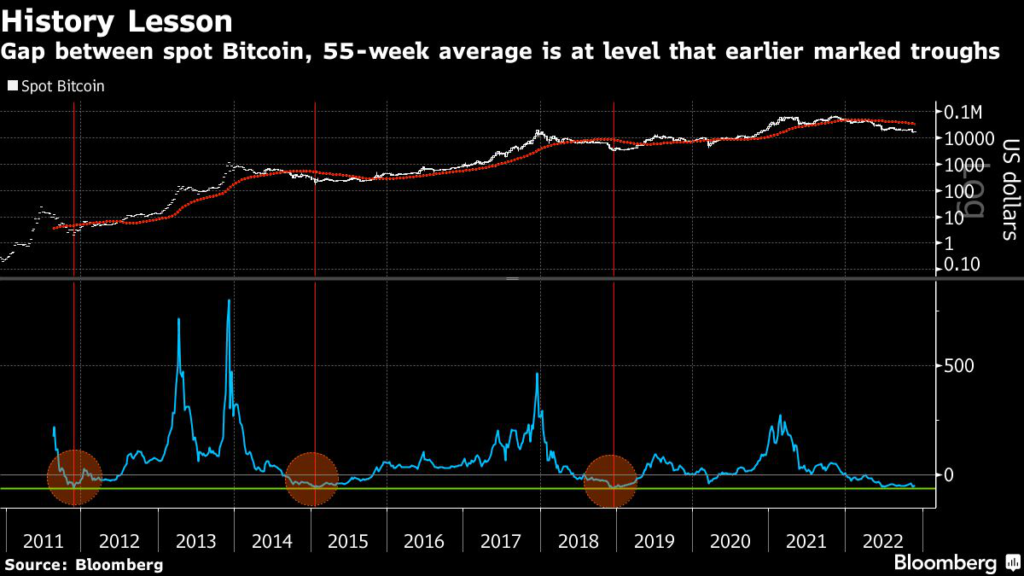
Crypto speculators often tap chart patterns for a sense of what lies ahead.

On the one hand, Bitcoin’s slide from a record of almost $69,000 in November last year is close to 80%. Bubbles “fully pop when the asset in question goes down 80%-to-90%,” according to 22V technical strategist John Roque.

On the other hand, some forecasters are homing in on a poetic return to $10,000 as that’s the level the token broke out from in 2020 on a bull run.

Independent Reserve’s Przelozny flagged significant “counterparty risk in the industry” and added that he anticipates “low prices and lot of uncertainty in the next three to six months at least.”

For crypto market prices: CRYP; for top crypto news: TOP CRYPTO.


–With assistance from Suvashree Ghosh.

More stories like this are available on bloomberg.com

©2022 Bloomberg L.P.
El Salvador Steps Closer to Issuing Controversial Bitcoin Bonds

(Bloomberg) — El Salvador’s presidency dispatched a digital-securities bill to lawmakers, taking the nation a step closer to raising $1 billion via the world’s first sovereign blockchain bond.

A spokesperson for the presidency late Tuesday released a copy of the 33-page legislation, which calls for a digital-assets commission and a Bitcoin Fund Management Agency to oversee crypto-related debt sales.

The text says the goal is to “create a legal framework to transfer digital assets that are used in public issuances in El Salvador, as well as regulate the requirements and obligations of issuers and providers of digital assets.”

The proposed blockchain bonds, with a minimum investment of just $100, are meant to help finance the construction of a tax-free, coastal Bitcoin City that would have geothermal energy from a nearby volcano for mining digital coins.

The bonds would raise $500 million for infrastructure in Bitcoin City and another $500 million to buy Bitcoin, with any appreciation in the digital currency ultimately shared with bondholders.

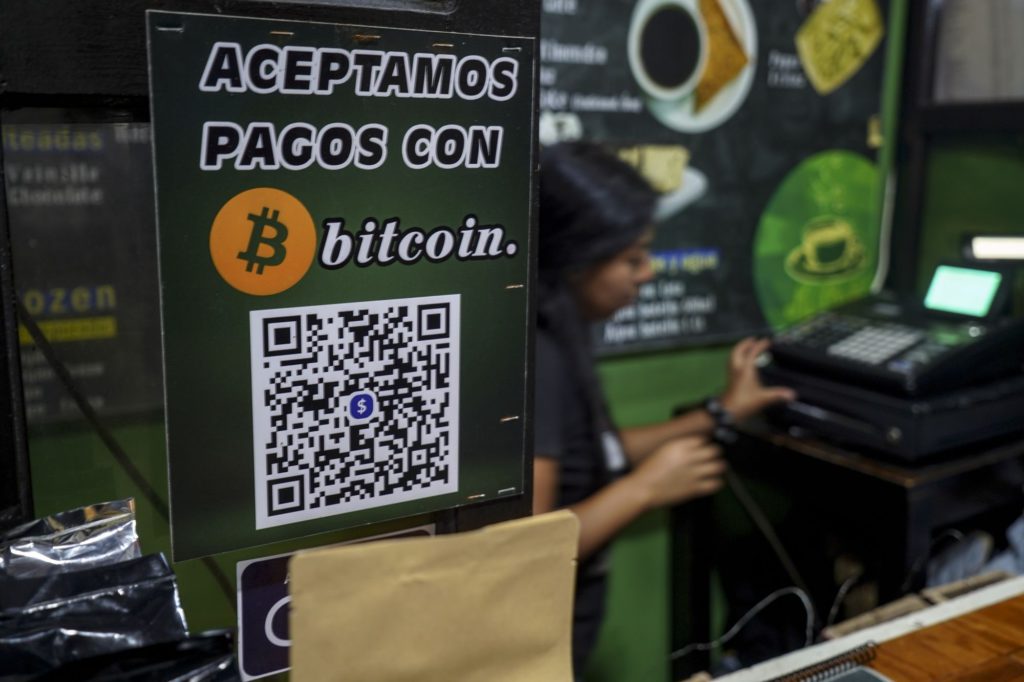
El Salvador last year became the first country to make Bitcoin legal tender. President Nayib Bukele, a champion of cryptocurrencies, has been trying to hawk Bitcoin-backed bonds to international investors but with little success.

The controversial initiative is stoking worries worries about the nation’s creditworthiness amid stalled talks with the International Monetary Fund on financing to help plug a budget gap.

More stories like this are available on bloomberg.com

©2022 Bloomberg L.P.
BYD Increases Price of EVs, Hybrids on Input Costs, Subsidy End

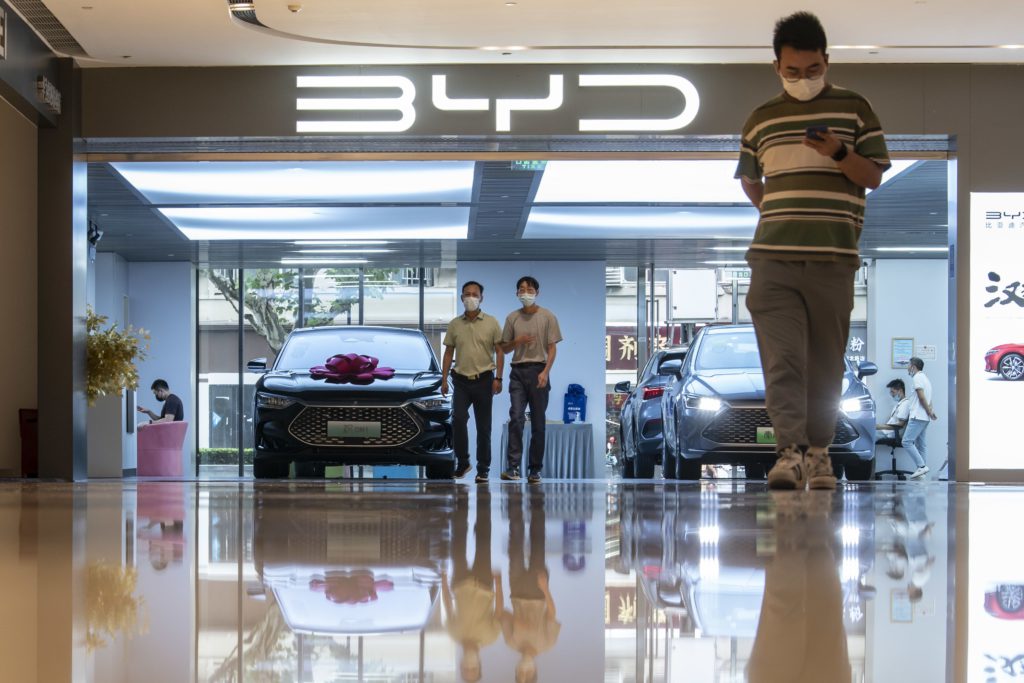
(Bloomberg) — Chinese electric vehicle giant BYD Co. is raising the price of some cars, blaming changes in government subsidies and volatile raw material costs.

The Warren Buffett-backed maker of electric vehicles, the batteries that power them and semiconductor chips, will raise prices by between 2,000 yuan to 6,000 yuan ($280 to $840), depending on the model, it said on its official Weibo account on Wednesday.

BYD cited the phase out of Chinese subsidies for pure electric and hybrid vehicles at the end of the year. 

Customers who pay deposits for vehicles before Jan. 1, 2023 won’t be affected by the price hike.

In contrast, Tesla Inc. last month cut the price of China-made models as competition intensifies in the world’s largest market for electric vehicles.

Read more: Tesla Cuts Prices in China After Signs of Softening Demand 

BYD continues to benefit from strong sales in its home market, selling 217,518 passenger vehicles in October, up 172% from a year earlier.

More stories like this are available on bloomberg.com

©2022 Bloomberg L.P.
Saudi Investment Talks Boost Kakao Group’s Battered Shares

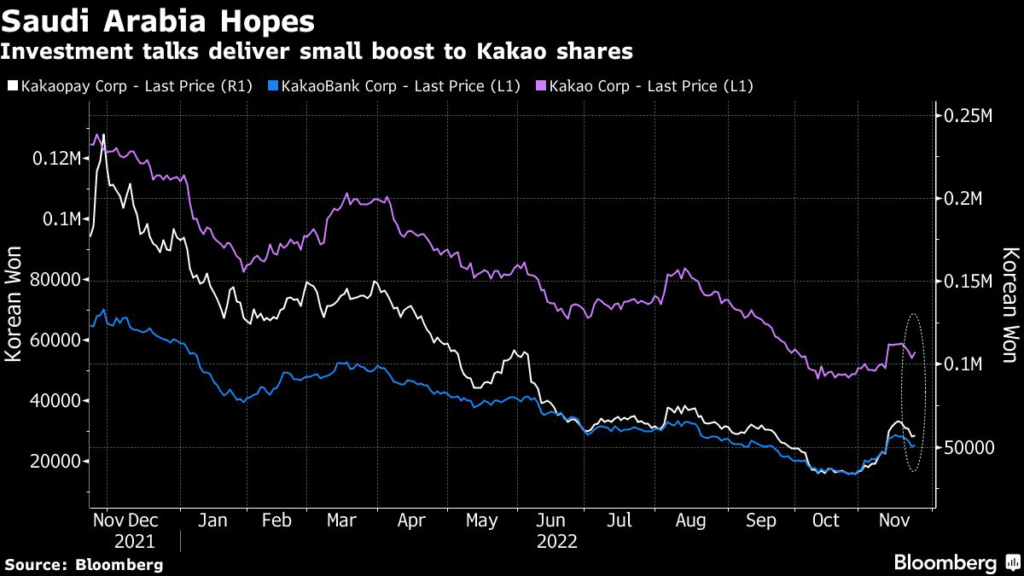
(Bloomberg) — Shares of Kakao Group got a much-needed boost following reports that Saudi Arabia’s wealth fund is planning a large-scale investment in the South Korean internet giant’s entertainment unit. 

The Public Investment Fund is in talks with Singapore’s GIC Pte Ltd. to jointly fund up to 800 billion won ($591 million) ahead of Kakao Entertainment Corp.’s initial public offering due next year, Maeil Business Newspaper reported Tuesday evening, citing unidentified people in the banking industry.  

The talks follow Saudi Crown Prince Mohammed bin Salman’s much-hyped visit to Seoul last week, which produced a raft of investment deals for Korean conglomerates worth $30 billion, according to local media. “We are reviewing various options for pre-IPO but nothing has been decided,” a spokesperson at Kakao Entertainment said. 

Kakao Corp.’s shares rose as much as 6.3% on Wednesday before paring by about half, while Kakaopay Corp. erased most of its 12% rally. Kakao’s banking and gaming companies also advanced.

The group, whose ubiquitous business and outsized influence have drawn public scrutiny, has suffered a relentless selloff in shares for most of this year. Wednesday’s advance still barely makes a dent in the downtrend as Kakao Corp. remains about 50% down for the year, while Kakao Games Corp. has lost more than a half of its value. 

Read: Data-Center Fire Deepens Kakao Selloff as Public Opinion Sours

Saudi Arabia has been beefing up investment and business ties with Korean companies, becoming a major shareholder of NCSoft Corp. as well as Tokyo-listed Nexon Co. this year.  

Kakao Entertainment has been considering a New York IPO for 2022 with a $18 billion valuation, the company’s top executive told Bloomberg last year, though the timeline now looks uncertain.

The Pangyo-based entertainment company, whose online web cartoons or “webtoons” are popular at home and in Japan, has been expanding its businesses overseas through multiple startup acquisitions including Tapas Media and SoftBank-backed Radish.  

More stories like this are available on bloomberg.com

©2022 Bloomberg L.P.

Indonesian Startup Sirclo Cuts 8% of Workforce to Trim Costs

(Bloomberg) — Sirclo, an Indonesian startup that helps retailers sell online, slashed 8% of its workforce as it braces for challenging economic conditions. 

The internet firm will make “significant changes, especially in terms of business focus, to ensure the company’s sustainability,” Chief Executive Officer Brian Marshal said on the startup’s blog on Tuesday.

The nine-year-old company had about 2,000 employees in January after acquiring Warung Pintar, which aims to digitize road-side kiosks. Both startups were backed by East Ventures. Sirclo will streamline the business unit that targets micro and small businesses and focus on larger enterprise clients.

Unicorns Become ‘Cockroaches’ When Tech Funding Dries Up

Sirclo joins a wave of tech companies in trimming staff in Southeast Asia as the region’s digital boom shows signs of slowing down. Sea Ltd. has cut about 7,000 jobs, or some 10% of its workforce, in the past six months, while Indonesia’s GoTo Group is reducing its staff by 1,300, or 12% of the total.

More stories like this are available on bloomberg.com

©2022 Bloomberg L.P.
China Buys Fewer Chip-Making Machines as US Restrictions Start

(Bloomberg) — China’s purchases of machines to make computer chips fell 27% last month from a year earlier as the US imposed new, sweeping sanctions to try and derail the country’s chip ambitions.

Chinese firms imported $2.4 billion worth of machinery used in semiconductor manufacturing last month, the lowest amount in more than two years after Washington broadened restrictions on the sale of the gear to the world’s No. 2 economy. 

It’s unclear exactly how much imports were impacted by the sanctions, which were announced early in the month, but October was significantly weaker by value than any other month this year. Chinese purchases from overseas suppliers have fallen in seven of the 10 months for which data has been reported so far in 2022.

Purchases from major exporters such as Japan and the US were down in October, according to Bloomberg analysis of official trade data released Monday. Shipments from the Netherlands doubled in the month. That is where ASML Holding NV, the leading producer of chip-making equipment, is headquartered.

In the past few years, Chinese firms had been rapidly buying more of this equipment as the country seeks to develop its domestic semiconductor industry to be independent of the US. 

The new US restrictions only apply to US firms at the moment, and while President Joe Biden’s administration is negotiating with Japan and the Netherlands to try and convince them to limit what can be sold to Chinese firms, Washington doesn’t expect they will agree soon. 

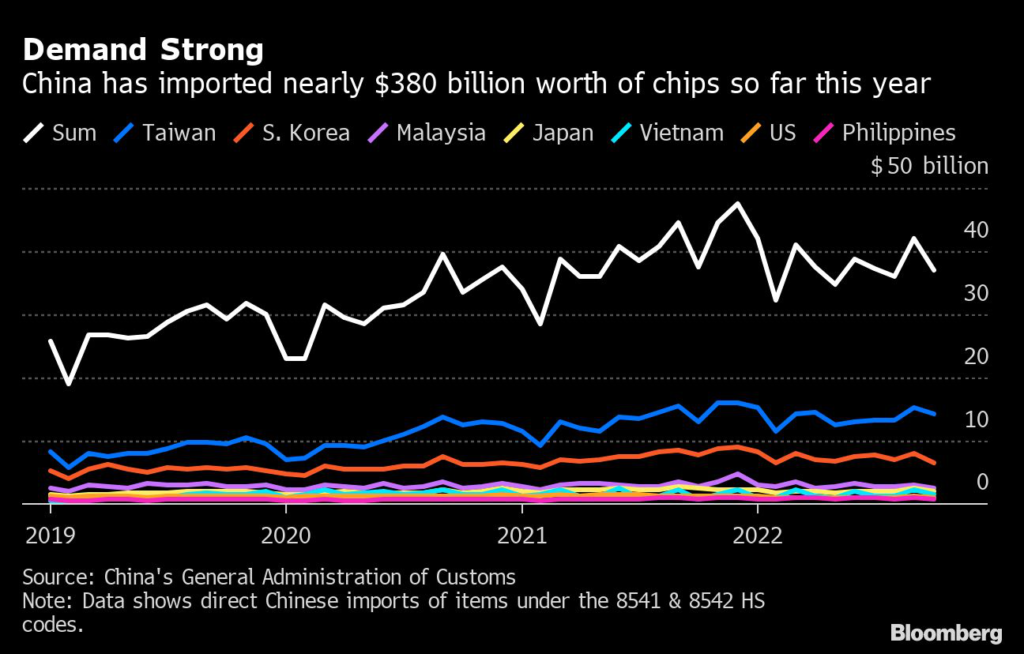
The trade data also showed that Chinese imports of computer chips were up 1% in the first 10 months of the year, although much of that increase came at the start of 2022. More recent declines have reflected a cratering in demand for smartphones and PCs after fears of a global recession deepened. 

China’s Covid Zero restrictions — some of the harshest in the world — have also disrupted production and are now disrupting the making of iPhones and other devices. China is the world’s largest importer of semiconductors, with many of them being assembled into electronics or other goods which are then re-exported.

Despite the curbs, shipments to China of the US equipment to make chips is unlikely to fall to zero. The controls may stop US exports of the most high-tech machinery, but companies are still allowed to sell equipment used to make older, less advanced chips. The US has also granted 1-year exemptions for some foreign manufacturers with fabrication plants, or fabs, in China.

It may also be hard for China to try and ramp up purchases of these goods from non-US suppliers anytime soon. Tokyo Electron Ltd said recently it’s operating at near-full capacity, with months-long wait times for equipment delivery.

–With assistance from Edwin Chan.

More stories like this are available on bloomberg.com

©2022 Bloomberg L.P.
FTX Latest: Sequoia Says Sorry; Bankman-Fried Depicts Wipeout

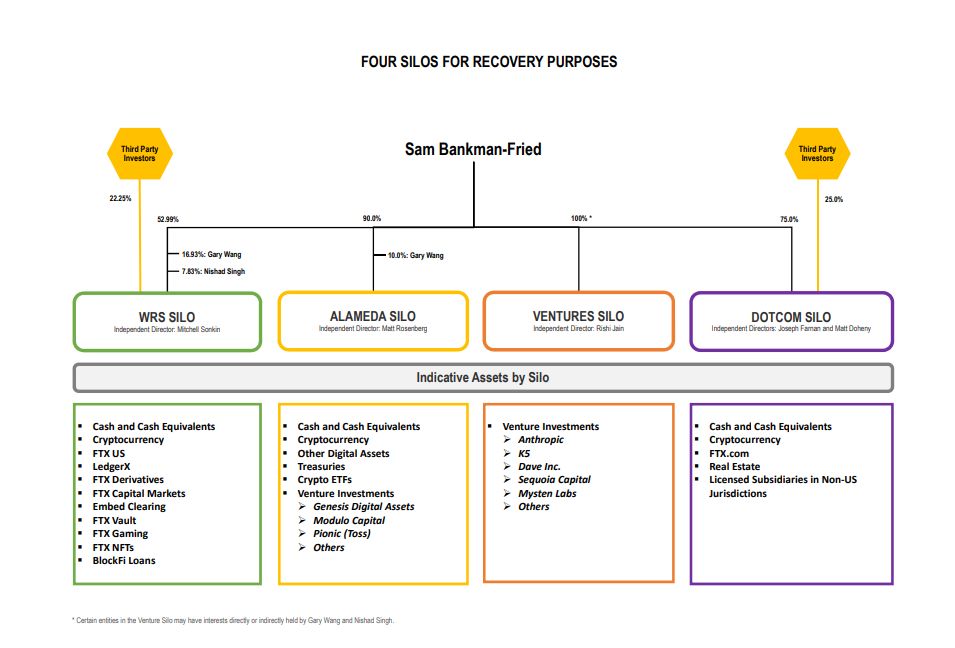
(Bloomberg) — Top partners at Sequoia Capital apologized to investors for backing FTX, whose bankruptcy had its first US court hearing. Sam Bankman-Fried in a letter outlined a crash in collateral to $9 billion from $60 billion.

An attorney representing Bankman-Fried’s collapsed FTX Group said a “substantial amount” of its assets “have either been stolen or are missing.” Identifiable information of FTX’s top creditors is being kept secret for now.

Crypto markets have steadied, taking Bitcoin back above $16,000, though investors remain alert for contagion from FTX. Ark Investment Management’s Cathie Wood stuck by her bullish forecast of $1 million for the coin by 2030.

Key stories and developments:

  • FTX Is Allowed to Hide the Identity of Its 50 Biggest Creditors
  • Bankman-Fried Says Collateral Crashed by $51 Billion as FTX Fell
  • Sequoia Capital Says Sorry for FTX But Defends Vetting Process
  • Grayscale Is the ‘Cash Cow’ of Silbert’s Empire, Ark’s Wood Says

(Time references are New York unless otherwise stated.)

Bankman-Fried Says Collateral Crashed by $51 Billion as FTX Fell (8:30 a.m. HK)

Bankman-Fried, disgraced founder of the now collapsed crypto exchange FTX and trading house Alameda Research, apologized to staff in a letter that outlined a crash in “collateral” to $9 billion from $60 billion.

“I didn’t mean for any of this to happen, and I would give anything to be able to go back and do things over again,” he wrote in the message sent to employees Tuesday and obtained by Bloomberg News.

Sequoia Capital Says Sorry for FTX But Defends Vetting Process (7:20 a.m. HK)

Top partners at the venture capital firm apologized to their investors in a conference call Tuesday for backing FTX, according to people familiar with the meeting.

Roelof Botha, the firm’s global leader, opened the call, and he and his colleagues were repentant for backing the company, with investments totaling $214 million in FTX.com and FTX.us across two funds. Alfred Lin, the partner who led the FTX deal, provided an update on the situation. Shaun Maguire, another partner who focuses on crypto, gave an overview of the sector.

Cathie Wood Holds On to $1 Million Target for Bitcoin (7:10 a.m. HK)

“Bitcoin is coming out of this smelling like a rose,” said the ARK Investment Management CEO as she defended her forecast.

Wood also said that crypto infrastructure is “working beautifully.” She added that digital-asset manager Grayscale Investments is now the crown jewel of Barry Silbert’s once-$10 billion Digital Currency Group conglomerate.

Crypto ATM Operator Coin Cloud Discussed Equity From Genesis (6:30 a.m. HK)

Genesis had provided an unsecured loan of around $100 million to Coin Cloud, according to people with knowledge of the situation. In the latest discussions, Genesis had considered injecting equity into Coin Cloud, said the people.

Coin Cloud recently hired advisers to help rework about $125 million of the ATM operator’s debt.

FTX Allowed to Hide Identity of 50 Biggest Creditors (5:40 a.m. HK)

US Bankruptcy Judge John Dorsey agreed to let FTX redact the names of the 50 biggest unsecured creditors owed a total of $3.1 billion. 

The US Bankruptcy Code normally requires the names be filed in documents available to the public. Representatives for FTX argued those creditors are also customers and disclosure would allow rivals to steal their business. 

Crypto Collapse Opens 1,350% Gap Between Stocks, Price Targets (3:25 p.m.)

Predicting the price of a stock a year from now is hard, even for Wall Street’s best analysts. But for investors who bought into the bullish expectations behind cryptocurrency-related stocks at the beginning of this year, those forecasts now look like pipe dreams.

For 10 crypto stocks tracked by Bloomberg, with at least three analyst price targets at the start of 2022, the average return needed to reach their 12-month price target from Jan. 1 is nearly 1,350%. To put that in perspective, it took Amazon.com Inc. more than eight years — from 2013 to its record high in late 2021 — to return investors that amount. 

Genesis Balance Sheet Reveals Web of Loans Across Silbert Empire (2:40 p.m.)

The troubled brokerage Genesis Global has $2.8 billion in outstanding loans on its balance sheet, with about 30% of its lending made to related parties including its parent company, Barry Silbert’s Digital Currency Group, according to people familiar with the matter.

Among them, a lending subsidiary named Genesis Global Capital had been lending money to Genesis Global Trading — the brokerage unit that has become a key counterparty to institutions across the crypto industry. In a letter to shareholders on Tuesday, Silbert said that intercompany loans were made “in the ordinary course of business.”

Bitcoin Bounces From Low as Traders Await More Crypto Crisis (12:33 p.m.)

Cryptocurrency prices rose as investors boost Bitcoin from a session low amid wariness of even established players in the digital-asset sector.

The largest token gained as much as 4.2% Tuesday, snapping the digital-asset from its lowest price since November 2020. Ether posted a similar increase, while altcoins like Solana and Dogecoin also rose. 

‘Substantial’ FTX Assets Are Stolen or Missing, Attorney Says (12:00 p.m.)

A “substantial amount” of FTX Group’s assets “have either been stolen or are missing,” an attorney representing the firm told a bankruptcy court Tuesday. 

“Unfortunately, the FTX debtors were not particularly well run, and that is an understatement,” James Bromley, co-head of the restructuring practice at law firm Sullivan & Cromwell, told a judge in Wilmington, Delaware.

Binance CEO Zhao Seeks Middle East Cash for Crypto Recovery Fund (9:50 a.m.)

Binance Chief Executive Officer Changpeng “CZ” Zhao and several deputies met with investors in Abu Dhabi last week in an effort to raise cash for a crypto industry recovery fund, according to people familiar with the matter. 

Zhao and his team held meetings with potential backers last week, including with entities affiliated with United Arab Emirates National Security Adviser Sheikh Tahnoon Bin Zayed, who oversees a large financial empire, said the people, who spoke on the condition of anonymity because the talks were private. 

More stories like this are available on bloomberg.com

©2022 Bloomberg L.P.

Close Bitnami banner
Bitnami
