
Bloomberg

FTX Latest: Genesis Bankruptcy Warning Weighs on Crypto Markets

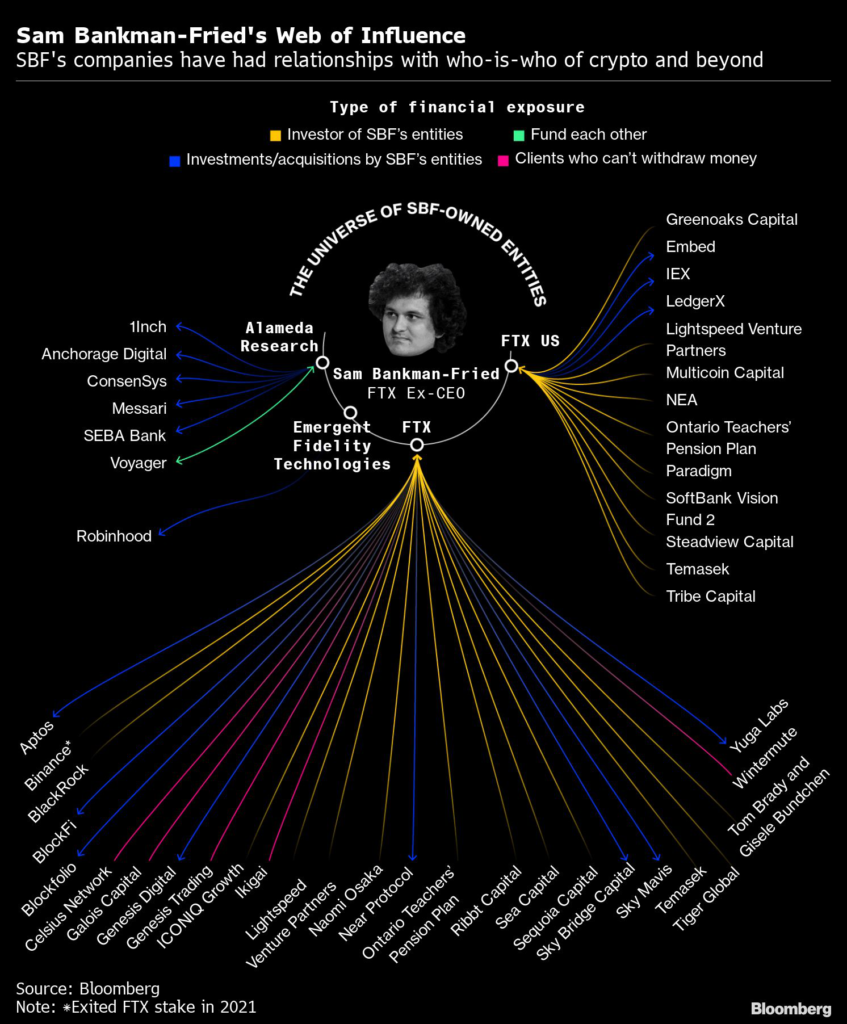
(Bloomberg) — Crypto brokerage Genesis warned of the risk of bankruptcy amid contagion from the rapid demise of Sam Bankman-Fried’s FTX empire.

Tampa Bay Buccaneers quarterback Tom Brady and the Golden State Warriors’ Steph Curry are among the celebrities that a Texas regulator is investigating for potential securities-law violations tied to their promotions of FTX. 

The fall of Bankman-Fried’s businesses, including trading desk Alameda Research, is contributing to reduced liquidity in crypto markets.

Concerns about Genesis and other ailing crypto outfits, such as BlockFi Inc., are unnerving investors. A selloff in Bitcoin paused Tuesday but the token remains around the lowest level since November 2020.

Key stories and developments:

  • Crypto Firm Genesis Said to Warn of Bankruptcy Without New Funds
  • Bitcoin’s Slide Pauses in Wait for Next Domino to Fall After FTX
  • US Prosecutors Opened Probe of FTX Months Before Its Collapse
  • Tom Brady, Steph Curry Draw Texas’ Scrutiny Over FTX Plugs

(Time references are New York unless otherwise stated.)

FTX Group Bankruptcy Filing Shows Cash Balance of $1.24 Billion (1:30 p.m. HK)

An FTX Group bankruptcy filing showed that the fallen cryptocurrency exchange and a number of affiliates had a combined cash balance of $1.24 billion.

The latest tally as of Nov. 20 “identifies substantially higher cash balances than the debtors were in a position to substantiate as of Wednesday, Nov. 16,” according to the filing.

Bahamas Agrees to Let Delaware Judge Handle Part of FTX Meltdown (8 a.m. HK)

Bahamas court officials dropped their opposition to moving one piece of FTX’s restructuring case to a US court in Delaware, according to a court filing.

Liquidators appointed in the Bahamas for one FTX affiliate agreed to move a case they filed in New York to Delaware, where more than 100 units are under the oversight of a federal judge, FTX lawyers said in papers filed in US Bankruptcy Court in Wilmington, Delaware.

FalconX Says it Will Resume Use of Silvergate Payment Network (7:40 a.m. HK)

Institutional cryptocurrency platform FalconX said it will resume allowing customers to use Silvergate Capital Corp.’s payments system to transfer cash after suspending it last week.

Uncertainty around cryptocurrency market conditions in the wake of FTX’s collapse and an outage that affected Silvergate’s “wire payment network” prompted the suspension, FalconX said Monday in a memo to clients. Since then, concerns have abated, San Francisco-based FalconX said.

Tom Brady, Steph Curry Draw Texas’ Scrutiny Over FTX Plugs (7:15 a.m. HK)

A Texas regulator is scrutinizing payments received by celebrities to endorse FTX US, along with what disclosures were made and how accessible they were to retail investors

Tampa Bay Buccaneers quarterback Tom Brady and the Golden State Warriors’ Steph Curry are among the high-profile people being investigated.

Bitcoin Holds Near Lowest Since November 2020 (7:10 a.m. HK)

Crypto markets continue to be under pressure on concern about the spreading fallout from the FTX crisis. Bitcoin wavered Tuesday, trading below $16,000 at around the lowest level since November 2020. A gauge of the top 100 digital assets has declined more than 70% over the past year.

Crypto Firm Genesis Said to Warn of Bankruptcy (6 a.m. HK)

Digital-asset brokerage Genesis is struggling to raise fresh cash for its lending unit, and it’s warning potential investors that it may need to file for bankruptcy if its efforts fail, according to people with knowledge of the matter.

Genesis, which has faced a liquidity crunch in the wake of crypto exchange FTX’s bankruptcy filing this month, has spent the past several days seeking at least $1 billion in fresh capital, the people said. That included talks over a potential investment from crypto exchange Binance, they said, but funding so far has failed to materialize.

US Prosecutors Opened Probe of FTX Months Before Its Collapse (4:14 p.m.)

Long before Sam Bankman-Fried’s FTX cryptocurrency empire collapsed this month, it already was on the radar of federal prosecutors in Manhattan.

The US Attorney’s Office for the Southern District of New York, led by Damian Williams, spent several months working on a sweeping examination of crypto currency platforms with US and offshore arms and had started poking into FTX’s massive exchange operations, according to people familiar with the investigation.

Fidelity Must Reconsider Bitcoin Exposure in 401(k)s: Senators (3:43 p.m.)

Democratic senators Dick Durbin, Elizabeth Warren and Tina Smith are urging Fidelity Investments to reconsider allowing 401(k) plan sponsors to offer exposure to Bitcoin. 

“The recent implosion of FTX, a cryptocurrency exchange, has made it abundantly clear the digital asset industry has serious problems,” the senators said in a letter to Fidelity CEO Abigail Johnson. 

Tiger Global’s Now-Worthless FTX Bet Had Bain’s Due Diligence (3:03 p.m.)

Bain & Co. was among consulting firms that helped conduct due diligence for Tiger Global Management’s investment in now-defunct crypto exchange FTX, according to people familiar with the matter. 

Tiger Global, which pays Bain more than $100 million a year to research private companies, has now written down its $38 million FTX stake to zero, the people said. Sam Bankman-Fried’s oversight of a vast web of FTX-linked entities was one of the risks highlighted during the due-diligence process, but the money manager still believed it was a sound investment at the time, one of the people said. 

Cathie Wood Goes on Coinbase Buying Spree as Wall Street Sours (12:21 p.m.)

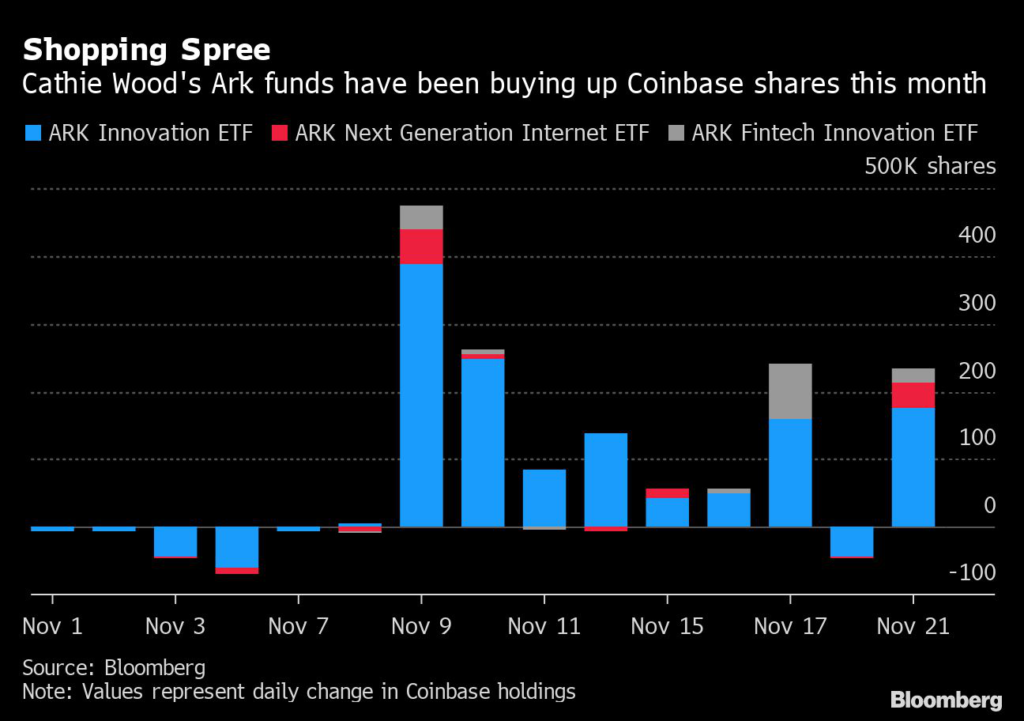
Wall Street’s waning conviction in Coinbase Global Inc. has done little to deter Cathie Wood. Instead, she’s been scooping up shares of the struggling cryptocurrency exchange in the wake of the collapse of FTX.

Wood’s Ark Investment Management funds have bought more than 1.3 million shares of Coinbase since the start of November, worth about $56 million based on Monday’s trading price, according to data compiled by Bloomberg. The shopping spree, which started just as FTX’s demise began, has boosted Ark’s total holdings by roughly 19% to about 8.4 million shares. That equates to around 4.7% of Coinbase’s total outstanding shares.

‘Alameda Gap’ Seen Helping Dry Up Liquidity Across Crypto Market (11:26 a.m.)

The wipeout of Sam Bankman-Fried’s crypto empire, including its crown jewel FTX exchange and sister trading desk Alameda Research, is helping to reduce liquidity across the crypto market. 

The decline has been dubbed the “Alameda Gap” by blockchain-data firm Kaiko, named for the trading group at the center of the storm which is closing its books. Plunges in liquidity usually come during periods of volatility as trading shops pull bids and asks from their order books to better regulate risks, Kaiko noted in a Nov. 17 newsletter. 

More stories like this are available on bloomberg.com

©2022 Bloomberg L.P.

Why You’re Going to Pay for the Online Return Mess

(Bloomberg) — One of the foundations of online shopping has been free returns, but not anymore.

After years of subsidizing them, more retailers are charging customers to send back unwanted goods. It’s a risky move because shoppers have become accustomed to buying an item in multiple sizes and colors and returning what doesn’t fit for free.

The list of retailers cutting back includes Zara, Abercrombie & Fitch and Boohoo. In the US, the number of large retailers requiring a return fee has jumped from 31% to 40% this year, according to research by Narvar, a logistics software firm.

“I do expect others to follow,” said Honor Strachan, an analyst at research and consulting firm GlobalData Plc. “It only takes one, and the others will think: ‘Well, if Zara can do it, we can do it, too.’”

The pullback on returns comes after the e-commerce sector spent the past two decades removing costs from supply chains and customer service. But returns had barely been touched, leaving them as one of the few places with lots of room for reducing expenses. They are costly because of the labor to have them shipped back, inspected and put up for resale.

Investors are also clamoring for online businesses to boost profitability (or be profitable) in a shift from incessantly focusing on growth.

The pandemic played a role, too, causing a spike in online shopping — that has since receded — when the masses stayed away from physical stores. That meant more returns, and Covid-19’s disruptions created an inventory glut in categories such as apparel, which is expected to increase discounting and the potential for shoppers to return goods when they see better deals.

A volatile economic environment this Christmas shopping season has added to the pressure.

Consumers experiencing the highest inflation in four decades are more frugal, increasing the chances that they second guess a purchase and return it, according to Amit Sharma, chief executive officer and founder of Narvar. Higher costs for transportation, energy and labor have made returns even more expensive, raising the stakes for chains to change behavior.

“That’s the big question: How do we reset expectations?” said Sharma, who previously held senior roles at Apple and Walmart. “Everybody’s losing money on shipping and returns.”

Read more: Stores are flooded with stuff shoppers don’t want

Online retailers realized early on that they needed to win the trust of shoppers before they would hand over their credit card number to a website and buy a product they hadn’t seen in person. Free returns helped make consumers comfortable. An early adopter was shoe retailer Zappos, now owned by Amazon, which let customers order multiple sizes and return what didn’t fit without any extra fees.

The industry followed, and now weaning the masses off free returns will be difficult. The practice of buying several items online to try at home — now known as bracketing — increased during the pandemic when fitting rooms were closed. About two-thirds of US shoppers engage in the practice, according to a survey this year by Narvar.

Social media platforms such as TikTok and YouTube have made bracketing more popular thanks to so-called “try on haul” videos where followers are asked to comment on whether the buyer should keep or return their purchased items.

Return fraud, with tactics like returning a counterfeit item, is also rising. In the US, about 10% of the $761 billion in returns made on all purchases last year were fraudulent, according to research by the National Retail Federation, an industry group. And online purchases have a higher rate of return at nearly 21%, up from 18.1% in 2020.

Retailers increasingly view returns as a threat to their businesses. ThredUp, recently said return rates are increasing, causing a $3 million hit to sales in its most recent quarter. And the online resale platform charges $1.99 for what it calls a “restocking fee” if a customer sends an item back.

Earlier this year, London-based Asos slashed its annual guidance, saying that a significant rise in returns in the UK and Europe hurt sales. It added that rising returns coupled with inflation have a “disproportionate impact on profitability,” but said it would keep returns free for customers.

Chains are employing a slew of tactics to reduce the financial hit. Some are shortening how long a shopper has to bring back an item. Bath & Body Works said it will not allow the return or exchange of products that show “excessive wear and tear,” a notable switch from the personal care brand that has famously let customers return used products.

An approach being taken with low-value goods by retailers such as Amazon and Target is refunding a return, but letting the customer keep the item. In this case, the retailer is calculating that it will save money to avoid the costly process of trying to resell a returned good. It’s a strategy that’s catching on, with the number of merchants using the tactic jumping 1,700% in the first half of 2022, according to Narvar.

Of course, these tactics don’t address the main reason so many online purchases get returned: fit. The industry has tried to use technology like augmented reality to help shoppers make better choices with virtual dressing rooms, but those tools haven’t been widely adopted despite lots of investment.

“Sizing is a big problem to solve in e-commerce, especially with apparel,” said Katia Walsh, chief strategy and artificial intelligence officer at Levi Strauss & Co. “It’s something that companies have to solve, and we are doing our best to do that.”


–With assistance from Olivia Rockeman.

More stories like this are available on bloomberg.com

©2022 Bloomberg L.P.
Cathie Wood Goes On Coinbase Buying Spree as Wall Street Sours

(Bloomberg) — Wall Street’s waning conviction in Coinbase Global Inc. has done little to deter Cathie Wood. Instead, she’s been scooping up shares of the struggling cryptocurrency exchange in the wake of the collapse of Sam Bankman-Fried’s FTX.

Wood’s Ark Investment Management funds have bought more than 1.3 million shares of Coinbase since the start of November, worth about $56 million based on Monday’s trading price, according to data compiled by Bloomberg. The shopping spree, which started just as FTX’s demise began, has boosted Ark’s total holdings by roughly 19% to about 8.4 million shares. That equates to around 4.7% of Coinbase’s total outstanding shares.

Ark funds have also been adding to stakes in other cryptocurrency-related assets, namely Grayscale Bitcoin Trust and shares of crypto bank Silvergate Capital Corp. in recent weeks. The increased buying from Wood bucks the broad crypto selloff this year, including slides in tokens such as Bitcoin and Ether.

Coinbase initially rebounded in the days following Ark’s first purchase on Nov. 8, due in large part to softer-than-expected US inflation data which sent risk-assets surging globally. That rally, however, was short-lived for the crypto exchange, with its stock price falling for four consecutive days, including an 8.9% drop on Monday to close at a record low.

The majority of Ark’s Coinbase holdings are from its flagship ARK Innovation ETF which has nearly 6 million shares for a weighting of about 3.6%, the fund’s 13th largest position. While the ARK Next Generation Internet ETF and ARK Fintech Innovation ETF each only hold just over 1 million shares, Coinbase’s weighting in the two funds is far higher at 5.4% and 6.3% respectively, according to data on Ark’s website.

Ark’s renewed interest in Coinbase stands in stark contrast to the sentiment emanating from Wall Street for the better part of the last six months. Analysts from firms including Bank of America Corp. and Daiwa Securities Group Inc. have downgraded the stock this month, leaving it with just 14 buy-equivalent analyst recommendations, its lowest number since August 2021.

Read more: FTX Collapse Is Shaking Wall Street’s Conviction in Coinbase

In other moves, ARK Next Generation Internet purchased more than 450,000 shares of the Grayscale Bitcoin Trust since the start of last week, as its discount relative to the value of its underlying cryptocurrency continues to widen. Ark Fintech Innovation purchased more than 200,000 shares of crypto bank Silvergate Capital Corp. last week.

Coinbase and Silvergate Capital have both shed more than 80% of their value this year. Those losses are even deeper than those suffered by the world’s two largest cryptocurrenices — their prices have declined by more than 65% in 2022 with the plunge accelerating this month in the wake of the FTX collapse.

The Coinshares Block Index, which tracks 45 global stocks with varying exposure to the cryptocurrency sector, was little changed Tuesday after falling 2.5% in the previous session.

(Updates data on buying of Grayscale and Silvergate, performance of Coinshares Block Index)

More stories like this are available on bloomberg.com

©2022 Bloomberg L.P.
Asia Stocks Mixed as Traders Mull China Covid Path: Markets Wrap

(Bloomberg) — Stocks were mixed in Asia amid fragile sentiment as investors weighed the impact of Covid infections in China and parsed comments from Federal Reserve officials on interest rate hikes.

A gauge of Asian equities trimmed earlier gains as equities in Hong Kong and mainland China extended their losses as China’s daily virus infections that climbed to near the highest on record. 

Stocks rose in Japan and Australia, while US futures made small gains after technology stocks, which are typically more sensitive to interest rates, had dragged the S&P 500 lower Monday.

Fed officials have broadly maintained their steadfast stance to fight against inflation. Yet San Francisco Fed President Mary Daly also said that officials need to be mindful of the lags in the transmission of policy changes while her Cleveland counterpart Loretta Mester said she’s open to slowing the tempo of rate hikes. 

“In a year like this, it is so difficult and often a fool’s errand to read too much into any one speech from one Federal Reserve official,” Sarah Ponczek, financial adviser at UBS Private Wealth Management, said on Bloomberg Television. “The reality is that we do expect that the Federal Reserve is still likely going to raise interest rates again in December.” 

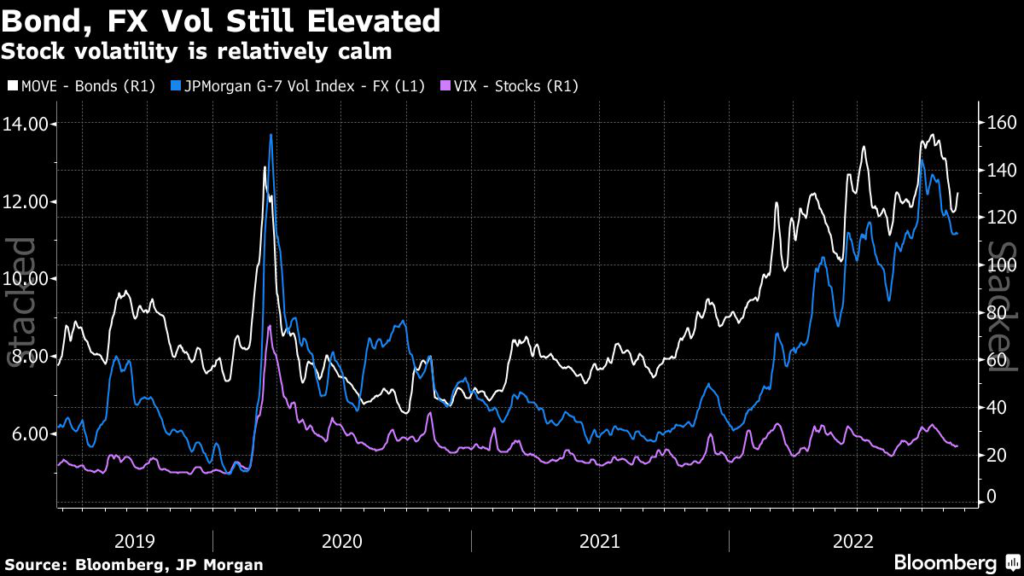
The dollar fell after advancing Monday amid appetite for haven assets. Government bond-yield curves flattened in Australia and New Zealand with gains in short-maturity rates, following similar moves in the US Monday. Treasury yields declined Tuesday.

JPMorgan Chase & Co. strategist Marko Kolanovic, who until recently had been one of the most vocal bulls on Wall Street, said risky assets may languish until the Fed reverses course on its hawkish campaign to raise interest rates. A near-term pivot is likely not in the cards and JPMorgan expects assets to still be “rangebound with a more pronounced downside risk.”

Meanwhile, China reopening may only be a story for the second quarter of next year as the country is entering winter months, according to Dwyfor Evans, head of Asia Pacific macro strategy at State Street Global Markets. 

“To actually expect a very conservative political body to suddenly open up China and remove restrictions in November and into the most dangerous season as it were for these type of pandemic instances, we always thought that was very, very optimistic,” Evans said on Bloomberg Television.

Oil steadied around $80 per barrel as investors assessed a clouded supply outlook and concerns over weaker demand in China. Gold rose.

Cryptocurrency prices steadied in a lull from the selloff sparked by the demise of Sam Bankman-Fried’s FTX empire, but investors are braced for more ructions as further digital-asset sector bankruptcies loom.

Key events this week:

  • US Richmond Fed manufacturing index, Tuesday
  • OECD releases Economic Outlook, Tuesday
  • Fed’s Loretta Mester and James Bullard speak, Tuesday
  • S&P Global PMIs: US, Euro area, UK, Wednesday
  • US MBA mortgage applications, durable goods, initial jobless claims, University of Michigan sentiment, new home sales, Wednesday
  • Minutes of the Federal Reserve’s Nov. 1-2 meeting, Wednesday
  • ECB publishes account of its October policy meeting, Thursday
  • US stock and bond markets are closed for the Thanksgiving holiday, Thursday
  • US stock and bond markets close early, Friday

Some of the main moves in markets:

Stocks

  • S&P 500 futures were little changed as of 11:49 a.m. in Tokyo. The S&P 500 fell 0.4% Monday
  • Nasdaq 100 futures rose 0.1%. Nasdaq 100 fell 1.1%
  • Japan’s Topix index rose 1.2%
  • South Korea’s Kospi index fell 0.2%
  • Hong Kong’s Hang Seng Index fell 1%
  • China’s Shanghai Composite Index fell 0.1%
  • Australia’s S&P/ASX 200 Index rose 0.6%

Currencies

  • The Bloomberg Dollar Spot Index fell 0.2%
  • The euro rose 0.2% to $1.0259
  • The Japanese yen rose 0.3% to 141.74 per dollar
  • The offshore yuan rose 0.3% to 7.1591 per dollar

Cryptocurrencies

  • Bitcoin rose 1% to $15,788.94
  • Ether rose 0.7% to $1,101.5

Bonds

  • The yield on 10-year Treasuries declined one basis point to 3.82%
  • Australia’s 10-year yield advanced one basis point to 3.60%

Commodities

  • West Texas Intermediate crude rose 0.1% to $80.16 a barrel
  • Spot gold rose 0.3% to $1,742.89 an ounce

This story was produced with the assistance of Bloomberg Automation.

–With assistance from Rheaa Rao.

More stories like this are available on bloomberg.com

©2022 Bloomberg L.P.

Meta Killed Plans for Homegrown VR Fitness App, FTC Says in Suit

(Bloomberg) — The US Federal Trade Commission said Meta Platforms Inc. stifled competition when it halted plans to build its own virtual reality fitness app and opted to buy Within Unlimited Inc. instead.

“Meta itself had the intentions to enter — and thus was a reasonably probable entrant into — the VR Dedicated Fitness App market,” the agency said in a court filing Monday in its suit to block Meta’s acquisition of Within. 

The FTC is trying to persuade a federal judge to halt the deal as the agency believes it will decrease competition in the young, virtual reality fitness market and runs afoul of antitrust laws. In the filing, the agency laid out the facts key to its argument: The acquisition will keep the tech giant from entering the space through homegrown tech, therefore denying consumers the benefit of adding another competitor to the market. 

The FTC said that prior to the deal, Within’s team expected that Meta would try to enter the dedicated fitness app market. The tech giant had already hired Within’s head of product, so the startup developed competitive strategies for its app — called Supernatural — “with the specter of Meta’s potential entry in mind,” the FTC said.

Meta already owned a VR rhythm game in which users hit targets in time to music, Beat Saber, and its founders were excited about expanding their product into a dedicated fitness app, the filing said. In early 2021, the Beat Saber team began planning and presenting the move internally.

“Meta already has engineers with the skill set to both expand Beat Saber into fitness and to build a VR dedicated fitness app from scratch,” the filing said.

As of March 2021, internal presentations were focused on transitioning Beat Saber to a dedicated fitness app. By June, those efforts were put on hold when Meta decided to pursue a Within acquisition instead.

Meta revealed the acquisition in October, one day after announcing it would change its name from “Facebook” — a move that canonized a shift in the company’s focus from solely social media to building and commercializing a virtual world. The digital universe, or metaverse, being built by Meta is its biggest new bet and what Chief Executive Officer Mark Zuckerberg is pitching as the future of how people connect online.

The FTC sued to block the deal in July, a move in line with FTC Chair Lina Khan’s aggressive approach to antitrust enforcement. The FTC claims that Meta would eliminate future competition in a new market, often referred to as “nascent competition.” The agency rarely sues using that legal theory given the difficulty in proving a deal would tamp down the potential of a young industry. The last time the FTC brought such a case, in 2015 involving sterilization technology, the agency lost.

From 2020 through September 2022, Meta has spent $31 billion on the division working on the metaverse, Reality Labs. That includes the acquisitions of nine virtual reality app studios over the past three years. Meta already makes the most widely used virtual reality headset, Oculus, and its VR app catalogue called the Quest Store. 

The FTC says the virtual reality fitness market already has a high barrier to entry, which is made more difficult because Meta controls the app store on the most popular headset. 

“Buying Within was not the only way Meta could have developed the production capabilities and expertise needed to create a premium VR fitness experience,” the agency said. 

Meta is also due to submit an outline of its defense, ahead of a two-week hearing before US District Judge Edward Davila in San Jose, California. 

“As we approach next month’s hearing, we are confident the evidence will show that our acquisition of Within will be good for people, developers and the VR space, which is experiencing vibrant competition,” a Meta spokesman said. “As we have said from the beginning, the FTC’s case is based on ideology and speculation, not evidence. We are ready to make our case before the court.”

Davila is expected to decide by the end of the year whether to block the deal while the FTC’s in-house court considers the agency’s allegations that the merger is anticompetitive. 

After the FTC withdrew some of its claims against the company, Meta asked the judge to reject the agency’s attempt to block the acquisition, saying it hadn’t laid out the elements needed to show the deal would hurt competition in the nascent virtual reality industry. It’s up to the judge whether to rule first on Meta’s motion for dismissal of the case or the agency’s request for an injunction blocking the takeover.

The FTC filed a separate complaint against the merger in its in-house court, and an administrative judge has scheduled a trial for January.

The case is FTC v. Meta Platforms Inc., 22-cv-4325, US District Court, Northern District of California (San Jose).

More stories like this are available on bloomberg.com

©2022 Bloomberg L.P.
Civil Rights Groups Urge Twitter Ad Boycott Over Trump Return

(Bloomberg) — Civil rights leaders are urging major advertisers to stay away from Twitter after Elon Musk, the company’s new billionaire owner, reinstated former President Donald Trump over the weekend. 

The activists say Musk broke promises he made to them in a closed-door meeting about hate speech and misinformation earlier this month. During the meeting, which included the heads of the National Association for the Advancement of Colored People and digital racial justice group Color of Change, Musk said he would create a “content moderation council” before he made any decisions to reinstate controversial accounts. He invited all of the civil rights groups in attendance to join.

Several weeks later, they say there’s been no follow-up from Musk about the proposed council. The Tesla chief executive officer reinstated Trump’s account based on the results of a Twitter poll posted by Musk himself. 

“We got a commitment he wouldn’t replatform anyone until he had a transparent process,” said Anti-Defamation League vice president Yael Eisenstat, who attended the meeting between Musk and the civil rights groups. “It is pretty clear that doing a Twitter poll is not a transparent process, especially because there’s no information about who voted in the poll.” 

Eisenstat said the ADL is “reevaluating” its relationship with Twitter, including its position on the company’s trust and safety council, a panel that predated Musk’s takeover.

Jessica Gonzalez, co-CEO of the digital rights group Free Press, said Musk has “gone back on every promise he made to civil-rights leaders and advertisers.” 

“Musk either changed his mind or lied to civil rights leaders and advertisers,” Gonzalez said. “He is a reckless and erratic billionaire who puts his whims ahead of concerns for the welfare of the online community.” She urged advertisers that care about brand safety to join the exodus of companies that have already pulled their ads off Twitter.

Twitter didn’t immediately respond to a request for comment on Monday. 

A number of brands, including Balenciaga SA, General Mills Inc., Pfizer Inc. and Volkswagen Group, have paused their ad spending on Twitter as the company undergoes significant changes under Musk. Some of the platform’s top advertisers, including Alphabet Inc.’s Google, Meta Platforms Inc. and Amazon.com Inc., have yet to make any public announcements about whether they will cease advertising. 

Musk has gutted Twitter’s staff, from more 7,000 employees to roughly 2,750, including cuts to the company’s human rights group and people focused on maintaining the platform’s core infrastructure, Bloomberg News reported.

NAACP President Derrick Johnson called on remaining advertisers to pause their spending. 

“In Elon Musk’s Twittersphere, you can incite an insurrection at the US Capitol, which led to the deaths of multiple people, and still be allowed to spew hate speech and violent conspiracies on his platform,” Johnson said. “Any advertiser still funding Twitter should immediately pause all advertising.” 

“If Elon Musk continues to run Twitter like this, using garbage polls that do not represent the American people and the needs of our democracy, God help us all,” Johnson added.

Even though his account was reinstated, Trump so far has declined to return to Twitter, citing doubts about the viability of the platform under Musk. He’s also obligated to make most social media posts on the Truth Social platform first, according to a filing, although there’s an exception for political messages. Twitter had suspended his account shortly after the assault on the US Capitol by a mob of his supporters on Jan. 6, 2021.

More stories like this are available on bloomberg.com

©2022 Bloomberg L.P.
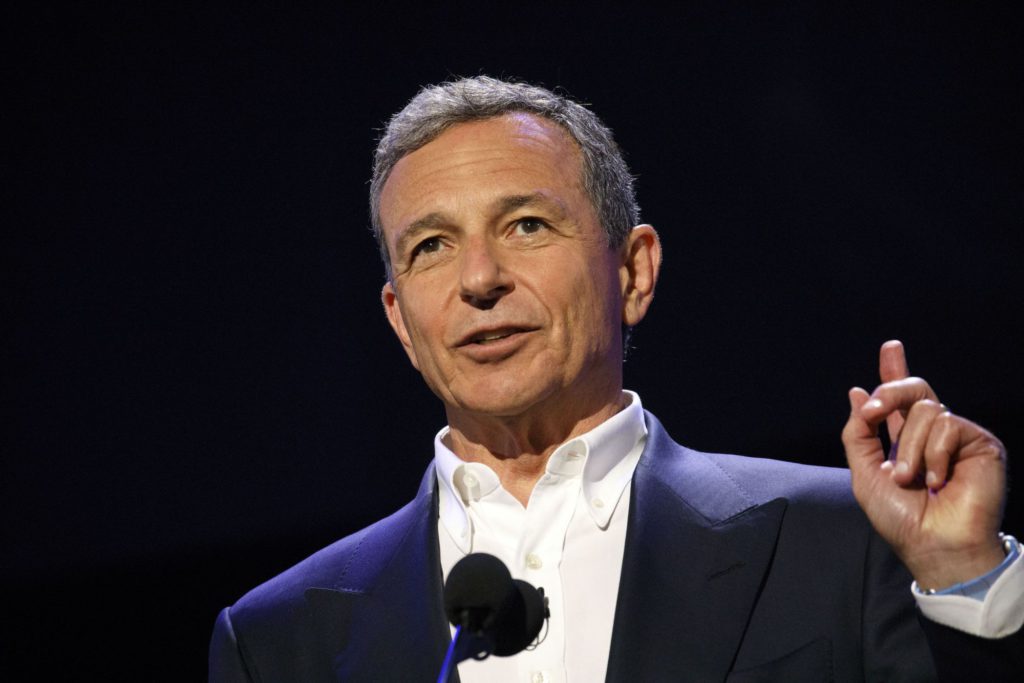
Disney’s Iger Returns to Reckon With His Own 15-Year Legacy

(Bloomberg) — Bob Iger, Walt Disney Co.’s returning chief executive officer, took his first steps toward reorganizing the entertainment giant, asking his deputies to rethink the corporate structure and announcing the departure of a top manager.

“Over the coming weeks, we will begin implementing organizational and operating changes within the company,” Iger said Monday in a memo. “It is my intention to restructure things in a way that honors and respects creativity as the heart and soul of who we are.”

Top Disney officers overseeing finance, film, TV and sports will come up with a new framework for the company in the coming weeks. That suggests Iger will unwind a reorganization by predecessor Bob Chapek that took decision-making away from division heads. As part of his memo, Iger said the company’s head of media distribution, Kareem Daniel, will leave the company.

Iger, 71, who led Disney from 2005 to 2020, was brought back to lead the company late Sunday. He returns with Disney shares headed toward their biggest yearly decline since the 1970s, the result of growing losses in streaming and fraying cable-TV viewership. Profit in the just-ended fiscal year was less than half the $10.6 billion reported in 2018. In a filing Monday, Disney said it will pay him $27 million a year for two years.

Streaming Losses

Iger will need to articulate a clear path to profitability in streaming, according to Citigroup Inc. analyst Jason Bazinet.

Chapek had promised profit at Disney+ by late 2024, something investors now doubt. In the latest quarter, the streaming business — led by the three-year-old flagship service that Iger launched — more than doubled its losses to $1.47 billion. While subscribers have grown to 164.2 million, the company will have to reassure investors.

“Iger has enough stature that he can recast the goals without causing investors to lose confidence,” Bazinet wrote.

The streaming business also offers opportunities in M&A. Disney owns two-thirds of the Hulu service and has a contract to buy out minority owner Comcast Corp.

Cable Bundle

Revenue at Disney’s traditional TV networks — led by the ESPN cable sports network — fell 5% in the latest three months. The decline was the result of falling advertising rates and a drop in viewership, two trends sure to continue as audiences quit traditional pay-television services. 

“Disney faces the risk of a long decline in its linear TV cash-cow at a time when the direct-to-consumer ventures are at peak losses, which is quite uncomfortable,” said Francois Godard, a media analyst at Enders Analysis. “But I struggle to imagine a different approach than the one currently implemented.”

The problems for linear TV aren’t going away. Comcast, the largest US cable distributor, DirecTV and other providers — all of which carry Disney channels — lost 1.9 million customers in the second quarter alone, a 6.1% decline that was the worst on record, according to MoffettNathanson research.

ESPN has been the biggest profit contributor among Disney’s traditional channels, and Iger has an opportunity to expand the sports network directly to consumers, according to Citigroup’s Bazinet.

“Now that Disney is selling video subscriptions directly to consumers across the globe, there is a broader role ESPN can play pursuing global sports rights (via ESPN+) outside the US,” he wrote. “This is one area of potential upside at Disney that does not receive sufficient interest by investors.”

Inside Disney

Chapek made decisions that grated the Burbank, California-based company’s creative workforce, his own executives and Florida officials where Disney operates four parks and numerous hotels. Iger now has an opportunity to repair those relations.

In one move, Chapek reorganized management of the film and TV businesses, taking authority away from executives in traditional studio roles and putting the “Go/No Go” authority for projects in the hands of a new group of leaders.

Bazinet suggests Iger may return responsibility for profit and loss decisions to those divisional executives who were partly sidelined by Chapek’s reorganization.

Disney’s CEO also got into trouble this year in Florida when the legislature debated a law barring school instruction about gender identity and sexual orientation. It was the type of bill Iger would have clearly opposed, and used as an opportunity to support LGBTQ+ members of Disney’s workforce.

Chapek instead sent a letter to employees in March telling them the company wouldn’t take a position. That drew immediate fury. He had to make an about-face two days later, pledging to confront Florida Governor Ron DeSantis directly. The company then found itself in the middle of a much broader political fight and legislators voted to dissolve a special Disney tax district.

The details of that decision haven’t been worked out, giving Iger a chance to smooth things over with state officials state.

Talent Relations

In September 2021, Disney was sued by Marvel film star Scarlett Johansson, who had helped generate billions of dollars at the box office. She alleged that during the Covid pandemic she’d lost out on a payday tied to ticket sales because the company opted to release her movie, Black Widow, on the Disney+ streaming service.

The company suggested she had made enough money and was apathetic toward the health risks then associated with cinematic release. The case was ultimately settled, but not without the company getting called out as “sexist” and angering key constituents, like Hollywood agents.

“Iger is considered popular among the creative ranks within Disney and Hollywood — an area where Chapek was not embraced,” said Well Fargo analyst Steven Cahall, who recommends buying the stock. 

Activists

Iger faces pressure from two prominent activist investors who swept in following his departure.

Dan Loeb’s Third Point LLC built a stake in August and called for sweeping changes, including a spinoff of ESPN. 

Loeb later backed off the plan, saying he had a “better understanding” of the sports network’s potential for the media giant’s global growth. In late September, Disney and Loeb’s Third Point reached a settlement that included a former executive from Instacart and Facebook, Carolyn Everson, being appointed to the board.

So a more immediate challenge may be Nelson Peltz’s Trian Fund Management, which has built a stake of $800 million, is pursuing a board seat and opposes Iger’s return, the Wall Street Journal reported, citing unidentified sources. 

Succession 

Iger has a poor record of managing succession. For example, Tom Staggs was Disney’s chief financial officer before taking on operational roles at the company’s theme parks. When he became chief operating officer in early 2015, he was widely seen in line to succeed Iger. But about a little more than a year later he was gone.

Notwithstanding challenges, the jump in Disney shares Monday show investors believe the company is back in proven hands.

They gained 6.3% to $97.58 at the close in New York.

“Investors are big fans of Bob Iger in our experience given his history of leading Disney through major content acquisitions and the pivot to streaming,” Cahall said.

–With assistance from Rob Golum and Kelly Gilblom.

(Updates shares, adds details of Loeb role.)

More stories like this are available on bloomberg.com

©2022 Bloomberg L.P.

Tom Brady, Steph Curry FTX Endorsements Probed by Texas Regulator

(Bloomberg) — Tampa Bay Buccaneers quarterback Tom Brady and the Golden State Warriors’ Steph Curry are among the celebrities that a Texas regulator is investigating for potential securities-law violations tied to their promotions of crypto exchange FTX. 

The regulator is scrutinizing payments received by the celebrities to endorse FTX US, along with what disclosures were made and how accessible they were to retail investors, Joe Rotunda, director of enforcement at the Texas State Securities Board, told Bloomberg News in an interview. 

“We are taking a close look at them,” Rotunda said. Though the stars’ endorsements aren’t the most immediate priority, they’re still a focus in the regulator’s larger probe into FTX’s collapse, he said. 

For celebrities, FTX might be the loudest lesson yet on the reputational, legal and regulatory risks of hyping crypto. Even before the collapse, the US Securities and Exchange Commission was cracking down on plugs without proper disclosures. The Texas probe serves as a reminder that state securities laws might also apply.

Although scrutiny from state-level financial authorities is usually less high-profile than an SEC investigation, it can lead to significant fines. Federal watchdogs often probe similar issues and have worked with states on some of those cases. 

In one high-profile crypto settlement in February, BlockFi Inc. agreed to pay $50 million fine to the SEC and another $50 million to various states over allegations it illegally offered a product that pays customers high interest rates to lend out their digital tokens. The firm didn’t admit or deny the SEC’s findings.

Last week, stars including Curry, Brady and model Gisele Bundchen were named as defendants in a class action lawsuit over whether Sam Bankman-Fried’s FTX targeted “unsophisticated investors” using star endorsers.

“If a celebrity says, ‘I’ve looked into this investment and it’s terrific and you ought to put your money into it’ — and if they haven’t looked into it, that could be a misrepresentation,” said John Olson, a retired securities lawyer and former Georgetown University law professor.

If what’s being marketed is deemed to be a security, “they’re basically doing something that may very well violate state securities laws,” Olson said. 

Representatives for Brady, Bundchen and Curry didn’t immediately respond to requests for comment. FTX didn’t respond to a request for comment.

Texas is communicating with other states as it digs into the FTX issues, Rotunda said. He didn’t know whether the SEC was probing the celebrity endorsements as part of its broader investigation into the collapsed crypto trading giant.

The SEC declined to comment. 

Kim Kardashian 

The SEC has taken enforcement actions against celebrities in other crypto cases. In October, it said Kim Kardashian would pay $1.26 million to settle allegations that she broke US securities rules by promoting a crypto token on her Instagram, without disclosing to her followers that she was paid $250,000 to pitch it.

Kardashian didn’t admit or deny the SEC’s allegations as part of the settlement, in which she agreed not to tout any digital assets for three years.

As part of its FTX probe, the Texas regulator is taking a close look at exactly what was being promoted — for instance, whether the celebrities were encouraging US investors to engage with a certain trading platform or products directly, Rotunda said. Before FTX’s collapse, the regulator had said it was investigating whether the firm violated its securities laws by offering yield-bearing crypto accounts to US residents.

“There are a couple different layers to peel away to get down to it,” Rotunda said.

(Updates with context on state and federal regulators in fifth and sixth paragraphs.)

More stories like this are available on bloomberg.com

©2022 Bloomberg L.P.
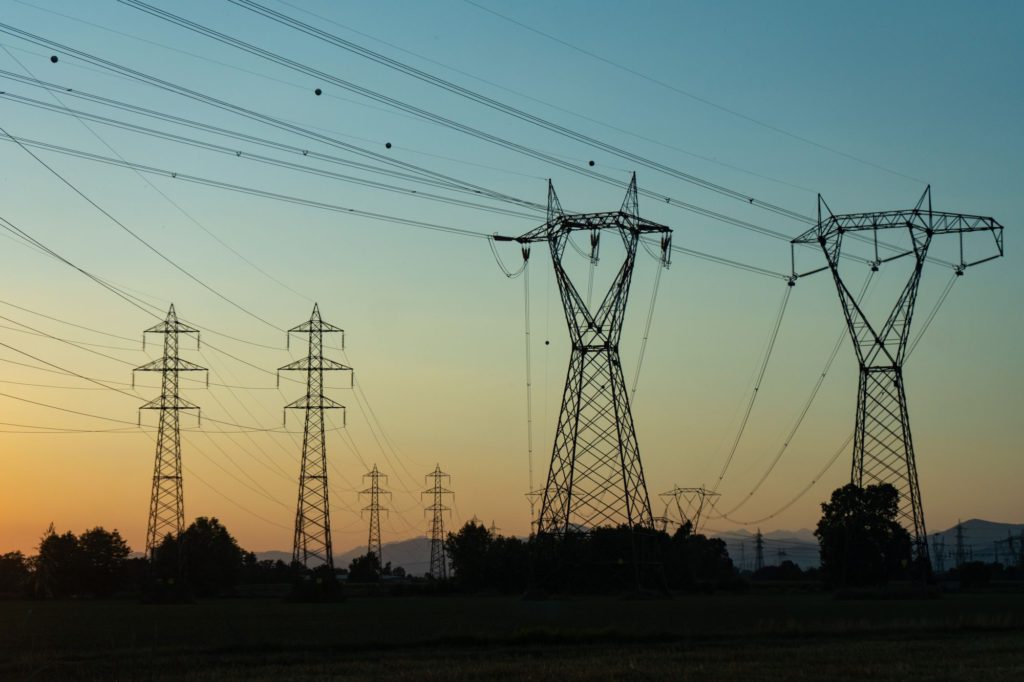
Italy to Raise Energy Windfall Tax to Finance €35 Billion Budget

(Bloomberg) — Italy has approved a €35 billion ($36 billion) budget law for next year which plans to raise a windfall tax on additional profits made by companies selling energy in order to expand energy aid relief to families and businesses.

The new budget, the first presented by Giorgia Meloni’s right-wing administration, plans to increase the tax rate on additional profit made by selling energy to 35% from the current 25% in 2023, in line with European Union regulation, according to a government statement released after a late night cabinet meeting. 

The law licensed by the cabinet now faces long parliamentary scrutiny and it is still subject to change before final approval.

Over €21 billion of the budget will be allocated to relief for families and businesses facing high energy prices, adding to about €75 billion already spent by the government to keep the economy afloat.

While Italy’s economic output grew 0.5% in the third quarter, a contraction is expected in the final three months of the year, Finance Minister Giancarlo Giorgetti told lawmakers in Rome earlier this month. 

The rest will be earmarked for other measures, including plans to extend a flat tax rate on incomes up to €85,000 for autonomous workers, and a slight review of the current pension systems.

The government also plans to cancel over time a citizen income introduced by the government led by Giuseppe Conte, a highly divisive decision which is set to stir political debate.

More stories like this are available on bloomberg.com

©2022 Bloomberg L.P.
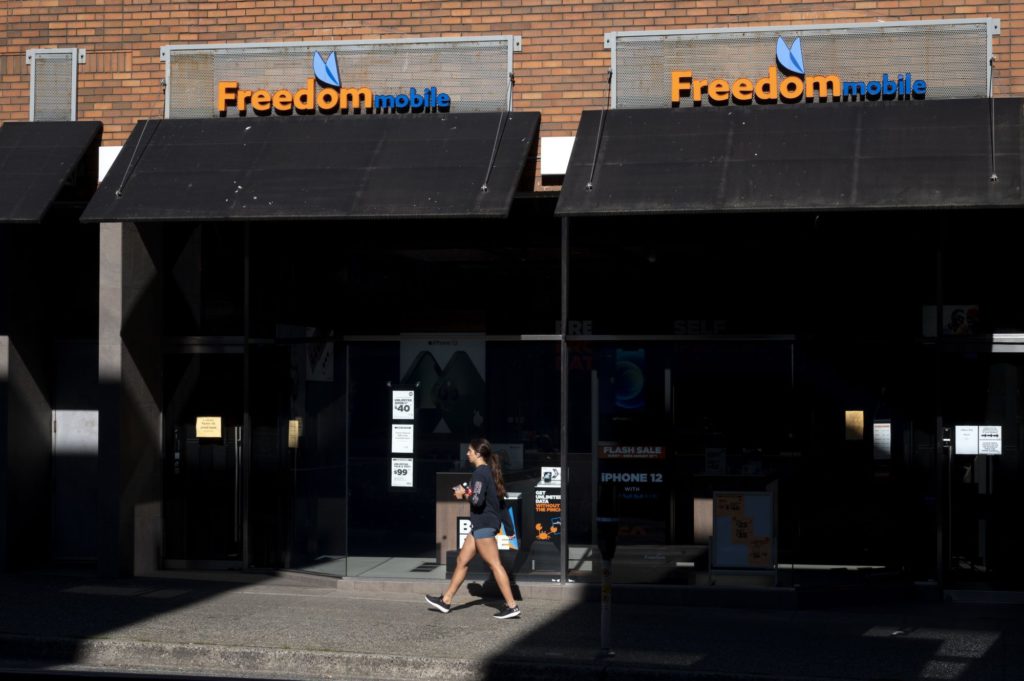
Shaw Says It Has ‘No Viable Path Forward’ Without Rogers Deal

(Bloomberg) — Shaw Communications Inc. told Canada’s Competition Tribunal that it couldn’t compete effectively without merging with Rogers Communications Inc. 

“This isn’t the first time that we considered consolidation within the sector,” Trevor English, Shaw’s chief financial officer, said Monday in testimony. “This has been part of our process that’s been going on for many years, and we just didn’t see a viable path forward as a standalone company.”

Since Shaw entered the wireless business by acquiring Wind Mobile, later renamed Freedom Mobile, the company has been struggling to keep up with its main competitor, Telus Corp., in Western Canada, English said. That also reflected in its share price underperformance over the past decade, which led to “difficult conversations” with investors, he said.

“We’ve really felt like the best outcome for all constituents was a partnership and a sale to a strategic operator that has the operational scale to effectively compete in the future,” English said. “This isn’t a distress. This is about a forward-looking analysis and the challenges that we had in our business.”

That testimony is a central argument for Shaw, which is trying to gain regulatory approval to be taken over by Rogers in one of the biggest corporate deal in Canada’s history. The two companies also have a side deal with Quebecor Inc. to sell Freedom Mobile in an attempt to appease regulators, who have concerns over wireless competition.

The C$20 billion ($14.9 billion) transaction to would unite two billionaire cable families is now halfway though the hearing at the tribunal, Canada’s version of a merger court. Competition Commissioner Matthew Boswell brought the case to try to block the deal. 

‘Pro-Competitive’ Deal 

Earlier Monday, Pierre Karl Peladeau, Quebecor’s chief executive officer, said his company has always had an aspiration to be a national wireless player, and buying Freedom Mobile would help it achieve that goal and establish a new growth driver. 

The Freedom deal would double the number of Videotron subscribers to nearly 3.5 million, and the bigger wireless operations would be a significant vehicle for growth for the company in markets outside of Quebec at a time when the traditional cable business is in decline, he said.

Over the past two weeks, the tribunal has heard from more than 20 witnesses, including executives from BCE Inc. and Telus as well as experts in telecommunications and economics. Lawyers representing Rogers and Shaw are arguing that the transaction is a “pro-competitive deal” that will bring better services and lower prices.

The law may be on Rogers’s side. Canada’s competitive law is remedy-oriented and gives merging companies a powerful legal weapon in the “efficiencies defense,” allowing them to argue that the cost savings are so great that they outweigh the harmful impacts on competition. 

The three-panelist tribunal led by Chief Justice Paul Crampton will hear closing arguments in mid-December, and is expected to render its decision in January. 

More stories like this are available on bloomberg.com

©2022 Bloomberg L.P.

Close Bitnami banner
Bitnami
