

Bloomberg

Ex-President of Elon Musk’s Neuralink Has New Brain-Computer Startup

(Bloomberg) — At Elon Musk’s Neuralink Corp., Max Hodak helped lead development of a computing device designed to be inserted into a person’s brain. Now he has a competing startup with $160 million in funding that seeks to do something even more striking: manipulate the brain without any in-skull implants.

Hodak’s new company Science Corp. is working on a brain-computer interface that’s in some ways similar to Neuralink’s but using a physical science called photonics. The idea is to use light and the eye’s optic nerve as a pathway into the brain, rather than implant chips deep within it.

Scientists and companies have experimented with photonics for years in the hope of restoring patients’ vision, but efforts to make brain-machine interfaces using the optic nerve have fallen short. 

Hodak, the former president of Neuralink, has been operating Science in stealth mode since last year. He envisions making a variety of brain-augmenting products beginning with vision. The startup built a prosthetic device, Science Eye, that it says works in rabbits. In the next year or two, Science hopes to try it in humans. The machine is intended to treat retinitis pigmentosa, a disease affecting peripheral vision, and macular degeneration, which affects central vision. 

“We’re starting in very disabled patient populations with serious unmet needs,” said Hodak, whose grandfather suffered from retinitis pigmentosa. “But if you refine that technology five or six generations, you get to replace glasses and [virtual reality] googles with just the tiny little implant in the eye.”

The philosophy is similar to one outlined by Musk. If the technology can address disabilities, then eventually healthy people may be willing to try it. The future goal would be to create a new sort of brain operating system that could, for example, project turn-by-turn directions onto the eyeball or conjure more immersive video games. Whether any of this would actually happen is unknown. The risk of opening one’s brain to hackers may be enough to scare away the general population.

For now, Hodak said he’s “focused on pragmatic, near-term things.” Science Eye is based on a 2-millimeter wide, very thin LED film that gets implanted on top of the retina, behind the eyelid. The surgical procedure lasts two hours, but Science said it can eventually be done in half that time. The LED film processes patterns sent wirelessly from glasses embedded with tiny cameras, which convert images into a form that the optical nerve can read.

For the device to function, the cells of the optic nerve must become light sensitive. Using gene therapy, Science delivers an engineered protein via injection that alters the optic nerve cells. By targeting individual cells rather than groups of cells, Science said it can achieve a much higher resolution compared with other cutting-edge approaches to treating blindness or eye disease.

But getting it to work in a rabbit is a far step from doing so in a person. The main way Science knows it is succeeding is by measuring activity in the rabbits’ visual cortexes, the part of the brain that handles sight.

One of the rabbits, Lela, sat patiently in her quarters when a reporter visited the Science headquarters in Alameda, Calif., this month. A small metal plate was attached on her forehead, under fluffy, white ears. As the reporter approached, Lela and some of her bunny colleagues hopped to the front of their hutches to observe.

Science’s technology will eventually be able to read from and write to the brain at the same time but for now is focusing on the writing part. Hodak said he has discussed Science Eye in a preliminary conversation with the US Food and Drug Administration.

Although the company’s technology is unproven in humans, photonics would solve a major flaw of existing brain-computer interfaces. Widespread adoption of such a machine is seen as unlikely if users are required to have holes drilled in their skulls. Finding a way to stimulate targeted sections of the brain in humans without implanting an electrode, though, has long eluded scientists. A practical application would require significant biological breakthroughs, Hodak acknowledged. 

Still, he said he became convinced of the viability of photonics after working at Neuralink, which he left abruptly last year. He declined to comment on his time there or his departure from the company. He is still a shareholder in Neuralink, he said, as well as another competing startup, Synchron. Both are pursuing electrode-based systems.

Hodak runs Science with his co-founders, the biologist Alan Mardinly, microfabrication director Yifan Kong, engineer Corey Wolin and software lead Emma Zhou. The startup’s funding haul of $160 million is second in the field only to Neuralink. Among Science’s backers are founders of the crypto companies Ripple Labs, Protocol Labs and Paradigm as well as the former GV partner Blake Byers. Artis Ventures is also an investor.

More stories like this are available on bloomberg.com

©2022 Bloomberg L.P.

Twitter France Head Quits in Exodus, Says ‘It’s Over’

(Bloomberg) — Twitter Inc.’s head of France announced his departure in a tweet on Sunday ahead of what may be additional layoffs at the embattled platform. 

Damien Viel, who confirmed his departure in a separate message to Bloomberg, had led the region for about seven years. A number of workers at the Paris office, which had fewer than 50 employees before billionaire Elon Musk took over last month, are focused on advertiser relationships. 

Musk, who’s already slashed Twitter’s workforce in half in sweeping job cuts that included much of the company’s management, is considering additional layoffs to begin as soon as Monday. They’ll likely focus on the sales and partnerships side of the business, people familiar with the matter have said. 

“It’s over. Pride, honor and mission accomplished,” Viel tweeted.


Viel declined to comment on the circumstances of his departure or how many Twitter employees remain in Paris. 

Following an initial round of cuts, which eliminated about 3,700 jobs at Twitter, Musk sent an email around to employees requiring them to opt in to a “hardcore” culture or accept a severance payment. More employees, particularly those in technical roles, left than expected, creating fears about risks to the company’s operations, people familiar with the matter said previously. 


On Friday, Musk asked the leaders of the sales and marketing and the partnerships teams to agree to cut even more employees, people familiar with the matter had said. The executives, Robin Wheeler and Maggie Suniewick, refused and lost their jobs, the people said. 

Last week, Paris-based fashion house Balenciaga joined other brands in quitting Twitter, deleting its account after Musk acquired the social-media platform and upended content rules. Other companies have paused advertising on the platform, including General Motors, Volkswagen, Pfizer and General Mills.


(Updates with additional background on job cuts throughout)

More stories like this are available on bloomberg.com

©2022 Bloomberg L.P.

E-Scooters on Island of the Gods Demonstrate Asia’s Green Shoots

(Bloomberg) —

The last few weeks in Southeast Asia have been busy, with several high-profile international conferences taking place in Bali, Bangkok and Singapore. After a Covid-induced lull of close to three years, the region is buzzing again as nations do away with virus restrictions and encourage in-person meetings.

For Vivek Lath, a partner with McKinsey & Co., another thing stood out. At this year’s Group of 20 summit, on the tropical resort island of Bali, several companies provided electric two-wheelers for attendees to move from their hotels to the main conference complex. Local police also rode electric scooters to escort delegates. Lath believes that’s evidence of the electric vehicle revolution taking off in Southeast Asia — albeit on two wheels.

“Many companies are realizing that electric two-wheelers will be first taken up in this part of the world,” Lath said in an interview in Singapore on Friday. “It’s a segment that’s going to accelerate much faster.”

Indeed, in Southeast Asia’s crowded cities, from Hanoi to Jakarta, having a smaller vehicle makes more sense. For the emerging middle classes, it’s also easier to afford, considering the cost of battery-powered cars remains prohibitively high on a relative basis.

Rahul Gupta, Lath’s colleague and an associate partner at McKinsey, believes electric two-wheelers could make up as much as 50% of the overall motorbike market in the region by 2030, compared with as low as 20% for cars.

Countries like Indonesia and Vietnam — already big markets for scooters and motorcycles — will drive that growth, particularly as last-mile delivery companies such as Grab and GoJek commit to shifting their fleet entirely to electric vehicles, Gupta said.

Indonesia Battery Corp., a state-owned EV maker, plans to produce 50,000 battery packs for two-wheelers next year to support the some 115 million motorcycles it sees eventually running on the country’s roads.

India’s Hero MotoCorp Ltd., the world’s largest two-wheeler maker by volume, last month unveiled its first electric scooter under the sub brand Vida. One neat feature for neighborhood short hops is a limp-home safety function that will limit the scooter’s top speed to 10 kilometers per hour, allowing it to cover up to 8 kilometers on a nearly spent battery.

Even companies in developed markets in Asia are getting onboard. Japan’s Honda Motor Co. is doubling down on its plans to introduce electric motorcycles, with a target of rolling out at least 10 models worldwide by 2025.

Population and urbanization growth trends are supporting two-wheeler sales in the developing world, BloombergNEF wrote in a June report.

“Urban dwellers will continue to spend more on transportation as they become richer, and those in congested regions with inadequate public transport will continue to find two-wheelers better suited to crowded streets than passenger cars,” analysts wrote, adding that unlike passenger cars, the fuel efficiency of new gas-powered two-wheelers hasn’t notably improved over time.

“In the US and Europe, a big part of two-wheeler sales is typically enthusiasm,” Lath said. “Here in Asia, it’s actually a day-to-day need. A big part of last-mile connectivity depends on a two-wheeler — not only shifting goods, but getting people from one point to another. That’s not happening in other parts of the world.”

More stories like this are available on bloomberg.com

©2022 Bloomberg L.P.
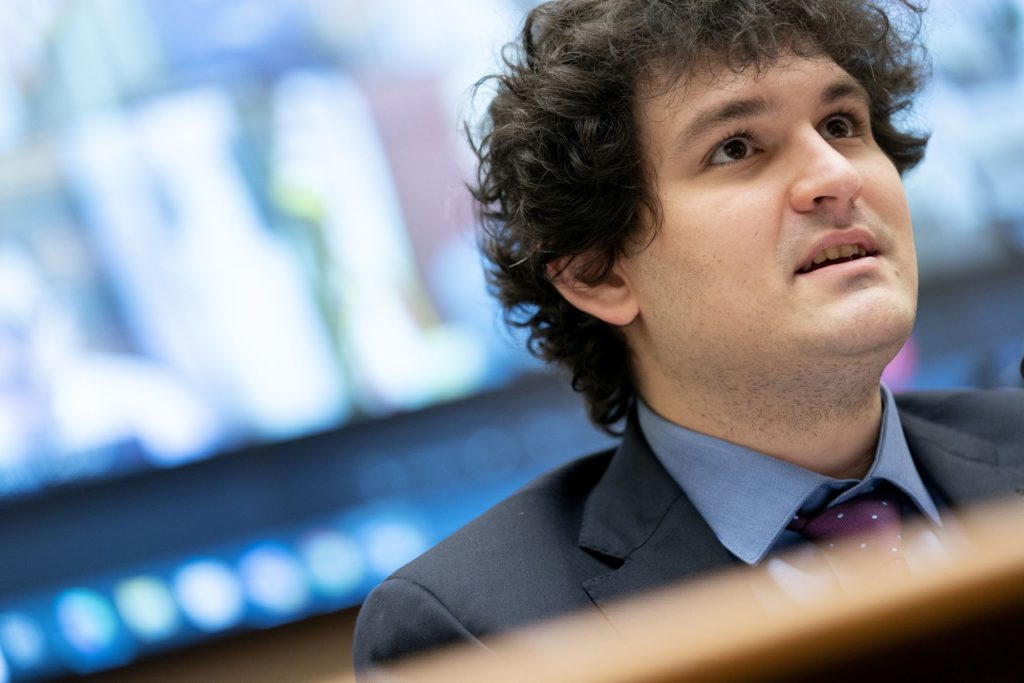
What Does the Fall of FTX Mean for the Future of Crypto? (Podcast)

(Bloomberg) — Listen to Bloomberg Crypto on the iHeartRadio App, Apple Podcasts or  Spotify.

In a crisis, there are always winners and losers. So, who are some of the players who might emerge stronger from the latest calamity to hit the cryptoverse? And will the fallout rekindle the tense debate over centralized entities versus decentralized protocols? 

Bloomberg reporter Sidhartha Shukla joins Bloomberg managing editor of crypto Stacy-Marie Ishmael to discuss this and more in our latest episode.

Subscribe to the Bloomberg Crypto Newsletter at https://bloom.bg/cryptonewsletter 

This podcast is produced by the Bloomberg Crypto Podcast team: Supervising producer: Vicki Vergolina, Senior Producer: Janet Babin, Producers: Sharon Beriro and Muhammad Farouk, Associate Producers: Mo Andam and Ty Butler. Sound Design/Engineer:  Desta Wondirad.


More stories like this are available on bloomberg.com

©2022 Bloomberg L.P.
Stocks Drop on China Covid Worries; Dollar Rises: Markets Wrap

(Bloomberg) — Stocks fell amid concern that China may tighten Covid curbs after a string of reported deaths, with investors seeking shelter in the haven assets of Treasuries and the dollar.

European equities edged lower, with mining stocks the biggest drag on the regional benchmark index. S&P 500 and Nasdaq 100 futures contracts both dropped by about 0.4%. Walt Disney Co. rallied more than 10% in New York premarket trading after the company brought back former leader Bob Iger as chief executive officer. Hong Kong stocks led declines in Asia as investors weighed whether the recent rally on a China reopening was overdone. 

The dollar climbed against its Group-of-10 counterparts and emerging-market currencies. Treasuries gained across the curve. Oil sank on concern of a weakening demand outlook from China. 

China saw its first Covid-related death in almost six months on Saturday and another two were reported on Sunday. Worsening outbreaks across the nation are stoking concerns that authorities may again resort to harsh restrictions. A city near Beijing that was rumored to be a test case for the ending of virus restrictions has suspended schools, locked down universities and asked residents to stay at home for five days. 

“Financial markets have caught a cold amid worries that mounting Covid cases in China and a fresh tightening of restrictions will send a fresh shiver through manufacturing output and push down demand for raw materials,” said Susannah Streeter, senior investment and markets analyst at Hargreaves Lansdown.


On the outlook for stocks, Goldman Sachs Group Inc. strategists said that investors hoping for a better year in 2023 would be disappointed, with the bear market phase not yet over.

“The conditions that are typically consistent with an equity trough have not yet been reached,” strategists including Peter Oppenheimer and Sharon Bell wrote in a note on Monday. They said that a peak in interest rates and lower valuations reflecting recession are necessary before any sustained stock-market recovery can happen.

Traders this week will also be looking to minutes of the most recent Federal Reserve policy meeting for more clues on the course of rate hikes. 

Atlanta Fed President Raphael Bostic said he favors slowing the pace of interest rate increases, with no more than 1 percentage point more of hikes, to try to ensure the economy has a soft landing. Boston Fed President Susan Collins reiterated her view that options are open for the size of the December interest-rate increase, including the possibility of a 75 basis-point move.

Elsewhere, Cryptocurrency prices struggled in the ongoing crisis sparked by the downfall of Sam Bankman-Fried’s once powerful FTX empire. 

Key events this week:

  • US Chicago Fed national activity index, Monday
  • US Richmond Fed manufacturing index, Tuesday
  • OECD releases Economic Outlook, Tuesday
  • Fed’s Loretta Mester and James Bullard speak, Tuesday
  • S&P Global PMIs: US, Euro area, UK, Wednesday
  • US MBA mortgage applications, durable goods, initial jobless claims, University of Michigan sentiment, new home sales, Wednesday
  • Minutes of the Federal Reserve’s Nov. 1-2 meeting, Wednesday
  • ECB publishes account of its October policy meeting, Thursday
  • US stock and bond markets are closed for the Thanksgiving holiday, Thursday
  • US stock and bond markets close early, Friday

Some of the main moves in markets :

Stocks

  • The Stoxx Europe 600 fell 0.2% as of 9:01 a.m. London time
  • Futures on the S&P 500 fell 0.4%
  • Futures on the Nasdaq 100 fell 0.5%
  • Futures on the Dow Jones Industrial Average fell 0.3%
  • The MSCI Asia Pacific Index fell 1.1%
  • The MSCI Emerging Markets Index fell 1.3%

Currencies

  • The Bloomberg Dollar Spot Index rose 0.5%
  • The euro fell 0.6% to $1.0258
  • The Japanese yen fell 0.5% to 141.09 per dollar
  • The offshore yuan fell 0.5% to 7.1621 per dollar
  • The British pound fell 0.6% to $1.1820

Cryptocurrencies

  • Bitcoin fell 1.4% to $16,017.95
  • Ether fell 1.9% to $1,119.63

Bonds

  • The yield on 10-year Treasuries declined two basis points to 3.81%
  • Germany’s 10-year yield was little changed at 2.02%
  • Britain’s 10-year yield was little changed at 3.23%

Commodities

  • Brent crude fell 0.5% to $87.17 a barrel
  • Spot gold fell 0.4% to $1,742.93 an ounce

This story was produced with the assistance of Bloomberg Automation.

–With assistance from Ruth Carson, Sagarika Jaisinghani and Tassia Sipahutar.

More stories like this are available on bloomberg.com

©2022 Bloomberg L.P.
FTX Latest: Crypto Prices Still Under Pressure as Billions Owed

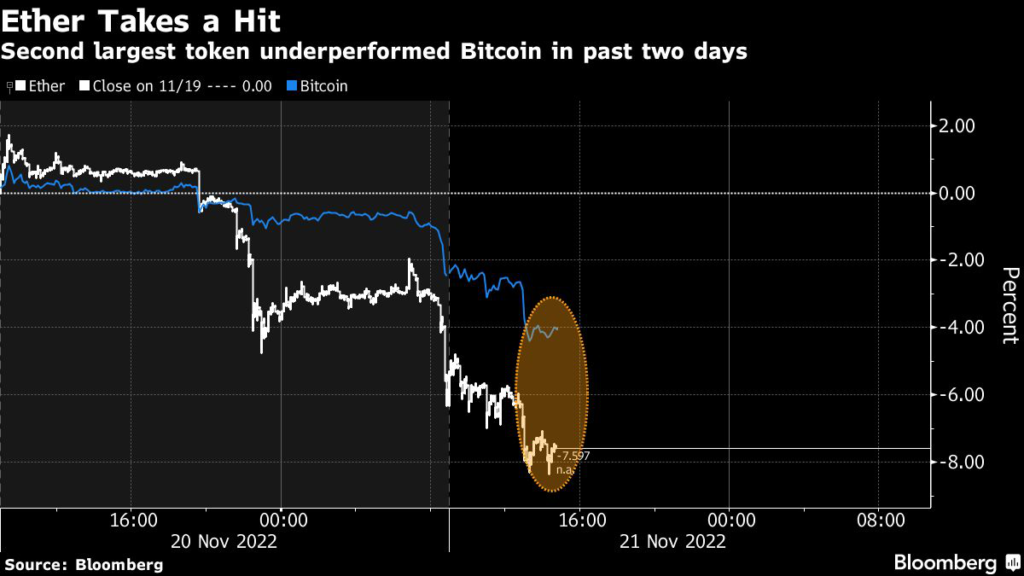
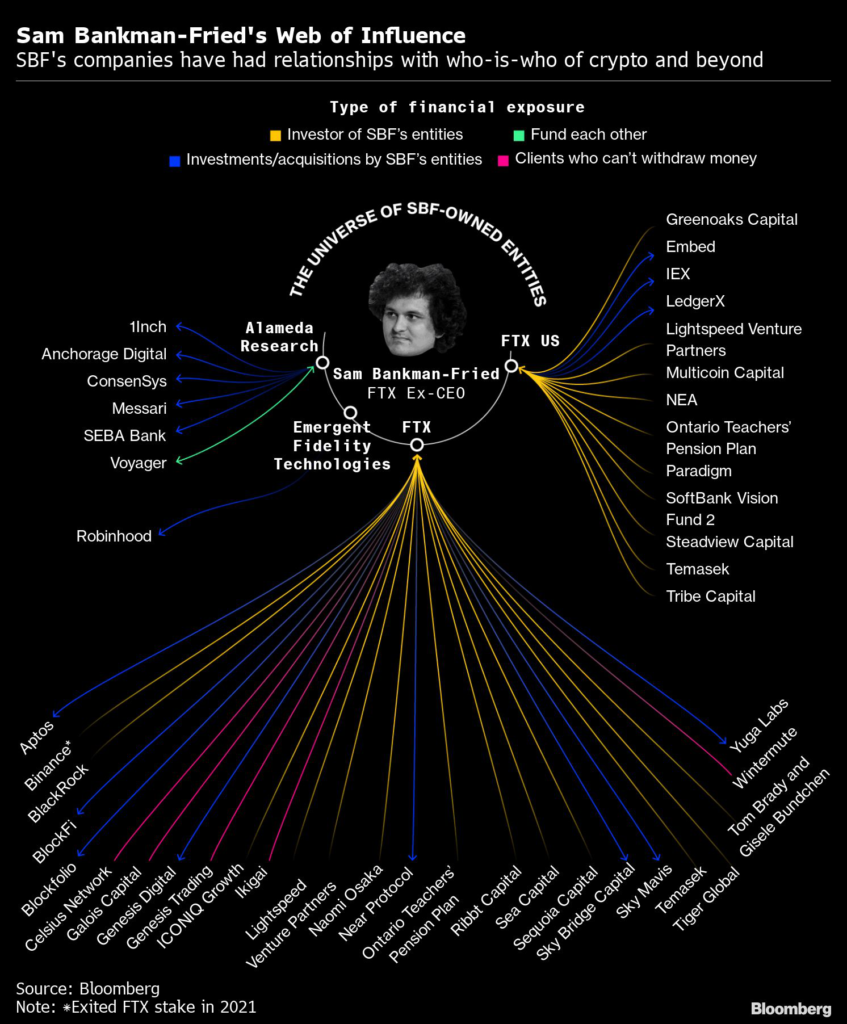
(Bloomberg) — Cryptocurrency prices struggled Monday in the ongoing crisis sparked by the downfall of Sam Bankman-Fried’s once-powerful FTX empire. The largest token Bitcoin has shed about 4% over two days, while second-ranked Ether is roughly 7% lower.

Crypto exchange FTX and related companies now in bankruptcy collectively had a carryover federal net operating loss of at least $3.7 billion as of Dec. 31 last year based on tax returns, according to court filings.

FTX owes its 50 top unsecured creditors a total of $3.1 billion. FTX Trading Ltd. and about 100 affiliated companies are starting a strategic review of global assets.

Key stories and developments:

  • Crypto Markets Sag as Funds Drained From FTX Switch Out of Ether
  • FTX Owes Its 50 Biggest Unsecured Creditors More Than $3 Billion
  • Crypto Arb Trades Roar Back as FTX-Battered Quants Flee Market
  • Will FTX-Like Unicorns Be the Next ‘Big Short’?: Chris Bryant
  • Bankman-Fried’s Island Haven Draws Scrutiny After FTX Demise

(Time references are New York unless otherwise stated.)

FTX’s Federal Net Operating Loss Carryover Stood at $3.7 Billion (2:32 a.m.)

Crypto exchange FTX and related companies now in bankruptcy collectively had a carryover federal net operating loss of at least $3.7 billion as of Dec. 31 last year based on tax returns, according to court filings.

The document from Alvarez & Marsal North America LLC, released as part of the Chapter 11 process, also showed that the minimum state net operating loss carryforward stood at $715 million. Earlier filings signaled the losses could help offset tax liabilities. 

Crypto Arb Trades Roar Back as FTX-Battered Quants Flee Market (2:24 a.m.)

The wild-west days of crypto markets are back again as the large trading houses that once thrived on arbitraging price gaps pull back in the wake of FTX’s collapse. That’s opening up profitable opportunities for anyone that still dares to trade. 

Prices for essentially identical assets on various platforms are diverging in a clear sign the dominoes are still falling across the crypto trading world. The gap between the funding rates of identical Bitcoin futures on Binance and OKEx, for instance, has been as wide as an annualized 101 percentage points and remained at least 10, compared to mostly single-digit gaps last month. 

Crypto Markets Sag as Funds Switch Out of Ether (12:02 p.m. HK)

Cryptocurrency prices struggled Monday in the ongoing crisis sparked by the downfall of Bankman-Fried’s once powerful FTX empire.

The largest token Bitcoin has shed about 4% over two days, while second-ranked Ether is roughly 7% lower. Meme token Dogecoin — an arbiter of the most speculative animus in an already racy digital playground — is down 11%.

Ballet’s Lee Says Need to Get Past ‘Amateurs’ in Digital-Asset Sector (11:45 a.m. HK)

Bobby Lee, CEO and founder of crypto storage provider Ballet Global, said in an interview that “bad actors” that are poorly run need to be “flushed out” in order to restore faith in crypto. He added that “we’ve got to get past this early stage of amateurs in crypto.”

Lee said the latest troubles in virtual coins will set back the industry by a year or two. He predicted that Bitcoin could fall as low as $10,000 if crypto markets are hit by more major blowups.

Bill Ackman Says He’s Invested in Crypto (6:25 a.m. HK)

The Pershing Square CEO said in tweets laying out his thoughts on the crypto industry that he has small investments in a number of crypto projects, including VC funds and firms that help with compliance or reducing fraud in the industry. The crypto investments represent less than 2% of his assets, he added. 

Ackman said that he remained positive on crypto overall despite the recent troubles, comparing its future potential impact on the economy and society to that of the telephone and internet.

Celsius Was Lax With Crypto Custody, Examiner Finds (12:46 a.m. HK)

A new report on the bankrupt crypto lender details shortfalls in controls and operations at two of the company’s product offerings.

The programs, Custody and Withhold, allowed users to keep their digital coins in the lender while supposedly maintaining ownership of them. The programs’ users have been claiming that they shouldn’t be lumped together with other unsecured creditors and should be reimbursed in full. 

Examiner Shoba Pillay found that Celsius launched the Custody program “without sufficient accounting and operational controls or technical infrastructure.” As a result, Custody wallets were overfunded through June 10, but then became underfunded by $50.5 million — a 24% shortfall — by June 24.

Buterin: FTX Offers Lessons for Crypto (11:00 p.m. HK)

Despite the recent upheaval, Ethereum co-founder Vitalik Buterin said blockchain base layers and decentralized-finance protocols worked “flawlessly.” 

“What happened at FTX was of course a huge tragedy,” he told Bloomberg. “That said, many in the Ethereum community also see the situation as a validation of things they believed in all along: centralized anything is by default suspect.”

FTX Owes 50 Biggest Unsecured Creditors More Than $3 Billion (10:42 pm HK)

Bankman-Fried’s bankrupt crypto empire owes its 50 biggest unsecured creditors a total of $3.1 billion, court papers show. FTX-linked entities owe their single biggest unsecured creditor more than $226 million, according to a redacted list in court papers filed late Saturday. 

All of them were listed as customers and 10 have claims of more than $100 million each, the filings show. The 50 largest claims are all from customers owed $21 million or more.

More stories like this are available on bloomberg.com

©2022 Bloomberg L.P.
Sequoia-Backed WeLab Seeks Funds at $2 Billion Value, Sources Say

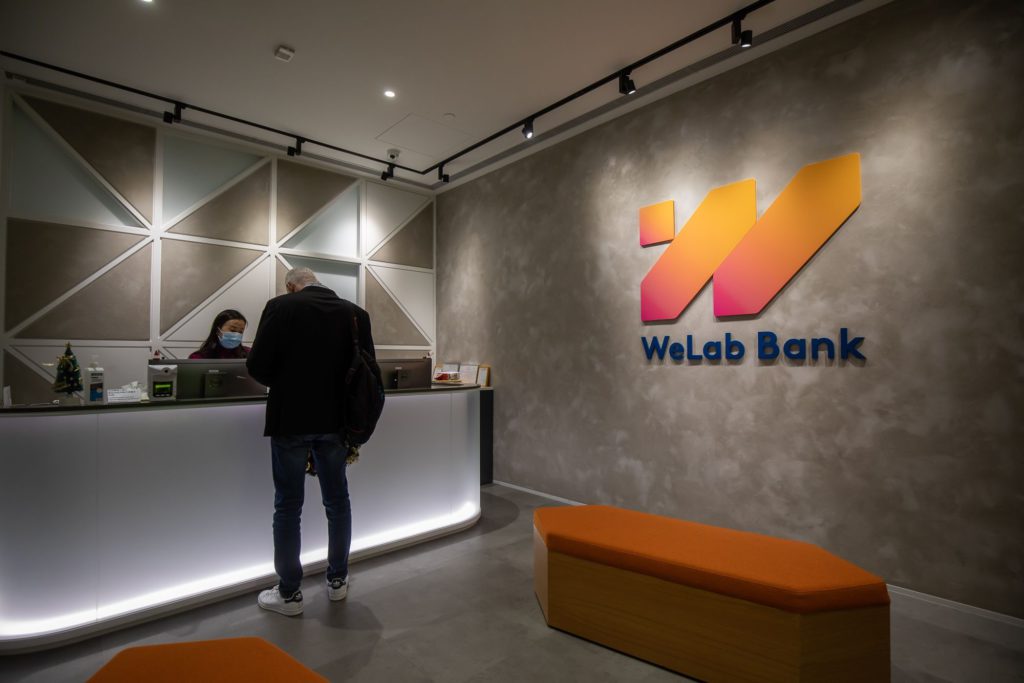
(Bloomberg) — WeLab Ltd., backed by investors including Sequoia Capital and billionaire Li Ka-shing, is weighing a new funding round that could value the Hong Kong-based fintech firm at about $2 billion, according to people familiar with the matter.

The company is looking to raise $200 million to $250 million in the new round to accelerate its growth plans, said the people, who asked not to be identified as the information is private. WeLab has sounded out existing and new investors for the fundraising, the people added.

WeLab, founded in 2013, operates consumer credit platforms WeLend in Hong Kong and WeLab Digital in the Chinese mainland, according to its website. It also runs WeLab Bank, a virtual lender in Hong Kong. The company has seen 1.5 times year over year growth in its loan balance in Hong Kong since the beginning of Covid-19, one of the people said. 

Considerations are at an early stage and details of the funding round could still change, the people said. A representative for WeLab declined to comment.

In September, the company completed the acquisition of Indonesian commercial bank PT Bank Jasa Jakarta, alongside PT Astra International. It also has a joint venture with Astra to operate a licensed online lending app. 

WeLab has more than 50 million individual users and over 700 enterprise customers, its website shows. Its investors include Khazanah Nasional Bhd. and Allianz SE. TOM Group Ltd., which counts billionaire Li’s CK Hutchison Holdings Ltd. as its largest shareholder, is also backing the venture.

The fintech firm in 2018 filed for an initial public offering in Hong Kong, but it was postponed amid market volatility. Simon Loong, an ex-Citigroup Inc. retail banker who founded WeLab, said in an interview last year that the company could restart the IPO process in 2022.

More stories like this are available on bloomberg.com

©2022 Bloomberg L.P.

In Dublin, It’s Elon Musk Versus the Housing Market

(Bloomberg) — At Twitter’s European headquarters, surviving employees have one big problem with Elon Musk’s demand that everyone must return to the office: finding somewhere to live.

Dublin, the Irish capital where the tech firm has an office that had about 500 employees, is in the midst of a housing crisis driven by chronic undersupply of new homes and a mass exodus of private landlords. Prices recently topped the peak they reached in 2007, shortly before an economic crash that almost bankrupted the nation.

Musk’s order prompted complaints on Twitter that it’s impossible to simply move to Dublin and start working from the office. The Twitter CEO clarified in a tweet that employees are allowed to work from home for reasons of logistics, personal matters or “if their manager vouches for excellence.”

Although staff at Dublin’s Twitter office has shrunk by about a third following the recent exodus, the spat is highlighting a growing problem for the Irish economy as it faces the prospect of recession. Dublin has flourished in recent years by creating attractive conditions for major companies to set up big offices. The city of 1.3 million will quickly lose its edge if it can’t provide housing for firms eager to get employees back to work.

“Even if one has the funds to rent, one cannot rent,” said Stephen Kinsella, a Professor of Economics and Head of Department at the University of Limerick. “That’s a systemic risk.”

Some big international firms are taking matters into their own hands. A company associated with Goldman Sachs Group Inc, which moved its European asset management business to Dublin after Brexit, is looking to build nearly 1,000 apartments on a shopping center car park in North West Dublin worth 400 million euros ($415 million), according to the Sunday Times. Ikea’s investment arm has committed 100 million euros to fund the development of more than 250 social housing units. 

Just under 1,200 properties were available to rent in the whole of Ireland on popular listings website daft.ie as of November 18. On Aug. 1 the number was a little over 700 — a fifth of the average from 2015-2019. The average listed rent rose 12.6% to 1,618 euros from a year earlier in the second quarter, the most recent statistic available. That was the highest year-on-year increase since at least 2005. 

Dublin is no stranger to housing crises, but this one is very different to the bursting of the so-called Celtic Tiger bubble in 2008. Back then it was all about oversupply and unsustainable credit. This time the problem is that there just aren’t enough houses to meet demand.

Read More:  ‘It’s Degrading’: Londoners Fight for Flats in Hot Rental Market

The number of private landlords exiting the market doubled in the second quarter from a year earlier, as rising property prices, rent caps and the prospect of higher mortgage payments made it increasingly unattractive to let-out a property. 

Meanwhile the Irish population is growing and the war in Ukraine has pushed up the cost of construction materials, reducing incentives for developers and landowners. Activity on residential projects has dropped in four of the past five months, according to a BNP Paribas Construction PMI report published last week.  

A new block of flats in Dublin owned by Irish Residential Properties REIT Plc was fully occupied a week after it was completed in the summer, according to CEO Margaret Sweeney. The firm received 600 applicants within an hour and a half for the first 20 units that were marketed and is continuing to see high levels of demand across the city, she said.

Read More: Ireland’s Financial Blind Spot Hit by Mass Tech Job Cuts

So far government support measures such as grants for developers have done little to alleviate the supply squeeze. A target set in Sept. 2021 to deliver on average 33,000 new housing units per year until the end of 2030 is already expected to be revised due to rising demand.Incoming Prime Minister Leo Varadkar pledged to accelerate action on housing on Saturday. “We will build more houses and apartments and get more people living in suitable, affordable accommodation,” he said at a party conference, listing plans to build more social housing and extending a ‘help to buy’ scheme. Meanwhile, the central bank will relax its income-to-loan requirements from next year, making it easier for would-be borrowers to qualify for mortgages.

“There are no signs yet of demand being curtailed,” Goodbody Chief Economist Dermot O’Leary said following data published Wednesday that showed house prices and transactions rose in September.

Job cuts in the tech sector, which currently provides about 6% of workplaces in Ireland, have hit big Irish employers like Facebook parent Meta Platforms Inc. and could alleviate some pressure, though that will come at a cost to the economy. Globally, the tech industry shed 9,587 jobs in October, the highest monthly total since November 2020. The Irish government has received notice of about 140 redundancies at Twitter so far, Varadkar told reporters on Friday.

The flip side though, is that job insecurity might let Musk have his way by driving people back to the office, which would put even more pressure on the housing market. 

Recruitment decisions are “increasingly moving toward the candidate who’s offering flexibility in return to office,” said Robert MacGoilla Phadraig, Chief Commercial Officer at Sigmar Recruitment Consultants Ltd. in Dublin. “People who have upped-sticks and relocated on the premise or promise of a full- time, long-term remote working option, are maybe going to have to reconsider.” 

(Adds comments from Leo Varadkar on housing plans in 13th paragraph)

More stories like this are available on bloomberg.com

©2022 Bloomberg L.P.
In Dublin, It’s Elon Musk Versus the Housing Market (1)

(Bloomberg) — At Twitter’s European headquarters, surviving employees have one big problem with Elon Musk’s demand that everyone must return to the office: finding somewhere to live.

Dublin, the Irish capital where the tech firm has an office that had about 500 employees, is in the midst of a housing crisis driven by chronic undersupply of new homes and a mass exodus of private landlords. Prices recently topped the peak they reached in 2007, shortly before an economic crash that almost bankrupted the nation.

Musk’s order prompted complaints on Twitter that it’s impossible to simply move to Dublin and start working from the office. The Twitter CEO clarified in a tweet that employees are allowed to work from home for reasons of logistics, personal matters or “if their manager vouches for excellence.”

Although staff at Dublin’s Twitter office has shrunk by about a third following the recent exodus, the spat is highlighting a growing problem for the Irish economy as it faces the prospect of recession. Dublin has flourished in recent years by creating attractive conditions for major companies to set up big offices. The city of 1.3 million will quickly lose its edge if it can’t provide housing for firms eager to get employees back to work.

“Even if one has the funds to rent, one cannot rent,” said Stephen Kinsella, a Professor of Economics and Head of Department at the University of Limerick. “That’s a systemic risk.”

Some big international firms are taking matters into their own hands. A company associated with Goldman Sachs Group Inc, which moved its European asset management business to Dublin after Brexit, is looking to build nearly 1,000 apartments on a shopping center car park in North West Dublin worth 400 million euros ($415 million), according to the Sunday Times. Ikea’s investment arm has committed 100 million euros to fund the development of more than 250 social housing units. 

Just under 1,200 properties were available to rent in the whole of Ireland on popular listings website daft.ie as of November 18. On Aug. 1 the number was a little over 700 — a fifth of the average from 2015-2019. The average listed rent rose 12.6% to 1,618 euros from a year earlier in the second quarter, the most recent statistic available. That was the highest year-on-year increase since at least 2005. 

Dublin is no stranger to housing crises, but this one is very different to the bursting of the so-called Celtic Tiger bubble in 2008. Back then it was all about oversupply and unsustainable credit. This time the problem is that there just aren’t enough houses to meet demand.

Read More:  ‘It’s Degrading’: Londoners Fight for Flats in Hot Rental Market

The number of private landlords exiting the market doubled in the second quarter from a year earlier, as rising property prices, rent caps and the prospect of higher mortgage payments made it increasingly unattractive to let-out a property. 

Meanwhile the Irish population is growing and the war in Ukraine has pushed up the cost of construction materials, reducing incentives for developers and landowners. Activity on residential projects has dropped in four of the past five months, according to a BNP Paribas Construction PMI report published last week.  

A new block of flats in Dublin owned by Irish Residential Properties REIT Plc was fully occupied a week after it was completed in the summer, according to CEO Margaret Sweeney. The firm received 600 applicants within an hour and a half for the first 20 units that were marketed and is continuing to see high levels of demand across the city, she said.

Read More: Ireland’s Financial Blind Spot Hit by Mass Tech Job Cuts

So far government support measures such as grants for developers have done little to alleviate the supply squeeze. A target set in Sept. 2021 to deliver on average 33,000 new housing units per year until the end of 2030 is already expected to be revised due to rising demand.Incoming Prime Minister Leo Varadkar pledged to accelerate action on housing on Saturday. “We will build more houses and apartments and get more people living in suitable, affordable accommodation,” he said at a party conference, listing plans to build more social housing and extending a ‘help to buy’ scheme. Meanwhile, the central bank will relax its income-to-loan requirements from next year, making it easier for would-be borrowers to qualify for mortgages.

“There are no signs yet of demand being curtailed,” Goodbody Chief Economist Dermot O’Leary said following data published Wednesday that showed house prices and transactions rose in September.

Job cuts in the tech sector, which currently provides about 6% of workplaces in Ireland, have hit big Irish employers like Facebook parent Meta Platforms Inc. and could alleviate some pressure, though that will come at a cost to the economy. Globally, the tech industry shed 9,587 jobs in October, the highest monthly total since November 2020. The Irish government has received notice of about 140 redundancies at Twitter so far, Varadkar told reporters on Friday.

The flip side though, is that job insecurity might let Musk have his way by driving people back to the office, which would put even more pressure on the housing market. 

Recruitment decisions are “increasingly moving toward the candidate who’s offering flexibility in return to office,” said Robert MacGoilla Phadraig, Chief Commercial Officer at Sigmar Recruitment Consultants Ltd. in Dublin. “People who have upped-sticks and relocated on the premise or promise of a full- time, long-term remote working option, are maybe going to have to reconsider.” 

(Adds comments from Leo Varadkar on housing plans in 13th paragraph)

More stories like this are available on bloomberg.com

©2022 Bloomberg L.P.

TSMC Founder Says Congratulating Xi on Party Congress Was ‘Personal’

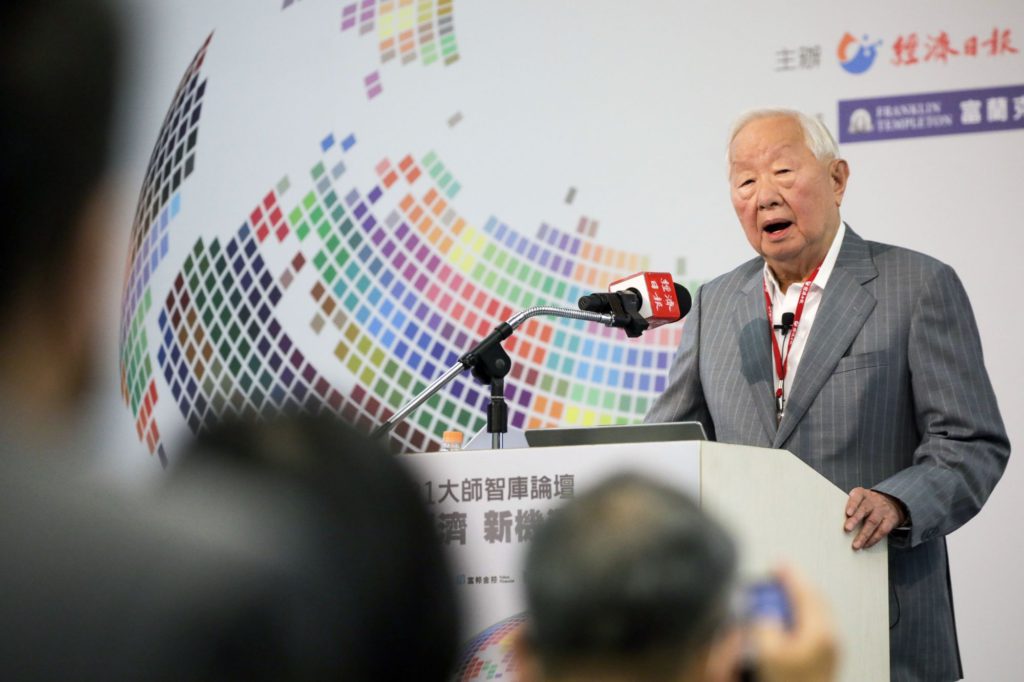
(Bloomberg) — Taiwan Semiconductor Manufacturing Co. founder Morris Chang said the congratulations he offered Chinese President Xi Jinping about the congress that his ruling Communist Party recently held were his own “personal” view.

“Taiwan’s Presidential Office told me beforehand that if there was an opportunity, there was no need to avoid meeting or greeting him,” Chang said Monday at a press conference in Taipei held to brief journalists on his role as the island’s envoy to the Asia-Pacific Economic Cooperation summit last week in Thailand.

“I later congratulated Xi on the success of the 20th party congress and talked about my own health condition, which were all my personal ideas,” Chang said, when asked if the government in Taipei had asked him to convey the sentiments.

Chang is one of Taiwan’s most important business figures, founding what eventually became Asia’s largest company by market capitalization and the linchpin of an industry that has become increasingly politicized by the US-China conflict. The Biden administration is trying to convince chipmakers around the world to curb high-end exports to China, a move that would limit progress the world’s No. 2 economy can make in areas such as artificial intelligence and military applications.

In remarks at the opening of the party congress where he secured more time in power and packed top leadership bodies with allies, Xi said China’s unification with Taiwan “must be realized.” US President Joe Biden has repeatedly said the US would defend Taiwan in the event of an attack, though the White House has walked back the statement each time, reiterating that Washington’s policy toward the democracy has not changed. 

Why Making Computer Chips Has Become a New Arms Race: QuickTake

Chang met Xi on Friday at the APEC event, the Presidential Office in Taipei said in a statement, congratulating the Chinese leader on the success of the twice-a-decade congress. Chang said in an earlier statement that he had a “very pleasant and polite interaction” with Xi, and that the two did not discuss cross-strait issues.

Taiwan President Tsai Ing-wen respected Chang’s interactions with Xi, Hsu Szu-chien, deputy secretary-general of Taiwan’s National Security Council, said at the same briefing as Chang on Monday. 

Official and unofficial interactions between Taipei and Beijing are closely watched, particularly due to cross-strait tensions. Beijing has refused formal communication with Taiwan’s government since Tsai’s election in 2016, though she has said she is willing to talk to China. 

Chang also said Monday that US Commerce Secretary Gina Raimondo would attend a ceremony on Dec. 6 to mark the first batch of equipment arriving at a plant TSMC is opening in Arizona. The firm also invited Biden, who has not confirmed his attendance.

–With assistance from Cindy Wang.

More stories like this are available on bloomberg.com

©2022 Bloomberg L.P.

Close Bitnami banner
Bitnami