Bloomberg

Your Saturday Briefing: Keeping Crypto and Twitter on an Even Keel

(Bloomberg) — Welcome to the weekend.

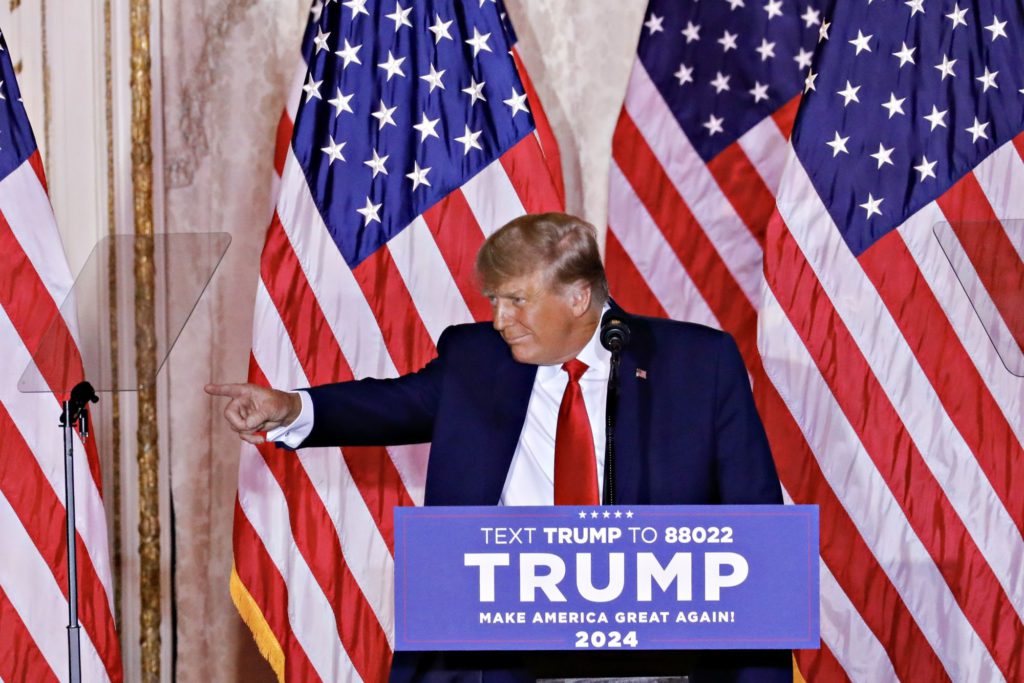
Tired of uncertainty? We finally know the balance of power in Congress, as the road to the 2024 US presidential race takes shape with one very familiar face and a likely historic first.

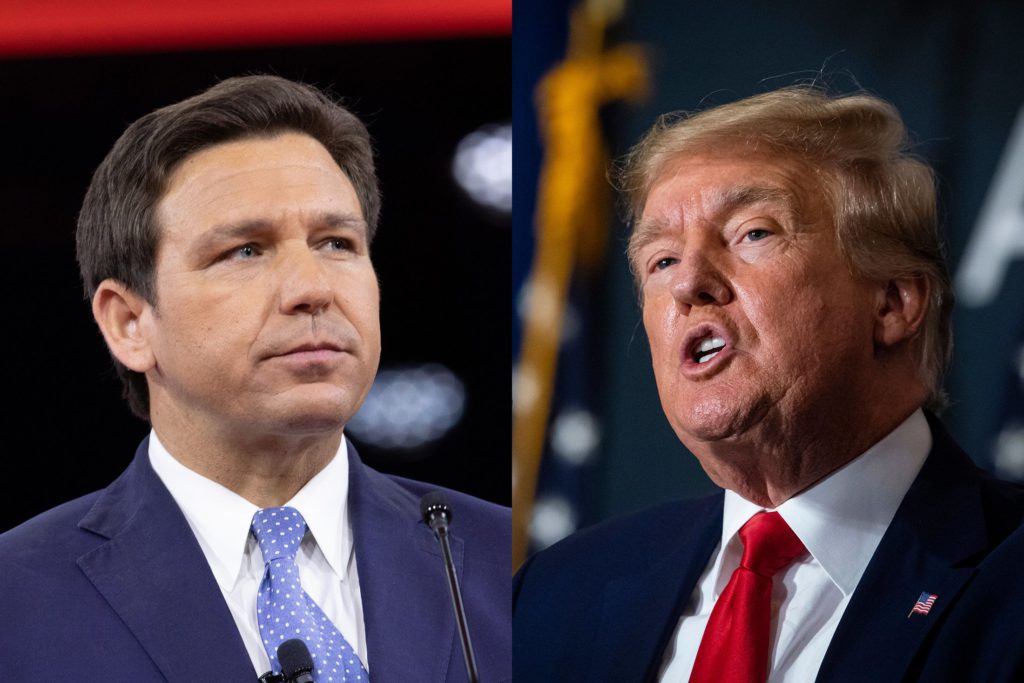
First up, today’s annual meeting of the Republican Jewish Coalition in Las Vegas will give us an early sighter of the two heavyweights in what’s set to be a long and verbose slugfest.

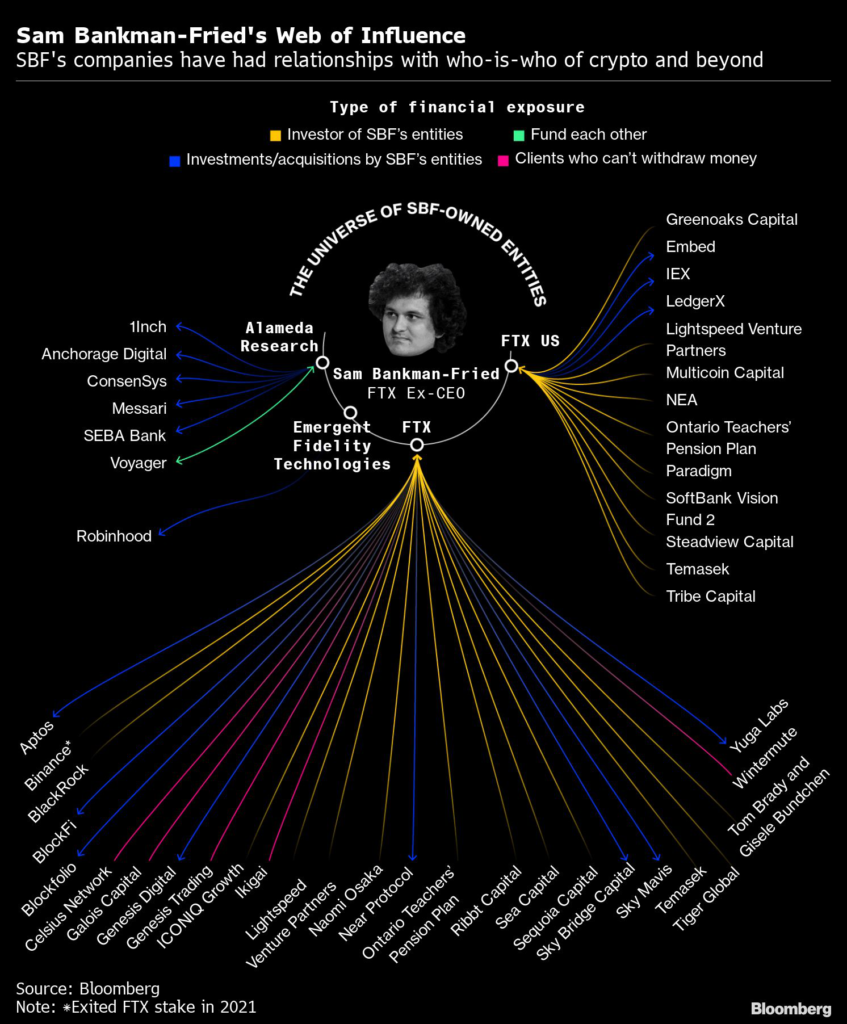
Turmoil in the cryptoverse shows no sign of letting up. FTX’s bankruptcy filing revealed a “complete failure of corporate controls” that shocked even the man who liquidated Enron. You can read key nuggets here. Now, regulators are seeking crypto whistleblowers, lawmakers are asking questions and the Bahamas — former FTX head Sam Bankman-Fried’s haven — faces scrutiny.

And things aren’t exactly going great in Elon Musk’s world. His ultimatum for Twitter employees to commit to a “hardcore” work environment prompted an unexpectedly big exodus that potentially puts operations at risk from bugs and hacks. But tech’s loss may be the auto industry’s gain. Musk’s official line is that Twitter’s reorganization is almost done, but in Washington, his $44 billion takeover faces US government scrutiny over national security concerns.

Social media reacted with undisguised glee at the sentencing of Elizabeth Holmes, ordered to spend more than 11 years in prison for fraudulently building her blood-testing startup Theranos into a multibillion dollar company that collapsed in scandal. If Holmes really did say, “They don’t put pretty people like me in jail,” she didn’t just underestimate the legal system; she misunderstood what schadenfreude is all about.

Squaring Wall Street, the real economy and the running commentary on interest rates isn’t getting easier. While the S&P 500 fell only 0.7% this week, investor dreams of a pivot in the Fed’s inflation fight are fading. Instead, money managers are increasingly betting on a US recession alongside still-elevated inflation, although there’s no consensus on how the central bank will ultimately handle the balancing act. Oh, and pencil in a showdown over the federal debt-ceiling next year.

Qatar’s last-minute ban on inside-or-near-the-stadium beer sales at the World Cup won’t ruffle fans with access to hospitality suites, though it leaves Anheuser Busch InBev sitting on a Budweiser marketing headache and a small lake of unsold beer. If you’re home, you can pop open a cold one for the Qatar-Ecuador opening game on Sunday or Team USA’s debut against Wales on Monday. As for team jerseys, you’re most likely to see Nike in action.  

The COP27 summit in Egypt focused attention on divisive issues such as how to compensate the poorest countries for damage caused by climate change. But what happens when one of those countries becomes flush with oil riches and has money to deploy? Listen to the Big Take podcast.

Enjoy the rest of your day, and we’ll be back tomorrow for a look-ahead to next week’s excitement.

More stories like this are available on bloomberg.com

©2022 Bloomberg L.P.

Amazon Ordered to Cease and Desist Retaliating Against Activists

(Bloomberg) — Amazon.com Inc. must cease and desist from retaliating against employees for workplace activism, a New York federal judge ordered Friday. 

The ruling requires Amazon to distribute the order to employees at a Staten Island warehouse and to read it to them at a meeting, but US district judge Diane Gujarati denied a request for an injunction to reinstate a fired activist made by the National Labor Relations Board.

The mixed ruling by the Eastern District of New York comes nearly two years after the NLRB hit Amazon with an unfair labor practice complaint for firing Gerald Bryson in the early days of the Covid-19 pandemic.

Neither Amazon nor the NLRB responded to a request for comment about the ruling. Bryson’s lawyer did not immediately provide comment.

Gujarati said Amazon did not have to rehire Bryson, but said there was “reasonable cause to believe that an unfair labor practice had been committed” in connection with his termination. 

The NLRB said Bryson became the public face of workplace organizing to improve Covid safety protocols at the company’s Staten Island warehouse. Bryson interrupted a managers meeting in March 2020 to advocate for Covid-19 protections for workers at the facility, and he participated in two demonstrations over pandemic safety before he was suspended, and then terminated, in April 2020, the NLRB said.

The NLRB argued that reinstating Bryson was crucial to show workers that the federal agency can protect their labor law rights.

Amazon has said Bryson was fired for bullying a coworker.

Separately, an NLRB agency judge ruled in April that Amazon must offer to reinstate Bryson. Amazon is appealing that ruling.


–With assistance from Victoria Cavaliere.

More stories like this are available on bloomberg.com

©2022 Bloomberg L.P.

Musk’s Twitter Fix-It Team Fades Out as Billionaire Says Transition Is Almost Done

(Bloomberg) — Elon Musk told a court in Delaware on Wednesday that his reorganization of Twitter Inc. is almost done, and he’ll spend less time on the company by the end of next week. The team of lieutenants he assembled to help with the transition is already inching toward the door. 

The group of trusted advisers that were by Musk’s side as he navigated his first few weeks as Twitter chief — including venture capitalists David Sacks, Jason Calacanis and Sriram Krishnan — have been less visibly active at the company over the last week or so, according to people familiar with the matter. None of the men spoke at an all-hands meeting at Twitter San Francisco headquarters last week, and they’ve dialed back their own tweeting after initially enthusiastically using the platform to cheer for the changes that Musk was making. During the early days of the transition, Musk’s right-hand men were everywhere: Sacks, who worked with Musk at PayPal Holdings Inc., discussed ideas with Twitter’s product team, while Calacanis, a former scout for the venture firm Sequoia Capital, met with advertisers and marketers. Krishnan, who previously worked at Twitter, helped Musk identify product and engineering leaders — Behnam Rezaei, who has been running engineering under Musk, had worked closely with Krishnan. All three were seen in the office in the days immediately after the deal closed. At first, they eagerly discussed their involvement, including tweeting about it and, in the case of Calacanis and Sacks, discussing it on the podcast they host with fellow investors Chamath Palihapitiya and David Friedberg. Calacanis, Krishnan and Sacks were added to Twitter’s internal Slack messaging account, according to a person familiar with the situation, along with two other VCs who have taken a more low-key public role: SpaceX board member Antonio Gracias, founder of Valor Equity Partners; and Sam Teller, Musk’s former chief of staff and now a venture partner at Valor Equity. 

In getting so involved, they stepped outside the traditional purview of VCs, who generally avoid prominent roles not linked to their own startup companies and whose expertise lies in helping early stage, high-growth businesses. Twitter was founded 16 years ago, and went public in 2013. It’s now privately held again as a result of Musk’s reluctant $44 billion buyout. 

“It is rather peculiar,” for seasoned VCs to devote their time to such a long-established company, said Ayako Yasuda, a finance professor at the University of California at Davis. 

But in the weeks since the deal closed, an already messy situation has only gotten messier. The launch of a new verification tool in early November was quickly reversed, after it enabled the creation of legions of fake accounts. Thousands of people have been laid off, with some asked to return days later. Musk has scrambled to reassure spooked advertisers, and even talked about the possibility of bankruptcy. 

The three men won the billionaire’s trust over years of spending time together socially and investing in each other’s endeavors. Musk helped fund Mahalo, a now-shuttered search engine that Calacanis launched in 2007. Sacks’s Craft Ventures has backed several of Musk’s companies, including Boring Co., Neuralink Corp. and Tesla Inc. Krishnan holds a personal investment in SpaceX, according to his LinkedIn; his employer, Andreessen Horowitz, provided Musk with financing to help take Twitter private. They also hold one of Musk’s personal bugbears close to their own hearts. Twitter accounts have, in the past, pretended to be both Calacanis and Sacks in attempts to score cash and Bitcoin. And not long after Krishnan joined Twitter as a product manager in 2017, he received a plea for help from Musk, who wanted to stop people impersonating him on the site, according to a person familiar with the matter. Musk has said the issue of bots on the platform is what drove him to want to acquire and reform Twitter. It’s also what made him try to back out of the deal.

“People would instantly say, I’ll pay for this for five or 10 bucks a month, to be verified,” Calacanis said late last month on his All-In podcast, addressing a potential fix to the bots issue. Since the rollout of Twitter Blue appeared to augment uncertainty around the identity of users, the podcast hasn’t returned to the topic. As of Friday, the $7.99-per-month service was still suspended.Calacanis, with more than 600,000 followers and 42,000 tweets, is the heaviest Twitter user among the trio. The 51-year-old New York native is a onetime technology journalist who later founded Launch, a startup accelerator and investment firm. As the Twitter takeover saga was playing out, he told Musk he’d be willing to run the company. “Put me in the game coach!” Calacanis wrote in a text to Musk that came to light during litigation over the deal. “Twitter CEO is my dream job.” On Oct. 31, he met with Twitter advertisers and marketers in New York. “Let’s do the work,” he tweeted that morning with a picture of a coffee cup and a napkin sporting Twitter’s blue bird logo. The New York Times reported on Nov. 11 that Musk had dispatched a lieutenant to ask Calacanis to hold back on tweeting so much, after he appeared too involved in product development or policy.

Since then, his tweets about the service have gotten fewer and farther between. On Friday, as questions swirled around Twitter’s future after many employees took a severance deal, Calacanis added his own wry commentary: “Did this tweet go through? Anyone see this?” Sacks quickly responded: “How did you get the Twitter to work? I don’t get it.”

Sacks and Musk go back the furthest. They got to know each other at PayPal, which Musk co-founded in 1999 and where Sacks was chief operating officer. Sacks started Craft Ventures in 2017, which in addition to the Musk companies, has backed buy-now, pay-later lender Affirm Holdings Inc. and analytics business Addepar. 

On Nov. 7, he had tweeted he has “no official role” and is merely trying to be “helpful around the margins.” 

Being tangentially involved with the company’s reorganization “entails some pretty obvious risks of guilt-by-association if Twitter continues on its current path,”  said Robert Bartlett, a law professor at the University of California at Berkeley. Of course, if Twitter regains momentum, it becomes “an opportunity to obtain some notable bragging rights,” Bartlett said.

Krishnan, a 39-year-old immigrant to the US born in Chennai, India, seems to have the most experience that’s directly relevant to helping out. He’s held product roles at Microsoft Corp., Meta Platform Inc.’s Facebook and Snapchat parent Snap Inc., according to his LinkedIn profile. Coworkers from his time at Twitter say he was collegial but slow to make decisions. Krishnan didn’t respond to a request for comment.

As for Musk’s impersonation issues in 2017, Krishnan did try to help, according to a person familiar with the matter. For a while things got better, but scammers kept coming up with new ways to meddle. 

Krishnan joined Andreessen Horowitz as a general partner in early 2021, focusing on cryptotechnology. He tweeted a defense of the Twitter Blue service days before it first rolled out, but since then has stayed silent on the topic. Recently, he’s been posting from Chennai, where he and wife Aarthi Ramamurthy hosted a live episode of their podcast.

A spokeswoman for Sacks declined to comment. Calacanis didn’t respond to an email seeking comment. A representative for Twitter didn’t respond to a request for comment. 

It remains to be seen whether Musk is able to stick to his plan to devote less time to Twitter, as he told the judge. He’s already announced a relaunch of Twitter Blue Verified, scheduled for Nov. 29, and told remaining employees that they need to accept working long hours at “high intensity,” or take a buyout. For his team of advisers, all of whom said they were keeping their day jobs, no such decision will be necessary. “Elon’s the CEO, he’s running it, he’s the decider, he’s making the decisions,” Sacks said on his Nov. 4 podcast . “We’re just helping a friend.”

–With assistance from Kurt Wagner and Edward Ludlow.

More stories like this are available on bloomberg.com

©2022 Bloomberg L.P.

FTX Latest: Firm Starts Asset Review as Part of Chapter 11

(Bloomberg) — FTX Trading Ltd. and about 100 affiliated companies are starting a strategic review of global assets as a part of the Chapter 11 bankruptcy process.

That comes after FTX said it fired three top deputies of former Chief Executive Officer Sam Bankman-Fried, the Wall Street Journal reported.

The collapse of the crypto empire is being transformed into a new political battlefront as Republicans highlight links between Democrats and their one-time benefactor Bankman-Fried. 

Missouri Republican Senator Josh Hawley on Friday sent a broad request for correspondence between federal agencies and Democrats, including the Biden administration and the House and Senate Democrats’ campaign committees, regarding FTX and trading house Alameda Research. Hawley said he’s trying to determine whether Bankman-Fried’s more than $37 million in political donations to Democrats may have created pressure on regulators to be lenient with the former crypto executive.

Meanwhile, the chair of a House panel is asking FTX to turn over documents and information by Dec. 1 as part of its investigation into the collapse of the crypto platform. 

Key stories and developments:

  • FTX Bankruptcy Bombshells Squeeze Crypto Lenders Behind Bull Run
  • Wall Street Beat: FTX Lesson for Taking Funds by Debt and Tokens
  • FTX’s Point of No Return Was Ellison’s Tweet, Trade Data Show
  • Bankman-Fried’s Island Haven Draws Scrutiny After FTX Demise
  • FTX Existential Crisis Fix; TMT’s Mega-Cap Problem (Podcast)

(Time references are New York unless otherwise stated.)

FTX Starts Global Asset Review as Part of Chapter 11 (3:18 a.m.)

FTX Trading Ltd. and about 100 affiliated companies are starting a strategic review of global assets as a part of the Chapter 11 bankruptcy process.

“Based on our review over the past week, we are pleased to learn that many regulated or licensed subsidiaries of FTX, within and outside of the US, have solvent balance sheets, responsible management and valuable franchises,” FTX Group’s new Chief Executive Officer John J. Ray III said in a statement.

The FTX companies, known as FTX Debtors, have engaged Perella Weinberg Partners LP as lead investment bank and started preparing some assets for sale or reorganization, according to the statement.

FTX Japan to Develop System for Withdrawals: Asahi (11:54 p.m.)

The Japan unit of FTX has started developing a system that will enable customers to withdraw their funds, the Asahi newspaper reported Saturday, citing company executive Seth Melamed. 

FTX Fires Sam Bankman-Fried’s Top Deputies, WSJ Reports (10:07 p.m.)

FTX said it fired three top deputies of former Chief Executive Officer Sam Bankman-Fried, the Wall Street Journal reported.

FTX co-founder and chief technology officer Gary Wang, engineering director Nishad Singh and Caroline Ellison, who ran Alameda Research, were terminated from their positions, the paper said, citing an FTX spokeswoman late Friday. The paper didn’t say if it attempted to reach the executives for comment.

They left those roles after FTX appointed John J. Ray to oversee the bankruptcy, according to the report. The newspaper had previously reported that the executives were aware of the decision to send client money to trading firm Alameda.

Hawley Seeks Democrats’ Emails as FTX Collapse Turns Political (4:04 p.m.)

The collapse of the crypto empire founded by political mega-donor Sam Bankman-Fried is being transformed into a new political battlefront as Republicans highlight links between Democrats and their one-time benefactor.

Missouri Republican Senator Josh Hawley on Friday sent a broad request for correspondence between federal agencies and Democrats, saying he’s trying to determine whether Bankman-Fried’s more than $37 million in political donations to Democrats may have created pressure on regulators to be lenient with the former crypto executive.

Short Sellers Jump on Crypto Stocks Despite Steep Cost of Wagers (2:44 p.m.)

Short sellers have pounced on crypto-focused equities as the digital-assets space crumbles in the wake of FTX’s public implosion. 

Crypto stocks are nearly three times more shorted than the average share, even as short sellers are paying almost eleven times as much in financing costs to bet against them, according to data compiled by Ihor Dusaniwsky and Matthew Unterman at S3 Partners.

Traders banking on losses in a handful of crypto stocks, including Block Inc., Coinbase Global Inc., MicroStrategy Inc. and five others, added $55 million worth of new shorts in the week through Friday, according to S3’s analysis. Total crypto short interest for these eight stocks is more than $4.5 billion. 

Silvergate Shares Slide as FTX Fallout Attracts Short Sellers (1:16 p.m.)

Silvergate Capital Corp. shares slumped, putting them on pace to lose a quarter of their value this week, as investors punished the bank for its ties to bankrupt FTX.

Shares of the company, which held deposits for FTX, dropped 9.9% to $25.14 at 1:03 p.m. in New York. Thursday’s nearly 11% drop triggered a short-sale circuit breaker. Data from S3 Partners indicates short interest levels in Silvergate are around 11% of the shares available for trading.

FTX Looks at Years of Lawsuits to Recover Billions From Customers (1:12 p.m.)

FTX’s bankruptcy opens the door to creditors’ likely lawsuits looking to claw back billions of dollars in assets that customers and insiders withdrew before the crypto company’s abrupt Chapter 11 filing.

As the company’s advisers scramble to get a handle on its finances, they’ll have a slate of bankruptcy tools available that will allow them to try to wrangle funds back into the FTX empire to try to pay all creditors, though the efforts will likely take years.

Crypto Fallout Leaves US Retiree Benefits Mostly Unscathed (12:35 p.m.)

Most of the largest US state and local government pension funds have dodged the ongoing fallout from the collapse of crypto exchange FTX by not directly investing in digital tokens. For the pensions that have dipped into the risky asset class, the investments represent just a small amount of the retirement funds’ portfolio, and much of the limited exposure is indirect via crypto-related stocks or other investment products.

Nearly all of the top 10 US pension funds by assets said they are not invested in Bitcoin or any other cryptocurrencies, according to an informal survey by Bloomberg.

House Panel Seeks Documents in Investigation on FTX Blowup (11:13 a.m.)

The chair of a House panel is asking FTX to turn over documents and information by Dec. 1 as part of its investigation into the collapse of the once-prominent crypto platform. 

“FTX’s customers, former employees, and the public deserve answers,” said Representative Raja Krishnamoorthi, chairman of the House Oversight Subcommittee on Economic and Consumer Policy, in a Friday letter to former FTX CEO Sam Bankman-Fried and John J. Ray III, the new CEO and chief restructuring officer who oversaw the liquidation of Enron Corp.

He requested details on the circumstances surrounding the crypto firm’s spiral into bankruptcy last week, including an explanation of the company’s liquidity issues, how those issues of the Bahamas-based parent company affected its US arm, and details of how customer funds were being used. The subcommittee is also seeking internal documents and communications. 

FTX Auditor Defends Work as New CEO Blasts Financials (10:57 a.m.)

The auditors of FTX Trading Ltd. are defending their work, even after the new management of the imploded crypto exchange lambasted the auditors in a stunning bankruptcy filing.

“We believe the financial statements of FTX Trading Ltd. as of 12/31/21 were fairly stated and we stand behind our audit opinion,” New York-headquartered accounting firm Prager Metis CPAs LLC said in a statement to Bloomberg Tax. 

–With assistance from Stephen Stapczynski.

More stories like this are available on bloomberg.com

©2022 Bloomberg L.P.

China Local Govt Helps Foxconn Hire Villagers After Exodus: FT

(Bloomberg) — Chinese authorities are helping Foxconn Technology Group repopulate its iPhone assembly lines after the Apple Inc. partner suffered a workers’ exodus from its central China plant late last month amid a Covid-19 outbreak, the Financial Times reported.

The Henan government ordered officials across the province to recruit new assembly-line workers for the Apple supplier, the report said. Foxconn also raised wages and offered bonuses  to attract and retain workers after the exodus, according to the FT.

More stories like this are available on bloomberg.com

©2022 Bloomberg L.P.

After FTX, Crypto Exchanges Struggle to Convince Customers They’re Safe

(Bloomberg) —

Moves by cryptocurrency exchanges to reassure markets about their stability are having little effect on jittery users, who keep pulling funds from the venues. 

Platforms from Binance to Crypto.com have made full or partial disclosures outlining their assets since FTX.com unraveled last week. Yet clients’ stampede for the exits has persisted, with exchange reserves of Bitcoin, Ether and stablecoins falling sharply, according to data from CryptoQuant. 

The problem is many so-called proof of reserves published so far have left out liabilities, haven’t been vetted by outside auditors and don’t provide clarity on which, if any, of the assets exchanges hold have been pledged as collateral for loans. With the disarray in FTX’s finances now laid bare to the broader public, anything short of a complete accounting will likely fail to fully restore confidence, market watchers said. 

“The issue is proof of reserves are a snapshot in time of funds in certain wallets,” said Maya Zehavi, a cryptocurrency angel investor. “People need to verify the exchange’s total liabilities, and that no client tokens were pledged as collateral, as well as the health of those assets put up as collateral.” 

A full-blown crisis of confidence in exchanges would have dire consequences for the crypto industry because the venues often operate as brokers, custodians and clearing houses — meaning the collapse of one platform can kick off a daisy chain of failures reaching into every corner of crypto. 

Contagion from FTX is already spreading, with crypto brokerage Genesis announcing on Wednesday that it’s been forced to suspend redemptions at its lending unit. The same day, Tyler and Cameron Winklevoss’ Gemini Trust Co. delayed redemptions in its Earn program. BlockFi Inc., which has close links to FTX US, is preparing to file for bankruptcy, Bloomberg News reported this week. 

In FTX’s case, oversight and record-keeping of assets were so poor that new CEO John J. Ray III compared it unfavorably with Enron Corp., whose liquidation he oversaw. Advisers have located “only a fraction” of the digital assets that they hope to recover during the Chapter 11 bankruptcy, Ray said. 

The fact that FTX was able to keep such glaring deficiencies hidden for so long shows accounts must be audited and assets valued by third parties, some crypto executives said.

Where’s the Proof?

Binance, the world’s largest cryptocurrency exchange, on Nov. 10 disclosed what it called a “snapshot” of its major token holdings and said more data will be shared later in a “full audited report.” A Binance spokesperson said the exchange will publish audited reserves and liabilities in coming weeks. 

Read more: Binance Data Shows 40% of Major Holdings Are BUSD, BNB 

“Proof of reserves doesn’t require lawyers or traditional auditors,” said Matt Luongo, the co-founder of blockchain privacy service provider Threshold. “The whole process is voluntary. Therefore, while this type of disclosure may have helped head off the FTX disaster, there is no proof that any centralized exchange doesn’t have liabilities senior to its customers’ deposits.”

Austrian crypto exchange Bitpanda said on Tuesday that it had hired KPMG to verify that customer assets are covered by corresponding crypto funds in the exchange’s wallets. Only four of 23 exchanges listed on an “assets transparency” tracker published by Coinglass have appointed auditors for their liabilities. The tracker doesn’t mention Bitpanda.  

Crypto Market’s Structure

Still, audits may only be part of the solution. 

Some of the risks in crypto stem from the way the nascent market is structured, with exchanges carrying out functions that in traditional finance are distributed between multiple entities — the majority of which are regulated, and many of which are also publicly traded. 

That concentration of functions in crypto could lead to conflicts of interest and lack of transparency regarding client assets, said Jack McDonald, CEO of PolySign, which owns a crypto custodian and fund administrator. 

The intractable nature of those issues was highlighted in a press release issued Friday by Bybit, one of the largest crypto exchanges. In the statement, CEO Ben Zhou called on the industry “to step up together and help reassure nervous customers and governments.”

Yet Zhou also said the “complexity” of crypto companies means “it will take some months for Bybit to complete and provide a comprehensive and true picture of its accounts that is acceptable to every stakeholder and helps re-establish trust — rather than patchy information that could ultimately confuse.”

Too Big to Fail

Many of finance’s current safeguards were put in place after the 2008 global financial crisis, when a surge in delinquent US mortgages caused a banking industry contagion, leading to a deep recession. The term “Too Big to Fail” entered the vernacular, describing organizations that had gotten so systemically important that they had to be bailed out using taxpayer money.

Then, as now, opacity compounded the problems. In 2008, it was shaky mortgages packaged into complex securities; with FTX, it was financial entanglements with trading house Alameda Research that reportedly involved customer funds and ultimately blew up Sam Bankman-Fried’s empire. FTX is facing a probe by US prosecutors. 

“The crypto market does not feature currently many of the safeguards of traditional market structure, and a lot of its recent issues are rooted in a lack of transparency,” said Anish Puaar, head of European equity market structure at trading firm Optiver. “One wonders whether a lot of this pain could have been avoided with better protections.”

Some regulators are prodding the industry in that direction. Singapore’s central bank has proposed that exchanges must properly segregate customers’ assets and disclose what would happen to them if the firm becomes insolvent. It has also proposed that firms mitigate any potential conflicts of interest arising from the multiple roles they perform.

“We might see centralized exchanges face some new requirements, such as the need to separate custody of client assets from the exchange itself,” said Frederic Lardieg, a partner at Mubadala Capital Ventures, which co-led a $70 million funding round in crypto payments company Ramp this month.

Cold Wallets, DeFi

Many traders aren’t waiting to find out. Exchange reserves of Bitcoin and Ether are at their lowest levels since 2018, data from CryptoQuant show. Stablecoin reserves have slipped to the lowest since January, according to the data, which measures the number of tokens rather than the dollar value.

Ledger, the French maker of “cold storage” hardware crypto wallets, saw weekly sales soar to a record after FTX started crumbling, according to CEO Pascal Gauthier. 

Crypto investors also appear to be switching to decentralized finance, where trading is handled without intermediaries and governed by so-called smart contracts that execute trades and liquidations based on a transparent set of rules. 

“There has been a dramatic hit to confidence in not just the instrument, but the market structure which holds up the entire asset class,” said Dushyant Shahrawat, director of investment banking at Rosenblatt Securities, which offers advisory to crypto and fintech companies.

–With assistance from Eva Szalay and Suvashree Ghosh.

More stories like this are available on bloomberg.com

©2022 Bloomberg L.P.

FTX Latest: Sam Bankman-Fried’s Top Deputies Fired From Firm

(Bloomberg) — FTX said it fired three top deputies of former Chief Executive Officer Sam Bankman-Fried, the Wall Street Journal reported.

Meanwhile, the collapse of the crypto empire is being transformed into a new political battlefront as Republicans highlight links between Democrats and their one-time benefactor Bankman-Fried. 

Missouri Republican Senator Josh Hawley on Friday sent a broad request for correspondence between federal agencies and Democrats, including the Biden administration and the House and Senate Democrats’ campaign committees, regarding bankrupt crypto exchange FTX and trading house Alameda Research. Hawley said he’s trying to determine whether Bankman-Fried’s more than $37 million in political donations to Democrats may have created pressure on regulators to be lenient with the former crypto executive.

The chair of a House panel is asking FTX to turn over documents and information by Dec. 1 as part of its investigation into the collapse of the crypto platform. 

Key stories and developments:

  • FTX Bankruptcy Bombshells Squeeze Crypto Lenders Behind Bull Run
  • Wall Street Beat: FTX Lesson for Taking Funds by Debt and Tokens
  • FTX’s Point of No Return Was Ellison’s Tweet, Trade Data Show
  • Bankman-Fried’s Island Haven Draws Scrutiny After FTX Demise
  • FTX Existential Crisis Fix; TMT’s Mega-Cap Problem (Podcast)

(Time references are New York unless otherwise stated.)

FTX Fires Sam Bankman-Fried’s Top Deputies, WSJ Reports (10:07 p.m.)

FTX said it fired three top deputies of former Chief Executive Officer Sam Bankman-Fried, the Wall Street Journal reported.

FTX co-founder and chief technology officer Gary Wang, engineering director Nishad Singh and Caroline Ellison, who ran Alameda Research, were terminated from their positions, the paper said, citing an FTX spokeswoman late Friday. The paper didn’t say if it attempted to reach the executives for comment.

They left those roles after FTX appointed John J. Ray to oversee the bankruptcy, according to the report. The newspaper had previously reported that the executives were aware of the decision to send client money to trading firm Alameda.

Hawley Seeks Democrats’ Emails as FTX Collapse Turns Political (4:04 p.m.)

The collapse of the crypto empire founded by political mega-donor Sam Bankman-Fried is being transformed into a new political battlefront as Republicans highlight links between Democrats and their one-time benefactor.

Missouri Republican Senator Josh Hawley on Friday sent a broad request for correspondence between federal agencies and Democrats, saying he’s trying to determine whether Bankman-Fried’s more than $37 million in political donations to Democrats may have created pressure on regulators to be lenient with the former crypto executive.

Short Sellers Jump on Crypto Stocks Despite Steep Cost of Wagers (2:44 p.m.)

Short sellers have pounced on crypto-focused equities as the digital-assets space crumbles in the wake of FTX’s public implosion. 

Crypto stocks are nearly three times more shorted than the average share, even as short sellers are paying almost eleven times as much in financing costs to bet against them, according to data compiled by Ihor Dusaniwsky and Matthew Unterman at S3 Partners.

Traders banking on losses in a handful of crypto stocks, including Block Inc., Coinbase Global Inc., MicroStrategy Inc. and five others, added $55 million worth of new shorts in the week through Friday, according to S3’s analysis. Total crypto short interest for these eight stocks is more than $4.5 billion. 

Silvergate Shares Slide as FTX Fallout Attracts Short Sellers (1:16 p.m.)

Silvergate Capital Corp. shares slumped, putting them on pace to lose a quarter of their value this week, as investors punished the bank for its ties to bankrupt FTX.

Shares of the company, which held deposits for FTX, dropped 9.9% to $25.14 at 1:03 p.m. in New York. Thursday’s nearly 11% drop triggered a short-sale circuit breaker. Data from S3 Partners indicates short interest levels in Silvergate are around 11% of the shares available for trading.

FTX Looks at Years of Lawsuits to Recover Billions From Customers (1:12 p.m.)

FTX’s bankruptcy opens the door to creditors’ likely lawsuits looking to claw back billions of dollars in assets that customers and insiders withdrew before the crypto company’s abrupt Chapter 11 filing.

As the company’s advisers scramble to get a handle on its finances, they’ll have a slate of bankruptcy tools available that will allow them to try to wrangle funds back into the FTX empire to try to pay all creditors, though the efforts will likely take years.

Crypto Fallout Leaves US Retiree Benefits Mostly Unscathed (12:35 p.m.)

Most of the largest US state and local government pension funds have dodged the ongoing fallout from the collapse of crypto exchange FTX by not directly investing in digital tokens. For the pensions that have dipped into the risky asset class, the investments represent just a small amount of the retirement funds’ portfolio, and much of the limited exposure is indirect via crypto-related stocks or other investment products.

Nearly all of the top 10 US pension funds by assets said they are not invested in Bitcoin or any other cryptocurrencies, according to an informal survey by Bloomberg.

House Panel Seeks Documents in Investigation on FTX Blowup (11:13 a.m.)

The chair of a House panel is asking FTX to turn over documents and information by Dec. 1 as part of its investigation into the collapse of the once-prominent crypto platform. 

“FTX’s customers, former employees, and the public deserve answers,” said Representative Raja Krishnamoorthi, chairman of the House Oversight Subcommittee on Economic and Consumer Policy, in a Friday letter to former FTX CEO Sam Bankman-Fried and John J. Ray III, the new CEO and chief restructuring officer who oversaw the liquidation of Enron Corp.

He requested details on the circumstances surrounding the crypto firm’s spiral into bankruptcy last week, including an explanation of the company’s liquidity issues, how those issues of the Bahamas-based parent company affected its US arm, and details of how customer funds were being used. The subcommittee is also seeking internal documents and communications. 

FTX Auditor Defends Work as New CEO Blasts Financials (10:57 a.m.)

The auditors of FTX Trading Ltd. are defending their work, even after the new management of the imploded crypto exchange lambasted the auditors in a stunning bankruptcy filing.

“We believe the financial statements of FTX Trading Ltd. as of 12/31/21 were fairly stated and we stand behind our audit opinion,” New York-headquartered accounting firm Prager Metis CPAs LLC said in a statement to Bloomberg Tax. 

FTX CEO Bankman-Fried Dumped by Paul Weiss Due to Conflicts (10:47 a.m.)

Paul Weiss said Friday it has stopped representing embattled crypto mogul Sam Bankman-Fried, citing conflicts of interest.

Bankman-Fried, the former CEO of bankrupt FTX, is losing the firm’s help as US lawyers for the platform claim he is disrupting reorganization efforts through “incessant and disruptive tweeting.”

Fed’s Kashkari Says the ‘Entire Notion of Crypto Is Nonsense’ (9:55 a.m.)

Federal Reserve Bank of Minneapolis President Neel Kashkari said Friday that the whole idea of cryptocurrency is “nonsense” after the implosion of FTX Group revealed the industry’s shortcomings.

“This isn’t case of 1 fraudulent company in a serious industry,” Kashkari said on Twitter, commenting on an article about how investors fell for FTX. “Entire notion of crypto is nonsense. Not useful 4 payments. No inflation hedge. No scarcity. No taxing authority. Just a tool of speculation & greater fools.”

–With assistance from Stephen Stapczynski.

More stories like this are available on bloomberg.com

©2022 Bloomberg L.P.
Your Saturday Asia Briefing: Tech Titans Tumble, Exclusive Poker

(Bloomberg) — The weekend is here. Relax. That is unless you still work for Twitter, in which case you should probably be “working long hours at high intensity.” Or you were one of the “inexperienced, unsophisticated” individuals at the helm of fallen crypto star FTX. For the rest of us, it’s time to fret about more mundane things, such as which team you’ll draw in the FIFA World Cup office sweepstake, where to go for poker night, or whether your robot dog is a threat. Read on.

Malaysia had four prime ministers in its first 40 years since independence and three in the past three years. Today it could elect another one. Mired in a revolving-door political crisis since before Covid, 21 million voters return to the polls worried about the nation’s future. They have good reason. Forecasters are predicting a close fight and another fragile, coalition government.

The fallout from the collapse of Sam Bankman-Fried’s FTX continued to shock and rattle the crypto universe this week with stunning allegations against the company’s former leadership by John J. Ray III, the group’s new chief executive officer and the man who oversaw the liquidation of Enron. “Never in my career have I seen such a complete failure of corporate controls and such a complete absence of trustworthy financial information,” Ray testified to a bankruptcy court. 

Read: Bankman-Fried’s Island Haven Draws Scrutiny

Elon Musk’s Twitter pain also continued, with so many employees declining to remain under his new “hardcore” work environment that it created confusion over which people should even still be allowed on the premises. Musk on Friday summoned all of the social media platform’s software engineers to its headquarters in San Francisco to account for their work in the past six months, urging them to attend in person.

It’s another twist on the burning issue that employers have been grappling with ever since Covid blew up the traditional work week. But not everyone is as keen as Musk to get everyone back to their cubicles. In Asia, bosses’ view of flexible working depends on where you live.

Those trusted to work from home anywhere will have to grapple with some distractions. Over the next four weeks, the world’s biggest sporting competition takes place, with a bill to match. For an investment of $300 billion, the fossil-fuel-funded festival kicks off on Sunday with hosts Qatar playing the opening match of the FIFA World Cup against Ecuador. 

The likes of Neymar, Messi and Kane aren’t the only ones training hard for glory. In the world’s largest consumer of mobile games (15 billion downloads a year), special residential compounds are springing up, complete with full-time chefs, to cater to “streamers” who spend their days and nights practicing for online competitions. India is the rising powerhouse of the geek Olympics, where the motto is — eat, sleep, play.

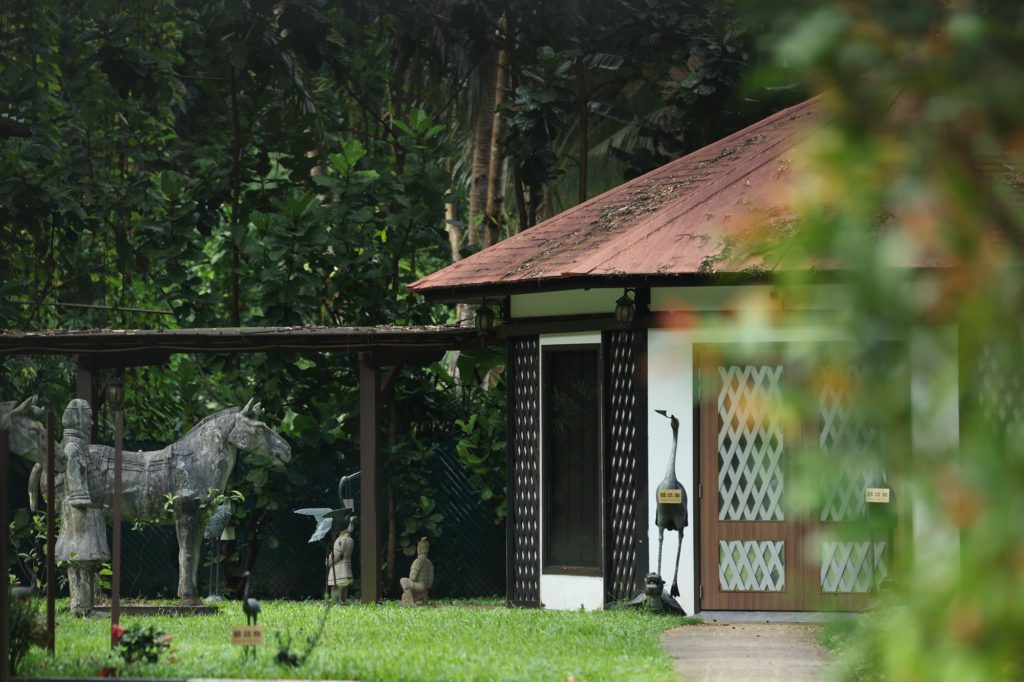
Meanwhile, in a small black and white bungalow in Singapore, it’s billionaire poker night. Many of China’s super rich are decamping to other countries as Covid restrictions, taxes and Xi Jinping’s drive for “common prosperity” send entrepreneurs flocking to more welcoming places. Read the Big Take to find out where you can join them for a glass of Bordeaux.

The very rich are also shrugging off global economic jitters to rack up some $3 billion of bids for art in the major fall auctions, on the heels of which, Sydney is preparing to open a new modern art gallery that’s touted as the city’s biggest cultural investment since the opening of its iconic opera house almost 50 years ago. Get a sneak preview of the nine-day opening celebration. 

Finally, if you’re pressed for time as the party season gets into gear, consider this alcoholic twist on Gone in 60 seconds — a manual on how to mix and deliver cocktails at an alarming rate.

Have a stirring weekend.

More stories like this are available on bloomberg.com

©2022 Bloomberg L.P.

Musk Starts Twitter Poll on Reinstating Ex-President Trump

(Bloomberg) — Elon Musk has asked his more than 116 million Twitter followers whether former President Donald Trump should be reinstated on the social media site. 

With 22 hours left, the poll has already had more than 2.3 million votes with about 59% of respondents voting yes, down from as high as 64%. Musk said earlier Friday that there hadn’t been a decision made on Trump’s account, but he did reinstate accounts tied to conservative media personality Jordan Peterson and satirical website Babylon Bee. 

Trump was permanently banned from Twitter in 2021 “due to the risk of further incitement of violence.” He earlier this week formally entered the 2024 US presidential race, making official what he had been teasing for months.

Musk has a history of polling his followers on everything from an edit button for Twitter, to selling shares in Tesla Inc. and even whether politicians or billionaires are more trustworthy.

(Updates votes, adds detail on previous polls)

More stories like this are available on bloomberg.com

©2022 Bloomberg L.P.
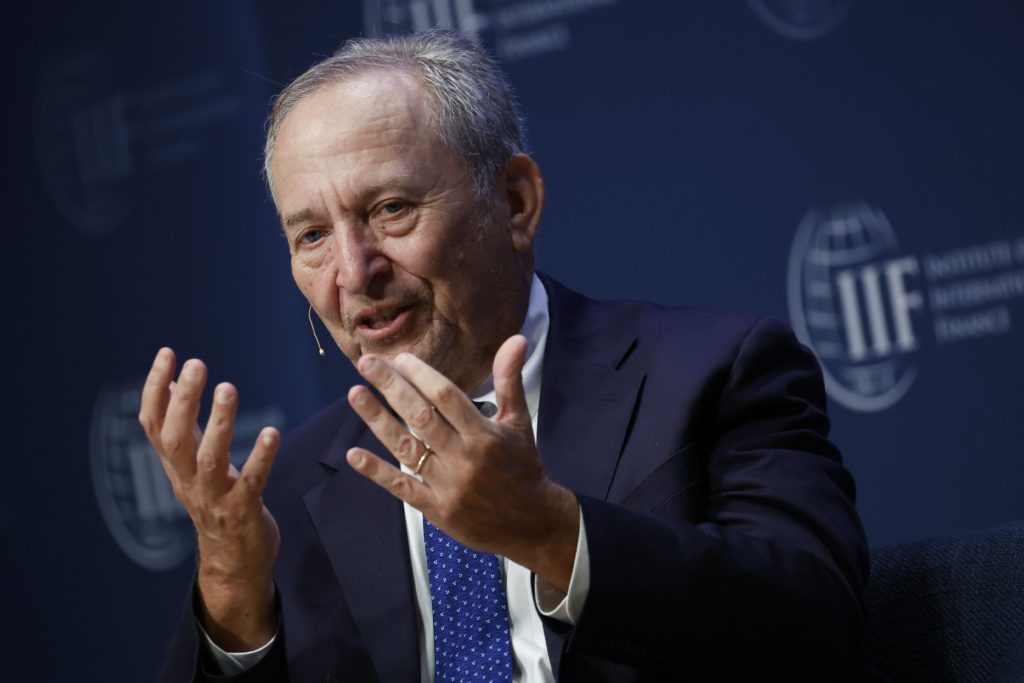
Summers Warns Very Risky for US to Aim at ‘Tearing China Down’

(Bloomberg) — Former Treasury Secretary Lawrence Summers warned US policy makers to focus on building the country’s own economic strengths in its contest with China, rather than on attacking its adversary.

“If we change our focus from building ourselves up to tearing China down, I think we will be making a very risky and very unfortunate choice,” Summers told Bloomberg Television’s “Wall Street Week” with David Westin. The US should instead concentrate on its own innovation, infrastructure, education and challenges such as opioid deaths, he said.

Last month, the Biden administration imposed sweeping US curbs on the sale of semiconductors and chipmaking equipment to China — marking a major change in approach that has unsettled even some American allies.

Summers also cautioned about Washington becoming too aggressive with regard to strengthening ties with Taiwan, which Beijing regards as part of its territory. 

Read More: Harris Says US Intends to Deepen Taiwan Ties, Defying China

“We need to be very careful about giving China the sense that we are trying to change the traditional one-China policy,” said Summers, a Harvard University professor and paid contributor to Bloomberg Television. “Because I think that could risk disastrous conflict.”

Summers said it remains to be seen whether there will be “constructive movement” coming out of this week’s meeting between Presidents Joe Biden and Xi Jinping, who were in Indonesia for the G-20 summit, and the first sitdown between the two nations’ trade chiefs. “But I’m encouraged by what I saw.”

“We in the United States probably need to be careful about our evangelizing influence — I don’t think it’s really for us to tell China how they should organize their entire society,” Summers added. 

The right approach is instead to “stand up for some of our fundamental interests in security and fair economic competition — but to leave it at that point,” he said. “I think ultimately we will prevail in this broad contest with China,” he said. 

Read More: Biden Trade Chief Meets With Chinese Counterpart for First Time

Turning to the Federal Reserve, Summers endorsed the current approach of its policy makers. Officials have indicated they may step down the size of the next interest-rate increase, at the December meeting. They’ve also telegraphed further moves into next year that would take the policy rate up to a level higher than predicted back in September.

“The Fed has this in the right place, when it says that they’re going to move up somewhat more, and they’re going to take stock of the situation and see what the inflation data is saying and see what the inflation forecasts are saying,” Summers said.

Read More: Bullard Sets Tone for Fed Officials Signaling Hikes Will Roll On

The former Treasury chief said that, at this point, “it’s pretty clear that we’ve had the big moves on this cycle,” following four straight 75 basis-point rate increases. The key now is not ending the tightening prematurely, he said.

Market expectations indicate a peak Fed rate of around 5%. Summers said “my sense is there’s more room for that to be too low than there is for that to be too high.” The current target range is 3.75% to 4%.

More stories like this are available on bloomberg.com

©2022 Bloomberg L.P.
Close Bitnami banner
Bitnami