
Bloomberg

US Futures Fall as Fed Officials Damp Pivot Hopes: Markets Wrap

(Bloomberg) — Wall Street was poised for another day of losses amid mounting concerns about the health of the broader economy and signs that Federal Reserve officials do not see rate hikes pausing any time soon. 

S&P 500 futures turned sharply lower, reversing earlier gains of about 0.3%. Contracts on the tech-heavy Nasdaq 100, whose constituents tend to be more sensitive to interest rate moves, lost 0.6%, as US 10-year Treasury yields rose further, following indications from Fed officials on Wednesday that policy would tighten further. The dollar rallied half a percent against a basket of currencies.  

A rally in chip stocks also lost some momentum in premarket trading, with Nvidia Corp. now up less than 2%, paring larger gains made after forecast-topping quarterly sales. While Cisco Systems Inc. rose 4% on a bullish revenue forecast, rivals Advanced Micro Devices Inc. and Intel Corp. saw their gains fizzle.

Stock markets are increasingly focusing on the outlook for the US economy, especially as a closely watched section of the Treasury yield curve remains near levels not seen in four decades — historically, a signal that the world’s biggest economy is on the cusp of recession. 

In a scenario that has played out repeatedly across world markets in recent weeks, equities were forced to hit pause on their multi-day rally on Wednesday, as stronger-than-expected US economic data and a raft of Fed speakers dampened hopes the US central bank could end its rate-hiking cycle earlier than expected. 

“We are cognizant that each time global markets attempt to rally on the back of speculation that the end of the Fed’s tightening intentions may be in sight, FOMC officials come out with a new paragraph of hawkish narrative, to tamp down any prospect of irrational exuberance,” Simon Ballard, chief economist at First Abu Dhabi Bank, wrote in a note to investors. 

With inflation only starting to ease after hitting decades-high level, and a gauge of US retail sales increasing at the fastest pace in eight months, the message from Fed speakers is that they have further to go to extinguish prices pressures. 

San Francisco Fed President Mary Daly said a pause in rate hikes was “off the table,” and New York Fed President John Williams said the central bank should avoid incorporating financial stability risks into its considerations.

Goldman Sachs Group Inc. upped its forecast for peak US interest rates to 5.25% at the top of the range, up from the previous call 5%. 

Yet other signs suggest the world’s biggest economy is losing steam as American consumers get squeezed by the highest inflation in four decades. Retailer Target Corp. undershot forecasts Wednesday, saying a pullback from US shoppers had hit earnings.

“The big question ahead is how demand will respond when corporates have likely been too aggressive in marking up prices, both to preserve profit margins and in anticipation of further inflation,” said Sebastian Galy, senior macro strategist at Nordea Investment Funds.

Prices for growth-sensitive oil and copper extended losses on signs of a dimming demand outlook. European Central Bank policymakers too are said to be mulling a smaller 50 basis-point rate hike next month, signalling their concern for the economy and pushing the euro lower. 

The pound extended losses, trading at a session low, as Chancellor Jeremy Hunt laid out a new fiscal plan that included downgraded growth forecasts. 

Read more: Watch UK Domestic Stocks as Chancellor Hunt Delivers Budget

Key events this week:

  • US housing starts, initial jobless claims, Thursday
  • Fed’s Neel Kashkari, Loretta Mester speak, Thursday
  • US Conference Board leading index, existing home sales, Friday

Some of the main moves in markets:

Stocks

  • Futures on the S&P 500 fell 0.7% as of 7:05 a.m. New York time
  • Futures on the Nasdaq 100 fell 0.6%
  • Futures on the Dow Jones Industrial Average fell 0.6%
  • The Stoxx Europe 600 fell 0.5%
  • The MSCI World index fell 0.4%

Currencies

  • The Bloomberg Dollar Spot Index rose 0.5%
  • The euro fell 0.4% to $1.0350
  • The British pound fell 0.5% to $1.1857
  • The Japanese yen fell 0.3% to 139.86 per dollar

Cryptocurrencies

  • Bitcoin rose 0.3% to $16,576.49
  • Ether fell 0.3% to $1,202.26

Bonds

  • The yield on 10-year Treasuries advanced three basis points to 3.72%
  • Germany’s 10-year yield declined two basis points to 1.98%
  • Britain’s 10-year yield advanced four basis points to 3.18%

Commodities

  • West Texas Intermediate crude fell 1.8% to $84.07 a barrel
  • Gold futures fell 0.4% to $1,768.10 an ounce

This story was produced with the assistance of Bloomberg Automation.

–With assistance from Richard Henderson.

More stories like this are available on bloomberg.com

©2022 Bloomberg L.P.

First Dutch Transgender MP Quits Twitter After Hate Speech

(Bloomberg) — The Netherlands’s first transgender member of parliament said that she is quitting Twitter after a barrage of hateful comments that she says undermine healthy debate.

Lisa van Ginneken, a member of the Dutch parliament since March last year, said the popular social media website lacks nuance and has become a “place of hate.” 

“I no longer want my tweets or likes to fuel this dynamic. I prefer to focus on my task as a member of parliament: monitoring and boosting our government,” she said in a statement on Thursday, in which she shared examples of the messages she has received. 

Twitter Inc. and politicians have long struggled with the regulation of hate speech on the platform. Concerns were raised after it was purchased by Elon Musk, a self-styled “free speech absolutist.” 

Dutch Finance Minister Sigrid Kaag has spoken out about how difficult it is for women to speak out on social media. Research by the Groene Amsterdammer weekly news magazine revealed last year that Kaag was receiving a hateful tweet about every 15 minutes.

Twitter is a place where “troll armies and hate bots are active to fuel polarization,” said Van Ginneken, a member of the progressive centrist D66 party.

She said she is not worried about being “less visible” as a politician after leaving Twitter and will remain reachable on other social media platforms, for now. 

Musk said earlier this month that he will form a content moderation council that includes “widely diverse viewpoints.” But Van Ginneken told Bloomberg in an interview that she does not hold out any hope that Twitter will become a more responsible platform, given his views on free speech.

The lawmaker said that she is urging the Dutch government to speak up about hate speech and that any regulation of social media platforms must take place at a European Union level. 

“I’m taking the step to not only free myself from this burden,” she said, “but I hope also to inspire other people to do the same.”

–With assistance from Jillian Deutsch.

(Updates with further comments from Lisa van Ginneken)

More stories like this are available on bloomberg.com

©2022 Bloomberg L.P.
Jack Ma’s Ant Incurs 63% Profit Fall Amid Regulatory Overhaul

(Bloomberg) — Ant Group Co. incurred a steeper profit decline in the three months ended in June, as the fintech giant molds itself to appease Chinese regulators.

The Hangzhou-based company contributed 2.4 billion yuan ($335 million) to Alibaba Group Holding Ltd.’s earnings, a filing showed Thursday. Based on Alibaba’s one-third stake in Ant, that translates to an estimated 7.3 billion yuan of profit for Ant’s June quarter, down 63% from a year earlier. Ant’s earnings lag a quarter behind Alibaba’s. 

Representatives with Ant declined to comment.

The fintech business controlled by billionaire Jack Ma has been expanding in Southeast Asia while seeking to become a financial holding company at home. Ant has been restructuring its operations, including beefing up capital, curbing consumer lending and shuffling management.

Its consumer finance unit is raising 10.5 billion yuan in a scaled-down capital boost from investors after China Cinda Asset Management Co. unexpectedly backed out of its investment plan this year.  

A subsidiary of Sunny Optical Technology Group Co. will take 1.1 billion yuan of Chongqing Ant Consumer Finance Co.’s capital, for a 6% stake. Jiangsu Yuyue Medical Equipment & Supply Co. plans to add 524 million yuan, taking a 4.99% stake. Ant Group will contribute 5.25 billion yuan to retain its 50% holding, while a group of other backers are also investing. The investment proposal is still pending regulatory approval. 

In a filing in July, Alibaba reiterated that Ma “intends to reduce and thereafter limit his direct and indirect economic interest in Ant Group over time” to a percentage that doesn’t exceed 8.8%.

Southeast Asia

To look for growth, Ant is leveraging the payments network it built for Alipay to service the different local wallets in Asia for cross-border payments. 

Initially catering to Chinese tourists traveling outside the country, the company has expanded the service into a backbone for cross-border payments known as Alipay+ that can be used by different wallets. For example, when customers of GCash from the Philippines travel to Korea, they can pay with GCash when they see the Alipay+ logo displayed at merchants.

Another budding source of revenue comes from Alipay+ D-store, which allows businesses to build digital stores across platforms including Chope, AlipayHK and Touch ‘n Go. The company plans to generate income from servicing brands like Burger King that want an online presence in various apps. 

Ant’s Singapore digital wholesale bank also started offering loans to small and medium-sized businesses this month. 

–With assistance from Zheping Huang.

More stories like this are available on bloomberg.com

©2022 Bloomberg L.P.
Tiger Global’s Venture Fund Offered to Morgan Stanley’s Richest Clients

(Bloomberg) — Chase Coleman’s Tiger Global Management has tapped Morgan Stanley’s wealth-management arm as it seeks to raise $6 billion for its next venture fund, according to people with knowledge of the matter.

The vehicle, Tiger Global Private Investment Partners 16, will invest in startups with a focus on enterprise themes and India. The move comes as the firm has had to write down investments in its private portfolio — which included a wager on collapsed crypto exchange FTX — and as institutional investor appetite for the asset class diminishes.

JPMorgan Chase & Co.’s wealth-management arm helped raise $1.9 billion for Tiger’s predecessor vehicle, PIP 15, making their customers one of the top sources of cash for that fund, Bloomberg News has reported. That fund closed during the first quarter of this year at $12.7 billion, and was Tiger’s largest-ever venture capital vehicle.

The PIP 16 fund will make investments over a period of at least two years, and if it raises $6 billion, will be Tiger’s third-largest private vehicle.

Representatives for Tiger and Morgan Stanley declined to comment.

Read more: JPMorgan Packed Tiger Fund With Wealthy Clients for Private Bets

More stories like this are available on bloomberg.com

©2022 Bloomberg L.P.
FTX Latest: UK Lawmakers Say Binance Evidence on FTX Inadequate

(Bloomberg) — Binance sent news articles — rather than internal records — to a UK Parliamentary committee probing the collapse of FTX.com and its planned sale of FTT token, a move that some UK lawmakers called disappointing and unacceptable.

Singapore Deputy Prime Minister Lawrence Wong said in an interview with Bloomberg that a strong stance against crypto speculation and trading, especially by retail investors, is necessary. His comments came as Singapore’s state-owned investor Temasek Holdings Pte wrote down its $275 million investment in FTX. 

Earlier, Sam Bankman-Fried said in a tweet that he made a mistake on the crypto exchange’s leverage levels — it was $13 billion, not about $5 billion. FTX will be in Congressional crosshairs next month as House and Senate panels probe the collapse. But Bankman-Fried was blunt about his views on regulators in an interview with via Twitter direct message with Vox’s Kelsey Piper, saying: “F— regulators” and “they make everything worse.” 

More crypto lenders are feeling the pain as contagion spreads. BlockFi Inc. is preparing to file for bankruptcy, according to people with knowledge of the matter. Gemini Trust Co., the crypto platform run by the Winklevoss brothers, paused withdrawals on its lending program. Coindesk reported that bankrupt lender Voyager Digital may find a new rescuer in Binance. 

Key stories and developments:

  • What Investors Can Expect in a Post-FTX Crypto Ecosystem
  • Odd Lots: Understanding the Collapse of Sam Bankman-Fried’s Crypto Empire
  • Winklevoss Faithful Have a $700 Million Problem in Genesis Halt
  • Silbert’s Once-$10 Billion Crypto Empire Is Showing Cracks 

(Time references are New York unless otherwise stated.)

Binance Evidence on FTX Collapse Unacceptable, UK Lawmakers Say (6:27 a.m. New York)

Alison Thewliss, a member of the UK’s Treasury Committee, said in an interview on Bloomberg Radio that Binance sent news articles to the commiteee, while it had expected to receive internal records this week about the potential market consequences of Binance’s announced divestment of FTT. “It doesn’t really give us the real background detail,” she said.

Thewliss said that Binance’s lack of transparency would influence the committee’s inquiry and the recommendations it will make to government on regulating the crypto industry.


Gopax Says Some Payments Being Delayed Due to Genesis Global (5:35 p.m. HK)

South Korean crypto exchange Gopax notified its users that payments in one of its depository products linked to Genesis Global Capital are being delayed, according to a statement on its website posted late Wednesday. The product named ‘GOFi’ is provided by Genesis, Gopax’s second largest shareholder and a key business partner

Binance Is Preparing to Bid for Voyager Digital, CoinDesk Says (4:10 p.m HK)

Binance.US is preparing to bid for bankrupt crypto lender Voyager Digital, CoinDesk reported, citing a person familiar with the matter. 

Voyager has been trying to sign a deal to sell itself to one of the bidders that lost out in an auction won by FTX. The sale to FTX valued at about $1.4 billion collapsed after the former’s own bankruptcy. 

Voyager filed for bankruptcy protection in July after a failed attempt by FTX-affiliated Alameda Research to bail it out with a revolving line of credit.

FTX Wipeout Is Fresh Test of Nerves for Asia Regulators (4:00 p.m. HK)

Crypto’s latest existential crisis flared amid far-reaching planned changes in the digital-asset rulebooks of Asian centers including Hong Kong and Singapore. Officials in both jurisdictions and further afield face calls to ensure greater transparency, especially on customer assets.

Hong Kong two weeks ago pivoted to a more welcoming stance, detailing plans to become a crypto hub with legalized retail trading and dedicated exchange-traded funds. Singapore, in contrast, is clamping down on retail crypto trading, focusing instead on productive applications of blockchain technology.

Both appear to be sticking with their diverging regulatory paths.

El Salvador’s Bukele Vows to Buy Bitcoin Everyday (1:30 p.m. HK)

President Nayib Bukele tweeted, “We are buying one #Bitcoin every day starting tomorrow,” without elaborating. 

The country’s 2,381 Bitcoins have suffered a huge drop in value amid the recent selloff of the cryptocurrency. However, the nation’s finance minister said in an interview last week that the government has not sold any of its Bitcoin and has therefore not realized any loss. Tron founder Justin Sun said he’d join Bukele in buying one Bitcoin per day.

Bankman-Fried Tells His Side of FTX-Collapse Story in Tweets (1:10 p.m. HK)

On Wednesday, Bankman-Fried added a further 18 tweets to a meandering thread he started at the beginning of the week. 

The posts, published at sporadic intervals, have combined apologies for his failings with his perspective on what went wrong at the companies he founded and ran. They add to a previous series of cryptic posts. “We got overconfident and careless,” he said. 

Temasek Writes Down $275 Million FTX Investment (8:50 a.m. HK)

Singapore’s state-owned investor said in a statement that its belief in Sam Bankman-Fried was likely “misplaced” after it invested $210 million in FTX International and $65 million in FTX US across two funding rounds. It added that it has no direct exposure to cryptocurrencies remaining. 

Temasek said it had conducted an “extensive due diligence process” on FTX and that its audited financial statement showed the company to be profitable. It added that while the writedown has no significant impact on its overall performance, “we treat any investment losses seriously and there will be learnings for us from this.”

Winklevoss Faithful Have a $700 Million Problem in Gemini (8:00 a.m. HK) 

Customers of crypto exchange Gemini, founded by brothers Cameron and Tyler Winklevoss, are caught in the fallout from FTX due to a high-yield product called Gemini Earn — which has just Genesis Global listed as a single accredited borrower that passed its vetting process. Gemini halted redemptions from the product on Wednesday after Genesis suspended withdrawals. 

That left in limbo a program that, according to a person familiar with the matter, has $700 million of customer money tied up in it. Whether Gemini Earn customers ever get their money back remains to be seen. And much depends on Genesis itself, which has hired advisers to explore all possible options, including raising new funding.

Silbert’s Crypto Empire Is Showing Cracks (7:05 a.m. HK)

Suspended withdrawals at cryptocurrency brokerage Genesis have cast an unwanted spotlight on Barry Silbert, the man at the helm of the Digital Currency Group empire.

Last year, DCG’s valuation reached $10 billion, after it sold $700 million of stock in a private sale led by SoftBank. In addition to Genesis, it has more than 200 companies in its portfolio including Grayscale Investments, which offers the world’s largest crypto fund. DCG is also the parent of crypto-mining service provider Foundry Digital, Coindesk and exchange Luno. 

ASX Delays Blockchain Project (7:00 a.m. HK)

Australia’s main exchange is reassessing plans to swap its settlement and clearing platform with a blockchain-based system, suspending work on the years-long project that was already plagued by delays.

The high-profile plans had been seen as a major coup for the blockchain industry, but came under scrutiny following a string of delays, several million of dollars of investments and leadership reshuffles at the exchange. 

BlockFi Said to Plan Bankruptcy (3:34 p.m.)

Cryptocurrency lender BlockFi Inc. is preparing to file for bankruptcy within days, according to people with knowledge of the matter who asked not to be named because discussions are private. 

The crypto lender paused client withdrawals, citing bankruptcy uncertainties with FTX, while saying it had adequate liquidity and was exploring options with outside advisers. 

Congress to Probe FTX Collapse (3:18 p.m.)

FTX and its former chief executive officer, Democratic mega-donor Bankman-Fried, will be in congressional cross hairs next month as House and Senate panels probe the company’s collapse.

The House Financial Services and Senate Banking committees plan December hearings that will look at FTX’s sudden demise and its ripple affects in the broader digital asset industry. Democrats and Republicans alike have expressed anger about the current state of the crypto marketplace.

SBF Mistaken About FTX’s Leverage Levels (2:25 p.m.)

Bankman-Fried says he was mistaken about the cryptocurrency exchange’s leverage levels, thinking it was about $5 billion when it was $13 billion. 

In his latest series of tweets explaining how FTX imploded, Bankman-Fried says the company got “overconfident and careless.”

–With assistance from Sunil Jagtiani and Dara Doyle.

More stories like this are available on bloomberg.com

©2022 Bloomberg L.P.
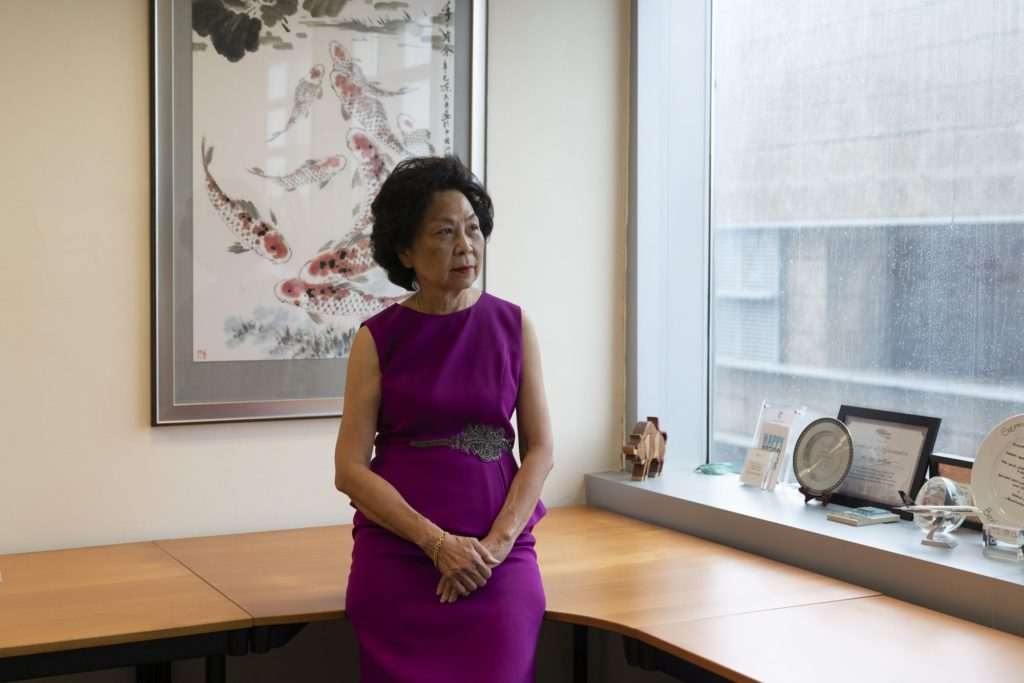
Deep Tech Singapore Venture Firm Targets New $200 Million Fund

(Bloomberg) — Venture capital firm iGlobe Partners is raising a new $200 million fund to back deep technology startups, betting that firms delving into cutting-edge science will fare well despite a global technology investment drought.

The Singapore-based firm, which is led by a team of mostly women, is targeting a fifth fund to add to its existing $400 million-plus under management.

“I started out investing in semiconductor companies,” Founding Managing Partner Koh Soo Boon said in an interview on the sidelines of the Bloomberg New Economy Forum in Singapore. “Our strategy is all about intellectual property and knowledge, how to use the IP to build commercial revenue. I’m still sticking to it.” 

Koh founded her firm in Silicon Valley in 1999 before relocating it to Singapore in 2009 to focus on cross-border investments between the US and Southeast Asia. Over the past two decades, her strategy has remained mostly constant: investing in startups with deep scientific backgrounds in fields such as synthetic biology, health tech, fintech and tools that aid digital transformation in smart cities. 

How a Relentless Dealmaker Cracked Silicon Valley’s Bros Club

Koh built her firm along with a cadre of female executives including managing partner Chong Yoke Sin, a former president of the Singapore Computer Society who helped integrate and automate Singapore’s public healthcare system.

Four of the firm’s portfolio companies went public in the US last year. They are Ginkgo Bioworks Holdings Inc., NerdWallet Inc., Hippo Holdings Inc. and Matterport Inc.

More stories like this are available on bloomberg.com

©2022 Bloomberg L.P.
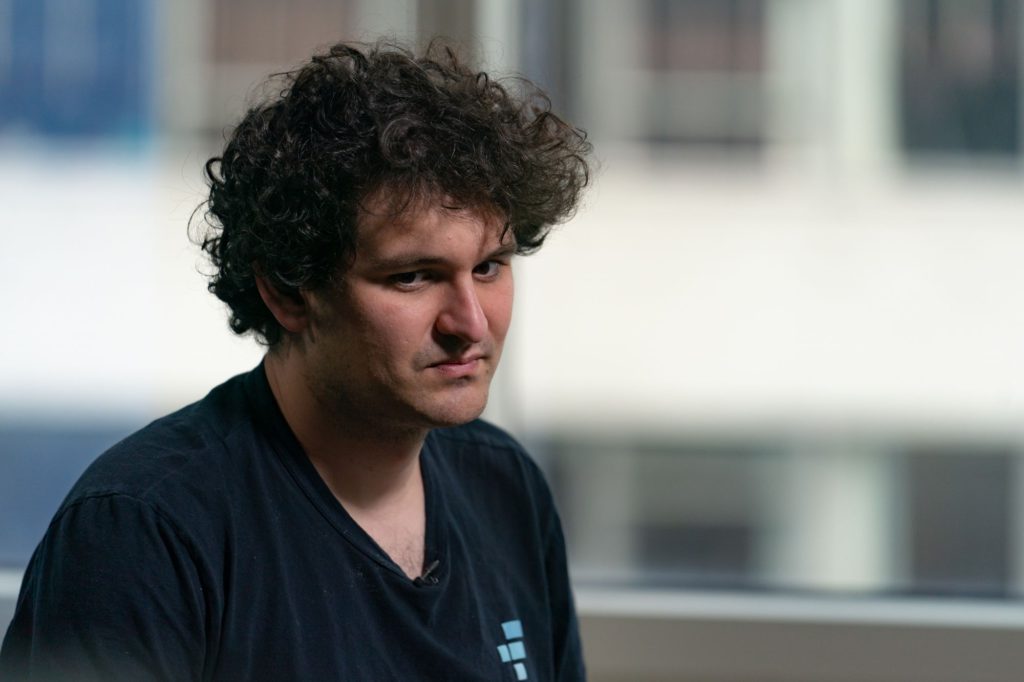
Bankman-Fried Tells His Side of the Story of FTX Collapse in Tweets

(Bloomberg) — Confronted by a crypto crisis he helped spark, former FTX.com Chief Executive Officer Sam Bankman-Fried is tweeting through it.

On Wednesday, he added a further 18 tweets to a meandering thread he started at the beginning of the week. The posts, published at sporadic intervals, have combined apologies for his failings with his perspective on what went wrong at the companies he founded and ran. They add to a previous series of cryptic posts that eventually spelled out the message “What HAPPENED,” followed by a hint that there were revelations to come.

With the wisdom of hindsight, he stated how he would do his best to save customers’ cash, mused on how hard it is to regulate the crypto sphere and boasted how he had been “on the cover of every magazine” before FTX’s meteoric crash. “We got overconfident and careless,” he said. 

It is unclear whether the tweets by Bankman-Fried, who is facing questioning by everyone from the Department of Justice to regulators in the Bahamas, will help or hinder his legal defense.

If Bankman-Fried is concerned about how regulators will respond to FTX’s spectacular implosion, he’s not showing it. In an interview via Twitter direct message with Vox’s Kelsey Piper, he was blunt: “F— regulators” and “they make everything worse.” He agreed that the crypto industry needs more consumer protections, “but regulators can’t do it.”

He concluded the most recent tweets in the thread with, “What matters is what you do–is *actually* doing good or bad, not just *talking* about doing good or *using ESG language*. Anyway — none of that matters now. What matters is doing the best I can. And doing everything I can for FTX’s customers.”

But he didn’t make clear exactly how he intends to help customers of the collapsed Bahamas-based crypto exchange, given he’s no longer CEO. 

The backlash to the posts was swift, with FTX’s new management quick to distance themselves from him. The company posted a statement attributed to former Enron liquidator and new FTX CEO John J. Ray that read: “Mr. Bankman-Fried has no ongoing role at @FTX_Official, FTX US, or Alameda Research Ltd. and does not speak on their behalf.”Bankman-Fried could not be immediately reached for comment. 

(Updates with comments from SBF interview with Vox.)

More stories like this are available on bloomberg.com

©2022 Bloomberg L.P.
Binance Evidence on FTX Collapse Unacceptable, UK Lawmakers Say

(Bloomberg) — Binance sent news articles to a UK Parliamentary committee probing the collapse of FTX.com and its planned sale of FTX’s native FTT token, a move that some lawmakers called disappointing and unacceptable.

When asked in a Bloomberg Radio interview if she was satisfied with the submission, Alison Thewliss, a member of the Treasury Committee, said “no.”

“It doesn’t really give us the real background detail,” she said. “I’m sure the committee will be asking more questions to get to the details of what happened here, because there are wider implications for this collapse and for the crypto sector as a whole.”

The committee had expected to receive internal records this week about the potential market consequences of Binance’s announced divestment of FTT. Daniel Trinder, Binance’s vice president of government affairs in Europe, appeared at a hearing as part of the group’s cryptoasset inquiry.

A document provided by Binance, made public by the committee on Wednesday, detailed a list of news articles displaying a timeline of FTX’s collapse. 

Thewliss said that Binance’s lack of transparency would influence the committee’s inquiry and the recommendations it will make to government on regulating the crypto industry.


Limited Powers

While members of the Treasury Committee were “disappointed” and would have liked to have seen more internal discussions, Chair Harriett Baldwin said in an interview that “we don’t have much ability to push for more than we’ve received” as FTX’s activity was largely beyond the UK.

Read More: How Binance, FTX Deal Rocked the Crypto World and Then Collapsed

“They may hide behind some degree of commercial confidentiality on that, but really, given the scale of things, that’s not really acceptable,” Thewliss said.

Binance was set to acquire troubled rival FTX.com earlier this month, but walked away from the deal citing problems with FTX’s finances as well as potential regulatory investigations. Its decision deepened a crypto rout, with Bitcoin tumbling to the lowest level in two years.

A spokesperson for Binance said it was unable to provide any documents relating to FTX beyond factual information, because the exchange is “cooperating and sharing information on a strictly confidential basis” with authorities investigating FTX’s collapse in multiple jurisdictions.

Wider Concern

Binance has sought to portray itself as a unifying force for the crypto industry since FTX’s decline began, both as an olive branch to the failing platform and as a source of financial rescue for impacted projects.

The UK’s Financial Conduct Authority is set to gain extended powers to regulate the crypto industry in upcoming legislation, which will bring cryptoassets including stablecoins and their providers under existing payments regimes.

“There’s a wider concern that the committee has, that other people have, about the regulation of cryptocurrencies, about the protection that consumers have and that businesses have in this country as well,” Thewliss said.

–With assistance from Aisha S Gani.

More stories like this are available on bloomberg.com

©2022 Bloomberg L.P.
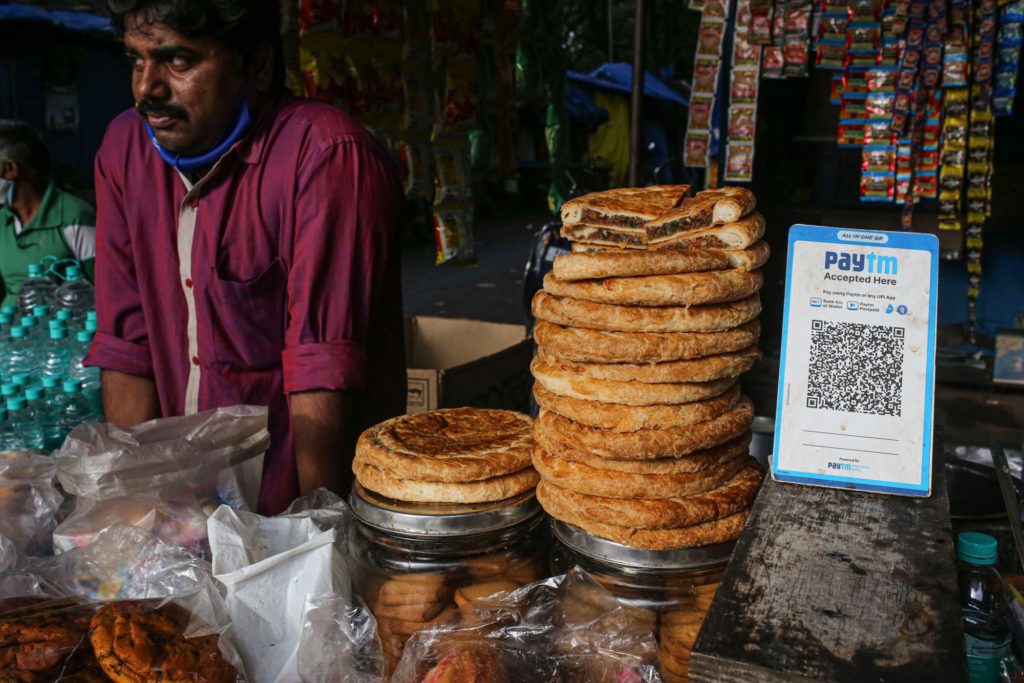
Paytm Shares Slump 10% After SoftBank Unit Cuts Stake

(Bloomberg) — Shares of One 97 Communications Ltd., the parent of India’s leading digital payments brand Paytm, plunged in Mumbai as a unit of Japan’s SoftBank Group Corp. lowered its stake in the company.

SoftBank’s SVF India Holdings (Cayman) Ltd. sold 29 million shares of Paytm at 555 rupees ($6.8) each, according to people familiar with the matter, raising 16.1 billion rupees. The trade — equivalent to 4.5% of the Mumbai-listed firm’s equity capital — pulled down shares 10%, their biggest slump since March 15. 

Representatives for SoftBank and Paytm declined to comment on the pricing.

Norges Bank, Segantii Capital Management Ltd., Millennium Management LLC, LMR Partners and Ghisallo Capital Management LLC were buyers of SoftBank’s stake in Paytm, a person familiar with the matter told Bloomberg News, asking not to be named as the information is private. A media representative at Norges Bank declined to comment while rest of the companies didn’t respond to emailed queries. 

Paytm is among a number of Indian startups that went public last year amid a boom in IPOs and zest for the country’s tech sector that have since suffered a slump in market value. When Paytm’s founder Vijay Shekhar Sharma pulled off the IPO last November, it was the largest in the Indian market up to that point. 

READ: Buffett, Son India IPO Stakes Watched as $14 Billion Lockups End

The company raised 183 billion rupees, but its shares went on to plummet in what would become one of the Indian bourse’s worst-ever debuts as investors shunned its high valuation and loss-making startup status. They are down about 75% from their IPO price.

Some early investors are making “desperate exits” as they grapple with the performance of their own funds amid a drop in global valuations, said Abhay Agarwal, a fund manager with Piper Serica Advisors Pvt. 

SoftBank is one of Paytm’s biggest shareholders, along with Alibaba Group Holding Ltd. and its fintech affiliate Ant Group Co.

A representative for Paytm communicated earlier this year that the effective cost of SoftBank’s 17.47% stake in the company is 800 rupees per share. After this sale, it will hold roughly 12.9% of the company.

Other IPOs

SoftBank, the world’s biggest technology investor, has been grappling with declines on its portfolio of more than 400 investments in both public and private tech companies around the world. Its core Vision Fund segment posted a $7.2 billion loss in the July-September quarter, following a record 2.33 trillion yen ($17 billion) loss in the preceding period.

The lock-up period on $4.3 billion worth of Paytm shares expired on Tuesday, freeing investors to sell shares after they endured a year in which the company shed more than $12 billion of market value.

FSN E-Commerce Ventures Ltd., owner of beauty e-retailer Nykaa has seen selling by some holders, including private equity firm TPG Inc, since a lock-up on its shares ended last week.

Meanwhile, food-delivery company Zomato Ltd. plunged to a record low in July when a lock-up on its shares expired. Zomato’s successful IPO last year had set the tone for a generation of buoyant Indian unicorns to make their stock market debuts. 

–With assistance from Rajesh Kumar Singh and Anto Antony.

(Update with stock prices in the second paragraph)

More stories like this are available on bloomberg.com

©2022 Bloomberg L.P.
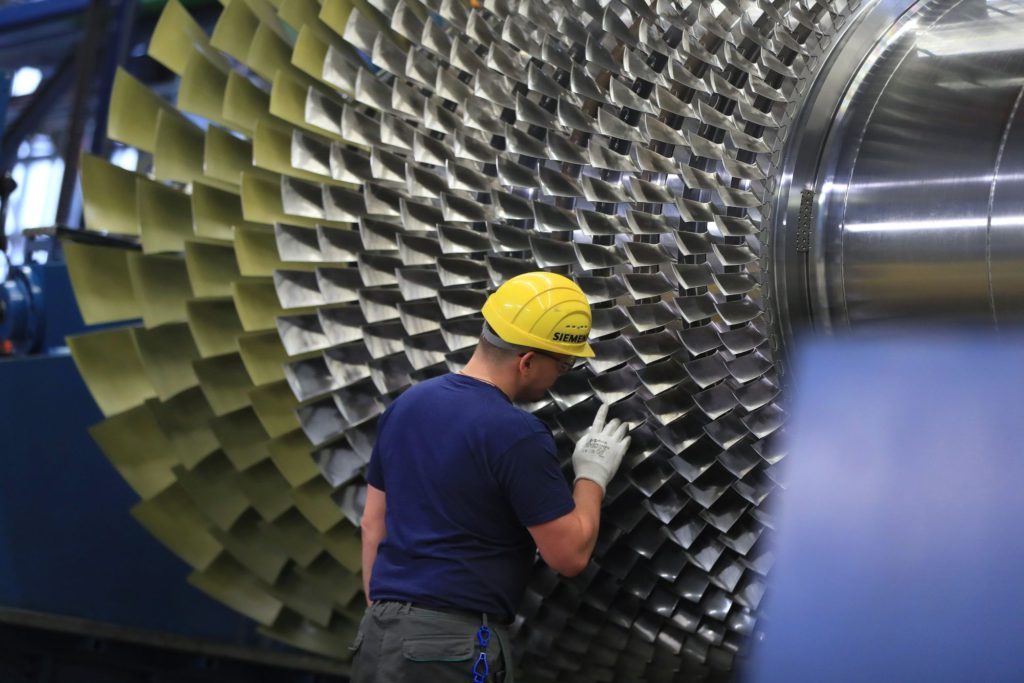
Siemens Jumps, Sees Rising Returns From Bulging Orders

(Bloomberg) — Siemens AG gained on expectations for higher margins from factory automation equipment and software products next year as order books rose to a record. 

The shares jumped as much as 8.9% in Frankfurt trading, the most since March, and were up 6.6% at 11:03 a.m. Orders during fiscal 2022 climbed 17%, taking the backlog to a record €102 billion ($106 billion), Siemens said Thursday.

“The order backlog gives us great visibility in the next year,” Chief Executive Officer Roland Busch said on a call with reporters. “We see an extremely strong pull from the market regarding our portfolio of automation, digitalization, sustainability and energy efficiency.”

The return on sales at its main Digital Industries division is forecast to rise to as much as 22% next fiscal year, up from 20% in the annual period just ended, Siemens said. The group also reported net income more than doubling to €2.7 billion for the financial fourth quarter that runs through September. 

The guidance is “very encouraging and confirms the group’s resilience capabilities and strong strategic positioning,” Deutsche Bank analyst Gael De-Bray said in a note.  

Higher Revenue

All its industrial businesses saw order intake and revenue rise last year, even as sanctions on Russia, high inflation and supply-chain problems weighed, Siemens said. The German company earlier this year abandoned its business in Russia, ending a 170 year presence in the country that led to impairments of €1.2 billion.

Manufacturers like Siemens have held up remarkably well despite a dimming global outlook marked by record inflation and unresolved supply-chain problems. The crunch on components has resulted in significant order backlogs that will take months to work down. Siemens has said in August that it expects a normalization of new orders in the coming months.

The pace of new orders is now partly leveling off, Busch said, especially in regions like China that last year saw especially strong growth. 

“This isn’t unsettling, it is a normal development after a massive surge,” Busch said. The normalization helps to reduce delivery times which have as much as tripled in some divisions, he added. 

After raising prices by about 3% last year, Siemens plans only slight increases to pass on rising material and labor costs. “We do this moderately and keep the competitiveness of our customers in mind”, Busch said. 

The engineering giant proposed increasing its dividend to €4.25 from €4.00, and sees basic earnings per share in a range between €8.70 to €9.20. That’s up from €8.84 in the previous year, excluding an impairment on the company’s stake in Siemens Energy AG. 

Tech Revamp

Siemens is nearing the end of a major revamp of its business from heavy-duty equipment like industrial robots and trains toward higher-margin, software-driven product lines to catch up to the profitability levels of rivals. It has offloaded most of the smaller divisions destined for divestment, alongside spinoffs of businesses like gas turbine maker Siemens Energy and healthcare equipment maker Siemens Healthineers AG. 

For its last significant divestment, Siemens plans to carve out its Large Drive Applications unit, which makes heavy-duty electric motors for ships and mining equipment. On Thursday, the company said it will merge the division with its metal-technology Sykatec unit in fiscal 2023 to form a business with around €3 billion in joint revenue and 14,000 employees. 

The company is exploring several potential options for the business, including a spinoff or sale, Chief Financial Officer Ralf Thomas said. 

New Forecasts

In the key Digital Industries division, which makes factory automation software, Siemens sees a profit margin in the range of 19% to 22%.  

For the Smart infrastructure unit, Siemens forecast returns between 13% to 14%. In the Mobility division, returns are expected to range at 8% to 10%. 

–With assistance from Tom Mackenzie.

(Updates with CEO comment in third, detail on carveout in 13th paragraph)

More stories like this are available on bloomberg.com

©2022 Bloomberg L.P.

Close Bitnami banner
Bitnami
