
Bloomberg

Dubai’s Vacant Palm Island Plots Reveal Risks of Luxury Boom

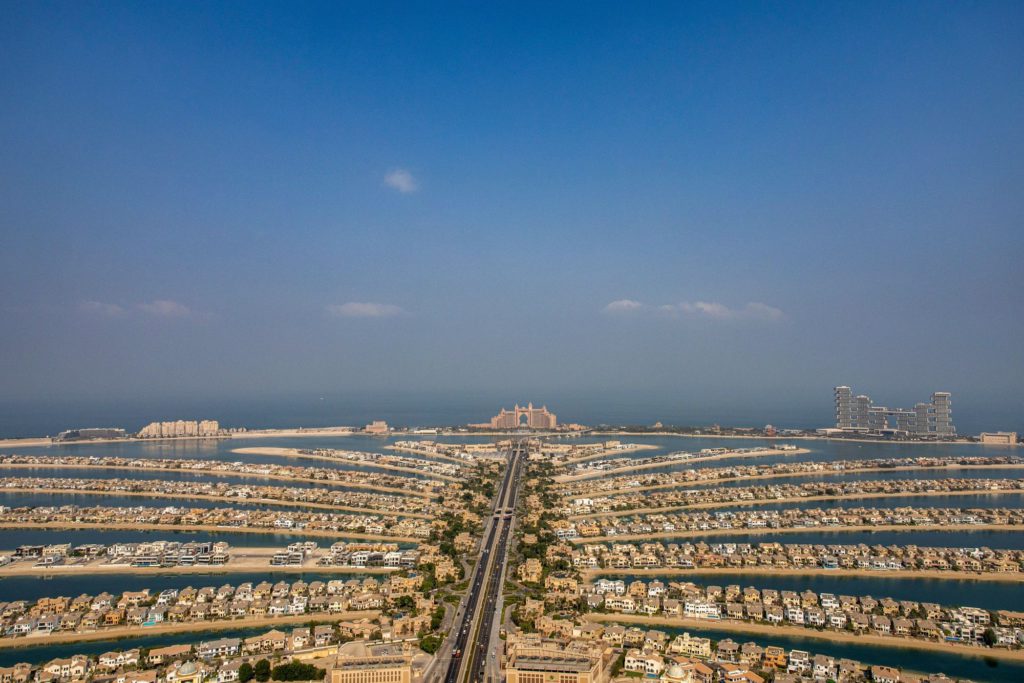
(Bloomberg) — For 14 years, Muhammad Azam has been waiting for construction to start on a five-bedroom luxury villa he bought on the largest — but least developed — of Dubai’s famous palm-shaped artificial islands that jut out into the Persian Gulf.

An unexpected email from Nakheel PJSC in September confirmed it never would. Dubai’s real estate regulator apparently had decided months earlier to cancel the project on Palm Jebel Ali, and the government-backed developer told him they would refund less than a quarter of what Azam had paid for the villa in the secondary market shortly before construction had got off the ground. 

Cypriot businessman Azam, 44, wasn’t alone. He’s among hundreds of investors who bought homes on Palm Jebel Ali that have never been built. While many owners swapped their purchase for an alternative Nakheel property years ago, hundreds are now being offered a refund for the amount the developer collected from primary investors until it stopped working on the project in 2009, according to interviews with seven investors and documents seen by Bloomberg.

Investors told Bloomberg they’re among just over 400 who own more than 700 properties in The Palm Jebel Ali Fronds and The Palm Jebel Ali Water Homes developments who are being offered about 850 million dirhams ($231.4 million) in total from Nakheel. 

Owners say they should be compensated for the delay of over a decade and the jump in home prices since then. Canceled real estate projects often have messy fallout, but this case of buyer beware is playing out in the midst of one of the world’s biggest housing booms. It also raises questions over the legal framework surrounding real estate in the city, even though foreigners have been allowed to buy homes in the emirate since 2002.

Nakheel — chaired by Mohammed Ibrahim Al Shaibani, the managing director of the emirate’s sovereign wealth fund, the Investment Corporation of Dubai — says it’s giving back what it received from the development’s original investors and can’t help if people bought at higher prices in resale deals over the past two decades. The developer also says it has offered voluntary refunds for years and is also offering owners a bonus credit note toward a new Nakheel home. It’s also telling some owners that it will restart a revamped version of the project early next year.

“It’s so unfair,” said father-of-two Azam who owns a property management company. “I would have accepted the cancellation if Nakheel went bankrupt in 2009 and the project was canceled back then. But to do it now when the market has recovered and waterfront villas are selling at a high premium is just absurd.”

Eighth Wonder

Nakheel unveiled The Palm Jebel Ali Fronds and The Palm Jebel Ali Water Homes in 2003. In a sales brochure, the developer called Palm Jebel Ali the eighth wonder of the world. At roughly the size of London’s Heathrow airport, the development — about 50 kilometers from downtown Dubai — has 17 palm leaves. It was meant to host marinas, a theme park, beachside villas and a thousand homes on stilts that spelled out a poem by Dubai ruler Sheikh Mohammed bin Rashid Al Maktoum, according to reports at the time.

Nakheel originally sold the off-plan villas on Palm Jebel Ali for about 1.8 million dirhams to 5.6 million dirhams. They were then resold many times in the boom years that followed without a single brick being laid. Prices had more than doubled by the time some of the current owners — including Azam — invested five years later.

Dubai-born Azam says he took out a 10-million-dirham mortgage to pay for the 14.8 million dirham, 13,000 square-foot so-called Signature Villa. He fully repaid the mortgage to Noor Bank in 2016, according to a copy of a bank letter. He was told that Dubai’s Real Estate Regulatory Agency had canceled the two projects because of Nakheel’s inability to complete them and that a judicial committee in May had ordered the developer to distribute a refund to owners. 

Now, he says Nakheel is offering to pay him 2.8 million dirhams or a credit note for 4.2 million to repurchase a home once the project restarts. The value of the credit note represents 50% more than the amount Nakheel collected from buyers but the developer has only made the offer verbally and not in writing, according to Azam. 

“Nakheel is being ordered to repay the amounts it collected nearly 20 years ago, but as they restart the project they will earn a lot more,” Azam said. “We’re only entitled to the amount Nakheel initially collected from original buyers and not secondary buyers. No interest, no loss of opportunity, no loss of rental income.”

On top of regular payment installments from owners, Nakheel collected money each time the villa (or plot of sand) changed hands in the secondary market. Azam says when he bought his villa he was charged 119,590 dirhams as a transfer fee by Nakheel, which isn’t being refunded. 

A comparable villa to the one Azam purchased is now selling for at least 30 million dirhams on Palm Jumeirah — the first and smallest of three palm-shaped islands Nakheel is developing in Dubai, according to Property Finder. Palm Jebel Ali is almost twice the size of the completed Palm Jumeirah where demand and the price of waterfront homes, in particular, have soared.

Dubai’s property market is benefitting from an influx of newcomers including bankers fleeing strict Covid restrictions in Asia, crypto investors and wealthy Russians escaping their sanctions-hit country after its invasion of Ukraine. Prime real-estate prices surged 89% over the past 12 months through October, making it the biggest gainer on Knight Frank’s global index, which focuses on a city’s most desirable and expensive homes. 

To tap the high demand for beachfront real estate, Nakheel is now planning to build 1,700 villas and 6,000 apartments on Palm Jebel Ali, the Financial Times reported in September.

The developer “is probably calculating they can wipe the slate clean and start over with new investors, but this shows that the old system is still very much there despite all the effort to present a fairer one to protect investors’ rights,” said Ryan Bohl, an analyst at risk intelligence consultancy Rane Network. “If you put money into the Emirates or any Gulf country, except Kuwait, you have to be prepared to take a loss because investors’ rights are always going to be at the pleasure of the ruler.” 

A representative for RERA referred requests for comment to Dubai’s Media office. A representative for Dubai’s Media Office said: “Judicial independence is guaranteed under the constitution and laws of Dubai and the UAE.”

$10 Billion Lifeline

Construction on Palm Jebel Ali halted when the global financial crisis hit Dubai. Nakheel, along with Emaar Properties PJSC, had led a building boom before that, until it almost defaulted on repaying about $4 billion in bond payments. Nakheel, along with then-parent Dubai World, was given a $10 billion lifeline by Abu Dhabi.

At the time, the developer offered homeowners on Palm Jebel Ali two options: swap their investment for completed properties in other Nakheel developments or wait for their original purchase to be ready. Several investors said that the company repeatedly reassured them that Palm Jebel Ali wouldn’t be canceled.

Despite a market rebound between 2011 and 2014, the project stood untouched. In a 2015 interview with Gulf Business, former Nakheel Chairman Ali Lootah said: “It is very costly, with regards to infrastructure and everything. But we have a commitment to it, and will not cancel the project.”

The Palm Jebel Ali project “was based on a masterplan developed over 15 years ago. It required extensive planning and redesign to meet the current standards for master planning of modern waterfront living,” Nakheel said in a statement. “Accordingly, after extensive consultation, the project was officially cancelled earlier this year.”

Not far from Palm Jumeirah, apartment owners have been petitioning local authorities to recoup money tied to a stalled 20-year-old project called the Dubai Pearl. They say they should be entitled to more than their original investment now the land is worth more than it was in 2002. The government has said it is holding talks with master developer, state-owned Dubai Holding, to relaunch the project but hasn’t disclosed further details.

Homeowners in Dubai aren’t the only real estate investors facing risks that can extend to delayed developments and multi-million dollar losses. In China, a mortgage boycott is ongoing among angry buyers waiting for stalled apartment buildings to be completed and some creditors are taking developers to court seeking wind-up petitions.

‘Safe With Us’

Like Azam, Palestinian investor Ahmad Mahmoud Mahmoud, 55, only found out that his dream retirement home wouldn’t be built when he received an email from Nakheel that read: “The Palm Jebel Ali project is officially cancelled; however we would like to reassure you that your investment in Nakheel is protected and safe with us.”

Saudi resident Mahmoud, who works in the oil and gas industry, says he also bought a Signature Villa for 6.7 million dirhams in 2005. He says he paid 2.7 million dirhams worth of installments to Nakheel and 1 million dirhams directly to the seller. Nakheel, he says, is now offering him a 2.7 million refund or a 4 million dirham credit note.

“Contracts in Dubai aren’t worth the ink they’re written with,” he said. “What’s the value of a contract if it can be cancelled without even informing us?”

Mahmoud and British national Aarti Chana — who sold her house in London to buy a garden home on Palm Jebel Ali in 2005 — are now among a group of 30 investors who have lodged an appeal with the Dubai Ruler’s Court, Sheikh Mohammed’s office where Nakheel Chairman Al Shaibani is director general.

“The ruler is our last hope,” said Chana, who’s lived in the UAE for about 30 years. A representative for Al Shaibani declined to comment.

Since 2011, Nakheel has “proactively contacted owners of units in Palm Jebel Ali and ran highly visible public communications offering to repay the full investment paid to the company by the original investors,” the developer said. “Following this initiative, the investments made by many of the owners of Palm Jebel Ali units have been repaid in full by Nakheel.”

The developer has also “offered a multiple of up to 1.5 times the initial investment paid to Nakheel, to be used as credit towards an investment in upcoming projects at the new Palm Jebel Ali,” it said. The company is “working with the remaining investors to complete the financial formalities, with funds set aside for such repayments.”

The claims made by a group of individuals “are for premiums they paid for units on Palm Jebel Ali to original investors and not to Nakheel,” the developer said. The company “continues to be committed to working with this group; but all settlements will be based on the full amount received by Nakheel, and not based on secondary market transactions which did not involve the company.”

Since the 2009 crisis, Nakheel has largely recovered. Last week it said it raised a $4.6 billion loan from local lenders to refinance debt and to develop another set of man-made islands called Dubai Islands and other large waterfront projects. The company secured the loan at a significant time. Interest-rate hikes have battered other property markets around the world, making it more expensive for developers, that mainly rely on loans and bonds, to raise funds.

And while demand for property in Dubai is now strong, and the city’s current resurgence dates back more than a year, previous boom times that fueled a wave of ambitious construction projects have often been followed by sudden downturns.

“The bigger question is with interest rates rising and the strengthening of the dollar, are macro-economic conditions as good as Nakheel hopes?” said Bohl. “This could be a double miscalculation. One, the market may not be as strong as they think it is and two, by burning investors now, prospective investors may decide the returns aren’t high enough if it all goes belly up again.”

(Updates with details in eighth paragraph and second from bottom.)

More stories like this are available on bloomberg.com

©2022 Bloomberg L.P.
Zelenskiy Defiant on Peace Terms; Wong Talks Xi-Biden: NEF Wrap

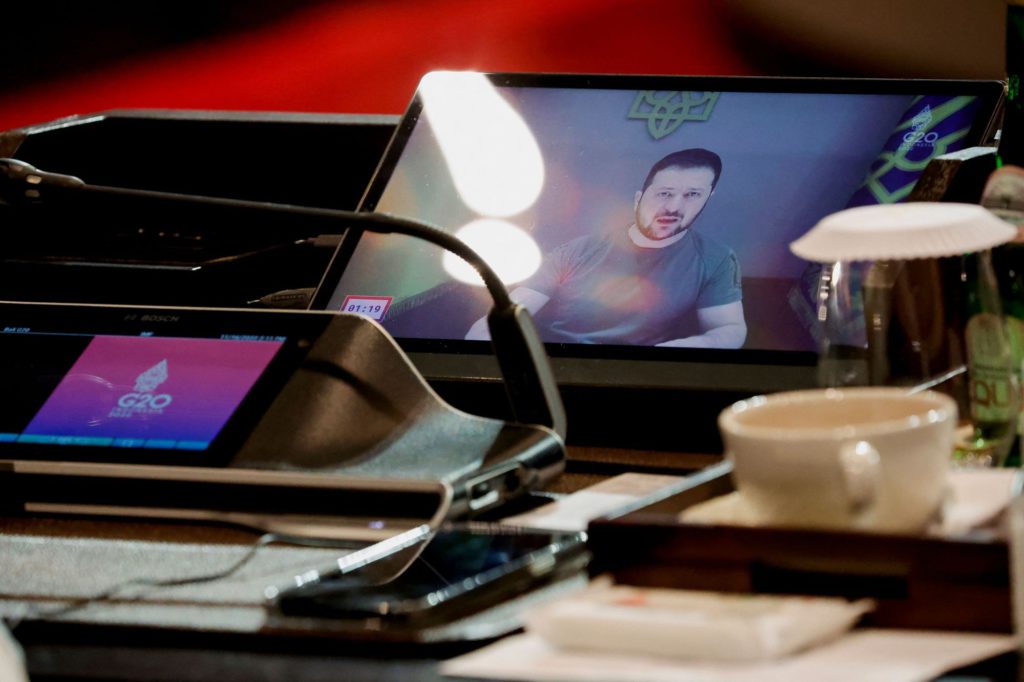
(Bloomberg) — Ukrainian President Volodymyr Zelenskiy said only the return of territory taken by Russia will allow an end to the two countries’ war, in an interview that concluded the Bloomberg New Economy Forum in Singapore.

Speaking via video with Bloomberg News Editor-in-Chief John Micklethwait, Zelenskiy underlined that a simple ceasefire won’t be enough, with Ukraine needing to see the return of Crimea and Donbas and a removal of threats. 

“Crimea is part of Ukraine. This is not just a state within a state, it’s part of our country and part of our sovereignty,” he said. “Therefore, indeed the de-occupation of Crimea and Donbas will bring an end to the war.”

Zelenskiy also said that Ukrainian officials would go to the site of the blast in Poland to be part of investigation of the incident that killed two people earlier this week, adding that “the most important thing is for an investigation to take place.”

In an example of the rebuilding task that Ukraine is facing, Fortescue Metals Group Ltd. founder Andrew Forrest pledged $500 million to help kickstart a plan to attract at least $25 billion to help upgrade decaying and destroyed infrastructure in Ukraine with more advanced, greener replacements.

The Ukrainian leader’s remarks capped three days of discussions among executives, investors and policymakers attending the forum that were dominated by worries over geopolitical tensions and inflation.

Earlier Thursday, speakers at the forum pointed to signs of stabilizing relations between the world’s two biggest economies following Monday’s face-to-face meeting of US President Joe Biden and his Chinese counterpart Xi Jinping, but concerns remain over flash points. 

Singapore’s prime minister-in-waiting Lawrence Wong said that the meeting between Biden and Xi was “a good start,” but that fundamentals between the competing economies had not changed. Former Australian Prime Minister Kevin Rudd said neither power wants a war over Taiwan, in part because neither are in a position to win. 

“The reason for that is not because of a lack of nationalism, the reason for that is because both sides are concerned they might lose, militarily,” Rudd said on a panel discussion. That’s “quite apart from the monumental economic catastrophe globally which would come from a full-scale military encounter in the Taiwan Strait.”

On the forum’s other big theme, inflation, International Monetary Fund Deputy Managing Director Gita Gopinath described rising prices as one of the biggest challenges facing economies around the world and noted there are few parallels in recent decades to this year’s pace of monetary policy tightening.

“It is very important for central banks to stay the course,” Gopinath said. “We’ve had false dawns before.”  

In its first two days, the NEF featured speakers including US trade chief Katherine Tai, Chinese Vice President Wang Qishan and former Secretary of State Henry Kissinger. 

Here are some of the other issues that were top of mind for executives on the forum’s concluding day:

Central Banks

The IMF’s Gopinath cautioned that it’s going to take time for the full extent of this year’s interest-rate hikes to become apparent and she cautioned against hidden risks in the shadow banking system.

“Interest rates may need to go up much more than any of us would like it to,” she said. “I still do believe monetary policy works in the traditional way of reducing demand” as it takes time for their full effect to be felt.

Policymakers will likely need to continue raising interest rates even amid signs of slowing inflation, said Axel Weber, former UBS Group AG chairman. Continuing to hike offsets second round effects as inflation becomes embedded, he said.

“I don’t think they are done, I think they have some more work to do,” he said on a panel discussion. Emerging markets have been “amazingly resilient,” though frontier markets will see potentially “massive” pressures, he said.

Long Journey

Singapore’s Deputy Prime Minister Lawrence Wong said in an interview at the forum that the meeting between Xi and Biden was “important and constructive,” but also “just the beginning of a long and difficult journey.”

“We shouldn’t have any illusions that this one meeting has changed things overnight,” he said.

Wong warned that the lesson from Ukraine was not to wait until conflict arises, but to ensure communications remain open and red lines are understood.

“Accidents can happen,” Wong said. “Miscalculations can happen.”

Covid Zero

Worries over how and when China eventually pivots away from Covid Zero were flagged by James McGregor, the chairman for APCO Worldwide Greater China, who said the government needs to address dampened consumer confidence.

“The thing about a consumer economy, you can’t order people to spend, they have to have confidence,” McGregor said on the same panel as Australia’s Rudd. The government may need to “move ahead with some economic reforms that we’re not expecting out of necessity.”

Rudd said that barring a new Covid variant, China will by the middle of next year be “well on its way to being out of this — that will have a huge positive impact on domestic consumer demand, which has been suppressed for a very long period of time.”  

Listen to our Stephanomics podcast on the climate for foreign companies operating in China. 

Climate Change

Extreme weather events like deadly floods in Pakistan have made the issue of who will pay for loss and damage in poorer nations a central climate issue, said Sameh Shoukry, COP27 president and Egyptian foreign affairs minister.

The issue of how developed nations should compensate developing countries for climate change-fueled disasters they had little role in causing is on the agenda for the first time, which in itself is progress, Shoukry said in a video interview.

Richer countries, already falling short on previous commitments to the developing world, are wary about exposing themselves to open-ended liabilities. There’s still a “substantial gap” in climate finance going to developing countries, Shoukry said. The loss and damage issue will likely continue to be refined and further developed at next year’s COP28 in the United Arab Emirates, he said.

Energy

In a warning of what’s still to come, Europe shouldn’t let its guard down on conserving energy despite the recent drop in natural gas prices and success in refilling inventories, according to the region’s top operator of gas infrastructure.

“We are in a better situation, but that doesn’t mean we should relax,” Catherine MacGregor, chief executive officer of Engie SA, said on a panel discussion. “On prices, one can expect continued volatility.”

Volatility in energy prices is not good for the system or long-term planning, Yngve Slyngstad, chief executive officer of Industry Capital Partners, said during the same panel.

Future of Work

LinkedIn Corp. Chief Executive Officer Ryan Roslansky said there’s continued to be a surge in job listings for remote work: They account for 15% of listings on LinkedIn, compared to only 1% before the pandemic. 

On the same panel, PayPal Holdings Inc. Chief Executive Officer Dan Schulman said productivity at his company increased substantially when everyone had to work from home, though he still sees the need for in-person venues to welcome and train new hires. PIMCO Managing Director John Studzinski said the finance industry has embraced in-office culture as the most effective way to collaborate. 

The New Economy Forum is being organized by Bloomberg Media Group, a division of Bloomberg LP, the parent company of Bloomberg News. 

–With assistance from Selina Xu, Michelle Jamrisko, Vladimir Savov, Siegfrid Alegado, Philip J. Heijmans, Adrian Kennedy, Bill Faries, Clarissa Batino, Cecilia Yap, Aradhana Aravindan, John Cheng, Rebecca Choong Wilkins, Jill Disis, Daryna Krasnolutska, John Micklethwait, Philip Glamann, Lulu Yilun Chen, Zhang Dingmin, Russell Ward, David Stringer, Jeff Sutherland, Stephen Stapczynski, Dan Murtaugh and Sheryl Tian Tong Lee.

(Updates with more comments from Zelenskiy.)

More stories like this are available on bloomberg.com

©2022 Bloomberg L.P.
FTX Latest: Temasek Writes Down $275 Million FTX Investment

(Bloomberg) — Singapore’s state-owned investor Temasek Holdings Pte wrote down its $275 million investment in FTX, saying it had “misplaced” its belief in Sam Bankman-Fried and would learn from the experience. 

Bankman-Fried said in a tweet that he made a mistake on the crypto exchange’s leverage levels — it was $13 billion, not about $5 billion. The bankrupt platform will be in Congressional crosshairs next month as House and Senate panels probe the company’s collapse.

More crypto lenders are feeling the pain as contagion spreads. BlockFi Inc. is preparing to file for bankruptcy, according to people with knowledge of the matter. Gemini Trust Co., the crypto platform run by the Winklevoss brothers, paused withdrawals on its lending program. Coindesk reported that bankrupt lender Voyager Digital may find a new rescuer in Binance. 


Key stories and developments:

  • Winklevoss Faithful Have a $700 Million Problem in Genesis Halt
  • Silbert’s Once-$10 Billion Crypto Empire Is Showing Cracks 
  • Singapore’s Temasek Writes Down $275 Million FTX Investment
  • FTX Wipeout Is Fresh Test of Nerves for Asia’s Crypto Regulators

(Time references are New York unless otherwise stated.)

Binance Is Preparing to Bid for Voyager Digital, CoinDesk Says (4:10 p.m HK)

Binance.US is preparing to bid for bankrupt crypto lender Voyager Digital, CoinDesk reported, citing a person familiar with the matter. 

Voyager has been trying to sign a deal to sell itself to one of the bidders that lost out in an auction won by FTX. The sale to FTX valued at about $1.4 billion collapsed after the former’s own bankruptcy. 

Voyager filed for bankruptcy protection in July after a failed attempt by FTX-affiliated Alameda Research to bail it out with a revolving line of credit. 

FTX Wipeout Is Fresh Test of Nerves for Asia Regulators (4:00 p.m. HK)

Crypto’s latest existential crisis flared amid far-reaching planned changes in the digital-asset rulebooks of Asian centers including Hong Kong and Singapore. Officials in both jurisdictions and further afield face calls to ensure greater transparency, especially on customer assets.

Hong Kong two weeks ago pivoted to a more welcoming stance, detailing plans to become a crypto hub with legalized retail trading and dedicated exchange-traded funds. Singapore, in contrast, is clamping down on retail crypto trading, focusing instead on productive applications of blockchain technology.

Both appear to be sticking with their diverging regulatory paths.

El Salvador’s Bukele Vows to Buy Bitcoin Everyday (1:30 p.m. HK)

President Nayib Bukele tweeted, “We are buying one #Bitcoin every day starting tomorrow,” without elaborating. 

The country’s 2,381 Bitcoins have suffered a huge drop in value amid the recent selloff of the cryptocurrency. However, the nation’s finance minister said in an interview last week that the government has not sold any of its Bitcoin and has therefore not realized any loss. Tron founder Justin Sun said he’d join Bukele in buying one Bitcoin per day.

Bankman-Fried Tells His Side of FTX-Collapse Story in Tweets (1:10 p.m. HK)

On Wednesday, Bankman-Fried added a further 18 tweets to a meandering thread he started at the beginning of the week. 

The posts, published at sporadic intervals, have combined apologies for his failings with his perspective on what went wrong at the companies he founded and ran. They add to a previous series of cryptic posts. “We got overconfident and careless,” he said. 

Temasek Writes Down $275 Million FTX Investment (8:50 a.m. HK)

Singapore’s state-owned investor said in a statement that its belief in Sam Bankman-Fried was likely “misplaced” after it invested $210 million in FTX International and $65 million in FTX US across two funding rounds. It added that it has no direct exposure to cryptocurrencies remaining. 

Temasek said it had conducted an “extensive due diligence process” on FTX and that its audited financial statement showed the company to be profitable. It added that while the writedown has no significant impact on its overall performance, “we treat any investment losses seriously and there will be learnings for us from this.”

Winklevoss Faithful Have a $700 Million Problem in Gemini (8:00 a.m. HK) 

Customers of crypto exchange Gemini, founded by brothers Cameron and Tyler Winklevoss, are caught in the fallout from FTX due to a high-yield product called Gemini Earn — which has just Genesis Global listed as a single accredited borrower that passed its vetting process. Gemini halted redemptions from the product on Wednesday after Genesis suspended withdrawals. 

That left in limbo a program that, according to a person familiar with the matter, has $700 million of customer money tied up in it. Whether Gemini Earn customers ever get their money back remains to be seen. And much depends on Genesis itself, which has hired advisers to explore all possible options, including raising new funding.

Silbert’s Crypto Empire Is Showing Cracks (7:05 a.m. HK)

Suspended withdrawals at cryptocurrency brokerage Genesis have cast an unwanted spotlight on Barry Silbert, the man at the helm of the Digital Currency Group empire.

Last year, DCG’s valuation reached $10 billion, after it sold $700 million of stock in a private sale led by SoftBank. In addition to Genesis, it has more than 200 companies in its portfolio including Grayscale Investments, which offers the world’s largest crypto fund. DCG is also the parent of crypto-mining service provider Foundry Digital, Coindesk and exchange Luno. 

ASX Delays Blockchain Project (7:00 a.m. HK)

Australia’s main exchange is reassessing plans to swap its settlement and clearing platform with a blockchain-based system, suspending work on the years-long project that was already plagued by delays.

The high-profile plans had been seen as a major coup for the blockchain industry, but came under scrutiny following a string of delays, several million of dollars of investments and leadership reshuffles at the exchange. 

BlockFi Said to Plan Bankruptcy (3:34 p.m.)

Cryptocurrency lender BlockFi Inc. is preparing to file for bankruptcy within days, according to people with knowledge of the matter who asked not to be named because discussions are private. 

The crypto lender paused client withdrawals, citing bankruptcy uncertainties with FTX, while saying it had adequate liquidity and was exploring options with outside advisers. 

Congress to Probe FTX Collapse (3:18 p.m.)

FTX and its former chief executive officer, Democratic mega-donor Bankman-Fried, will be in congressional cross hairs next month as House and Senate panels probe the company’s collapse.

The House Financial Services and Senate Banking committees plan December hearings that will look at FTX’s sudden demise and its ripple affects in the broader digital asset industry. Democrats and Republicans alike have expressed anger about the current state of the crypto marketplace.

SBF Mistaken About FTX’s Leverage Levels (2:25 p.m.)

Bankman-Fried says he was mistaken about the cryptocurrency exchange’s leverage levels, thinking it was about $5 billion when it was $13 billion. 

In his latest series of tweets explaining how FTX imploded, Bankman-Fried says the company got “overconfident and careless.”

Gemini Exchange Back Online (1:31 p.m.)

Gemini says its exchange is fully back online and that all customer funds held on it are “available for withdrawal at any time,” it said in a tweet.

Genesis Hires Alvarez, Cleary Gottlieb (10:29 a.m.)

Crypto brokerage Genesis is working with financial and legal advisers to explore options as it halts redemptions and originations at its lending business amid a liquidity crunch. 

The company hired Alvarez & Marsal and law firm Cleary Gottlieb Steen & Hamilton for advice, according to a spokesperson for Digital Currency Group, the parent of Genesis.

Winklevoss’ Gemini Pauses Withdrawals (8:35 a.m.)

Gemini Trust Co., the cryptocurrency platform run by the Winklevoss brothers, has halted withdrawals from its Earn program after partner Genesis Global did the same. 

This does not impact any other Gemini products and services, the company said in a statement.

Genesis Suspends Withdrawals (8:00 a.m.)

Crypto brokerage Genesis is suspending redemptions and new loan originations at its lending business after facing what it described as “abnormal withdrawal requests” in the aftermath of the collapse of FTX. 

The withdrawal requests exceeded current liquidity at Genesis Global Capital, the lending arm, according to interim Chief Executive Officer Derar Islim. Genesis has hired advisers to explore all possible options, including raising new funding, and will deliver a plan for its lending business next week, Islim said.

–With assistance from Sunil Jagtiani and Dara Doyle.

More stories like this are available on bloomberg.com

©2022 Bloomberg L.P.
APEC Latest: Xi Arrives in Bangkok to Continue Diplomatic Push

(Bloomberg) — Chinese President Xi Jinping was among world leaders who descended on Bangkok, for the last of the three major summits that have seen discussions range from climate change to the war in Ukraine and food inflation. 

Thai Prime Minister Prayuth Chan-Ocha opened the Asia-Pacific Economic Cooperation meetings with a speech Thursday morning, kicking off three days of talks focused on boosting economic prosperity and environmental sustainability. Xi was expected to make his own address and continue face-to-face meetings with several leaders including Japanese Prime Minister Fumio Kishida and New Zealand’s Jacinda Ardern. 

There will be at least one notable absence from the Bangkok meetings. US President Joe Biden is heading back to the White House for his granddaughter’s wedding Saturday and will be represented by Vice President Kamala Harris at APEC. Harris was expected to arrive late Thursday. 

Key Developments

  • China’s Xi Set for Japan Summit as Mends Ties With US Allies
  • Businesses Urge APEC Summit to Tackle Inflation, Energy Crisis
  • China’s Xi Confronts Trudeau at G-20 Over Meeting Leak
  • Xi Looks Away From Putin Toward West in Return to World Stage
  • G-20 Latest: Most Leaders Decry War in Ukraine in Blow to Putin

(All times local)

Chile’s Boric Warns Democracies of Dangers of Populism (2:40 p.m.)

Chilean President Gabriel Boric said the key to boosting stability globally was “protecting and improving democracy” and the right to vote “cannot be taken for granted nowadays.”

It is important for democracies to not “lose our way into populism,” Boric told the APEC CEO Summit, adding that democracy wasn’t just a system of government but a method of sharing the benefits of economic development equally among the population. In the post-Covid world, Boric said politicians in democracies were struggling to take “long-term solutions” in a “short-term” election cycle. 

Xi Arrives in Bangkok (2:34 p.m.) 

Xi Jinping’s Air China Ltd. plane arrived in Bangkok, where he was expected to resume a flurry of diplomatic meetings that have seen the Chinese president move to bolster ties with the US and some of its key allies. 

Thai PM Seeks EU FTA Revival (1:40 p.m.)

Thai Prime Minister Prayuth Chan-Ocha urged French President Emmanuel Macron to support the revival of the kingdom’s free-trade talks with the European Union, government spokesman Anucha Burapachaisri said in a statement after the two leaders met.

The EU froze talks with Thailand for the free trade deal in 2014 after Prayuth, who was army chief at the time, seized power from a civilian government. Prayuth will also look to set up a “dialogue mechanism” with France to discuss security challenges and tighten military ties, Anucha said. 

Japan Blasts Russia’s ‘False Narrative’ (1:22 p.m.)

Japanese Foreign Minister Yoshimasa Hayashi used comments at an APEC ministerial session Thursday to condemn Russia’s invasion of Ukraine. The war has undermined stable supplies of of food and energy and severely affected the development of the Asian region, Hayashi said. He expressed his opposition to what he said was a false Russian narrative that the current weakening of the global economy was due to sanctions being imposed on Russia.

Police Outnumber Protesters (12:30 p.m.)

A small crowd of protesters gathered in the Asok area, near the convention center where the APEC Leaders’ Meeting is scheduled to take place. Some dressed up in dinosaur costumes, in a symbolic dig at what they view as Thailand’s outdated and calcified government. 


One protester told the gathering that they will march to the convention center, intending to show world leaders how the Thai government has failed to address long-standing economic and social problems. The demonstrations are taking place under a large police presence, with the Bangkok Post reporting that more than 35,000 security personnel had been deployed for the summit. 

Vietnam Pushes Green Technology (11:30 a.m.)

The world is changing in a “complex and unpredictable way” and technologies that target net-zero emissions will be the “strongest driver of FDI in the future,” Vietnamese President Nguyen Xuan Phuc said at the APEC CE Summit at a session trade and investment. 

Many Vietnamese factories have reduced production or even shut down as a result of supply chain problems from the pandemic and Ukraine war, Phuc said. The Covid-19 pandemic showed the “importance and indispensability of digital-based business and production,” he said.

Macron Still Open to Australia Sub Cooperation (11:10 a.m.)

French President Emmanuel Macron said his government was still open to revisiting a submarine deal with Australia. The option for Australia to build together or purchase French-made submarines remained “on the table,” although there had been no indication yet from Canberra that it was looking to revisit the deal, he told a press conference in Bangkok.

Macron met with Australian Prime Minister Anthony Albanese on the sidelines of the Group of 20 summit in Bali on Wednesday evening. While the French president acknowledged they had discussed the subject, the Australians “haven’t decided to change strategy on that subject” yet.

Philippines President Urges Greater Climate Action (10:20 a.m.)

Philippine President Ferdinand Marcos Jr. called for stronger action on climate change, which he described as the “most pressing existential” issue of all time. He told the APEC CEO Summit meeting that “not enough” progress has actually been made to lower emissions.

Marcos also urged nations to prioritize food security and to invest in pandemic preparedness. He also said “”the geopolitical currents that we must live with are something that we still need to be concerned about.”

Kasikornbank Sees Tourism as Engine of Thai Growth (10:12 a.m.)

Tourism will be the “engine to drive” Thailand’s economy in 2023 and beyond, Kobkarn Wattanavrangkul, chairperson of Kasikornbank Pcl, the nation’s second-biggest bank by assets, said in a Bloomberg TV interview on the sidelines of the APEC CEO Summit. 

The bank expects hotel operators and other tourism related business customers to recover strongly as Thailand’s travel industry rebounds from the Covid-19 pandemic. Thailand, where tourism accounts for 12% of gross domestic product and a fifth of jobs, needs to diversify its foreign tourist market beyond China to maintain the industry’s long-term growth, Kobkarn said.

Thailand Says Environmental Sustainability a Key APEC Agenda (9:43 a.m.)

Thai Prime Minister Prayuth Chan-Ocha said the world was facing unprecedented environmental challenges and sustainability would be the single most important agenda for the APEC leaders summit this week.

He also called upon the public and private sectors to cooperate on supporting sustainability initiatives, adding “we must ensure that we leave no one behind on the path of development and growth.”

Prayuth urged APEC leaders to sign a so-called Bangkok Goals declaration on the “bio-circular-green” economic model at the end of the summit. “No country can achieve its objectives alone,” Prayuth said. “We inhabit the same earth.”

NZ PM to Meet with China’s Xi Jinping at APEC (2:54 a.m.)

New Zealand Prime Minister Jacinda Ardern will meet Chinese President Xi Jinping​ on the sidelines of the APEC Leaders’ Summit in Thailand, Stuff reports without citing a source for the information.

Arden had earlier said that if a meeting were to take place it would cover issues including trade, climate change and areas of differences, the media outlet reported. 

–With assistance from Samy Adghirni, Pathom Sangwongwanich, John Boudreau and Anuchit Nguyen.

More stories like this are available on bloomberg.com

©2022 Bloomberg L.P.
Petrus Urges TeamViewer to End Man Utd, F1 Deals Early

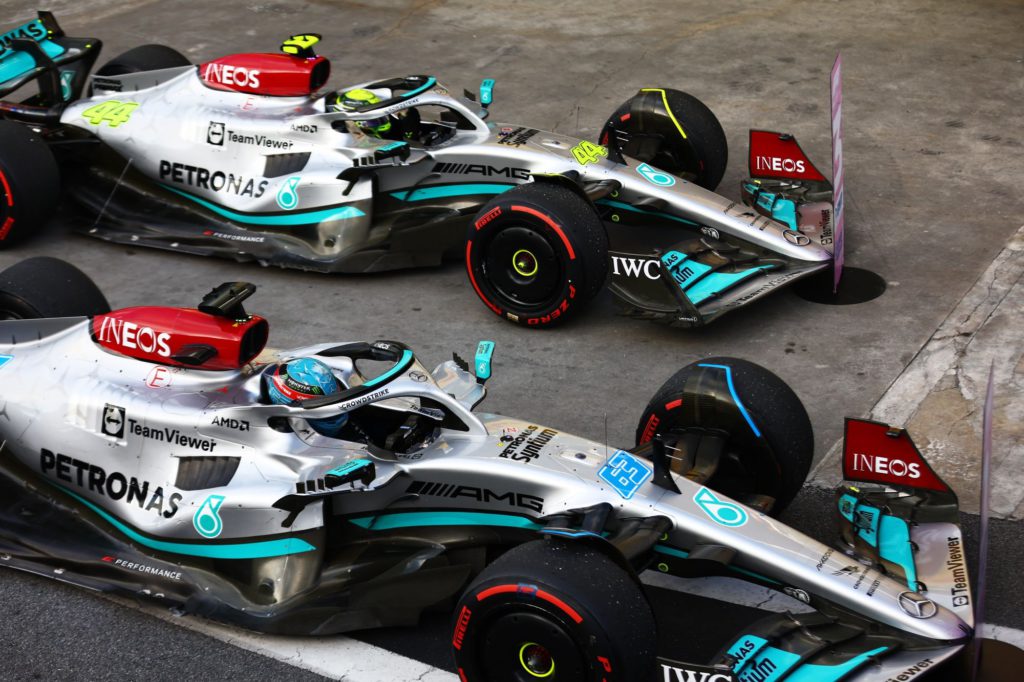
(Bloomberg) — Activist fund Petrus Advisers is pressuring TeamViewer AG executives to end the group’s frequently criticized sponsorship deals with football club Manchester United and the Mercedes Formula 1 racing team.

Petrus called the sponsorships a sign of hubris and “appalling judgment” in a letter to the German IT services company’s Chief Executive Officer Oliver Steil and finance chief Michael Wilkins. 

Disclosing a stake of just below 3% in TeamViewer, Petrus said it had been advocating for months in private and that it wouldn’t tolerate the company spending more than €70 million ($73 million) — about 1.4 times its net profit — on the deals.

“You are not SAP, Oracle or Mercedes,” Petrus Managing Partner Klaus Umek and partner Till Hufnagel said in the letter dated Wednesday. “Yet, you do not seem to get it.”

TeamViewer, a remote working software business whose valuation soared during the coronavirus pandemic, is reportedly paying Manchester United £47.5 million ($57 million) annually until 2026 as a shirt sponsor. That makes it one of the costliest sponsorship deals for a European football club, and one that’s drawn criticism from analysts. TeamViewer is also expected to spend millions of euros on a five-year contract with the Mercedes Formula 1 racing team.

A spokesperson for TeamViewer said the company continuously assesses its need to invest in its brand and the visibility of its products against the company’s strategy, as well as the macro-economic outlook. TeamViewer already announced it wouldn’t prolong its Manchester United partnership beyond the initial term, and has also communicated its desire to look at amending the existing contract, the spokesperson said.

Shares in TeamViewer rose as much as 3.3% in early trading on Thursday. The stock was up 2.6% at 9:21 a.m. in Frankfurt, giving the company a market value of €2 billion.

Bleeding Millions

In August, Steil said he wouldn’t renew the Manchester United contract, a step Petrus thinks isn’t enough to fix the firm’s cost base.

“We demand that you stop bleeding millions and rapidly disengage from this mess,” Petrus said in the letter, which was reviewed by Bloomberg News. “We therefore demand that you enter professional exit discussions with a clear goal of a quick solution and that you do it immediately.”

Founded in 2005, TeamViewer offers remote computer access tools to customers in about 180 countries. The company plans to further expand in Europe, Asia and the US, including adding to its offerings to help large corporate customers connect mobile phones and tablets to machine sensors, smart farming equipment and wind turbines.

The deals with Manchester United and the F1 team were supposed to help build a global brand, but TeamViewer has struggled with large rivals entering the market and the work-from-home boom waning.

Once a rising star among German tech companies, with a market value topping €10 billion at its mid-2020 peak, TeamViewer’s appeal has faded over the past year and a half. Its March 2021 Manchester United deal triggered a profit warning shortly thereafter, with the firm citing a “significant increase in marketing expenditure.”

‘Even Ronaldo’

Analysts have frequently criticized the sponsorships as too costly for TeamViewer.

“TeamViewer (and the market) is still searching for a new base after drastically scaling back its mid-term ambitions a year ago,” analysts from Kepler Cheuvreux said in a recent note titled ‘When even Ronaldo cannot save you,’ alluding to Manchester United’s striker.

In one of its recent campaigns, Petrus successfully pushed for an improved offer from Advent International and Centerbridge Partners for German real estate lender Aareal Bank AG. At Swiss banking software firm Temenos AG., the fund is calling for a leadership change and strategic review, including a potential sale.

(Updates shares in seventh paragraph.)

More stories like this are available on bloomberg.com

©2022 Bloomberg L.P.
Fund Titans Are Buying China Stocks on Bets Worst Is Now Over

(Bloomberg) — Franklin Templeton Investments and Eastspring Investments are joining a growing list of money managers snapping up Chinese stocks on bets that Beijing’s pivot away from Covid Zero will bring significant gains.   

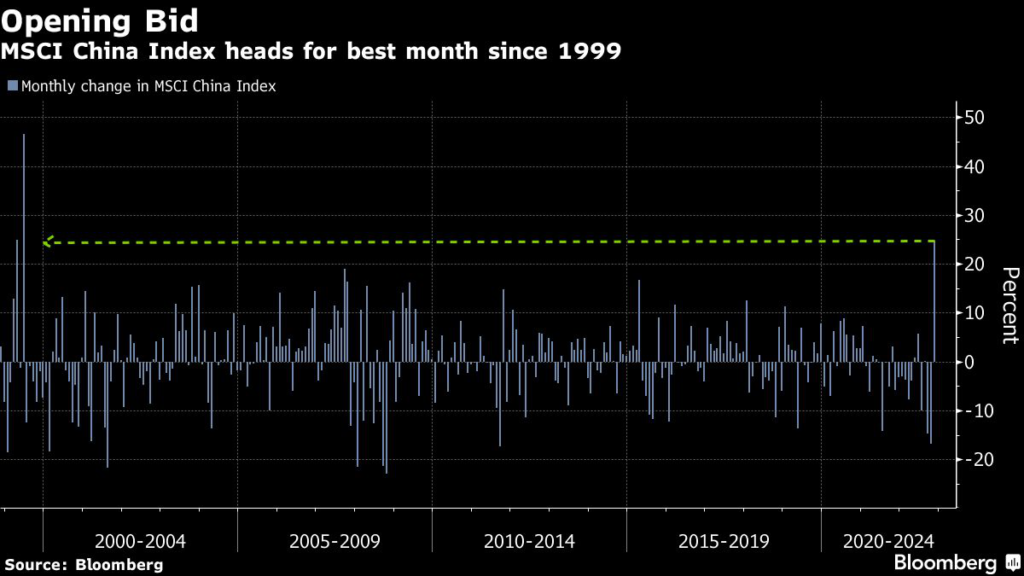
China’s world-beating rally this month has solidified convictions that recent losses are a thing of the past as a property rescue plan and easing on virus controls bolster sentiment. The MSCI China Index has gained more than 24% in November, while a gauge of global shares has advanced just 5%. 

“The worst is already priced in and you’ve got plenty of upside” for Chinese equities, said Bill Maldonado, chief investment officer at Eastspring in Singapore, which oversees $222 billion. “You’d be buying now and expecting things to kind of rebound on a three-to-six-month basis.” 

The view is echoed by Templeton’s Manraj Sekhon, who said “it’s time to get involved in China if you haven’t already.”  

The bullish take from two investment veterans — who have more than half a century of markets experience combined — coincides with calls from Fidelity International and China Asset Management, which have also expressed confidence in the nation’s assets.

Read More: Investment Giants With $2.3 Trillion Bet on More Market Turmoil

The turnaround has been a long time coming. Chinese stocks had been sliding for more than a year, with as much as $6 trillion being wiped off total market capitalization between a peak last February and a low set last month when President Xi Jinping secured a third term. The rally then began due to easing of Covid restrictions and improving Sino-US ties. 

The Hang Seng China Enterprises Index has jumped 25% this month to be one of the best-performing major indexes globally, having led losses worldwide through October.  

Beijing’s efforts to loosen some of its Covid restrictions are a step in “the right direction,” said Templeton’s Sekhon, whose firm oversees $1.3 trillion. Along with thawing US-China relations that have “set a floor on market sentiment,” local equities are now at an inflection point that present a chance to buy, he said.  

For Eastspring’s Maldonado, the opportunities includes companies linked to the electronic vehicle boom, green technology and the semiconductor industry. 

“Valuations had gotten very cheap and earnings expectations had gotten very, very low,” he said.

–With assistance from Tassia Sipahutar.

More stories like this are available on bloomberg.com

©2022 Bloomberg L.P.

Fiat Bringing 500 Minicar Back to US in Reprise of Electric Flop

(Bloomberg) — Fiat, the Italian car brand owned by Stellantis NV, said it will bring the 500e, an electric version of its urban minicar, back to North America in 2024, roughly three years after it yanked the model from US dealerships.

The Fiat 500e, which is currently made at its Mirafiori plant in Turin, Italy, has been doing well in Europe — it was the third best-seller in the region through September, behind the Tesla Model Y and Model 3, according to researcher Jato Dynamics. 

Fiat plans to show the US production version next fall, with sales starting in early 2024, according to an announcement from Olivier Francois, the global head of the Fiat brand, scheduled for the Los Angeles auto show Thursday.

Stellantis, formed from the 2021 merger of Fiat Chrysler Automobiles and France’s PSA Group, is plowing 30 billion euros (nearly $31.2 billion) into electric cars and software, and targeting more than 75 fully-electric models by 2030. Chief Executive Officer Carlos Tavares has pledged to give each of his 14 auto brands enough resources to launch new product lineups and prove their mettle in the marketplace. 

The electric push is a dramatic shift from the tenure of Sergio Marchionne, the late CEO of Fiat Chrysler, who revived the automaker by growing the Jeep and Ram brands, but pooh-poohed electric vehicles as money-losers.

Read more: Fiat’s Small-Car Bet Falters With Americans Embracing Big Trucks

Marchionne reintroduced Fiat to the US market in 2011 after a 30-year absence with a splashy ad campaign and standalone stores. He bet the 500 could compete with the UK’s Mini Cooper while satisfying a pledge to the Obama administration to sell Americans on more fuel-efficient cars.

But cheap gas prices reignited Americans’ love of big trucks and SUVs, and sales of the stylish subcompact peaked in 2014. Fiat Chrysler, which chronically struggled to meet federal fuel economy rules, sold an electric version that Marchionne once complained lost him as much as $20,000 per unit.

Fiat’s only model in the US currently is the gas-powered Fiat 500X, a compact crossover.

More stories like this are available on bloomberg.com

©2022 Bloomberg L.P.
Hidden Emissions From Cloud Computing Pose Net-Zero Threat

(Bloomberg) — Emissions linked to cloud computing aren’t being properly accounted for in carbon calculations, potentially overstating corporate progress on net-zero pledges and hindering the broader effort to curb greenhouse gases.

“It has become something of a hidden emissions issue,” said John Ridd, chief executive officer of Greenpixie, a UK-based firm that designs software to identify cloud emissions. Ridd will discuss cloud-related emissions at a COP27 panel Thursday.Cloud-based emissions are on the rise as more businesses shift data-crunching away from on-site servers to Internet-based ones run by the likes of Amazon.com Inc., Google parent Alphabet Inc. and Microsoft Corp. And it’s proving harder to obtain emissions data to measure the carbon footprints of cloud-computing platforms.Regulators are increasingly concerned about the vast water and electricity consumed by large computing operations. Companies such as Meta Platforms Inc., Alphabet, Microsoft and Amazon have all struggled in recent months to get planning permission for certain data centers, according to a Nov. 8 report by Bloomberg Intelligence. The Netherlands and Ireland set moratoriums on projects in the past year, while some in the US have faced challenges over water use in drought-stricken areas.About 90% of the world’s data was created in the past two years, according to Ridd, a reflection of everything from the surge in business-video calls to smart-phone use and and the popularity of Netflix. Total digital emissions make up about 4% of global greenhouse gas emissions, exceeding the 2.4% attributed to commercial flights, according to Greenpixie.

Digital emissions linked to most corporate users of data fall into a category known as Scope 3, which means that they occur not on the company’s own premises but in the supply chain. For some technology companies, as much as half of their Scope 3 emissions emanate from the cloud, Ridd said.

The UK is one of the few countries trying to tackle the problem. Since 2018, all government and public-sector departments have had to assess their service-based emissions from digital technology.

“Scope 3 is still not part of the normal reply when we ask for data” said Adam Turner, head of digital sustainability at the UK’s Department for Environment Food and Rural Affairs, who will also be on the COP27 panel. “It’s distant from the end user.”

Cloud-hosting companies are reluctant to disclose their full carbon footprints, Turner added, because “that would invite scrutiny.”If the data were available, it might spur efforts to reduce the carbon impact of cloud computing. Providers could install newer, low-carbon servers. Data centers could be located where renewable energy is easy to access. “Cloud emissions can be reduced at scale if we have granular data from cloud providers,” Ridd said.

More stories like this are available on bloomberg.com

©2022 Bloomberg L.P.
FTX Bankruptcy Is Fresh Test of Nerves for Asia’s Crypto Regulators

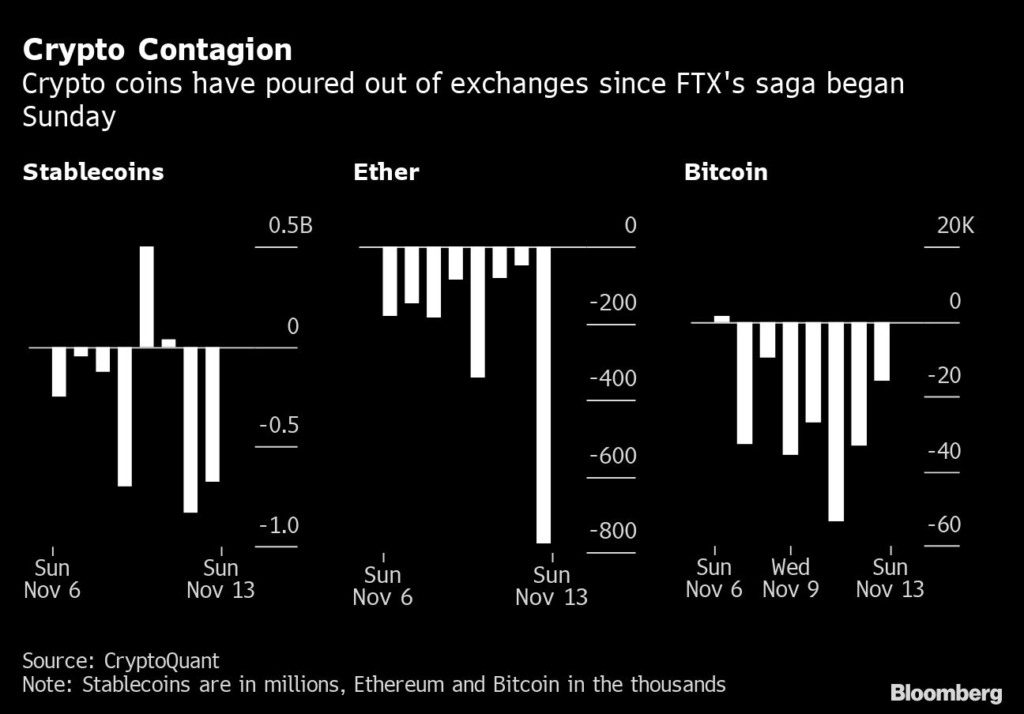
(Bloomberg) — Crypto’s latest existential crisis, courtesy of Sam Bankman-Fried’s epic faceplant, flared amid far-reaching planned changes in the digital-asset rulebooks of Asian centers including Hong Kong and Singapore.

The fall of his FTX exchange showed the world lacked the true picture of its operations. As a result, officials in both jurisdictions and further afield face calls to ensure greater transparency, especially on customer assets.

The immediate focus in Asia is on “disclosures of leverage ratios, any conflict of interest with user funds, details of those funds and risk management,” said Cici Lu, founder at Venn Link Partners, a digital-asset consultancy.

For now, Hong Kong and Singapore are sticking with diverging regulatory paths. Hong Kong two weeks ago pivoted to a more welcoming stance, detailing plans to become a crypto hub with legalized retail trading and dedicated exchange-traded funds. Singapore, in contrast, is clamping down on retail crypto trading, focusing instead on productive applications of blockchain technology.

Hong Kong Financial Secretary Paul Chan in a Sunday blog post indirectly referenced FTX’s Nov. 11 slide into bankruptcy while adding that the industry is “full of hope” for the city’s virtual-asset market.

He argued that’s because Hong Kong is on course for a rule book that delivers the transparency, compliance and investor protection needed to tackle the risks writ large by the so-called crypto winter.

Hong Kong’s Securities & Futures Commission has said the exposure of local licensed entities to FTX is “non-material.”

Singapore argues FTX’s woes affirm the city-state’s focus on consumer safeguards such as a proposed ban on leveraged token purchases by mom-and-pop investors.

Asked at a conference about whether the FTX imbroglio changes the Monetary Authority of Singapore’s approach to crypto, its chief fintech officer Sopnendu Mohanty said Wednesday “we stay on the course, we stay on the business-case driven approach to the space.”

The central bank is “willing to innovate” if risks are under control, he added. The monetary authority is also currently reviewing the license application of FTX.com local subsidiary Quoine Pte. in the wake of recent developments.

Elsewhere in the Asia-Pacfic region:

  • Japan’s Financial Services Agency is studying the local digital-asset industry’s exposure to FTX but is seeing minimal impact so far.
  • Administrators in Australia have identified at least 20,000 investors there who are looking to recoup losses.
  • Indonesia banned trading in FTX’s native FTT token and said it will review its list of legally-recognized crypto assets.

For crypto market prices: CRYP; for top crypto news: TOP CRYPTO.

–With assistance from Norman Harsono.

More stories like this are available on bloomberg.com

©2022 Bloomberg L.P.
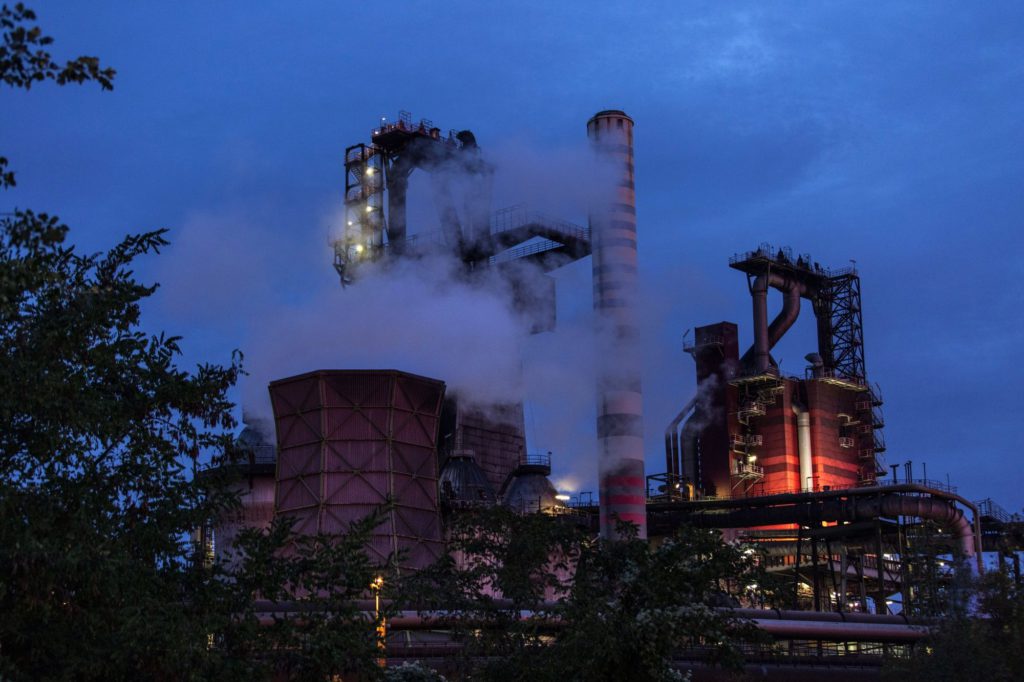
Thyssenkrupp Proposes Dividend, Sees Earnings Dropping

(Bloomberg) — Thyssenkrupp AG plans to pay a dividend for the first time in four years even as the firm warned earnings would fall substantially next year due to a weakening economy.

Adjusted earnings before interest and taxes are expected to fall to a mid-to-high three-digit million euro range, below the €2.1 billion ($2.2 billion) reported for the financial year ended Sept. 30, the company said Thursday. Thyssenkrupp still plans to propose its first dividend since 2018 after after its cash drain narrowed during the fourth quarter. 

“The momentum of our transformation process has been dampened, but we have proven comparatively robust in the face of three external shocks — the pandemic, the semiconductor shortage and war,” Chief Executive Officer Martina Merz said in a statement accompanying full-year earnings.

Thyssenkrupp may rise on the news of the dividend proposal, Christian Obst, an analyst at Baader Bank, said in a note. The guidance for weaker earnings are in line with rather low expectations, he said.

Merz is leading a deep restructuring of the conglomerate, which was fighting for survival even before the pandemic and European energy crisis hit. Once synonymous with German industrial prowess, Thyssenkrupp has struggled for years to staunch a cash drain as a global steel glut compounded profound structural issues across the firm.

Still, the company expects to at least stem cash outflows for its 2022/23 financial year, ending a six-year streak. The company’s cash outflow narrowed to €476 million in the financial year just ended, less than the €1.3 billion drain seen in the previous financial year.

Improvement in the company’s operating performance will allow the firm to propose a dividend of 15 cents a share to the company’s annual general meeting in February.

Thyssenkrupp said it still plans an initial public offering of shares in its Nucera hydrogen electrolysis unit, but said such a move was dependent on developments in financial markets. The company also said it was planning for a standalone solution for it steel unit, but added that it wasn’t possible to decide on what form it that plan would take due to the worsening economy.

(Updates with analyst comment on fourth paragraph)

More stories like this are available on bloomberg.com

©2022 Bloomberg L.P.

Close Bitnami banner
Bitnami
