
Bloomberg

Asian Stocks Mostly Down as China Tech Sold Off: Markets Wrap

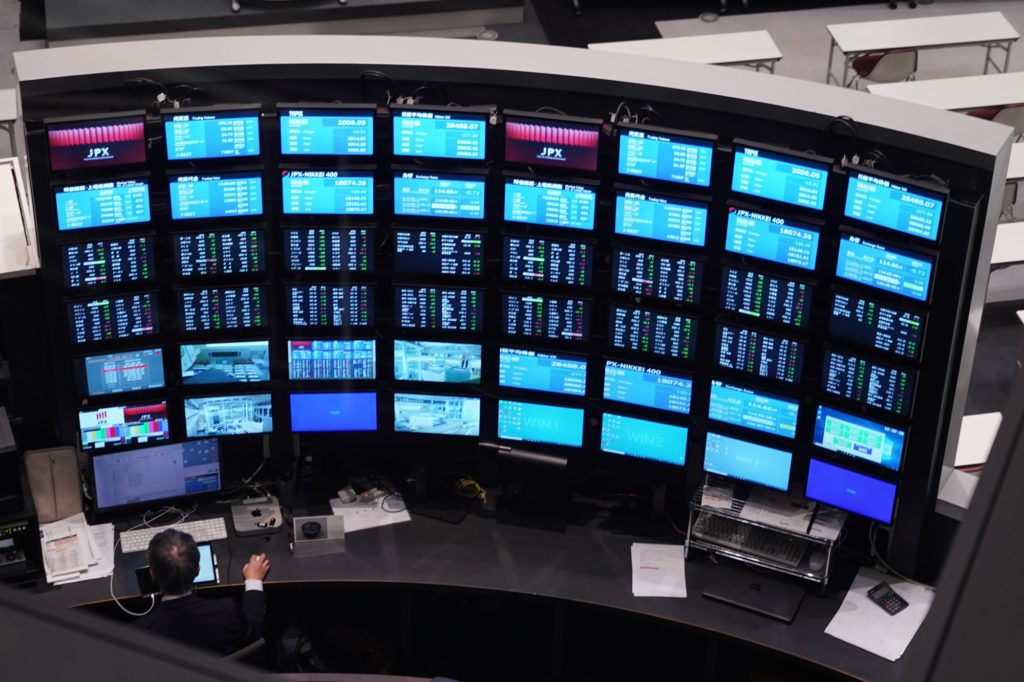
(Bloomberg) — Stocks in Asia are mostly under pressure as a tech-led selloff in Chinese shares intensified. The dollar rose to the level where it began the week. 

The MSCI AC Asia Pacific Index fell as much as 1.3%. Benchmarks for Hong Kong and mainland stocks dropped, with a gauge of Chinese tech firms facing its worst day in about two weeks. The selling came after Tencent Holdings Ltd. pledged to dole out $20 billion of stock in meal delivery giant Meituan.

A warning by China’s central bank of rising inflation also hurt sentiment. Separately, Chinese regulators asked banks to report on liquidity after a bond rout. The offshore yuan fell to the lowest against the dollar since Nov. 10. 

US equity futures increased marginally, after a decline Wednesday in the S&P 500 and Nasdaq 100 amid indications from Federal Reserve officials that policy would tighten policy further. Shares in Australia and Japan climbed.

A closely watched section of the US yield curve remained near levels not seen in four decades — a sign of investor concern about the world’s biggest economy. 

Benchmark 10-year government bond yields in Australia and New Zealand fell. Treasury yields climbed slightly after moves on Wednesday that widened the difference between long-date and short-dated bonds to levels not seen since the early 1980s, underscoring concerns about the risk of recession.

The action Treasuries followed the biggest increase in eight months for US retail sales, outpacing estimates and indicating Fed tightening has further to run to stymie inflation. San Francisco Fed President Mary Daly said a pause in rate hikes was “off the table,” and New York Fed President John Williams said the central bank should avoid incorporating financial stability risks into its considerations.

Goldman Sachs Group Inc. increased its forecast for peak US interest rates to 5.25% at the top of the range, up from the previous call 5%. 

“Every time equity and bond markets are thinking the Fed is done and start taking off in a rally, the Fed gets out and starts talking that back down again,” Cheryl Smith, economist and portfolio manager for Trillium Asset Management, said on Bloomberg Television.

The price of West Texas Intermediate crude fell to the lowest level in three weeks.

Elsewhere, European Central Bank policy makers may slow down their tempo of rate hikes, with only a 50 basis-point increase next month, according to people with knowledge of the matter.

Key events this week:

  • Eurozone CPI, Thursday
  • US housing starts, initial jobless claims, Thursday
  • Fed’s Neel Kashkari, Loretta Mester speak, Thursday
  • US Conference Board leading index, existing home sales, Friday

Some of the main moves in markets:

Stocks

  • Futures on the S&P 500 rose 0.1% as of 2:13 p.m. Tokyo time. The S&P 500 fell 0.8%
  • Nasdaq 100 futures rose 0.2%. The Nasdaq 100 fell 1.5%
  • The Topix Index rose 0.1%
  • Australia’s S&P/ASX 200 Index rose 0.2%
  • The Hang Seng Index fell 2.5%
  • The Shanghai Composite Index fell 0.9%
  • Euro Stoxx 50 futures fell 0.1%

Currencies

  • The Bloomberg Dollar Spot Index rose 0.3%
  • The euro fell 0.2% to $1.0371
  • The Japanese yen was little changed at 139.57 per dollar
  • The offshore yuan fell 0.5% to 7.1418 per dollar

Cryptocurrencies

  • Bitcoin was little changed at $16,527.63
  • Ether was little changed at $1,206.07

Bonds

  • The yield on 10-year Treasuries advanced three basis points to 3.72%
  • Australia’s 10-year yield declined 11 basis points to 3.62%

Commodities

  • West Texas Intermediate crude fell 1.4% to $84.40 a barrel
  • Spot gold fell 0.7% to $1,761.63 an ounce

This story was produced with the assistance of Bloomberg Automation.

–With assistance from Rheaa Rao.

More stories like this are available on bloomberg.com

©2022 Bloomberg L.P.

Taiwan Approves Tax Breaks in Fight for More Chip Investment

(Bloomberg) — Taiwan expanded tax breaks for companies that invest in technology research and production in an attempt to strengthen the island’s semiconductor industry and help maintain its leading position in the global chip supply chain. 

Tech firms will now be able to lower their income tax bill by a quarter if their spending on research and development hits a set level, according to the amendments approved Thursday by Taiwan’s cabinet. The measure also gives another 5% tax break to companies whose investment in advanced equipment reaches a set level, and is aimed at encouraging them to keep spending on production and development in Taiwan. 

Over the past year many countries have ramped up support for their domestic chip industries, promising to give tens of billions of dollars in subsidies to companies which increase production in those markets and diversify away from China and Taiwan. Those promises have led to a rash of new factories being built or planned in the US, Japan and in Europe, worrying some in Taiwan that its pre-eminent position in the semiconductor industry is at risk. 

Read more: Biden Signs Chips Bill, Unleashing Funding for US Production

As geopolitical tensions have risen between the US and China, businesses have been preparing contingency plans in case foreign companies are no longer able to operate in China or there’s a military confrontation around Taiwan. The increasing global concern about the concentration of chip production on the island has prompted more firms and nations to try and move output away from Taiwan or away from local chip giant Taiwan Semiconductor Manufacturing Co.

Samsung Electronics Co. said this week that the global technology industry is in search of alternative sources for advanced semiconductors, given rising political risks. And Apple Inc.’s Chief Executive Officer Tim Cook disclosed in an internal meeting that the company is preparing to begin sourcing chips from a plant under construction in Arizona in the US, a major step toward reducing the company’s reliance on Asian production.

However, Cook was likely referring to an factory that will be run by TSMC. The plant is slated for a 2024 opening and the company is already considering a second US facility, part of a broader push to increase chip production there.

To counter these moves away from the island, Taiwan’s government has been keen to attract and tout foreign investment in the domestic semiconductor industry. On Wednesday, President Tsai Ing-wen met with representatives from ASML Holding NV, a key supplier for advanced chipmaking equipment. The company plans to invest NT$30 billion in northern Taiwan, CNA reported, citing the mayor of New Taipei city. 

The new tax concessions are aimed at helping that effort and cementing Taiwan’s position in key industries, according to an official from the Ministry of Economic Affairs, who spoke at a briefing after the announcement. 

The details of the new tax breaks were announced by the ministry, which said it was a response to new competition amid global supply chain restructuring and was crucial to the future development of Taiwanese industry. The proposal will be delivered to the legislature for a vote, with the government aiming for it to come into effect from January next year and run through the end of 2029. 

“Taiwan needs the world, and the world needs Taiwan even more,” Cabinet Spokesperson Lo Ping-cheng said at a briefing in Taipei after the announcement. “If Taiwan’s chip sector is better, it will be more beneficial to the world economy.”

Taiwan remains a vital but vulnerable component of the global tech supply chain. Led by TSMC, the island currently manufactures more than 90% of the world’s most advanced chips used for military and corporate computing services. Apple, MediaTek Inc. and Qualcomm Inc., which control more than 85% of the global handset chip market, all rely on supplies from TSMC.  

More stories like this are available on bloomberg.com

©2022 Bloomberg L.P.

NetEase Plummets After Ending China Deal for Blizzard Games

(Bloomberg) — NetEase Inc. and Blizzard Entertainment Inc. plan to end their 14-year partnership after January, depriving the Chinese firm of a slice of revenue and suspending service for some of the country’s most popular games. NetEase shares plunged.

The Hangzhou-based publishing giant and Activision Blizzard Inc. subsidiary failed to agree on an extension to their long-running collaboration, which had encompassed famed franchises like StarCraft, Diablo, Overwatch and World of Warcraft. Blizzard will suspend most online game services in mainland China from Jan. 23, the US company said on Wednesday. Game sales will also halt in the coming days.

Beyond financial terms, key sticking points to the NetEase extension were ownership of intellectual property and control of the data of millions of players across China, people familiar with the discussions said. The people spoke on condition of anonymity because the talks weren’t public.

The affected games represented a low-single-digit percentage of NetEase’s total revenue and profit, the Hangzhou firm said in a separate statement.

“We have put in a great deal of effort and tried with our utmost sincerity to negotiate with Activision Blizzard so that we could continue our collaboration and serve the many dedicated players in China,” NetEase founder and chief executive William Ding said in the release. “However, there were material differences on key terms and we could not reach an agreement.”

NetEase fell as much as 15% in Hong Kong after the announcement, its biggest intraday fall in more than a year, amid a wider selloff among Chinese tech firms.

Growing political tensions between the US and China have made user data a thorny issue. Short-video platform TikTok, run by China’s ByteDance Ltd., has been criticized by American politicians as a national security threat and is having to show a firewall between its US users and any China-based operations.

Read more: Blizzard, NetEase Scrap Warcraft Game After Finance Dispute

Originally signed in 2008 and last renewed in 2019, the distribution accord has been fruitful for both companies, feeding NetEase with globally recognized hits and giving Activision a gateway into the world’s biggest PC and mobile gaming arena. China contributed at least 3% of Activision’s net revenue in 2021 and is a significant driver of future growth. It accounted for over $400 million in esports revenue last year and more than 400 million fans. Blizzard has several competitive gaming organizations, such as the Overwatch League, that include Chinese teams.

Before NetEase, Blizzard distributed World of Warcraft in China through Shanghai venture The9 from its release in 2004 through 2008. But that partnership ended in a rift, with Chinese players unable to access the game for more than a month.

China’s No. 2 gaming giant swooped in as Blizzard sought to find a new local publisher, first signing a deal to run StarCraft II and Warcraft III, then taking over World of Warcraft, which at the time was the most popular online game in China.

Signs of a rift between the two sides emerged in the summer when they scrapped plans for a World of Warcraft smartphone game that had been in development for three years. NetEase disbanded a team of more than 100 developers tasked with creating content for the title. Activision warned in its earnings release this month that “a mutually-satisfactory deal may not be reached” for extending its licensing agreements in China.

Without finding an alternative partner, Activision is unlikely to be able to continue its China business. It’s unclear if the company has engaged in negotiations with domestic leader Tencent Holdings Ltd. or another local distributor.

Read more: Tencent, NetEase Games Approved in Sign China Crackdown Easing

China’s internet sector has been radically reconfigured in recent years by a broad government crackdown that put stricter limits on gaming time for youths and halted licensing of new games for months. Still, NetEase was this summer able to successfully release Diablo Immortal, a mobile role-playing game tapping one of Blizzard’s prized assets. Players will still be able to play Immortal in China after January because that game is subject to a separate long-term deal.

Collaboration with China’s big two of game publishing, NetEase and Tencent, has been the most reliable way for foreign companies to enter and stay in the Chinese market. Nintendo Co., for instance, uses Tencent as its local distributor for the Switch console and software. Even with Tencent’s help, however, Epic Games Inc. last year gave up on its multiyear effort to bring its best-known game, online shooter Fortnite, to the market after failing to get regulator approval.

–With assistance from Cecilia D’Anastasio.

(Updates with NetEase statement from the fourth paragraph. A previous version was corrected to remove reference to Warcraft in headline)

More stories like this are available on bloomberg.com

©2022 Bloomberg L.P.
Musk Risks Opening Door to New Twitter Rivals, Ex-Chairman Says

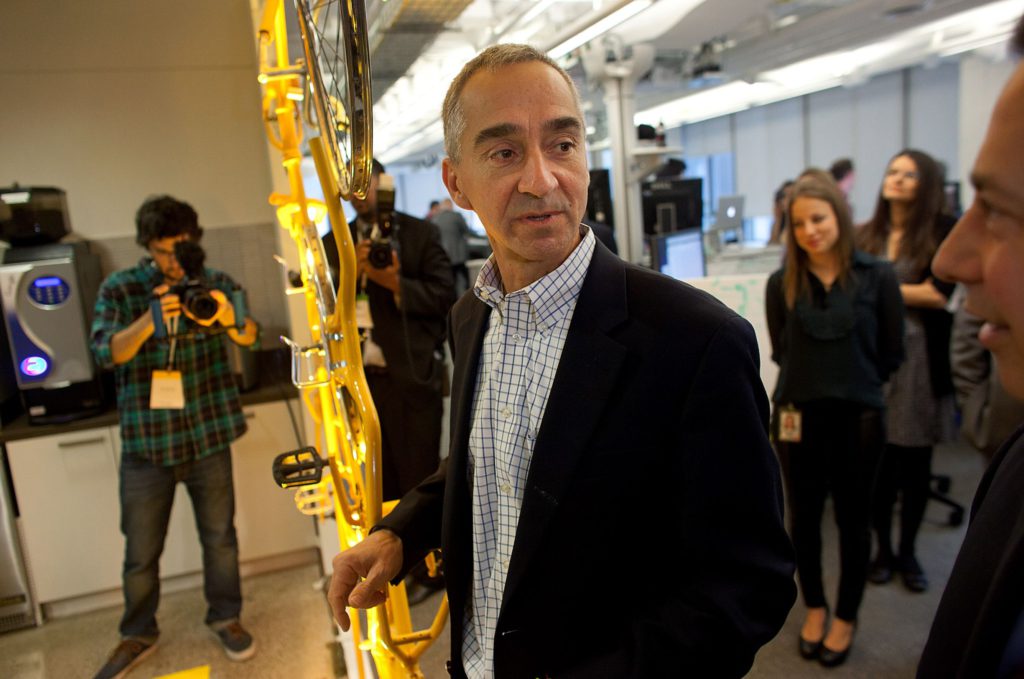
(Bloomberg) — Elon Musk will be creating room for competitors of Twitter Inc. to emerge if he breaks the “ethos” of the influential social media company, former Chairman Patrick Pichette said.  

Pichette, who led the board in 2020 and 2021 and remained a director until the sale to Musk closed in October, told French-language broadcaster Radio-Canada that it’s “too early to tell” if the Tesla Inc. billionaire will be good for Twitter. But if Twitter becomes a less attractive place for users, others will spring up to compete, Pichette said. 

“If Elon Musk breaks the ethos of Twitter, with the beauty of the internet, you can have eight other platforms showing up tomorrow morning,” the Quebec-born Pichette said in an interview on the business program Zone Economie. 

Musk, the world’s richest person, has sought to completely change the culture at Twitter since taking control — laying off about 50% of employees, ending the company’s remote-work policy and telling the remaining staff they should accept working long hours at “high intensity” or take a severance package. 

The company’s new leader has even warned of the possibility of bankruptcy if Twitter, which had revenue of $5.2 billion in the 12 months ended June, can’t generate more cash. 

Pichette, who was chief financial officer of Google from 2008 to 2015, said that’s a credible threat: “It’s a resilient business but it doesn’t mean it won’t go bankrupt.”

Read more: Musk Tells Staff Accept ‘Hardcore’ Twitter or Leave in Email

Musk has sparred openly with critics and stumbled into controversy with a plan that allowed any user to buy a “blue checkmark” — previously reserved for the verified accounts of notable figures or organizations — for an $8-a-month subscription fee. The program spawned a flood of seemingly verified spoof accounts from people impersonating corporations, politicians, athletes and Musk himself. 

Musk fired staff so quickly that the company had to call some back because they were needed. “It shows he’s not in control of what’s really important at Twitter yet,” Pichette told Radio-Canada.  

Pichette said the board achieved what it set out to do — forcing Musk to fulfill his obligations under the $44 billion takeover agreement and not backing down in a legal fight when he tried to escape the deal.

“Until Elon Musk bought it and we closed the deal, everything went as the board hoped,” he said. “We had very clear objectives and we accomplished them.”

Pichette owned 30,860 Twitter shares when Musk bought the company, according to data compiled by Bloomberg, worth nearly $1.7 million at the takeover price. All the money will go toward the Kenauk project, Pichette said, which aims to preserve 65,000 acres of forest land in Outaouais, a region in the southwest part of Quebec.


More stories like this are available on bloomberg.com

©2022 Bloomberg L.P.

Paytm Plunges 10% as Softbank Unit Seeks to Cut Stake

(Bloomberg) — Shares of One 97 Communications Ltd., the parent of India’s leading digital payments brand Paytm, plunged in Mumbai as a unit of Japan’s SoftBank Group Corp. offered to lower its stake in the company.

About 29.5 million shares, equivalent of 4.5% of the Mumbai-listed firm’s equity capital, were traded in a single block on India’s National Stock Exchange, according to data compiled by Bloomberg. The trade pulled down shares of Paytm as much as 10%, their biggest plunge since July 29.

Shares of Paytm have tumbled since its initial public offering last year, forcing some of its key investors to rethink on their ownership, amid global macro uncertainty. Softbank’s SVF India Holdings (Cayman) Ltd. offered 29 million shares of Paytm at 555 rupees ($6.8) to 601.45 rupees each, according to terms of the deal obtained by Bloomberg News on Wednesday.

Paytm is among a number of Indian startups that went public last year amid a boom in IPOs and zest for the country’s tech sector that have since suffered a slump in market value. 

When Paytm’s founder Vijay Shekhar Sharma pulled off the IPO last November, it was largest seen in the Indian market up to that point. The company raised 183 billion rupees ($2.3 billion), but its shares went on plummet in what would become one of the Indian bourse’s worst-ever debuts as investors shunned its high valuation and loss-making startup status.

SoftBank is one of Paytm’s biggest shareholders, along with Alibaba Group Holding Ltd. and its fintech affiliate Ant Group Co. After the sale, it will hold roughly 12.9% of the company.

Read: After $10 Billion Selloff, India’s Paytm Faces Another Reckoning

The world’s biggest technology investor has been grappling with declines on its portfolio of more than 400 investments in both public and private tech companies around the world. Its core Vision Fund segment posted a $7.2 billion loss in the July-September quarter, following a record 2.33 trillion yen ($17 billion) loss in the preceding period.

The lock-up period on $4.3 billion worth of Paytm shares expired on Tuesday, freeing investors to sell shares after they endured a year in which the company shed more than $12 billion of market value.

FSN E-Commerce Ventures Ltd., owner of beauty e-retailer Nykaa has seen selling by some holders, including private equity firm TPG Inc, since a lock-up on its shares ended last week.

Meanwhile, food-delivery company Zomato Ltd. plunged to a record low in July when a lock-up on its shares expired. Zomato’s successful IPO last year had set the tone for a generation of buoyant Indian unicorns to make their stock market debuts. 

–With assistance from Rajesh Kumar Singh.

(Updates with details of block trade, share price movement.)

More stories like this are available on bloomberg.com

©2022 Bloomberg L.P.
Banks Need Flexibility to Draw Female Talent in Post-Covid Era

(Bloomberg) — Flexibility is vital to attract talented female employees as many have altered their lifestyles and requirements following the Covid pandemic, according to executives in the financial services industry.   

Kobkarn Wattanavrangkul, chairperson at Kasikornbank Pcl, said employers must pay more attention the new needs and adapt quickly to recruit well and sustain growth. Meanwhile Narisa Chauvidul-Aw, chief executive officer and founder of mobile-payments startup KogoPay, emphasized the need for both organizations and staff to be more flexible.  

“We need to create a new environment with the understanding and definitely with more communication,” Kobkarn said at the Bloomberg Business Summit in Bangkok on Wednesday. While workforce changes have always occurred, they are happening at a faster pace now as women put more emphasis on balancing their time even as they take on more responsibilities, she said.    

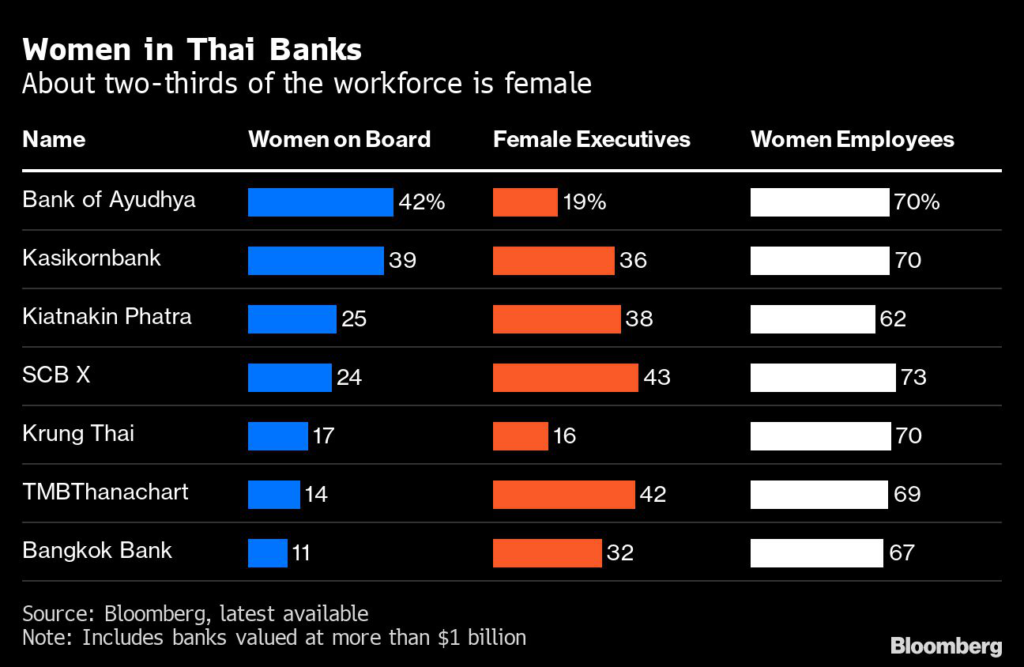
Kobkarn has reason to take an interest in corporate social responsibility. She’s the only female chairperson at a Thai commercial bank. In fact Kasikornbank’s vice chair, Sujitpan Lamsam, is also a woman, as is Chief Executive Officer Kattiya Indaravijaya. The bank is expanding it’s retail-customer base via digital channels, which will help in overseas markets, Kobkarn said in a separate interview Thursday. 

In Thailand, about two-thirds of staff at commercial banks are women, with many facing career challenges at best or unemployment at worst as the fallout from Covid continues and technology brings changes to the financial services sector. The country’s five biggest banks have an average full-time staff size of more than 22,000.

Women want “more flexibility, flexible hours,” Narisa said, adding that she sees the value of different types of support — including regulatory — more than ever after starting fintech firm KogoPay as a payments option for domestic and international transactions.    

One area of progress came at the start of this year, when Thailand’s Securities and Exchange Commission expanded its disclosure requirements on environmental, social and governance for listed companies, including information on ESG practices, board-diversity policies and gender information on directors, executives and employees. 

“Promoting women’s leadership roles is one of the objectives of our implementation plan to increase women’s roles in the Thai capital market in line with the SEC Sustainability Strategy,” SEC Secretary-General Ruenvadee Suwanmongkol said at the time. Information disclosure is vital “as it can reflect transparency and accountability,” she said. 

Story Link: Banks Need Flexibility to Draw Female Talent in Post-Covid Era

–With assistance from Anuchit Nguyen and Lee Miller.

More stories like this are available on bloomberg.com

©2022 Bloomberg L.P.
NetEase Plummets After Ending Deal With Blizzard for China Games

(Bloomberg) — NetEase Inc. and Blizzard Entertainment Inc. plan to end their 14-year partnership after January, depriving the Chinese firm of a major revenue source and suspending service for some of the country’s most popular games. NetEase shares plunged.

The Hangzhou-based publishing giant and Activision Blizzard Inc. subsidiary failed to agree on an extension to their long-running collaboration, which had encompassed famed franchises like StarCraft, Diablo, Overwatch and World of Warcraft to Chinese players. Blizzard will suspend most online game services in mainland China from Jan. 23, the US company said on Wednesday. Game sales will also halt in the coming days.

Beyond financial terms, key sticking points to the NetEase extension were ownership of intellectual property and control of the data of millions of players across China, people familiar with the discussions said. The people spoke on condition of anonymity because the talks weren’t public.

NetEase fell as much as 14% in Hong Kong after the announcement, its biggest intraday fall in more than a year, amid a wider selloff among Chinese tech firms.

Growing political tensions between the US and China have made user data a thorny issue. Short-video platform TikTok, run by China’s ByteDance Ltd., has been criticized by American politicians as a national security threat and is having to show a firewall between its US users and any China-based operations.

Originally signed in 2008 and last renewed in 2019, the distribution accord has been fruitful for both companies, feeding NetEase with globally recognized hits and giving Activision a gateway into the world’s biggest PC and mobile gaming arena. China contributed at least 3% of Activision’s net revenue in 2021 and is a significant driver of future growth. It accounted for over $400 million in esports revenue last year and more than 400 million fans. Blizzard has several competitive gaming organizations, such as the Overwatch League, that include Chinese teams.

Signs of a rift between the two sides emerged in the summer when they scrapped plans for a World of Warcraft smartphone game that had been in development for three years. NetEase disbanded a team of more than 100 developers tasked with creating content for the title. Activision warned in its earnings release this month that “a mutually-satisfactory deal may not be reached” for extending its licensing agreements in China.

Without finding an alternative partner, Activision is unlikely to be able to continue its China business. It’s unclear if the company has engaged in negotiations with domestic leader Tencent Holdings Ltd. or another local distributor.

China’s internet sector has been radically reconfigured in recent years by a broad government crackdown that put stricter limits on gaming time for youths and halted licensing of new games for months. Still, NetEase was this summer able to successfully release Diablo Immortal, a mobile role-playing game tapping one of Blizzard’s prized assets. Players will still be able to play Immortal in China after January because that game is subject to a separate long-term deal.

Collaboration with China’s big two of game publishing, NetEase and Tencent, has been the most reliable way for foreign companies to enter and stay in the Chinese market. Nintendo Co., for instance, uses Tencent as its local distributor for the Switch console and software. Even with Tencent’s help, however, Epic Games Inc. last year gave up on its multiyear effort to bring its best-known game, online shooter Fortnite, to the market after failing to get regulator approval.

–With assistance from Cecilia D’Anastasio.

(Updates with share action from the first paragraph. A previous version was corrected to remove reference to Warcraft in headline)

More stories like this are available on bloomberg.com

©2022 Bloomberg L.P.
Myanmar Releases Australian Economist as Part of Amnesty

(Bloomberg) — Myanmar’s military government has released four foreign prisoners including Australian economist Sean Turnell, former UK ambassador Vicky Bowman, and Japanese filmmaker Toru Kubota. The release is part of an amnesty to mark the 102th anniversary of its National Victory Day. 

A total of 5,774 prisoners were released and the foreign prisoners will be deported after their release, according to Major General Zaw Min Tun, lead spokesman for the ruling State Administration Council.

Turnell, who served as an adviser to former leader Aung San Suu Kyi, was arrested days after the coup in February 2021. He was sentenced to three years in prison for breaking the colonial-era Official Secrets Act in a court ruling in September. He pleaded not guilty and appealed the verdict, as did his co-defendants, including Suu Kyi and former finance ministers. 

The Australian government had rejected the court ruling against Turnell and called for his immediate release. Australia’s foreign minister Penny Wong said in a statement he had been “unjustly detained by the Myanmar military regime” and Australian Embassy officials were denied access to the closed court. 

The junta also released former British ambassador Vicky Bowman who was handed a one-year prison sentence for violating the country’s immigration rules. Japanese filmmaker Toru Kubota, who was jailed for encouraging dissent against the military, violating the nation’s telecommunications and immigration laws, was also freed.

Deposed leader Suu Kyi is serving a 26-year prison term while awaiting verdicts for five more charges.

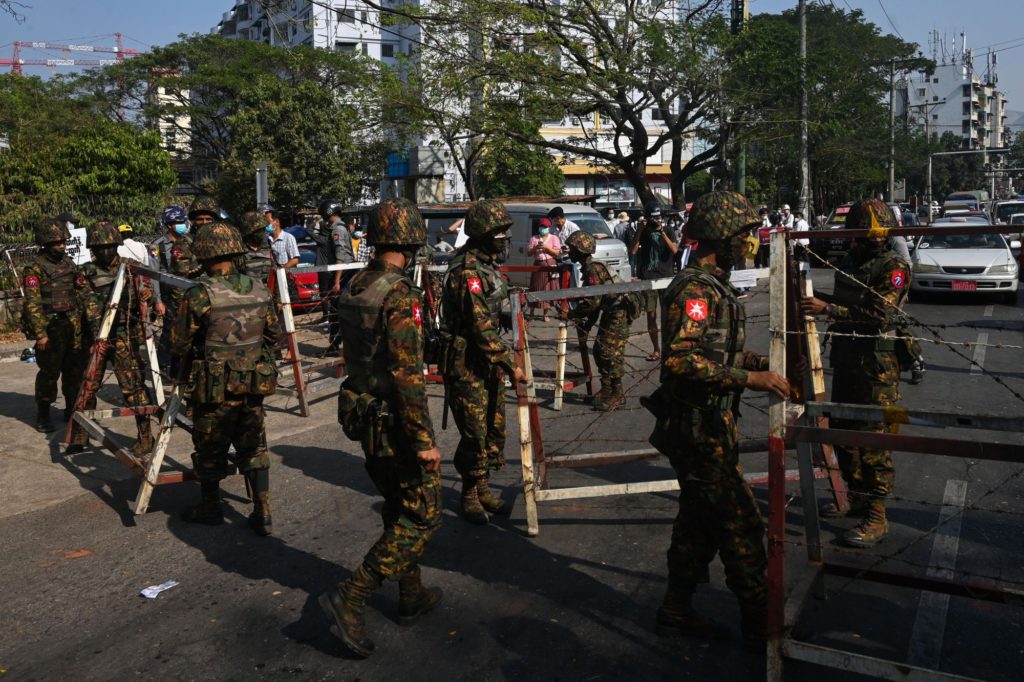
Junta troops have killed at least 2,465 civilians and arrested 16,232 others since the coup, according to the Assistance Association for Political Prisoners. The group said 1,648 civilians are serving prison sentences under the junta, and it remains unclear how many of them were released in the amnesty Thursday.


More stories like this are available on bloomberg.com

©2022 Bloomberg L.P.

China’s Xi Set for Japan Summit as Mends Ties With US Allies

(Bloomberg) — Chinese President Xi Jinping is set to hold his first in-person meeting with Japanese Prime Minister Fumio Kishida on Thursday, the latest in a series of summits that appeared aimed at calming tensions with US allies.

The consultations between the leaders of the Asia’s two largest economies will be the first of their sort in three years and come days after Joe Biden’s own discussions with Xi. The US president expressed confidence after the talks that the countries could avoid a “new Cold War.”

The summit will be held on the sidelines of the Asia-Pacific Economic Cooperation forum in Thailand. It is expected to start at around 6:30 p.m. Thursday, local time, Kyodo News reported.

Biden, Xi Take Biggest Step in Years to Avoid US-China Clash

While Kishida’s government has been careful not to push relations with its biggest trading partner China anywhere near a breaking point, it has criticized Beijing’s crackdown on pro-democracy activists in Hong Kong. It has also let Xi know that Tokyo sees any potential military aggression toward Taiwan as a threat its own security.

The meeting with Kishida comes as Chinese leaders have been busy meeting US allies and partners during international gatherings in the past few days. Xi has underscored the need for partnership with major economies and tried to reassure leaders who have seen tensions rise with Beijing in recent years.

A calmer atmosphere may help Kishida re-establish the “constructive and stable relations” he has said he wants with his country’s biggest trading partner. But Kishida openly criticized China for infringements of Japanese sovereignty at an Asean meeting in Phnom Penh on Sunday, Japan’s Foreign Ministry said. Ships from Japan and China continue to chase one another around disputed islands in the East China Sea. 

Chinese Foreign Ministry spokeswoman Mao Ning told reporters at a regular news briefing in Beijing on Wednesday the meeting between Xi and Kishida was “very significant” and the two “will exchange views on bilateral relations and international regional issues of mutual interest.”

Japan, which tries to strike a balance between China and its sole security ally, the US, has also found itself in a difficult position over Biden administration initiatives that seek to secure supply chains less dependent on Beijing. 

This has included Biden’s move to tighten controls on exports of some chips and chipmaking equipment to China. Nudged by the US, Japan this month announced government aid for a domestic next-generation chip manufacturing venture. 

China raised pressure on Kishida with military drills around Taiwan in August following US House Leader Nancy Pelosi’s visit to Taipei. This included lobbing missiles into waters close to Japan’s Okinawa island chain. China called off a meeting between Foreign Minister Wang Yi and his Japanese counterpart over a Group of Seven statement expressing concern over the exercises. 


The missile incident added momentum to the Kishida government’s plans to increase defense spending and expand the range and number of missiles in Japan’s arsenal that could be used to hit targets on the Chinese mainland. 

As a rift opened up between the US and China, Beijing had tacked closer to Russia, taking part in joint military exercises near Japan. Kishida has sought stronger ties with NATO, becoming the first Japanese premier to attend the group’s summit in June. He attended a joint G7-NATO emergency summit about the missiles that landed in Poland on Wednesday. 

Maskless Xi Mingles With World Leaders Outside Covid Zero China

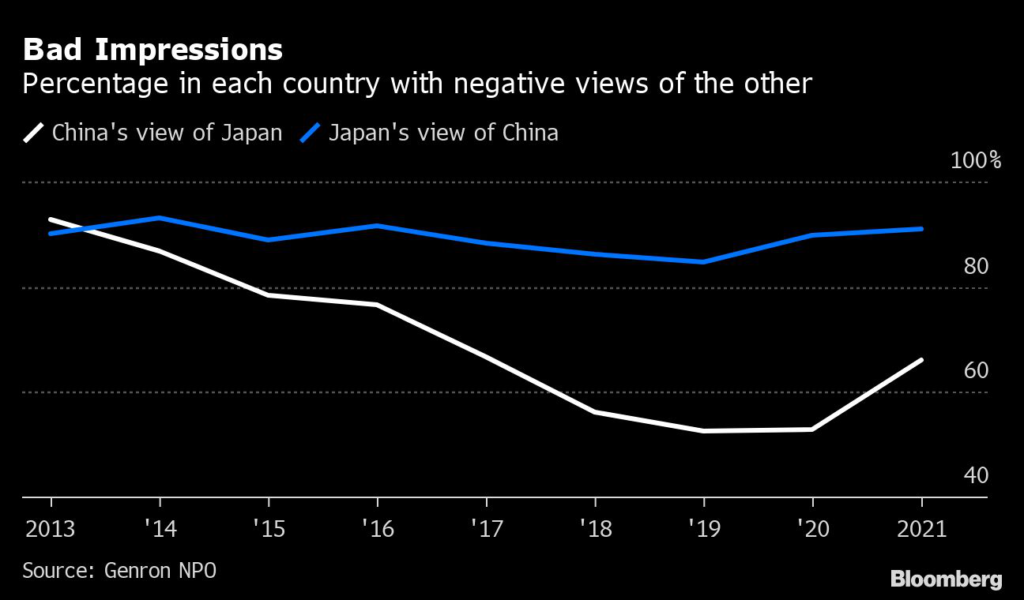
At the same time, the massive flow of Chinese tourists to Japan that helped revamp Japan’s image in China in previous years remains at a halt due to Xi’s Covid Zero policy. 

Yet business links between the two remain deep, and the leaders exchanged congratulatory messages on the 50th anniversary of the establishment of ties in September, although neither of them attended celebratory events.  

–With assistance from Takashi Hirokawa and Colum Murphy.

More stories like this are available on bloomberg.com

©2022 Bloomberg L.P.

China’s Xi Set for Japan Summit as He Mends Ties With US Allies

(Bloomberg) — Chinese President Xi Jinping is set to hold his first in-person meeting with Japanese Prime Minister Fumio Kishida on Thursday, the latest in a series of summits that appeared aimed at calming tensions with US allies.

The consultations between the leaders of the Asia’s two largest economies will be the first of their sort in three years and come days after Joe Biden’s own discussions with Xi. The US president expressed confidence after the talks that the countries could avoid a “new Cold War.”

The summit will be held on the sidelines of the Asia-Pacific Economic Cooperation forum in Thailand. It is expected to start at around 6:30 p.m. Thursday, local time, Kyodo News reported.

Biden, Xi Take Biggest Step in Years to Avoid US-China Clash

While Kishida’s government has been careful not to push relations with its biggest trading partner China anywhere near a breaking point, it has criticized Beijing’s crackdown on pro-democracy activists in Hong Kong. It has also let Xi know that Tokyo sees any potential military aggression toward Taiwan as a threat its own security.

The meeting with Kishida comes as Chinese leaders have been busy meeting US allies and partners during international gatherings in the past few days. Xi has underscored the need for partnership with major economies and tried to reassure leaders who have seen tensions rise with Beijing in recent years.

A calmer atmosphere may help Kishida re-establish the “constructive and stable relations” he has said he wants with his country’s biggest trading partner. But Kishida openly criticized China for infringements of Japanese sovereignty at an Asean meeting in Phnom Penh on Sunday, Japan’s Foreign Ministry said. Ships from Japan and China continue to chase one another around disputed islands in the East China Sea. 

Chinese Foreign Ministry spokeswoman Mao Ning told reporters at a regular news briefing in Beijing on Wednesday the meeting between Xi and Kishida was “very significant” and the two “will exchange views on bilateral relations and international regional issues of mutual interest.”

Japan, which tries to strike a balance between China and its sole security ally, the US, has also found itself in a difficult position over Biden administration initiatives that seek to secure supply chains less dependent on Beijing. 

This has included Biden’s move to tighten controls on exports of some chips and chipmaking equipment to China. Nudged by the US, Japan this month announced government aid for a domestic next-generation chip manufacturing venture. 

China raised pressure on Kishida with military drills around Taiwan in August following US House Leader Nancy Pelosi’s visit to Taipei. This included lobbing missiles into waters close to Japan’s Okinawa island chain. China called off a meeting between Foreign Minister Wang Yi and his Japanese counterpart over a Group of Seven statement expressing concern over the exercises. 


The missile incident added momentum to the Kishida government’s plans to increase defense spending and expand the range and number of missiles in Japan’s arsenal that could be used to hit targets on the Chinese mainland. 

As a rift opened up between the US and China, Beijing had tacked closer to Russia, taking part in joint military exercises near Japan. Kishida has sought stronger ties with NATO, becoming the first Japanese premier to attend the group’s summit in June. He attended a joint G7-NATO emergency summit about the missiles that landed in Poland on Wednesday. 

Maskless Xi Mingles With World Leaders Outside Covid Zero China

At the same time, the massive flow of Chinese tourists to Japan that helped revamp Japan’s image in China in previous years remains at a halt due to Xi’s Covid Zero policy. 

Yet business links between the two remain deep, and the leaders exchanged congratulatory messages on the 50th anniversary of the establishment of ties in September, although neither of them attended celebratory events.  

–With assistance from Takashi Hirokawa and Colum Murphy.

More stories like this are available on bloomberg.com

©2022 Bloomberg L.P.

Close Bitnami banner
Bitnami