
Bloomberg

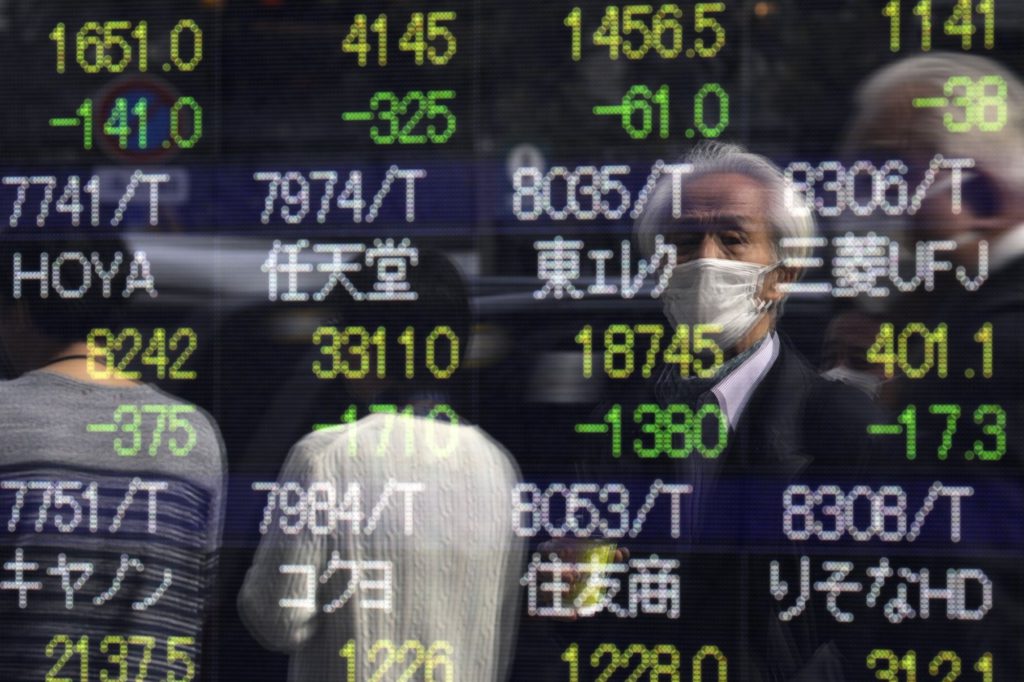
US Futures Wobble, Yields Rise as War Threat Eases: Markets Wrap

(Bloomberg) — US equity futures erased gains as a rocket strike inside the Polish border kept investors jittery about the prospect for escalation in the Russia-Ukraine war, though the euro and the Polish zloty recouped earlier knee-jerk losses.  

Contracts on the S&P 500 and Nasdaq 100 were little changed after rising as much as 0.4%, while a European equity benchmark extended a loss to 0.7%. Treasury yields rose after US President Joe Biden told allies that the explosion Tuesday night in Poland was caused by Ukrainian air defenses, and unlikely to have been fired by Russia. 

The comments soothed fears of an immediate spillover from the conflict, knocking the yen and dollar lower, as demand for safe-haven assets gradually faded, while benchmark Treasury yields also crept higher.   

“It’s a reminder that the risk of escalation is in the background. It’s something we need to watch for, because any escalation of military action and additional impact on energy supply could seriously disrupt markets,” said Kiran Ganesh, managing director at UBS Global Wealth Management.

Read more: Panic Eases Over Poland Strike as Allies Query Rocket’s Origin

Stocks have surged in the past week as softer-than-expected US inflation data has raised expectations the Federal Reserve may be able to slow down its rate-hiking pace. The data has pushed the dollar and Treasury yields lower, while a raft of strong company earnings have added to markets’ ebullience. 

The greenback shed 0.2% against a basket of peers. The US currency has now lost close to 6% from end-September peaks, last week posting its biggest loss against 10 main rivals since the early days of the pandemic in 2020. 

Colin Asher, senior economist at Mizuho Bank Ltd. sees the moves as overdone, and predicted more volatility ahead. US retail sales and housing market data due later on Wednesday may offer more clues on the state of the US economy. 

“I am more in the dollar-plateau versus the dollar-peak camp,” he said. “Inflation may have peaked but that doesn’t mean it’s coming down rapidly. We have probably seen the peak for the dollar but it wouldn’t surprise me if we go back into a period of softer equities.”

The pound showed a muted reaction to data showing UK annual inflation had jumped to 11.1%, trading marginally higher against the dollar. Investors focused instead on Thursday’s autumn budget which is expected to unveil spending cuts and tax hikes to repair the hole in government finances.

Meanwhile, stocks linked to Donald Trump, including blank check company Digital World Acquisition Corp., surged after the former president officially entered the 2024 US presidential race.

Key events this week:

  • US business inventories, cross-border investment, retail sales, industrial production, Wednesday
  • Fed’s John Williams, Lael Brainard and SEC Chair Gary Gensler speak, Wednesday
  • ECB President Christine Lagarde speaks, Wednesday
  • Eurozone CPI, Thursday
  • US housing starts, initial jobless claims, Thursday
  • Fed’s Neel Kashkari, Loretta Mester speak, Thursday
  • US Conference Board leading index, existing home sales, Friday

Some of the main moves in markets:

Stocks

  • The Stoxx Europe 600 fell 0.7% as of 11:20 a.m. London time
  • Futures on the S&P 500 were little changed
  • Futures on the Nasdaq 100 were little changed
  • Futures on the Dow Jones Industrial Average were little changed
  • The MSCI Asia Pacific Index fell 0.3%
  • The MSCI Emerging Markets Index fell 0.3%

Currencies

  • The Bloomberg Dollar Spot Index fell 0.2%
  • The euro rose 0.7% to $1.0425
  • The Japanese yen was little changed at 139.41 per dollar
  • The offshore yuan fell 0.5% to 7.0840 per dollar
  • The British pound rose 0.4% to $1.1911

Cryptocurrencies

  • Bitcoin fell 0.9% to $16,740.92
  • Ether fell 1.3% to $1,229.57

Bonds

  • The yield on 10-year Treasuries advanced two basis points to 3.79%
  • Germany’s 10-year yield was little changed at 2.10%
  • Britain’s 10-year yield declined three basis points to 3.27%

Commodities

  • Brent crude rose 0.6% to $94.42 a barrel
  • Spot gold rose 0.2% to $1,782.21 an ounce

This story was produced with the assistance of Bloomberg Automation.

–With assistance from Richard Henderson.

More stories like this are available on bloomberg.com

©2022 Bloomberg L.P.
Singapore’s Temasek to Write Down Over $200 Million in FTX

(Bloomberg) — Singapore’s state-owned investor, Temasek International, invested between $200 million and $300 million into cryptocurrency firm FTX before its implosion, according to people familiar with the matter.

Temasek is now preparing to write off the entire amount, one of the people said, asking not to be identified as the matter is private. Another backer, Sequoia Capital, wrote down the full value of its $214 million bet on the exchange, while a person with knowledge of the situation said SoftBank Group Corp. is expecting a loss of around $100 million on its investment. 

A Temasek representative declined to comment. 

The meltdown of Sam Bankman-Fried’s FTX empire and the evaporation of capital from its institutional backers is shaking confidence throughout the crypto world. The firm had been considered by some investors as one of the safer bets in the sector thanks to its size and role as an exchange, rather than being just an active manager of digital currency.

A potential FTX writedown wouldn’t have a major impact on Temasek’s overall financial standing. The Singaporean firm, which managed S$403 billion ($294 billion) in assets as of March 31, said in July it didn’t invest in crypto directly, focusing instead on building the ecosystem. When asked about the valuations of FTX and Amber Group, another crypto company it backed, Temasek US West Coast head Martin Fichtner expressed confidence in the long-term performance of its portfolio companies.

“What we focus on is this: Are the businesses healthy and are they growing, and do we think the prospects are strong?” he said at the time. “We feel strongly about the companies in our portfolio performing well over time, and we’ll see cycles in terms of multiples go up and down as the cycles occur.”

Since then, FTX has filed for Chapter 11 bankruptcy and Bankman-Fried has stepped down as its chief executive officer. Amber, which was seeking to raise funds at a $10 billion valuation earlier this year, is now aiming for a $3 billion value.

More stories like this are available on bloomberg.com

©2022 Bloomberg L.P.
China Remains a Massive Opportunity for Firms: Former UBS Chair

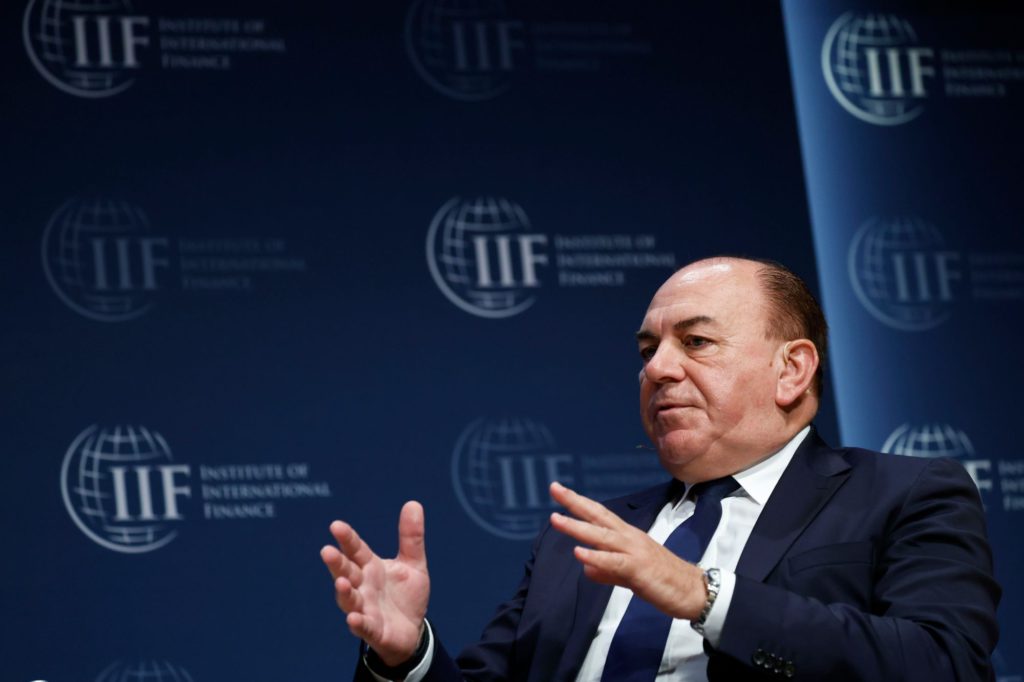
(Bloomberg) — The Chinese economy remains a massive opportunity for Western companies, and a recent easing of US-China tension offers tailwinds for the global economy, said Axel Weber, former UBS Group AG Chairman.

“What we saw in the G-20 meetings recently has taken some of my biggest fears away that we would see a continued escalation of the conflict between China and the US,” Weber said in a Bloomberg Television interview on the sidelines of the Bloomberg New Economy Forum on Wednesday.

US President Joe Biden and his Chinese counterpart Xi Jinping held face-to-face meetings at the Group of 20 summit in Bali, Indonesia, this week — discussions that analysts said will put a floor under deteriorating relations between both countries.

Read More: Biden, Xi Chart Path to Warmer Ties With Blinken China Visit

“You cannot run the global economy without China and it’s good that the US and China are trying to work together more,” said Weber, who also headed Germany’s Bundesbank between 2004 and 2011. Weber is now chairman of the Institute of International Finance.

A reversal of globalization trends that sees China decouple from the global economy would pose massive headwinds for world growth and developing economies especially, he said.

On crypto currencies, Weber questioned their intrinsic value and warned that they lack transparency, which he said leaves an opportunity for central banks to continue developing digital currencies.

“Central banks are trying to move into digital currencies, and I think that will be a much more stable construct because it will replace analog money with more digital money, which now really matches payment patterns of many consumers,” Weber said. “But crypto, I am still skeptical of the entire construction.”

The former UBS chairman was also asked about troubles at the bank’s rival Credit Suisse Group AG, saying a merger between the two remains unlikely.

“Really, the issue at the moment is, unless there is a limit and unless there is a clear understanding of the downside risks in Credit Suisse, you will have a very hard time for any international competitor, including a Swiss competitor, to think about a merger,” he said. “Their shareholders will really want to see that this bank is on an improving trajectory.”

More stories like this are available on bloomberg.com

©2022 Bloomberg L.P.
TikTok CEO Argues Content Moderation Vital as Twitter Cuts Staff

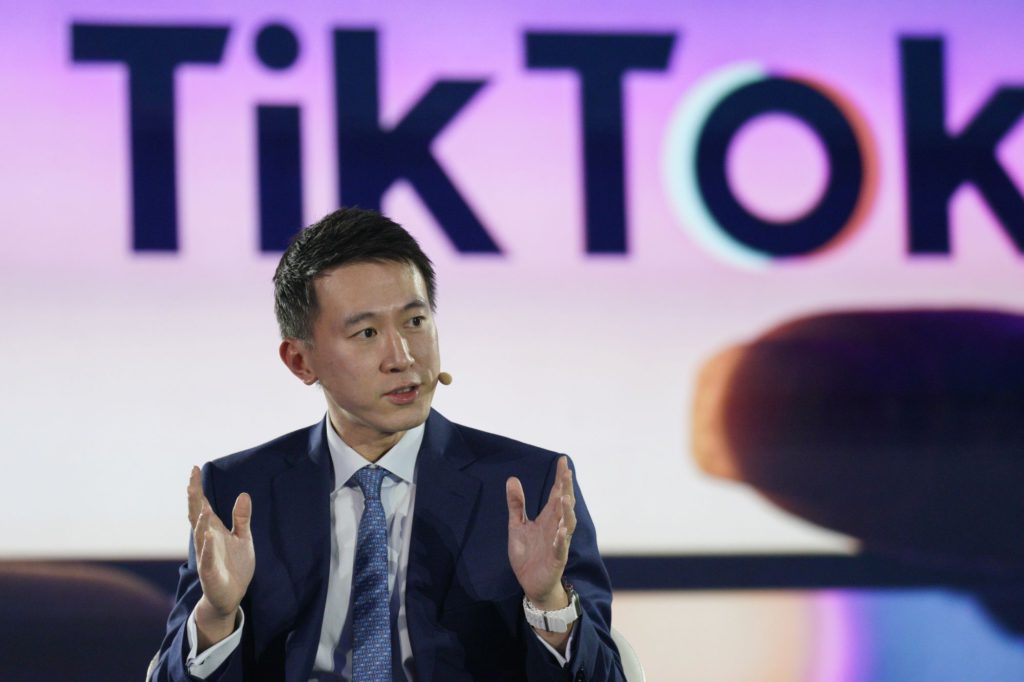
(Bloomberg) — The chief executive officer of hit video app TikTok suggested Elon Musk and Twitter Inc. are heading down a risky path.

Shou Zi Chew, whose company has come under fire from US officials, emphasized the importance of investing in sufficient staff to handle content moderation and security. He made the comments in response to questions about whether TikTok could operate effectively if it fired half its staff, the way Twitter has under Musk.

“I hope that day never comes,” Chew said with a laugh at the Bloomberg New Economy Forum in Singapore on Wednesday. “The way we are organized is one where we don’t need to lay off half the workforce to achieve the efficiency levels that we want to achieve.”

Pressed on whether he could run TikTok with half the employees it has now, he turned to the value of proper staffing. He said the company has tens of thousands of employees in content moderation. 

“For many tech companies including ourselves one of the largest teams that you will have is your trust and safety team,” Chew said. “That is an investment that is definitely worthwhile if you want to keep the platform a very safe platform.”

He pointed out that such people design policies for the platform and complement the algorithms used to serve up videos. For all social media, he said it’s critical to do everything possible to keep the platform safe.

Chew was quick to add that he’s not a Musk critic. 

“I’m not sure it’s very fair to comment on where he’s taking the company at this point,” he said. “I think it’s a bit too early to tell.”

More stories like this are available on bloomberg.com

©2022 Bloomberg L.P.
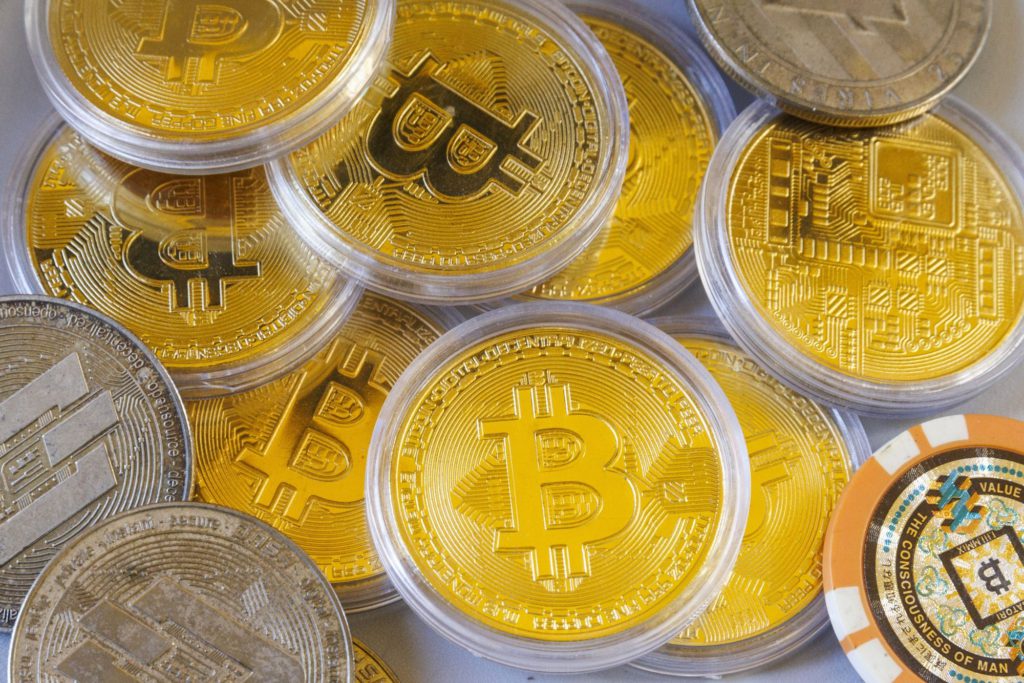
Assessing the BITO ETF One Year In

  • Listen to Bloomberg Crypto on the iHeartRadio App
  • Listen to Bloomberg Crypto on Apple Podcasts
  • Listen to Bloomberg Crypto on Spotify  

(Bloomberg) — Around this time last year, the US’s very first Bitcoin-linked exchange-traded fund debuted, namely the ProShares Bitcoin Strategy ETF, which trades under the ticker BITO. The launch was a milestone for the digital-asset industry as it created an opportunity for more mainstream investors to dip into cryptocurrencies. 

The ETF had a stellar start: it was the second-most heavily traded fund on record and gathered more than $1 billion in assets in record time. Back then, Bitcoin was trading at around $65,000 and retail investing in crypto was booming. 

But in hindsight, the timing was… unfortunate. Just two months after its debut, Bitcoin started to crash. Soon after that, a collapse of crypto hedge funds and stablecoins sank the token’s trading value to about $20,000. 

A year later, BITO has sunk over 70%. So, what now? 

Bloomberg reporter Katie Greifeld joins Vildana Hajric for this episode to discuss BITO one year in.

Follow us on Twitter @crypto, and subscribe to the Bloomberg Crypto Newsletter at https://bloom.bg/cryptonewsletterThis podcast is produced by the Bloomberg Crypto Podcast team: Supervising producer: Vicki Vergolina, Senior Producer: Janet Babin, Producers: Sharon Beriro and Muhammad Farouk, Associate Producers: Mo Andam and Ty Butler. Sound Design/Engineer: Desta Wondirad.

More stories like this are available on bloomberg.com

©2022 Bloomberg L.P.
Japan Checks Impact of FTX Collapse on Local Crypto Exchanges

(Bloomberg) — Japan’s financial regulator has checked with local digital assets exchanges about whether the failure of Sam Bankman-Fried’s crypto empire has had any impact on their businesses, according to an official. 

The Financial Services Agency is studying the extent of exposure the Japanese industry has to FTX, which filed for bankruptcy last week, the official said, declining to be named in line with the agency’s policy. At this time, the watchdog sees minimal impact on domestic crypto exchanges, the person said. 

The fall of FTX, once perceived as among the most dependable names in the sector, has sparked fresh concerns over the loosely regulated nature of crypto companies and what guardrails are in place to safely oversee clients’ assets. 


More stories like this are available on bloomberg.com

©2022 Bloomberg L.P.
FTX Hacker Emerges as 35th Largest Holder of Token Ether

(Bloomberg) — The hacker who raided Sam Bankman-Fried’s collapsed crypto exchange FTX is now one of the world’s biggest holders of the token Ether.

A wallet linked with the exploit swapped about $49 million of stablecoins — mainly Dai — for Ether on Tuesday, security specialists PeckShield said. 

That lifts the attacker’s Ether haul to 228,523 or about $288 million — the 35th largest stash of the coin, according to data from analytics platform Etherscan.

The insult of the theft from FTX added to the injury of the company’s chaotic tumble into bankruptcy last week. There may now be more than one million creditors wondering if they will get their money back from the platform.

Wallets on FTX were drained of over $663 million in tokens, with $477 million of that suspected to have been stolen and the remainder moved into secure storage by FTX, according to blockchain specialist Elliptic.

The culprit behind an exploit that was jaw-dropping and mysterious in equal measure has yet to be publicly identified.

The hacker transferred some funds using the crypto exchange operated by Kraken, which said it has been in touch with law enforcement about the matter.

For crypto market prices: CRYP; for top crypto news: TOP CRYPTO.

More stories like this are available on bloomberg.com

©2022 Bloomberg L.P.
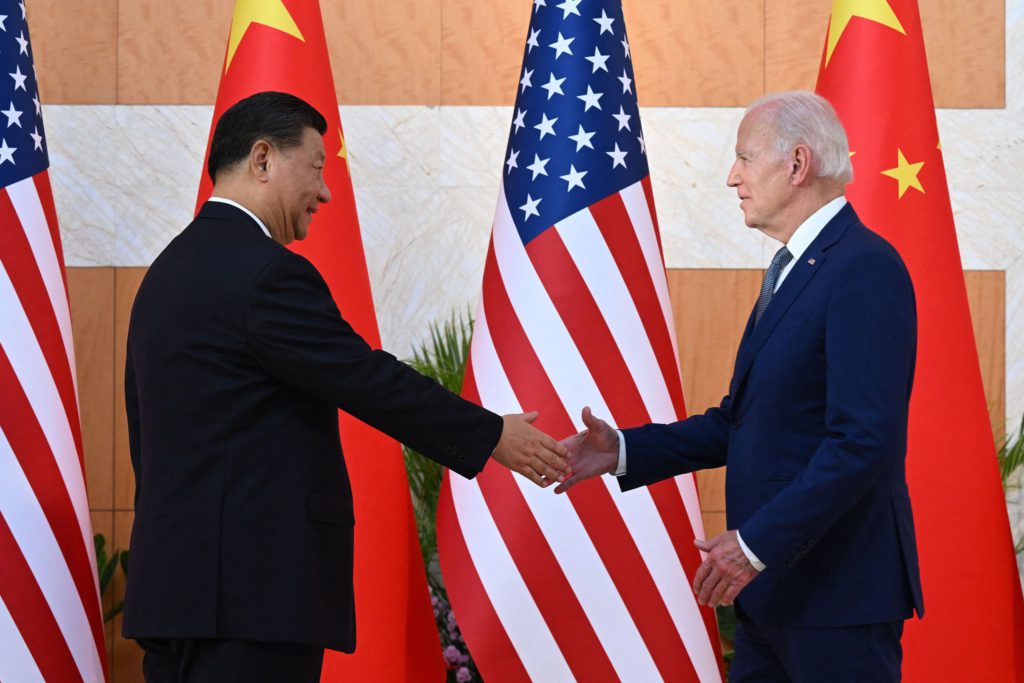
Key Takeaways From G-20 Summit Featuring Biden, Xi and No Putin

(Bloomberg) — World leaders gathered on the resort island of Bali in a Group of 20 summit dominated by the fallout from Russia’s war in Ukraine on the global economy. 

The meeting hosted by Indonesia began shortly after US President Joe Biden and Chinese President Xi Jinping held their first in-person meeting as leaders and agreed to resume cooperation in key areas. It ended with a joint declaration in which most members “strongly condemned” Vladimir Putin’s invasion. 

Here are the key takeaways: 

Biden-Xi Detente

Coming into the G-20, all the buzz surrounded the meeting between Xi and Biden — and they didn’t didn’t disappoint. In talks that ran for more than three hours, the heads of the world’s biggest economies pledged to work together on global challenges like climate change and food security, moving past the acrimony that has defined relations since the pandemic emerged in 2020. 

While key differences remain, particularly over Taiwan and US curbs on advanced chip sales to China, the overall temperature has dropped considerably. Chinese Foreign Minister Wang Yi called the meeting a “new starting point,” saying both sides “hope to stop the tumbling of bilateral ties and to stabilize the relationship.”

Rocket Crisis

In a year in which Russian aggression has rocked global geopolitics and markets, perhaps it’s no surprise that a crisis would emerge while most of the world’s most powerful leaders gathered in Bali. On the final day of the gathering, they awoke to find that a rocket struck a village in Poland — raising concerns that Russia had attacked NATO territory. 

Biden and other Group of Seven leaders convened an emergency meeting to discuss the meeting, delaying a scheduled tour of a mangrove forest. In the end, they issued a statement supporting Poland’s probe while seeking to prevent the situation from escalating. 

Communique Drama

Heading into the meeting, it was unclear if the group would agree on a final communique: Lower-level G-20 gatherings this year ended in acrimony, and the US and Russia failed to reach a consensus just days before at an Asean summit in Cambodia. 

In the end, however, leaders rallied around Indonesian President Joko Widodo’s push to produce a joint declaration. A compromise in the language produced a statement saying “most members strongly condemned the war in Ukraine,” while acknowledging “other views and different assessments of the situation and sanctions.” 

Xi Plays Nice

In only his second trip outside of China since Covid-19 shut down the world, a jovial Xi shed his mask and mingled at close range with other leaders — a scene that contrasts starkly with his last visit abroad in September. Perhaps more crucially, Xi cast himself as a “statesman” and sought to repair relations that frayed in the early days of the pandemic. 

Xi met other US allies after his chat with Biden, including Australian leader Anthony Albanese, whose country got pummeled by Chinese trade reprisals after his predecessor called for a probe into the origins of Covid-19. The Chinese leader is set to continue his charm offensive later this week by meeting Japanese Prime Minister Fumio Kishida. 

Putin’s Absence

Speculation over whether Putin would attend the Bali meetings had persisted for months. In the end he chose to stay away, sending Foreign Minister Sergei Lavrov in his place. The diplomat ended up staying in the meeting room during remarks by Ukraine leader Volodymyr Zelenskiy via video conference, then fired back with often-made but unsubstantiated accusations — including a claim that Russia was fighting neo-Nazis in Ukraine.

Lavrov later repeated false claims by Moscow that US biolabs were operating in Ukraine and alleged the WHO had blocked a Russian vaccine, claims Canadian Prime Minister Justin Trudeau called “absolute garbage.” Lavrov ended up leaving Bali before the end of the meeting. 

Erdogan Surprises

Turkey’s President Recep Tayyip Erdogan entered the fray as a surprise power broker on some of the biggest issues discussed during the summit, thanks in part to his continued ties with Putin. In Bali, the 68-year-old leader won praise from Biden in an unannounced meeting for his work brokering a deal to continue grain shipments from Ukraine despite Russia’s invasion of the country.

At the end of the summit, Erdogan announced the so-called Black Sea initiative would likely continue, with Turkey acting as a conduit for some 11 million tons of grain to the world market. He also said Biden mentioned positive developments on Turkey’s bid to acquire F-16 warplanes, signaling the NATO allies were moving past tensions over Erdogan’s purchase of a Russian air defense system. 

Jokowi in the Spotlight

As the world’s fourth-most populous country, Indonesia has long punched below its weight on international affairs. Yet in Bali, President Widodo — known locally as Jokowi — rose to the occasion. 

Whether driving leaders around in a golf cart or leading them in planting trees in punishing heat, Indonesia’s smiling, soft-spoken leader set the tone for a summit that showed unity was possible in a year marred by war, surging inflation and rising geopolitical tensions. And to top it off, he walked away with $20 billion in financing to help Indonesia pivot away from coal. 

More stories like this are available on bloomberg.com

©2022 Bloomberg L.P.
TikTok CEO Says ‘Project Texas’ to Allay US Security Concern

(Bloomberg) — Hit video app TikTok is investing heavily to address US concerns about its data security and anticipates being able to deliver a satisfactory solution with partner Oracle Corp.

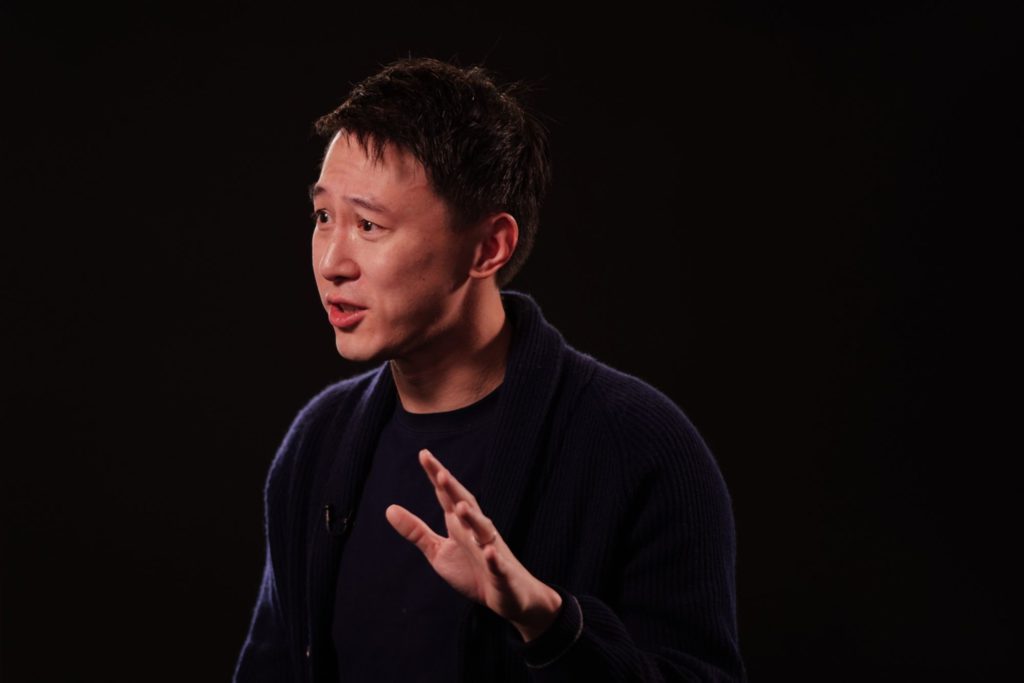
TikTok Chief Executive Officer Shou Zi Chew said the company is working on an effort, called Project Texas, that will isolate sensitive data from its American users so that only staff in the US will have access. He called the effort “extremely difficult and expensive to build,” but aimed at the concerns of American officials. 

“It’s unprecedented. No company has attempted this,” Chew said at the Bloomberg New Economy Forum in Singapore on Wednesday. “I’m very confident that through the detailed discussions that we’re going to have, we will come up with a solution that will reasonably address the national security concerns.” 

TikTok has come under fire because employees in China, where parent ByteDance Ltd. is based, have been able to tap into US user data. Just this week, FBI Director Christopher Wray said the bureau is “extremely concerned” that China’s government could influence the app to control millions of users’ data or software, and its recommendation algorithm — which determines which videos users will see next.

Chew pushed back on the idea that a social media company would check citizenship before deciding who gets access to certain data. 

“No consumer internet company that I know of organizes access to data by nationality,” he said.

Instead, he argued data controls should be geographic to ensure security.

“Only an entity of US residence will have access to a certain set of US-protected data,” he said of TikTok’s strategy with Oracle, which would host the app’s data.

TikTok is the crown jewel of ByteDance’s app portfolio, an online repository of bite-sized clips that took the short-video format mainstream and siphoned users from US social media services like Meta Platforms Inc. and Google’s YouTube.

Its success made the Chinese firm the world’s most richly valued startup, and elevated co-founder Zhang Yiming to the rarefied ranks of billionaire entrepreneurs. Beijing-based ByteDance, however, is coming off a brutal two years, when first the Trump administration and then its own government sought to curtail its growing influence over user data and the broader populace. Chew, a Singaporean citizen, joined ByteDance from Chinese handset maker Xiaomi Corp. in 2021 amid a series of leadership reshuffles.

Washington’s concerns centered on the enormous amounts of data that TikTok was hoovering up from its billion-plus users, the potential for the spread of misinformation among America’s youth, and the threat of espionage. The Biden White House is now forging a security agreement with TikTok to spare the app from a total US ban floated during the Trump era, but critics worry such an approach won’t likely prevent data from leaking to China.

On Wednesday, Beijing accused Washington of intentionally curtailing Chinese enterprises abroad. 

“Spreading false information and using it as an excuse to suppress relevant Chinese enterprises has become a common practice of the United States,” Chinese Foreign Ministry spokeswoman Mao Ning told reporters at a regular press briefing.

FBI’s Wray ‘Extremely Concerned’ About TikTok Data Issue (2)

Chew runs a still fast-growing video platform but it’s not immune to the fallout of a global downturn that’s hammered Western internet giants. The TikTok chief recently slashed the app’s ad forecast for 2022 to $10 billion from at least $12 billion previously, Bloomberg News reported this month, reflecting a pullback in marketing spending worldwide.

Parent ByteDance has postponed plans for an initial public offering as investors flee riskier assets. In September, it offered to buy back as much as $3 billion of its own shares at a valuation of about $300 billion, giving existing backers a way to cash out. Domestically, its TikTok-style Douyin app competes with Tencent Holdings Ltd. and Alibaba Group Holding Ltd. in arenas ranging from entertainment to e-commerce.

The New Economy Forum is being organized by Bloomberg Media Group, a division of Bloomberg LP, the parent company of Bloomberg News.

(Updates with Beijing comments from 12th paragraph)

More stories like this are available on bloomberg.com

©2022 Bloomberg L.P.
Toshiba Preferred Bidder Taps Rohm, Suzuki for Funds

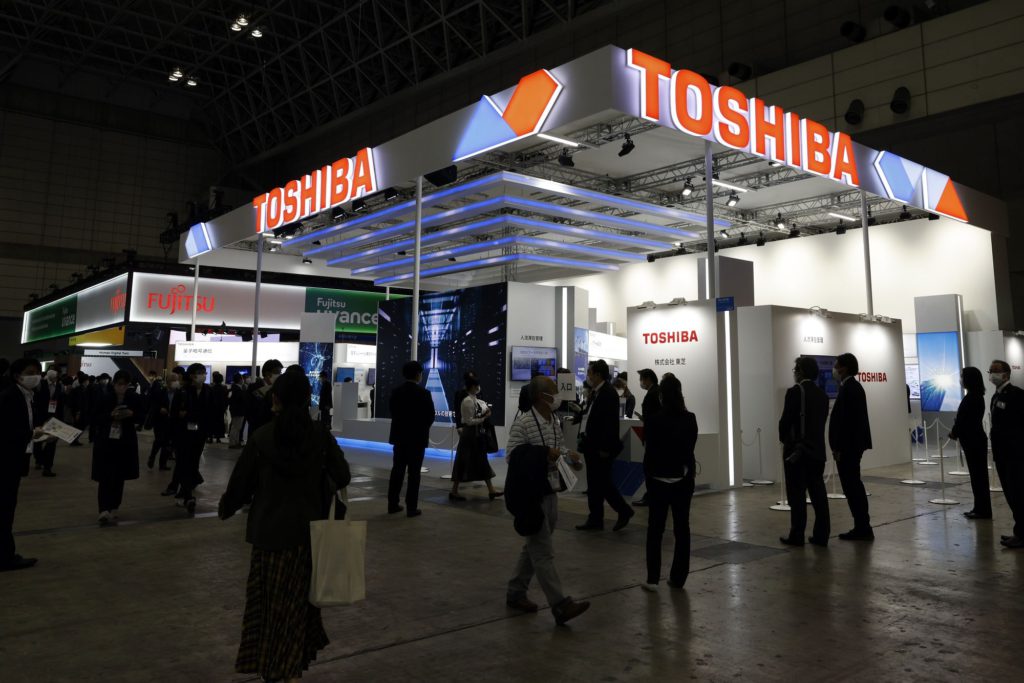
(Bloomberg) — A consortium led by Japan Industrial Partners Inc. that is seeking to acquire Toshiba Corp. is in talks with about 20 potential co-investors to back its bid for the venerable industrial group, according to people familiar with the matter.

Electronics company Rohm Co. is considering putting in about 100 billion yen ($715 million) in equity and around 200 billion yen in debt, mirroring a potential investment from financial services firm Orix Corp., the people said, asking not to be identified as the information is private. 

Other iconic local businesses that may join the bidding group include carmaker Suzuki Motor Corp. and industrial conglomerate Iwatani Corp., which are weighing equity investments of about 25 billion yen and 10 billion yen respectively, the people said.

The JIP-led consortium already counts about 1 trillion yen in equity funding commitments for its proposed takeover of Toshiba, the people said. Other firms that are poised to join the bidding group include life insurance companies and investment funds, the people said. Japanese firms Orix and Chubu Eletric Power Co. have shown interest in joining the group, people familiar with the matter have said. International investors Baring Private Equity Asia and CVC Capital Partners, are also interested, Bloomberg News has reported. 

The Nikkei newspaper reported Rohm and Suzuki’s interest in joining JIP’s bid earlier.

Talks are still ongoing and no final decisions have been made, the people said. Representatives for Iwatani, JIP and Suzuki declined to comment. A Rohm spokesperson told Bloomberg News it’s true the company is considering investing in Toshiba, though nothing has been decided on the amount.

Toshiba last week reported earnings for the second quarter ended Sept. 30, with operating income of 7.55 billion yen coming in below analyst estimates. The firm cut its operating income forecast for the full year.

JIP’s consortium, which is Toshiba’s preferred bidder, has been in talks with lenders about financing options and missed a deadline earlier this month, Bloomberg News has reported. It has been considering a takeover of Toshiba at a valuation of about 2.4 trillion yen, and is seeking about 1.4 trillion yen from banks, people familiar with the matter have said.

State-backed investment fund Japan Investment Corp. is leading a potential rival group to to acquire Toshiba. JIC has been in talks with Japan’s Ministry of Economy, Trade and Industry over financing and deal structures for a potential offer, people familiar with the matter have said.

–With assistance from Ryotaro Nakamaru, Yuki Furukawa and Nao Sano.

(Updates throughout with Iwatani, confirmation of Nikkei report.)

More stories like this are available on bloomberg.com

©2022 Bloomberg L.P.

Close Bitnami banner
Bitnami
