Bloomberg

Amazon Plans to Cut 10,000 Jobs in Largest-Ever Layoffs for E-Commerce Giant

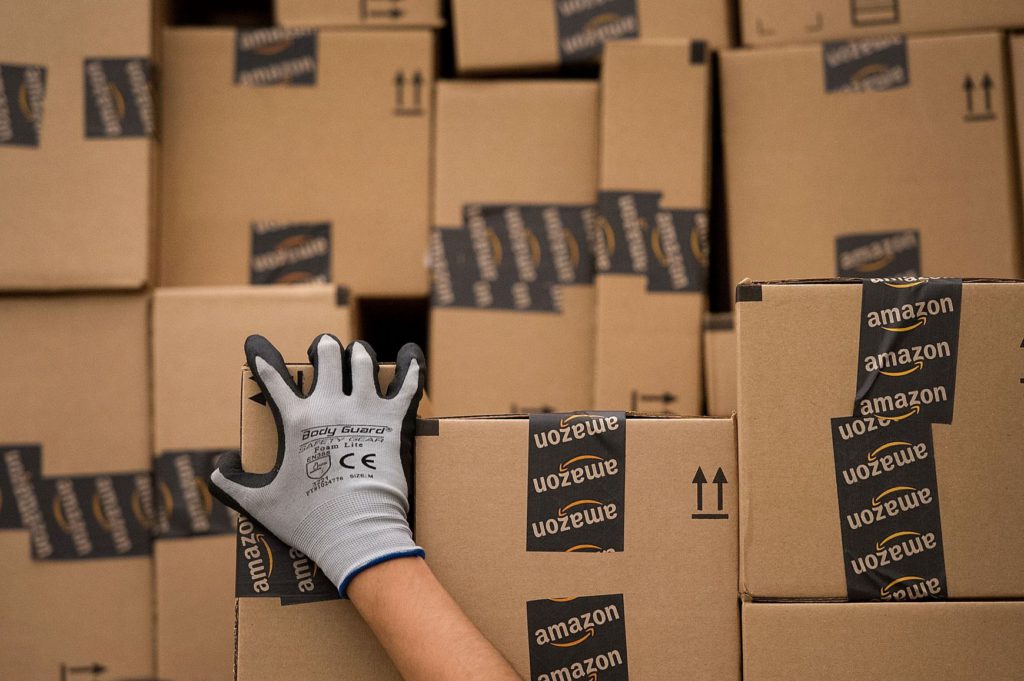
(Bloomberg) — Amazon.com Inc. plans to cut about 10,000 jobs, the largest ever headcount reduction at the e-commerce giant as it braces for slower growth and a possible recession. 

The layoffs, which could begin as soon as this week, will likely target Amazon’s devices group, responsible for the Echo smart speakers and Alexa digital assistant, as well as Amazon’s retail divisions and human resources, according to people familiar with the matter. 

Teams are making the decisions on where to reduce headcount as part of the company’s annual planning process, said the people, who requested anonymity to discuss a confidential matter.  

Chief Executive Officer Andy Jassy has vowed to streamline operations amid slowing sales growth and economic uncertainty. Last month, the Seattle-based company predicted that the holiday sales period would be the slowest in its history, spooking Wall Street and tanking the shares. 

Some longtime Amazon employees, also speaking on condition of anonymity to discuss an internal matter, said the cost-cutting in the last few months has been the most severe they’ve ever experienced.

The shares were down about 1.4% in New York. The New York Times earlier reported the planned layoffs. 

The world’s largest online retailer has spent much of this year adjusting to a sharp slowdown in e-commerce growth as shoppers resumed pre-pandemic habits. Amazon delayed warehouse openings and froze hiring in its retail group, before broadening the freeze across the company’s corporate groups. In recent weeks, Jassy has sharpened his focus on finding cuts among experimental and unprofitable businesses. The company shuttered teams working on a telehealth service, a delivery robot and a kids’ video-calling device, among other projects. 

Amazon employed 1.54 million people at the end of September, the vast majority of whom are hourly employees who pack and ship items in warehouses or work in Whole Foods Market and other retail stores. Amazon’s corporate workforce is concentrated in its Seattle headquarters, a growing Washington-area campus, as well as the San Francisco Bay Area, Los Angeles, Austin, Texas, and Boston. 

Amazon’s Devices and Services group, which makes its consumer electronics and Alexa, is particularly vulnerable to downsizing following years of frantic expansion. The group’s voice-activated devices have had strong sales but haven’t evolved into a must-have shopping portal the way its inventors envisioned. Smart speakers often wind up in consumers’ closets.

Amazon fired thousands to survive the dotcom bust in the early 2000s. Since then, the company has gone through occasional periods of largely self-imposed austerity to combat corporate bloat, sometimes halting hiring for months at a time on large teams. 

More stories like this are available on bloomberg.com

©2022 Bloomberg L.P.

FTX’s Downfall Shows CFTC Needs More Crypto Sway, Chairman Says

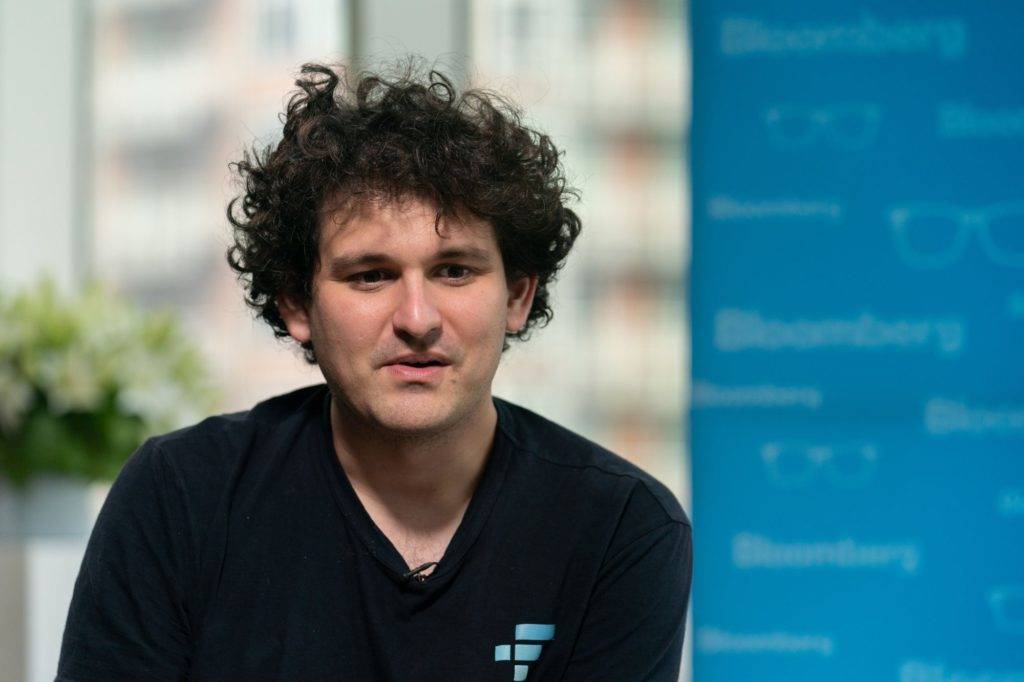
(Bloomberg) — The collapse of Sam Bankman-Fried’s FTX crypto exchange adds urgency to a Washington push to transform the Commodity Futures Trading Commission into a top crypto watchdog, according to the head of the derivatives regulator.

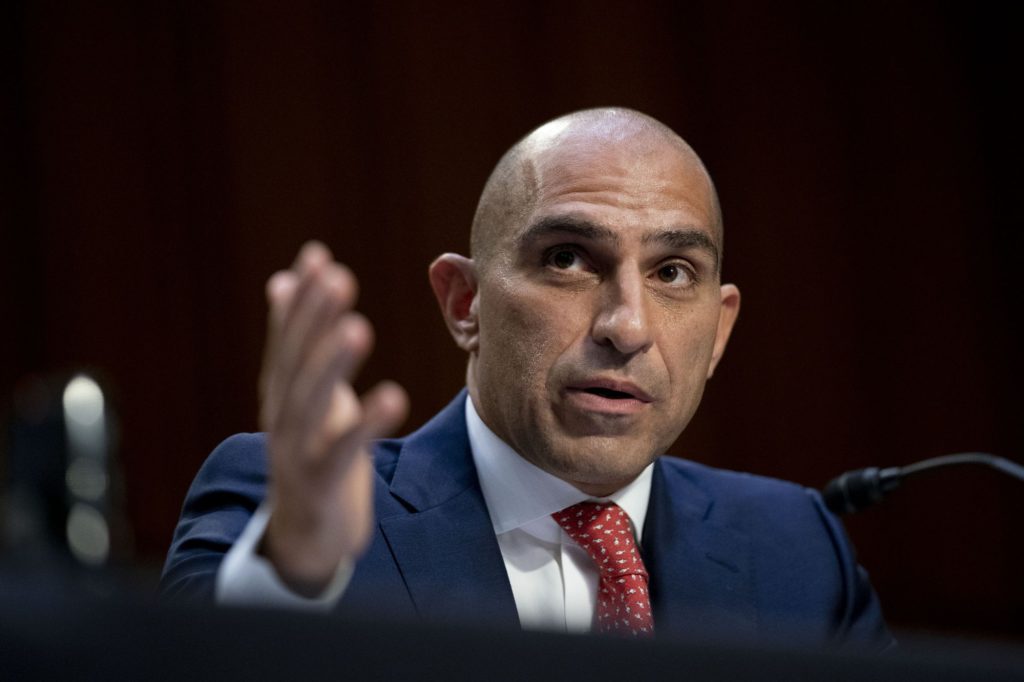
CFTC Chairman Rostin Behnam said the implosion of FTX, whose swift and dramatic downfall culminated in a bankruptcy filing last week, is an example of why his agency needs more power to oversee cryptocurrency operations and trading.

“I’m hopeful that this will elevate the urgency for Congress to act to pass legislation that would give the CFTC more authority to regulate cash markets” and digital assets, the chairman said in an interview. “No question asked.”

Crypto executives have been pressing for the CFTC to get more power as they resist Securities and Exchange Commission Chair Gary Gensler’s assertions that many digital coins are securities under the SEC’s purview. Following FTX’s collapse, signs are growing that customers have little chance of recovering much of their deposits, with FTX Trading International holding just $900 million in liquid assets against $9 billion of liabilities as of late last week.

Knock-On effects

FTX’s unraveling — which swiftly sparked chaos in the industry — could have a knock-on effect on other financial institutions, though how far that pain could spread remains unknown, Behnam said at the Futures Industry Association conference in Chicago. So far, the crisis appears limited to investors and traders directly involved in FTX, he said earlier at the event. 

Behnam has previously said his agency is poised to take on an expanded oversight role in crypto markets– a shift that many in the industry say they would welcome. The CFTC’s jurisdiction over crypto is now largely limited to crypto futures. 

“We don’t have surveillance tools, market monitoring tools — so we have to rely on either implosions or people coming to us and saying they are seeing fraud or manipulation in the marketplace,” Behnam said. “We’re going to continue to monitor the entities we can, and other than that, I will continue to advocate for new authority.”

FTX was due to sponsor the conference at the Sheraton Grand Chicago Riverwalk, which pulled together speakers from Cboe Global Markets Inc. and Coinbase Global Inc. But following its collapse late last week, FTX withdrew its sponsorship, leaving the conference organizers scrambling to remove their name from posters and banners last minute, according to a person familiar with the matter. 

That didn’t go unnoticed. Jeff Sprecher, chief executive officer at Intercontinental Exchange, joked with the audience. 

“You know FTX won’t be your big sponsor next year,” he told attendees in the audience. “So get your check books out.”


–With assistance from Ben Bain.

More stories like this are available on bloomberg.com

©2022 Bloomberg L.P.

Bezos Makes Charity Pledge as Amazon Is Said to Plan Job Cuts

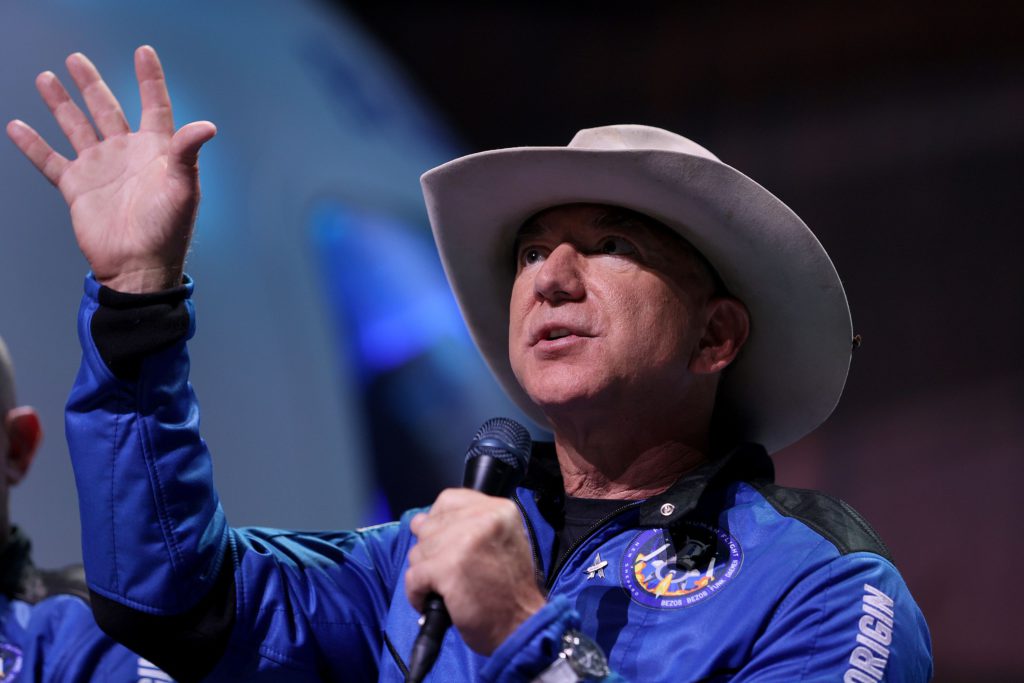
(Bloomberg) — Jeff Bezos said he plans to give away the bulk of his fortune during his lifetime in an interview that aired just hours before reports that Amazon.com Inc. plans to cut about 10,000 jobs. 

Bezos, the e-commerce giant’s founder and the world’s fourth-richest person, will focus the bulk of his philanthropy on fighting climate change and supporting those who seek to unify people, the billionaire told CNN. It’s the first time he has committed to such a pledge. 

Bezos, who’s worth $123.9 billion, according to the Bloomberg Billionaires Index, said in the interview that he’s also anticipating a recession and that his advice to small businesses is to hunker down and cut expenses. 

“The economy does not look great right now,” he said, sitting alongside his partner Lauren Sanchez. “Things are slowing down. You’re seeing lay offs in many many sectors of the economy.”

Amazon’s own job cuts will primarily hit employees in corporate and technology positions and could start as early as this week, the New York Times reported Monday, citing people familiar with the matter that it didn’t identify. It would be the largest number of staff cuts in the company’s history.

This isn’t the first time Bezos has timed a big philanthropic announcement around a period of controversy. Last year, he sandwiched his 11-minute trip to the edge of space, which attracted criticism over his priorities, with news of hundreds of millions of dollars in gifts, including $200 million to the Smithsonian National Air and Space Museum. 

Bezos, 58, has focused more attention on his philanthropy in recent years as he’s also assumed a much larger public role, acquiring the Washington Post newspaper in 2013 as well as luxury homes in New York, Los Angeles and Hawaii. A $500 million yacht he commissioned is under construction in the Netherlands, and he’s among those interested in bidding for the NFL’s Washington Commanders, possibly with music mogul Jay-Z as an investor.

For years Bezos largely stayed on the philanthropy sidelines and drew criticism for not signing the Giving Pledge, a promise by many of the world’s richest people to donate the majority of their wealth to charitable causes. Instead he focused on Amazon and funded Blue Origin, his for-profit space-exploration company.

Climate Change

But Bezos has increased the pace of his giving after stepping down as Amazon’s chief executive officer last year. He set his attention on climate change with his $10 billion Earth Fund, which also aims to help restore nature and transform food systems. Bezos has said he plans to distribute the $10 billion by 2030.

On Saturday, Bezos named Dolly Parton the latest recipient of his Courage and Civility award, handing the music legend $100 million to direct to any charities she chooses. He previously awarded similar amounts to chef Jose Andres, whose World Central Kitchen feeds people in disaster-stricken areas, and Van Jones, the founder of Dream.Org. 

His ex-wife MacKenzie Scott has sent more than $14 billion to nonprofits since the two split in 2019, mostly focusing on smaller charities in the US that are often overlooked by larger donors. In a blog post just hours after Bezos’s CNN interview aired, Scott — who signed the Giving Pledge — said she donated almost $2 billion to charities over the past seven months. 

–With assistance from Molly Schuetz and Ben Stupples.

More stories like this are available on bloomberg.com

©2022 Bloomberg L.P.

Crypto ETF Provider Valkyrie Investments Lays Off 30% of Staff

(Bloomberg) — Digital-asset investment firm Valkyrie Investments Inc., best known for its Bitcoin futures ETF, has let go of roughly 30% of its 23-person workforce in recent weeks, the latest deep job cuts in the sector amid the turbulence roiling the cryptocurrencies market.

“Our management team did a thorough review of asset growth year to date and reviewed every employee’s role and contribution. Like many other companies in our industry, cuts needed to be made and ours were limited to sales and marketing,” said Leah Wald, chief executive officer of the Nashville-based firm. “Fortunately, the existing team has been thriving and the transition was seamless and without disruption.” 

Wald added that the approximately two-year-old company plans on launching a new product offering soon. “Our strong operations, investor relations, legal and portfolio-management teams are intact and we are excited to build with the team we have assembled,” she said. 

Read more: Crypto’s $2 Trillion Wipeout Cuts a Path Through the C-Suite

Valkyrie’s layoffs are the latest amid what’s turning out to be historic turbulence for the cryptocurrencies industry, which is seeing Sam Bankman-Fried’s FTX empire crumble in bankruptcy. FTX’s Chapter 11 filing said that approximately 130 affiliated companies have commenced voluntary proceedings — and the crisis has ensnared many others outside its immediate circle. 

Even before the FTX blowup, crypto firms had been cutting their workforces. Crypto conglomerate Digital Currency Group recently restructured and saw about 10 employees exit the company. Its subsidiary Genesis has also seen a number of top employees depart. Meanwhile, Coinbase Global Inc., BlockFi, Crypto.com, and Gemini Trust had all announced layoffs in recent months.

Earlier: Novogratz’s Galaxy Digital Explores Job Cuts of About 20%

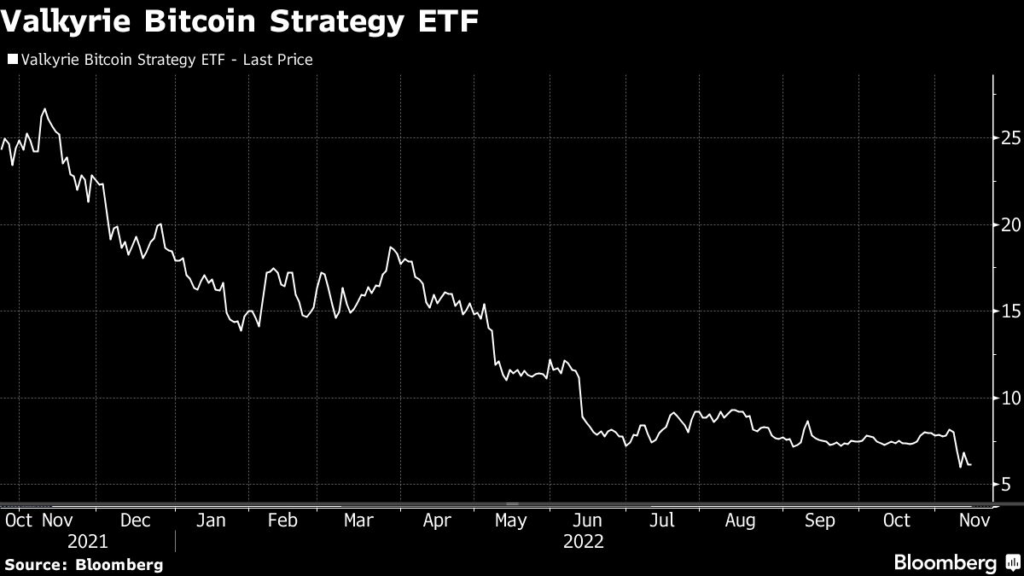
Meanwhile, Valkyrie recently liquidated the Valkyrie Balance Sheet Opportunities ETF, which had traded under the ticker VBB and which had amassed just $860,000 in assets before its closure, Bloomberg data show. The company still has two other funds trading: the Valkyrie Bitcoin Miners ETF (WGMI) and the Valkyrie Bitcoin Strategy ETF (BTF), which had been the second Bitcoin futures ETF to come to market in 2021. 

“We feel firms that have opportunistically established themselves at this point of the current economic cycle will prosper moving forward, much like previous periods of distress in the last 25 years,” Wald said. 

–With assistance from Katie Greifeld.

More stories like this are available on bloomberg.com

©2022 Bloomberg L.P.

Sam Bankman-Fried’s Magic Money Box Enriched Vast Crypto Network

(Bloomberg) — In hindsight, Sam Bankman-Fried’s April interview with Bloomberg’s Odd Lots podcast was a harbinger of his epic collapse last week. He described a “box” that has value only because other people put money in it, and, when confronted with the idea that he described a Ponzi scheme, admitted there was a “depressing amount of validity” to that.

But what’s only now becoming clear is just how much of his cash, which ascribed value to countless crypto projects out of thin air, was coming from his complex web of 130-plus now-bankrupt entities.

A prominent example is Serum, one of the largest assets on FTX’s balance sheet. The exchange had $2.2 billion of the near-worthless token on its books before Bankman-Fried’s empire went bust last week, according to people with knowledge of the firm’s balance sheet. It also held similarly insignificant coins called Maps.me and Oxygen, said the people, who added that the document may not provide a full granular picture.

The most striking thing of all: It’s not clear who, if anyone, at the highest levels of FTX or Alameda Research, Bankman-Fried’s trading house, seemed aware of or involved in how much money they were giving to Serum projects, where it came from, or what it’d be funding.

Some specifics are emerging about the “magic impact” that Bankman-Fried described months ago. Interviews with people familiar with Serum and documents reviewed by Bloomberg News provide a glimpse of the missing accountability that played a central role in both Bankman-Fried’s rise and how he could tear an $8 billion hole in FTX’s balance sheet.

“At the time we did them, we thought those investments were positive expected value investments on their own merits,” Bankman-Fried said Monday in an emailed statement. 

In the fallout, thousands of customers, employees, investors and brand ambassadors are processing why they put so much faith in one man, in a system meant to be trustless and transparent.

“Everyone thinks accounting and auditing is boring — until something like this happens,” said Gabriella Kusz, chief executive officer of Global Digital Asset & Cryptocurrency Association, an industry consortium.

Within weeks of Bankman-Fried’s appearance on Odd Lots, the $60 billion TerraUSD and Luna crypto ecosystem collapsed. The aftershock contributed to the bankruptcies of hedge fund Three Arrows Capital, lender Celsius Network and broker Voyager Digital, among others, and rattled even digital-asset diehards. Bankman-Fried went on a bailout bender, configuring deals worth $1 billion.

If there was ever a full-blown crisis of confidence across the crypto industry, judging by the $200 billion of losses in the digital-asset market over the past week, that time is now.

Too Easy

For one founder building a project using Serum, getting tens of thousands of dollars from Bankman-Fried’s orbit was almost too easy.

The harder part was figuring exactly where the money was coming from.

The person, who spoke on the condition of anonymity for fear of retaliation, describes an increasingly unsettling process unfolding after securing an online introduction to Alameda Ventures, the firm’s VC arm, through an acquaintance.

A team of faceless Telegram correspondents associated with FTX-linked entities appeared in a group chat. One of them, identified only by the initials “JHL,” approved a grant without anything more than a slide deck, asking no questions about what the money would fund, according to messages reviewed by Bloomberg News.

No compliance review. No handshakes. No strings attached. The only condition: To receive the grant, they had to open an FTX.com account first.

A separate slug of money also raised alarm bells.

The official investment contract was signed by someone the founder had never met, nor interacted with, who had a listed address on the 21st floor of a business plaza in Panama, according to the document viewed by Bloomberg News.

Stranger still, when six figures’ worth of USDC stablecoin arrived, it became clear it originated from a crypto wallet belonging to FTX.com.

The person said they wondered privately whether the money could have been drawn down from customers’ assets on the platform. 

They didn’t probe further. 

Investigations Underway

FTX’s lax oversight, ad hoc spending and potential mishandling of customer funds are at the heart of what regulators in the US and Bahamas are now investigating. Even after filing for bankruptcy on Nov. 11, analysts say about $662 million in tokens mysteriously flowed out of both FTX’s international and US exchanges.

The collapse is already drawing comparisons to Lehman Brothers, Enron and Bernie Madoff’s Ponzi scheme — another “vast explosion of wealth that nobody quite understands where it comes from,” as former Treasury Secretary Larry Summers put it.

Bankman-Fried could yet be in a league of his own.

FTX.com, a Bahamas-based exchange that took in customer money directly, ran up a $32 billion valuation since its founding in 2019, drawing in the biggest names in venture capital including Sequoia Capital, Tiger Global Management and SoftBank Group Corp. and using endorsements from Gisele Bundchen and Tom Brady to tout its services.

It lured more than 1 million traders from all around the world by allowing them to borrow large sums for highly speculative wagers on the price movements of more than 300 virtual currencies.

Even though Bankman-Fried assured customers that they were protected, the reality is they were at the mercy of oftentimes violent swings in the crypto markets. The day before its bankruptcy filing, FTX held $900 million in liquid assets against $9 billion of liabilities, according to the people familiar with its balance sheet.

That shortfall ballooned in large part because many of the tokens, like Serum’s, hold no obvious inherent value — as Bankman-Fried himself explained. The Serum protocol, built on the Solana blockchain, emerged two years ago with a vague promise to offer an order book-based decentralized exchange. In return, investors including Tiger Global showered the project with tens of millions of dollars.

A Tiger Global representative didn’t immediately reply to a request for comment.

Hype Man

But in the brave new world of decentralized finance, or DeFi, it was Bankman-Fried who proved to be the biggest hype man of all for new ideas.

Projects sprouted up all the time with his support — Maps.me and Oxygen among them.

This new world of investing and protocols came with its own lexicon (multi sig wallets, Merkle trees, crosschain interoperability), making it difficult for outsiders to cut through to the underlying meaning, if it existed in the first place.

Oftentimes, it was Bankman-Fried who stepped up to break it all down, whether through professorial-sounding Twitter threads or with his signature banter on any number of podcasts and online videos.

In one interview, proselytizing Serum, he explained why it made sense to use Solana for the project.

“This gets back to, what’s the vision here?” he said. “If the vision here is to support the current power users as much as possible, then I think Ethereum makes a ton of sense. If the vision is to grow out the DeFi ecosystem to 10,000 times as big as it is right now, then I think not only do you have to look at alternatives, but I think there are fewer costs to doing so.”

Serum’s Struggles

Though the Serum protocol was supposed to hold so much promise as recently as January, when it received funds from 18 investors, development nearly ground to a halt just months after it began. Like many promising projects Bankman-Fried imagined, it didn’t fully materialize before FTX unraveled.

Other tokens left hanging on the FTX balance sheet tell a similar tale. Maps.me token, which claimed to be part of an “omnichain infrastructure” and listed on FTX ten months ago, comprised more than $600 million of its “less liquid” holdings. A sister token, Oxygen, was similarly billed as a pivotal piece of the rapidly developing DeFi infrastructure, with prime broker functions.

The tokens collapsed in the wake of FTX’s Chapter 11 filing, and are each worth fractions of a penny.

Just about every coin is feeling the pinch. Crypto altcoin Solana dropped as much as 14% on Sunday, while other altcoins including Polkadot, Avalanche and Tron fell between 1.7% and 5.4%. Dogecoin tumbled as much as 7.5%. Bitcoin remains near a two-year low and Ether is still down more than 70% from its peak.

For much of the past two years, crypto served as an extreme reflection of the mood in financial markets broadly. Not anymore: the S&P 500 posted its best week in more than four months as digital assets buckled and FTX hurtled into bankruptcy.

To blunt the crypto contagion effect, Binance CEO Changpeng “CZ” Zhao — whose dumping of FTX’s FTT coin precipitated Bankman-Fried’s demise — said on Monday that his exchange plans to set up an industry recovery fund. He didn’t specify how big it might be, or what it would take for a project facing a liquidity crisis to qualify.

It’s the kind of position in the crypto world previously assumed by Bankman-Fried.

Money Made

One of the key questions as FTX’s bankruptcy progresses is who got rich from FTX’s money spigot.

It’s an open secret that crypto, with its loose regulations, is fertile ground for pump-and-dumps, often called “rug pulls.”

But more pertinent to FTX is its close ties with Alameda — a relationship it boasted about in its public white paper. Bankman-Fried claimed Alameda booked $1 billion in profit in 2021. Without the kind of guardrails keeping traditional financial institutions in check, the possible avenues of mischief are numerous.

Could Alameda view the levels of FTX customers’ margin, giving it knowledge of where to push prices to force customer positions to unwind? What boundaries existed to prevent the firm from jumping ahead of FTX users’ trades? With two corporate entities rolling up to Bankman-Fried, was the temptation to share information too tantalizing to resist?

Bankman-Fried and Alameda CEO Caroline Ellison, whose Massachusetts Institute of Technology and Stanford University imprimaturs and coveted roles at Jane Street, had an aura of untouchable genius and credibility with even the wonkiest math geeks. As more details come to light, it looks as if what they were doing wasn’t particularly sophisticated at all.

Regulators are scrutinizing whether it was above board. 

The Bahamian police are working with the Bahamas Securities Commission to investigate whether there was any criminal misconduct in the collapse of FTX. He was questioned by Bahamian police and regulators Saturday, according to a person familiar with the matter.

Bankman-Fried and Ellison shrugged away concerns over conflicts earlier this year.

“We definitely have a Chinese wall in terms of information sharing” between the two, Ellison said when asked for a Bloomberg News article in September.

Yet four executives at FTX and Alameda are said to have known about a backdoor between the exchange and trading firm, according to a Wall Street Journal report.

As for Serum, it and other crypto projects are a long way removed from the “summer of DeFi” that it declared in a white paper around mid-2020. That was just as digital assets were on the brink of an epic boom that spawned Super Bowl ads, stadium naming rights and crypto bandwagoners who were all-too-eager to tell non-believers to “have fun staying poor.”

The paper also contained a note of caution for anyone willing to listen during those heady times.

“Serum isn’t perfect; nothing is.”

–With assistance from Yueqi Yang.

More stories like this are available on bloomberg.com

©2022 Bloomberg L.P.

Twitter Implements Another Coding Freeze for Engineers

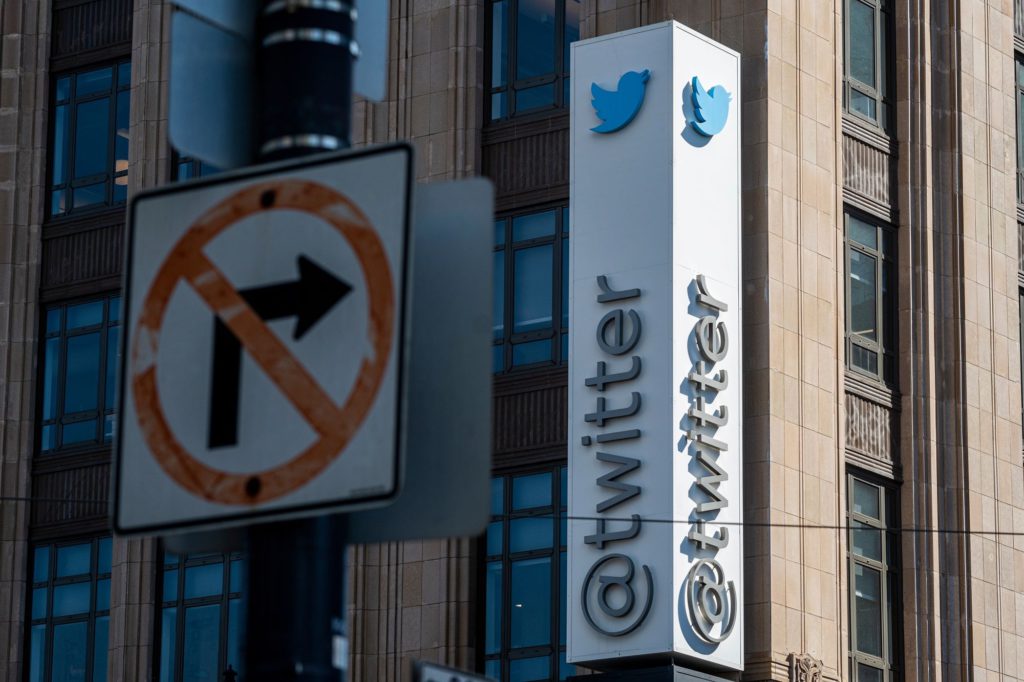
(Bloomberg) — Twitter Inc. has implemented another freeze on software code, meaning that new products and features can’t be shipped unless they are critical, according to three people familiar with the plans. 

Twitter implemented a similar freeze when new owner Elon Musk took over in late October, which was explained as a way to keep employees from accidentally or intentionally altering the social media site without permission. 

The current action is slightly different, according to two of the people, who requested anonymity because they aren’t authorized to speak publicly. In this case, employees can’t even write new code, the people say, meaning it is a more severe freeze than what the company has previously instituted. It’s unclear why, though the stoppage is expected to continue “until further notice,” one of the people said. Platformer previously reported the issue.

Musk took over Twitter on Oct. 27 and has fired half of the San Francisco-based company’s more than 7,000 employees, including almost all of its most senior executives. Some of those who remain have been critical of the chief executive officer on the service itself, and others worry that the job cuts could lead to outages on the social network or product glitches because there aren’t as many engineers now on the workforce. 

More stories like this are available on bloomberg.com

©2022 Bloomberg L.P.
Microsoft’s Xbox Publishes First Transparency Report on Content Moderation

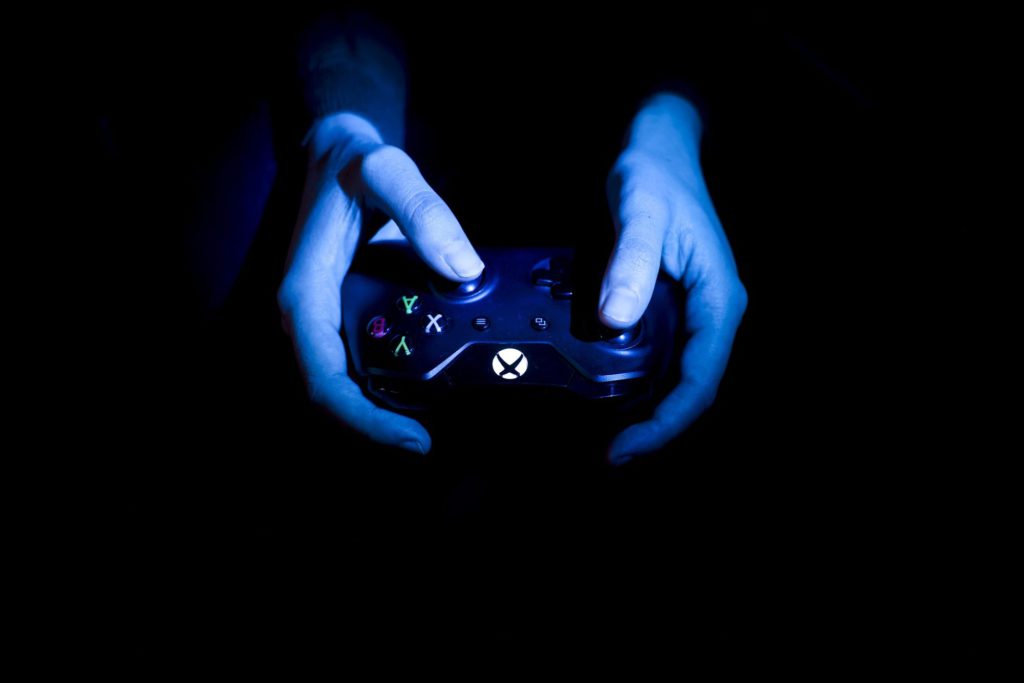
(Bloomberg) — Microsoft Corp.’s Xbox released its first transparency report on Monday, detailing how the gaming giant moderates its 3 billion global players. 

Xbox took action against more than 4.3 million inauthentic accounts between January and June, according to the report, after increasing its proactive moderation nine times compared with the same period a year earlier. These inauthentic accounts are typically automated or bot accounts that can be used to trick or harass players through spam, facilitate cheating activities, inflate friend or follow numbers or initiate distributed denial of service, or DDoS, attacks. 

Dave McCarthy, Xbox corporate vice president of player services, said the increase in proactive moderation is an effort to “weed out” the accounts before they hit the system. Proactive enforcements, which made up 65% of the total, refers to artificial intelligence or human moderators identifying, analyzing and taking action on behavior that goes against Xbox’s community standards. Microsoft also relies on players to report inappropriate content through reactive moderation.

Inauthentic accounts aren’t just from bots advertising cheat codes for games, McCarthy said. “There’s regular activity by nation-state actors and other funded groups attempting to distribute content that has no place on our services,” he added. 

Xbox joins a growing number of gaming and gaming-service providers who plan to release transparency reports on a regular basis in an effort to crack down on toxicity and abuse and to create a safe experience for players. Twitch, the live-stream gaming site owned by Amazon.com Inc., released its first report in early 2021 and Discord released its first in 2019. Xbox’s Japanese console competitors PlayStation, owned by Sony Group Corp., and Nintendo Co., don’t release analogous moderation data. Microsoft said it would release a report every six months.

McCarthy declined to comment on the size or employment status of Xbox’s human moderators. Discord and Twitch provide significantly more detail on their moderation efforts, including the number of subpoenas processed and data on extremist content. McCarthy said Xbox is “learning our way into what a good transparency report looks like for us.”

Microsoft was able to increase proactive moderation on the site so much in part as a result of the company’s 2021 acquisition of content moderation provider Two Hat, known for its text-filtering software. McCarthy also cited Microsoft’s broader resources, documented in its, bi-annual digital trust report, that allow the company to “harvest more products out of Microsoft Research using video and image detection.” 

Unlike Tencent Holdings Ltd.-owned Riot Games, which makes popular games League of Legends and Valorant, Xbox doesn’t capture or analyze players’ voice audio when a report for harassment is submitted. McCarthy said Xbox may increase its resources in that area in the future, but noted there are privacy considerations. 

Xbox took action on 1 million accounts for profanity, 814,000 accounts for adult sexual content and 759,000 for harassment or bullying in the first six months of 2022, according to the report. Xbox players provided more than 33 million reports over the same time period, a 36% decline from the same period a year earlier. 

Microsoft is awaiting regulatory approval for its purchase of Activision Blizzard Inc., which could bring popular games like Call of Duty and Overwatch into its moderation coverage. McCarthy declined to comment on how or whether Xbox will participate in moderating those games citing the ongoing regulatory review. 

More stories like this are available on bloomberg.com

©2022 Bloomberg L.P.
Direct-to-Satellite Cell-Phone Service Poised For Another Try

(Bloomberg) — A spacecraft the size of a small apartment is signaling the return of an elusive dream for the wireless industry: service that works through satellites in orbit.

AST SpaceMobile Inc.’s BlueWalker 3, a flat waffle of a spacecraft, successfully deployed on Nov. 10, unfolding to its 693-square-foot expanse, the company said Monday. The craft is a test version for AST SpaceMobile’s planned 168-satellite constellation to offer wireless service around the world.

“Every person should have the right to access cellular broadband, regardless of where they live or work,’’ Abel Avellan, chief executive officer of AST SpaceMobile, said in a news release. “Our goal is to close the connectivity gaps that negatively impact billions of lives around the world.” AST SpaceMobile shares jumped after the announcement before reversing gains, falling 2.1% at 11:29 a.m. in New York.

AST SpaceMobile partners include AT&T Inc., which sees the possibility of a simple way to connect customers in remote locales that lack cell coverage.

“We’re building a suite of services that look exactly like wireless services coming off a terrestrial network, only it’s service from the satellites,” AT&T Chief Executive Officer John Stankey said in an interview with Bloomberg News before the satellite unfolded. “You don’t want to change anything about the phone. You want it to operate the same way.’’

Direct-to-satellite phone service has been a mostly unfulfilled promise dating back to the 1990s. Now carriers such as AT&T and T-Mobile US Inc., which is teaming up with Elon Musk’s Space Exploration Technologies Corp., are about to give it another go.  

In another strategy,  Apple Inc. has said its new iPhone 14 will be able to send basic SOS messages from places without normal cell coverage, using satellites.

If these partnerships succeed, the next few years may see growth of a market that first auditioned in 1998 when then Vice President Al Gore made the first phone call using Iridium’s pioneering service. Iridium went into bankruptcy the following year, though it soon was resurrected, as compact cellular phones overtook its pricey service and bulky phones. 

The new services are attracting notice, tempered with skepticism.

“There’s definitely been an acceleration and surge in activity” around direct-to-satellite communications, in part because newly adopted standards for mobile equipment encourage satellite connections, said Tim Hatt, head of research and consulting at GSMA Intelligence. The unit is part of the GSMA industry group for telecommunications providers.

The systems remain unproven, and connecting directly to spacecraft more than 100 miles high is no easy feat for a small battery-powered smartphone.

“It’s extremely difficult to get a signal from a small handheld device to a satellite,” said analyst Peter Rysavy. “It’s do-able, but you really are constrained about the performance you can expect.”Timely regulatory approval may also throw a wrench in rollout plans.“You have to get permission,’’ said Tim Farrar, a satellite industry analyst. “That’s something that’s going to take some time to resolve.’’

Direct-to-satellite proponents see two opportunities. They plan to offer coverage when the world’s estimated 5 billion mobile phones stray from cell coverage areas. And they expect to offer service in places with no nearby cell signal at all, such as in remote mountains or far out at sea. Industry-wide revenue for such connectivity could reach $30 billion by 2035,  or about 3% of total industry revenue, according to GSMA, a mobile industry body.

AT&T, which has been working on phone-to-satellite connections for three years, is sharing some of its airwaves with AST SpaceMobile for testing, and may offer service in collaboration with the startup to “fill coverage holes in remote and otherwise off-grid locations,” the company said in an emailed statement.

“The approach we’re using is a different kind of satellite,’’ Stankey said. “It has larger arrays and more antennas.’’

The big, flat AST SpaceMobile satellite is festooned with small antennas. Together they are designed to form powerful beams that ordinary phones can detect, and also help the satellite hear feeble signals from the ground, according to a video by the company.

The company has taken note of potential competitors in the space phone business. They include Lynk Global Inc., which has received US approval to launch 10 of its satellites and says it has connected with phones in Mongolia. Iridium Communications Inc. is working on technology for “connecting millions of consumer devices to our network,” Chief Executive Officer Matt Desch told investors in July.  And Tysons, Virginia-based Omnispace says it has two satellites aloft and plans 5G links.

“The competition is a sign of folks seeing the market opportunity and believing the tech is real and possible,” said Scott Wisniewski, chief strategy officer of AST SpaceMobile.

–With assistance from Loren Grush.

More stories like this are available on bloomberg.com

©2022 Bloomberg L.P.
Microsoft Software Tackles Customer Supply-Chain Disruptions

(Bloomberg) — Microsoft Corp. unveiled software that will help customers track and coordinate supply-chain systems by combining data from its own programs and tools from rivals like Oracle Corp. and SAP SE, seeking to attract companies roiled by several years of logistical disruptions caused by the Covid-19 pandemic, the war in Ukraine and severe weather.

Microsoft Supply Chain Center, released on Monday as a preview, is intended to offer a central view of information from customers’ existing applications, from Microsoft and other vendors. A supply-and-demand insights module will use artificial intelligence to predict shortages and supply constraints, while a tool for order management helps organize and automate filling orders. The software integrates with Microsoft’s Teams chat and conferencing software to ease communication with outside suppliers, and will include features and services from partners such as C.H. Robinson Worldwide Inc. and FedEx Corp. 

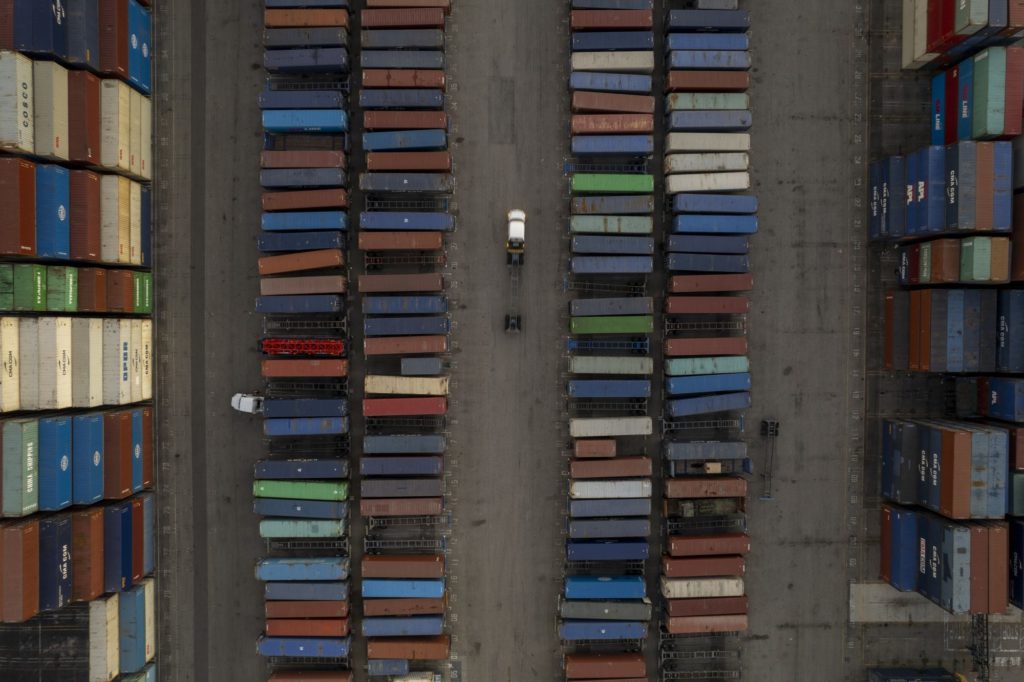
From food items to consumer goods, autos and game consoles, supply-chain snags have upended industries around the world since 2020, costing companies billions in lost revenue. That has accelerated the demand for a better way to track which parts and goods are likely to be in short supply, and when — and how to plan around the challenges. Many companies, especially in the automotive industry, were badly caught out by their lack of insight into the supply chain, particularly of fundamental components such as semiconductors.

“The business need has honestly probably never been as acute as it is right now,” Charles Lamanna, a Microsoft vice president, said in an interview. “Everything is kind of changing and that’s the state of global trade.”Supply chains that are considered “resilient” aren’t as flexible as they seem, he said. That’s because companies often think they have been careful to procure from more than one supplier, only to discover that further down the chain several vendors are also relying on the same piece of equipment or goods that are delayed, Lamanna said. 

IFit Health & Fitness Inc., which sells NordicTrack treadmills, rowing machines and other fitness equipment, was one customer testing Microsoft’s new software. The company’s warehouses are far from its customers, and its bulky machines weigh 300 to 400 pounds. They can’t be easily shipped using conventional carriers, yet customers expect fast delivery, said Robert Critchley, iFit’s vice president of transportation and warehousing. The company set up smaller fulfillment centers closer to customers, but iFit wasn’t very good at predicting what kind of inventory should be stored at these sites, he said. Microsoft’s new product let iFit correctly predict what was needed 70% of the time, up from 30% without it.

Supply Chain Center software also helps customers track the sustainability and carbon impacts in their supply chains.

More stories like this are available on bloomberg.com

©2022 Bloomberg L.P.
Musk Complains of ‘Too Much Work’ After Taking Over Twitter

(Bloomberg) — The fear Tesla Inc. investors had as soon as Elon Musk made his bid for Twitter Inc. has come to fruition: he’s taken on more than he should.

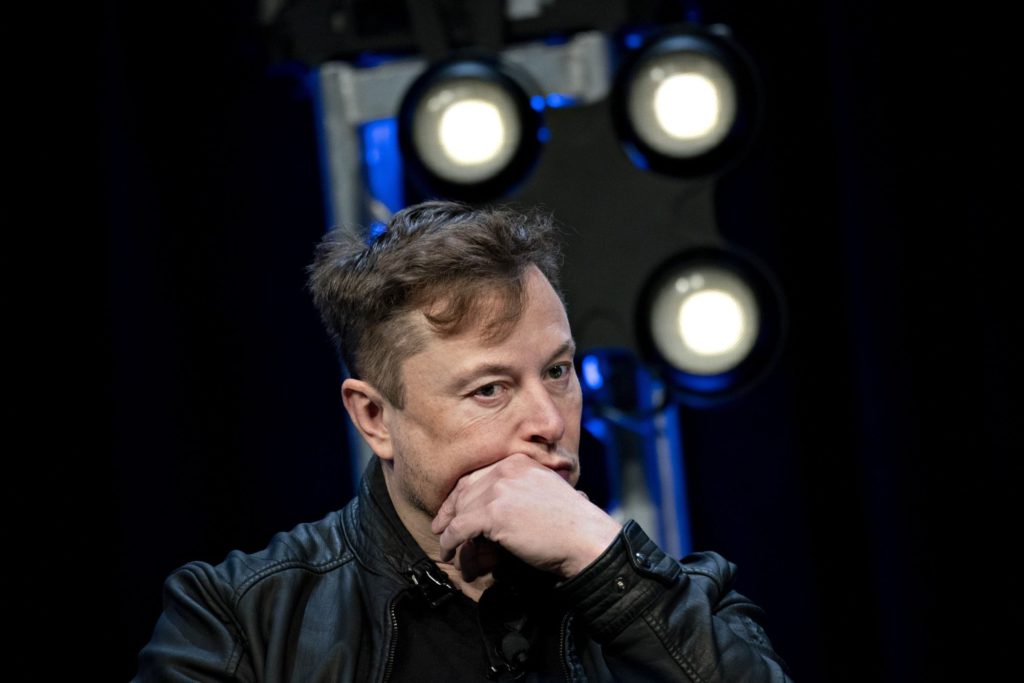
“I have too much work on my plate, that’s for sure,” Musk said Monday during an appearance at B20 Indonesia, a business conference running alongside this week’s Group of 20 summit in Bali. “I’m working the absolute most that I can work — morning to night, seven days a week.”

The newly installed Chief Twit beamed into the conference via video link, apparently from Twitter’s San Francisco headquarters. Musk tweeted hours later that he’d been in the building all night and would be working and sleeping there until the organization is fixed. “I have Tesla covered too,” he posted three minutes later, saying he’ll be with the carmaker part of this week.

Tesla shares fell as much as 4.9% to $186.34 shortly after the start of regular trading in New York. The stock has almost halved since Musk disclosed having taken a stake in Twitter in early April.

Musk’s description of his work schedule is reminiscent of how he depicted the hellish time Tesla had starting production of its first mass-manufactured vehicle, the Model 3. He said in interviews at the time that he camped out at the carmaker’s plant in Fremont, California, sleeping on a couch or under a desk.

While the pressure got to Musk — he was forced to relinquish the role of chairman after falsely claiming that he’d secured funding to take Tesla private — the company eventually managed to boost output with the help of a tent constructed in the Fremont factory parking lot.

Musk’s attempted turnaround of Twitter is off to a similarly chaotic start. He’s brought in Tesla engineers to review Twitter workers’ code, dismissed top executives, eliminated roughly half of employees and spooked advertisers. In his first address to staff last week, he said bankruptcy is a possibility if Twitter doesn’t start generating more cash.

How much Musk works was the most consistent theme of Monday’s at times stilted conversation at the B20. The billionaire, dressed in an Indonesian batik-print shirt sent to him by the organizers, said the power was out at his location, which wasn’t disclosed at the time.

Musk is currently running Twitter, Tesla and Space Exploration Technologies Corp. He also founded tunneling firm The Boring Co. and brain-chip developer Neuralink Corp.

“The amount that I torture myself is next-level, frankly,” Musk said.

–With assistance from Charles Capel and Craig Trudell.

(Updates with tweets in the third paragraph.)

More stories like this are available on bloomberg.com

©2022 Bloomberg L.P.
Close Bitnami banner
Bitnami