
Bloomberg

FTX Latest: Unauthorized Outflows; Bankman-Fried in the Bahamas

(Bloomberg) — A day after Sam Bankman-Fried’s digital-asset empire filed for Chapter 11 protection, the former crypto mogul told Reuters he was in the Bahamas, while analysts say about $662 million in tokens have mysteriously flowed out of both FTX’s international and US exchanges.

FTX had begun moving some of its assets to offline wallets, and later expedited those moves “to mitigate damage upon observing unauthorized transactions,” according to the US platform’s general counsel Ryne Miller.

According to investment materials seen by the Financial Times, FTX Trading International held just $900 million in liquid assets on Thursday against $9 billion of liabilities.

Former Treasury Secretary Lawrence Summers compared the meltdown to the demise of energy company Enron Corp, while the Securities and Exchange Commission and the Commodity Futures Trading Commission are investigating whether FTX mishandled customer funds, according to people familiar with the matter.

Key stories and developments:

  • Sam Bankman-Fried Fooled the Crypto World and Maybe Even Himself
  • Crypto Markets Take a Breather as FTX Heist Unfurls
  • ‘It’s All Gone’: FTX Bankruptcy Is Worst Fear for Retail Traders
  • Alpha-Male Crypto ‘Bloodsport’ Sows a Catastrophe at FTX
  • Crypto Hedge Fund Galois Joins the Firms With Funds Stuck on FTX

Some FTX Staffers Leaving for HK: Semafor (11:55 a.m.)

Engineers and traders working at FTX and Alameda Research in the Bahamas, where the crypto exchange is based, have left for Hong Kong and elsewhere, Semafor reported, citing people close to current and former Caribbean-based FTX employees. Bankman-Fried and most of his inner circle are still in the Bahamas, the report said.

Kraken to Help In Probing Unauthorized Withdrawals (11:51 a.m.)

Crypto exchange Kraken said it knows the identity of an attacker who performed unauthorized withdrawals from rival FTX’s platform. The perpetrator moved some funds from a Kraken account to the wallet they were using to hold some stolen tokens on Saturday, blockchain security firm Hacken.io said, citing transaction data. Kraken was then able to identify the attacker by checking its platform for data on the original address, its chief security officer Nick Percoco said in a tweet.

Crypto Markets Take a Breath (9:16 a.m.)

The price of the two largest tokens by value, Bitcoin and Ether, were largely unchanged Saturday, with prices across cryptoassets largely flat, as traders weigh their next moves following this week’s market selloff and collapse of FTX, once of the industry’s largest trading platforms. “We are in the midst of another deleveraging event in the crypto ecosystem and it is so far having limited spillover to broader equity markets beyond sentiment, as crypto institutions lent to each other,” analysts at Morgan Stanley said in a note on Friday.

Yellen Says Debacle Shows Need for Regulation (5:48 a.m.)

US Treasury Secretary Janet Yellen said the implosion of FTX “shows the weaknesses” within the sector and that the market for digital assets required “very careful regulation.” She added digital assets are not currently a threat to the wider financial system. 

FTX Hit by Mysterious Outflow of About $662 Million (3:03 a.m.)

Blockchain analytics firm Nansen, which gave the overall estimate of $662 million in withdrawals, said the coins flowed out of both FTX’s international and US exchanges. Elliptic said initial indications show almost $475 million had been stolen in illicit transactions, with the stablecoins and other tokens that were taken being rapidly converted to Ether on decentralized exchanges — “a common technique used by hackers in order to prevent their haul being seized.”


More stories like this are available on bloomberg.com

©2022 Bloomberg L.P.
Ukraine Latest: Yellen Warns Russia Risks ‘Shut In’ of Some Oil

(Bloomberg) —

US Treasury Secretary Janet Yellen said it’s “very likely” that European Union sanctions will force Russia to offer some crude oil exports at a price set by the US and its allies, if Moscow wishes to prevent a shut-in of some supplies. 

“They’re going to be looking for buyers, and we think they’re going to have a hard time selling all of it,” Yellen said Saturday in an interview with Bloomberg News. An EU ban on seaborne imports of Russian crude starts on Dec. 5.

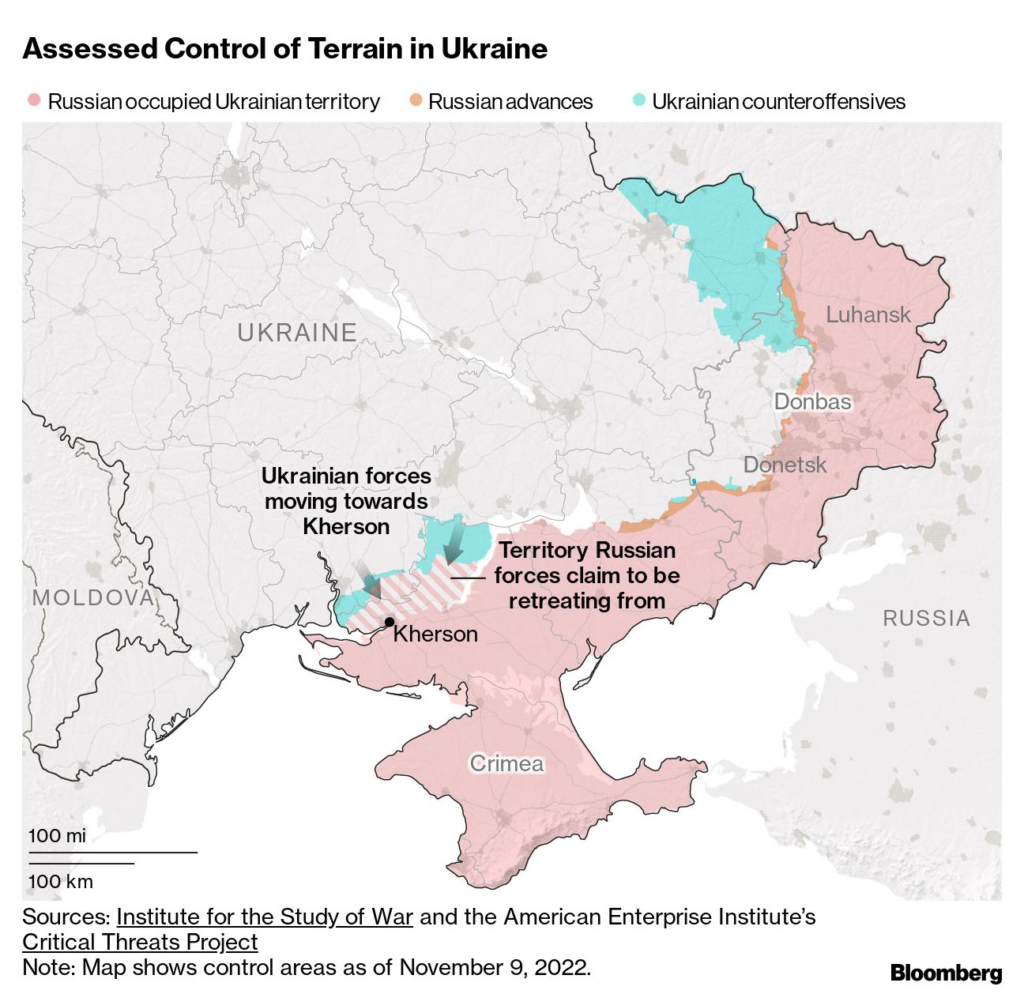
Russia’s withdrawal from Kherson city is an “extraordinary victory” for Ukraine, though Russian claims that it pulled its forces from the Dnipro’s west bank haven’t been verified, White House National Security Adviser Jake Sullivan said. President Volodymyr Zelenskiy said Saturday that Ukraine has regained control of more than 60 settlements in the Kherson region.  

Key Developments

  • Biden Aide Says Kherson Retreat ‘Extraordinary Victory’ for Kyiv
  • Yellen Says Russia Faces Oil Shut-In or Price Cap Amid Sanctions
  • Ukraine Leader Hails Kherson Return in Major Blow for Putin

(See RSAN on the Bloomberg Terminal for the Russian Sanctions Dashboard.)

On the Ground

Ukrainian military administration officials have returned to Kherson, while Ukraine’s air force carried out 11 strikes against Russian troops in occupied parts of the Kherson region, the general staff in Kyiv said on Facebook. It said Russia is bolstering fortifications on the left bank of the Dnipro river in a bid to keep control of occupied territories. Seeking a return to a semblance of everyday life in Kherson, the national postal service said it’ll deliver pension checks to Ukrainians starting Monday. In the Donetsk, Dnipropetrovsk and Sumy regions, Ukraine said Russian air and rocket strikes hit 15 localities. Russian troops were attempting to advance toward Bakhmut, Avdiivka and Novopavlivka in the Donetsk region. 

(All times CET)

Zelenskiy Says Ukraine Expanding Kherson Control (6:49 p.m.)

Ukrainian forces regained control of more than 60 settlements in the Kherson region as of Saturday evening, President Volodymyr Zelenskiy said in a video message. 

He warned residents to be aware of the risk of unexploded ordnance and booby traps, saying that police had cleared more than 2,000 pieces in the region, including mines and undetonated shells. Departing Russian forces destroyed a broad range of infrastructure, including water, electricity, central heating and communications, he said.

Putin, Raisi Discuss Deepening Iran-Russia Ties (6:15 p.m.)

Russian President Vladimir Putin and his Iranian counterpart Ebrahim Raisi discussed further increasing political and economic cooperation, including on transport and logistics, during a phone call, according to a Kremlin statement. 

Separately, Ukraine’s military intelligence agency alleged on Telegram that an agreement was reached this summer to supply Iranian ballistic missiles to Russia.

Russia Wavers on Extending Grain Transit Deal (2:15 p.m.)

Russia hasn’t decided on an extension of the deal allowing exports of Ukrainian grains, which expires next week, Deputy Foreign Minister Sergey Vershinin told reporters following grain talks with the United Nations in Geneva on Friday, according to Tass. He added that the country will consider all circumstances before making a decision and urged the UN to push for implementation of the “Russian part” of the deal, stipulating unimpeded exports of Russian foodstuffs and fertilizer.

Russia will insist on reconnecting its agricultural bank, Rosselkhozbank, to the SWIFT bank payments system, as it is vital to removing obstacles for its agricultural exports, Vershinin said. UN representatives assured Russia that they also consider the issue crucial, he said.

TV, Radio Back in Operation in Kherson (11:05 a.m)

Ukrainian TV and radio services have been restored in Kherson, Ukraine’s special communications service said on its website. Polish company Emitel SA provided the equipment. 

Meanwhile, power distributor Khersonoblenergo started work on resuming supplies to liberated parts of Kherson region and the city of Kherson, the company said on its website.

Ukraine Says Up to 19 Russian Warships in Black Sea (11:00 a.m.)

As many as 19 Russian military ships including one cruise missile carrier with 8 Kalibr missiles are deployed in the Black Sea, the Ukrainian Navy said on Facebook. It said Russia is continuing to violate international maritime conventions and turns off automatic identification systems on civilian ships in the Sea of Azov. 

Separately, Russia banned ships, loaded outside the country, from entering the Sea of Azov via the Kerch Strait, Tass reported, citing Turkish authorities, whom Russians notified of their decision.

Rich Russians Seen Fueling Demand for Caribbean Passport (11:00 a.m.)

Vladimir Putin’s military draft following his invasion of Ukraine has triggered a flood of Russians moving to nearby countries with visa-free entry, such as Turkey or Georgia. For some wealthier citizens, an alluring alternative has opened on a faraway island in the Caribbean.

Demand from wealthy Russians looking to flee is helping drive the spike in applications for Grenada’s citizenship by investment initiative, according to Richard Hallam, a special adviser to the program. He estimates they could make up the biggest chunk of applicants this year.

Turkey’s Erdogan Urges ‘Peace Through Dialog’ (10:01 a.m.)

Turkish President Recep Tayyip Erdogan urged talks to bring peace, saying that, with “the US in the lead,” the West attacks Russia “limitlessly” and “against that, Russia puts up resistance.” 

“Our effort is to create a peace corridor from there — the grain corridor has come into reality,” he told reporters on his way back from Uzbekistan to Istanbul. “The best way for that would be the one that goes to peace through dialog, we think.”

EU Approves €225.6 Million German Aid to Former Gazprom Germania (9:30 a.m.)

The European Commission approved €225.6 million ($233 million) of German aid to support SEFE Securing Energy for Europe GmbH, in a move that will allow the German state to take 100% ownership of the company. The decision aims to safeguard security of gas supplies to the German economy, the European Union’s antitrust arm said in a statement on Saturday. 

Henichesk Becomes Temporary Capital of Russia-Controlled Area (8:15 a.m.)

Henichesk became the new capital of the Russia-controlled areas of the Kherson region after Russian troops withdrew from the city of Kherson, according to the Tass newswire.

Ukraine Urges Asia Leaders to Stop Russia Playing ‘Hunger Games’ (5:38 a.m.)

Ukraine Foreign Minister Dmytro Kuleba urged the Association of Southeast Asian Nations to “take every method possible to stop Russia from playing hunger games with the world” when it comes to the grain corridor.

“Whatever happens on the battleground, Russia should not use this corridor as a blackmail, as the leverage in international relations as it tried to do recently by withdrawing and then returning to the grain initiative under pressure,” he told reporters in Cambodia.

Banksy Reveals Mural on Shelled Ukraine Building (00:01 a.m.)

Secretive graffiti-artist Banksy revealed on his Instagram a mural of a gymnast doing a handstand on a shelled out building, with the caption “Borodyanka, Ukraine.”

More stories like this are available on bloomberg.com

©2022 Bloomberg L.P.
FTX Trading’s Liabilities Dwarfed Liquid Assets, FT Says

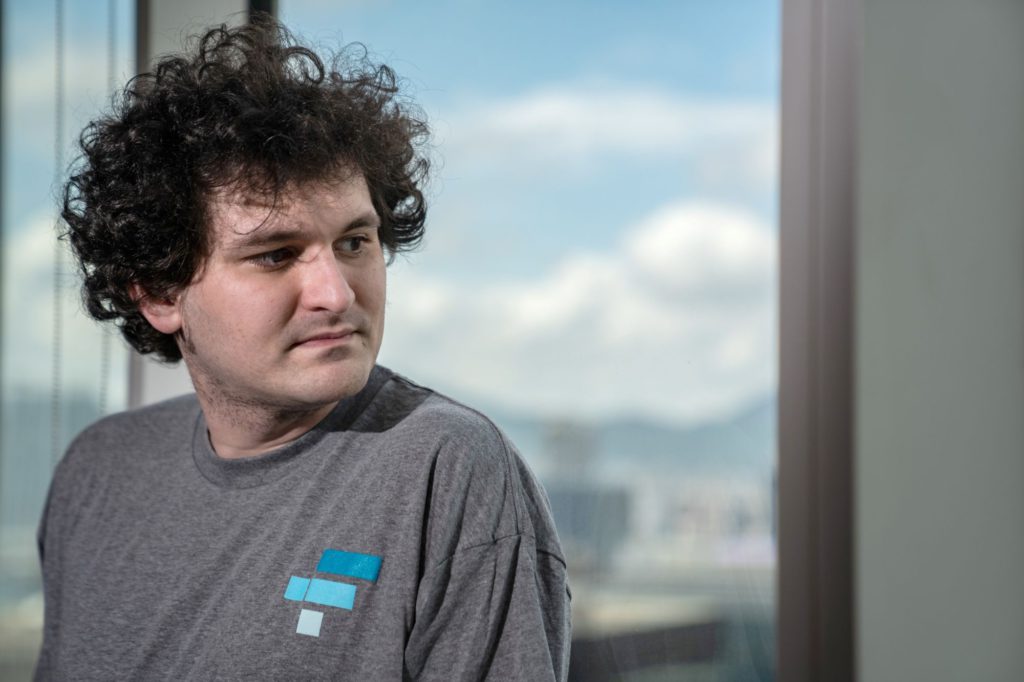
(Bloomberg) — Sam Bankman-Fried’s FTX Trading exchange held $900 million in liquid assets against $9 billion of liabilities the day before Friday’s bankruptcy filing, the Financial Times reported Saturday, citing investment materials the newspaper had seen.

Most of the recorded assets are either illiquid venture capital investments or crypto tokens that are not widely traded, according to the spreadsheet. The biggest asset as of Thursday was listed as $2.2 billion worth of a cryptocurrency called Serum.

Bankman-Fried was also looking to sell $472 million of Robinhood Markets Inc. shares at about $9 apiece until Friday afternoon, the FT reported, citing a person involved in the negotiations.

The files also show Bankman-Fried was seeking to raise $6 billion to $10 billion, including a convertible preferred stock issue paying 10% that would later be converted into common equity in FTX International at between $12 billion and $15 billion.

The spreadsheet also referenced $5 billion of withdrawals last Sunday, and a negative $8 billion entry that Bankman-Fried told the FT was related to funds “accidentally” extended to his Alameda trading firm.

More stories like this are available on bloomberg.com

©2022 Bloomberg L.P.
Sam Bankman-Fried Says He’s in the Bahamas, Reuters Reports

(Bloomberg) —

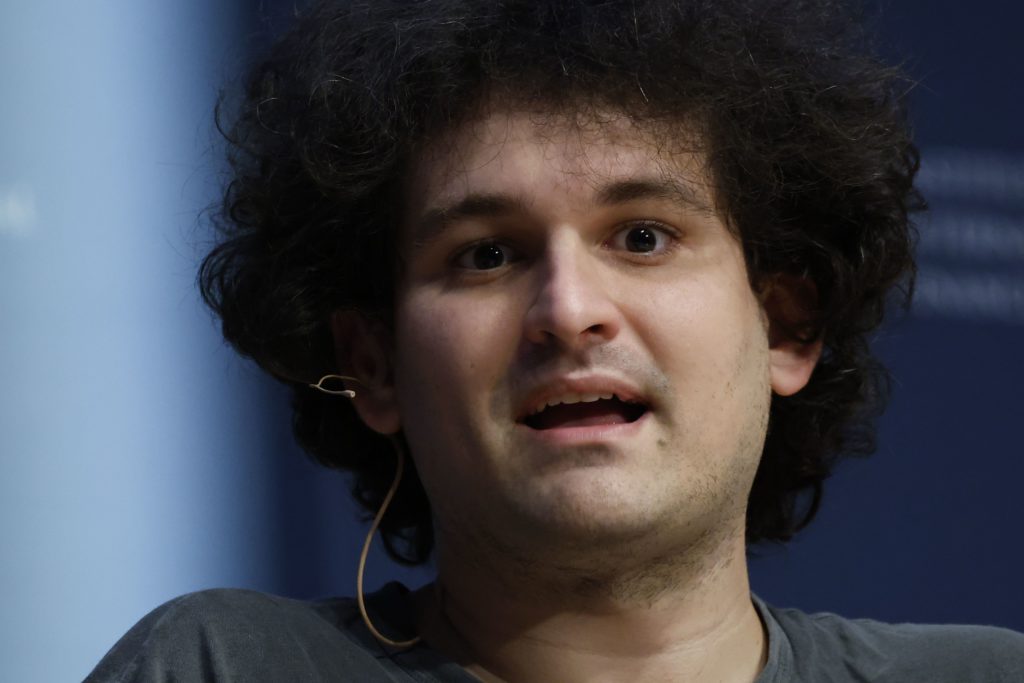
Sam Bankman-Fried, the fallen co-founder of bankrupt FTX, said Saturday he’s in the Bahamas, Reuters reported, citing a text message from him. 

Bankman-Fried denied rumors that he had flown to South America. 

His crypto exchanges FTX, FTX US and trading firm Alameda filed for bankruptcy on Friday. Since then, FTX was hit by a mysterious outflow of at least $662 million in tokens.  The general counsel of its US arm, Ryne Miller, described it as “unauthorized transactions” on Twitter and said FTX had begun moving digital assets into cold storage — wallets that are unconnected to the internet — to mitigate damage.

Bankman-Fried didn’t immediatey respond to a request for comment.

For crypto market prices: CRYP; for top crypto news: TOP CRYPTO.

More stories like this are available on bloomberg.com

©2022 Bloomberg L.P.

Your Saturday Briefing: The Biggest Crypto Collapse Yet

(Bloomberg) — Hello and a warm weekend welcome to you.

It’s been a terrible week for the crypto world’s mop-haired prince and his legion of fans. Sam Bankman-Fried’s personal wealth plunged to zero from $16 billion on Monday, and the former FTX co-founder will most likely take down a lot of small investors with him.  The FTX.com crypto exchange has filed for Chapter 11 bankruptcy and so far hasn’t said how it intends to repay creditors or reorganize. You know it’s bad when Larry Summers, the former Treasury secretary, compared the company’s meltdown to Enron’s.

Annie Massa takes a forensic look at what went wrong at the House of Sam and explains why the likes of Tom Brady are now on the hook. The collapse also highlights how venture capitalists are desperate to find the next PayPal, but many lack the expertise to evaluate the risks associated with fintech businesses.

Over on old-school Wall Street, the S&P 500 had its best weekly jump since June.  While that’s good news for our 401ks and comforting to think the worst of the market carnage is over, some money managers insist inflation is still sticky and forecasts for a recession next year continue to rise. Also weighing in is Nobel laureate economist Paul Krugman, who says there are good reasons for the Fed to consider pausing interest-rate increases.

It’s Day 5 of the midterms and neither party can claim a majority in the House and Senate. The Red Wave expected by many never materialized and Republicans may choose to shuffle their leadership to take responsibility for their lackluster showing on Tuesday.

In Florida, GOP victories dominated the polls thanks to huge support from heavily-Hispanic counties. The state’s governor, two Senators and Cabinet-level statewide positions are all held by Republicans now, which hasn’t happened since Reconstruction, according to the Tallahassee Democrat newspaper.

Will the last person to leave Twitter please turn off the lights? Layoffs that affected almost half of the staff, including the team that oversaw sharing of user data with advertisers and research partners, have triggered internal concerns about vulnerability to security threats and potential violations of FTC rules. But, as Bloomberg’s credit team reports, Elon Musk’s talk of Twitter going bankrupt is premature.

Supermarket prices are notably higher, especially for Thanksgiving staples like turkey, but you can still find what you need in your local grocery store aisles.  There’s also no shortage of pubs and restaurants in the UK catering to Americans hankering for a traditional pilgrim-style feast.  For expats feeling especially homesick, the Benjamin Franklin House near Trafalgar Square even features an after dark tour on Turkey Day that comes with a slice of of what the museum boasts is the best pumpkin pie in London.

And lastly, a tiny Connecticut lab is making headline after headline finding chemicals and carcinogens in everything from sunscreen and dry shampoo to — most famously — heartburn medication Zantac. Listen to the story of how Valisure got started and is frustrating regulators.Enjoy the rest of your Saturday. We’ll be back tomorrow with a look-ahead to the coming week.

More stories like this are available on bloomberg.com

©2022 Bloomberg L.P.
Brazil’s Loudest Election Deniers Are Kicked Off Social Media

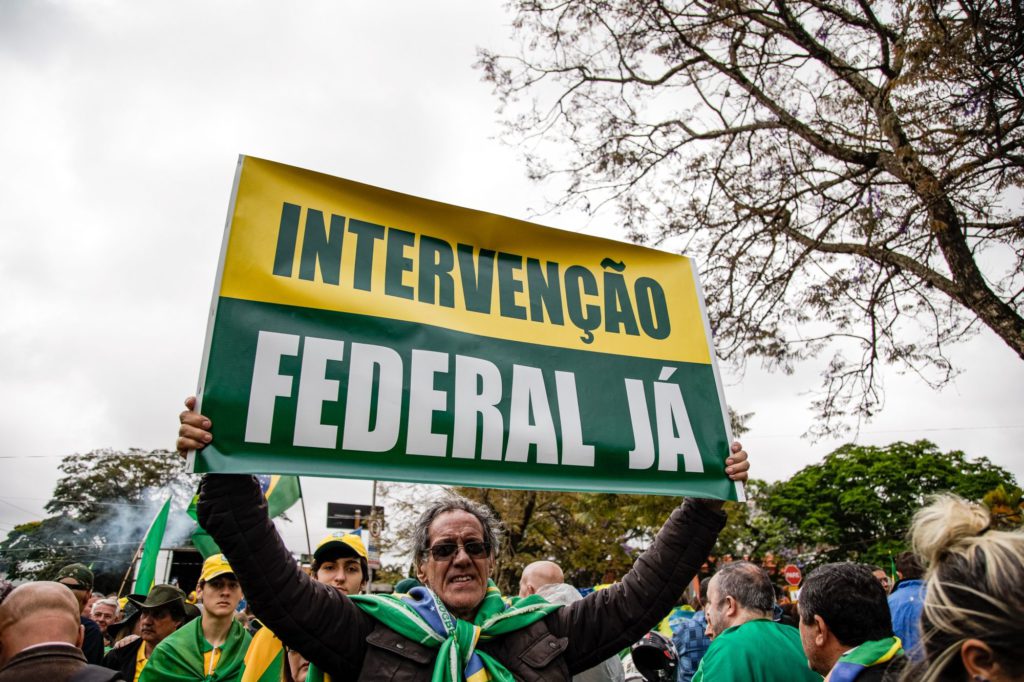
(Bloomberg) — Even as Jair Bolsonaro begins to give up power, his staunchest supporters refuse to accept defeat in Brazil’s presidential election, crying foul on the Internet and in the streets.

For nearly two weeks they’ve protested President-elect Luiz Inacio da Silva’s Oct. 30 victory, rallying around unproven claims of fraud. And the most social-media savvy are blasting conspiracies about vote rigging to millions of followers.

Electoral authorities are hitting back. Alexandre de Moraes, a Supreme Court justice and Brazil’s elections chief, has ordered the suspension of online accounts belonging to some of Bolsonaro’s most prominent allies in a renewed crackdown on misinformation and alleged attacks on democratic institutions. 

“Those who by criminal means won’t accept, those who by criminal means have been taking part in anti-democratic acts, will be treated like criminals,” Moraes said about the results last week.

The suspension of popular online profiles and removal of hundreds of social media posts have drawn allegations of censorship, from rank and file Bolsonaro backers to well-known conservative commentators such as Tucker Carlson. It also caused concern among some law and Internet experts about possible infringement of freedom of expression. 

Election authorities are “dealing with a problem, disinformation, whose roots and effects go way beyond its competences,” said Clara Iglesias Keller, a researcher at the WZB Berlin Social Sciences Center who studies information technology regulation.

Democracies across the Americas to the Middle East have grappled with election deniers in recent years. But in Brazil, authorities have become especially active in moderating these types of accusations after Bolsonaro, 67, who models himself after Donald Trump, spent much of his time in office casting doubt on the country’s electronic voting system.

Street Protests

Such claims of fraud led, in part, truckers and protesters to block over 1,000 roadways across the country following Lula’s victory. The roads are now clear, but demonstrations simmer with the most extreme calling for the armed forces to overturn the results.

Brazil’s military dictatorship ended 37 years ago and calling for an intervention is prohibited by law. The high command of the armed forces on Friday said in a statement it condemned “excesses” by protesters as well as “restrictions on rights by public officials.” 

Among those kicked off social media is one of Brazil’s most popular podcasters, Bruno Aiub, who goes by Monark and whose Youtube channel with nearly 4 million subscribers was deactivated on Tuesday. Nikolas Ferreira, a 26-year-old influencer and congressman-elect with over 2 million followers on Twitter, was suspended from the platform last week. Both were removed after sharing a debunked video suggesting proof of vote rigging.

Lawmaker Carla Zambelli, who had over 9.5 million followers, was suspended from 10 platforms last week after cheering on protesters clogging highways.

Brazil’s electoral authority declined to comment on how many accounts and profiles it ordered to be removed since the election ended. 

Moraes, who heads a wide-reaching investigation into fake news, has become the main curb on Bolsonaro’s power. He has also by been accused of overreach. 

Read More: Bolsonaro’s Brawl With a Top Justice Tests Brazil’s Democracy

Ahead of the vote, election authorities and Brazil’s Supreme Court granted themselves sweeping powers, including a recent decision to allow Moraes to unilaterally mandate the removal of specific content, enforced by hourly fines and potential suspension of tech companies that are slow to comply.

Carlos Affonso Souza, a law professor at Rio de Janeiro State University, said there’s reason to question whether or not suspension of accounts is the best response to spreading falsehoods about elections. Still, he added that many affected were openly calling or supporting a military intervention.

In Brazil, “we are very far from away an absolutist view on free speech,” he said. 

–With assistance from Luana Reis and Martha Beck.

More stories like this are available on bloomberg.com

©2022 Bloomberg L.P.
As Tech Industry Cuts Jobs, These Are Some of the Worst Ways to Get Fired

(Bloomberg) —

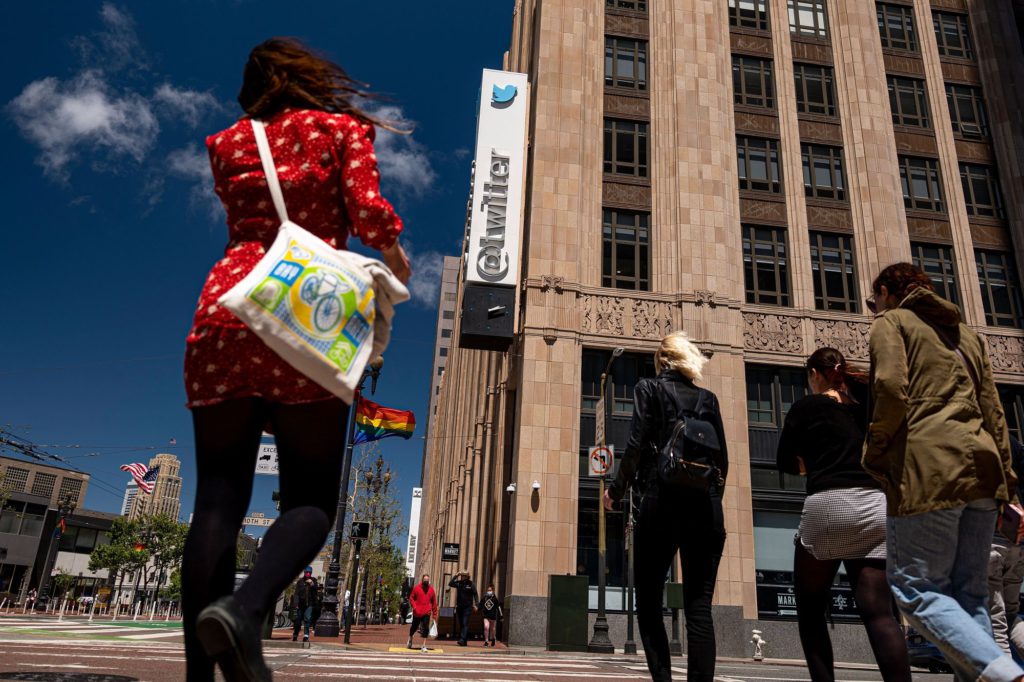
Twitter Inc.’s mass layoffs have shocked onlookers and insiders alike, but it’s not the first company — and won’t be the last — to be seen as bungling the messy business of sacking staff.

Since billionaire Elon Musk bought the social media platform for $44 billion, he fired close to 3,700 people, only to reach out to dozens soon thereafter to ask them to come back. Twitter didn’t reply to a request for comment. All eyes are also on Meta Platforms Inc. as Chief Executive Officer Mark Zuckerberg announced more than 11,000 jobs will be slashed from payrolls.

In addition to damaging productivity and morale, poorly handled layoffs can tarnish an employer’s brand. When things turn around, some employers have struggled to hire, according to Wayne Cascio, a professor emeritus at the University of Colorado Denver Business School who has studied the financial and psychological costs of downsizing for more than 30 years. “From a senior leadership perspective, you’ve got two choices,” Cascio said in an interview. “You can come across as callous, or you can come across as caring. Which one are you going to choose?” 

That hasn’t stopped companies and their top brass from tripping up. While Musk is taking heat for firing individual workers directly by email, for example, he didn’t pioneer using the platform for cuts. Dell blazed that trail in 2001 during the dot-com bust, announcing that pink slips were coming in a dystopian rendition of You’ve Got Mail. Of all the “reductions in force” Cascio observed over the years, though, five stood out as particularly ignominious. 

5. Better (2021)

Digital mortgage lender Better Holdco Inc. first made headlines for a mass firing of 900 employees over Zoom in December 2021. The message was delivered in minutes by an expressionless Vishal Garg, Better’s CEO. The firm made a second round of layoffs in March, cutting loose 3,000 workers — for some, the news came from severance payments prematurely deposited in their bank accounts. All told, the company made four rounds of layoffs in less than a year. Better declined to comment.

4. Verizon (2002)

Amid a broad telecommunications industry slump and competition from cell phones in the early aughts, Verizon Communications Inc. laid off 2,700 technicians in New York and New Jersey just days before Christmas. “It was surreal, like a dream,” a father of two told the The New York Times. “It’s the American nightmare.” Another technician said he had to scrap his plan to propose to his girlfriend of three years on Christmas now that a diamond ring was out of the question. A Verizon spokesperson didn’t reply to a request for comment.

3. Bird (2020)

Cascio dubbed a cost-cutting maneuver at electric scooter company Bird Global Inc. the “Black Mirror” layoffs, a reference to Netflix’s sci-fi show. Employees logged on to a one-way Zoom call with a dark gray background slide that said only “COVID-19,” and then a disembodied, robotic-sounding voice fired them in about two minutes, according to dot.LA, an independent Los Angeles-based tech and startup publication. More than 400 employees were canned, about 30% of the workforce. Much like Better, “the worst is when employees have no opportunity even to ask questions, it’s strictly one way communication. That’s just really hard on the employees,” Cascio said. Bird didn’t reply to a request for comment.

2. Robbs (2007)

Arriving for what they thought would be another ho-hum shift, employees at department store Robbs in Hexham, England, were in for a rude awakening. Managers deliberately set off a fire alarm to clear the building of customers and gather its 140 staff members in one place to inform them the almost 200 year-old store would be closing — in two weeks. According to the BBC, its administrators called the decision “efficient and practical.”

1. The Accident Group (2003)

Possibly the only thing worse than getting dumped by text: getting fired. The Accident Group, a UK-based insurance firm, sent over 2,000 employees a text instructing them to call a number. A recorded message awaited them: “All staff who are being retained will be contacted today. If you have not been spoken to you are therefore being made redundant with immediate effect,” the answering machine said, according to the Independent. “I must apologize for the nature of this call. I would have preferred to have done this on a face–to–face basis. On the time scale available, this has not proved possible.” (Hat tip to CNN  for the headline — SMS 4U: U R sacked.)  And if that wasn’t enough: “Unfortunately there are effectively no funds available to pay the salaries for May,” the company added in another message.

More stories like this are available on bloomberg.com

©2022 Bloomberg L.P.

Alpha-Male Crypto ‘Bloodsport’ Sows a Catastrophe at FTX

(Bloomberg) — Once again, a feud broke out on social media involving outspoken alpha-male celebrities of the cryptocurrency market. Only this time, what followed was tens of billions of dollars of digital wealth vaporizing in a flash.

The crisis of confidence that led to the collapse of billionaire Sam Bankman-Fried’s sprawling global crypto empire was triggered in large part by a few shade-tinged tweets this week from Changpeng “CZ” Zhao, founder of rival Binance Holdings. And the fallout has convulsed a market still reeling from the implosion earlier this year of the Terra blockchain led by Do Kwon, another fallen crypto star famous for his online flame wars with critics who predicted the ultimate failure of his project.

The main criticism of cryptocurrencies has always been that almost none of them are backed by any real-world assets or cash flows. What these episodes highlight is the importance — and fragility — of what really is backing them: larger-than-life personalities and the stories they tell to the public. When these leaders do battle in a venue for all to see and their barbs end up exposing vulnerabilities that shake investors’ resolve, things can blow up fast, causing severe pain for investors large and small.

To Peter Atwater, adjunct professor at William & Mary who studies the role of confidence in finance, the keyboard combat can be like a “bloodsport.” It’s “about not just winning, but vanquishing and winning at the expense of my opponents.”“It goes without saying, but maybe needs to be said, these are intensely hyper-masculine environments,” said Atwater, who is also the president of Financial Insyghts LLC. “And so it’s sort of modern-day gladiators, complete with a lot of that imagery. They do perceive themselves as disruptive warriors.”

Bankman-Fried was an unlikely warrior in this arena, and perhaps that played a role in the outsize success he enjoyed before his downfall. Soft-spoken yet chatty and eloquent, cerebral but quirky, he rarely changed out of his uniform of T-shirt, shorts and grungy running shoes, or tended to his unruly mop of hair, even when chatting on a panel with a former US president and British prime minister. That type of look might get one laughed off of Wall Street, but in the anti-establishment world of crypto, it helped make him a model founder in the eyes of venture capitalists looking to get in on the gold rush of crypto.

Credibility Hit

His willingness to testify candidly before Congress and offer recommendations for regulations also gave him an aura of credibility in an industry where that is desperately lacking. All that is making his downfall even harder for the industry to absorb, given its reputation as a playground for scoundrels. If you can’t even trust SBF, whom exactly can you trust now?”He was the face of friendly crypto regulation,” Noelle Acheson, author of the “Crypto Is Macro Now” newsletter, said in an interview. “What people are justifiably worried about is the credibility hit.”Yet Bankman-Fried was at times an active combatant, in his own subtle way, in the “Hunger Games” environment that has overtaken industry players vying for the attention of investors amid a bear market and string of bankruptcies this year.

In a late October tweet tagging Binance’s Zhao, which he’s since deleted, Bankman-Fried appeared to take aim at his competitor and flex his own status of having the ear of regulators and politicians in Washington about how to bring order to the anarchy: “excited to see him repping the industry in DC going forward! uh, he is still allowed to go to DC, right?”

A week later, Zhao tweeted that Binance was selling its entire holding of FTT tokens, an FTX-created cryptocurrency that offers lower fees for trading on that exchange and other incentives for holders. Binance, a former investor in FTX, received the tokens when it sold its stake in FTX back to Bankman-Fried’s company last year.Zhao made a reference to “recent revelations,” without saying exactly what he meant. Yet it’s widely been interpreted as a reference to a Nov. 2 article on the crypto news website CoinDesk that portrayed a troubling link between FTX and another Bankman-Fried enterprise, the trading firm Alameda Research. That report said Alameda had $8 billion in liabilities, while much of the assets on its balance sheet were made up of the FTT token. 

Zhao, who often goes by his initials CZ, insisted on Twitter that, “Regarding any speculation as to whether this is a move against a competitor, it is not.” Yet he added an ominous warning: “every time a project publicly fails it hurts every user and every platform.” 

Soon, the value of the FTT token was plunging, and users of FTX were rushing to withdraw their assets from the platform. The crypto equivalent of a bank run was underway, reaching a climax with Friday’s bankruptcy filings involving more than 130 entities tied to Bankman-Fried.

The rapid collapse of FTX exacerbated losses in a “crypto winter” that has erased untold fleeting fortunes. Bitcoin, the largest  by market value that was trading at almost $69,000 a year ago, fell below $16,000 at one point during the week. Just about every coin suffered — Ether, Polkadot, Dogecoin and others all declined. FTT collapsed by roughly 90%. FTX’s undoing also ensnared BlockFi, a troubled digital-asset lender once worth $3 billion that had been saved by a line of credit from FTX US. The company said it will pause client withdrawals, citing “a lack of clarity” over the status of FTX US and Bankman-Fried’s other companies. What further contagion will follow is yet to be seen. 

To be sure, FTX’s bankruptcy filing is proof that the Bankman-Fried empire’s finances were perilous. And there are still many unanswered questions about why FTX stopped being able to honor requests for withdrawals from customers, and what role the FTT token played in its finances. It’s a giant mess that will take investigators, forensic accountants and bankruptcy court a while to sort out. None of that is Zhao’s fault, of course. Yet what will never be known is if the steady flow of cash generated by FTX would have been enough to paper over the problems and keep the firm viable in the long run if Zhao hadn’t punched at Bankman-Fried in such a public way.“If you read Shakespeare, it’s all about hubris and pride, psychology,” said Wilfred Daye, chief executive officer of Securitize Capital, a digital-asset management firm. “Sam wants to be the face of regulated crypto exchanges, whereas CZ can’t really get to Washington to do anything. So them rubbing each other in the wrong way caused unintended consequences.”

‘Raw Egos’

The ease with which social media allows influential crypto figures to promote their projects, or brawl with their rivals, is both a powerful force and dangerous risk. Do Kwon, the leader of the failed Terra crypto ecosystem that saw $60 billion in value evaporate earlier this year, was one of the most influential and combative figures on crypto Twitter before his critics were proven right. The list of other notable crypto feuds is a long one. Alex Mashinsky, founder of crypto-lender Celsius Network, was famous for taking a pugnacious stance toward critics before Terra’s collapse and other market chaos forced his company into bankruptcy. Even Twitter co-founder Jack Dorsey and venture capitalist Marc Andreessen got into a meme-lobbing spat over VC’s role in building web3 on blockchains.

Of course, other industries are prone to ego-driven decisions that ultimately cause destruction. “Think about Elon Musk and Twitter,” says Marc Chandler, chief market strategist at Bannockburn Global Forex. But with players in the crypto space, “it’s so visible, it doesn’t have layers of corporate bureaucracy and marketing. And you see the raw egos in a way that Corporate America hides behind spreadsheets, behind MBAs. We don’t have that in crypto. It’s so naked.”

The full legacy of the downfall of Bankman-Fried is yet to be seen, but many believe it’s changed the industry forever in big and small ways. Sadie Raney, chief executive of the quantitative crypto hedge hedge fund Strix Leviathan, says she’ll be looking at projects differently going forward, watching out for leaders who are leaning too hard into the role of social-media “influencer.”“I mean, Satoshi Nakamoto had it right, by building this amazing, amazing ecosystem and then never revealing his, her or their identity,” she said of the presumably pseudonymous inventor of Bitcoin in an interview on the “What Goes Up” podcast. “Satoshi’s not out there influencing what’s happening, which is truly magical. The only reason I’d want to meet them is to find out, when things have gotten so crazy sometimes, how did you keep your mouth shut?”

‘Well Played’

As for Bankman-Fried, he’s not yet decided to keep his mouth shut — or the Twitter app shut, at least — even after stepping down as CEO of FTX and watching his estimated net worth plunge from more than $16 billion last month to something closer to $0 at the moment. He’s tweeted dozens of times through the turmoil, offering a mix of apologies, explanations and promises to do everything he can to make it right for his former customers. 

However, he’s stopped short of completely swearing off keyboard combat with his rival.

“At some point I might have more to say about a particular sparring partner, so to speak,” he said in the 20th post of a 22-tweet thread on Thursday. “But you know, glass houses. So for now, all I’ll say is: well played; you won.”


More stories like this are available on bloomberg.com

©2022 Bloomberg L.P.
Here’s Why Elon Musk’s Talk of a Twitter Bankruptcy Is Premature

(Bloomberg) — In a call with employees on Thursday, Twitter Inc.’s new owner, Elon Musk, raised the specter of bankruptcy for the social-media company if it doesn’t start generating more cash.

It was a surprising scenario to envision for a company he had purchased for $44 billion just two weeks earlier, in part with $13 billion of loans from Wall Street banks. 

It may be nothing more than a scare tactic as he moves aggressively to reshape the company by slashing staff, shaking up its operations and doing away with Silicon Valley perks like remote work and free food. Musk has, after all, been known to throw around the B-word before ostensibly to motivate his workforce.

But few things about Musk or his acquisition of Twitter have been straightforward. And while the possibility of a bankruptcy anytime soon is unlikely, his comments shouldn’t be entirely discounted. Twitter has taken on a large debt load. It’s struggling with advertisers. And the broader technology industry is under mounting pressure, with behemoths like Facebook owner Meta Platforms Inc. retrenching sharply in the face of weaker advertising growth. With that in mind, here are three questions to understand about Twitter and the B-word:

Is Twitter really facing bankruptcy?

Such a step appears unlikely for now, and the discussion of it is, at best, premature. 

Twitter had $2.68 billion of cash and cash-equivalents as of June 30, along with another $3.4 billion of short-term investments, according to a filing. Even with Twitter’s new debt load, that cash pile alone could keep the company running for a good amount of time. 

As the world’s richest man, Musk also has plenty of firepower to keep the company afloat, and he could potentially inject more cash into Twitter if things became dire. That, however, would likely require selling more shares of Tesla Inc., a threat to the electric carmaker’s stock price.

That said, even before the take-private, Twitter’s financial picture wasn’t great. The company hasn’t been profitable for a full calendar year since 2019. And since the takeover, Musk has said that there was a “massive drop” in revenue as some advertisers fled from the platform. He also warned that the company was losing more than $4 million a day.

Where could things go wrong for Twitter? 

The debt. Musk borrowed about $13 billion from banks to acquire Twitter through a type of acquisition called a leveraged buyout. That’s when the buyer loads up the target company’s balance sheet with debt to help fund the purchase. 

The tactic has driven Twitter’s annual interest expense to around $1.2 billion from less than $100 million beforehand. That’s enough to consume a good bit of Twitter’s annual revenue, which was approximately $5 billion in 2021. The situation could get even more expensive because the interest rates on about half of the debt aren’t locked in and will rise with the market. 

An economic downturn, which is likely on the horizon, would also cause advertisers to cut back on spending. Musk meanwhile is charting a new course on content moderation, which has left some advertisers pulling back due to fears that their brands could be harmed.

So, what would happen if Twitter does ever end up in bankruptcy?

Shareholders bear the brunt of losses in a bankruptcy. That means Musk, along with a handful of other backers, would likely see their entire $33.5 billion equity investment go to zero. Since lenders typically receive a stake in the newly reorganized company in return for their debt being written down, Musk would almost certainly lose control of the company as well. That’s normally how bankruptcy works — and it effectively ensures that Musk would only take that step as a last resort.

The Chapter 11 process is meant to help a company restructure, not go out of business. Twitter could in theory rise from the ashes in this scenario, but under control of the banks that lent to the company. 

That’s an unwanted situation for the Morgan Stanley-led group of seven banks that never intended to hold the debt in the first place. Normally they would have offloaded their debt commitments before the deal closed to money managers in the form of junk bonds and leveraged loans, but they didn’t have a chance to do so because of Musk’s sudden reversal to buy Twitter and market volatility.

Before Musk’s mention of bankruptcy this week, some funds offered to buy a piece of the loan package at a discount of as low as 60 cents on the dollar. That would be among the steepest markdowns for such loans in a decade — implying deep potential losses for the banks and that investors are already pricing in some default risk.

Now, Musk’s comments will almost certainly make the debt even harder for the banks to sell to potential investors, who would likely want to see multiple quarters of good performance before they are willing to get involved.

More stories like this are available on bloomberg.com

©2022 Bloomberg L.P.
Bankrupt FTX Hit by Mysterious Outflow of About $662 Million

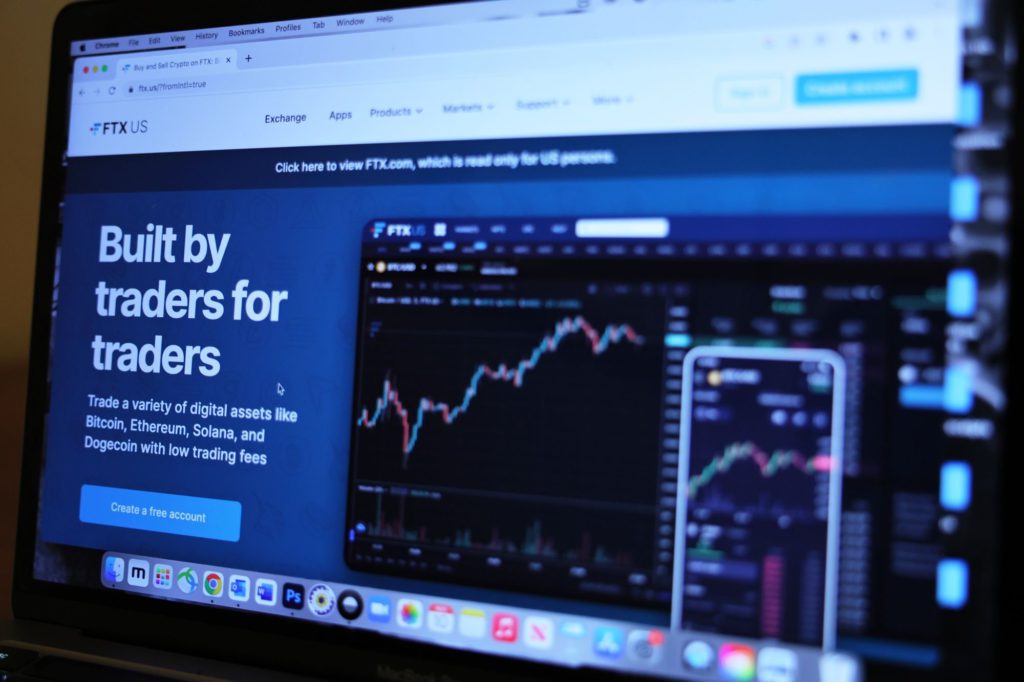
(Bloomberg) — Sam Bankman-Fried’s bankrupt digital-asset exchange FTX was hit by a mysterious outflow of about $662 million in tokens in the past 24 hours, the latest twist in one of the darkest periods for the crypto industry.

Customers still coming to terms with the platform’s Friday plunge into Chapter 11 proceedings were subsequently confronted with what the general counsel of its US arm, Ryne Miller, described as “abnormalities with wallet movements.”

Miller said on Twitter that FTX had begun moving digital assets into cold storage — wallets that are unconnected to the internet — following its bankruptcy filing on Friday. The process was later expedited “to mitigate damage upon observing unauthorized transactions.”

Blockchain analytics firm Nansen, which gave the overall estimate of $662 million in withdrawals, said the coins flowed out of both FTX’s international and US exchanges. A separate analysis by Elliptic stated that initial indications showed almost $475 million had been stolen from the exchange in illicit transactions, with the stablecoins and other tokens that were taken being rapidly converted to Ether on decentralized exchanges — “a common technique used by hackers in order to prevent their haul being seized.”

Paolo Ardoino, chief technology officer at stablecoin issuer Tether, referenced a tweet suggesting it had blacklisted more than $30 million of the “FTX attacker’s” holdings in its USDT token.

“It’s unclear exactly who’s making the transactions, but you wouldn’t expect to see these on-chain trades at this time,” said Alex Svanevik, chief executive officer at Nansen.

The latest developments are another blow for the crypto sector, which is reeling from a year-long rout as well as the implosion of Bankman-Fried’s exchange and sister trading house Alameda Research. If the outflows are a security exploit, they would add to what’s shaping up to be a record year for attacks on the digital-token industry.

The main wallet belonging to FTX was drained of its entire balance in FTT during the incident, according to Nansen. The FTT coins are native to the exchange. Nansen said the overall outflows from FTX eventually ceased.

FTX’s descent into bankruptcy capped the downfall of one of crypto’s wealthiest moguls. The US Securities and Exchange Commission is investigating how closely intertwined his businesses were and whether FTX mishandled customer funds.

Twitter was rife with protests apparently from aggrieved clients. They cited a community Telegram chat warning that FTX had been compromised and that some client accounts were drained. The claims couldn’t be immediately verified and several calls to FTX officials outside regular US business hours went unanswered. 

For crypto market prices: CRYP; for top crypto news: TOP CRYPTO.

–With assistance from Sidhartha Shukla and Emily Nicolle.

(Updates with context on total and illict outflows in the third and fourth paragraphs.)

More stories like this are available on bloomberg.com

©2022 Bloomberg L.P.

Close Bitnami banner
Bitnami
