Bloomberg

FTX Debacle Shows Need for Crypto Regulation, Yellen Says  

(Bloomberg) —

US Treasury Secretary Janet Yellen said the implosion of Sam Bankman-Fried’s FTX crypto empire reinforced her view that the market for digital assets required “very careful regulation.”

“It shows the weaknesses of this entire sector,” Yellen said Saturday in an interview with Bloomberg News.

An interconnected assortment of digital-asset entities founded by Bankman-Fried filed for Chapter 11 bankruptcy protection Friday. The upheavals at FTX have rattled a crypto market already beset by months of price declines. A court will now weigh in on how to handle the interests of customers, creditors and business partners seeking to be made whole.

Read More: Bankrupt FTX Hit by Mysterious Outflow of About $662 Million (1)

The filing represents a dramatic collapse for a company that last year said it had more than 5 million users worldwide, and traded more than $700 billion worth of crypto that year alone. Bankman-Fried’s $16 billion fortune has now been wiped out, one of history’s greatest-ever destructions of wealth.

Yellen, who spoke on her way to the Group of 20 leaders summit in Bali, Indonesia, contrasted the case with developed financial markets, where rules better protect investors.

“In other regulated exchanges, you would have segregation of customer assets,” Yellen said. “The notion you could use the deposits of customers of an exchange and lend them to a separate enterprise that you control to do leveraged, risky investments — that wouldn’t be something that’s allowed.”

Bankman-Fried conceded in a Twitter thread on Nov. 10 that FTX had “poor internal labelling” of customer accounts.

Read More: Sam Bankman-Fried Fooled the Crypto World and Maybe Even Himself

President Joe Biden signed an executive order in March directing a number of federal agencies including the Treasury to devote more attention to the study and prospective regulation of digital assets.

While lamenting losses for retail investors, Yellen said the FTX debacle could have been worse if crypto were more embedded in the financial system.

“At least it’s not deeply integrated with our banking sector and, at this point, doesn’t pose broader threats to financial stability,” she said.

Yellen also responded to a question on another issue by saying a regulatory tool criticized by big banks wasn’t the only factor constraining liquidity in the $24 trillion Treasury securities market.

Treasury debt outstanding has climbed by about $7 trillion since the end of 2019. But big financial institutions haven’t been as willing to serve as market-makers, burdened by the supplementary leverage ratio, or SLR, which requires capital to be set aside against a bank’s balance sheet holdings, including ultra-safe Treasuries. The SLR is set by the Federal Reserve’s board of governors.

Yellen said there is a long-standing debate over whether banks are best protected by leverage requirements or risk-based capital, but that regulators decided following the 2008-09 financial crisis that both played a role.

“When I was at the Fed, I thought it was important that the risk-based requirement be what binds at the margin, and arguably now the SLR, for some of these important banks, is what’s binding,” said Yellen, a former chair of the central bank.

“But how do we address this given its about safety and soundness?” she said. “It has some relevance, obviously, to the Treasury market but it’s not the one and only thing, and I think it’s really up to the Fed to weigh those considerations.”


More stories like this are available on bloomberg.com

©2022 Bloomberg L.P.

After Twitter Exit, Egyptian Billionaire Investor Plans EV Push

(Bloomberg) — Egyptian billionaire Mohamed Mansour said he’s cut his investments in social media including stakes in Twitter and Meta Platforms Inc. while boosting his involvement in green projects, like building electric cars for the Middle East’s most populous country.

Mansour, whose family’s wealth is valued at $6.8 billion, according to the Bloomberg Billionaires Index, plans to produce 15,000 electric vehicles in Egypt over the next three to five years through his company Al-Mansour Automotive, which has a long-running partnership with General Motors Co. It also plans to import and market five models of Cadillac EVs by 2025. 

“I feel it’s going to be a big success,” Mansour, 74, said in an interview in Sharm El-Sheikh, site of this year’s United Nations climate change conference. He said his almost 50 years of experience in the automotive sector helps him “understand what’s marketable and what’s not.”

By the end of the decade, more than 77 million passenger EVs will be on the road globally, according to BloombergNEF research. That’s almost triple the current number.

“We want to be a leader in that aspect,” said Mansour.

The use of electric cars in Egypt, which is home to about 104 million people, is still extremely limited. A government official last year estimated that only a few hundred of the vehicles are plying the busy streets. But there are signs that’s changing, with state-backed plans to build affordable vehicles and open a network of charging stations.

Egypt Seeks to Build $20,000 Electric Vehicles in Green Push

Mansour has been running the family’s conglomerate — which originated as a cotton exporter in 1952 — since his father’s death 46 years ago. It has since diversified into real estate, food services and manufacturing, including owning one of the world biggest Caterpillar construction equipment dealerships and the franchise for all McDonald’s Corp. restaurants in Egypt.

The Mansours do much of their investing through a London-based family office, Man Capital. 

In recent years, one of the biggest drivers of the family’s growing fortune has been tech. Mansour was an early investor in juggernauts like Airbnb Inc., Snowflake Inc. and Spotify Technology SA. He also invests in tech via San Francisco-based venture capital firm 1984 Ventures, which he helped found in 2017.

Mansour said he reduced his stake in Meta and sold all his shares in Twitter last year for a “good price.” He declined to specify the size of the stakes or the price at which he sold.

Those sales were part of a wider effort over the past two years to trim the family’s exposure to equities by half, mainly in tech, and build liquidity, he said. Mansour said he hasn’t ruled out returning to the stock markets in the second or third quarter of 2023 should conditions improve. 

“We are waiting now with cash,” he said.

By 2024, Mansour is aiming for 10% of all his investments to be green-focused, up from 2% currently. He already owns a stake in one of Africa’s largest renewables producers and has interests in wind turbines in the UK.

Back in Egypt, one of his family firms, Palm Hills, is developing a green housing project on a 3,000-acre (1,214 hectare) plot west of Cairo that will accommodate 250,000 inhabitants when finished. It’s slated to be the first city in the Middle East and North Africa to be built in full accordance with the UN’s Sustainable Development Goals.

“If we didn’t do our share, I think the generations that follow will pay,” he said. 

–With assistance from Ben Stupples and Steven Crabill.

More stories like this are available on bloomberg.com

©2022 Bloomberg L.P.

Made.com Demise Shows Upstart Brands Struggling to Find Footing

(Bloomberg) —

Flush with cash and fueled by locked-down consumers’ spending, online retailers were expected to outpace their bricks-and-mortar rivals. Instead, upstart brands such as recently defunct Made.com are crumbling under the UK’s cost-of-living crisis.

The trend is punishing investors and has old-guard retail behemoths — including Next Plc, Frasers Group Plc and Marks & Spencer Group Plc — positioning to snatch up the dregs. Next bought the web-based furniture brand for just £3.4 million ($4 million) this week, after it floated at a lofty £775 million last year.

“Made.com was one of the darlings of the online retailers,” said Zelf Hussain, a partner at PwC who oversaw the retailer’s sale to Next. “What the current economic climate is showing, is that if you haven’t actually got to a growth level where you’re profitable, it’s going to become more challenging.”

With inflation soaring, freight costs still elevated and the economic outlook worsening, the retail industry is bracing for a tough road ahead. And while online retail has been viewed by many as a low-cost, open field for new entrants, it’s proved no match for the headwinds facing consumers. 

More than 80% of UK consumers say they’ve been hit by the cost-of-living crisis, and about three-quarters are cutting back on shopping for luxury items and clothes.

Online emporium THG Plc, which sells beauty, skincare and health food products, has lost more than 60% of its value this year. US home-goods seller Wayfair Inc., meanwhile, announced it was cutting 5% of its workforce in August to save costs. Direct-to-consumer mattress brand Eve Sleep Plc called in administrators last month and was bought by Bensons for Beds after struggling to find a buyer earlier in the year. 

Online fast-fashion retailers Asos Plc and Boohoo Group Plc, which not long ago were buying up struggling rivals such as Topshop, Topman, Oasis and Dorothy Perkins, are now among the most shorted stocks as shoppers pull back on party dresses and fancy footwear. A credit insurer reduced cover for one of Asos’s suppliers earlier this year while Drapers reported this week that an insurer took the same step on Boohoo. 

The reduction in cover is “simply the insurer removing the headroom of cover that is not utilized by the supplier, which is responsible insurance practice,” said a Boohoo spokesperson. 

“There’s been an awful lot of investment in brands with the idea that they can scale up easily because of online,” said Patrick O’Brien, UK retail research director at GlobalData Plc, a consulting business in London. “Unless your brand is known, the amount of marketing spend you need to get in people’s heads is incredibly high, and that’s a real struggle.”

Moving to online-only operations also hasn’t worked out for traditional bricks-and-mortar brands suit-maker TM Lewin and homewares store Cath Kidston.

“There are too many stores and too many websites,” said Richard Hyman, a partner at advisory firm Thought Provoking Consulting. “In order to grow you really have to take business from someone else.”

Next is no stranger to buying up struggling retailers. The chain led by Simon Wolfson takes stakes in brands and signs them up to its warehousing and logistics network. Next bought baby-goods retailer JoJo Maman Bebe earlier this year alongside US hedge fund Davidson Kempner Capital Management and has a majority stake in women’s fashion brand Reiss. 

Next has been moving into selling more brands online, including Monsoon, Ted Baker and Superdry. A furniture and home accessories range from Made.com could broaden the appeal of its website.

Mike Ashley’s Frasers, which owns companies including Sports Direct and Flannels, is also in a position to jump on the wearker, smaller brands. Frasers bought online businesses Missguided and Studio Retail Group out of administration earlier this year, after taking over Sofa.com in 2019 for a nominal sum as the furniture maker suffered losses.

Retailer insolvencies have already risen this year to the highest since at least 2012, and more are expected to follow after the peak Christmas trading season, according to analysts at Stifel. Next year is likely to be even harder as rising mortgage rates and still soaring inflation erode consumer spending power.

M&S, which reported growth in its clothing and home division this week, has also signaled it may move on some of the faltering retailers. The company said this week that “unviable capacity leaving the industry” will create “opportunities for the leaner players who remain.” 

More stories like this are available on bloomberg.com

©2022 Bloomberg L.P.

Sam Bankman-Fried Fooled the Crypto World and Maybe Even Himself

(Bloomberg) — Before the world began to grasp the truth about Sam Bankman-Fried — before the panic, the investigations and, at last, the brutal collapse — an inkling of doom began to spread through his convoluted crypto empire. 

All across FTX, the exchange that had transformed his mere initials into a symbol of a new kind of wealth and power, one question came up again and again: Where is SBF?

Bankman-Fried, current and former employees say, seemed to have disappeared. Then, without explanation, a department nearly missed October payroll. Something was wrong.

Just how wrong is only now becoming blazingly clear. On Friday, after one of the most harrowing weeks in the young, freewheeling world of cryptocurrencies, his digital-asset empire — 130-plus entities in all — spiraled into bankruptcy.

The scandal has shocked the crypto players who giddily celebrated Bankman-Fried as the J.P. Morgan of their times and left them grasping for parallels.

Is this crypto’s Lehman Brothers, a tale of unbridled risk? Or is it something darker: an Enron-style fiasco that could now expose rot and wrongdoing? Federal authorities are investigating just that.

As the Chapter 11 filings landed Friday morning, questions were piling up, including the big one: Will some 1 million FTX customers ever get their money back? Some traders sensed trouble long before and ran for the exits before everyone else. Big names in Silicon Valley who embraced Bankman-Fried seem certain to suffer humiliating losses.


By now many of the broad outlines are widely known. Bankman-Fried’s sinkhole of debt, blurred business interests and investigations into whether he misused customer funds. The unsteady assurance and the desperate race to raise money. The rivalry with Changpeng Zhao and Binance, which threw FTX a lifeline only to take it back a day later.

But interviews with more than a dozen employees, former workers and people with direct knowledge of FTX and its sister companies paint a picture even more dire than previously realized. Bankman-Fried, 30, with his perpetual bedhead, tube socks and pledge to give away his fortune had venture capital royalty, politicians and media personalities all fooled. 

And he might have fooled himself along the way, too. 

Close Ties

Roughly two months before his unraveling, Bankman-Fried was having trouble with a question that for most people would be simple: Where do you live?

“I, uh, so, sorry, I — I’m hesitating because I mostly sleep on a bag,” he said, in apparent reference to his beanbag chair. Bankman-Fried was on a Zoom call, responding to questions from a group of reporters about the boundaries between FTX and Alameda Research, the crypto-trading firm that functioned as his family office.

“I live, I don’t know. Technically I live alone, but don’t sleep there. I mostly sleep on couches and beanbags,” he said. He was widely known to share a home in the Bahamas with roommates, including Alameda leadership.

Left unsaid back then: there were few boundaries between the two companies. Bankman-Fried at times dated Alameda CEO Caroline Ellison, 27, crypto news site CoinDesk reported this week, citing people familiar with the matter.

An FTX spokesperson could not be reached for comment.

The ties between FTX and Alameda are at the heart of Bankman-Fried’s downfall. The US Securities and Exchange Commission is investigating how closely intertwined his businesses were and whether FTX mishandled customer funds.

The two companies played different roles: FTX was for trading, allowing customers to deposit funds and buy more than 300 tokens, using big loans to make larger, higher-risk bets. 

It was also Bankman-Fried’s brand. FTX’s logo was plastered on a Miami arena and patched on the uniforms of MLB umpires. It had star power: Gisele Bundchen and NFL quarterback Tom Brady held equity stakes and appeared in its Super Bowl ad, where they encouraged a cast of characters to join the fold of digital assets with a two-word question. 

“You in?”

Risky Business

Alameda, by contrast, mostly operated out of the spotlight. It had just about 30 employees, but minted $1 billion in profit last year. Bankman-Fried founded Alameda first, in 2017, after leaving quant trading firm Jane Street, where he was a trader who peers considered smart, if unspectacular. FTX came into existence two years later.

Pairing up a trading firm with an exchange is risky. To keep customer funds safe, these functions are separate in more regulated markets — rules that don’t exist in crypto. 

To some, it was an open secret that the two businesses had intricate financial ties. A person who raised money from Alameda Ventures, its VC arm, described receiving funds from FTX instead.

It was ultimately concerns about Alameda that threw Bankman-Fried’s empire into crisis.

Reports of an Alameda balance sheet showing outstanding debts to FTX through its FTT tokens made investors skittish by the end of last week. Panic fully set in on Sunday, when Binance CEO Zhao, also known by his initials CZ, tweeted that his exchange was liquidating its holdings of FTT, worth more than $500 million.

Zhao offered to take over FTX on Tuesday, only to bail almost as quickly as he offered a rescue.

“The issues are beyond our control or ability to help,” Binance said on Wednesday. 

CZ called it a “sad day.” And added a crying emoji.

Signs of Trouble

While FTX’s issues only spilled out into the public view in recent days, Bankman-Fried’s behavior had been worrying direct reports for weeks. 

Inside FTX, Bankman-Fried disappeared for at least a month from top deputies, according to people familiar with the matter. One department had trouble meeting payroll weeks ago, with little explanation as to why, one of the people said.

It wasn’t the first time that happened. Issues with pay started as early as the spring, when bonuses were delayed. That was around when some crypto projects and investors started to buckle, including the algorithmic stablecoin TerraUSD, hedge fund Three Arrows Capital and lender Celsius.

All the while, the company pushed to have pay packages put in FTX equity, which is now worth next to nothing.

At the first sign of a liquidity crisis, and even earlier, the smart money headed for the exits. Prominent market makers and hedge fund traders began withdrawing millions of dollars from FTX, according to people familiar with the matter. 

One red flag: Withdrawals that normally would take seconds required hours to go through, adding to concerns that something was off, one of the people said.

Still, large shareholders were blindsided. Many investors said they only found out about FTX’s problems when Binance extended its offer on Tuesday.

Even as the drama between FTX and Binance first unfolded, some investors and employees remained optimistic enough about FTX’s future that they were unwilling to sell their shares to prospective buyers, according to documents reviewed by Bloomberg. As of Monday, there were prospective FTX buyers who were unable to find willing sellers in the secondaries market, the documents showed.

Optimism Erased

That optimism quickly soured as the FTT token entered an 80% freefall over the next 24 hours, leaving VC firms rushing to tally the damage. Sequoia Capital, one of FTX’s best-known backers, marked its stake down to zero, sharing its losses on Twitter. 

Alongside customers, FTX employees described internal chaos as the crisis intensified. One said the balance sheet they’d seen hadn’t shown signs of liquidity problems, leading to fear there was a separate set of books. 

Bankman-Fried had come to embody two key tenets of the crypto industry — transparency and decentralization. But behind the tweet threads and assurances about FTX’s position, those within the firm started to doubt what they really knew about him.

“There was this cult of personality around Sam Bankman-Fried, where he was viewed as this kind of visionary, once in a lifetime mind,” said Molly White, a 29-year-old software engineer and blogger behind “Web3 is Going Just Great,” which for more than a year chronicled stories of grift in the world of virtual assets.

“People often ascribe genius to people who are just very wealthy, and I think that may have been a little what was happening,” she said.

Chasing Cash

As for that burning question — where was SBF as his empire collapsed? — it’s only starting to become clear.

Bankman-Fried spent time in the Middle East desperately trying to raise capital in late October, holding meetings with Saudi Arabia’s sovereign wealth fund and Abu Dhabi’s Mubadala Investment Co., according to people familiar with the matter. PIF and Mubadala spokespeople declined to comment.

Anthony Scaramucci, who sold part of his SkyBridge Capital to FTX Ventures in September, helped raise capital.

“We were embarking upon helping him fundraise. He had purchased 30% of my business and so as good citizens we were trying to help him around the world,” he said in a CNBC interview Friday. 

The talks failed to progress after FTX began its rapid implosion. 

Meanwhile, with the boss away, some employees took matters into their own hands, looking for any way to raise cash.

Everything was up for grabs: FTX US Derivatives, an early platform for trading assets, clearing firm Embed, which handles trades, and even the naming rights to the Miami Heat’s arena. Voyager, saved from bankruptcy by Bankman-Fried, put out calls to investors in an attempt to buy itself back, according to a person familiar with the matter.

Though the companies FTX.US approached figured they could offer cents on the dollar, several backed away and began ignoring the calls, according to people familiar with the matter. It looked too risky to contemplate a purchase, especially once bankruptcy was put on the table this week, they said.

Missing Leaders

If Bankman-Fried was out of his depth earlier this year as the crypto industry began to teeter, he didn’t show it. But the departure of two members of his inner circle from Alameda and FTX.US earlier in the summer drew attention within the firms.

Bankman-Fried, who ran both Alameda and FTX until last year, handed the reins to Ellison and Sam Trabucco as co-heads in October 2021.

But Trabucco left in August under scantly explained circumstances, tweeting that he had “significantly reduced” his role in the company for months — suggesting he was heading for the exits after just entering the role. He said he was unsure of how he’d spend his time, but that he’d bought a boat. 

Brett Harrison, who ran FTX.US, left shortly thereafter, also without immediately saying where he was headed.

By Thursday night, with his supporters dwindling, Bankman-Fried seemed resigned to his fate. Despite tweeting earlier in the day about letters of intent and term sheets, he hadn’t secured a financing plan.

Bankman-Fried canceled an investor call, putting out one more short note for a lifeline.

“Realistically we’d need to be able to have at least $4 billion committed by morning if this pathway was going to work,” he wrote. “And I’m not optimistic about that. So unless someone has a billion at the ready to sign on an hour’s notice,” speaking with investors didn’t make sense, he said.

What Now?

On Friday, Bankman-Fried’s downfall was complete. He resigned as CEO of FTX Group after putting his empire in bankruptcy. Worth an estimated $15.6 billion at the start of the week, his major assets now have zero value, according to the Bloomberg Billionaires Index. Charities counting on his money appear likely to be left in the lurch.

Regulation, which the crypto industry has long sought to avoid, appears inevitable. Congressional leaders are wondering about when to send subpoenas, according to a person familiar with the matter. 

“A lot of people have compared this to Lehman. I would compare it to Enron,” former Treasury Secretary Lawrence Summers said in a Bloomberg TV interview. “The smartest guys in the room. Not just financial error but — certainly from the reports — whiffs of fraud.”

John J. Ray III, who was appointed to replace Bankman-Fried as CEO, is a turnaround and restructuring expert who previously served senior roles in bankruptcies — including Enron’s.

All the while, about 1 million customers will likely remain in limbo, wondering when, if ever, they’ll get their money back from the curly-haired boy genius they trusted to lead them into a new frontier of finance. The fact that investors and employees were equally duped will likely be of little solace.

Despite all that’s transpired, a few true believers are still betting on Bankman-Fried. 

On Polymarket, a crypto platform for wagering on event outcomes, users are betting on the question “Will SBF be federally indicted by end of year?” Odds are about 80% that he’ll avoid indictment.

There appears to be less optimism in the Miami offices of Bankman-Fried’s US exchange. By Thursday, someone had removed the small-lettered signage on the office door of FTX.US.

–With assistance from Katie Roof, Giles Turner, Ben Bartenstein, Felipe Marques, Hema Parmar, Hannah Miller, Anna Irrera and Gillian Tan.

(Updates with other crypto collapses in 30th paragraph.)

More stories like this are available on bloomberg.com

©2022 Bloomberg L.P.

White House Monitoring FTX Collapse, Calls for Crypto Regulation

(Bloomberg) — The White House said Friday it was closely monitoring the collapse of digital-asset empire FTX, citing its bankruptcy filing as proof the cryptocurrency industry required strong regulation.

The White House and other agencies were monitoring the situation, an administration official said, adding that Americans risked getting harmed without proper oversight of cryptocurrencies.

Friday’s bankruptcy filing of Alameda Research Ltd. and related firms — including FTX.com and FTX US — further underscored those concerns, according to the official, who asked not to be identified to speak on the matter.

The collapse this week of FTX — one of the world’s largest exchanges for digital assets — dealt another blow to the cryptocurrency industry, which has seen severe volatility and bankruptcies of other high-profile firms, including Celsius Network Ltd. and Voyager Digital Ltd. VTX alone reported more than 5 million users worldwide and more than $700 billion worth of crypto trading last year, and boasted high-profile celebrity endorsements.

The Securities and Exchange Commission and the Commodity Futures Trading Commission are investigating whether FTX mishandled customer funds, according to people familiar with the matter.

More stories like this are available on bloomberg.com

©2022 Bloomberg L.P.
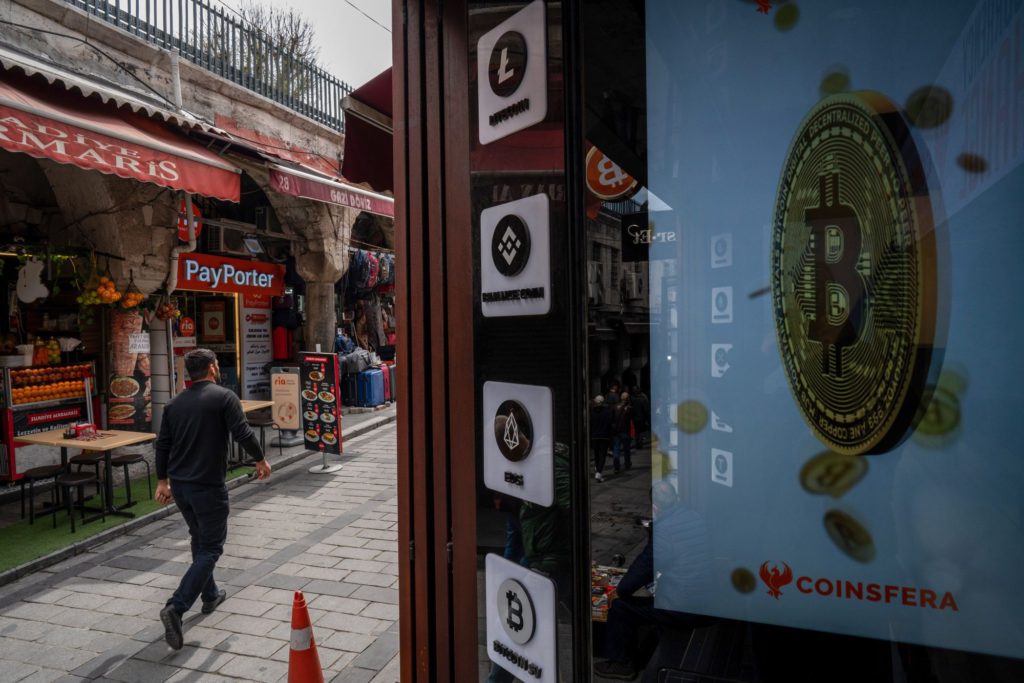
FTX US’s Counsel Says Investigating “Abnormalities” as Funds Leave Crypto Exchange

(Bloomberg) — Troubled crypto exchange FTX.US is probing abnormalities in wallet movements, according to its General Counsel Ryne Miller.

“Investigating abnormalities with wallet movements related to consolidation of ftx balances across exchanges,” Miller said in a post on Twitter.

Sam Bankman-Fried’s digital-asset empire FTX filed for Chapter 11 bankruptcy on Friday, capping the downfall of one of crypto’s wealthiest moguls.

More stories like this are available on bloomberg.com

©2022 Bloomberg L.P.

Exclusive Satellite Images Show Large Methane Cloud in Central Asia Hotspot

(Bloomberg) — Scientists say reducing emissions of methane, which has 84 times the warming power of carbon dioxide during its first two decades in the atmosphere, is one of the fastest and cheapest ways to cool the planet. Throughout COP27, Bloomberg Green will exclusively publish new satellite images of methane releases around the world, in collaboration with emissions monitoring firm GHGSat Inc.

Eastern Turkmenistan, Nov. 10, 2:21 pm local time

A large methane cloud has been observed in the Central Asian country of Turkmenistan, a global hotspot for the potent greenhouse gas. GHGSat attributed the plume to the nation’s oil and gas sector and estimated the emissions rate at about 8,501 kilograms per hour. 

Turkmenistan has the world’s fourth largest natural gas reserves and offers one of the biggest global opportunities to cut back on leaks of methane. Earlier this year, researchers identified 29 pieces of oil and gas equipment spewing enough methane each year to rival the annual emissions from all the cars in Alabama. The report found that the releases were mostly the result of poorly maintained or leaky equipment — and largely avoidable.

Read more: Asia’s Secretive Gas Dictatorship Hides a Climate Catastrophe

The country’s fossil fuel production is dominated by two state-owned companies, Turkmennebit and Turkmengaz. Neither company, nor its Ministry of Foreign Affairs, immediately responded to emails requesting comment outside of normal business hours over the weekend. 

Methane emissions are routinely observed in Turkmenistan’s western Caspian basin leaking from old Soviet infrastructure, and in the nation’s east, which is home to the large Galkynysh gas field, and where China National Petroleum Corp. has built new infrastructure to ship the fossil gas to the world’s most populous country.

Methane is the primary component of natural gas and responsible for about 30% of the Earth’s warming. Turkmenistan has so far declined to join the Global Methane Pledgee, a group of more than 120 countries that are aiming to cut releases of the gas 30% by the end of this decade from 2020 levels.

Quebec, Canada, Nov. 9, 1:36 pm local time

A cloud of methane was observed near a suburb of Montreal that GHGSat attributed to the waste sector. The satellite company estimated an emissions rate for the plume of 1,185 kilograms per hour. 

Landfills and wastewater contribute about 20% of the global methane emissions attributable to human activity. Piles of garbage can generate the potent greenhouse gas when organic material like food scraps break down in the absence of oxygen. Failing to curb releases from the waste sector could derail global climate goals.

Environment and Climate Change Canada spokesperson Cecelia Parsons acknowledged a Bloomberg email asking if the agency was doing anything about the release and said she was looking into it. A spokesperson for Quebec’s ministry of environment also acknowledged a request for comment.

The release offers yet another disconnect between Canada’s climate ambitions and its emissions. Prime Minister Justin Trudeau has pitched the country as a global environmental leader but the nation’s methane and carbon dioxide releases have climbed more than any other G-7 country, relative to a 1990 baseline, according to European Commission data through early 2021.

Last month Bloomberg News reported on a methane plume near oil and gas production and pipelines that Canadian regulators said they were unaware of. Environment Minister  Steven Guilbeault has said the country is on track to cut methane emissions more than 40% by 2025, relative to a 2012 baseline. 

Read more: A Methane Cloud Highlights Cracks in Canada’s Climate Ambitions

Diverting food scraps and other organics before they enter a landfill is crucial to limiting future emissions. The impact of legacy dumps can be mitigated through aerating piles of trash and gas capture systems.

Pszczyna County, Poland, Nov. 8, 1:25 pm local time

Two distinct methane plumes were observed in southern Poland near the border with the Czech Republic by a GHGSat satellite on Nov. 8. The emissions monitoring firm attributed the concentrations of methane to the coal sector and estimated the combined rate for the two plumes at 3,410 kilograms per hour. 

Poland’s Ministry of Climate and Environment didn’t immediately respond to an emailed request for comment sent outside normal business hours. 

Methane can leak from coal mines when sedimentary rocks are crushed or coal seams are exposed. Miners often attempt to drain methane from coal seams before mining the fossil fuel to reduce the risk of explosions and fires. The sector is responsible for about 30% of the total emissions of the potent greenhouse gas coming from the energy sector. Halting intentional venting of methane and accidental leaks from coal mines and oil and gas infrastructure is viewed by scientists as some of the lowest hanging fruit in the fight against climate change.

Both plumes were near Poland’s KWK Pniówek coal mine, according to Global Energy Monitor, a San Francisco-based non-profit that catalogs global fossil fuel infrastructure. Vents for large underground mines can be several kilometers from where coal is coming is coming out of the ground. 

The KWK Pniówek mine was highlighted in a 2015 report from the U.S. Environmental Protection Agency as part of its Coalbed Methane Outreach Program that works with mines in the U.S. and internationally to encourage the economic use of coal mine methane that is otherwise vented to the atmosphere. 

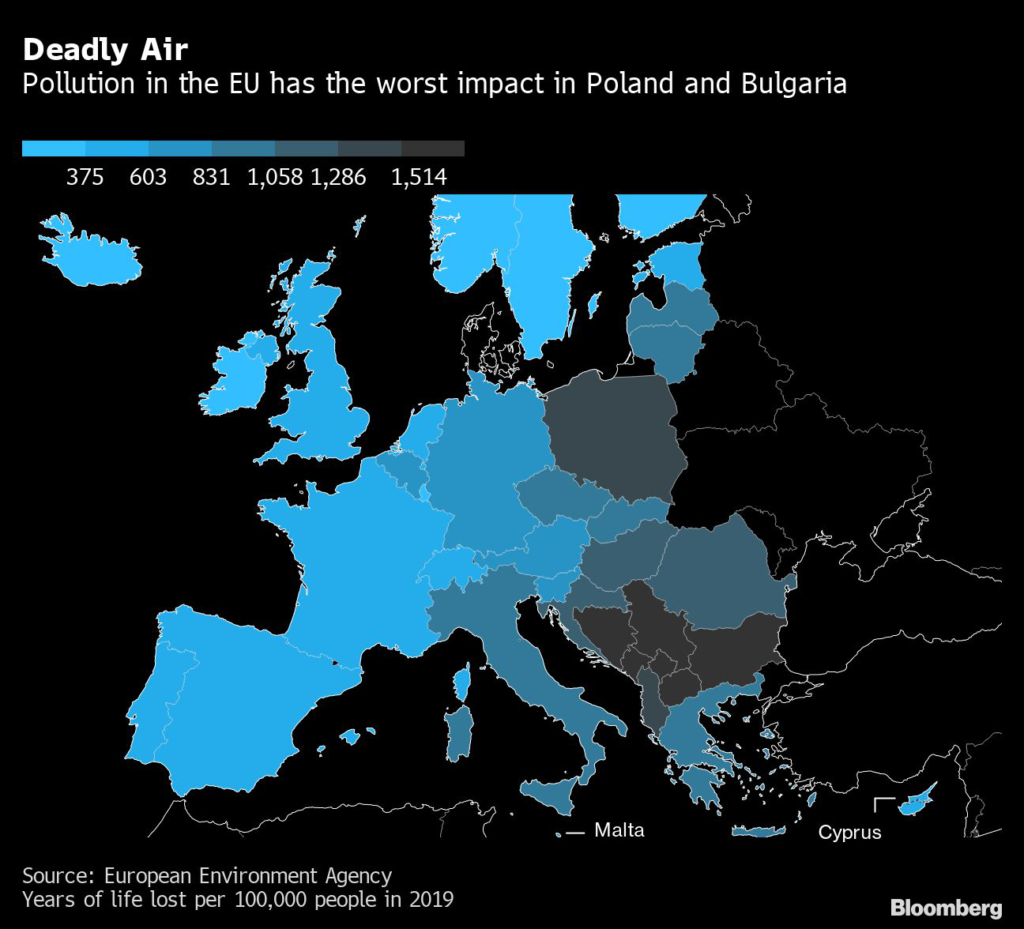
Poland remains heavily reliant on coal for home heating and the country is home to 40 of the 100 cities with the worst air quality in the European Union. The nation has one of the continent’s highest prevalence of premature deaths linked to contaminated air. 

Fars Province, Iran, Nov. 6, 9:25 am local time

A GHGSat satellite observed methane emissions near fossil fuel facilities Nov. 6 in a remote corner of Fars Province, in southern Iran. The emissions monitoring company attributed the plume to the oil and gas sector and estimated methane was spewing at a rate of 795 kilograms an hour at the time of the observation. 

Officials with the National Iranian Oil Co., the country’s government-owned oil and natural gas producer, didn’t immediately respond to an email sent outside normal business hours. 

The emissions occurred near the Arsanjan-Kheirgoo Gas Compressor Station. The site’s three compressors help ship as much as 110 million cubic meters of gas a day from the South Pars field 1,050 kilometers (650 miles) north to Tehran and were designed to increase transmission capacity during the winter heating season, according to a promotional video from the site’s operating subsidiary Sekafco.

National Iranian Oil spews more methane than any other global energy producer, according to a report by Global Energy Monitor. The non-profit group found that that just 30 fossil fuel companies account for nearly half of the sector’s emissions of the potent greenhouse gas.

Methane is the primary component of natural gas and responsible for about 30% of the Earth’s warming. Leaks can occur during extraction and transport of the fossil fuel.

The potent greenhouse gas, which has 84 times the warming power of carbon dioxide during its first two decades in the atmosphere, is also routinely generated as a byproduct of oil or coal production and if operators don’t have infrastructure to get the gas to market they may release it into the atmosphere. The International Energy Agency has called for oil and gas operators to halt all non-emergency methane venting. 

Near Kirtland, New Mexico, USA, Nov. 6, 1:48 pm local time

A GHGSat satellite observed methane emissions near a coal mine Nov. 6 in New Mexico that the emissions monitoring firm said was coming from a mine vent. The company estimated the release was spewing at a rate of 440.4 kilograms per hour. 

Operational coal mines often vent methane to reduce the risk of explosion. Closed or abandoned coal mines can leak methane for years if they aren’t properly sealed. 

GHGSat said they first detected emissions from the site through a demonstrator satellite in 2016. An official with the New Mexico Environment Department said Westmoreland Mining LLC is the operator of the facility near the plume. An official at Westmoreland didn’t immediately respond to a request for comment after normal business hours.Matthew Maez, a spokesperson for the New Mexico Environment Department said that fugitive emissions from coal mines are not subject to the department’s air quality rules.

Near Lucknow, India, Nov. 5, 1:28 pm local time

The satellite image was taken on Nov. 5 and shows a plume of methane that GHGSat attributed to a landfill in India. The estimated emissions rate was 1,328 kilograms per hour of methane. Landfills tend to be persistent emitters, according to the Montreal-based company. 

The detection highlights how piles of garbage — which generate the potent greenhouse gas when organic material like food scraps break down in the absence of oxygen — are triggering some of the world’s strongest and most persistent methane emissions. Landfills and wastewater are responsible for about 20% of the methane emissions generated from human activity.

Read more: The Trash Mountains of South Asia That Threaten the Climate

Failing to curb releases from the waste sector could derail global climate goals. Diverting food scraps and other organics before they enter a landfill is crucial to limiting future emissions. The impact of legacy dumps can be mitigated through aerating piles of trash and gas capture systems.

Near Daqing, China, Nov. 4 at 1:15pm local time

On Nov. 4 a satellite identified six methane releases in northeast China near the Daqing oilfield, according to GHGSat. Estimated emissions rates ranged between 446 and 884 kilograms per hour and the cumulative rate was 4,477 kilograms an hour. If the releases lasted for an hour at that rate they would have the same short-term climate impact as the annual emissions from about 81 US cars.

• Read more:  Countries Set to Bolster Global Methane Pledge at Climate Summit

The detections highlight the rapidly expanding ability of satellites to identify and track methane almost anywhere in the world that is driving a new era of climate transparency in which greenhouse gases will be quantified and attributed in near real-time to individual assets and companies.  

More companies and institutions are launching multi-spectral satellites that can detect methane’s unique signature. GHGSat has six satellites in orbit now dedicated to monitoring industrial methane and aims to launch another five by the end of next year. US non-profit Environmental Defense Fund plans to launch its MethaneSAT in 2023 and a consortium including Carbon Mapper, the state of California, NASA’s Jet Propulsion Laboratory and Planet Labs expects to launch two satellites next year. 

In 2021, concentrations of methane in the atmosphere had the biggest year-on-year jump since measurements began four  decades ago, according to the World Meteorological Organization. 


–With assistance from Golnar Motevalli.

(This story updates through Nov. 18 with new satellite images of methane releases around the world.)

More stories like this are available on bloomberg.com

©2022 Bloomberg L.P.
What Led Elon Musk to Talk of Bankruptcy for Twitter: Timeline

(Bloomberg) — It’s been a rough start for Twitter Inc. under Elon Musk.

In the two weeks since the tech billionaire took ownership of Twitter, he’s axed half of the company’s more than 7,000 employees, fired most of its executive leadership and demanded those who remain to return to the office immediately — ending remote work, monthly “days of rest” and free food. He’s told employees to brace themselves for long hours, that “the road ahead is arduous and will require intense work to succeed,” and said bankruptcy was possible if the company doesn’t stop bleeding cash soon. 

With $1.2 billion of annual interest payments from the acquisition coming due, and possibly higher with rising interest rates, Musk is in a rush to shore up cash. But with brands pulling back on spending as fears of recession loom, he’s in a race to find new sources of revenue. With teams working around the clock to add blue “verification” check marks to the subscription product, impersonator accounts are proliferating, resulting in an exodus of brands that is causing the company to lose $4 million a day, according to Musk.

Here’s how the saga is unfolding:

Oct. 27: Musk takes control

After being forced to complete the deal to buy Twitter for $44 billion, Musk announces he has taken possession of the social network. His first act is to fire the Board along with Chief Executive Officer Parag Agrawal, Chief Financial Officer Ned Segal, head of legal and policy Vijaya Gadde and General Counsel Sean Edgett, among others in executive leadership. 

After changing his Twitter bio to call himself “Chief Twit,” Musk forms a small advisory team that includes celebrity attorney Alex Spiro, venture capitalist and engineer David Sacks, Neuralink Corp. CEO and head of Musk’s family office Jared Birchall, tech investor Jason Calacanis, and general partner of Andreessen Horowitz Sriram Krishnan. 

Oct. 28: Brands begin to take pause

As Musk plans to unban accounts and says he will charge for user verification, advertisers start to get nervous. General Motors Co. suspends ads, and others review their Twitter budgets.

Oct. 31: Top tweeters protest

Amid murmurings of plans to charge existing verified accounts, bestselling author Steven King tweets, “$20 a month to keep my blue check? F**k that, they should pay me. If that gets instituted, I’m gone like Enron.” Musk replies, “We need to pay the bills somehow! Twitter cannot rely entirely on advertisers. How about $8?” Musk double downs on promoting the product. A possible release date of Monday, Nov. 7 is debated.

Nov. 1: Teams working around the clock

The product team works over the weekend on Musk’s idea to charge users for blue check marks. A photo of product director Esther Crawford sleeping on the floor of a conference room, trying to make the deadline, goes viral. Meanwhile, managers are asked to make lists of who can be fired. Employees print out their software code for review by Musk and engineers from Tesla Inc., to determine if their contributions are worthy of keeping a job.


Nov. 3: Massive layoffs begin 

A memo is sent to all employees telling them of imminent layoffs and to watch for an email with the subject line: “Your Role at Twitter.” Badge access to offices is suspended as 3,700 staffers receive word that they’ve been cut. Sources report chaos in the aftermath with “survivors” not knowing who will be their boss or which projects to work on, and project leads not knowing who is left on their team. Realizing employees essential for the continuity of the business have been let go by mistake, some are asked to come back.

Co-founder Ev Williams tweets, “Heart’s out to the tweeps getting laid off today.” Days later, co-founder and former CEO Jack Dorsey, who was a proponent of Musk’s acquisition, adds, “I realize many are angry with me. I own the responsibility for why everyone is in this situation: I grew the company size too quickly. I apologize for that.” 

A class action lawsuit is filed questioning whether California employees were given enough notice under state law. 

Meanwhile, more advertisers tap the brakes, concerned that cuts to content moderation teams means their ads could show up alongside unsavory content.

Nov. 5-6: Musk responds to celebrity protests

Unrest grows on the platform over the weekend, particularly over the issue of impersonator accounts. Actress Valerie Bertinelli starts a movement of people changing their Twitter names to “Elon Musk.” Comedian Kathy Griffin joins the protest, finds her account locked, and then Musk announces, “Going forward, any Twitter handles engaging in impersonation without clearly specifying `parody’ will be permanently suspended.”

Nov. 7: Musk urges followers to vote Republican before Election Day

Musk breaks out of the normal neutral posture of social media leaders when he tweets to his more than 100 million followers, “To independent-minded voters: Shared power curbs the worst excesses of both parties, therefore I recommend voting for a Republican Congress, given that the Presidency is Democratic.” He then pins the tweet to the top of his profile.

Nov. 8: Musk sells more Tesla

Despite a previous vow not to sell any more Tesla stock, Musk sells an additional $3.95 billion, bringing the total sold in past year to $36 billion.

Nov. 9: Musk answers advertisers’ questions

In an attempt to stem the departure of brands from the platform, Musk hosts a Twitter Spaces Q&A with the head of sales Robin Wheeler, head of trust and safety Yoel Roth, and the CEO of the Interactive Advertising Bureau, David Cohen. More than 114,000 listeners tuned in, including a number of official brand accounts such as Target, Pandora, Chipotle and Chevron. Musk brainstorms about how his subscription product can grow by building more commerce into the platform, including by offering high yield money market accounts on Twitter that users can link with their bank accounts.Soon after, the company’s blue check mark option becomes available for purchase, and immediately becomes a tool for impersonators. An account masquerading as Nintendo Inc. posts an image of Super Mario holding up a middle finger, while a fake Eli Lilly & Co. account tweets that insulin is now free. An impersonator Tesla Inc. account jokes about the carmaker’s safety record. Politicians and celebrities are also spoofed.

Nov. 10: More key executives quit as Musk warns of bankruptcy

In his first meeting with employees, Musk tells them to brace for 80-hour weeks and requires everyone back in the office full time, ending remote work and other perks like free food. He also says bankruptcy for the company is not out of the question if it doesn’t start generating more cash, and that teams need to move with urgency on the $8 subscription product.

Several executives in charge of keeping Twitter safe and accountable to its users quit, including chief information security officer Lea Kissner, chief privacy officer Damien Kieran and chief compliance Marianne Fogarty. Their departure raises concerns about the company’s ability to keep its platform secure and comply with regulations. Later in the day there is news that both Roth and Wheeler resign, although soon after Wheeler returns.

Nov. 11: Verified accounts get “Official” tags 

Twitter adds badges that say “offiical” to verified accounts in some places, though confusion abounds.

More brands depart the platform, including theatre guide Playbill. “Because of its tolerance for hate, negativity, and misinformation, our time with the social media platform has come to an end,” the theater guide company said in a statement. It warns fans to ignore any tweets from a Twitter account that contains the Playbill name. “Please understand that it is not us,” it said.

–With assistance from Kurt Wagner.

(Corrects acquisition amount in Oct. 27 section)

More stories like this are available on bloomberg.com

©2022 Bloomberg L.P.
Companies to Delay IPOs in Current Market Climate, Goldman Says

(Bloomberg) — Private companies are prepared to continue holding off on going public through next year if the market doesn’t improve, said one of Goldman Sachs Group Inc.’s top technology bankers.

Many of the bank’s clients that are candidates for initial public offerings raised private capital in 2020 and 2021 when it was abundant, Matt Gibson, co-head of the bank’s global technology, media and telecom group, said Friday in a Bloomberg Television interview. Those firms showed the financial discipline — preserving capital and cutting costs — to comfortably extend their IPO runway this year.

“Most of the clients that we have had the ability to wait this year and even wait next year if they need to,” Gibson said. “The good news is that they took the steps they needed to take when times were good.”

Amid volatility and shrinking valuations, the bank’s advice to most of its clients this year has been to wait, he said.

Gibson said the bank’s clients now more or less acknowledge the new valuation environment. “They’re looking to see one or two IPOs that get out there, price within the normal range that they expect and then trade well in the aftermarket,” he said.

A few companies will likely test the market in the first quarter, he said.

“We don’t expect 2023 to be 2021 again, as much as we’d like it to be, but we expect a vast improvement over 2022.”


–With assistance from Sonali Basak.

More stories like this are available on bloomberg.com

©2022 Bloomberg L.P.
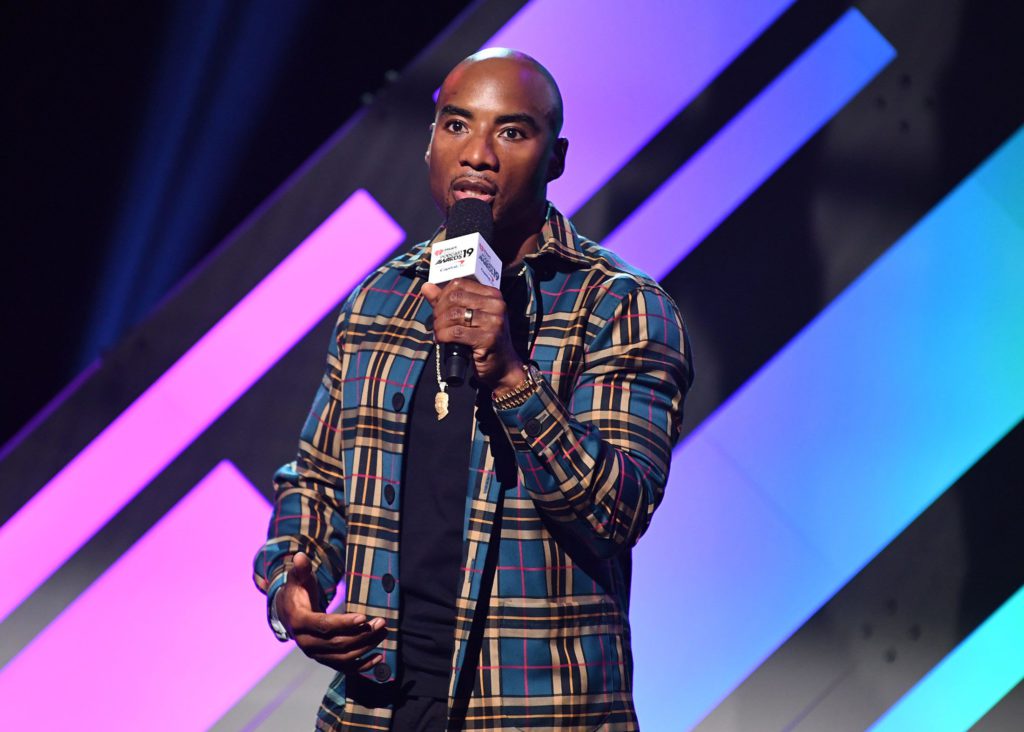
Comedy Central’s Charlamagne Tha God Strikes Krystal Deal

(Bloomberg) — Multimedia personality Lenard “Charlamagne Tha God” McKelvey has entered a partnership with the fast food chain Krystal Co., making way for the Comedy Central television host to open stores just outside his South Carolina hometown.

The deal with McKelvey, 44, and wife, Jessica Gadsen-McKelvey, includes co-branding six franchises in the greater Charleston area. The first location has been designated to be in Moncks Corner, South Carolina, where the couple both came of age.

“We’ve already got the site location where we’re building it and everything,” said McKelvey, a New York Times best selling author and prominent host on iHeartMedia Inc.’s syndicated radio program The Breakfast Club. “So literally, first quarter of 2023 you will definitely see the first one pop up.”

The deal follows revitalized branding efforts on behalf of Krystal. This year, the Atlanta-based company named hip-hop artist 2 Chainz as its first-ever head of creative marketing. McKelvey credits the rapper as well as Krystal’s diverse executive ranks for inspiring his involvement. Other Krystal partners include former National Football League wide receiver Victor Cruz.

“We want the Krystal brand to continue to be part of the culture and fabric of the communities we serve and we look forward to doing so in our own unique Southern style with a little bit of swag,” said Jonathan Childs, managing parter at Krystal Restaurants. “Both Charlamagne and Jessica embody these qualities and we’re ecstatic to bring Krystal to the greater Charleston area and expand our footprint nationally.”

The overall partnership with Krystal is valued at $12.5 million, according to a person familiar with the situation who asked not to be identified because the details were private.

Krystal, whose first restaurant opened in 1932 in Chattanooga, Tennessee, had been owned by Atlanta-based investment firm Argonne Capital Group LLC until 2020.

Inspired by former National Basketball Association player Ulysses Lee “Junior” Bridgeman’s roughly billion-dollar portfolio of Wendy’s and artist Rick Ross’s partnership with Wingstop Inc., Mckelvey said he has always wanted to get into the franchise business.

“It’s just something that my wife and I have always thought about doing,” he disclosed in an interview by phone. “We were just waiting on the right opportunity and I just really love the direction that Krystal’s is going in.”

In addition to hosting on Paramount Inc.’s Comedy Central channel, McKelvey has also built on his business success. In 2020, he extended his relationship with iHeartMedia to launch the Black Effect podcast network. Chairman and Chief Executive Officer Bob Pittman touted Charlamagne as “an unparalleled multi-platform creator whose impact extends across radio, digital, social, TV, events and podcasts.” 

Also that year, Audible Inc., seeking to help expand the platform’s reach with diverse voices, announced a joint, multi-year partnership with McKelvey and comedian Kevin Hart. Still, McKelvey credits his growing portfolio to radio.

“That is my passion, and everything else that you see me doing is literally fruit off the tree of radio,” said McKelvey.

(Updates with valuation in sixth paragraph)

More stories like this are available on bloomberg.com

©2022 Bloomberg L.P.
Close Bitnami banner
Bitnami