Bloomberg

Chipmaker GlobalFoundries to Start Job Cuts and Freeze Hiring

(Bloomberg) — GlobalFoundries Inc., the biggest US-based provider of made-to-order semiconductors, is beginning job cuts and has enacted a hiring freeze.

The company Friday informed its employees of the impending workforce reductions, without disclosing when exactly they would occur or which divisions would be affected. The chipmaker said Tuesday during an earnings call that it was working on initiatives to lower its operating expenses by $200 million annually. 

A GlobalFoundries spokeswoman confirmed the job cuts and hiring freeze, but declined to specify a number, saying the company was “taking focused actions on our workforce.” The chipmaker “had a strong third quarter and solid fourth-quarter guidance, but based on the current macroeconomic environment” is seeking to contain costs, the spokeswoman added. 

The company based in Malta, New York, and majority-owned by the government of Abu Dhabi, is among semiconductor producers seeking funds from the US government via the $52 billion CHIPS Act to expand domestic chip manufacturing. In planning layoffs and implementing a hiring freeze, GlobalFoundries is joining many of its peers in the broader technology industries. 

Intel Corp. recently said it will undergo cost reductions, which Bloomberg News reported would include a significant number of job cuts. Other chip companies, including Micron Technology Inc., have slowed hiring. Meta Platforms Inc. has started widespread layoffs, while Qualcomm Inc., Twitter Inc., Apple Inc. and Amazon.com Inc. are among those that have paused hiring for many divisions. 

On Tuesday, GlobalFoundries said third-quarter revenue jumped 22% and projected sales and profit in the current quarter that topped analysts’ estimates. The company is trying to win share in the market for outsourced chip production and gain enough scale to compete with industry leader Taiwan Semiconductor Manufacturing Co.

More stories like this are available on bloomberg.com

©2022 Bloomberg L.P.

Stocks Climb to Session Highs as Tech Regains Mojo: Markets Wrap

(Bloomberg) — US stocks gained surer footing after a choppy morning session, extending a rally sparked by a slowdown in inflation. The dollar fell, heading for a fourth week of losses.

The S&P 500 rose to session highs, with the tech-heavy Nasdaq 100 outperformed, rising more than 1.5%. Cash Treasury trading is closed for Veterans Day.

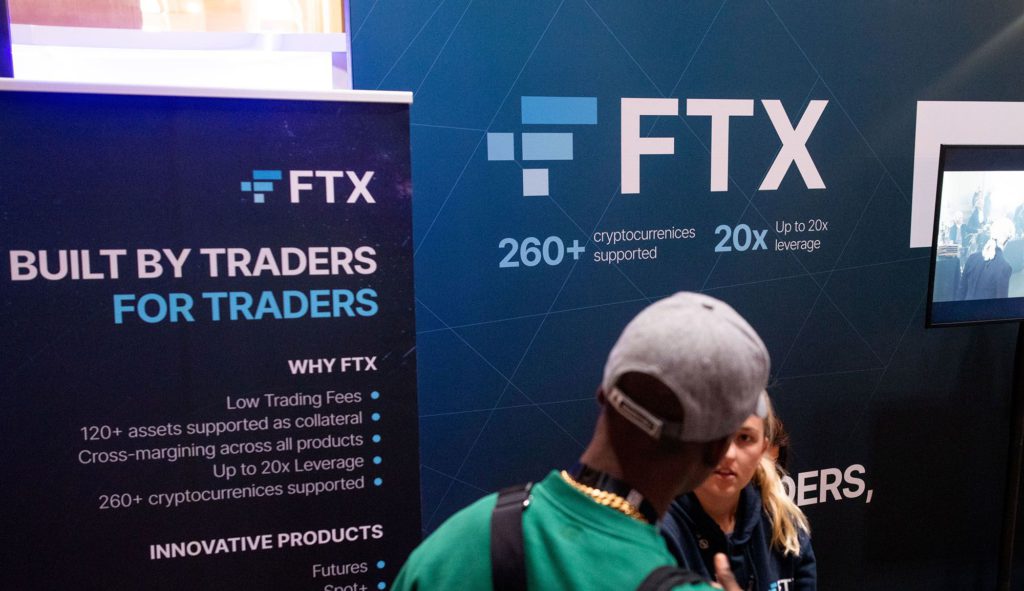
Meanwhile, cryptocurrencies resumed a selloff amid FTX’s deepening woes with Sam Bankman-Fried’s crypto empire filing for bankruptcy.

Elsewhere, US-listed Chinese stocks higher rose and commodities from oil to soybeans to precious metals jumped after China eased some Covid restrictions.

US stocks soared the most since 2020 on Thursday after a better-than-forecast cooling in US inflation improved the prospects of a dovish tilt by the Federal Reserve. On Friday, the University of Michigan’s preliminary November survey showed US consumer inflation expectations increased in the short and long run while sentiment retreated. 

“The moderation in the pace of inflation is a welcome development, while it is still far too early to declare the inflation threat over,” Mark Haefele, chief investment officer at UBS Global Wealth Management, wrote. “We still think the Fed is likely to raise at least another 100 basis points in total before it pauses the rate hiking cycle. Meanwhile, the cumulative impact of prior rate rises will continue to weigh on economic growth and corporate profits.”

The dollar slumped more than 1% on Friday, heading for a fourth successive week of losses. It is also the biggest weekly drop since the pandemic-fueled volatility in March 2020. 

Bitcoin dropped as much as 8% to $16,376 and Ether fell as much as 9.2%. FTX.com’s bankruptcy filing capped a swift reversal of fortune for the crypto exchange led by Bankman-Fried.

“From my vantage point, the real-world impact seems somewhat limited,” said Dan Suzuki, deputy chief investment officer at Richard Bernstein Advisors LLC. “It’s hard to imagine how it has a big impact on the overall economy. Crypto makes up a relatively small portion of financial markets, financial transaction, jobs, consumer spending, business spending, etc.”

Summers Says FTX Meltdown Has ‘Whiffs’ of Enron-Like Scandal

Pinduoduo Inc. and JD.com Inc. jumped in US trading amid growing optimism Beijing is on its way to ending the crippling Covid Zero policy. China reduced the amount of time travelers and close contacts must spend in quarantine. 

Some of the main moves in markets:

Stocks

  • The S&P 500 rose 0.8% as of 1:55 p.m. New York time
  • The Nasdaq 100 rose 1.7%
  • The Dow Jones Industrial Average fell 0.2%
  • The MSCI World index rose 1.9%

Currencies

  • The Bloomberg Dollar Spot Index fell 1.3%
  • The euro rose 1.4% to $1.0355
  • The British pound rose 1% to $1.1838
  • The Japanese yen rose 1.7% to 138.54 per dollar

Cryptocurrencies

  • Bitcoin fell 5.7% to $16,794
  • Ether fell 4.6% to $1,260.04

Bonds

  • The yield on 10-year Treasuries was little changed at 3.81%
  • Germany’s 10-year yield advanced 15 basis points to 2.16%
  • Britain’s 10-year yield advanced seven basis points to 3.36%

Commodities

  • West Texas Intermediate crude rose 2% to $88.18 a barrel
  • Gold futures rose 0.8% to $1,767.20 an ounce

This story was produced with the assistance of Bloomberg Automation.

–With assistance from Georgina Mckay, Masaki Kondo, Tassia Sipahutar, Farah Elbahrawy, Srinivasan Sivabalan and Vildana Hajric.

More stories like this are available on bloomberg.com

©2022 Bloomberg L.P.

Musk’s Lawyer Calms Twitter Staff Fearing Jail Risk for FTC Lapses

(Bloomberg) — After losing thousands of employees and top compliance officials at Twitter Inc., Elon Musk’s deputies are racing to contain heightened concerns that staff will be held liable for security lapses.

Musk’s lawyer Alex Spiro, who is guiding the legal team following the billionaire’s acquisition, sought to reassure employees that they would not go to jail if the company is found in violation of a Federal Trade Commission consent decree, according to a message viewed by Bloomberg.

“I understand that there have been employees at Twitter who do not even work on the FTC matter commenting that they could go to jail if we were not in compliance — that is simply not how this works,” the Quinn Emanuel Urquhart & Sullivan LLP lawyer wrote in a memo, earlier reported by Insider. “It is the company’s obligation. It is the company’s burden. It is the company’s liability.”

An information security team at Twitter that oversaw sharing of user data with advertisers and research partners was laid off after the takeover, a move that triggered internal concerns about vulnerability to security threats and potential violations of FTC rules, according to two people familiar with the matter.

The layoffs, which started November 3 and affected 50% of all Twitter employees, have contributed to a chaotic atmosphere within the company and were followed this week by the resignations of senior executives, including Chief Information Security Officer Lea Kissner, Chief Privacy Officer Damien Kieran and Chief Compliance Officer Marianne Fogarty.

Spiro said Twitter had spoken to the FTC and has its first compliance check upcoming. “The legal department is handling it,” he said in his note. 

The move to scrap the six-person information security team was combined with layoffs of at least a dozen other employees working on security, privacy and compliance issues at the company, the people said. The full size of those teams wasn’t immediately available.

The layoffs and departures are particularly noteworthy at a company that is under an FTC consent decree in which it agreed to better protect users’ personal data and also has to submit to regular audits of its privacy and data security systems. Twitter has been sharply criticized by former employees for security lapses, and in May was subject to a $130 million fine as part of a settlement with the FTC and Department of Justice over data privacy.

The information security team was focused on third-party risk management and was responsible for providing security assurances to advertisers that work with Twitter and share data with the company, according to the two people familiar with the matter, who spoke on condition of anonymity as they aren’t authorized to discuss the situation publicly.

The team also monitored Twitter’s sharing of user data with dozens of commercial partners and research organizations, some of whom have access to a programming interface that can be used to view sensitive non-public information about Twitter users, such as location data, IP addresses and unique device identification codes, the people said.

“The people at Twitter doing the checks on that access are simply not there anymore,” one of the people said, adding that the privacy and security of user data has been put at risk as a result.

The work carried out by the laid off information security team was partly intended to ensure compliance with a consent decree issued by the FTC in March 2011, according to the people. The decree, effective until 2042, ordered that Twitter must establish and maintain “a comprehensive information security program that is reasonably designed to protect the security, privacy, confidentiality, and integrity of non-public consumer information.” Violations of the decree can result in large fines.

On Thursday, a leader on Twitter’s legal team circulated an internal note that warned employees the company would, going forward, ask engineers to self-certify compliance with FTC requirements, according to a memo viewed by Bloomberg.

“This will put huge amount of personal, professional and legal risk onto engineers,” wrote the unnamed member of the legal team. “I anticipate that all of you will be pressured by management into pushing out changes that will likely lead to major incidents.”

In a statement, the FTC wrote it was tracking recent developments at Twitter with “deep concern.” The agency added that no CEO or company is “above the law,” and companies must follow consent decrees.

Twitter’s cybersecurity policies have previously faced criticism after high-profile data breaches. In 2014 and 2015, Saudi Arabia recruited spies inside the company and used them to obtain information on dissidents operating on the platform anonymously, according to U.S. prosecutors. In 2020, a teenager from Florida was charged for compromising the accounts of prominent people, including Musk and US President Joe Biden, and using them to promote a cryptocurrency scam.

In September, Peiter Zatko, Twitter’s former head of security who is known as “Mudge,” told the Senate Judiciary Committee that the company had poor security practices, which made it vulnerable to “teenagers, thieves and spies.” He said that Twitter’s leadership had “ignored its engineers” in part because “their executive incentives led them to prioritize profit over security.”

While rare, there have been instances of personal liability for executives at companies from security breaches. Former Uber security head Joe Sullivan was found guilty in San Francisco federal court in a case that stemmed from a 2016 hack — details of which he tried to keep hidden. Part of the charges against Sullivan related to the fact that Uber is under an order with the FTC and required to disclose breaches.

–With assistance from Leah Nylen.

More stories like this are available on bloomberg.com

©2022 Bloomberg L.P.

Alibaba Singles’ Day Sales Kept a Secret for the First Time

(Bloomberg) — Alibaba Group Holding Ltd. decided not to disclose full sales results for its signature Singles’ Day shopping festival for the first time, after forecasts that the figure may suffer a decline unprecedented in the event’s 14-year history.

Alibaba said in a statement gross merchandise value was “in line with last year’s GMV performance despite macro challenges and Covid-related impact.” Sales last year reached 540.3 billion yuan ($76.1 billion). Some 290,000 brands participated in 2022, the same as in 2021. 

The event had become the world’s largest shopping festival, dwarfing Black Friday and Cyber Monday in the US in terms of size and growth. Analysts long relied on the sales figure to gauge the health of China’s economy as well as the country’s No. 1 e-commerce platform operator. 

It is possible that Alibaba will disclose Singles’ Day sales next week when it reports earnings, though that hasn’t been its schedule in the past. 

Alibaba Singles’ Day GMV Could Fall Amid China’s Covid-Zero Drag

Created by Alibaba Chief Executive Officer Daniel Zhang in 2009, Singles’ Day evolved from a university pun about single life into a multibillion-dollar extravaganza. In the heyday of the past decade, stars like Taylor Swift, Nicole Kidman and Kobe Bryant would make appearances on stage, as the e-commerce giant moved billions of dollars of merchandise, often at stunning discounts. 

That festive atmosphere is long gone now. The company didn’t hold a gala celebration at all this year.

The retreat has come in part because of Covid lockdowns that undercut economic growth and in part because of a Communist Party crackdown on the private sector that began with Alibaba and co-founder Jack Ma. Even before this year’s event, analysts had grown concerned the amount of goods sold may slip. 

“Weak buying sentiment among mainland Chinese shoppers and logistical disruptions will persist amid ongoing mobility curbs under China’s Covid-Zero policy,” wrote Bloomberg Intelligence analysts Catherine Lim and Trini Tan. 

Competition is an issue too. While most consumers still flock to Taobao and Tmall, Alibaba’s main shopping sites, rivals such as JD.com Inc. and Pinduoduo Inc. have jumped into the fray and gained market share. Even short-video sites like ByteDance Ltd.’s Douyin and Kuaishou Technology are vying for shoppers’ attention.

“Overall platform diversification is a trend, driven by consumer behavior and brand strategy,” said Sherri He, managing director of Kearney Greater China. More and more brands have opened stores on JD.com and other platforms in the last one year, she said. 

Consumers got a 50-yuan discount for every 300 yuan they paid on Tmall and a 30-yuan discount for every 200 yuan they paid on Taobao. JD.com and PDD also dangled similar discounts, though precise savings on any purchase varied widely and depended on whether merchants join the promotion campaigns.

Apart from rising rivalries, this year’s Singles’ Day was weighed down by China’s slow economic expansion. Gross domestic product in the third quarter rose 3.9%, while retail sales growth slowed to 2.5% in September from August’s 5.4% increase, according to data from the Chinese government. 

Chinese tech giants have been dealing with weak consumption over the past two years as the country adheres to a hardline Covid Zero policy, in addition to the tech crackdown. Revenues for both Alibaba and Tencent Holdings Ltd. shrank for the first time on record in the June quarter with more than 14,000 people laid off during the same period. 

Overall, the significance of the retail festival has diminished in recent years as investors and employees focus on the political and economic environment.

“Singles’ Day has been totally diluted in terms of the impact,” said William Yuen, investment director at Invesco Hong Kong Ltd. “No one had much expectation about whether they would beat or not. I think it becomes more like a formality or a numbers game.” 

More stories like this are available on bloomberg.com

©2022 Bloomberg L.P.

FTX Collapse Drags Crypto Stocks to $5 Billion Valuation Wipeout

(Bloomberg) — US stocks’ biggest rally in months wasn’t enough to ease the pain for holders of shares linked to the cryptocurrency space, some of which are headed for their steepest weekly losses in years amid FTX Group’s implosion.

Robinhood Markets Inc., MicroStrategy Inc. and Galaxy Digital Holdings Ltd. have each tumbled at least 15% this week, with Piper Sandler analysts calling FTX’s downfall a “clear setback” for the crypto industry. 

Jitters persisted Friday as Sam Bankman-Fried’s FTX empire filed for Chapter 11 bankruptcy. That came less than 48 hours after a rescue bid from rival Binance Holdings Ltd. collapsed. Digital tokens including Bitcoin, the largest cryptocurrency, have spiraled lower as FTX’s fall marked the latest casualty from the nearly year-long crypto winter.

Robinhood is on track for its worst week since April as FTX’s bankruptcy removes any hopes that the crypto exchange could buy the trading platform amid questions surrounding Bankman-Fried’s 7.6% stake in the company. MicroStrategy, which has been purchasing Bitcoin in bulk since 2020, is on pace for the steepest decline in more than two decades, wiping out 37% in the past five days. Another stock in freefall is Silvergate Capital Corp., which is headed for a record 37% drop this week.

While a two-day rebound for some of the shares pared the declines, the week’s shocking developments have severely dented confidence in the risky industry. The losses have wiped out nearly $5 billion in value across a range of companies, data compiled by Bloomberg show.

The ugly stretch for crypto-exposed shares offered a stark contrast with the broader market, which is on track for the best week since June. The wider rally could only stem the losses for shares such as Coinbase Global Inc. and Hut 8 Mining Corp.

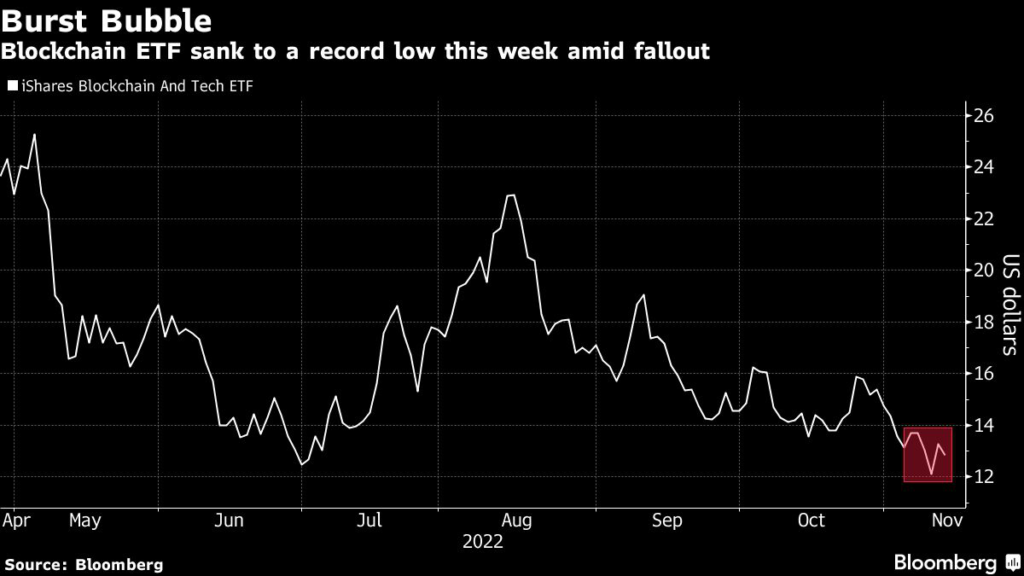
This year’s side in cryptocurrencies, highlighted by a roughly 75% slide for Bitcoin since its peak about a year ago, has wiped out trillions in value. That, along with a broader equity slide, has erased 46% of BlackRock’s iShares Blockchain and Tech ETF (IBLC) value since a debut in April. 

More stories like this are available on bloomberg.com

©2022 Bloomberg L.P.

World’s Biggest Democracies Sound Warning on Twitter Blue Checks

(Bloomberg) — Officials from many of the world’s largest democracies are warning that Twitter Inc.’s new subscription service introduced under new owner Elon Musk is a breeding ground for misinformation.

From India to Brazil and the US, officials are warning of a proliferation in fake accounts, with some saying the new system in which a blue check mark can be bought for $7.99 per month is ripe for abuse. 

The service, introduced after Musk’s $44 billion takeover in October, has already been suspended after subscribers paid to create impostor accounts with verified blue check marks. The most visible abuse came from wave of accounts lampooning major brands including Tesla Inc., Nestle SA and defense contractor Lockheed Martin Corp. 

Twitter accounts carrying a blue check mark also quickly appeared impersonating US politicians, including President Joe Biden and Florida Governor Ron DeSantis. One account set up by the Washington Post as an experiment, mimicking Massachusetts Senator Ed Markey, was mistakenly labeled as verified because it belonged to a person notable in government.

Markey criticized the platform changes from his real account, warning that Twitter and its leadership have a responsibility “to ensure the platform doesn’t become a breeding ground for manipulation and deceit.”

Indian security officials, including those who handle security in Jammu and Kashmir, are worried Twitter handles with a blue tick could be used to spread disinformation, according to people familiar with the matter who asked not to be identified because they were not authorized to speak with the press. 

The Indian government did not immediately respond to a request for comment.  

A spokesman for Luiz Inacio Lula da Silva said the Brazilian president-elect’s team was concerned about an increase in misinformation and fake accounts even before Musk’s purchase of the company.

“Twitter did little to curb disinformation, hate speech and attacks on the democratic processes in the 2022 elections,” the spokesperson said. “It followed court rulings, but continued to allow the proliferation of fake and automated accounts used by Bolsonaro’s supporters, until verified accounts repeatedly published fake news.This already seemed to reflect the behavior of the platform’s team in the face of the beginning of Elon Musk’s management.”

The European Commission has said that it is currently not aware of any issue of fake accounts imitating commissioners. However, as a signatory of the Code of Practice, Twitter needs to commit to ensuring the integrity of services, Europe’s executive arm said. 

The European Union’s Code of Practice for social media platforms was reinforced in 2022 to strengthen measures intended to reduce manipulative behavior used to spread disinformation, such as fake accounts.  

Twitter did not immediately respond to a request for comment.

–With assistance from Simone Iglesias.

More stories like this are available on bloomberg.com

©2022 Bloomberg L.P.

US Stock Rebound Has Room to Run, Morgan Stanley Says

(Bloomberg) — Morgan Stanley’s Mike Wilson, a well-known stock market skeptic who correctly predicted this year’s slump, says the recent rally in US equities isn’t finished and should keep running over the coming weeks.

“There’s probably further to go, probably through Thanksgiving, maybe even into early December,” Wilson, the bank’s chief US equity strategist, said in an interview on Bloomberg Television on Friday. “I don’t think the rally is over at this point.”

Wilson, who was ranked the best portfolio strategist in the latest Institutional Investor survey, said part of the reason why the stock market surged to its best day since April 2020 on Thursday was investors got caught positioned the wrong way heading into the latest inflation report and had to reverse directions.

The consumer price index cooled in October by more than forecast, which has improved the prospects of a dovish tilt by the Federal Reserve. A rates begin to ease, that will help alleviate pressure on longer-duration assets like growth stocks, which will help lead to the next leg of the equity rally, he said. 

“As rates come down…the Nasdaq, which has been the laggard in this rally so far, can now catch up,” Wilson said. “That’s tied directly to the move in rates.”

He also noted that US equities have held up despite the selloff in cryptocurrencies in the wake of the meltdown in Sam Bankman-Fried’s FTX crypto empire.

“Clearly, this overhang from crypto isn’t constructive,” Wilson said. “We’re having this event, which is a little bit scary, and yet the market was up…which tells me that people were just out of position.”

Wilson, who has previously said that US equities are nearing the bottom of the bear market, reiterated that the S&P 500 could rise between 4,000 to 4,150, but warned that he still thinks the latest rebound is a counter-trend rally — at least for now.

Read: Morgan Stanley’s Wilson Says Layoffs ‘in Earnest’ Key Bull Sign

“We do think this ultimately is a bear-market rally,” Wilson said. But once the S&P 500 breaks through its 200-day moving average, which currently sits around 4,081, that may “get the animal spirits going” and draw in more passive flows, he explained. That could propel the broad index to 4,200 or 4,300, he added. 

“It’s going to remain volatile,” Wilson cautioned. “It’s still a bear market so it could rip you apart.”

More stories like this are available on bloomberg.com

©2022 Bloomberg L.P.

FTX Latest: European License Suspended by Cyprus Regulator

(Bloomberg) — Sam Bankman-Fried’s digital-asset empire filed for Chapter 11 bankruptcy in Delaware. His crypto trading company, Alameda Research, listed at least $10 billion of assets and liabilities each. 

Cyprus is planning to suspend FTX’s operating license, while the crisis could lead to a tightening of US and EU crypto regulations. Wider crypto markets were hit by the fallout, with Bitcoin falling more than 8% at one point. Former Treasury Secretary Lawrence Summers compared the meltdown to that of Enron Corp. 

Troubled crypto lender BlockFi said it can no longer operate as usual, citing “a lack of clarity” in relation to FTX. Earlier, Bankman-Fried said he’s closing Alameda Research, the trading house at the center of speculation about whether his crypto exchange mishandled customer funds. 

Key stories and developments:

  • FTX Empire Goes Bankrupt, Capping Sudden Fall for Bankman-Fried
  • SoftBank Is Said to Expect About $100 Million Loss on FTX Stake
  • FTX’s Sam Bankman-Fried Faces SEC Probe as His Empire Crumbles
  • Crypto Markets Buckle as FTX Filing Spurs Search for Casualties
  • FTX Retail Investors Fear Wipeout, Shaking Their Faith in Crypto

For crypto market prices: CRYP; for top crypto news: TOP CRYPTO

(Times are US Eastern Standard unless specified otherwise.)

FTX’s European License Suspended by Cyprus Regulator (1:01 p.m.)

The Cyprus Securities and Exchange Commission said it had suspended FTX Europe’s licence on suspicion of alleged violations of several laws, stating that “the company does not appear to comply at all times” with the conditions of its authorization. Other alleged violations included laws relating to the suitability of members of management, and FTX’s safeguarding of customer assets. 

Bloomberg News first reported the potential suspension earlier on Friday.

Genesis to Get $140 Million Infusion From DCG After FTX Collapse (11:52 a.m.)

Crypto brokerage Genesis will get a $140 million equity infusion from its parent company, the Digital Currency Group, after it disclosed its derivatives business has $175 million in funds locked in a FTX trading account. 

FTX Empire Goes Bankrupt (11:12 a.m.)

After days trying to shore up his teetering crypto empire, Bankman-Fried sought Chapter 11 bankruptcy for more than 130 entities in the FTX Group, including Alameda. 

Bankman-Fried resigned as chief executive officer of the FTX Group as part of the filings, and John J. Ray III was appointed to replace him, according to a statement. Ray, a turnaround and restructuring expert, has previously served senior roles in bankruptcies including Enron.

“I’m going to work on giving clarity on where things are in terms of user recovery ASAP,” Bankman-Fried said in a Twitter thread on Friday. 

FTX Facing EU License Suspension (6:29 a.m.)

Cyprus is planning to suspend FTX.com’s two-month-old license, which allows the troubled crypto exchange to operate throughout Europe, people with knowledge of the matter said. 

An announcement on the decision could come as soon as Friday, said the people, who asked not to be named discussing internal deliberations. FTX said in September that it received the permit from the Cyprus Securities and Exchange Commission, covering the EU as well as Norway, Iceland and Lichtenstein. 

Bankman-Fried Loses Entire Fortune (6 a.m.)

Sam Bankman-Fried’s entire $16 billion fortune has now been wiped out, one of history’s greatest-ever destructions of wealth.

The collapse of FTX and Alameda Research means assets owned by the mogul once likened to John Pierpont Morgan have become worthless. At the peak, the 30-year-old was worth $26 billion, and he was still worth almost $16 billion at the start of the week.

The Bloomberg Billionaires Index now values FTX’s US business — of which Bankman-Fried owns about 70% — at $1.

Bitcoin Under Pressure (6:32 p.m. Hong Kong)

Shares in cryptocurrency-exposed companies edged lower on Friday, easing after yesterday’s US CPI-fueled surge, with the price of Bitcoin under pressure amid the unfolding crisis at FTX. The price of Bitcoin fell 3.1% to around $17,255 as of 5:26 am New York time.

In US premarket trading, Coinbase was down 0.2%, Riot Blockchain down 0.7%, Marathon Digital fell 1.7%, MicroStrategy lost 0.6% and Hut 8 Mining slumped 2.3%.

Tighter Regulation on the Cards (6 p.m. Hong Kong)

Watchdogs and industry experts in both the US and Europe said the unraveling of Sam Bankman-Fried’s crypto empire will lead to stricter rules and scrutiny.

In the US, the Financial Stability Board, which last month published a framework for regulating crypto assets, said it would do more work on exchanges and other service providers next year as the FTX implosion emphasized the need for tighter supervision. The comments echo remarks from two US senators, who said the FTX collapse shows that the Commodity Futures Trading Commission needs more oversight powers.

Marina Markezic, co-founder of the European Crypto Initiative, said FTX’s collapse will have indirect consequences and “a tremendous effect on shaping up crypto regulation.”

Softbank Said to Expect About $100 Million Loss on FTX Stake (4:30 p.m. Hong Kong)

SoftBank Group invested just under $100 million in FTX.com and anticipates writing down the entire value of the stake, according to a person familiar with the matter. 

The Japanese company had put in a total of less than $100 million and had kept the investment marked close to cost, rather than boosting the valuation and recording a profit, the person said, asking not to be identified because the details are private. SoftBank will likely write down the holding in the December quarter.

Binance CEO Talks about Regulators’ Next Focus after Fresh Crypto Fallout (4 p.m. Hong Kong)

Regulators will look more closely at account balances and reserves at centralized crypto exchanges after the shocking unraveling of FTX.com, Binance CEO Zhao Changpeng said at a fintech event in Indonesia.

Binance decided to pull a proposal to take over FTX International within 24 hours of offering a letter of intent as it did not find much value in the deal, the CEO, known as CZ, said. The deal didn’t make sense in financial terms, number of users and technology, according to CZ, speaking for the first time in public after the deal collapsed. He added that Binance will look at improving transparency and disclosures.

Crypto Markets Retreat on Concerns About FTX Contagion (12:35 p.m. Hong Kong)

Virtual coins were in retreat Friday, with the largest token Bitcoin falling as much as 5.5% and second-ranked Ether sinking almost 8% at one point. The crisis engulfing FTX and signs of spreading contagion undid investor sentiment. 

Easing US inflation had delivered a fillip for risk assets generally on Thursday, propelling the biggest advance in a gauge of the top 100 crypto tokens since early September.

Crypto Lender Hodlnaut Uncertain About Recovery of Assets at FTX (noon Hong Kong)

About 72% of digital assets deployed by Hodlnaut on centralized exchanges were held with FTX, with an estimated market value of S$18.5 million ($13.3 million), its interim judicial managers said. The extent of the recovery of those digital assets is currently uncertain, they added.

Embattled Crypto Lender BlockFi Pauses Withdrawals (8:45 p.m.)

Troubled crypto lender BlockFi said in a statement on Twitter that the company can no longer operate business as usual, citing “a lack of clarity” on the status of FTX.com, FTX and Alameda Research. 

The company said it is limiting platform activity and pausing client withdrawals. BlockFi asked customers not to deposit funds at this time.

FTX US Legal Chief Tells Working to Preserve Platform (8 p.m.)

FTX US general counsel Ryne Miller said in an internal memo he’s working with advisers to preserve “whatever is preservable” of the crypto exchange.

“We should not be optimistic for an outcome that is positive,” Miller wrote. “I’m working with outside advisers to be best prepared to navigate FTX entities to next steps.”

Sponsor of Key US Crypto Bill That Empowers CFTC Is to Review Legislation (7 p.m.)

John Boozman, a lead co-sponsor on legislation that would give the Commodity Futures Trading Commission more power to oversee digital assets, said the bill’s backers are “taking a top-down look to ensure it establishes the necessary safeguards the digital commodities market desperately needs.”

“Chairwoman Stabenow and I remain committed to advancing a final version of the DCCPA that creates a regulatory framework that allows for international cooperation and gives consumers greater confidence that their investments are safe,” he added.

He was referring to Debbie Stabenow, a leader of the Senate Agriculture Committee along with Boozman. DCCPA refers to the bill, the Digital Commodities Consumer Protection Act of 2022.

Broker Genesis’ Derivatives Unit Has About $175 Million on FTX Platform (6:20 p.m.)

Crypto broker Genesis said its derivatives business has about $175 million “in locked funds” in the company’s FTX trading account.

“This does not impact our market-making activities,” the firm said in a Twitter thread, adding “our operating capital and net positions in FTX are not material to our business.”

The fallout from the collapse of the FTX empire has left investors on edge about the risk of contagion.

Bahamas Seeks to Place FTX.com Into Receivership (5:50 p.m.)

The Bahamas Securities Commission has frozen the assets of FTX Digital Markets “and related parties.” An asset freeze was “the prudent course of action” to preserve assets and stabilize the company, the agency said Thursday in a statement. 

An attorney has been appointed provisional liquidator as the Bahamas securities regulator seeks to place the beleaguered crypto exchange into receivership. 

“The commission is aware of public statements suggesting that clients’ assets were mishandled, mismanaged and/or transferred to Alameda Research. Based on the commission’s information, any such actions would have been contrary to normal governance, without client consent and potentially unlawful,” it said.

Junior Employees Try to Sell Assets With Bankman-Fried Away (2:20 p.m.)

Employees of the US-based crypto exchange are in talks about selling parts of the business, including some assets that Bankman-Fried amassed on a sweeping acquisition tear across the industry, according to two people with direct knowledge of the matter, who requested anonymity because the talks were private. 

White House Is Monitoring Crypto Markets (1:52 p.m.)

The Biden administration is aware of recent developments surrounding cryptocurrencies and will “continue to monitor the situation,” White House Press Secretary Karine Jean-Pierre told reporters on Thursday.

Jean-Pierre said the White House believes cryptocurrency markets require “proper oversight,” but declined to comment on specific steps regulators can or should take. 

“The most recent news further underscores these concerns and highlights why prudent regulation of cryptocurrencies is indeed needed,” Jean-Pierre said at her daily press briefing.

FTX US Says Trading May Be Halted in a Few Days (1:31 p.m.)

FTX US, the American entity of Bankman-Fried’s crypto exchange, said trading may be halted on it in a few days. FTX.com and FTX US are separate entities with separate management personnel, tech infrastructure, and licensing, but have similar owners and investors, representatives for the firms have said in the past.

Japan Cracks Down on Local FTX Unit; Freezes Exchange Activity (12:52 p.m.)

Japan’s government has ordered FTX.com’s local subsidiary to suspend some of its operations, saying it has no structure in place to properly offer cryptocurrency exchange services to users.

FTX Resumes Withdrawals After Two-Day Pause (12:28 p.m.)

FTX.com has resumed withdrawals on the platform, according to blockchain data, after halting such activities on Tuesday. Nansen and Kaiko, another blockchain data firm, both confirmed the resumed activities. FTX processed $8 million worth of withdrawals in an hour on Thursday, Nansen said.

Bankman-Fried Shuts Down Trading Firm (11:40 a.m.)

Bankman-Fried is shutting down Alameda Research, the trading house at the heart of his digital-asset empire, as he seeks last-ditch financing to save his troubled crypto exchange FTX.

–With assistance from Yueqi Yang, Muyao Shen, Jordan Fabian, Takashi Nakamichi, Nao Sano, Philip Lagerkranser, Derek Decloet and Eva Szalay.

More stories like this are available on bloomberg.com

©2022 Bloomberg L.P.

Cyprus Regulator Suspends Bankrupt FTX’s European License

(Bloomberg) — FTX.com’s license to operate an investment business in Europe has been suspended by the Cypriot financial regulator, just hours after the crypto exchange filed for bankruptcy in the US.

The Cyprus Securities and Exchange Commission said it had suspended FTX Europe’s license on suspicion of alleged violations of several laws. It stated that “the company does not appear to comply at all times” with the conditions of its authorization. Other alleged violations included laws relating to the suitability of members of management, and FTX’s safeguarding of customer assets.

“The above decision was reached for the protection of the investors and the orderly operation of the market,” the regulator said in a filing.

FTX Europe gained its license in Cyprus two months ago after acquiring a local business earlier this year, a move which permitted it to operate its services across the European Union, Norway, Lichtenstein and Iceland. Bloomberg News first reported the potential suspension earlier on Friday.

Read More: FTX Empire Goes Bankrupt in Sudden Fall of Bankman-Fried (1)

The European entity was one of more than 130 entities affiliated with FTX that were part of a joint bankruptcy filing in Delaware on Friday. FTX first began experiencing issues with processing customer withdrawals on Monday, and navigated several rescue talks before collapsing.

Though a Chapter 11 bankruptcy process allows a firm to continue operating while they work out a plan to repay creditors, the decision by CySEC means FTX Europe is not permitted to carry out investment services or accept any new clients.

FTX did not immediately respond to a request for comment.

More stories like this are available on bloomberg.com

©2022 Bloomberg L.P.

Summers Favors Biden Keeping Economic Team in Place Post-Midterms

(Bloomberg) — Former Treasury Secretary Lawrence Summers favored President Joe Biden keeping his current economic team in place, with no need to change in the wake of the midterm congressional elections.

“They’ve very good people — I don’t think the people are the issue, it’s a very experienced team,” Summers told Bloomberg Television’s “Wall Street Week” with David Westin. “Inevitably, over time administrations have turnover,” he added.

Summers last year took issue with the size of the Biden administration’s pandemic-relief package, and blasted economic officials’ prediction that a spike in inflation would prove “transitory.” But he also endorsed many of the tax-hike proposals from Biden’s team, along with elements of the infrastructure and clean-energy investment legislation it sought.

Before the Democrats outperformed the expectations of many political observers in Tuesday’s midterm election, speculation had centered on the potential for an overhaul of Biden’s economy team. Treasury Secretary Janet Yellen last month said “there is no truth” to suggestions that she plans to depart her post in the near future.

National Economic Council Director Brian Deese in late September also said he had no plans to leave.

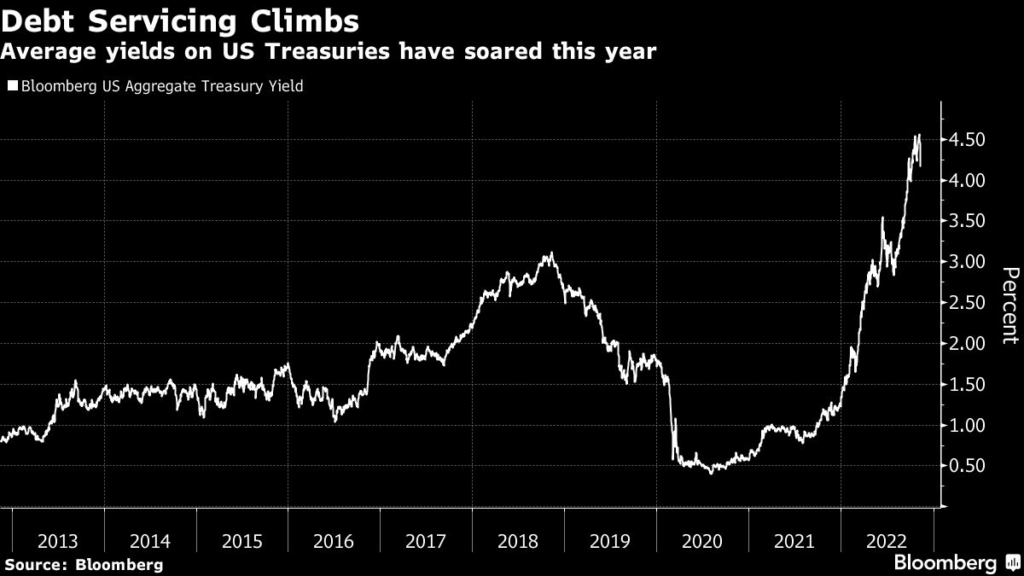
Summers saw two focus points going forward: implementation of the economic packages enacted in 2022 and 2021, and a fresh effort to address long-run fiscal challenges, especially with the government’s debt-servicing costs rising.

“The administration has a real opportunity now to move to an implementation phase,” said Summers, a Harvard University professor and paid contributor to Bloomberg Television. He highlighted the need for deeper cooperation with the private sector to build out infrastructure in a way that helps reduce bottlenecks.

Mapping out investment in all kinds of energy, along with semiconductors, are among the priorities, Summers said.

He added that it’s “appropriate,” given the challenge with inflation, that there are no further proposals on the table for “three and a half trillion dollar new deals.”

“We are going to have to refocus, now that interest rates have become significantly elevated, on the country’s long-run fiscal picture,” Summers said. “There is real risk, without capital gains inflating tax revenues, with higher interest on the debt, that that could become again a substantial issue for the economy.”

More stories like this are available on bloomberg.com

©2022 Bloomberg L.P.
Close Bitnami banner
Bitnami