Bloomberg

Equity Rally Extends as China Adds to US Euphoria: Markets Wrap

(Bloomberg) — US index futures and European stocks rallied as the euphoria over falling inflation in the world’s largest economy extended into a second day and China relaxed some Covid restrictions.

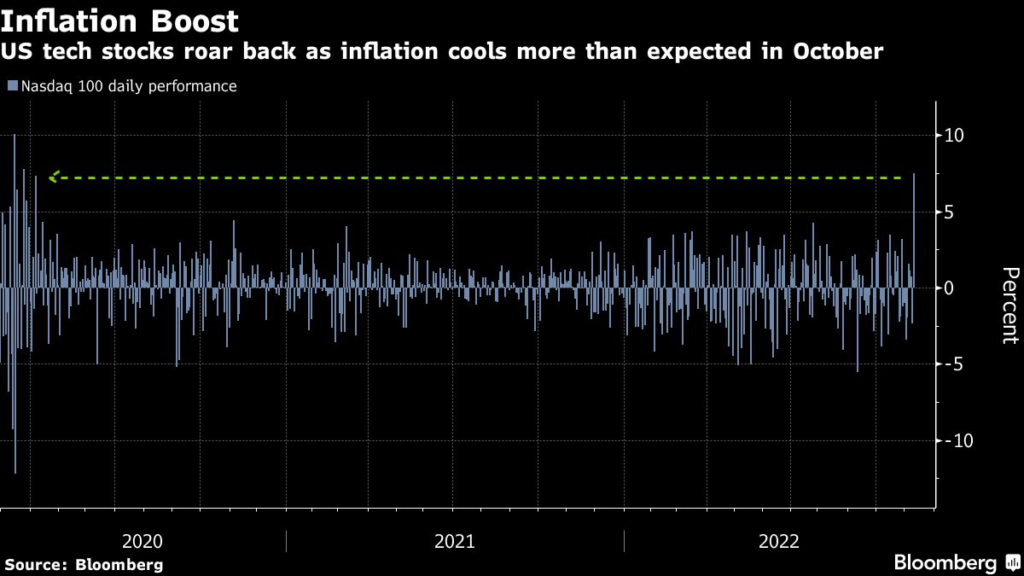
Contracts on the S&P 500 and Nasdaq 100 indexes rose at least 0.5% each after US stocks surged the most since early 2020 on Thursday. European equities headed for a weekly gain. The dollar was poised for the longest streak of weekly losses in more than two years. Chinese stocks listed in New York advanced in premarket trading.

Risk sentiment has come back roaring into global markets after a sharper-than-forecast drop in US inflation improved the prospects of a dovish tilt by the Federal Reserve. However, some money managers warn that such expectations are misplaced as the central bank won’t consider its job done until inflation reaches its target of 2%, far below the October level of 7.7%.

“The Fed will want to see several consecutive months of tamer inflation before considering a pivot to a more dovish posture,” Mark Haefele, the chief investment officer of UBS Global Wealth Management, wrote in a note. “Services inflation remains a worry. The Fed needs to see signs of a cooling labor market.”

Fed officials on Thursday appeared to back a downshift in rate hikes after a stretch of four jumbo-sized increases. They also stressed the need for policy to remain tight. 

Dallas Fed President Lorie Logan said it may soon be appropriate to slow the pace to better assess economic conditions. San Francisco’s Mary Daly said the moderation was “good news,” but noted “pausing is not the discussion, the discussion is stepping down.” 

The dollar slumped 0.9% on Friday, heading for a fourth successive week of losses. It is also the biggest weekly drop since the pandemic-fueled volatility in March 2020. 

Treasury futures slid Friday as the cash market was closed for a US holiday. A part of the yield curve the Fed monitors to gauge recession risks inverted for the first time since early 2020. The spread between expected yields on three-month Treasury bills in 18 months and those on current T-bills fell to minus 14 basis points Thursday. 

Europe’s Stoxx 600 Index rose for a second day, taking its weekly gain to 3.7%. This is the first time in a year that the gauge has rallied for four consecutive weeks. Consumer, commodity and technology stocks, which are the most sensitive to economic activity, led the gains.

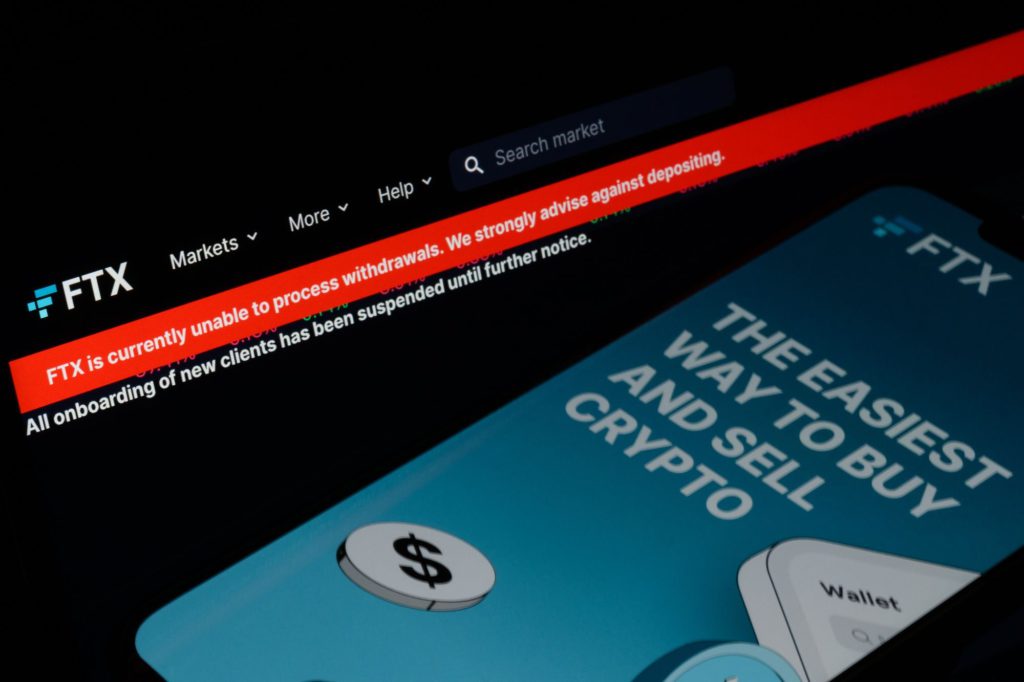
Cryptocurrencies resumed a selloff amid FTX’s deepening woes. OIl rallied on bets for improving demand from China.

Pinduoduo Inc. and JD.com Inc. jumped at least 5% each in early New York trading, leading US-listed Chinese stocks higher amid growing optimism Beijing is on its way to ending the crippling Covid Zero policy.

A gauge of Hong Kong-listed technology stocks surged 10% after China reduced the amount of time travelers and close contacts must spend in quarantine. The pivot came hot on heels of a call by leaders in Beijing for more precise and targeted virus control measures. The measures also validate persistent market expectations for an end to China’s Covid Zero policy, which officials have repeatedly denied.

Key events this week:

  • US University of Michigan consumer sentiment, Friday

Some of the main moves in markets:

Stocks

  • Futures on the S&P 500 rose 0.5% as of 7:05 a.m. New York time
  • Futures on the Nasdaq 100 rose 0.6%
  • Futures on the Dow Jones Industrial Average rose 0.5%
  • The Stoxx Europe 600 was little changed
  • The MSCI World index rose 1%

Currencies

  • The Bloomberg Dollar Spot Index fell 0.9%
  • The euro rose 0.8% to $1.0294
  • The British pound rose 0.4% to $1.1765
  • The Japanese yen rose 1.1% to 139.46 per dollar

Cryptocurrencies

  • Bitcoin fell 2.7% to $17,329.05
  • Ether fell 3.5% to $1,275.67

Bonds

  • Germany’s 10-year yield advanced nine basis points to 2.10%
  • Britain’s 10-year yield advanced six basis points to 3.35%

Commodities

  • West Texas Intermediate crude rose 3.3% to $89.34 a barrel
  • Gold futures rose 0.4% to $1,761.30 an ounce

This story was produced with the assistance of Bloomberg Automation.

–With assistance from Georgina Mckay, Masaki Kondo, Tassia Sipahutar and Farah Elbahrawy.

More stories like this are available on bloomberg.com

©2022 Bloomberg L.P.

FTX Latest: EU License Under Threat as Asset Freeze Fuels Crisis

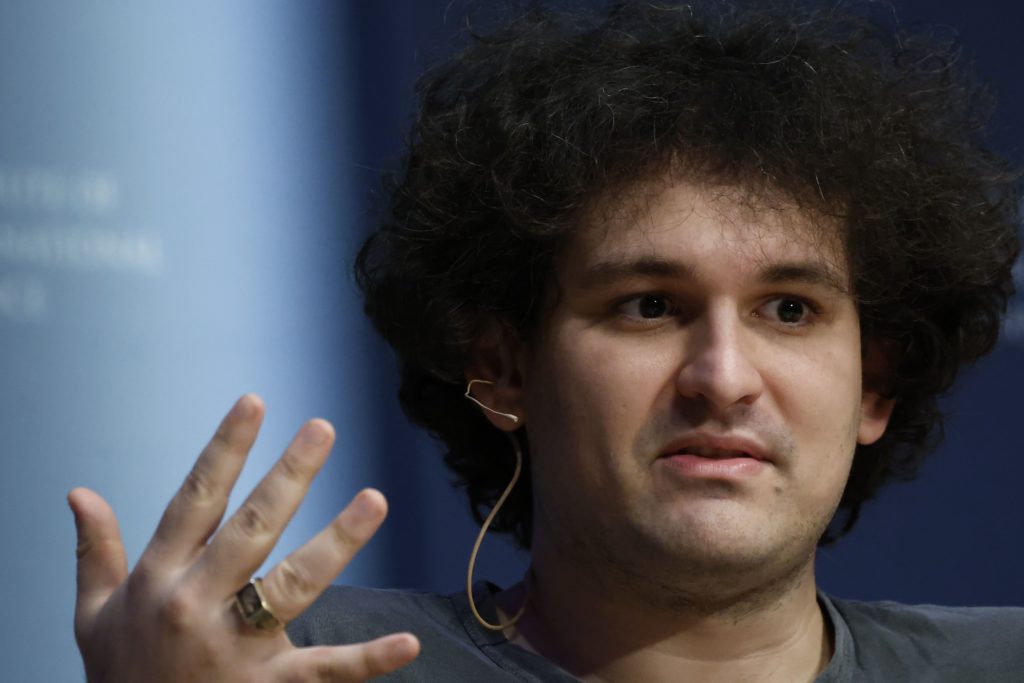
(Bloomberg) — Sam Bankman-Fried, founder of the embattled crypto exchange FTX, is being investigated by the US Securities and Exchange Commission. The Bahamas, where his FTX.com arm is based, froze the assets of a local trading subsidiary and “related parties.” Cyprus is planning to suspend FTX’s operating license, while the crisis could lead to a tightening of US and EU crypto regulations.

Troubled crypto lender BlockFi said it can no longer operate as usual, citing “a lack of clarity” in relation to FTX. Earlier, Bankman-Fried said he’s closing Alameda Research, the trading house at the center of speculation about whether his crypto exchange mishandled customer funds. 

Bankman-Fried — whose entire fortune has now evaporated — has warned of bankruptcy if he can’t secure capital to cover a shortfall of as much as $8 billion. Trading may be halted in a few days on FTX US, which is a separate legal entity from FTX.com. 

Key stories and developments:

  • SoftBank Is Said to Expect About $100 Million Loss on FTX Stake
  • FTX’s Sam Bankman-Fried Faces SEC Probe as His Empire Crumbles
  • In Sam Bankman-Fried, Venture Capitalists Saw a Model Founder
  • FTX Retail Investors Fear Wipeout, Shaking Their Faith in Crypto

For crypto market prices: CRYP; for top crypto news: TOP CRYPTO

(Times are US Eastern Standard unless specified otherwise.)

FTX Facing EU License Suspension (6:29 a.m.)

Cyprus is planning to suspend FTX.com’s two-month-old license, which allows the troubled crypto exchange to operate throughout Europe, people with knowledge of the matter said. 

An announcement on the decision could come as soon as Friday, said the people, who asked not to be named discussing internal deliberations. FTX said in September that it received the permit from the Cyprus Securities and Exchange Commission, covering the EU as well as Norway, Iceland and Lichtenstein. 

Bankman-Fried Loses Entire Fortune (6 a.m.)

Sam Bankman-Fried’s entire $16 billion fortune has now been wiped out, one of history’s greatest-ever destructions of wealth.

The collapse of FTX and Alameda Research means assets owned by the mogul once likened to John Pierpont Morgan have become worthless. At the peak, the 30-year-old was worth $26 billion, and he was still worth almost $16 billion at the start of the week.

The Bloomberg Billionaires Index now values FTX’s US business — of which Bankman-Fried owns about 70% — at $1.

Bitcoin Under Pressure (6:32 p.m. Hong Kong)

Shares in cryptocurrency-exposed companies edged lower on Friday, easing after yesterday’s US CPI-fueled surge, with the price of Bitcoin under pressure amid the unfolding crisis at FTX. The price of Bitcoin fell 3.1% to around $17,255 as of 5:26 am New York time.

In US premarket trading, Coinbase was down 0.2%, Riot Blockchain down 0.7%, Marathon Digital fell 1.7%, MicroStrategy lost 0.6% and Hut 8 Mining slumped 2.3%.

Tighter Regulation on the Cards (6 p.m. Hong Kong)

Watchdogs and industry experts in both the US and Europe said the unraveling of Sam Bankman-Fried’s crypto empire will lead to stricter rules and scrutiny.

In the US, the Financial Stability Board, which last month published a framework for regulating crypto assets, said it would do more work on exchanges and other service providers next year as the FTX implosion emphasized the need for tighter supervision. The comments echo remarks from two US senators, who said the FTX collapse shows that the Commodity Futures Trading Commission needs more oversight powers.

Marina Markezic, co-founder of the European Crypto Initiative, said FTX’s collapse will have indirect consequences and “a tremendous effect on shaping up crypto regulation.”

Softbank Said to Expect About $100 Million Loss on FTX Stake (4:30 p.m. Hong Kong)

SoftBank Group invested just under $100 million in FTX.com and anticipates writing down the entire value of the stake, according to a person familiar with the matter. 

The Japanese company had put in a total of less than $100 million and had kept the investment marked close to cost, rather than boosting the valuation and recording a profit, the person said, asking not to be identified because the details are private. SoftBank will likely write down the holding in the December quarter.

Binance CEO Talks about Regulators’ Next Focus after Fresh Crypto Fallout (4 p.m. Hong Kong)

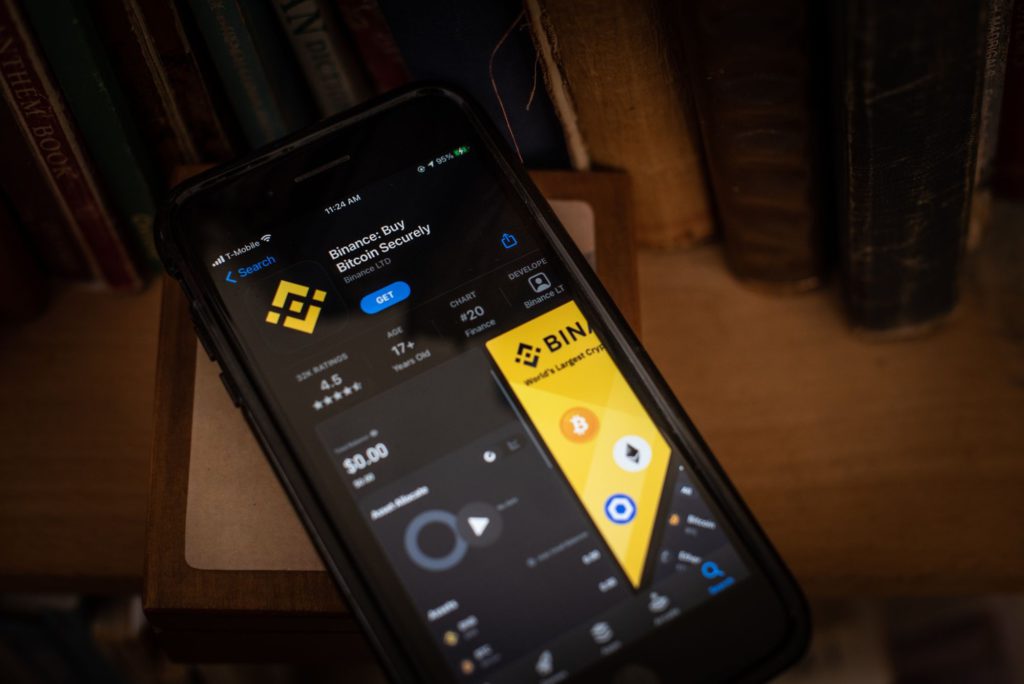
Regulators will look more closely at account balances and reserves at centralized crypto exchanges after the shocking unraveling of FTX.com, Binance CEO Zhao Changpeng said at a fintech event in Indonesia.

Binance decided to pull a proposal to take over FTX International within 24 hours of offering a letter of intent as it did not find much value in the deal, the CEO, known as CZ, said. The deal didn’t make sense in financial terms, number of users and technology, according to CZ, speaking for the first time in public after the deal collapsed. He added that Binance will look at improving transparency and disclosures.

Crypto Markets Retreat on Concerns About FTX Contagion (12:35 p.m. Hong Kong)

Virtual coins were in retreat Friday, with the largest token Bitcoin falling as much as 5.5% and second-ranked Ether sinking almost 8% at one point. The crisis engulfing FTX and signs of spreading contagion undid investor sentiment. 

Easing US inflation had delivered a fillip for risk assets generally on Thursday, propelling the biggest advance in a gauge of the top 100 crypto tokens since early September.

Crypto Lender Hodlnaut Uncertain About Recovery of Assets at FTX (noon Hong Kong)

About 72% of digital assets deployed by Hodlnaut on centralized exchanges were held with FTX, with an estimated market value of S$18.5 million ($13.3 million), its interim judicial managers said. The extent of the recovery of those digital assets is currently uncertain, they added.

Embattled Crypto Lender BlockFi Pauses Withdrawals (8:45 p.m.)

Troubled crypto lender BlockFi said in a statement on Twitter that the company can no longer operate business as usual, citing “a lack of clarity” on the status of FTX.com, FTX and Alameda Research. 

The company said it is limiting platform activity and pausing client withdrawals. BlockFi asked customers not to deposit funds at this time.

FTX US Legal Chief Tells Working to Preserve Platform (8 p.m.)

FTX US general counsel Ryne Miller said in an internal memo he’s working with advisers to preserve “whatever is preservable” of the crypto exchange.

“We should not be optimistic for an outcome that is positive,” Miller wrote. “I’m working with outside advisers to be best prepared to navigate FTX entities to next steps.”

Sponsor of Key US Crypto Bill That Empowers CFTC Is to Review Legislation (7 p.m.)

John Boozman, a lead co-sponsor on legislation that would give the Commodity Futures Trading Commission more power to oversee digital assets, said the bill’s backers are “taking a top-down look to ensure it establishes the necessary safeguards the digital commodities market desperately needs.”

“Chairwoman Stabenow and I remain committed to advancing a final version of the DCCPA that creates a regulatory framework that allows for international cooperation and gives consumers greater confidence that their investments are safe,” he added.

He was referring to Debbie Stabenow, a leader of the Senate Agriculture Committee along with Boozman. DCCPA refers to the bill, the Digital Commodities Consumer Protection Act of 2022.

Broker Genesis’ Derivatives Unit Has About $175 Million on FTX Platform (6:20 p.m.)

Crypto broker Genesis said its derivatives business has about $175 million “in locked funds” in the company’s FTX trading account.

“This does not impact our market-making activities,” the firm said in a Twitter thread, adding “our operating capital and net positions in FTX are not material to our business.”

The fallout from the collapse of the FTX empire has left investors on edge about the risk of contagion.

Bahamas Seeks to Place FTX.com Into Receivership (5:50 p.m.)

The Bahamas Securities Commission has frozen the assets of FTX Digital Markets “and related parties.” An asset freeze was “the prudent course of action” to preserve assets and stabilize the company, the agency said Thursday in a statement. 

An attorney has been appointed provisional liquidator as the Bahamas securities regulator seeks to place the beleaguered crypto exchange into receivership. 

“The commission is aware of public statements suggesting that clients’ assets were mishandled, mismanaged and/or transferred to Alameda Research. Based on the commission’s information, any such actions would have been contrary to normal governance, without client consent and potentially unlawful,” it said.

Junior Employees Try to Sell Assets With Bankman-Fried Away (2:20 p.m.)

Employees of the US-based crypto exchange are in talks about selling parts of the business, including some assets that Bankman-Fried amassed on a sweeping acquisition tear across the industry, according to two people with direct knowledge of the matter, who requested anonymity because the talks were private. 

White House Is Monitoring Crypto Markets (1:52 p.m.)

The Biden administration is aware of recent developments surrounding cryptocurrencies and will “continue to monitor the situation,” White House Press Secretary Karine Jean-Pierre told reporters on Thursday.

Jean-Pierre said the White House believes cryptocurrency markets require “proper oversight,” but declined to comment on specific steps regulators can or should take. 

“The most recent news further underscores these concerns and highlights why prudent regulation of cryptocurrencies is indeed needed,” Jean-Pierre said at her daily press briefing.

FTX US Says Trading May Be Halted in a Few Days (1:31 p.m.)

FTX US, the American entity of Bankman-Fried’s crypto exchange, said trading may be halted on it in a few days. FTX.com and FTX US are separate entities with separate management personnel, tech infrastructure, and licensing, but have similar owners and investors, representatives for the firms have said in the past.

Japan Cracks Down on Local FTX Unit; Freezes Exchange Activity (12:52 p.m.)

Japan’s government has ordered FTX.com’s local subsidiary to suspend some of its operations, saying it has no structure in place to properly offer cryptocurrency exchange services to users.

FTX Resumes Withdrawals After Two-Day Pause (12:28 p.m.)

FTX.com has resumed withdrawals on the platform, according to blockchain data, after halting such activities on Tuesday. Nansen and Kaiko, another blockchain data firm, both confirmed the resumed activities. FTX processed $8 million worth of withdrawals in an hour on Thursday, Nansen said.

Bankman-Fried Shuts Down Trading Firm (11:40 a.m.)

Bankman-Fried is shutting down Alameda Research, the trading house at the heart of his digital-asset empire, as he seeks last-ditch financing to save his troubled crypto exchange FTX.

–With assistance from Yueqi Yang, Muyao Shen, Jordan Fabian, Takashi Nakamichi, Nao Sano, Philip Lagerkranser, Derek Decloet and Eva Szalay.

More stories like this are available on bloomberg.com

©2022 Bloomberg L.P.

Son Bids Goodbye to Investor Calls as SoftBank Turns Defensive

(Bloomberg) — SoftBank Group Corp. founder Masayoshi Son bade farewell to the earnings presentations he’s led for decades, as plunging startup valuations force the company into all-out defense.

The 65-year-old said he would no longer speak at the quarterly events after the Tokyo-based company’s Vision Fund investment arm posted a $7.2 billion loss. He’s turning responsibility for the events over to Chief Financial Officer Yoshimitsu Goto, along with several lieutenants.

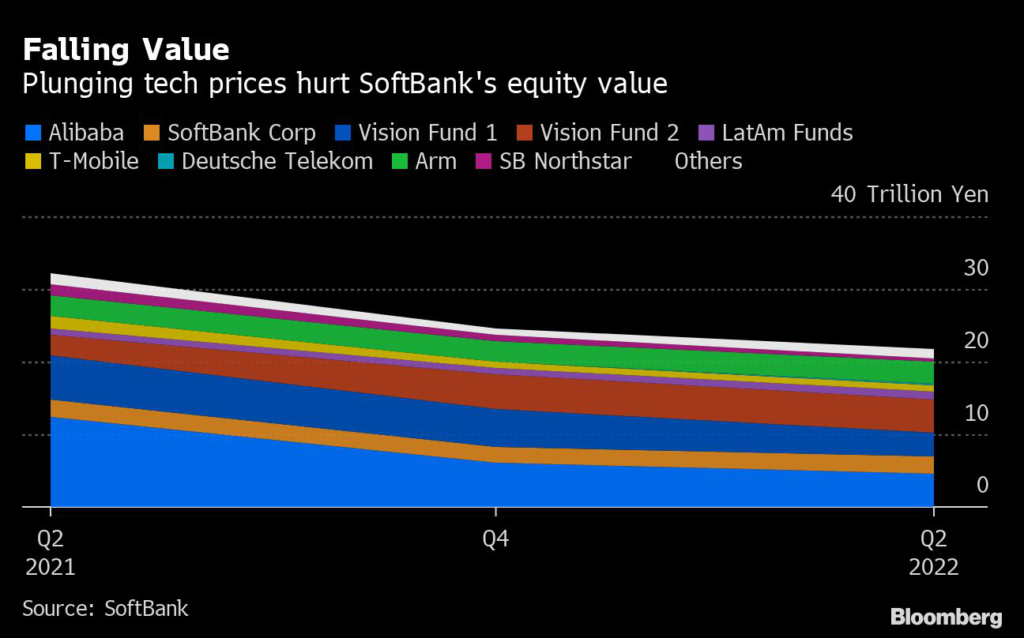
SoftBank, which for years was the world’s most aggressive tech investor, has virtually halted new investments and focused on its balance sheet. With no clear recovery in sight, Son said he is no longer the right person to lead the calls and that he would focus his time on taking its chip designer Arm Ltd. public. Son declared Goto, a low-profile former banker, the company’s defensive champion. 

“Goto is more suitable than me for playing defense,” Son said during what he said would be his last earnings results briefing  “Me, I’m an aggressive person, not a defensive person, and I’d like to concentrate on Arm for the time being.”

Son had used the quarterly events to talk up his eclectic investment philosophies, waxing poetic about how technology could improve mankind’s happiness. He peppered presentations with flying unicorns and rainbows. His passion won him the loyalty of investors who held onto SoftBank’s stock through some of tech’s biggest downturns.

Inside the Baffling World of Masayoshi Son’s Presentations

Even on Friday, Son reprised several of his favorite themes. He recalled his earliest days as an entrepreneur in California when he first saw a photo of a microprocessor, claiming it brought him to tears.

“I couldn’t stop crying,” he said.

For his part, Goto said Son would remain firmly in charge of the company, but he said SoftBank had put too much on the shoulders of the founder.

“We at SoftBank have been spoiled by Son,” Goto said. “We need to break the habit of relying on him.”

Overall for the quarter, the Japanese conglomerate logged net income of 3.03 trillion yen in the last quarter, buoyed by the disposal of a chunk of its Alibaba Group Holding Ltd. stake. The company said its total profit on its disposal of Alibaba shares was 5.37 trillion yen.

Son turned his telecom company into the world’s biggest startup investor, intent on repeating his early success in backing the Chinese e-commerce pioneer. But the effort has been plagued by missteps and, more recently, a sharp downturn in technology valuations. 

SoftBank has been struggling with declines on public investments, with the Vision Fund recording net valuation losses totaling 1.19 trillion on its public holdings in the quarter just ended. Of those, China’s SenseTime Group Inc. accounted for 364 billion yen, while US food delivery firm Doordash Inc. accounted for 225 billion yen and Indonesian ride-hailing and e-commerce firm GoTo Group 108 billion yen, it said.

“We need to go full-on defense,” Goto said. “SoftBank is pessimistic on the outlook. We do not yet see the light.”

As attention turns to SoftBank’s balance sheet, SoftBank has been hurrying to offload assets to bolster its bottom line and fund a share repurchase spree that has vaulted its share price more than 40% since the start of this quarter. SoftBank’s total interest-bearing debt, excluding telecom arm SoftBank Corp., stood at 13.7 trillion yen, down from more than 17 trillion yen at the end of June.

Other investment losses loom on the horizon. Goto said that SoftBank’s stake in the troubled crypto exchange FTX.com amounted to a little less than $100 million. So even if SoftBank wrote off the entire amount, it would not be a material loss. Crypto occupies only 1.3% of the Vision Fund’s portfolio — even including indirect stakes — as it doesn’t fit its investment philosophy, he said. 

“I don’t think anyone can conclusively say that markets have bottomed,” said Kirk Boodry, an analyst at Redex Research, who publishes on Smartkarma.

Son and SoftBank have been trying to wait out the slump, selling off shares in Alibaba and Uber Technologies Inc. to raise cash and shore up its balance sheet. Much of its future investment strategy hinges its ability to make good on its $32 billion purchase of Arm and take it public next year.

Chipmaker sentiment has soured drastically in recent weeks, putting the onus on Arm’s finances to make any initial public offering successful. 

Arm’s income slid to 5.8 billion yen in the September quarter, down 77% from a year earlier, according to financial details released with SoftBank’s results. Revenue rose slightly in yen terms, but declined about 17% in dollars.

The accelerated pace of its stock buybacks has sparked renewed speculation that Son may lead a management buyout of SoftBank — something that Son has talked internally about, Bloomberg News has reported. Goto declined to comment on the possibility of the company going private.

Beyond Alibaba, SoftBank’s pipeline of asset sales that may fund future buybacks include UK online shopping group THG Plc, UK network provider Pelion Iot Ltd., distressed-debt specialist Fortress Investment Group and Indonesian ride-hailing and e-commerce firm GoTo Group, said Bloomberg Intelligence’s Marvin Lo.

Son said he would still take the lead at yearly shareholder meetings — and he would come back if there’s a compelling reason to do so.

“I’ll continue to do the shareholder meetings, and when something unpredictable happens, I’ll come back anytime,” he said.

–With assistance from Vlad Savov and Jeanny Yu.

More stories like this are available on bloomberg.com

©2022 Bloomberg L.P.
Ukraine Latest: Key Dnipro Bridge Hit as Kyiv’s Troops Advance

(Bloomberg) — An attack damaged a key bridge over the Dnipro river in Ukraine’s southern Kherson region, and President Volodymyr Zelenskiy said his forces have liberated dozens of settlements in the country’s northeast and south.

One of the main challenges facing Ukraine’s military now is clearing roughly 170,000 square kilometers (66,000 square miles) of retaken territory of Russian munitions, with Moscow’s forces mining everything from power lines, fields, forests and buildings, Zelenskiy said in an address late Thursday. 

The US also announced it was sending an additional weapons package to Ukraine that includes Avenger anti-aircraft systems made by Boeing Co.. The Pentagon said the weapons, drawn from US stocks, are valued at as much as $400 million.

(See RSAN on the Bloomberg Terminal for the Russian Sanctions Dashboard.)

Key Developments

  • South Korea Says Not Sending Ukraine Arms, Amid Artillery Report
  • US Adds Boeing Anti-Aircraft Missile System in New Ukraine Aid
  • Ukraine Cautious Over Russia’s Kherson Exit as Army Advances 
  • Ukraine Wants Russia to Pay for Climate Damage Wreaked by War
  • Russia Quietly Checks Its Bomb Shelters as War Fears Spread

On the Ground

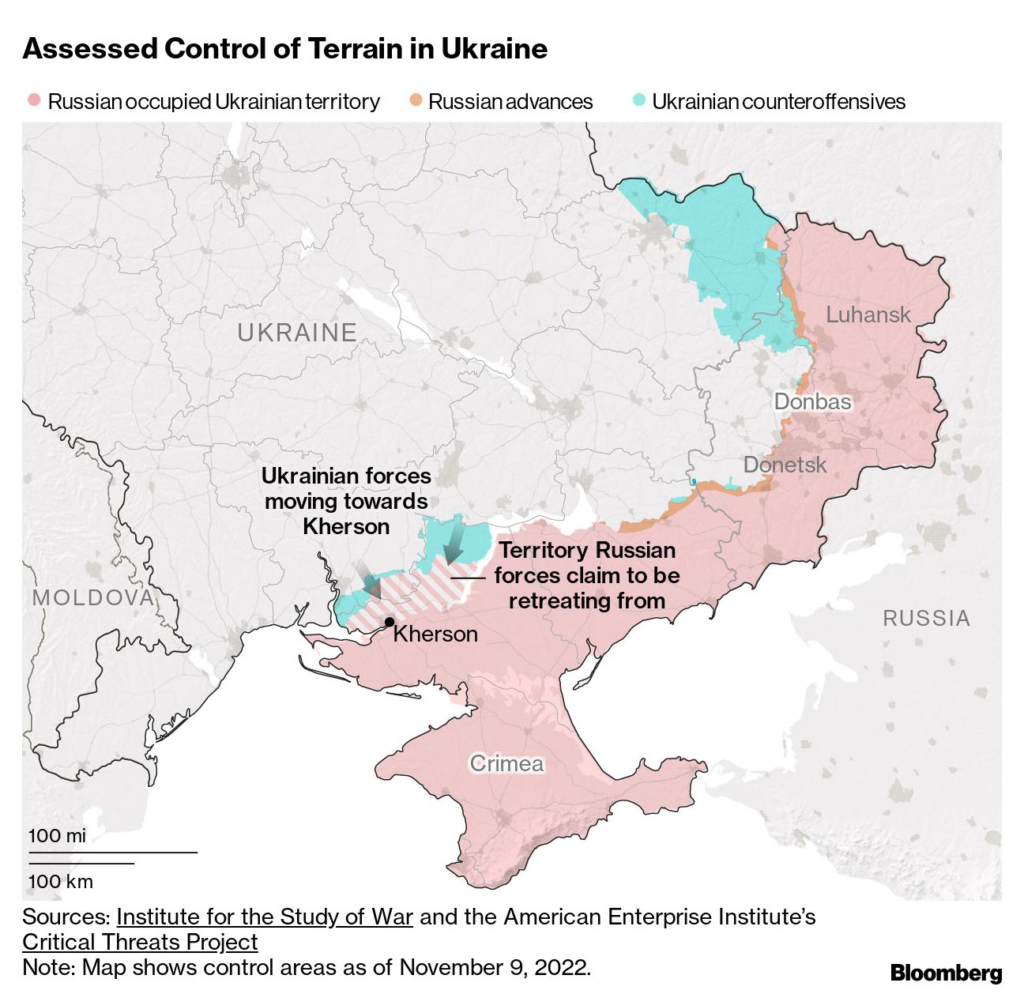
Ukrainian troops liberated 12 settlements in the southern Kherson region on Nov. 9, and the offensive is continuing, the Military Staff said. Russian troops appear to be withdrawing in an orderly fashion, and Kyiv’s forces have advanced as much as 7 kilometers in some areas but without routing Moscow’s forces, according to the Institute for the Study of War. Fighting will continue in the coming weeks as Russia completes its retreat and Ukrainian troops advance on its defensive lines around the city of Kherson. A Russian missile strike in the city of Mykolayiv killed five civilians, Zelenskiy’s office said.

(All times CET)


(all times CET)

Russia Says Retreat From Kherson City, Surroundings Complete: Tass (11:20 a.m.)

Russia has removed its troops and military equipment from the city of Kherson and the surrounding areas on the west bank of the Dnipro River, completing a major retreat, the Defense Ministry said, according to the Tass newswire.

Russia announced plans for pulling out of the area on Wednesday after months of pressure from Ukrainian troops had cut off the garrison there from vital supplies and support. The pullout from Kherson, the only regional capital Russia took since the Feb. 24 invasion, is a highly symbolic setback for the Kremlin.

Ukrainian officials haven’t confirmed the retreat is complete, however, and warned that some Russian forces may remain in and around Kherson.

EU Probes Claims That Russia Is Getting Missiles From Iran (11:16 a.m.)

The EU is investigating claims that Iran is transferring ballistic missiles to Russia to aid its war in Ukraine, a senior EU official said, adding the bloc is deeply concerned about Tehran’s military support for Moscow and would impose serious sanctions if the reports proved accurate.

EU foreign policy chief Josep Borrell has repeatedly stressed to Iran that its military support for Russia is unacceptable, the official said. The bloc has already imposed sanctions on Iran over its transfers of drones to Russia, which have been used in Ukraine to conduct widespread attacks.

Iran’s military support for Russia will be discussed by the bloc’s foreign ministers when they meet in Brussels on Monday, the official said. They’ll also discuss Russia’s announced withdrawal of troops from the city of Kherson, the official said adding that the EU, like Ukraine, is prudent on the claims but added it was obvious that Putin was losing his war.

Kremlin Seeks to Distance Putin From Kherson Exit (10:51 a.m.)

Russia’s decision to pull its forces from the city of Kherson came from the defense minister, Kremlin spokesman Dmitry Peskov said, in his first public comments on the withdrawal from the only regional capital.

President Vladimir Putin hasn’t publicly commented on the retreat, which Defense Minister Sergei Shoigu and Gen. Sergei Surovikin, the commander of the operation in Ukraine, announced in televised comments Wednesday. 

Kherson was part of the territory that Putin illegally annexed in September. He then said it would remain Russian forever.

Major Bridge South of Kherson Damaged in Attack (10:42 a.m.)

The Antonivskiy bridge spanning the Dnipro river near the city of Kherson was damaged in an attack Friday morning, the head of the region’s Kyiv appointed council, Oleksandr Samoilenko, said on television. 

Samoilenko said it wasn’t clear who had conducted the attack. The bridge is a key artery across the Dnipro, a crucial geographic defensive feature that Russian forces have been crossing in their withdrawal from the city of Kherson and the surrounding region.

Russia and US to Resume Nuclear Talks in Cairo (10:25 a.m.)

Russia said it and the US will hold talks in late November-early December in Cairo about inspections of atomic weapons sites under the New START treaty, a step toward reviving broader arms-control talks suspended since Russia’s invasion of Ukraine.

The talks in the Egyptian capital will last about a week, Russian Deputy Foreign Minister Sergei Ryabkov said, according to state news service RIA Novosti.

Russia barred US inspectors from its nuclear weapons sites in August, citing visa and travel restrictions for Russians that it said made it impossible for them to reach the US. The two countries had suspended the on-site inspections in March 2020 because of the Covid-19 pandemic and were discussing how to restart them safely.

Ukrainian Power Grid implements Emergency Blackouts (10:10 a.m.)

Overnight attacks by Russia on Ukraine’s power infrastructure caused massive damage to power grids, prompting authorities to introduce emergency blackouts in four regions, including in the capital, utility Ukrenergo said in a statement.

The blackouts are currently being implemented in the city of Kyiv and its surrounding region, the northern Chernihiv region, central Cherkasy, and the Zytomyr region, the company said.

Poland Sends Ukraine Starlink Terminals for Use in Blackouts (8:40 a.m.)

Poland sent more than 1,570 Starlink satellite terminals to Ukraine, where authorities will create public wifi hotspots so that civilians can stay online during blackouts, Ukrainian Deputy Prime Minister Mykhailo Fedorov said on Twitter. 

IMF Begins Virtual Mission to Ukraine Friday (8:38 a.m)

The International Monetary Fund began policy discussions with Ukrainian authorities Friday following Kyiv’s request for a new multi-billion dollar aid program, the Washington-based lender said in a statement.

The discussions will happen virtually. Central bank Governor Andriy Pyshnyi early said the talks will take place from Nov. 11 to 17. Kyiv is seeking a non-cash monitoring arrangement from the IMF as a bridge to a full-fledged aid deal.

Retaken Settlements Achieved Through ‘Pain and Loss,’ Zelenskiy Says (8:13 a.m.)

Ukraine has retaken more than 40 settlements from Russian forces in the country’s northeast and south during its autumn counteroffensive, Zelenskiy said.

“It was achieved through courage, pain, and loss,” he said in a nightly address on Thursday. “It’s not the enemy leaving. It is the Ukrainians who are driving the occupiers out at a heavy cost.”

He also said that estimates predicting that it will take decades to demine Ukrainian territories from Russian explosives are far too long: “We can’t wait that long. We have to do in years what elsewhere in the world could have taken decades after hostilities.”

Ukraine Expected to Secure ‘Major Victory’ in Kherson Region: ISW (8:06 a.m.)

Ukraine holds the initiative and is in the process of securing a major victory in the Kherson region, according to the Institute for The Study of War think tank.

Ukrainian strikes since August have successfully degraded Russian supply lines to force Putin’s troops to withdraw from Kherson, and Ukraine’s army will liberate the whole region to the Dnipro River in the coming days or weeks, they said in an assessment.

South Korea Says It Is Not Sending Arms to Ukraine (5:30 a.m.)

South Korea’s military said the country has maintained its position of not sending lethal arms to Ukraine, after the Wall Street Journal reported Seoul had struck a secret deal with the US that would supply Kyiv with artillery.

The Defense Ministry said in a text message to reporters on Friday that negotiations were underway between a South Korean company and the US to export arms to help Washington stock up on its inventory of 155 mm artillery rounds, under the premise the US would be the end-user of the shells.

More stories like this are available on bloomberg.com

©2022 Bloomberg L.P.
China’s Top EV Wastes No Time Getting Traction in Indonesia

(Bloomberg) —

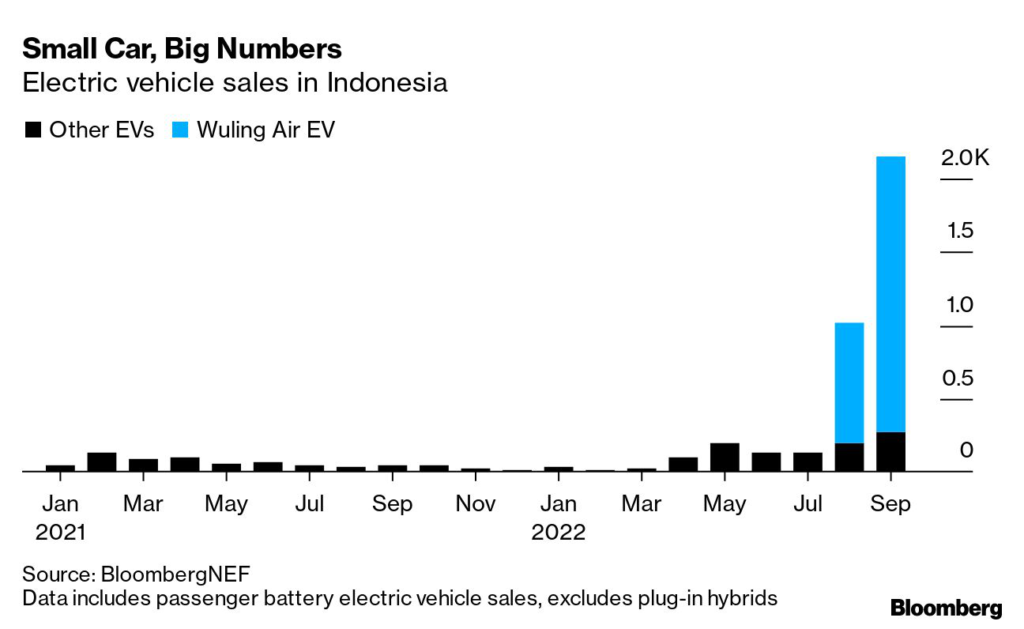
BloombergNEF’s Allen Abraham wrote earlier this year about dynamics at play in Southeast Asia, where Chinese automakers are trying to gain a foothold in markets dominated by Japanese brands. Here in Indonesia, where BNEF is hosting a clean energy and transport event ahead of next week’s G-20 Bali and Business 20 summits, the push is visible on the ground.

The vast majority of the vehicles on the road are still from the likes of Toyota, Daihatsu and Suzuki, but you’re now also starting to see a growing number of shiny, colorful new Wuling Air EV models zipping around through Bali traffic.

The Wuling Air is the locally assembled variant of the Wuling Hongguang Mini EV, one of the best-selling models in China, where it’s very popular in urban areas. Sales in Indonesia only started in August and already are having a big impact on the local EV market.

This dynamic highlights how EV adoption can look very different in emerging markets than in developed ones like the US, where electric models generally have proliferated at the high end of the market and are slowly working their way down. China has already shown how EVs can start at both the top and bottom simultaneously, executing a pincer maneuver that eventually squeezes the middle. 

Until recently, most emerging markets have been tracking closer to the US model, with a small number of high-end EVs targeting premium customers. But what’s happening in Indonesia, Thailand and other emerging markets indicates this may be about to change. If it does, it’ll have big implications for the amount of oil consumption that EVs displace this decade.

How fast the change takes place probably depends on vehicle quality as much as anything else. My taxi driver on the way to the hotel said that he has seen several waves of Chinese vehicles enter the local market in the past, only to fade away after a year or two because of poor reliability. Chinese vehicle manufacturing has made huge strides in the last five years, and EVs are much simpler to make, so this time may be different.

Looking further up the vehicle value chain, Indonesia is home to about quarter of the world’s known reserves of nickel, a key component of many lithium-ion batteries. Several local and global mining companies have announced plans to expand their nickel mining operations in the country. PT Antam, a state-owned mining company, is forming several partnerships with companies from China and Korea through the Indonesia Battery Corporation to expand the country’s nickel mining capacity. Private companies such as PT Huayou Nickel Cobalt and PT Vale Indonesia have also announced plans to expand nickel mining in the country.

There are currently no lithium-ion cell or battery component manufacturing facilities in Indonesia, but a forthcoming white paper from BloombergNEF looks at how this is set to change and what can be done to help make battery and component manufacturing in the region more competitive. Companies including CATL, LG Energy Solution, Tsingshan, BASF, Zhejian Huayou Cobalt and Posco have announced plans to invest in manufacturing facilities that will process and refine nickel and cobalt and produce cathode active materials and precursors in the country.

CATL and LG Energy Solutions are also planning to set up at least 25 gigawatt hours of lithium-ion cell manufacturing capacity in Indonesia by 2025, which could be expanded to as much as 80 GWh by 2030 if there’s enough demand. The government wants to have at least 140 GWh of cell manufacturing capacity locally by the end of the decade and is negotiating new projects with several other companies for investments along the battery value chain. These initial projects will establish a new industrial cluster and supply chain around lithium-ion batteries in the country, and if realized would give Indonesia the largest cell manufacturing capacity in Southeast Asia in 2030.

It’s an exciting time for Indonesia, and it illustrates how electric vehicles are now a truly global story. We’ll be watching the country’s mining sector, battery manufacturing plans and EV sales closely in the years ahead.

More stories like this are available on bloomberg.com

©2022 Bloomberg L.P.
What Binance’s Axed FTX Buyout Means for the Cryptoverse

  • Listen to Bloomberg Crypto on the iHeartRadio App

  • Listen to Bloomberg Crypto on Apple Podcasts

  • Listen to Bloomberg Crypto on Spotify  

(Bloomberg) — The equivalent of an earthquake jolted the crypto world this week:  Binance, the world’s largest cryptocurrency exchange, announced and then quickly reversed a proposal to buy out rival exchange FTX, which was reportedly facing a liquidity crisis and on the brink of collapse.  

The companies are each owned by two of the most well known CEOs in crypto: Sam Bankman-Fried at FTX, who has been touted as crypto’s version of legendary banker J.P. Morgan, and Binance CEO Changpeng Zhao, known as  “CZ.” 

Meanwhile, Bloomberg reported that US authorities, including the Securities and Exchange Commission, are reviewing FTX for improper use of customer funds. Bloomberg’s senior crypto editor Philip Lagerkranser updates this moving story with fellow Bloomberg senior crypto editor Anna Irrera in this episode.

Subscribe to the Bloomberg Crypto Newsletter at https://bloom.bg/cryptonewsletterThis podcast is produced by the Bloomberg Crypto Podcast team: Supervising producer: Vicki Vergolina, Senior Producer: Janet Babin, Producers: Sharon Beriro and Muhammad Farouk, Associate Producers: Mo Andam and Ty Butler. Sound Design/Engineer:  Desta Wondirad.

More stories like this are available on bloomberg.com

©2022 Bloomberg L.P.
China, Cambodia to Crack Down on Online Gambling, Telecom Scams

(Bloomberg) — China and Cambodia will deepen law enforcement cooperation to crack down on human trafficking, online gambling and telecommunications scams that have taken hold in the Southeast Asian nation.

Cambodia has become a haven for cyber slavery crimes with traffickers originating from China drawing widespread attention from rights groups for luring victims from throughout Asia. Chinese Premier Li Keqiang, who is in Cambodia for the Association of Southeast Asian Nations Summit, agreed with Cambodian Prime Minister Hun Sen to tackle the issue as the two nations enhance already deep security ties.

We will “advance the fight against human trafficking, online gambling, telecommunications fraud and related derivative vicious crimes, and strengthen cooperation in law enforcement capacity building and intelligence and information exchange,” the leaders said in a joint statement. 

As China’s strongest supporter in Southeast Asia, Cambodia is hosting the Asean Summit as this year’s rotating chair. In addition to tackling cyber crimes, the two sides also pledged to promote cooperation on infrastructure projects, trade, tourism and increase direct flights as Beijing seeks to advance its economic clout in the region.

Li said on Friday that ties with Southeast Asia has strengthened despite the pandemic and the complex international landscape. He also said that Asean and China have advanced security cooperation and that Beijing supports “efforts to properly address matters” related to disputes in the South China Sea.

More stories like this are available on bloomberg.com

©2022 Bloomberg L.P.
BofA Says Tech Stocks Are at Risk Even as Inflation Shock Over

(Bloomberg) — A long-awaited cooling in US inflation should be good news for tech stocks. Bank of America Corp. strategists say otherwise.

Although an “inflation shock” — the main market narrative of 2022 — is now over, a sharp rise in services and wage costs will continue to weigh on the growth shares, strategists led by Michael Hartnett warned. They expect the so-called FAANG group of companies to underperform in the next few years.

A “multi-year derating of tech and FAANG is just beginning,” they wrote in a Nov. 10 note.

The tech cohort of Facebook-parent Meta Platforms Inc., Amazon.com Inc., Apple Inc., Netflix Inc. and Google-parent Alphabet Inc. will make way for “new leadership,” from commodities, small cap value, US industrials, European banks and emerging-market resources, they said.

BofA’s views ring a note of caution after softer-than-expected consumer price data on Thursday spurred the Nasdaq 100’s best day since March 2020. Tech shares — which tend to suffer as rates rise since they mean a bigger discount for the current value of future profits — have been hammered this year as the Federal Reserve embarked on an aggressive tightening cycle to curb inflation.

The inflation print was the most anticipated data of the month, with investors holding off making big bets in the run-up to it. In the week to Nov. 9 — a day before the report — global equity funds had outflows of $4.6 billion, according to Bank of America citing EPFR data show. US funds had their first redemptions in five weeks. 

In the same period, investors poured $3 billion into global bond funds and $2.4 billion into cash. 

Here are some more insights from the report:

  • In Europe, equity funds saw outflows for a 39th straight week
  • By trading style, US growth and small cap had inflows, while value and large cap saw redemptions
  • By sector, health care and energy had the biggest additions, while $1 billion left tech stocks

–With assistance from Michael Msika.

More stories like this are available on bloomberg.com

©2022 Bloomberg L.P.
FTX’s Assets Frozen by Bahamas Securities Regulator

(Bloomberg) — FTX.com had its assets frozen in the Bahamas, where the crypto exchange is based, as more signs emerged that mogul Sam Bankman-Fried’s empire is crumbling.

The decision to freeze FTX Digital Markets was “the prudent course of action” to preserve assets and stabilize the company, the Bahamas Securities Commission said in a statement Thursday. An attorney has been appointed provisional liquidator — an initial step in assessing whether a company is sound or should be liquidated.

“Liquidation is what you in the States call bankruptcy,” said John K F Delaney, a commercial lawyer in the Bahamas. The provisional liquidator can be made permanent later if a so-called winding-up petition takes effect.

Bankman-Fried, the 30-year-old crypto wunderkind who spent a few turbulent months this summer propping up struggling rivals, saw his creation implode in a matter of days this week as it emerged that FTX had a multibillion-dollar balance sheet shortfall. He’s now trying to raise emergency financing to salvage the company. 

The Bahamas’s move was the first by authorities to lock down parts of FTX amid widening signs of stress in Bankman-Fried’s digital-asset empire. In the US, employees at separate domestic exchange FTX US spent the day trying to raise money and were warned that they might not be paid much longer. 

FTX said late Thursday that it had started to facilitate withdrawals of Bahamanian funds. “As such, you may have seen some withdrawals processed by FTX recently as we complied with the regulators,” FTX said on Twitter. 

The mogul, meanwhile, announced that he’s shutting down Alameda Research, the trading house at the heart of his sprawling collection of businesses. Bankman-Fried is also being investigated by the US Securities and Exchange Commission for potential violations of securities rules, according to a person familiar with the matter.

“FTX US looks prepared to make payroll at least in the next cycle,” FTX US’s general counsel, Ryne Miller, wrote in an internal message to staff, a copy of which was confirmed by Bloomberg News. “Folks should prepare to make their own choices as appropriate for their personal situation on next steps.”

Miller said he’s not had much clear information from the founders and is trying to “preserve whatever is preservable of FTX US.”

Founder’s Assurances

Bankman-Fried said in a tweet Thursday that FTX US was “100% liquid” and “not financially impacted” by FTX International’s problems. FTX US’s trading may be halted in a few days and users should close down any positions, according to a notice from the website. Withdrawals will remain open, it said.

Miller’s message was sent to staff on a Slack channel and later deleted by a member of the founding team, according to a person familiar with the matter.

It’s been a wild week for FTX as Bankman-Fried — once one of wealthiest and most widely followed voices in the world of digital assets — struggled to patch a multibillion-dollar shortfall that triggered government probes and set off panic across crypto markets. An announcement that FTX.com had reached a deal to be acquired by a competitor proved short-lived, leaving the firm’s future in limbo.

Legions of traders expressed worry about losing their holdings in the debacle, with investors increasingly anxious over the blurred lines among Bankman-Fried’s business interests. 

“The commission is aware of public statements suggesting that clients’ assets were mishandled, mismanaged and/or transferred to Alameda Research,” the Bahamas regulator wrote in its statement. “Based on the commission’s information, any such actions would have been contrary to normal governance, without client consent and potentially unlawful.”

The appointment of a liquidator is a way for the agency to take control of FTX, said Delaney, the commercial lawyer. The appointment requires a judge’s approval, and is essentially a means of displacing the business’s board of directors, he said in an interview. 

FTX Digital Markets is the Bahamian subsidiary of FTX Trading, operating as FTX.com. The unit helps affiliates offer derivatives, options and other products and services to customers, according to a statement last year. The exchange is based in the Bahamas and is a separate legal entity from FTX US. 

At FTX US, employees are in talks about selling parts of the business, including some assets that Bankman-Fried amassed on a sweeping acquisition tear across the industry, according to two people with direct knowledge of the matter, who requested anonymity because the talks were private.

Those employees, in some cases without Bankman-Fried’s participation, are pitching assets including stock-clearing platform Embed and naming rights to an arena in Miami, one of the people said.

FTX US on Thursday said that customers should close out any positions they want to and that trading may be halted in a few days.

For crypto market prices: CRYP; for top crypto news: TOP CRYPTO.

–With assistance from Jeremy Hill.

(Updates with US SEC probe in the fifth paragraph.)

More stories like this are available on bloomberg.com

©2022 Bloomberg L.P.

FTX.com Assets Frozen by Bahamas as Crisis Engulfs Empire

(Bloomberg) — FTX.com had its assets frozen in the Bahamas, where the crypto exchange is based, as more signs emerged that mogul Sam Bankman-Fried’s empire is crumbling.

The decision to freeze FTX Digital Markets was “the prudent course of action” to preserve assets and stabilize the company, the Bahamas Securities Commission said in a statement Thursday. An attorney has been appointed provisional liquidator — an initial step in assessing whether a company is sound or should be liquidated.

“Liquidation is what you in the States call bankruptcy,” said John K F Delaney, a commercial lawyer in the Bahamas. The provisional liquidator can be made permanent later if a so-called winding-up petition takes effect.

Bankman-Fried, the 30-year-old crypto wunderkind who spent a few turbulent months this summer propping up struggling rivals, saw his creation implode in a matter of days this week as it emerged that FTX had a multibillion-dollar balance sheet shortfall. He’s now trying to raise emergency financing to salvage the company. 

The Bahamas’s move was the first by authorities to lock down parts of FTX amid widening signs of stress in Bankman-Fried’s digital-asset empire. In the US, employees at separate domestic exchange FTX US spent the day trying to raise money and were warned that they might not be paid much longer. 

FTX said late Thursday that it had started to facilitate withdrawals of Bahamanian funds. “As such, you may have seen some withdrawals processed by FTX recently as we complied with the regulators,” FTX said on Twitter. 

The mogul, meanwhile, announced that he’s shutting down Alameda Research, the trading house at the heart of his sprawling collection of businesses. Bankman-Fried is also being investigated by the US Securities and Exchange Commission for potential violations of securities rules, according to a person familiar with the matter.

“FTX US looks prepared to make payroll at least in the next cycle,” FTX US’s general counsel, Ryne Miller, wrote in an internal message to staff, a copy of which was confirmed by Bloomberg News. “Folks should prepare to make their own choices as appropriate for their personal situation on next steps.”

Miller said he’s not had much clear information from the founders and is trying to “preserve whatever is preservable of FTX US.”

Founder’s Assurances

Bankman-Fried said in a tweet Thursday that FTX US was “100% liquid” and “not financially impacted” by FTX International’s problems. FTX US’s trading may be halted in a few days and users should close down any positions, according to a notice from the website. Withdrawals will remain open, it said.

Miller’s message was sent to staff on a Slack channel and later deleted by a member of the founding team, according to a person familiar with the matter.

It’s been a wild week for FTX as Bankman-Fried — once one of wealthiest and most widely followed voices in the world of digital assets — struggled to patch a multibillion-dollar shortfall that triggered government probes and set off panic across crypto markets. An announcement that FTX.com had reached a deal to be acquired by a competitor proved short-lived, leaving the firm’s future in limbo.

Legions of traders expressed worry about losing their holdings in the debacle, with investors increasingly anxious over the blurred lines among Bankman-Fried’s business interests. 

“The commission is aware of public statements suggesting that clients’ assets were mishandled, mismanaged and/or transferred to Alameda Research,” the Bahamas regulator wrote in its statement. “Based on the commission’s information, any such actions would have been contrary to normal governance, without client consent and potentially unlawful.”

The appointment of a liquidator is a way for the agency to take control of FTX, said Delaney, the commercial lawyer. The appointment requires a judge’s approval, and is essentially a means of displacing the business’s board of directors, he said in an interview. 

FTX Digital Markets is the Bahamian subsidiary of FTX Trading, operating as FTX.com. The unit helps affiliates offer derivatives, options and other products and services to customers, according to a statement last year. The exchange is based in the Bahamas and is a separate legal entity from FTX US. 

At FTX US, employees are in talks about selling parts of the business, including some assets that Bankman-Fried amassed on a sweeping acquisition tear across the industry, according to two people with direct knowledge of the matter, who requested anonymity because the talks were private.

Those employees, in some cases without Bankman-Fried’s participation, are pitching assets including stock-clearing platform Embed and naming rights to an arena in Miami, one of the people said.

For crypto market prices: CRYP; for top crypto news: TOP CRYPTO.

–With assistance from Jeremy Hill.

(Updates with US SEC probe in the fifth paragraph.)

More stories like this are available on bloomberg.com

©2022 Bloomberg L.P.
Close Bitnami banner
Bitnami