Bloomberg

FTX’s Sam Bankman-Fried Faces SEC Probe as His Empire Crumbles

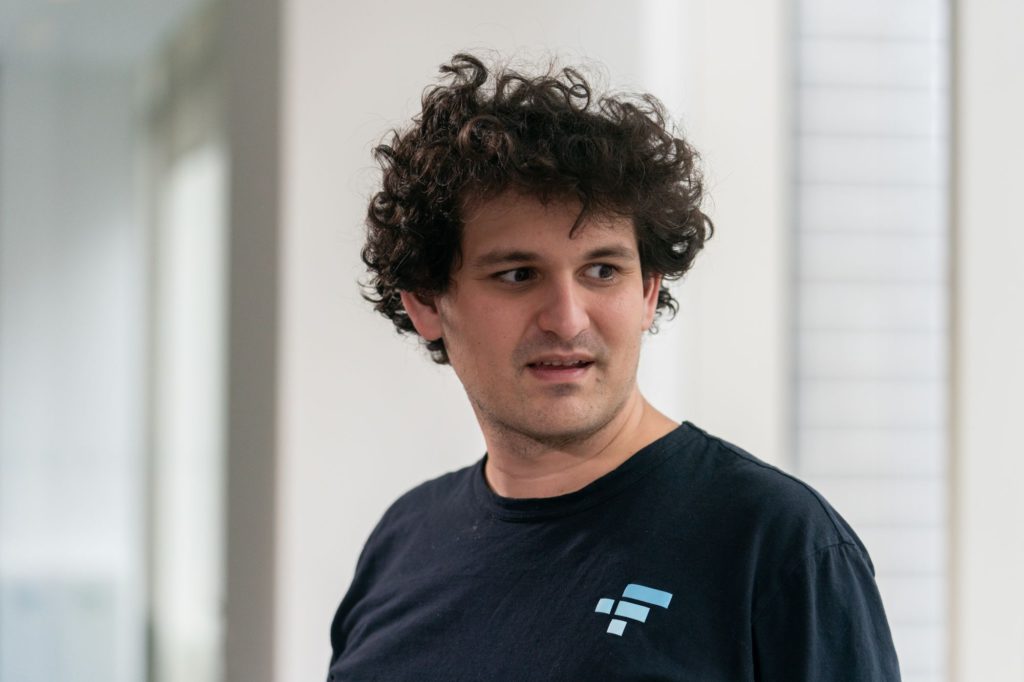
(Bloomberg) — Sam Bankman-Fried is being investigated by the US Securities and Exchange Commission for potential violations of securities rules as the regulator deepens its probe into his crumbling FTX crypto empire, according to a person familiar with the matter.

FTX, the American platform FTX US, and Bankman-Fried’s trading house Alameda Research are already under investigation by the SEC, Bloomberg News reported Wednesday. The Justice Department is also looking into the situation.

The SEC is scrutinizing Bankman-Fried’s involvement in recent moves that helped push FTX.com, one of the world’s largest exchanges, into a liquidity crisis, said the person, who asked not to be named discussing the confidential inquiry. As the crisis deepened on Thursday, the securities regulator for the Bahamas, where FTX.com is based, said it was freezing the firm’s assets and appointing a provisional liquidator.

Representatives for the SEC and FTX.com declined to comment. Bankman-Fried, 30, didn’t immediately respond to a request for comment, nor did the FTX US exchange.

US regulators have been looking into whether FTX.com mishandled customer funds, and reviewing the global trading platform’s relationships with other Bankman-Fried’s businesses. The SEC’s scrutiny started months ago as a probe into the FTX US platform and its crypto-lending activities, but in recent days has expanded. 

The initiation of probes doesn’t necessarily mean that anyone will be accused of wrongdoing.

More stories like this are available on bloomberg.com

©2022 Bloomberg L.P.

Twitter Staff Grapple With Brand Impostors Like Nintendo, Lilly

(Bloomberg) — Twitter Inc.’s trust and safety team, which earlier this week had been focused on the US midterm election, quickly shifted its attention to deal with a problem of its own making: a host of users impersonating major brands and celebrities, according to people familiar with the matter.

New leader Elon Musk, who purchased the company two weeks ago for $44 billion, updated the premium version of the product in a way that awards paying subscribers with blue check marks — the same ones that governments, celebrities and businesses get on the site for free to confirm their identities. Once the option was available, users started creating accounts pretending to be major brands and politicians, fooling users and potentially jeopardizing Twitter’s now-shaky reputation with top advertisers. 

An account impersonating Nintendo Co., for example, tweeted an image of the Super Mario character holding up a middle finger. One posing as the pharmaceutical brand Eli Lilly & Co. tweeted that insulin was now free. “We apologize to those who have been served a misleading message from a fake Lilly account,” the official account tweeted. 

Twitter’s trust and safety team changed focus to Twitter Blue from the US midterms after Musk said that they should prioritize it, said the person, who declined to be named discussing non-public matters. 

“Over the next few days, the absolute top priority is finding and suspending any verified bots/trolls/spam,” Musk wrote in an email to staff Wednesday night viewed by Bloomberg.

Twitter’s trust and safety team spent Thursday morning focusing on the most high-profile of the instances, but after a spate of layoffs could only deal with impersonators of the highest profile accounts, the person said. The team had no bandwidth to deal with fraud related to legacy verified accounts, such as those for journalists, with smaller followings, they said.

Later on Thursday, Yoel Roth, the company’s head of trust and safety, resigned, according to people familiar with the matter. Roth was one of the most visible executives gaining power under Musk, as he took to Twitter to explain the company’s shifting policies.

A member of the trust and safety team at Twitter said the unit’s future was unknown, and that Roth had been acting as an advocate and a shield for the group — and had seemingly been in Musk’s good graces. Roth’s former direct reports met to discuss the blue check mark problem shortly after Musk made his first address to employees, telling them that bankruptcy was possible if the company doesn’t start generating more cash, the people said.

Read more: Musk warns staff bankruptcy is possible 

Previously, the company had granted verification to people that it deemed to be high-profile and at risk of impersonation, such as politicians, celebrities or journalists.

One account with a blue tick appeared to show former US president George W. Bush tweeting an offensive message according to screenshots circulating online. The images showed another false account claiming to be former British prime minister Tony Blair retweeting the post. Both had been deleted by the time of writing.

More confusion arose after the company appended gray check marks to accounts that had been verified under the old rules, then removed when Musk changed his mind.

The legacy check marks will be removed in “coming months,” said Musk in a tweet Thursday, unless people pay for an $8 a month Twitter Blue subscription. He said too many “corrupt” verification marks exist right now, and there was no choice but to phase out the old checks.

More stories like this are available on bloomberg.com

©2022 Bloomberg L.P.

China Quants Seek Billions in New Funds After Sidestepping Rout

(Bloomberg) — China’s quantitative hedge funds are back raising billions, betting that their recent recovery from a bruising downturn will be enough to entice investors. 

Yanfu Investments, founded by former Two Sigma Investments analyst Gao Kang, has opened all products and said it’s now able to run 80 billion yuan ($11 billion), more than double its current size. Beijing-based Ubiquant is planning to raise 2 billion yuan by re-opening a strategy that aims to beat the CSI 1000 Index. They join Jin Ge Asset Management and others in ending a self-imposed freeze. 

The flurry of re-openings marks a reversal from late last year when many top quants suspended inflows. The industry’s rapid expansion drew regulatory scrutiny and weighed on performance. Their resilience now faces a new test: Whether they can entice enough investor interest, navigate China’s choppy markets, and avoid attracting further attention from regulators who’ve warned them for disrupting financial markets. 

Like their US counterparts Two Sigma and D.E Shaw & Co., Chinese quant funds deploy vast reams of data to build trading algorithms that outperform the market. A relatively new industry, assets at such funds in China have jumped tenfold in four years to exceed 1 trillion yuan as of 2021, according to Citic Securities Co. estimates. They compete with foreign hedge funds and technology giants including Alibaba Group Holding Ltd. and Bytedance Ltd. for talent in computer science and math. 

Turning Positive

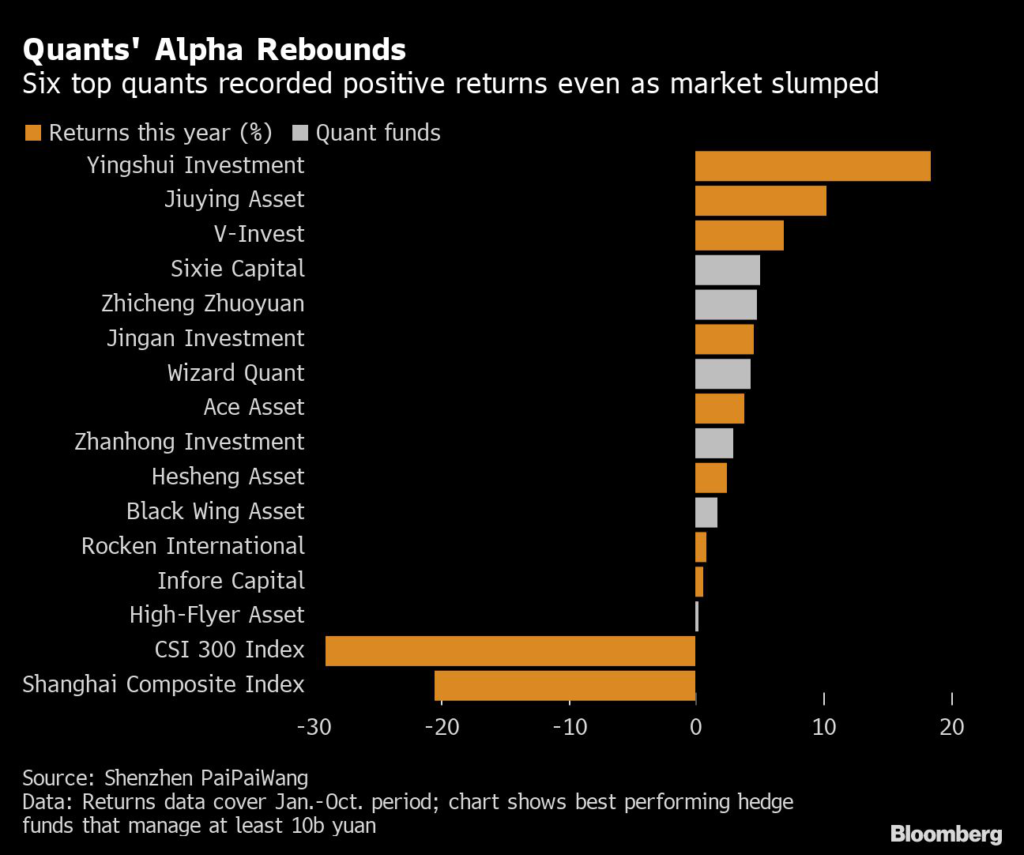
“Quant funds’ alpha has gradually turned positive this year,” bolstering their appeal to investors, said Qu Tao, head of financial engineering at China Merchants Securities Co., the largest custodian bank of hedge funds in China. By alpha, he refers to the excess returns relative to benchmarks. 

The 28 private quants that each manage more than 10 billion yuan averaged a 2.3% loss this year through Sept. 23, outperforming the 22% slump in the benchmark CSI 300 Index, according to Shenzhen PaiPaiWang Investment & Management Co. They also beat their human-run rivals, which dropped 12%, the data showed. 

Zhejiang High-Flyer Asset Management, which apologized to investors in December due to performance and remains closed to inflows, dominated a list of 28 index-enhanced products that delivered positive returns through Sept. 2, with 13 of them averaging a 2.5% gain, according to PaiPaiWang. 

Index-enhanced products, which seek to beat indices, along with market neutral offerings, are the most popular strategies. They account for 71% of the 1.08 trillion yuan under management by the industry as of the end of last year, according to AMAC data. Institutional investors contributed about 70% of the money for quants.

China’s retail-investor-dominated market is fertile ground for algorithm-driven strategies that profit from mis-priced securities. That’s part of the reason why quant funds were able to rebound from a slump between September 2021 and March. Even though regulators scrutinized them for market disruption concerns, some funds refuted the idea by providing rare disclosures on strategies, including how they scooped up shares during the selloff. 

Quant firms’ tendency of keeping stock positions full — compared with human-run operations that can cut equity low — helped them capture the latest rally, said Hu Bo, a fund of hedge funds manager at Rongzhi Investment, PaiPaiWang’s private fund unit. It also helped that many of them focused on small-cap stocks, which outperformed the broader market after April.

Fundraising Again

To further appease regulators, quant firms have been submitting more data to authorities as required, and the past few months saw no further moves of policy tightening, according to fund managers who asked not to be named. 

That’s led to a revival in fundraising. Yanfu was among the top five hedge funds for product issuance in August, and Shanghai Sixie Capital Management Co. seized the top spot a month later. Yanfu, which has suspended inflow a few times in recent years, manages about 36 billion yuan, according to distributor Zhongzhi Fund. 

Others are joining the rush as well. Jin Ge, which stopped taking money since September last year, is now able to run about 30 billion yuan — double its current assets — without destabilizing performance, its founder told CSC Financial in August. Both Yanfu and Jin Ge declined to comment. 

Sixie Capital, which beat the CSI 500 Index by 27 percentage points in the first nine months to top PaiPaiWang rankings for quants, said it has expanded assets by about 35% to 13.5 billion yuan this year. 

Investors who are long-term optimistic about A-shares — stocks traded in mainland China — and can tolerate some fluctuations should focus on index-enhanced products to gain exposure at low costs, Sixie Capital said in a reply to Bloomberg. That way they can “reap considerable long-term returns.”

That said, quants are facing some stiff competition. Safer options like deposits and insurance are gaining popularity in recent months, said Hu.

“There’s still a lack of confidence and passion in the market, and fundraising remains a challenge.” Hu said. 

More stories like this are available on bloomberg.com

©2022 Bloomberg L.P.

California’s New Solar Subsidy Plan Is Really About Batteries

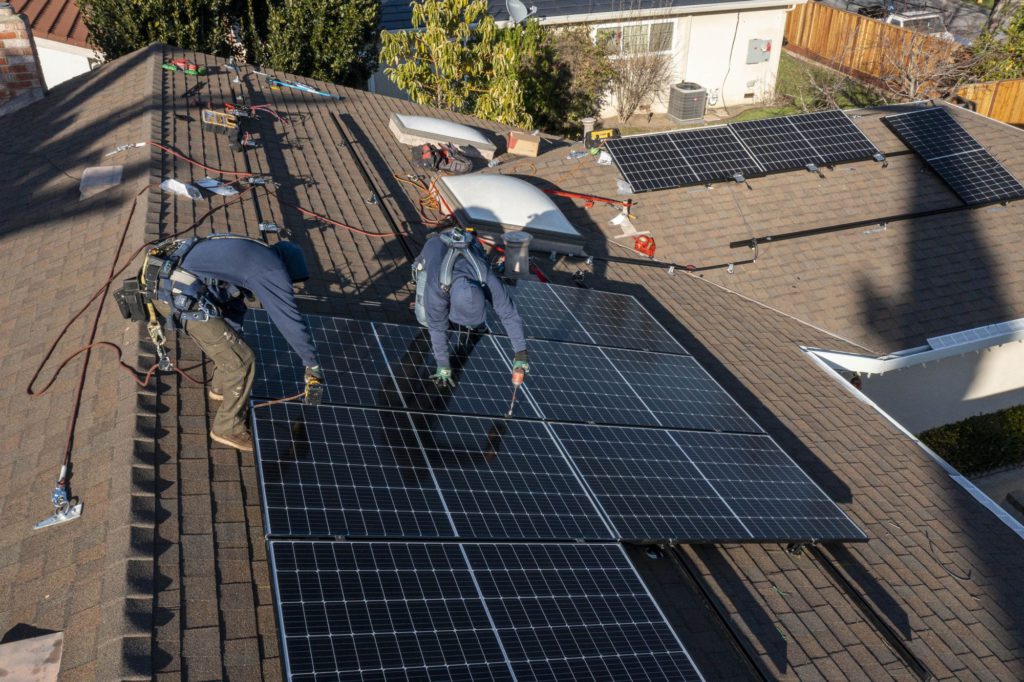
(Bloomberg) — California — the biggest US solar market — is poised to overhaul its landmark subsidy for rooftop panels to encourage homeowners to also install batteries to help stabilize its power grid and prevent blackouts.

A plan unveiled Thursday would give homeowners bigger incentives to install batteries along with solar systems instead of just panels alone. The plan threatens to slow the pace of rooftop installations, but would strengthen a state grid that’s buckled during repeated summertime stretches of extreme heat.

California’s proposal signals a new direction for state-level solar policies across the US. While subsidies were once designed to move rooftop systems from the niche to the mainstream, panels are now ubiquitous in many communities. Today, state policymakers are focused on the reliability of a grid that’s become dependent on renewable power that fluctuates with the whims of the sky and air.

“All the additional rooftop-solar-and-storage systems will provide more grid stability,” Pol Lezcano, an analyst at BloombergNEF, said in an email. “The new rates will speed up the transition to solar-plus-storage.”

Read the proposal here

The solar industry recoiled at an original proposal issued nearly a year ago that would have required new solar customers to pay monthly grid connection fees, prompting Governor Gavin Newsom and Hollywood celebrities to urge regulators to go back to the drawing board.

The new plan ditches those grid connection charges. It still reduces how much credit solar customers would get for exporting their excess power. It would also change electric rates to encourage people to store their solar energy during the day and either export it or use it later in the evening when power is more expensive.

Solar investors cheered the proposal.  Sunnova Energy International Inc.’s shares surged nearly 20% on Thursday. The shares of Sunrun Inc., the biggest US residential installer, were up more than 27%.

The plan calls for a 75% reduction in the credit that new customers would get for exporting excess power to the grid, according to the California Solar & Storage Association, which criticized the plan.

If that’s adopted, “I wouldn’t be surprised to see fewer installations in the market next year than this year,” Meghan Nutting, executive vice president of government and regulatory affairs at Sunnova, said in an interview. “That’s a big change for the market.”

Today, the subsidy program — known as net metering — offers rooftop customers full retail credit for green power they supply to the grid. The incentive, adopted more than 20 years ago, has spurred the installation of 1.5 million home solar systems, or about 45% of the nationwide total.

More stories like this are available on bloomberg.com

©2022 Bloomberg L.P.

Crypto Broker Genesis Says Derivatives Business Has About $175 Million on FTX 

(Bloomberg) — Crypto broker Genesis said its derivatives business has about $175 million “in locked funds” in the company’s FTX trading account.

“This does not impact our market-making activities,” the firm said in a Twitter thread. “Furthermore, our operating capital and net positions in FTX are not material to our business. Circumstances surrounding FTX have not impeded the full functioning of our trading franchise.”

The fallout from the collapse of Sam Bankman-Fried’s FTX empire has roiled the crypto sector and left investors on edge about the risk of contagion.

More stories like this are available on bloomberg.com

©2022 Bloomberg L.P.

Apple’s $191 Billion Single-Day Surge Sets Stock-Market Record

(Bloomberg) — Apple Inc.’s surge Thursday was one for the record books.

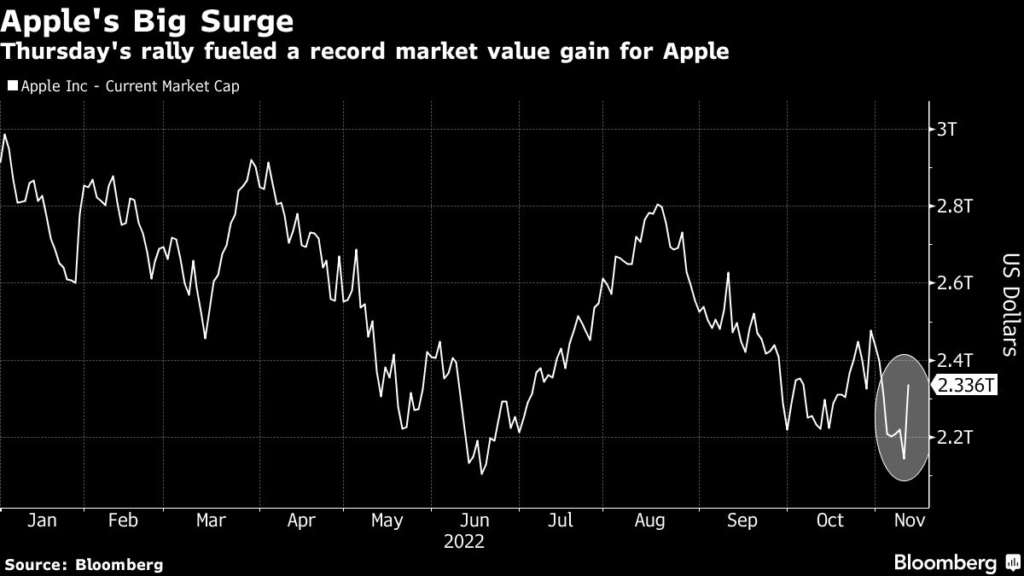
The world’s most valuable company added $190.9 billion in market value, the most ever by a US-listed company, as softer-than-expected inflation data buoyed equity markets across the board. The jump eclipsed Amazon.com Inc.’s $190.8 billion gain in February, according to data compiled by Bloomberg.

Apple, which after Thursday’s 8.8% jump has a market capitalization of $2.34 trillion, now accounts for four out of the top five biggest daily gains. The stock remains down 17% this year.

–With assistance from Tom Contiliano.

More stories like this are available on bloomberg.com

©2022 Bloomberg L.P.

Stocks Skyrocket in Best Post-CPI Day on Record: Markets Wrap

(Bloomberg) — Stocks surged in a buy-everything relief rally after slower-than-projected price growth spurred bets the Federal Reserve can downshift its aggressive rate-hike path.

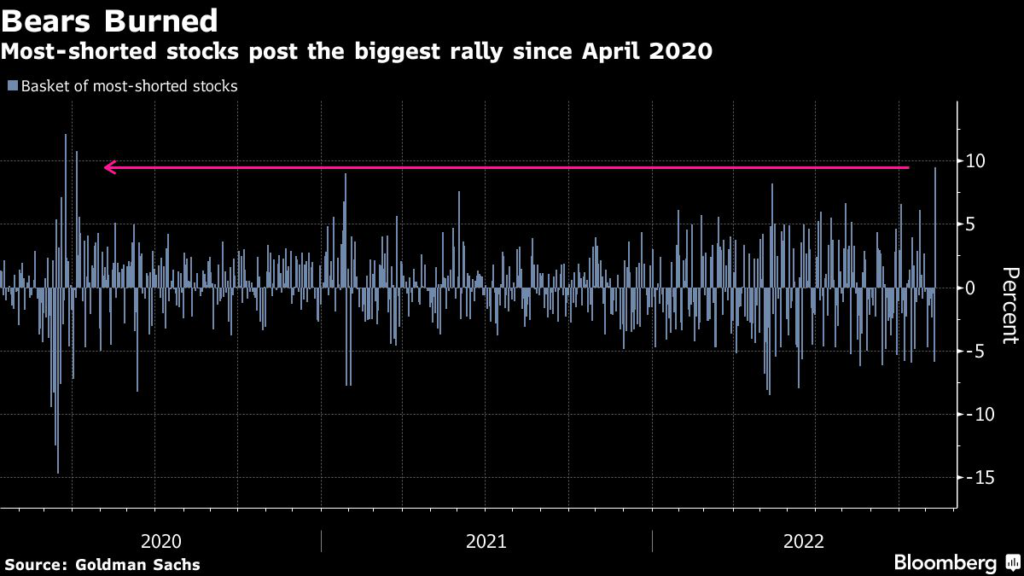
The S&P 500 climbed 5.5% for the best first-day reaction to a CPI report since at least 2003 when records began. About 96% of stocks in the benchmark were in the green, the broadest advance since Oct. 4, according to Bloomberg data. The rally caught short-sellers wrong-footed, helping spur the outsized gains. Crypto markets stabilized despite the turmoil surrounding crypto exchange FTX.

Headline inflation came in at 7.7%, the lowest since January, before Russia’s war in Ukraine pushed up commodity prices. More important for the Fed, the core measure that excludes food and energy slowed more than anticipated. 

Thursday’s intense rally only partially clawed back steep losses this year for risk assets hammered by Fed’s tightening. The S&P 500 is still down 17% in 2022 and the Nasdaq 100 is off nearly 30%, with both headed for their worst years since 2008.

Treasuries soared, sending the rate on two-year notes, more sensitive to monetary policy, down 25 basis points. Rates traders downgraded the odds of another three-quarter-point rate increase in December almost to nil, while continuing to price in a half-point hike. The Bloomberg dollar index sank 2%.

“The first downside surprise in inflation in several months will inevitably be received by an equity market ovation,” Seema Shah, chief global strategist at Principal Asset Management, wrote. “A 0.5% hike, rather than 0.75%, in December is clearly on the cards but, until we have had a run of these types of CPI reports, a pause is still some way out.”

Fed officials appeared to back a downshift in rate hikes after a stretch of four jumbo-sized increases. They also stressed the need for policy to remain tight. 

Dallas Fed President Lorie Logan said it may soon be appropriate to slow the pace to better assess economic conditions. San Francisco’s Mary Daly said the moderation was “good news,” but noted “pausing is not the discussion, the discussion is stepping down.” 

Swaps markets pulled back bets on a peak rate to slightly less than 4.9% in the first half of next year, from more than 5% before the CPI data. 

Market reaction to CPI report

Rick Rieder, chief investment officer of global fixed income at BlackRock Financial Management Inc.:

“Today’s CPI report showed some moderate improvement as some of the previously elevated excessively high inflation-drivers, such as used cars, started to decline at a faster pace.”

Michael Landsberg, chief investment officer, Landsberg Bennett Private Wealth Management:

“We are preparing for an environment where interest rates remain higher for longer. Investors should be more concerned with the effect that rising rates into a decelerating economy has on their portfolio values rather than the current level of inflation.”

Max Gokhman, chief investment officer for AlphaTrAI:

“We expected that there would be deceleration of core goods prices, but seeing services slump too was a bigger bonus than any banker will get this year. That said, this won’t budge the Fed to rethink a 50bp hike in December, so traders curb their initial enthusiasm.”

Ipek Ozkardeskaya, senior analyst at Swissquote Bank: 

“Hallelujah! We finally saw a strong beat in terms of inflation in the US. Both the headline and the core figures came lower than expected. And that helped softening the hawkish Fed expectations, pull the US dollar and the yields lower. The soft inflation has been a puff of fresh air for the entire market.”

Guillermo Hernandez Sampere, head of trading at asset manager MPPM GmbH:

“Pivot Party to start right now, short squeeze will ignite the rally. If the remaining cash comes to work we’ve seen the lows for a while.”

James Athey, investment director at Aberdeen Asset Management:

“Equities will love this and are likely to pick up the baton and keep running. Of course that may make the Fed uncomfortable at this early stage in the disinflation process and so watch out for Fedspeak if equities get too frothy.”

Key events this week:

  • US University of Michigan consumer sentiment, Friday

Some of the main moves in markets:

Stocks

  • The S&P 500 rose 5.5% as of 4 p.m. New York time
  • The Nasdaq 100 rose 7.5%
  • The Dow Jones Industrial Average rose 3.7%
  • The MSCI World index rose 4.5%

Currencies

  • The Bloomberg Dollar Spot Index fell 2%
  • The euro rose 1.8% to $1.0196
  • The British pound rose 3.1% to $1.1713
  • The Japanese yen rose 3.6% to 141.26 per dollar

Cryptocurrencies

  • Bitcoin rose 15% to $18,080.76
  • Ether rose 21% to $1,336.02

Bonds

  • The yield on 10-year Treasuries declined 27 basis points to 3.82%
  • Germany’s 10-year yield declined 16 basis points to 2.01%
  • Britain’s 10-year yield declined 16 basis points to 3.29%

Commodities

  • West Texas Intermediate crude rose 0.5% to $86.27 a barrel
  • Gold futures rose 2.5% to $1,756.90 an ounce

This story was produced with the assistance of Bloomberg Automation.

This story was produced with the assistance of Bloomberg Automation.

–With assistance from Isabelle Lee, Vildana Hajric, Debarati Roy, Peyton Forte, Sagarika Jaisinghani, Macarena Muñoz, Farah Elbahrawy, Emily Graffeo, Lu Wang, Richard Henderson and Srinivasan Sivabalan.

More stories like this are available on bloomberg.com

©2022 Bloomberg L.P.

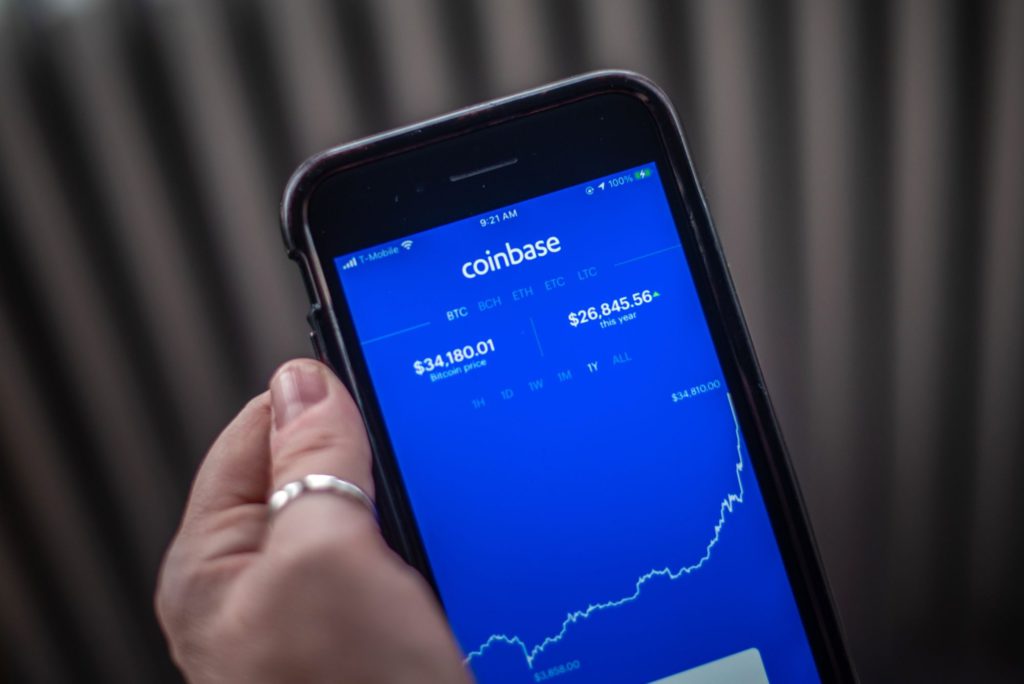
Coinbase Cuts 60 Jobs in Latest ‘Crypto Winter’ Layoff

(Bloomberg) — Coinbase Global Inc. said it was eliminating 60 positions, the latest in a series of job cuts by the exchange as the monthslong slump in cryptocurrencies deepens. 

The largest US digital-asset trading platform plans to reduce its recruiting and institutional onboarding groups, according to a statement Thursday. 

“Today’s actions were surgical. We are just making sure we are not wasting a dollar,” Coinbase’s Chief Financial Officer, Alesia Haas, told Bloomberg TV. “If we see that there is going to be further depressed revenue, and if we believe this is going to impact beyond the scenarios we have already planned for, we will have to take further cost saving action.”

Crypto companies have been forced to downsize amid a rout that’s erased more than $2 trillion in market value. 

In June, Coinbase announced it would lay off 18% of its workforce, the equivalent of roughly 1,200 employees. Billionaire Michael Novogratz’s Galaxy Digital Holdings Ltd. said this month that it is exploring eliminating as much as 20% of its workforce. Also over the past month, Mythical Games, a blockchain video game company once valued at $1.25 billion, laid off 10% of its staff. 

Elliott Suthers, director of Corporate & Global Communications wrote that Coinbase will offer “generous severance packages for those affected.” 

Shares of Coinbase rose about 11% on Thursday, helping to temper a slide of more than 20% earlier this week. The stock is down 80% this year. 

–With assistance from Olga Kharif.

(Added comment from Alesia Haas in the third paragraph.)

More stories like this are available on bloomberg.com

©2022 Bloomberg L.P.
Nasdaq 100 Adds $700 Billion in Value as US Inflation Eases

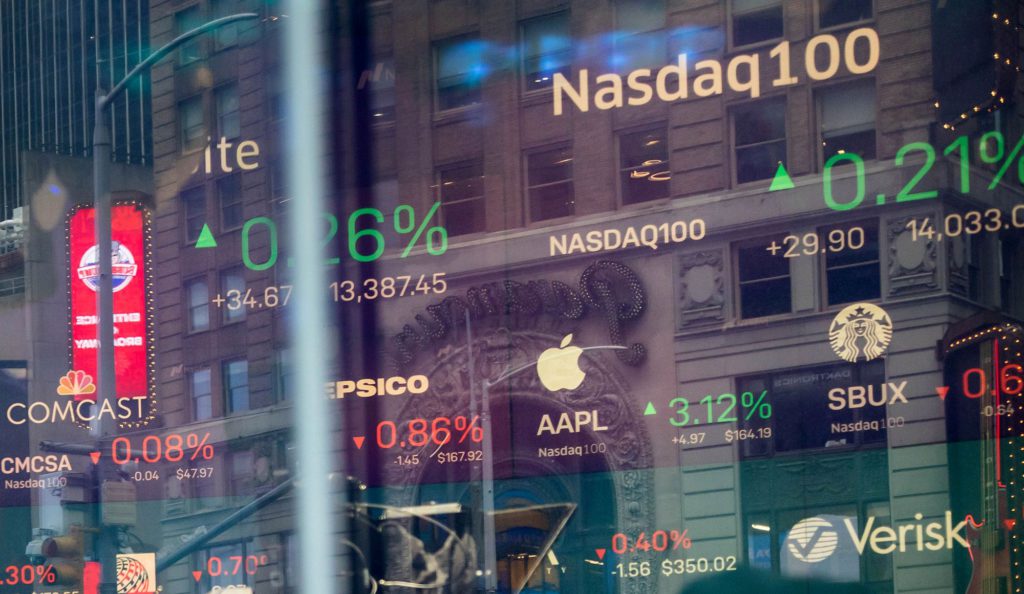
(Bloomberg) — Major US technology and internet stocks soared on Thursday, adding hundreds of billions of dollars in market value, after investors welcomed the latest inflation data as a positive sign about where Federal Reserve policy could be headed

Inflation cooled in October by more than what was forecast, suggesting that one of the biggest headwinds facing tech could be easing. It could also give the Fed room to slow its pace of interest-rate hikes, easing another strain on the multiple of so-called growth stocks.

“Investors have been wanting to bid prices higher on any catalyst, and this is as good as any,” said Mark Luschini, chief investment strategist at Janney Montgomery Scott. “The magnitude of the move seems a bit excessive, since I think it’s too early to say we’ve been given the all-clear signal for tech, but the market has been extremely desirous of anything that could elicit a more dovish response from the Federal Reserve.”

The Nasdaq 100 Index jumped 7.5% in its biggest one-day gain since March 2020. The move added about $965 billion in market capitalization. In another tailwind to the day’s rally, the yield on the US 10-year Treasury fell to 3.81%, the lowest since October.

Higher rates and yields are taxing on stocks that are priced on their prospects far out in the future, and such factors have contributed to the Nasdaq 100 falling 29% this year.

The day’s rally in tech was broad-based, with an index of semiconductor stocks up 10% and software up 9.1%; both posted their biggest one-day pops since 2020. Companies that have been particularly beaten down this year climbed the most; a Goldman Sachs basket of the most expensive software stocks climbed 14%, while a Goldman basket for unprofitable tech surged 15%.

Among the market’s biggest names, Apple Inc. gained 8.9%, adding more than $190 billion in market value, while Microsoft Corp. surged 8.2%, representing nearly $140 billion in created market capitalization. Alphabet Inc. climbed 7.6% and Nvidia Corp. advanced 14%.

Meanwhile, Amazon.com Inc. jumped as much as 12% in its biggest gain since February. The e-commerce and cloud-computing giant was also supported by news it has embarked on a review of expenses. 

Meta Platforms Inc. gained 10%, bringing its week-to-date advance to 23%, putting it on track for its biggest weekly jump since July 2013. Recent gains for the Facebook parent have also come after it announced job cuts, a move that was seen as addressing concerns over spending. The stock remains down nearly 70% this year.

–With assistance from Subrat Patnaik.

(Updates to market close)

More stories like this are available on bloomberg.com

©2022 Bloomberg L.P.

Brookfield Rides Rally as CEO Flatt Sees Wave of Opportunities

(Bloomberg) — Brookfield Asset Management Inc.’s earnings declined as volatile markets weighed on valuations of private assets, but the firm says it’s still on track for its biggest year of fundraising ever. 

The alternative asset manager has $125 billion of capital to deploy and sees “many more opportunities coming to us that you wouldn’t have imagined six, 12 months ago,” Chief Executive Officer Bruce Flatt told investors on Thursday. “Most of them we don’t do, but there will be one of them I think that could be very interesting.” 

Brookfield soared 10.3% in New York, the most since March 2020, on a day that also saw the biggest gain for the S&P 500 in more than two-and-a-half years. Brookfield is still down 26% this year, slightly worse than KKR & Co.’s 24% drop. 

Brookfield is raising money for an opportunistic credit fund that it expects to be more than $16 billion, according to Flatt’s letter to shareholders. Its fifth flagship infrastructure fund stands at $21 billion and it has closed a real estate fund with $17 billion. 

“The current environment has created dislocation in the financial markets, with access to capital becoming a challenge for many,” Flatt said in a letter to shareholders. “Fortunately, we have approximately $125 billion of deployable capital and the skills to navigate these markets and execute transactions.” 

Brookfield’s net income fell to $716 million in the third quarter from $2.7 billion in the same period last year as the fair value of some holdings was marked down, the Toronto-based asset manager said in a statement.

Funds from operations, a more closely-watched measure, came in at $1.47 billion in the quarter, slightly better than the $1.45 billion estimated by analysts in a Bloomberg survey.

The private equity industry is contending with the toughest environment since the 2008 financial crisis as higher interest rates and persistent inflation paint a dark macroeconomic picture.

Brookfield plans to spin out a 25% stake in its asset management division to shareholders by the end of the year. The move will give investors the option of owning a pure-play asset manager that’s expected to pay out 90% of its distributable earnings in cash dividends. 

The new publicly-traded company will take the name Brookfield Asset Management, while the parent company will be renamed Brookfield Corp. 

Intel Deal

Brookfield had made a number of significant deals in recent months, despite the market turmoil. It announced an investment of as much as $15 billion in a new Intel Corp. chip manufacturing project in Arizona. The firm also formed a partnership to buy an interest in Deutsche Telekom AG’s tower business in Germany with a total value of about $17.5 billion.

Brookfield managed $762 billion of assets as of Sept. 30. 

Buyout firms are seeking innovative ways of unloading assets. Last month, Brookfield’s private equity arm sold Westinghouse Electric Co. to uranium miner Cameco Corp. and another Brookfield affiliate, Brookfield Renewable Partners. The deal avoided triggering a change of control, which would have forced Westinghouse to refinance debt.


(Adds quote from investor call and updates closing share price)

More stories like this are available on bloomberg.com

©2022 Bloomberg L.P.
Close Bitnami banner
Bitnami