Bloomberg

Binance Backs Out of FTX Rescue, Citing Finances, Investigations

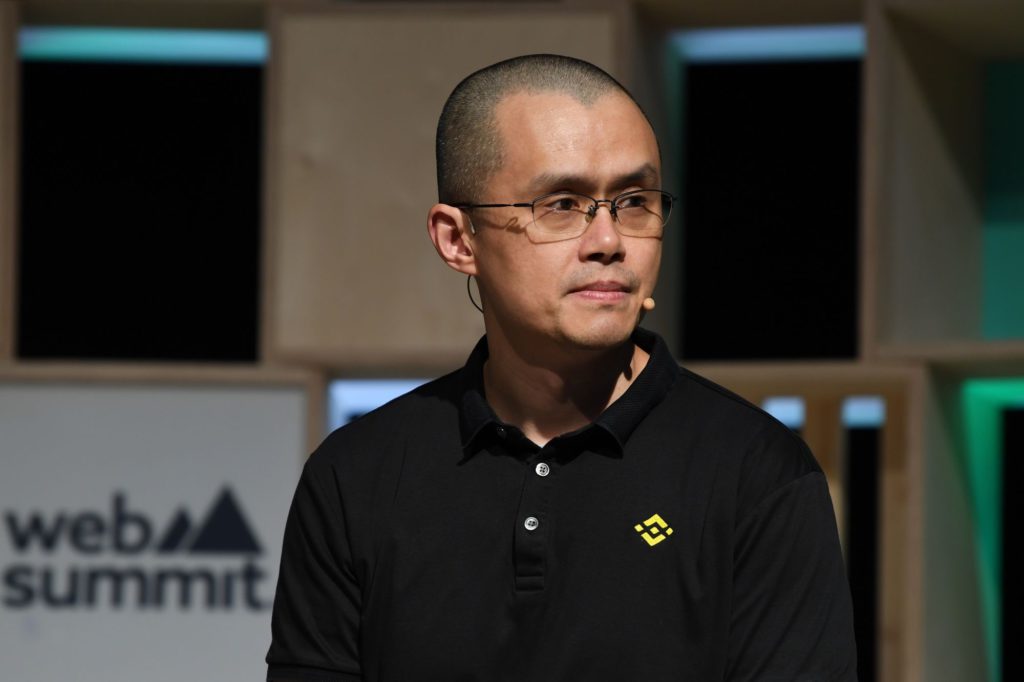
(Bloomberg) — Changpeng “CZ” Zhao walked away from his bailout for Sam Bankman-Fried’s FTX.com almost as quickly as he offered a rescue.

“Our hope was to be able to support FTX’s customers to provide liquidity, but the issues are beyond our control or ability to help,” Binance, the crypto exchange founded by Zhao, said in a statement.

An FTX spokesperson declined to comment.

It became evident in a matter of hours that rescuing FTX would be a tall order for Binance. Its executives found themselves staring into a financial black hole — a gap between liabilities and assets at FTX that’s probably in the billions, and possibly more than $6 billion, according to a person familiar with the matter. 

On top of that, US regulators are circling FTX, investigating whether the firm properly handled customer funds, as well as its relationship with other parts of Bankman-Fried’s crypto empire, including his trading house Alameda Research, Bloomberg News reported Wednesday. 

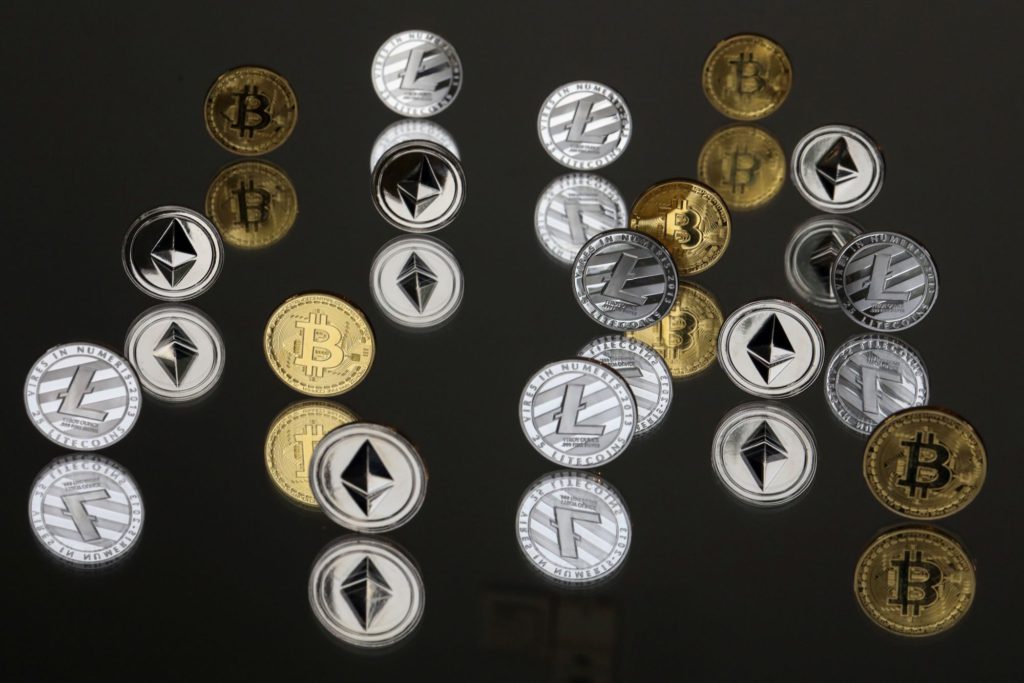
Zhao himself admitted there was no “master plan” to take over FTX. His about-face leaves the fate of the beleaguered exchange and its clients uncertain and sparked renewed concerns about contagion risks across the crypto industry. Digital assets tumbled anew, with Bitcoin falling below $16,000 after Binance’s announcement.

“As a result of corporate due diligence, as well as the latest news reports regarding mishandled customer funds and alleged US agency investigations, we have decided that we will not pursue the potential acquisition of FTX.com,” Binance said in the statement.

For crypto investors, the stakes are high for what happens next. The downfall of Bankman-Fried, the industry’s onetime 30-year-old wunderkind, has cast doubt about which institutions are safe in the still-loosely regulated market. 

While Bankman-Fried is barely a billionaire anymore, Zhao remains the richest person in crypto, with a fortune estimated at $16.4 billion by the Bloomberg Billionaires Index. But even Zhao hasn’t been immune to tumbling crypto prices: His net worth peaked at $97 billion in January.

Coinbase Chief Executive Officer Brian Armstrong said Tuesday in a Bloomberg TV interview that if the deal with Binance fell through, it would likely mean FTX customers would take losses.

“That’s a not a good thing for anybody,” he said.

For crypto market prices: CRYP; for top crypto news: TOP CRYPTO.

–With assistance from Lydia Beyoud, Tom Maloney and Suvashree Ghosh.

(Updates with Bitcoin price in sixth paragraph.)

More stories like this are available on bloomberg.com

©2022 Bloomberg L.P.

Coinbase, Robinhood Lead $10 Billion Rout in Crypto Mayhem

(Bloomberg) — Robinhood Markets Inc. and Coinbase Global Inc. took another beating Wednesday as Binance Holdings Ltd.’s bailed on its deal to buy FTX.com, sending another shock through the rattled crypto industry.

Robinhood shares tanked 14%, while Coinbase dropped 9.5% to a record low — extending this week’s wipeout to more than one-fifth of their market capitalizations. The selloff in crypto-linked equities erased at least $10 billion in value, according to data compiled by Bloomberg.

Binance walked away from a deal to takeover FTX which both companies had announced Tuesday — a deal that was meant to “help cover the liquidity crunch” at Sam Bankman-Fried’s troubled crypto exchange. “The issues are beyond our control or ability to help,” Binance said in a statement.

Robinhood was seen as a potential target for FTX after people with knowledge of the matter told Bloomberg News in June that FTX was said to have been exploring a possible acquisition of the company. Coinbase’s slump is a reminder of investor caution over the crypto industry as Binance’s failed rescue of FTX puts a spotlight on the challenges facing its longevity.

Other cryptocurrency-linked stocks extended losses Wednesday as Bitcoin fell 14% to a roughly two-year low amid investor jitters. MicroStrategy Inc. sank 20% to the lowest in four months and Riot Blockchain Inc. lost 8.1%, while Silvergate Capital Corp. tumbled 12%. Galaxy Digital Holdings Ltd. disclosed a $76.8 million exposure to the collapsed exchange FTX.com and tumbled 16% to the lowest since October 2020.

(Updates with share movement throughout, details of Binance’s backing out of deal.)

More stories like this are available on bloomberg.com

©2022 Bloomberg L.P.

Amazon Becomes World’s First Public Company to Lose $1 Trillion in Market Value

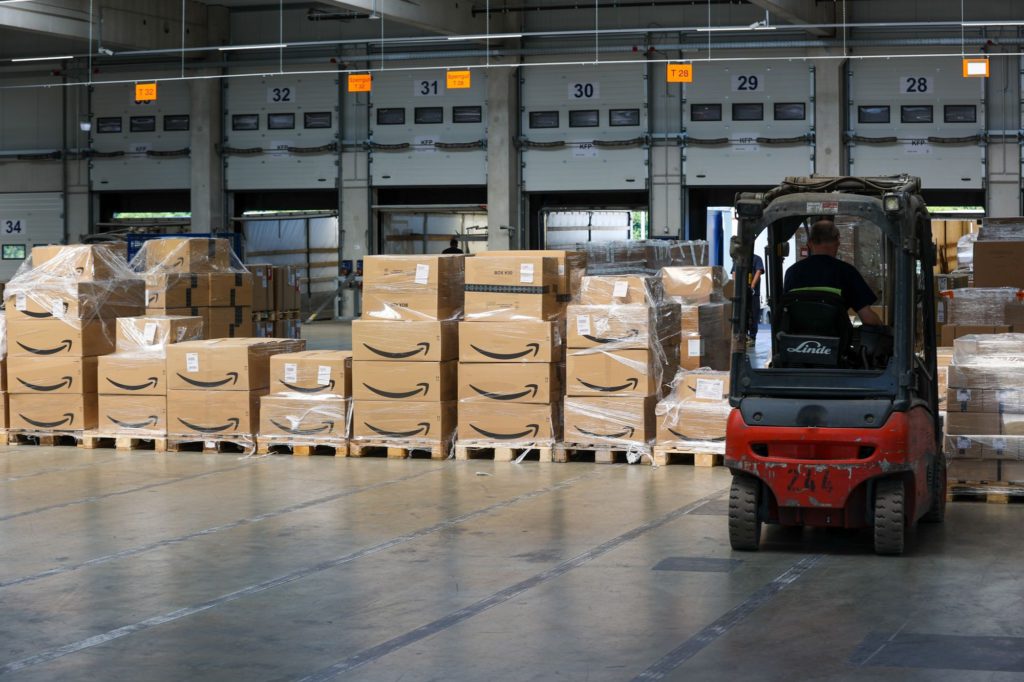
(Bloomberg) — Amazon.com Inc. is the world’s first public company to lose a trillion dollars in market value as a combination of rising inflation, tightening monetary policies and disappointing earnings updates triggered a historic selloff in the stock this year. 

Shares in the e-commerce and cloud company fell 4.3% on Wednesday, pushing its market value to about $879 billion from a record close at $1.88 trillion on July 2021. Amazon and Microsoft Corp. were neck-and-neck in the race to breach the unwelcome milestone, with the Windows software maker close behind after having lost $889 billion from a November 2021 peak. 

While technology and growth stocks have been punished throughout the year, fears of a recession have further dampened sentiment in the sector. The top five US technology companies by revenue have seen nearly $4 trillion in market value evaporate this year. 

The world’s largest online retailer has spent this year adjusting to a sharp slowdown in e-commerce growth as shoppers resumed pre-pandemic habits. Its shares have fallen almost 50% amid slowing sales, soaring costs and a jump in interest rates. Since the start of the year, co-founder Jeff Bezos has seen his fortune dwindle by about $83 billion to $109 billion, according to data compiled by Bloomberg.

Last month, Amazon projected the slowest revenue growth for a holiday quarter in the company’s history as shoppers reduce their spending in the face of economic uncertainty. That sent its market value below $1 trillion for the first time since the pandemic-fueled rally in tech stocks more than two years ago.

–With assistance from Divya Balji, Tom Contiliano and Jack Witzig.

(Updates with closing prices throughout.)

More stories like this are available on bloomberg.com

©2022 Bloomberg L.P.

Tesla Loses 2 Years of Gains Amid Twitter Saga, Demand Fears

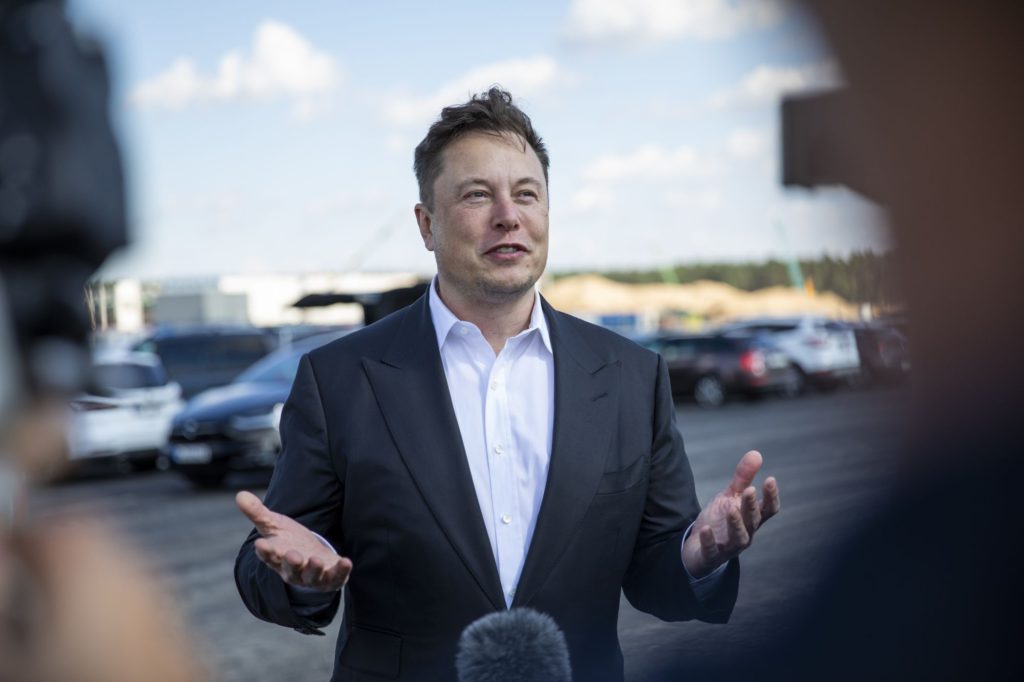
(Bloomberg) — Elon Musk’s latest sale of Tesla Inc. stocks, following repeated denials that he planned to offload more shares, is helping to wipe out the last vestiges of a rally in the electric carmaker over the past two years.

The stock closed down 7.2% at $177.59 in New York on Wednesday, dropping to its lowest since November 2020. 

Tesla investors had remained suspicious that Musk would unload more shares in the carmaker, despite his denials. Those fears were confirmed Tuesday in a regulatory filing that disclosed the sale of shares worth $3.95 billion, bringing his total proceeds over the past year to about $36 billion. He still owns about 14%, according to Bloomberg data.

“Musk selling stock again after saying he wouldn’t can only leave the door open to more going forward,” said Mark Taylor, a sales trader at Mirabaud Securities.

Still, investors in Tesla have had to contend with far more than just the CEO’s mercurial takeover of the social-media platform Twitter. The EV maker has struggled with supply-chain shortages and rising raw material costs along with the rest of the global automotive industry, with new concerns emerging about demand for its vehicles taking a hit as inflation-stung consumers tighten their purse strings.

The stock has also been swept up in the broader trend of investors exiting pricey growth stocks in favor of more stable companies as an economic recession looms large.  

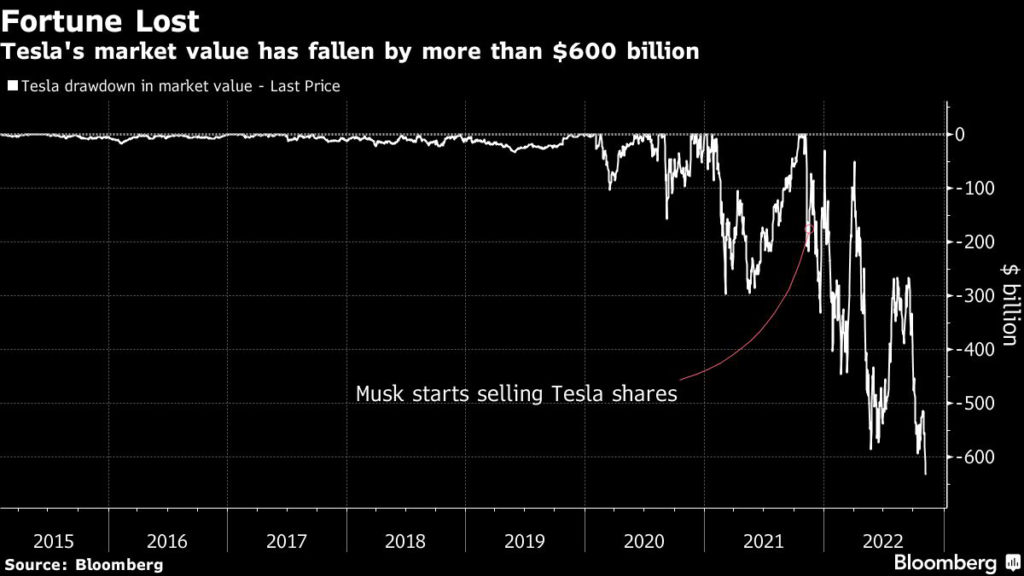
Tesla’s share price has declined for three straight months and November is proving even worse, with the stock falling 22% so far. Its Relative Strength Index is back in oversold territory, and the stock has lost over $674 billion in market capitalization since peaking last November.

Tesla Loses Valuation Race to Berkshire as Growth Stocks Sputter

Tesla analysts warned that while the latest stake sale by Musk can bring some temporary relief for the EV maker’s investors, the company still has plenty of challenges that can hold back the shares.

While overhang from the share sale by Musk may be gone, the threat “from a rising wave of competition and plenty of good alternatives for equity investment” are still around, Roth Capital Partners analyst Craig Irwin said.

–With assistance from Philip Sanders.

(Updates stock moves in second and seventh paragraphs.)

More stories like this are available on bloomberg.com

©2022 Bloomberg L.P.

Meta to Cut 11,000 Jobs; Zuckerberg Says ‘I Got This Wrong’

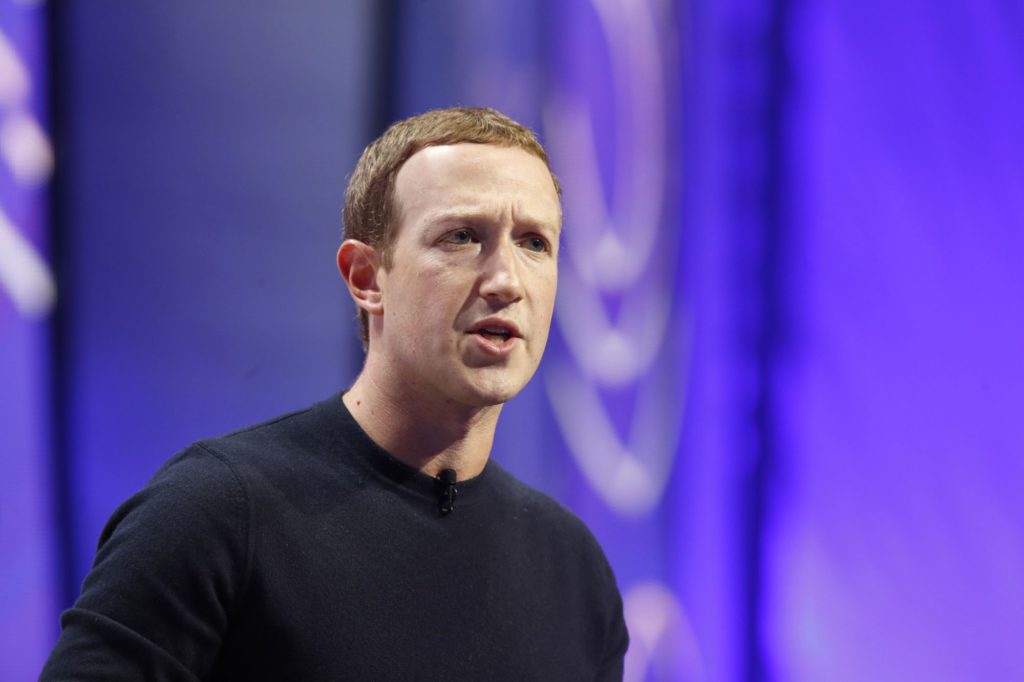
(Bloomberg) — Meta Platforms Inc. Chief Executive Officer Mark Zuckerberg said the company will cut more than 11,000 jobs, calling himself responsible for the first major round of layoffs in the social media giant’s history.

The reductions, equal to about 13% of the workforce, were disclosed Wednesday in a statement. Zuckerberg then addressed employees, asking them to thank those who lost their jobs, and noting that employees outside North America will face uncertainty while the company sorts out who is affected, according to people familiar with the matter. 

The company, which owns Facebook and Instagram, will also extend its hiring freeze through the first quarter. 

“I want to take accountability for these decisions and for how we got here,” Zuckerberg said in the statement that was sent to Meta employees and posted on the company’s website. “I know this is tough for everyone, and I’m especially sorry to those impacted.”

Zuckerberg said that while reductions will happen across the company, the recruiting team will be disproportionately affected and business teams would be restructured “more substantially.” Meta will also reduce its real estate footprint, review infrastructure spending and transition some employees to desk sharing, with more cost-cutting announcements expected in the coming months. 

Meta told employees that decisions about who would be impacted were made “at the highest leadership levels” and that direct managers weren’t involved in the eliminations, according to a message to remaining employees viewed by Bloomberg. Managers found out which of their reports were to be fired Wednesday morning, the message said.

A Meta spokesman declined to comment on the message.

Read More: Twitter, Meta Push Tech Job-Cut Pace Near Early Pandemic Levels

Meta, whose stock had plunged 71% this year through Tuesday, is taking steps to pare costs following several quarters of disappointing earnings and a slide in revenue. The retrenchment, the company’s most drastic since the founding of Facebook in 2004, reflects a sharp slowdown in the digital advertising market, an economy wobbling on the brink of recession and Zuckerberg’s multibillion-dollar investment in a speculative virtual-reality push called the metaverse.

The shares rose 5.8% at 3:18 p.m. in New York on Wednesday.

Zuckerberg said in the statement that he’d anticipated that the surge in e-commerce and web traffic from the beginning of the Covid-19 lockdowns would be part of a permanent acceleration. “But the macroeconomic downturn, increased competition, and ads signal loss have caused our revenue to be much lower than expected. I got this wrong.” 

Meta is joining a spate of technology companies that have announced job cuts in recent weeks or said they planned to pause hiring. Corporate software maker Salesforce Inc. on Tuesday said it cut hundreds of workers from sales teams, while Apple Inc., Amazon.com Inc. and Alphabet Inc. have all slowed or paused hiring. Snap Inc., parent of rival app Snapchat, is also scaling back, saying in August that it would eliminate 20% of its workforce. 

In a particularly chaotic round of dismissals, Twitter cut roughly half of its workforce last week with many employees finding out they’d lost their jobs when they were suddenly cut off from Slack or email. 

At Meta, employees will continue to have access to their emails so that they can say goodbye to colleagues, though they’ve been cut off from more sensitive corporate systems, Zuckerberg said. US workers who were cut will also get 16 weeks of their base salary as severance, plus two weeks for every year they worked at the company. The company is also offering six months of health-care coverage as well as career services and immigration support. Packages will be similar outside the US, in keeping with local employment laws, the company said. 

Zuckerberg had warned employees in late September that Meta intended to slash expenses and restructure teams to adapt to a changing market. The Menlo Park, California-based company, which also owns Messenger and WhatsApp, implemented a hiring freeze, and the CEO said at the time that Meta expected headcount to be smaller in 2023 than it is this year.

“This is obviously a different mode than we’re used to operating in,” Zuckerberg said in a Q&A session with employees in September. “For the first 18 years of the company, we basically grew quickly basically every year, and then more recently our revenue has been flat to slightly down for the first time. So we have to adjust.”

Read More: Twitter’s Big Debt Bills Add Urgency to Musk’s Turnaround Plans

Even with the cuts, Meta continues to expect that losses in the Reality Labs division, which houses the metaverse investments, will grow “significantly” year-over-year in 2023, the company said in a separate regulatory filing on Wednesday. Meta’s costs have been under heightened scrutiny after reporting spending last month that exceeded the average analyst expectation. The company lowered its total expense projection for next year to $94 billion to $100 billion, straddling the $96.9 billion analyst average.

Zuckerberg has been asking investors for patience as he pours billions into his vision for the next big computing platform after mobile phones: the metaverse, a collection of digital worlds accessed through virtual and augmented-reality devices. The effort requires intensive investment in hardware and research that may not pay off for many years from now.

Meanwhile, growth at the flagship Facebook social network is stagnating. The company is working to accelerate it, and continue to add users to photo-sharing app Instagram, by experimenting with a more interest-based algorithm and short-form videos called Reels.

Now, Zuckerberg has to pull off his major corporate transitions with fewer people.

–With assistance from Nate Lanxon and Kurt Wagner.

(Updates with internal memo in sixth paragraph.)

More stories like this are available on bloomberg.com

©2022 Bloomberg L.P.

Musk Tries to Soothe Safe-Space Concerns of Twitter Advertisers

(Bloomberg) — Elon Musk tried to quell the concerns of advertisers that Twitter under his leadership may not be a safe place for brand marketing, acknowledging the platform needs to remove or hide hate speech and other unsavory posts.

“It stands to reason that if somebody is advertising that they do not want super negative information right next to their ad, or content that may be inappropriate,” Musk acknowledged on a Twitter “Spaces” call broadcast live on the site. “So we are going to work hard to make sure that there is not bad stuff right next to an ad, which really doesn’t serve anyone any good.”

Musk spoke on a public chat that reached more than 114,000 listeners, including a number of official brand accounts such as Target, Pandora, Chipotle and Chevron. The service has seen a number of major brands pause ad spending in recent weeks since Musk bought Twitter Inc. and took it private on Oct. 27. 

The billionaire, who is running the platform and calls himself the “Chief Twit,” has been open about his plans to bring “free speech” back to Twitter, and many are worried that will mean repealing a number of policies that keep other types of hate and racist posts off the service. 

“I don’t think having hate speech next to an ad is great, obviously,” Musk said. 

David Cohen, chief executive officer of the Interactive Advertising Bureau, was the one non-Twitter employee who was able to question Musk during the Spaces appearance. Cohen asked how marketers should think about Musk’s personal brand, which can be inappropriate and controversial, and how it blurs with Twitter’s corporate image.

“Obviously Twitter cannot simply be some extension of me because then anyone who doesn’t agree with me will be put off,” he said. “So Twitter must be, as a platform, as neutral as possible. That doesn’t mean I am completely neutral. That would be untruthful, I am not neutral. No person is.”

The roughly 45-minute long conversation was wide-ranging, with Musk addressing a number of other aspects of the service, including his plans for an $8-per-month subscription service and hopes of building more commerce into Twitter. 

He said Twitter is also considering ways to encourage people to connect their bank or credit card accounts to the social network, possibly even the idea of moving cash into the service and holding it like a bank.

More stories like this are available on bloomberg.com

©2022 Bloomberg L.P.

Numbed Treasury Market Takes an Ugly 10-Year Auction in Stride

(Bloomberg) — One of the worst 10-year Treasury note auctions in years made only a relatively minor ripple in a market that’s grown accustomed to absorbing punishing blows.

Wednesday’s $35 billion auction of new 10-year notes drew a yield of 4.140%, more than three basis points above the level in pre-auction trading just before the bidding deadline. That’s a sign that dealers overestimated demand for the highest-yielding 10-year note since 2008. 

While the size of the miss — 3.4 basis points — is an approximation by dealers, not an official statistic, it was the biggest since December 2009. Nonetheless, market reaction was limited. The auction sector cheapened by about five basis points, from about 4.11% just before the auction to about 4.16% shortly afterward, before stabilizing around 4.15%.

“Dealers that bought them did not panic,” said Tony Farren, managing director in rates sales at Mischler Financial Group Inc.

There were a few possible reasons for the weak result. For one thing, dealers may have been reluctant to take risk before Thursday’s release of the October Consumer Price Index, as the last two reports sparked selloffs. Also, steep losses in stocks and cryptocurrencies on Wednesday may have discouraged traders from setting short positions, as they’d normally do ahead of an auction. 

What’s more, while the magnitude of Wednesday’s miss may have been unusual, it fits the trend of recent months: Seven of the previous eight monthly 10-year auctions also drew higher-than-expected yields.

–With assistance from Edward Bolingbroke.

More stories like this are available on bloomberg.com

©2022 Bloomberg L.P.

Consumers Claim Apple and Amazon Conspired to Raise iPhone Prices

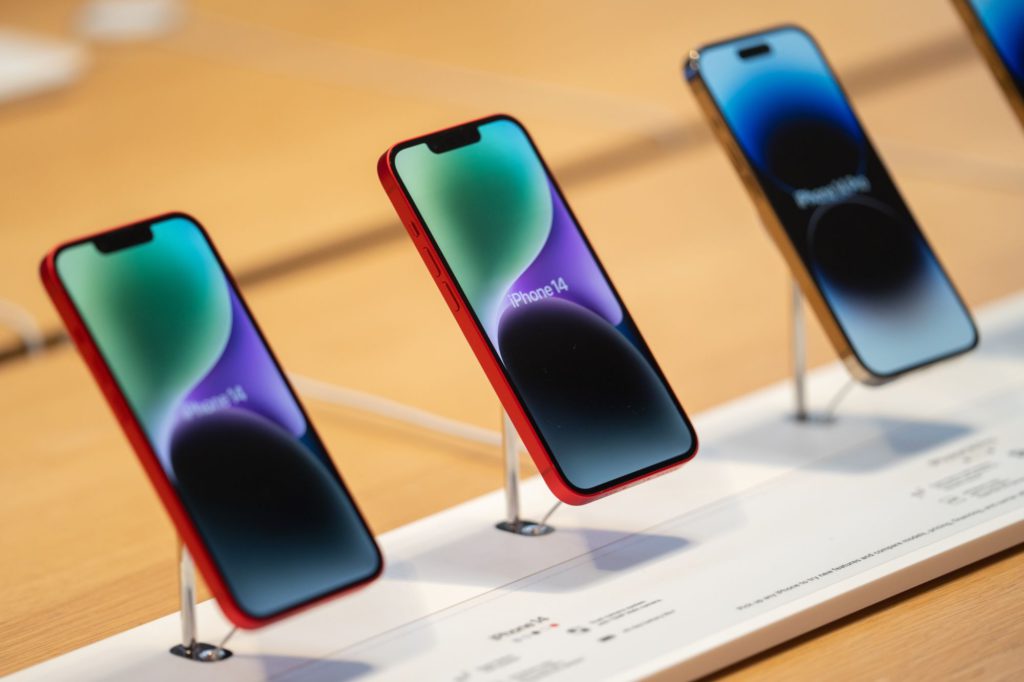
(Bloomberg) — Apple Inc. and Amazon.com Inc. were accused in a lawsuit of striking an unlawful deal to drive up prices for iPhones and iPads by wiping out hundreds of third-party sellers who often offered steep discounts.

Consumer Steven Floyd says an “Unlawful Boycott Agreement” between Apple and Amazon forced him to pay $319.99 for an iPad when he should have been able to get a discount in a “normal competitive market,” according to the proposed class-action complaint filed in Seattle federal court. 

The suit comes as Amazon is facing antitrust scrutiny from states and regulators over policies involving third-party merchants. California sued Amazon in September alleging that the company forces third-party merchants to agree to policies that lead to “artificially high prices” for consumers. Amazon denies wrongdoing in that case.

Read More: Amazon Keeps Prices ‘Artificially High,’ California Alleges

Apple barred Amazon from directly selling some of its fast-selling products because it didn’t like competition from resellers on the marketplace, pushing the e-commerce company to buy Apple products at higher rates from other sources, Floyd said in his suit. But the companies in 2018 struck a deal to exclude almost 600 third-party merchants from Amazon’s site, according to the complaint.

“In exchange for eliminating the Apple resellers that were driving down online prices for Apple products, Apple agreed to provide Amazon consistent supplies at a discount of up to 10% — contingent on its ability to keep the excluded sellers off Amazon Marketplace,” Floyd said. 

That hurt consumers and third-party merchants, according to the complaint, which seeks damages for all consumers harmed by the companies’ conduct.

Apple and Amazon didn’t immediately respond to requests for comment.

Major brands, including Apple, have grappled with counterfeit products running rampant on Amazon. Apple accused a New Jersey company in a 2016 lawsuit of selling fake Apple products on Amazon. The Seattle-based e-commerce company has introduced various tools aimed at curbing counterfeits, which also limits who can sell what on the popular web store.

Apple and Amazon have publicly justified their agreement as a way to tackle counterfeits, Floyd said in his complaint. But “when the Unlawful Boycott Agreement was entered, there were already tools available to snuff out counterfeiting.”

The case is Floyd v. Amazon.com, 2:22-cv-01599, US District Court, Western District of Washington (Seattle).


–With assistance from Spencer Soper, Mark Gurman and Matt Day.

More stories like this are available on bloomberg.com

©2022 Bloomberg L.P.

Musk Encourages Tesla’s Rival Automakers to Keep Advertising on Twitter

(Bloomberg) — Elon Musk said rival automakers should continue to advertise on Twitter following his acquisition of the social-media company, pledging not to give unfair advantages to Tesla Inc. as he leads both companies.

The world’s richest man, speaking in a town hall for advertisers that was broadcast on Twitter Spaces, added that he hopes his fellow auto executives will be more active on the platform. “We will try to be as fair as possible,” Musk said Wednesday.

The comments underscore the tension in the industry after a number of major car brands paused Twitter ads following Musk’s buyout of Twitter Inc., including Volkswagen AG and General Motors Co. Stellantis NV, owner of the Jeep and Ram vehicle lines, also halted posts “until we have a clearer understanding of the future of the platform under its new leadership,” it said earlier this week.

More stories like this are available on bloomberg.com

©2022 Bloomberg L.P.

Billionaire’s Money Manager Gets Ready for Brazil ‘Down Rounds’

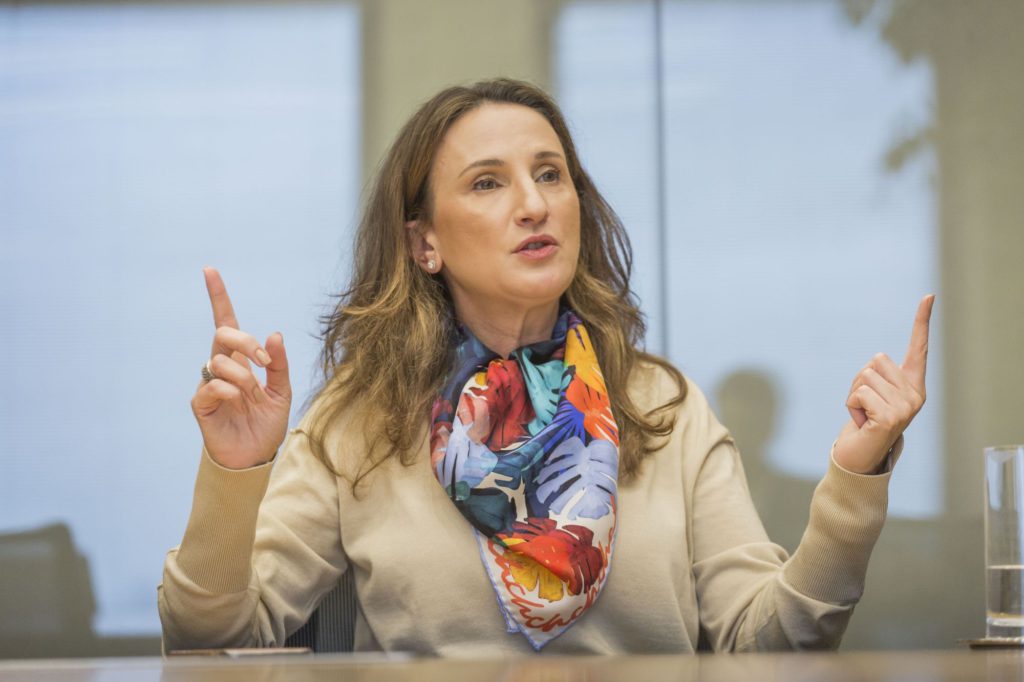
(Bloomberg) — Private companies in need of capital in Brazil will have to turn to “down rounds” to avoid going deeper into debt in an environment of high interest rates, according to the manager of one Brazilian billionaire’s fortune.

Flavia Almeida, chief executive officer and partner at Peninsula Capital, said many company founders are still reluctant to pursue such financing, in which shares are sold at a lower valuation than previous equity rounds. 

Private equity funds don’t want to mark down their investments, and “entrepreneurs are facing a dilemma,” said Almeida, whose firm manages $4 billion in assets, including the family fortune of retailing giant Abilio Diniz. “But early stage companies can’t be highly leveraged in Latin America because money is more expensive here.” 

Almeida expects some “significant” down rounds in the next 12 to 18 months as some Brazilian companies run out of capital, and she’s planning to buy. The key to avoiding land mines will be to have extensive knowledge about local markets, she said. 

Investors “have to be extremely careful now,” she said, and before buying stakes in companies they should consider how much cash the firm has and how long it’s going to last.

Tech company shares have been falling on public markets this year, with fintech Nu Holdings SA, know as Nubank, dropping to a market capitalization of about $23.5 billion from almost $55 billion in December. After a boom that pushed Latin American venture-capital investments to a record $14.1 billion in the last three quarters of 2021, they fell to $6.6 billion in this year’s first nine months, according to LAVCA, the association for private-equity investments in the region.

Some startups are already letting employees go to save cash. 2TM, the SoftBank Group Corp.-backed owner of cryptocurrency brokerage Mercado Bitcoin, cut 15% of its workforce in September after dismissing about 90 people, or 12% of its employees, in June, according to Bloomberg Linea.

Almeida is planning to buy properties and stakes in Brazilian companies even amid political changes and an expected economic slowdown next year.

“We have the foundations of a solid economy, and I don’t foresee any radical change,” she said.

Innovation Companies

“We’re are more liquid than usual” after selling a 3.8% stake in BRF SA, Brazil’s biggest exporter of chicken, for about 900 million reais ($175 million) in August, Almeida said. “We’re sitting a little bit on the money in that sense, and we are extremely busy looking for opportunities in private equity and real estate in Brazil now that interest rates went up and asset prices went down.”   

The firm is opening a fund to third-party investors to increase its stakes in what Almeida called innovation companies in the retail, education and well-being sectors. It’s also deciding whether to let outsiders jointly invest in real estate properties, which are now 100% owned by the Diniz family.  

Peninsula started in 2005 as the Diniz’s single-family office, but now also manages money from other investors, including family offices and sovereign wealth funds. Its focus is private equity, but the firm also has a $2 billion global hedge fund called O3, which is 50% owned by its portfolio managers.

“We are very focused on retail, education and what we call well-being, which is not only health, but can also include wellness.” 

–Peninsula CEO Flavia Almeida

Peninsula can buy minority or majority stakes in private or publicly traded companies, and can also make acquisitions with third-party investors. It holds stakes in French retailer Carrefour SA and its Brazilian unit. Another investment is Olist, a technology platform that helps small retailers expand into online sales.

“We are very focused on retail, education and what we call well-being, which is not only health, but can also include wellness,” Almeida said.

Diniz is the author of two best-selling autobiographies and is one of Brazil’s most controversial and well-known entrepreneurs. He has been at the center of major corporate battles in Brazil, including one with Casino Guichard Perrachon SA CEO Jean-Charles Naouri. 

The fight ended in 2013 with Diniz losing control of Pao de Acucar, the giant supermarket chain founded by his father in 1948. The company is one of many brands controlled by GPA SA, Casino’s Brazilian unit. Naouri and Diniz are on good terms now and speculation has increased about what steps the Brazilian billionaire would take to help solve Casino’s debt problems and save the company his father built. Among the possibilities raised in local media is that Diniz would sell Carrefour to buy GPA or help Carrefour buy Casino.

“We are Carrefour investors, we are committed, and if there is any opportunity in retail, Carrefour should look into that, and we, as board members, will do our work there,” Almeida said, declining to comment further. 

As for real estate investments, most of Peninsula’s properties are stores or former stores linked to either Pao de Acucar or of Assai, another GPA brand. 

“We are starting to develop that area more,” Almeida said, adding that, if Peninsula’s properties were to be included in a listed fund, it would be the third-biggest in Brazil.

(Updates with layoffs starting in seventh paragraph.)

More stories like this are available on bloomberg.com

©2022 Bloomberg L.P.

Close Bitnami banner
Bitnami