
Bloomberg

Crypto Markets Tumble to 2-Year Lows on FTX Contagion Concern

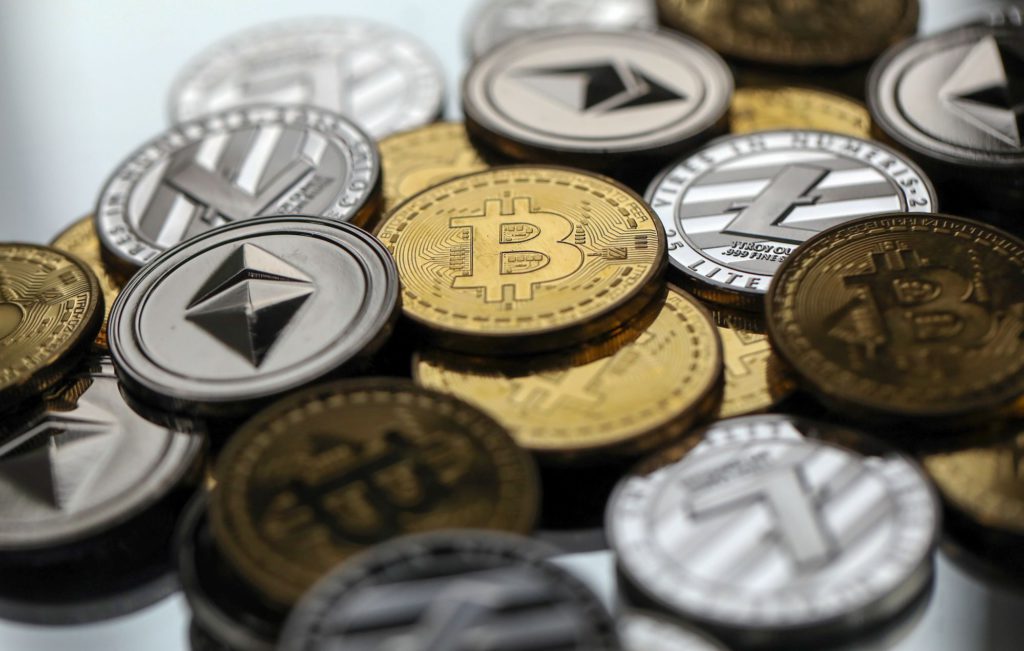
(Bloomberg) — Cryptocurrencies extended declines as Binance’s potential takeover of embattled rival exchange FTX highlighted how strains in the digital-asset industry are now buffeting some of its top players.

Bitcoin, the largest token by market value, fell as much as 7.7% on Wednesday after a 11% decline a day earlier and was trading at about $17,430 as of 8:14 a.m. in New York. Tuesday’s low was the least since November 2020. Just about every digital coin was struggling: Ether, Solana, Polkadot and Avalanche all dropped.

Binance Chief Executive Officer Changpeng “CZ” Zhao stunned the crypto world on Tuesday with an announcement that his firm was moving to take over rival FTX.com, which suffered a liquidity crunch after Zhao announced that he was selling a $530 million holding of FTX’s native token. 

Traders cited a Zhao tweet that a letter of intent between the two parties is nonbinding as contributing to the market turmoil. Investors are on edge about spreading contagion given the pivotal role FTX and its co-founder Sam Bankman-Fried played in the industry.

“Since I entered the crypto industry in 2016, very few periods tested its market infrastructure and participants like the last 24 hours did,” said crypto hedge fund manager Dan Liebau of Modular Asset Management.

The sense of dread that swept across clients of fallen crypto exchange FTX.com was so intense that they pulled out $430 million worth of Bitcoin in the space of just four days. FTX had more than 20,000 Bitcoins going into Sunday, according to data from CryptoQuant. That fell to almost zero by Wednesday after fears about FTX.com’s financial health led customers to flee.

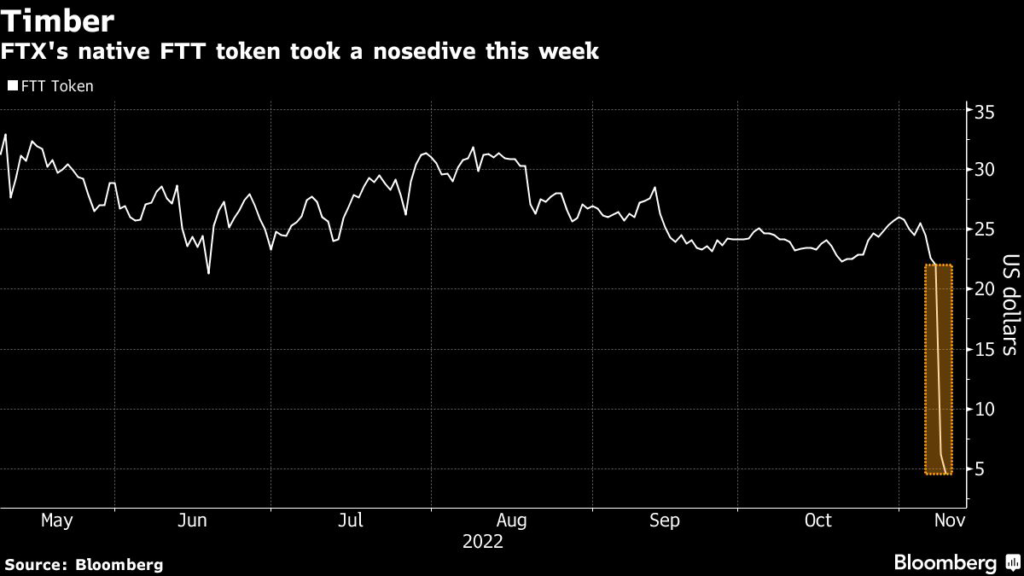
FTT, the utility token of the FTX exchange, has collapsed by more than 75% in the past 24 hours and was trading around $4.20, according to CoinGecko data. 

“The letter of intent is non-binding, which means that further issues could still arise if CZ/Binance decide to back out of the deal,” said David Moreno Darocas, research associate at CryptoCompare.

The letter of acquisition intent by Zhao’s Binance Holdings came after a bitter feud between with Bankman-Fried spilled into the open. Zhao actively undermined confidence in FTX’s finances, helping spark an exodus of users from the three-year-old FTX.com exchange. 

A day before reaching a deal, Bankman-Fried said on Twitter that assets on FTX were “fine.” 

Terms of the emergency buyout were scant, with Binance saying the agreement came after “a significant liquidity crunch” befell FTX and the firm asked for its help. 

The price of Sol, the native token of the Solana blockchain — which is associated with both FTX and Bankman-Fried’s crypto trading house Alameda Research — posted dramatic declines alongside other tokens of Solana-based projects. Sol was down as much as 36% on Wednesday, taking losses this year to 90%. 

“SBF and FTX were the biggest patrons of Solana,” Teng Yan, a researcher at digital-asset research firm Delphi Digital, said on Twitter. “This era is over. Binance has taken over, and they will heavily favor BNB chain over Solana. Alameda had ~$1B in locked and unlocked $SOL, which they’ll have to sell if insolvent. This puts a huge sell pressure on $SOL.” 

The FTX-Binance ordeal gave some traders flashbacks to the issues suffered by Celsius — the crypto lender that collapsed earlier this year — as well as those seen by other firms that were engulfed in this year’s crash in digital assets.

Teong Hng, CEO at crypto investment firm Satori Research, said the “situation is still very fluid” while adding “I am confident these two crypto giants will do the right thing to protect investors and the industry.”

–With assistance from Olga Kharif, David Pan, Yueqi Yang, Joanna Ossinger and Sidhartha Shukla.

More stories like this are available on bloomberg.com

©2022 Bloomberg L.P.
Panicky FTX Clients Withdrew $430 Million of Bitcoin in a Few Days

(Bloomberg) — The sense of dread that swept across clients of fallen crypto exchange FTX.com was so intense that they pulled out $430 million worth of Bitcoin in the space of just four days.

Sam Bankman-Fried’s platform had more than 20,000 Bitcoins going into Sunday, according to data from CryptoQuant. That fell to almost zero by Wednesday after fears about FTX.com’s financial health led customers to flee.

Holdings of Ether, the largest token after Bitcoin by market value, have plunged more than 75% on the exchange while stablecoin numbers are down almost 40%, according to CryptoQuant.

The saga began unfolding Sunday when Binance Holdings Ltd.’s Chief Executive Officer Changpeng “CZ” Zhao in a tweet cast doubt on the strength of 30-year-old Bankman-Fried’s crypto empire. 

Zhao said Binance would sell all of its $529 million holdings in a token native to Bankman-Fried’s ecosystem. That token, FTT, proceeded to plunge from about $25 to approximately $4.4 as of noon Wednesday in London.

Clients fearing for FTX.com’s future raced to pull out their coins. The ensuing liquidity squeeze culminated in a shock non-binding letter of intent from Binance to acquire the ailing exchange and prevent it from going under.

Questions remain about the whether the deal will go through as Binance pours over FTX.com’s balance sheet.

“FTX is an excellent trading platform and the fact CZ stepped in as quickly as he did with a non-binding letter of intent to buy it is testament to this,” said David Adams, portfolio manager of the King River Digital Assets Fund in Sydney.

But short-term uncertainty over the drama will lead to a flight from risk, potentially lopping $5,000 from Bitcoin’s current price of about $18,000, he added.

–With assistance from Sunil Jagtiani.

More stories like this are available on bloomberg.com

©2022 Bloomberg L.P.
Telenor Kicks Off Sale of $1 Billion Pakistan Business

(Bloomberg) — Telenor ASA is pushing ahead with plans to sell its operations in Pakistan, which could be valued at about $1 billion, people familiar with the matter said. 

The Norwegian telecommunications operator is working with Citigroup Inc. and will invite first round bids for the business later this month, the people said, asking not to be identified discussing confidential information. 

Telenor said in July that it would conduct a strategic review of its Pakistan unit after posting a 2.5 billion-krone ($244 million) impairment on operations in the emerging economy.

Strategic buyers in the Middle East and Asia with existing operations in Pakistan are expected to show interest, according to the people. Deliberations are ongoing and there’s no certainty they’ll result in a transaction, they said.

Representatives for Citigroup and Telenor declined to comment.

Shares in Telenor rose as much as 2.4% on Wednesday. The stock was up 1.8% at 14:02 p.m. in Oslo, giving the company a market value of $13 billion.

In October, Telenor said underlying earnings in Pakistan fell 22% in the third quarter, in part because of rising energy prices in the country. The impact of this was offset by a gain from the reversal of a SIM tax in Pakistan.

–With assistance from Archana Narayanan and Faseeh Mangi.

(Updates Telenor shares in sixth paragraph.)

More stories like this are available on bloomberg.com

©2022 Bloomberg L.P.

FIFA Hopes World Cup Fans Want to Buy Metaverse Merch

(Bloomberg) — In the real world, the construction of the World Cup infrastructure in Qatar has been marred by extreme temperatures and migrant worker deaths. In the metaverse, however, a digital replica of Lusail Stadium in Doha has none of that baggage — and the virtual property can be raffled off as a prize for a lucky soccer fan. 

FIFA’s virtual universe is part of the soccer organization’s penchant for embracing the latest tech buzzword. In 2010, some matches were broadcast in 3-D. In 2018, it offered a virtual-reality experience. Now it’s the metaverse.

While some superfans may fly to Qatar and shell out for a ticket to cheer alongside 80,000 other people during a game, metaverse-inclined fans can head to a virtual airport, wait several hours while they “fly” to Doha, visit a digital version of the stadium and enter nearby shops in the FIFA World Cup-branded village to buy digital merchandise such as scarves and flags, which they can later use to adorn their virtual houses to express their team spirit. That digital journey is thanks to Upland, a metaverse platform based in Mountain View, California, which is partnering with FIFA to provide a blockchain-based metaverse experience during the tournament.

Upland isn’t FIFA’s only partner to provide immersive soccer-themed digital environments tied to the World Cup, which begins Nov. 20 and is the most-watched athletic event across the globe. Roblox Corp. has also built out a technicolor world where fans can play a game that’s a mix of soccer and bowling. “Younger generations especially are moving away from social networks, playing a lot of games in those 3-D environments,” said Dirk Lueth, Upland’s co-founder and co-chief executive officer. Companies and organizations like FIFA have realized that “if we want to attract those audiences, we also have to be in that space as well,” Lueth added.

Upland’s metaverse is mapped to the real world, meaning it incorporates various simulacra of flesh-and-blood life. Flying across the meta-world costs money and time, though less than in real life — somewhere around $5 a flight and about one-fifth of the normal travel time. Users can also buy and re-sell virtual property associated with real-world buildings. 

For the World Cup, fans in the metaverse can collect and trade digital gear and accrue points, which can give them the chance to win or nab other rarities, such as video clips of goals and other key game moments. One user will also win the digital address of Lusail Stadium, on which Upland built a stadium replica. Users can’t go inside the stadium, but they can view it from the outside and peruse digital shops near its base.

“A regular fan isn’t going to buy a ticket to the game,” said Upland head of marketing Lindsay Aamodt. “But they can have a cool representative experience in the metaverse.”

More stories like this are available on bloomberg.com

©2022 Bloomberg L.P.
Binance’s FTX Takeover Risks Global Antitrust Backlash

(Bloomberg) — The ambitions of Binance Holdings Ltd., the world’s biggest crypto exchange, to pull off the audacious takeover of its embattled rival FTX.com could partly hinge on the scrutiny of global antitrust regulators.

Binance announced it’s in the process of acquiring its rival FTX in what would be a radical consolidation of power in the crypto world. Although the letter of intent made public yesterday is non-binding, the potential deal has already rung alarm bells for legal experts as combining crypto’s two top players could dent competition in the ecosystem.

“Binance and FTX are two of the most significant crypto exchanges, and Binance is already the largest player, so you’d expect that competition authorities would want to investigate their deal,” said Tom Smith, a lawyer at Geradin Partners and former legal director of the UK’s Competition and Markets Authority. 

Although Binance has not revealed where it is based, this doesn’t matter for most countries’ merger control regimes. Scrutiny depends on the basis of where the customer of its sales is located and the companies revenue. This means that the US, UK, and EU regulators could all potentially open probes into the deal. 

“I would be surprised if the companies were to obtain the green light from all jurisdictions before the end of 2023,” said Thibault Schrepel, associate professor at VU University Amsterdam and faculty affiliate at Stanford University. Schrepel said it would be likely that a number of agencies would open in-depth probes, which could result in concessions such as selling off parts of the firms. 

It’s likely that one of Binance’s main arguments to get the OK and forgo any remedies would be the “failing firm defense” — meaning they’ll say FTX would not have survived without the merger. However, a sticking point will be Binance’s possible role in the financial difficulties of its takeover target, following its announcement about plans to offload its FTX token holdings earlier this week. 

Binance and FTX didn’t immediately respond to requests for comment.

What’s clear is that this deal will mean global antitrust regulators will get the chance to look at a nascent market that has yet to be substantially analyzed through a competition lens. Schrepel said there hasn’t yet been a decision by an antitrust regulator that has defined the market at stake.

Moreover, agencies could have a chance to not only look at the deal’s impact on the cryptoexchange market “but should also consider whether the deal will indirectly reduce the competitive pressure within blockchain ecosystems, for instance, whether the deal impact investments in the space,” Schrepel said.

Exchange deals have a fraught record when it comes to antitrust clearance. A decade ago, the European Commission blocked Deutsche Boerse AG’s acquisition of NYSE Euronext, saying the $9.5 billion deal would have created a ‘near-monopoly” in European exchange-traded derivatives.

More stories like this are available on bloomberg.com

©2022 Bloomberg L.P.
Singapore Wants Open Supply Chains as US Levels China Chip Curbs

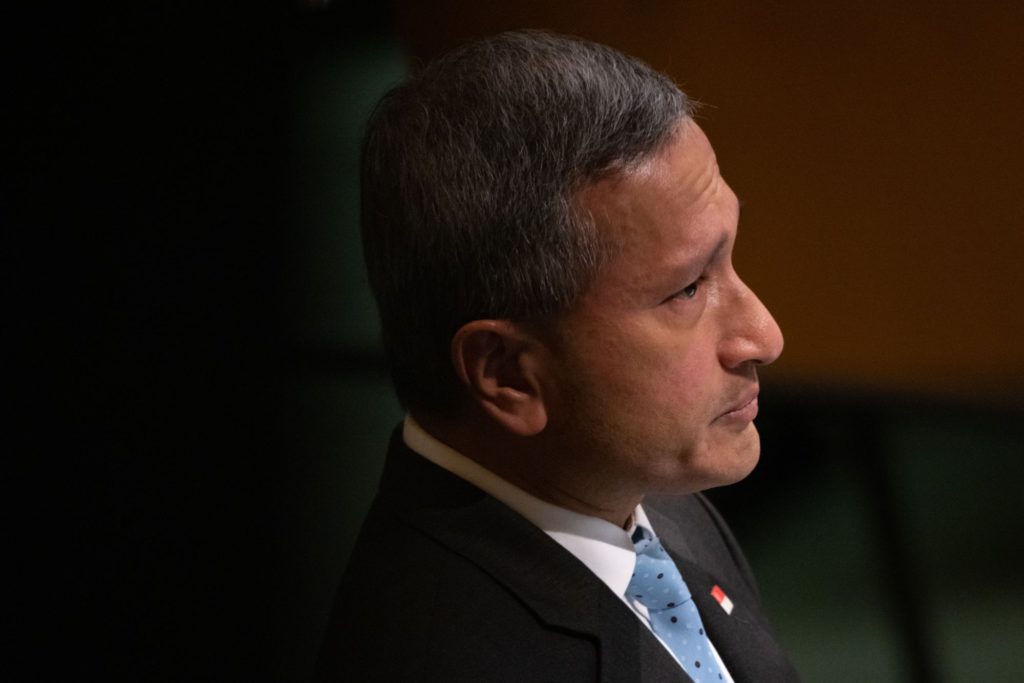
(Bloomberg) — Singapore’s top diplomat is pushing for “open and inclusive” tech supply chains to counteract accelerating economic bifurcation after the US moved to restrict China’s access to cutting-edge semiconductors.

Speaking at an event Wednesday, Minister of Foreign Affairs Vivian Balakrishnan said such divisions would lead to higher inflation, supply chain disruptions, slower technological progress and “more miscalculations and unintended consequences.” The way forward would be a multilateral network for science, technology and supply chains.

“We believe that a more stable, constructive, and peaceful configuration is for both the US and China to have overlapping circles of friends,” Balakrishnan said. “What we need is a network – as wide and inclusive a multilateral network as possible – that facilitates the co-existence and collaboration between competing technological stacks.”

The Biden administration last month expanded restrictions on China’s access to semiconductor technology, raising concerns among Asian countries that count China as a major economic partner. Southeast Asian countries, in particular Singapore, have become increasingly vocal over being made to choose between the competing powers.

Read: How Biden’s Chip Actions May Be Broadest China Salvo Yet

China has said that the US has politicized technology, economic and trade issues, and its intention behind the “technology blockade and de-coupling” efforts is obvious.

While Balakrishnan acknowledged the US concern that advancements in critical technologies can transform foreign militaries and ultimately threaten US national security, Washington’s latest controls on China amount to “all but a technology war.”

“The absence of strategic trust leads both sides to always assume the worst about each other,” he said. “Conditions are set for a self-fulfilling and mutually escalatory dynamic, which could set in motion a vicious downward spiral.”

More stories like this are available on bloomberg.com

©2022 Bloomberg L.P.
Meta to Cut Over 11,000 Jobs; Zuckerberg Says ‘I Got This Wrong’

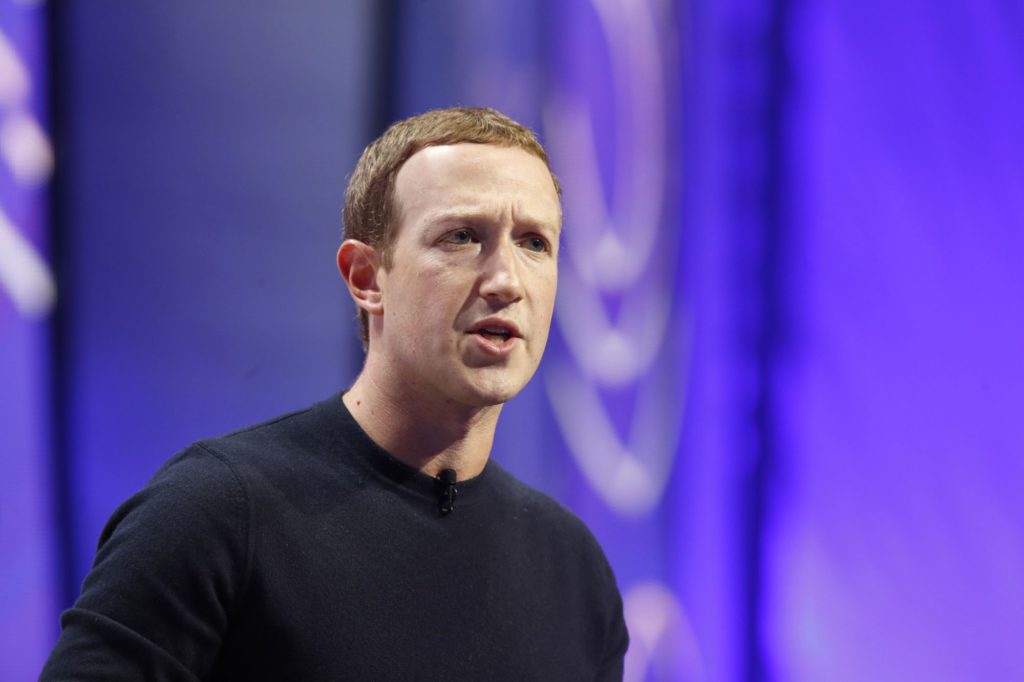
(Bloomberg) — Meta Platforms Inc. Chief Executive Officer Mark Zuckerberg said the company will cut more than 11,000 jobs in the first major round of layoffs in the social media giant’s history.

The reductions, equal to about 13% of the workforce, were disclosed Wednesday in a statement. The company will also extend its hiring freeze through the first quarter. 

“I want to take accountability for these decisions and for how we got here,” Zuckerberg said in the statement that was sent to Meta employees and posted on the company’s website. “I know this is tough for everyone, and I’m especially sorry to those impacted.”

The company said that while reductions will happen across the company, its recruiting team will be disproportionately affected and its business teams would be restructured “more substantially.” Meta will also reduce its real estate footprint, review its infrastructure spending and transition some employees to desk sharing, with more cost-cutting announcements expected in the coming months. 

Read More: Twitter, Meta Push Tech Job-Cut Pace Near Early Pandemic Levels

Meta, whose stock has plunged 71% this year, is taking steps to pare costs following several quarters of disappointing earnings and a slide in revenue. The retrenchment, the company’s most drastic since the founding of Facebook in 2004, reflects a sharp slowdown in the digital advertising market, an economy wobbling on the brink of recession and Zuckerberg’s multibillion-dollar investment in a speculative virtual-reality push called the metaverse.

Shares rose about 3.5% in premarket trading on Wednesday before markets opened in New York.

Zuckerberg said in the statement that he’d anticipated that the surge in e-commerce and web traffic from the beginning of the Covid-19 lockdowns would be part of a permanent acceleration. “But the macroeconomic downturn, increased competition, and ads signal loss have caused our revenue to be much lower than expected. I got this wrong.” 

Meta is joining a spate of technology companies that have announced job cuts in recent weeks or said they planned to pause hiring. Corporate software maker Salesforce Inc. on Tuesday said it cut hundreds of workers from sales teams, while Apple Inc., Amazon.com Inc. and Alphabet Inc. have all slowed or paused hiring. Snap Inc., parent of rival app Snapchat, is also scaling back, saying in August that it would eliminate 20% of its workforce. 

In a particularly chaotic round of dismissals, Twitter Inc. cut roughly half of its workforce last week with many employees finding out they’d lost their jobs when they were suddenly cut off from Slack or email. 

At Meta, employees will continue to have access to their emails so that they can say goodbye to colleagues, though they’ve been cut off from more sensitive corporate systems, Zuckerberg said. US workers who were cut will also get 16 weeks of their base salary as severance, plus two weeks for every year they worked at the company. The company is also offering six months of health-care coverage as well as career services and immigration support. Packages will be similar outside the US, in keeping with local employment laws, it said. 

Zuckerberg had warned employees in late September that Meta intended to slash expenses and restructure teams to adapt to a changing market. The Menlo Park, California-based company, which also owns Instagram and WhatsApp, implemented a hiring freeze, and the CEO said at the time that Meta expected headcount to be smaller in 2023 than it is this year.

“This is obviously a different mode than we’re used to operating in,” Zuckerberg said in a Q&A session with employees in September. “For the first 18 years of the company, we basically grew quickly basically every year, and then more recently our revenue has been flat to slightly down for the first time. So we have to adjust.”

Read More: Twitter’s Big Debt Bills Add Urgency to Musk’s Turnaround Plans

Even with the cuts, Meta continues to expect that losses in the Reality Labs division, which houses the metaverse investments, will grow “significantly” year-over-year in 2023, the company said in a separate regulatory filing on Wednesday. 

Zuckerberg has been asking investors for patience as he pours billions into his vision for the next big computing platform after mobile phones: the metaverse, a collection of digital worlds accessed through virtual and augmented-reality devices. The effort requires intensive investment in hardware and research that may not pay off for many years from now.

Meanwhile, growth at the flagship Facebook social network is stagnating. The company is working to accelerate it, and continue to add users to photo-sharing app Instagram, by experimenting with a more interest-based algorithm and short-form videos called Reels.

Now, Zuckerberg has to pull off his major corporate transitions with fewer people.

–With assistance from Nate Lanxon.

(Updates with details on severance packages in 10th paragraph)

More stories like this are available on bloomberg.com

©2022 Bloomberg L.P.
Exclusive Satellite Images Show Near Real-Time Methane Emissions

(Bloomberg) — All through COP27, Bloomberg Green will exclusively publish new satellite images of methane releases around the world, in collaboration with emissions monitoring firm GHGSat Inc. Scientists say reducing the emissions of methane, which has 84 times the warming power of carbon dioxide during its first two decades in the atmosphere, is one of the fastest and cheapest ways to cool the planet.

Fars Province, Iran, Nov. 6, 9:25 am local time

A GHGSat satellite observed methane emissions near fossil fuel facilities Sunday morning in a remote corner of Fars Province, in southern Iran. The emissions monitoring company attributed the plume to the oil and gas sector and estimated methane was spewing at a rate of 795 kilograms an hour at the time of the observation. 

Officials with the National Iranian Oil Co., the country’s government-owned oil and natural gas producer, didn’t immediately respond to an email sent outside normal business hours. The emissions occurred near the Arsanjan-Kheirgoo Gas Compressor Station. The site’s three compressors help ship as much as 110 million cubic meters of gas a day from the South Pars field 1,050 kilometers (650 miles) north to Tehran and were designed to increase transmission capacity during the winter heating season, according to a promotional video from the site’s operating subsidiary Sekafco.

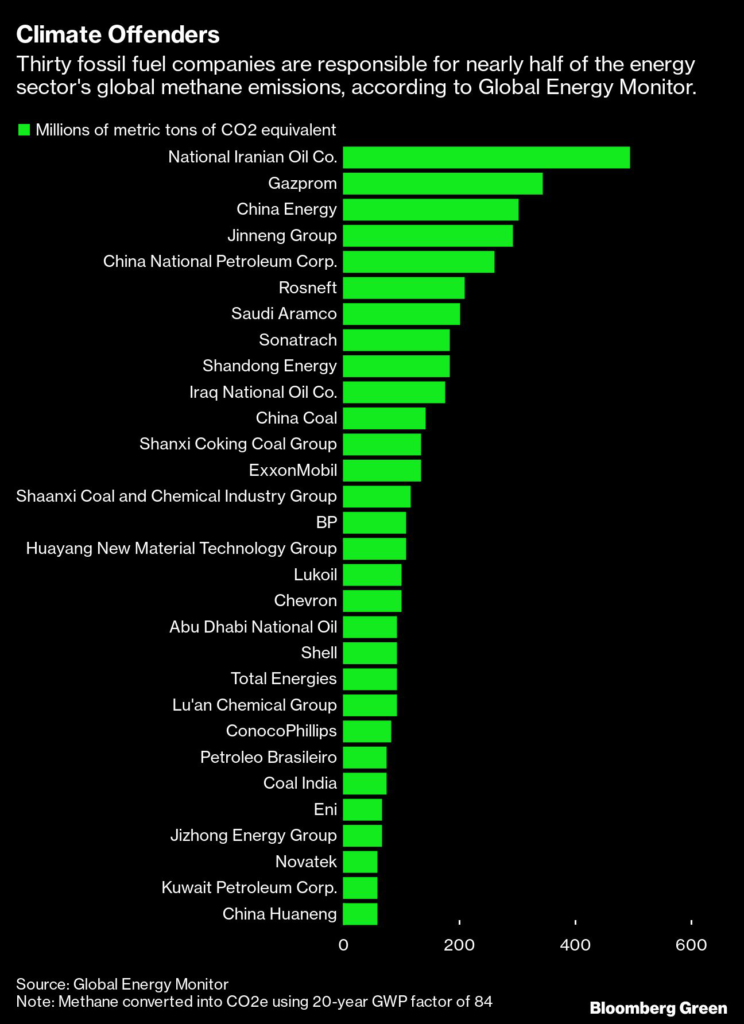
National Iranian Oil spews more methane than any other global energy producer according to a report last week by the San Francisco-based Global Energy Monitor. The non-profit group found that that just 30 fossil fuel companies account for nearly half of the sector’s emissions of the potent greenhouse gas.

Methane is the primary component of natural gas and responsible for about 30% of the Earth’s warming. Leaks can occur during extraction and transport of the fossil fuel.

The potent greenhouse gas, which has 84 times the warming power of carbon dioxide during its first two decades in the atmosphere, is also routinely generated as a byproduct of oil or coal production and if operators don’t have infrastructure to get the gas to market they may release it into the atmosphere. The International Energy Agency has called for oil and gas operators to halt all non-emergency methane venting. 

Near Kirtland, New Mexico, USA, Nov. 6, 1:48 pm local time

A GHGSat satellite observed methane emissions near a coal mine Sunday afternoon in New Mexico that the emissions monitoring firm said was coming from a mine vent. The company estimated the release was spewing at a rate of 440.4 kilograms per hour. 

Operational coal mines often vent methane to reduce the risk of explosion. Closed or abandoned coal mines can leak methane for years if they aren’t properly sealed.

Coal mines releasing methane account for about 30% of the total emissions of the potent greenhouse gas coming from the energy sector. Halting intentional venting of methane and accidental leaks from coal mines and oil and gas infrastructure is viewed by scientists as some of the lowest hanging fruit in the fight against climate change. 

GHGSat said they first detected emissions from the site through a demonstrator satellite in 2016. An official with the New Mexico Environment Department said Westmoreland Mining LLC is the operator of the facility near the plume. An official at Westmoreland didn’t immediately respond to a request for comment after normal business hours.

Near Lucknow, India, Nov. 5, 1:28 pm local time

The satellite image was taken on Saturday and shows a plume of methane that GHGSat attributed to a landfill in India. The estimated emissions rate was 1,328 kilograms per hour of methane. Landfills tend to be persistent emitters, according to the Montreal-based company. 

The detection highlights how piles of garbage — which generate the potent greenhouse gas when organic material like food scraps break down in the absence of oxygen — are triggering some of the world’s strongest and most persistent methane emissions. Landfills and wastewater are responsible for about 20% of the methane emissions generated from human activity.

•  Read more: The Trash Mountains of South Asia That Threaten the Climate

Failing to curb releases from the waste sector could derail global climate goals. Diverting food scraps and other organics before they enter a landfill is crucial to limiting future emissions. The impact of legacy dumps can be mitigated through aerating piles of trash and gas capture systems.

Near Daqing, China, Nov. 4 at 1:15pm local time

On Friday a satellite identified six methane releases in northeast China near the Daqing oilfield, according to GHGSat. Estimated emissions rates ranged between 446 and 884 kilograms per hour and the cumulative rate was 4,477 kilograms an hour. If the releases lasted for an hour at that rate they would have the same short-term climate impact as the annual emissions from about 81 US cars.

• Read more:  Countries Set to Bolster Global Methane Pledge at Climate Summit

The detections highlight the rapidly expanding ability of satellites to identify and track methane almost anywhere in the world that is driving a new era of climate transparency in which greenhouse gases will be quantified and attributed in near real-time to individual assets and companies.  

More companies and institutions are launching multi-spectral satellites that can detect methane’s unique signature. GHGSat has six satellites in orbit now dedicated to monitoring industrial methane and aims to launch another five by the end of next year. US non-profit Environmental Defense Fund plans to launch its MethaneSAT in 2023 and a consortium including Carbon Mapper, the state of California, NASA’s Jet Propulsion Laboratory and Planet Labs expects to launch two satellites next year. 

In 2021, concentrations of methane in the atmosphere had the biggest year-on-year jump since measurements began four  decades ago, according to the World Meteorological Organization. 


(Adds details on Iranian site in fourth paragraph. This story updates through Nov. 18 with new satellite images of methane releases around the world.)

More stories like this are available on bloomberg.com

©2022 Bloomberg L.P.
US Futures Wobble as Midterms Return Mixed Verdict: Markets Wrap

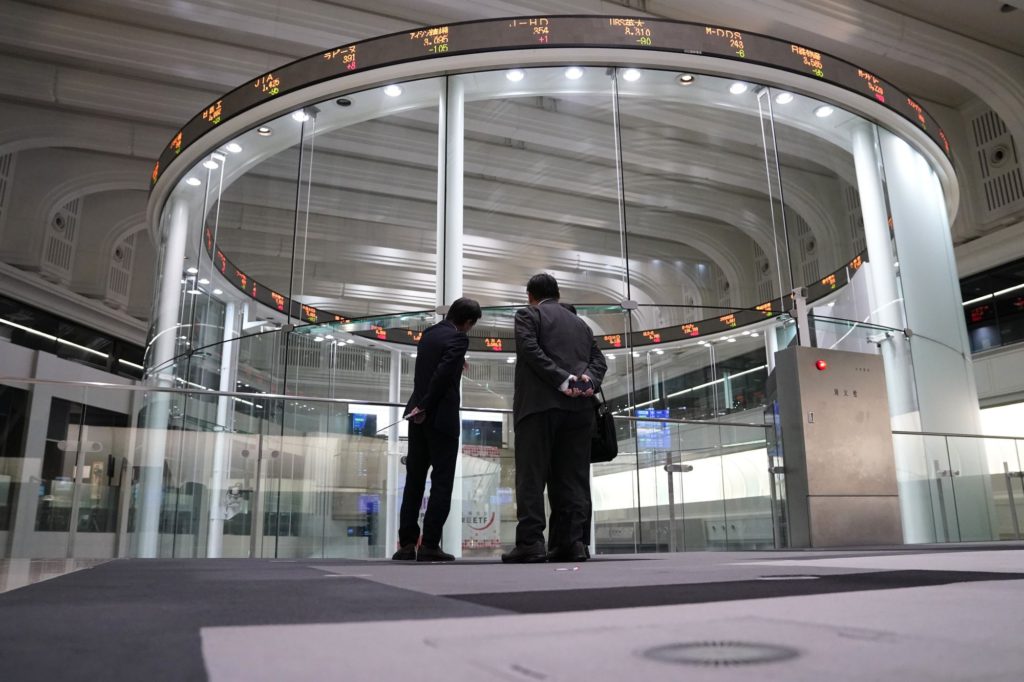
(Bloomberg) — US equity-index futures fluctuated between gains and losses as corporate performance showed signs of stress and midterm elections failed to yield a Republican sweep that investors had anticipated.

December contracts on the Nasdaq 100 and S&P 500 indexes were little changed, a day after US stocks capped a three-day rally. News Corp. and Walt Disney Co. tumbled at least 8% each in premarket New York trading after posting disappointing results. A selloff in cryptocurrencies deepened, sending Bitcoin toward the biggest four-day slump since June. Oil slid on sluggish demand outlook from China.

Equity and bond investors had hoped for a Republican comeback in Congress, with the best outcome seen as GOP control of both the House of Representatives and Senate. But US voters delivered a mixed verdict, with Republicans heading for control of the House by smaller margins than forecast and the race for Senate still wide open. That left Thursday’s inflation report the next catalyst for markets. 

“The Republican aim of controlling both houses hangs by a thread,” Chris Beauchamp, the chief markets analyst at IG Group in London, wrote in a note. “A divided House might mean the partisan battles over spending and the debt ceiling are not quite as dramatic or vitriolic, but this is unlikely to brighten the policy outlook markedly. Instead, the focus will likely return to the Federal Reserve and the US economy.”


Republicans made gains in their drive to take control of Congress but many of the closest races had yet to be called. The final outcome may not be known for days or even weeks if the results are as close as polls have suggested and if losers challenge results. 

Optimism for shares has been helped by a history of robust performance following midterm results. Stocks have tended to flourish during times when government is constrained and polls suggest Republicans could make gains, placing a check on Democratic policies.

News Corp. plunged 9.3% in premarket trading after posting first-quarter adjusted earnings that missed the average analyst estimate. Walt Disney lost 8% as quarterly results missed across the board. 

Of the 452 S&P 500 companies that have reported earnings so far this season, 110 have failed to meet analyst forecasts. Meanwhile, 12-month blended forward estimates for profit at the gauge’s companies have fallen 2.7% since mid-September.


Treasuries fluctuated between gains and losses Wednesday. The dollar halted a three-day slump and posted a modest advance. 

In Europe, the equity benchmark fell for the first time in four days, dragged by travel- and automotive-industry shares. Chinese developers jumped the most in eight months as a regulator expanded financing support for the sector.

Cryptocurrencies slipped further as Binance Holdings Ltd.’s potential takeover of embattled rival exchange FTX.com highlighted how strains in the digital-asset industry are buffeting some of its top players. Bitcoin traded as much as 7.7% lower.

Thursday’s consumer-price-index data may be the next event risk for the Fed’s policy rate and comes on the heels of core consumer prices rising more than forecast to a 40-year high in September. Even if prices begin to moderate, the CPI is far above the central bank’s comfort zone.

“The market is still going to fixate on inflation, which is going to stay high and sticky at least over the next couple of quarters,” Luke Barrs, global head of fundamental equity client portfolio management at Goldman Sachs Asset Management, said on Bloomberg Television. 

Key events this week:

  • EIA oil inventory report, Wednesday
  • US wholesale inventories, MBA mortgage applications, Wednesday
  • Fed officials John Williams, Tom Barkin speak at events, Wednesday
  • US CPI, US initial jobless claims, Thursday
  • Fed officials Lorie Logan, Esther George, Loretta Mester speak at events, Thursday
  • US University of Michigan consumer sentiment, Friday

Some of the main moves in markets:

Stocks

  • Futures on the S&P 500 were little changed as of 6:21 a.m. New York time
  • Futures on the Nasdaq 100 were little changed
  • Futures on the Dow Jones Industrial Average fell 0.2%
  • The Stoxx Europe 600 fell 0.4%
  • The MSCI World index was little changed

Currencies

  • The Bloomberg Dollar Spot Index was little changed
  • The euro fell 0.1% to $1.0060
  • The British pound fell 0.7% to $1.1466
  • The Japanese yen was little changed at 145.62 per dollar

Cryptocurrencies

  • Bitcoin fell 4.6% to $17,835.44
  • Ether fell 9% to $1,215.75

Bonds

  • The yield on 10-year Treasuries advanced one basis point to 4.13%
  • Germany’s 10-year yield declined four basis points to 2.25%
  • Britain’s 10-year yield was little changed at 3.55%

Commodities

  • West Texas Intermediate crude fell 0.5% to $88.48 a barrel
  • Gold futures fell 0.2% to $1,712.50 an ounce

–With assistance from Vildana Hajric, Muyao Shen and Tassia Sipahutar.

More stories like this are available on bloomberg.com

©2022 Bloomberg L.P.

Disgraced Crypto Moguls Do Kwon and Su Zhu Emerge After FTX Saga

(Bloomberg) — The drama unfolding in the crypto industry has lured two downtrodden scions back into the limelight. 

Do Kwon, the founder of collapsed stablecoin project Terra, and Su Zhu, the co-founder of bankrupt hedge fund Three Arrows Capital, made online appearances as news of the deal between crypto exchanges FTX.com and Binance broke on Tuesday. 

Both executives have kept a low profile since their crypto projects crashed, and have been evasive about their whereabouts. Kwon is the subject of an Interpol red notice, and the liquidators of Three Arrows have accused the firm’s founders of failing to cooperate with their efforts.

Do Kwon was a guest on the “Up Only” podcast to discuss the FTX developments, admitting he was not “the best person” for advice on crisis management. The Terra founder, who presided over its $60 billion crash in May, is wanted by South Korean authorities on allegations including breaches of capital-markets law. 

He did not share his location during the podcast, but prosecutors have indicated that he may be in Europe. In the past, he has denied any wrongdoing and tweeted that he isn’t “on the run.” 

How Onetime Crypto Titan Do Kwon Became a Fugitive: QuickTake

Meanwhile, Zhu took to Twitter to share details about how is life has been going since Three Arrows, which he ran with partner Kyle Davies, filed for bankruptcy in July. He wrote that he’s surfing, learning languages and praying.

Three Arrows’ Zhu Worries About Jail Time in Liquidator Spat

The crypto industry is reeling in the wake of Binance’s proposed takeover of Sam Bankman-Fried’s FTX. The exchange suffered a liquidity crunch after Zhao announced that he was selling a $530 million holding of FTX’s native token.  

Zhu’s Twitter profile has Dubai listed as the location, but he declined to comment on it when asked by Bloomberg News. He delivered an affidavit in person in Bangkok on Aug. 19 and said that he had been in “constant contact and cooperation with the liquidators.” 

On the “Up Only” podcast, Kwon was joined by Martin Shkreli, the infamous “Pharma Bro” who as spent time in jail for securities fraud. 

“Hey Do, I just wanted to let you know, jail is not that bad,” Shkreli told Kwon. 

More stories like this are available on bloomberg.com

©2022 Bloomberg L.P.

Close Bitnami banner
Bitnami
