Bloomberg

Salesforce Cuts Hundreds of Sales Workers on ‘Accountability’

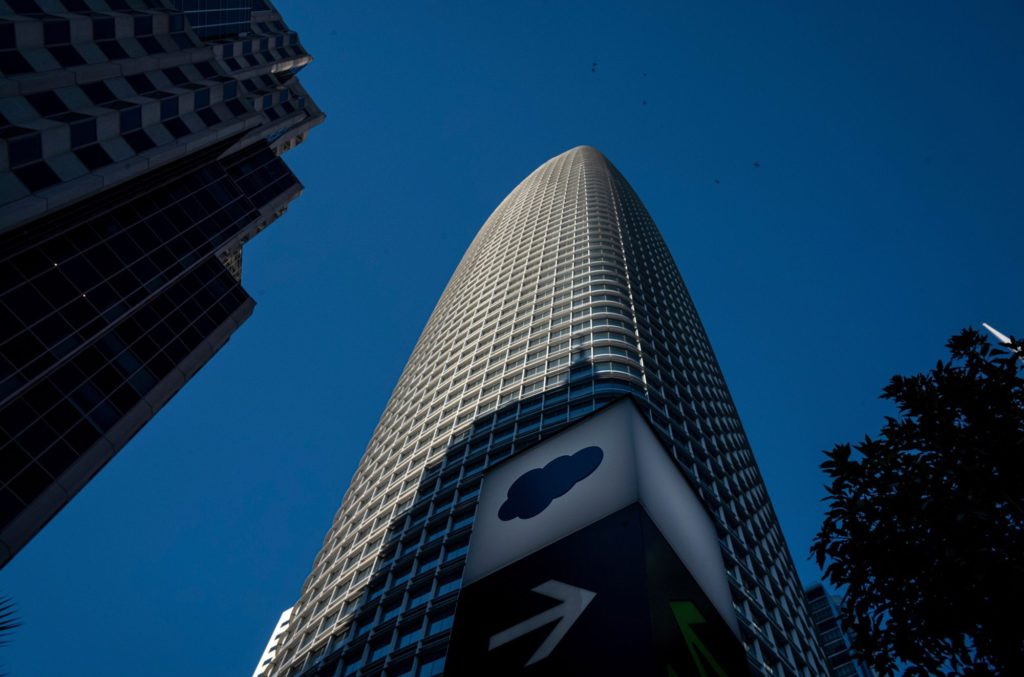
(Bloomberg) — Salesforce Inc. has cut hundreds of workers from sales teams, seeking to improve profitability while facing slowing demand for its software products in a choppy economy.

“Our sales performance process drives accountability. Unfortunately, that can lead to some leaving the business, and we support them through their transition,” a Salesforce spokesperson said Tuesday in a statement. 

Salesforce, the largest private-sector employer in its hometown of San Francisco, has almost tripled its workforce in the past five years, in large part through dozens of acquisitions, and reported 78,634 employees as of July 31. After years of focusing on revenue growth, the company has pivoted and turned its attention to a new profit margin target of 25% by 2026.

Last month, activist investor Starboard Value disclosed a stake in the company, saying the top maker of customer management software was falling behind its peers due to issues with translating growth into profitability. Starboard said Salesforce’s new financial targets are a step in the right direction, but are less ambitious than those of the company’s rivals, including ServiceNow Inc. and Workday Inc.

In recent weeks, tech companies including Meta Platforms Inc. and Amazon.com Inc. have said they will pause hiring or reduce jobs in the face of slowing customer spending, higher inflation and a strong dollar that hurts overseas sales.

Protocol earlier reported the job cuts at Salesforce, saying that company is planning to fire about 2,000 people “or more,” likely before Thanksgiving. Salesforce declined to comment on any future cuts.

More stories like this are available on bloomberg.com

©2022 Bloomberg L.P.

FTX Takeover Could Jeopardize a Ton of Sports Sponsorships

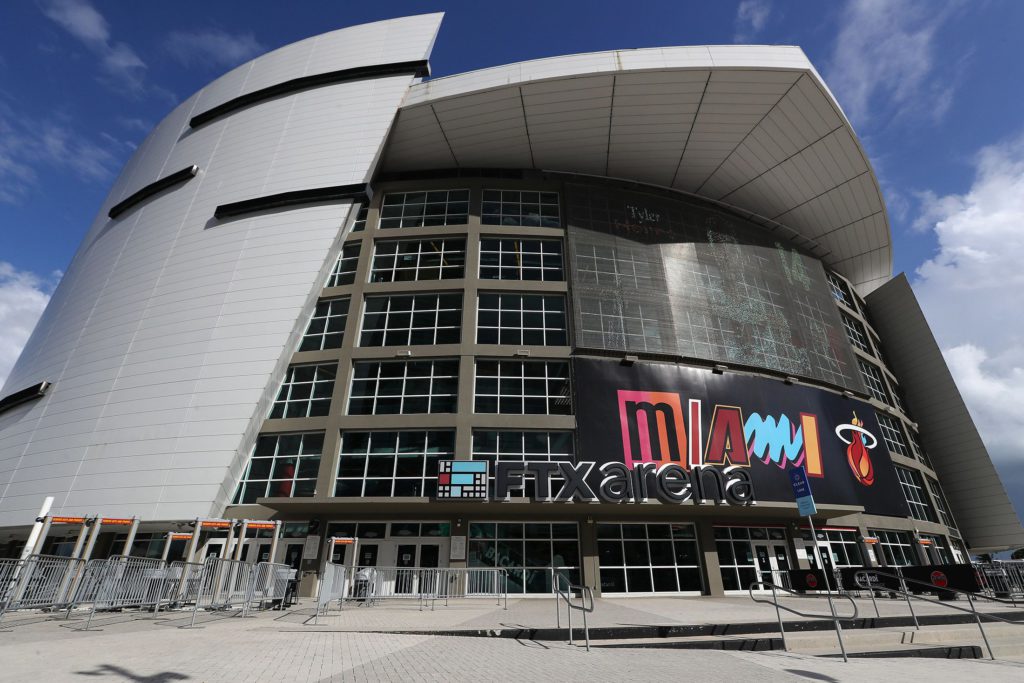
(Bloomberg) — FTX.com’s sale to rival Binance Holdings Ltd. could jeopardize a long list of sports partnerships around the world.

The cryptocurrency exchange led by billionaire Sam Bankman-Fried inked a $135 million, 19-year agreement last year for naming rights to the Miami Heat’s basketball arena. Major League Baseball umpires wear patches with the company’s logo under a sponsorship deal, and FTX has a long-term partnership with Formula 1 racing team Mercedes-AMG Petronas.

Piling into a range of sports deals and television advertising allowed FTX to quickly become a household name. The exchange also has pacts with some of the world’s most famous athletes — including future Hall of Fame quarterback Tom Brady, NBA superstar Steph Curry and MLB phenomenon Shohei Ohtani.


More stories like this are available on bloomberg.com

©2022 Bloomberg L.P.

US Stocks Pare Gains, Dollar Trims Losses: Markets Wrap

(Bloomberg) — US stocks gained as investors eyed prospects for gridlock from midterm elections. Treasury yields eased while the dollar trimmed losses. 

The S&P 500 pulled back from session highs along with the tech-heavy Nasdaq 100 and the blue-chip Dow Jones Industrial Average. The yield on two-year Treasuries, more sensitive to Federal Reserve policy changes, shed 4 basis points, while a gauge of dollar pared declines.

A history of robust performance following midterm results has helped buoy optimism about the outlook for equity markets. While polls suggest Republicans could make gains, thereby placing a check on Democratic policies, there are multiple scenarios. The best outcome for Treasuries could be a Republican control of both the House of Representatives and Senate, while the dollar could find support should Democrats keep both chambers.

“Investors are buying ahead of what they think will be a firm Republican sweep of both Houses,” said Zachary Hill, head of portfolio management at Horizon Investments, also noting the S&P 500 trading above the key technical 50-DMA level. 

Read more on elections:

Elections Latest: Florida Rejects Federal Election Monitors

Deeply Divided America Votes Amid Inflation Fears, Culture Wars

Here Are Key Races to Watch Hour by Hour as Midterm Voting Ends

Still, for many the biggest headwind for markets is the Fed’s monetary tightening with Thursday’s consumer-price-index data the next event risk coming on the heels of core consumer prices rising more than forecast to a 40-year high in September. Even if prices begin to moderate, the CPI is far above the Fed’s comfort zone. 

Going forward, though, there may be a silver lining in gridlock for policy makers, according to Art Hogan, chief market strategist at B. Riley Wealth. 

“Divided government, particularly leading into a presidential election, will most likely create a standstill where very little gets done,” Hogan wrote. “That’s probably a good thing for the Fed because various stimuli have not made their work easier.”

More commentary

  • “The more and more you just get polls or even some slight acknowledgements from places that the Republicans are probably going to take up at least one chamber of Congress, I think the market is actually seeing that as a good outcome,” Shawn Cruz, head trading strategist at TD Ameritrade, said in an interview. “They actually want a little bit of gridlock out of Washington.”
  • “The inflation statistics are going to be more important than the election,” Michael Darda, chief economist at MKM Partners, said on Bloomberg TV. “Inflation will tend to lag the cycle so if you have the Fed chasing down lagging indicators with a very rapid succession of interest rate increases and quantitative tightening, there is a very significant risk that the Fed significantly overshoots neutral.”
  • “The gridlock rally is a bit overdone, as we were already there,” said Victoria Greene, G Squared Private Wealth CIO. “Investors will need to temper expectations on results coming in this evening. Many contested races it might be weeks, or god forbid, months before we know results. Politics matters personally, less so to the markets.”

Treasuries gained across the board Tuesday, with the benchmark 10-year rate dropping as much as 8 basis points. Meanwhile, traders shaved bets on rate hikes, with swap markets still leaning toward a 50 basis-point Fed hike in December. 

Nvidia Corp. climbed as it began producing a processor for China. Take-Two Interactive Software Inc. fell after reducing its forecast for net bookings.

Europe’s Stoxx 600 rallied, after a weak open. Chinese equities halted a rally as traders considered a jump in virus infections and official comments defending Covid Zero.

Key events this week:

  • US midterm elections, Tuesday
  • EIA oil inventory report, Wednesday
  • China aggregate financing, PPI, CPI, money supply, new yuan loans, Wednesday
  • US wholesale inventories, MBA mortgage applications, Wednesday
  • Fed officials John Williams, Tom Barkin speak at events, Wednesday
  • US CPI, US initial jobless claims, Thursday
  • Fed officials Lorie Logan, Esther George, Loretta Mester speak at events, Thursday
  • US University of Michigan consumer sentiment, Friday

Some of the main moves in markets:

Stocks

  • The S&P 500 rose 0.5% as of 1:30 p.m. New York time
  • The Nasdaq 100 rose 0.7%
  • The Dow Jones Industrial Average rose 0.8%
  • The MSCI World index rose 0.8%

Currencies

  • The Bloomberg Dollar Spot Index fell 0.4%
  • The euro rose 0.5% to $1.0069
  • The British pound rose 0.3% to $1.1551
  • The Japanese yen rose 0.6% to 145.70 per dollar

Cryptocurrencies

  • Bitcoin fell 9.4% to $18,745.69
  • Ether fell 13% to $1,375.87

Bonds

  • The yield on 10-year Treasuries declined seven basis points to 4.15%
  • Germany’s 10-year yield declined six basis points to 2.28%
  • Britain’s 10-year yield declined nine basis points to 3.55%

Commodities

  • West Texas Intermediate crude fell 2.7% to $89.29 a barrel
  • Gold futures rose 2.3% to $1,718.80 an ounce

–With assistance from Jan-Patrick Barnert, Haidi Lun, Brett Miller, Srinivasan Sivabalan, Emily Graffeo, Natalia Kniazhevich and Vildana Hajric.

More stories like this are available on bloomberg.com

©2022 Bloomberg L.P.

Kardashian Poised to Beat Investor Suit Over Crypto Hype

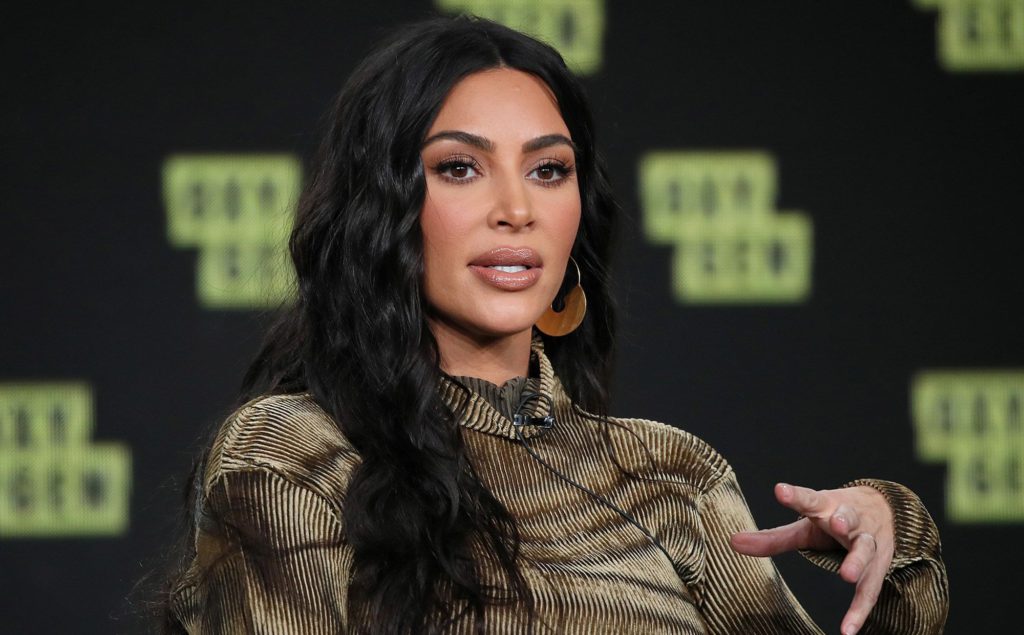
(Bloomberg) — Kim Kardashian and Floyd Mayweather Jr. won a tentative ruling dismissing a lawsuit accusing the celebrities of scamming investors in a cryptocurrency called EthereumMax.

Investors claimed in a January complaint they paid “inflated prices” for blockchain-based digital assets because the reality television star and ex-boxing champion hyped the EMAX tokens. Former Boston Celtic Paul Pierce was also named as a defendant in the proposed class-action suit.

US District Judge Michael Fitzgerald in Los Angeles said Monday in a written order his “tentative view” is that lawyers for the investors are “trying to act like” the US Securities and Exchange Commission — but “haven’t chosen to view the tokens as a security” and didn’t invoke a standard securities fraud claim in their case. 

Fitzgerald said the defendants also didn’t “care to label the tokens as a security for obvious reasons.” The judge said he will issue a final written order later.

“It seems here that there is just a lot that is wrong with this case,” the judge said at the outset of a hearing, according to a transcript.

John Jasnoch, an attorney for the plaintiffs, tried to persuade the judge to let him revise racketeering claims against the celebrities to show how they injured investors.

“If plaintiffs had known the true facts related to the promoters’ financial interest in the tokens, and that they were being paid to shill these tokens, they wouldn’t have paid as much for the tokens as they did,” he said, according to the transcript.

Michael Rhodes, a lawyer for Kardashian, declined to comment before a final ruling is issued.

The tentative ruling comes amid a broader debate over the SEC’s regulatory authority over crypto assets.

Why Crypto Flinches When SEC Calls Coins Securities: QuickTake

The US markets regulator announced in October that Kardashian had agreed to pay $1.26 million to settle allegations that she broke US rules by touting EMAX tokens. The SEC said Kardashian didn’t disclose that she was paid $250,000 to post on her Instagram account about the tokens.

Kardashian settled without admitting or denying the SEC allegations. And she agreed to refrain from touting any additional digital assets for three years.

The law requires anyone who touts a security, such as a stock or even some types of cryptocurrencies, to not only say they are getting paid to do so, but also to disclose the amount, the source, and the nature of those payments.

(Updates with details of court hearing.)

More stories like this are available on bloomberg.com

©2022 Bloomberg L.P.

CZ’s Binance to Buy Rival FTX After Sam Bankman-Fried Faces Liquidity Crunch

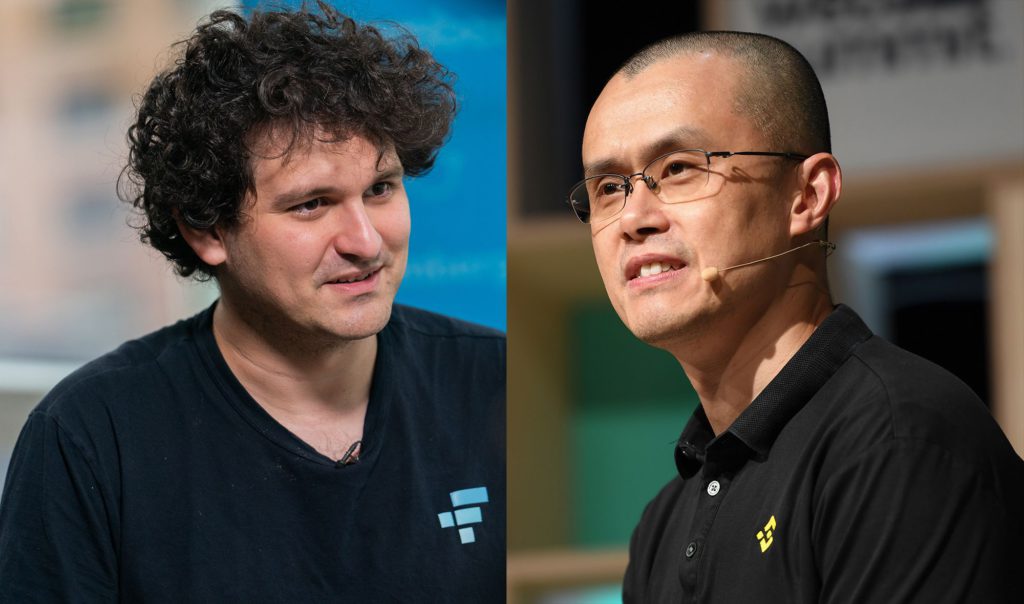
(Bloomberg) — Billionaire Changpeng “CZ” Zhao consolidated his position atop the crypto world on Tuesday with a stunning move to take over FTX.com, the suddenly troubled firm led by his chief rival and one-time disciple, Sam Bankman-Fried.

The letter of acquisition intent by Zhao’s Binance Holdings came after a bitter feud between the two men spilled out into the open, with Zhao actively undermining confidence in FTX’s finances and helping spark an exodus of users from the three-year-old FTX.com exchange. A day before reaching a deal, Bankman-Fried said on Twitter that assets on FTX are “fine.” 

Such moves would be prohibited on Wall Street but isn’t uncommon in this rough-and-tumble corner of finance, which remains largely devoid of regulation about a decade year after its founding. Ironically, it was Bankman-Fried who was pushing for greater regulation, something that Zhao has largely opposed. 

Terms of the emergency buyout were scant. Binance said the agreement came amid “a significant liquidity crunch” befell FTX and the firm asked for its help. The takeover is a startling twist of fake for FTX, whose 30-year-old founder had emerged in recent years as the ready-for-prime-time face of crypto and amassed a fortune approaching $20 billion.

The acquisition will reshape the more than $1 trillion industry that is already dealing with a prolonged market downturn. The two founders made the announcement on Twitter concurrently. “To protect users, we signed a non-binding LOI, intending to fully acquire FTX.com and help cover the liquidity crunch,” Zhao said in a tweet. 

Read more about Zhao here: Crypto’s Richest Man Faces Regulatory Crackdown, Brutal Winter

“A huge thank you to CZ, Binance, and all of our supporters,” Bankman-Fried said on Twitter. “Our teams are working on clearing out the withdrawal backlog as is. This will clear out liquidity crunches; all assets will be covered 1:1. This is one of the main reasons we’ve asked Binance to come in.”

It’s fast comeuppance for Bankman Fried, no stranger to bare-knuckled exploits in his role as founder of Alameda Research, the crypto trading firm whose fate was left unmentioned in the tweets announcing the bailout. The former Jane Street trader has been unapologetic about Alameda’s willingness to pounce on profit opportunities in the wild-west crypto space, framing it as part of a long-term plan to give away billions to charity.

Bitcoin swung between gains and losses, dropped below $19,000 for the first time since Oct. 21. BNB, the native token of the Binance blockchain, did the same and was little changed after jumping as much as 15%.

For the crypto industry broadly, FTX’s demise is another example of a once-towering player laid low when a crisis of confidence forced a run on its assets. Like others before it, including lenders Celsius Networks and hedge fund Three Arrows Capital, reserves proved inadequate when market sentiment turned against it, even as top executives said nothing was amiss.

The tension between Bankman-Fried and Zhao has been brewing almost since the start. Back in 2019, Binance invested into FTX, then a derivatives exchange. The next year, Binance launched its own crypto derivatives, quickly becoming the leader in this space.

Tensions rose as the two companies increasingly had been seen as different by regulators. Bankman-Fried was testifying in Congress, while Binance was said to be facing regulatory probes around the world and emphasized that it’s not headquartered anywhere.

The two companies have also been competing for assets, with both bidding for assets of Voyager Digital. FTX won the auction of Voyager.

The drama reached fever pitch on Sunday, when Zhao announced he would sell all of his FTT holdings, the native token of FTX exchange, worth $529 million at the time due to “recent revelations that came to light.” The tweet followed a story from CoinDesk saying that Alameda Research, a trading house owned by Bankman-Fried, had a lot of its assets in FTT token. FTT tumbled by more than 50% to around $9, according to prices on CoinMarketCap. 

Binance is the largest crypto exchange by far, with trading volume of about $31 billion so far today. FTX is second in spot trading, with volume of about $3.7 billion, according to CoinMarketCap data. CoinMarketCap is owned by Binance.   

(Adds context on transaction.)

More stories like this are available on bloomberg.com

©2022 Bloomberg L.P.

Microsoft’s $69 Billion Activision Deal Faces EU Probe

(Bloomberg) — Microsoft Corp.’s proposed $69 billion takeover of games developer Activision Blizzard Inc. faces an in-depth European Union probe after regulators said they’re concerned the software giant could thwart access to blockbuster franchises such as Call of Duty.

The European Commission said in a statement on Tuesday that Microsoft may “foreclose access to Activision Blizzard’s console and PC video games, especially to high-profile and highly successful games.” The EU’s merger watchdog set a March 23 deadline for its so-called phase 2 investigation. 

The combination with Activision — which owns some of the most popular games also including World of Warcraft and Guitar Hero — would make Microsoft the world’s third-largest gaming company and boost the Xbox maker’s roster of titles for its Game Pass subscribers.

But the deal is already facing protracted scrutiny from antitrust agencies across the globe. Microsoft last month accused the UK’s Competition and Markets Authority of relying on “self-serving” input from rival Sony Group Corp. in its deliberations. The US Federal Trade Commission is also reviewing the transaction, including looking into how it might impact workers. 

Read More: Activision Blizzard Beats Estimates, Boosted by Mobile Games

Microsoft said in a statement it will work with the EU to address any “valid” marketplace concerns. “Sony, as the industry leader, says it is worried about Call of Duty, but we’ve said we are committed to making the same game available on the same day on both Xbox and PlayStation,” the company added.

Activision Chief Executive Officer Bobby Kotick said in a letter to employees that the company is working “cooperatively with regulators in other jurisdictions, and the process is moving along as we expected.” He added that he anticipates the deal to close in Microsoft’s current fiscal year ending next June.

The EU last month quizzed video games developers, publishers, distributors, competing operating systems and providers of cloud services about the possible negative effects of the deal. 

EU regulators said Tuesday their preliminary probe showed the deal could “significantly reduce competition on the markets for the distribution of console and PC video games,” including multi-game subscription services, cloud game streaming services, and for PC operating systems.

The deal could give Microsoft “the ability, as well as a potential economic incentive, to engage in foreclosure strategies” with rival distributors of console video games, the EU watchdog said. The commission said it sees the same risk for rival providers of PC operating systems.

(Updates with Activision comment in sixth paragraph)

More stories like this are available on bloomberg.com

©2022 Bloomberg L.P.

Zoom Seeks to Expand Beyond Video With Email, Calendar Tools

(Bloomberg) — Zoom Video Communications Inc. is adding email and calender features to its suite of tools as part of an effort to reverse a post-pandemic slowdown.

The new features are a bid to centralize more work on Zoom’s platform, keeping users on the app throughout the day rather than just to take meetings. The company’s new email and calendar tools, which will be launched in a test version for clients, can be linked with other popular providers like Alphabet Inc.’s Gmail and Microsoft Corp.’s Outlook, Zoom said Tuesday. There’s also a Zoom-hosted email client aimed at smaller businesses without dedicated IT teams. 

Persistent team video calls, billed as digital coworking spaces, will also be added to the platform in 2023 along with more advanced artificial intelligence tools, including call analytics and customer-facing chat bots. The updates are being unveiled this week at Zoomtopia, the San Jose, California-based company’s annual user conference. 

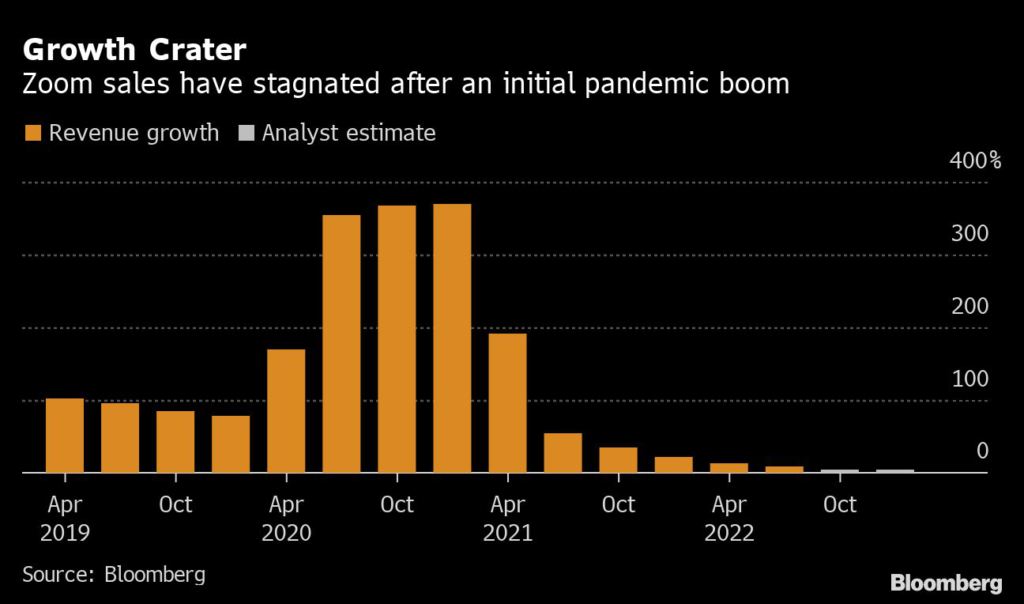
Zoom’s breakneck growth during the pandemic ended as offices reopened and competition intensified. Sales to consumers and small businesses are expected to decline 7% to 8% this year, Chief Financial Officer Kelly Steckelberg said on an earnings call in August.

The company is responding by parlaying the success of its widely used video service into a suite of productivity tools that more directly competes with Microsoft’s Teams and Salesforce Inc.’s Slack. This includes always-on chat, collaborative digital whiteboards, office phone systems and even physical conference room setups. 

Still, it’s unclear whether there is appetite for more office software as research shows the amount of apps used by large corporations has soared. A recent study found that workers at big companies spend, on average, nearly four hours a week toggling between different apps.

Chief Product Officer Oded Gal says that integrating workflows like email onto Zoom is actually a solution to the “toggle tax” of disjointed office software.

“Having it integrated makes it much easier and more manageable for our users,” Gal said. As for Zoom’s other recent additions, Gal said whiteboards and persistent team chat have seen good feedback and adoption.

Gal rejects the idea that Zoom use has gone down as more workers have returned to the office. After all, in-person meetings generally have remote attendees, he said. Hybrid meetings highlight the need of other new Zoom features such as Smart Gallery, which gives in-person participants their own virtual box on the video call, Gal said.

Investors doubt whether Zoom’s platform aspirations will pay off — the shares have plunged 86% from an October 2020 high. When it reports results Nov. 21, analysts expects declining customer counts and sales growth of less than 5%, a far cry from the quarter after quarter of triple-digit revenue increases that Zoom experienced during the pandemic.

–With assistance from Matthew Boyle.

More stories like this are available on bloomberg.com

©2022 Bloomberg L.P.

COP27 Latest: Kerry Says Republican Victory Will End Climate Aid

(Bloomberg) — John Kerry, the US climate envoy and Democratic Party stalwart, said a Republican win in today’s midterm election would cut the flow of climate finance to poorer countries.

Speaking at a panel discussion on climate adaptation, Kerry delivered a stark warning about the potential for the US to deliver billions in its share of international climate finance. “If what I think will happen in today’s elections happens and the House is gone, you’re not going to see that money,” he said.

Even under former President Donald Trump, who pulled the US from the Paris Agreement, the country still doled out some climate finance. But those small sums are a far cry from the $11.4 billion President Joe Biden has promised by 2024.

That would be a disppointment to many of the leaders of deleoping countries speaking at today’s summit.

South Africa’s President Cyril Ramaphosa said more climate funding needs to come in the form of grants and concessional loans, to avoid the continent ramping up debt.

Ramaphosa called on multilateral development banks to change their approach to climate finance, saying support is out of reach for most of the world’s population. The institutions are “risk averse” and their funding offers “carry onerous costs,” he said at the COP27 conference in Egypt.

More than 100 world leaders have visited Sharm el-Sheikh at the start of the the UN’s annual climate talks. They’re attempting to maintain momentum in the battle to curb planet-warming emissions.

This year, delegates are aiming harsh criticism at each other over issues ranging from climate reparations to funding for mitigation and adaptation in poorer countries.

Rising energy prices, accelerated by Russia’s war in Ukraine, have led many governments to prioritize security of supply over the transition to cleaner energy since the last COP summit in Glasgow.

German Chancellor Olaf Scholz, France’s Emmanuel Macron and British Prime Minister Rishi Sunak were among the biggest names to speak on Monday. US President Joe Biden and Brazil’s President-elect Luis Inacio Lula da Silva are due to appear later on.

The most notable no shows are China’s Xi Jinping and India’s Narendra Modi, leaders of the world’s largest and third-largest emitters.

Highlights:

  • Highlights from Monday
  • Is the 1.5C warming goal dead?
  • EU’s Von Der Leyen warns of climate ‘highway to hell’
  • UK firms face new requirements to back up climate claims
  • Africa to expand the use of carbon offsets
  • Methane cloud spotted near New Mexico coal mine
  • South Africa launched an $8.5 billion plan to shift from coal to green energy

Here are the latest developments. All times Egypt.

Zelensky Says There Can Be No Climate Policy Without Peace (6:34 pm)

The Russian war has caused an energy crisis that forced dozens of countries to burn coal, Ukraine President Volodymyr Zelenskiy said during a video address to leaders at COP27. The war has also brought a food crisis to the world, a situation that’s distracting global leaders from climate action, he said.

“There can’t be no effective climate policy without peace,” he said. “Countries are thinking about how they can protect themselves here and now from the Russian aggression.”

Kerry Calls for ‘Common Sense’ on Climate Finance (5:55 pm)

John Kerry pleaded for “common sense” to be applied to the UN climate conference Tuesday, as he questioned a continued focus on the failure of rich countries to deliver a promised $100 billion in annual climate finance at a time when some nations are still building coal plants and subsidizing fossil fuels.

Speaking at a panel discussion on climate adaptation, Kerry also delivered a stark warning about the potential for the US to deliver billions in its share of international climate finance if Democrats lose control of the Congress in Tuesday’s midterm elections: “If what I think will happen in today’s elections happens and the House is gone, you’re not going to see that money.”

Kerry, the US special presidential envoy for climate, suggested the focus on failed finance pledges is siphoning attention away from the more pressing cause of throttling greenhouse gas emissions and keeping the earth’s temperature rise in check. 

“Everyone is upset because the $100 billion target hasn’t been fulfilled completely,” even though it’s almost to the annual target this year, he said, adding: “when I got 90-something on a test at school, I thought I did pretty well.”

Oman Wants to Be the Middle East’s Hydrogen Hub (5:46 pm)

Oman will be able to produce one to two million tons of green hydrogen by 2030 using the country’s solar and wind capabilities, roughly equivalent to a 10th of the EU’s future demand, according to Energy Minister Salim Al-Aufi. The country wants to reach net zero by the middle of the century, including a 50% reduction of net emissions by 2040, he said in an interview. The country will still have a prominent oil and gas sector, though, meaning it will have to rely on carbon capture and storage.

“Everybody thinks that the Middle East is not responsive enough, is not taking actions on climate change,” he said. “It’s completely the opposite. We’re taking bold decisions.”

NATO Must Tackle Security Impact of Climate Change, Stoltenberg Says (4:53 pm)

Jens Stoltenberg, secretary general of NATO, said the military alliance must address the link between climate change and security. “Climate change creates conflicts, it exacerbates conflicts,” Stoltenberg said in a video linkup.

Climate change increases competition over scarce resources and impacts military operations as forces have to adapt to more extreme weather, Stoltenberg said. He added that armed forces have to be part of efforts to reduce greenhouse gas emissions.

Pakistan PM Says a Goal on Adaptation Needs to Be Prioritized (4:30 pm)

Pakistan Prime Minister Shehbaz Sharif called on rich countries to help fund the works needed to rebuild the country in a way that doesn’t throw it into a “financial debt trap.”

Pakistan will continue its plan to move toward eliminating net emissions once it recovers from the devastating rains that flooded a third of the country and were responsible for hundreds of deaths earlier this year, he said in a speech at the UN climate talks.

“The priority of Pakistan has never been clearer – a goal on adaptation needs to be prioritized in terms of financing and timelines,” Sharif said. “Climate finance must be clearly defined, with new additional and sustained resources through a clear mechanism that meets the needs of developing countries with the speed and scale that’s required.”

Germany Highlights CO2 Neutral Progress in Response to Gas Criticism (4:15 pm)

German Chancellor Olaf Scholz responded to criticisms that his country is only using Africa for its gas needs.

“Now in the crisis, when no more gas from Russia is available, we have tapped new resources and will succeed in becoming independent of it by 2045,” he said at the UN climate talks.

“Germany is a gas country and a country that has made the most progress towards CO2 neutral production. If we have set ourselves such a big goal of ensuring that steel and chemicals are produced in a different way, then that is our big contribution to the goal of stopping man-made climate change.”

Von Der Leyen Says Developing Countries and EU Must Avoid ‘Highway to Hell’ (2:00 pm)

European Commission President Ursula Von Der Leyen called on developing countries to “team up” with the trade bloc by providing it with the clean energy sources it needs to meet its green goals and cut its dependence on Russian fossil fuels. She also called on high-emitting countries to step up their climate ambitions.

“Let us not take the highway to hell,” she said. “Let’s earn the clean ticket to heaven.”

Asian Infrastructure Bank Says Gas Has a Transition Role (1:30 pm)

Natural gas will play a role during the green transition in developing countries and the Asian Infrastructure Investment Bank will fund such projects if they’re in line with keeping global warming to 1.5 degrees, according to Vice President Danny Alexander.

The context in the developing world is different to the context in Europe, Alexander said in an interview. “We have have to be responsive to where our clients actually are and help to move them in the right direction to whichever tool is most suited to their circumstances.”

Alexander rebuffed calls from developing nations and small island states for multilateral development banks to be reformed to provide more and easier climate finance. He said it was more a question of scaling up private sector finance.

Carney Sees ‘Wall of Opportunity’ in Energy Markets (12:00 pm)

Renewable-energy assets are primed for an era of growth, emerging as the answer to both energy security risks and climate change, according to Mark Carney, the former Bank of England governor.

There’s currently a “wall of opportunity” in the renewable energy market, Carney, who co-chairs the Glasgow Financial Alliance for Net Zero, said in an interview with Bloomberg TV.

“A lot of the answer to energy security problems that have been exposed by Russia’s illegal war have to do with sustainability,” he said. “That’s why you’ve seen a five-fold increase in the ambition in the European Union for this decade. That’s why you’ve seen the big roll-out with the Inflation Reduction Act in the United States.”


Funding for ‘Bottom-Up’ Climate Action in the US Launched (11:27 am)

The US State Department and Bloomberg Philanthropies announced a new $3 million initiative to help cities, states and other regional entities steer toward net-zero goals.

The program, dubbed SCALE, or Subnational Climate Action Leaders’ Exchange, is being established with a contribution of $1.5 million each. It will start by focusing on implementing the Global Methane Pledge, a commitment by more than 120 nations to cut emissions of the potent greenhouse gas 30% by 2030.

“The federal government has, many times, been asleep at the wheel,” said Michael Bloomberg, the UN secretary-general’s special envoy for climate ambition and solutions. Even so, a coalition of cities, states, businesses tribal nations and other institutions “showed the world the American people remain committed to fighting climate change.”

Michael Bloomberg is founder and owner of Bloomberg LP, parent of Bloomberg News.

South Africa’s Ramaphosa Wants Change to Lending Approach (11:50 am)

South Africa’s President Cyril Ramaphosa called on multilateral development banks to change their approach to climate finance, decrying the failure to live up to promises to boost funding for climate adaptation and mitigation.

Multilateral support is out of reach for most of the world’s population, he said in a speech. The institutions are “risk averse” and their funding offers “carry onerous costs.”

More funding needs to come in the form of grants and concessional loans, he said.

Senegal’s Sall Urges Nations to Honor Funding Pledges (11:15 am)

African Union Chairman and Senegalese President Macky Sall called on rich nations to honor their pledges to finance African countries vulnerable to climate change, rather than giving loans to the already heavily-indebted nations.

“Developing countries are currently funding most of their climate change projects by taking on debts, when they should be receiving funding from what we have together agreed,” Sall said in a speech. “We are funding our own adaptation efforts when we the victims, which means we are being doubly punished and we are not ready to put up with that.”

“We are in favor of reduction of greenhouse-gas emissions,” he said. “But we Africans cannot accept that our vital interests be ignored as we undergo this energy transition. We are low emitters, however, we are the most vulnerable to loss and damage triggered by climate change.”

Poland Says Energy Transition Must Serve ‘Security’ (11:29 am)

Polish President Andrzej Duda used his plenary speech to stress the importance of energy security as the world grapples with higher prices.

“The transition is there to serve man, not the man to serve the transition,” he said. “People are going to ask why the energy is so expensive. The transition has to serve energy security.”

Poland is the biggest coal producer in the European Union. It’s another example of an important theme in Sharm el-Sheikh: the idea that the transition can’t come at the expense of security of supply. Others argue that’s a false choice and cheaper renewables are the answer to the energy crunch.

Duda, one of Ukraine’s staunches allies, also took the opportunity to blame Russia’s aggression for the global energy crisis.

Botswana President Wants End to Project Financing (11:27 am)

Botswana’s President Mokgweetsi Masisi called for an end to project-based climate adaptation funding, saying that the scale of the challenge necessitated direct contributions to national treasuries.

Masisi’s words echoed pronouncements made by politicians from South Africa to Barbados for a rethink on how climate finance is channeled to the developing world.

China to Working on Tighter Climate Laws (11:00 am)

China is pushing forward amendments to national laws to help cut carbon emissions, Wang Yi of the Chinese Academy of Sciences said.

There could be changes to 20-30 laws in China, with work accelerating after the people’s congress in March next year, he said.

Irish PM Calls for New Financial Tools (11:00 am)

Adaptation to climate change requires new tools for helping countries deal with weather disasters, Ireland’s Prime Minister Micheal Martin said in an interview on Bloomberg TV.

“Along with all of the measures we must take to reduce emissions, we also now have to look at adaptation, and create financial instruments in terms of dealing with catastrophic risk,” he said.

African Nations to Expand Local Carbon Markets (10:30 am)

A group of African countries including Kenya, Malawi, Gabon, Nigeria and Togo, together with Standard Chartered, are backing a new initiative to “dramatically expand” the use of carbon offsets on the continent.

It aims to produce 300 million credits annually by 2030, and 1.5 billion by 2050. Each credit will represent a metric ton of reduced, removed or avoided greenhouse gas emissions. Even 75 million credits would be double the total number issued across the entire of Africa in 2021.

World Bank to Launch Climate Fund for Poorer Nations (10:00 am)

World Bank President David Malpass will on Tuesday unveil a fund aimed at helping developing countries to cope with climate change.

It’s “a big trust fund” called SCALE, Malpass said in an interview with Bloomberg TV. “I think of it as a giant resource need that can be filled by grants from the advanced economies.”

Poor nations are struggling with a confluence of challenges, from rising prices and interest rates to the effects of climate change to a shortage in fertilizer, he said. He added that Russia’s invasion of Ukraine has exacerbated the problems.

Greece Targets Role as Europe’s Green Power Hub (9:35 am)

Greece wants to become a net exporter of renewable electricity to the rest of Europe, Prime Minister Kyriakos Mitsotakis said.

The nation is backing a plan to build cables that will bring green power to Europe via the country from Egypt and the Middle East. If such a project is successful, it would go some way to help the European Union boost supplies as everything from transport to heavy industries will use more electricity in the future.

UAE and Egypt Ink Pact for 10GW of Solar Power (9:30 am)

Egypt and the United Arab Emirates have signed a deal to develop 10 gigawatts of onshore wind power in Egypt. Abu Dhabi-based renewable energy firm Masdar is leading consortium to build the plant.

UAE President Mohammed bin Zayed and Egyptian counterpart Abdel-Fattah el-Sisi attending the signing.

EU Signs Forest Partnership with Five Countries (9:00 am)

The European Union signed a memorandum of understanding to help preserve forests in Guyana, Mongolia, the Republic of Congo, Uganda and Zambia. The bloc is set to pass legislation banning the import of products whose manufacture causes deforestation. But its demand for rubber has been criticized by non-profit organizations for contributing to trees being cut down in Africa.

Read more: Europe’s Rubber Addiction Destroys Africa’s Tropical Forests

Apple, Pepsi Join Promise to Buy Near-Zero-Carbon Metal (8:45 am)

PepsiCo, Apple and Rio Tinto are among the newest members of a corporate buyers club that has committed $12 billion to purchasing near-zero-carbon steel, aluminum and other products. Members hope to create greener supply chains and accelerating the production of clean technology.

The First Movers Coalition is also growing with new corporate pledges from companies such as automaker General Motors and Swedish power provider Vattenfall to buy next-level-green cement and concrete — at least 10% of their needs in 2030.

Taiwan’s Gogoro Sees India as ‘Holy Grail’ for EV Technology (8:27 am)

Taiwanese startup Gogoro sees huge scale for its battery-swapping technology in India, joining the race to get a slice of an electric vehicle market which is expected to reach 400 times its current size by the end of the decade.

“India represents the holy grail,” said Horace Luke, the chief executive officer, said to Bloomberg TV. The electric-scooter and battery-swapping-station maker is going to get its technology “honed, fine-tuned and calibrated to the India condition.”

Countries Set to Bolster Global Methane Pledge at Climate Summit (8:00 am)

The EU and US put methane on the map at COP26 in Glasgow — declaring the potent greenhouse gas a threat to Paris Agreement temperature goals and insisting emissions of it must be slashed 30% by 2030.

In the year since, European countries and the US have successfully encouraged more than 120 countries to sign on to a formal methane-cutting pledge, and at Sharm El-Sheikh, about 40 of them are set to outline their plans for doing so, according to a senior State Department official.

PwC Says Emissions Reductions Must Speed Up (7:15 am)

The goals set at the 2021 COP summit in Glasgow aren’t being met fast enough, according to PwC Chairman Bob Moritz.

“We sit at the table today, a year later, not seeing speed and scale of change” required to meet climate targets, he said to Bloomberg TV. “We need to move much faster. We have a long way to go.”

According to the accounting and consulting firm’s own analysis, emissions reductions globally have to happen 11 times faster than what’s been the case in the past two decades.

Japan Delays Carbon Tax Reform (4:00 am)

Japan is delaying plans to revise how it taxes carbon, the Nikkei newspaper reported, potentially slowing efforts to wean the country off fossil fuels.

The government will postpone the introduction of a new carbon tax that was planned for the fiscal year starting April 2023, the Nikkei said Tuesday without attribution. Policy makers decided it would add to already surging living costs, it said.

It’s at least the second time the changes have been pushed back. The environment ministry had requested the introduction of a more substantial carbon levy in the previous annual tax revisions, but the government backed away amid industrial protests.

Banks Fall Dangerously Short of Pledges in New Net-Zero (2:01 am)

Most banks that have published net-zero emissions targets are failing to live up to those commitments, according to a fresh study by ShareAction.

The majority of the 43 largest financiers of fossil fuels in the Net Zero Banking Alliance “have climate targets that fall short of what’s needed to prevent the worst impacts of climate crisis,” the nonprofit said Tuesday. Only 16% of the banks analyzed have set interim, overarching net-zero goals, ShareAction concluded.

UK Firms Face New Requirements to Prove Climate Claims (2:01 am)

The UK is set to require companies to provide granular details to back up their decarbonization claims, under a fresh proposal intended to stamp out greenwashing. 

The government-backed Transition Plan Taskforce is seeking feedback on its disclosure framework, which requires firms to produce evidence of “concrete” short-term action taken to reduce their carbon footprints, according to a statement on Tuesday. 

–With assistance from Paul Tugwell, Laura Millan Lombraña, David Malingha, Alastair Marsh, Yousef Gamal El-Din, Francine Lacqua, Alfred Cang, Stephen Stapczynski, John Follain and Antony Sguazzin.

More stories like this are available on bloomberg.com

©2022 Bloomberg L.P.

Renault Says Strategy ‘Works by Itself’ as Nissan Talks Continue

(Bloomberg) — Renault SA Chief Executive Officer Luca de Meo said talks to reboot a two-decade-old alliance with Japanese partner Nissan Motor Co. are continuing after the French carmaker moved ahead with plans to carve out its electric-vehicle business.

Renault’s revamped strategy “works by itself,” De Meo said, but “beyond that, the alliance opens further opportunities,” the executive told investors at the company’s capital markets day in Paris on Tuesday.

The maker of Zoe and Megane E-Tech cars plans to boost profitability and reinstate its dividend as it proceeds with a complex split of its electric-vehicle and combustion-engine businesses, backed by outside investors. Renault’s carve-out push has been at the heart of tense talks with its Japanese partner. 

Nissan may invest $500 million to $750 million for a stake of about 15% in Renault’s carved-out EV business Ampere, but the agreement hinges on a wider deal that would see Renault lower its own 43% stake in Nissan to about 15% over time, people familiar with the situation have said. 

The shift would alleviate a power imbalance that’s been a source of friction between the companies for years. Despite Renault’s outsized stake, it’s the smaller of the two carmakers, with 2.7 million vehicle sales in 2021, compared with 4 million for Nissan.

Discussions with Nissan hit snags over intellectual property concerns, Bloomberg reported last week. The valuation of Ampere has also been a sticking point, with Renault aiming for a roughly €10 billion level ahead of a potential IPO next year, according to a person familiar with the matter. 

Nissan’s concerns mean it’s unlikely an agreement on the rebalancing will be announced as planned in mid-November, when directors from Renault, Nissan and Mitsubishi Motors Corp., the junior member of the three-way alliance, are scheduled to meet in Tokyo.

Renault has been “trying to make the proposal very attractive” for Nissan, De Meo said, in response to a question on whether the partner will invest in Ampere.  

Renault Chairman Jean-Dominique Senard and Nissan’s top managers are “determined” to work with De Meo to “give the alliance a strong future,” the CEO said during the event.

“We are in a very positive dynamic, with a constructive mindset,” he said. “That’s why we want to be all together to tell you more when we are ready in the weeks to come.”


More stories like this are available on bloomberg.com

©2022 Bloomberg L.P.
$17 Billion Chicago Hedge Follows Millennium, BlueCrest in Push to Dubai

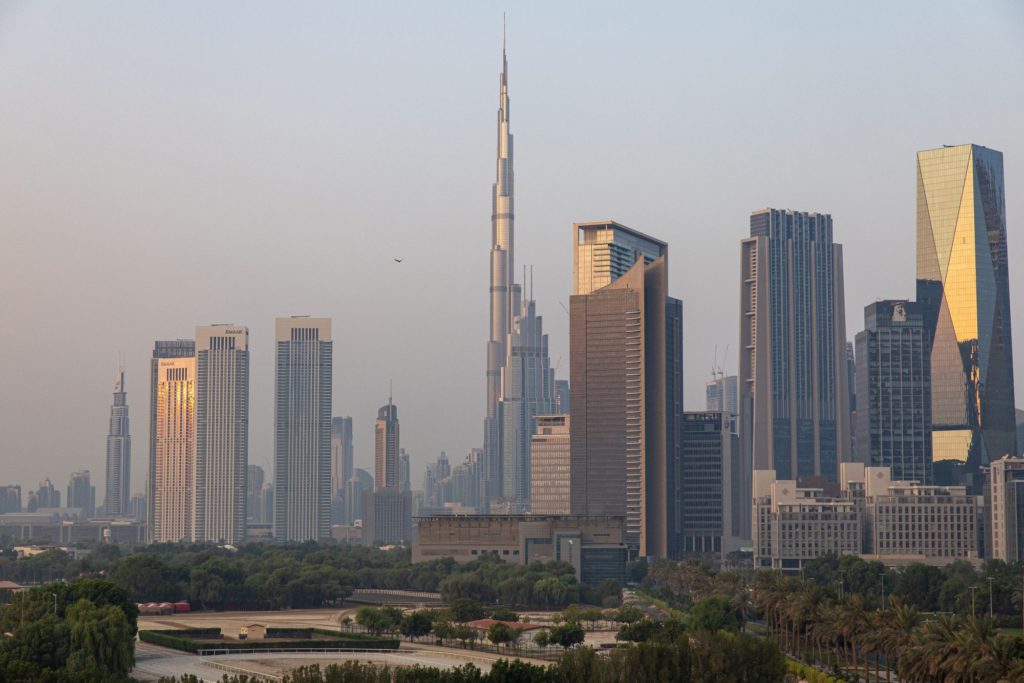
(Bloomberg) — Balyasny Asset Management will open an office in Dubai, the latest hedge fund to expand to the emirate.    

The $17 billion firm will start operations in the city in the first quarter of next year, according to a person with knowledge of the matter. Balyasny is taking space in the ICD Brookfield Place and its office is initially set up to accommodate 20 people, the person said, asking not to be identified because the details are private.

The multi-strategy hedge fund, which relies on groups of traders to bet across asset classes, is the latest to turn to Dubai, which is drawing some of the world’s biggest investment firms to its shores after already attracting crypto firms, property investors and Russian billionaires.

Izzy Englander’s Millennium Management has more than two dozen people working for him in Dubai, while Michael Gelband’s ExodusPoint Capital Management, one of the largest multi-strategy hedge funds, is expanding in the city. Michael Platt’s private investment firm BlueCrest Capital Management is also building a presence.

Brexit has spurred many funds to seek new bases outside the City of London, while other traders have fled Hong Kong’s strict Covid restrictions. And with living costs soaring around the world, Dubai’s tax-free welcome mat is also appealing.

Balyasny’s decision was driven by demand from existing and prospective portfolio managers, some of whom have already signed up to move to the city, the person said. Traders specializing in strategies across equities, macro, credit and commodities will be housed in Dubai’s trading center and support staff gradually added.

The move underlines the increasing competition for the best trading talent among investment firms as trading opportunities grow and investors migrate toward larger hedge funds, with multi-strategy firms on the cusp of becoming the biggest players in the industry. 

Balyasny, which will have more than 15 offices after it opens the Dubai office, now has 170 portfolio managers, up from 120 at the start of this year. Roughly 40% of them are outside of North America, where the firm is headquartered. Overall headcount has expanded by 40% to about 1,500 people globally.

The firm’s hedge fund gained about 7.8% through October this year, the person said. 

A spokesman for Balyasny declined to comment.

More stories like this are available on bloomberg.com

©2022 Bloomberg L.P.
Close Bitnami banner
Bitnami