Bloomberg

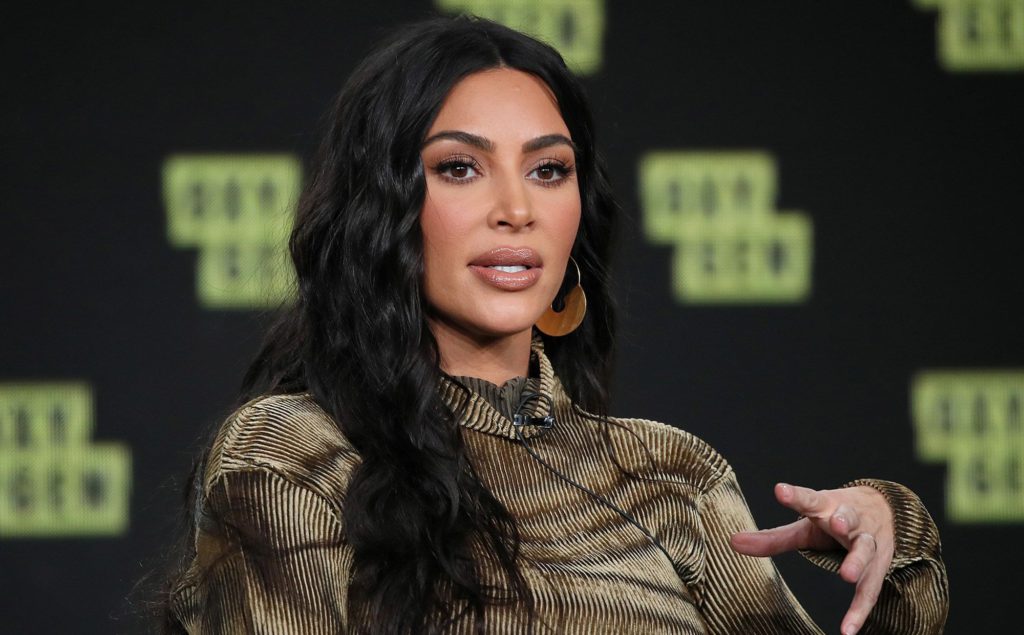
Kim Kardashian Poised to Beat Investor Suit Over Crypto Hype

(Bloomberg) — Kim Kardashian and Floyd Mayweather Jr. won a tentative court ruling dismissing a lawsuit accusing the celebrities of scamming investors in a cryptocurrency called EthereumMax.

Investors claimed in a January complaint they paid “inflated prices” for blockchain-based digital assets because the reality television star and ex-boxing champion hyped the EMAX tokens. Former Boston Celtic Paul Pierce was also named as a defendant in the proposed class-action suit.

US District Judge Michael Fitzgerald said Monday in a written order his “tentative view” is that lawyers for the investors are “trying to act like” the US Securities and Exchange Commission — but “haven’t chosen to view the tokens as a security” and didn’t invoke a standard securities fraud claim in their case. 

Fitzgerald said the celebrities also didn’t “care to label the tokens as a security for obvious reasons.” The judge said he will issue a final written order later.

A lawyer for Kardashian declined to comment before a final ruling in the investor case is issued. An attorney for the investors didn’t immediately respond to a request for comment.

The ruling comes amid a broader debate over the SEC’s regulatory authority over crypto assets.

Why Crypto Flinches When SEC Calls Coins Securities: QuickTake

The US markets regulator announced in October that Kardashian had agreed to pay $1.26 million to settle allegations that she broke US rules by touting EMAX tokens. The SEC said Kardashian didn’t disclose that she was paid $250,000 to post on her Instagram account about the tokens.

Kardashian settled without admitting or denying the SEC allegations. And she agreed to refrain from touting any additional digital assets for three years.

The law requires anyone who touts a security, such as a stock or even some types of cryptocurrencies, to not only say they are getting paid to do so, but also to disclose the amount, the source, and the nature of those payments.

More stories like this are available on bloomberg.com

©2022 Bloomberg L.P.

Uruguay Farmers Fend Off Droughts With Soy Technology, CEO Says

(Bloomberg) — Farmers in Uruguay, which is emerging as a supplier of soybeans to giant export plants in neighboring Argentina, are withstanding climate change through investments in technology to fight droughts.

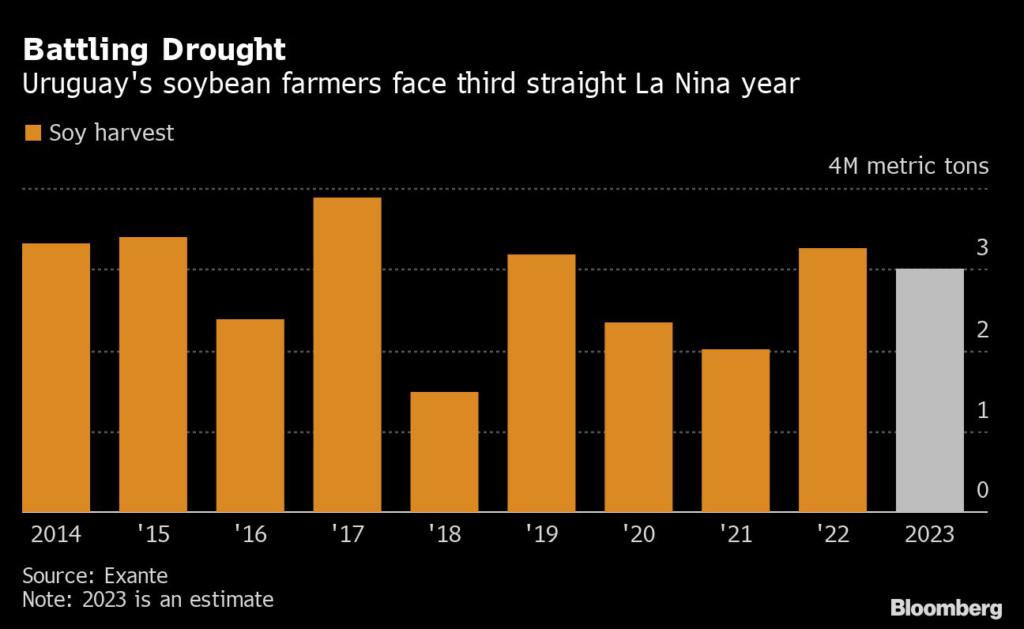
The harvest next year could reach about 3 million metric tons despite forecasts of dry weather in the River Plate region until January. That’d be only slightly lower than the 2022 crop, which benefited from timely rains, according to Montevideo-based consultancy firm Exante.

With climate change roiling farming and withering crops across South America, Uruguayan growers have embraced technology to beat the weather. In particular, they’ve invested heavily in hardier soy strains that bolster yields and in more precise applications of seeds and fertilizer, Marcos Guigou, executive director at Agronegocios del Plata, one of Uruguay’s biggest agriculture companies, said in an interview.

“Three or four years ago we used 80 kilograms of seed per hectare and today maybe we are using 60 kilograms,” Guigou said. By the end of the decade, according to Guigou, Uruguay could boost its soy yields to 25% higher than today’s levels.

Droughts that have crimped soy harvests in Argentina and Paraguay are paving the way for Uruguay to ship beans this year to Argentine processors, the world’s No. 1 exporters of soy meal and oil.

Uruguayan growers’ defiance in the face of extreme dryness provides a microcosm of how the global agriculture business is seeking out ways to adapt to climate change, including gene-modified soybeans that tolerate drought.

Family-owned Agronegocios del Plata manages about 44,000 hectares (109,000 acres) of farmland and 47,000 cattle. This season, the company plans to sow soy on about half that acreage. Plants could yield well, though they’ll depend on rains falling during key growth stages in February and March, Guigou said. A third straight La Nina-fueled drought is set to sputter out over the southern hemisphere summer.

“We think it could be an OK year,” he said.

Farmers are also planting increasing volumes of canola in recent years thanks to strong global demand for an oilseed used to make edible oils and biofuels. Almost 270,000 hectares were planted with canola this year, up from about 160,000 hectares in 2021, according to data compiled by the agriculture ministry.

“It’s likely that canola could reach 400,000 hectares in a couple of years,” Guigou said.

(Updates with farm technology in fourth paragraph and canola production in ninth and tenth paragraphs)

More stories like this are available on bloomberg.com

©2022 Bloomberg L.P.

Korea Urges More ESG Focus on Women to Address Fertility Crisis

(Bloomberg) — South Korean companies should make gender equality a key part of corporate governance to help combat the world’s lowest fertility rate, the country’s labor minister said.

“A key solution to the fertility, aging and productive problem is helping women raise children happily without having to worry about giving up jobs,” Korean Labor Minister Lee Jung-sik said. “But there still isn’t a noticeable level of effort for women at the environmental, social and governance level.” 

The comments by Lee linking the fertility crisis with a lack of gender equality and insufficient corporate action are among the strongest yet by a cabinet member of Yoon Suk Yeol’s administration.

Lee also expressed concern about the potential labor-market impact of the recent crowd crush in Seoul and a continuing lack of safety awareness at workplaces.

Korea last year saw the number of babies expected per woman drop to 0.81, a result that shattered its own world record. The country is already on track to have the smallest share of working-age people in the developed world by the end of the century, according to UN data.

With fewer babies born and workers to support the economy, growth will slow and welfare spending will skyrocket, forcing policy makers to keep interest rates low and already-serious debt burdens heavy, economists say.

“What kind of country has a fertility rate of 0.8?” Lee said. “The shrinking workforce means fewer people, slower growth and more fighting for scarce resources and that’s not a sustainable society.”

Yoon’s government hasn’t announced any specific timeline for companies to bolster their ESG focus on women. 

For now the government is largely continuing with previous administrations’ efforts to improve gender equality. Those include an affirmative action plan adopted in 2006 and a name-and-shame policy intended to grant fewer government deals to firms that fall well below the average of their peers in hiring female workers and boosting benefits for mothers.

As part of further ESG efforts, commercial banks could reinvest some of their earnings in building more nurseries in traditional office space given that more work is done online, Lee said.

“Korean women are among the world’s most educated, yet still account for a ridiculously small share of the workforce,” Lee said.

The rise in female participation in Korea’s workforce and management positions has failed to maintain its earlier pace in recent years. That has coincided with the further drop in fertility and underscores the challenge for the government to achieve progress without help from businesses.

Some corporate culture works as a barrier for companies looking to follow and encourage more women to take time off for children, Lee said, citing “nunchi” from bosses and colleagues, a term that alludes to unspoken pressure to follow customary practice.

Korea has the smallest share of parents going on leave for children in the developed world, a major factor behind it having the world’s lowest fertility rate.

On top of a glass ceiling, a lack of a work-life balance and pressure against taking maternity leave at work, women face an almost exploitative share of childcare and housework, Lee added. 

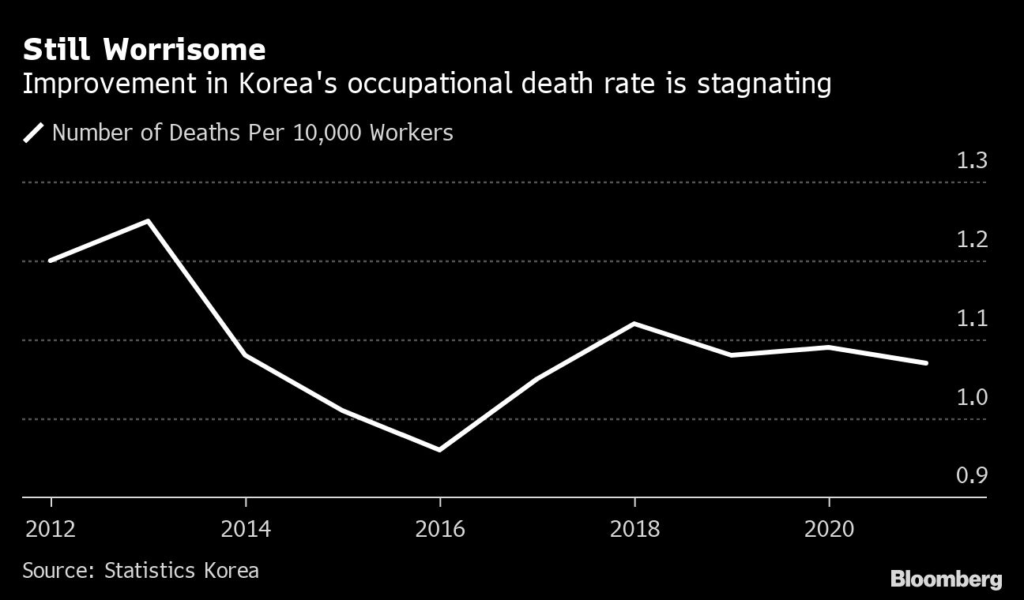
Among other issues weighing on Lee’s mind is the fact Korea still has a relatively high number of fatal injuries among Organisation for Economic Co-operation and Development members. 

In a high-profile case, a young woman died after being pulled into a machine at a bakery factory, prompting Yoon to call for a probe. At least two dozen more workers have since died in separate accidents, according to the Korea Occupational Safety and Health Agency.

Lee said his ambition is to push the rate of occupational deaths to the OECD average by the end of Yoon’s five-year term.

Korea is undergoing a period of soul-searching as it investigates the cause of the crowd crush that killed more than 150 people in the worst disaster since the 2014 Sewol ferry sinking.

Lee expressed his remorse for those who died and said the tragedy also adds to economic uncertainties and raises concerns for jobs.

“This can’t be good for the economy,” he said. “We’re most fearful it may lead to a potential vicious cycle of job insecurity that also stems from economic slowdowns and industrial changes.”

More stories like this are available on bloomberg.com

©2022 Bloomberg L.P.

Tesla’s Post-Twitter Selloff Pushes Stock to a 17-Month Low

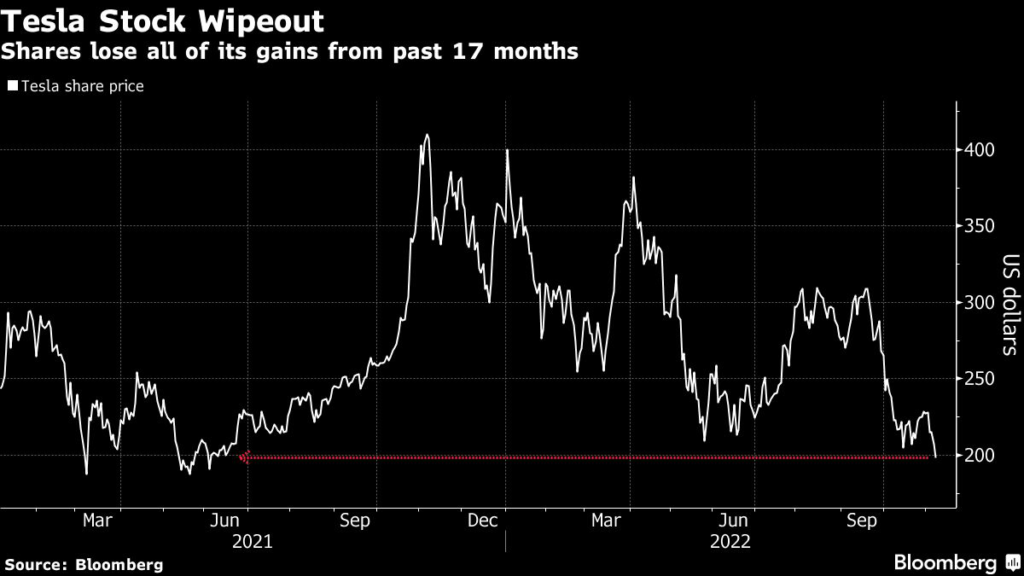
(Bloomberg) — Tesla Inc. erased all of its gains from the past 17 months as investors continue to sell off the stock in the wake of Chief Executive Officer Elon Musk’s purchase of Twitter Inc.

The electric-vehicle maker’s shares closed down 5% to $197.08 in New York Monday, at the lowest level since June 2021. It was the biggest contributor to the benchmark S&P 500 Index’s losses. 

Tesla shares have been struggling for the most part this year, swept up in the broader risk-off market trend. But the latest slide has come amid Musk’s highly public acquisition of Twitter. Musk closed his Twitter deal on Oct. 27 and has since been tweeting furiously about his many plans for overhauling the platform. Tesla shares have dropped over 12% since then, compared with a barely changed S&P 500 Index and a 1.9% fall in the Nasdaq 100 Index.

Ever since Musk stated his intention to buy the social media platform, Tesla investors have worried about the billionaire spreading himself too thin among several high-profile ventures. In particular, investors want him to focus on Tesla, which itself is going through a challenging time. Demand for cars is slowing in an inflationary environment, supply-chain troubles still linger and raw material costs are stuck at high levels.   

(Updates stock move in headline, first, second and third paragraphs)

More stories like this are available on bloomberg.com

©2022 Bloomberg L.P.

Stocks Rally for Second Day Ahead of US Midterms: Markets Wrap

(Bloomberg) — US shares rose in a broad-based rally that swept up small caps as well as blue-chip stocks, ahead of midterm elections and inflation data later this week. The dollar fell with Treasuries.

The S&P 500 closed near session highs, with all but three of the 11 industry groups advancing. The tech-heavy Nasdaq 100 also caught bids, while the Dow Jones Industrial Average outperformed, rising as much as 1.5% with health-care names topping the leaderboard. The Russell 2000 rallied, reversing losses in afternoon trading.  

Stocks gained for a second day ahead of US midterms. Morgan Stanley’s Michael Wilson said polls pointing to Republicans winning at least one chamber of Congress provide a potential catalyst for lower bond yields and higher equity prices. 

“Has the stock market been voting early?” said Ed Yardeni, founder of his namesake research firm, referring to the S&P 500 bounce back from an October low. “Tomorrow’s midterm elections may further boost stock prices in coming months if history is a guide. Our soft-landing economic outlook, if it pans out (60% subjective odds), may be another wind at the stock market’s back.”

Read more: Wall Street Hopes History Repeats With a Post-Election Comeback

Optimism, for the moment, is outweighing concerns over the Federal Reserve’s resolute campaign against price surges, signs of stress in US corporate performance and China’s announcement it will “unswervingly” adhere to current Covid Zero policy. 

Meanwhile, Facebook parent Meta Platforms Inc. rallied on plans to cut jobs. Tesla Inc. was the biggest drag on the S&P 500 as the stock continued to sell off in the wake of Chief Executive Officer Elon Musk’s purchase of Twitter Inc. Apple Inc. bounced back from earlier losses triggered by a report saying it expected to produce at least three million fewer iPhone 14 handsets than originally anticipated this year.

Lyft Inc. fell in postmarket trading after the ride-hailing giant reported weaker-than-expected rider growth, overshadowing better profits from higher fares.

Stocks rose on Friday after data showed strong hiring and wage increases along with higher unemployment. That offered a mixed picture for Fed officials debating how long to extend their campaign to curb elevated inflation. 

Swaps markets are leaning toward a 50 basis-point Fed rate increase in December, after a fourth consecutive jumbo hike to a target range of 3.75% to 4% at last week’s meeting. Rates are expected to peak slightly above 5% around mid-2023.

The latest US inflation reading due Thursday will be closely watched after the core consumer price index rose more than forecast to a 40-year high in September. Even if prices begin to moderate, the CPI is far above the Fed’s comfort zone.

“Since we might not know the answer to what the makeup of Congress will be this week, Thursday’s CPI number will be very important once again,” Matt Maley, chief market strategist at Miller Tabak + Co., said in a note. “Even if we get a better-than-expected CPI number later this week, the odds that it will only create a very short-term bounce are high. Before long, the stock market should roll-over once again.”

In the corporate debt market, Oracle Corp.’s long-awaited acquisition financing is leading 15 US high-grade issuers looking to get ahead of consumer price index data on Thursday and a bond market holiday on Friday.

Meanwhile, Chinese stocks listed in the US fell Monday after health authorities repeated their strict adherence to the country’s Covid Zero policies. The Nasdaq Golden Dragon China Index slid more than 2%, halting a four-day rally.

Key events this week:

  • Euro-zone retail sales, Tuesday
  • US midterm elections, Tuesday
  • EIA oil inventory report, Wednesday
  • China aggregate financing, PPI, CPI, money supply, new yuan loans, Wednesday
  • US wholesale inventories, MBA mortgage applications, Wednesday
  • Fed officials John Williams, Tom Barkin speak at events, Wednesday
  • US CPI, US initial jobless claims, Thursday
  • Fed officials Lorie Logan, Esther George, Loretta Mester speak at events, Thursday
  • US University of Michigan consumer sentiment, Friday

Some of the main moves in markets:

Stocks

  • The S&P 500 rose 1% as of 4 p.m. New York time
  • The Nasdaq 100 rose 1.1%
  • The Dow Jones Industrial Average rose 1.3%
  • The MSCI World index rose 1.1%

Currencies

  • The Bloomberg Dollar Spot Index fell 0.4%
  • The euro rose 0.6% to $1.0021
  • The British pound rose 1.2% to $1.1514
  • The Japanese yen was little changed at 146.60 per dollar

Cryptocurrencies

  • Bitcoin fell 1.6% to $20,794.56
  • Ether fell 0.2% to $1,600.58

Bonds

  • The yield on 10-year Treasuries advanced six basis points to 4.22%
  • Germany’s 10-year yield advanced five basis points to 2.34%
  • Britain’s 10-year yield advanced 10 basis points to 3.64%

Commodities

  • West Texas Intermediate crude fell 0.7% to $91.99 a barrel
  • Gold futures were little changed

–With assistance from Michael G. Wilson, Tassia Sipahutar, Srinivasan Sivabalan and Isabelle Lee.

More stories like this are available on bloomberg.com

©2022 Bloomberg L.P.

Rogers Latest: Shaw, Rogers Rise as Lawyers Make Opening Salvos

(Bloomberg) — A lawyer for Shaw Communications Inc. said Canada’s antitrust czar is guilty of “dramatic overreach” for trying to stop the company’s sale to rival Rogers Communications Inc. 

Competition Commissioner Matthew Boswell’s attempt to block the C$20 billion ($14.8 billion) transaction is “neither fair or appropriate” because it ignores the major changes the companies made to the original deal terms to solve antitrust concerns, Kent Thomson, a lawyer representing Shaw, said in a court hearing. 

The Rogers-Shaw deal, announced in March 2021, is one of Canada’s biggest-ever corporate mergers and is now before the country’s Competition Tribunal. The hearings began Monday morning.

Shaw shares rose 0.6% to C$35.79 in Toronto trading, while Rogers was up 1.5%. The takeover offer is for C$40.50 per Shaw share.  

There’s also a second deal at play. Rogers and Shaw agreed to sell Freedom Mobile — the division that includes most of Shaw’s wireless assets — to Montreal-based Quebecor Inc. Boswell doesn’t believe that solves his worries about a takeover that would remove Shaw as a competitor in three of Canada’s four largest provinces. 

Quebecor rose 1.3%, while BCE Inc. and Telus Corp. both fell. 

READ MORE: Rogers Finally Gets Its Day in Court to Rescue Shaw Takeover

Rogers Makes ‘Pro-Competitive’ Case (4 p.m. NY) 

Jonathan Lisus, a lawyer for Rogers Communications, outlined the core of the company’s case: that consumers will be better off, not worse, if its acquisition of Shaw goes ahead. 

On the sale of Shaw’s Freedom Mobile division to Quebecor Inc., Lisus promised to bring evidence to “show you that it will be a much stronger competitor than it was under Shaw.” 

The Competition Bureau’s argument that Freedom Mobile won’t be able to offer good deals to consumers in Western Canada is “untethered from reality,” he said. Quebecor’s Videotron unit is a strong player in the Quebec market and has been at least as disruptive to the major wireless firms as Freedom has been, Lisus added. 

“This transaction is, in all respects, manifestly pro-competitive,” he said. 

Shaw Accuses Telus in Antitrust Case (1:26 p.m. NY) 

Shaw’s major rival in Western Canada, Telus Corp., “has joined hands with the Commissioner to block the transaction,” Shaw lawyer Kent Thomson said in his opening statement. 

Shaw has had to balance spending between its wireless and wireline businesses because of limited capital, Thomson said. In the process, it’s become less competitive against much-larger Telus in the fight for cable and internet customers. 

Telus is trying to keep that advantage by encouraging the competition commissioner to pursue his antitrust suit, the lawyer said. 

“Rogers has size, scale, resources that are substantially greater than those of Shaw, but roughly equal to those of Telus,” Thomson said. “If the transactions are allowed to move forward, Rogers will be able to utilize its substantially greater resources to upgrade and expand the wireline network of Shaw.”

‘Watershed Moment’ for Competition (11:06 a.m. NY)

Boswell’s Competition Bureau presented first. 

“The case comes at a watershed moment for wireless competition in Canada and presents the following question: Will Canada continue to see the growth of strong regional facilities-based competitors like Shaw?” said John Tyhurst, a lawyer for the bureau. “Or will it see weakened and dependent wireless competition, in the form of the proposed divestiture of Freedom to Videotron?”

This is the crux of the bureau’s argument. Quebecor, which operates under the brand name Videotron, is primarily a Quebec-based cable and wireless company. It doesn’t have Shaw’s long history, brand and extensive cable television and internet operations in Western Canada.

So Videotron may be able to operate Freedom Mobile but it wouldn’t be truly competitive with the industry’s dominant players — Rogers, BCE and Telus Corp. — and that will be bad for consumers, according to the bureau’s line of argument. 

More stories like this are available on bloomberg.com

©2022 Bloomberg L.P.

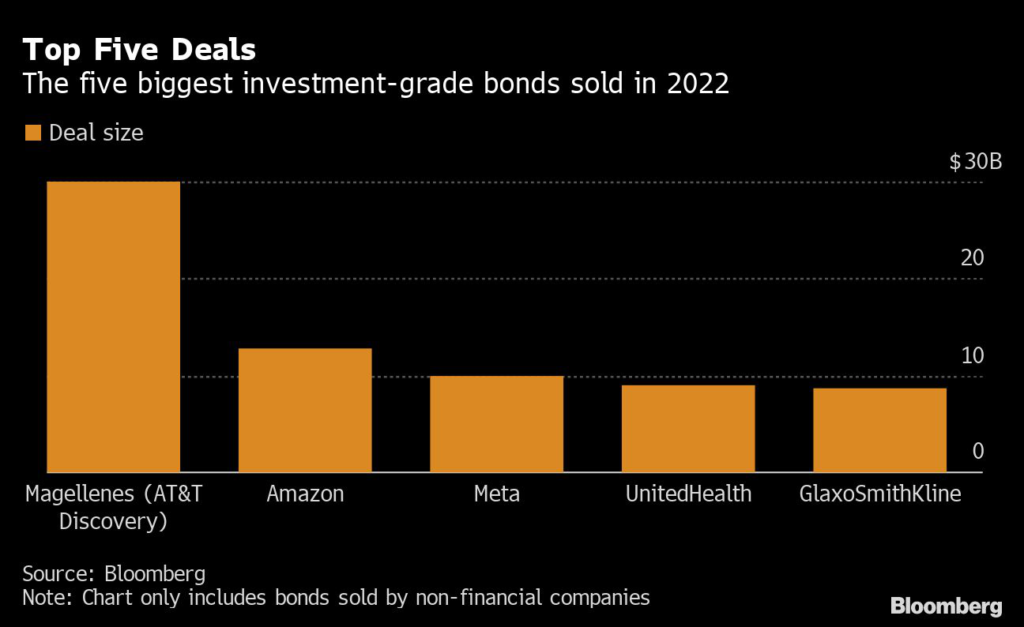
Oracle Sells $7 Billion of Debt to Help Fund Cerner Purchase

(Bloomberg) — Oracle Corp. is the latest company to seize the moment in a credit market recovery, bringing a $7 billion bond sale to help fund its acquisition of medical-records systems provider Cerner Corp.

The software-maker sold bonds in as many as four parts, according to a person with knowledge of the matter. The longest portion of the offering, a 30-year note, yields 2.55 percentage points above Treasuries after earlier discussions of about 3.1 percentage points, said the person, who asked not to be identified as the details are private. 

Oracle announced, along with the bond sale, that it also increased its previous $4.4 billion term loan by $1.3 billion. The added proceeds will help pay down a bridge loan used to fund the acquisition of Cerner, according to a filing. 

The Cerner acquisition was originally funded with about $15.7 billion of so-called bridge loan debt provided by a group of banks. Such debt is typically refinanced into longer-term bonds and loans. Oracle later borrowed about $4.4 billion through a term loan agreement, using that to reduce the bridge facility.

The proceeds of the bond sale will prepay borrowings under the bridge deal. With the bond sale and the added proceeds of the term loan, there’s about $3 billion left to fund in the bond market from the bridge loan.

Austin, Texas-based Oracle originally agreed to buy Cerner for $28 billion in December, in an all-cash deal that would broaden its customer base within the health-care industry and bolster its cloud-computing and database businesses.

“Today’s Oracle deal has been anticipated for months, and we expect healthy participation from the buyside even though it’s a company that has been remarkably inattentive to maintaining its credit rating profile,” said Baylor Lancaster-Samuel, vice president of fixed income at Amerant Investments Inc., in an emailed response to questions. 

“As recently as 2020, Oracle was rated high A and with the Cerner deal, there was some threat that Oracle could flirt with a BBB- rating at the lowest rung of investment grade,” she said. 

Fitch Ratings downgraded Oracle to BBB from BBB+ on Monday. It assigned a BBB score to the new unsecured notes, as did S&P Global Ratings.  

Citigroup Inc., Bank of America Corp., Goldman Sachs Group Inc., HSBC Holdings Plc and JPMorgan Chase & Co. are managing Oracle’s bond sale, the person said.

Oracle is one of 15 companies that sold investment-grade debt on Monday, marking the busiest day in that market by number of deals since the days following Labor Day in September. 

Firms have been taking advantage of the ease in credit market volatility in recent weeks to launch new deals. Last week, several banks used the window to offload some of their most risky buyout and acquisition debt. 

On Friday, Canada’s Open Text Corp. kicked off a roughly $3.1 billion leveraged loan sale to help finance its purchase of British software business Micro Focus International Plc. Earlier that same week, banks launched a $2.4 billion debt sale to help fund Apollo Global Management Inc.’s buyout of auto-parts maker Tenneco Inc., which the group had previously resigned to funding itself.

(Updates language to show bond priced starting in headline.)

More stories like this are available on bloomberg.com

©2022 Bloomberg L.P.

Lawmaker Behind Japan Crypto Strategy Says Rules Still Too Tight

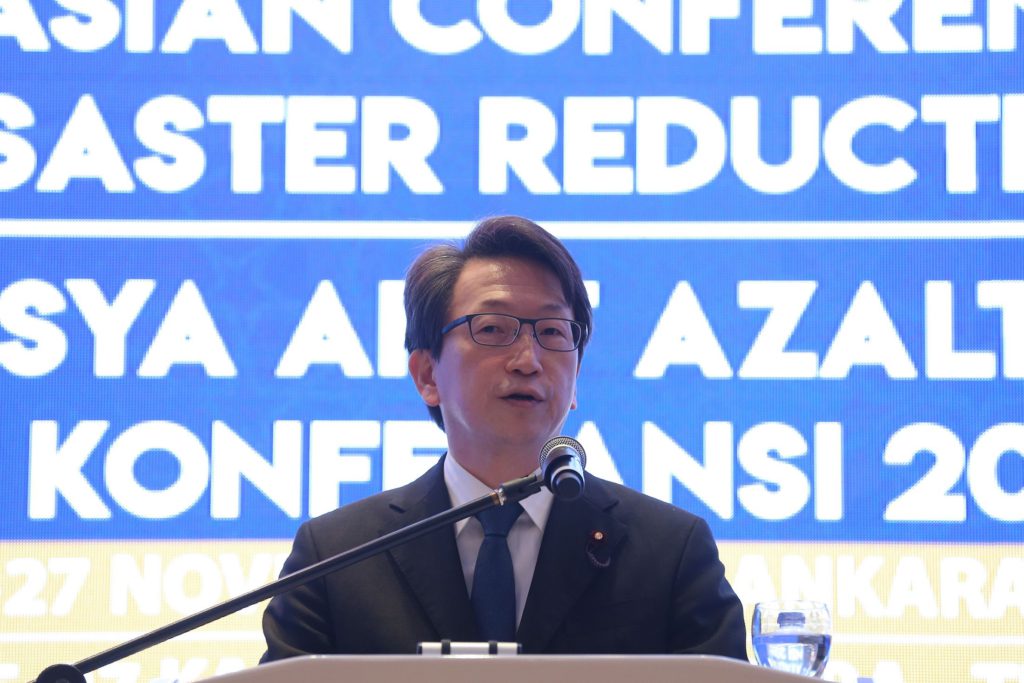
(Bloomberg) — The lawmaker considered the brains behind Japan’s crypto policy said officials must do even more to relax rules on the industry, after the country’s regulator decided to make it easier for exchanges to list virtual coins.

“This is still not enough,” Masaaki Taira, who heads the ruling Liberal Democratic Party’s web3 project team, said in an interview. “I don’t think we can stop here.”

Taira’s team drafted a white paper for the industry in March, and he’s widely acknowledged to have persuaded Prime Minister Fumio Kishida to make growing the web3 market a part of his administration’s annual policy guidelines released in June. As well as easing crypto listing regulations, the government has vowed to support blockchain-based technologies as part of efforts to boost the world’s third-largest economy.

The Japan Virtual and Crypto Assets Exchange Association, an industry group that vets token listing requests on behalf of the country’s financial regulator, plans to allow crypto bourses to list digital tokens without going through a lengthy screening process, unless the tokens are new to the nation’s market. The relaxed rules could take effect as early as next month. The body is also studying whether to scrap pre-screening for new coins.

The latest steps suggest Japan is getting more serious about rejuvenating the crypto market. Binance, the world’s biggest digital-asset exchange, is seeking a license to operate in the country four years after it retreated, partly because of this change in stance.

Japan was a hub for cryptocurrency in Bitcoin’s early years when it was home to Mt. Gox, once the world’s largest crypto exchange. But it tightened rules in the years after an almost $500 million hack on local exchange Coincheck Inc. in 2018, which was one of the biggest heists in crypto history. 

Taira, 55, said his team is drafting a second white paper that will focus on improving tax, listing and accounting regulations, as well as creating a regulatory framework for so-called decentralized autonomous organizations, or DAOs, the crypto world’s version of company-like entities. It may submit an interim report by year-end, Taira, a former state minister in the Cabinet Office, said.

“The momentum is building,” he said.

More stories like this are available on bloomberg.com

©2022 Bloomberg L.P.

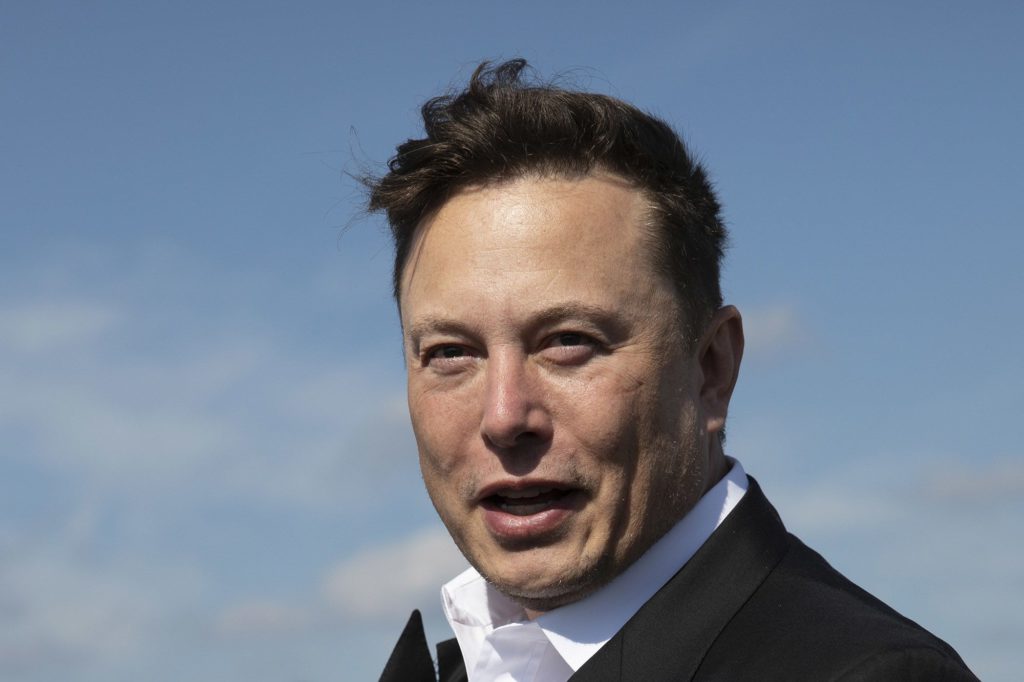
Elon Musk Tells Twitter Followers to Vote for a Republican Congress

(Bloomberg) — Twitter Inc. owner Elon Musk told his audience of more than 100 million followers on the social-media platform to vote for Republicans — on the eve of midterm elections where Democrats are poised for losses.

“To independent-minded voters: Shared power curbs the worst excesses of both parties, therefore I recommend voting for a Republican Congress, given that the Presidency is Democratic,” Musk wrote Monday. 

“Hardcore Democrats or Republicans never vote for the other side, so independent voters are the ones who actually decide who’s in charge!,” he added.

The tweets from Musk, who also serves as chief executive officer of Tesla Inc., marked a startling departure from other CEOs in the US who have largely shunned political activism over fears of alienating both customers and shareholders. 

Tech industry watchers painted his move as uncommon, especially so close to an election, and said it would raise further questions about his stewardship of Twitter, which is already seeing advertisers flee over concerns about changes to its content moderation policies.

“It’s unprecedented to have a CEO come straight out and say that,” said Katie Harbath, a former Meta public policy director. “Many others have done donations, so you know what their leanings are. But it’s rare to see them actually tell people who they should go vote for.”

Twitter Turmoil

Musk’s recommendation takes on greater weight now that he runs Twitter, one of the most influential platforms for political communication.


Social media executives don’t tend to give endorsements. Because their platforms are a main way people consume information about elections, they want to avoid accusations of bias. A large social network’s policies on content moderation, user suspensions, algorithmic ordering and more could all have an impact on election outcomes. Executives at Twitter and Facebook have testified before Congress about their efforts to uphold the integrity of elections.

At times, social media executives’ personal political leanings have become clear through donations or public appearances. 

Former Twitter CEO Jack Dorsey, for instance, was a supporter of the Black Lives Matter movement, and former Facebook Chief Operating Officer Sheryl Sandberg was close with Hillary Clinton, but stopped short of publicly endorsing her in 2016. That year, when then-Instagram head Kevin Systrom posted a picture on the app with Clinton before the election, saying he was “very excited” for her to be president, he received a scolding internally, people familiar with the matter have said.

Harbath, the former Meta executive, said Musk’s actions Monday would bring more scrutiny on Twitter.

“This is going to bring up more questions about his decision-making on content policies. How are Democrats supposed to trust him if he’s now saying ‘go vote Republican?’ He is, at every step of the way, eroding trust more and more with advertisers, with politicians who can regulate him,’ said Harbath. 

“Coming out of this, if there are Republican candidates who aren’t accepting the results of the election, people are going to wonder what position Twitter is going to take on that. Will they do anything? Will they be able to do anything? Will they have the people to do anything on it?”

Last week, President Joe Biden criticized Musk’s acquisition of Twitter, saying it “spews lies all across the world.” Musk fashions himself as an advocate for free-speech and has vowed to revamp Twitter’s content moderation policies, echoing concerns from many Republicans that the platform was biased against conservatives.

Earlier: Biden Says Musk Bought Platform That ‘Spews Lies’ Around World

Musk’s moves, including plans to lay off roughly half the company’s employees, have rattled advertisers, including Pfizer Inc. and General Mills Inc., who said they will temporarily pause ad spending on the platform to see how Musk intends to change Twitter.

While Musk does not need to answer to shareholders at Twitter, he does at Tesla. Tesla touched the lowest in intraday trading since June 2021 and was among the worst performers on the Nasdaq 100 Index.

Read more: Tesla’s Post-Twitter Selloff Has Stock Setting New 52-Week Low

Washington Player

In Washington, Musk is a major player in government contracts, including through SpaceX, which he co-founded.

In September 2021, Musk tweeted that he “would prefer to stay out of politics,” but he has increasingly weighed in on political matters and offered support to Republicans. He’s used his Twitter account to criticize politicians, promote cryptocurrencies, and engage in debate.

In June of this year, he said he voted for the Republican in a special election for a Texas House seat. Musk said that while he voted for Democrats in the past, he would now vote Republican because Democrats “have become the party of division & hate, so I can no longer support them.” 

That same month he also floated creating a super PAC to back centrist candidates, but there is no indication Musk has followed through on that plan.

Musk has also developed a relationship with GOP House leader Kevin McCarthy, who is poised to become Speaker next year if Republicans take the House. Musk attended a Republican retreat hosted by McCarthy in Wyoming in August, according to reports, and at least one GOP lawmaker tweeted a photo of Musk that week.

Musk has said he’s leaning toward supporting Florida Governor Ron DeSantis for the 2024 GOP presidential nomination and that former President Donald Trump should “sail into the sunset” rather than run again, as he’s teased. That prompted Trump to use an expletive to criticize Musk and his agreement to buy Twitter in July.

–With assistance from Anna Edgerton and Mark Niquette.

(Updates throughout with reaction, background on Musk’s political activity)

More stories like this are available on bloomberg.com

©2022 Bloomberg L.P.

Rogers Latest: Shaw Lawyer Says Antitrust Suit Is ‘Overreach’

(Bloomberg) — A lawyer for Shaw Communications Inc. said Canada’s antitrust czar is guilty of “dramatic overreach” for trying to stop the company’s sale to rival Rogers Communications Inc. 

Competition Commissioner Matthew Boswell’s attempt to block the C$20 billion ($14.8 billion) transaction is “neither fair or appropriate” because it ignores the major changes the companies made to the original deal terms to solve antitrust concerns, Kent Thomson, a lawyer representing Shaw, said in a court hearing. 

The Rogers-Shaw deal, announced in March 2021, is one of Canada’s biggest-ever corporate mergers and is now before the country’s Competition Tribunal. 

There’s also a second deal at play. Rogers and Shaw agreed to sell Freedom Mobile — the division that includes most of Shaw’s wireless assets — to Montreal-based Quebecor Inc. Boswell doesn’t believe that solves his worries about a transaction that would remove Shaw as a competitor in three of Canada’s four largest provinces. 

READ MORE: Rogers Finally Gets Its Day in Court to Rescue Shaw Takeover

Shaw Accuses Telus in Antitrust Case (1:26 p.m. NY) 

Shaw’s major rival in Western Canada, Telus Corp., “has joined hands with the Commissioner to block the transaction,” Shaw lawyer Kent Thomson said in his opening statement. 

Shaw has had to balance spending between its wireless and wireline businesses because of limited capital, Thomson said. In the process, it’s become less competitive against much-larger Telus in the fight for cable and internet customers. 

Telus is trying to keep that advantage by encouraging the competition commissioner to pursue his antitrust suit, the lawyer said. 

“Rogers has size, scale, resources that are substantially greater than those of Shaw, but roughly equal to those of Telus,” Thomson said. “If the transactions are allowed to move forward, Rogers will be able to utilize its substantially greater resources to upgrade and expand the wireline network of Shaw.”

‘Watershed Moment’ for Competition (11:06 a.m. NY)

Boswell’s Competition Bureau presented first. 

“The case comes at a watershed moment for wireless competition in Canada and presents the following question: Will Canada continue to see the growth of strong regional facilities-based competitors like Shaw?” said John Tyhurst, a lawyer for the bureau. “Or will it see weakened and dependent wireless competition, in the form of the proposed divestiture of Freedom to Videotron?”

This is the crux of the bureau’s argument. Quebecor, which operates under the brand name Videotron, is primarily a Quebec-based cable and wireless company. It doesn’t have Shaw’s long history, brand and extensive cable television and internet operations in Western Canada.

So Videotron may be able to operate Freedom Mobile but it wouldn’t be truly competitive with the industry’s dominant players — Rogers, BCE Inc. and Telus Corp. — and that will be bad for consumers, according to the bureau’s line of argument. 

More stories like this are available on bloomberg.com

©2022 Bloomberg L.P.
Close Bitnami banner
Bitnami