
Bloomberg

China Stocks Extend Post-Congress Rout on Lockdowns, Weak Data

(Bloomberg) — Chinese shares extended losses following last week’s selloff as a ramp-up of Covid restrictions and poor economic data worsened the outlook for the market.

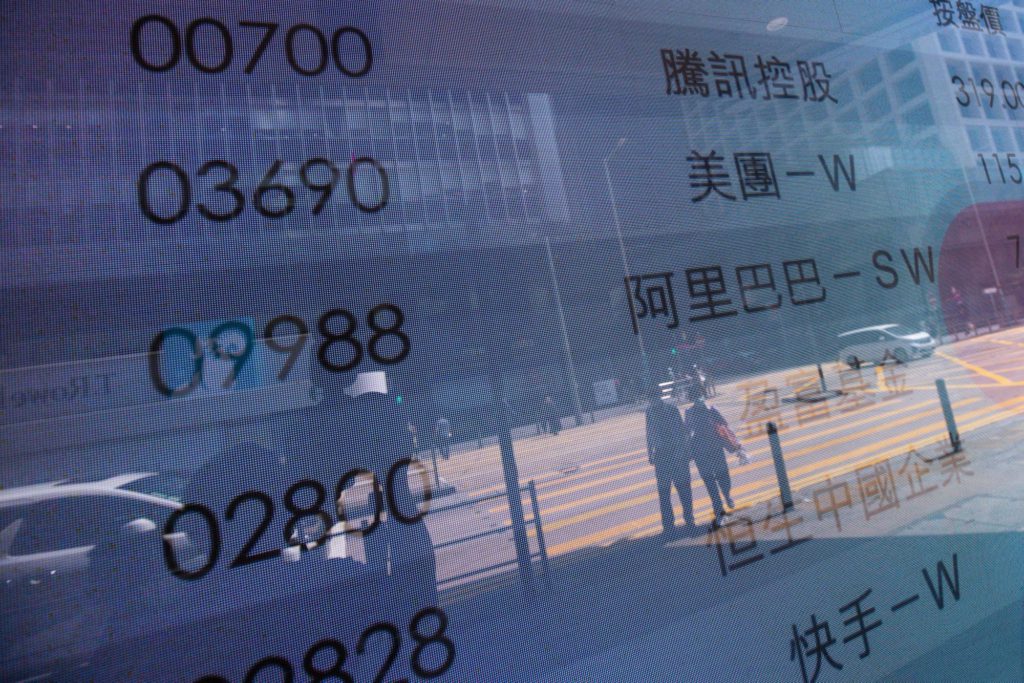
The Hang Seng China Enterprises Index ended Monday’s volatile session with a 1.8% loss, closing at its lowest since November 2005. Property shares plunged, while tech shares bucked the downtrend following BYD Co.’s record earnings. The CSI 300 Index, a benchmark of onshore shares, fell 0.9% to its lowest close since February 2019.

Chinese stocks have faced relentless selling pressure through most of the year, hammered by Covid curbs and tensions with the US. Sentiment suffered a fresh blow after President Xi Jinping’s power grab and his recommitment to the Covid Zero strategy at the Community Party congress, which spurred the worst ever five-day rout for the Hang Seng China gauge following any leadership meet since its 1994 inception.  

Down 40% this year, the Hang Seng China Enterprises Index is the worst performer among more than 90 global equity measures tracked by Bloomberg.

“Investors appear to be increasingly concerned about three issues in particular,” namely that China’s reopening might take longer than expected, China’s social priorities may take precedence over the economy and Beijing’s emphasis on security means a higher risk premium, strategists at Nomura Holdings Inc. including Chetan Seth wrote in a note.

China’s factory and services activity contracted in October, data showed on Monday. That signaled Covid curbs and an ongoing slump in the property market are continuing to pressure the world’s second-largest economy. The official manufacturing purchasing managers index fell to 49.2, below an estimate of 49.8 in a Bloomberg survey.

Foreign investors net sold a combined 57.3 billion yuan ($7.9 billion) of Chinese A-shares in October, the most since March 2020, when the pandemic triggered a global market rout, Bloomberg data shows.

Read: China Factory, Services Activity Slump as Covid Hits Recovery

Policymakers last week imposed fresh lockdowns from Wuhan to the nation’s industrial belt on the east coast, following a pickup in cases. Meantime, Macau mandated residents to undergo three days of rapid Covid tests and locked down a casino resort over the weekend. China reported 2,675 new local Covid cases for Sunday, marking the biggest nationwide surge in infections since Aug. 10.

The worst performer on the HSCEI was Longfor Group Holdings Ltd., which plummeted most on record following the resignation of its chairman. 

Read: Longfor Billionaire Wu Quits as Chair, Shocking Investors

–With assistance from Jeanny Yu.

More stories like this are available on bloomberg.com

©2022 Bloomberg L.P.

Abu Dhabi AI Firm Triples on Debut After Rare Gulf Tech IPO

(Bloomberg) — Bayanat AI Plc more than tripled in its Abu Dhabi trading debut, after raising $171 million in an initial public offering backed by private equity firm Silver Lake and the United Arab Emirates’ most valuable company. 

Shares in the geospatial and data analytics firm owned by Abu Dhabi’s G42 soared 241% to 3.75 dirhams by 11:46 a.m. on Monday, after earlier jumping as much as 309%. Bayanat sold shares at 1.10 dirhams apiece in the IPO, a rare technology listing in the energy-rich Middle East. 

The debut gives Bayanat a valuation of 7.5 billion dirhams ($2 billion) and puts it on course for the best first-day performance globally for IPOs raising at least $100 million this year, data compiled by Bloomberg show. Chinese firm Hunan Kylinsec Technology Co. ended its first day of trade up 212% last week.

The IPO drew orders worth 57.5 billion dirhams, the latest sign of strong investor demand for Gulf listings. Artificial intelligence firm G42, which has operations spanning from energy to healthcare, holds 77% in Bayanat after the listing. Silver Lake and Abu Dhabi’s International Holding Co. were among cornerstone investors.

G42 and IHC — the UAE’s most valuable listed company that’s worth $200 billion — are part of a business empire overseen by UAE national security adviser Sheikh Tahnoon Bin Zayed. Silver Lake bought a stake in G42 last year, and the firm also counts Abu Dhabi wealth fund Mubadala Investment Co. as an investor.

Bayanat last year started trials for the Middle East’s first driverless ride-sharing service in Abu Dhabi. The firm reported revenue of 490.6 million dirhams and a 225.9 million-dirham profit for the nine months to Sept. — more than double from a year ago.

(Updates with size and scope of share price move in first three paragraphs)

More stories like this are available on bloomberg.com

©2022 Bloomberg L.P.
China Moves Closer to Completing Space Station with Final Module Launch

(Bloomberg) — China moved another step closer to completing its own space station with the launch of a rocket carrying the third and final module for the ambitious project.

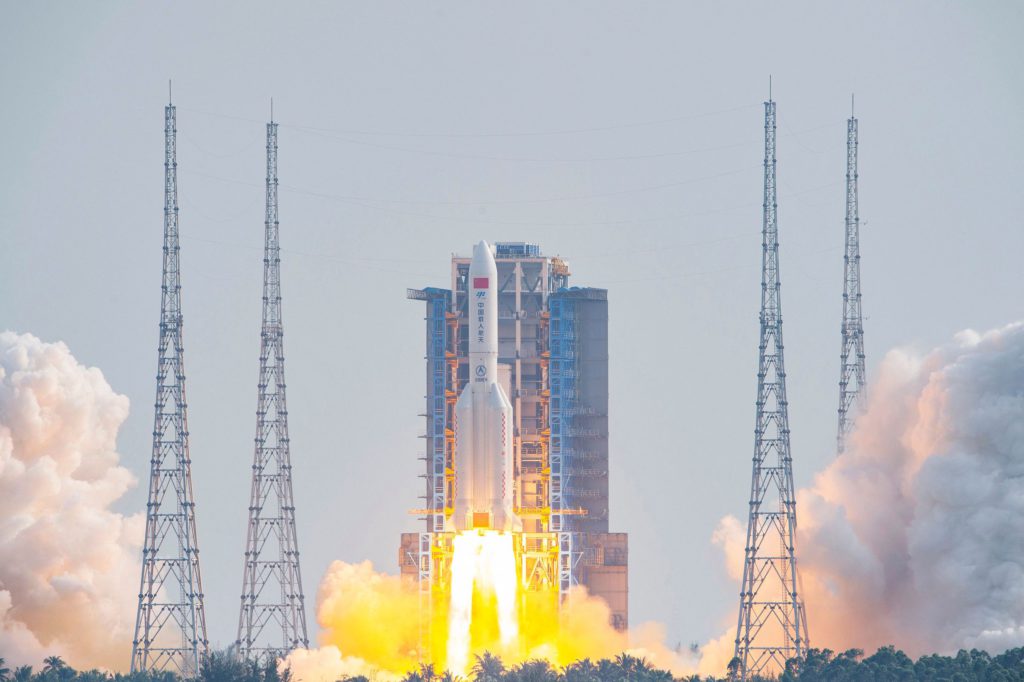
The Long March 5B rocket blasted off from Wenchang Satellite Launch Center on Hainan island at 3:37 p.m. local time Monday with the Mengtian laboratory module on board. The module, whose name translates to dreaming of the heavens, will join the Tianhe core module and the Wentian experiment module to complete the T-shaped Tiangong space station.

Read more: The Space Station China is Building to Challenge the US

China started building its own space station in April 2021 after the US barred Beijing from participating in the International Space Station. In May, it released a high-definition image of Tiangong, which is in orbit around 400 kilometers (250 miles) above the Earth and expected to be finished later this year.

Once Tiangong is complete, China will be the only country to operate a space station of its own, adding to other accomplishments such as landing on Mars last year and on the far side of the moon in 2019.

Under President Xi Jinping, Asia’s biggest economy has increased efforts to match the US as the dominant power in space, teaming up with Russia on a proposed lunar research station and opposing the Washington-backed Artemis Accords, which are intended to help govern future space activity such as mining on the moon.

China’s Global Times said in September that the Mengtian module will be oriented to microgravity scientific research and is equipped with experimental cabinets for fluid physics, materials science, combustion science, basic physics and space technology experiments.

Zhang Wei, director of the Space Utilization Development Center, Technology and Engineering Center for Space Utilization, under the Chinese Academy of Sciences, said previously Mengtian will carry the world’s first space-based cold atomic clock system. Cold atomic clocks may one day “form the most precise time and frequency system in space, which should not lose one second in hundreds of millions of years,” Zhang was quoted as saying.

The Mengtian module, almost 18 meters long, also has a payload airlock, allowing the station’s small robotic arm to take science payloads and install them on an experiment platform on the module’s exterior, according to Space.com.

Monday’s launch may draw criticism if stages of the Long March 5B rocket crash back to Earth in an uncontrolled re-entry — something that happened after China’s previous two space station launches.

In late July, remnants of a massive Chinese rocket fell over the Indian Ocean, leading US space officials to criticize China’s lack of information-sharing about its boosters re-entering the atmosphere.

China’s spaceflight agency said at the time that the vast majority of the wreckage burned up upon re-entry but some experts estimate about 20% to 40% by weight of the part of the rocket survived, and chunks have begun turning up in Indonesia and Malaysia.

More stories like this are available on bloomberg.com

©2022 Bloomberg L.P.
Top China Envoy Lashes Out at US Export Curbs in Blinken Call

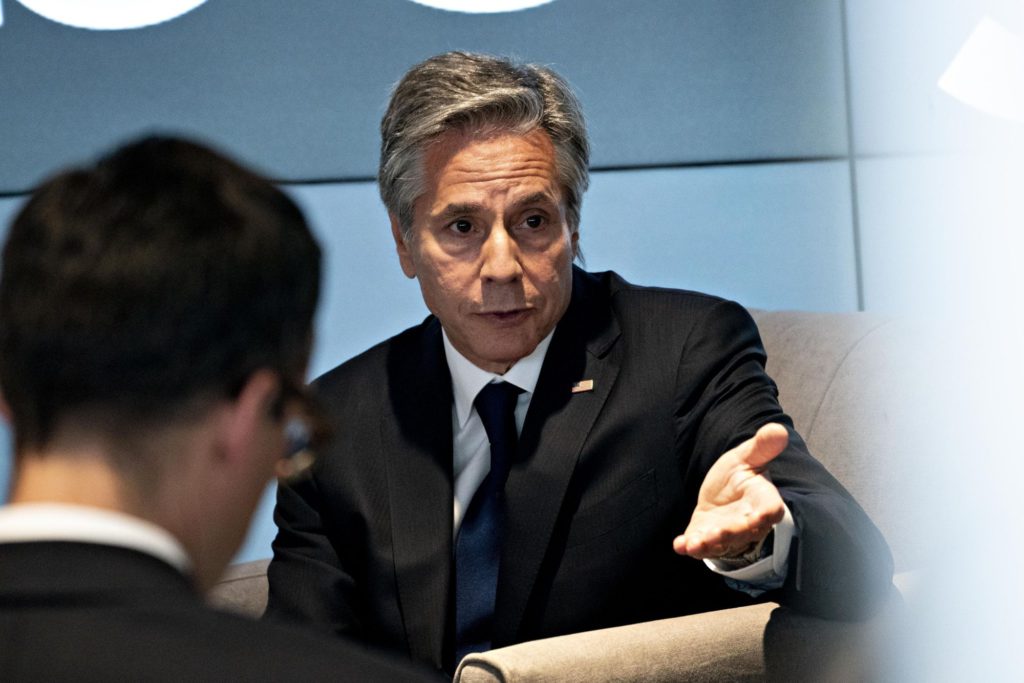
(Bloomberg) — Chinese Foreign Minister Wang Yi criticized US export curbs in a call with US Secretary of State Antony Blinken, underscoring the tensions between the nations before a possible face-to-face meeting of their leaders.

“The US side should stop its containment and suppression of China and not create new obstacles to bilateral relations,” said Wang, according to a statement Monday from the Foreign Ministry in Beijing. “The US side introduced new export controls against China, restricting investments in China, seriously violating free-trade principles and seriously harming China’s legitimate rights and interests, which must be corrected.”

Wang and Blinken discussed the need to maintain an open dialogue and responsibly manage their relationship, State Department spokesperson Ned Price said in a separate statement after the call. Blinken raised concerns about Russia’s war against Ukraine and the threats it poses to global security and economic stability, Price said, and they also discussed the instability in Haiti. 

The call was the first between the two men since Wang’s promotion to the Communist Party’s 24-member Politburo earlier this month, making him China’s top-ranked diplomat. Both sides are preparing for a possible meeting between President Joe Biden and China’s Xi Jinping next month, when world leaders gather at a Group of 20 meeting in Bali, Indonesia. 

Wang’s comments about export controls were an apparent reference to Washington’s move earlier this month to restrict Chinese access to chipmaking technology. They signal that the issue will likely be an area of contention if and when Biden holds his first sit-down as president with the Chinese leader. 


The US Commerce Department’s sweeping regulations limit the sale of semiconductors and chip-making equipment to Chinese customers, striking at the foundation of the country’s efforts to build its own chip industry. The move could undercut Beijing’s efforts to develop wide swaths of its economy, including semiconductors, supercomputers, surveillance systems and advanced weapons.

Who’s in, Who’s Out as China’s Big Reshuffle Takes Shape: Table

Nicholas Burns, the US ambassador to China, also met with Wang on Friday, almost eight months after the envoy arrived in Beijing. Last week, Xi said in a letter to a New York-based group supporting stronger bilateral ties that Beijing was willing to find a way to get along with Washington.  

The comments from Xi struck a conciliatory tone after a Communist Party congress during which he secured a norm-breaking third term in power and promised China would stand its ground in a more hostile world.

More stories like this are available on bloomberg.com

©2022 Bloomberg L.P.
Cathie Wood Is Buying Robinhood as Stock Bounces From Record Low

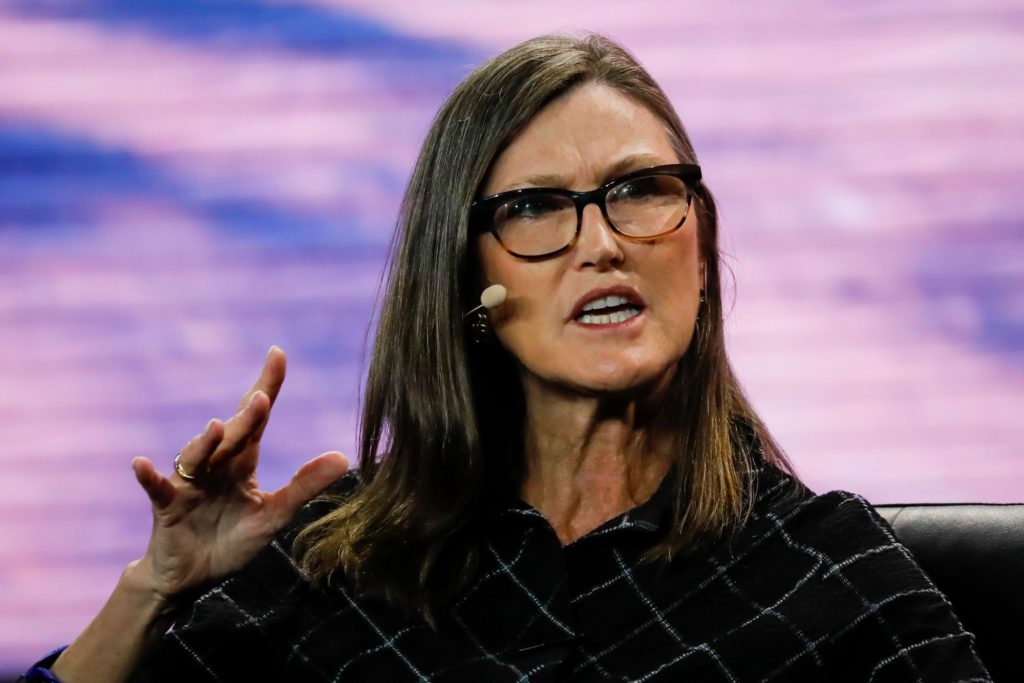
(Bloomberg) — Cathie Wood is back at buying the battered shares of online broker Robinhood Markets Inc. that rebounded from record lows hit just four months ago.

Funds backed by Wood’s firm Ark Investment Management LLC slightly bought over 185,000 shares of the broker platform in transactions on Monday and Friday, according to data compiled by Bloomberg. That marks the firm’s first buying of the US company since May 5. 

While shares of Robinhood have risen about 65% from their record low in June this year, they are still down more than 80% from all-time high hit in 2021. The purchases have been carried out by Ark Next Generation Internet ETF and Ark Fintech Innovation ETF. The buying comes at a time when Robinhood is carrying out a sweeping overhaul to rein in expenses as it adjusts to a sharp downturn in trading activity. 

The brokerage, which dismissed more than 1,000 employees and shut two offices earlier this year, will close the additional outposts without further job cuts, the Menlo Park, California-based company said in a filing on Sept. 30.

While Wood has started buying the dip in Robinhood and many other stocks this year, her flagship Ark Innovation ETF is yet to recoup this year’s loss. The ETF is down 59% for this year as aggressive tightening by the Federal Reserve spurs fear of an economic downturn, battering growth stocks along the way. 

More stories like this are available on bloomberg.com

©2022 Bloomberg L.P.
Hong Kong Moves Toward Legalizing Retail-Investor Crypto Trading

(Bloomberg) — Hong Kong laid out a master plan to become a top Asian crypto hub offering legalized retail trading and digital-asset exchange-traded funds, part of a wider push to restore the city’s credentials as a financial center.

A consultation will begin on how the retail segment “may be given a suitable degree of access” to tokens, according to a statement Monday from the government. The city invited global crypto exchanges to explore opportunities, adding that work toward a new virtual-asset licensing regime is intensifying.

The Securities and Futures Commission for the first time detailed criteria for authorizing crypto ETFs, which initially would only be able to invest in Bitcoin and Ether futures traded on CME Group Inc. exchanges. The allowable futures portfolios could expand over time, the regulator said.

Asset managers and banks can apply to roll out such ETFs right away, SFC Deputy Chief Executive Julia Leung told reporters, adding the products would be available to retail buyers.

Years of political turmoil and Covid curbs sparked a talent exodus from Hong Kong, undermining the city’s claim to be Asia’s financial nerve-center. Officials are now trying to undo some of that damage by wooing businesses back, though it remains an open question how successful they will be.

In a separate policy paper, Hong Kong said it “will be careful and cautious about the risks to retail investors” and will enhance education and ensure appropriate regulatory arrangements are in place.

Bloomberg News reported earlier that a planned mandatory licensing program for crypto platforms due to be enforced in March next year is likely to allow retail trading. The current voluntary crypto framework restricts exchanges to clients with portfolios of at least HK$8 million ($1 million).

Hong Kong Plans to Legalize Retail Crypto Trading to Become Hub

“A consistent framework for crypto regulation is essential and key to growing institutional and retail adoption of digital assets at scale,” Yvonne Szeto, vice president at Worldpay from FIS, said in a Bloomberg Television interview. She added she welcomes the direction Hong Kong is moving in.

In Monday’s statement, Hong Kong also said it’s willing to review “property rights for tokenized assets and the legality of smart contracts.” 

Tokenization refers to the process of using blockchain technology to create tradable tokens that could represent a range of assets or fractions of them. Smart contracts, key to decentralized finance applications in crypto, are software programs that automatically execute when certain conditions are met.

Singapore, China

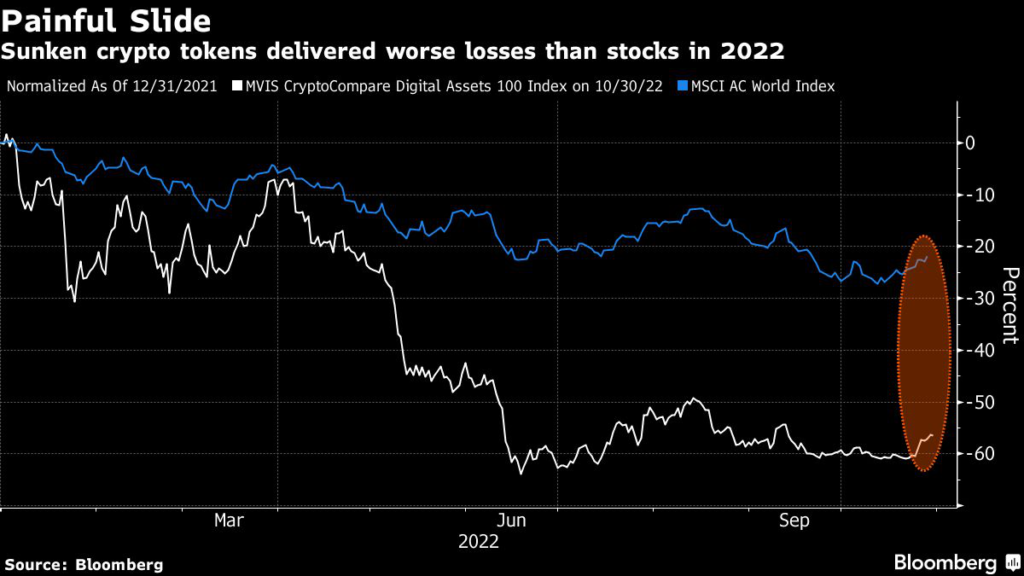
Regulators globally are grappling with how to oversee the volatile digital-asset sector, which is picking up the pieces of a $2 trillion rout over roughly the past year. The shakeout may lead to a reordering of crypto markets in Asia.

For instance, Singapore is tightening up to restrict retail transactions after being buffeted by high-profile crypto blowups. But Japan is taking steps to make it easier to list tokens, partially reversing a conservative stance. China declared the crypto sector largely illegal a year ago.

“We need to find ways to help China do things that China itself is not yet prepared and able to do,” Charles Li, chairman at Micro Connect and a former chief executive officer of Hong Kong Exchanges & Clearing Ltd., said on Bloomberg Television. “And so this is a very important psychological step.”

Hong Kong used to be a base for big exchanges like Binance and FTX. They were lured by a laissez-faire reputation and close ties with China. 

The city introduced the voluntary licensing regime in 2018, a framework that seemed to signal a toughening approach that would turn away lucrative consumer-facing business. FTX decamped to the Bahamas last year. 

Free NFTs

The new approach to digital tokens was rolled out at the start of the Hong Kong FinTech Week conference. Crypto was the centerpiece of the event, with participants even getting free nonfungible tokens.

Leading players in the digital-asset ecosystem such as Animoca Brands Corp. Chairman Yat Siu and crypto exchange FTX’s Chief Executive Officer Sam Bankman-Fried attended in person or by video.

Bankman-Fried said it’s “obviously not too late” for Hong Kong to try to catch up and even take the lead in virtual-asset regulation.

Digital-token transaction volume in Hong Kong expanded less than 10% in the 12 months through June from a year earlier, the least in East Asia outside of a slump in China, according to blockchain specialist Chainalysis Inc. 

–With assistance from Stephen Engle.

(Updates with more details on ETF plan from the third paragraph.)

More stories like this are available on bloomberg.com

©2022 Bloomberg L.P.
Digital Yuan Needs to Strike Balance on Privacy, China’s Central Bank Governor Says

(Bloomberg) — China’s centralized digital yuan should balance the privacy of its users with the need to prevent people from using the currency to commit crimes, China’s central bank governor said.

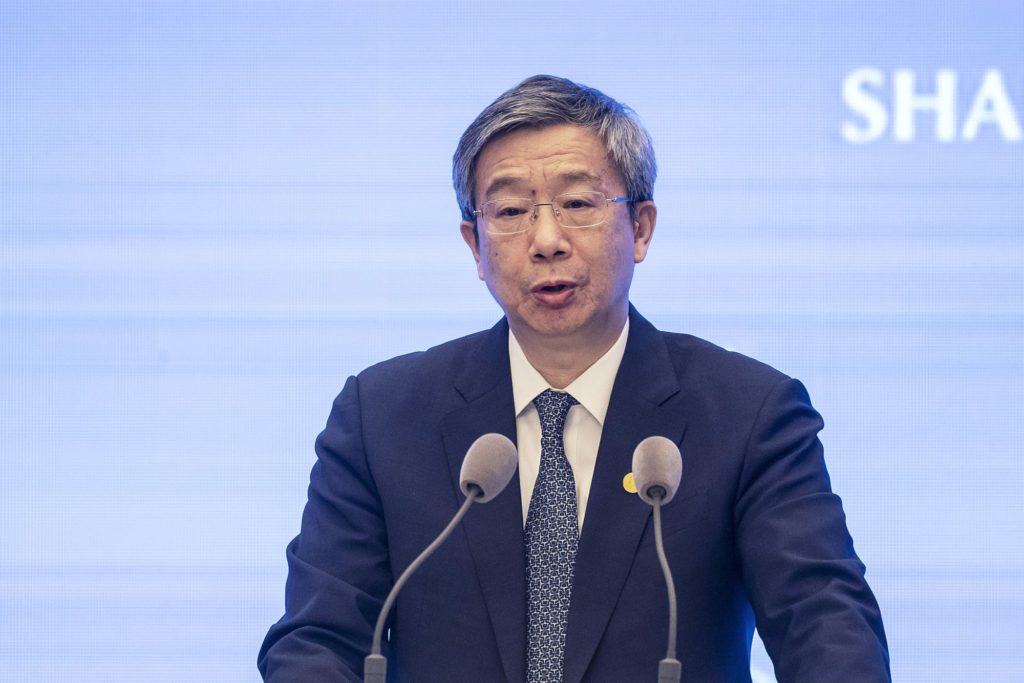
“Anonymity and full disclosure are not as simple as black and white,” said Yi Gang, governor of the People’s Bank of China, in a virtual speech Monday to the Hong Kong FinTech Week conference. He added that officials must “strike a delicate balance between protecting privacy and combating illicit activities.”

“In designing e-CNY we try to ensure privacy protection and financial security through, by and large, anonymity and managed anonymity,” said Yi, referring to the digital version of China’s currency. He added that data on transactions would be secured and “encrypted for storage.” 

Parties not directly involved with a transaction would not be able to identify sensitive consumer information, he said, adding that anyone asking for such information would need “rigorous legal authorization.”

While the central bank has stressed the importance of privacy for the digital yuan in the past, it has also said it should not be as anonymous as cash because of the risk of money laundering and other illegal activity. The country has trialed the currency in 15 provinces as it works toward a nationwide launch.

Yi, meanwhile, has overseen the central bank for the past few years as testing for the digital currency expanded, though his exit from party leadership following the Communist Party congress suggests he may depart as governor.

Following Yi’s remarks, Xiao Yuanqi — a vice chairman of the China Banking and Insurance Regulatory Commission — sounded a similar note of caution toward financial innovation. 

“We need to strike a sound balance between innovation and risk control, and make sure that innovation is carried out in a safe and prudent manner,” he said, noting digital payments have grown rapidly and have a broad reach. 

“We all know technology is neutral, but in practice it could be intertwined with financial misconduct and become a tool for fraud, money laundering and even crimes,” Xiao added. 

–With assistance from Yujing Liu.

More stories like this are available on bloomberg.com

©2022 Bloomberg L.P.

Stocks Rise Amid Earnings Optimism, Dollar Gains: Markets Wrap

(Bloomberg) — Asian stocks and European equity contracts advanced, following Friday’s gains in the US amid optimism over corporate earnings. The dollar climbed as traders positioned for another large interest rate hike by the Federal Reserve this week. 

An index of Asian equities climbed for the fourth time in five days on Monday. Apple Inc.’s earnings report on Friday had buoyed technology shares, helping the S&P 500 and the Nasdaq 100 notch their longest weekly rising streak since August. Tech equities in Hong Kong jumped, with gains also seen from Japan to Australia. US futures declined.  

The yen fell against greenback, with economists expecting the Fed to raise rates by another 75-basis-points, widening the policy divergence with the Bank of Japan. A core gauge of US inflation accelerated in September, bolstering the case for more tightening. 

The euro and the pound also fell.

Meanwhile, wheat soared after Russia exited a key agreement to allow Ukrainian crop shipments. 

The yield on the 10-year Treasuries hovered around 4% after surging by nine basis points on Friday. Yields were little changed in Australia ahead of a policy decision by the country’s central bank on Tuesday.

Read: Treasuries Swept Up in Global Rout as Inflation Fears Resurface

Fed Chairman Jerome Powell “should be a bit less hawkish”at his press conference on Wednesday compared to after the last meeting, according to Yardeni Research. With the expectation that another 75 basis points is penciled in this week, “Powell will have to acknowledge that the federal funds rate is now further into restrictive territory and will be even more so come the FOMC’s December meeting,” it said in a note.

Economists surveyed by Bloomberg expect Fed officials will maintain their hawkish stance, laying the groundwork for interest rates reaching around 5% by March 2023, potentially leading to a US and global recession.

Brazilian assets are set to weaken on Monday after Luiz Inacio Lula da Silva won the presidential election. The extent of the market drop will depend on whether President Jair Bolsonaro will concede as a contested election would likely trigger larger losses.

Oil edged lower as weak economic data from China fanned concerns about energy demand, but it was still set for the first monthly advance since May on OPEC+’s planned supply cuts.

Gold headed for its seventh straight month of declines, the longest losing streak since at least the late 1960s.

Key events this week:

  • Companies reporting earnings this week include: Moderna, Pfizer, Airbnb, AIG, Maersk, Barrick Gold, BMW, Bharti Airtel, BP, ConocoPhillips, Estee Lauder, Ferrari, ING, Intercontinental Exchange, KKR, Mitsui, Newmont, Petrobras, Qualcomm, Restaurant Brands, Saudi Arabian Oil, SoftBank, Sony, Starbucks, Toyota, Uber and Yum! Brands.
  • Eurozone CPI and GDP, Monday
  • Reserve Bank of Australia policy decision, Tuesday
  • US construction spending, ISM manufacturing index, Tuesday
  • EIA crude oil inventory report, Wednesday
  • Federal Reserve rate decision, Wednesday
  • US MBA mortgage applications, ADP employment, Wednesday
  • Bank of England rate decision, Thursday
  • US factory orders, durable goods, trade, initial jobless claims, ISM services index, Thursday
  • ECB President Christine Lagarde speaks, Thursday
  • US nonfarm payrolls, unemployment, Friday

Some of the main moves in markets:

Stocks

  • S&P 500 futures fell 0.3% as of 6:49 a.m. London time. The S&P 500 rose 2.5% Friday
  • Nasdaq 100 futures fell 0.4%. The Nasdaq 100 rose 3.2%
  • Euro Stoxx 50 futures rose 0.4%
  • Japan’s Topix index rose 1.6%
  • South Korea’s Kospi index rose 1.1%
  • Hong Kong’s Hang Seng Index fell 0.6%
  • China’s Shanghai Composite Index fell 0.9%
  • Australia’s S&P/ASX 200 Index rose 1.2%

Currencies

  • The Bloomberg Dollar Spot Index rose 0.2%
  • The euro fell 0.2% to $0.9948
  • The Japanese yen fell 0.2% to 147.84 per dollar
  • The offshore yuan fell 0.5% to 7.3001 per dollar
  • The British pound fell 0.1% to $1.1601

Cryptocurrencies

  • Bitcoin fell 1% to $20,492.88
  • Ether fell 0.6% to $1,585.04

Bonds

  • The yield on 10-year Treasuries advanced one basis point to 4.02%
  • Australia’s 10-year yield advanced two basis points to 3.76%

Commodities

  • West Texas Intermediate crude fell 1% to $87.04 a barrel
  • Spot gold fell 0.1% to $1,642.41 an ounce

–With assistance from Garfield Reynolds.

More stories like this are available on bloomberg.com

©2022 Bloomberg L.P.
China’s IPhone Sales Drop May Mean Bigger Problems for Apple

(Bloomberg) — A rapid fall in China’s weekly iPhone sales may signal bigger challenges ahead for Apple Inc., whose smartphone had mostly been resilient to the global economic downturn, according to Jefferies.

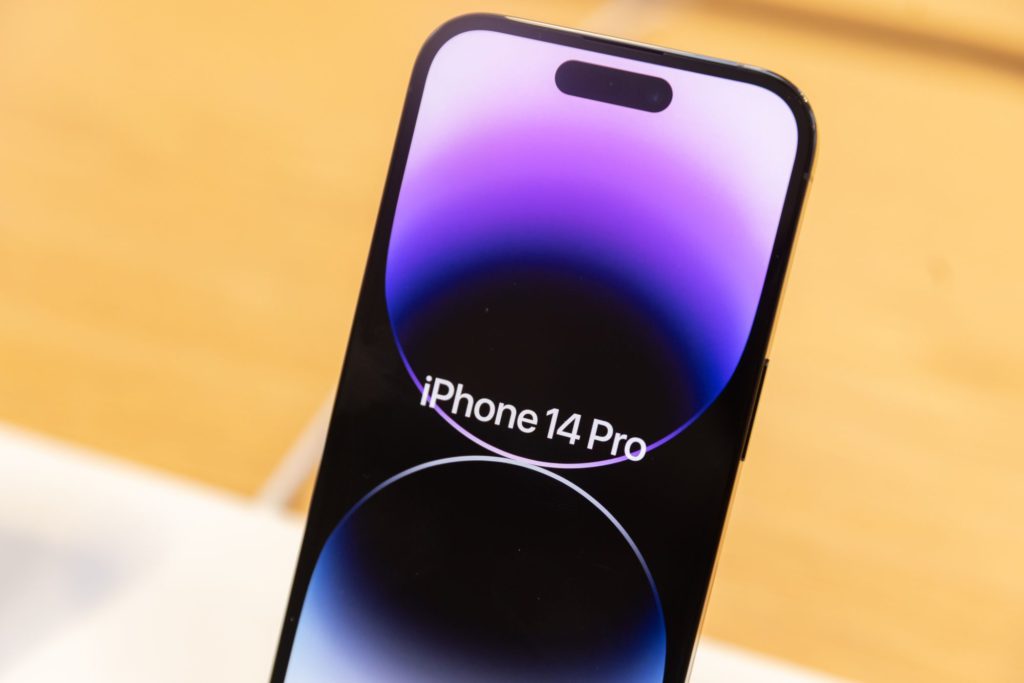
The Cupertino, California-based company’s sales of iPhones in China slumped by 27% in the week of Oct. 24, a third successive week of increasingly steep drops. Even adjusting for the device’s earlier release this year, the negative trend holds and has been worse than the recent drops for Android rivals, Jefferies analysts including Edison Lee wrote in a note Sunday.

In the three months to September, China sales of iPhone were up 5.7% compared to a 15.2% fall for Android alternatives, Lee wrote. That changed in the past month and Apple may have shed four to five percentage points in market share in the country, according to the analysts’ estimates. 

“While iPhone used to be the bright spot, it has become less bright and recent data points indicate a risk that it could potentially become the worst spot,” Lee wrote. “This is an incremental negative trend for the smartphone market, but a particular concern for the iPhone supply chain.”

The global smartphone market has recorded three straight quarters of decline in shipments this year, according to market research firm Canalys. Consumer appetites for discretionary products like personal electronics have soured with interest rate hikes and rising energy prices. And in China, the economic slowdown and Covid-19 lockdowns have sapped momentum for sales — Samsung Electronics Co. called out China’s slowing mobile market as a drag on its components business when discussing earnings this month.

Read: Global Smartphone Demand Continues Fall as Economic Woes Hit

Already, Chinese consumers have bought fewer iPhone 14 handsets in the early days of its availability in September than the product’s predecessor a year ago. And smartphone shipments in China fell around 21% in August, according to national data released last week, capping a year of falling sales in the market. Apple has also ditched plans to increase production of its iPhone 14 product family, Bloomberg News reported last month.

More stories like this are available on bloomberg.com

©2022 Bloomberg L.P.
Crypto Lender Hodlnaut Lost Nearly $190 Million in TerraUSD Drop

(Bloomberg) — Embattled cryptocurrency lender Hodlnaut downplayed its exposure to the collapsed digital-token ecosystem created by fugitive Do Kwon yet suffered a near $190 million loss from the wipeout.

The loss is among the findings of an interim judicial managers’ report seen by Bloomberg News. It is the first such report since a Singapore court in August granted Hodlnaut protection from creditors to come up with a recovery plan.

“It appears that the directors had downplayed the extent of the group’s exposure to Terra/Luna both during the period leading up to and following the Terra/Luna collapse in May 2022,” the report said.

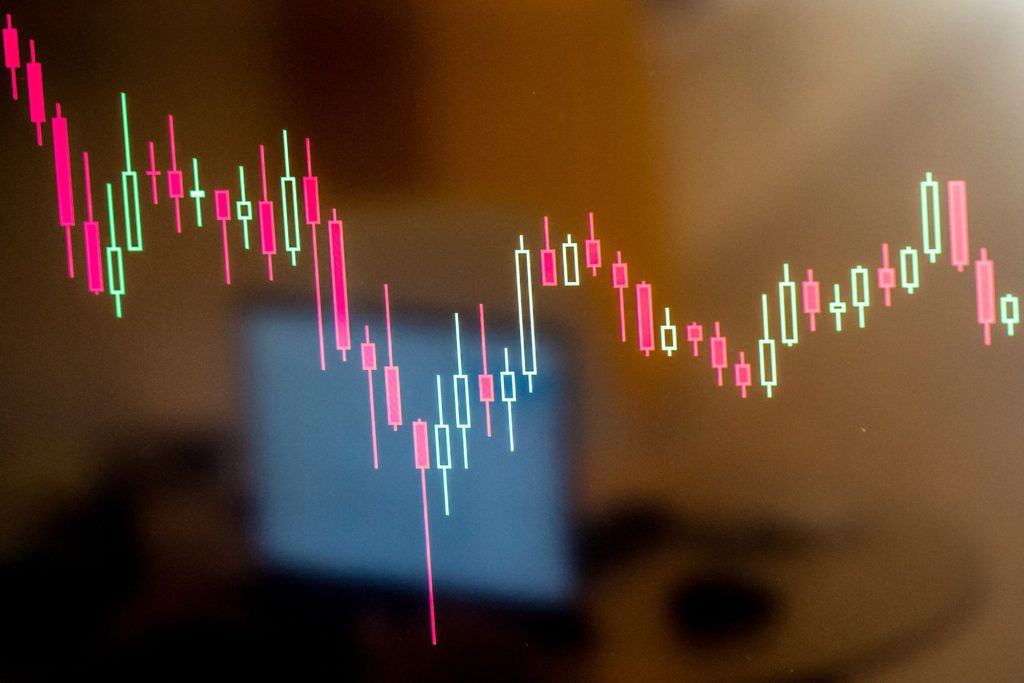
Kwon’s TerraUSD algorithmic stablecoin and sister token Luna suffered a $60 billion wipeout in May as confidence in the project evaporated, exacerbating this year’s crypto meltdown. Hodlnaut’s Hong Kong arm made the near $190 million loss when it offloaded the stablecoin as its claimed dollar peg frayed.

In a letter dated July 21, Hodlnaut’s directors “made an about-turn” about the impact and informed a Singapore police department that digital assets had been converted to TerraUSD, according to the report. Much of the latter was lent out on the Anchor Protocol, the report said, a decentralized finance platform developed on the Terra blockchain.

Deleted Documents

An email sent to Hodlnaut seeking comment triggered an automated response saying the firm would reply as soon as possible.

Hodlnaut, which operates out of Singapore and Hong Kong, halted withdrawals in August. A number of crypto platforms globally hit trouble as digital-asset prices slid amid tightening monetary policy that stanched speculative fervor.

The judicial report said more than 1,000 deleted documents from Hodlnaut’s Google workspace could have helped shed light on the business. The judicial managers haven’t been able to obtain several “key documents” in relation to Hodlnaut’s Hong Kong arm, which owes S$82.43 million ($58.3 million) to Hodlnaut Pte in Singapore.

About S$776,292 appeared to have been withdrawn by some employees between July and when withdrawals were halted in August, the report stated. Most of the company’s investments into DeFi were made via the Hong Kong division, it added.

More stories like this are available on bloomberg.com

©2022 Bloomberg L.P.

Close Bitnami banner
Bitnami
