Bloomberg

Musk Starts Cutting Jobs at Twitter as Staff Seen Leaving With Boxes

(Bloomberg) — Elon Musk has started to cut employees at Twitter Inc.

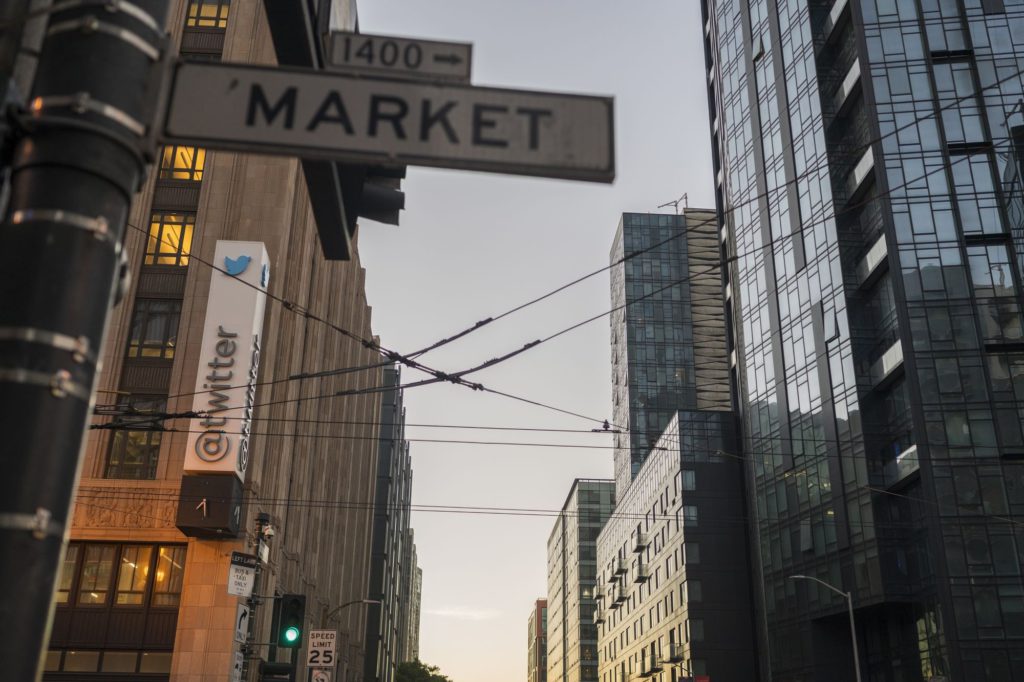
People who identified themselves as Twitter employees were seen leaving the company’s San Francisco headquarters carrying boxes of belongings. Internally, Slack channels lit up with suspicion that the departing people were enacting a hoax, and were not in fact laid off, people familiar with the matter said. 

Still, Musk has been cutting — and started right after the deal closed Thursday with several executives, including the chief executive officer and chief financial officer, people familiar with the matter have said. 

The company has scheduled an employee meeting for next Wednesday, but some staff did not receive invitations, according to one of the people familiar with the matter.

Twitter didn’t respond to a request for comment.

(Updates with internal suspicion in the second paragraph)

More stories like this are available on bloomberg.com

©2022 Bloomberg L.P.

Copper Firm Aurubis Says Metals Sector Hit By Cyberattack

(Bloomberg) — Aurubis AG, Europe’s biggest copper producer, was hit by a cyberattack overnight that it said appeared to be part of a wider attack on the metals and mining industry.

The company has shut down numerous systems and had to disconnect from the internet as a preventative measure, it said in a statement on Friday afternoon, after disclosing initial details of the attack earlier in the day. Production “could largely be maintained” and it’s working with investigating authorities, it said on Friday.

“This was apparently part of a larger attack on the metals and mining industry,” Aurubis said, without giving more details. “The primary goal is to keep production and the procurement of raw materials as well as the delivery of metals and products running.”

A spokesperson for Eurometaux, the European metals association, said they hadn’t heard of other companies being attacked. Meanwhile, several large mining, smelting and fabricating companies contacted by Bloomberg News on Friday said they were unaffected.

The attack comes toward the end of a hugely tumultuous year for the European metals industry, which has been contending with extreme volatility in commodities markets in the wake of Russia’s invasion of Ukraine, and a surge in energy costs that’s forced some smelters to shut down. A debate around how to handle Russian production has been intensifying in recent weeks, and a discussion period on whether to ban Russian supplies from the London Metal Exchange comes to a close on Friday. 

Aurubis has fared better than producers of other metals including aluminum and zinc, which have slashed output at their power-intensive production facilities. The company has also been looking to cut gas usage and secure alternative supplies, and is also in the process of winding down purchases of Russian copper.

Industrial companies around the world are facing a rising threat from cyberattacks that can wreak havoc on production and supply lines. In 2019, European aluminum producer Norsk Hydro ASA was forced to run its operations manually while it scrambled to recover from a ransomware attack, while a 2017 attack on pharmaceutical giant Merck & Co. caused $1.3 billion in losses.

–With assistance from Archie Hunter.

(Adds comments from industry association in fourth paragraph.)

More stories like this are available on bloomberg.com

©2022 Bloomberg L.P.

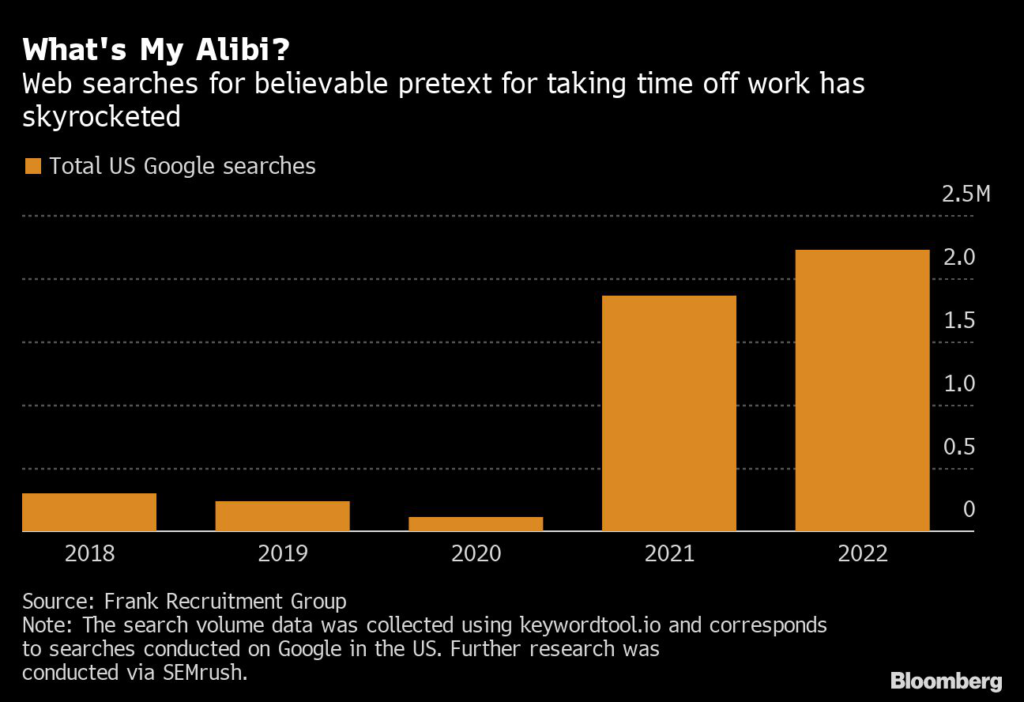
Excuses, Excuses: Web Searches For Reasons to Skip Work Soar in 2022

(Bloomberg) — US employees are scouring the internet for excuses to miss work — just as bosses call them back to their desks.

The total number of Google searches for plausible reasons to play hooky shot up over the last two years, topping 2 million in 2022, according to an analysis by Frank Recruitment Group, a global employment firm. In 2018, that figure was a little over 300,000. The firm analyzed traffic across 10 of the most popular search terms, including multiple variations of “realistic excuses for missing work.”

Some of the top results? Illness, family or home emergencies, doctor’s appointment and car trouble.

This surge comes as executives express concern about quiet quitting and faltering productivity, and as return-to-office demands ramp up. Workers across industries have pushed back against RTO mandates, especially in large cities with onerous commutes. A recent analysis by the Federal Reserve Bank of New York found that Americans collectively save 60 million hours of commuting time every day by working from home. Resuming a regular trek back into the office means, for many, less sleep and less bandwidth to balance the rest of life’s demands. 

Read more: How to Negotiate Your Return to Office

“Seeing search volumes jump so drastically across the board in 2021 is definitely interesting,” Rowan O’Grady, Frank Recruitment Group’s president of Americas, said in the report.  “It seems to coincide with the beginning of the return to office, which tells us that this hasn’t been the easiest transition for everybody.”

Employees are managing stressors that come with the return to the office in part by taking more time off, said Shané Teran, organizational development strategist and president of SP Consulting, in the report. The data also indicate that making the request carries a stigma in many workplaces, with many workers feeling uncomfortable asking for downtime outright.

As companies brace for an economic downturn, many have slowed or frozen hiring, leaving staff to do more with less. But Teran said in order to curb absenteeism it’s critical for employers to find a balance between pushing for productivity and supporting employee wellbeing. Last week, the US Surgeon General issued a report calling on employers to foster the health and wellbeing of their employees.

Companies around the world are experimenting with four-day workweeks in order to address these concerns. Productivity remained stable or improved at nearly all organizations in a UK trial, while another study found employees gain about an hour of sleep every night with a condensed schedule, likely because their time is less constrained overall. 

More stories like this are available on bloomberg.com

©2022 Bloomberg L.P.

Blackstone to Weigh Sale of Stake in of HealthEdge Software

(Bloomberg) — Blackstone Inc. is exploring options for HealthEdge Software, including the sale of a stake that could value the health-care software company at about $3 billion, people with knowledge of the matter said. 

Blackstone is working with advisers on the possible sale of a 50% stake in HealthEdge, which sells software to health insurers, the people said. 

It’s keen to bring in another financial investor to help it grow the business, one of the people said, asking not to not be identified discussing confidential information. 

HealthEdge helps health insurers modernize their systems with software for plan design, enrollment and claims adjudication. It is projecting revenue of $400 million next year and earnings of $60 million, one of the people said. Blackstone bought a majority stake in the Burlington, Massachusetts-based company in 2020. 

Deliberations are in the early stages and there’s no certainty they’ll result in a stake sale, according to the people. 

A representative for Blackstone declined to comment, while a spokesperson for HealthEdge didn’t immediately respond to a request for comment.

More stories like this are available on bloomberg.com

©2022 Bloomberg L.P.

Bitcoin’s Hold Above $20,000 Gives Bulls Hope for Lasting Rally

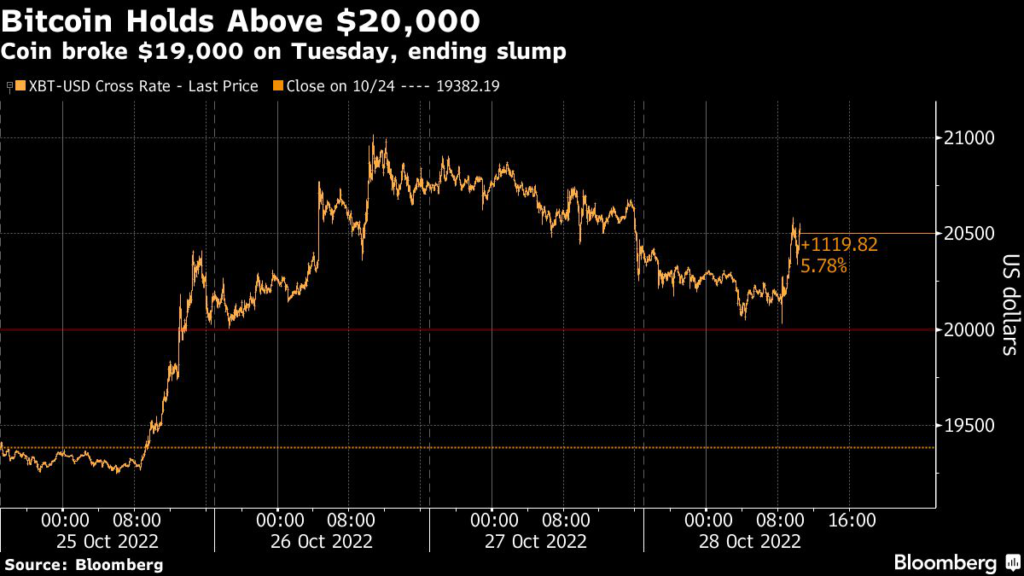
(Bloomberg) — Bitcoin’s four-day streak above $20,000 has invigorated crypto traders as they bet the token is due for a resurgence after a brutal year. 

On Tuesday, the largest cryptocurrency by market value advanced above $20,000, and as of Friday morning in New York it had yet to fall below that threshold. The breakout marked the end of a nearly three-week slump that saw Bitcoin trading below the key level for the longest stretch since late 2020.

Other cryptocurrencies staged their own comebacks. For the past few days, Ether has traded at or slightly above $1,500 after spending much of the month closer to $1,300. Meanwhile, Dogecoin has surged around 40% since the end of Sunday. Elon Musk, a fervent fan of the altcoin, completed his $44 billion acquisition of Twitter Inc. this week.

Still, it’s not the “Uptober” crypto traders wanted. Crypto fans had seen Bitcoin post tremendous gains in Octobers past. This time last year, for instance, the token advanced 40% during the month. But digital assets’ advances this week were encouraging for crypto bulls hoping that the worst of this year’s selling is behind them.

“Crypto has been making solid fundamental progress in recent months,” wrote Matt Hougan, chief investment officer of Bitwise Asset Management, pointing to the successful upgrade of the Ethereum network as well as advances on the regulatory front. “But those fundamentals have not been reflected in prices.”

Hougan said a couple of events elevated crypto prices this week. For one, Tuesday data showed US consumer confidence fell to a three-month low. According to Hougan, market participants took the data to mean that the Federal Reserve’s aggressive interest-rate hikes are having the desired effect.

Bitcoin has already dropped 70% from its highs, a greater magnitude of loss than has been seen with many other assets, says Steven McClurg, co-founder and chief investment officer at digital asset fund manager Valkyrie Investments.

“The flat markets just before surpassing $20,000 again are likely due to the support of corporate and institutional owners that largely bought in around those prices and shows there is support for the asset, rather than a capitulation that would have caused an intense drawdown,” he said. “There is a small glimmer of hope here that things could start to improve sooner rather than later.”

While some Bitcoin proponents are now ready to proclaim the end of this latest “crypto winter” bear market, at least one analyst is taking a more reserved tone. 

“We caution against countertrend exposure because bear-market rallies are often fast and furious, making them difficult to time,” said Katie Stockton, co-founder of Fairlead Strategies.

A number of measures show that interest in digital assets has waned during this year’s downturn. Retail investors, in particular, have been disenchanted by the asset class, and haven’t been involved in the market the same way they were during the first two pandemic years. Google searches for the word “crypto” have fallen to the lowest levels in the past year.

It’s not just retail: Institutional digital-asset products this month experienced their lowest-ever trading volume in data going back to June 2020, with average daily volume dropping 34% to $61 million, according to CryptoCompare.

Still, these are the exact types of trends one might see toward the end of a prolonged drawdown, says Alec Young, chief investment strategist at MAPsignals.

“People giving up on something is what happens late in a bear market — the Google searches, etc., that’s what you want to see, that capitulation, throwing in the towel,” Young said in an interview. “It’s bullish for Bitcoin that people are giving up — that’s what you see at the turn.”

More stories like this are available on bloomberg.com

©2022 Bloomberg L.P.

After Twitter Deal, Musk Still Faces Delaware Trial Over His $50 Billion Tesla Payday

(Bloomberg) — After spending months entangled in a brutal legal fight over his recent $44 billion acquisition of Twitter Inc., Elon Musk still has outstanding matters in Delaware courts.

The 51-year old billionaire, who completed the Twitter buyout this week, is scheduled to return before the same judge in Delaware Chancery Court in November for a separate trial over his compensation at Tesla Inc., which could top $50 billion.

Tesla investor Richard Tornetta claims Musk, the world’s richest person, got an excessive payout from the company, where he is the chief executive officer and the largest shareholder. Tesla board members were beholden to Musk, allowed him to craft his own compensation and hid key information about the process from investors, according to the complaint.

“This has the potential to be a very important case from an executive compensation standpoint,” said Jill Fisch, a University of Pennsylvania professor who teaches corporate-law classes. “It won’t get the attention the Musk-Twitter case got from the general public, but it’s still important.”

The case is being heard in Delaware because Tesla, like Twitter, is incorporated in the state, the corporate home to more than half of US public companies and more than 60% of Fortune 500 firms. Its Chancery Court judges are business law experts who hear cases without a jury, often on a fast-track basis.

The Twitter dispute lasted for months as Musk sought to get out of the deal, but he changed his mind right before the case was set for trial. On Friday, he made himself CEO and began reshaping the social media company, according to people familiar with the matter.

Delaware Chancery Court Judge Kathaleen St. J. McCormick — who was overseeing Musk’s Twitter litigation — will review testimony about his Tesla pay package and decide whether it amounted to a waste of corporate assets.

Who Had Control?

McCormick must decide whether Musk was acting like a controlling shareholder, even though his 17% holding of Tesla stock is below the 50.1% threshold, according to Fisch. That determination plays a role in how his compensation package is viewed under Delaware law.

Evan Chesler, a New York-based lawyer representing Musk in the Tesla compensation case, didn’t immediately return a call for comment.

In a pre-trial filing, Chesler and other attorneys representing Musk denied Tornetta’s claims that the compensation package was excessive by noting the entrepreneur was unique and deserved a bespoke pay plan based on Tesla’s astronomical rise in value over the last decade.

“The plan designed and approved by the board was not a typical pay package intended to compensate the ordinary executive for overseeing the day-to-day operations of a mature company,” his attorneys said. “That is because Musk is not the typical CEO.”

100 Million Options

The package includes more than 100 million Tesla stock options to be doled out over 12 periods, but only if the car company hit certain performance goals, according to court filings. The company far surpassed those metrics, and Tesla’s market capitalization jumped from $53 billion to more than $690 billion over four years, the filings show.

Musk and his brother, Kimball, were on the board but were recused from discussions about their pay, the company said.

Musk is slated to testify along with current Tesla directors James Murdoch and Robyn Denholm, and ex-board member Antonio Gracias. 

Tornetta filed his derivative suit against Musk and other Tesla directors on behalf of the company. That means any money recovered will go back to the electric carmaker and not to Tornetta. In many cases, insurance covering a company’s board members pays any award.

The case Tornetta v. Musk, 2018-0408, Delaware Chancery Court (Wilmington).

More stories like this are available on bloomberg.com

©2022 Bloomberg L.P.

Elon Musk Could End Twitter Bans on These Seven Accounts

(Bloomberg) — Now that Elon Musk has taken over Twitter Inc., users are waiting to see if the billionaire’s distaste for lifetime bans means that high-profile personalities who were blocked from the site will be allowed back on. 

Twitter says it will take down posts that are abusive, violent or obscene or that infringe on trademarks, impersonate someone or are spam. It also labels tweets that might contain misinformation. The company says it can permanently ban members that violate the rules “in a particularly egregious way” or have repeated broken its policies.

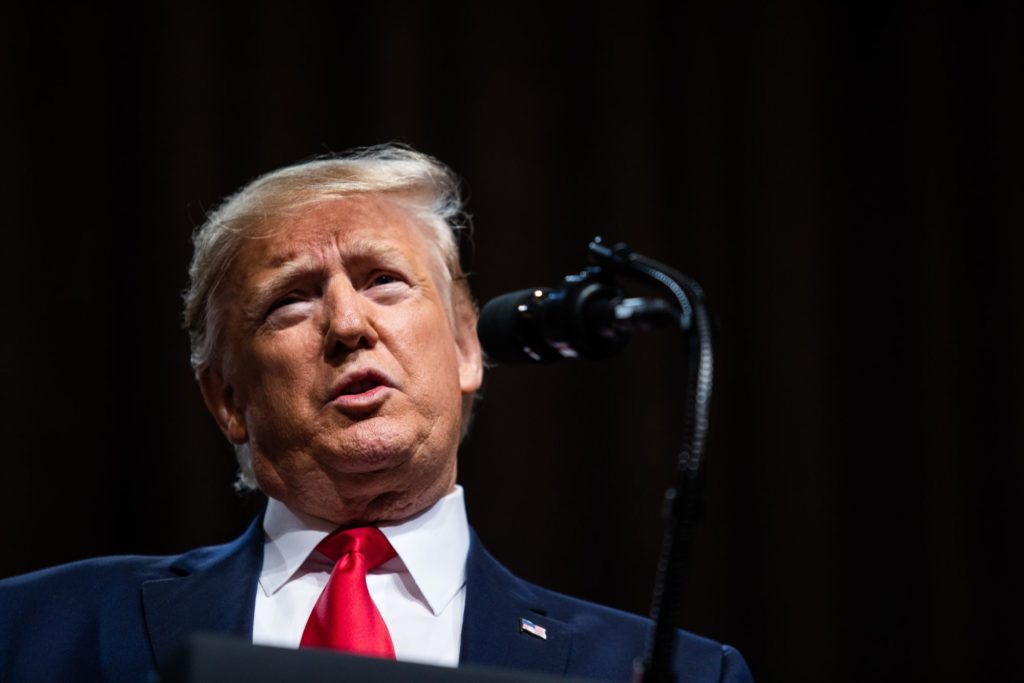
Musk, who describes himself as a free-speech advocate, is likely to get rid of permanent bans, a person familiar with the matter has said. That could potentially open the door to reinstating some of the accounts that have been blocked, such as former US President Donald Trump, though it’s unclear if anything will happen in the near term. 

Still, Musk has also said, in a letter to reassure advertisers, that it’s not in the company’s interest to become a “free-for-all hellscape.” A representative for Twitter didn’t immediately respond to a request for comment. 

Here are some of the people serving lifetime bans now and one account that’s back. 

Donald Trump

The former US president was banned in January 2021 after a mob stormed the Capitol building in Washington. Twitter said posts from the @realDonaldTrump account and the reaction people had to them risked inciting violence. Trump has established his own platform since then called Truth Social, and vowed in an interview on CNBC that he wouldn’t return to Twitter if the block was lifted.

Read More: Trump’s New Social Media App Shows Errors on Launch Day

Marjorie Taylor Greene

House Representative Marjorie Taylor Greene, a Republican congresswoman from Georgia, had her personal account suspended in January, but is still allowed to post from her government profile. 

She posted there on Thursday tweeting  “FREEDOM OF SPEECH!!!!” and “Just wait until tomorrow” ahead of the deadline for Musk to complete the deal. 

Steve Bannon

An account associated with Steve Bannon, a former Trump adviser, was banned in November 2020. On a video from his podcast that was posted to social media, Bannon called for putting the heads of Dr. Anthony Fauci and FBI Director Christopher Wray “on pikes.” 

Twitter said at the time that the post violated its policy on the glorification of violence. 

Alex Jones

Talk show host Alex Jones was permanently suspended in 2018 for violating its abusive behavior policy. Twitter didn’t specify which posts violated its policy at the time. Jones has come under fire for spreading lies that the mass shooting at the Sandy Hook Elementary School in 2012, which left several children dead, was a hoax. 

Read More: Alex Jones Got Even Richer After Being Thrown Off Social Media

A Connecticut jury has ruled that Jones must pay $965 million in damages to the children’s families and an FBI agent who were victimized by the broadcasts, which Jones used to sell dietary supplements and survival gear. Some of the families said they were stalked and harassed online and in person by Jones’ followers. Jones’ lawyer says he will appeal and has suggested that the families were exaggerating their suffering. 

Tommy Robinson

Founder of the English Defence League, Tommy Robinson, was banned for hateful conduct in 2018. According to a report in the Guardian newspaper at the time, Robinson said that he was told he’d been blocked for posting hate speech about Islam. 

Katie Hopkins

British far-right political commentator Katie Hopkins was also banned for hateful conduct on the site in June 2020. Twitter found that Hopkins, who had more than 1 million followers at the time, had broken its hateful conduct policy, according to a BBC report. She’s still active on other sites and her YouTube channel has more than 240,000 subscribers. 

Babylon Bee

Satire website the Babylon Bee, which used Twitter to take aim at trans people, Democrats and Planned Parenthood, was suspended in March and appears to be back online. Seth Dillon, the chief executive officer, said in April that Musk had reached out to the company to confirm it had been suspended from Twitter prior to his poll on free speech.


More stories like this are available on bloomberg.com

©2022 Bloomberg L.P.
Copper Firm Aurubis Says Metals Sector Targeted in Cyberattack

(Bloomberg) — Aurubis AG, Europe’s biggest copper producer, was hit by a cyberattack overnight that it said appeared to be part of a wider attack on the metals and mining industry.

The company has shut down numerous systems and had to disconnect from the internet as a preventative measure, it said in a statement on Friday afternoon, after disclosing initial details of the attack earlier in the day. Production “could largely be maintained” and it’s working with investigating authorities, it said on Friday.

“This was apparently part of a larger attack on the metals and mining industry,” Aurubis said, without giving more details. “The primary goal is to keep production and the procurement of raw materials as well as the delivery of metals and products running.”

The attack comes toward the end of a hugely tumultuous year for the European metals industry, which has been contending with extreme volatility in commodities markets in the wake of Russia’s invasion of Ukraine, and a surge in energy costs that’s forced some smelters to shut down. A debate around how to handle Russian production has been intensifying in recent weeks, and a discussion period on whether to ban Russian supplies from the London Metal Exchange comes to a close on Friday. 

Aurubis has fared better than producers of other metals including aluminum and zinc, which have slashed output at their power-intensive production facilities. The company has also been looking to cut gas usage and secure alternative supplies, and is also in the process of winding down purchases of Russian copper.

Industrial companies around the world are facing a rising threat from cyberattacks that can wreak havoc on production and supply lines. In 2019, European aluminum producer Norsk Hydro ASA was forced to run its operations manually while it scrambled to recover from a ransomware attack, while a 2017 attack on pharmaceutical giant Merck & Co. caused $1.3 billion in losses.

More stories like this are available on bloomberg.com

©2022 Bloomberg L.P.

Naira Hits Record Low After Central Bank Plan to Replace Notes

(Bloomberg) —

The naira plunged to record lows against both the dollar and the world’s biggest stablecoin on Friday, 48 hours after the central bank announced plans to replace higher denomination notes of its local currency. 

The naira fell on the official market, where it touched a record 442.62 naira to the dollar before regaining some lost ground. In the unauthorized parallel market, the naira weakened weakened to 780 to the dollar from 753 on Wednesday. The local currency was quoted at 787.9 to the USDT as of 3:41 p.m. local time on cryptocurrency trading platform Binance, compared with 763.5 naira on Wednesday.

Nigeria’s central bank announced Wednesday that it plans to replace 200-, 500- and 1,000-naira notes by Jan. 31. 

It said the move will help curb currency hoarding, slowdown inflation and disrupt kidnappings-for-ransom in Africa’s largest economy.

More stories like this are available on bloomberg.com

©2022 Bloomberg L.P.
Apple Pushes US Stocks Higher; Treasuries Drop: Markets Wrap

(Bloomberg) — Gains in Apple Inc. pushed US stocks higher as traders digested a fresh batch of data that paved the path for the Federal Reserve to stay aggressive. 

The S&P 500 and the tech-heavy Nasdaq 100 rose more than 1%. Apple buoyed both indexes after it delivered just enough good news in its quarterly report on Thursday. Amazon.com Inc. plunged as much as 12%, falling below its $1 trillion market value. 

Data on Friday showed that a core gauge of US inflation accelerated in September, while consumer spending stayed resilient, bolstering the Fed’s case for another jumbo rate hike next week. US employment costs also rose at a firm pace, another data point that’ll keep the central bank firmly on its path. However, other data that released this week, including lower-than-expected US home sales, indicated that Fed tightening is already hitting the economy. 

Economists are still expecting the Fed to raise rates by three-quarters of a percentage point for the fourth time in a row next week. Treasuries remained weaker as hopes of a Fed pivot fizzled. 

Lackluster earnings from big-tech firms including Amazon, Alphabet Inc. and Meta Platforms Inc. kept investors on the edge this week. And despite largely topping analysts’ estimates, Apple still warned of a holiday slowdown. But disappointing corporate reports are not enough to prompt a Fed pivot, according to Andrew Patterson, senior international economist at Vanguard.

“The Fed is looking for signs of easing or weakening pressures in the broader economy, in financial markets,” Patterson said by phone. “Weak earnings is no reason for them to take their foot off the tightening accelerator. In fact, it gives them hope that they are having the intended impact.”

Read More: US Core PCE Inflation Picks Up While Consumers Show Resilience

Beyond the US

The ECB delivered a second straight 75 basis-point hike on Thursday but dropped a prior reference to rate increases continuing for “several meetings,” an outcome that was considered dovish. The central bank has a small margin for error after German inflation unexpectedly accelerated this month to 11.6% from a year earlier — far exceeding all estimates in a Bloomberg survey whose median forecast was 10.9%.

The Bank of Japan held its negative rate, 10-year yield cap and asset purchases at the end of a two-day policy meeting, in line with the view of 49 economists surveyed by Bloomberg.

Chinese assets remain in focus, with foreign investors dumping a record amount of mainland China stocks this week and sending Hong Kong equities to a 13-year low. President Xi Jinping’s tightening grip on power hasn’t had the same impact domestically, with mainland investors hunting for bargains in Hong Kong. 

Some of the main moves in markets:

Stocks

  • The S&P 500 rose 1.2% as of 10:34 a.m. New York time
  • The Nasdaq 100 rose 1.4%
  • The Dow Jones Industrial Average rose 1.7%
  • The Stoxx Europe 600 fell 0.2%
  • The MSCI World index fell 0.3%

Currencies

  • The Bloomberg Dollar Spot Index rose 0.3%
  • The euro was little changed at $0.9956
  • The British pound was little changed at $1.1558
  • The Japanese yen fell 0.9% to 147.56 per dollar

Cryptocurrencies

  • Bitcoin rose 0.5% to $20,501.84
  • Ether rose 0.5% to $1,535.85

Bonds

  • The yield on 10-year Treasuries advanced seven basis points to 3.99%
  • Germany’s 10-year yield advanced 14 basis points to 2.11%
  • Britain’s 10-year yield advanced six basis points to 3.46%

Commodities

  • West Texas Intermediate crude fell 1.3% to $87.94 a barrel
  • Gold futures fell 1.2% to $1,645.40 an ounce

–With assistance from Michael Msika, Kurt Schussler, Allegra Catelli, Cecile Gutscher, Brett Miller and Reade Pickert.

More stories like this are available on bloomberg.com

©2022 Bloomberg L.P.

Close Bitnami banner
Bitnami