
Bloomberg

China Stocks in Worst Ever Post-Congress Rout as Gloom Persists

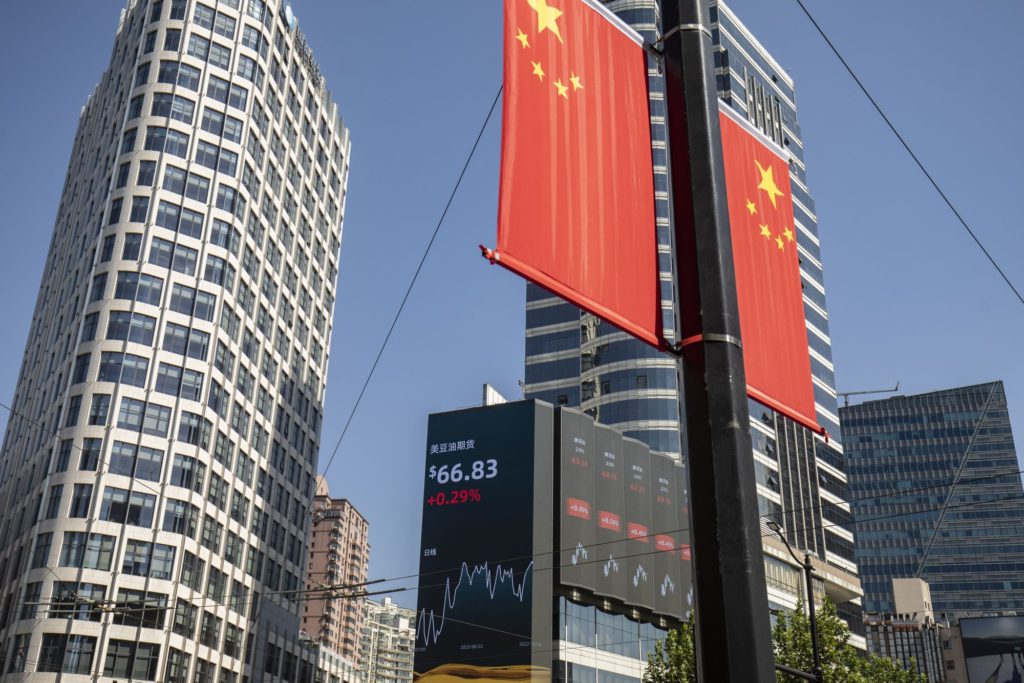
(Bloomberg) — Chinese stocks traded in Hong Kong had their worst showing ever following a Communist Party Congress after this year’s leadership gathering dashed hopes for more market-friendly policies.

The Hang Seng China Enterprises Index slumped 4.1% in Hong Kong on Friday. That took its losses for the week to over 8.9%, the most for any five-day period following a party meeting since the gauge’s inception in 1994. The index tumbled to the lowest since the 2008 global financial crisis and is on track for a fourth month of declines. 

Traders are struggling to determine how long the rout will persist after a lack of supportive policies for the beaten-down property sector and the recommitment to the Covid Zero strategy at the congress left markets dismayed. To make things worse, fresh lockdowns are being imposed from Wuhan, coronavirus’s original epicenter, to China’s industrial belt on the east coast. 

While sentiment seemed to somewhat stabilize in the last three days, the resumption of losses Friday has dented hopes for a sustainable rebound.

“The market is still in a downward trend” given the disappointment from the party congress, weak consumption, lackluster industrial profits and sporadic Covid outbreaks across the country, said Yan Kaiwen, an analyst with China Fortune Securities Co. Friday’s selloff is “mainly because of weak sentiment.”

The expiry of monthly futures and options contracts for the Hang Seng China gauge as well as a raft of earnings announcements boosted market volatility on Friday. Automaker BYD Co. and Industrial & Commercial Bank of China Ltd. — the world’s largest bank by assets — are among those due to report results.

At the twice-a-decade meeting last week, President Xi Jinping stacked the leadership ranks with allies, limiting the scope for opposition to his strategies. Confidence is running low particularly among international investors, who pulled a record $2.5 billion from mainland stocks on Monday alone.

The Hang Seng Tech Index lost 5.6% on Friday. The top US official overseeing export controls said he expects a deal with global allies to limit shipments of chip-production equipment to China in the near term. Such a move — if achieved — will expand Washington’s efforts to keep cutting-edge semiconductor technology out of China and away from the country’s military.

On the mainland, China’s benchmark CSI 300 Index sank 2.5% on Friday, taking its losses for the week to over 5%, the worst in 15 months.

“The drop is just the extension from Monday as the market feels uncertain and unclear of economic prospects under the new leadership,” said Ryan Chan, associate director at Eddid Securities and Futures Ltd. “The relationship between the US and China is expected to get worse.”

READ: Xi’s $6 Trillion Rout Shows China Markets Serve the Party First

Still, with valuations at historic lows, market watchers are divided on the outlook. Morgan Stanley has slashed its targets for key Chinese equity gauges while JPMorgan Chase & Co. says the selloff is a buying opportunity.

“The recently concluded congress clearly” was the biggest factor weighing on the stock market in the past week, said Justin Tang, head of Asian research at United First Partners. “It will continue to be volatile unless we hear news to the contrary.”

–With assistance from Catherine Ngai and Chloe Lo.

More stories like this are available on bloomberg.com

©2022 Bloomberg L.P.
Another Cathie Wood Fund Exits Sea After $175 Billion Selloff

(Bloomberg) — Funds managed by Cathie Wood are exiting the beleaguered Southeast Asian e-commerce giant Sea Ltd. one by one.

Ark Next Generation Internet ETF on Thursday sold its last few shares in Sea, almost a quarter after flagship Ark Innovation ETF exited from the company in June, according to Ark trading data compiled by Bloomberg.

Exchange traded funds backed by Wood’s firm Ark Investment Management LLC’s have been selling shares in Sea since mid-May. Ark Fintech Innovation ETF is now the only one holding shares in the Singapore-based company, according to Bloomberg data.

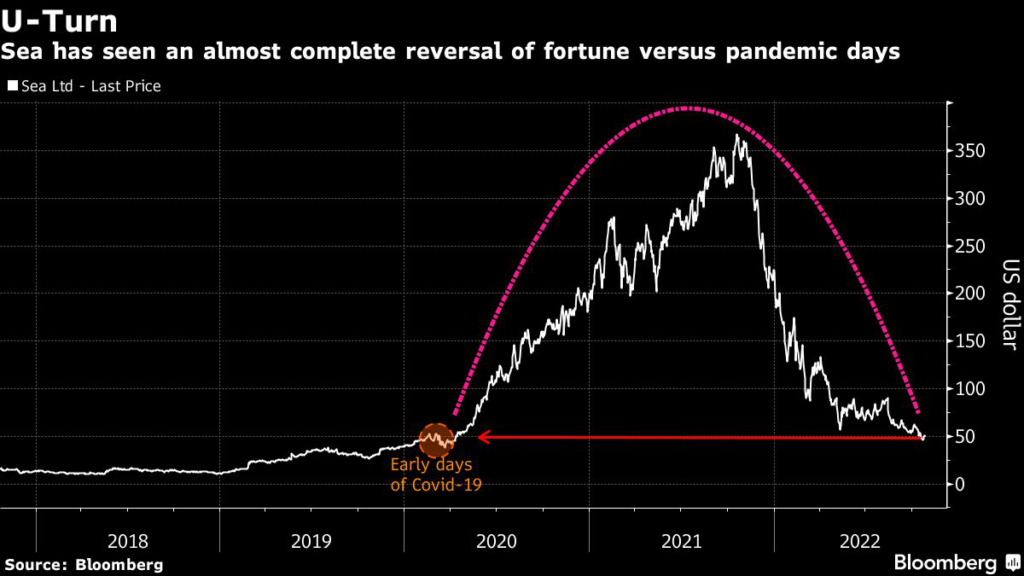
Ark’s selling has come in the backdrop of Sea losing about $175 billion of market value from its record high a year ago amid intensifying competition from Alibaba Group Holding Ltd. and concerns over its money-making prospects in an era of rising interest rates.

Stock has plunged nearly 80% this year and is now trading near its pre-pandemic levels, a far cry from once being the world’s hottest large-cap in 2020.

The Tencent Holdings Ltd.-backed company’s top management has started forgoing salaries, tightening expense policies and firing staff as it tries to curb ballooning losses and woo investors again.

“Ark bailing out on Sea does not bode well for the ASEAN Tech giant,” said Nirgunan Tiruchelvam, head of consumer and Internet at Aletheia Capital. “Sea needs to convince investors that it can generate cash sooner rather than later.”

More stories like this are available on bloomberg.com

©2022 Bloomberg L.P.
Amazon Rout Sets Up Retreat Below $1 Trillion Market Value

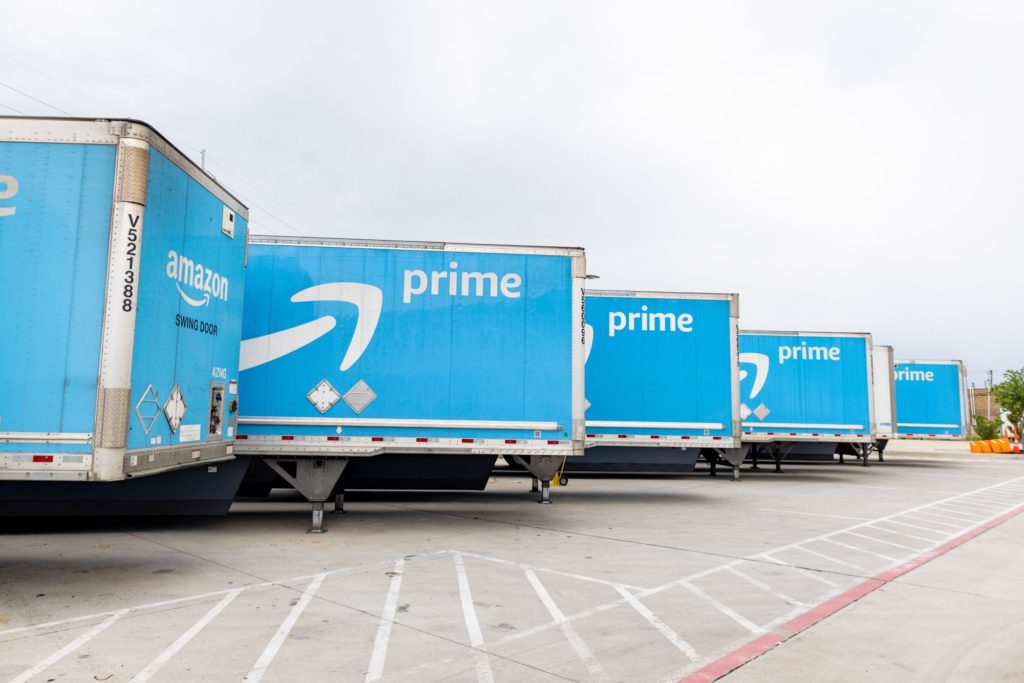
(Bloomberg) — Amazon.com Inc.’s market value is set to fall below $1 trillion after its disappointing earnings report late Thursday sent investors running for the exit.

The stock fell 14% to $95.89 at 4:21 a.m. New York time in premarket trading after the e-commerce giant projected the slowest holiday-quarter growth in the company’s history, while sales at its important web services business missed estimates.

If premarket losses hold, about $153 billion in value would be wiped off the company, shrinking its market capitalization to $978 billion. The stock had fallen as much as 21% in after-hours trading Thursday. Amazon is joining a long list of US companies to see their market values crumble in this year’s bear market.

Read more: Amazon Plunges After Projecting Lackluster Holiday Sales 

“It (stock selloff) looks like an overreaction to us after a difficult earnings week for the group,” Piper Sandler analyst Thomas Champion wrote in a note. While the macro environment remains challenging, especially in Europe, the company’s forecast “looks conservative.”

The ranks of companies with valuations in excess of $1 trillion have thinned this year with soaring U.S. Treasury rates and the highest inflation in decades weighing particularly heavily on the stocks of technology companies. The Nasdaq 100 Index has fallen 32% from last year’s peak amid rising risks to economic growth from supply chain snarls and Covid-19 lockdowns in China to the war in Ukraine.  

Electric-car maker Tesla Inc., once worth more than $1.2 trillion, has seen its market value tumble to about $710 billion. Facebook parent Meta Platforms Inc. market value plunged by more than 75% from its $1.08 trillion peak last year, forcing it out from the ranks of the world’s 20 largest companies. Even Apple Inc., whose massive cash flows and fortress balance sheet have made it a favorite destination for risk averse investors, briefly lost its title as the most valuable company in the world to oil giant Saudi Aramco.

Bezos on Brink of $23 Billion Wealth Drop, Among Worst On Record

The Covid-19 pandemic had helped supercharge Amazon’s businesses and propelled its value to a $1.88 trillion peak about a year ago. With growth now slowing and an uncertain macroeconomic backdrop, its shares had fallen about 33% this year through Thursday’s close. Jeff Bezos, once the richest person in the world, was ranked No. 3 as of Thursday.

“Amazon could trade range-bound until there is evidence of the macro storm clearing and a sustainable improvement in profitability,” said Brent Thill, an analyst at Jefferies who has a buy rating on the stock and a price target of $135.

–With assistance from Matt Turner.

(Updates stock moves. A previous version corrected Amazon’s market value based on Thursday’s closing price.)

More stories like this are available on bloomberg.com

©2022 Bloomberg L.P.
Here Are Rishi Sunak’s Most Urgent Crypto Tasks as UK Leader

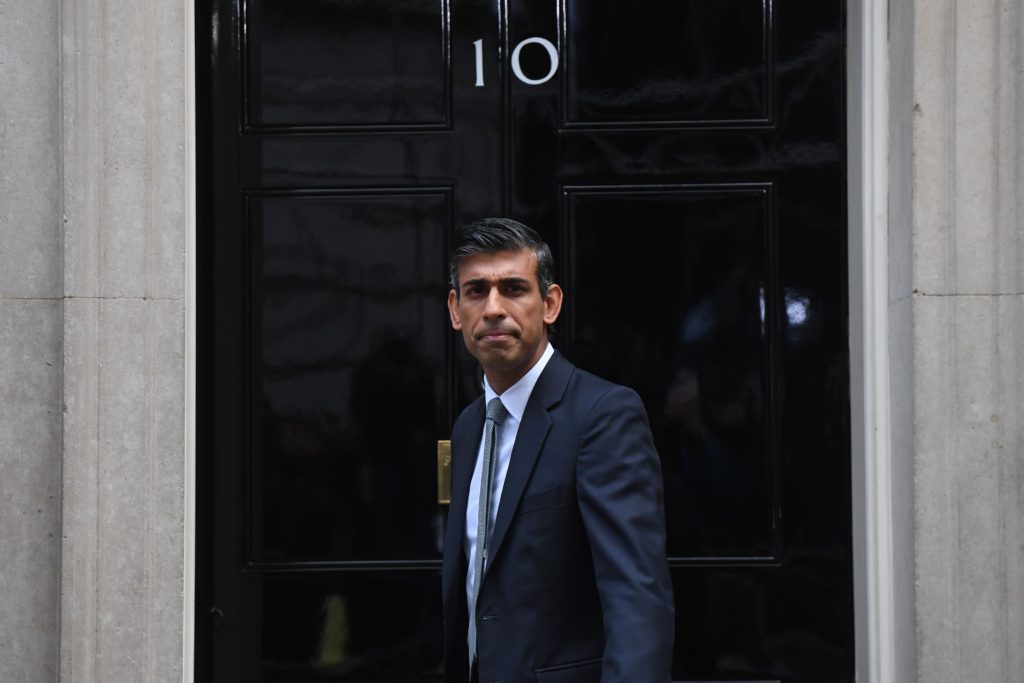
(Bloomberg) — As Chancellor of the Exchequer, Rishi Sunak outlined an ambitious plan to turn the UK into a crypto hub. As prime minister, he’ll be under pressure to deliver on that pledge while at the same time containing an economic crisis. 

Crypto executives and investors interviewed by Bloomberg News greeted Sunak’s appointment with cautious optimism. Yet they also said the UK’s political upheaval in recent months has increased the urgency of formulating a comprehensive regulatory regime for the sector. 

Sunak took a big step to alleviate the industry’s concerns by appointing John Glen, who was previously de facto czar for digital assets, as chief secretary to the Treasury. Yet jurisdictions from Japan to the EU have firmed up their regulatory regimes over the past few months, putting the UK at a competitive disadvantage. 

“This change in leadership could prove crucial in achieving the aspirations which were set out earlier this year around transforming the UK into a globally recognized financial hub,” said Jamie Burke, founder and chief executive of London-based venture capital firm Outlier Ventures. But the government must take a “proactive action to provide effective and timely regulation for the sector” to regain lost ground. 

Here are some of the most urgent areas for Sunak to tackle, according to crypto executives: 

Regulatory Clarity 

Many among the more than half a dozen entrepreneurs, investors and analysts interviewed said mixed messaging from authorities on crypto has hampered Sunak’s ambitions. 

In April, on the day that Glen proclaimed the UK was “open for crypto business,” Bank of England Governor Andrew Bailey described digital assets as the new “front line” in criminal scams.

“A lack of clarity makes it difficult for any industry to thrive,” said Marieke Flament, chief executive of the NEAR Foundation, which oversees development on the NEAR protocol. “The UK government has been both proponent and critic of the digital assets industry.”

Faster Registrations

Industry participants are also calling for a faster registration process at the country’s financial watchdog, after some companies left the UK in recent years after failing to meet the Financial Conduct Authority’s standards on anti-money laundering. 

“Sunak will need to ensure the FCA has a more agile and pragmatic approach towards crypto regulation,” said Hirander Misra, chief executive of market infrastructure company GMEX Group. “Many companies are getting frustrated in the length of time it takes to get regulatory approvals even if they are established firms with other licenses and as a result are going to other jurisdictions.”

Stablecoins and the Digital Pound

“Regulating stablecoins in a way that won’t hamper their innovative potential or hinder the UK’s competitiveness in this area should be another area of priority,” said Mikkel Morch, chairman of crypto fund ARK36. 

New stablecoin rules would form part of the Financial Services and Markets Bill, a sweeping post-Brexit reform of Britain’s financial services industry aimed at boosting the City of London’s competitiveness. The bill, yet to be passed by lawmakers, proposes to regulate certain types of stablecoins as forms of payment.

Another area under scrutiny is developing a digital currency. Sunak announced a joint Treasury-Bank of England task force in 2021 to explore the benefits and risks of a digital pound. Next steps include a consultation by the end of the year to help assess the case for a central bank digital currency, or CBDC. 

The introduction of a digital pound would provide a platform for innovation, said Jannah Patchay, Policy Lead for the Digital Pound Foundation. This, in turn, “will ultimately enable the UK to maintain a leading edge in an increasingly competitive global financial markets and fintech landscape,”  Patchay added.

More stories like this are available on bloomberg.com

©2022 Bloomberg L.P.
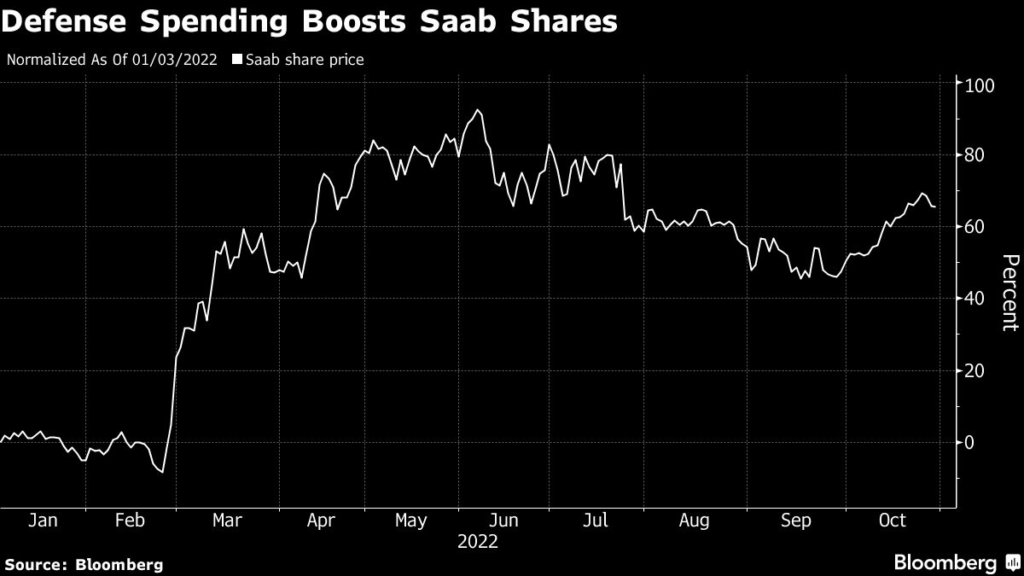
Saab Ramping Up Capacity Ahead of Sweden’s NATO Membership

(Bloomberg) — Swedish weapons manufacturer Saab AB said it’s hiring and ramping up production capacity as demand for its products is expected to benefit from a surge in defense spending across Europe as well as the Nordic nation’s pending entry to NATO.

Saab is preparing for an influx of orders by investing in increased capacity and by recruiting the right competences, Chief Executive Officer Micael Johansson said in an interview, while acknowledging that procurement processes in the defense industry tend to “take time before being translated into orders.” 

Saab is working through a 112 billion-kronor order backlog, the highest in several years. Last quarter, the company decided to set up a manufacturing facility for the Carl-Gustaf M4 shoulder-launched weapon system in India and plans to continue building up its Ground Combat business in Sweden and the US.

“We have seen a net increase of 500 employees so far this year and we expect to recruit another 1,000 globally,” Johansson said. The company is looking for skilled engineers specialized in artificial intelligence, cloud technology, cyber security and software, the CEO said.

“But we also need good welders for our operations in Saab Kockums, to build submarines, so we are looking at a a pretty broad spectrum of competences,” he said. 

The “awakening” around defense spending after Russia launched a war on Ukraine in February has strongly contributed to boosting Saab’s business and valuation, the CEO said. Its shares are up as much as 65% since the beginning of the year in an otherwise depressed market. 

“It’s good for Sweden and it’s good for Saab, if we can join NATO quickly,” Johansson said. The company is already working as if Sweden had already gained membership, he said.

More stories like this are available on bloomberg.com

©2022 Bloomberg L.P.

Crushing Demand Called the ‘Worst Way’ to Fix Inflation

(Bloomberg) — There are better ways to combat inflation than destroying demand with interest-rate increases, according to Nela Richardson, chief economist for payroll giant Automatic Data Processing Inc. She joined the latest What Goes Up podcast to give her take on half-century record American employment, decades-high inflation and signs of softness in the US housing market. “It’s about productivity,” Richardson says. “Productivity grows you out of inflation when more workers produce more output for the same amount of cost. That’s what productivity is. That’s what gets you out of the inflation wage-price spiral conundrum.” But to do that, she says, business and government need to invest in jobs and workers—something they haven’t been good at recently. “It takes more partnerships with community colleges to build an agile and skilled workforce in the places that the economy needs it,” Richardson says.


More stories like this are available on bloomberg.com

©2022 Bloomberg L.P.
VW Pares Back Delivery Forecast on Supply-Chain Constraints

(Bloomberg) — Volkswagen AG cut its vehicle sales expectations for the year as chip availability remains scarce and logistics continue to pose a challenge. 

Europe’s biggest carmaker now sees deliveries on par with last year, when semiconductor shortages already severely hampered car output, VW said Friday. Previously the automaker targeted shifting between 5% to 10% more cars than a year ago.

“We will be faced with crises during the next decade, geopolitical crises, supply-chain issues,” Chief Executive Officer Oliver Blume said in an interview with Bloomberg Television. “The best you can do is to have financial resilience and to prepare yourself to be flexible in the global regions.”

VW also reported third-quarter results that missed expectations due to costs related to supply-chain problems while recording one-off charges on its business in Russia and the listing of Porsche AG that totaled €1.6 billion ($1.6 billion). The sports-car maker, which also reported initial results following the September share sale, said its return on sales rose as customers bought high-margin models. 

VW’s preferred shares declined 2.9% in early Frankfurt trading, taking losses this year to 28%. Porsche, whose market valuation exceeded that of its much larger parent within days of the listing, fell 2.5%. 

What Bloomberg Intelligence Says:

Volkswagen has numerous one-time charges in 3Q that dampened its headline Ebit margin to 6%, but on an adjusted basis this rose to 8.3%, in-line with our expectations and corresponds to the top end of management’s 7-8.5% target for 2022 and vs. 8.8% in 1H. VW reiterated earnings guidance toward the upper part of its projected 2022 range, though the market’s focus on software and an impending global recession suggest cuts to 2023 consensus loom — not just for VW, but for the entire auto industry.

— Michael Dean, BI automotive analyst

Volkswagen 3Q Margin Robust, Though Lacks 2023 Visibility: React

Carmakers are emerging from a period of setbacks dominated by crippling supply-chain woes to contend with a weakening economy. For now, the picture remains uneven with manufacturers working down full order books after months of disrupted production. But with recession fears mounting, consumer demand has started to slow. Ford Motor Co. earlier this week trimmed its profit forecast for the year because of shortages and higher payments to suppliers. 

VW on Friday warned of increasing competitive pressure, indicating unusually high vehicle prices might be slipping. Carmakers have navigated the chip crisis by both swinging production to their most lucrative models and raising prices as vehicle availability dwindled. Meanwhile, VW said it continues to struggle to keep up with strong demand for fully electric cars with a high order bank in Europe of 350,000 vehicles. 

As the economic outlook darkens, VW joined Ford in a surprise decision this week to cease all activities with US driverless vehicle company Argo AI following multi-billion investments by both partners. The decision will result in a €1.9 billion non-cash impairment charge, VW said Friday. The company is continuing autonomous technology development through its Cariad software unit and with partner Robert Bosch GmbH. 

VW’s third-quarter operating profit before special items jumped 65% to €4.3 billion from a year ago, as some of the most severe supply-chain problems eased. That compared with a Bloomberg consensus forecast of €4.6 billion.  

–With assistance from Francine Lacqua.

(Updates with CEO comment third, share price in fifth paragraph)

More stories like this are available on bloomberg.com

©2022 Bloomberg L.P.

Estonia Resumes Train Services After Equipment Failure

(Bloomberg) — Estonia’s train network restored normal service Thursday evening after disruptions earlier in the day due to aging equipment that needs replacing, the rail service’s spokeswoman Monika Lilles said by phone.

A problem with communication cables occurred at the Tapa train station, about 78 kilometers (48 miles) to the east of the capital, Tallinn, and caused nationwide delays, rail operator AS Eesti Raudtee said Thursday in a statement. 


More stories like this are available on bloomberg.com

©2022 Bloomberg L.P.

Reopened Site Boosts UK’s Gas Storage by 50%: The London Rush

(Bloomberg) — The UK’s insufficient gas storage capacity is one of the factors that has made the energy crisis so severe. It is good news, then, that Centrica has reopened the enormous Rough Gas storage facility and deposited its first product in five years. Still, the company admits the facility isn’t a “silver bullet” for energy security. Meanwhile high energy prices continue to squeeze customers, feeding into NatWest’s increasingly gloomy economic forecasts as they prepare for more families and businesses missing their repayments.

Here’s the key business news from London this morning:

In The City

NatWest Group Plc: The British bank will book a larger than expected net impairment charge for souring loans in the third quarter and warned of further gloom to come.

  • Higher interest rates are likely to support the banks earnings, although it now expects inflation to push up its costs 

Glencore Plc: The mining company is on course for more bumper profits from its sprawling commodity trading business, although they won’t be quite as large as the record levels reported in the first-half of the year.

  • Its third quarter performance has been impacted by an array of factors including extreme weather in Australia, industrial action in Canada and Norway and supply chain issues in Kazakhstan as a result of the war in Ukraine 

Centrica Plc: The energy company has reopened the UK’s biggest gas storage facility, after a five-year halt to boost the nation’s energy security ahead of what’s likely to be a tough winter, increasing the country’s storage capacity by 50%.

  • The company’s CEO said it can be used to store gas in a surplus, and help the country during a cold snap, but it isn’t a “silver bullet for energy security”

International Consolidated Airlines Group SA: The British Airways owner says strong leisure demand has helped its total revenue for the third quarter return to above pre-pandemic levels, despite passenger caps at Heathrow.

  • The company, however, is conscious of the “ongoing pressures on households,” and uncertainty around the economy

In Westminster

Don’t count on Rishi Sunak to protect your pension, writes Stuart Trow for Bloomberg Opinion. 

Meanwhile, the NHS is facing a winter of staff shortages and “war rooms” as nurses  in England consider striking over a below-inflation pay offer.

Sunak and Chancellor Jeremy Hunt are taking no options off the table, including windfall taxes on banks and energy firms, as they consider how to plug a £35 billion budget shortfall. Hunt is preparing to give an Autumn Statement on Nov. 17 after delaying it from Oct. 31.

In Case You Missed It 

While many finance professionals say they’re appreciative of Sunak’s moderate tone, some are worried their dream of a reformed, City of London 2.0 is dead. Listen to the latest In The City podcast episode: 

Elsewhere, retirement housing is turning into an up-and-coming area of British real estate, with Goldman Sachs Group Inc. and a growing cohort of investors betting on demand for luxury in later life. 

Looking Ahead 

We’re entering the second half of earnings season — here are some of next week’s highlights: 

Tuesday: BP Plc is expected to post sequentially lower but still strong results in the third quarter, supported by higher gas realisations and broadly flat upstream production. The energy giant’s $4.1 billion cash deal to buy US biogas company Archaea might have a chilling effect on BP’s share buyback program for the final quarter of the year, Bloomberg Intelligence analyst Will Hares says. 

Wednesday: FTSE 100 giant GSK Plc is under pressure to perform as a pure-play pharmaceutical company after spinning off its consumer products business. Those ambitions rely on a strong pipeline of drugs, efforts dented by dropping regulatory approval ambitions for an arthritis drug after disappointing clinical trial results. A vaccine for a potentially dangerous lung infection could prove a bright spot. Also hanging over GSK is possible liability in lawsuits alleging the drug Zantac causes cancer. BI believes GSK could bear about 30% of the risk associated with a settlement value between $4 billion to $6 billion.

  • High street staple Next Plc will also report, with a looming drop off in demand threatening to restrict the company’s profits. Bloomberg Intelligence expects the cost-of-living crisis to curb discretionary spending by as much as 10% in 2023 — and consumer confidence near historic lows doesn’t make a reversal look likely. 

Thursday: Telecoms company BT Plc faces strong competition in its rollout of full-fibre broadband, which could cast doubt over its long-term profit aims, BI’s Matthew Bloxham says. Near-term weakening demand from business customers and industrial action provided headwinds for the company in the first half of the year.

  • Supermarket Sainsbury’s Plc is at the front line of the cost-of-living crisis, with their shoppers facing difficult decisions about what they can afford to pass through the tills. Competition from discounters like Aldi and Lidl threatens to eat into Sainsbury’s volume, while durable goods arm Argos is highly dependent on discretionary spending, which is increasingly scarce.
  • Rolls Royce Holdings Plc’s trading update will be watched for any improvement in financial trends over the second half of the year, which the company had guided for. BI reckons that long-haul passenger travel, a key driver of Rolls-Royce’s profitability, is impacted by the uncertain macroeconomic environment. Rolls-Royce’s liquidity “could be essential” as it faces these near-term headwinds, say Stephane Kovatchev and Matthew Geudtner.

For a news fix when the day is done, sign up to The Readout with Allegra Stratton, to make sense of the day’s events.

More stories like this are available on bloomberg.com

©2022 Bloomberg L.P.

Covid Outbreak at China iPhone Plant Pushes Workers to the Edge

(Bloomberg) — Discontent rippled through Apple Inc.’s biggest iPhone plant in China this week, after hastily enacted measures aimed at quelling a Covid outbreak plunged many of its 200,000 workers into isolation — some without proper meals.

The emergence of cases at Foxconn Technology Group’s main factory in the central city of Zhengzhou saw it go into a closed loop system, where employees aren’t allowed to leave the manufacturing campus and are tested regularly, people familiar with the matter told Bloomberg News.

Food has become a source of unrest after Foxconn, the Taiwanese company that makes most iPhones sold around the world, shut cafeterias at the manufacturing site known as “iPhone City.” Only workers on the production lines were given meal boxes, with those infected or afraid to leave their company-provided dormitories given more basic fare like bread and instant noodles, some of the people said, asking not to identified for fear of retribution. Scuffles among employees over food have broken out, the people added. 

It’s unclear how widely Covid has spread in the closed-off compound, where up to a dozen workers often share cramped living quarters. It’s also unclear whether isolated workers were still deprived of proper meals as of Friday, amid conflicting accounts from employees of the situation across a sprawling campus. An Apple representative referred inquiries to Foxconn. Calls to the Covid taskforce for Zhengzhou city and the Airport Economy Zone, where Foxconn’s plant is located, weren’t answered. And Foxconn representatives declined to comment beyond their earlier statements.

Covid Zero

The tensions at Foxconn’s Zhengzhou plant underscore the economic and social costs of Xi Jinping’s Covid Zero policy. While Foxconn says production hasn’t been impacted by what it described as a “small” outbreak Wednesday, it also shows the potential risk to global supply chains and products from China’s approach, which demands lockdowns, business restrictions and mass testing drives when even one Covid case emerges.

China’s zero-tolerance approach to the pandemic has idled factories and up-ended supply chains. Closed loops enable companies to stay operational during lockdowns but take a toll on workers, whose movements are severely limited, with some even required to sleep on factory floors. Tesla Inc. used a closed loop to resume output during Shanghai’s restive lockdown earlier this year.

In May, hundreds of workers clashed with security personnel at Quanta Computer Inc.’s factory in Shanghai after they were barred for months from contact with the outside world.

Read more: Apple Supplier Faces Worker Revolt in Locked Down China Factory

Now, the fallout is being felt by the nation’s single biggest private sector employer, one often hailed as an example of China’s manufacturing prowess.

The discontent comes at a crucial time for Apple, which launched the iPhone 14 during an unprecedented slump in global electronics demand. While faring better than other smartphone makers, it’s backed off plans to increase production of its new iPhones this year after an anticipated surge in demand failed to materialize, Bloomberg has reported. Apple reported better-than-expected results Thursday but warned of a holiday slowdown.

Any disruption at Zhengzhou threatens to snarl Apple’s finely orchestrated supply chain. Thousands of components from Europe to Asia are shipped into Zhengzhou, assembled manually into devices, then shuttled off to the rest of the world.

Over the past few days, photos and video clips flooded social media sites such as Douyin and Weibo, purportedly taken by Foxconn workers dissatisfied with conditions in the plant. One widely shared clip zeroed in on trash piled up outside dorm rooms, while another showed people jostling for food in an apartment complex, where workers were alleged to have been sent for quarantine. Others posted pleas for help. Messages sent to users sharing these videos on Douyin went unanswered, and Bloomberg hasn’t been able to verify the authenticity of these particular clips.

Foxconn said Wednesday it was assisting a “small number of employees affected by Covid” in its Zhengzhou facility. The firm, known also as Hon Hai Precision Industry Co., is providing the workers with necessities and counseling and called employees its top priority.

Lockdown Disruption

The situation in Foxconn’s plant mirror a widening lockdown of Zhengzhou itself, one of China’s largest cities with 13 million people.

The capital of Henan province locked down one of its most populated districts, Zhongyuan, from Oct. 16, and the city shut non-essential businesses and schools the next day. Other districts also issued stay-at-home orders, meaning most of the city is now in effect locked down — all for an outbreak that currently numbers about 25 daily cases, according to government statistics. In many cases, officials didn’t officially announce restrictions, spurring confusion among residents, according to social media posts.

China is showing few signs it’s ready to follow countries like Singapore and Australia in moving away from Covid Zero, a strategy that proved effective in the first year of the pandemic but is being challenged by more contagious virus variants and the fact the rest of the world is now living with the pathogen.

Read more: This Is How Long Experts See China Clinging on to Covid Zero

While unhappiness with the restrictions and constant testing is growing in China, President Xi reinforced the policy at the Communist Party congress earlier this month, disappointing investors who hoped he would signal a shift toward easing. Xi has consistently cast Covid Zero as China’s way, saying lives are being saved by avoiding the “herd immunity” approach of other countries. Yet the disruption has chilled the world’s second-largest economy and is dragging on global growth.

Read more: Apple Supplier Grapples with Covid Flare-Up in IPhone City

More stories like this are available on bloomberg.com

©2022 Bloomberg L.P.

Close Bitnami banner
Bitnami