Bloomberg

Chipmakers in ‘Unprecedented’ Slump Rule Out Quick Turnaround

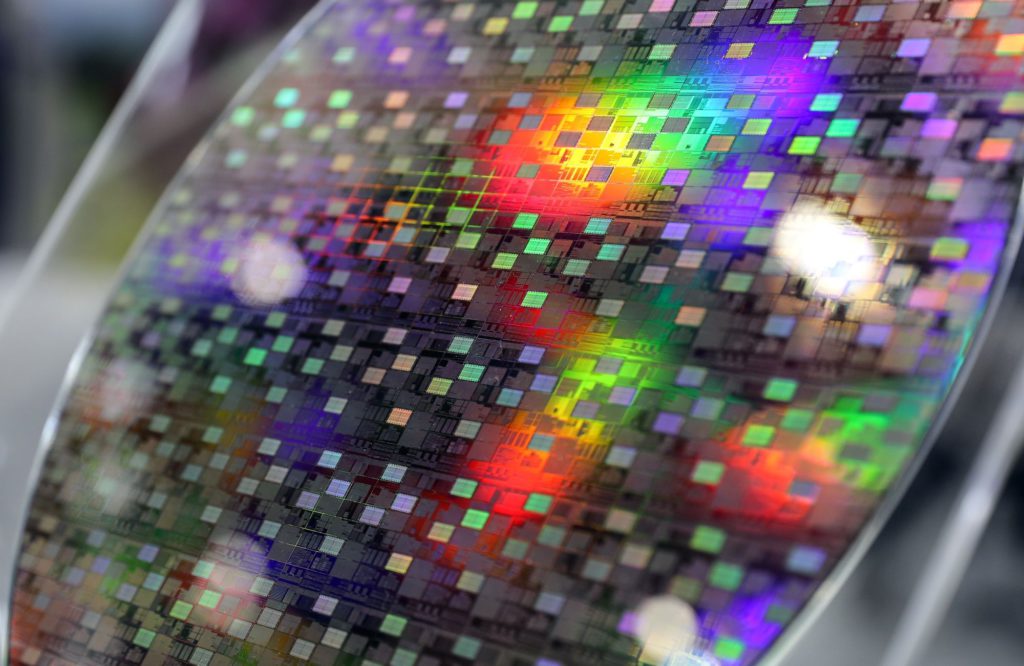
(Bloomberg) — Texas Instruments Inc. and SK Hynix Inc. offered a gloomy view of the chip market in their latest quarterly reports, dashing hopes of a quick rebound for the $550 billion industry. 

Dallas-based TI, whose chips go into everything from home appliances to missiles, said Tuesday that revenue will top out at $4.8 billion this quarter — at best — short of the $4.93 billion analysts had projected. Hynix, meanwhile, said memory prices fell 20% over the last quarter and warned of “unprecedented deterioration in market conditions.” The Icheon-based company slashed its capital spending for next year by at least half.

The pair of earnings reports followed a rally for chip stocks in recent days. The Philadelphia Stock Exchange Semiconductor Index, a key benchmark, had climbed for seven straight sessions, gaining about 11% since the middle of the month. Investors have been trying to pinpoint when flagging demand for chips would begin to ease. Some welcomed Hynix’s action to stem oversupply and whittle down production of lower-margin products. Its shares rose as much as 2.1% in Seoul on Wednesday after slumping 29% on the year.

“The South Korean chipmaker’s dramatic capital expenditure cut is a bold statement demonstrating their determination to confront the escalated uncertainties,” said Hebe Chen, an analyst at IG Markets Ltd. The production cut “could boost the company’s margin if investors are willing to take a long-term view.”

TI rekindled fears that the slowdown is spreading, saying sluggish demand had affected chips for industrial equipment — an area that had been seen as more immune to the slump. Its shares fell as much as 6% in late trading Tuesday. Microsoft Corp. added to concerns by posting its slowest growth in five years, with sales of its Windows software to PC makers falling shy of estimates.

Read more: Tech’s Big Day Tarnished as Microsoft, Google, TI Disappoint

The Biden administration’s effort to rein in China’s chipmaking power has also cast a cloud over the industry. Hynix warned that its DRAM production plant in Wuxi, near Shanghai, may be forced to close in an extreme scenario where US sanctions prevent it from importing the equipment it needs to sustain and expand production.

“SK Hynix diagnosed that the semiconductor memory industry is facing an unprecedented deterioration in market conditions,” the South Korean company said in its report. “Shipments of PCs and smartphone manufacturers, which are major buyers of memory chips, have decreased.”

Fellow memory maker Kioxia Holdings Corp., which is cutting output by 30%, also said the market is in a severe condition and there’s little certainty of when sentiment will improve. Demand for NAND memory is weakening across the board, the Japanese firm said in a news conference at its Yokkaichi factory Wednesday.

“The memory market condition is severe, and how long and how deep the current adjustment period would be is what everyone wants to know,” President Nobuo Hayasaka said. “Demand from PCs, smartphones and data centers is falling and I can’t foresee when this will start recovering.”

Read more: ‘Hard Times’ as Big Memory Makers Cut Output on Supply Glut

Texas Instruments said it wasn’t surprised by a slowdown in demand for personal devices, but the industrial-equipment market was weaker than expected. Overall, orders have worsened and cancellations have increased during the current quarter, the chipmaker said. 

Chip peers such as Samsung Electronics Co., Taiwan Semiconductor Manufacturing Co., Intel Corp. and Nvidia Corp. have all sounded the alarm about slumping demand. Samsung reported its first profit drop since 2019 at the start of this month and will detail its full earnings Thursday.

But TI Chief Financial Officer Rafael Lizardi said it’s impossible to say whether the current slump is simply customers cutting back to reduce inventory or if there’s deeper economic concern at play.

Even when the economy is steady, “you still have semiconductor cycles,” he said. “Over the last two years I wouldn’t be surprised if customers have built too much inventory. Now we’re going the other way.”

–With assistance from Takashi Mochizuki and Ishika Mookerjee.

More stories like this are available on bloomberg.com

©2022 Bloomberg L.P.
Singapore Proposes Ban on Borrowing to Fund Cryptocurrency Purchases

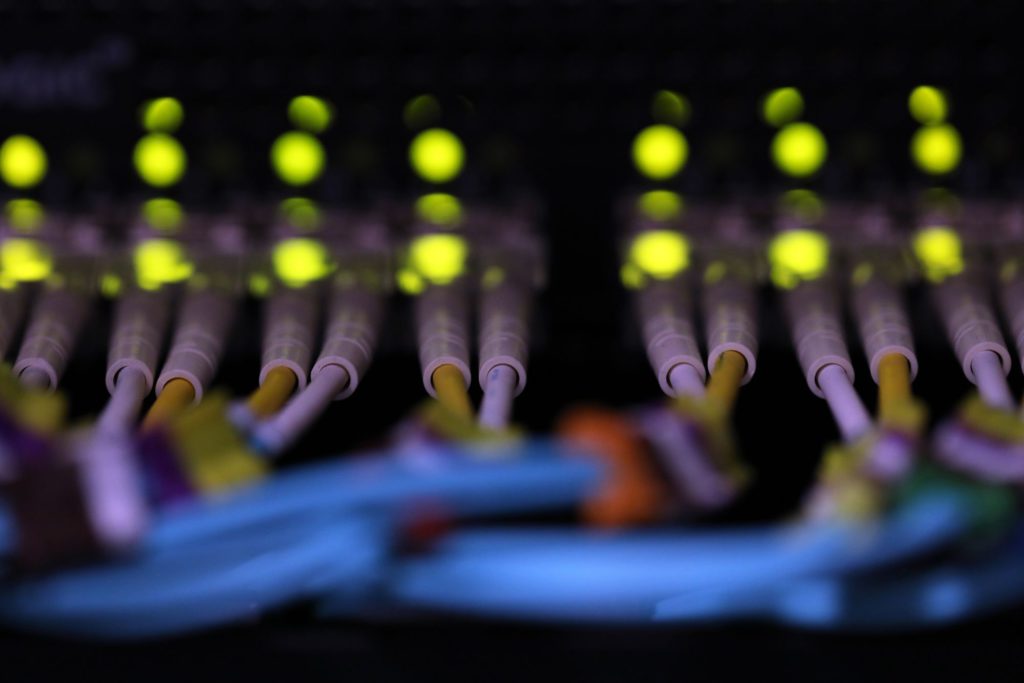
(Bloomberg) — Singapore proposed to ban retail investors from borrowing to fund cryptocurrency purchases, part of a slew of suggestions to further tighten the city-state’s regulatory regime for digital assets.

Other potential steps in a Monetary Authority of Singapore consultation paper include stopping companies from using tokens deposited by retail investors for lending or staking to generate yields. Staking is the process of earning rewards by deploying coins for crypto applications. 

Crypto prices are “highly volatile” and leverage can saddle customers with big losses, the central bank said in the paper Wednesday, adding the retail sector shouldn’t be able to use credit cards or other credit facilities to buy tokens.

The restrictions don’t apply to high-net-worth investors, who can qualify for a wider range of investments in the city state.

Stablecoins

Stablecoins — tokens that are meant to have a constant value — would need to be pegged to the local dollar or a Group of 10 currency and be fully backed by reserve assets of the same denomination, according to the document. Minimum capital requirements would be imposed on issuers too.

Singapore has been hit by a series of crypto blowups following a $2 trillion rout in digital assets, a selloff that took down the TerraUSD algorithmic stablecoin. Regulators globally are grappling with how to protect consumers while harnessing the innovation crypto offers.

The latest proposed steps “could affect trading volumes and revenues of crypto exchanges and lenders who have large retail exposure,” said Michael Wu, co-founder and chief executive officer of the Singapore-based Amber crypto platform. Still, the rules “will be good in the long term,” he added.

Locking out retail investors from lending tokens or staking will limit their access to decentralized finance or DeFi, which is often touted as important for crypto adoption. But DeFi has been dented by a series of hacks as well as the higher yields now available in conventional investments like Treasuries.

No Total Ban

Before the consultation, Singapore had already taken steps like clamping down on crypto marketing. It also requires virtual-asset providers to be licensed locally even if they only do business overseas.

The central bank said in Wednesday’s paper that it rejected entirely banning cryptocurrency services for retail consumers because that could lead them to unlicensed platforms.

The window for feedback on the consultation paper lasts until Dec. 21 after which final guidelines will be set. Digital-asset service providers will then have six to nine months to adhere to the rules.  

There’s a risk the latest roadmap is potentially “excessive” if followed in its entirety, said Chia Hock Lai, co-chairman of the Blockchain Association Singapore. The association hopes the monetary authority “will reconsider the merits of effecting some of the proposals at this point in time,” Chia said.

–With assistance from Chanyaporn Chanjaroen and Joanna Ossinger.

(Updates with industry comment from the seventh paragraph.)

More stories like this are available on bloomberg.com

©2022 Bloomberg L.P.

Tech Giants Push Down US Futures; Asia Stocks Rise: Markets Wrap

(Bloomberg) — Stocks were mixed as major Asian indexes climbed and US futures fell after post-market slumps in Google parent Alphabet Inc. and Microsoft Corp. marred a three-day rally on Wall Street.

Equities advanced in China, Japan and South Korea while contracts for the Nasdaq 100 slid. Alphabet dropped as much as 7% in after-market trading on revenue that came in below expectations and Microsoft lost 8% following a disappointing revenue forecast.

Positive signs for Asia included China’s central bank and foreign-exchange regulator indicating they would maintain the healthy development of stock and bond markets, while reiterating that the yuan would be “basically stable.”

A near 5% rebound in a gauge of US-listed Chinese stocks on Tuesday helped claw back some of the record loss suffered in the wake of President Xi Jinping breaking with China’s collective leadership. Hong Kong’s tech gauge made strong gains for a second day but was still short of recouping Monday’s near 10% slide. 

A gauge of the dollar was unchanged while the pound fell slightly on a report that UK Prime Minister Rishi Sunak was considering a delay to next week’s planned fiscal statement. 

The yen weakened to around 148 per dollar ahead of the Bank of Japan’s policy decision Friday, when monetary settings are expected to be kept unchanged.

Meanwhile, the central bank boosted purchases of longer-dated government bonds as rising yields threatened to loosen its grip on the yield curve.

Treasuries held to gains, with the 10-year yield falling below 4.10% after data for US home prices and consumer confidence underscored concern over the economic outlook. 

While the US data haven’t changed expectations that the Federal Reserve will hike interest rates by 75 basis points next month, they add to signs that an end to aggressive tightening may come next year, taking pressure off global markets.

Analysts are also projecting challenges for now in Europe, with a jumbo hike of 75 basis points expected from the European Central Bank on Thursday. That’s even as many economists now reckon a recession has begun in the euro region.

“Sentiment’s still incredibly fragile. We do expect to see further market volatility,” Catherine Yeung, investment director at Fidelity International, said on Bloomberg Radio. “All eyes are still on the rate cycle globally speaking as well as where inflation does go. I think going into the end of the year, again, it’s going to be volatile.”

Despite the disappointment from the two tech giants, of the 28% of S&P 500 companies that have reported earnings, around 70% have outperformed estimates, according to data compiled by Bloomberg.  The Coca-Cola Co. and General Motors Co. closed the US session in green after topping analysts’ earnings estimates. 

Elsewhere, oil fell as an industry report showed a rise in US crude stockpiles and investors fretted about weaker demand amid slowing growth. Gold edged higher in Asia as lower Treasury yields supported the precious metal.

Key events this week:

  • Earnings due this week include: Apple, Exxon Mobil, Ford Motor, Credit Suisse, Airbus, Amazon, Bank of China, Boeing, Caterpillar, Cnooc, Intel, McDonald’s, Mercedes-Benz, Merck, Samsung Electronics, Shell, Vale, Visa, Volkswagen
  • Bank of Canada rate decision, Wednesday
  • ECB rate decision, Thursday
  • US GDP, durable goods orders, initial jobless claims, Thursday
  • Bank of Japan policy decision, Friday
  • US personal income, personal spending, pending home sales, University of Michigan consumer sentiment, Friday

Some of the main moves in markets:

Stocks

  • Futures on the S&P 500 fell 0.9% as of 6:43 a.m. London time The S&P 500 rose 1.6% Tuesday
  • Nasdaq 100 futures fell 1.9%. The Nasdaq 100 rose 2.1%
  • Euro Stoxx 50 futures fell 0.3%
  • The Topix Index rose 0.7%
  • The Hang Seng Index rose 1.3%
  • The Shanghai Composite Index rose 0.9%

Currencies

  • The Bloomberg Dollar Spot Index was little changed
  • The euro was little changed at $0.9969
  • The Japanese yen fell 0.1% to 148.12 per dollar
  • The offshore yuan rose 0.4% to 7.2866 per dollar
  • The British pound was little changed at $1.1463

Cryptocurrencies

  • Bitcoin was little changed at $20,185.67
  • Ether rose 0.7% to $1,484.02

Bonds

  • The yield on 10-year Treasuries fell two basis points to 4.08%
  • Australia’s 10-year yield fell 16 basis points to 3.92%

Commodities

  • West Texas Intermediate crude fell 0.6% to $84.80 a barrel
  • Spot gold rose 0.4% to $1,659.92 an ounce

More stories like this are available on bloomberg.com

©2022 Bloomberg L.P.

Mercedes Hikes Profit Goal With Demand Outstripping Supply

(Bloomberg) — Mercedes-Benz AG raised its expectations for a second time this year with demand still outrunning supply even as economic gloom spreads.  

Robust sales especially for high-end models and healthy pricing are underpinning the outlook in the face of surging energy costs and persistent supply-chain problems, it said Wednesday. Mercedes also reported a third-quarter jump in earnings before interest and tax to €5.2 billion ($5.2 billion). 

The German company now sees group profit significantly higher than a year ago, up from a projection of a “slight” gain. For the core car division, the adjusted return on sales is expected to rise to as much as 15%, up from as much as 14%. Mercedes also raised the outlook for its vans division. 

The maker of the EQS sedan is working through pent-up demand after severe shortages of semiconductors restricted production for months. With some of the supply-chain pressure now easing, attention has shifted to how resilient automakers will be in the face of a jump in interest rates, ongoing covid restrictions in China and the energy crisis in Europe. General Motors Co. on Tuesday reported strong results thanks to brisk sales of luxury Cadillac SUVs and its largest trucks. 

At Mercedes’s main car division, returns climbed to 14.5% in the three months through September following a jump in deliveries. 

Regional Weakness

While Mercedes raised its guidance, record inflation and surging interest rates are hitting its business in the US and Europe, where the company downgraded sales expectations. The carmaker now sees deliveries in the US “significantly” lower than the prior year, compared with a slight decrease previously. In Europe, sales will decline further from an already-low level, a downgrade from an unchanged forecast. 

Weaker US and European markets are expected to be offset by significantly higher sales in China, where tax breaks for car purchases are set to boost demand after a series of stringent pandemic lockdowns. Overall, Mercedes stuck to a projection for a slight rise in global deliveries for the year. 

Earlier this month, the luxury-car maker pledged to deliver solid returns next year even as the global outlook is set to take a turn for the worse, as part of a plan to shift its model portfolio upmarket where buyers are less affected by economic cycles. By 2025, Mercedes is targeting an operating margin goal of 14% in a favorable environment and no lower than 8% in poor conditions. 

(Updates with carmaking returns in fifth; US, Europe market downgrade in sixth paragraphs)

More stories like this are available on bloomberg.com

©2022 Bloomberg L.P.

Zara Owner Inditex to Sell Russian Business to Daher Group

(Bloomberg) — Inditex SA, the world’s biggest textile retailer, agreed to sell its business in Russia to Daher group, marking its withdrawal from the country.

The agreement will preserve a “substantial number of jobs” in Russia and Daher will also pick up most of Inditex’s store rental contracts, Arteixo, Spain-based Inditex said in a filing Tuesday.

Inditex expects provisions made in the first half of the year to cover the impact of exiting Russia. In June, the company said it had taken €216 million ($215 million) provision for shutting operations in Russia and Ukraine.

The apparel firm announced in March that it was closing all of its 502 shops in Russia and halting online sales after the invasion of Ukraine. Russia accounted for about 8.5% of total group earnings before interest and tax and was Inditex’s second-largest market by number of stores.

When Inditex said it was halting business in Russia, in line with other Western companies, it also said it would continue to pay salaries for some 9,000 workers and would seek to reach agreements with landlords. The announcements happened at the same time as the company was transitioning between its former and current chairmen.  

Under the agreement, Daher will operate in Russia under its own brand but if at some future stage, Inditex wishes to return the country, the deal outlines the possibility of doing so through franchises. 

Daher is based in the United Arab Emirates and has links to Azadea, a Lebanese company that operates Inditex franchises in the Middle East.

(Updates with number of workers in fourth paragraph)

More stories like this are available on bloomberg.com

©2022 Bloomberg L.P.

Tech’s Big Day Tarnished as Microsoft, Google, TI Disappoint

(Bloomberg) — US tech stocks tumbled in after-hours trading after some of the industry’s biggest companies reported disappointing results, roiling wagers that this year’s $5.5 trillion selloff had reached bottom.

The quarterly updates from Microsoft Corp., Alphabet Inc. and Texas Instruments Inc. underscored growing pressure on everything from corporate IT budgets to digital ad spending and chips for industrial machinery. Nasdaq 100 Index futures lost as much as 2.4%, reversing an earlier rally on Tuesday, as the results refocused investor attention on the damage to earnings and the economy from the Federal Reserve’s rapid interest-rate hikes.

“The global economy is at a tipping point,” said Jessica Amir, strategist at Saxo Capital Markets. “The stronger dollar will continue to hurt businesses’ forward earnings, at a time when consumer demand is likely to fall with the reverse wealth effect expected to grip markets. Pressure remains on riskier asset classes such as tech.”

Signs of weakness were widespread. Microsoft posted its weakest quarterly sales growth in five years, throttled by the surging dollar, slumping PC demand and faltering advertising revenue. At Alphabet’s most important financial engine, the search and related businesses, sales fell shy of analyst estimates as spiraling inflation crimped growth in digital advertising. Both stocks fell more than 6%.

The selloff in extended to other consumer and tech giants, with Amazon.com Inc. dropping 4.9% in late trading. Those that derive sales from online advertising followed Alphabet lower, with Meta Platforms Inc. and Pinterest Inc. dropping more than 4% each. Among software companies moving in the wake of Microsoft, Datadog Inc. tumbled 7%, Snowflake Inc. fell 5% and Salesforce Inc. dropped 3%. 

The Nasdaq 100 Index has plunged more than 28% this year, on course for its worst annual performance since 2008.

The demand outlook was particularly dire in the semiconductor industry, which had been one of the hottest sectors during the pandemic. Texas Instruments, whose chips go into everything from home appliances to missiles, saw shares tumble after its weak forecast signaled that the chip slump is spreading beyond computing and phones into other businesses. The stock lost 5%, while Analog Devices Inc., ON Semiconductor Corp., and Marvell Technology Inc. also dipped.

South Korean chipmaker SK Hynix Inc. reported a 60% decline in profit and said it would cut capital expenditures by more than half. It warned of “an unprecedented deterioration in market conditions.” Hynix is joining fellow memory makers Micron Technology Inc. and Kioxia Holdings Corp. in slashing production plans as chip prices tumble. 

The silver lining for investors is that the eventual pullback in supply may ultimately prove beneficial for profits — and stock prices. Hynix shares, which have lost 28% this year, were up as much as 2.1%. Samsung Electronics Co. climbed 3%, while Taiwan Semiconductor Manufacturing Co. added 1.4%.

“Inventory will decrease accordingly and demand will rise again,” said Greg Roh, head of technology research at HMC Investment & Securities.

–With assistance from Sohee Kim and Ishika Mookerjee.

More stories like this are available on bloomberg.com

©2022 Bloomberg L.P.

Japan’s Kioxia Puts IPO on Ice While Waiting Out Chip Downturn

(Bloomberg) — Kioxia Holdings Corp. has no immediate plans to proceed with an initial public offering, as the Japanese maker of NAND memory chips grapples with a steep drop in demand.

The company, spun out of troubled industrial group Toshiba Corp., has been waiting for the right time to go public to help finance the ever-increasing capital spending required to keep pace with far bigger rival Samsung Electronics Co. and peers SK Hynix Inc. and Micron Technology Inc. 

A steep downturn, exacerbated by US curbs on China’s access to advanced chips, has been foiling Kioxia’s IPO plans. Following years of pandemic-driven demand, client technology firms are now rushing to use up record-level stockpiles of chips at a time when interest rates and oil prices dent consumer appetite and fuel recession fears. 

“Now is not the time,” Kioxia Chief Executive Officer Nobuo Hayasaka said at a news conference at the company’s facilities in Yokkaichi, western Japan, on Wednesday. “We remain on the alert for the best possible timing for an IPO, but as always will also evaluate other financial options.”

Global chipmakers are slashing capital spending to cope with rising inventory and sharp declines in demand and chip prices. South Korea’s Hynix earlier in the day said it is cutting its capital expenditure for next year by half, or possibly more, warning of an “unprecedented” drop in demand. NAND chip prices fell by more than 20% in the quarter ended in September, compared with the previous quarter, it said.

Kioxia last month said it was cutting wafer production starts by 30% beginning this month, which would correspond to a 30% drop in output in December. 

“Memory market conditions are severe,” Hayasaka said, noting that demand was weak from makers of PCs, smartphones and data centers, even while a weak yen was helping to bolster revenue. “I can’t say when a recovery will begin.”

More stories like this are available on bloomberg.com

©2022 Bloomberg L.P.

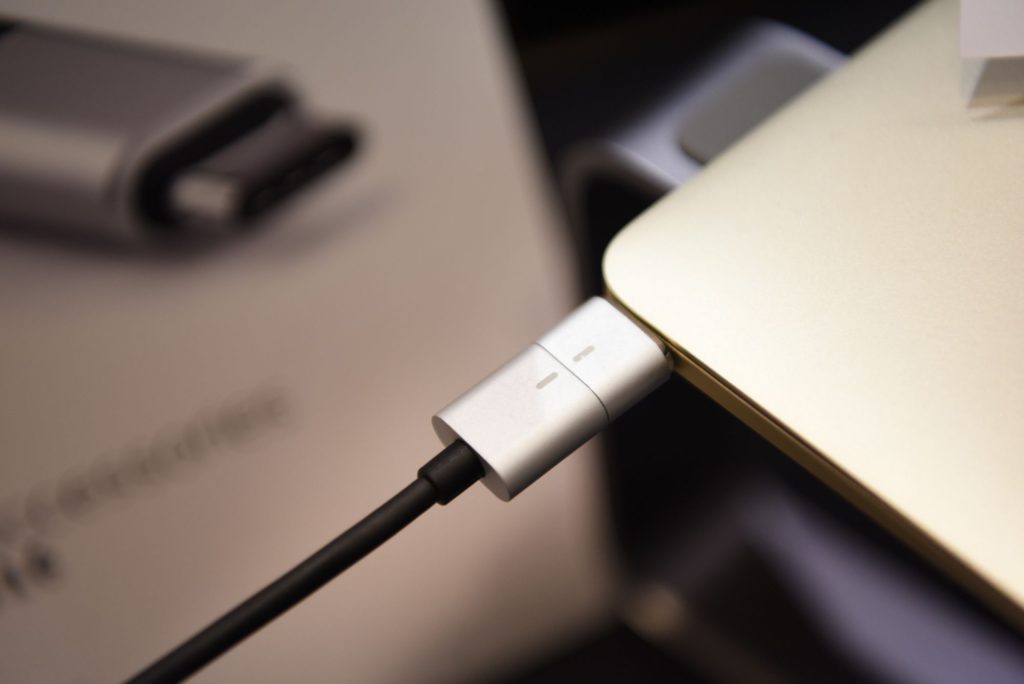
Apple Will Comply With iPhone USB-C Charger Law, Executive Says

(Bloomberg) — Apple Inc. will need to comply with a European Union law to switch the iPhone to a USB-C charger, marketing chief Greg Joswiak said on Tuesday.

Joswiak said that the company will comply as it does with other laws. He declined to specify when the iPhone may get the charger to replace Lightning. He made the comments at a Wall Street Journal conference in Laguna Beach, California.

He said Apple and the EU had been at odds over chargers for a decade, recalling how European authorities once wanted Apple to adopt Micro-USB. He said that neither Lightning — the current iPhone charging port — nor the now-ubiquitous USB-C would have been invented if that switch had occurred.

Apple is planning to switch the iPhone to USB-C next year, Bloomberg News has reported. The law goes into effect in 2024. Apple has already moved its Macs, many iPads and accessories to USB-C from Lightning and other connectors.

Joswiak joined Snap Inc. founder Evan Spiegel at the gathering in dismissing the idea that the virtual world known as the metaverse will be the future of computing. 

The metaverse is a “word I’ll never use,” Joswiak said.

Snap’s Evan Spiegel Slams the Metaverse, Touts Own AR Vision

Mark Zuckerberg has poured billions of dollars into the effort and gone so far as to change Facebook’s corporate name to Meta Platforms Inc.

In terms of other Apple product changes, Craig Federighi, Apple’s senior vice president of software engineering, was asked if the Mac will ever get a touchscreen.

“Who’s to say?” he replied. 

In another area of controversy, Federighi said that an Android version of iMessage — the messaging service on Apple products — would hold back innovation across iMessage on iOS. Apple wouldn’t be able to invest heavily into an Android version.

Federighi and Joswiak both argued that Apple has benefited from getting employees to return to the office — a step many tech companies have resisted because of worker pushback.

The pandemic caused a lot of people to feel disconnected, Federighi said, and the company is much more effective when everyone is back together. Apple’s culture has long been about being in the same place together, he added.

More stories like this are available on bloomberg.com

©2022 Bloomberg L.P.
Stocks Mixed as Asia Rises, Tech Hurts US Futures: Markets Wrap

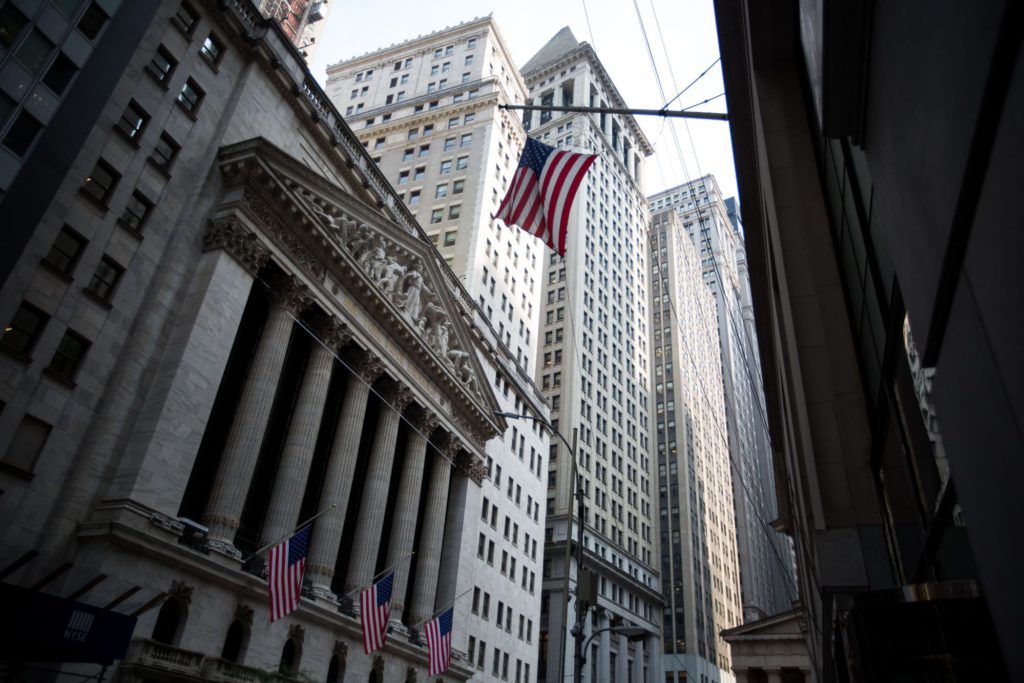
(Bloomberg) — Stocks were mixed as major Asian indexes rose and US futures fell after post-market slumps in Google parent Alphabet Inc. and Microsoft Corp. marred a three-day rally on Wall Street.

Equities rose in China, Japan and Australia while contracts for the Nasdaq 100 slid. Alphabet dropped as much as 7% in after-market trading on revenue that came in below expectations and Microsoft lost 8% following a disappointing revenue forecast.

Positive signs for Asia included China’s central bank and foreign-exchange regulator indicating they would maintain the healthy development of stock and bond markets, while reiterating that the yuan would be “basically stable.”

A near 5% rebound in a gauge of US-listed Chinese stocks on Tuesday helped claw back some of the record loss suffered in the wake of President Xi Jinping breaking with China’s collective leadership. Hong Kong’s tech gauge made strong gains for a second day but was still short of recouping Monday’s near 10% slide. 

A gauge of the dollar was unchanged, while Treasuries held to gains, with the 10-year yield falling below 4.10% after data for US home prices and consumer confidence underscored concern over the economic outlook. 

Australia’s 10-year yield followed Treasuries lower, while the rate on the policy-sensitive three-year maturity fluctuated after third-quarter inflation data beat estimates.

Bank of Japan offered to buy more bonds than planned at its regular market operation. The yen weakened to around 148 per dollar ahead of the central bank’s policy decision Friday, when monetary settings are expected to be kept unchanged.

While the US data haven’t changed expectations that the Federal Reserve will hike interest rates by 75 basis points next month, they add to signs that an end to aggressive tightening may come next year, taking pressure off global markets.

Analysts are also projecting challenges for now in Europe, with a jumbo hike of 75 basis points expected from the European Central Bank on Thursday. That’s even as many economists now reckon a recession has begun in the euro region.

“Sentiment’s still incredibly fragile. We do expect to see further market volatility,” Catherine Yeung, investment director at Fidelity International, said on Bloomberg Radio. “All eyes are still on the rate cycle globally speaking as well as where inflation does go. I think going into the end of the year, again, it’s going to be volatile.”

Despite the disappointment from the two tech giants, of the 28% of S&P 500 companies that have reported earnings, around 70% have outperformed estimates, according to data compiled by Bloomberg. 

The Coca-Cola Co. and General Motors Co. closed the US session in green after topping analysts’ earnings estimates. 

Elsewhere, oil fell as an industry report showed a rise in US crude stockpiles and investors fretted about weaker demand amid slowing growth. 

Key events this week:

  • Earnings due this week include: Apple, Exxon Mobil, Ford Motor, Credit Suisse, Airbus, Amazon, Bank of China, Boeing, Caterpillar, Cnooc, Intel, McDonald’s, Mercedes-Benz, Merck, Samsung Electronics, Shell, Vale, Visa, Volkswagen
  • Bank of Canada rate decision, Wednesday
  • ECB rate decision, Thursday
  • US GDP, durable goods orders, initial jobless claims, Thursday
  • Bank of Japan policy decision, Friday
  • US personal income, personal spending, pending home sales, University of Michigan consumer sentiment, Friday

Some of the main moves in markets:

Stocks

  • S&P 500 futures fell 0.9% as of 12:25 p.m. Tokyo time. The S&P 500 rose 1.6% Tuesday
  • Nasdaq 100 futures fell 1.9%. The Nasdaq 100 rose 2.1%
  • The Topix Index rose 1%
  • The S&P ASX Index rose 0.2%
  • The Hang Seng Index rose 2.5%
  • The Shanghai Composite Index rose 1.4%
  • Euro Stoxx 50 futures were unchanged

Currencies

  • The Bloomberg Dollar Spot Index was little changed
  • The euro dropped 0.1% to $0.9954
  • The Japanese yen fell 0.2% to 148.26 per dollar
  • The offshore yuan was little changed at 7.3133 per dollar

Cryptocurrencies

  • Bitcoin rose 0.2% to $20,239
  • Ether rose 0.8% to $1,485.87

Bonds

  • The yield on 10-year Treasuries fell two basis points to 4.09%
  • Australia’s 10-year yield fell 12 basis points to 3.96%

Commodities

  • West Texas Intermediate crude fell 0.5% to $84.87 a barrel
  • Spot gold rose 0.2% to $1,656.46 an ounce

More stories like this are available on bloomberg.com

©2022 Bloomberg L.P.
Snap’s Evan Spiegel Slams the Metaverse, Touts Own AR Vision

(Bloomberg) — Billionaire Snap Inc. founder Evan Spiegel rubbished the idea that future computing will migrate into a virtual world dubbed the metaverse, arguing most people prefer a lighter touch known as augmented reality.

Augmented reality, which broadly speaking superimposes digital info on the real world, lets people harness computing power without forcing them to rely on a single screen, Spiegel said. Unlike a VR headset, the combination of phones and augmented glasses is “more immersive.” 

“The metaverse is ‘living inside of a computer.’ The last thing I want to do when I get home from work during a long day is live inside of a computer,” Spiegel told the WSJ Live conference in Laguna Beach, California. “There is a clear fork in the road between VR and AR.”

Later at the same event, Apple Inc. marketing chief Greg Joswiak echoed the sentiment, saying the metaverse is “a word I’ll never use.” Apple is working on its own combined AR and VR headset, Bloomberg News has reported.

Spiegel and his lieutenants have argued that perspective previously, which diverges in part from the more all-encompassing vision of the metaverse espoused by Meta Platforms Inc. founder Mark Zuckerberg. 

The debate underscores a broader discussion underway about the future of computing as growth in the smartphone era wanes. Snap this month reported its slowest quarterly sales growth ever, saying a decline in advertising spending continues to drag on results.

(Updates with Apple executive’s comments)

More stories like this are available on bloomberg.com

©2022 Bloomberg L.P.
Close Bitnami banner
Bitnami