Bloomberg

Schlumberger Rebrands to SLB in Focus on Clean-Technology Shift

(Bloomberg) — Schlumberger, the world’s biggest oilfield services provider, changed its name to SLB and rebranded itself as a technology company to go after more work in the clean-energy space. 

The Houston- and Paris-based company plans to continue operating its legacy oil and gas business while expanding in technologies that will help companies curb emissions of carbon dioxide and methane. The new name, the same as the company’s stock ticker symbol, took effect Monday.

“We couldn’t have done it at a better time at a critical juncture in our industry,” Chief Executive Officer Olivier Le Peuch said in a Bloomberg Television interview. “Digital is the future of this industry.”

The rebranding of SLB, which traces it’s history back almost a century, follows similar moves by other oil and gas industry giants to reflect a global push toward clean energy sources. France’s Total became TotalEnergies SE in last year, while Norway’s Statoil dropped the fossil-fuel reference from its name entirely in 2018 to be rechristened as Equinor SA.

Despite the focus on climate change, fossil fuel prices have surged this year, in large part due to the war in Ukraine. That’s thrown up the best opportunity in years for the world’s biggest oilfield contractors to cash in on an expansion in drilling, even as they try to capture business outside of what has traditionally been their core expertise.

SLB on Friday posted its highest third-quarter profit in seven years thanks to rising drilling activity in markets outside the US and Canada. The digital and integration unit, the smallest of its four businesses and the centerpiece of SLB’s effort to pivot toward the energy transition, posted $900 million in quarterly sales, trailing analysts’ expectations.

SLB’s renaming also follows a recent pattern established by US energy companies APA and NOV, which both took their new monikers from their stock ticker symbols.

(Updates with other names change in fourth paragraph)

More stories like this are available on bloomberg.com

©2022 Bloomberg L.P.

Yellow Card Gets First Crypto License to Plug Botswana Banks Gap

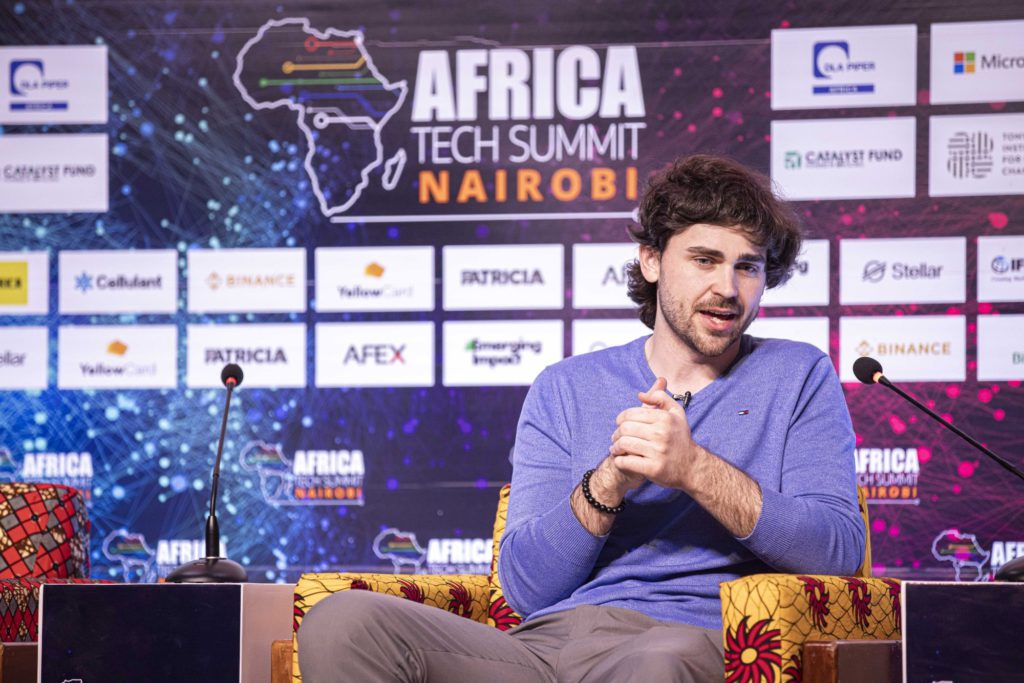
(Bloomberg) — Yellow Card Financial Inc., a pan-African cryptocurrency exchange, has secured a license for trading in Botswana, the first company on the continent to do so.

The Polychain-backed crypto exchange’s operating license may open up greater channels for expansion and access to payment partners, banking and clients across the continent, Chief Executive Officer and Founder Chris Maurice said in a statement. 

Polychain-Backed Yellow Card Sees $1 Billion Valuation by 2023

More African nations are working to establish legislation to regulate the use of crytpocurrency and other digital assets in the financial markets. Neighboring South Africa introduced rules to tighten oversight of the industry and to protect customers.

Yellow Card will target the unbanked population in Botswana, the continent’s biggest diamond producer, where the majority of the population does not have payslips and therefore do not have bank accounts, it said.

More stories like this are available on bloomberg.com

©2022 Bloomberg L.P.

US Equity Futures Rise Ahead of Big-Tech Earnings: Markets Wrap

(Bloomberg) — US futures advanced as investors await the next batch of earnings from some of the world’s biggest companies. Treasury yields dipped and the dollar gained.

Contracts on the S&P 500 fluctuated before turning green, while those on the Nasdaq 100 came off session lows to trade little changed. Twitter Inc. gained as much as 2.1%, narrowing the gap to Elon Musk’s offer price ahead of the Oct. 28 court-issued deadline for the deal. Tesla Inc. slipped more than 2% after lowering prices across its lineup in China.

While the path of US interest rates remains at the center of investors’ attention, their focus this week will also be on earnings of megacap technology companies, among the key profit-growth engines for the S&P 500. The five biggest tech firms by revenue — Apple Inc., Microsoft Corp., Alphabet Inc., Amazon.com Inc. and Meta Platforms Inc. — are projected to report the steepest contraction in earnings in three years, data compiled by Bloomberg show.

“It’s clear demand is slowing but so far we’ve seen pockets of tech like software, cloud computing still being quite resilient,” said Laura Cooper, a senior investment strategist at BlackRock International Ltd., on Bloomberg TV. “We will be watching for any signs of cracks coming through that could put a dent to some of these earnings expectations.”

A gauge of dollar strength rose in choppy trading that saw wild swings in the yen amid signs of a second intervention from Japanese authorities in two sessions. British bonds rallied after Boris Johnson pulled out of the race to lead the UK’s ruling Conservative Party, putting former chancellor Rishi Sunak closer to becoming the next prime minister.

The Stoxx Europe 600 Index climbed more than 1%. Media, travel and leisure and utilities rose, while energy underperformed as oil declined amid souring sentiment over China. Prosus NV slumped more than 13%.

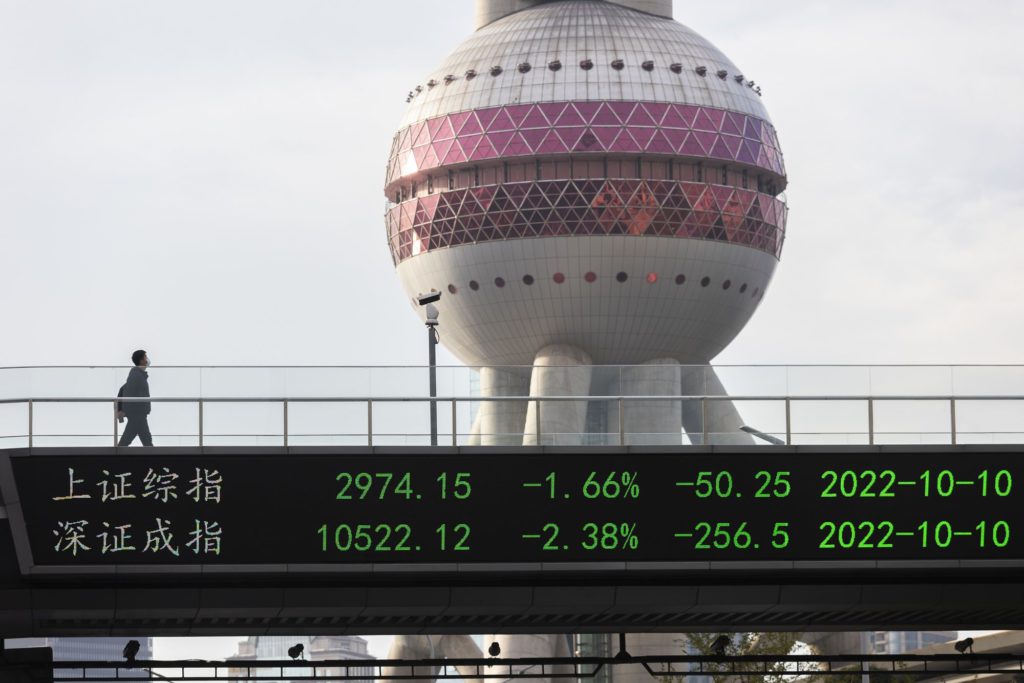
China’s yuan and the country’s stocks tumbled in Hong Kong to the lowest level since the depths of the 2008 global financial crisis even as economic growth data beat estimates. The onshore yuan depreciated as much as 0.4%, while the Hang Seng China Enterprises Index, a gauge of Chinese stocks listed in Hong Kong, plunged more than 5%, with investors spooked by President Xi Jinping’s tightening grip on China’s ruling party. US-listed Chinese stocks including Alibaba Group Holding Ltd. to JD.com Inc. tumbled in premarket trading.

“Market sentiment could remain cautious near-term on China, on concerns of a shift of focus toward more state control versus a market-driven approach under the new leadership team,” said Xiaojia Zhi, the chief China economist at Credit Agricole CIB. “The exit path from zero-Covid is not yet clear.”

Chinese economic data that was delayed last week and published Monday showed a mixed recovery, with unemployment rising and retail sales weakening despite a pickup in growth. Yet Xi’s Covid-zero campaign looks likely to continue to drag on the economy and there has been speculation that his “common prosperity” goal may even lead to property and inheritance taxes. 

Key events this week:

  • Earnings due this week include: Apple, Microsoft, Exxon Mobil, Ford Motor, Credit Suisse, Airbus, Alphabet, Amazon, Bank of China, Boeing, Caterpillar, Cnooc, Coca-Cola, HSBC, Intel, McDonald’s, Mercedes-Benz, Merck, Samsung Electronics, Shell, UBS, UPS, Vale, Visa, Volkswagen
  • PMIs for US, Monday
  • US Conference Board consumer confidence, Tuesday
  • Bank of Canada rate decision, Wednesday
  • ECB rate decision, Thursday
  • US GDP, durable goods orders, initial jobless claims, Thursday
  • Bank of Japan policy decision, Friday
  • US personal income, personal spending, pending home sales, University of Michigan consumer sentiment, Friday

Some of the main moves in markets:

Stocks

  • Futures on the S&P 500 rose 0.4% as of 8:27 a.m. New York time
  • Futures on the Nasdaq 100 rose 0.1%
  • Futures on the Dow Jones Industrial Average rose 0.5%
  • The Stoxx Europe 600 rose 1.4%
  • The MSCI World index was little changed

Currencies

  • The Bloomberg Dollar Spot Index rose 0.5%
  • The euro fell 0.3% to $0.9837
  • The British pound was little changed at $1.1300
  • The Japanese yen fell 1% to 149.12 per dollar

Cryptocurrencies

  • Bitcoin fell 0.6% to $19,375.81
  • Ether rose 1.3% to $1,347.81

Bonds

  • The yield on 10-year Treasuries declined two basis points to 4.20%
  • Germany’s 10-year yield declined eight basis points to 2.33%
  • Britain’s 10-year yield declined 20 basis points to 3.86%

Commodities

  • West Texas Intermediate crude fell 2.2% to $83.16 a barrel
  • Gold futures fell 0.2% to $1,652.30 an ounce

–With assistance from Charlotte Yang and Brett Miller.

More stories like this are available on bloomberg.com

©2022 Bloomberg L.P.

US Earnings to Watch This Week: Apple, Microsoft, Boeing, Exxon, Biogen

(Bloomberg) — Schlumberger’s rosy report Friday — including its best profit in seven years and a boost to its full-year guidance — supports expectations for oil giants Exxon and Chevron to continue their earnings expansion streak when they deliver results at the end of the week. Meanwhile, the technology megacap companies reporting this week will look to shake off souring sentiment on digital advertising rates, after Snap’s slowest quarterly sales growth triggered a sell off that wiped out $35 billion in market cap for social media stocks.  

Even with lowered earnings estimates for the third quarter, the proportion of S&P 500 companies beating expectations two weeks into the reporting season has been mostly in line with the level at this point last quarter, but is trending below that of the prior year. Of the almost 20% of companies that have reported so far, roughly 58% posted positive surprises in both revenue and EPS, according to data compiled by Bloomberg.

Goldman Sachs, Bank of America and Netflix were among last week’s better-than-expected results, assuaging fears for now about the health of the consumer even as executives remain cautious about the economic outlook. The concerns were more evident in American Express’s earnings, however, as the credit card provider set aside more money to cover bad loans than analysts expected. Tesla also reported lackluster results and said it will miss broad annual growth targets on EV demand concerns in China and Europe. 

US stock futures rose Monday ahead of the busy earnings week, which will see reports from tech giants Apple, Amazon, Alphabet, Microsoft and Meta Platforms. Caterpillar, Boeing, General Electric, 3M and General Motors are also due to report. In the UK, former chancellor Rishi Sunak took a step closer to becoming the next prime minister after Boris Johnson pulled out of the race to succeed Liz Truss, who stepped down last week.

  • To subscribe to earnings coverage across your portfolio or other earnings analysis, run NSUB EARNINGS.
  • Click to see the highlights to watch this week from earnings reports in Europe and Asia
  • See the ESG Stock Watch for a selection of the environmental, social and governance themes that may come up on this week’s earnings calls.
  • Follow results, analysis and market reaction to reports by Apple, Amazon, Alphabet, Meta, Exxon, Chevron, GM, GE, UPS, 3M, and Raytheon in real-time on the TOPLive blog

Earnings highlights to look for this week:

Monday: Cadence Design (CDNS US), a software maker for semiconductor designs, is expected to post modest sequential revenue growth in the third quarter when it reports after-market, thanks to secular trends favoring a greater number of chip designs and their heightened complexity. Analysts from Bloomberg Intelligence and KeyBanc Capital Markets are bullish on the firm’s long-term drivers, potential new customer streams and business prospects, with BI likening “Cadence to selling the paint and the brushes into a semiconductor renaissance.” The company is expected to give comments on the impact of the recently announced US chip-export rules against China, though BI said that could be minimal given peer Synopsys said it didn’t expect material earnings impact.

Tuesday: Microsoft (MSFT US) is projected to report its slowest year-over-year revenue growth since late 2017 when it delivers fiscal 1Q results after the market close. Guggenheim analysts cast doubt on the company’s ability to maintain full year guidance, saying its target of double-digit reported revenue growth is at risk if the dollar continues to strengthen and macro conditions weaken further. Still, a rebound in cloud spending could help it beat expectations in 2024, according to Bloomberg Intelligence.

  • Biogen (BIIB US) reports before the opening bell. The drugmaker’s next steps for the jointly-developed Alzheimer’s treatment lecanemab may steal the limelight from the results themselves, Bloomberg Intelligence wrote, given the positive findings from the phase 3 trial last month. Baird analysts said the company could face questions about its regulatory and pre-launch effort with Eisai for the treatment, also noting investors’ interest on pricing plans. They expect third-quarter results to largely meet the Street’s consensus, which is guiding for a low-double-digit contraction in both the top and bottom lines for the quarter.

Wednesday: Boeing (BA US) will report before the bell. Analysts are projecting a return to positive free cash flow and a sequential growth in operating cash generated for the fiscal third quarter, reinforcing comments last month made by Chief Financial Officer Brian West. On the earnings call, Cowen analysts are expecting the planemaker to address supply chain and labor concerns.

  • Seagate (STX US) is due before the market open. Having cut its revenue forecast in August due to worsening economies and supply-chain snarls, the computer hard drive maker should post a top line for the fiscal first quarter that meets its updated guidance, Bloomberg Intelligence wrote. The sharp sales drop — consensus implies about a 32% decline compared with a year ago — may trigger cost-cutting measures as a margin remedy, they added.

Thursday: Apple (AAPL US), releasing its fourth-quarter results after the bell, could be hit harder than expected by the effects of the stronger dollar and weakness in China. “Unfavorable foreign-exchange movement may have driven high-single-digit growth in services both for the fourth quarter, with potential for similar gains in the first quarter of 2023, compared with an average of 19.7% over the past four quarters,” Bloomberg Intelligence said. IPhone sales could match or beat consensus of about 9.8% growth year-over-year, thanks to an extra week of new-iPhone sales, but total iPhone revenue in 2023 is projected to rise only about 2.7%. Apple withdrew plans to ramp up iPhone 14 production late last month, as an anticipated surge in demand did not materialize.

  • Caterpillar (CAT US) will report premarket. The heavy machinery maker is set to post accelerated growth in revenue, driven by factors BI identified as its elevated backlog, solid underlying demand and easing supply constraints. Most of its dealers in North America are expecting further price hikes in 2023 as demand is out-running supply, according to Citigroup analysts. Management’s view on inflation pressures, supply chain and China demand will be closely watched after its CEO in August said there had been no broad improvements on these macro challenges.

Friday: Exxon (XOM US) and Chevron (CVX US) are both due before the opening bell. The two oil giants are projected by consensus to continue the bottom-line expansion streak they’ve seen over the past year, thanks to oil prices that remained elevated for most of the third quarter. The producers’ fourth-quarter outlooks will be key, as Bloomberg Intelligence raised the possibility of weaker cash flow for Exxon due to falling crude and gas prices, as well as a potentially slower profit growth for Chevron.

–With assistance from Rafael Mendes.

More stories like this are available on bloomberg.com

©2022 Bloomberg L.P.

Tesla Cuts Prices in China Following Signs of Softening Demand

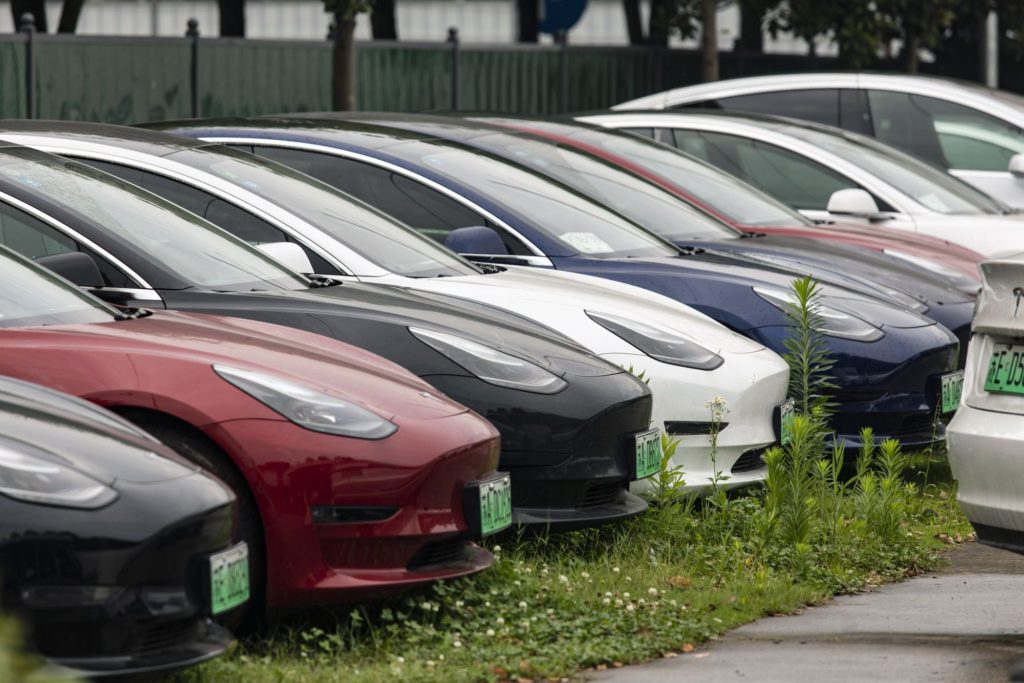
(Bloomberg) — Tesla Inc. lowered prices across its lineup in China, looking to stoke demand in a market where competitive and economic pressures are intensifying.

The carmaker cut the cost of the cheapest locally built Model 3 sedan by 5% to 265,900 yuan ($36,774), Tesla’s website showed Monday. The company dropped the starting price of the Model Y SUV by 8.8% to 288,900 yuan.

The changes reflect the tougher time Tesla and its international peers are having going up against local manufacturers led by BYD Co., which sold a record 200,973 vehicles last month, and upstarts including Nio Inc. and Xpeng Inc., which are expanding their lineups. Domestic automakers accounted for almost 80% of electric-vehicle sales through the first seven months of the year, according to China’s Passenger Car Association.

Chief Executive Officer Elon Musk also flagged last week that demand has been “a little harder” to come by due to China’s property market slowdown and Europe’s energy crisis. He said during Tesla’s earnings call that while prices of some commodities have eased, inputs for EVs including battery-grade lithium are still “crazy expensive.”

Tesla shares slumped as much as 4.1% before the start of regular trading and were down 2.3% to $209.43 shortly after 8 a.m. New York time. The stock has declined 39% this year.

The price changes partly reverse several rounds of hikes Tesla put into effect earlier this year, after Musk flagged rising costs for raw materials and logistics. The company is now looking to goose sales in a market from which it derives almost a quarter of revenue, which fell short of estimates last quarter.

“EV competition this year is very fierce, and Tesla’s performance may not match its expectations,” said Yale Zhang, managing director at Shanghai-based consultancy Autoforesight Co. “Hence, it decided to hit its rivals with a direct blow by cutting prices to further boost sales in the last two months of the year.”

Read more: Tesla Smacks Nio in China, Likely Weighs on Views

Tesla delivered a record 83,135 cars in China last month, including 5,522 for export, after upgrading production capacity at the Shanghai factory. The plant can now produce about 1 million cars a year.

A representative for Tesla China said that improved utilization of the company’s Shanghai factory and “relative stability” of the supply chain have contributed to lower costs, and that it’s always priced its vehicles based on costs.

Delivery times in China have shortened to just one to four weeks for the Model Ys, and four to eight weeks for the Model 3, according to the company’s website. Lead times were as long as 22 weeks earlier this year, AllianceBernstein analysts wrote in a report last week.

“It is an expected price cut,” said Wang Hanyang, an automotive analyst at Shanghai-based 86Research Ltd. “Order inflow for Model 3s and Ys haven’t fulfilled the expanded production capacity, as you can tell from the shortened wait time. The company needs to secure more orders by cutting prices.”

–With assistance from Craig Trudell.

(Updates with early share move in the fifth paragraph.)

More stories like this are available on bloomberg.com

©2022 Bloomberg L.P.

Crypto Is More Attractive as SEC Gets Aggressive, Investors Say

(Bloomberg) — A crackdown by the US Securities and Exchange Commission and other watchdogs who have been investigating crypto’s naughtiest companies is proving to be a boon for the industry, with market participants saying they’re more likely to invest in the space following greater enforcement action.

Almost 60% of the 564 respondents to the latest MLIV Pulse survey indicated they viewed the recent spate of legal action in crypto as a positive sign for the asset class, whose trademark volatility has all but dissipated in recent months. Major interventions include the US regulatory investigations of bankrupt crypto firms Three Arrows Capital and Celsius Network, as well as an SEC probe into Yuga Labs, the creators of the Bored Ape collection of nonfungible tokens, or NFTs.

“I’m in the ‘yes’ camp. As a professional investor, you need a regulated investment opportunity and it opens the doors for more professional investors to get involved in crypto, if it’s more regulated,” said Chris Gaffney, president of world markets at TIAA Bank. “The more they can get crypto out of the Wild West and into traditional investing, the better off it’s going to be.”

The sentiment extends to Bitcoin. Most investors were slightly more optimistic about the crypto than they were when asked in July. Almost half of respondents expect the world’s largest cryptocurrency by market value to continue trading between $17,600 and $25,000 until the end of this year — a departure from this summer’s sour outlook, when most said it was more likely to first drop to $10,000 than to climb to $30,000. To be fair, respondents this time had a broader menu of options to choose from than were available in the previous survey.

“Our investors recognized and the market recognized that the decentralized protocols have unique advantages that not only can benefit crypto markets, but also traditional markets more broadly,” Mary-Catherine Lader, Uniswap Labs COO, said in a Bloomberg TV interview. 

While Bitcoin has been down about 60% this year, its price has been stuck between $18,171 and $25,203 since the previous survey was conducted, unable to meaningfully break out of that band. Volatility has also largely subsided, with the T3 Bitcoin Volatility Index down 33% since the token hit its all-time high of almost $69,000 on Nov. 10. Bitcoin was trading above 19,400 Monday as of 8 a.m. New York time. 

Bitcoin has held a strong correlation to risk-on assets as well as the S&P 500 since March, barely changing its position in the last three months as investors tarred crypto with the same brush as everything else in an environment of rising interest rates. Some 42% of respondents said they think crypto’s correlation to tech stocks will stay the same over the next 12 months, while only 43% said they would increase their exposure to digital assets over the same period.

It’s been a tale of two halves for crypto in 2022, with the first half of this year dominated by chaos. There were bankruptcies, like Voyager Digital Ltd.’s, and the $40 billion wipeout of the Terra blockchain ecosystem. Roughly $2 trillion in overall value was erased from the industry’s late-2021 record. In June, things began to shift with crypto starting to plateau to its current range-bound level as the broader macroeconomic environment soured and traders turned to more traditional assets like bonds and FX for profit.

Read more: Bitcoin Becoming Less Volatile Than Stocks Raises Red Flag

The lower volatility is “likely regarding the indecisiveness out there,” said Katie Stockton, managing partner at Fairlead Strategies.

In September, the Ethereum network completed a major network upgrade known as the Merge, which by one estimate will reduce the blockchain’s energy consumption by about 99%. Still, only around one-third of investors said they believe that the so-called Flippening, where Ether’s market value eclipses that of Bitcoin, could happen in the next two years — a number that’s largely stagnant from July. 

Survey respondents also displayed a very broad church of opinions on crypto, emblematic of how despite the sector’s relative infamy among traders, it’s still a divisive topic. When asked to choose one word that describes the space, the two most popular answers were almost evenly split between “Ponzi” and “future.”

“It’s almost like a religion — if you believe, you will always believe no matter the price or the headwinds,” said Victoria Greene of G Squared Private Wealth. 

“The dichotomy between boom and bust perfectly describes crypto and the vast range of potential outcomes. There are so many unknowns, including regulation and platforms as well as what the hell it actually is and what it will be used for,” she said. “So, if you are a true believer, you say it’s the future.” People with more of a traditional view may say it’s a Ponzi, she said.

Read more: Investors Are Still Split on What Crypto Represents

For more markets analysis, see the MLIV blog. To subscribe to MLIV Pulse stories, click here. 

(Updates videos. Adds Bitcoin latest price in paragraph six and graphic at end.)

More stories like this are available on bloomberg.com

©2022 Bloomberg L.P.

Andreessen Bets on The Coterie, Eyeing Tech’s Young and Wealthy

(Bloomberg) — Andreessen Horowitz led a $40 million funding round for The Coterie, valuing the financial technology platform at more than $100 million. 

In the year since its launch, The Coterie has amassed roughly $500 million in assets under management, Chief Executive Officer Ethan Agarwal said in an interview. The idea behind the San Francisco-based company was hatched when Agarwal — then the founder and CEO of fitness app Aaptiv — faced challenges obtaining a mortgage after forgoing his salary. 

“The fact that a large, legacy financial institution couldn’t conceptualize that there’s a better way of assessing risk showed me there’s an opportunity,” Agarwal said. “The space is just so ripe for disruption.”

The Coterie gives its users — mostly startup founders — investment access to venture funds managed by firms including Coatue Management, Andreessen Horowitz, Tribe Capital and Initialized Capital, as well as private companies like SpaceX and Stripe. The startup says it aims to lend based on an individual’s assets, rather than a salary or credit score. 

The company refers to its users as “the misunderstood.” Agarwal says they are a group of 25-to-45 year-old founders and early startup employees with net worths of $1 million to $50 million, who are struggling to diversify beyond their illiquid slugs of equity in closely held companies. He estimates there are between 1 to 3 million such people in the US. 

The investment marks one of the largest Series A checks ever written by Andreessen Horowitz, said general partner Anish Acharya, who is joining The Coterie’s board. He expects that tech founders are likely to boast about their wagers in high-profile venture funds. 

“The Coterie gives you social status plus financial diversification,” Acharya said. “We like that it’s about access rather than advice.”

Read more: Durant, Andreessen Bet on Titan, Valuing Startup at $450 Million 

To be sure, if a user stops repaying interest on a loan amid factors including market tumult or crumbling valuations, The Coterie can reclaim ownership of the collateral that the loan is against –for instance, holdings in the venture funds on the platform.

The startup, co-founded by Agarwal, Jeson Patel and Christopher Boies, recently began offering tax and estate-planning tools, and may add other lending products. Its minimum investment is $5,000 in an individual company or $10,000 in a fund, Agarwal said.

“We’re a software company — we’re not trying to be a financial adviser or a bank,” he said. 

DoorDash co-founder Stanley Tang and AngelList co-founder Naval Ravikant also participated in the funding round, as did Initialized, Pear VC and Google’s artificial intelligence-focused Gradient Ventures. 

“The Coterie provides greater financial opportunities to a new generation through broadened access to investing, lending and estate planning,” said Initialized general partner Alda Leu Dennis.

More stories like this are available on bloomberg.com

©2022 Bloomberg L.P.

South Korea’s New Battery Fire Fears Are a Worry for EV Sector

(Bloomberg) —

A major blaze in South Korea that knocked out a wide range of key digital services for days — snarling banking, ride-sharing and online deliveries — is reigniting safety concerns in a nation that’s a key global supplier of lithium-ion cells used in electric vehicles.

The days-long outage followed a fire Oct. 15 at a data center in Pangyo which engulfed batteries used in backup power systems, impacting key local tech firms including Kakao Corp., South Korea’s almost ubiquitous social media giant and provider of the country’s most popular instant messaging service.

Kakao users were left unable to hail a taxi, pay for groceries or chat with family members, disruptions which prompted the company’s co-chief executive officer to resign and led lawmakers to question the risks of concentrating too much digital power in a single entity.

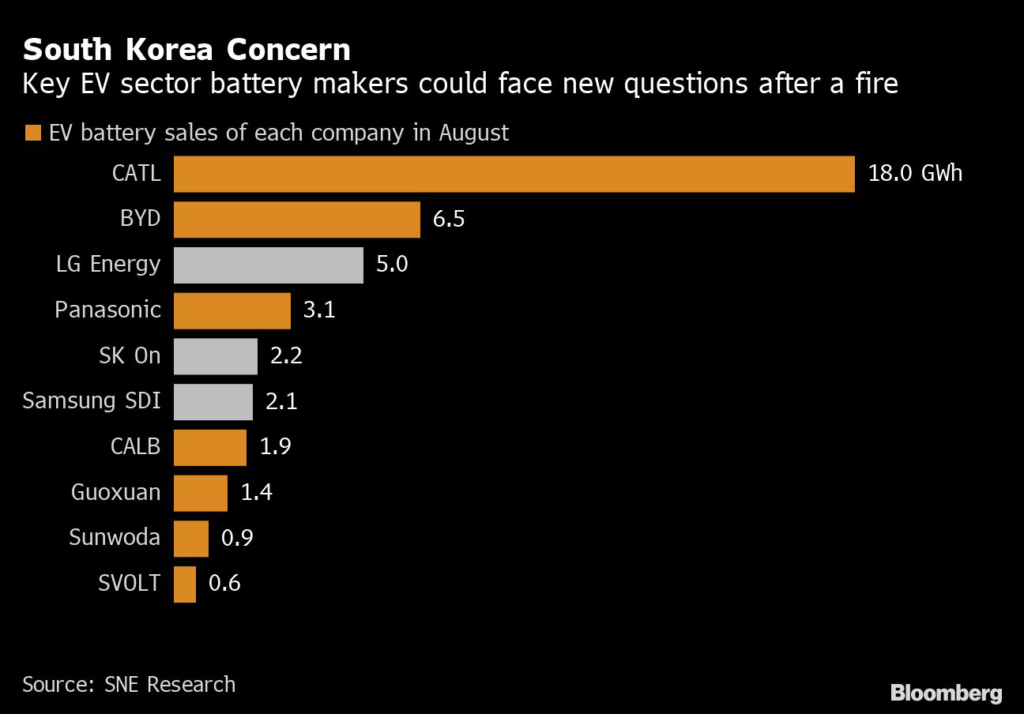
Even with SK C&C, the operator of the data center, still investigating the cause of the fire, the incident has stoked a new bout of concerns over battery safety. That’s important for the electric car sector, given three South Korea-based companies — LG Energy Solution Ltd., SK On Co. and Samsung SDI Co. — rank among the top tier of global battery suppliers. 

“Safety concerns are re-emerging over lithium-ion batteries, and the government needs to step in to prevent similar accidents from happening because once things go wrong with batteries, the impact is often unbearably significant,” said Lee Hoguen, a professor of automotive engineering at Daeduk University.

The latest fire could be a specific negative for SK On, a supplier to Ford Motor Co. and Volkswagen AG, which provided batteries at the data center that were intended to deliver backup power and prevent outages, according to Yoon Joonwon, a fund manager at DS Asset Management, which invests in the tech sector. SK On said it didn’t receive any alerts on its battery management system — which would indicate any problems, including changes in voltage or current — until the fire started at 3:19 p.m. local time.

South Korea has been deeply involved in debate over the safety of batteries used in vehicles and giant power storage centers. Manufacturers LG Energy Solution and LG Electronics Inc. last year booked more than $900 million in charges over General Motors Co.’s recall of Chevrolet Bolt electric vehicles.

A spate of fires at energy storage sites between 2017 and 2019 prompted intervention from the country’s government and manufacturers to boost standards, and is cited as among key factors which have hampered South Korea’s efforts to boost the share of clean energy in its power grid. 

More stories like this are available on bloomberg.com

©2022 Bloomberg L.P.
GoTo Confirms Talks With Holders for Controlled Share Sale

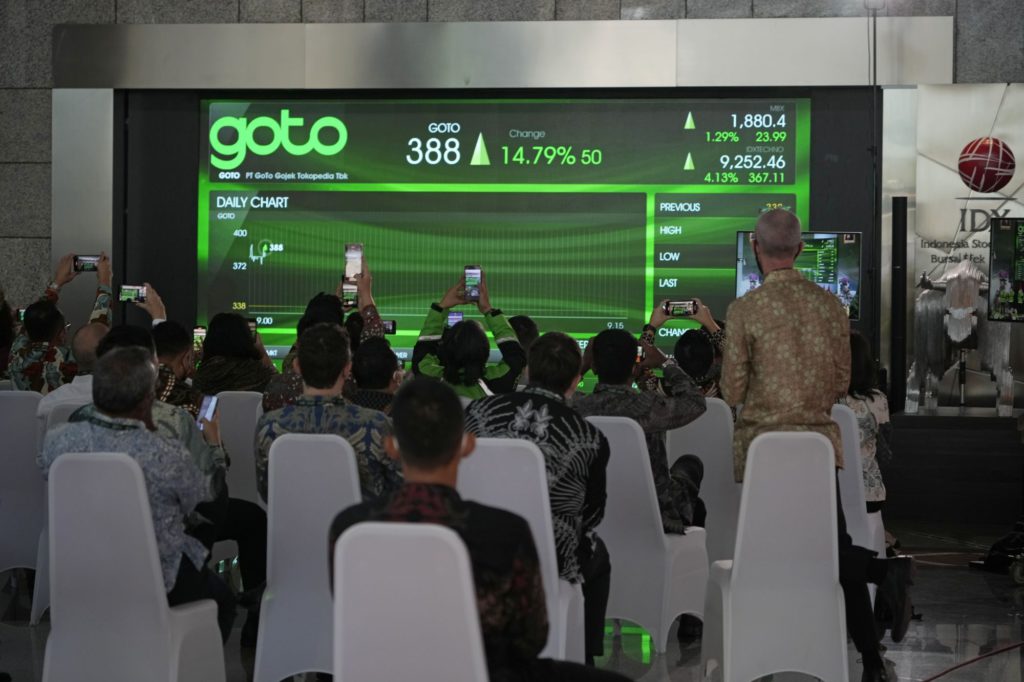
(Bloomberg) — Indonesia’s largest tech company GoTo Group said it is in talks with its owners for a controlled sale of their stakes, seeking to avoid a potential stock slump when a lock-up on their holdings ends next month.

The ride-hailing and e-commerce provider is discussing stake sales that would occur after the lock-up period expires on Nov. 30, the company said in a statement Monday. GoTo wouldn’t sell any new shares as part of the plan, and the company said there is no assurance that a transaction will take place.

GoTo is gauging the interest of early backers including Alibaba Group Holding Ltd. and SoftBank Group Corp. for a managed sale of roughly $1 billion of their stakes, people familiar with the matter said last week. The plan is part of an effort to prevent a potential drop in GoTo stock price that could happen if many investors sell shares when the lock-up period expires.

Many major shareholders agreed to hold onto their stakes for at least eight months following the Jakarta-based company’s initial public offering in late March. Formed via a merger of ride-hailing provider Gojek and e-commerce firm Tokopedia, GoTo raised $1.1 billion in one of the world’s largest IPOs this year.

In late June, Chinese artificial intelligence software maker SenseTime Group Inc. slumped as much as 51% in Hong Kong trading after a lock-up of its shares expired following its December IPO.

More stories like this are available on bloomberg.com

©2022 Bloomberg L.P.
Ashley’s Frasers Group Raises Stakes in Hugo Boss, Asos

(Bloomberg) —

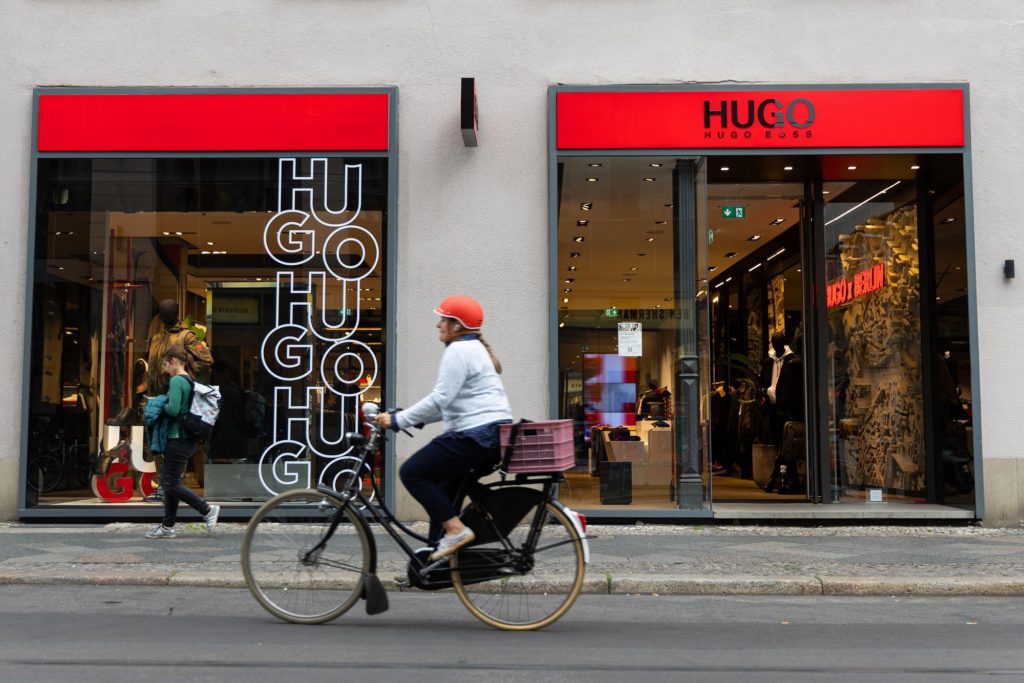
Mike Ashley’s Frasers Group Plc is continuing a strategy of taking bets on rivals with the sportswear retailer increasing its holdings at fashion brand Hugo Boss AG and online platform Asos Plc. 

Frasers said Monday it now has a strategic stake of 32.8% in Hugo Boss, mostly held through indirect put options, valued at €960 million ($945 million). That’s up from €900 million in June. 

The group behind the Sports Direct chain has also raised its position in Asos to 5.1%, making it one of the top five investors in the troubled online retailer which revealed restructuring plans last week.

Asos shares surged as much as 10%, while Hugo Boss rose about 0.2%.

Ashley, the billionaire who founded Frasers four decades ago, has a track record of taking stakes in failing retailers and building up positions in rivals. 

The moves at Hugo Boss and Asos show Frasers hasn’t lost its acquisitive streak since Ashley handed over the role of chief executive officer to his son-in-law, Michael Murray, and left the board. Ashley remains majority shareholder at Frasers, which also owns the luxury Flannels chain. 

Hugo Boss is in the midst of a turnaround plan that’s starting to pay off. In July the German luxury chain lifted its profit forecast for the year. Led by CEO Daniel Grieder, a former Tommy Hilfiger executive, the revamp is focused on refreshing the main Hugo and Boss brands as part of a wider strategy to attract younger shoppers. 

Other investments by Frasers have included video game retailer Game Digital, Mulberry, the luxury handbag retailer, and Jack Wills, an apparel supplier. This year Frasers bought online brand Missguided and Studio Retail Group and is attempting to take full control of Australian fashion marketplace MySale Plc.

“Frasers Group has extensive ambitions to grow the business inside and outside of the UK and is constantly exploring the potential for further expansion,” the retailer said.

(Updates with holding in third paragraph, share move in fourth.)

More stories like this are available on bloomberg.com

©2022 Bloomberg L.P.
Close Bitnami banner
Bitnami