Bloomberg

San Francisco’s Office-Vacancy Rate Tops 25% as Tenants Depart

(Bloomberg) — San Francisco’s office vacancies have climbed to a record and are now more than six times their pre-pandemic level, highlighting the tech hub’s ongoing economic struggles.

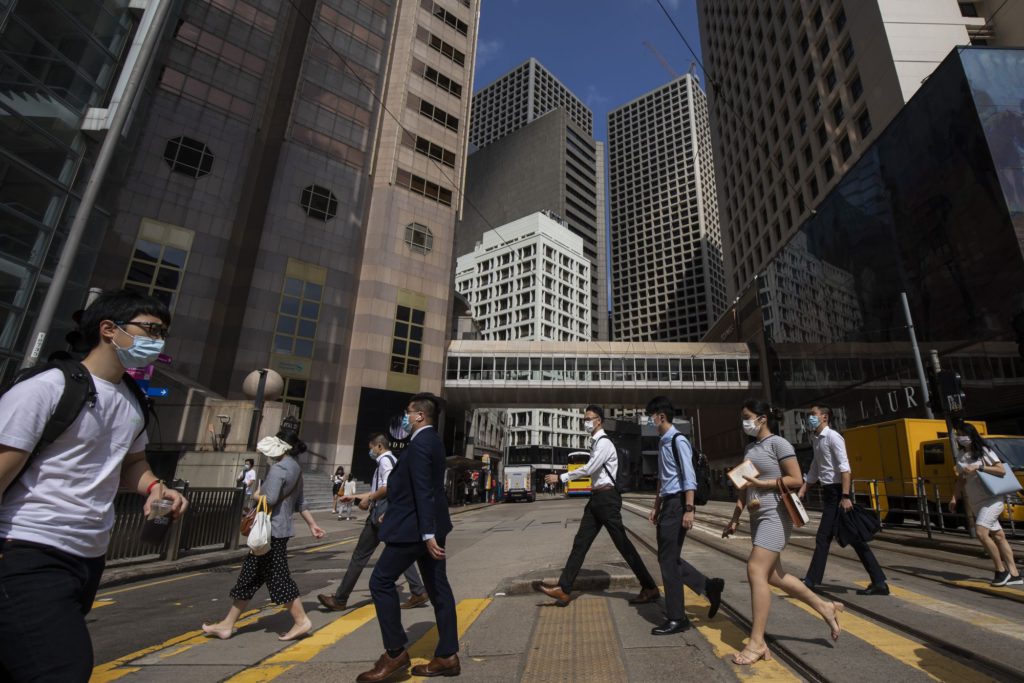
The city’s office-vacancy rate reached 25.5% at the end of September, up from 20% a year earlier, according to real estate brokerage CBRE Group Inc. At the start of the pandemic, it was around 4%.

Tech companies, including Salesforce Inc., whose namesake tower is the city’s tallest, have been paring space amid hiring cutbacks and remote-work demands. Office leasing in the third quarter was the lowest in two years, according to the San Francisco Chronicle, which reported the data earlier.  

Workers have been slow to return to the city’s downtown, with weekly office utilization less than 40% of the pre-pandemic average, according to security company Kastle Systems. Office values in the San Francisco area have tumbled almost 40% on a price-per-square-foot basis from a high in December 2020, according to MSCI Real Assets. 

See also: San Francisco ‘Froth Is Gone’ as Wealth Fades, Housing Slumps

The decline in office demand is part of a broader slowdown in San Francisco’s economy, with home prices falling, employment declining and tourism slow to rebound. The city stands to have more pain as Bay Area tech companies slow hiring or lay off workers. 

More stories like this are available on bloomberg.com

©2022 Bloomberg L.P.

Tesla Shares Take Hit on Risk That Musk Must Sell to Buy Twitter

(Bloomberg) — Elon Musk’s surprising decision to revive his offer for Twitter Inc. this week sparked a rally in the social-media company’s shares. For Tesla Inc.’s stock, however, it is an ominous sign.        

The electric-vehicle maker’s shares have struggled through the billionaire’s highly public pursuit of Twitter, his subsequent efforts to wriggle out of the deal and the related lawsuit that brought it all to a head. 

Some of the decline reflects concerns of Musk spreading himself too thin. But it also has been driven by his previous sale of Tesla shares to pay for the purchase — and, with most analysts expecting the deal to close fairly quickly, fears that he will require further sales to raise cash. Analysts surveyed by Bloomberg News estimate that Musk will need to sell between $2 billion to $7 billion worth of Tesla stock.

Alternatives to share sales include another round of private funding and Musk pledging his Tesla stake for a loan. But liquidating some stock will likely be part of the plan, said Jim Osman, founder of special situations research firm The Edge Consulting Group.

“The quickest option to execute among the above is to sell Tesla shares,” he said. “I think it will be a mix of all the above three, but with more than 50% of the remaining $7 billion to come through selling of Tesla shares.”

Selling Pressure

Representatives for Tesla did not respond to a request for comment. Musk has already offloaded more than $15 billion of the company’s stock this year. He sold $8.5 billion of stock in April and another $6.9 billion in August. After both sales he tweeted that he was done selling.

Tesla shares are down 1.8% in the two days since Musk proposed proceeding with the deal, lagging the S&P 500 Index’s 1.8% advance over that time. The stock has lost 34% since Musk first disclosed a stake in the social-media giant on April 4. 

Of course, it’s worth remembering that any sales would represent a small fraction of Musk’s Tesla stake. He held 465 million shares as of Aug. 9, according to data compiled by Bloomberg, which is worth more than $110 billion at Thursday’s market levels. 

Still, additional sales by Musk would move the stock, Rainmaker Securities co-founder Greg Martin said in an interview. “Tesla shares will initially feel selling pressure,” he said.

Where Musk parked the proceeds from his prior liquidations could determine how much stock he ultimately has to sell, Roth Capital Partners analyst Craig Irwin said in an interview.

“It kind of depends on how much cash from past stock sales was invested in more volatile products like cryptocurrency,” he said.

(Close share prices)

More stories like this are available on bloomberg.com

©2022 Bloomberg L.P.

M&A Activity Looks Anemic Heading to Year-End as LBOs Shrivel

(Bloomberg) — US mergers and acquisitions are poised to slide for the sixth straight quarter, to depths last seen at the onset of the pandemic, as a darkening outlook for deal-financing complicates an already bruising backdrop for the industry.

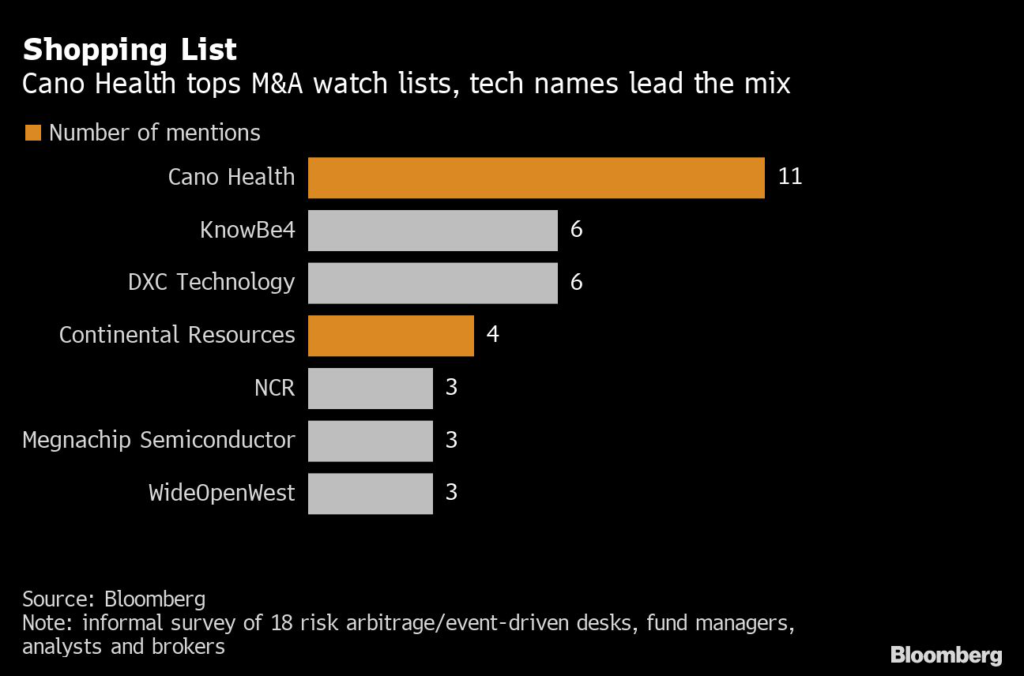
Elon Musk’s proposal to buy Twitter Inc. for the original offer price gave the M&A market a jolt this week, but the deal also served to highlight the funding concerns plaguing the business now. A slowing economy and market volatility are dimming hopes for a significant rebound in new transactions in the fourth quarter, particularly for the large leveraged buyouts that fueled last year’s historic M&A boom, according to a Bloomberg News survey of 18 event-driven/risk-arbitrage trading desks. 

Deal flow may be limited given that Wall Street banks are nursing huge losses on buyout debt they can’t offload as rising interest rates and recession angst sap demand for risky assets. Cano Health Inc. topped the poll as the most likely takeover candidate in the next few months amid consolidation in health care.

“LBOs will be few and far between given the difficulty of obtaining committed financing from banks,” said Julian Klymochko, chief executive officer of Accelerate Financial Technologies, which runs a fund that uses a merger-arbitrage investment strategy. The market will see some strategic deals, “but those will be tough” as buyers and sellers may fail to agree on a price after the equities rout eroded valuations.

Roughly $212 billion worth of deals were announced in the past three months, the lightest period since the second quarter of 2020, data compiled by Bloomberg show. Several transactions that investors were betting on didn’t come to fruition, including Seagen Inc., for which deal talks stalled over price; and NCR Corp., which failed to find a buyer, blaming “the state of current financing markets.”

With stock and bond markets slumping as aggressive Federal Reserve policy tightening sparks concern over a potential recession, roughly $970 billion of US deals have been recorded this year, down 31% from the 2021 pace.

The pullback is causing pain for banks as they face the reality of selling bonds and loans to investors at a steep discount, with billions more still on their books for deals such as the buyout of Citrix Systems Inc. The revival of the Twitter LBO may add to banks’ pain if the terms of the original debt financing remain the same. It may leave bankers stuck with risky Twitter buyout debt and potentially facing big losses. Meanwhile, investment firms including Apollo Global Management Inc. abandoned talks to fund the transaction months ago. Talks between Twitter and Musk are stuck in part over Musk’s statement that his offer is now contingent on receiving $13 billion in debt financing.

Stiff Headwinds

For now, the financing headwinds are proving more powerful than the private equity industry’s interest in putting cash to work, survey respondents said. The risk is that spurs price cuts in deals that are in the works.

Survey respondents are increasingly wary of such scenarios in pending situations such as Apollo Global’s buyout of Tenneco Inc., the survey found. The auto-parts maker’s shares dropped to the lowest intraday level in about three months this week, blowing out the spread between its trading price and the offer level toward the wider end of current pending US transactions. 

To be sure, there’s less of a threat of price reductions for newly signed transactions than those agreed on early this year. 

“Deals that were announced since this summer have already factored in the market move down in valuations,” said Neetu Jhamb, a portfolio manager at Versor Investments who focuses on event-driven strategies. 

Meanwhile, she said antitrust sentiment got a boost after UnitedHealth Group Inc. won court approval last month for its acquisition of Change Healthcare Inc., defeating a Justice Department lawsuit that sought to block the deal.

Still, the tech sector is seen as a possible growth area with total deal value up 39% year over year, Bloomberg data show. That’s thanks to a string of mega deals including the acquisitions of Activision Blizzard Inc. and Figma Inc. 

Survey respondents expect that industry to keep pulling ahead in the fourth quarter, with more strategic buyers potentially stepping up. 

Technology targets KnowBe4 Inc. and DXC Technology Co. placed highly on watchlists. Baring Private Equity Asia Ltd. has made a takeover approach to DXC and talks are ongoing, though they may not lead to an agreement, Bloomberg reported this week.

(Adds details on Twitter debt financing in the seventh pargraph)

More stories like this are available on bloomberg.com

©2022 Bloomberg L.P.

Stocks Slide With Anxiety Running High Before Jobs: Markets Wrap

(Bloomberg) — The stock market found little encouragement to sustain any rebound attempt on the eve of the all-important US jobs report, with major benchmarks finishing solidly lower on Thursday.

Aside from the anxiety that usually precedes those numbers, traders had to digest remarks from a raft of Federal Reserve speakers who sounded unequivocally committed to crushing inflation with rate hikes. The hawkish rhetoric helped push the S&P 500 to its second straight day of losses while lifting the dollar and Treasury yields. Oil topped $88 a barrel.

In the run-up to the payrolls data, Wall Street braced for a mixed picture of a labor market that’s showing some signs of moderation while still remaining robust. With that in mind, several economists believe it may be just too early to think about concepts like “peak hawkishness” or “Fed pivot” as debated earlier in the week.

And officials are making that clear.

The central bank is “quite a ways away” from pausing its tightening campaign, according to Minneapolis Fed President Neel Kashkari. His Chicago counterpart Charles Evans noted the benchmark rate will probably be at 4.5% to 4.75% by next spring — from the current 3% to 3.25% range. Cleveland Fed chief Loretta Mester said the US is in an unacceptably high inflation environment.

Read: Fed’s Cook Stresses Resolve to Curb Inflation in Debut Speech

“I don’t think the Fed is going to be ready to pivot so quickly,” said Rich Steinberg, chief market strategist at The Colony Group. “We’re going to be in this kind of tug of war between good news, bad news. There’s going to still be a lot of volatility to this market.”

As a result, retail investors are stepping up their exodus after bailing on equities during the September rout. They have kept selling this week even as the S&P 500 posted its biggest two-day rally since April 2020, according to an estimate by JPMorgan Chase & Co. based on public data on exchanges.

The degree of anguish among individual investors and traders has been so pronounced that a sentiment gauge by Sundial Capital Research that measures the group’s conviction on a stock rally — the so-called dumb-money confidence — plunged to around 20% last week. That’s among the lowest levels since the firm started tracking the data in 1998.

From a contrarian perspective, the pessimism among retail investors is welcome news for market observers looking for signs of flushed-out sentiment that often signal the selloff has reached its trough.

Read: PGIM Sees No-Brainer in Betting Against Another Fed Pivot Trade

With the economy likely to slow down next year, tech stocks and US equities are looking more attractive, according to Citigroup Inc. strategists led by Robert Buckland. They expect 18% returns for global stocks by the end of 2023 but warn “it will likely be a volatile ride.”

“US stocks are likely to stay volatile for the foreseeable future as the market continues to face worries related to high inflation, tightening monetary policy, supply chain issues, economic growth, and geopolitical uncertainty,” said Brian Belski, chief investment strategist at BMO Capital Markets.

As rising interest rates rattle investors and threaten businesses’ profits, the US corporate-bond market will likely come under increased pressure, according to Arvind Narayanan at Vanguard Group Inc., who said the finances of corporations are “weakening incrementally” from very strong levels, which he anticipates will continue through the rest of 2022.

Mortgage rates in the US fell, shifting direction after a six-week streak of gains that sent borrowing costs to a 15-year high. Even with the latest decline, mortgage costs have more than doubled since starting the year around 3% — a steep climb that has slammed the brakes on the pandemic housing rally, highlighting one of the Fed’s goals in its effort to cool inflation.

Elsewhere, Canada two-year yields hit the highest level since 2007 after the nation’s central bank Governor Tiff Macklem said he remains firmly on an interest-rate hiking path, quashing hopes for an imminent end to a tightening cycle that’s choking indebted households and threatening the economy with recession.

Key events this week:

  • US unemployment, wholesale inventories, nonfarm payrolls, Friday
  • BOE Deputy Governor Dave Ramsden speaks at event, Friday
  • Fed’s John Williams speaks at event, Friday

Some of the main moves in markets:

Stocks

  • The S&P 500 fell 1% as of 4 p.m. New York time
  • The Nasdaq 100 fell 0.8%
  • The Dow Jones Industrial Average fell 1.1%
  • The MSCI World index fell 0.9%

Currencies

  • The Bloomberg Dollar Spot Index rose 0.7%
  • The euro fell 0.9% to $0.9797
  • The British pound fell 1.5% to $1.1157
  • The Japanese yen fell 0.3% to 145.11 per dollar

Cryptocurrencies

  • Bitcoin rose 0.1% to $20,010.03
  • Ether rose 1% to $1,358.75

Bonds

  • The yield on 10-year Treasuries advanced six basis points to 3.82%
  • Germany’s 10-year yield advanced five basis points to 2.08%
  • Britain’s 10-year yield advanced 13 basis points to 4.17%

Commodities

  • West Texas Intermediate crude rose 1.4% to $89.01 a barrel
  • Gold futures rose 0.1% to $1,722.70 an ounce

More stories like this are available on bloomberg.com

©2022 Bloomberg L.P.

Peloton to Cut 500 More Jobs in Effort to Save the Company

(Bloomberg) — Peloton Interactive Inc. is laying off a significant number of employees for the fourth time this year as part of an effort to save the struggling business, Chief Executive Officer Barry McCarthy told staff on Thursday. 

The fitness technology company is cutting its workforce by roughly 500 globally, or 12%, leaving it with about 3,825 employees. McCarthy said the company is making the move, along with other reductions in operating expenses, in order to reach the break-even point on cash flow by the end of fiscal 2023. 

“I know many of you will feel angry, frustrated and emotionally drained by today’s news, but please know this is a necessary step if we are going to save Peloton, and we are,” McCarthy said in a memo. “Our goal is to control our own destiny and assure the future viability of the business.”

Investors applauded the belt-tightening move, sending Peloton shares up 4% to $8.83 in New York. 

Peloton told staff that the latest round of job reductions marks the “bulk of our restructuring work” being complete. The company let about 2,800 employees go in February, part of a shake-up that included McCarthy coming aboard as CEO. Peloton eliminated roughly 570 jobs in July as part of a move to outsource hardware manufacturing, and then dismissed an additional 800 people in August to further lower expenses. 

And the cuts aren’t entirely over. The company plans to begin closing the majority of its retail stores in North America next year.

“We lost more than $100 million on retail last year, which is why we must restructure this segment of the business,” McCarthy told staff. “Our commitment is to provide updates on which retail operations will be impacted by this decision in the coming months as our analysis and negotiations with landlords progress.”

Later on Thursday, McCarthy sent a follow-up memo to employees in an attempt to clarify comments made to the Wall Street Journal. The CEO implied in an interview that the company had six months to improve or it may need to be sold. 

“In the past you’ve heard me say we’re all held accountable for our performance. Me included,” the CEO wrote. “But to be unequivocally clear, there is no ticking clock on our performance and, even if there was, the business is performing well and making steady progress toward our year-end goal of break-even cash flow.”

He added that the idea of Peloton needing to be sold in six months if the company doesn’t show improvement “is at odds with the story we told and the state of the business. That’s on me and I apologize.”

McCarthy released a public statement later in the afternoon. “To be clear, there is no time clock nipping at our heels. If my comments to the WSJ suggested otherwise, then I misspoke, as that is simply not true,” he said.

“We are in the business of driving performance, and the business is indeed performing,” McCarthy said. “By any measure, we have made remarkable progress in record time.”

Still, Peloton’s turnaround effort has been slow to resonate with investors, who have sent the shares down almost 90% in the past year. The company had been a highflier in the early days of the pandemic, when cooped-up customers sought out its exercise bikes and fitness classes.

Growth sputtered after consumers began returning to offices and gyms, and Peloton found itself with a glut of inventory. The company has attempted to juice sales by offering its equipment through Amazon.com Inc., Dick’s Sporting Goods Inc. and Hilton Worldwide Holdings Inc. It also hiked prices on some machines and unveiled a new rowing device. 

McCarthy is counting on partnerships, sales of digital app subscriptions and a shift to pushing content to third-party devices to bring in more revenue. 

“I know we can make Peloton a great comeback story if we continue to fight for it,” he told staff. “As I have said, this is not easy, but I’ve never been more confident in Peloton and where we are going.”

Here is the memo in full: 

This will be a difficult day for approximately 500 global team members whose positions are being eliminated. I want to start by acknowledging them and thanking them for their many contributions to our company. 

We are eliminating these positions and reducing other operating expenses, in order to reach break even cash flow by year-end FY23. Our goal is to control our own destiny and assure the future viability of the business.

I am acutely aware many of those impacted by these changes aren’t just colleagues but are also close friends. I know many of you will feel angry, frustrated and emotionally drained by today’s news, but please know this is a necessary step if we are going to save Peloton, and we are.

With today’s announcement, the bulk of our restructuring work is complete. 

The final building block, which I have previously outlined, is the right-sizing of our retail footprint. We lost more than $100 million on retail last year, which is why we must restructure this segment of the business. Our commitment is to provide updates on which retail operations will be impacted by this decision in the coming months as our analysis and negotiations with landlords progress.

While today’s news is difficult to hear, let’s remind ourselves of the significant and purposeful changes we have made since the beginning of the year. 

Together, we have:

• implemented a restructuring plan to variablize our cost structure and generate significant annual cost savings,

• secured $750 million in financing as well as maintained a liquid cash balance of more than one billion dollars,

• simplified our operations by exiting owned-manufacturing in Taiwan,

• shifted our last mile delivery by expanding relationships with our third party partners,

• affirmed our pricing and premium brand positioning,

• entered into new partnerships with iconic retailers Amazon and Dick’s Sporting Goods, and

• introduced the Peloton Row, forever changing the rowing category.

Together, we have dramatically restructured Peloton’s business. You should be incredibly proud of what we have accomplished. This has not been easy. And, I want to reiterate how grateful I am to each of you for your hard work, contributions, and commitment to this company, our mission and our Members.

In closing, I want to offer my deepest gratitude to those who are directly impacted by today’s actions. Twice in my career I’ve found myself in a similar situation. The first time was brutally hard. The second time I’d learned from the first. Resilience is a conscious choice. Sooner or later, we all get knocked down in life. But we all deal with setbacks in our own way. However you deal with it, don’t ever lose faith in yourself, and don’t ever stop getting up off the ground when you get knocked down. 

I know we can make Peloton a great comeback story if we continue to fight for it. As I have said, this is not easy, but I’ve never been more confident in Peloton and where we are going. 

Me to you. You to me. You to each other. And all of us to our Members.

-Barry

(Updates with new internal memo from McCarthy in 11th paragraph.)

More stories like this are available on bloomberg.com

©2022 Bloomberg L.P.

Apple’s €1.1 Billion French Antitrust Fine Slashed by 66%

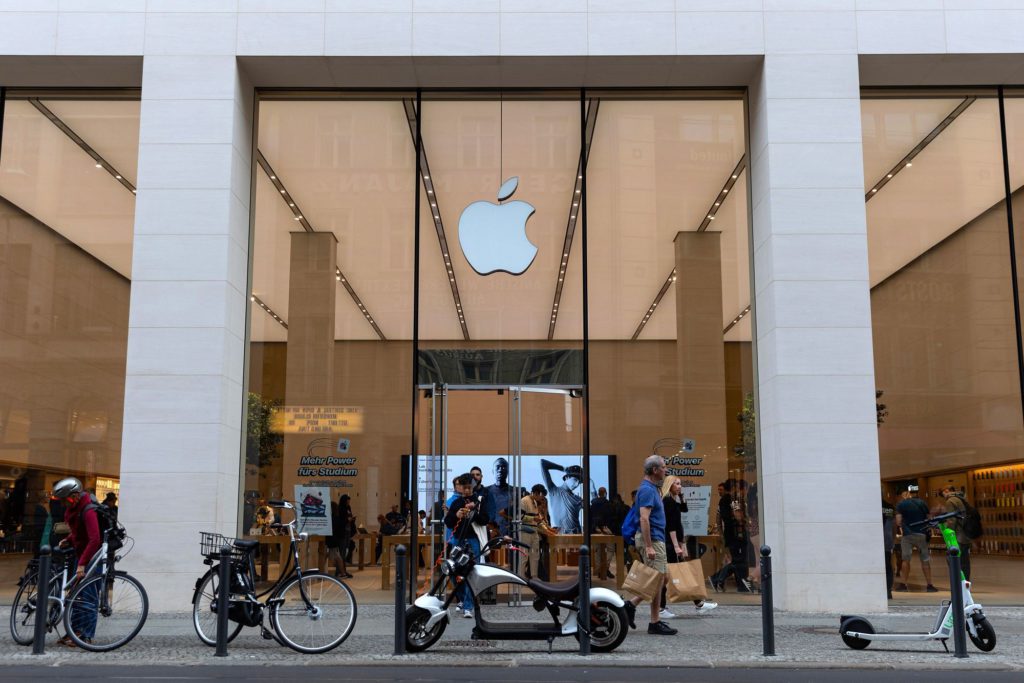
(Bloomberg) — Apple Inc. won a €728 million-euro ($715 million) reduction to the record €1.1 billion penalty it was hit with in 2020 for anti-competitive agreements with two favored distributors.

The Paris court of appeals reduced Apple’s total fine on Thursday to about €371.6 million after judges decided to trim the duration of one of the infringements and lower the increases applied to the penalty that took into account the firm’s economic power.

“The 90% multiple is disproportionate,” the court said in its ruling. “A 50% multiple is sufficient to guarantee that the penalties are repressive and dissuasive.”

France’s competition arm has kept a close eye on Silicon Valley firm in recent years. Last year, Google was fined €500 million for failing to follow an order to thrash out fair deals with news publishers. The California tech giant then settled on the substance of that case to avoid further fines but had previously received hefty penalties in separate cases. Meta similarly clinched an agreement earlier this year to steer clear of fines after making pledges concerning the online advertising market.

More broadly, regulators across Europe have been battling to rein in the dominance of Big Tech through a combination of fines and regulatory actions. The firms have shown they are willing to appeal the decisions, drawing out costly investigations for years.

Apple said it plans to file another appeal at France’s top court to bring the penalty down to zero. “We believe it should be overturned in full,” it said in a statement.

The French antitrust agency, Autorite de la concurrence, said it’s considering lodging its own appeal. 

“We would like to reaffirm our desire to guarantee the dissuasive nature of our penalties, especially when it concerns market players of the caliber of” Silicon Valley firms, said Virginie Guin, an official at the Autorite.

Read more: Apple Fights $1.3 Billion ‘Political’ Fine Over French Sales

At a hearing last year in the appellate case, Apple accused French regulators of bending antitrust rules “for political objectives” when they doled out the record-breaking fine as part of a campaign to crack down on tech giant dominance

When it dished out the fine in 2020, the French agency said Apple conspired with two wholesalers — Tech Data and Ingram Micro — in a move that thwarted wholesale competition for non-iPhone products such as Apple Mac computers. The duo were also slapped with fines of €76.1 million and €63 million.

Tech Data’s fine was reduced to about €25 million and Ingram Micro’s penalty was cut to €19.5 million. Tech Data, which merged last year with Synnex Corp., “is pleased that the court took the company’s arguments into account in this ruling, but we will carefully analyze the decision to determine any potential next steps,” a spokesperson for the company said in a statement. Representatives for Ingram Micro didn’t respond to a request for comment.

(Updates with statement from Tech Data in final paragraph)

More stories like this are available on bloomberg.com

©2022 Bloomberg L.P.

Paramount’s Programming Chief Nevins Is Departing in Management Shift

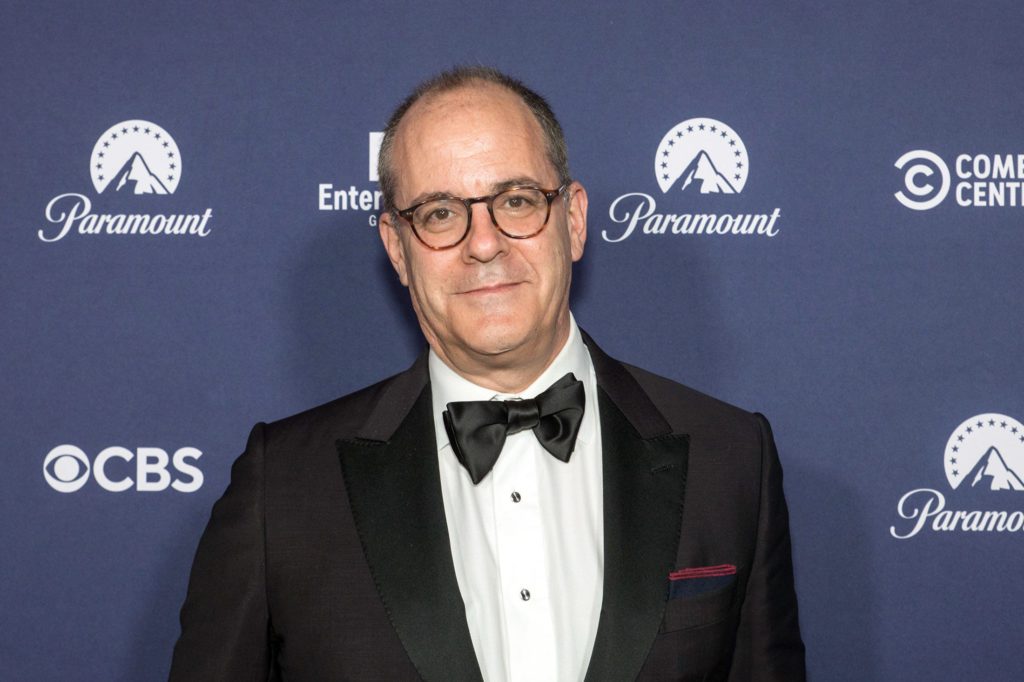
(Bloomberg) — David Nevins, who serves as chief creative officer for scripted series at Paramount Global’s streaming service, Paramount+, is leaving the company at the end of the year.

The move represents a significant shakeup at Paramount, and the loss of a key creative figure. In a memo, Paramount Chief Executive Officer Bob Bakish said as a result of Nevins’s departure, the company will make other adjustments to its leadership structure to better align its movie studio, television networks and streaming operations.

Three executives — Chris McCarthy, Tom Ryan and George Cheeks — will have their roles expanded. McCarthy, who runs entertainment channels such as MTV, will now also oversee Showtime, while Showtime’s streaming business will report to Paramount Streaming head Ryan. Cheeks, who runs CBS, will take command of BET Networks and Paramount Television Studios, which will continue to operate alongside CBS Studios.

Nevins was viewed as an important figure at Paramount in more than a decade of working there. Bakish called him the “driving force” behind the Showtime network, turning into a major brand by helping develop hits including Billions and Shameless. He also helped expand Paramount+, which is still a small player in a streaming market dominated by Netflix Inc. and the Walt Disney Co.

In an interview with the Wall Street Journal, Nevins, 56, said he had been considering a potential exit for awhile, and people familiar with his decision told the newspaper his autonomy had waned.

In a note to staff, Nevins said the company’s programming slate for next year was strong and that he was looking forward to the next phase of his career. “The industry is transforming rapidly, and I am genuinely excited about what the future holds,” he said.


More stories like this are available on bloomberg.com

©2022 Bloomberg L.P.

Stocks Under Pressure With Fedspeak, Jobs Jitters: Markets Wrap

(Bloomberg) — The stock market found little encouragement to sustain any rebound attempt on the eve of the all-important US jobs report, with major benchmarks solidly down in afternoon New York trading.

Aside from the anxiety that usually precedes those numbers, traders had to digest remarks from a raft of Federal Reserve officials who sounded unequivocally committed to crushing inflation with rate hikes. The hawkish rhetoric helped send the S&P 500 toward its second straight day of losses while lifting the dollar and Treasury yields. Oil topped $88 a barrel.

In the run-up to the payrolls data, jobless claims figures continued to paint the same mixed picture of a labor market that’s showing some signs of moderation while still remaining robust. With that in mind, several economists believe it may be just too early to think about concepts like “peak hawkishness” or “Fed pivot” at this stage.

And officials are making that clear.

The central bank  is “quite a ways away” from pausing its campaign of rate increases, Minneapolis Fed President Neel Kashkari said. His Chicago counterpart Charles Evans said the benchmark rate will probably be at 4.5% to 4.75% by next spring — from the current 3% to 3.25% range. Cleveland Fed President Loretta Mester noted the US is in an unacceptably high inflation environment.

Read: Fed’s Cook Stresses Resolve to Curb Inflation in Debut Speech

“I don’t think the Fed is going to be ready to pivot so quickly,” said Rich Steinberg, chief market strategist at The Colony Group. “We’re going to be in this kind of tug of war between good news, bad news. There’s going to still be a lot of volatility to this market.”

Investors counting on a Fed pivot any time soon are bound to get burned again, according to PGIM Fixed Income.

“We’ve seen this movie time and time again,” said Greg Peters, co-chief investment officer at the Newark-based firm, in an interview. “The market gets hyped up on different narratives between inflation releases. I’ve been surprised by it, and we’ve been using it as an opportunity to sell into.”

With the economy likely to slow down next year, tech stocks and US equities are looking more attractive, according to Citigroup Inc. strategists led by Robert Buckland. They expect 18% returns for global stocks by the end of 2023 but warn “it will likely be a volatile ride.”

Meantime, retail investors are stepping up their exodus after bailing on equities during the September rout. They have kept selling this week even as the S&P 500 posted its biggest two-day rally since April 2020, according to an estimate by JPMorgan Chase & Co. based on public data on exchanges. Hedge funds tracked by Morgan Stanley entered October with net equity exposure sitting near a 13-year low. 

“Higher interest rates, slower growth is not a good environment for stocks. That’s what equity investors are looking at right now — they’re looking at a Fed that seems intent on continuing to aggressively hike rates in the face of inflation,” said Chris Gaffney, president of world markets at TIAA Bank. “And the purpose of that is to slow the economy, which is negative for stocks.”

As rising interest rates rattle investors and threaten businesses’ profits, the US corporate-bond market will likely come under increased pressure, according to Arvind Narayanan at Vanguard Group Inc., who said the finances of corporations are “weakening incrementally” from very strong levels, which he anticipates will continue through the rest of 2022.

Mortgage rates in the US fell, shifting direction after a six-week streak of gains that sent borrowing costs to a 15-year high. Even with the latest decline, mortgage costs have more than doubled since starting the year around 3% — a steep climb that has slammed the brakes on the pandemic housing rally, highlighting one of the Fed’s goals in its effort to cool inflation.

Elsewhere, Canada two-year yields hit the highest level since 2007 after the nation’s central bank Governor Tiff Macklem said he remains firmly on a rate hiking path because of worries about elevated domestic price pressures and inflation expectations becoming entrenched.

Key events this week:

  • US unemployment, wholesale inventories, nonfarm payrolls, Friday
  • BOE Deputy Governor Dave Ramsden speaks at event, Friday
  • Fed’s John Williams speaks at event, Friday

Some of the main moves in markets:

Stocks

  • The S&P 500 fell 1% as of 2:58 p.m. New York time
  • The Nasdaq 100 fell 0.6%
  • The Dow Jones Industrial Average fell 1.2%
  • The MSCI World index fell 0.8%

Currencies

  • The Bloomberg Dollar Spot Index rose 0.7%
  • The euro fell 0.9% to $0.9796
  • The British pound fell 1.5% to $1.1152
  • The Japanese yen fell 0.3% to 145.04 per dollar

Cryptocurrencies

  • Bitcoin rose 0.2% to $20,032.96
  • Ether rose 1% to $1,358.25

Bonds

  • The yield on 10-year Treasuries advanced six basis points to 3.81%
  • Germany’s 10-year yield advanced five basis points to 2.08%
  • Britain’s 10-year yield advanced 13 basis points to 4.17%

Commodities

  • West Texas Intermediate crude rose 0.8% to $88.50 a barrel
  • Gold futures were little changed

More stories like this are available on bloomberg.com

©2022 Bloomberg L.P.
Biden Hails IBM’s Plans to Invest $20 Billion in Visit to NY

(Bloomberg) — President Joe Biden touted IBM Corp.’s plans to invest $20 billion over the next decade in New York, saying it could make the region a hub for quantum computing and resulted from legislation he signed to boost US research and development.

“The Hudson Valley could become the epicenter of the future of quantum computing, the most advanced and fastest computing ever, ever seen in the world,” said Biden on Thursday during a visit to the IBM campus in Poughkeepsie, New York. “It’s technology that is vital to our economy, and equally important to our national security.”

IBM’s investments will go toward research and development and manufacturing involving semiconductors, mainframe technology, artificial intelligence and quantum computing. IBM builds mainframe computer systems at the campus, which also houses the company’s first Quantum Computation Center, one of the largest concentrations of quantum computers.

Biden, accompanied by IBM Chairman Arvind Krishna, met with workers during his visit and was shown a quantum computer. Biden was also joined on the visit by New York Governor Kathy Hochul and Representatives Sean Patrick Maloney and Patrick Ryan.

“I believe the reason why companies like IBM are choosing to build in America is because we’re better positioned globally than we have been in any time in a long time,” said Biden, touting the Chips and Science Act, which provides $52 billion to bolster domestic semiconductor research and development. 

Biden signed the measure into law in August, part of an administration effort to reduce dependence on Asian suppliers of semiconductors like Taiwan and South Korea, whose homegrown companies are leading the market, and to ease supply-chain disruptions that raised prices for goods.

With less than five weeks until the November midterm elections, Biden has been stepping up his travel to tout legislative victories, including the semiconductor subsidies and the Inflation Reduction Act — the Democrats’ climate, tax and health-care package.

Read more: Micron Plans to Invest Up to $100 Billion in NY Chip Factory

IBM has promoted key elements of Biden’s legislative agenda. Krishna attended the August chips bill signing ceremony and the company lobbied lawmakers to pass a bipartisan infrastructure bill that includes funding to build out broadband networks.

The IBM announcement follows one on Tuesday from Micron Technology Inc., which said it plans to invest as much as $100 billion over the next 20 years to build a factory in upstate New York to boost domestic production of memory chips.

More stories like this are available on bloomberg.com

©2022 Bloomberg L.P.
Musk’s Twitter Takeover Hits Snag Over Debt-Financing Issue

(Bloomberg) — Talks between Elon Musk and Twitter Inc. to reach a resolution of the $44 billion takeover are stuck in part over Musk’s statement that his offer is now contingent on receiving $13 billion in debt financing, according to people familiar with the matter.

The billionaire’s lawyers said in an Oct. 3 SEC letter that Musk was willing to do the $54.20-per-share deal on its original terms “pending receipt of the proceeds of the debt financing.” The original deal didn’t contain such a contingency.

The discussions between the world’s richest man and the social media platform are aimed at resolving remaining issues before closing the deal, which he originally proposed in April and then reneged on. The two sides are expected to file a motion with the court when they have settled all their questions, which would stop the lawsuit that Twitter filed in the aftermath of Musk’s rejection. 

Musk is also seeking to reserve his rights to file a fraud suit over his claims the platform’s executives misled him and other investors about the number of spam and robot accounts among its more than 230 million users, according to one of the people, who asked not to be named discussing non-public matters.

Representatives for San Francisco-based Twitter didn’t immediately respond to requests for comment. Musk didn’t respond to an email seeking comment. 

Bank Debt

Seven banks, led by Morgan Stanley, fully underwrote the debt portion of the financing, according to an April filing. As is usual in this type of contract, banks originally planned to sell most of that debt to institutional money managers before the Twitter deal closed, but they have always been on the hook for providing the funding if anything went wrong.

There are very few, if any, ways for banks to get out of providing such debt commitments after signing the contract. And most banks wouldn’t want to, even if it meant preventing a loss — backing out would reflect poorly on their investment banking business and could harm their ability to win new deals with companies and private equity firms in the future.

If the two sides agreed on a resolution, a deal could close quickly, as soon as a week, a person familiar said Wednesday. The deal might close so quickly that the banks would be expected to fund their debt commitments and likely syndicate the offering with investors after the deal closes, Bloomberg reported. 

Read more: Twitter LBO Revives $12.5 Billion Headache for Wall Street (1)

Even if the banks have time to sell the debt to money managers, credit market conditions have deteriorated since April. The Morgan Stanley-led group could struggle to find buyers for all the bonds and loans and would likely have to take losses on at least part of the financing package. But that is ultimately the banks’ problem, not Musk’s. 

A representative for Morgan Stanley declined to comment about the Musk deal. 

Howard Fischer, partner at law firm Moses Singer, sees no legal basis for the banks to be able to get out of the Twitter debt commitments, he said in a phone interview. “Generally it would be hard to have deals go forward if they were contingent on bank financing and that bank financing was not rock solid,” he said.

Shares in Twitter fell 2.4% to $50.07 at 2:05 p.m. in New York. Both sides agreed Wednesday to postpone Musk’s long-awaited deposition in the lawsuit, which is aimed at forcing him to consummate the transaction. 

(Updates with comment from lawyer in penultimate paragraph.)

More stories like this are available on bloomberg.com

©2022 Bloomberg L.P.
Close Bitnami banner
Bitnami