
Bloomberg

Myanmar Military Jails Japanese Filmmaker Over Protest Coverage

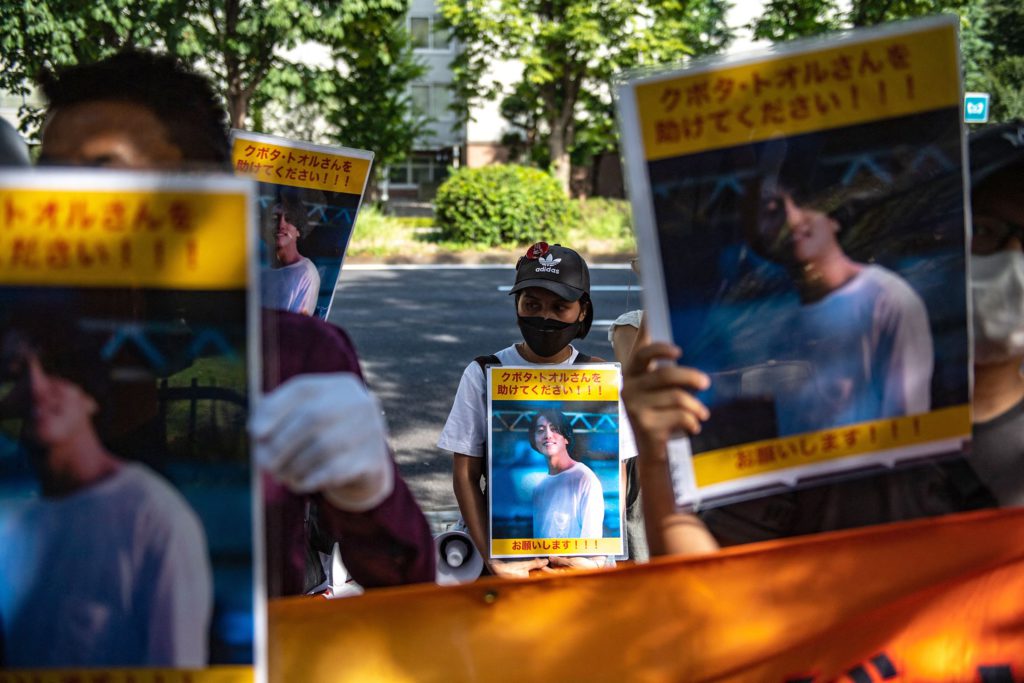
(Bloomberg) — Myanmar’s military government has sentenced a Japanese filmmaker to seven years in prison for encouraging dissent against the regime and violating a telecommunications law. 

It remains unclear if Toru Kubota, 26, will serve the full prison term, or be deported by the junta to maintain relations with the Japanese government. Initial media reports quoting diplomatic sources said he had been handed a 10-year sentence.

The State Administration Council’s information team said Kubota was convicted of violating two charges; sedition under the colonial-era Penal Code, and Section 33(A) of the Telecommunications Law. He’s awaiting a verdict for another charge under the immigration law. 

Kubota was arrested at an anti-regime rally in the southern New Dagon township of Yangon on July 30, along with two Myanmar citizens.

Japan’s Ambassador to Myanmar, Maruyama Ichiro, said he had already asked Myanmar authorities to release Kubota, but had been told a “decision will be made after all verdicts are pronounced.” He added that Kubota had been allowed to speak to his family on the phone “about 3-4 times upon Myanmar authorities’ approval.”

Journalists detained

The Japanese filmmaker is not the first international journalist to have been targeted by the military junta since last year’s coup. In November, American journalist Danny Fenster was sentenced to 11 years in prison for inciting dissent against the military, but was released and deported a few days later. Yuki Kitazumi, a freelance Japanese journalist, was also arrested last year and charged with spreading fake news but was later released upon the Japanese government’s request. 

Myanmar Extends Suu Kyi Jail Term, Locks Up Australian Economist

Since the military toppled the Aung San Suu Kyi-led civilian government journalists have been routinely targeted as part of the junta’s crackdown on freedom of expression. The Committee to Protect Journalists has ranked Myanmar as the world’s second-worst jailer of journalists in its most recent annual report. A local press freedom group reported earlier this year the junta had arrested more than 130 journalists in Myanmar since the coup.  

Tokyo remains close to Myanmar as part of its strategy of countering China’s influence, and to protect Japanese investments in a wide range of sectors including those in the Thilawa special economic zone. Military ties between Japan and Myanmar have remained strong, though the Japanese government announced last month it will suspend a training program for Myanmar military personnel. 

More stories like this are available on bloomberg.com

©2022 Bloomberg L.P.
Crypto Fugitive Do Kwon Is Set to Lose His South Korean Passport

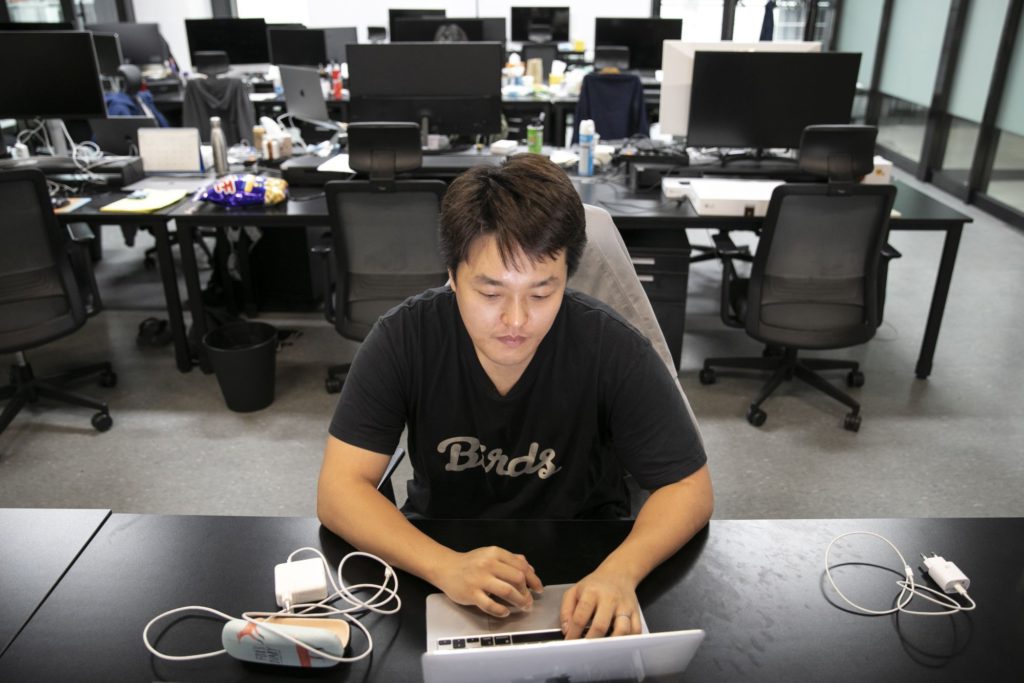
(Bloomberg) — South Korea is set to strip Terraform Labs Pte founder Do Kwon of his passport, intensifying pressure on the fallen entrepreneur to return to the nation and face charges over a $60 billion crypto crash.

The 31-year-old must hand the document back or else it will be revoked in about 14 days, according to a government notice posted on Wednesday. Kwon’s location is unclear and he is the subject of an Interpol red notice.

Kwon was behind the TerraUSD stablecoin, which was meant to have a constant $1 value in a complex arrangement with sister token Luna. The edifice fell apart in May, worsening a $2 trillion crypto rout, pushing a range of digital-asset firms toward insolvency and causing consternation at regulators globally.

He and five others have been accused of breaching South Korea’s capital-markets law. Terraform Labs has rejected the charges and said the case has become “highly politicized.”

The Chosun Ilbo newspaper reported that prosecutors in Seoul have frozen an additional 56.2 billion won ($40 million) of assets they claim are Kwon’s, bringing the total to about 95 billion won. 

Kwon on Twitter said “I don’t know whose funds they’ve frozen, but good for them, hope they use it for good.” He didn’t immediately reply to an email seeking comment.

Prosecutors on Thursday confirmed a local report that one of the people accused, surnamed Yu, had been arrested on charges including violations of the capital-markets law, fraud and breach of duty related to market manipulation. 

(Updates with an arrest in the Terra case in the final paragraph.)

More stories like this are available on bloomberg.com

©2022 Bloomberg L.P.
Alipay Drops Off List of Shanghai Priority High-Tech Firms

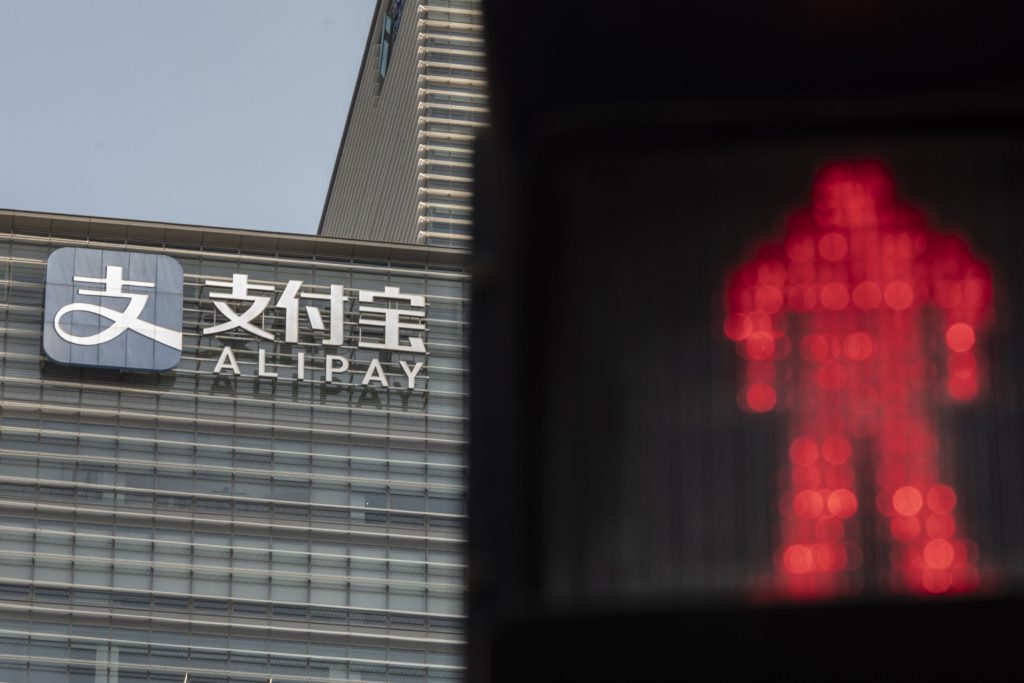
(Bloomberg) — China’s mobile payment giant Alipay was removed from a high-tech company list in Shanghai, adding to the woes at billionaire Jack Ma’s fintech operation. 

Alipay.com Co. failed to meet the spending requirement for research and development, according to a government notice on Sept. 8. The removal could revoke certain tax benefits. 

The Shanghai-based payments unit only accounts for a fraction of the R&D expenditure at parent company Ant Group Co., which allocated more than 18.8 billion yuan ($2.6 billion) last year for research, according to a statement from the firm. 

It’s the latest setback after Ant’s record initial public offering was torpedoed by the government on the eve of its planned 2020 debut. The firm has been restructuring itself to meet the demands of Beijing, including ramping up its capital base and preparing to apply for a financial holding company license. 

“The main impact for the company will be losing some tax benefits,” said Francis Chan, a Bloomberg Intelligence analyst. “China is placing more emphasis on chip self-sufficiency when it comes to high-tech development.” 

Read more about the unraveling of Ant’s IPO

Ant’s valuation has been trimmed by several backers including Fidelity Investments, BlackRock Inc. and T. Rowe Price Group Inc. Fidelity cut its estimate for Ant to $70 billion at the end of May. 

Ant’s R&D spend has been growing at an annual rate of more than 39% since 2018 and the company has committed to investing in technologies including blockchain, privacy computing, databases and security, it said.

(Updates with comment from Bloomberg Intelligence analyst in fifth paragraph)

More stories like this are available on bloomberg.com

©2022 Bloomberg L.P.

Australian Man Arrested in Alleged Scam of Optus Hack Victims

(Bloomberg) — The Australian Federal Police have arrested a 19-year-old Sydney man for allegedly trying to blackmail victims of a giant data breach at mobile-phone company Optus.

The man allegedly texted 93 people who were affected by last month’s hack of the Australian telecommunications provider, demanding they transfer A$2,000 ($1,300) to a bank account or face having their personal information be used for financial crimes, the AFP said in a statement Thursday. 

At this stage it appears none of the people who received the text message transferred money to the account, the AFP said. 

About 1.2 million Optus customers had personal information compromised in the initial attack. AFP Assistant Commissioner Cyber Command Justine Gough said the man isn’t suspected of being responsible for the Optus breach, but tried to benefit financially from the stolen data. 

The information used by the alleged blackmailer was from a batch of 10,200 stolen customer records that were posted online.

The man has been charged with two offenses that carry a maximum sentence of 10 and seven years’ jail.  

More stories like this are available on bloomberg.com

©2022 Bloomberg L.P.
Stocks Resume Rally, Oil Jumps on Production Curb: Markets Wrap

(Bloomberg) — US equity futures erased a Wednesday decline and an index of Asian stocks traded higher as investors looked beyond the impact of rising oil prices to rekindle a rally in risk assets.

Stocks in Japan and South Korea rose while Australian shares fluctuated and Hong Kong equities edged lower following their best day in six months. The gain in contracts for the S&P 500 reversed a small decline in the index on Wednesday. European futures advanced.

The bullish sentiment weakened the dollar after its biggest jump in a week on Wednesday. The pound gained ground even after Fitch Ratings downgraded its UK outlook to negative. 

The action appeared to mark a rethink on the impact of Wednesday’s decision by OPEC+ to reduce daily oil production by two million barrels. The US oil benchmark jumped to a three-week high. The White House warned about negative effects on a global economy weathering curbs on Russian imports and said the US would release 10 million barrels from strategic reserves.

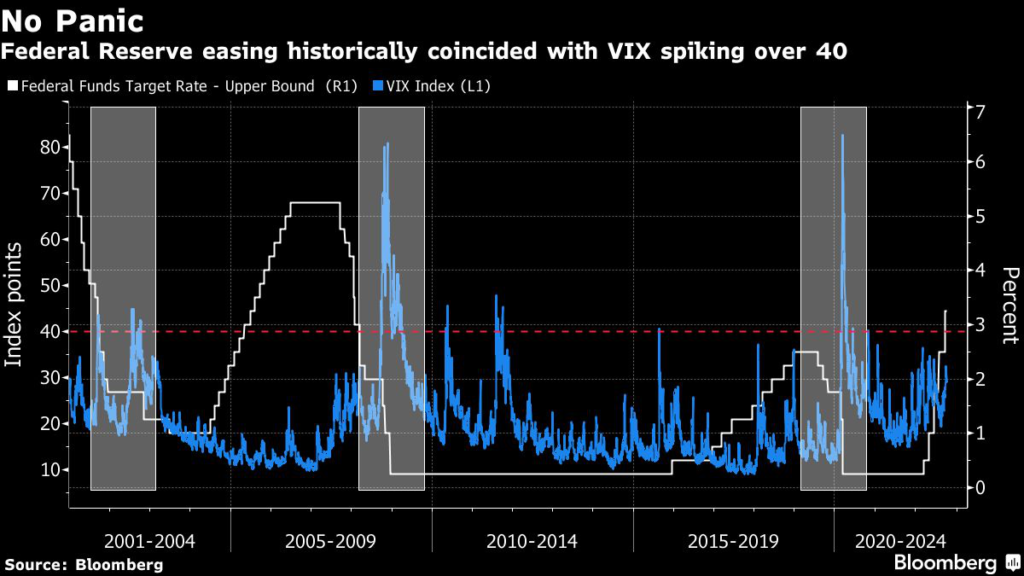
Higher energy prices can stoke inflation, delaying the prospect of a dovish pivot from the likes of the Federal Reserve. However, they also limit demand, slowing the economy in line with what the Fed hopes to achieve through tighter policy.

“Rising commodity prices have been and will be demand destructive,” said James Athey, investment director for Aberdeen Standard investments. “The Fed won’t hike until something breaks and there are a lot of fragilities in this system.”

Goldman Sachs Group Inc. increased its fourth-quarter price target for Brent crude oil to $110, implying a jump of almost a fifth from today’s level.

“We are here sitting at near record low inventories. Demand will increase this winter because a lack of gas will drive more oil demand and now we have a loss in supply from OPEC and likely from Russia,” said Damien Courvalin, head of energy research for Goldman.

Here’s What Goldman to UBS Say About Oil After Big OPEC+ Cut 

Federal Reserve Bank of Atlanta President Raphael Bostic said on Wednesday he favored raising interest rates to 4.5% by the end of the year, implying a further 125 basis points of tightening. His San Francisco counterpart Mary Daly warned against expecting any rate cuts in 2023.

“Inflation fears may get assuaged but then they turn into growth fears and that turns into a problem for corporate earnings,” said Emily Roland, co-chief investment strategist for John Hancock Investment Management, in an interview with Bloomberg TV. “Even if rates do fall it’s probably too early to call the all-clear on stocks.”

Key events this week:

  • Eurozone retail sales, Thursday
  • US initial jobless claims, Thursday
  • Fed’s Charles Evans, Lisa Cook, Loretta Mester speak at events, Thursday
  • US unemployment, wholesale inventories, nonfarm payrolls, Friday
  • BOE Deputy Governor Dave Ramsden speaks at event, Friday
  • Fed’s John Williams speaks at event, Friday

Will earnings disappoint and push equities to new lows? This week’s MLIV Pulse survey asks about corporate earnings. It’s brief and we don’t collect your name or any contact information. Please click here to share your views.

Some of the main moves in markets:

Stocks

  • S&P 500 futures added 0.5% of 1.44 p.m. in Tokyo. The S&P 500 fell 0.2%
  • Nasdaq 100 futures rose 0.6%. The Nasdaq 100 fell 0.1%
  • Japan’s Topix index climbed 0.7%
  • Australia’s S&P/ASX 200 Index fell 0.1%
  • South Korea’s Kospi index jumped 1.4%
  • Hong Kong’s Hang Seng Index fell 0.4%
  • Euro Stoxx 50 futures jumped 1.3%

Currencies

  • The Bloomberg Dollar Spot Index fell 0.3%
  • The euro strengthened 0.3% to $0.9918
  • The British pound gained 0.3% to $1.1363
  • The Japanese yen added 0.1% to 144.54 per dollar

Cryptocurrencies

  • Bitcoin gained 2% to $20,384.31
  • Ether added 2.3% to $1,375.92

Bonds

  • The yield on 10-year Treasuries fell one basis point to 3.74%
  • Australia’s 10-year yield gained 16 basis points to 3.79%

Commodities

  • West Texas Intermediate crude rose 0.2% to $87.91 a barrel
  • Gold futures traded 0.4% higher at $1,723.42 an ounce

More stories like this are available on bloomberg.com

©2022 Bloomberg L.P.
SocGen Traders Cut China Counterparty Exposure as Risks Escalate

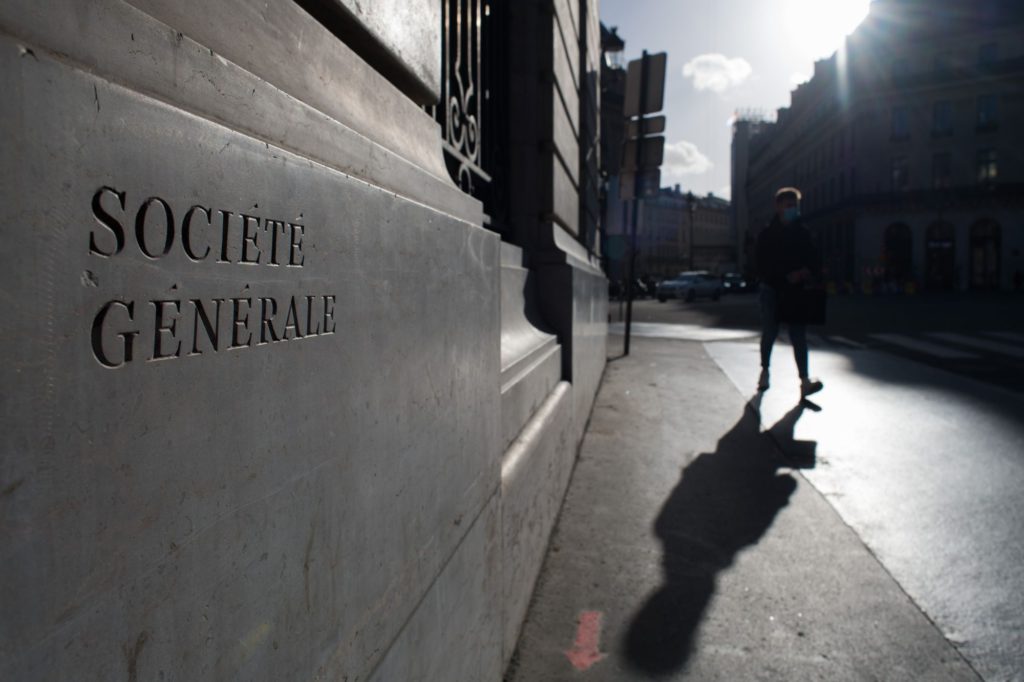
(Bloomberg) — Societe Generale SA cut its exposure to counterparties on trades in China by about $80 million in the past few weeks as global banks seek to guard against any potential fallout from rising geopolitical risks in the world’s second-largest economy.

It has several hundred million dollars in positions on China’s Financial Futures Exchange, people familiar with the matter said, asking not be identified as the details are private. The French bank has been seeking to replicate those positions elsewhere in Asia, they said.

Like other firms and multi-nationals, the bank’s executives are growing increasingly concerned about a whole swathe of problems hitting China in recent months, although the country remains a key part of its strategy, the people said.

Increased rhetoric between Beijing and Washington over Taiwan has unsettled firms in the past few months, coming shortly after Russia’s war unexpectedly forced the world’s largest banks to exit businesses and stop serving some ultra-wealthy clients. US lawmakers recently ramped up pressure on banks to answer questions on whether they would withdraw from China if it invaded Taiwan.

A spokesperson for SocGen declined to comment. The bank’s businesses in the Asia-Pacific region span corporate and investment banking to asset management, securities services and global transaction banking, according to its website.

The China Financial Futures Exchange offers services including the listing, trading, clearing and settlement for financial derivatives.

While SocGen’s exposure is relatively small by global banking standards, the move is a reflection of increased risk aversion among firms following years of build up in China. 

Wall Street and European powerhouses have expanded over the past years after the nation allowed full ownership of ventures on the mainland. UBS Group AG, the Swiss lender, became the first foreign bank to gain majority control of a Chinese securities joint venture in 2018 while JPMorgan Chase & Co. won approval in 2021 to take full ownership of its investment banking venture.

At the same time, China’s economy is sputtering because of the country’s strict pursuit of Covid Zero, a teetering property market and a multiyear crackdown on private enterprise as President Xi Jinping prepares this month to take on a third term in charge.  

US President Joe Biden is set to ratchet up pressure further on China’s economy and industries. The administration plans to announce new restrictions on China’s access to US semiconductor technology, people with knowledge of the situation have said, an escalation of efforts to stifle Beijing’s industrial ambitions and a risk to growth for the $550 billion sector.

More stories like this are available on bloomberg.com

©2022 Bloomberg L.P.
Musk Deposition Delayed in Twitter Suit as Buyout Moves Ahead

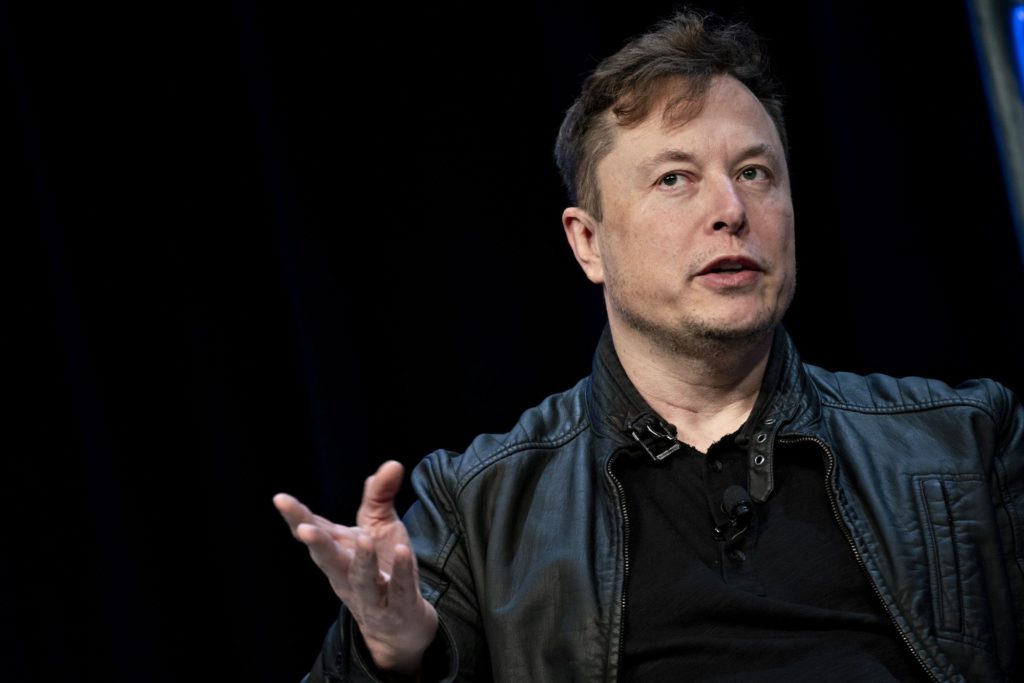
(Bloomberg) — Elon Musk and Twitter Inc. agreed to postpone the billionaire’s long-awaited deposition in the company’s lawsuit aimed at forcing him to go through with a $44 billion buyout, according to people familiar with the matter. 

Musk reversed course earlier this week and committed himself to consummating the $54.20-per-share offer for the social-media platform on its original terms. Even though the deal still may take months to close, a trial set for Oct. 17 is almost certain to be put on hold. 

Both sides agreed Wednesday to delay the deposition that was set for Thursday morning in Austin, Texas, while lawyers try to finalize procedures to dispose of the suit, according to the people, who declined to be identified discussing a confidential matter.

Meanwhile, banks and other investors are reviewing the deal’s original $12.5 billion debt-financing package. The lenders are led by Morgan Stanley. Other investors include Oracle Corp. Chief Executive Officer Larry Ellison. 

Before restoring his original offer, Musk’s representatives held talks with Twitter on lowering the deal price, people familiar with the negotiations told Bloomberg News. Musk was seeking a price cut of 30%, and more recently explored a 10% discount, but the discussions failed to yield an agreement, the New York Times reported, citing unidentified sources. 

Delaware Chancery Judge Kathaleen St. J. McCormick said Wednesday that since neither side has yet asked to pause the case, she’s pressing ahead with the upcoming trial. In a securities filing earlier this week, Musk offered to go forward with the deal if Twitter’s suit was put on hold. 

Twitter didn’t immediately respond to a request for comment after regular business hours on the deposition being delayed.

Musk skipped out on other deposition dates in the case. He cancelled a Sept. 28 meeting to answer questions because of Covid-19 concerns, according to court filings. He also demanded that the deposition be conducted in Texas instead of Delaware.

Musk backed away from his planned Twitter purchase earlier this year, claiming the company hadn’t leveled with him and investors about the number of bot accounts that artificially pump up advertising revenue. Twitter countered that the concerns were a pretext for Musk when he started feeling buyer’s remorse.

In the past, Musk –- chief executive officer of electric-car maker Tesla Inc. — has turned belligerent in pre-trial questioning in other court cases focused on his deal-making efforts.

In a deposition tied to a suit by Tesla investors over Musk’s buyout of renewal-power company SolarCity, the billionaire belittled a lawyer for shareholders who argued the deal was rife with conflicts.

“To bail out SolarCity was good for the world you’re telling us?” investors’ attorney Randy Baron asked in a pre-trial query.

“Advancing solar is absolutely good for the world,” Musk shot back. “Do you just think about money? What is your purpose in life?” Musk’s deposition testimony was played in the 2021 trial of the SolarCity dispute.

During his cross-examination at trial, Musk told a Delaware judge he didn’t respect Baron, who he considered to be “a bad human being” who specialized in asking deceptive questions. The judge ultimately ruled for Musk in the case.

The case over the Twitter buyout is Twitter v. Musk, 22-0613, Delaware Chancery Court (Wilmington). 

More stories like this are available on bloomberg.com

©2022 Bloomberg L.P.
Bitcoin Stays Calm as Volatility Hits Treasuries

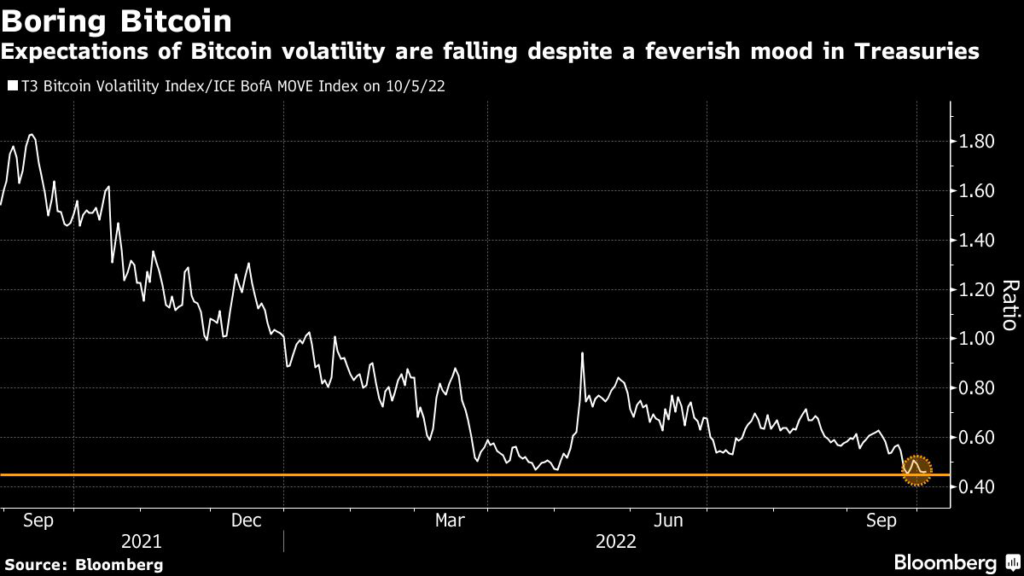
(Bloomberg) — The ratio between a gauge of expected volatility in Bitcoin and a similar measure for Treasuries has dropped to around a one-year low. The pattern between the the T3 Bitcoin Volatility and ICE BofA MOVE indexes reflects range-bound trading in the largest token since a June nadir despite major gyrations in bonds that act as a benchmark for global borrowing costs. The question is how long the infamously capricious Bitcoin will stay relatively becalmed when tightening monetary policy is stoking intense cross-asset swings.

More stories like this are available on bloomberg.com

©2022 Bloomberg L.P.
BYD Keeps No.2 Rank in Global Electric Vehicle Battery Market

(Bloomberg) — China’s BYD Co. cemented its position as the world’s second-largest EV battery maker, outselling South Korean rival LG Energy Solution Ltd. for a second straight month in August.  

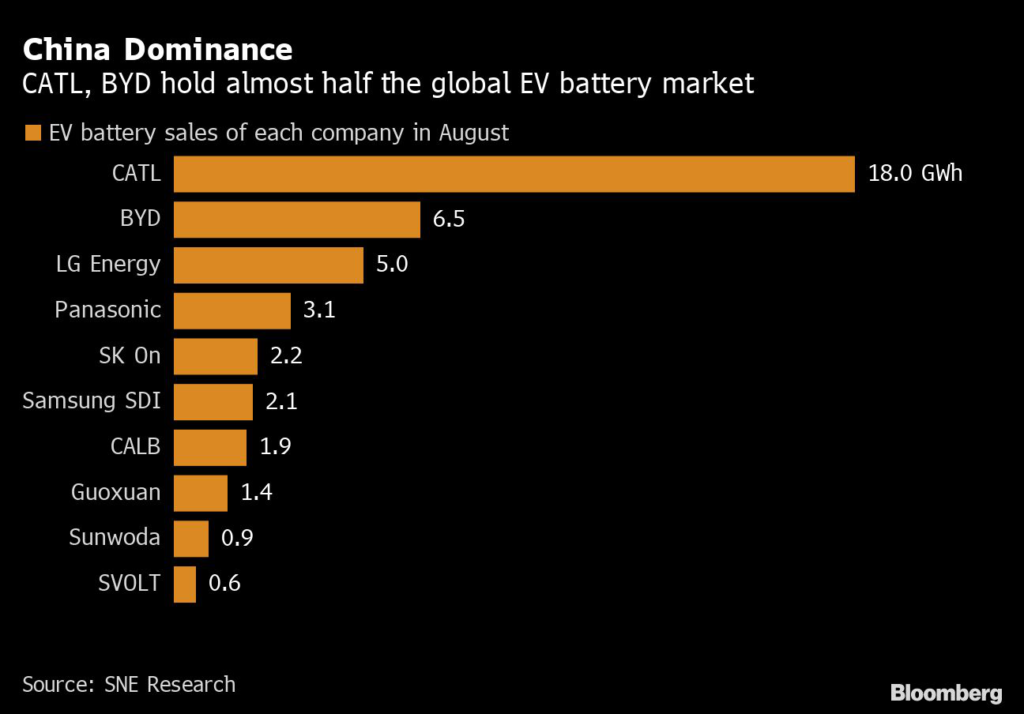
Shenzhen-based BYD sold about 6.5 gigawatt-hours of batteries in August, posting 159% growth from a year earlier, according to a report Thursday from SNE Research, a Seoul-based research firm. Contemporary Amperex Technology Co. Ltd., another Chinese maker, maintained its clear lead as the world’s largest battery maker with 18 gigawatt-hours, up 129%.

LG Energy followed in third position with 5 gigawatt-hours, climbing 16% from a year ago, led by sales of Volkswagen AG’s ID.4, Ford Motor Co.’s Mustang Mach-E and Tesla Inc.’s Model Y, SNE said. 

China’s CALB Co., which started trading in Hong Kong Thursday after a $1.3 billion initial public offering, ranked 7th, with 1.9 gigawatt-hours. The company aims to to become a top-three player in the EV battery industry within five years, Chief Executive Officer Jingyu Liu said in an interview. 

Read more: Chinese EV Battery Maker CALB Targets Top Three Rivals After IPO

Total EV battery sales almost doubled to 45.7 gigawatt-hours in August, driven by Chinese demand, SNE said. However, the US Inflation Reduction Act may change the landscape of Chinese-dominated battery supply chains by forcing more battery makers and their suppliers to build plants in North America, the report said. 

More stories like this are available on bloomberg.com

©2022 Bloomberg L.P.
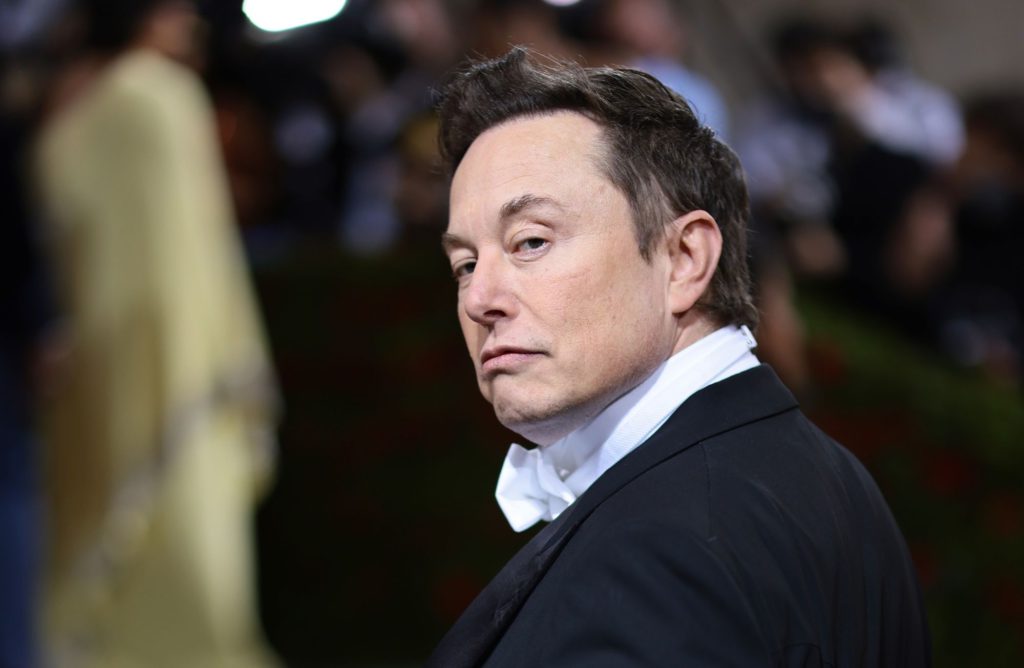
Musk Is Said to Have Discussed Lowering Offer Price With Twitter

(Bloomberg) — Elon Musk’s proposal to revive his $44 billion offer for Twitter Inc. followed earlier discussions about cutting the price that failed to yield an agreement, according to people familiar with the matter.

Musk’s representatives and Twitter held talks in the past few weeks about a buyout for less than the $54.20 a share, which didn’t go anywhere, said the people, who asked not to be identified because the talks were private.

The Wall Street Journal and the New York Times earlier reported the discussions, with the Times saying Musk had sought a 30% reduction in the price.

A representative for Twitter declined to comment. A spokesman for Musk’s legal team didn’t immediately return an email seeking comment late Wednesday.

This week, Musk said in a letter to Twitter that he would be willing to complete the deal for the original price. A deposition of Musk won’t be taking place on Thursday as earlier scheduled, Bloomberg News reported earlier.

A deal at the original price could close as soon as within the next week if the two sides can reach a stipulated agreement, though there’s no certainty that they will come to one on that time line, one of the people said. In that scenario, the banks would be expected to fund their debt commitments and likely syndicate the offering with investors after the deal closes.

Delaware Chancery Judge Kathaleen St. J. McCormick said Wednesday that since neither side has yet asked to pause the case, she’s pressing ahead with a trial set for Oct. 17. In a securities filing this week, Musk offered to go forward with the deal if Twitter’s suit was put on hold.

The case is Twitter v. Musk, 22-0613, Delaware Chancery Court (Wilmington).


More stories like this are available on bloomberg.com

©2022 Bloomberg L.P.

Close Bitnami banner
Bitnami
