Bloomberg

Chipotle’s ‘Proof of Steak’ Crypto Promo Sells Out Early

(Bloomberg) — Ray Al-Malt spent much of his Tuesday in Orlando, Florida, preparing for rain and high-speed winds soon to be swept in by Hurricane Ian. A post on Reddit brought a glimmer of hope. 

There, the 31-year-old saw an announcement about a 99.95% discount for Chipotle Mexican Grill Inc. The only catch: he had to pay the remaining 0.05% in Ether. Happily, he obliged.

Chipotle dubbed the promotion “Proof of Steak.” The campaign was a nod to the Ethereum blockchain software upgrade completed earlier this month. The “Merge” transferred the crypto network from a proof-of-work to a proof-of-stake model, hence the promotion’s name. 

The Ethereum Foundation estimated the upgrade would cut the network’s energy usage by 99.95% by replacing scores of computers known as miners that were used to validate transactions. The discount, redeemable for up to $20, ended Thursday night, once customers redeemed $20,000 in bowls, burritos and tacos. Otherwise, the deal would have lasted until Tuesday, Oct. 4.

The campaign provided a rare use-case for digital tokens spent like any other currencies. A suite of companies, including Gucci and Microsoft, have said they will accept cryptocurrencies as payment. Chipotle announced in June that customers could pay with cryptocurrency. 

“Our overarching goal is to build and reach the next generation of Chipotle fans in the Web3 community by driving culture and difference with activations like ‘Proof of Steak’ that provide real value to the community,” wrote Chris Brandt, Chipotle’s chief marketing officer.

Chipotle partnered with Flexa, a digital payments company, for the campaign. According to a Chipotle representative, the Flexa-enabled app, SPEDN, lets users create digital gift cards for payment. As a result, Chipotle employees could scan the offer as a QR code. 

That workaround meant that crew members did not need to know about the “Proof of Steak” offer to provide the discount. Four out of five managers interviewed during an informal poll at Chipotle restaurants in Manhattan said they did not know the promotion was taking place. 

Other customers said that they could not retrieve the discount. Brandt, Chipotle’s CMO, told Bloomberg that they had received complaints on the first day of the promotion but added that these issues had “since been resolved.”

(Updated headline, second and fourth paragraph)

More stories like this are available on bloomberg.com

©2022 Bloomberg L.P.

S&P 500 Closes Quarter at Lowest in Two Years: Markets Wrap

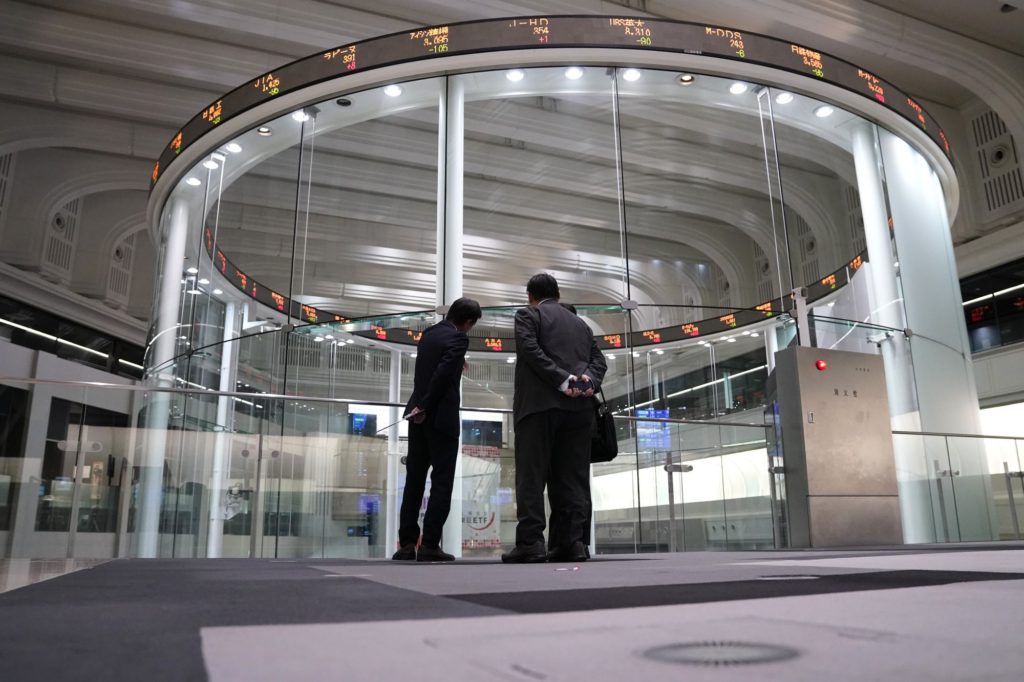
(Bloomberg) — US stocks suffered their worst monthly rout since March 2020 after markets were repeatedly pummeled by the Federal Reserve’s resolve to keep raising interest rates until inflation is under control. 

The S&P 500 closed a volatile session lower. The index posted its third straight quarter of losses for the first time since 2009. US Treasuries dropped Friday after a late selloff into the month-end, with the benchmark 10-year yield around 3.82%.

Fed Vice Chair Lael Brainard briefly assuaged concerns on Friday after she acknowledged the need to monitor the impact rising borrowing costs could have on global-market stability. But markets continued to be on the edge as investors contended with continued strength in personal consumption expenditure, one of the Fed’s preferred inflation gauges.  

Risk assets have been in a tailspin since the central bank delivered a third jumbo hike last week and officials repeatedly warned of more pain to come. UK markets added to the stress this week, after the government unveiled sweeping tax cuts that threatened to exacerbate inflationary pressures, and the Bank of England attempted to manage the mayhem that ensued. 

Investors are now awaiting jobs data next week for further clues about the Fed’s rate-hike trajectory. Upcoming inflation and GDP readings will also provide details on whether price pressures are easing meaningfully. All eyes will be on the earnings season, which starts next month, for insight into how companies are managing through headwinds that include a strong dollar, rising expenses and slowing demand. Fears of a global recession are still mounting as the threat of higher rates saps growth.

“Investors are eager and nervous to realize how dovish or hawkish global central banks become as tighter financial conditions and higher interest rates weaken economic performance and threaten financial stability,” said José Torres, senior economist at Interactive Brokers. 

Geopolitical tensions also continued to simmer as Vladimir Putin vowed his annexation of four occupied regions in Ukraine is irreversible and President Joe Biden declared that a massive leak from the Nord Stream gas pipeline system in the Baltic Sea was an intentional act.

Read More: Runaway Bear Market Blows Past Everything Meant to Slow It Down

Some of the main moves in markets:

Stocks

  • The S&P 500 fell 1.5% as of 4:07 p.m. New York time
  • The Nasdaq 100 fell 1.7%
  • The Dow Jones Industrial Average fell 1.7%
  • The MSCI World index fell 1.4%

Currencies

  • The Bloomberg Dollar Spot Index rose 0.2%
  • The euro fell 0.1% to $0.9804
  • The British pound rose 0.4% to $1.1156
  • The Japanese yen fell 0.2% to 144.78 per dollar

Cryptocurrencies

  • Bitcoin fell 0.2% to $19,470.55
  • Ether rose 0.1% to $1,339.75

Bonds

  • The yield on 10-year Treasuries advanced three basis points to 3.82%
  • Germany’s 10-year yield declined seven basis points to 2.11%
  • Britain’s 10-year yield declined five basis points to 4.09%

Commodities

  • West Texas Intermediate crude fell 2% to $79.63 a barrel
  • Gold futures were little changed

More stories like this are available on bloomberg.com

©2022 Bloomberg L.P.

Ian Latest: Storm Hits South Carolina, Making Second US Landfall

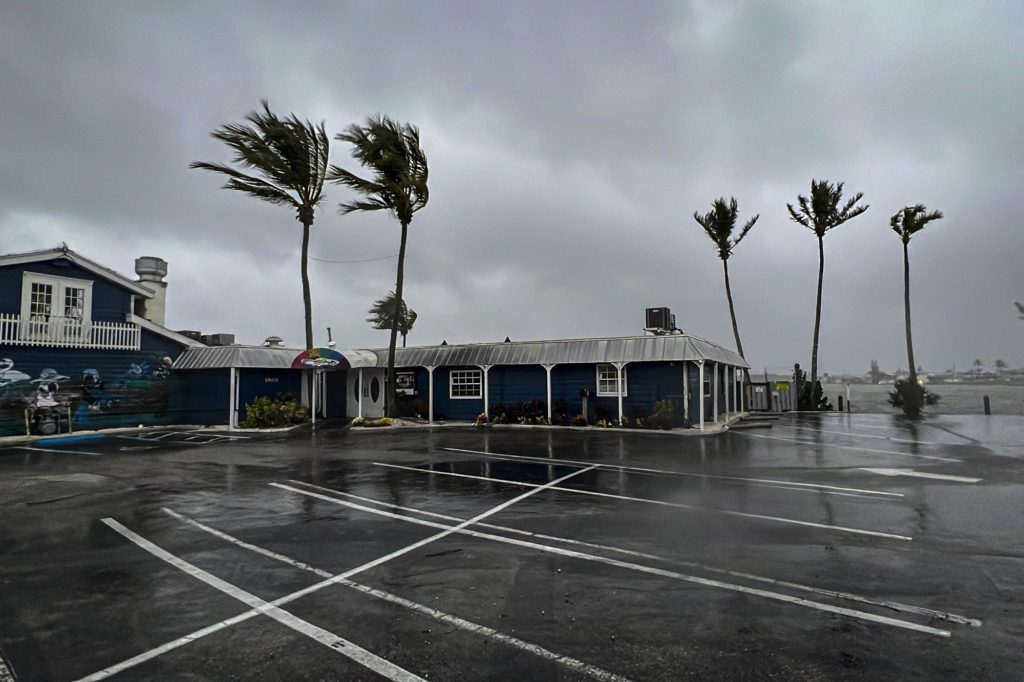
(Bloomberg) — Hurricane Ian slammed into the coast of South Carolina with violent wind and a deadly storm surge, making its second US landfall after tearing a 160-mile path of ruin across Florida.

Ian, a Category 1 hurricane, came ashore just after 2 p.m. local time near Georgetown, South Carolina, with 85 mile-per-hour winds, according to the National Hurricane Center. It drove a wall of water onto land and is expected to inundate a 200-mile stretch of coastline that includes the historic city of Charleston.

Florida, meanwhile, continues to reel under the storm’s impact. More than 1.8 million homes and businesses remain without power, and Lee County, the hardest-hit area, has no running water. Homes, bridges and other infrastructure are in ruin, with damage estimates ranging from $68 billion to $100 billion. Florida Governor Ron DeSantis said it will take years to recover. 

Florida officials have confirmed one death from Ian, while 20 more remain unconfirmed, according to Kevin Guthrie, director of the state’s division of emergency management. Authorities have warned the death toll may climb. Three people were killed in Cuba, according to the Associated Press.


Some Florida Customers Face Extended Power Outages (2:07 p.m.)

Some customers may be in the dark for more than a month because Ian’s damage means parts of the grid will have to be rebuilt from the ground up, according to Lee County Electric Cooperative, which serves Florida’s hardest-hit country. 

Ian Hit Florida at Key Time for Fruit, Vegetable Planting (12:59 p.m.)

Ian has hit a leading producer of fruits and vegetables in the US for the cooler fall and winter months, disrupting planting at a time when food inflation already is soaring.

Though the toll on Florida’s agriculture is still uncertain, many in the industry are facing power outages, widespread flooding and the inability to access fields, groves and packinghouses, said Christina Morton, director of communications for the state’s Fruit and Vegetable Association.

Disaster Survivors Prepare for Prolonged Blackouts (12:22 p.m.)

Residents lined up outside big-box retailers on Friday in search of portable generators to see them through what are expected to be extended and widespread power outages following the storm.

At a Home Depot in Cape Coral on Florida’s western coast, a long line of customers waited in bright sunlight for their turn to shop. Once inside, individual shoppers were escorted up and down the aisles and to a cash register by an employee. Once outside, the escort extended to their car. Extra security guards were present throughout the store.

White House to Meet With Oil Producers on Gasoline (11:53 p.m.)

The White House plans to meet Friday with some of the largest gasoline producers in the US, including Exxon Mobil Corp. and Shell Plc, amid concerns about potential price spikes in the wake of hurricanes Ian and Fiona.

The meeting is scheduled to involve National Economic Council director Brian Deese, Energy Secretary Jennifer Granholm and Amos Hochstein, a senior energy advisor within the State Department, according to a person familiar with the matter.

Ian to Make Landfall Around 3 p.m., AccuWeather Says (11:02 a.m.)

Ian will probably make landfall near the mouth of the Santee River about 60 miles northeast of Charleston around 3 p.m., said Paul Walker, a meteorologist with the commercial forecaster AccuWeather Inc. 

The hurricane’s top winds were holding steady at 85 miles per hour, the National Hurricane Center said in an 11 a.m. advisory. The storm was about 60 miles southeast of Charleston.

North Carolina’s Outer Banks could get high winds and storm surge could cut off roads, Walker said. Wilmington may also take some damage, he said. 

None of Ian’s impacts Friday and through the weekend will rival what it did to Florida. “The biggest thing about Ian is that it has done most of its damage,” Walker said.

Tampa Ports Set to Reopen as Trucks Move Fuel (10:04 a.m.)

The port of Tampa Bay is expected to resume vessel operations later on Friday after Hurricane Ian forced its closure, according to spokesperson Lisa Wolf-Chason. 

The land side of the port opened on Thursday morning and trucks are moving fuel out of terminals. The waterways are being assessed by the Coast Guard, Wolf-Chason said.

Florida’s Lee County Has No Running Water After Ian (9:58 a.m.)

Lee County, the hardest-hit area in Florida, has no running water due to a water main break, DeSantis said during a press conference. An “extraordinary amount of water has been staged” to supply residents there, he said.

Rescuers have gone to more than 3,000 homes and are continuing to conduct searches, DeSantis said. Fuel supply is flowing to the state, though some gas stations remain without power, he said. Power has been restored to 117 healthcare facilities. 

Florida Power Outages Drop Below 2 Million (9:24 a.m.)

Power outages in Florida have dipped below 2 million homes and businesses for the first time since Hurricane Ian barreled across the state. Just over 1.9 million customers were without service at 9 a.m. local time, according to PowerOutage.us, which tracks utility outages.

At peak, around 2.6 million homes and businesses were without electricity in the wake of the storm. Officials have warned many of the outages could be prolonged because of extensive damage to the grid from Ian.

Most of the outages remain concentrated in southwest Florida, where Ian land landfall with 150 mile per hour winds. Roughly 85% of homes in Lee and Charlotte counties remain without electricity.

Ian Strengthens to Become Strong Category 1 Storm (7:45 a.m.)

Ian’s top winds are now gusting at 85 miles per hour, making it a strong Category 1 hurricane. Shortly before dawn, it was about 145 miles southeast of Charleston, South Carolina. 

The hurricane will hit a large part of the state’s coast with a wall of water 3 feet (0.9 meters) high, with the surge reaching as much as 7 feet in the area around flood-prone Charleston. Some areas will get as much as 12 inches (30 centimeters) of rain. About half of all hurricane deaths are from flooding. 

Storm Surge, Flooding Rains Forecast (5 a.m. NY)

Ian is expected to bring life-threatening storm surge and hurricane conditions along the Carolina coast by the afternoon, the National Hurricane Center said in an update just before 5 a.m. Flooding rains are likely across the Carolinas and southern Virginia.

The storm was located about 145 miles south-southeast of Charleston in South Carolina, and 225 miles south-southwest of Cape Fear in North Carolina. Maximum sustained winds were 85 miles per hour, with higher gusts, and hurricane-force winds extend outward up to 70 miles from the center. The storm is moving north-northeast at 9 mph.

“On the forecast track, the center of Ian will approach and reach the coast of South Carolina today, and then move farther inland across eastern South Carolina and central North Carolina tonight and Saturday.”

While little change in strength is expected before it reaches the coast later today, Ian should see a “rapid” weakening after landfall.

Biden Declares Emergency for South Carolina (2 a.m. NY)

Biden declared an emergency exists in South Carolina, authorizing the Federal Emergency Management Agency to provide equipment and resources to the state now in the storm’s crosshairs.


More stories like this are available on bloomberg.com

©2022 Bloomberg L.P.

Super Agent Emanuel Seeks to Help Broker Musk, Twitter Settlement

(Bloomberg) — Hollywood super agent Ari Emanuel has attempted to pave the way for a potential settlement between Elon Musk and Twitter Inc. over their disputed $44 billion takeover, according to people familiar with the matter. 

Emanuel contacted Twitter board member Egon Durban within the past few weeks and suggested the two sides find a solution to their dispute over the buyout ahead of upcoming court proceedings, said the people, asking not to be identified because the talks were private.

Durban notified the Twitter board about the conversation, the people added. It is unclear if the social media company responded to Emanuel, or intends to do so, they said. 

Whether Emanuel is operating at the behest of Musk or is trying to resolve a high-stakes dispute involving two allies is a question investors will likely pore over. Bloomberg was unable to ascertain details about his motives as well as the likelihood of his overture leading to any settlement.  

Twitter has said repeatedly that it plans to enforce the merger agreement in court, and that the company believes it has a strong case to force Musk to pay the full $54.20 per share. The company has little incentive to settle the case early for a substantial discount, especially because it could open up Twitter’s board of directors to possible shareholder lawsuits.

Representatives for Emanuel and Twitter declined to comment. A representative for Musk didn’t immediately respond to a request for comment.

The attempted mediation by one of the entertainment world’s ultimate power brokers marks an unlikely twist in a takeover fight that has captivated Wall Street as well as the tech and legal worlds. 

After agreeing to acquire Twitter in April, Musk developed misgivings about the company and has sought to quit the deal. Twitter has sued Musk to complete the transaction and the parties are set to fight the matter in a Delaware court in October. 

The judge must decide whether the world’s richest person had legitimate grounds for walking away from the deal. At the center of Musk’s defense are the company’s disclosures about the quality of its customer base as it is affected by spam and automated accounts.

Emanuel has close ties to both Musk and Durban. Durban sits on the board of directors at Endeavor Group Holdings, the talent agency and media group founded by Emanuel. Musk held a seat on the Endeavor board and stepped down earlier this year, but they remain close. The two were spotted holidaying together in Greece this summer.

Twitter rose 2.8% to $43.95 at 2:08 p.m. in New York trading Friday, giving the company a market value of about $34 billion. 

(Updates trading in final paragraph)

More stories like this are available on bloomberg.com

©2022 Bloomberg L.P.

Stocks Drop as Traders Anticipate Rate-Hike Pain: Markets Wrap

(Bloomberg) — An attempt by US stocks to stage a rebound for the second time this week was cut short as Federal Reserve officials reinforced their higher-rates-for-longer message.

The S&P 500 fell in the afternoon, after a bruising session on Thursday that took the index to its lowest level in almost two years. Traders were briefly heartened on Friday after Fed Vice Chair Lael Brainard acknowledged the need to monitor the impact rising borrowing costs could have on global-market stability. But stocks pared gains of nearly 1% as investors contended with continued strength in personal consumption expenditure, one of the Fed’s preferred inflation gauges. 

US Treasury yields slid, with the benchmark 10-year rate around 3.75%. The dollar strengthened. 

Fed officials, all week, have been diligently drilling in the message that they’ll continue to be aggressive to combat inflation. Friday’s comments came with some nuance. While Richmond Fed’s Thomas Barkin said key pressures stoking price growth are showing some signs of easing, San Francisco’s Fed Mary Daly said incoming data will determine how much the Fed will raise interest rates by. 

Still, warnings of rate-hike pain continued to flash, rocking investors’ faith in central banks including and beyond the Fed. JPMorgan’s Marko Kolanovic, in a new note, said he’s “increasingly worried about central banks making a policy error.” Bank of America Corp. strategists also cautioned that the Fed’s trajectory could push credit markets toward dysfunction. 

“Investors shouldn’t ask if the Fed will pivot, but rather how deep into the recession we’ll find ourselves before they finally act,” said Sean Sun, portfolio manager at Thornburg Investment Management. “The Fed is clear that fighting inflation is job number 1, and in the face of that effort, the economy will be acceptable collateral damage.”

The S&P 500 is headed for its third straight quarter of losses for the first time since 2009, and the Nasdaq 100 for the first time in 20 years. 

“By no means do I think we get a soft landing, but too much Fed-based negativity is priced in, and the data could start tilting toward lower inflation than the market — and Fed — have been fixated on,” wrote Peter Tchir, head of macro strategy at Academy Securities. “I continue to believe the ultimate lows will be in a true “risk-off” scenario, where bonds rally while stocks fall. But I think for now, both can limp into month-end and get some strength.”

Fears of global recession are still mounting as the threat of higher rates saps growth. The case of the UK shows how faultlines between government and central bank policy on tackling inflation can erupt into a crisis. Hopes evaporated that the British government would succumb to pressure to back down from tax cuts that brought the pound to the edge of dollar parity.

Traders are now gauging the next pressure points that will further erode gains won by the Bank of England’s billions in bond-market buying in the past two days.

Read more: UK Treasury Hasn’t Sought to Speed Up Budget Watchdog’s Forecast 

Geopolitical tensions also continued to simmer as Vladimir Putin vowed his annexation of four occupied regions in Ukraine is irreversible. 

Key events this week:

  • Fed’s John Williams to speak, Friday

Some of the main moves in markets:

Stocks

  • The S&P 500 fell 0.4% as of 1:43 p.m. New York time
  • The Nasdaq 100 fell 0.5%
  • The Dow Jones Industrial Average fell 0.7%
  • The MSCI World index fell 1.4%

Currencies

  • The Bloomberg Dollar Spot Index rose 0.1%
  • The euro fell 0.2% to $0.9794
  • The British pound rose 0.2% to $1.1144
  • The Japanese yen fell 0.2% to 144.71 per dollar

Cryptocurrencies

  • Bitcoin rose 0.8% to $19,667.75
  • Ether rose 0.5% to $1,345.26

Bonds

  • The yield on 10-year Treasuries declined three basis points to 3.75%
  • Germany’s 10-year yield declined seven basis points to 2.11%
  • Britain’s 10-year yield declined five basis points to 4.09%

Commodities

  • West Texas Intermediate crude fell 1.6% to $79.97 a barrel
  • Gold futures rose 0.1% to $1,671.10 an ounce

More stories like this are available on bloomberg.com

©2022 Bloomberg L.P.

Musk Bid for More Data on Twitter Bot Accounts Denied by Judge

(Bloomberg) — Elon Musk was denied access to additional documents about Twitter Inc.’s internal measure of robot and spam accounts after a judge concluded the company already disclosed enough of the information as part of the billionaire’s legal fight over a scuttled takeover.

Twitter has “done enough” in handing over documents about so-called mDAU — a metric used to survey human users of the social-media platform, Delaware Chancery Judge Kathaleen St. J. McCormick ruled Friday. Musk had sought more information to bolster his bid to cancel a $44 billion buyout of the company. 

Musk and his lawyers repeatedly accused Twitter of seeking to hide crucial documents and witnesses as they ramp up for an Oct. 17 trial on whether the world’s richest person can legitimately walk away from the deal. 

The billionaire claims the company hadn’t leveled with him about the number of spam and bot accounts among its more than 230 million users. Twitter says Musk has buyer’s remorse and his concerns are a pretext to get out of a deal.

McCormick also denied Musk’s request Twitter officials conduct further searches of the files under the terms “user-active minutes,” (UAM) or “stickiness,” two ways of measuring how long users stay on the platform.

Both sides have issued a fusillade of subpoenas and deposition requests to banks, investors and advisers involved in the teetering transaction. McCormick has been forced to rule on about a half-dozen disputes over document disclosures and other discovery issues. 

Meanwhile, the judge also appointed Chris Sontchi, a retired bankruptcy judge, to serve as a special master to oversee discovery disputes. The Wilmington, Delaware-based Sontchi now works as a mediator and also serves as a judge on the Singapore International Commercial Court.

The case is Twitter v. Musk, 22-0613, Delaware Chancery Court (Wilmington). 

More stories like this are available on bloomberg.com

©2022 Bloomberg L.P.

Vista Co-Founder Plans Software Comeback With $3 Billion Haveli Fund

(Bloomberg) — Haveli Investments, the firm founded by former Vista Equity Partners president Brian Sheth, is planning to raise at least $3 billion for a software-dedicated private equity fund, according to people with knowledge of the matter.

The new vehicle is a follow-up to Austin, Texas-based Haveli’s first fund, Haveli VC Gaming Fund I LP, said the people, all of whom requested anonymity because the plans are private. Formal fundraising hasn’t yet begun, though Haveli has held early-stage talks with prospective investors, some of the people said. The fund’s target could still change.

A Haveli representative declined to comment. 

Sheth left Vista in 2020 after co-founder Robert Smith admitted to tax evasion. Sheth served on the boards of Vista companies including Infoblox Inc., Tibco Software, Apptio and Datto, according to a securities filing.

Haveli is “committed to differentiated investing in the technology industry,” according to its website. Its employees include Microsoft Corp.’s former chief environmental officer Lucas Joppa, former Qatar Investment Authority technology investor Sumit Pande, ex-Morgan Stanley banker Ira Cohen and former Goldman Sachs partner Jason Mathews.

Read more: Microsoft Ex-Green Chief Says Climate Needs Private Equity: Q&A

More stories like this are available on bloomberg.com

©2022 Bloomberg L.P.

Pelosi Ripped by Fellow Democrat for Delaying Stock-Trade Bill

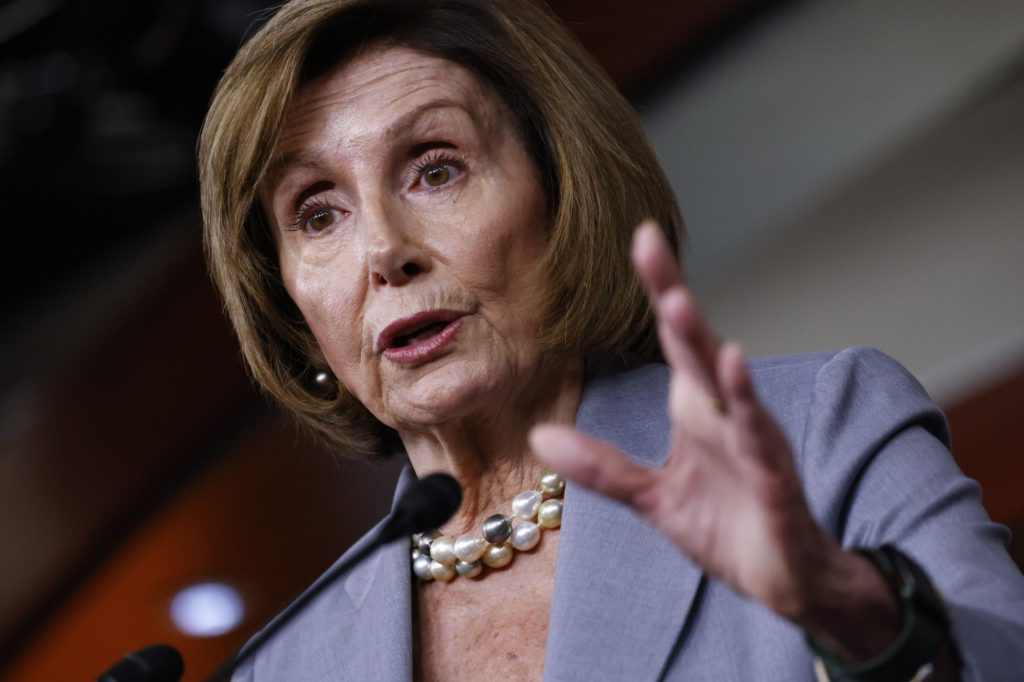
(Bloomberg) — Democratic Representative Abigail Spanberger lashed out at House Speaker Nancy Pelosi and other party leaders who she accused of dragging their feet on legislation to ban stock trading by lawmakers.

Spanberger, who introduced a bill with Republican Representative Chip Roy to require that lawmakers place investment assets into a blind trust while in office, questioned Pelosi’s commitment to a stock-trading ban and called the delay in acting on any reform bill before the House leaves for a break “a failure of House leadership.”

“After first signaling her opposition to these reforms, the Speaker purportedly reversed her position. However, our bipartisan reform coalition was then subjected to repeated delay tactics, hand-waving gestures, and blatant instances of Lucy pulling the football,” Spanberger, who faces a competitive re-election contest for her Virginia district in November, said in a statement on Friday. “It’s yet another example of why I believe that the Democratic Party needs new leaders in the halls of Capitol Hill.”

Pelosi, who has faced pressure from some Democrats to allow a new generation to take over, said she hadn’t seen Spanberger’s statement and brushed aside the call for new leadership, saying she is focused on “winning the next election.”

She said parts of Spanberger’s proposal has been incorporated in legislation unveiled by senior Democrats earlier this week.

“Other members have ideas, too,” Pelosi said. “You have to have the votes to bring it up.”

Pelosi two weeks ago suggested that a vote on a stock trading ban might happen this month, but the House is set to leave Washington on Friday without taking any action on the legislation unveiled Monday by House Administration Chair Zoe Lofgren, a California Democrat and Pelosi ally. The bill emerged nine months after a coalition of progressive Democrats and conservative Republicans began a new push for prohibiting or restricting members of Congress from trading individual stocks and other financial instruments.

Senate Majority Leader Chuck Schumer had assigned a group of Senate Democrats to come up with a single bill that would incorporate multiple stock trading proposals introduced in that chamber. But no proposal has come forward yet.

Roy, the Texas Republican who co-sponsored a stock trading ban with Spanberger, said there are “a lot of people” in Congress who would rather not impose restrictions on trading stock, even though doing so would be broadly popular with voters.

Voter Sentiment

“I think there’s a lot of, a lot of efforts to purposefully kind of make this just kind of die under its own weight, and that’s not surprising,” he said, adding that Congress will need to address the issue eventually.

“One of the highest applause lines I get is that members of Congress shouldn’t be actively trading while they’re voting on these issues at the same time,” he said. “I think that tells you where the body will have to go.”

Democratic Representative Chris Pappas of New Hampshire, who is facing a tough campaign for re-election, joined in the criticism of the delay, saying there are multiple proposals that have bipartisan support.

“The endless delays in this process are completely unnecessary,” he said in a statement.

House Majority Leader Steny Hoyer, who oversees the floor schedule, had privately told other members of House Democratic leadership that he opposed the stock trading ban. He told reporters Friday in response to Spanberger’s statement that leaders will weigh bringing up the stock trading ban when lawmakers return after the Nov. 8 election, which will decide control of Congress next year.

“I think that is an issue that we are going to be looking at,” the Maryland Democrat said. “There is going to be continued interest in that.”

Democratic officials, who did not want to be identified in discussing private conversations, said there are deep divisions among Democrats over the legislation, including among party leaders. Some Democrats who are in closer races that Spanberger and who oppose parts of Lofgren’s proposal don’t want to take a politically difficult vote just weeks before the election, the officials said. 

Lofgren said this week that her bill was getting a “pretty positive” reception but would be subject to negotiations with other lawmakers. She said delaying a vote beyond this week should not taken as any signal about its chances. “I don’t think so because the Senate is not going to get theirs done this week, either,” she said.

The legislation would require public officials to divest current holdings or put them in a blind trust. It would also tighten disclosure requirements and increase penalties for violations. The vice president, Supreme Court justices, cabinet officers and other top government officials would face the restrictions as well.

The bill’s trade and ownership restrictions cover commodities, futures, cryptocurrency or other digital assets as well as stocks. Also covered are interests acquired through derivatives, including options.

More stories like this are available on bloomberg.com

©2022 Bloomberg L.P.

Tesla Is Set to Hit Delivery Record in Rebound From Supply Strains

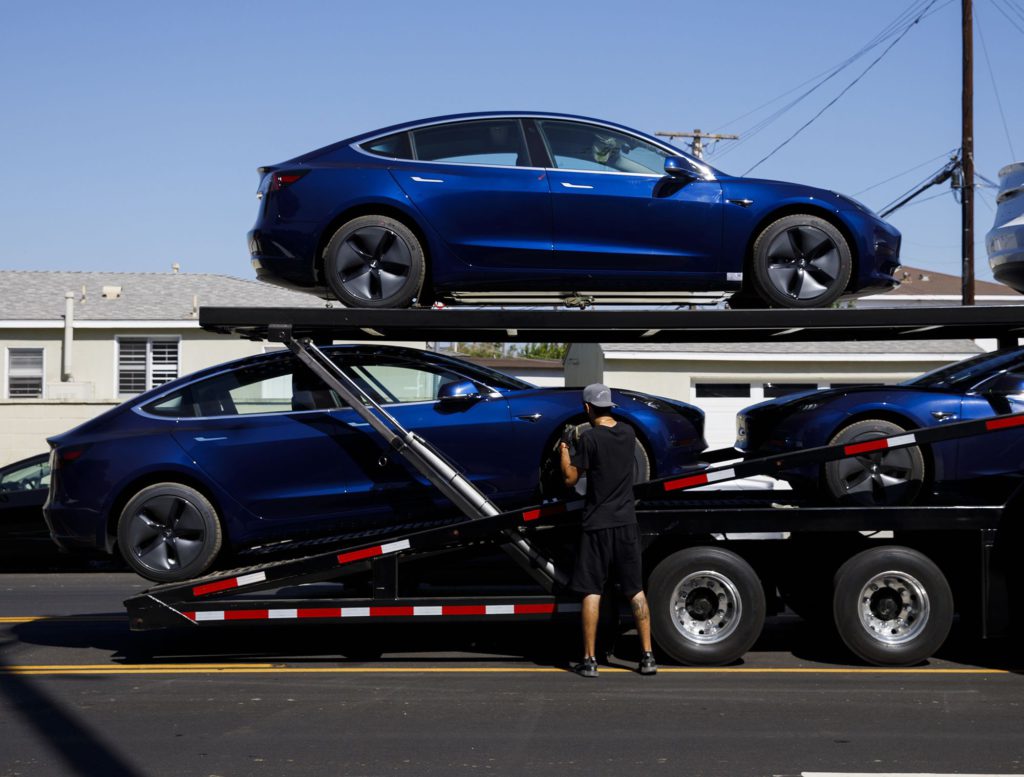
(Bloomberg) — Tesla Inc. is expected to announce record quarterly deliveries as the electric-vehicle giant tries to recover from supply-chain snarls that crimped output earlier this year.

The totals are poised for release this weekend once Tesla finishes sales at midnight Friday, the last day of the quarter. Deliveries are one of the most closely watched metrics by investors, underpinning Tesla’s financial results and offering a barometer for consumer demand for EVs.

Tesla is looking to maintain its position atop the market as upstarts and established carmakers rush into the EV space to capitalize on the shift away from internal combustion engines. The Austin, Texas-based company has been boosting production at its newest factories in its home city and near Berlin.

See also: Tesla’s German plant is getting bogged down in red tape

Global third-quarter deliveries may have reached nearly 358,000 vehicles, according to 16 analysts surveyed by Bloomberg. That estimate does not include some of the more recent analyst projections.

“We believe that Giga Austin’s increasing rate of production as well as the continuing ramp at Giga Berlin position TSLA to beat delivery estimates globally,” Ben Kallo of Robert W. Baird said in a research note, referring to Tesla by its ticker symbol. Kallo expects total deliveries of 385,000 units.

Anywhere close to the consensus figure would mark a record for Tesla, whose previous delivery high was just over 310,000 at the beginning of this year. Handovers fell sharply in the second quarter due to Covid-related shutdowns in Shanghai, part of broader challenges that Chief Executive Officer Elon Musk has referred to as “supply chain hell.”

In an internal email that emerged this week, Musk implored employees to help with a “very high volume of vehicles to eagerly waiting customers during the final days” of the quarter.

The company, which releases delivery and production totals within three days of the quarter’s end, reports global figures. Many of the world’s automakers will announce US results on Monday.

Tesla makes the Model S, X, 3 and Y vehicles at its plant in Fremont, California, and produces Model 3 and Y at a factory near Shanghai. It has begun delivering the first Model Ys from the Berlin and Austin facilities. Tesla plans to make almost 495,000 Model Ys and 3s in the fourth quarter as part of its push to ramp up production, Reuters reported Friday.

It will probably be a busy weekend for Tesla, which also plans to host its second “AI Day” in Palo Alto, California, on Friday evening. The event, which is aimed at recruiting engineering and robotics talent, will feature updates about self-driving technology, Tesla’s humanoid robot and Dojo, the supercomputer that could be used to help improve vehicle automation.

Read more: Tesla AI Day offers glimpse of how sentient its bots are

Tesla’s shares fell 24% this year through Thursday’s close, roughly even with the decline in the S&P 500 Index.

More stories like this are available on bloomberg.com

©2022 Bloomberg L.P.

Allies Bolster Energy Defenses as EU Moves on Gas: Energy Update

(Bloomberg) — European Union energy ministers backed an initial package of measures to tame the gas crisis, and the bloc pledged to come forward with more next week as the crisis only intensifies.

Ministers signed off on a deal to curb power demand and grab profits from energy companies to redistribute to struggling consumers. But amid clamor for more action and criticism the commission has been too slow to act, Energy Commissioner Kadri Simson promised to do more.

The gnarly issue of a cap on wholesale gas prices is set to come back on the table again — even as it’s not clear consensus can be achieved. The commission insists that any price cap has to be accompanied by stricter demand cuts, and not all member states are ready for that. Proposals for an alternative gas benchmark and common gas purchases are also likely to get another hearing.

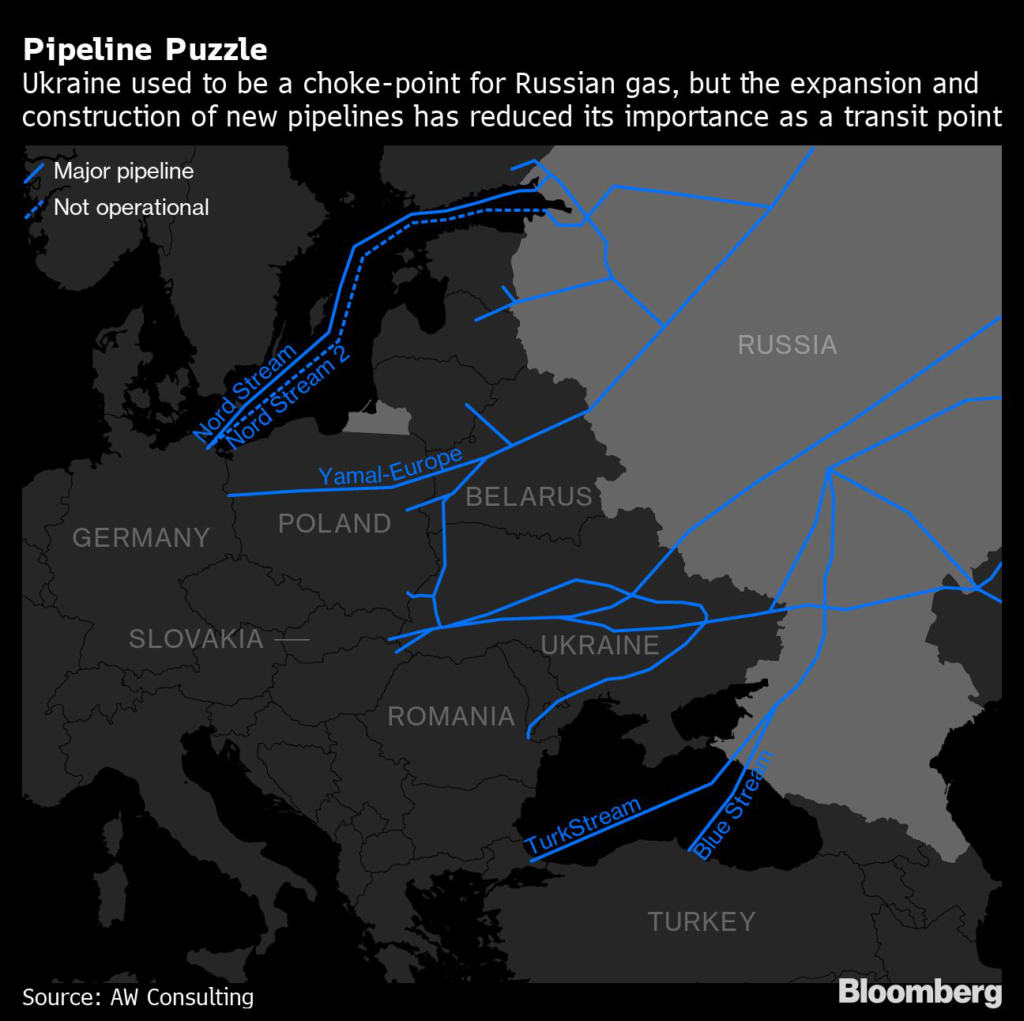
Overshadowing the meeting in Brussels was the sabotage earlier this week of the Nord Stream pipelines, which has thrown the focus onto security and prompted a rush to bolster defenses. As the bloc plans a stress test of its energy infrastructure, Norway’s allies offered help protecting oil and gas assets. 

Key Developments:

  • Habeck signals Russia to blame for Nord Stream destruction; Putin blames “Anglo-Saxons”
  • Ministers agree initial package of measures
  • Italy sends navy to protect pipelines
  • Norway’s armed forces bolster security, and gets help from allies
  • Gas flows via Ukraine stable; prices fall 7%
  • Satellites capture first images of pipeline leaks
  • Draghi warns against distorting market
  • France mulls shielding businesses from costs

Read this: How Would You Manage Europe’s Energy Crisis?

Norway Gets Help From Allies (5:50 p.m.)

Norway has accepted offers of help from Germany, France and the UK as it increases its presence around oil and gas installations in the North Sea, Prime Minister Jonas Gahr Store told reporters. It has redirected two of its coast guard vessels and a maritime surveillance aircraft to patrol the area, he said.


ConocoPhillips Spots Drones; Ups Security (3:50 p.m.)

ConocoPhillips Skandinavia AS said it has raised the security level and emergency preparedness around its offshore and onshore facilities, and has spotted drones in the area.

The company is cooperating with authorities, it said.

TotalEnergies SE said late Thursday it had spotted an aerial drone close to an oil field in the Danish North Sea, following similar reports from Norway. 

EU Sees Stress Test on Infrastructure (3 p.m.)

Energy Commissioner Kadri Simson said she’d work with her home affairs counterpart to propose a stress test on European energy infrastructure as a response to the Nord Stream blasts.

“I will work with my colleague Commissioner Ylva Johansson to propose to the member states a stress test of the physical protection of critical energy infrastructure,” she said. “

“Given the possible serious possible impact of an incident on the internal market and across borders, an EU-wide approach is needed and we will work with member states to define the test scope and timing to reinforce the resilience of the EU energy system to threats.”

Ministers Demand More Action (2:45 p.m.)

Czech Energy Minister Jozef Sikela, whose country holds the rotating presidency, called on the commission to press ahead at pace with more measures to stem the crisis.

Sikela has heard “serious concerns” from member states about the lack of urgency.

“We have to act now,” he told reporters. 

Common gas purchases, work on a parallel benchmark gas index, and measures to cut the link between gas and power prices should be considered. 

Habeck Points Finger at Russia (2:20 p.m.)

German Economy Minister Robert Habeck indicated that Russia is to blame for the Nord Stream explosions, in the clearest statement yet from a European leader.

“There’s an investigation ongoing and we should wait for the result but that Russia is saying it wasn’t us is like saying I’m not the thief,” he said. “I don’t know who has done the explosions but saying it wasn’t us is not an answer I would trust.”

The Kremlin has denied responsibility.

Habeck Underlines the Challenge (2:15 p.m.)

Habeck underlined the challenge facing ministers as they contemplate measures such as gas price caps: “We need to find a way to reduce prices without risking supply.”

For now, there’s no agreement on any kind of gas price cap. But several member states are still pushing.

“I’m optimistic we’ll find better solution than what is currently on the table,” he told reporters. 

‘Progress’ on Oil Price Cap (1:15 p.m.)

There’s been progress in discussions on the oil price cap, according to Poland’s ambassador to the EU, Andrzej Sados.

A new draft on the broader sanctions package will be circulated in coming days for discussion on Monday, he told reporters in Brussels.

Poland is one of the key backers of the plan in the bloc.

How Big Is the Nord Stream Leak? (1 p.m.)

Whichever way you look at it, the amount of natural gas bubbling up in the Baltic Sea from Russia’s ruptured Nord Stream pipelines is massive. 

The underwater pipes, damaged by what European and US leaders say was sabotage, contained 778 million cubic meters of gas, based on data compiled by the Danish Energy Agency. That would be enough to meet three days’ supply for Germany, Europe’s biggest user of the fuel. It’s also the same as two-and-a-half days of production from Norway, currently the continent’s top gas supplier.  

What Happened to the Caps? (11:45 p.m.)

As the EU moves forward with its first package of measures, it’s becoming increasingly clear that some of its most radical ideas are running into stark divisions within the bloc, as well as market realities.

Some key member states have all but dropped an idea of putting a price cap on gas from Russia. That was meant to cut Moscow’s revenues as well as helping European prices. The idea was also floated of a wider cap that would also cover gas from Algeria and Norway.

The problem is any such measure would endanger supply, at a time when the bloc is desperate for alternative sources of gas. And capping LNG is probably not an option in a vastly competitive global market.

Another idea is a cap on the wholesale gas price, as backed by 15 nations. That’s looking hard to execute as it would require an overhaul of the market.

That leaves the option of capping the price of gas just for power production in order to sever the link between gas and power and alleviate the burden on bills. It’s the narrowest, most modest version of a price cap, though it still comes at a big fiscal cost.

EU Ministers Back Package (11:06 a.m.) 

Ministers reached an agreement on an initial energy intervention package, setting a goal to reduce power consumption and agreeing to tap windfall profits of companies and redirect them to customers and businesses.

It includes a binding target for each member state to lower its electricity use by 5% during peak hours during the heating season. It also allows governments to slap levies on fossil-fuel companies and power producers with cheaper inputs, a move the bloc estimates could raise 140 billion euros ($138 billion).

Habeck Says Allies Should Avoid ‘Exploitation’ (10 a.m.)

German Economy Minister Robert Habeck suggested that countries stepping into supply gas to the EU, which include Norway and the US, shouldn’t exploit the skyrocketing prices at Europe’s expense.

“I call on the EU to work for a different negotiation position with those states which are supplying gas,” he told reporters. “Because in this situation, we are in a partnership, and partnership cannot mean exploitation.”

Italy Sends Navy to Protect Pipelines (9:20 a.m.)

Italy is reinforcing protection of strategic trans-Mediterranean pipelines, the Navy said.

Two ships of the Italian Navy, equipped with remote-controlled submarines, are in charge of monitoring key areas in the Mediterranean Sea, specifically around the infrastructures transporting energy from Maghreb countries to Italy, according to a statement.

EU Focuses on Three Steps for Now (9:15 a.m.)

Ministers are likely to sign off on a package based around three main measures — the easiest ones on which to achieve consensus. A gas cap is not part of the package as it’s proved too controversial, at least for now. The main measures to be approved today are:

  • A mandatory power demand reduction target at peak hours
  • A profit-grab on power producers with cheaper input costs — for example those using nuclear, renewables
  • A levy on excess profits of fossil-fuel producers. The funds would be redistributed to help struggling consumers

German Finance Chief Says Putin’s ‘Energy War’ Will Fail (9:10 a.m.)

German Finance Minister Christian Lindner said the government is protecting Europe’s biggest economy from the fallout of the energy crisis with an “all-in strategy” and warned Russian President Vladimir Putin that his “energy war” will fail.

Putin’s “goal is clear,” Lindner said in a speech to the lower house of parliament in Berlin ahead of a vote approving the government’s temporary cut in sales tax on gas purchases to 7% from 19%. “Our prosperity should be shaken, our economic structure hit so that in the end our social cohesion erodes, also with the aim of bringing the solidarity that this country has for Ukraine to an end,” Lindner added. “We’re sending out a clear signal that he will fail.”

Sweden Taking Steps to Secure Infrastructure (9:20 a.m.)

Swedish Energy Minister Khashayar Farmanbar said authorities are taking steps to secure energy infrastructure after the Nord Stream blasts, which he said were probably perpetrated by a state actor. 

Norway Can’t Avert Sabotage (9 a.m.)

Norway’s security service lacks tools to prevent sabotage against the country’s energy facilities while such risks have increased, public broadcaster NRK reported, citing the agency’s Deputy Chief Hedvig Moe.

Frustration at Slow Pace (8:30 a.m.)

Some member states expressed frustration that more hasn’t been done to reach an agreement sooner to bring down gas prices. 

The European Commission set out earlier this week the risks of implementing a gas price cap on its own without additional measures.

Not Safe Enough Yet to Assess Pipeline Damage (8:25 a.m.)

US Defense Secretary Lloyd Austin said he spoke with his Danish counterpart, who said it will still be several days before it’s safe enough to assess the damaged pipelines.

“There is a lot of speculation but quite frankly, until a complete investigation is done, no one will be able to determine for certain what happened,” Austin told reporters in Hawaii.

EU to Focus on Three Steps (8:20 a.m.)

Ministers will focus on three measures that were the easiest to secure consensus around: a reduction of electricity demand, a cap on profits from energy producers with cheap input costs, and a tax on excess profits from fossil fuel companies. A cap on gas prices is not on the table. 

Czech Energy Minister Jozef Sikela said more needs to be done, and now. 

“This is just the first part in the puzzle. We must not stop here,” Sikela said. “We are in an energy war with Russia. The winter is coming and we have to act now.”


Europe’s Biggest Reactor Reaches Full Capacity (8 a.m.)

Europe’s newest nuclear reactor now has the biggest output too, bringing some relief to the region’s strained electricity market. 

Finland’s Olkiluoto-3, which sits on a peninsula by the Baltic Sea, reached full power for the first time last night, its operator Teollisuuden Voima Oyj said.

Germany Warns of Gas Shortage Threat This Winter (7:30 a.m.)

German Economy Minister Robert Habeck said the government’s move to put a lid on gas prices won’t hinder efforts to cut consumption, but he reiterated an appeal for all consumers to use less fuel to avert a shortage this winter.

“We’re still in this emergency situation and if we don’t save, if households don’t reduce usage, then the threat remains that we’ll have too little gas this winter,” Habeck said in an interview with Deutschlandfunk radio. 

The EU must also come up with a “unanimous response” to help bring down prices for gas imported into Europe, he added, accusing some countries, even allies, of “making out like bandits.”


More stories like this are available on bloomberg.com

©2022 Bloomberg L.P.

Close Bitnami banner
Bitnami