Bloomberg

South Korea Slashes Chip Production for First Time in Over Four Years

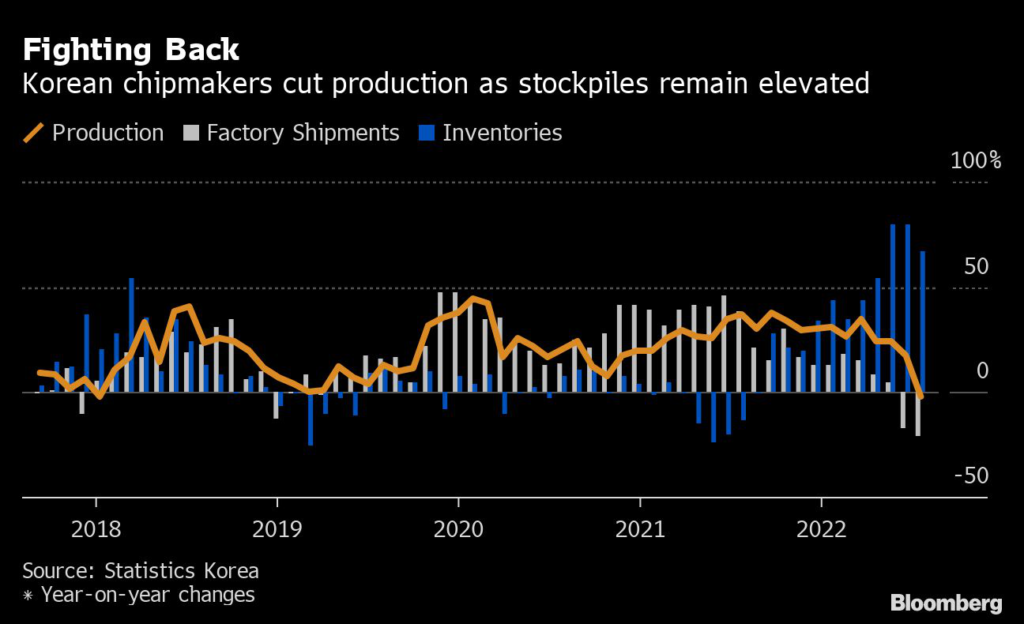
(Bloomberg) — South Korea’s semiconductor output fell for the first time in more than four years in a sign chipmakers are bracing for a slowdown in global demand.

Semiconductor production slid 1.7% in August from a year earlier, a sharp reversal from the 17.3% gain reported in July, Statistics Korea data showed Friday.

The first fall in output since January 2018 coincides with chip inventories soaring 67.3%, suggesting producers are adjusting to a deteriorating international outlook. Factory shipments also fell for a second consecutive month in August, dropping 20.4%, the statistics office said.

The trio of indicators offers the latest evidence that the global economy is headed toward a downturn, led by cooling electronics demand that has been a major source of economic growth. 

In the US, Micron Technology Inc. delivered a weak forecast for the current quarter, saying it’s acting swiftly to cope with the weakening demand, including slowing production.

Korea’s Exporters Show More Hints of Slowdown in Global Demand

Earlier this month, Korea’s Samsung Electronics Co. also warned of a gloomy outlook for the second half of the year. The market for dynamic random access memory, Samsung’s key cash driver, is tumbling so fast that it halved in size between May and July, according to IC Insights.

Chipmakers are the biggest industrial sector in South Korea’s trade-reliant economy, which is battling high energy prices and a currency that has depreciated the most in Asia this year outside the yen.

More stories like this are available on bloomberg.com

©2022 Bloomberg L.P.

Ukraine Latest: Biden Condemns Annexation Referendum as ‘Sham’

(Bloomberg) — President Joe Biden denounced Russian efforts to absorb occupied regions of Ukraine as “a flagrant, flagrant violation of the UN Charter and the basic principles of sovereignty and territorial integrity.” Russia plans to sign treaties Friday to absorb four regions after annexation votes that have been condemned as illegal by the United Nations and other world leaders. Russia’s President Vladimir Putin plans to address legislators on Friday, his spokesman said. 

Putin may face an early test of his annexation plans in the Donetsk town of Lyman, where Ukrainian, Western and Russian military analysts say Russian units are at risk of being enveloped.

NATO allies on Thursday said damage to the Nord Stream 1 and 2 natural gas pipelines appear to be “the result of deliberate, reckless and irresponsible acts of sabotage.” The Swedish Coast Guard’s Command Center also identified a new pipeline leak in the Baltic Sea.  


(See RSAN on the Bloomberg Terminal for the Russian Sanctions Dashboard.)

Key Developments

  • Ukraine Advance Near Key Donbas Town Tests Putin’s Land Grab
  • Russian Oligarch Deripaska, Girlfriend Indicted on US Charges
  • Putin Set to Annex Ukraine Lands Friday, Ignoring Criticism
  • Wheat Prices Buoyed by Worries Over Ukraine’s Export Corridor
  • Putin’s Draft Order Sends 200,000 Russians Fleeing to the Border

On the Ground

Russia struck the city of Dnipro with missiles overnight, including residential areas, local authorities said on Telegram. Three people, including a child, were killed. More than 60 private houses and several high-rise buildings were damaged. On Wednesday evening Russia launched five missiles toward the Dnipropetrovsk and Zaporizhzhia regions, four of which were destroyed by air-defense forces, while one hit a grain-processing facility in Kryvorizka district, the Ukrainian military’s southern command said on Facebook. More than 28 settlements, including Mykolaiv, Kryvyi Rih and Siversk, incurred Russian strikes over the past day, Ukraine’s General Staff said. Russian forces shelled the Kryvorizka district Thursday morning, hitting industrial infrastructure and wounding 13 workers, according to regional authorities. 

All times CET:

Biden Says US Will “Never, Never, Never’ Recognize the Annexation (10:05 p.m.)

Biden condemned what he called the “transparent effort by Russia to annex parts of neighboring Ukraine.”

“The United States — I want to be very clear about this — the United States will never, never, never recognize Russia’s claim on Ukraine sovereign territory,” Biden said in remarks at the White House. “This so-called referendum was a sham, an absolute sham. The results were manufactured in Moscow.”

Putin Says Mistakes Were Made in Russian Mobilization (7:40 p.m.)

Acknowledging errors in Russia’s military mobilization, Putin told a meeting of his Security Council that “it’s necessary to correct all mistakes and prevent them from happening in the future.”

The mobilization of about 300,000 reservists has been met with protests in Russian cities and thousands of military-age men fleeing the country.

While the criteria for being called up included previous service in the armed forces and relevant experience, some of the Russians told to report for duty were entitled to a delay, such as fathers with many children, those with chronic diseases and those past military age, according to Putin.

Ukraine Says Foreign Aid Declined in September (7:16 p.m.)

Ukraine received about $2 billion of financial aid in September from international partners, down from $4.7 billion in the previous month, Finance Minister Serhiy Marchenko said.

“That is not the amount which we expected,” Marchenko said on Ukrainian TV. However “as we have leftovers from the previous periods and budget revenue rose compared with the beginning of the war, we are now more calmly looking at our needs.”

The government expects to get 8 billion euros ($7.8 billion) from the European Union by the end of the year and “thus I don’t see any problems,” Marchenko said. Ukraine has estimated that it needs $5 billion a month in foreign aid to cover budget needs.

Montenegro Declares Russian Diplomats Persona Non Grata (7:11  p.m.)

Six Russian diplomats in Montenegro have been declared persona non grata, Tass news agency reported, citing a Twitter post on the page of the Montenegrin foreign ministry’s press office. Russia will give “an appropriate response,” Tass reported, citing the nation’s foreign ministry.

Earlier on Thursday several Montenegrin citizens were detained in Podgorica on suspicion of having worked for Russian intelligence, Vijesti reported, citing unidentified people with knowledge.

UN’s Guterres Says Russian Annexation ‘Has No Place in Modern World’ (6:44 p.m.)

United Nations Secretary-General Antonio Guterres condemned Russia’s annexation announcement as a violation of international law and the UN charter.

“Any decision to proceed with the annexation of Donetsk, Luhansk, Kherson and Zaporizhzhia regions of Ukraine would have no legal value and deserves to be condemned,” he said. “It cannot be reconciled with the international legal framework. It stands against everything the international community is meant to stand for. It flouts the purposes and principles of the United Nations. It is a dangerous escalation. It has no place in the modern world. It must not be accepted.”

Ukrainian President President Volodymyr Zelenskiy expressed appreciation in a tweet for the clear statement by Guterres on Russia’s “criminal intention” to annex more land.


Most Russians Alarmed by Military Call-Up, Poll Shows (5:51 p.m.)

Most Russians were alarmed at Putin’s decision to order a “partial mobilization” after major battlefield losses in Ukraine, and slightly more are concerned that their war on their neighbor is going badly, an opinion poll showed.

According to the survey by the independent Levada Center, 70% of respondents had feelings of fear, alarm or shock after Putin ordered the call-up, with many worrying that a full-scale nationwide draft will follow. A total of 66% believe that’s a possibility, compared with 28% in February. 

While a wide majority of those polled said they still supported the invasion, the share of Russians saying the conflict isn’t going well increased to 31% from 17% in April. More respondents – 48% – now back peace talks, versus 44% a month earlier. 

Russia Says Mobilized Troops Will Be Used for ‘Defense’ (5:20 p.m.)

Russia said mobilized troops will be for the “defense” of the territories it occupies in Ukraine, as fear of being sent to the front lines of the invasion has led hundreds of thousands of draft-aged men to flee the country.

The Defense Ministry said that the mobilized troops would receive training and then be deployed to “control and defend” territory held by Russia, Interfax reported. Ukraine has steadily pushed Russian forces back in recent weeks, but the Kremlin is moving ahead with plans to annex the areas it holds, as well as laying claim to neighboring regions that Kyiv controls. The UN has denounced Russia’s annexation plans as illegal and illegitimate.

Russia to Hide Over $110 Billion in Secret Budget Spending (3:59 p.m.)

Russia will hide the purpose of almost a quarter of its planned spending next year, as it redraws the budget for a longer war in Ukraine and prepares to annex parts of its neighbor’s territory.

A draft 2023 budget allocates approximately 6.5 trillion rubles ($112 billion) in classified or unspecified outlays, according to Bloomberg calculations based on the document.

The level of secrecy is unprecedented and reflects Russia’s increasing reluctance to open up its books to scrutiny since Putin’s invasion of Ukraine. The government has already stopped publishing key statistics including a detailed breakdown of trade.

Estonia Rattled by UK Troop Scale-Down Plan (3:45 p.m.)

Estonian leaders were alarmed by a report that Britain would scale down its troop presence in the Baltic nation before Christmas.

The number of British soldiers in Estonia was doubled to about 2,000 in February as an additional safeguard after Russia invaded Ukraine. The UK plans to pull out a 700-strong battalion at the end of the year, as reported by the Times on Wednesday. 

Ukraine Gets Back More POWs from Mariupol (1:41 p.m.)

Ukraine negotiated the release of six more prisoners of war from Russia, including four soldiers who were captured defending the port city of Mariupol, Andriy Yermak, President Volodymyr Zelenskiy’s chief of staff, said on Telegram.

 “Our goal is to get all of our people back,” Yermak said. “We are working on this non-stop.”

EU Says Ready to Make Russia Pay ‘Heavy Price’ (1:22 p.m.)

The European Commission doesn’t accept Russia’s “sham” referendums aimed at annexing Ukrainian territories, spokeswoman Dana Spinant said in Brussels.

“We will never accept any annexation of territory or any land-grabbing by Russia,” Spinant said. “We are ready to make the Kremlin pay a hefty price for this new escalation in the conflict.”

Finland to Mostly Halt Russian Tourist Arrivals (12:48 p.m.)

Finland’s government decided to heavily curtail Russian tourist arrivals into the country, including putting an end to people transiting through the Nordic nation to elsewhere in Europe. 

Finland will stop issuing tourist visas to Russians and plans to invalidate their tourist visas at the border, Foreign Minister Pekka Haavisto told reporters. The decision will come into force on Friday.

Putin to Push Ahead With Annexing Ukraine Regions (12:02 p.m.)

Russia’s president will sign treaties on Friday to absorb four regions in eastern and southern Ukraine following annexation votes condemned as illegal by Kyiv’s government and the United Nations. 

Putin will hold a ceremony and later make an address to legislators and other officials, his spokesman said. The final formalities of annexation are expected to be completed next week. 

The move puts the Kremlin on a fresh collision course with the US and its allies. Putin has threatened to use “all the means at our disposal” to defend Russia, a signal he may use nuclear weapons to defend the lands he’s annexing. 

Read more: Putin to Push Ahead With Annexing Ukraine Lands After Sham Votes

Regulator Says Germany Using Too Much Gas (11:43 a.m.)

Germany’s network regulator warned that households and companies used too much gas over the past week as temperatures dropped, and said savings of at least 20% are needed to avert a shortage of the fuel this winter.

Klaus Mueller, Bundesnetzagentur president, called the figures “sobering,” while cautioning that they provide only a “snapshot” and that the situation can quickly change.

Read more: Germany’s Network Regulator Sounds Alarm on Gas Consumption

Three Ships Leaves Ukraine’s Odesa-Area Ports (11:20 a.m.)

Three ships carrying Ukrainian agriculture products left the ports of Chornomorsk and Pivdennyi on the Black Sea on Thursday, the government said. 

The ships are bound for Africa and Asia, with cargoes including 27,500 tons of wheat to Tunisia. Ukraine has exported almost 5.5 million tons of agriculture products from three Black Sea ports since a safe-transit deal was reached with Russia in late July.

More stories like this are available on bloomberg.com

©2022 Bloomberg L.P.

SpaceX, NASA Study Raising Hubble Telescope to Higher Orbit

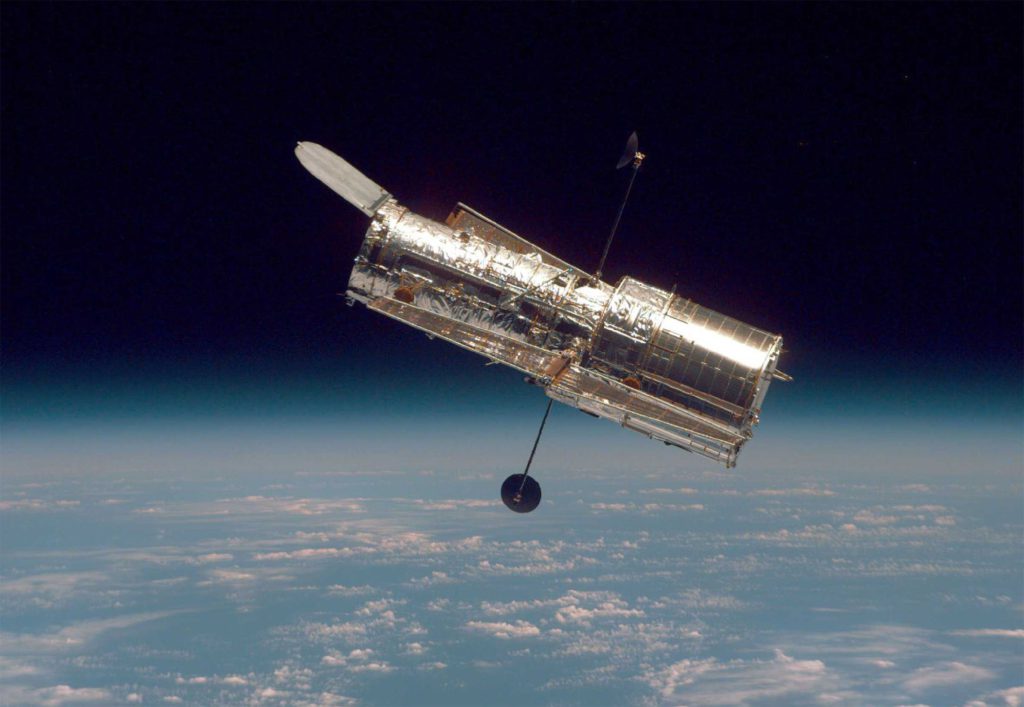
(Bloomberg) — NASA said Thursday that it’s working with SpaceX to study using the company’s Dragon spacecraft to boost the space agency’s Hubble Space Telescope into a higher orbit. NASA and SpaceX signed a Space Act Agreement to look into such a flight.

The deal signed by NASA and Space Exploration Technologies Corp. called for collaborating on a feasibility study of such a mission, though NASA has yet to commit to such a flight. NASA said that SpaceX is funding its own participation in the study.

“We obviously have a lot of experience,” from previous SpaceX missions docking with the International Space Station,” Jessica Jensen, vice president of customer operations and integration at SpaceX, said at a NASA press conference. “We want to use that as our foundation.”

Launched in 1990 aboard the Space Shuttle Discovery, NASA’s Hubble Space Telescope was designed to be periodically upgraded and boosted in space by astronauts aboard the Space Shuttle. However, Hubble has not been visited by astronauts since the final Shuttle servicing mission in 2009, and the Space Shuttle was retired in 2011. 

Without periodic boosts, Hubble’s orbit would eventually decay and the telescope would burn up in Earth’s atmosphere. Eventually NASA will need to come up with a plan for how to safely guide the telescope back to Earth. But pushing the telescope into a higher orbit could potentially “extend its observational lifetime,” according to Thomas Zurbuchen, NASA’s associate administrator for science.

NASA says SpaceX approached the space agency with the idea of using Dragon to boost Hubble’s orbit. SpaceX mentioned the prospect of using a crew for the flight, but said it’s possible that a crew may not be needed in the mission, depending on what the study reveals. 

NASA and SpaceX hinted that billionaire Jared Isaacman could possibly be involved in the mission if it gets funded in the future. Isaacman has contracted with SpaceX to perform a series of human spaceflight missions called Polaris Dawn. The first flight of the program is slated for early next year, with one of its crew members performing a planned spacewalk using a newly designed SpaceX spacesuit.

It’s possible that a future Polaris Dawn mission could be used for the Hubble mission, though Isaacman did not commit to that.

Isaacman previously flew to space on a SpaceX Crew Dragon, as part of a flight called Inspiration4. Isaacman fully funded that mission and brought three civilians with him to orbit.

Hubble’s currently located roughly 535 kilometers (332 miles) above Earth, according to Patrick Crouse, the Hubble Space Telescope project manager at NASA. However, raising the telescope’s orbit to 600 kilometers (373 miles) could extend its lifetime by 15 to 20 years, he said.

(Updates with additional details starting in 4th paragraph)

More stories like this are available on bloomberg.com

©2022 Bloomberg L.P.
Spotify Cut Some Podcast Editorial Employees

(Bloomberg) — Spotify Technology SA eliminated five workers in its podcast editorial team this month, including four full-time employees and one contractor who worked to promote the company’s shows and run a related Discord channel. The group had about 14 people in total.

A spokesperson for the music-streaming giant declined to comment on the cuts.

The news marks the second round of cuts to hit a Spotify podcast team this year. In January, it disbanded its studio, called Studio 4, which produced shows like Dissect and Chapo: Kingpin on Trial. In June, Spotify said it would  slow hiring by 25% due to economic uncertainty.

The company has faced its share of challenges in the podcast space after aggressively pursuing acquisitions and content. In January, musician Neil Young asked that his music be pulled from the platform over misinformation he said Spotify’s biggest podcaster, Joe Rogan, peddled. Higher Ground, the Obama family’s production company, also left its exclusive deal in June, taking their efforts to Audible.

Multiple high-profile podcast division executives left the organization. Both Courtney Holt, who served as the head of talk partnerships, editorial and global markets, and Matt Lieber, a Gimlet Media co-founder who oversaw Spotify’s podcast studios, left their roles and now serve as advisers. Lydia Polgreen, managing director of Gimlet, moved over to the New York Times, and in June, the hosts of one of Gimlet’s best-known programs, Reply All, departed, and the program ceased current production.

The company reshuffled its podcast leadership in May, elevating Bill Simmons, who founded the sports and culture website and podcast network the Ringer, to oversee global sports content while Max Cutler, founder of podcast network Parcast, became the head of talk creator content and partnerships. Julie McNamara also now oversees the company’s three podcast studios as well as its original content.

In recent weeks, Spotify has emphasized its focus on launching new formats, like audiobooks, on the platform. Chief Executive Officer Daniel Ek has said he wants the platform to eventually attract 50 million creators.

More stories like this are available on bloomberg.com

©2022 Bloomberg L.P.

Dorsey Tried to Add Musk to Twitter’s Board Well Before Deal

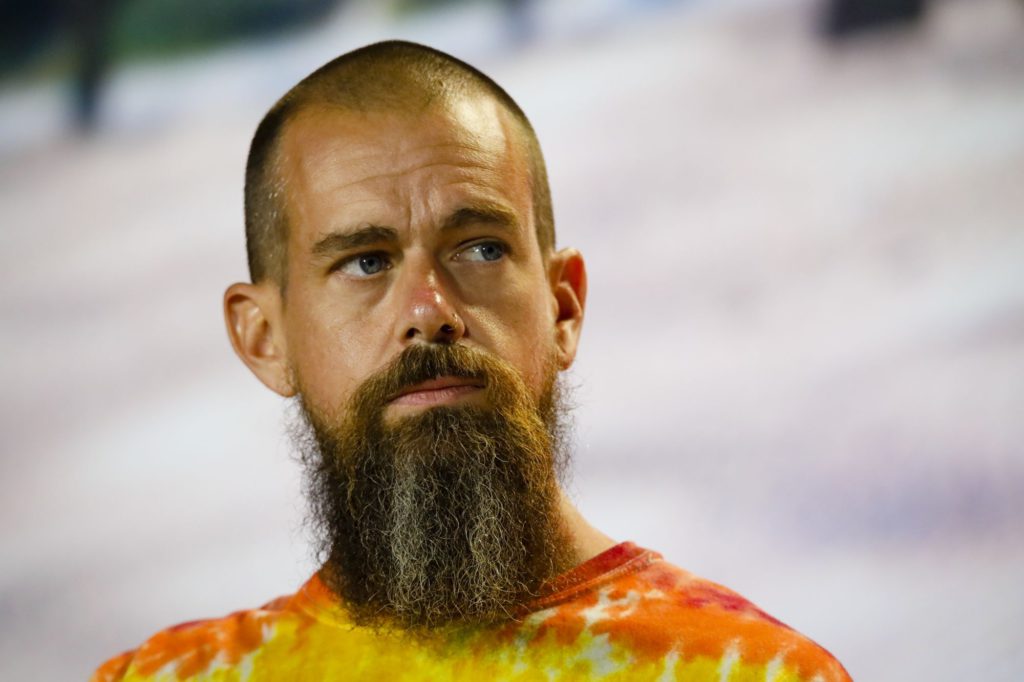
(Bloomberg) — Former Twitter Inc. Chief Executive Officer  Jack Dorsey tried to get Elon Musk onto the social network’s board of directors long before the current drama around whether Musk will buy the company. 

Dorsey pushed to add Musk to Twitter’s board shortly after activist investors started agitating for change at the company in 2020, according to new text messages shared as part of Twitter’s ongoing lawsuit with Musk. Dorsey’s plan was rejected by Twitter’s cautious board, he wrote in a private message to Tesla Inc. CEO Musk in March of this year. In their conversation, Dorsey was specifically lamenting the fact that Twitter was a public company instead of an openly available technology protocol anyone could build on, like email. 

Musk replied that he would “like to help if I am able to,” after which Dorsey mentioned that he had already been thinking about ways to get Musk more involved in the company. 

“I wanted to talk with you about it after I was all clear” of involvement with the board, Dorsey wrote, “because you care so much, get its importance, and could def help in immeasurable ways.” 

In another message, Dorsey wrote “back when we had the activist come in, I tried my hardest to get you on our board, and our board said no. That’s about the time I decided I needed to work to leave, as hard as it was for me.” Dorsey said Twitter’s board is “risk averse” and saw Elon as adding “more risk” to the company. “Which I thought was completely stupid and backwards,” he wrote. Dorsey stepped down from Twitter’s board in May.

Musk reached out to another member of Twitter’s board, Silver Lake’s Egon Durban, later that same day and was soon in touch with Twitter CEO Parag Agrawal and Chairman Bret Taylor about a possible board seat. 

More stories like this are available on bloomberg.com

©2022 Bloomberg L.P.
‘I Always Listen to the CEOs’: Nikola Investor Snubbed Filings, Jury Told

(Bloomberg) — An investor who bought into the heady promises of Nikola Corp. founder Trevor Milton in 2020 told the jury in Milton’s criminal fraud trial that he shunned the electric truck maker’s regulatory filings as long and unilluminating.      

“I always listen to the CEOs of companies,” Marc Schonberger, a self-described “midlevel investor” from Fort Lauderdale, Florida, testified on Thursday about Milton, who was Nikola’s executive chairman at the time. “They have a fiduciary responsibility to tell you kind of what’s going on and be truthful and honest, so I relied on that.”

By contrast, he told the jurors in federal court in Manhattan, he didn’t have much use for regulatory filings.

“They’re just lengthy and don’t really give you a relevant description of what would be a reason to invest or not invest,” said Schonberger, who has used the Robinhood trading platform that became famous in the heyday of meme stocks and SPACs, among other platforms.  

Read More: Nikola Founder Bought Utah Ranch With ‘Worthless’ Options 

Schonberger, who told the jury he drives a Tesla, said he bought $20,000 worth of Nikola stock on Sept. 8, 2020, when Nikola announced that General Motors Co. had taken a $2 billion equity stake in the company, and sold it two days later after a short-seller put out an excoriating report. He said he felt “deceived” and took a $4,000 loss.

Prosecutors allege Milton misled investors about the company’s business prospects, including truck orders and Nikola’s ability to produce hydrogen fuel. His lawyers argue he was just echoing Nikola’s marketing and never said anything he didn’t believe to be true. They say potential investors had access to important, accurate information through the company’s website and other publicly available documents — including regulatory filings.

Read More

  • Nikola Investor Lost $160,000 on Milton’s Hype, He Tells Jury
  • Nikola Saw ‘Massive’ Badger Losses But Backed Milton Anyway 
  • Nikola CEO Says He Learned Truck Had No Power After He Was Hired 
  • Nikola Founder Thought Stock Slump Meant Nasdaq Broke, CFO Says

More stories like this are available on bloomberg.com

©2022 Bloomberg L.P.

Banks Dealt Fresh Blow With Collapse of Brightspeed Debt Sale

(Bloomberg) — For the second time in two weeks, Wall Street bankers suffered a painful reminder of how quickly risk appetite is evaporating from credit markets as a $3.9 billion debt sale for a leveraged buyout collapsed.

A group of underwriters led by Bank of America Corp. and Barclays Plc pulled the loan and bond offering for telecom provider Brightspeed on Thursday after struggling to attract demand from investors.

The transaction, which was meant to help fund Apollo Global Management Inc.’s purchase of the company, is the latest large acquisition financing to stumble. Banks face significant losses on tens of billions of dollars in buyout debt that they committed to months ago and are trying to offload just as rising interest rates and fears of a deep recession are causing investors to flee risky debt. 

Only last week, a separate group of lenders led by Bank of America, Credit Suisse Group AG and Goldman Sachs Group Inc. crystallized losses of around $600 million on the take-private of Citrix Systems Inc., and agreed to keep on their books around $6.5 billion of debt that they weren’t able to sell.

Read more: Citrix Debt Debacle Heralds a Day of Reckoning on Wall Street

Between Citrix and Brightspeed, banks are now expected to fund with their own cash over $11 billion of buyout debt that was originally meant to be syndicated to investors, according to Bloomberg calculations. More looms on the horizon as additional acquisitions approach closing, including deals for the take-private of Nielsen Holdings Plc and Tenneco Inc. 

Brightspeed is the new brand for the telecom and broadband assets that Apollo agreed to acquire from Lumen Technologies Inc. last year. The debt offering was expected to include a $2 billion leveraged loan, a $1.9 billion junk bond, and an additional $1 billion loan that banks had already planned to hold. The acquisition is expected to close on Oct. 3, according to a filing. 

Representatives for Apollo and Barclays declined to comment. Representatives for Bank of America and Lumen did not respond to requests for comment. 

Investors viewed the Brightspeed transaction as having significant execution risk in part because the company is planning a multibillion-dollar capital investment strategy to transition from copper to fiber optic networks. 

Read more: Banks Struggle to Find Demand for Apollo’s Brightspeed LBO Debt

The cost of borrowing for riskier credits has increased sharply in recent months, with US junk bonds now yielding about 9.57%, according to Bloomberg index data. That’s still below the 11.7% high reached at the beginning of the pandemic. 

More stories like this are available on bloomberg.com

©2022 Bloomberg L.P.
BlackRock Plans Another Crypto ETF After Weak Debut of Its First One

(Bloomberg) — The world’s largest exchange-traded fund issuer is taking another step into cryptocurrencies with the filing of a new metaverse product, just months after launching a digital-assets fund that has so far failed to interest investors. 

BlackRock Inc. is aiming to track companies that have exposure to the metaverse via the iShares Future Metaverse Tech and Communications ETF, according to a Thursday filing. The fund, for which fees and a ticker weren’t yet listed, might include firms that have products or services tied to virtual platforms, social media, gaming, digital assets, augmented reality and more.

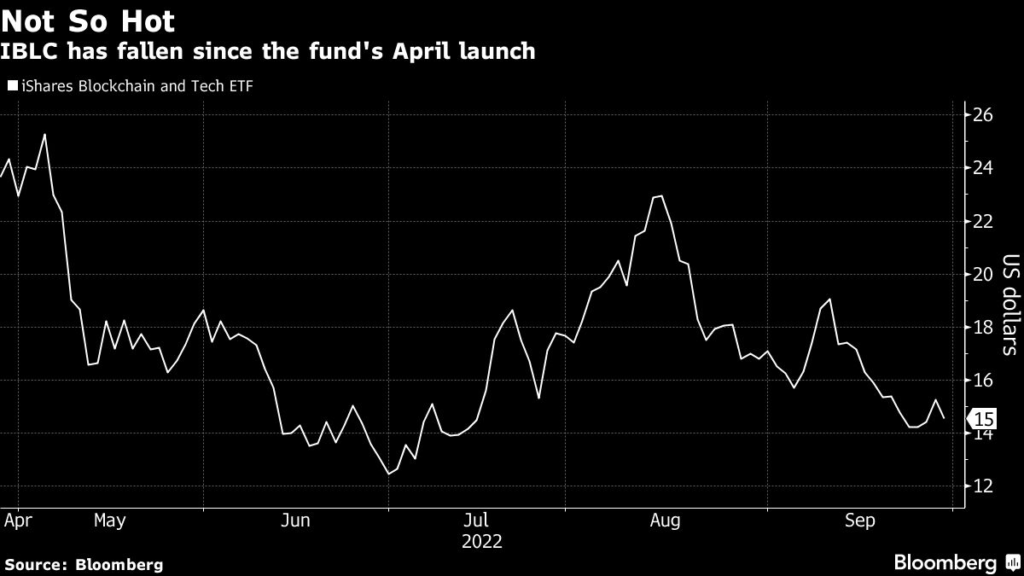
The parent company is making inroads into digital assets, launching in April its blockchain and tech fund (ticker IBLC), which has inflows totaling about $6 million. BlackRock recently partnered with crypto exchange Coinbase Global Inc. to make it easier for institutional investors to manage and trade Bitcoin, making waves in the crypto market. 

Yet interest in the digital-assets ecosystem has plunged this year as prices for just about every crypto token have tanked. Bitcoin, the largest by market value, has plummeted about 60% in 2022 and Ether has declined as well. Google searches for cryptocurrencies have also diminished amid the so-called crypto winter. 

“You can tell from other metaverse, blockchain funds that interest has waned,” said Todd Sohn, ETF strategist at Strategas Securities. “I get the long-term idea, but now there’s a ton of competition in the space too.”

BlackRock’s metaverse ETF wouldn’t be the first. A handful of funds are already trading, including the Roundhill Ball Metaverse ETF, and there are also products from Subversive and Fidelity. 


More stories like this are available on bloomberg.com

©2022 Bloomberg L.P.

Bitcoin Miner Rhodium Plans to Go Public Via a Reverse Merger

(Bloomberg) — Rhodium Enterprises Inc., a Bitcoin mining company that utilizes liquid cooling technology, plans to go public through a reverse merger with software services provider SilverSun Technologies Inc.

SilverSun investors will receive a cash dividend of $1.50 a share equal to about $8.5 million and a stock dividend of one share each in a new holding company subsidiary, the East Hanover, New Jersey-based company said in a statement Thursday. SilverSun shareholders will hold about 3.2% of the common equity ownership after the merger. The company would be listed on Nasdaq.

Rhodium initially filed last October with the US Securities and Exchange Commission to raise up to $100 million in an initial public offering. The Texas-based company launched the IPO in January, but postponed it in the same month. 

“We believe access to U.S. capital markets is paramount to sustainable, long-term success in our capital intensive industry,” Chase Blackmon, Rhodium’s chief executive, said in the statement.

The proposed transaction comes as the shares of most Bitcoin mining companies have slumped this year. The largest public crypto-mining companies lost over $1 billion dollar for the second quarter, while Compute North, which is a major data center provider for Bitcoin mining, filed for bankruptcy last week. 

Rhodium is one of the few major Bitcoin miners that use a proprietary liquid-cooling system. Bitcoin miners use powerful computers to validate transaction data on the Bitcoin network and earn rewards in the form of the token. Those machines tend to get overheated. A high ambient temperature can lower the rigs’ efficiency and accelerate their depreciation. 

Heat has emerged to be one of the biggest challenges for some Bitcoin miners in the US. Southern states such as Texas have become Bitcoin mining hubs due to their liberal crypto regulators and low energy cost. However, the record heat waves across those states sent energy prices soaring and prompted the miners to shut off their rigs. 

The leading mining revenue gauge reached a two-year low due to declining Bitcoin prices, fierce competition among miners and soaring energy cost. 

More stories like this are available on bloomberg.com

©2022 Bloomberg L.P.

Ian’s Aftermath Even Harder to Fix With Supply Chain in Tatters

(Bloomberg) — The difficult job of rebuilding communities pummeled by Hurricane Ian is expected to be made even worse by a problem that’s lingered since the early days of the pandemic: snarled supply chains.

Ian tore a 150-mile path of destruction across central Florida, leaving millions of homes and businesses without power. The storm is expected to cause some $60 billion to $100 billion in damage, and construction groups warn that labor shortages and supply-chain difficulties may hamper rebuilding efforts. 

“Across the board, we are seeing challenges in obtaining all types of building materials in a reliable time frame,” said Steve Cona III, president of Associated Builders and Contractors’ Florida Gulf Coast chapter. 

Damage in Florida’s Lee, Collier and Charlotte counties is “devastating,” and it will take substantial time and resources to rebuild, Cona said. Compounding those challenges are ongoing labor shortages, supply-chain issues and the fact that material costs remain unpredictable, he said.

Lumber prices have been volatile since the pandemic began, and this year’s surge in borrowing costs sent prices falling from records set in 2021. While there is an oversupply of material in North America, disruptions from Ian may cause logistical issues transporting lumber, according to Kevin Mason of ERA Forest Product Research.

“If you’ve just had a hurricane go through, your logistics are going to be a challenge,” said Russ Taylor, president of consulting firm Russ Taylor Global in Vancouver. “The whole building sector is going to shut down for a while until things dry out and waters recede.”

While supplies from lumber mills have been improving in 2022, there are still issues getting wood to market due to a shortage of rail cars and trucks, Taylor said. The storm will slow deliveries to affected areas, creating a glut of lumber and sending prices lower, he said. Florida and South Carolina have seen strong building demand, and that will dip in Ian’s immediate aftermath, Taylor said.

On Thursday, lumber futures in Chicago fell as much as 6.9% to touch the lowest price in more than two years.

Home Depot

Home Depot Inc. teams on the ground in Florida are assessing damage to homes, which will help the company better understand what they might need to supply to Florida sites, said Pete Capel, head of emergency operations for the retailer. Home Depot positions goods ahead of hurricane season in areas along the Gulf Coast and Southeast, and they’re either there already or on the way to stores, he said. 

“Improvements have been made” since earlier in the pandemic, Capel said, but “there are still some constraints in the supply chain in total.”

Several insurance adjusters said they’re expecting shortages in labor and construction materials. Scott Harris of North American Public Adjusters Insurance Claims Consultants in Cape Coral, Florida, said he’s concerned about the possibility of severe delays in getting such rebuilding materials as lumber, drywall, tile and shingles.

Homes that managed to withstand the storm are at risk of additional damage in its aftermath. Properties flooded with several feet of water — “homes that are boarded up, devoid of light or airflow” — are quickly at risk of mold damage, said Harris, who’s worked in insurance adjustment for more than 20 years.

‘Covered in Mold’

“In Florida, microbial growth has a life of its own, and you have to quickly get in and you have to cut out all the drywall to let the wall cavities dry out,” said Jason Holzem, a public adjuster at Day Adjusting & Consulting. “Otherwise your entire property will be covered in mold — it’ll be on your ceilings, on your walls, all your personal property, and you can’t live in that environment. And then we end up getting black mold, which is toxic.”

Adding to labor constraints, logistical problems transporting supplies and volatile materials costs is the wide path of Ian’s devastation. That means everyone rebuilding has to cope with the “demand surge” resulting from other residents and business owners also trying to recover from the hurricane, said Michael Millette, founder of Hudson Structured Capital Management, which focuses on the reinsurance and transportation sectors.

Rebuilding Competition

“You need to keep in mind that it costs a lot more to rebuild your house when everyone in the region is rebuilding theirs,” Millette said. “There are only so many contractors and so much building machinery and material.”

Darryl Davis, an adjuster for more than 30 years, said his company — DDavis & Associates Inc., in Coral Springs, Florida — has fielded a couple dozen calls for adjustments so far, and expects that figure to grow exponentially as residents regain mobile-phone service. He plans to start inspections Saturday, covering the areas of Marco Island, Cape Coral, North Port and Venice.

“It’s gonna take months and years to get the area back to where it was before the storm hit,” Davis said. “I’m sure there’ll be shortages of materials. There were a shortage of materials before this happened, so it’s only gonna exacerbate the problem.”

More stories like this are available on bloomberg.com

©2022 Bloomberg L.P.
Close Bitnami banner
Bitnami