
Bloomberg

China Loses Allure as European Firms Rethink Investments

(Bloomberg) — China’s focus of political goals like Covid Zero over economic objectives is making the country less appealing to European companies as a place to invest, a business group said, calling on Beijing to refocus on reform. 

Recent Chinese policy decisions mean the country is now seen as “less predictable, less reliable and less efficient” according to the report published Wednesday by the European Union Chamber of Commerce in China. This has led to a loss of confidence in China and firms are increasingly looking to shift planned or future investments to other markets that are seen as providing “greater reliability and predictability,” the paper said. 

“Business people are here for the market and we can see that because of ideology the market is shrinking,” said Joerg Wuttke, president of the chamber. “Ideology trumps the economy,” he said, referring to examples such as the dogged pursuit of controlling all Covid infections despite the rising cost, the crackdown on the tech sector, or power shortages last year driven by prioritizing emissions control over economic activity. 

China’s application of Covid Zero is acting as a deterrent to European firms because of its inflexible and inconsistent implementation, the chamber said. It’s already having a “crippling effect” on attracting and retaining foreign and Chinese talent, and the Chinese operations of European companies are becoming increasingly isolated because staff can’t travel freely to headquarters, the report said. 

There is no sign of when the country might start to get rid of domestic virus controls and also start to reopen international borders. A scenario where that starts to happen in the second half of next year is “optimistic,” according to Wuttke, who cited the country’s lack of herd immunity and relatively low vaccination rates among the elderly as factors which will likely delay a quick reopening. 

Chinese Foreign Ministry Spokesman Wang Wenbin defended his country’s track record on pandemic prevention in comments about the report following its publication. 

“If all things are considered, China’s epidemic protocols are the most efficient and cost effective,” he told reporters during a regular press briefing in Beijing on Wednesday. In addition “in the first eight months of this year, European countries rank among economic groupings that have had the fastest growth in direct investment into China,” he said.

The brief from the European firms is another sign of how the image of China as a good place to do business has declined, with the US-China Business Council saying last month that American firms’ optimism had fallen to a record low. “The trend of declining FDI is unlikely to reverse while European executives are heavily restricted from traveling to and from China to develop potential greenfield projects,” the EU Chamber’s report said.  

Some New Money

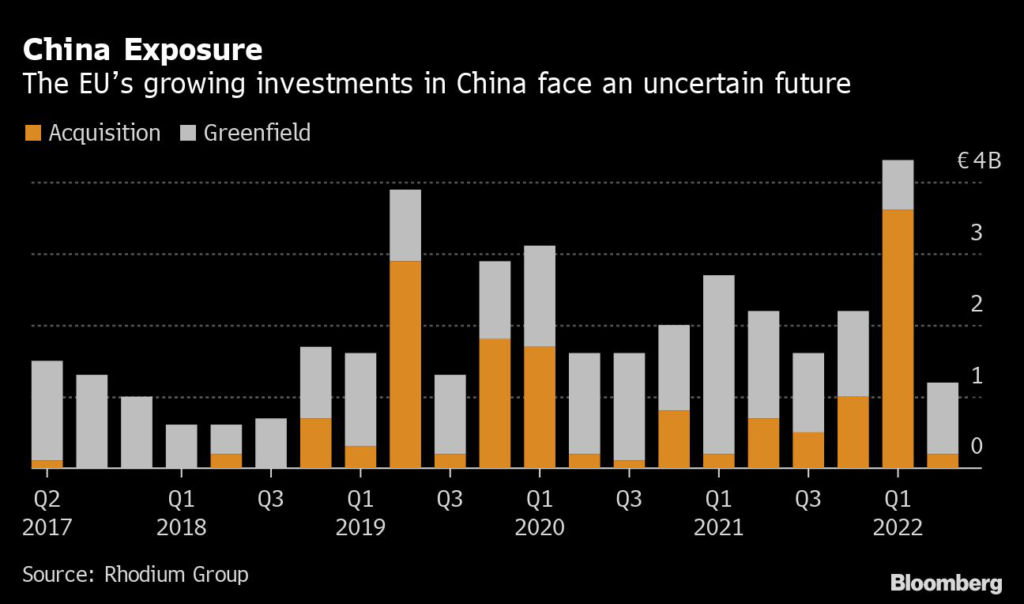
Despite the increasing difficulty, a few European companies are still adding to their investments in the country. Investment from the European Union into China was up 15% in the first half of 2022 compared to a year ago, according to data from Rhodium Group, helped by BMW AG’s purchase of a controlling stake in its car-making joint-venture in the first quarter.

And just this month German chemical maker BASF SE opened the first stage of its new plant in the country. The plant is planned to be one of the largest single foreign investments ever in China and the largest investment by BASF, which is planning to spend up to 10 billion euros ($10 billion) by 2030, according to a company statement. 

Those are indicative of the trend in investment from Europe, which is becoming concentrated around a handful of large, mostly German firms, according to a separate study by Rhodium Group. 

Changing Attitudes

Companies are also reconsidering where and how to make their goods. 

“With China staying largely closed, European companies see the need to make their global supply chains more resilient,” the report said. “This presents opportunities to other emerging markets that are ready to welcome new investment and jobs.”

There has also been changes in how the public and government in Europe view China, with tensions over Taiwan, sanctions related to Xinjiang, and Chinese economic policies all contributing to the recent decline in relations. “The change in European public sentiment towards China, and the increasing need to ensure fairness in its Single Market, has resulted in the European Union re-evaluating and updating its China policy,” the report said. 

New laws in the US or Europe around eliminating forced labor and ensuring free and fair market access also increase the regulatory burden on European firms in China, the report said. “To justify their investments, European companies therefore need China to demonstrate more transparency and predictability, as the challenge of aligning China operations with both global corporate pledges and legislation increases,” the report said. 

In his response to the report, the Ministry of Foreign Affairs’ Wang said that he hoped that “the European side can provide an open, transparent and nondiscriminatory business environment for Chinese enterprises making investment in their countries.” 

“There will not be full decoupling from China, but alternative supply chain strategies are increasingly being discussed in boardrooms,” according to the report, which contained almost 1,000 recommendations to improve the business situation in China. 

“Over the last year, there has been a significant shift in focus at the headquarters of European companies when evaluating China. Where discussions once centered primarily on investment opportunities, they are now focused on building supply chain resilience, the challenges of doing business, managing the risk of reputational damage and the importance of global compliance.”

China still has significant growth potential, and has a manufacturing base and world-class industrial clusters, that were hard, if not impossible, to replicate elsewhere, the report said. “However, the extent of European firms’ engagement can no longer be taken for granted,” it added.

(Updates with comments from the Chinese Foreign Ministry)

More stories like this are available on bloomberg.com

©2022 Bloomberg L.P.
Nomura Trading Veteran Ashley Steps Down for Crypto Role

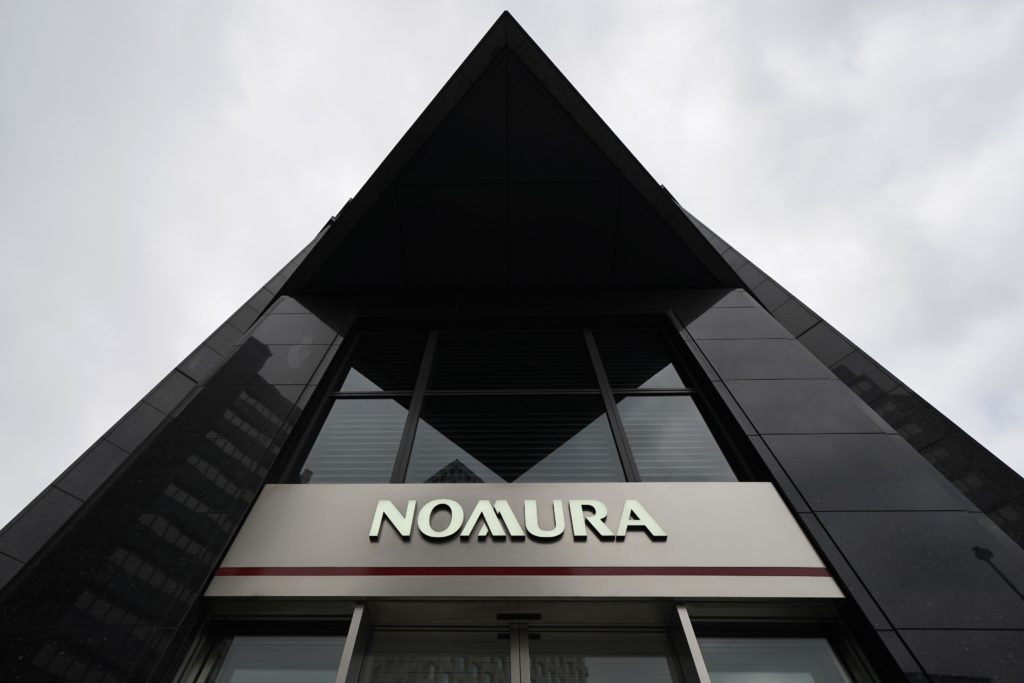
(Bloomberg) — Steve Ashley, Nomura Holdings Inc.’s head of trading and investment banking, is stepping down to take on a new role at the brokerage’s cryptocurrency business, marking the end of a lengthy tenure that was recently scarred by losses from Archegos Capital Management. 

Christopher Willcox will replace Ashley as head of Nomura’s wholesale division on Oct. 1, Japan’s largest brokerage said in a statement. Willcox joined Nomura last year as co-chief executive officer of its Americas unit when the firm installed fresh leadership following the Archegos collapse. He was previously head of JPMorgan Chase & Co.’s asset-management business and worked at Citigroup Inc. for 15 years.

Nomura’s wholesale business was roiled last year after it took a roughly $2.9 billion hit from its dealings with Archegos, a family office set up to manage the fortune of trader Bill Hwang. The firm suspended executives, pulled back from some businesses and said it would take steps to improve risk management in the wake of the debacle. 

Ashley will become chairman of the new Swiss subsidiary, Laser Digital Holdings AG, that will focus on digital assets, according to the statement. Jez Mohideen, who currently oversees the crypto business, will become chief executive officer of the entity. 

Trading Business

A former senior trader at Royal Bank of Scotland — which has since been renamed NatWest Group Plc — Ashley joined Nomura as head of rates trading in 2010 and took charge of all trading businesses in 2012. He later rose to the head of the wholesale division, which includes a sprawling trading business, as well as underwriting and advising on mergers and acquisitions. 

The brokerage’s wholesale business generated profit throughout Ashley’s tenure, though it grappled with poor risk controls and repeated overhauls. In Europe, Nomura struggled to establish a base of long-term clients to generate a steady flow of revenue and at times relied too heavily on traders making outsize bets, Bloomberg reported in 2018.

Nomura is now pushing into digital assets in what Chief Executive Officer Kentaro Okuda has called a “critical part” of efforts to bolster profit. In May, Ashley became chairman of the new entity set up to help institutional clients access products and services tied to cryptocurrencies, stable coins and non-fungible tokens. The firm has also started offering Bitcoin derivatives to clients in Asia.

Ashley’s leadership “will be critical to the growth and success of our new digital asset business,” Okuda said in the statement.

Satoshi Kawamura will succeed Willcox as head of Nomura Holding America and Nomura Securities International, two key subsidiaries, according to the statement. Vincent Primiano, a veteran of the firm’s US operations, will also assume senior leadership roles at those divisions and provide “day-to-day oversight of our Americas business,” according to the statement.

(Updates with Nomura confirmation and details throughout.)

More stories like this are available on bloomberg.com

©2022 Bloomberg L.P.
Indonesia Wants its Citizens to Lead Domestic Crypto Exchanges

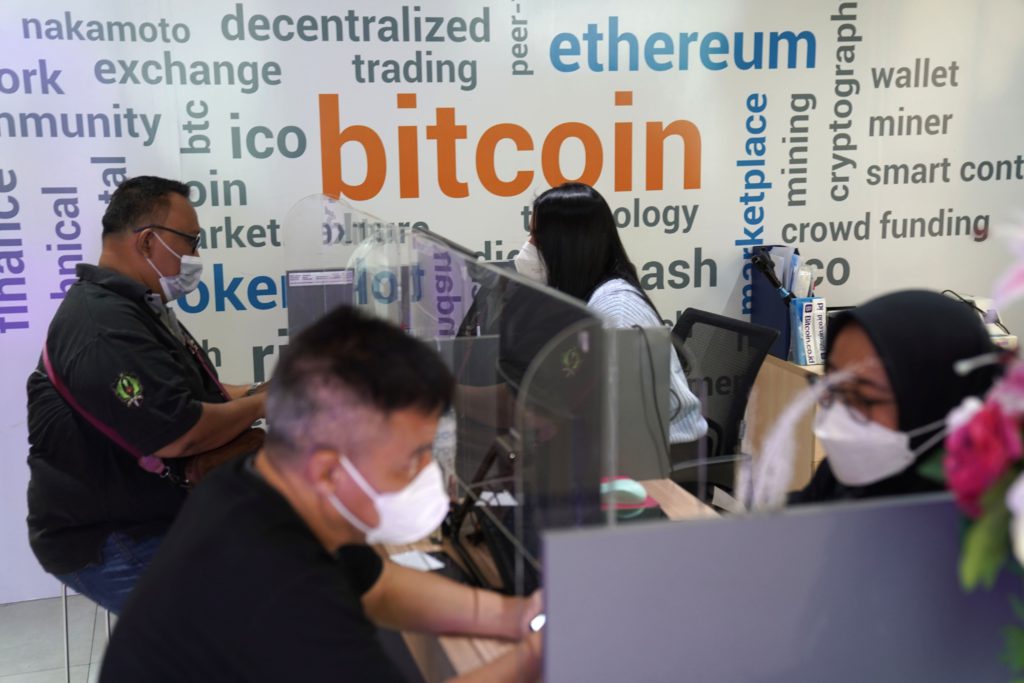
(Bloomberg) — Indonesia will require its domestic cryptocurrency exchanges to be mostly led by its citizens as it tightens rules to protect consumers.

At least two-thirds of directors and commissioners on crypto bourses must be Indonesians residing in the country, said officials from the trade ministry and commodity futures trading regulatory agency at a parliamentary hearing in Jakarta on Tuesday.

“That way, at least we can stop them from fleeing the country if any problem arises,” said the agency’s acting head Didid Noordiatmoko. He didn’t say when the revised regulation would be issued.

The government is tightening the rule as authorities in Asia struggle to get crypto founders to cooperate with investigations. For example, Do Kwon, co-founder of the Terraform Labs ecosystem that’s at the center of the $60 billion crypto collapse, has left Singapore as South Korean prosecutors seek Interpol’s help to arrest him.

Indonesia’s Deputy Trade Minister Jerry Sambuaga detailed other planned revisions to the rule:

  • Minimum capital requirement for crypto exchanges will be gradually doubled to 100 billion rupiah ($6.7 million) in line with their growth
  • Exchanges will be banned from reinvesting crypto assets
  • Users’ money must be stored in third-party bank accounts

More stories like this are available on bloomberg.com

©2022 Bloomberg L.P.
Macquarie Nearing Philippine Towers Deal With Globe Telecom, Sources Say

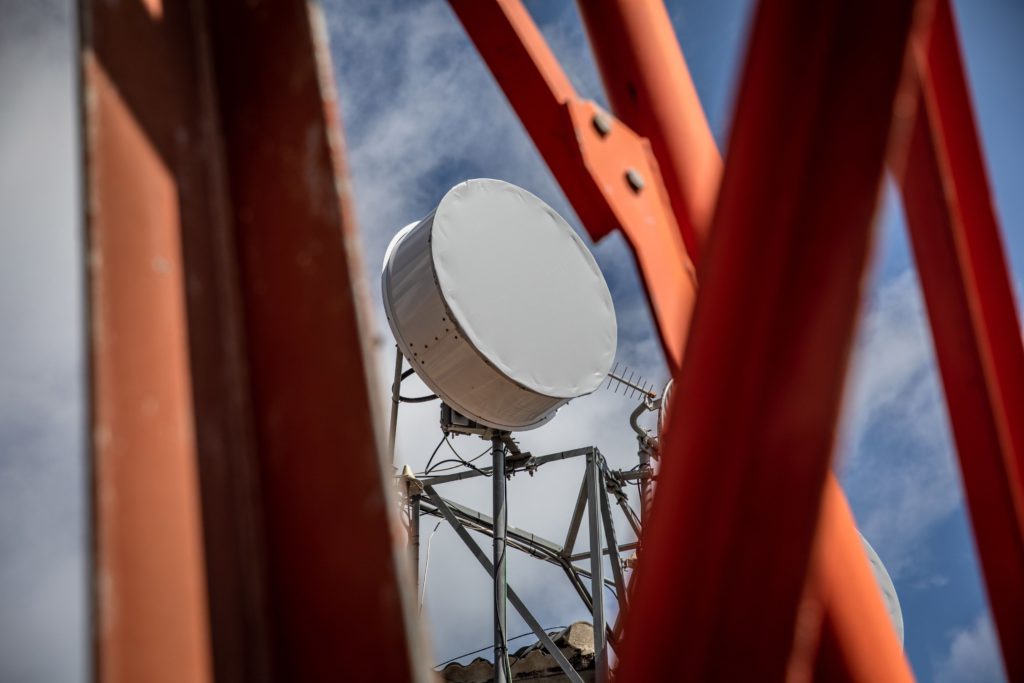
(Bloomberg) — An arm of Macquarie Group Ltd. is in advanced talks to buy a portfolio of about 1,350 phone towers from Philippine provider Globe Telecom Inc., according to people familiar with the matter.

The telecommunications firm and the Australian financial giant are in the final stages of hammering out a deal that could be worth about $400 million, the people said, asking not to be identified as the information is private. Macquarie is poised to buy the assets after outbidding other rivals including local players and global funds, the people said.

Negotiations are ongoing and could still fall apart, the people said. A Globe representative said they couldn’t comment at this time, and added that they would communicate any material information to the public, while a Macquarie spokesperson declined to comment.

The potential deal follows Globe’s sale of two other tower portfolios to a KKR & Co.-backed company and a Stonepeak joint venture for about 71 billion pesos ($1.2 billion) in August. A consortium consisting of buyout firm Partners Group Holding AG and Aboitiz Group, a conglomerate owned by the billionaire Aboitiz family, had been among the bidders for the two portfolios, Bloomberg News has reported.

Globe, which counts Singapore Telecommunications Ltd. and Filipino conglomerate Ayala Corp. among its largest shareholders, said in August that it was in advanced talks with another tower company for the sale and leaseback of an additional portfolio of about 1,350 towers in Visayas and Mindanao, and expected to conclude negotiations in the third quarter. 

Digital infrastructure assets such as telecom towers and data centers have increasingly become targets for deal activity in the region. Globe rival PLDT Inc. sold its towers for about 77 billion pesos in April to Axiata Group Bhd.’s edotco Group Sdn. and EdgePoint Infrastructure Sdn., backed by DigitalBridge Group Inc.

(Updates with comment from the companies in the third paragraph.)

More stories like this are available on bloomberg.com

©2022 Bloomberg L.P.
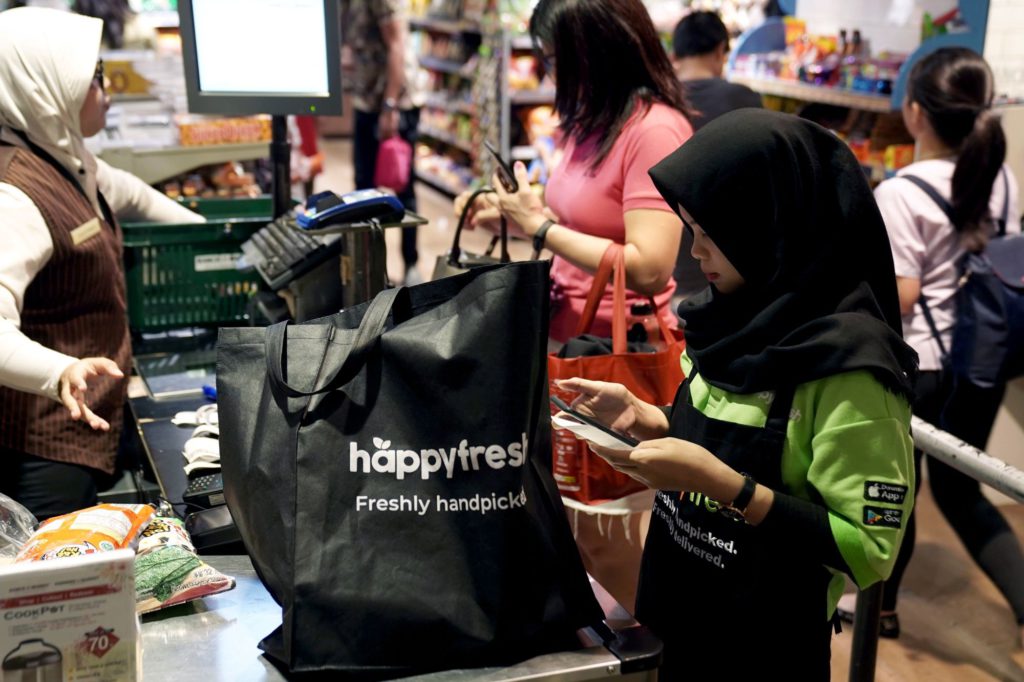
HappyFresh Wins Funding, Revamps Board as Business Resumes

(Bloomberg) — HappyFresh has secured funding from investors to resume online grocery operations in Indonesia, staving off a potential cash crunch fomented by the regional economic slowdown.

The Instacart-style grocery delivery service said it’s restarting operations in its home market on Wednesday, after a strategic review. It will work with venture debt funds Genesis, Innoven and Mars on restructuring the business, HappyFresh said in a statement.

As part of a reshuffle, representatives of US firm Kroll will replace three former directors on its board, including Naver Corp.’s Lee Jung An. Jason Kardachi, who leads Kroll’s restructuring practice in Southeast Asia, will work with HappyFresh on its overhaul. The startup, which didn’t disclose the amount of new funding, said it will now focus on Indonesia while considering options for its businesses in Thailand and Malaysia.

Jakarta-based HappyFresh, which struggled this year to raise capital after a sharp downturn in the young online grocery sector, had hired turnaround firm Alvarez & Marsal Holdings LLC during a review of its financial situation, Bloomberg News reported this month. Chief Executive Officer Guillem Segarra, Chief Financial Officer Frederic Verin and Chief Operating Officer Christoph Krauss have been reinstated after stepping back from their day-to-day duties.

“We have gone through a lot,” Filippo Candrini, managing director of HappyFresh Indonesia, said in a statement. “Over the past weeks when we paused operations, we saw numerous comments from customers across various social media platforms stating their reliance on our service offering while requesting for the service to be resumed as soon as possible.”

Read more: HappyFresh Board Is Said to Hire Alvarez & Marsal for Review

Founded in 2014 as one of the first Instacart-style grocery delivery services in Southeast Asia, HappyFresh has raised at least $97 million in equity funding in addition to debt financing. Formally known as ICart Group Pte, it operates in Indonesia, Malaysia and Thailand. In February, the startup launched HappyFresh Supermarket to extend fresh and dry grocery accessibility by expanding its footprint of dark stores, or storage facilities where delivery staff pick up products from.

But the market for grocery delivery services has soured in the face of slowing economic growth, surging inflation and higher interest rates. 

Grab Holdings Ltd., a Southeast Asian ride-hailing and delivery company and a backer of HappyFresh, said last month it decided to shut its dark-store operations in Singapore, Vietnam and the Philippines to cut costs and streamline its deliveries operations, retreating from the earlier strategy. And pandemic darling Instacart Inc., which was valued at $39 billion in a March 2021 funding round, slashed its internal valuation by about 40% a year later.

Alvarez & Marsal was the restructuring adviser that wound down Lehman Brothers Holdings’ operations about a decade ago. The global firm with more than 6,000 employees has expanded its Asia forensic technology team this year, and appointed Manas Tamotia, a 20-year consulting veteran and former chief strategy officer of HappyFresh, as a managing director to lead private equity for its Southeast Asia and Australia division.

(Updates with detail on restructuring in third paragraph)

More stories like this are available on bloomberg.com

©2022 Bloomberg L.P.
Angry South Africans Vent Eskom Blackout Frustrations on Twitter

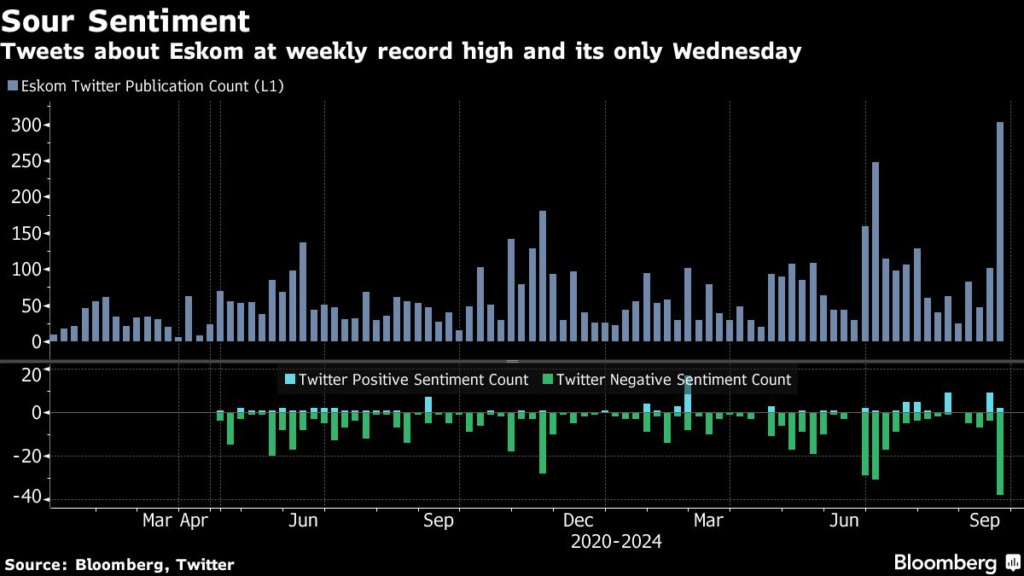
(Bloomberg) — Social media postings about Eskom Holdings SOC Ltd. surged to a record this week, with Twitter sentiment overwhelmingly negative.

South Africans are facing more than four hours of power cuts at a time because the state-owned utility can’t produce enough electricity from its old and poorly maintained plants to meet demand. As of Wednesday, they had endured 107 days in 2022 of so-called loadshedding — the worst year yet — with more pain to come.

Essential services that have been disrupted include mobile and internet connectivity, and provision of water and sanitation. The outages are causing traffic snarl ups and halting business, leading to public criticism of the government.


The chart displays how many tweets about Eskom have been published in 30-minute intervals by accounts monitored by Bloomberg. The lower part shows whether the tweets were positive or negative. 


More stories like this are available on bloomberg.com

©2022 Bloomberg L.P.

Billionaire Niel Buys 2.5% of Vodafone to ‘Accelerate’ Deals

(Bloomberg) — An investment vehicle backed by French billionaire Xavier Niel has bought about 2.5% of British telecommunications giant Vodafone Group Plc, a stake currently worth £752 million. 

The entrepreneur’s Atlas Investissement said in a filing on Wednesday that it saw “opportunities to accelerate both the streamlining of Vodafone’s footprint and the separation of its infrastructure assets,” as well as cut costs, improve profits and improve broadband in Germany.

It added that it supported Vodafone’s intention to merge with in-market rivals such as those in the UK and Italy, and separate out its infrastructure assets like towers and fiber. 

A spokesman for Vodafone didn’t immediately respond to a request for comment. A spokeswoman for Atlas declined to elaborate on the structure of the holding. 

Shares of Vodafone gained as much as 2.4% in London on Wednesday.

Atlas is an arm of NJJ Holding but separate to Niel’s mobile operator Iliad SA. The stake purchase is its first activity, though it is monitoring other possible investments in the communications sector, according to its website. 

Niel has invested in nine European countries with Iliad, the carrier he founded, which operates in France, Italy and Poland; NJJ owns businesses in countries including Ireland, Switzerland and Monaco.

The French billionaire has been looking to expand his telecom model based on low costs and low prices. Last February, Iliad offered more than 11 billion euros ($10.9 billion) for Vodafone’s Italian unit, a bid that was quickly rejected. 

What Bloomberg Intelligence Says:

Iliad owner Xavier Niel’s investment vehicle Atlas’ 2.5% stake purchase at Vodafone aims at a stronger push for infrastructure asset transactions and in-market consolidation — a particular conflict of interest given Iliad’s attempted takeover of Vodafone’s Italian operations early this year. Atlas may need to up its stake (currently the fifth largest) to make an impact on Vodafone’s direction, as it is still dwarfed by pro-management Emirates Telecom’s 9.8% holding.

— Erhan Gurses, BI telecoms analyst. Click here for research.

Niel becomes the second French mobile mogul to swoop on a British telecom company with a weak share price, after rival Patrick Drahi bought 18% of London-based BT Group Plc last year.

Atlas’s investment follows that of Europe’s largest activist fund Cevian AB, which has built a stake in Vodafone and agitated for changes, Bloomberg reported in January. Then in May, UAE-backed e& bought 9.8% of the business. 

(Updates with valuation in first paragraph, shares in fifth)

More stories like this are available on bloomberg.com

©2022 Bloomberg L.P.
Tencent’s $2.3 Billion Buyback Spree Fails to Stem Stock Rout

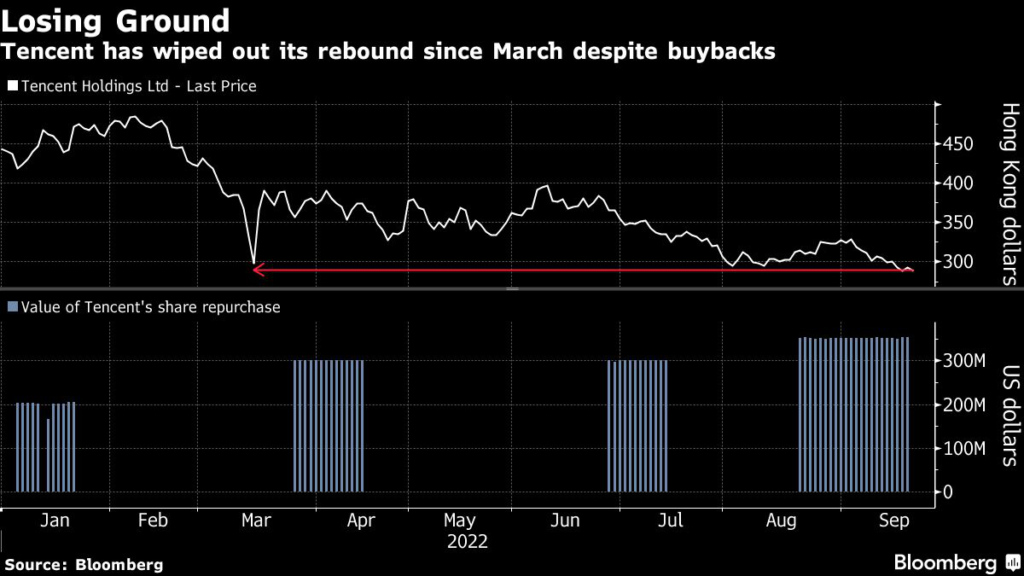
(Bloomberg) — Tencent Holdings Ltd’s buyback spree is failing to revive investor sentiment over the online gaming giant, whose shares are languishing at a 2018 low. 

Tencent, China’s biggest company by market capitalization, has spent nearly $1 billion in repurchasing shares over the past month to take the year’s total to $2.3 billion, Bloomberg data shows. The move gathered pace after its dominant shareholder Prosus NV said in late June that it will gradually offload holdings. 

Despite daily purchases this month, Tencent shares are down more than 60% from its peak in January 2021, shedding about $590 billion in the world’s largest loss in stock value since then, according to Bloomberg calculations. China’s deepening slowdown, regulatory uncertainties and belief that the days of unbridled tech revenue growth are over are key headwinds. 

“Tencent is under pressure from the sale of shares by the major shareholder,” said Banny Lam, head of research at CEB International Investment Corp. “Buybacks help but aren’t providing enough support. It still needs some policy support from the government for a turnaround.” 

Tencent reported its first-ever revenue decline in the second quarter as the company grappled with the economy’s downturn that’s hurting its major businesses. Even as investors see the worst of Beijing’s crackdown as over, as corroborated by the approval of Tencent’s new game last week, doubts over the firm’s growth prospects and selling by Prosus remain overhangs. 

Prosus said on Sept. 8 that it sold 1.1 million shares, bringing down its total ownership in Tencent to 27.99%. An earlier filing showed Prosus sold more than 3.9 million shares in the first half. 

Against this background, multiple reports — with the latest from the Wall Street Journal on Tuesday — have said Tencent is planning to divest more of its vast equity portfolio to fund buybacks and seek new growth drivers. 

That’s adding to uncertainties for China’s tech sphere as Tencent is a significant shareholder for major firms including Meituan, Kuaishou Technology and Bilibili Inc. 

Despite Tencent’s denial of the Journal report, shares of most investees slid in Hong Kong, with Meituan and Bilibili falling at least 3% each. Tencent dropped 2.5%. 

(Updates with market changes in third and last paragraph)

More stories like this are available on bloomberg.com

©2022 Bloomberg L.P.
Stocks Steady on Fed Day; Dollar Rallies on Putin: Markets Wrap

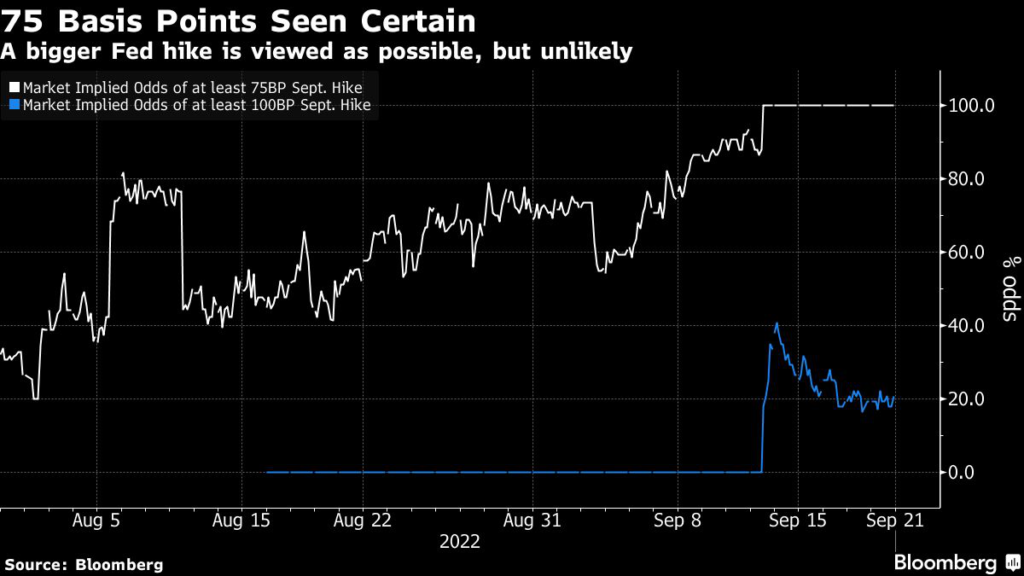
(Bloomberg) — Markets were muted Wednesday with investors mostly sidelined before another expected rate hike from the Federal Reserve. Treasuries and the dollar jumped on haven flows after Russian President Vladimir Putin stepped up his war against Ukraine.

European equities swung higher after posting early losses in the run-up to the Fed meeting. US equity futures steadied after the S&P 500 slid on anxiety policy makers are risking recession in their zeal to subdue price pressures. Benchmark Treasury yields slipped 3 basis points to 3.53%.

Officials are widely expected to boost rates by 75 basis points for the third time in a row, according to the vast majority of analysts surveyed by Bloomberg. Only two project a 100 basis points move. 

The dollar headed for a fresh record while the euro fell as investors reacted to Putin’s announcement of a “partial mobilization” as he pledged to annex the territories his forces have already occupied, vowing to use all means necessary to defend Russia. 

The escalation of the Russian war is likely to reverberate across markets, deepening the energy and food crisis as well as American exceptionalism, according to Ales Koutny, portfolio manager at Janus Henderson Investors.

“This will continue to put risk assets under pressure, with sentiment playing a significant part for both equities and credit,” Koutny said by email. “We believe the USD will continue to benefit as the US is isolated from a geographic perspective and more resilient due to the make-up of its economy.”

A dollar gauge traded near a record high amid the market jitters while bitcoin dropped below $19,000. The offshore yuan fell to the lowest against the greenback since mid 2020, even after the People’s Bank of China set the daily reference rate for the currency stronger-than-expected for a 20th day.

Key events this week:

  • Federal Reserve decision, followed by a news conference with Chair Jerome Powell, Wednesday
  • Big-bank CEOs testify before US Congress in a pair of hearings on Wednesday and Thursday
  • US existing home sales, Wednesday
  • EIA crude oil inventory report, Wednesday
  • Bank of Japan monetary policy decision, Thursday
  • The Bank of England interest rate decision, Thursday
  • US Conference Board leading index, initial jobless claims, Thursday

Will the Nasdaq 100 Stock Index hit 10,000 or 14,000 first? This week’s MLIV Pulse survey focuses on technology. It’s brief and we don’t collect your name or any contact information. Please click here to share your views.

Some of the main moves in markets:

Stocks

  • The Stoxx Europe 600 rose 0.2% as of 10:10 a.m. London time
  • Futures on the S&P 500 were little changed
  • Futures on the Nasdaq 100 were little changed
  • Futures on the Dow Jones Industrial Average were little changed
  • The MSCI Asia Pacific Index fell 1.5%
  • The MSCI Emerging Markets Index fell 1.1%

Currencies

  • The Bloomberg Dollar Spot Index rose 0.4%
  • The euro fell 0.7% to $0.9906
  • The Japanese yen was little changed at 143.83 per dollar
  • The offshore yuan fell 0.4% to 7.0578 per dollar
  • The British pound fell 0.4% to $1.1339

Bonds

  • The yield on 10-year Treasuries declined three basis points to 3.53%
  • Germany’s 10-year yield declined five basis points to 1.87%
  • Britain’s 10-year yield declined two basis points to 3.27%

Commodities

  • Brent crude rose 1.5% to $91.97 a barrel
  • Spot gold rose 0.5% to $1,673.22 an ounce

More stories like this are available on bloomberg.com

©2022 Bloomberg L.P.
Rakuten to Pick Goldman, Daiwa for Banking Unit IPO, Sources Say

(Bloomberg) — Rakuten Group Inc. has chosen Goldman Sachs Group Inc. and Daiwa Securities Group Inc. as lead managers for its banking unit’s initial public offering, people familiar with the matter said, as the online retailer chases fintech growth to counter mounting losses.

Rakuten is preparing to list its banking unit with a valuation of around 300 billion yen ($2.1 billion) to 400 billion yen in an IPO as early as December, people familiar with the matter said, asking not to be named as the matter is private. Deliberations are ongoing and details of Rakuten Bank Ltd.’s offering, including bank manager lineup and size, could still change, they said.  

A spokesperson for Rakuten declined to comment, as did representatives at Goldman and Daiwa.

The bank’s planned listing on the Tokyo Stock Exchange is part of a push by Rakuten to expand in financial services. Stiff competition from Amazon.com Inc. is capping the Japanese company’s core e-commerce revenues, while aggressive promotions for its mobile unit are saddling the company with losses. 

Rakuten’s fintech segment is increasingly driving growth at a company that remains largely moored in Japan, despite its ambitions to expand overseas. The company’s credit card, bank, securities and insurance businesses together constituted its biggest earner of operating income in the April-June quarter. Rakuten is separately preparing to list its securities unit. 

“It makes sense for Rakuten to raise money to help the banking unit grow further – the combination of its e-commerce operations and fintech makes the company a strong, attractive player in Japan,” said Morningstar analyst Kazunori Ito. 

Hiroshi Mikitani, the company’s chief executive officer and founder, had bet big on wireless services by building a fourth mobile network in a saturated market controlled by NTT Docomo Inc., KDDI Corp. and SoftBank Group Corp.’s wireless unit SoftBank Corp. That costly wager has resulted in continued losses at a company that had for years held its own against Amazon. 

Rakuten’s quarterly operating loss widened from a year ago, prompting S&P Global Ratings to slap the company with a negative credit outlook. The Japanese company’s nonfinancial unit is expected to be “deeply negative” of free operating cash flow in the coming 12 to 18 months, as improvement in its mobile business is further delayed, S&P said. 

The mobile unit’s losses are a result of “miscalculations that cannot be reversed, and more cash will be needed over the long term,” Ito said. 

More stories like this are available on bloomberg.com

©2022 Bloomberg L.P.

Close Bitnami banner
Bitnami
