Bloomberg

Crypto Firm Fights SEC by Claiming Its Investors Lack Rights

(Bloomberg) — Cryptocurrency firm Ripple Labs Inc. sought to defeat a Securities and Exchange Commission suit by claiming that its XRP token isn’t a security subject to the regulator’s authority.

Ripple over the weekend filed a motion seeking dismissal of the suit before trial in federal court in Manhattan. The company argued that XRP can’t be considered a security because there was no “investment contract” granting investors rights or requiring the issuer to act in their interests.

In a 2020 suit, the SEC accused Ripple and its top executives of misleading XRP investors by failing to register the digital asset as a security and not providing adequate disclosure. The case is expected to help define the commission’s ability to regulate cryptocurrency assets and could impact dozens of other digital coins.

The regulator is attempting to assert jurisdiction over any asset transfer that it “think may benefit from the registration and disclosure requirements of the securities laws,” Ripple said in its weekend filing.

“The SEC’s untethered position would convert the sale of all types of ordinary assets – diamonds, gold, soybeans, cars, and even works of art – into sales of securities. Congress has given the agency no such authority,” Ripple said. 

The regulator also asked for a ruling in its favor without trial, saying a purchase of the token is an “investment in a common enterprise with other XRP holders and with Ripple” and and that investors expected to earn a profit from buying the token.

“Defendants cannot dispute the content of their many public statements about Ripple and XRP,” the SEC said. “Nor can Defendants dispute either the vast record of the efforts they made consistent with those representations or the economic reality: Ripple funded its business by touting XRP’s profit potential, selling and distributing XRP to public investors while keeping a large amount of XRP for itself.”

In a statement, Ripple General Counsel Stu Alderoty said the “filings show that the SEC is acting outside their legal limits. The SEC is not looking to apply the law — they are looking to remake the law in the hopes that it can impermissibly expand their jurisdiction.”

The case is SEC v Ripple Labs Inc., 20-cv-10832, US District Court, Southern District of New York (Manhattan).

(Updates with statement by Ripple’s general counsel in eighth paragraph.)

More stories like this are available on bloomberg.com

©2022 Bloomberg L.P.

Coinbase Hikes Some Crypto Trading Fees in Boon to Biggest Clients

(Bloomberg) — Coinbase Global Inc., the biggest U.S. crypto exchange, is changing its fee structure in a move that may increase costs for some users while lowering them for some of its highest-volume customers.

Starting Tuesday, some Coinbase customers with $15 million to $250 million in monthly volume may end up paying fees that are as much as 2 basis points higher than under the current schedule, according to the new fee structure, which is based on trailing 30-day activity. Customers in other tiers – including large clients with volume of more than $250 million a month – may see slightly lower fees.

Coinbase said in a statement that it made the shifts “to account for changes in global crypto trading volumes and asset prices.” A spokesperson couldn’t immediately be reached for further comment.

Coinbase has long charged smaller-volume retail users much higher fees than its institutional clients, which it likely hoped would also use the platform for other services, such as custody and staking. Even with the new schedule, these higher-volume clients are enjoying much lower fees than retail investors. 

The crypto market is suffering through a downturn that has shaved off some $2 trillion in market value in less than a year, and dramatically slashed volume on many exchanges. Coinbase has already lost some market share to the likes of Binance, the world’s biggest crypto exchange, which has slashed fees to zero on a slew of trading pairs. Analysts have long worried that trading fees are in a race to zero.


More stories like this are available on bloomberg.com

©2022 Bloomberg L.P.

Crypto Researcher Didn’t Disclose ICO Incentives, SEC Says

(Bloomberg) — The founder of a cryptocurrency investment research firm was accused by the SEC of promoting an initial coin offering without disclosing that he had been given incentives to do so.

Ian Balina, 33, promoted the SPRK token on social media platforms including YouTube and Telegram without revealing that he had been compensated by the company that offered it, the Securities and Exchange Commission said in a suit filed Monday in federal court in Austin, Texas. 

While the SEC didn’t identify Balina’s firm, the description matches that of Token Metrics, an Austin-based firm that provides “AI-based cryptocurrency ratings and price predictions.” Balina’s bio on the site describes him as a “former IBM Watson Analytics evangelist” who has “built million-dollar businesses from the ground up.”

Balina, a self-described crypto asset investor, promoter and influencer, documented his investment process and research on YouTube and other social media outlets through an online diary called “Diary of a Made Man.”

The SEC said the company behind SPRK, Sparkster Ltd., a software development company incorporated in the Cayman Islands, raised about $30 million from almost 4,000 investors in an unregistered offering that took place between April and July 2018. 

Sparkster and Chief Executive Officer Sajjad Daya agreed to pay $35 million into a fund for harmed investors to resolve SEC’s claims over the unregistered offer and sale of the SPRK tokens, the regulator said in a Monday statement.

According to the SEC, Balina asked Sparkster for an allocation of the coin before he began promoting it on social media. The company agreed to let him purchase approximately $5 million worth. It also gave him a 30% bonus in tokens.

The SEC further accused Balina of organizing an investing pool of about 50 people and offered them the chance to buy tokens from him upon their release without registering. 

Balina’s lawyer, Stephen Galebach, on Monday pointed to a November submission in which he called allegations against his client “an unfounded effort, based upon multiple misconceptions of fact and law” that he said “would have the effect of barring or limiting Mr. Balina from personal involvement in a highly successful analytical and publishing cryptocurrency-focused business that he has built over the past two years.”

The case is SEC v Balina, 22-cv-950, US District Court, Western District of Texas (Austin).

(A previous version of this story corrected the description of benefit to Balina throughout.)

More stories like this are available on bloomberg.com

©2022 Bloomberg L.P.

US Halloween Spending to Hit Record of $10.6 Billion, NRF Says

(Bloomberg) — With the pandemic waning, the US is gearing up for pre-pandemic levels of trick-or-treating, despite inflation levels not seen for 40 years.

Undeterred by soaring prices, 69% of consumers are planning to celebrate Halloween this year compared with 68% in 2019, the National Retail Federation said Monday.

A survey commissioned by the trade group found that consumers plan to dole out an average of $100 on costumes, candy and decor, as well as other items, with total spending expected to reach a record $10.6 billion — $710 million of it spent on pets.

According to more than 8,000 people surveyed, top costumes of 2022 will be the classics: a witch and vampire for adults, Spider-Man and princess outfits for kids, and a pumpkin and hot dog for pets. But online memes remain the most popular source of inspiration.

“Social media is playing an increasingly important role in consumer behavior, and Halloween is no different,” said Phil Rist, executive vice president of strategy at Prosper Insights, which conducted NRF’s 2022 survey. “Younger consumers, particularly those under the age of 25, will look to platforms like Instagram and TikTok for costume inspiration this year.”

Deloitte previously forecasted that soaring prices would slow holiday shopping from November to December compared with last year — but nearly half of the respondents in the NRF report have already started to stock up for Halloween. Of those, 40% are turning to discount retailers, 36% to specialty stores and 31% to online outlets.

More stories like this are available on bloomberg.com

©2022 Bloomberg L.P.

Stocks See Late-Day Rebound After Unnerving Twists: Markets Wrap

(Bloomberg) — Stocks pushed higher in the final hour of New York trading, with a rally in megacaps like Apple Inc. and Tesla Inc. driving a rebound that followed the worst weekly rout for the market since mid-June.

Major equity benchmarks had a tough time finding direction Monday as traders geared for another super-sized US rate increase amid fears on whether the Federal Reserve could overtighten and raise the odds of a hard landing. Treasury 10-year yields hovered near 3.5% while the two-year rate, which is more sensitive to imminent policy moves, hit the highest since 2007.

“Volatility is expected to remain heightened through the remainder of this year at a minimum,” said Megan Horneman, chief investment officer at Verdence Capital Advisors. “Until there is consistent improvement from inflation, timing the peak in Fed rate hikes is challenging. While we do not rule out a testing of the June S&P 500 low, we would look at it as a potential buying opportunity.”

Traders are betting the Fed will hike by 75 basis points Wednesday, signal rates are heading above 4% and will then pause. The long hold strategy is rooted in the idea the central bank would avoid the disastrous stop-go policy of the 1970s that allowed inflation to get out of hand. While a case can be made for going bigger, a shock full-point boost could add to recession jitters.

To Sam Stovall, chief investment strategist at CFRA Research, a full-point hike would jolt Wall Street as it would imply a central bank “overreacting to the data rather than sticking to its game plan.” Following the previous seven rate increases of that magnitude, the US equity benchmark fell four times each over one-, three-, and six-month periods, he added.

Ed Yardeni, president of his namesake research firm who nailed the market bottom in 1982 and 2009, sees the Fed boosting rates by 100 basis points this month, with Chair Jerome Powell and the central bank’s economic projections looking hawkish. 

He noted that could cause the S&P 500 to retest its June 16 low of 3,666.77, almost 6% below current levels.

Read: Morgan Stanley, Goldman Warn of Valuation Risk as Earnings Wilt

While a policy surprise could certainly move markets, the Fed’s revised forecasts for where the policy rate will ultimately come to rest and how long it’s likely to stay at that level will be equally important. Swap contracts that forecast rates over the next two years now peak around 4.5% in March 2023 — a full point higher than was expected after the last meeting in July.

“The question to focus on isn’t whether the Fed will hike rates by 75 basis points or 100 basis points,” said Phillip Nelson, head of asset allocation at NEPC. “What we’re looking for is how aggressive Powell will be in the next six to 12 months. The messaging we get in the next few weeks could be a bigger data point and a shock to investors.”

In a sign of how severe the equity beatdown has been, the S&P 500 has been trading below a key technical level for the longest stretch since the global financial crisis. 

Its long-term trend has turned “sharply lower recently,” and the index has closed below its 200-day moving average for 110 trading sessions, the longest streak since the bear markets of 2008-2009 and 2000-2002, according to Bespoke Investment Group.

During the five-week period that started in mid-August and ended Sept. 7, long-only institutional investors sold $51.2 billion worth of US-traded stocks — roughly a quarter of what they dumped in the prior 31 weeks of this year, according to an S&P Global Market Intelligence analysis. The data don’t include last week, when a surprising inflation print stoked concerns of a Fed tightening that’s more aggressive than expected.

“Due to current negative indicators including high inflation and the Fed’s upcoming rate announcement, global economic growth concerns and earnings expectations, we expect to see a continued negative pattern in the near-term,” said Mark Hackett, chief of investment research at Nationwide. “It will not take much good news to light a fire under the market, but we don’t expect that good news to come in the next few weeks.”

Every major bottom in the last 15 years hasn’t culminated until the Cboe Volatility Index started trading 10 volatility points higher than the VIX futures two months from now, signaling a front-month inversion of the volatility curve, data compiled by BTIG LLC show. 

That’s yet to happen in this year’s rout. Even as the VIX curve shifted higher and became flatter, it’s still in its usual upward-sloping shape, meaning the here-and-now cost for protection is lower than several months out.

Read: US CLO Loan Downgrades Near 10% as Bankruptcies Rise, BofA Says

Bond issuers also seem cautious about the market now. Four potential high-grade borrowers looked at selling bonds Monday, but ultimately opted to stand down amid a volatile start to trading. Supply is now running well below forecasts for September, with rapidly rising yields derailing some issuers’ plans.

In a time-tested harbinger of an economic downturn, short-term US rates have exceeded yields on longer maturities for months. The MLIV Pulse survey, which drew 737 responses, showed that the bulk of contributors expect a deeper inversion. Some see it reaching levels last seen in the early 1980s, when Paul Volcker ratcheted up borrowing costs to break the back of hyperinflation.

The majority of the MLIV survey’s contributors say it’s best to bet on dollar gains, and 44% prefer to sell stocks.

Key events this week:

  • US housing starts, Tuesday
  • EIA crude oil inventory report, Wednesday
  • US existing home sales, Wednesday
  • Federal Reserve decision, followed by a news conference with Chair Jerome Powell, Wednesday
  • Bank of Japan monetary policy decision, Thursday
  • The Bank of England interest rate decision, Thursday
  • US Conference Board leading index, initial jobless claims, Thursday

Some of the main moves in markets:

Stocks

  • The S&P 500 rose 0.7% as of 4 p.m. New York time
  • The Nasdaq 100 rose 0.8%
  • The Dow Jones Industrial Average rose 0.6%
  • The MSCI World index rose 0.4%

Currencies

  • The Bloomberg Dollar Spot Index was little changed
  • The euro was little changed at $1.0024
  • The British pound rose 0.1% to $1.1436
  • The Japanese yen fell 0.2% to 143.17 per dollar

Bonds

  • The yield on 10-year Treasuries advanced four basis points to 3.49%
  • Germany’s 10-year yield advanced five basis points to 1.80%

Commodities

  • West Texas Intermediate crude rose 0.4% to $85.46 a barrel
  • Gold futures were little changed

More stories like this are available on bloomberg.com

©2022 Bloomberg L.P.

Jack Dorsey Will Be Deposed in Twitter-Musk Lawsuit on Tuesday

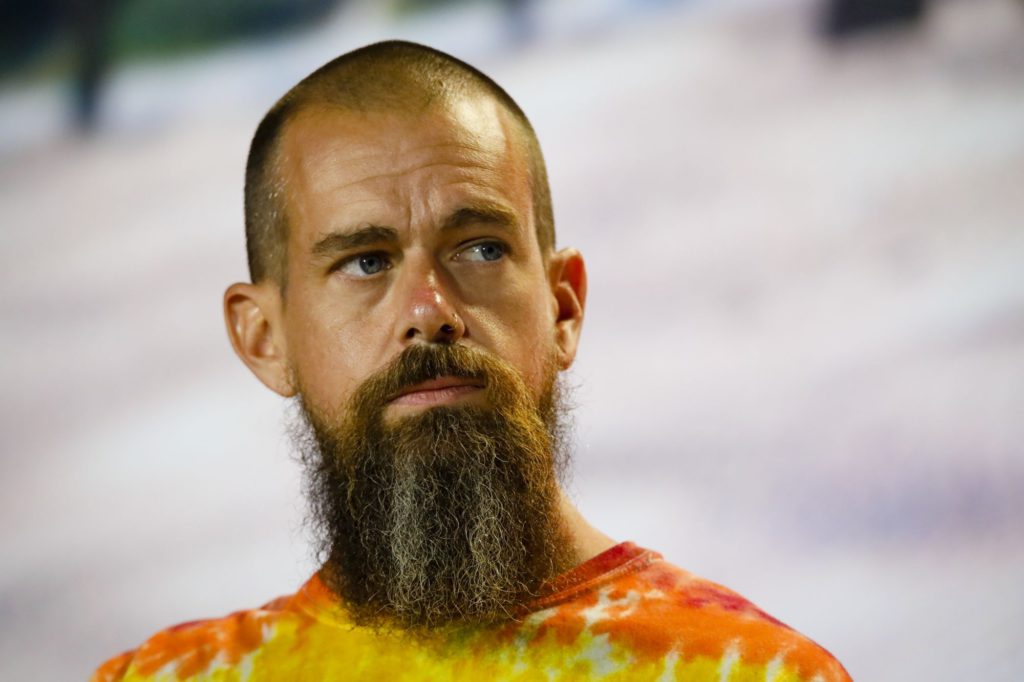
(Bloomberg) — Jack Dorsey, the co-founder of Twitter Inc., will be questioned under oath Tuesday in the social media company’s lawsuit against his longtime friend Elon Musk, according to court filings.

Dorsey, who stepped down as Twitter’s chief executive officer last year, had been an energetic booster of Musk’s $44 billion bid for the company which Twitter is suing to enforce. While Dorsey was subpoenaed last month by Musk, he will be questioned by attorneys from both sides via Zoom on Tuesday morning.

Musk retreated from his offer in July, accusing the company of not complying with his contract with Twitter by providing information to assess how prevalent the bots are on the social media platform. Since then, dozens of people, banks and funds have been subpoenaed in the legal fight playing out in Delaware. The push to gather information and interview important figures in the deal comes ahead of an expedited schedule for the trial, slated to begin Oct. 17 and last five days.

Read more: Musk Subpoenas Ex-Twitter CEO Dorsey in Battle Over Buyout 

More stories like this are available on bloomberg.com

©2022 Bloomberg L.P.
Amazon PillPack Founders to Leave in Latest Health-Care Shakeup

(Bloomberg) — Amazon.com Inc. is parting ways with the two founders of the drug prescription startup the company acquired to jumpstart its health care ambitions. 

TJ Parker, who co-founded PillPack with Elliot Cohen, informed employees that the pair would be leaving Amazon at the end of this month. “You should all be so proud of what we were able to achieve together,” Parker wrote in a note that he also posted on LinkedIn.  

Amazon bought the Manchester, New Hampshire-based startup in 2018 for about $753 million, net of cash acquired. Two years later Amazon embedded PillPack deeper into its retail website with the launch of Amazon Pharmacy, a service powered by PillPack’s physical and digital infrastructure. 

The founders’ departure is just the latest shakeup in Amazon’s health care operation. A few weeks ago, the company announced it plans to close its Amazon Care telehealth service at the end of the year. The shuttering coincides with the company’s planned acquisition of 1LifeHealthcare Inc., which operates the One Medical brand of primary healthcare clinics.

PillPack made its name by sorting medications into easy-to-dispense doses, a service that appealed to people juggling multiple drugs for chronic conditions. 

The acquisition rattled incumbents in the health care industry, but analysts say Amazon has made only minimal inroads in the massive market for prescription drugs. JD Power estimates the company accounts for about 1.8% of mail-order drug sales in the US. 

Parker said he and Cohen would spend time with their families and, later, “return our focus to starting, investing in and advising other health care and consumer-focused businesses.” 

In an email to employees, Neil Lindsay, the veteran executive in charge of Amazon’s health care operation, said: “TJ and Elliot have had a significant impact on Amazon and the Health Services organization, and while they will be missed, we’re grateful for their contributions and wish them well on their next endeavors.”

More stories like this are available on bloomberg.com

©2022 Bloomberg L.P.
Apple Plans Fix for Shaking iPhone 14 Pro Camera by Next Week

(Bloomberg) — Apple Inc. is working on a software update for the iPhone 14 Pro and Pro Max aimed at fixing a bug that makes the rear camera on the device physically shake when used with some third-party apps.

The update will be released next week, according to the company, signaling it has already identified a solution. The software fix would mark at least the second so far for the iPhone 14. On launch day, users were asked to update to iOS 16.0.1 to address a problem related to activating FaceTime. 

The latest iPhones went on sale last Friday, and some users took to social media to complain about the camera bug. The issue, which also can cause rattling noises, is the result of the optical image stabilization hardware malfunctioning in some cases with third-party apps. The stabilization technology is designed to shift the camera system to compensate for the iPhone moving, helping prevent a blurry picture. 

Users have complained about the bug hindering camera features in social media apps like Snapchat, TikTok, Instagram and Facebook, but it doesn’t appear to affect Apple’s preinstalled camera capabilities. Snap Inc., the maker of Snapchat, said Monday that it was “working directly with Apple” to address the issue after getting reports from users. TikTok and Meta Platforms Inc., the owner of Instagram and Facebook, didn’t immediately respond to requests for comment.

The new camera system on the iPhone 14 Pro, which includes a 48-megapixel sensor for the main lens for the first time, is one of the main upgrades for this year’s device. The phone also has a software interface at the top of the device known as the Dynamic Island, which works with an updated camera cutout to show information such as map directions or AirPods status. 

So far, the iPhone 14 Pro and iPhone 14 Pro Max appear to be biggest hits in the lineup. Shoppers lined up at Apple retail stores in search of the devices over the weekend, and the device sold out in many places. Consumers looking to buy the models through Apple’s website will have to wait until at least October to get it delivered. 

(Updates with Snap response in fourth paragraph.)

More stories like this are available on bloomberg.com

©2022 Bloomberg L.P.
Ralph Lauren Sees Faster Growth on Pricing, New Customers

(Bloomberg) — Ralph Lauren Corp. is targeting sales growth over the next three years that’s faster than Wall Street’s estimates, with the fashion brand aiming to pick up new customers and continuing to raise prices. 

The New York-based apparel company is targeting revenue growth in the mid-to-high single digits in each of the next three fiscal years, including the current one, according to a statement published Monday ahead of a presentation to investors. The new outlook, which excludes currency-related fluctuations, covers the fiscal years that run through the first three months of 2025. 

“This company is now poised to accelerate growth and value creation, and we have the momentum to prove it,” Chief Executive Officer Patrice Louvet said in an interview. Canada and the US in particular represent a growth opportunity that investors may be underestimating, he added.

The shares rose 2.9% at 3:37 p.m. in New York. The stock has fallen 19% this year, compared with an 18% drop for the S&P 500 Index. 

Ralph Lauren’s strategy builds on the company’s work in recent years to close unproductive stores while cutting back on promotions and offering pricier items. If achieved, high-single-digit sales growth would outpace the average of estimates compiled by Bloomberg, which show analysts expecting expansion of 1.6% in the current fiscal year and about 4.5% in the following two periods. 

Fewer Discounts

Ralph Lauren is targeting average price increases for its merchandise in the mid-single-digit range over the next several years, Louvet said. The figure, known as average unit retail, has climbed 64% since the company’s last investor day in 2018, he added. The company has achieved this, in part, by decreasing its reliance on discounts in department stores. Ralph Lauren now sells nearly two thirds of its products via its own stores and websites.

Those higher average prices have helped to boost sales and attract more affluent customers that are willing pay higher prices — a trend retailers refer to as “elevating the brand.” Ralph Lauren won’t tarnish its renewed cache by resorting to heavy discounting this holiday season like it has in past years, Louvet said. 

Still, he anticipates major promotions at the end of the year from retailers that are trying to regain lost market share — or whittle down excess merchandise that has built up because of supply-chain snafus. 

“We want to be a lifestyle luxury company,” he said. “We won’t be oblivious to the environment we operate in, but we will not resort to aggressive promotional activity to drive our business.” 

Ralph Lauren will continue to cultivate younger customers, who Louvet credits with helping to push online sales to 26% of revenue. He expects that figure to reach about 33% in the next several years. 

The company is also betting on growth in women’s merchandise in the long term and ultimately aims to have the category represent half of sales — up from around 30% now. Louvet said he wants to seize on the fact that more than half of the customers who come into Ralph Lauren stores are women, but they are often shopping for male friends and family. 

Operating Margin

Ralph Lauren is targeting operating margin of at least 15% by fiscal 2025. That’s higher than Wall Street’s expectations: Analysts surveyed by Bloomberg see the gauge coming in at 12.3% this year and rising to 12.9% in fiscal 2025. 

The company, which reiterated its earlier fiscal 2023 guidance from August, is planning to spend about 4% to 5% of revenue on capital expenditures annually during the three-year span. Ralph Lauren aims to open several hundred more stores in the next three years, mainly in China, South Korea and Japan, Louvet said. 

In the US, the company has space to expand in California and the West Coast, he said. Ralph Lauren plans to open 15 to 20 more stores in the US through the beginning of 2025.

The company will return about $2 billion to shareholders over the period via dividends and share repurchases. 

Ralph Lauren’s balance sheet gives it “flexibility to selectively pursue M&A with a focus on advancing our operational and digital capabilities,” Chief Financial Officer Jane Nielsen told investors. She highlighted Ralph Lauren’s minority investment in Natural Fiber Welding Inc., which manufactures recycled cotton, as an example of the type of deals the company is interested in. The company’s three-year targets don’t include a potential acquisition, she said. 

(Updates with M&A comments in final paragraph.)

More stories like this are available on bloomberg.com

©2022 Bloomberg L.P.

Peter Thiel-Backed Video Platform Rumble Starts Trading After SPAC Deal

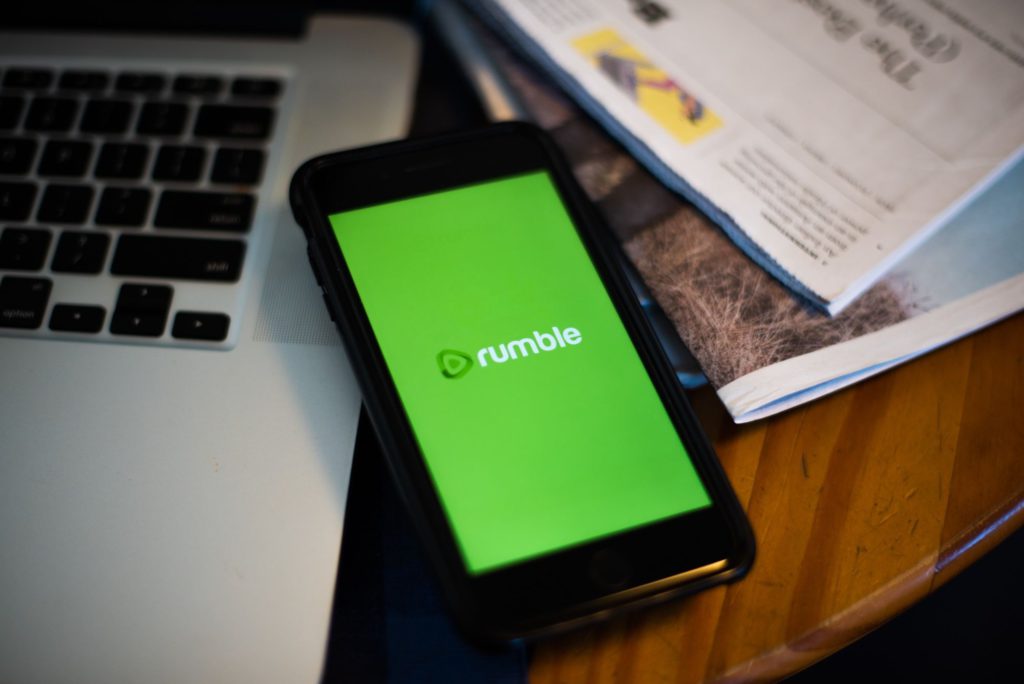
(Bloomberg) — Rumble Inc., the conservative video network backed by billionaire Peter Thiel, became a publicly traded company Monday through a deal with a blank-check firm that will value the business at more than $2 billion. The shares rose as much as 40% during the company’s first day of trading.

The merger with CF Acquisition Corp. VI, a special purpose acquisition company backed by Wall Street firm Cantor Fitzgerald, will deliver $400 million in proceeds to Rumble. The company, which trades under the ticker symbol RUM, is one of a growing number of alternative media sites attracting new users as US political divisions intensify. Other conservative apps, including Parler, Gettr and Donald Trump’s Truth Social, have all been downloaded millions of times globally.

Rumble was founded in 2013, but its video sharing service didn’t really take off until recently. During the 2020 election and its aftermath, some conservatives grew frustrated with content moderation policies on large tech platforms that they said unfairly restricted their speech around topics including the pandemic and the Jan. 6 US Capitol riots. 

In the month of August, Rumble’s monthly app installs surged by 250%, pushing the company’s total installations to 7 million, according to data from research firm Sensor Tower. Competing apps Parler, Gettr and Truth Social have been installed 11.4 million, 7.2 million and 3.3 million times respectively, Sensor Tower data show. 

Rumble plans to use some of the proceeds from its SPAC deal to bring more creators to its platform and attract a larger audience. The platform now features daily live shows from the likes of Glenn Greenwald and Russell Brand that are exclusive to the platform. It also hosts right-wing commentator Dan Bongino along with other high-profile conservatives.

The company has plans to create its own cloud service — a move designed to ensure continuous operations independent of providers with more stringent content policies — and an ad network. Trump Media and Technology Group, which operates Truth Social, said in August it had joined Rumble’s ad platform as its first publisher. The company is also a potential early customer for Rumble’s future cloud offering, according to Rumble’s filing with the US Securities and Exchange Commission. 

“We create technologies that are designed to be immune to cancel culture, because everyone benefits when people have access to more ideas, diverse opinions and dialogue,” Rumble wrote in its filing. “We are on a mission to protect a free and open internet.”

For Thiel — known as much for his early investments in Facebook and Palantir Technologies Inc. as for his political support for Donald Trump — Rumble is a sign that his long-held ambition to launch a conservative news network is taking shape. Thiel co-led an investment in the company last year along with VC firm Narya Capital. Narya, based in Cincinnati and named for a ring in the Lord of the Rings books, is also backed by Thiel and led by his one-time business associates Colin Greenspon and Ohio Republican Senate candidate JD Vance.

(Updates with shares in the first paragraph.)

More stories like this are available on bloomberg.com

©2022 Bloomberg L.P.
Close Bitnami banner
Bitnami