Bloomberg

Uber Hacks Past and Present Hang Over Ex-Security Chief’s Trial

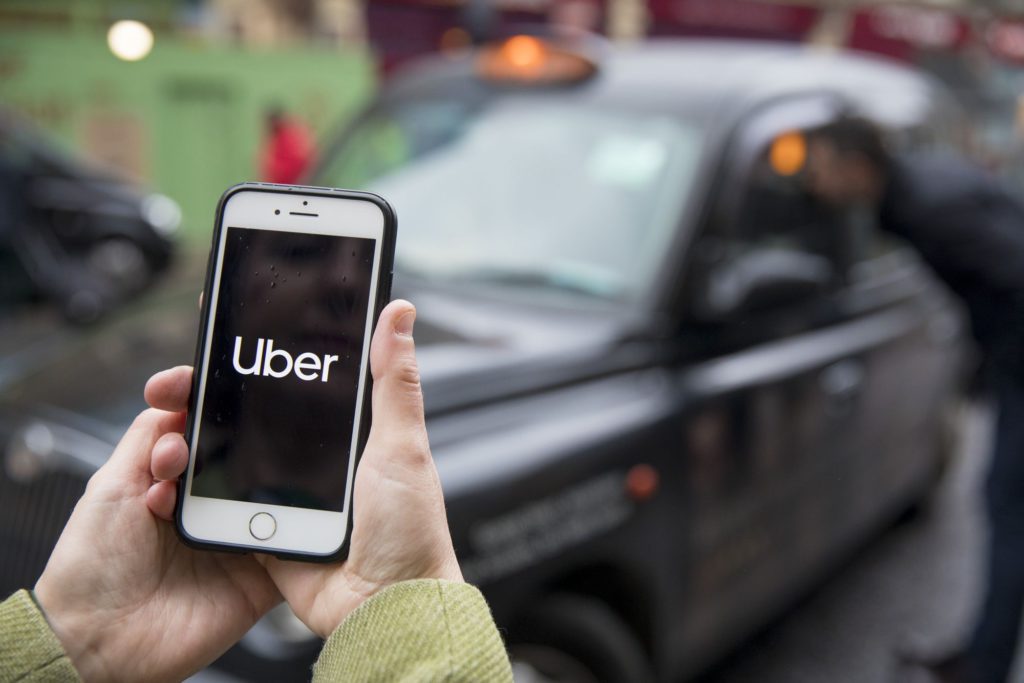
(Bloomberg) — Uber Technologies Inc. is embroiled in another cybersecurity debacle just as the ride-hailing giant attempts to move on from a data breach from 2016. 

On Thursday, a hacker co-opted an Uber staff member’s Slack account and gained access to part of the company’s Amazon and Google-hosted cloud infrastructure. The San Francisco-based company, which confirmed the hack, is still scrambling to evaluate the extent of the damage. 

The latest breach comes as Chief Executive Officer Dara Khosrowshahi testifies Friday at the trial of Uber’s former security chief, Joe Sullivan, who is facing criminal obstruction charges for his role in the company’s response to a hack six years ago that exposed millions of riders’ names, emails and phone numbers as well as hundreds of thousands driver’s license numbers. Uber didn’t disclose the breach until a year later and said it paid the hackers $100,000.

In both cases outsiders accessed Uber’s account with HackerOne Inc. Uber uses its HackerOne account to receive vulnerability disclosures from ethical hackers, in return for payment, or “bounty.” Despite these apparent hallmarks, multiple cybersecurity experts told Bloomberg they didn’t think that the breach revealed Thursday was related to the ongoing trial.

“The trial seems to be a red herring and unrelated,” said Corben Leo, a security researcher and chief marketing officer at Zellic, a blockchain security firm. “This hacker wants what 99% of young, immature hackers want: money and fame.” 

Read more about the trial of Uber ex-security chief Joe Sullivan

The breadth and depth of the intruder’s access is still unknown. “And that’s exactly why it is terrifying,” Leo said. “The hacker has clearly accessed files related to the bounty program. What’s worse is that the hacker had access to Uber’s AWS environment, which most likely held customer data.”

The company, which said on Twitter it has contacted law enforcement, froze some internal systems including Slack communications while it investigates the hacker’s claims. 

In a blog post Friday afternoon, Uber said it has “no evidence that the incident involved access to sensitive user data (like trip history).” All of Uber’s ride hailing, food delivery and freight services are operational, it said, adding that internal software tools that were taken down as a precaution yesterday are coming back online today.

“Regardless of the trial outcome, the ability for an individual to gain the level of apparent access they did through well-known social engineering techniques which allowed them to access an internal company VPN is alarming,” said Danielle Jablanski, OT cybersecurity strategist at Nozomi Networks.

More stories like this are available on bloomberg.com

©2022 Bloomberg L.P.

Uber’s New Hack Exposed on Eve of Trial Over Last One

(Bloomberg) — Uber Technologies Inc. is embroiled in another cybersecurity debacle just as the ride-hailing giant attempts to move on from a data breach from 2016. 

On Thursday, a hacker co-opted an Uber staff member’s Slack account and gained access to part of the company’s Amazon and Google-hosted cloud infrastructure. The San Francisco-based company, which confirmed the hack, is still scrambling to evaluate the extent of the damage. 

The latest breach comes as Chief Executive Officer Dara Khosrowshahi testifies Friday at the trial of Uber’s former security chief, Joe Sullivan, who is facing criminal obstruction charges for his role in the company’s response to a hack six years ago that exposed millions of riders’ names, emails and phone numbers as well as hundreds of thousands driver’s license numbers. Uber didn’t disclose the breach until a year later and said it paid the hackers $100,000.

In both cases outsiders accessed Uber’s account with HackerOne Inc. Uber uses its HackerOne account to receive vulnerability disclosures from ethical hackers, in return for payment, or “bounty.” Despite these apparent hallmarks, multiple cybersecurity experts told Bloomberg they didn’t think that the breach revealed Thursday was related to the ongoing trial.

“The trial seems to be a red herring and unrelated,” said Corben Leo, a security researcher and chief marketing officer at Zellic, a blockchain security firm. “This hacker wants what 99% of young, immature hackers want: money and fame.” 

Read more about the trial of Uber ex-security chief Joe Sullivan

The breadth and depth of the intruder’s access is still unknown. “And that’s exactly why it is terrifying,” Leo said. “The hacker has clearly accessed files related to the bounty program. What’s worse is that the hacker had access to Uber’s AWS environment, which most likely held customer data.”

The company, which said on Twitter it has contacted law enforcement, froze some internal systems including Slack communications while it investigates the hacker’s claims. 

In a blog post Friday afternoon, Uber said it has “no evidence that the incident involved access to sensitive user data (like trip history).” All of Uber’s ride hailing, food delivery and freight services are operational, it said, adding that internal software tools that were taken down as a precaution yesterday are coming back online today.

“Regardless of the trial outcome, the ability for an individual to gain the level of apparent access they did through well-known social engineering techniques which allowed them to access an internal company VPN is alarming,” said Danielle Jablanski, OT cybersecurity strategist at Nozomi Networks.

More stories like this are available on bloomberg.com

©2022 Bloomberg L.P.

Ex-Soccer Star Among Investors in LatAm Venture Capital Fund

(Bloomberg) — Former Argentine soccer star Hernan Crespo, Despegar.com founder Roberto Souviron and a slew of Latin American companies are among the latest investors to put money into venture capital fund Alaya Capital. 

Argentine’s Grupo Supervielle, Grupo Murchison and Chile’s Grupo Kawen also invested in Alaya’s third fund, which has so far raised about $25 million, or 31% of its $80 million goal to fund Latin American companies, according to partner Juan Manuel Giner. The Alaya III fund has already started investing, with initial bets in Argentine crypto startup Lemoncash, fintech SixClovers and Peruvian food tech company Megabite. 

Alaya, which was founded in 2012 and has headquarters in Santiago, has invested in 35 companies since inception and its biggest hit was being the first investor of Betterfly, a Chilean insurance tech company that reached a $1 billion valuation in February. The third fund will look at early-stage investments, between $500,000 and $2 million per company, with a focus on those that either have “outstanding” ESG practices or further the United Nations’ sustainable development objectives. 

“We’ve told the companies for us it’s fundamental to add value on these points, and we’ll work with them on this over the course of the investment period of eight to 10 years,” Giner said in an interview. “Early-stage companies are our expertise. We’re very hands on in helping them grow.” 

The company is also opening an office in Mexico, which will be led by one of its partners, Claudio Barahona, who will relocate from Chile, as it seeks to support the companies in its portfolio that are looking to grow in that key market. Alaya already has offices in Buenos Aires and Santiago and “venture partners” in Peru and Colombia. 

Funding for Latin America has slowed down this year amid a tougher environment for the tech sector as global rates rise. Investments through July 27 were $6.1 billion, according to financial data firm PitchBook. That’s after a record $16.3 billion of venture capital poured into Latin America in 2021.

Read more: Latin America’s unicorns face a reckoning as VCs flee

In this context, several Latin American venture capital funds have focused on raising funds for earlier-stage investments, including 17Sigma and biotech-focused GridX. 

More stories like this are available on bloomberg.com

©2022 Bloomberg L.P.

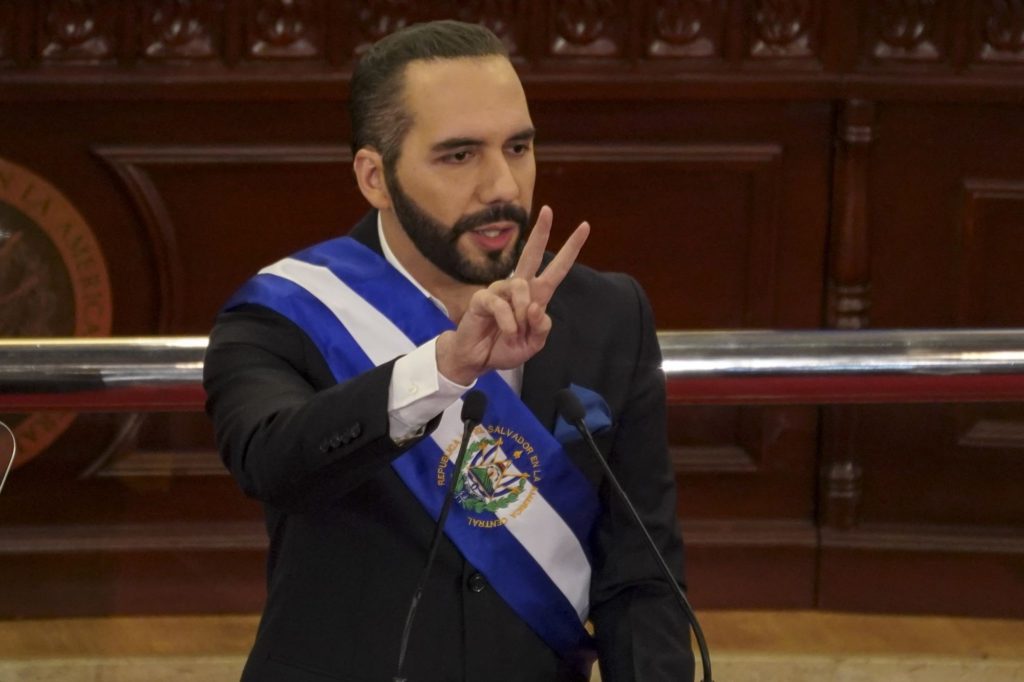
El Salvador’s Bukele Seeks Re-Election in Controversial Move

(Bloomberg) — El Salvador’s Nayib Bukele will seek to stay in power after his current presidential term ends in 2024, following on the footsteps of other Latin America leaders from Venezuela’s Hugo Chavez to Colombia’s Alvaro Uribe who overturned constitutional limits to stay in power. 

In a speech on the nation’s independence day, the 41-year-old leader said he anticipated criticism from foreign governments over his plan. 

“It’s certain that more than one developed country won’t agree with this decision,” Bukele said Thursday evening. “But they’re not the ones who get to decide. The people of El Salvador do.”

His plan to seek a second five-year term triggered criticism from human rights groups, which said it undermines democracy and the rule of law in the Central American nation. 

“The future of El Salvador’s democracy is more at risk than ever, in the face of a decision that blatantly exemplifies the government’s authoritarian tendencies,” said Tamara Taraciuk of Human Rights Watch, in response to questions. 

The Atlantic Council, a Washington-based think tank specialized in international affairs, described Bukele’s move as the “final step of his power grab.”

“President Bukele is marshaling the branches of government to replace rule of law with whatever he says is the will of the people, said Maria Fernanda Bozmoski, a deputy director at the council. “It’s not a new tactic by Latin American strongmen, but it is a tactic that without exception has portended disaster for the people.”

Removing Checks and Balances

Bukele, who made Bitcoin his nation’s legal currency and jailed tens of thousands of gang members, enjoys high approval ratings, despite criticism from human rights groups and warnings from credit ratings agencies that the country is close to default.

Read more: Taking Stock of El Salvador’s Bitcoin Gamble at One-Year Mark

Bukele’s ruling party, Nuevas Ideas, last year used its majority in congress to fire judges and take control of the top court, removing an obstacle for the president to seek another term. That led the US State Department to warn of a “decline in democratic governance.” The Organization of American States also criticized the move.

No one who has held El Salvador’s presidency for more than six months during the immediately preceding period, or within the last six months prior to the start of the presidential term, is eligible to run for president, according to a copy of the nation’s constitution published on the OAS website. 

Ahead of Bukele’s announcement, El Salvador’s credit rating was downgraded by Fitch Ratings, which said that its high current-account deficit and large upcoming amortizations on international debt make “default of some sort probable.” The new CC rating means that Fitch considers the Central American nation’s debt to be riskier than that of war-ravaged Ukraine and the Republic of Congo. 

Read more: El Salvador Cut by Fitch as Default Becomes More ‘Probable’

Bukele’s move “leaves little hope that the perspective improves from now until the election,” said Alejandro Arreaza, an economist at Barclays in New York. “That revives the tension with the US which will probably restrict access to multilateral financing.” 

Debt due in 2041 edged lower to 31.7 cents on the dollar on Friday, according to indicative pricing data collected by Bloomberg.

(Adds comments from Human Rights Watch, Atlantic Council and Barclays. A previous version of this story corrected El Salvador’s credit rating in penultimate paragraph.)

More stories like this are available on bloomberg.com

©2022 Bloomberg L.P.

El Salvador’s Bitcoin-Loving President Bukele Courts Re-Election Controversy

(Bloomberg) — El Salvador’s Nayib Bukele will seek to stay in power after his current presidential term ends in 2024, following on the footsteps of other Latin America leaders from Venezuela’s Hugo Chavez to Colombia’s Alvaro Uribe who overturned constitutional limits to stay in power. 

In a speech on the nation’s independence day, the 41-year-old leader said he anticipated criticism from foreign governments over his plan. 

“It’s certain that more than one developed country won’t agree with this decision,” Bukele said Thursday evening. “But they’re not the ones who get to decide. The people of El Salvador do.”

His plan to seek a second five-year term triggered criticism from human rights groups, which said it undermines democracy and the rule of law in the Central American nation. 

“The future of El Salvador’s democracy is more at risk than ever, in the face of a decision that blatantly exemplifies the government’s authoritarian tendencies,” said Tamara Taraciuk of Human Rights Watch, in response to questions. 

The Atlantic Council, a Washington-based think tank specialized in international affairs, described Bukele’s move as the “final step of his power grab.”

“President Bukele is marshaling the branches of government to replace rule of law with whatever he says is the will of the people, said Maria Fernanda Bozmoski, a deputy director at the council. “It’s not a new tactic by Latin American strongmen, but it is a tactic that without exception has portended disaster for the people.”

Removing Checks and Balances

Bukele, who made Bitcoin his nation’s legal currency and jailed tens of thousands of gang members, enjoys high approval ratings, despite criticism from human rights groups and warnings from credit ratings agencies that the country is close to default.

Read more: Taking Stock of El Salvador’s Bitcoin Gamble at One-Year Mark

Bukele’s ruling party, Nuevas Ideas, last year used its majority in congress to fire judges and take control of the top court, removing an obstacle for the president to seek another term. That led the US State Department to warn of a “decline in democratic governance.” The Organization of American States also criticized the move.

No one who has held El Salvador’s presidency for more than six months during the immediately preceding period, or within the last six months prior to the start of the presidential term, is eligible to run for president, according to a copy of the nation’s constitution published on the OAS website. 

Ahead of Bukele’s announcement, El Salvador’s credit rating was downgraded by Fitch Ratings, which said that its high current-account deficit and large upcoming amortizations on international debt make “default of some sort probable.” The new CC rating means that Fitch considers the Central American nation’s debt to be riskier than that of war-ravaged Ukraine and the Republic of Congo. 

Read more: El Salvador Cut by Fitch as Default Becomes More ‘Probable’

Bukele’s move “leaves little hope that the perspective improves from now until the election,” said Alejandro Arreaza, an economist at Barclays in New York. “That revives the tension with the US which will probably restrict access to multilateral financing.” 

Debt due in 2041 edged lower to 31.7 cents on the dollar on Friday, according to indicative pricing data collected by Bloomberg.

(Adds comments from Human Rights Watch, Atlantic Council and Barclays. A previous version of this story corrected El Salvador’s credit rating in penultimate paragraph.)

More stories like this are available on bloomberg.com

©2022 Bloomberg L.P.

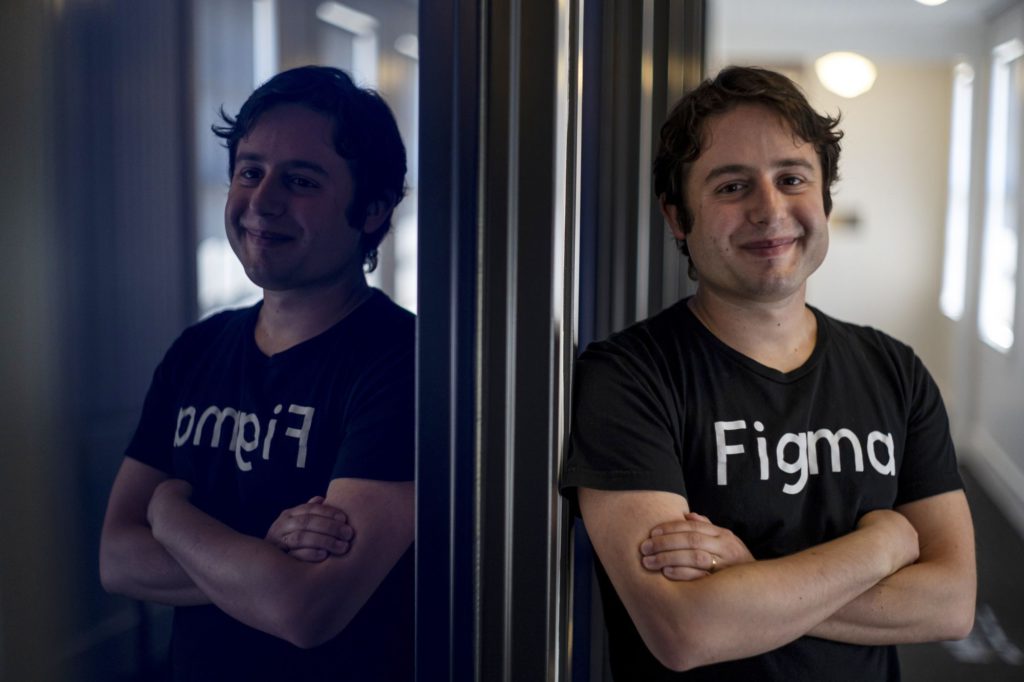
College Dropout Turns Thiel Fellowship Into a $2 Billion Figma Fortune

(Bloomberg) — Dylan Field dropped out of an Ivy League school in 2012 to take a grant from the billionaire Peter Thiel and start a software company called Figma. A decade later, Field’s stake in the company is now worth over $2 billion.

This week’s sale of Figma to Adobe Inc. for $20 billion makes Field, 30, by far the wealthiest person to go through the Thiel Fellowship. The controversial program was designed by the PayPal co-founder to undermine the value of traditional education by encouraging young adults to leave college and start companies with $100,000 grants.

Field is a rare example of when a gamble like that pays off. His stake in Figma alone is worth more than $2 billion at the acquisition price, according to an analysis of PitchBook data by the Bloomberg Billionaires Index. Adobe is also issuing about 6 million restricted stock units to Field and his employees that will vest over four years, valued at about $1.8 billion at Adobe’s current share price, which took a hit after Bloomberg first reported on the deal Thursday.

In an interview, Field showed little interest in reflecting on his financial gains from the transaction.

“First of all, it hasn’t closed,” he said. “My focus has not been about money for a long time.”

Read more: Top VCs take home billions

Work on technology startups has occupied Field’s entire adult life. He interned at the news aggregation app Flipboard, said Danny Rimer, a partner at Index Ventures who was a Flipboard director and recalled a presentation Field gave to the board.

Field briefly attended Brown University before taking the Thiel Fellowship. He started on Figma, which allows customers to collaborate on software as they build it, after winning his spot in the fellowship.

“Training yourself to use Photoshop is a long, arduous process,” Field said in a 2012 Thiel Fellowship pitch for the company that would become Figma. He then outlined a vision for “simple creative tools in the browser.”

The Thiel Fellowship has plenty of detractors. Though it has a few success stories — the Ethereum co-creator Vitalik Buterin and self-driving car entrepreneur Austin Russell even became fleeting billionaires themselves — there are others who failed to find success and struggled to get back on track. Larry Summers, the former Treasury Secretary and Harvard University president, in 2013 called the program “the single most misdirected bit of philanthropy in this decade.”

Jimmy Koppel, a founder of developer-training firm Mirdin, was in the same Thiel Fellowship year as Field. He remembered Field’s startup being one of the most successful in fundraising during the first year, a sign he was on to something.

People who know Field often describe him with a platitude that, in this case, may actually be true: He’s nice. While in the Thiel program, Field proposed that the organizers add criteria to the final round for fellowship candidates to assess whether they were nice enough to earn a spot, Koppel said. He recalled Field saying he’d be fine passing up the next Steve Jobs because it’s more important to have people you want to spend time with.

Ilya Vakhutinsky, who was a fellow in the same class, said he hopes Field’s kindness and positivity infect his new employer. It’s an “awesome step for Adobe, but the design community is very skeptical,” said Vakhutinsky, who runs an in-home medical care provider called Careswitch.

Field remained friends with many of the fellowship alumni. Noor Siddiqui, a founder and chief executive officer of the health startup Orchid, said Field and his wife flew to Los Angeles to support her flash mob dance wedding proposal. “He’s a man of many talents,” Siddiqui said.

One area where he diverged from the fellowship was in crypto: He wasn’t into it at first, he has said. Field eventually came around. Last year, he sold a nonfungible token for 4,200 Ether, or $7.5 million, which at the time was a record price. His wife, Elena Nadolinski, is a founder and CEO of a web3 startup, Iron Fish. The two have a child together.

Figma thrived during the Covid-19 pandemic. Usage jumped as people sought new ways to collaborate outside of offices. The product is used by students and professionals to build video games, maps and presentations, along with software designers at companies including Airbnb Inc. and Google.

Carmel DeAmicis joined Figma as a writer when it had less than 20 employees. She said she turned down more stable job offers because of Field’s warm energy. She remembers other startups had party-heavy cultures, but Figma’s was family-oriented. She said Field’s mom was often there for key moments. DeAmicis left Figma last year but still attended a company happy hour Thursday night after the deal became public.

Evan Wallace, who started Figma with Field, also left the company last year. Field will continue to lead the Figma team, reporting to David Wadhwani, the president of Adobe’s digital media business. Figma will remain available as a standalone product.

“We’re confident that if you look at this in the long run, it’s going to be a big value for their shareholders and our shareholders as well,” Adobe CEO Shantanu Narayen said in an interview.

Figma has grown even as other tech companies shrink because, according to Field, customers understand that if they “don’t do great work with design, they know they might lose. Adobe understands deeply what can be possible in this market.”

Field wasn’t always so complimentary. Last year, when Figma seemed destined for an initial public offering, Field tweeted: “Our goal is to be Figma not Adobe.”

What changed? According to Mamoon Hamid, a partner at the venture capital firm Kleiner Perkins and a Figma board member: “The right company made an offer we couldn’t refuse.”

More stories like this are available on bloomberg.com

©2022 Bloomberg L.P.

Ethereum Offshoot Token Tumbles After Forking From Blockchain

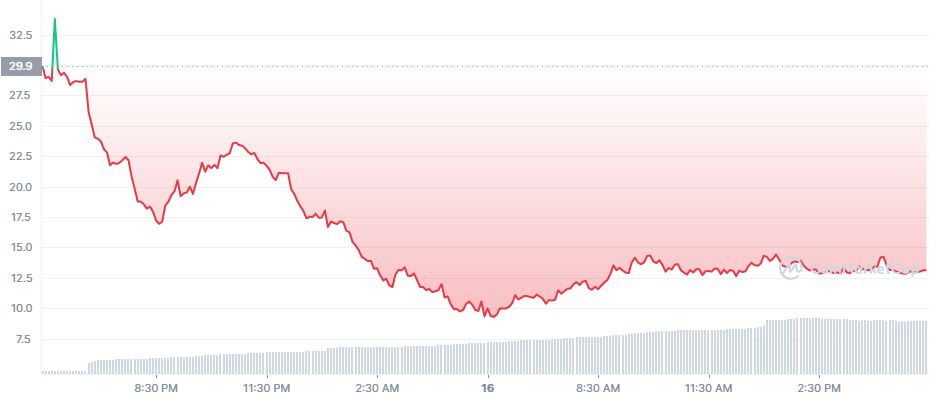
(Bloomberg) — The additional cryptocurrency token that investors received after the Ethereum blockchain transitioned to a new method of handling transactions has tumbled as much as 60% since it began trading late Thursday. 

EthereumPOW, as the offshoot is known, represents the legacy computing operations of the blockchain that chose not to participate in the software upgrade dubbed the Merge. Ethereum moved from a so-called proof-of-work system to a more energy efficient proof-of-stake method for securing the network.  

The cryptocurrency was listed at a price of as much as $33, according to data from CoinMarketCap.com over the past 24 hours, and on exchanges such as FTX before Ether holders received the token. It was trading at about $10.85 as of 13:39 p.m. in New York. Ether, the native currency of the blockchain, fell for a fifth day, dropping as much as 6% to $1,413.

“Ethereum proof-of-work does not have support from users, developers, institutions, and even most miners,” said Kunal Goel, a Mumbai-based research analyst at Messari. “It is likely going to fade to irrelevance as all other forks without community support in history like Bitcoin Cash, Bitcoin Satoshi’s Vision, and Ethereum Classic.” 

The first few hours after the launch of ETHW, as the token is called, will be chaotic as all stable coins and pegged assets fall to zero and users rush to exchange their tokens, Goel said. 

“When the Ethereum Classic fork happened, there was much lower adoption. The ETHW fork now will also create a new version of all other assets on Ethereum,” Goel said.

Ethereum’s move to a more energy efficient way to secure its network faced resistance from a group of miners led by Chandler Guo, a veteran Ether miner who was also a prominent backer of Ethereum Classic, another PoW offshoot of Ethereum.

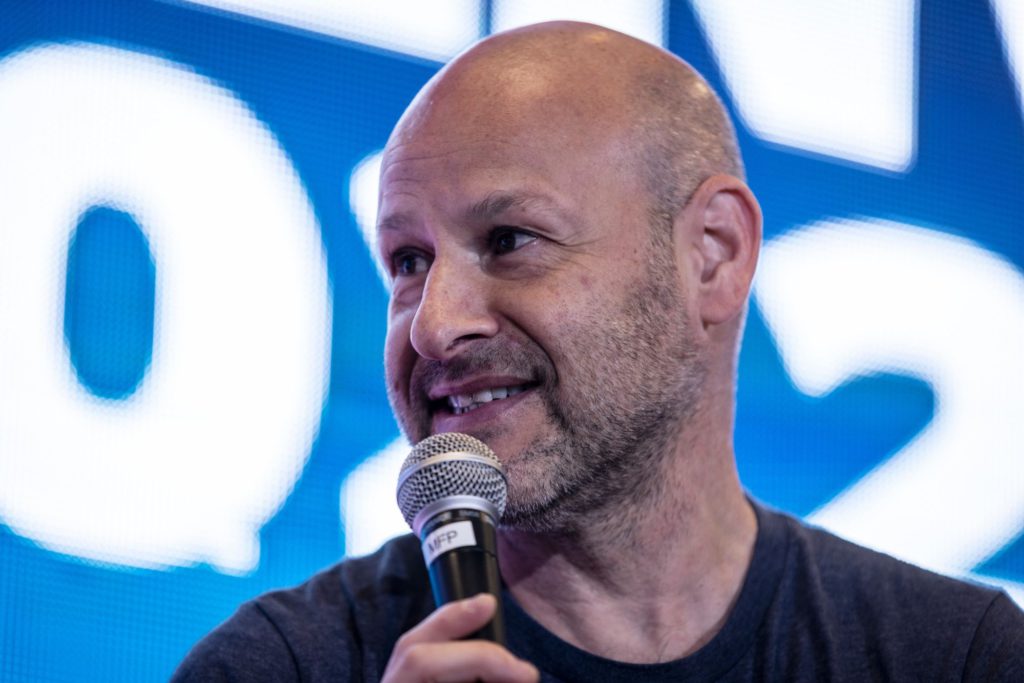
Joseph Lubin, chief executive of ConsenSys and a co-founder of Ethereum, said that it’s like duplicating a significant city without having the people and businesses that make it special. 

“It’s hard to imagine people putting valuable tokens on that network or trading or deploying new software when so much is broken on the network,” Lubin told Bloomberg in a video interview on Thursday after the Merge. “Essentially, it’s the work of opportunists who are likely interested in convincing people that this cargo cult blockchain is really functional.” 

The merge is just the start of a series of upgrades that are to come on Ethereum to make it more scalable and decentralized. Many challenges still await the second-largest cryptocurrency including a potential regulatory backlash.

Read more:  Gensler Raises Concerns Over ‘Staking’ Model on Ethereum

Ethereum Classic, which saw a sharp rally in the run up to the Merge, was down nearly 8.3%.

More stories like this are available on bloomberg.com

©2022 Bloomberg L.P.
Commodities Volatility Will Make Earnings Hard to Read, Moody’s Says

(Bloomberg) — Big swings in commodity prices will make it harder for investors to assess how businesses are performing and risks linked to counterparties, according to a report by Moody’s Investors Service.

That’s because the way companies report the impact of those prices varies widely, while they tend not to disclose who their counterparties are or what derivative contracts they have in place. 

“Assessing counterparty risks becomes even more difficult in sectors where companies have important trading operations in addition to their core activities. This would often be the case in industries such as oil & gas and utilities,” Moody’s analysts including Knut Slatten and Alastair Drake wrote in a note on Sept. 15.  

Moody’s warning comes after energy prices in Europe hit record highs this year, leading to some countries to intervene to avoid the collapse of some companies. Sweden, Finland and Germany are earmarking billions of euros in emergency liquidity loans to backstop utilities hit with sudden margin calls on their trading. 

Read more: Why Europe Wants to Change the Way Power Gets Priced: QuickTake

Because of the general temporary nature of margin calls, current credit metrics may be “significantly under or overstated and not reflect the underlying economics,” the analysts wrote.  “Net debt can be distorted as companies have to fund margin payments. Specifically, funds from operations may be over/understated by the inclusion of non-cash mark-to-market gains/losses and margin receipts/payments,” they added.

More stories like this are available on bloomberg.com

©2022 Bloomberg L.P.

Key Player In Ethereum Infrastructure Infura Rejects Centralization Claim

(Bloomberg) — One of the most influential entities in crypto is pushing back in its own way against criticism that Thursday’s revision of Ethereum will lead to more centralized control of the blockchain network.

Infura, a key infrastructure provider controlled by Joseph Lubin’s ConsenSys, plans to offer a decentralized version of its service, which effectively runs network nodes so developers and users of apps like MetaMask don’t have to do it themselves. Think of it as Amazon Web Services for Ethereum and other blockchains, like Polygon and Near. Lubin is a co-founder of Ethereum. 

At times, more than 50% of transactions on the Ethereum network ran through Infura, according to Eleazar Galano, the company’s co-founder. So its plan to offer a decentralized version of the service — likely to launch in the first half of 2023 — could have major implications for who holds power on Ethereum. That is something that everyone from regulators to investors are keeping a close eye on.

Worries about centralization on Ethereum have spiked after the network moved to a new system of ordering transactions, called proof of stake, on Sept. 15. The system relies on a handful of so-called builders — who may end up wielding a lot to power — to package transactions into blocks. The builders then pass these blocks on to entities called validators, who order them into the blockchain using stakes of Ether coins. Five companies and efforts — Lido, Coinbase, Kraken, Binance and Staked — account for more than 60% of all Ether staked on the network, according to researcher Nansen. And then there’s Infura, with its network of nodes used by who-is-who in crypto.

“We have more impact than what we’d be comfortable with, on the ecosystem,” Galano said in an interview. ConsenSys was started by Lubin, and it also operates MetaMask, the most popular self-custody cryptocurrency wallet. Infura, which competes with the likes of Alchemy and Blockdaemon, serves more than 430,000 developers worldwide.   

As the number of so-called decentralized apps — largely run by their communities of users — continues to explode, many of their developers and users want to get away from relying on centralized infrastructure like what Infura offers.

Infura’s plans are still being ironed out. It hopes to build a new network of decentralized nod operators — of which it will be one — to cater to what are being referred to as Web3 applications. Infura may make its software open source and share its coding tools; it’s also exploring issuing a token, so clients could pay for usage, Galano said. Infura is already accepting applications from operators interested in joining its early access program.

“It helps solve one of the concerns about the centralization problem with Ethereum,” Galano said. “What we are doing is, when people are accessing the data it can be done in a decentralized way.”

Infura, which launched in 2016, will continue to offer a centralized version of the service as well.

More stories like this are available on bloomberg.com

©2022 Bloomberg L.P.
Apple Counts on Upscale Shoppers to Turn Latest iPhone Into Hit

(Bloomberg) — The latest iPhone is hitting stores Friday, and Apple Inc. is counting on well-heeled shoppers to make the device a hit during a year of roaring inflation and shaky technology spending. 

The iPhone 14 lineup reserves the best features for the high-end Pro models costing at least $1,000. And based on preorder data, the strategy is already working with consumers, who have turned the most expensive new iPhone into the most popular version.

Though overall spending on mobile devices and computers is slowing this year, there’s still an appetite for top-tier smartphones — Apple’s strength. That’s allowed the company to hold production steady at a time when much of the industry is scaling back plans.

“The data continues to point to robust demand for the iPhone 14 Pro and Pro Max, which could have a materially positive impact for both mix and margins,” Amit Daryanani, an analyst at Evercore ISI, said in a report this week.

The iPhone 14 line was unveiled earlier this month alongside new Apple Watches and AirPods. The company didn’t raise prices, a surprise to analysts who thought inflationary pressure would force the move. But Apple is still attempting to upsell consumers more than ever before.

The standard iPhone, which starts at $799, doesn’t even run Apple’s latest processor, the A16. Instead, it uses the same A15 chip as last year, with the A16 going into the Pro models. The Pro phones also get significant camera improvements and a new interface called the Dynamic Island.

That’s left users with less reason to upgrade to a basic iPhone 14, but plenty of incentive to pay a little more for the Pro. A flurry of carrier promotions and trade-in offers also may coax consumers into buying a glitzier model.

Apple reshuffled its display configurations this year as well. Gone is the mini version of the iPhone. Instead, the company is betting that consumers want more screen real estate. The non-Pro iPhone 14 will come in a 6.1-inch model and a 6.7-inch Plus version that won’t be available until Oct. 7.

The preorder data suggests the iPhone 14 Pro Max is more in demand than the same model was last year, part of the shift upscale, according to a report by KGI Securities.

The question now is whether that momentum is strong enough for Apple to overcome a broader slump. Worldwide the smartphone market is expected to decline 3.5% to 1.31 billion units this year, according to market research firm IDC.

In China, both a manufacturing hub for Apple and a key market, smartphone sales have tumbled this year. But Apple shipments are up 5% compared with an overall decline of 23%, according to Evercore ISI’s Daryanani.

“Apple continues to gain significant share in China and we expect the share gains to continue,” he said.

A successful iPhone 14 launch could help ease investor jitters after a roller coaster of a month. The stock has whipsawed between gains and losses in recent trading sessions, with the shares suffering their worst single-day rout since 2020 on Tuesday. A higher-than-expected inflation report and concerns about interest rate hikes have hit tech stocks especially hard.

Apple shares are down 16% for the year, though that’s a bit better than the S&P 500, which has fallen 19%. The tech-heavy Nasdaq Composite Index has tumbled 27%.

Analysts expect Apple sales to tick up 6% this quarter, a deceleration from the 29% gain it saw a year earlier — when pandemic-bound consumers were still snapping up technology. The iPhone 14 is coming out a couple weeks earlier in the year than usual, which should help shore up Apple’s revenue in the September quarter. The company’s biggest sales period of the year is usually the December quarter, lifted by holiday spending. Sales in that period are expected to gain 3%, according to analysts’ estimates.

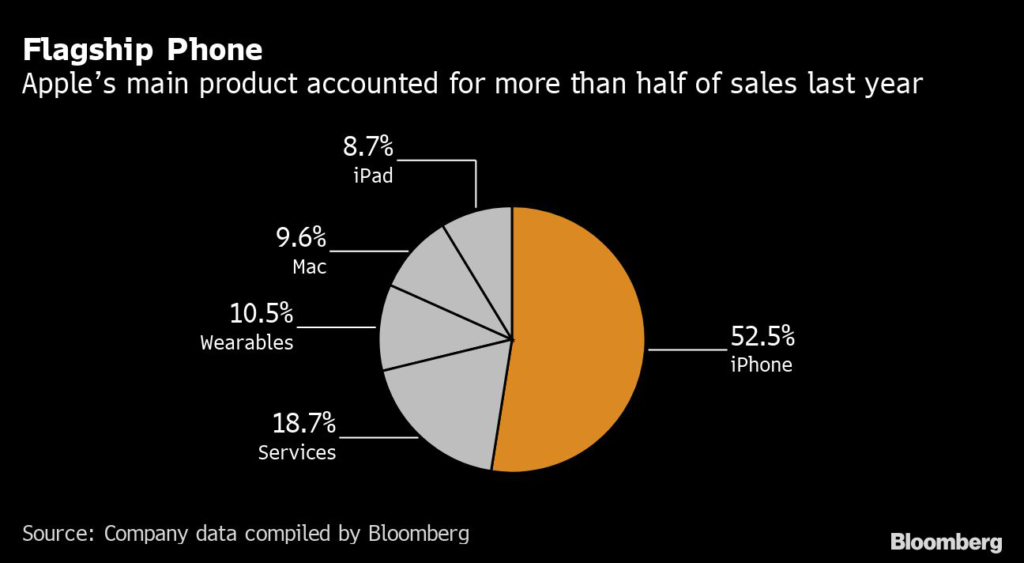
The iPhone is unrivaled among Apple’s products in its importance. It provides about half of the company’s total revenue and helps spur sales of other devices, including the Apple Watch and AirPods. Both of those categories got makeovers during the recent launch, further spotlighting the company’s high-end focus.

The company unveiled a update of the AirPods Pro and a first-ever Apple Watch Ultra model, which — like the Pro iPhones — is designed to be both bigger and better. And, of course, it will cost a bit more.

(Updates shares in 14th paragraph.)

More stories like this are available on bloomberg.com

©2022 Bloomberg L.P.
Close Bitnami banner
Bitnami