Bloomberg

Microsoft Agrees to Buy 4% Stake in LSEG on Cloud Partnership

(Bloomberg) — Microsoft Corp. has agreed to buy a stake in the London Stock Exchange Group Plc that will give the software company a 4% equity holding. 

Microsoft will acquire shares held by a consortium made up of Blackstone and Thomson Reuters Corp., the company said in a statement on Monday. Scott Guthrie, Microsoft’s executive vice president for cloud and artificial intelligence, will be appointed as a director. 

The stake is part of a broader, 10-year partnership to help the London Stock Exchange owner develop data analytics and cloud infrastructure using Microsoft’s products, the Redmond, Washington-based company said in the statement. The deal is expected to cost LSEG £250 million ($306 million) to £300 million between 2023 and 2025, including about £100 million in capital spending. 

Microsoft can expect to get about $2.8 billion in spend from LSEG over the life of the partnership, with additional spending depending on the “success of the strategic partnership” and demand for LSEG’s data platform and professional services.

More stories like this are available on bloomberg.com

©2022 Bloomberg L.P.

Stocks, Futures Retreat With Rate Outlook in Focus: Markets Wrap

(Bloomberg) — European equity futures and Asian stocks were on the back foot at the start of a pivotal week for markets, with interest rate decisions due from the Federal Reserve, the European Central Bank and a host of their peers.

An index of Asian equities fell, ending a two-day winning streak. The rapid spread of Covid cases in China added to concern, with Hong Kong’s Hang Seng Index down about 2%. The drop in European and US futures followed a late-day slide on Wall Street on Friday, with the S&P 500 closing near the day’s lows.

The dollar gained versus all of its Group-of-10 counterparts, while the Treasury 10-year yield eased after a jump on Friday that took it to just below 3.6%. Yields for government bonds in Australia and New Zealand rose.

Recession fears have resurfaced ahead of the Fed decision Wednesday, when policy makers are expected to downshift to a 50 basis points hike. Yet officials including Chair Jerome Powell have also stressed that borrowing costs will need to remain restrictive for some time, putting them at odds with some investors looking for rate cuts later in 2023. 

The ECB follows on Thursday, with consensus estimates for it to also deliver a 50 basis points hike. Markets also have to contend with decisions this week from the Bank of England and monetary authorities in Mexico, Norway, the Philippines, Switzerland and Taiwan.

Read: The 24 Hours of Hikes That End Year of Fighting Inflation

While the tumult of this year has a gauge of global stocks headed for its biggest annual loss since 2008, the world’s biggest investors predict that stocks will see low double-digit gains in 2023. Seventy-one percent of respondents in a Bloomberg News survey expect equities to rise, versus 19% forecasting declines. For those seeing gains, the average response was a 10% return.

The world’s top fund managers are also mostly bullish on Chinese stocks for 2023. About 60% of respondents in a Bloomberg News survey recommended buying the country’s stocks, while 31% said they are a sell. 

More immediately this week though, all eyes will be on Tuesday’s US consumer inflation data in the run-up to the Fed meeting. It’s forecast that prices, while much too high, continued to decelerate.

“We believe the narrative really needs to shift from peak inflation to how low inflation can go and how fast it will reach there,” Charu Chanana, market strategist at Saxo Capital Markets, wrote in a note. 

Inflation readings below 0.3% on monthly basis for both the headline and the core “can cause the markets to rally but will also provoke the Fed to send in a stronger message the following day to convey its message of avoiding premature easing,” she said.

Elsewhere, US natural gas futures extended an advance into a fourth session on an expected surge in heating demand amid a powerful Pacific storm. Oil climbed, rebounding after the biggest weekly loss since April, and gold fell. 

Retail, Pro Investors Clash on Best Pre-FOMC Trade: MLIV Pulse

Key events this week:

  • US CPI, Tuesday
  • FOMC rate decision and Fed Chair news conference, Wednesday
  • China medium-term lending, property investment, retail sales, industrial production, surveyed jobless, Thursday
  • ECB rate decision and ECB President Lagarde briefing, Thursday
  • Rate decisions for UK BOE, Mexico, Norway, Philippines, Switzerland, Taiwan, Thursday
  • US cross-border investment, business inventories, empire manufacturing, retail sales, initial jobless claims, industrial production, Thursday
  • Eurozone S&P Global PMI, CPI, Friday

Some of the main moves in markets:

Stocks

  • S&P 500 futures fell less than 0.1% as of 6:48 a.m. London time. The S&P 500 fell 0.7% Friday
  • Nasdaq 100 futures fell about 0.1%. The Nasdaq 100 fell 0.6% on Friday
  • Euro Stoxx 50 futures fell 0.5%
  • Japan’s Topix index fell 0.2%
  • Hong Kong’s Hang Seng Index fell 2%
  • China’s Shanghai Composite Index fell 0.9%
  • Australia’s S&P/ASX 200 Index fell 0.5%

Currencies

  • The Bloomberg Dollar Spot Index rose 0.1%
  • The euro fell 0.1% to $1.0526
  • The Japanese yen fell 0.2% to 136.88 per dollar
  • The offshore yuan fell 0.2% to 6.9765 per dollar
  • The British pound fell 0.2% to $1.2236

Cryptocurrencies

  • Bitcoin fell 1% to $16,940.75
  • Ether fell 1.4% to $1,246.94

Bonds

  • The yield on 10-year Treasuries declined three basis points to 3.55%
  • Australia’s 10-year yield advanced nine basis points to 3.38%

Commodities

  • West Texas Intermediate crude rose 1% to $71.75 a barrel
  • Spot gold fell 0.5% to $1,788.97 an ounce

This story was produced with the assistance of Bloomberg Automation.

–With assistance from Rita Nazareth.

More stories like this are available on bloomberg.com

©2022 Bloomberg L.P.

Dollar Up, Stocks Down as Traders Eye Rate Paths: Markets Wrap

(Bloomberg) — The dollar advanced and stocks extended declines in Asia at the start of a pivotal week for markets, with interest rate decisions due from the Federal Reserve, the European Central Bank and a host of their peers.

The greenback rose versus all of its Group-of-10 counterparts while and index of Asian equities fell, ending a two-day winning streak. The rapid spread of Covid cases in China added to concern, with Hong Kong’s the Hang Seng Index down about 2%.

US stock futures fell in Asia following a late-day slide on Wall Street on Friday, with the S&P 500 closing near the day’s lows. The Dow Jones Industrial Average notched its worst weekly drop since September. 

The Treasury 10-year yield eased slightly after a jump on Friday that took it to just below 3.6%. Yields for government bonds in Australia and New Zealand rose.

Recession fears have resurfaced ahead of the Fed decision Wednesday, when policymakers are expected to downshift to a 50 basis points hike. Yet officials including Chair Jerome Powell have also stressed that borrowing costs will need to remain restrictive for some time, putting them at odds with some investors looking for rate cuts later in 2023. 

The ECB follows on Thursday, with consensus estimates for it to also deliver a 50 basis points hike. Markets also have to contend with decisions this week from the Bank of England and monetary authorities in Mexico, Norway, the Philippines, Switzerland and Taiwan.

Read: The 24 Hours of Hikes That End Year of Fighting Inflation

While the tumult of this year has a gauge of global stocks headed for its biggest annual loss since 2008, the world’s biggest investors predict that stocks will see low double-digit gains in 2023. Seventy one percent of respondents in a Bloomberg News survey expect equities to rise, versus 19% forecasting declines. For those seeing gains, the average response was a 10% return.

The world’s top fund managers are also mostly bullish on Chinese stocks for 2023. About 60% of respondents in a Bloomberg News survey recommended buying the country’s stocks, while 31% said they are a sell. 

More immediately this week though, all eyes will be on Tuesday’s US consumer inflation data in the run-up to the Fed meeting. It’s forecast that prices, while much too high, continued to decelerate.

Chris Weston, head of research at Pepperstone Group Ltd. wrote in a note that “should we see US core CPI above 6.3%, then the US dollar should rally hard, and equity should find decent sellers.” A reading below 6% “would be a surprise and the US dollar bears should find comfort in that,” he said.

“Easing financial conditions and expected China stimulus could mean the Fed continues to chase the inflation train from the back into the next year as well,” strategists at Saxo Capital Markets wrote in a note.

Elsewhere, US natural gas futures extended an advance into a fourth session on an expected surge in heating demand amid a powerful Pacific storm. Oil climbed, rebounding after the biggest weekly loss since April, and gold fell. 

Retail, Pro Investors Clash on Best Pre-FOMC Trade: MLIV Pulse

Key events this week:

  • US CPI, Tuesday
  • FOMC rate decision and Fed Chair news conference, Wednesday
  • China medium-term lending, property investment, retail sales, industrial production, surveyed jobless, Thursday
  • ECB rate decision and ECB President Lagarde briefing, Thursday
  • Rate decisions for UK BOE, Mexico, Norway, Philippines, Switzerland, Taiwan, Thursday
  • US cross-border investment, business inventories, empire manufacturing, retail sales, initial jobless claims, industrial production, Thursday
  • Eurozone S&P Global PMI, CPI, Friday

Some of the main moves in markets:

Stocks

  • S&P 500 futures fell about 0.1% as of 1:23 p.m. Tokyo time. The S&P 500 fell 0.7% Friday
  • Nasdaq 100 futures fell 0.1%. The Nasdaq 100 fell 0.6% on Friday
  • Japan’s Topix index fell 0.2%
  • South Korea’s Kospi index fell 0.6%
  • Hong Kong’s Hang Seng Index fell 1.9%
  • China’s Shanghai Composite Index fell 0.6%
  • Australia’s S&P/ASX 200 Index fell 0.4%

Currencies

  • The Bloomberg Dollar Spot Index rose 0.2%
  • The euro fell 0.2% to $1.0515
  • The Japanese yen fell 0.3% to 136.91 per dollar
  • The offshore yuan fell 0.3% to 6.9844 per dollar

Cryptocurrencies

  • Bitcoin fell 1.1% to $16,930.5
  • Ether fell 1.5% to $1,245.7

Bonds

  • The yield on 10-year Treasuries declined two basis points to 3.56%
  • Australia’s 10-year yield advanced seven basis points to 3.37%

Commodities

  • West Texas Intermediate crude rose 0.8% to $71.57 a barrel
  • Spot gold fell 0.5% to $1,787.49 an ounce

This story was produced with the assistance of Bloomberg Automation.

–With assistance from Rita Nazareth.

More stories like this are available on bloomberg.com

©2022 Bloomberg L.P.
Crypto Fugitive Do Kwon Placed in Serbia by South Korean Reports

(Bloomberg) — Serbia has emerged as a likely location for crypto fugitive Do Kwon, the fallen 31-year-old entrepreneur facing charges in his native South Korea over the $60 billion wipeout of digital assets that he created.

The prosecutors’ office in Seoul said Monday reports placing the progenitor of the collapsed TerraUSD and Luna tokens in the landlocked Balkan nation “aren’t false.” Those reports also said South Korea is in the process of requesting cooperation from Serbia. An official at the South Korean Justice Ministry declined to comment.

Kwon’s location became unclear after authorities in mid-September issued a warrant for his arrest on allegations including breaches of capital-markets law. South Korea has stripped him of his passport and said that Kwon is the subject of an Interpol red notice. 

Prosecutors in October indicated that Kwon had flown to Dubai likely as a stopover to destinations unknown after exiting Singapore, where his Terraform Labs project had a base. 

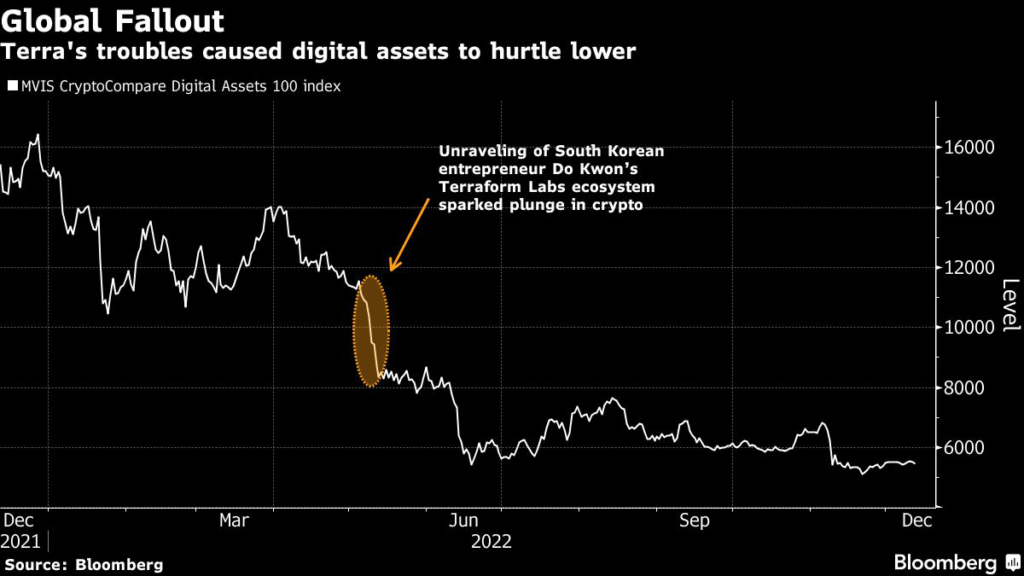
The TerraUSD stablecoin was meant to have a constant $1 value via a mix of algorithms and trader incentives involving sister token Luna. The edifice blew up in May, exacerbating a $2 trillion crypto-market rout and contributing to the downfall of a range of digital-asset outfits.

Kwon has denied wrongdoing and Terraform Labs has said capital-markets law doesn’t apply to crypto tokens. Neither he nor a Terraform Labs spokesperson immediately replied to a request for comment about the latest developments.

The burning question is why Kwon would be in Serbia and what that might mean about his chances of being extradited. South Korea doesn’t have a bilateral extradition treaty with Serbia, but both nations have acceded to the European Convention on Extradition.

Exactly what sparked the implosion of Kwon’s project remains a mystery. US authorities are probing possible links to Sam Bankman-Fried, whose FTX exchange and trading house Alameda Research recently slid into bankruptcy.

The New York Times has reported that US federal prosecutors are examining whether Bankman-Fried engaged in market manipulation by orchestrating trades that led to the collapse of TerraUSD and Luna.

For crypto market prices: CRYP; for top crypto news: TOP CRYPTO.

–With assistance from Joanna Ossinger.

(Updates with comments from prosecutors in the second paragraph.)

More stories like this are available on bloomberg.com

©2022 Bloomberg L.P.
Crypto Fugitive Do Kwon’s Mystery Bolthole Emerges in Serbia 

(Bloomberg) — Serbia has emerged as a likely location for crypto fugitive Do Kwon, the fallen 31-year-old entrepreneur facing charges in his native South Korea over the $60 billion wipeout of digital assets that he created.

The prosecutors’ office in Seoul said Monday reports placing the progenitor of the collapsed TerraUSD and Luna tokens in the landlocked Balkan nation “aren’t false.” Those reports also said South Korea is in the process of requesting cooperation from Serbia. An official at the South Korean Justice Ministry declined to comment.

Kwon’s location became unclear after authorities in mid-September issued a warrant for his arrest on allegations including breaches of capital-markets law. South Korea has stripped him of his passport and said that Kwon is the subject of an Interpol red notice. 

Prosecutors in October indicated that Kwon had flown to Dubai likely as a stopover to destinations unknown after exiting Singapore, where his Terraform Labs project had a base. 

The TerraUSD stablecoin was meant to have a constant $1 value via a mix of algorithms and trader incentives involving sister token Luna. The edifice blew up in May, exacerbating a $2 trillion crypto-market rout and contributing to the downfall of a range of digital-asset outfits.

Kwon has denied wrongdoing and Terraform Labs has said capital-markets law doesn’t apply to crypto tokens. Neither he nor a Terraform Labs spokesperson immediately replied to a request for comment about the latest developments.

The burning question is why Kwon would be in Serbia and what that might mean about his chances of being extradited. South Korea doesn’t have a bilateral extradition treaty with Serbia, but both nations have acceded to the European Convention on Extradition.

Exactly what sparked the implosion of Kwon’s project remains a mystery. US authorities are probing possible links to Sam Bankman-Fried, whose FTX exchange and trading house Alameda Research recently slid into bankruptcy.

The New York Times has reported that US federal prosecutors are examining whether Bankman-Fried engaged in market manipulation by orchestrating trades that led to the collapse of TerraUSD and Luna.

For crypto market prices: CRYP; for top crypto news: TOP CRYPTO.

–With assistance from Joanna Ossinger.

(Updates with comments from prosecutors in the second paragraph.)

More stories like this are available on bloomberg.com

©2022 Bloomberg L.P.
China Should Respect Status Quo in Strait, Top LDP Figure Says

(Bloomberg) — China should refrain from using force to change the status quo in the Taiwan Strait, a senior figure in Japan’s ruling party said on a visit to Taipei, a comment that come as Beijing escalates its economic punishments of the democratically ruled island.

Maintaining peace in the strait was vital for a free and open Indo-Pacific, said Koichi Hagiuda, the policy chief of Japan’s ruling Liberal Democratic Party, according to the Kyodo News agency. Hagiuda, whose visit was the first by a senior LDP official to Taiwan in 19 years, added that Japan was determined to “bolster strike capabilities in an effort to strengthen deterrence.”

In a meeting Saturday with Hagiuda, President Tsai Ing-wen said Taiwan would continue to deepen partnerships with Japan, according to a statement from the Presidential Office in Taipei. She also urged Tokyo to support Taiwan’s membership in the Comprehensive and Progressive Agreement for Trans-Pacific Partnership, a trade deal known as the CPTPP.

Hagiuda’s visit is significant because it comes just days after Japanese Prime Minister Fumio Kishida ordered a sharp hike in defense spending. The money is set to be used for items such as stockpiling missiles capable of striking military targets in China, Russia and North Korea.

Japan’s Rising Defense Budget Is Now Nearly on Par With Russia

It’s also notable because China appears to be stepping up its economic punishment of the island’s government for expanding ties with the US and its allies. China has dramatically scaled back purchases of some Taiwanese seafood products this year, importing just $56 million worth of fish and crustaceans in the six months from May to October, compared with $138 million during the same period a year earlier, according to China Customs data. 

Over the weekend, Taipei said it had asked Beijing why it had suspended the import of liquor and soft drinks from certain Taiwanese companies. State-owned Taiwan Tobacco & Liquor Corp., Uni-President Enterprises Corp., Legend Brewery, Yunshan Distillery and Taihu Brewing have been affected by the move, according to the website of China’s customs department.

Food and liquor made up a tiny fraction of Taiwan’s more than $328 billion of two-way trade with China last year, but it is one area where Beijing can find alternative suppliers, unlike the island’s semiconductor industry. Finance Minister Su Jain-rong told lawmakers Monday the alcohol ban would impact less than NT$1 billion ($32.6 million) of products, out of some NT$3.7 billion shipped across the strait annually.

Jessica Chen, a lawmaker for Taiwan’s opposition Kuomintang, said she’d visit Chinese officials Monday to discuss the liquor ban on a company in her constituency. She also plans to talk about limited travel, postal and trade links between the two sides of the strait.

Hagiuda went to the headquarters of Taiwan Semiconductor Manufacturing Co., the world’s biggest maker of made-to-order chips, and met its managers, the Nikkei newspaper reported. This comes as the US moves to restrict Beijing’s access to high-end technology. Japan and Taiwan will further enhance their partnership on semiconductors, Hagiuda was cited by the Nikkei as saying. 

The LDP frequently sends lawmakers to Taiwan to push back at efforts by China to isolate Taipei. Kishida has warned that a problem in the Taiwan Strait would have enormous consequences for Japan. Beijing claims the island as part of its territory to be taken by force if necessary, though Tsai insists it is already a de facto nation deserving broader recognition.

–With assistance from Debby Wu, Cindy Wang and Yoshiaki Nohara.

More stories like this are available on bloomberg.com

©2022 Bloomberg L.P.

Why Indonesia’s Financial Revamp Has Market on Edge: Q&A

(Bloomberg) — Indonesia is set to enact sweeping changes to its financial sector regulation as soon as this week, after two years of thwarted attempts and market pushback. 

The proposed law seeks to expand the central bank mandate and cement its authority to buy government bonds during times of crisis, as it had done in the past three years to shore up Southeast Asia’s largest economy. By the end of 2022, the central bank would have bought 1,144 trillion rupiah ($73 billion) in debt papers. The bill also seeks to bring regulations in step with the rapidly evolving fields of financial technology and cryptocurrency.

Parliament is scheduled to vote on the measure this week, after the bill was approved by the finance commission on Dec. 8. Here’s what you should know about the financial sector reform:

Why is Indonesia reforming its financial laws?

Existing regulations are complicated, often overlapping if not contradictory. They’re also out of date, given the recent boom in fintech and the central bank’s plans for a digital rupiah. The government expects the changes to help deepen the local capital markets to finance the requirements of the economy. It’s also in line with President Joko Widodo’s goal of reforming legislation to cut red tape and simplify rules, especially to make sure financial authorities can respond to crises faster.

What changes are in store for the central bank?

If passed, the law will give Bank Indonesia the authority to come to the government’s aid through bond buying when the president declares a crisis, cementing its unprecedented move during the pandemic which the central bank and the finance ministry had described as a “one-off” measure.

As part of the proposal, lawmakers want the central bank to “participate in maintaining financial system stability in order to to support sustainable economic growth” as well as maintain payment system stability on top of its existing mandate to ensure rupiah and price stability.

An earlier push to explicitly include job creation and economic growth in Bank Indonesia’s mandate, which analysts said poses risks to its independence, was dropped from the latest bill.

How does debt monetization work?

The bill spells out how Bank Indonesia could finance state debt during times of crisis. 

Aside from allowing it to directly buy long-term sovereign bonds in the primary market as it had been doing since the pandemic, the central bank can also purchase securities held by private companies through banks and redeem reverse-repurchase notes held by the deposit insurance agency.

The purchase of government notes from the deposit insurer could be done to address any banking liquidity issues.

Will changes affect central bank independence?

It remains to be seen how Bank Indonesia will carry out its expanded mandate if the law is approved, especially in the area of economic support. Jokowi had sought to add job creation in Bank Indonesia’ remit just a few months ago.

What is clearer is that even with an expanded responsibility of buying government bonds when necessary, lawmakers provided measures for the central bank to maintain independence and reject interference. The draft law would ban politicians from being nominated to the central bank’s board of governors while reinstating a prohibition on the members of the board from joining political parties.

What other key reforms are included in the proposal?

The bill introduces digital rupiah as legal tender and recognizes cryptocurrency and digital assets as regulated financial securities.

The proposed financial reform would include insurance policies under the coverage of the deposit insurance agency.

The draft law also sets out the framework for carbon trading in exchanges and bullion services.

More stories like this are available on bloomberg.com

©2022 Bloomberg L.P.

SpaceX Launches Japanese Startup Ispace’s Lunar Lander to Moon

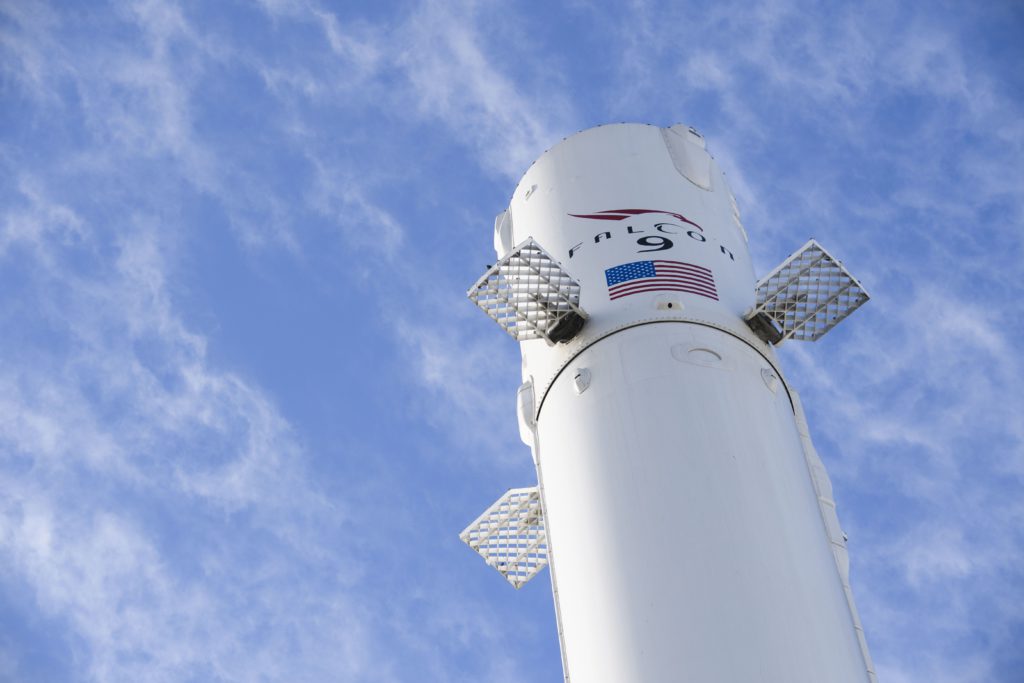
(Bloomberg) — A Japanese lunar lander carrying two rovers and other payload lifted off via a SpaceX Falcon 9 rocket Sunday, in a bid to become the first commercial spacecraft to land on the moon.

The launch of Tokyo-based ispace Inc.’s Hakuto-R lander from Cape Canaveral Space Force Station in Florida followed two postponements. Originally scheduled for late November, Space Exploration Technologies Corp. had stood down twice for additional pre-flight rocket checks.

The Hakuto-R Mission 1 lander — Japan’s first-ever lunar lander to launch — will take a circuitous path to the moon and is expected to touch down inside the Atlas crater around the end of April. It carries two rovers — one from the Japan Aerospace Exploration Agency (JAXA) and the Rashid rover from the United Arab Emirates — as well as an experimental solid-state battery from NGK Spark Plug Co., a music disc containing the song SORATO played by Japanese rock band Sakanaction and other cargo. 

The escalating US-China space rivalry and Elon Musk’s ambitious Mars program have spurred startups around the world to chase new contracts for tapping resources on the lunar surface and further out in space. 

Like Musk’s goal to build a colony on Mars, ispace wants to build a human settlement of about 1,000 people on the moon by 2040, and the company plans to ferry equipment to the moon to make it a habitable commercial center.

Startup Plans Moon Landing With Goal to Become Space FedEx

Ispace’s success would bolster Japan’s own space program. JAXA had contracted Mitsubishi Electric Corp. to build the country’s first lunar lander for a possible 2019 launch, but that program has been mired in delays. Last year, Japan’s Lunar Industry Vision Council recommended more cooperation between state and private sectors to maintain competitiveness in the budding space economy. 

Ispace’s lander is part of a $73 million NASA contract won by a team led by Cambridge, Massachusetts-based Draper to provide end-to-end delivery services under the US Artemis moon program. The same rocket also launched the NASA probe Lunar Flashlight on a mission to look for ice in craters on the moon.

More stories like this are available on bloomberg.com

©2022 Bloomberg L.P.
Thoma Bravo Is in Advanced Talks to Buy Coupa Software

(Bloomberg) — Thoma Bravo LLC is in advanced talks to acquire Coupa Software Inc. after outbidding Vista Equity Partners, according to people familiar with the matter.

A deal for the San Mateo, California-based company could be announced as soon as this week, said the people, who asked to not be identified because the matter isn’t public. No final decision has been made and talks could fall through, the people said. 

Representatives for Thoma Bravo and Coupa Software didn’t respond to requests for comment. 

Vista, another technology focused private equity firm, had earlier been in talks to buy Coupa, Bloomberg News previously reported. 

The market for tech buyouts has been busy despite financing being harder to come by. If talks are successful, it would cap off a year of sizable take-privates for Thoma Bravo, including Anaplan Inc., Sailpoint Inc. and Ping Identity. 

Bloomberg reported on Friday that private credit funds were pulling together debt packages for a buyout of Coupa. 

Coupa fell 2.5% to close at $62.09 in New York trading Friday, giving the company a market value of about $4.7 billion.

Coupa provides so-called business-spend management software, which helps companies track and manage the purchasing of goods and services. Customers have included Nestle SA and Groupon Inc., according to its website.

Shareholder pressure

It couldn’t be learned what Thoma Bravo would pay for Coupa, whose shares have struggled this year. Some investors in Coupa have been vocal about what they believe the company should be worth. 

Earlier this week, HMI Capital Management, a top shareholder in Coupa, said the software company should fetch at least $95 a share in a sale. Another shareholder, Meritage Group, has also been in touch with Coupa on its views on the company’s value. 

Billy Montana, a partner and portfolio manager at Jackson Square Partners, said in an email Friday that his firm owns 1.8 million shares and has told Coupa’s board it supports them in engaging with interested buyers to determine if there’s an attractive acquisition offer. 

“An adequate takeout premium would represent immediate and certain value creation in an uncertain environment,” Montana said. 

Coupa, led by chief executive officer Rob Bernshteyn, went public in 2016 at $18 a share. 

–With assistance from Katie Roof and Scott Deveau.

(Updates with background starting in fifth paragraph)

More stories like this are available on bloomberg.com

©2022 Bloomberg L.P.
Your Sunday Briefing: Decisions and Deadlines

(Bloomberg) — Hello.

The big rate hike: This week marks the last major central bank decisions for 2022, a year with the most aggressive interest-rate hikes in four decades. On Wednesday, the Fed is expected to lift rates by 50 basis points while the European Central Bank and the U.K.’s Bank of England are set to follow with similar moves a day later.  

But the fight against inflation isn’t over yet, even if CPI data due Tuesday shows a moderation. Fed Chair Jerome Powell will likely once again try to dash market hopes of a rapid easing next year and he may have history on his side, write Craig Torres and Liz Capo McCormick. 

The big market thought: When is a bear market not just a bear market? For some investors, the slump in high-flying tech stocks this year represents the end of the dominance of FAANG. What’s more, market leaders of one era almost never dominate the next one, Kit Rees writes. 

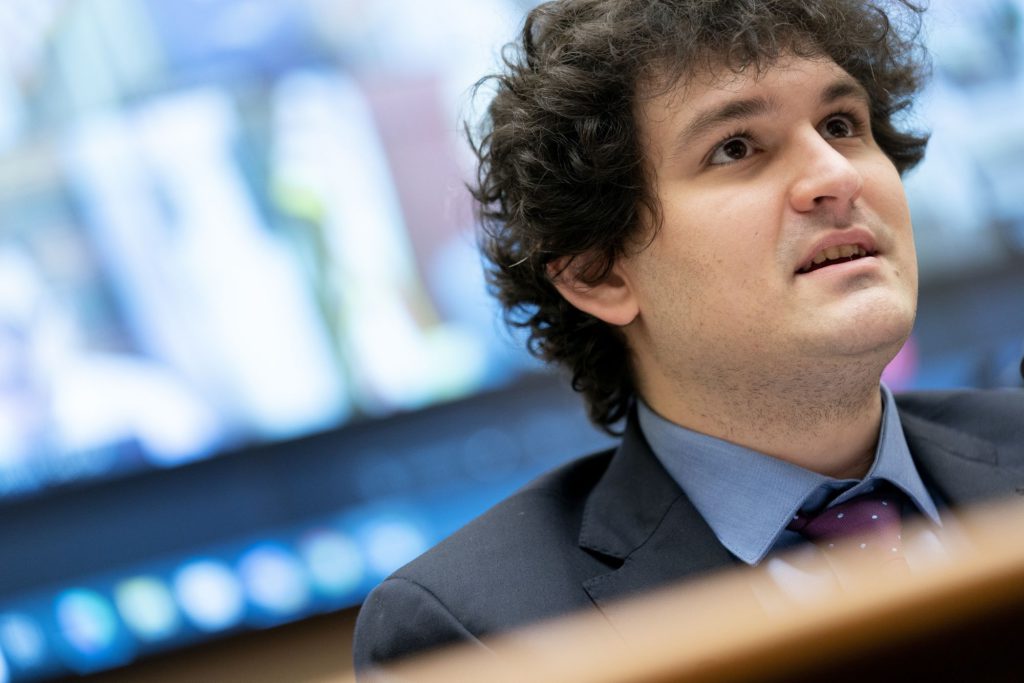
The big hearing: After over a week of “will he, won’t he,” it looks like Sam Bankman-Fried will indeed (virtually) attend the House Financial Services Committee’s hearing on the collapse of his crypto empire on Tuesday. Don’t hold your breath for any major revelations — the FTX founder has warned “there is a limit” to what he can say. That’s probably wise, given US prosecutors are laying the groundwork for a potential fraud case against him. 

The big deadline: The clock is ticking for Congress to pass a government funding package that will avert shutdown by Friday. Democrats intend to release a bill Monday that they think could pass both chambers, but the two parties remain about $26 billion apart, with just days to go. 

The big opinion: According to Brooke Sample, there are three types of people in the world right now: those who were sick with the flu this season, those who are sick with it right now and those who are dreading getting sick with it. The multitude of viral threats are ravaging populations and wreaking havoc on health-care systems, prompting New York City to once again urge residents to mask up.  

ICYM our Big Take: Who has $300 billion and is the world’s richest family? Hint: it isn’t the Waltons of Walmart fame. 

And finally, for a really “outrageous” predictions, listen to the podcast of Saxo Bank’s extreme-case scenarios.  Gold at $3,000 an ounce, anyone?

Have a good week. We’ll see you on the other side.

More stories like this are available on bloomberg.com

©2022 Bloomberg L.P.
Close Bitnami banner
Bitnami

