Bloomberg

Legendary China Bets Unwind as Buffett, SoftBank, Naspers Sell

(Bloomberg) — For early backers, they’ve been some of the most profitable Chinese stock investments of all time: Tencent Holdings Ltd., Alibaba Group Holding Ltd. and BYD Co.

But now big-name investors who’ve made billions from these shares are taking money off the table, underscoring growing angst over the prospects for China’s biggest companies as President Xi Jinping tightens the government’s grip on the private sector and the economy falters under persistent Covid lockdowns.

In the latest development, Tencent shares worth $7.6 billion appeared in Hong Kong’s clearing and settlement system, typically a precursor to offloading stock. Naspers Ltd. — which invests via its Dutch unit Prosus NV — is the most likely seller because it’s one of the few investors that can handle such a sizable transaction and has said it will cut its Tencent stake to fund buybacks.

That comes a month after Japan’s SoftBank Group Corp. said it unloaded an enormous slug of Alibaba, the e-commerce pioneer that had long been China’s most valuable company. SoftBank, under pressure from botched startup bets, raised more than $17 billion through the sale of forward contracts on the stock. Warren Buffett’s Berkshire Hathaway Inc. is trimming its stake in electric-vehicle maker BYD.

The moves, taken together, represent a striking retreat from China’s private sector by investors that had been fervent champions for decades. SoftBank founder Masayoshi Son famously invested about $20 million in Jack Ma’s Alibaba in 2000 and held through the dot-com bust and the Chinese company’s IPO in 2014. Naspers invested in Tencent in 2001, while Berkshire bought shares in BYD in 2008.

“There’s a big question mark over the growth model of Chinese tech giants like Tencent and Alibaba,” said Ke Yan, analyst with Singapore-based DZT Research. “The government crackdown brought significant uncertainty.”

Son’s wager was long considered one of the best venture capital investments of all time, with his stake zooming in value to more than $200 billion. But Alibaba and its affiliate Ant Group were primary targets for the Communist Party’s crackdown, and its shares have plunged more than 70% from their peak in 2020. Son has said he will slash new investments in China because of regulatory uncertainty.

Naspers’ backing of Tencent was similarly considered a legendary startup investment. In June however, Prosus, the Naspers affiliate, unveiled an “unlimited” program to sell Tencent shares to finance buybacks of its own stock. Berkshire jettisoned total shares of 3.05 million, or 1.4% of its known 225-million-share holding in BYD.

Read more: BYD Stock Sale Is an Old-School Value-Investing Move by Buffett

“There is a great deal of de-risking from China ahead of the party congress,” Jason Hsu, chief investment officer at Rayliant Global Advisors, said referring to the Communist Party gathering that will likely give Xi a precedented-breaking third term as president. “While some are betting on China returning to an aggressive pro-growth mode, many are also betting on a structural shift toward central planning and a SOE-led economic policy focused on employment and common prosperity.”

Alibaba and Tencent have both seen their businesses deteriorate markedly in the past two years. The two companies reported their first revenue declines ever in the most recent quarter. They’ve also been compelled to put money into government causes and cut back on investments in China’s startups.

Tencent, now China’s most valuable firm, is spending more judiciously after profits fell more than 50% in the most recent quarter. Beijing authorities have been slow to approve new game titles during the crackdown, cutting off a key opportunity for growth. It has been selling off assets, including some of its investments in Chinese online retailer JD.com Inc. and Singapore’s Sea Ltd., while upping its stakes in global gaming companies like Ubisoft Entertainment SA.

Alibaba’s net income fell 50% in the latest quarter as revenue in its core China commerce division contracted for the first time. The company let go of 9,241 employees in the three months through June, according to the company’s latest filing, after cutting 4,375 in the first quarter of the year.

Layoffs by tech leaders like Alibaba, Tencent and Xiaomi Corp. have exacerbated a jobs crisis in China, pushing youth unemployment to about 20%.

In recent quarters, SoftBank’s Son has been vocal in his rising concerns about the China market. After watching the value of Alibaba plunge, he pulled back on new investments in addition to selling shares in the e-commerce giant.

“We have reduced the China dependency in our portfolio, therefore we believe we don’t have to worry too much about the situation in China,” he said during an earnings call in May.

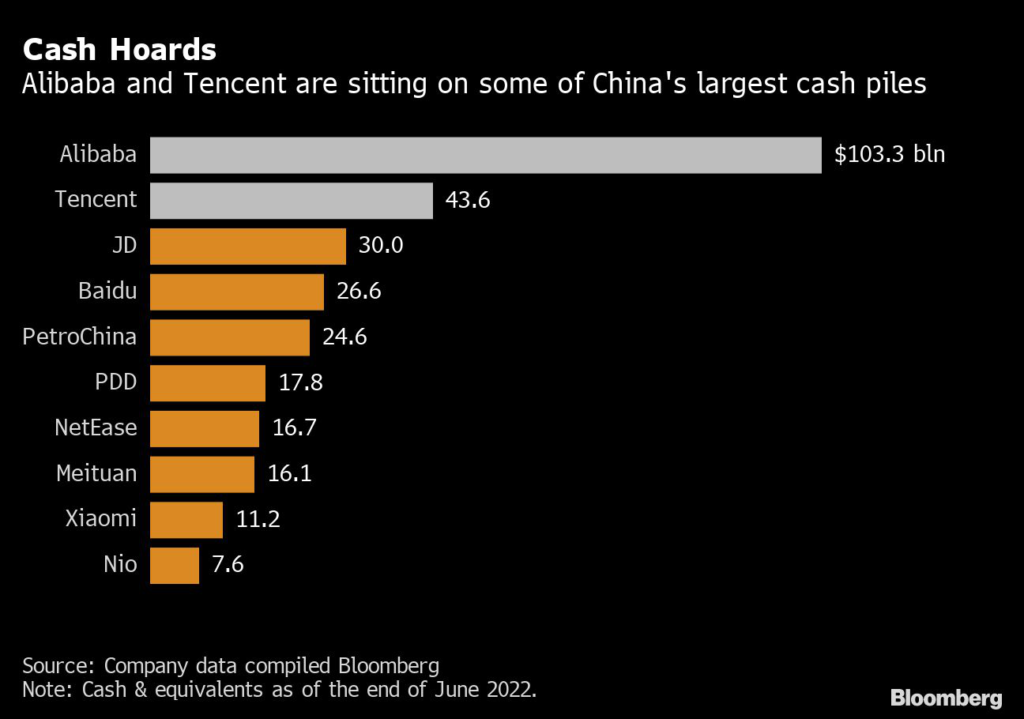
Alibaba and Tencent were long among the most active financiers for China’s startups, helping to propel innovation throughout the economy. However, both companies have had to pull back because of Beijing’s concerns they wielded too much control over their portfolio companies. That swelled their cash holdings, with Tencent holding more than $40 billion on its balance sheet while Alibaba has more than $100 billion. 

More stories like this are available on bloomberg.com

©2022 Bloomberg L.P.

China’s BYD Signs Deal to Build First EV Plant in Thailand

(Bloomberg) — Chinese electric-car maker BYD Co. signed a land purchase deal Thursday with WHA Corp., Thailand’s largest industrial-estates developer, to build its first electric vehicle production plant in Southeast Asia.

The plant is expected to start operation in 2024 and have annual capacity of 150,000 vehicles, mostly for export to Southeast Asia and Europe, the companies said in a joint statement. 

The deal follows BYD’s partnership with local distributor Rever Automotive Co., which announced last month it will start selling BYD cars in several dealerships across Thailand by the end of 2022. BYD has announced its entry to several overseas markets in recent months, including Denmark, Germany, Israel, Japan and Cambodia.

The site covers 96 hectares (237 acres) at WHA’s Rayong 36 Industrial Estate. WHA’s said the deal is its “most significant” in 20 years, with Chief Executive Officer Jareeporn Jarukornsakul adding the developer plans to launch phase two of the Rayong Estate in anticipation BYD’s presence will spur other EV investments. 

“More EV supply chain will follow BYD here,” she said.

Read more: BYD August Electric Car Sales Inch Higher Despite Covid Worries

BYD plans to invest about 30 billion baht in production of electric vehicles, according to Thailand’s Eastern Economic Corridor Office. Thailand’s Board of Investment last month approved BYD’s 18 billion baht plan to manufacture battery-powered vehicles and plug-in hybrid electric vehicles in the country. 

The Chinese EV maker, backed by Warren Buffett’s Berkshire Hathaway Inc., is among the latest companies to take advantage of the Thai government’s tax incentives, a key part of a plan to make Thailand — a longstanding auto manufacturing powerhouse — become the EV production hub of Southeast Asia. The Thai government earlier this year allocated about 43 billion baht through 2025 to promote the use of EVs as part of the effort.

Read more: Buffett’s Berkshire Offloads More Shares in EV Giant BYD

Thailand aims to ramp up local EV output to reach at least 30% of total car production by 2030.

(Adds comment from WHA chief executive in fourth paragraph.)

More stories like this are available on bloomberg.com

©2022 Bloomberg L.P.

Amazon Breaches TV’s Last Stronghold With $13 Billion Bet on NFL

(Bloomberg) — When the National Football League’s regular season kicks off Thursday, millions of fans will settle into their easy chairs to watch America’s biggest, richest sport. But a different, multibillion dollar match will unfold a week later.

Starting Sept. 15, viewers who want to watch “Thursday Night Football” will have to log in to Amazon.com Inc.’s Prime Video streaming service. The contest between the Los Angeles Chargers and Kansas City Chiefs is the first regular-season game in an 11-year, $13 billion deal that makes Amazon the exclusive home of “Thursday Night Football.”

It’s the first time a streaming service has obtained exclusive, season-long rights to NFL games in the US, and it presents a big challenge to major networks—like CBS, ESPN, NBC and Fox—that have dominated televised sports for generations. If Amazon can attract the millions of viewers and prestige advertisers that football usually draws, other leagues, like the NBA, may be more willing to offer exclusive packages to online heavyweights. 

“This is an inflection point,” said Daniel Cohen, executive vice president of global media rights consulting at Octagon, a division of the ad giant Interpublic Group of Cos. “We’ll look back on this season of Amazon exclusively producing and distributing NFL games as a turning point in sports broadcasting.”

Sponsors flock to the NFL because it’s one of the few places to reach a large live audience—this year’s Super Bowl, for instance, drew an audience of 112 million in the US, about seven times the number who tuned in for soccer’s World Cup final four years earlier.

It’s also the last stronghold of the networks. While films and TV series have shifted to streaming, people still need cable or satellite TV to watch most live sports. Sports accounted for nearly all of the 100 most-watched broadcasts on TV last year, with professional football alone amounting to 75 of them. With an NFL deal in hand, Amazon is positioned to capture a cut of the $66 billion US TV advertising market.

Over the last couple of years, Amazon and Apple Inc. have started to buy their way into this exclusive club, acquiring rights to baseball, soccer, tennis and other sports around the world. But these deals have mostly been for partial packages or in smaller markets.

“Thursday Night Football” provided Amazon with an opportunity to get in the big game. Three of the league’s biggest partners, CBS, NBC and Fox, had all aired Thursday night games and found it hard to make money, in part because the league tended to stick them with less-desirable matchups. Amazon had streamed NFL Thursday games that also aired on the NFL Network and Fox. But it had never had an NFL package to itself.

The company made early headway streaming sports in Europe. Deals there are shorter than in the US, creating more opportunities for newcomers. Amazon snagged rights to stream the US Open tennis tournament in the UK and Ireland and acquired Premier League rights in the UK, as well as the Champions League soccer tournament in the UK, Italy and Germany.  

In the US, Amazon started showing some exclusive New York Yankees games and became the streaming home of soccer’s Seattle Sounders. But it had a harder time convincing major sports leagues to entrust a streaming service with multibillion-dollar media rights.  

As the NFL prepared to seek a new round of media deals, Marie Donoghue, Amazon’s vice president of global sports video, moved to convince her bosses to make a big offer. A near 20-year ESPN veteran hired by Amazon in 2018, she drafted a document that outlined all the reasons that NFL rights would benefit the company and its customers.

“We said let’s step back and look at it differently,” Donoghue recalled. “Let’s look at it as a once-in-a-decade opportunity to create appointment viewing for tens of millions of fans.”

Amazon has long invested in entertainment to entice customers to its Prime business. Prime members pay $139 a year to get faster, free shipping, as well as access to video and music services. They shop more than people who aren’t Prime customers.

In March 2021, Amazon agreed to pay about $1.2 billion a year for exclusive rights to “Thursday Night Football”— an 80% increase over what Fox Corp. paid under the previous deal, but less than what other networks pay for Sunday and Monday timeslots. Not long after signing, the NFL added another wrinkle: The league was ending its Thursday night deal with Fox after the 2021 season, a year earlier than expected.

That meant Amazon had to be ready a year early. Both Chief Executive Officer Andy Jassy and Chairman Jeff Bezos signed off. 

The show is being shepherded by Fred Gaudelli, who has been producing prime-time football for more than 30 years. Longtime broadcaster Al Michaels will handle play by play and Kirk Herbstreit, best known for his college football analysis, will provide color commentary.

Gaudelli will use most of the standard features of a football broadcast, including a pregame show, sideline reporters and a halftime show. Several former NFL players, including Ryan Fitzpatrick and Richard Sherman, will serve as analysts before, during and after games. But he also knows Amazon needs to do more.

In its main feed, Amazon will overlay stats and game updates using what it calls X-Ray technology. It will offer an alternate stream for younger audiences, hosted by a group of YouTube personalities called Dude Perfect, and will also carry games on Twitch, an Amazon-owned site popular among video-game enthusiasts.

“I know the NFL audience, especially the prime-time audience, extremely well,” Gaudelli said. “If you came out there and just threw stuff up against the wall to see what would stick, I thought it would fail. I had no desire to be a part of that.”

The first challenge for Amazon will be making sure people know where to find “Thursday Night Football.” The company plans to buy ads on cable-TV channel guides to remind fans that the Thursday games aren’t on TV anymore.

Amazon also struck a deal with DirecTV so the games will still be available in bars and restaurants, and home-town fans will be able to see their teams on local stations when they play on Thursday nights. In addition, the company plans to promote the broadcasts atop everything from the Amazon.com homepage to the cardboard boxes that Prime subscribers have delivered to their homes.

Streaming live sports glitch-free is another concern. In 2018, Amazon had problems broadcasting the US Open tennis tournament in the UK, with fans complaining about poor picture quality and functionality. Live-streamed events are more vulnerable to crashes than on-demand films and TV shows, and fans will be angry if any big moments are interrupted.

“Even if Amazon does everything they can, they’re still going to have issues,” said Dan Rayburn, a streaming media analyst.

Amazon has spent months preparing, communicating with internet providers to make sure they are ready for an expected spike in traffic. It will reduce picture quality for fans with low bandwidth to ensure their stream doesn’t crash. And it has hired more customer-service representatives to field the inevitable complaints on social media.

“I don’t think there’s any company more prepared than we are to handle that type of scale and that type of challenge,” said Jay Marine, an Amazon veteran and former technical adviser to Bezos who now oversees Amazon’s sports business. “It’s what we’re good at.”

For Amazon, success this NFL season could take many forms. It could sell more Prime subscriptions, since watching games requires people to sign up. It could also help sell other Amazon products. A recent ad urged fans to “experience each game to the fullest” by purchasing Amazon’s Fire TV Stick, a streaming device. The company’s first preseason game featured several commercials for Amazon products and programs, including “The Lord of the Rings: The Rings of Power,” a highly anticipated series the company produced.

“We’re confident we’ll not only see a lot of people signing up for Prime but also exposed to other parts of the Prime membership,” Marine said. He added: “We have a long-term horizon. While we’re focused on the first game, success is really going to be ‘How are we doing three, five, seven, 11 years from now?’ Half of my brain is focused there.”

Amazon is also eager to see how NFL games benefit its advertising business, which generates about $30 billion a year in revenue and already exceeds competitors in traditional TV.

The company is charging about $600,000 for a 30-second spot, more than the roughly $500,000 that Fox sought last year, according to a person familiar with the matter. Amazon has told advertisers it has an abundance of data on Prime subscribers and could serve up targeted ads that lead to purchases, said the person, who asked not to be identified discussing negotiations with sponsors.

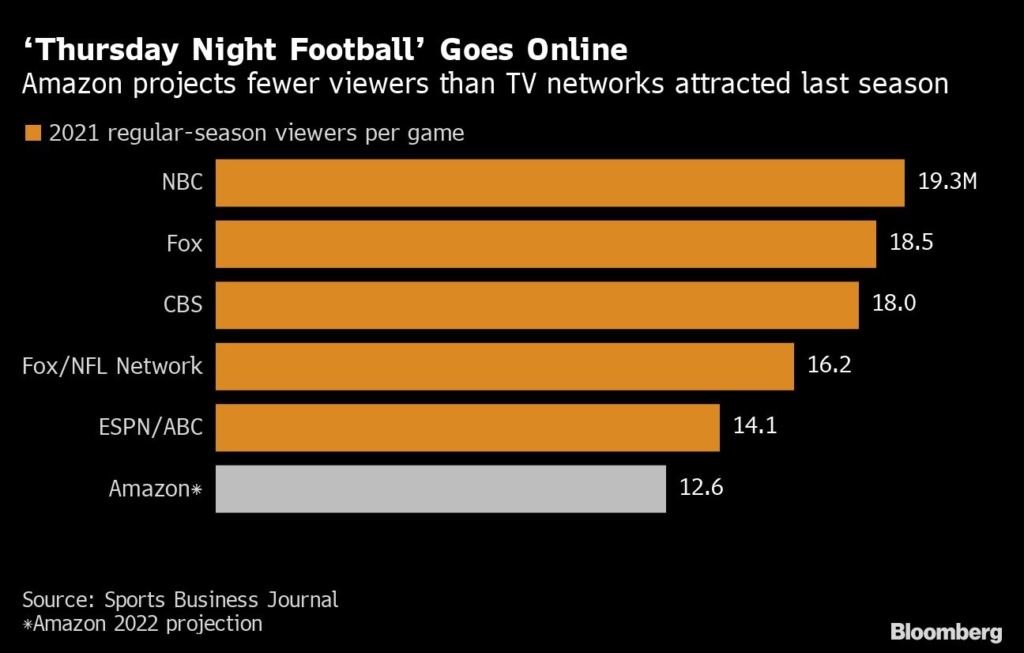
Amazon is guaranteeing advertisers it will reach more than 12 million viewers per game, down from about 16.4 million last year, the person said. Those projections were reported earlier by the Wall Street Journal. About 80 million households have watched Amazon Prime Video at least once in the past year, according to the company, about the same number who subscribe to a pay-TV service.

The arrival of Amazon and Apple on the sports media landscape has been celebrated by leagues whose media rights become more valuable when there are more bidders. It has worried media companies that now must compete with tech giants that have more money and other business goals.

Amazon had over $60 billion in cash and marketable securities on its books at midyear, more than double the combined sums of ABC/ESPN owner Walt Disney Co., CBS parent Paramount Global, NBC parent Comcast Corp. and Fox. Tech titans like Amazon and Apple may be willing to lose billions of dollars on sports if they sell more iPhones and diapers.

Recent negotiations show that most sports leagues aren’t yet ready to go all-in with streaming services. Amazon lost a bidding war for Champions League soccer in the US to CBS and failed to win rights to the Big Ten conference despite reportedly offering more than CBS and NBC. ESPN beat Amazon for the rights to Formula 1 racing, a deal that Netflix Inc. also sought. Industry observers say that Amazon might have won at least one of those deals if it had already proven its NFL broadcasts were a success.

Amazon still has a few chances to add to its sports portfolio. It’s competing with Apple and Google for the NFL Sunday Ticket, a package of out-of-market games that DirecTV has long offered. And it could go after the next big sports rights on the horizon: the NBA. The league will want large increases in fees from its partners, ESPN and Warner Bros. Discovery Inc., which may result in a third package for a streaming service.

“The NBA is interesting to anyone who is in the sports world,” Marine said.Amazon is different than other companies, he added. When it spends billions on sports, it’s willing to wait years for the payoff.

“There’s a misconception that if you’re a company of a certain size that you’ll necessarily be irrational,” Marine said. “We’re actually very rational. But we’re willing to make bets and willing to bet on invention and the future.”

More stories like this are available on bloomberg.com

©2022 Bloomberg L.P.

Apple CEO Credits Steve Jobs With Fostering Culture of Privacy

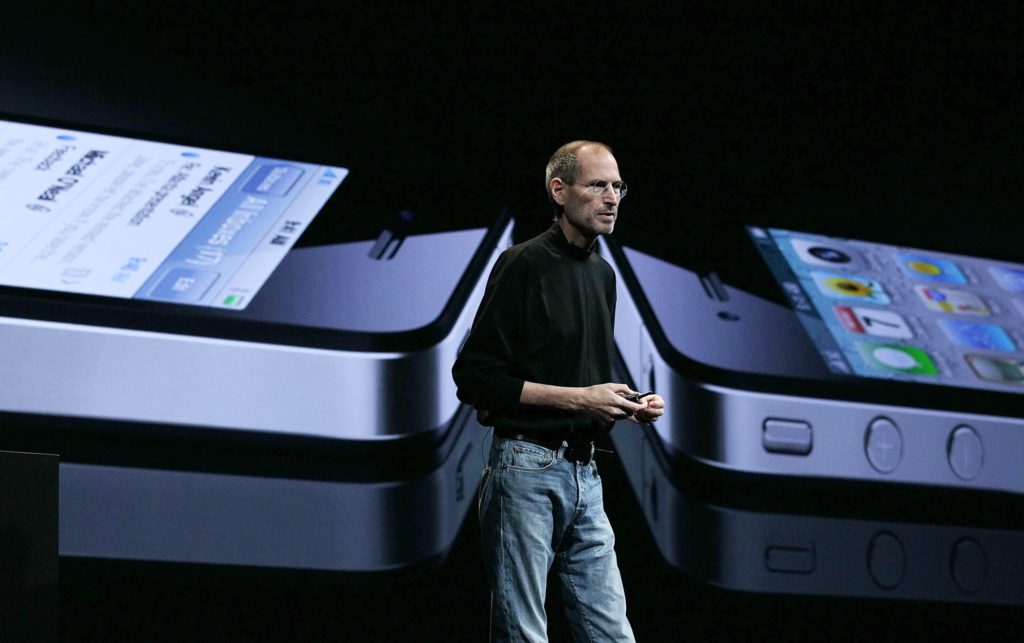
(Bloomberg) — Apple Inc. Chief Executive Officer Tim Cook credited Steve Jobs with making privacy a top priority at the company and said he largely still runs the tech giant in the manner of its late co-founder.

Cook, speaking at a Code Conference panel Wednesday about Jobs’s legacy, said Apple has tried to ensure that privacy doesn’t get lost in a surveillance-driven world.

“I think he saw that and saw that well, and I have every reason to believe he would have put up good arguments and good fights along the way,” Cook said during the talk, alongside former Apple Chief Design Officer Jony Ive and Laurene Powell Jobs.

The discussion, led by journalist Kara Swisher, followed a major product launch event Wednesday morning, when the company unveiled new iPhones, AirPods and smartwatches. Privacy was a theme of that presentation as well, with Apple saying it would protect sensitive user information, such as women’s health data.

Apple has drawn outcry in the past year for tightening its rules about advertising in apps — a move social media companies have said has hurt their revenue. 

Cook said at the Code event Wednesday that “digital advertising is not a bad thing.”

“What is not good is vacuuming up people’s data” when it’s not on an informed basis, he said. “We try to put the user in the driver seat there to own their data.”

Cook — who became CEO in 2011, the year Jobs died — said the company still holds his predecessor’s traditional weekly 9 a.m. Monday meeting with all of the top executives.

“The company is still run in many ways as Steve did,” said Cook, 61. 

Ive, who left Apple to start his own design firm in 2019, said Jobs’s focus was never selling more units. “I’ve never met somebody so curious and so inquisitive,” Ive said.

Powell Jobs, the founder of the Emerson Collective and Jobs’s widow, recalls his push to simplify Apple after his time away from the company. At the time, he reduced the number of offerings to just four main product lines.

“He was very concerned about the business,” she said. “He often talked about leaving behind a body of work, like an artist does.”

Jobs believed that you get a better answer by debating, “sometimes taking a position he didn’t even believe, just to get the discussion flowing,” Cook said. He was one in “a gazillion.”

More stories like this are available on bloomberg.com

©2022 Bloomberg L.P.
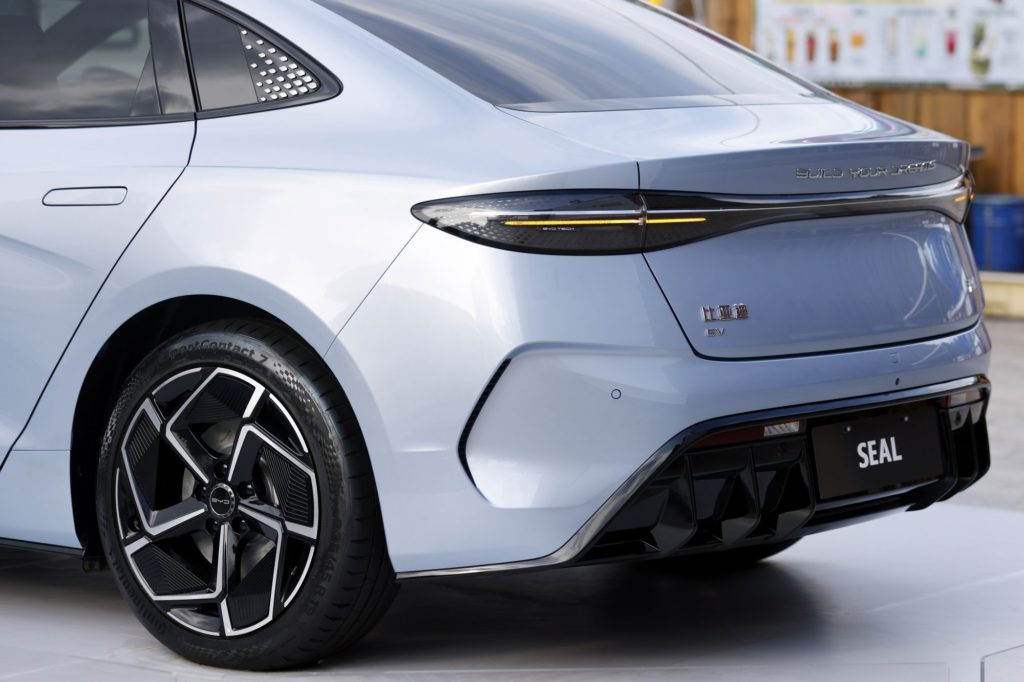
China’s BYD Signs Land Deal to Build First EV Plant in Thailand

(Bloomberg) — Chinese electric-car maker BYD Co. signed a land purchase deal Thursday with WHA Corp., Thailand’s largest industrial-estates developer, to build its first electric vehicle production plant in Southeast Asia.

The plant is expected to start operation in 2024 and have annual capacity of 150,000 vehicles, mostly for export to Southeast Asia and Europe, the companies said in a joint statement. 

The deal follows BYD’s partnership with local distributor Rever Automotive Co., which announced last month it will start selling BYD cars in several dealerships across Thailand by the end of 2022. BYD has announced its entry to several overseas markets in recent months, including Denmark, Germany, Israel, Japan and Cambodia.

The site covers 96 hectares (237 acres) at WHA’s Rayong 36 Industrial Estate. The deal is WHA’s “most significant” in 20 years, it said in the statement.  

Read more: BYD August Electric Car Sales Inch Higher Despite Covid Worries

BYD plans to invest about 30 billion baht in production of electric vehicles, according to Thailand’s Eastern Economic Corridor Office. Thailand’s Board of Investment last month approved BYD’s 18 billion baht plan to manufacture battery-powered vehicles and plug-in hybrid electric vehicles in the country. 

The Chinese EV maker, backed by Warren Buffett’s Berkshire Hathaway Inc., is among the latest companies to take advantage of the Thai government’s tax incentives, a key part of a plan to make Thailand — a longstanding auto manufacturing powerhouse — become the EV production hub of Southeast Asia. The Thai government earlier this year allocated about 43 billion baht through 2025 to promote the use of EVs as part of the effort.

Read more: Buffett’s Berkshire Offloads More Shares in EV Giant BYD

Thailand aims to ramp up local EV output to reach at least 30% of total car production by 2030.

More stories like this are available on bloomberg.com

©2022 Bloomberg L.P.
Stock Rebound in Asia Is Tempered by a Firm Dollar: Markets Wrap

(Bloomberg) — An Asian stock gauge rebounded Thursday from the lowest level since 2020 but the move trailed a Wall Street rally as the dollar renewed its climb and crude oil edged higher.

The regional index rose 1%, short of rallies of about 2% in the S&P 500 and Nasdaq 100 overnight. Japan led the advance, while Hong Kong and China slipped and US futures fluctuated. European futures edged higher.

A dollar gauge rose and remains near a record. Greenback strength has rattled currencies like the yen and the pound, which earlier hit the lowest since 1985. In Asia, it’s adding to worries of capital outflows as rate differentials with the rest of the world widen, pressuring the region’s stocks.

Treasuries held a climb, leaving the 10-year yield at 3.23%. Bonds got a boost from an oil plunge that put the spotlight on the possibility of cooling inflation.

Australian yields slumped, with the three-year sinking as much as 23 basis points, after the nation’s central bank governor signaled a potential end to outsized interest-rate hikes. Australia’s dollar extended declines.

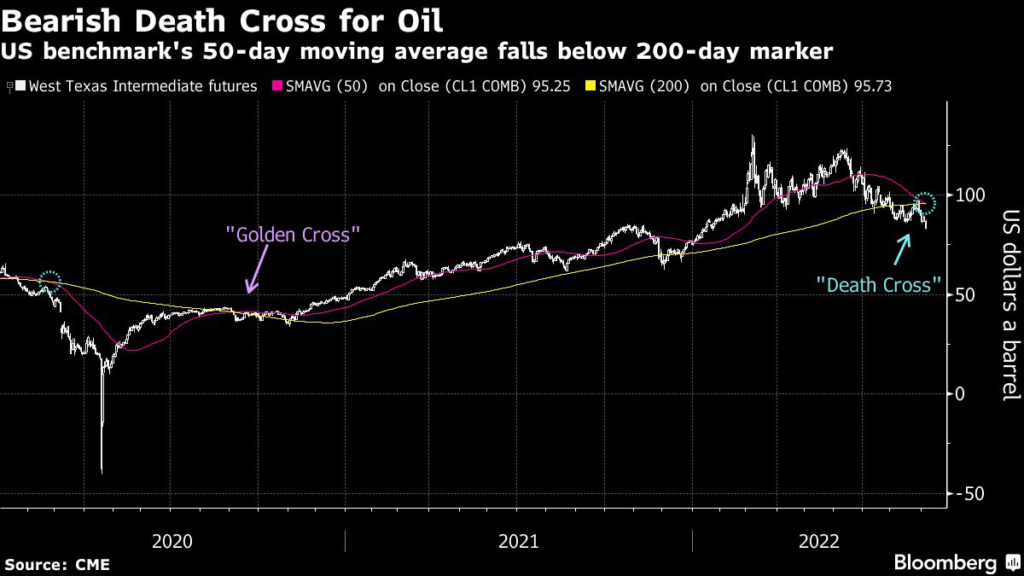
While oil has trimmed some of its retreat, this week’s swoon flags demand risks from a wave of monetary tightening and China’s Covid travails — the megacity of Chengdu extended a weeklong lockdown in most downtown areas.

Central banks are walking a tightrope, raising interest rates sharply to tackle inflation while remaining leery of sparking a damaging economic contraction in the process. The uncertainty is whipsawing markets and has saddled equities and bonds with steep losses this year.

“The stock market has rallied several times even as the bond market has shown lots of negative volatility and the dollar continues to creep up,” Federated Hermes Senior Equity Strategist Linda Duessel said on Bloomberg Television. “You have to wonder when can we expect a sustained rally here or to think we are out of the woods.”

Fed officials reiterated their determination to get inflation under control. Vice Chair Lael Brainard said interest rates will need to rise to restrictive levels, while cautioning risks would become more two-sided in the future. Chair Jerome Powell is due to speak on Thursday.

ECB Center Stage

Monetary policy has tightened further with rate hikes in Canada and Australia this week. The European Central Bank takes center stage later Thursday — Bloomberg Economics predicts a 75 basis points increase to front-load tightening even as the region grapples with an energy crisis.

The Fed’s Beige Book report said US economic expansion prospects were weak and set to slump further over the next year, while adding that price growth showed signs of decelerating.

“What’s clear to us is that the Fed continues to emphasize that they are not done until they see inflation coming back toward that 2% target,” Nadia Lovell, UBS Global Wealth Management’s senior US equity strategist, said on Bloomberg Radio.

What to watch this week:

  • European Central Bank rate decision, Thursday
  • Fed Chair Jerome Powell due to speak, Thursday
  • Chicago Fed President Charles Evans and his Minneapolis counterpart Neel Kashkari due to speak, Thursday
  • EU energy ministers extraordinary meeting on emergency intervention in electricity markets, Friday

Are you bullish on energy-related assets? This week’s MLIV Pulse survey focuses on energy and commodities. Please click here to participate anonymously.

Some of the main moves in markets:

Stocks

  • S&P 500 futures were steady as of 12:23 p.m. in Tokyo. The S&P 500 rose 1.8%
  • Nasdaq 100 futures increased 0.1%. The Nasdaq 100 rose 2.1%
  • Japan’s Topix index rose 2%
  • Australia’s S&P/ASX 200 index added 1.5%
  • South Korea’s Kospi index advanced 0.5%
  • Hong Kong’s Hang Seng Index shed 0.4%
  • China’s Shanghai Composite Index lose 0.1%
  • Euro Stoxx 50 futures rose 0.3%

Currencies

  • The Bloomberg Dollar Spot Index added 0.2%
  • The euro was at $0.9988, down 0.2%
  • The Japanese yen was at 144.07 per dollar, down 0.2%
  • The offshore yuan was at 6.9727 per dollar, down 0.2%

Bonds

  • The yield on 10-year Treasuries fell three basis points to 3.23%
  • Australia’s 10-year bond yield fell 16 basis points to 3.54%

Commodities

  • West Texas Intermediate crude added 1.2% to $82.92 a barrel
  • Gold was at $1,715.10 an ounce, down 0.2%

More stories like this are available on bloomberg.com

©2022 Bloomberg L.P.
Snap CEO Says He’s Set on Transforming Business, Not Selling It

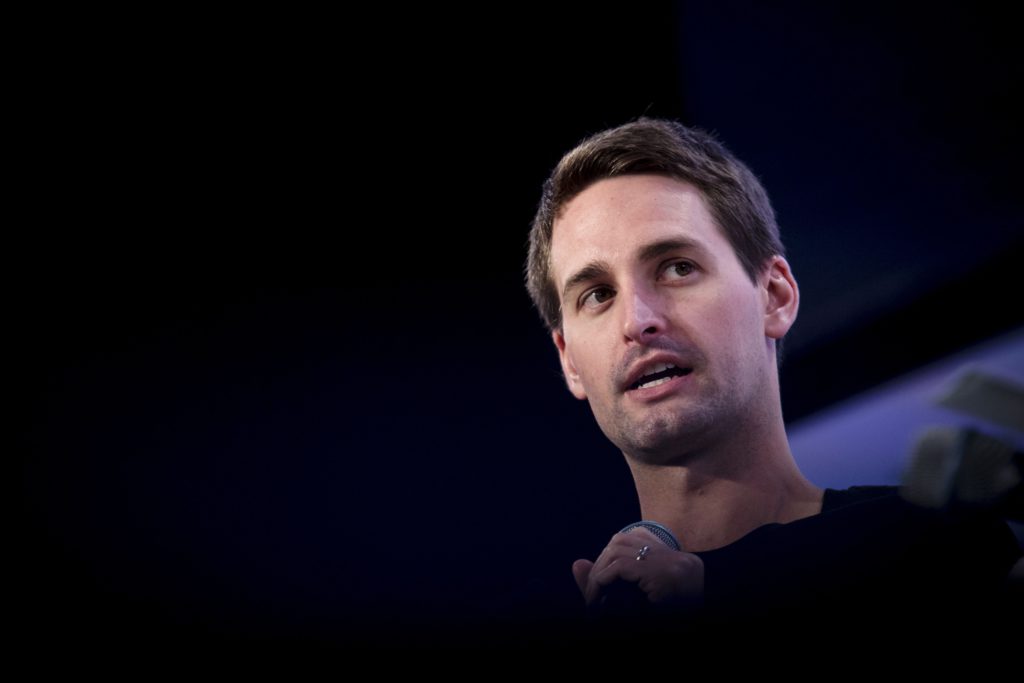
(Bloomberg) — Snap Inc. Chief Executive Officer Evan Spiegel said he’s set on transforming his social media company — not selling it — after a tumultuous year in which the stock has plummeted 76%.

“So far, Bobby and I believe that the best way to realize our potential is by building an independent company,” Spiegel said at Vox Media’s Code Conference on Wednesday, when asked about whether he’d consider selling Snap, owner of the photo-sharing and messaging app Snapchat. Spiegel and Bobby Murphy, Snap’s co-founder and technology chief, hold more than 99.5% of voting rights.

Snap is in the throes of a restructuring that includes a shift of its priorities. Last week, the company said it laid off 20% of its workers, canceled or scaled back a number of buzzy projects, lost its chief business officer to Netflix Inc. and reorganized the advertising sales department. The CEO’s goal is to narrow the focus of the business to expanding its community, improving the ad business and developing its augmented reality offerings.

“When I look at the long-term opportunity for the business, I really believe it’s enormous,” he said. “We’re far from reaching our potential. We’ve really got to focus on executing.”

Spiegel specifically mentioned improving Snap’s direct-response advertising business, a key tool for marketers to reach customers with high purchasing intent. Marketers have spent less on the platform this year, dragging down revenue growth to the lowest levels since the company went public in 2017.

He’s also made it a priority for the company to look for opportunities to make money in areas like augmented reality. For example, Snap works with retailers to develop tools that let customers try on clothing virtually. Eventually, Snap could expand that into an “AR enterprise business,” charging a startup fee and small transaction fees to merchants using the technology, Spiegel said.

More stories like this are available on bloomberg.com

©2022 Bloomberg L.P.
Chinese Developers Are Facing a Flurry of Winding-Up Lawsuits

(Bloomberg) — Smaller creditors of embattled Chinese property firms are increasingly turning to court to obtain payments, highlighting the turmoil in the property sector as developers rush to craft debt-resolution plans.

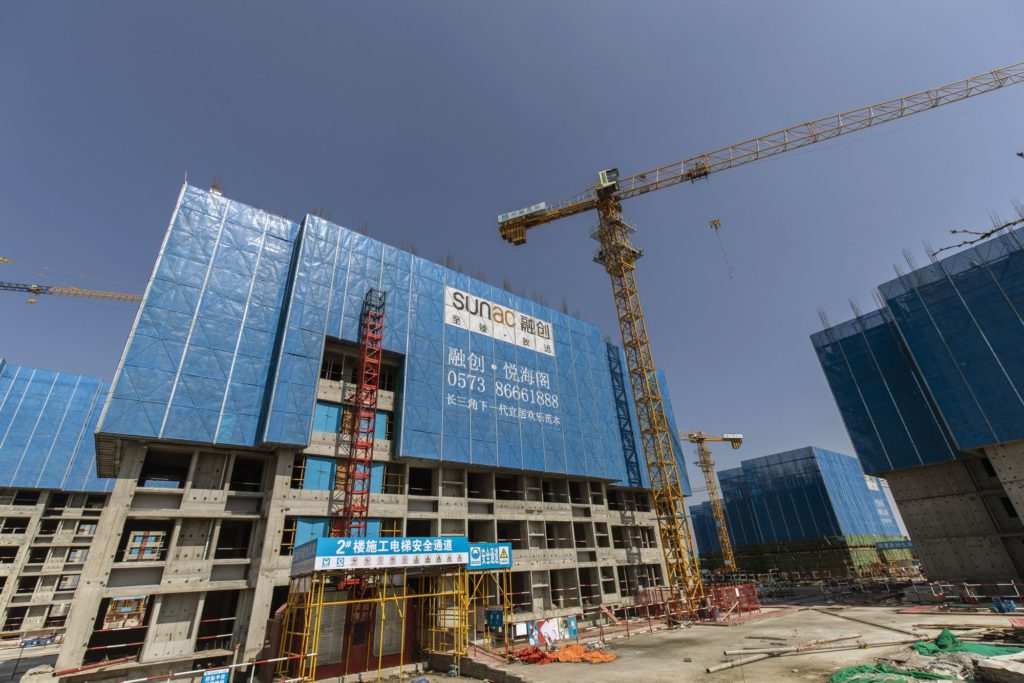
The most recent cases were filed against Sunac China Holdings Ltd. and Jiayuan International Group Ltd. They’re among at least six builders the past several months to receive winding-up petitions filed in Hong Kong or the Cayman Islands. Sunac, Jiayuan and China Evergrande Group all have November hearings scheduled for their cases. 

“Court filings could either lead to more serious negotiations between creditors and companies and upon agreement the petition can be withdrawn, or a solution could be found through the court process,” according to Ronald Thompson, a managing director at restructuring advisory firm Alvarez & Marsal Inc. Thompson said this week he expects to see more court filings seeking the liquidation of developers as some creditors become increasingly frustrated with a lack of restructuring progress.

A winding-up petition can be filed against a company in Hong Kong court when a creditor is owed at least $10,000, according to the Official Receiver’s Office. If the court gives a winding-up order and appoints a provisional liquidator, the latter may take over control of the company, dispose of its realizable assets and distribute any remaining funds to creditors whose claims have been admitted.

Other developers facing winding-up petitions include Yango Justice International Ltd., Fantasia Holdings Group Co. and Sinic Holdings Group Co., according to public information compiled by Bloomberg. Such lawsuits, which may incur extra legal costs for creditors, could add pressure on borrowers to speed up proposing repayment options. Hong Kong’s court website notes parties involved in the Sunac and Jiayuan cases, but no further information was provided about who they are or why the petitions were filed. 

Evergrande, the property giant at the center of China’s real estate debt crisis, stated this week following a winding-up hearing and two-month adjournment that it aims to deliver a restructuring plan as soon as possible. Sunac said it expects to publish its debt restructuring plan within this year as it called the petition against it an “aggressive” move by an individual creditor whose holdings account for an “extremely small” share of the company’s debt. Jiayuan, meanwhile, has had two prior winding-up petitions dismissed by the Hong Kong court or withdrawn.

More than a dozen builders, including Evergrande and Sunac, have defaulted on dollar bonds in the past year, fueling a record amount of delinquencies by Chinese issuers. Sunac founder Sun Hongbin, dubbed the “white knight” in China for bailing out fellow billionaires and their empires, has been unable to rescue his own firm from the property crisis that’s engulfing the world’s second-biggest economy.

Sunac, which was once the country’s fourth-largest builder by sales, has fallen to ninth, according to China Real Estate Information Corp. data. Most of the developer’s dollar bonds have been trading below 20 cents on the dollar for much of the past six months, according to Bloomberg-compiled data.

The case numbers for the Sunac, Jiayuan and Evergrande winding-up petitions are respectively HCCW 319 / 2022, HCCW 317 / 2022 and HCCW 220 / 2022.

More stories like this are available on bloomberg.com

©2022 Bloomberg L.P.
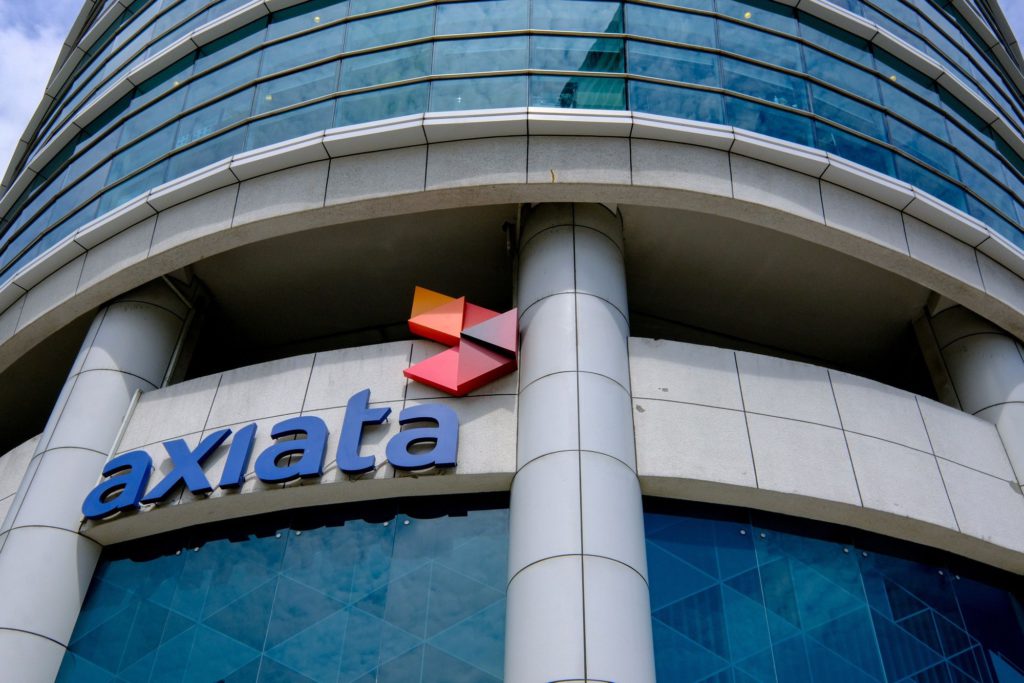
Axiata’s Tower Arm Edotco Weighs $600 Million Stake Sale, Sources Say

(Bloomberg) — Edotco Group Sdn., the wireless tower business of Malaysian telecommunications group Axiata Group Bhd., is considering a share sale that could raise as much as $600 million, according to people familiar with the matter, as it seeks to turbocharge its growth.

The Kuala Lumpur-based company is working with an adviser on the deal, the people said, asking not to be identified because the matter is private. Existing shareholders including Axiata could also tag along and sell down their stakes in the privately-held tower unit, which could boost the total transaction size to as much as $1 billion, the people said.

The potential share sale could attract interest from other companies in the industry and investment firms as appetite for digital infrastructure assets in Asia increases, the people said.

Considerations are preliminary, no final decisions have been made and the company could still decide against pursuing a deal, the people said. Representatives for Axiata and Edotco declined to comment.

Founded in 2012, Edotco operates and manages a portfolio of more than 54,000 towers across nine Asian nations including Malaysia, Thailand, Pakistan and Myanmar, according to a recent press release. Axiata is the controlling shareholder of Edotco, while other minority holders include Malaysian sovereign wealth fund Khazanah Nasional Bhd. and Innovation Network Corp. of Japan.

The company’s services range from tower leasing to colocation to operations and maintenance. It has expanded both organically and via mergers and acquisitions, including the purchase in April of almost 3,000 towers in the Philippines from PLDT Inc. 

Axiata postponed talks to sell a partial stake in Edotco last year, after a military coup in Myanmar triggered concerns over heightened investment risks, Bloomberg News has reported. Some companies have exited their investments in the country to protest against the junta’s violence against civilians.

More stories like this are available on bloomberg.com

©2022 Bloomberg L.P.
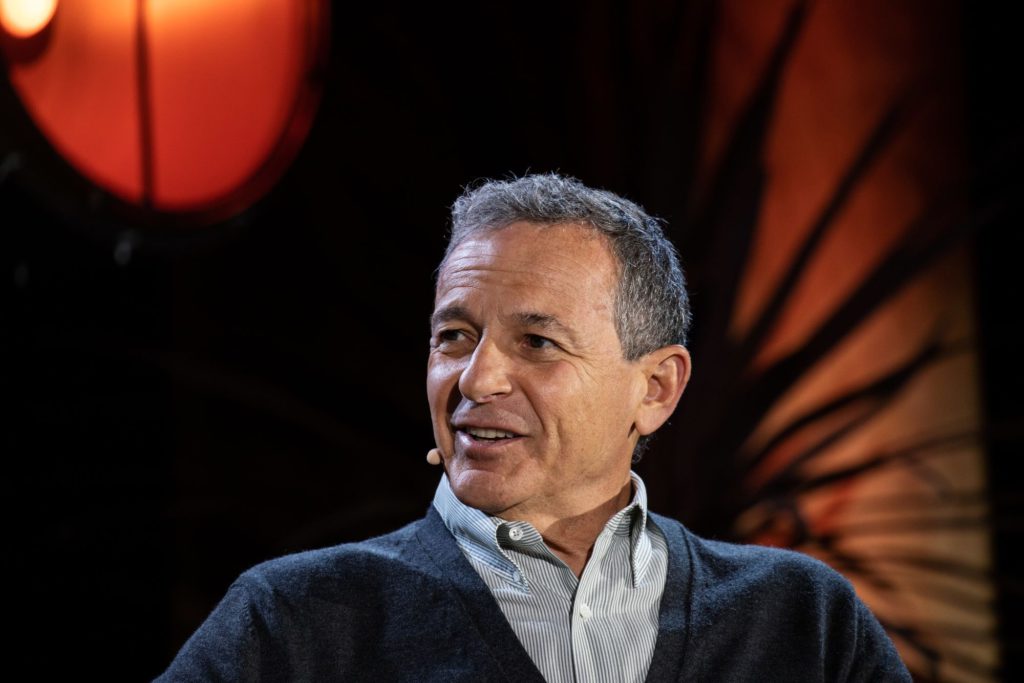
Ex-Disney CEO Iger Says Traditional TV Is Headed for ‘Precipice’

(Bloomberg) — Bob Iger, the former chief executive officer of Walt Disney Co., said traditional TV, including broadcast, cable and satellite, “is marching to a distinct precipice, and it’s going to be pushed off.”

Streaming TV is gaining viewers, Iger said, but that doesn’t mean all online services will do well. 

“I do not think that all of the streamers that are in it today will survive,” said Iger, who retired as executive chairman of Disney in December. Industry pioneer Netflix Inc. will continue to thrive, he said, despite its recent subscriber losses.

“Clearly I’m a big believer in Disney,” said Iger, who launched the ESPN+ and Disney+ streaming services when he ran the company. “They’ve got the IP.”

Apple Inc. and Amazon.com Inc. “are not going to stand pat,’ he said. “They’ll continue to grow and they’ll grow well. They’ve proven they know how to do it, so they’ll stay.”

The executive, who spoke at Vox Media’s Code conference on Wednesday in Beverly Hills, California, didn’t comment when asked about Warner Bros. Discovery Inc., which just completed a big merger with the parent of HBO in April.

Iger, a onetime weatherman who rose to run ABC during the heyday of the broadcast TV business, said he’s enjoying retirement and doesn’t miss running the world’s largest entertainment company. He said he’d been asked, but would not likely join a big company’s board of directors.

“I’ve done that before,” he said. “I enjoyed it then.”

More stories like this are available on bloomberg.com

©2022 Bloomberg L.P.
Close Bitnami banner
Bitnami