
Bloomberg

US Probes FTX Founder for Fraud, Examines Cash Flows to Bahamas

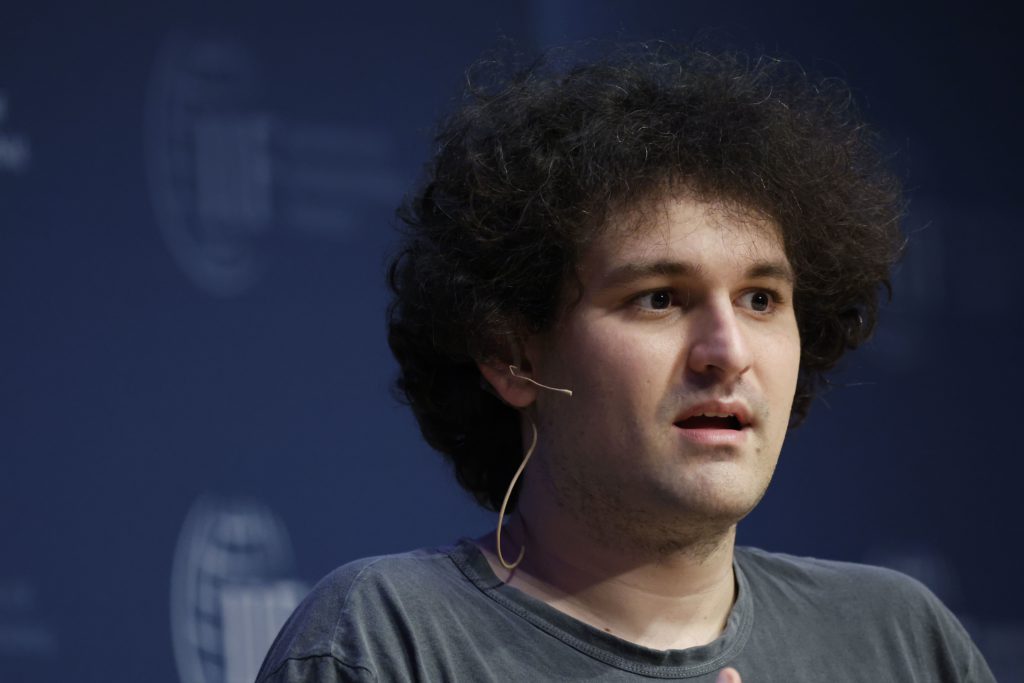
(Bloomberg) — US prosecutors, laying the groundwork for a potential fraud case against Sam Bankman-Fried and others involved in the collapse of cryptocurrency giant FTX, are scrutinizing how funds held by the exchange operator moved outside the US as it was hurtling toward bankruptcy, according to a person familiar with the matter.

Prosecutors are closely examining whether hundreds of millions of dollars were improperly transferred to the Bahamas around the time of FTX’s Nov. 11 bankruptcy filing in Delaware, the person said, asking not to be named without authorization to discuss the case publicly.

As Justice Department officials embark on a sweeping investigation into how FTX handled customers’ cash and assets, they met this week with FTX’s court-appointed overseers to discuss materials they aim to gather, the person said. They’re also digging into whether FTX broke the law by transferring funds to Alameda Research, the bankrupt investment firm also founded by Bankman-Fried, an area of inquiry that has been reported previously.

Bankman-Fried, who’s in the Bahamas and hasn’t been charged with any crimes, has admitted to grievous managerial errors at FTX but steadfastly denied that he ever knowingly misused customers’ funds. A spokesperson for Bankman-Fried declined to comment on Friday.

The New York Times reported this week that federal prosecutors are also examining whether Bankman-Fried engaged in market manipulation by orchestrating trades that led to the collapse of the TerraUSD ecosystem earlier this year.

Prosecutors in the Southern District of New York, including Assistant US Attorney Nicolas Roos, met for about two hours this week in a conference room in lower Manhattan with dozens of people investigating FTX’s collapse. Potential charges were not discussed at the organizational meeting. A spokesperson for the Southern District declined to comment.

The meeting included officials from that office and the Justice Department in Washington, agents from the Federal Bureau of Investigation, and the bankruptcy team led by John J. Ray III, who was appointed FTX’s chief executive officer last month. Lawyers for FTX from Sullivan & Cromwell, including former Securities and Exchange Commission enforcement director Steve Peikin and former Manhattan federal prosecutor Nicole Friedlander, were also present, the people said. 

Roos helped prosecute Nikola Corp. founder Trevor Milton, who was convicted in October of misleading investors in the electric truck company. 

Bankman-Fried has given a series of media interviews in the past month describing accounting mistakes that obscured the extent of FTX’s ties with Alameda and the risks that created. On Friday, he said on Twitter that he’s willing to testify at a Dec. 13 hearing before the US House Financial Services Committee about the disintegration of his crypto empire. 

Read more: Inside Sam Bankman-Fried’s Bahamian penthouse after FTX’s fall

Bahamas-based FTX and more than 100 related entities, including the company’s US arm, sent shock waves across the crypto ecosystem with their bankruptcy filing last month. The group and its founder now face scrutiny from regulators and prosecutors in the US and overseas.

More stories like this are available on bloomberg.com

©2022 Bloomberg L.P.
Korea EV Supercharging Maker Opens US Office, Expands in Japan

(Bloomberg) — Chaevi, a South Korean maker of supercharging stations for electric cars, is planning on building out an ultra-fast network in the US and partnering with automakers in Japan as consumers around the world embrace cleaner passenger transport.

After installing some 26,000 EV chargers at home since the company was established in 2016, Chaevi has opened an office in Silicon Valley and is considering a US manufacturing base, Chief Marketing Officer Young Min Kim said.

While that would mean going up against supercharging incumbents Tesla Inc., EVgo Inc. and Electrify America LLC, the recently passed Inflation Reduction Act is pushing Chaevi to consider investments in North America. The act, which seeks to reduce reliance on China and encourage automakers around the world to produce more cars in the US, may also provide for subsidies for EV charging makers.

Japan, where electric vehicle penetration is still low, is another market where Chaevi sees big growth, Kim said. There are plans to open a Tokyo office, he added, without elaborating.

This willingness to look outside of Korea may be driven by the Asia nation’s stringent rules around EV chargers, Lee Chang-hee, an analyst at Samsung Securities Co., said.

“Korea has strong regulations for EV chargers, such as limiting the number installed at a parking lot,” Lee said. “So some Korean charger makers are seeking overseas expansion.”

Others are getting in on the act, too.

SK Group, which controls EV battery maker SK On Co., is a backer of US electric charging solutions provider Atom Power Inc. while Hyundai Motor Co. has struck a partnership with Lotte Group under which the retail giant will provide real estate for Hyundai’s charging stations. 

Although the number of charging points per electric car in Korea is high, consumers still feel they’re lacking, with many sites far from residential areas or constantly broken, according to an October report from state-run Korea Development Institute. 

Chaevi forecasts Korea will need around 210,000 slow chargers and 24,000 fast ones by the end of next year to support its goal of reaching half a million EV charging points across the country by 2025. There were around 149,000 fast and slower charging sites as at the end of August, government data show.

China, the world’s biggest market for electric cars, doesn’t appeal however, Kim said. The political risks are offputting and the market is already crowded, he said. China has about 346,950 fast chargers installed, compared to 29,541 in Europe and 23,159 in the US, according to BloombergNEF.

More stories like this are available on bloomberg.com

©2022 Bloomberg L.P.
Bankman-Fried Will Testify at House Hearing on FTX Fallout

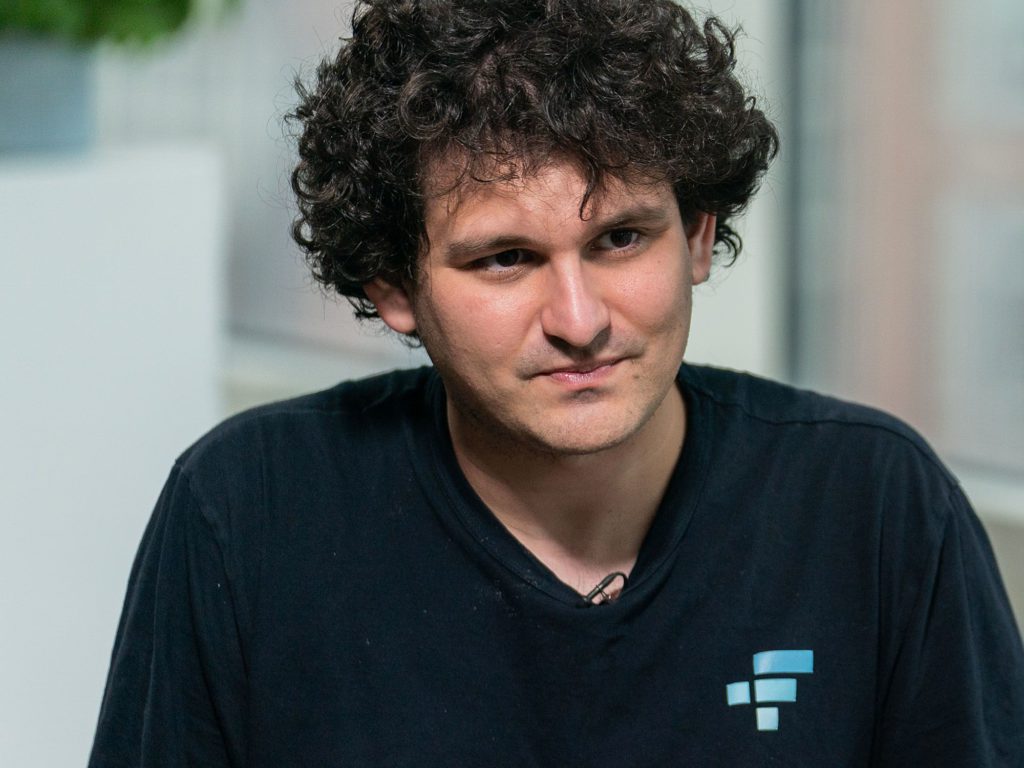
(Bloomberg) — The House Financial Services Committee confirmed that former FTX Chief Executive Officer Sam Bankman-Fried will testify at a hearing next week on the disintegration of his crypto empire.

He is now listed as a witness alongside current FTX CEO John J. Ray III, according to a media advisory the committee sent out late Friday. The hearing will be split into two parts, each one featuring one of the men. 

Bankman-Fried, in a series of messages sent over Twitter earlier Friday, said he was “willing to testify” but would be limited in what he would be able to say because he didn’t have access to much of his data — “professional or personal.” Earlier in the day, Bankman-Fried’s spokesman, Mark Botnick, had said “details are still being worked out” when asked about the hearing. 

In tweets earlier this month, the House committee’s chairwoman, Representative Maxine Waters, urged Bankman-Fried to attend the Dec. 13 hearing, saying his appearance was “imperative.”

Bankman-Fried missed the deadline set by the Senate Banking Committee for a response to a request to testify at its separate, Dec. 14 hearing on FTX. His counsel didn’t reply in the needed time frame, the committee said Thursday in a statement. There is still no word as to whether the former crypto magnate will also appear at that hearing. 

Bankman-Fried, who hasn’t been charged with any crimes, has denied trying to perpetrate a fraud, though he has owned up to grievous managerial errors at FTX. 

Bahamas-based FTX and more than 100 related entities, including the company’s US arm, filed for bankruptcy in November, sending shock waves across the crypto ecosystem. The firm, which had been one of the world’s largest digital-asset exchanges, and its founder now face scrutiny from regulators and prosecutors in the US and overseas. The probes could eventually lead to criminal charges. 

At the center of the investigations into the FTX implosion are questions about whether FTX mishandled customer funds by lending them out to the trading platform’s sister company, Alameda Research, to shore up risky bets.     

–With assistance from Yueqi Yang.

(Updates with House committee’s confirmation that Bankman-Fried will testify.)

More stories like this are available on bloomberg.com

©2022 Bloomberg L.P.
Bitcoin Lingers Near $17,000; Coinbase, Miners Lead Declines

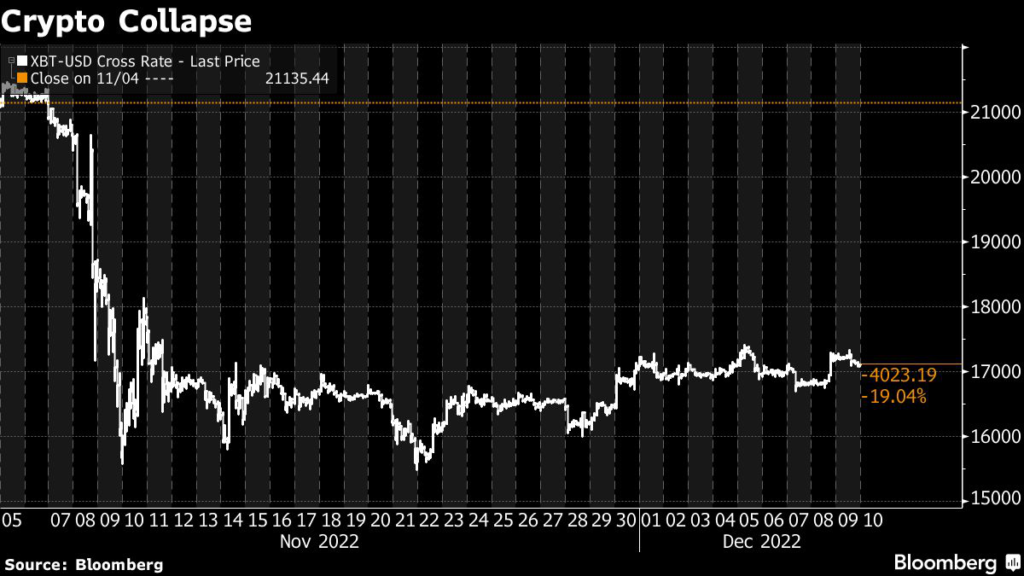
(Bloomberg) — Bitcoin is finishing the week mired in the narrow range that has existed since the collapse of the FTX exchange, while Coinbase Global Inc. and miners continued their declines toward record lows as the crypto winer grows colder. 

The largest cryptocurrency by market value was little changed at about $17,113 as of 5 p.m. in New York, just off the two-year low reached on Nov. 21. FTX sought bankruptcy protection on Nov. 11. Bitcoin is down more than 60% this year. The Bloomberg Galaxy Crypto Index dropped less than 2% this week, and is down 67% in 2022.   

Coinbase Chief Executive Officer Brian Armstrong said earlier this week that the cryptocurrency exchange’s revenue is set to be cut by half or more this year as declining prices and the collapse of rival FTX rattle investors’ confidence. 

Marathon Digital Holdings Inc.’s shares tumbled 28%, the biggest weekly decline since August. Riot Blockchain Inc. fell 16%.  

More stories like this are available on bloomberg.com

©2022 Bloomberg L.P.
Stocks Suffer Late-Day Swoon as Traders Shun Risk: Markets Wrap

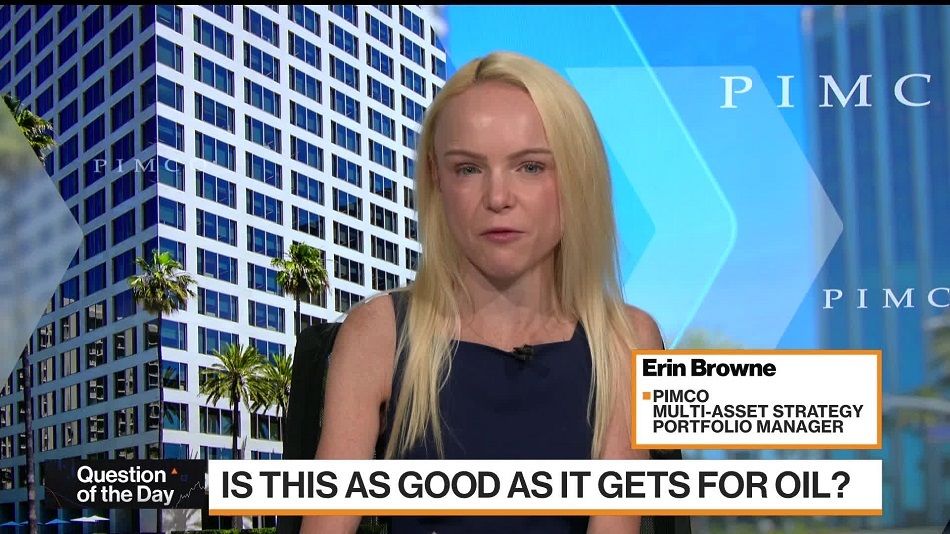
(Bloomberg) — Stock traders took risk off the table at the end of a week that saw recession fears resurface and a hotter-than-estimated inflation print with the Federal Reserve decision just around the corner.

A late-day slide in equities shattered the calm that prevailed throughout most of the trading session, with the S&P 500 closing near Friday’s lows. The Dow Jones Industrial Average notched its worst weekly drop since September. Treasury 10-year yields climbed, approaching 3.6%.

In the run-up to the Fed meeting, all eyes will be on Tuesday’s consumer inflation data — which is forecast to show prices, while much too high, continued to decelerate. Swaps signaled bets policymakers will raise rates by 50 basis points Wednesday after four straight 75 basis-point hikes. Officials including Chair Jerome Powell have been indicating a downshift, while stressing borrowing costs will need to remain restrictive for some time to beat inflation. 

“Bottom line: the Fed has already come to terms with the fact that they are likely risking a recession, to anchor inflation longer-term,” said Don Rissmiller at Strategas. “The job is not done. Rate hikes can likely slow down to 50 bp, but we are still looking at policy tightening (and staying tight) in 2023.”

Financial conditions have eased dramatically since the October consumer-price reading, so the Fed will likely use the December meeting to walk those back, according to Cliff Hodge at Cornerstone Wealth. The most straightforward way to do so would be the Summary of Economic Projections — specifically the so-called dot plot, he noted.

“We think the markets are too sanguine on rates after the first quarter, and we expect Powell to take a more hawkish tone and for the dots to indicate higher rates for a longer period of time than what is currently being priced in by the futures markets,” Hodge said. “A ‘hawkish’ step-down so to say.”

Read: Markets Wake Up to Recession Risks in Week Charts Break Down

The Fed is set to keep rates at their peak throughout 2023, dashing hopes markets have priced in for rate cuts in the second half, according to economists surveyed by Bloomberg.

The Federal Open Market Committee’s median projection is expected to show the benchmark peaking at 4.9% in 2023 — reflecting a 4.75%-5% target range — compared to 4.6% seen in September. That would deliver a hawkish surprise to investors — who currently bet rates will be cut by a half percentage point in the second half of next year, though they too see rates peaking around 4.9%. The current range is between 3.75% and 4%.

While many investors are impatient for the Fed to deliver its last rate hike, history shows they should be wary of doing so while inflation remains elevated, according to Bank of America Corp. strategists.

An analysis by Michael Hartnett showed that stocks outperformed after the Fed stopped increasing rates during periods of disinflation in the past 30 years. However, during the era of high inflation in the 1970s and 1980s, equities had fallen after the last hike, they wrote. In the current cycle, they expect the Fed to raise rates for the last time in March 2023.

After analyzing 15 economic downturns going back to 1929, strategists at Bloomberg Intelligence found a strong link between the length of recessions and the time it took the S&P 500 to reclaim its previous high. 

In all instances, it’s taken the gauge about 386 days to reach the bottom and 573 days to recover to peak levels. But if the bottoming process took longer than average, the road to reclaim a previous peak has then lasted 1,997 days, six times the length of the ascents that came after a quicker-than-average bottoming process.

Stocks might be on track for their worst returns since the global financial crisis, but the market has endured the most daily routs in almost five decades, according to data compiled by Bloomberg as of Wednesday’s close. Those selloffs are calculated by a so-called hit ratio that measures the number of gains versus losses as a percentage of the total number of trading days. 

That ratio stands at 43%, the S&P 500’s lowest since 1974. An annual hit ratio lower than 50% has only been seen 10 other times in the past 48 years, and the recovery has been painfully slow in most cases

Still, some of the world’s biggest investors predict that stocks will see low double-digit gains next year. Seventy one percent of respondents in a Bloomberg News survey expect equities to rise, versus 19% forecasting declines. For those seeing gains, the average response was a 10% return.

Some of the main moves in markets:

Stocks

  • The S&P 500 fell 0.7% as of 4 p.m. New York time
  • The Nasdaq 100 fell 0.6%
  • The Dow Jones Industrial Average fell 0.9%
  • The MSCI World index fell 0.2%

Currencies

  • The Bloomberg Dollar Spot Index rose 0.1%
  • The euro fell 0.2% to $1.0530
  • The British pound rose 0.2% to $1.2255
  • The Japanese yen was little changed at 136.71 per dollar

Cryptocurrencies

  • Bitcoin fell 0.5% to $17,099.03
  • Ether fell 1.3% to $1,261.63

Bonds

  • The yield on 10-year Treasuries advanced 10 basis points to 3.58%
  • Germany’s 10-year yield advanced 11 basis points to 1.93%
  • Britain’s 10-year yield advanced nine basis points to 3.18%

Commodities

  • West Texas Intermediate crude was little changed
  • Gold futures rose 0.3% to $1,807.30 an ounce

This story was produced with the assistance of Bloomberg Automation.

–With assistance from Elena Popina.

More stories like this are available on bloomberg.com

©2022 Bloomberg L.P.
Microsoft, Once Sure of June 30 Activision Deal Close, Now Won’t Say

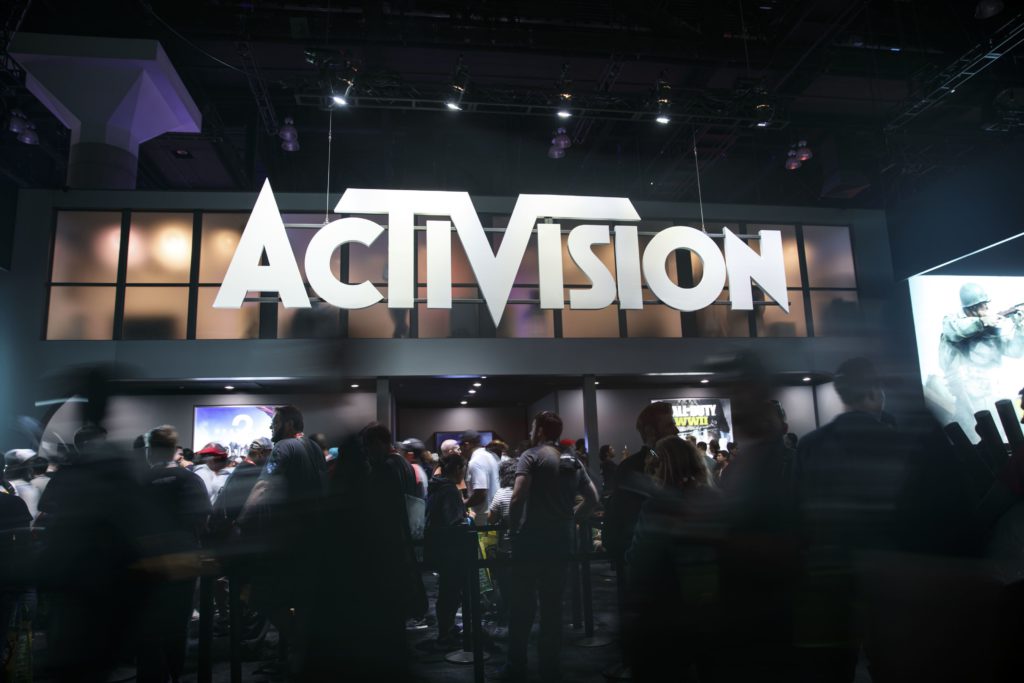
(Bloomberg) — Microsoft Corp., which had expected to complete its $69 billion purchase of Activision Blizzard Inc. by June 30, said it can no longer comment on the timing after the US Federal Trade Commission sued to block the deal on the grounds that it would hinder competition.

Microsoft spokesman David Cuddy on Friday said the company is now declining to comment on the timing of the transaction for the video-game publisher. The FTC on Thursday said it would sue to halt the acquisition, and scheduled its in-house trial to begin on Aug. 2, 2023.

In prior merger challenges in the agency’s in-house court, the judge issued an initial decision 7 to 12 months after the trial began, said Jennifer Rie, an analyst at Bloomberg Intelligence. Still, the FTC would need to separately sue in federal court if it wants Microsoft to put off closing the deal until after the trial is over. The company is also facing questions about the deal from European and UK regulators.

More stories like this are available on bloomberg.com

©2022 Bloomberg L.P.
NY’s Metropolitan Opera Says Cyberattack Disrupted Website, Box Office

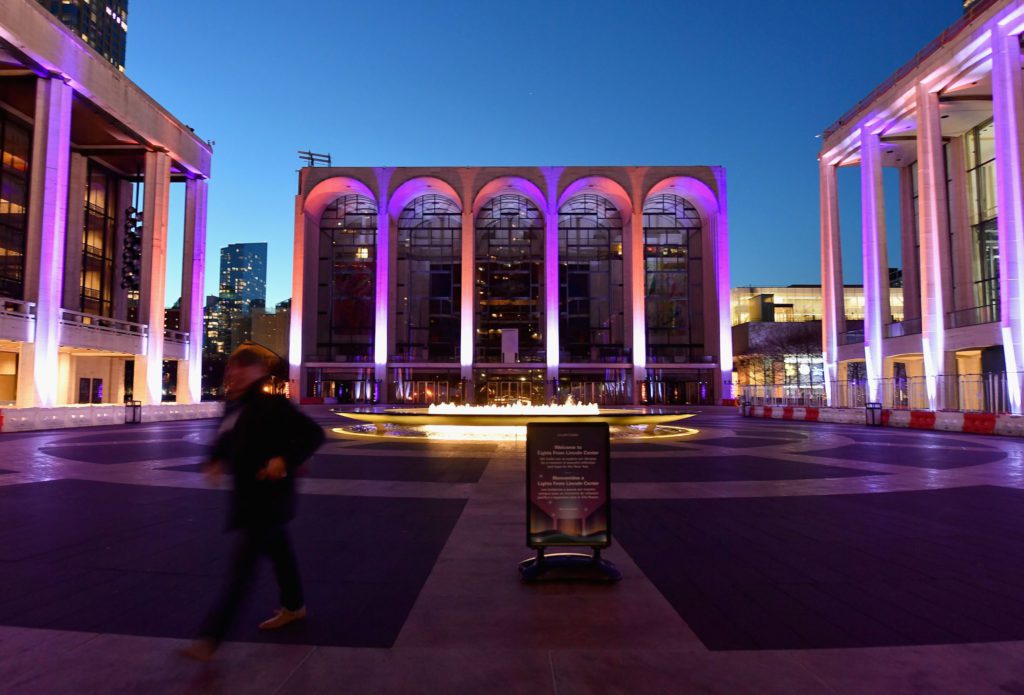
(Bloomberg) — The Metropolitan Opera in New York experienced a cyberattack that disrupted its website, box office and call center, according to a statement, which added that performances would continue as scheduled.

The Met Opera said the attack “impacted our network systems.” A spokesman said Friday that email and payroll systems were also affected. “We are working as quickly as possible to get this difficult situation resolved,” the opera house said on a makeshift website Friday. 

A spokesman said that tickets are temporarily available through the Lincoln Center for the Performing Arts, although exchanges or refunds aren’t possible at the moment. He said the attack took place early Tuesday. 

The cyberattack was reported earlier by the New York Times.   

(Updates with details of attack and ticket availability in second and third paragraphs.)

More stories like this are available on bloomberg.com

©2022 Bloomberg L.P.
Coinbase Gets US Supreme Court Hearing Over Account-Holder Suit

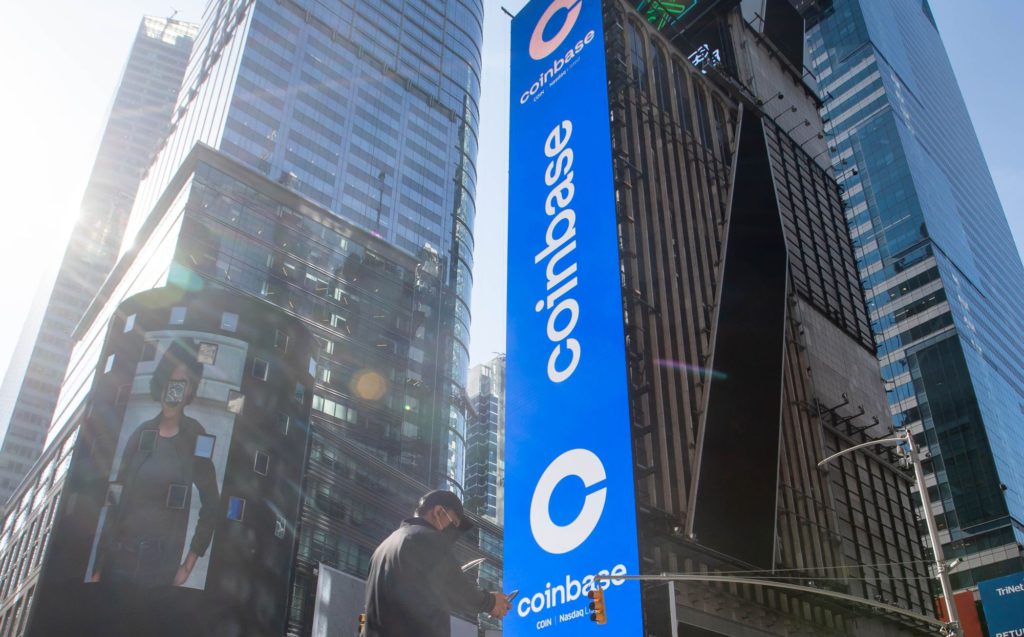
(Bloomberg) — The US Supreme Court agreed to consider a Coinbase Global Inc. appeal over a user lawsuit in a case that could bolster the ability of companies to channel customer and employee disputes into arbitration.

The appeal raises a procedural question that the cryptocurrency exchange platform says can be crucially important in arbitration cases. The company is battling claims by Abraham Bielski, who says Coinbase should compensate him for $31,000 he lost after he gave a scammer remote access to his account. 

At issue is whether the lawsuit can move forward while Coinbase presses an appeal that seeks to send the case to arbitration. Coinbase contends that trial court proceedings should automatically stop when a party files a non-frivolous appeal seeking to compel arbitration.  

A federal trial judge rejected Coinbase’s bid to send the Bielski dispute to arbitration, which the company says is required under its user agreements. The 9th US Circuit Court of Appeals refused to block the trial court proceedings while it considers Coinbase’s still-pending appeal of that ruling.

As part of the appeal, Coinbase also asked the high court to stop a California lawsuit that accuses the company of holding a $1.2 million Dogecoin sweepstakes without adequately disclosing that entrants didn’t have to buy or sell the cryptocurrency. 

That aspect of the appeal lost much of its practical significance when a judge halted the Dogecoin proceedings while the company appeals her refusal to order arbitration.

The case is Coinbase v. Bielski, 22-105.

More stories like this are available on bloomberg.com

©2022 Bloomberg L.P.
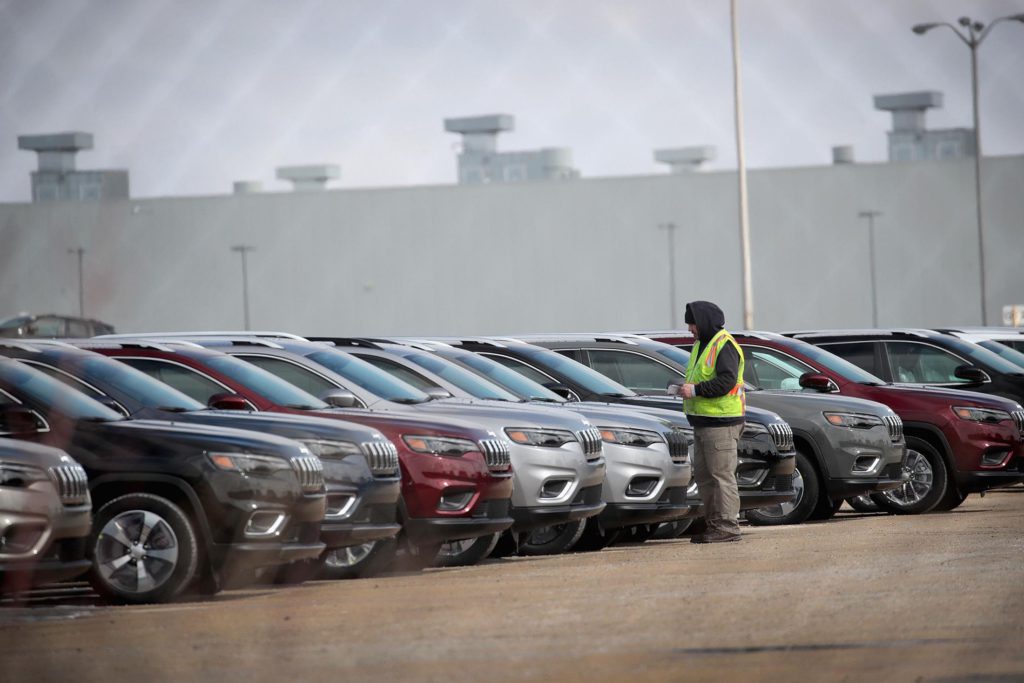
Stellantis Idles Jeep Plant, Citing Electrification Burden

(Bloomberg) — Stellantis NV plans to idle a Jeep-making factory in Belvidere, Illinois, citing challenges such as cost burdens due to the shift toward electrification of more models. 

The automaker said in a statement Friday that the “difficult but necessary action,” effective Feb. 28, will result in layoffs of an unspecified number of workers, which will likely extend for more than six months.  

“Our industry has been adversely affected by a multitude of factors, like the ongoing Covid-19 pandemic and the global microchip shortage, but the most impactful challenge is the increasing cost related to the electrification of the automotive market,” the company said.

Stellantis and other carmakers are spending billions to electrify their lineups with new battery factories and vehicle assembly plants, leaving the future murky for facilities like Belvidere that specialize in vehicles with internal combustion engines. Executives at the company have warned the auto industry may “collapse” under the weight of electric vehicle costs.

Its shares fell 2.4% to $14.48 as of 3:29 p.m. in New York. The stock is down about 23% this year.

Series of Cutbacks

Stellantis said in March that it would cut its workforce at the plant, which manufactures the Jeep Cherokee model, without disclosing the number of employees affected. That was the latest in several job reductions at the facility.

“We are all deeply angered by Stellantis’s decision to idle the Belvidere Assembly plant without a plan for future product,” Cindy Estrada, a UAW vice president and head of its Stellantis department, said in a statement posted Friday on the union’s website. “It is an insult to all taxpayers that they are not investing that money back into our communities.”

Stellantis, which was formed from the merger of PSA Group and Fiat Chrysler, said it would try to place laid off employees in other jobs if positions become available. The company also said it was looking into opportunities to use the Belvidere plant for other purposes but has no specific plans it is ready to disclose.

The plant, located about 75 miles northwest of Chicago, dates from the early 1960s. It was retooled as part of a $350 million investment in which production of the five-passenger compact Cherokee SUV was moved from a plant in Toledo in 2017. The factory started a second shift in 2019, but that was scaled back to a single shift in July 2021. 

–With assistance from Keith Naughton.

(Updates with shares, other details beginning in fourth paragraph)

More stories like this are available on bloomberg.com

©2022 Bloomberg L.P.
Uber Sues NYC Taxi Commission to Block Rate Hike for Drivers

(Bloomberg) — Uber Technologies Inc. sued the New York City Taxi & Limousine Commission to block an increase in rates it must pay drivers that was approved last month, calling them “dramatic, unprecedented and unsupported hikes.” 

The commission on Nov. 15 approved the first increase in metered fares since 2012, including increases in per-mile and per-minute rates for Uber and Lyft Inc. drivers. In a lawsuit filed on Friday in New York state court, Uber said it would be forced to spend an additional $21 million to $23 million a month if the rule goes into effect on Dec. 19, which it wouldn’t be able to recover unless it raised rider fares. 

“Such a significant fare hike, right before the holidays, would irreparably damage Uber’s reputation, impair goodwill, and risk permanent loss of business and customers,” Uber said in its suit. The company said the commission suddenly switched to a “volatile inflation index for a one-time increase that makes no sense, and that is a drastic departure from the Commission’s past practice or any rational approach.”

Taxi & Limousine Commissioner David Do said in a statement that the city must “stand behind our workers without traditional employment protections.”

“New York City leads the nation in protecting drivers, and this important rule reflects that reality,” Do said. “We are confident that we are well within our legal authority in implementing this important rule, and we are vigorously fighting this lawsuit.”

The potential for the additional cost to be passed down to riders comes at a time when prices for ride-hailing are still at historical highs. The cost of an Uber ride was 37% higher in September compared to 2019, according to data analytics firm YipitData. In November, Uber Chief Executive Officer Dara Khosrowshahi told Bloomberg he thinks elevated prices may be here to stay.

“With this latest rulemaking, on top of the annual inflation adjustment, the TLC is choosing to invent a new methodology that locks in this summer’s high gas prices in perpetuity with a ‘mid-year’ adjustment that takes place 12 days before the end of the year,” an Uber spokesman said in a statement. He added that the TLC “should have followed its usual annual adjustment and instituted a temporary gas surcharge when gas prices were actually elevated.”

The 37% hike in fares since 2019 is going into Uber’s coffers, and not to the drivers, said Bhairavi Desai, executive director of the New York Taxi Workers Alliance.

“We call on the city to stand firm and defend the rights of drivers to labor with dignity,” Desai said in a statement. “Uber seeks chaos. We seek dignity.”

According to the city, Uber and Lyft driver pay rates will increase by 7% per minute and 24% per mile, with a sample trip of 30 minutes and 7.5 miles requiring a minimum payment of $27.15. Uber said the city’s calculation of the per mile rate increase is misleading and is actually 16% because it ignores mandated annual adjustments implemented in 2020 and 2022. 

The suit is seeking a court order declaring the increases invalid and to block their implementation while the litigation proceeds.

The case is Uber USA LLC v. New York City Taxi & Limousine Commission, 160451/2022, New York State Supreme Court, New York County (Manhattan).

–With assistance from Skylar Woodhouse.

(Updates with city comment starting in fourth paragraph.)

More stories like this are available on bloomberg.com

©2022 Bloomberg L.P.

Close Bitnami banner
Bitnami
