
Bloomberg

Frontrunner Truss Courts City of London With Eye on UK Watchdogs

(Bloomberg) —

After an international career in finance, a rapid political rise and high profile as chancellor of the exchequer during the pandemic, Rishi Sunak must have expected the full-throated backing of the financial sector when he made a bid to lead the Conservative Party and the UK.

Instead, it’s Liz Truss who gained momentum among the financial establishment and Tory voters this summer. 

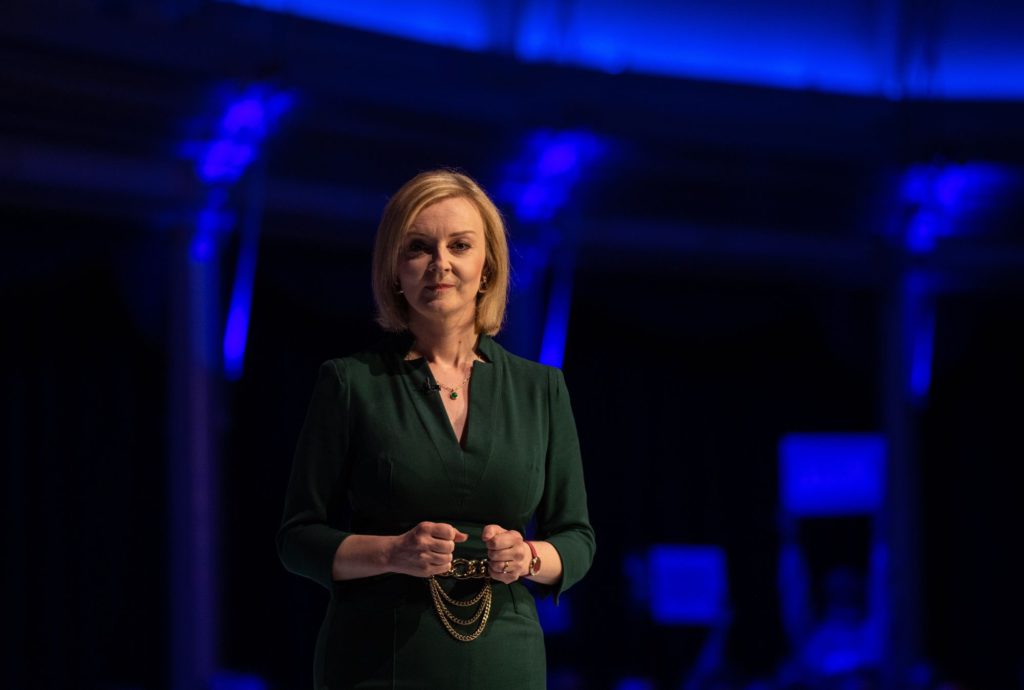
Truss, currently foreign secretary and a former trade minister, has ideas that include altering the Bank of England’s remit, breaking up regulators and scrapping many more European Union rules to attract companies to London. And she’s spent recent weeks attempting to patch up relations between Downing Street and the City of London, which have taken a knock during Boris Johnson’s leadership.

The City is a “jewel in the crown of the UK economy but for too long its potential has been held back by onerous EU regulation, which have stifled growth and stunted investment,” Truss said in an interview with financial newspaper City AM published Wednesday. 

While Truss’s policies have raised eyebrows, some in the financial services industry see the potential for a turning point after years in the political wilderness during the Brexit negotiations.

“Her whole philosophy is more radical,” said Barney Reynolds, global head of the financial services industry group at law firm Shearman & Sterling, who’s also done work for the Brexit-supporting European Research Group. “It will require immense effort and a lot of care and thought” to overhaul regulations, he added, “but it will lead to more growth.”

London Floats

Several polls of Conservative members have put Truss far ahead in the race with Sunak to replace Johnson, with just days of voting left before a winner is announced on Sept. 5. 

Truss’s team wants to revive talks with SoftBank Group Corp. to encourage its Cambridge-based chip designer Arm to list shares in both London and New York, according to people familiar with her thinking. Plans for a UK listing hit the buffers during Johnson’s ousting in July. 

Her campaign has also held internal discussions about bringing back Gerry Grimstone, who was leading government work on the Arm share sale, to resume the discussions, the people said, who asked not to be named as the information isn’t public.

While the decision about Arm’s float is ultimately out of the government’s hands, Truss sees future dual-listings as an attractive prospect for the UK, said the people.

“Clearly there is a need to move on from the period of benign neglect that was evident a few years ago, to recognizing the importance of the financial services sector,” said Gerard Lyons, chief economic strategist at online wealth manager Netwealth and former adviser to Johnson. 

CEO Breakfast

Truss attended a breakfast in early August at the office of insurer Aviva Plc organized by Grimstone, a financier and Conservative peer who once worked under Truss as an unpaid minister at the Department of International Trade. 

About 14 chief executives, chairmen and other individuals attended to hear her views and suggest measures to protect London’s status as a global hub for business and markets. 

“In Liz we would have a prime minister who would take the City seriously. There is so much that can be done to benefit the UK by having a vibrant City,” Grimstone said in an interview. 

Support for Truss is far from universal, though, in the City or the rest of the country. Several political and financial heavyweights such as former chancellor Nigel Lawson have warned that her plans to cut taxes would fuel rather than halt the UK’s spiraling inflation and not address the most pressing problem of imminent fuel poverty for millions of Britons.

It’s Sunak who has a “deep and forensic grasp of how the economy works and what needs to be done,” according to John Glen, the former City minister and a key supporter of the ex-chancellor. Sunak wants to invest in innovation and improve productivity, Glen told Bloomberg News. 

Tax or Spend

If Truss does win, one of her first moves is expected to be an emergency budget, led by her new chancellor. Candidates for that job include business secretary Kwasi Kwarteng or Simon Clarke, chief secretary to the Treasury. 

Tax is one area where the candidates more sharply divide. Sunak made spending commitments to support the economy through Covid that were anathema to many Conservatives and business people. He raised national insurance contributions, planned a hike in corporation tax, floated a levy on energy firms’ profit and launched a Covid-19 business loan program that’s set to lose billions of pounds to defaults and fraud.

Vasso Ioannidou, professor of finance at Bayes Business School in London, said Sunak was paying the price for his tax increases. “This unpopularity is more related to trust issues and deviation from traditional conservatism than competence or experience,” Ioannidou said.

Truss has promised to reverse the rise in national insurance and scrap the increased in corporate tax from 19% to 25% planned for next April. “We are particularly pleased the Truss campaign has listened to us on the need to cancel the planned corporation tax rise,” said Robert Colville, director of the Centre for Policy Studies, a popular source of ideas for the Conservative Party. 

Similar Playbook

Away from this dividing line, though, both candidates are following a similar playbook on the financial industry. Colville said he was “pleased to see both campaigns take a more pro-business approach, over issues such as Solvency II.”

In the short term, reforms that are already in the works to gradually unburden the UK’s financial sector will likely continue. The Financial Services and Markets Bill, announced in July and prepared chiefly by Sunak’s Treasury, lays the groundwork for many EU-era laws to be scrapped. 

Solvency II capital obligations for insurers could be tweaked, potentially unleashing £95 billion ($110 billion) for infrastructure, energy transition and housing projects, according to an Association of British Insurers estimate last year.

The UK could also dispense with more of the MiFID II regime that regulates financial markets in a bid to make platforms such as the London Stock Exchange more attractive to traders. 

A number of financial services executives, who asked not to be named discussing politics, believe the government should go further to break with the EU’s regulations. Truss appears to agree. According to one of the people familiar with her thinking, there will be significant changes to the draft finance bill before it becomes law in April or May.

Sunak is also keen to rip up more laws inherited from the EU — even though his own Treasury advisers previously said it might not be feasible. 

Financial Regulation

Major changes are also looming for Britain’s financial regulators, which were split in two after the 2008 crisis to independently police the sector. Since Brexit, the Prudential Regulation Authority and Financial Conduct Authority have more leeway to adapt rules that were once set in Brussels — and politicians including Truss and Sunak think this should come with more oversight. 

The current draft of the financial services bill would give ministers the right to order regulators to review their actions. There’s talk of going further, with a “call-in” power that effectively vetos decisions. 

On the campaign trail, Truss and her allies have floated this idea, and bigger overhauls such as merging the PRA and FCA, and changing parts of the Bank of England’s remit after it struggled to control inflation this year.

Critics argue this would expose regulators to interference. “It’s dangerous if you have a financial regulator that’s at the whim of politicians,” said Alan Miller, founder and chief investment officer at SCM Private LLP, who campaigned against Brexit. “If you have a Jacob Rees-Mogg style politician who doesn’t really believe in regulation but ‘buyer beware,’ this is in no one’s interest.”

The first showdown with regulators could be soon. Sam Woods, chief executive of the PRA, wants to preserve the matching adjustment within Solvency II, which dictates the assets an insurer must hold against its long-term liabilities. The ABI believes his ideas could mean some life insurers having to hold more capital overall. 

A Truss win may make things particularly uncomfortable for Bank of England Governor Andrew Bailey. During her campaign, Truss has used the BOE as a political punching bag, criticizing its slowness to raise interest rates and its apparent reluctance to promote competitiveness as well as financial stability. 

Finance Lobbying

A change in Downing Street gives lobbyists another opportunity to air their grievances. Some medium-sized banks want to see their capital levels reduced to boost their chances of competing with the big players. The long wait to obtain authorization frustrates fintech startups. The regulator’s new consumer duty for banks has stirred opposition and prompted criticism of FCA boss Nikhil Rathi.

TheCityUK is among the groups calling for speedier visa processes and other measures to make it easier to bring in skilled workers to the UK — a cause they’ve been championing, to little effect, during the Brexit negotiations and Covid-19 disruption. It is also lobbying for further cuts to the levy on banks’ balance sheets and on VAT for fund management. 

On Thursday, the City of London Corp. highlighted the barriers facing financial companies moving data across borders, saying post-Brexit free trade agreements haven’t gone far enough. 

Truss — or Sunak — will have to weigh how far to go on all of these matters. It is a balancing act between striding out from the EU and aligning enough to allow cross-border business. There’s a risk of overreaching and damaging a sector that generates almost a tenth of UK economic output. 

“What people say when they are at hustings and trying to win votes is quite often very different to what they do when they get power,” said Alasdair Haynes, chief executive officer and founder of stock platform Aquis Exchange Ltd. “We have to wait and see what she does.”

More stories like this are available on bloomberg.com

©2022 Bloomberg L.P.
City of London Sees Potential in Liz Truss’s ‘Radical’ Policies

(Bloomberg) —

After an international career in finance, a rapid political rise and high profile as chancellor of the exchequer during the pandemic, Rishi Sunak must have expected the full-throated backing of the financial sector when he made a bid to lead the Conservative Party and the UK.

Instead, it’s Liz Truss who gained momentum among the financial establishment and Tory voters this summer. 

Truss, currently foreign secretary and a former trade minister, has ideas that include altering the Bank of England’s remit, breaking up regulators and scrapping many more European Union rules to attract companies to London. And she’s spent recent weeks attempting to patch up relations between Downing Street and the City of London, which have taken a knock during Boris Johnson’s leadership.

The City is a “jewel in the crown of the UK economy but for too long its potential has been held back by onerous EU regulation, which have stifled growth and stunted investment,” Truss said in an interview with financial newspaper City AM published Wednesday. 

While Truss’s policies have raised eyebrows, some in the financial services industry see the potential for a turning point after years in the political wilderness during the Brexit negotiations.

“Her whole philosophy is more radical,” said Barney Reynolds, global head of the financial services industry group at law firm Shearman & Sterling, who’s also done work for the Brexit-supporting European Research Group. “It will require immense effort and a lot of care and thought” to overhaul regulations, he added, “but it will lead to more growth.”

London Floats

Several polls of Conservative members have put Truss far ahead in the race with Sunak to replace Johnson, with just days of voting left before a winner is announced on Sept. 5. 

Truss’s team wants to revive talks with SoftBank Group Corp. to encourage its Cambridge-based chip designer Arm to list shares in both London and New York, according to people familiar with her thinking. Plans for a UK listing hit the buffers during Johnson’s ousting in July. 

Her campaign has also held internal discussions about bringing back Gerry Grimstone, who was leading government work on the Arm share sale, to resume the discussions, the people said, who asked not to be named as the information isn’t public.

While the decision about Arm’s float is ultimately out of the government’s hands, Truss sees future dual-listings as an attractive prospect for the UK, said the people.

“Clearly there is a need to move on from the period of benign neglect that was evident a few years ago, to recognizing the importance of the financial services sector,” said Gerard Lyons, chief economic strategist at online wealth manager Netwealth and former adviser to Johnson. 

CEO Breakfast

Truss attended a breakfast in early August at the office of insurer Aviva Plc organized by Grimstone, a financier and Conservative peer who once worked under Truss as an unpaid minister at the Department of International Trade. 

About 14 chief executives, chairmen and other individuals attended to hear her views and suggest measures to protect London’s status as a global hub for business and markets. 

“In Liz we would have a prime minister who would take the City seriously. There is so much that can be done to benefit the UK by having a vibrant City,” Grimstone said in an interview. 

Support for Truss is far from universal, though, in the City or the rest of the country. Several political and financial heavyweights such as former chancellor Nigel Lawson have warned that her plans to cut taxes would fuel rather than halt the UK’s spiraling inflation and not address the most pressing problem of imminent fuel poverty for millions of Britons.

It’s Sunak who has a “deep and forensic grasp of how the economy works and what needs to be done,” according to John Glen, the former City minister and a key supporter of the ex-chancellor. Sunak wants to invest in innovation and improve productivity, Glen told Bloomberg News. 

Tax or Spend

If Truss does win, one of her first moves is expected to be an emergency budget, led by her new chancellor. Candidates for that job include business secretary Kwasi Kwarteng or Simon Clarke, chief secretary to the Treasury. 

Tax is one area where the candidates more sharply divide. Sunak made spending commitments to support the economy through Covid that were anathema to many Conservatives and business people. He raised national insurance contributions, planned a hike in corporation tax, floated a levy on energy firms’ profit and launched a Covid-19 business loan program that’s set to lose billions of pounds to defaults and fraud.

Vasso Ioannidou, professor of finance at Bayes Business School in London, said Sunak was paying the price for his tax increases. “This unpopularity is more related to trust issues and deviation from traditional conservatism than competence or experience,” Ioannidou said.

Truss has promised to reverse the rise in national insurance and scrap the increased in corporate tax from 19% to 25% planned for next April. “We are particularly pleased the Truss campaign has listened to us on the need to cancel the planned corporation tax rise,” said Robert Colville, director of the Centre for Policy Studies, a popular source of ideas for the Conservative Party. 

Similar Playbook

Away from this dividing line, though, both candidates are following a similar playbook on the financial industry. Colville said he was “pleased to see both campaigns take a more pro-business approach, over issues such as Solvency II.”

In the short term, reforms that are already in the works to gradually unburden the UK’s financial sector will likely continue. The Financial Services and Markets Bill, announced in July and prepared chiefly by Sunak’s Treasury, lays the groundwork for many EU-era laws to be scrapped. 

Solvency II capital obligations for insurers could be tweaked, potentially unleashing £95 billion ($110 billion) for infrastructure, energy transition and housing projects, according to an Association of British Insurers estimate last year.

The UK could also dispense with more of the MiFID II regime that regulates financial markets in a bid to make platforms such as the London Stock Exchange more attractive to traders. 

A number of financial services executives, who asked not to be named discussing politics, believe the government should go further to break with the EU’s regulations. Truss appears to agree. According to one of the people familiar with her thinking, there will be significant changes to the draft finance bill before it becomes law in April or May.

Sunak is also keen to rip up more laws inherited from the EU — even though his own Treasury advisers previously said it might not be feasible. 

Financial Regulation

Major changes are also looming for Britain’s financial regulators, which were split in two after the 2008 crisis to independently police the sector. Since Brexit, the Prudential Regulation Authority and Financial Conduct Authority have more leeway to adapt rules that were once set in Brussels — and politicians including Truss and Sunak think this should come with more oversight. 

The current draft of the financial services bill would give ministers the right to order regulators to review their actions. There’s talk of going further, with a “call-in” power that effectively vetos decisions. 

On the campaign trail, Truss and her allies have floated this idea, and bigger overhauls such as merging the PRA and FCA, and changing parts of the Bank of England’s remit after it struggled to control inflation this year.

Critics argue this would expose regulators to interference. “It’s dangerous if you have a financial regulator that’s at the whim of politicians,” said Alan Miller, founder and chief investment officer at SCM Private LLP, who campaigned against Brexit. “If you have a Jacob Rees-Mogg style politician who doesn’t really believe in regulation but ‘buyer beware,’ this is in no one’s interest.”

The first showdown with regulators could be soon. Sam Woods, chief executive of the PRA, wants to preserve the matching adjustment within Solvency II, which dictates the assets an insurer must hold against its long-term liabilities. The ABI believes his ideas could mean some life insurers having to hold more capital overall. 

A Truss win may make things particularly uncomfortable for Bank of England Governor Andrew Bailey. During her campaign, Truss has used the BOE as a political punching bag, criticizing its slowness to raise interest rates and its apparent reluctance to promote competitiveness as well as financial stability. 

Finance Lobbying

A change in Downing Street gives lobbyists another opportunity to air their grievances. Some medium-sized banks want to see their capital levels reduced to boost their chances of competing with the big players. The long wait to obtain authorization frustrates fintech startups. The regulator’s new consumer duty for banks has stirred opposition and prompted criticism of FCA boss Nikhil Rathi.

TheCityUK is among the groups calling for speedier visa processes and other measures to make it easier to bring in skilled workers to the UK — a cause they’ve been championing, to little effect, during the Brexit negotiations and Covid-19 disruption. It is also lobbying for further cuts to the levy on banks’ balance sheets and on VAT for fund management. 

On Thursday, the City of London Corp. highlighted the barriers facing financial companies moving data across borders, saying post-Brexit free trade agreements haven’t gone far enough. 

Truss — or Sunak — will have to weigh how far to go on all of these matters. It is a balancing act between striding out from the EU and aligning enough to allow cross-border business. There’s a risk of overreaching and damaging a sector that generates almost a tenth of UK economic output. 

“What people say when they are at hustings and trying to win votes is quite often very different to what they do when they get power,” said Alasdair Haynes, chief executive officer and founder of stock platform Aquis Exchange Ltd. “We have to wait and see what she does.”

More stories like this are available on bloomberg.com

©2022 Bloomberg L.P.
Global Stocks Hit Six-Week Low on Fed, China Risks: Markets Wrap

(Bloomberg) — Stocks fell along with US and European equity futures Thursday and the dollar jumped as a lockdown in a Chinese metropolis and a hawkish drumbeat from central banks further frayed investor nerves.

A global equity index hit a six-week low amid a more than 1.5% slide in Asian shares, which were dragged down by the tech sector. S&P 500 and Nasdaq 100 contracts slid, with the latter shedding over 1% partly on a tumble in chipmaker Nvidia Corp. over a sales warning.

China moved to lock down Chengdu, a city of 21 million residents, from Thursday night to tackle Covid. It’s the biggest Chinese city to face such curbs since Shanghai’s bruising two-month crisis earlier this year.

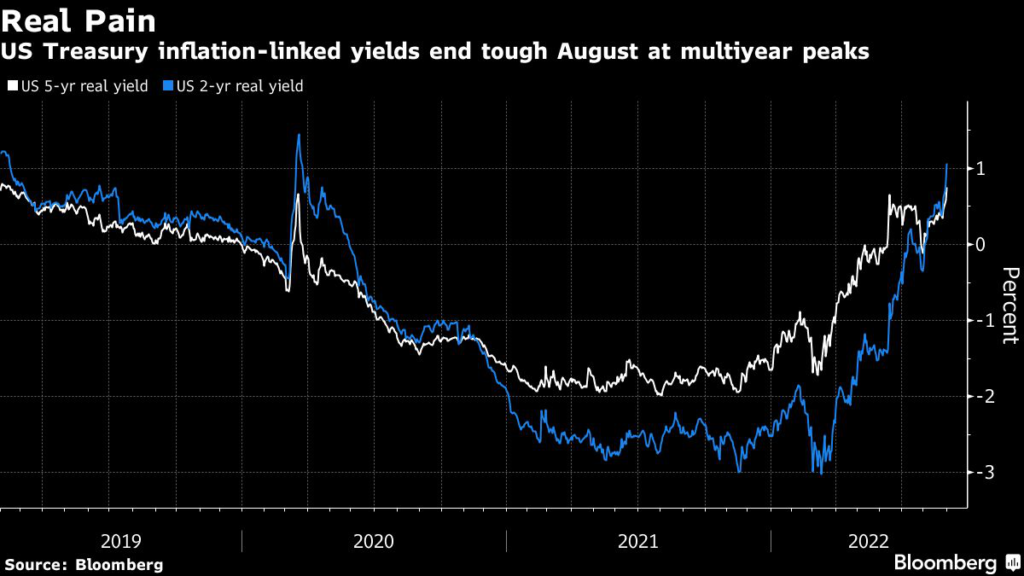
The market jitters come after the worst month since June for US shares, reflecting fears of an economic downturn alongside restrictive monetary policy to choke inflation. A global bond selloff saw the two-year Treasury yield touch 3.50% for the first time since 2007.

Commodity-linked and Group-of-10 currencies weakened, while the yen fell to a fresh 24-year low — heading closer to the 140 per-dollar level.

Stocks are entering a month that is often poor for returns after an August of losses across asset classes. An equity bounce from June lows is fizzling as the Federal Reserve pushes back against bets on tempered rate hikes. Global bonds, meanwhile, are near their first bear market in a generation.

The market is getting the message that the Fed is going to fight inflation at all costs, Frances Stacy, director of strategy at Optimal Capital Advisors, said on Bloomberg Radio, adding “I don’t think we’ve seen the bottom for this year.”

No Cuts

Cleveland Fed President Loretta Mester reiterated the central bank needs to raise its benchmark rate above 4% by early next year. She said she doesn’t anticipate rate cuts in 2023.

Elsewhere, oil was on the back foot, sliding to about $89 a barrel. Aggressive Fed tightening and China’s slowdown are dimming the demand outlook. Bitcoin weakened, hovering around the closely watched $20,000 level. Gold fell and silver slid to the lowest in two years.

The latest economic data underlined a parlous outlook for China. A private survey suggested factory activity contracted in August, sapped by power shortages and Covid-linked curbs.

Here are some key events to watch this week:

  • ECB Governing Council members due to speak at event Tuesday through Sept. 2
  • US nonfarm payrolls, Friday
  • UK leadership ballot closes Friday. Winner announced Sept. 5

Will Chinese sovereign bonds outperform Treasuries? China is the theme of this week’s MLIV Pulse survey. Click here to participate anonymously.

Some of the main moves in markets:

Stocks

  • S&P 500 futures fell 0.7% as of 7:06 a.m. in London The S&P 500 fell 0.8%
  • Nasdaq 100 futures fell 1.1%. The Nasdaq 100 fell 0.6%
  • Japan’s Topix index slid 1.4%
  • South Korea’s Kospi index dropped 2.1%
  • Australia’s S&P/ASX 200 Index lost 1.8%
  • Hong Kong’s Hang Seng Index slid 1.7%
  • China’s Shanghai Composite Index was down 0.2%
  • Euro Stoxx 50 futures declined 0.9%

Currencies

  • The Bloomberg Dollar Spot Index was up 0.3%
  • The euro was at $1.0017, down 0.4%
  • The Japanese yen was at 139.33 per dollar, down 0.3%
  • The offshore yuan was at 6.9117 per dollar, down 0.1%

Bonds

  • The yield on 10-year Treasuries was at 3.19%
  • Australia’s 10-year yield increased nine basis points to 3.68%

Commodities

  • West Texas Intermediate crude fell 0.7% to $88.96 a barrel
  • Gold was at $1,707.64 an ounce, down 0.2%

More stories like this are available on bloomberg.com

©2022 Bloomberg L.P.

Crypto.com Mistakenly Transfers $7 Million to Woman Owed $70 Refund

(Bloomberg) — Crypto.com, the digital currency app that was fronted by Matt Damon in a Super Bowl TV ad, is seeking the return of about A$10.5 million ($7.2 million) it accidentally transferred to a woman in Melbourne.

But some of it has already been spent, including on a A$1.35 million five-bedroom property in suburban Melbourne. 

The firm discovered during an audit in December that it had made an error in processing a A$100 refund seven months earlier, according to court documents first reported by Channel 7. An account number had been accidentally entered into the payment amount field, according to the court. 

The state of Victoria’s Supreme Court has ordered the home, which was bought by the woman’s sister, be sold and the money returned to the company. The case is expected to return to court in October.

Crypto.com didn’t immediately comment when contacted by email.

More stories like this are available on bloomberg.com

©2022 Bloomberg L.P.
California to Commit Millions for Out-of-Staters’ Abortions

(Bloomberg Government) — California lawmakers on Wednesday authorized spending millions of dollars to support people who travel from other states because abortion is illegal or severely restricted where they live.

Grant money from the Abortion Practical Support Fund could be used to cover assistance to non-California residents under the measure (A.B. 204) that advanced on votes of 50-16 in the Assembly and 31-9 in the Senate. The $20 million in taxpayer money to be directed to that fund would be supplemented by private donations under a law Newsom signed in June.

Assembly Budget Committee Vice Chair Vince Fong (R) unsuccessfully argued against the bill. “We must acknowledge that forcing taxpayer dollars towards abortions to now pay for out of state travel certainly deserves more scrutiny,” Fong said.

The expansion of benefits to out-of-staters—a compromise that Newsom negotiated with legislative leaders—is part of a push by the governor and majority Democrats to increase California’s commitment to abortion access. Voters this fall will consider amending the California Constitution to specifically include reproductive rights.

Newsom already signed legislation declaring that California won’t enforce anti-abortion rulings from other states, including bounties awarded against anyone assisting an individual seeking the procedure, plus a new law that prohibits abortion cost sharing. Video: Newsom discusses the abortion legislation (via Twitter)

In addition to the new assistance fund, the state budget will include $125 million to help prepare for the influx of people seeking reproductive health care from other states. That includes $40 million in grants to reproductive health care providers to help them improve building security and information technology infrastructure. Lawmakers also sent to Newsom legislation that would bar prosecution for ending a pregnancy or experiencing a pregnancy loss such as miscarriage or stillbirth.

Crime ‘Coverup’

“This bill’s true purpose is to cover up the crime of a botched abortion or self-induced abortion,” Sen. Shannon Grove (R) said ahead of the bill’s final passage.

“If you can’t hold anybody criminally or civilly liable for something that they do in the process of trying to perform an abortion, who are we protecting here?” said Sen. Melissa Melendez (R). “This body gives more regard to the lives of dogs and cats than it does to human beings. And that’s wrong.”

That measure (A.B. 2223) was drafted in reaction to the prosecution of two Kings County women who delivered still births and tested positive for methamphetamine. It also would allow a civil penalty up to $25,000 for someone denied rights under the state’s Reproductive Privacy Act.

Already passed are bills to:

  • Allow nurses to perform abortions. To increase access to services, nurse practitioners and nurse midwives would be authorized to perform abortions (S.B. 1375).
  • Eliminate vasectomy co-pays. Starting in 2024, men on private insurance plans could get vasectomies at no additional cost above their monthly premiums. (S.B. 523).
  • Improve abortion information access. The state would establish a website on where patients can locate abortion services under S.B. 1142.
  • Provide state-paid abortion and contraception coverage at low or or no cost for people whose household income is at or below 400% of federal poverty level (A.B. 2134).

In addition, lawmakers sent Newsom legislation that would ban compliance with any out-of-state subpoena that seeks information about people who go to California for gender-affirming health care (S.B. 107). The bill also restricts changes in custody based on the parent allowing treatment of a transgender child.

Sept. 30 is the last day for the governor to sign or veto legislation.

To contact the reporter on this story: Joyce E. Cutler in San Francisco at jcutler@bloomberglaw.com

To contact the editor responsible for this story: Fawn Johnson at fjohnson@bloombergindustry.com

(Updates with passage of additional bills.)

More stories like this are available on bloomberg.com

©2022 Bloomberg L.P.

South Korea, Taiwan Manufacturing Slump Is Warning for Trade

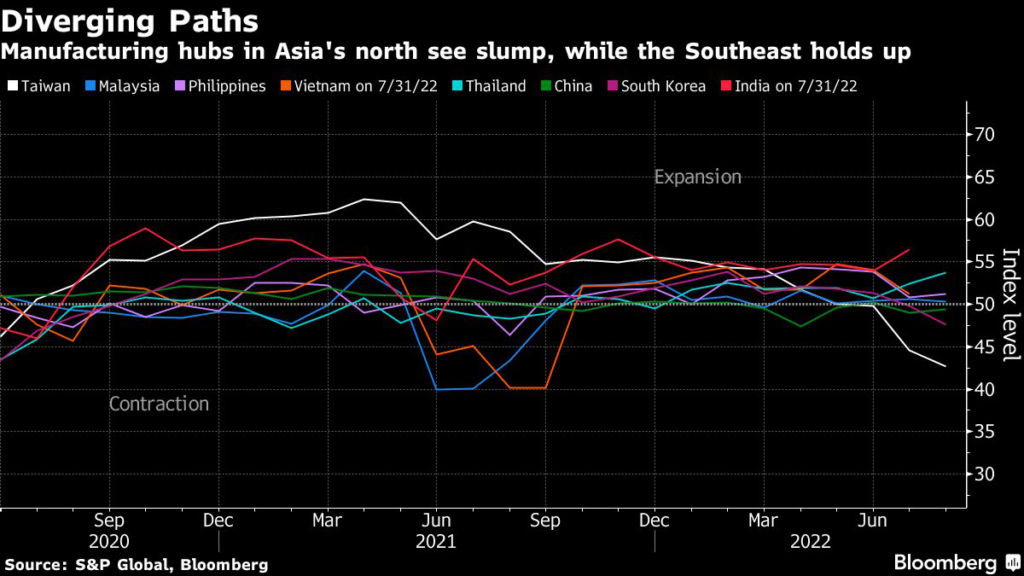
(Bloomberg) — Closely watched gauges of manufacturing in South Korea and Taiwan slumped in August as China’s slowdown weighed on the region and risks piled up in the global economy.

The hit to factory output from some of the world’s biggest trading hubs is a key warning for global demand as rising interest rates and inflation start to weigh on consumption.

The purchasing managers index for Taiwan fell to 42.7 from 44.6 in July — its lowest since May 2020 — while South Korea’s fell to 47.6 from 49.8 — its lowest since July 2020 — according to S&P Global. Japan’s reading weakened to 51.5 from 52.1. A reading below 50 indicates a contraction, while anything above that level points to an expansion.

The drop in new orders to Taiwanese firms seen in the data indicates the decline seen in export orders in July is continuing. A series of chipmakers have warned recently of slowing demand for semiconductors, which are a key export from both Taiwan and South Korea. 

In South Korea, a bellwether for global trade, “firms often commented on concerns that the economy would continue to perform poorly amid weak demand and challenging global economic conditions,” Usamah Bhatti, economist at S&P Global Market Intelligence, said in a report.

Shipments of Korean semiconductors fell for the first time in more than two years last month, dropping 7.8% from a year earlier, according to official data released Thursday. Chips comprise about 20% of South Korea’s exports by value, but the drop was compensated for by other goods, with total exports rising 6.6%.  

“Concern that the economic slowdown would deepen grew among manufacturers, while businesses also noted the lingering impact of inflation and the war in Ukraine,” pushing the level of positive sentiment down to the lowest since last October, Bhatti said.

The regional data came after more evidence of weakness in China’s manufacturing sector. Factory activity contracted in August, according to a private survey suggesting that fallout from power shortages and Covid outbreaks is hitting smaller firms alongside large and state-owned ones. The Caixin Manufacturing Purchasing Managers’ Index fell to 49.5 last month from 50.4 in July, according to a statement Thursday from Caixin and S&P Global.

JOIN: This week’s MLIV Pulse survey on investing in China

That reading matched official data released Wednesday which showed activity contracted in August for a second month in a row. The official manufacturing purchasing managers index rose to 49.4 from 49 in July.

Elsewhere in the region it was a mixed picture. Malaysia’s PMI reading slipped to 50.3 from 50.6, while gauges for the Philippines, Indonesia and Thailand all increased.

The data add to a highly uncertain environment for the global economy as the world’s two biggest economies move in different directions and most central bankers keep up a race to hike interest rates and fight inflation. Many of China’s regional trading partners in north Asia were already seeing the negative effects of depressed Chinese consumer demand through July exports data, while Southeast Asian economies showed some resilience with essential goods shipments.

A boost to Asia exports from China’s initial reopening from bruising lockdowns is now fading, with shipments likely to weaken further, according to Alex Holmes, a senior economist at Oxford Economics Ltd.

“This adds weight to our view that Asian export growth will return to its broad decelerating trend in the second half, as the external sector cools due to faltering global demand,” he wrote in a report.

(Updates with chart on Taiwan slump, and China data in the seventh paragraph.)

More stories like this are available on bloomberg.com

©2022 Bloomberg L.P.
Philippine Media Company ABS-CBN Cancels Deals Aimed at Revival

(Bloomberg) — Philippine media companies ABS-CBN Corp. and TV5 Network Inc. have terminated investment deals that could have helped revive the former broadcast giant’s business. ABS-CBN’s share price fell.

The companies have “mutually agreed” to end an agreement to acquire 35% of TV5, ABS-CBN said in a statement Thursday. Cignal Cable Corp.’s acquisition of 39% of ABS-CBN unit Sky Cable Corp. was also terminated. 

ABS-CBN, whose free-to-air TV and radio stations were ordered shut by government in 2020 after receiving the ire of then president Rodrigo Duterte, said the parties “have not implemented any of the transactions” covered by the agreements. 

ABS-CBN shares fell as much as 12% Thursday, while the benchmark stock index was up 0.2%.

Last week and just days after the deal’s announcement, ABS-CBN and TV5 said they are taking “pause” to address issues raised by the telecommunications regulator and some lawmakers. 

Philippine Media Giant ABS-CBN’s Revival Hits a Snag (1)

“The regulatory environment is still overwhelmed by political considerations,” said Astro del Castillo, managing director at First Grade Finance Inc. “But there are other avenues for their partnership. ABS-CBN continues to have programs on TV5.”

ABS-CBN has been airing some of its shows digitally and on some free-to-air networks, including TV5. Still, ABS-CBN remains unprofitable, reporting a net loss of 1.42 billion pesos ($25 million) in the first half.

More stories like this are available on bloomberg.com

©2022 Bloomberg L.P.
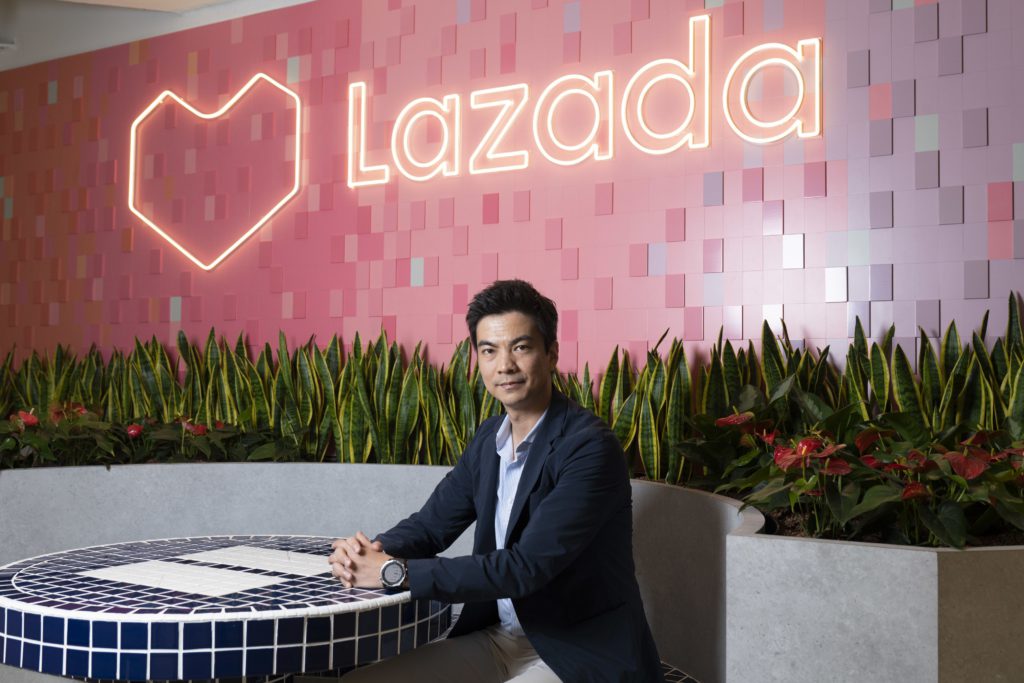
Alibaba’s Lazada Eyes Europe Push to Take on Amazon, Zalando

(Bloomberg) — Alibaba Group Holding Ltd.’s Lazada Group is preparing to make its maiden foray into Europe, building on its success in Southeast Asia to take on rivals such as Amazon.com Inc. and Zalando SE in one of the biggest online shopping markets.

Its specific plans will depend on macroeconomic and market conditions, Lazada Group Chief Executive Officer James Dong, 43, told Bloomberg News. But it’s clear Alibaba is intensifying its global ambitions, in part because of rocky economic conditions back home.

Dong, one-time business assistant to Alibaba CEO Daniel Zhang, took the reins of Alibaba’s most important international business unit in June after heading Lazada’s Thailand and Vietnam operations. This week, the Chinese parent disclosed it invested $912.5 million in its Southeast Asian arm — taking the year’s capital influx to $1.3 billion.

“Europe is a very big market obviously and for most of the European brands, their largest retail partner is Alibaba Group because of their sales in China and in other markets,” Dong said in an interview in Singapore. “We go where the brands want us to go.”

A European push by Lazada would mark a revival in Alibaba’s global efforts, which slowed in recent years in the face of torrid competition from Amazon and Tencent Holdings Ltd.-backed Sea Ltd. The Chinese company has also had a mixed record beyond its home turf. It dipped a toe in US retail by launching San Mateo, California-based 11 Main Inc. before its record 2014 IPO, only to sell the niche e-commerce site shortly after.

In 2016, Alibaba won a foothold in Southeast Asia by taking control of Lazada. Just a year later, co-founder Jack Ma declared Alibaba could some day become the world’s fifth-largest economy, serving some 2 billion people — a boast that was covered widely at the time but has rarely been mentioned since Covid-19, a punishing government crackdown and economic downturn extinguished its once rapid pace of growth. Ma himself became a target of Beijing, which killed Ant Group Co.’s IPO after the billionaire publicly criticized China’s state-dominated banking system in 2020.

Read more: Alibaba Sales Better Than Feared Despite Economic Turmoil

Given its woes at home, Alibaba is now once more intent on revitalizing the company by tapping overseas markets. Lazada has arguably been its most successful endeavor abroad of late, alongside the bargains website AliExpress that’s grown popular in emerging markets such as Brazil.

Lazada’s increasing investments are in a stark contrast to archrival Shopee, the e-commerce unit of Singapore’s Sea, which has been retreating after years of aggressive international push from Brazil to Poland to drive growth beyond Southeast Asia. Shopee pulled out of France as well as India in March, just months after launching its operations in those markets as it tries to boost profitability.

Sea has suffered a run of other setbacks this year, including a sudden ban of its most popular mobile game in India. Its shares have plunged about 70% this year as investor appetite for growth stocks waned amid a global equity market downturn. Sea has said it plans to focus on Southeast Asia, Taiwan and Brazil rather than spending aggressively to enter new markets.

Lazada, meanwhile, has been investing in businesses such as Indonesian digital wallet provider DANA, in which it put in a total of $304.5 million, according to a stock-exchange filing. It also led a 750 million ringgit ($168 million) financing in TNG Digital Sdn., the owner and operator of Malaysia’s largest e-wallet company Touch ‘n Go.

“We are continuously investing,” Dong said. Lazada’s investments such as DANA and TNG Digital “show a very high level of commitment in this climate.”

Read more: Alibaba Targets $100 Billion Southeast Asian Commerce Business

Lazada plans to add a few hundred employees in Indonesia in the coming months and expand its office space in Jakarta to drive growth in Southeast Asia’s biggest and most important market. The company, which got started 10 years ago, currently operates in six countries including Malaysia, Singapore, Thailand, the Philippines and Vietnam.

Alibaba has long advocated for more open ecosystems, saying users should have more choices. The Chinese company wants Lazada to serve more than 300 million users by 2030, doubling from 150 million customers now.

(Updates with investment in the third paragraph)

More stories like this are available on bloomberg.com

©2022 Bloomberg L.P.

Stocks, US Futures Drop as Fed Outlook Hits Mood: Markets Wrap

(Bloomberg) — US equity futures and Asian stocks fell Thursday on economic growth worries amid a hawkish drumbeat from central banks, pushing up the dollar as investors sought a haven from the volatility in global markets.

Tech firms helped send an Asian share index to a six-week low, with China’s bourses among the few to hold steady. S&P 500 and Nasdaq 100 contracts slid, the latter in part on a tumble in chipmaker Nvidia Corp. over a sales warning. 

The jitters come after the worst month since June for US shares, reflecting fears of an economic downturn alongside restrictive monetary policy to curb inflation. The two-year Treasury yield touched 3.50% for the first time since 2007 amid a bond selloff that also buffeted Australian and New Zealand debt.

Commodity-linked and Group-of-10 currencies weakened as the dollar advanced. The yen fell to a fresh 24-year low, heading closer to the 140 per-dollar level.

Stocks are entering a month that is often poor for returns after an August of losses across key asset classes. A bounce in global shares from June lows is fizzling as the Federal Reserve pushes back against bets on tempered rate hikes. Global bonds, meanwhile, are sliding toward the first bear market in a generation.

The market is getting the message that the US central bank is going to fight inflation at all costs, Frances Stacy, director of strategy at Optimal Capital Advisors, said on Bloomberg Radio. “I don’t think we’ve seen the bottom for this year,” she added.

No Cuts

Cleveland Fed President Loretta Mester reiterated the central bank needs to raise its benchmark rate above 4% by early next year. She said she doesn’t anticipate rate cuts in 2023.

Elsewhere, oil was on the back foot, sliding to about $89 a barrel. Aggressive Fed tightening and China’s slowdown are dimming the demand outlook. Bitcoin weakened, hovering around the closely watched $20,000 level.

The latest economic data underlined a parlous outlook for China. A private survey suggested factory activity contracted in August, sapped by power shortages and Covid-linked curbs.

Here are some key events to watch this week:

  • ECB Governing Council members due to speak at event Tuesday through Sept. 2
  • US nonfarm payrolls, Friday
  • UK leadership ballot closes Friday. Winner announced Sept. 5

Will Chinese sovereign bonds outperform Treasuries? China is the theme of this week’s MLIV Pulse survey. Click here to participate anonymously.

Some of the main moves in markets:

Stocks

  • S&P 500 futures fell 0.6% as of 11:35 a.m. in Tokyo. The S&P 500 fell 0.8%
  • Nasdaq 100 futures fell 0.9%. The Nasdaq 100 fell 0.6%
  • Japan’s Topix index slid 1.2%
  • South Korea’s Kospi index dropped 1.7%
  • Australia’s S&P/ASX 200 Index lost 2%
  • Hong Kong’s Hang Seng Index slid 1%
  • China’s Shanghai Composite Index rose 0.1%
  • Euro Stoxx 50 futures declined 0.9%

Currencies

  • The Bloomberg Dollar Spot Index was up 0.3%
  • The euro was at $1.0028, down 0.3%
  • The Japanese yen was at 139.46 per dollar, down 0.4%
  • The offshore yuan was at 6.9107 per dollar, down 0.1%

Bonds

  • The yield on 10-year Treasuries rose one basis point to 3.20%
  • Australia’s 10-year yield increased 12 basis points to 3.72%

Commodities

  • West Texas Intermediate crude fell 0.1% to $89.45 a barrel
  • Gold was at $1,706.31 an ounce, down 0.3%

More stories like this are available on bloomberg.com

©2022 Bloomberg L.P.

Standard Chartered Launches Digital Bank Tie-Up in Singapore

(Bloomberg) — Standard Chartered Plc’s joint venture with an arm of Singapore’s biggest trade union group is starting digital banking services in the city-state, entering the online fray that’s starting to heat up with tech giants jostling in on the space.  

Trust Bank, in which the UK firm holds 60%, has launched savings accounts and insurance products, targeting workers and their families with benefits aimed at cushioning the pain of rising inflation, according to a statement by the firms on Thursday. Fairprice Group, part of the National Trades Union Congress’ social enterprises initiatives, runs supermarkets and food stall across the island, and holds the remaining stake.  

Singapore is set to see intensifying competition in financial services, including banking, insurance and wealth, as the likes of Jack Ma’s Ant Group Co. and Grab Holdings Ltd. challenge the area traditionally controlled by lenders led by DBS Group Holdings Ltd., the country’s largest. For Standard Chartered, backed by the country’s state investor Temasek Holdings Pte., this will be its second digital bank in Asia, following the launch of Mox in Hong Kong in 2020. 


More stories like this are available on bloomberg.com

©2022 Bloomberg L.P.

Close Bitnami banner
Bitnami