
Bloomberg

Alibaba, Netease Picked in First Batch for US Audit Reviews

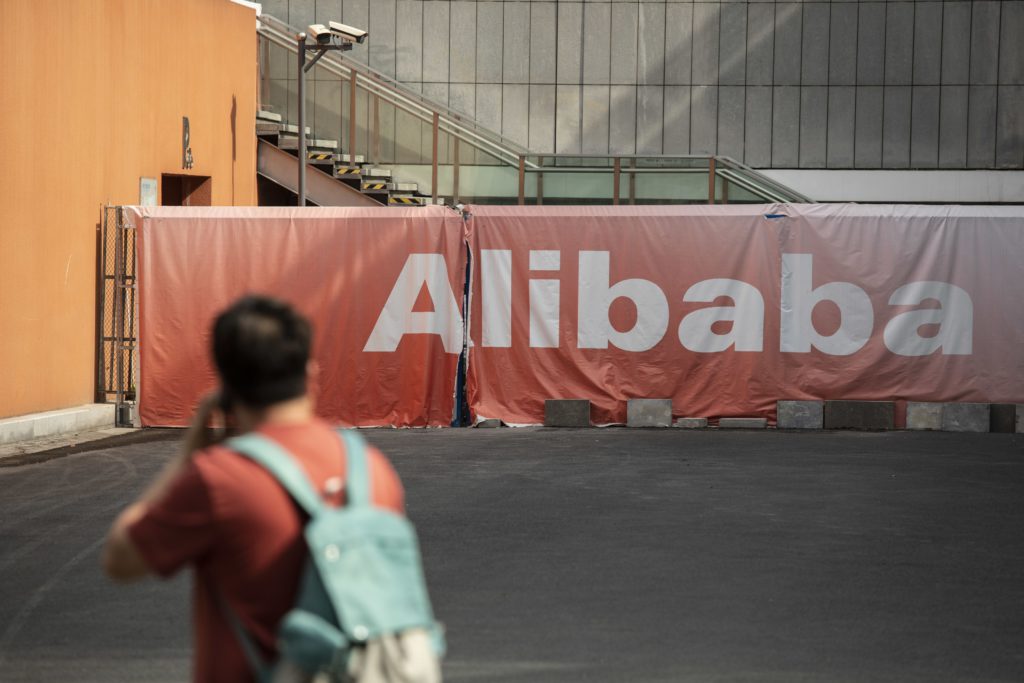
(Bloomberg) — US regulators have picked companies including Alibaba Group Holding Ltd. and Netease Inc. in the first batch of inspections after reaching a deal with China to end a decades-long impasse over access to audit papers of Chinese firms listed in New York.   

Other firms selected include Baidu Inc., JD.com Inc. and Yum China Holdings Inc., according to two people with direct knowledge of the matter. The US Public Company Accounting Oversight Board has requested to review materials from the latest financial year, one of the people said. The list is still subject to change. 

A spokesperson for the PCAOB said that the watchdog does not comment on inspections.

The review, planned to take place in Hong Kong next month, comes after a breakthrough on Friday in granting US inspectors access to background audit paperwork of Chinese stocks. The dispute heated up in 2020 after a US law set a time frame for firms whose work papers can’t be inspected to be kicked off American stock exchanges.

The agreement announced last week was seen as a significant step forward, but conflicting messages have cast doubt on how it will be implemented. While the PCAOB said it had the sole discretion to select the firms, audit engagements and potential violations, Chinese regulators said any access to companies and working papers would be done with Chinese participation and assistance.

Logistical uncertainties also remain, including how to physically transfer the working papers across the Chinese border to Hong Kong for the US to review, according to Loretta Fong, the president of the Hong Kong Institute of Certified Public Accountants.

“The industry is still exploring different possibilities to make it happen,” she said. 

Hong Kong’s own audit watchdog, the Financial Reporting Council, gained the right to review audit working papers in 2019, but the deal restricted it from transferring documents or knowledge to other regulators.

Baidu and JD representatives declined to immediately comment when contacted by Bloomberg News, while Alibaba and NetEase spokespeople didn’t immediately respond to requests for comment. Yum China also didn’t immediately respond. 

Some of the names of the companies slated for inspection were earlier reported by Reuters. 

The first cohort of names are among the largest and most actively traded US-listed Chinese firms, all of which have employed global auditors. Unlike multiple state-owned firms that are voluntarily exiting New York exchanges, they’re also privately controlled firms with powerful American investors.

While most working papers are stored electronically, audit firms are now debating how to transfer files to Hong Kong from mainland databases. Some are exploring mailing them on CDs while another option would be to unlock the Chinese cloud for access in Hong Kong, according to four partners at the so-called Big Four accounting firms who asked not to be named discussing a private matter. 

Still, auditors expected some documents would need to be presented in their physical form, the partners said. 

The audit firms are summoning relevant staff back to Hong Kong, preparing top management, IT and internal control teams to greet the inspection team. Partners responsible for the companies being inspected are canceling leave, said the people. 

China had been reluctant to share audit papers in part due to national security concerns. But given that the current practice already dictates auditors not to include anything with national secret implications in the working papers, the risk of exposing such secrets to US inspectors is minimal, the partners said.

The four include Deloitte LLP, PricewaterhouseCoopers LLP, Ernst & Young LLP and KPMG LLP. 

A Deloitte spokeswoman said the firm doesn’t comment on clients or on any specific company’s matters. EY and KPMG didn’t immediately respond to emailed requests for comment. A PwC spokesperson said the firm was unable to comment on client matters.

(Updates with PCAOB declining to comment in third paragraph.)

More stories like this are available on bloomberg.com

©2022 Bloomberg L.P.

BMW Starts Making Fuel-Cell Systems for Hydrogen Car Fleet

(Bloomberg) — BMW AG has started producing fuel-cell systems for its hydrogen-powered iX5 sport utility vehicle, moving forward with a climate-friendly alternative fuel that its German rivals don’t expect to be viable in passenger cars.

“Hydrogen will become more relevant in individual mobility due to its advantages,” Chief Executive Officer Oliver Zipse said Wednesday at an opening event for the production site in Munich. “Hydrogen-powered cars are the ideal technology for us to complement pure battery-electric vehicles.”

BMW is the last remaining German luxury-car maker to pursue hydrogen drivetrains: Mercedes stopped the production of its GLC fuel cell SUV to concentrate on battery-powered cars; Audi shelved hydrogen test-fleet plans for the same reason.

Zipse said hydrogen fuel cells could provide a climate-friendly option for a significant segment of consumers — 20% to 30%, he estimated — who won’t be well enough served by the charging infrastructure to use a fully electric vehicle. He referred primarily to drivers making longer journeys across rural areas. 

The CEO added that the fuel cells would help reduce dependencies on certain raw materials, such as lithium and cobalt, because the hydrogen-based system uses primarily aluminum, steel and platinum — metals that are more readily recyclable. At the same time, the back-up battery for a fuel-cell system is roughly one-tenth the size of those used in EVs with a comparable range.

Field Tests

BMW plans to produce fewer than 100 iX5 hydrogen vehicles by the end of this year for testing and is “seriously considering” the possibility of mass producing fuel-cell cars within this decade. Toyota Motor Corp. will provide the fuel cells, while BMW has developed some components, such as compressors, and will produce the fuel-cell systems in Bavaria.  

BMW will start delivering iX5 hydrogen vehicles to selected partners in Europe, the US and Asia from the end of this year, the company said. The aim of the field test, which will run for up to two years, is to gain insights into every day usage of the cars. 

Zipse said in early August that hydrogen-powered models might be an option for BMW’s new “Neue Klasse” platform starting in 2025. By then and until 2030, the charging infrastructure for electric vehicles will be insufficient in many countries, making hydrogen-powered vehicles important for achieving climate goals, he said at the event. 

(Updates with additional Zipse comments beginning in fourth paragraph.)

More stories like this are available on bloomberg.com

©2022 Bloomberg L.P.

Electric Vehicle Startups Seek $9.5 Billion After Burning Through SPAC Cash

(Bloomberg) —

The writing was on the wall months ago: Electric vehicle startups that cashed in by combining with blank check companies were running out of money just as swiftly shifting market conditions were making it a real bad time to go broke.

Sure enough, over the last few months we’ve seen several of these EV hopefuls pursue paths that are less than ideal for their employees and investors. Five of them have announced plans in the month of August to raise a combined $9.5 billion to buttress their balance sheets, even if it may mean diluting existing shareholders. Another is cutting workers and tabling projects, and another agreed to a sale at a steep discount to its valuation at the time of its deal with a special purpose acquisition company.

Here’s a recap of what’s been a crazy month for companies that burst onto the scene during the SPAC boom:

Lucid

Lucid made the biggest EV SPAC splash last year when it raised $4.4 billion by merging with a blank-check company run by a former Citigroup investment banker. It’s been burning through that money and ordering multiple options off the fundraising menu since then.

The maker of $169,000 Air sedans raised more than $2 billion from a convertible debt offering in December. It then locked in an order for up to 100,000 vehicles from Saudi Arabia in April, and the following month lined up as much as $3.4 billion in financing and incentives for a new factory it’s building close to a major trading port along the Red Sea.

While Lucid ended June with $4.6 billion in cash, it also slashed its annual production target for the second time this year down to just 7,000 cars from an original goal of 20,000. The company notified investors after the close Monday that it will sell a mix of securities to raise as much as $8 billion, sending the shares down more than 6% on Tuesday.

Nikola

The battery and fuel cell-powered truck maker kickstarted the EV SPAC trend all the way back in June 2020. Months later, the company ousted its founder and executive chairman Trevor Milton. He’s now headed for trial facing securities fraud charges.

Nikola did manage to start limited production recently, but like Lucid, it’s casting a wide net for fundraising options. It sold $200 million worth of convertible notes in May, which helped the company end the quarter with $529 million in cash.

That won’t last long if the company keeps burning more than $100 million of cash per quarter. This week, Nikola announced an at-the-market offering it expects to bring in as much as $400 million.

Romeo Power

Nikola’s battery pack supplier Romeo Power reached a SPAC merger deal at a $1.33 billion equity valuation in October 2020. It finished the first quarter of this year with just $67 million in cash, and by June it received notice from the New York Stock Exchange about its shares potentially delisting because they were trading for less than $1.

Early this month, Romeo Power agreed to be acquired by Nikola in an all-stock transaction valuing the company at just $144 million.

Arrival

Other EV startups are hunkering down. Arrival, a mostly UK-based electric van and bus startup, once projected $1 billion in revenue for this year. It recently revised this forecast all the way down to zero.

Arrival has tabled its bus project to focus solely on delivering vans to United Parcel Service, which invested in the startup and ordered 10,000 vehicles two years ago. It’s cutting 30% of spending and roughly the same amount of its staff. The company finished the second quarter with $513 million in cash and has since registered for an up to $300 million sale of securities.

Faraday Future

With just $47 million in the bank as of last week, Faraday is in an extremely tight spot just over a year after raising $1 billion from its SPAC merger.

The Los Angeles-based startup has not only delayed the launch of its debut model, the FF 91, but it now says it needs to raise more money in order to start production, taking back what it was telling shareholders just a few months ago. To make matters worse, a capital raise is taking longer than expected due to a proxy battle being waged by the company’s largest shareholder, a group associated with its own founder.

While Faraday recently announced it had a framework agreement to raise as much as $600 million, the startup has in the meantime had to turn to an existing lender for a bridge loan of around $52 million. The shareholder group associated with the founder has been dangling funding options on the condition that the group get the chance to replace an existing board member.

Canoo

Of all these startups, Canoo ended the latest quarter with the least amount of cash: just $34 million.

The LA-based startup announced a “pre-paid advance agreement” in late July with Yorkville Advisors, a New Jersey hedge fund that’s been active in structuring deals with struggling companies that went public via SPACs. While this was potentially worth $300 million, the company only accessed $32.5 million from an earlier arrangement they announced would be worth up to $250 million.

Canoo also filed a mixed securities shelf registration of $300 million in May. This month, it added one more option to the list: a $200 million at-the-market offering. The company also made a big splash recently by locking in a deal with Walmart to sell as many as 10,000 electric vans. If the startup delivers on the full scope of the deal, the retailer will own more than 20% of Canoo’s stock in exchange for no more than $300 million.

More stories like this are available on bloomberg.com

©2022 Bloomberg L.P.

K-Pop ETF Aims to Feed Off of BTS and Blackpink Craze

(Bloomberg) — Gather around BTS and Korean pop music fans, a new exchange-traded fund is debuting.

Contents Technologies is launching the KPOP and Korean Entertainment ETF (ticker KPOP) on the NYSE Arca Exchange Sept. 1. KPOP is the first fund in the US or Europe to invest in firms benefiting from Korean pop music, according to Bloomberg Intelligence. 

The fund will track an index — dubbed the KPOP Index and created by CT Investment, a subsidiary of Contents Technologies — that will include 30 companies in the entertainment and interactive media industries that are listed on the Korean Exchange. 

The KPOP Index aims to measure the performance of Korean entertainment companies including HYBE Co., the agency that manages the South Korean boy band phenomenon BTS, JYP Entertainment Corp., SM Entertainment Co. and YG Entertainment Inc. The index will weigh entertainment firms more, 70% to 80%, than others in the interactive media and services space. 

“What makes us excited about this is being the first vehicle that provides global investors and global fans, who had difficulty investing in K-Pop previously, exposure to the companies they have fan-ship of,” Jangwon Lee, chief executive officer at CT Investments and Contents Technologies, said in a phone interview from Korea. 

South Korean music has gained fans in the US since it captured the world’s attention in 2012 with the hit “Gangnam Style.” In February, BTS was named the global recording artist of the year, beating Taylor Swift and Adele. Meanwhile, the girl group Blackpink, managed by YG Entertainment, became the first musical artists to hit a record 75 million subscriber mark on YouTube in June, overtaking Justin Bieber.

Members of the KPOP Index, which will be rebalanced quarterly, are selected by a proprietary artificial intelligence algorithm that uses natural language processing technologies. The AI determines if companies are engaged in K-pop related businesses by scanning for keywords in public business descriptions on the internet. Companies are required to have a market capitalization of about $76 million on the Korean Exchange to be considered and there’s a 9.85% cap for any individual company.

In recent months, shares of HYBE, JYP, SM and YG have risen from their June lows, even amid the global market downturn.

“There have been very good earnings of these companies that came due to post-Covid openings of offline performances,” said Lee, who is 29 years old and a self-described K-pop fan. “Regardless of the general market sentiment, which is also quite bearish in Korea, these entertainment companies under our constituents, have performed very well. So, we are quite confident.”

Still, the KPOP ETF faces challenges.

“Thematic ETFs are ever coming up with narrower and creative slices of investment strategies,” said Henry Jim, ETF analyst at Bloomberg Intelligence. “Although KPOP stands out in its clear focus on one industry in one country, they will have an uphill battle in reaching a target market that’s difficult to define. I fear they may be left with only ‘individual fans’ as a limited addressable target market.”

Read more: The Bigger Vanguard Gets, the Edgier New ETF Ideas Will Become

The KPOP ETF is designed for retail investors and investment professionals who believe in Korean entertainment businesses, according to Lee. 

Established in 2020, Contents Technologies builds and invests in intellectual properties as well as businesses related to technology, finance and services within the content value chain. The KPOP ETF is the company’s first fund. Exchange Traded Concepts is the investment adviser while Moorgate Benchmarks is the index administrator of the new ETF.

“We are interested in opening up additional ETFs that echo our focus in the Asian content market,” Lee said. “But as of now, we do want to very much focus on and keep up with one of the biggest identities of Korea and Asia. We hope to make this pretty successful before we go on to the next one.”

More stories like this are available on bloomberg.com

©2022 Bloomberg L.P.
Futures Hold Gains as ADP Data Reassures Traders: Markets Wrap

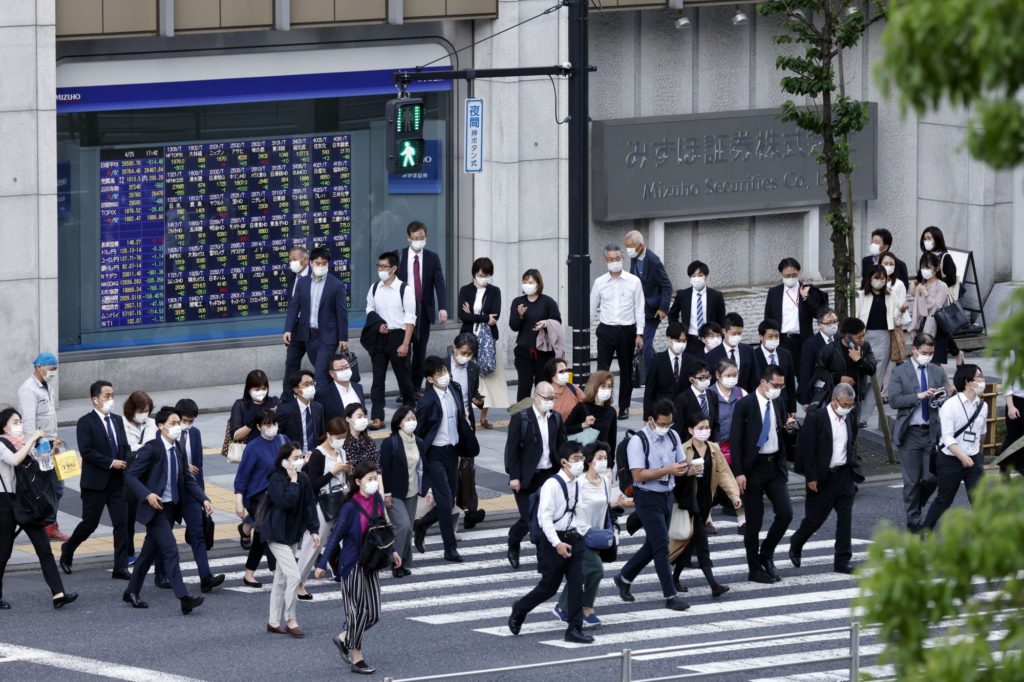
(Bloomberg) — US stock futures held onto gains and short-dated Treasuries trimmed losses after weaker-than-expected private jobs data reassured traders. 

Revamped ADP data showed US companies increased headcount at a relatively sluggish pace in August, a metric that the hawkish Federal Reserve will consider when contemplating September’s rate hike. 

Several Fed officials since Friday have reiterated their resolve to tamp down on inflation with aggressive rate hikes. Cleveland Fed President Loretta Mester added to that on Wednesday, making it clear she doesn’t expect the central bank to cut rates next year. The Fed has now ditched its soft landing goal and is instead aiming for a “growth recession,” which would mean a protracted period of meager growth and rising unemployment. 

Investors are scouring incoming data for clues on the policy path, with August US jobs figures on Friday the next key report. 

“What’s clear is that predicting this market is not clean cut,” Angeline Newman, a managing director at UBS Global Wealth Management, said on Bloomberg Television. “We are living in a world where conflicting economic signals are making the path of monetary policy very difficult to determine.”

Oil is heading for a third monthly drop — the longest losing run in more than two years — hampered by the likelihood of slower global growth. 

Meanwhile, euro-area inflation accelerated to another all-time high, strengthening the case for the European Central Bank to consider a jumbo interest-rate hike when it meets next week. ECB Governing Council member Joachim Nagel urged a “strong” reaction.

Investors are also contending with mounting friction between Beijing and Taipei after Taiwanese soldiers fired shots to ward off civilian drones and evaluating the latest Chinese data, which indicated factory activity shrank for a second month. Power shortages, a property sector crisis and Covid outbreaks all took a toll.

Here are some key events to watch this week:

  • ECB Governing Council members due to speak at event Tuesday through Sept. 2
  • China Caixin manufacturing PMI, Thursday
  • US nonfarm payrolls, Friday
  • UK leadership ballot closes Friday. Winner announced Sept. 5

Will Chinese sovereign bonds outperform Treasuries? China is the theme of this week’s MLIV Pulse survey. Click here to participate anonymously.

Some of the main moves in markets:

Stocks

  • Futures on the S&P 500 rose 0.4% as of 8:53 a.m. New York time
  • Futures on the Nasdaq 100 rose 0.8%
  • Futures on the Dow Jones Industrial Average rose 0.1%
  • The Stoxx Europe 600 fell 0.5%
  • The MSCI World index fell 0.8%

Currencies

  • The Bloomberg Dollar Spot Index was little changed
  • The euro was little changed at $1.0006
  • The British pound fell 0.2% to $1.1635
  • The Japanese yen rose 0.2% to 138.58 per dollar

Bonds

  • The yield on 10-year Treasuries advanced three basis points to 3.13%
  • Germany’s 10-year yield advanced two basis points to 1.53%
  • Britain’s 10-year yield advanced nine basis points to 2.79%

Commodities

  • West Texas Intermediate crude fell 2.9% to $88.96 a barrel
  • Gold futures fell 0.8% to $1,722.50 an ounce

More stories like this are available on bloomberg.com

©2022 Bloomberg L.P.
Bankman-Fried Says His Crypto Bailouts Had ‘Mixed Results’

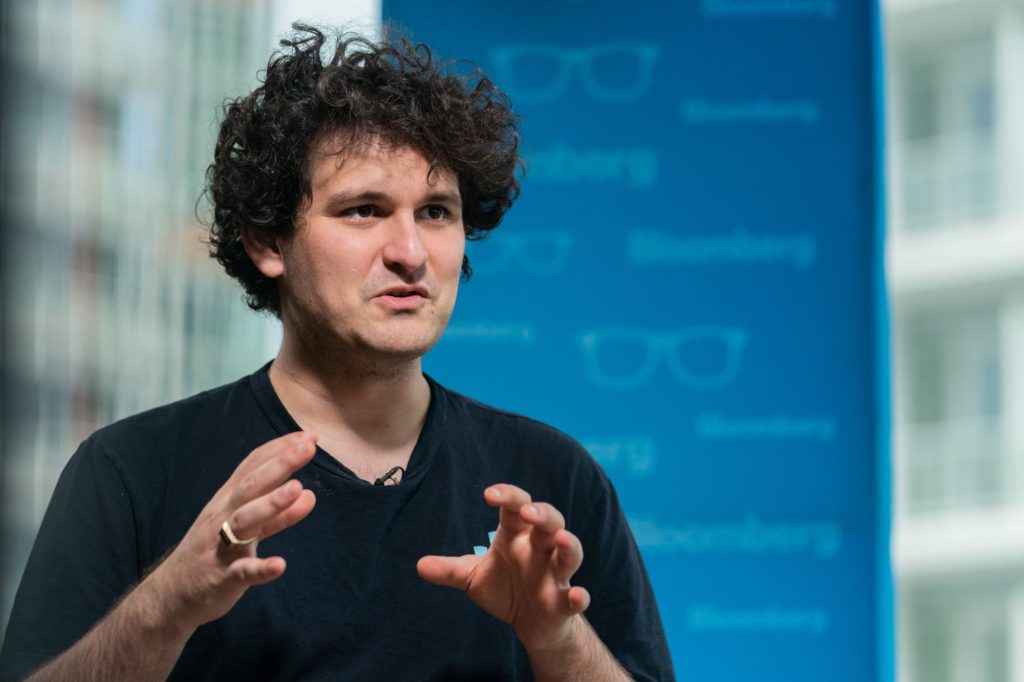
(Bloomberg) — Sam Bankman-Fried, chief executive of digital asset exchange FTX, said his efforts to bail out companies during the crypto market downturn have had “mixed” results.

The 30-year-old billionaire engineered deals worth about $1 billion to backstop struggling companies after the prices of cryptocurrencies like Bitcoin declined sharply in the spring and summer. Not all of these bailouts had a happy ending, Bankman-Fried said in an interview on Bloomberg’s “David Rubenstein Show: Peer-to-Peer Conversations.”

“I think some were going to turn out to be profitable, some won’t be,” Bankman-Fried said. “We had to make snap judgment calls.”

He pointed to a deal struck in June with troubled crypto lender Voyager Digital Ltd. as one that went badly. Alameda Research, the crypto trading firm that Bankman-Fried founded, offered a $485 million loan to Voyager, but it wasn’t enough to keep the company from filing for bankruptcy in July. 

Bankman-Fried said he had higher hopes for other deals he was involved with, including one with BlockFi Inc. FTX US, the American affiliate of FTX, agreed to provide a $400 million revolving credit facility to BlockFi and gained the option to buy the crypto lending platform outright.

BlockFi had “just sort of burned through their runway, had a functional business with a strong team and just needed more cash to be able to operate effectively going forward,” Bankman-Fried said.

He said his backstopping, which earned him comparisons to John Pierpont Morgan in the 1907 banking crisis, was fueled in part by FTX’s profitability and fundraising, and had the ultimate goal of supporting companies in the industry, rather than only “maximizing on deals.”

In the interview, Bankman-Fried said he often goes to Washington to lobby Congress on behalf of the crypto industry. There are still big questions about whether the Securities and Exchange Commission or the Commodity Futures Trading Commission will claim authority over the crypto space. Bankman-Fried said he’d be fine with either regulator taking charge.

“What we’ve tried really hard to do over the last year is get the industry to a place where it is happy to accept sensible regulation,” he said, noting that he believes tensions have cooled somewhat between regulators and the digital currency companies.

As for the crypto winter, even as the price of Bitcoin has slipped below $20,000, he noted that things could have been worse. He said he isn’t “super worried” about the industry imploding anytime soon.

The interview has been edited and condensed.

For more insights from the biggest names in business and philanthropy, watch “The David Rubenstein Show: Peer-to-Peer Conversations” on Bloomberg Television.David Rubenstein: When tech stocks and cryptocurrencies began to decline in May, did you get nervous?

Sam Bankman-Fried: Not super nervous. It was definitely going to be a rocky road for the industry, and you saw some businesses blow up when Bitcoin hit $20,000. If we saw things melt down much further than they did, if we saw NASDAQ drop 30%, 40% from here and Bitcoin go down to $10,000 per token, I think you would see another round of pain for the industry that would potentially be more of a medium- to long-term problem.

When this was going on, did you calculate your net worth every hour going down?

I tried not to. So if you just pretend that nothing has moved, then you can wish away all the problems.

You were called the J.P. Morgan of crypto after bailing out companies. Does that bother you?

It doesn’t bother me too much. I think it’s something I thought was the right thing for the industry. And, you know, our very explicit mandate that we sort of gave to the team of people working on this was, “Your goal is not to make a fortune for us doing this.”

Like, “Your goal is to do OK deals. Your goal is for us to not get our faces ripped off.” But contingent on that, you know, do as much as we can to bail out the industry, and the higher goal was trying to backstop places rather than maximizing on these deals. I would’ve loved other people to do it. I think it would’ve been great.

Were those investments profitable?

Mixed is basically the answer. I think some were going to turn out to be profitable, some won’t be. I mean, with Voyager, I think there’s $70 million there that we put in that I’m not sure we’re ever seeing again.

And so we had to make snap judgment calls, and we made them such that if things turned out well, they’d be good investments, and if they turned out badly, they’d be bad investments. But we sort of limited the amount that we could lose from it.

The crypto industry seems to want to be regulated by the CFTC, and some people want the SEC to be the principal regulator. Do you have a view on this?

So in the end, both are going to be regulators. And, you know, the CFTC is going to regulate commodity futures, so it’s going to regulate very likely futures on tokens that are not securities. The SEC is very likely going to end up regulating spot security token markets.

And there’s some territory in between there. When you look at spot commodity markets, when you look at what security token futures might look like, those may end up as joint regimes; they may end up in one place or the other. In principle, I’m fine with either regulator or any combination of them. I think that the non-security token aspect of this is a nice fit for the CFTC’s regime.

More stories like this are available on bloomberg.com

©2022 Bloomberg L.P.
Crypto Fans Gear Up for What May Be Another Tough September

(Bloomberg) — After a cruel summer, crypto fans might be in for an unforgiving September, too. 

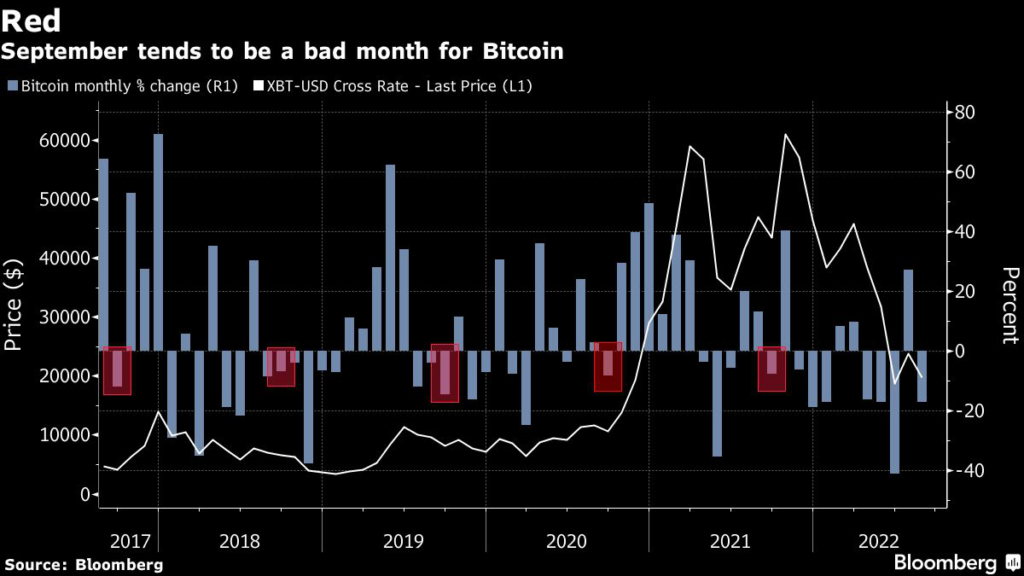
The ninth month of the year has historically been one of the worst for the largest cryptocurrency, falling every September since 2017. Bitcoin has averaged an 8.5% drop for the month over the past five years, according to Bespoke Investment Group. Ether, the second-largest token, has also tended to suffer — it has only risen a quarter of the time and has averaged a double-digit percentage decline. 

“September is probably going to be another pretty volatile month,” Shawn Cruz, head trading strategist at TD Ameritrade, said in an interview. “The risk is to the downside,” he said, adding that “you probably see a little bit more of a downside sort of a bias in terms of where I think things can land.”

Cryptocurrencies have been choppy all year as the Federal Reserve and other central banks raise interest rates to combat historic inflation. Bitcoin is down roughly 60% this year and some other tokens have lost even more. 

Digital assets have also moved similarly to US stocks all year, with correlations between the two remaining strong. September tends to be a tough month for equities as well and this year could prove no different as traders and investors await the Fed’s policy meeting that month. 

Still, Ether has been surging in recent weeks ahead of a highly anticipated upgrade whereby the Ethereum blockchain is set to facilitate a move from the current system of using miners to a more energy-efficient one using staked coins. That means the seasonality factor might not be as strong this year.


“It’s important to look at last September and the September prior in thinking what’s going on here,” Leah Wald, CEO at digital-asset fund manager Valkyrie Investments, said in an interview. “But I do also think that each market environment should be considered individually especially depending on your trading style and time horizon.”

When you have an exponential grower — like Bitcoin — using linear tools like regressions and correlations might not work as well, said Mark Connors, head of research at 3iQ, a digital-asset manager. “I’m very excited about the performance of Bitcoin today,” he said in an interview. “The Ethereum upgrade will bring with it clarity on the value proposition.” 

Amid Ether’s rally, Bitcoin’s market dominance has waned. In August, Bitcoin’s assets under management dropped more than 7% to $17 billion and its market share fell to roughly 68% of total assets under management, down from 77% in July, according to a report from CryptoCompare. Meanwhile, the $12.8 billion Grayscale Bitcoin Trust (ticker GBTC) lost its position as the most-traded trust product, with average daily volume for the fund totaling around $42 million versus the Grayscale Ether product seeing average daily volume of $49 million, the researcher said. 

Meanwhile, futures are trading in backwardation and funding rates have stayed negative for two weeks, according to Vetle Lunde at Arcane Research. Open interest on perpetual futures are “on a vertical trend” in notional terms and is hovering around all-time highs. 

“The hedging train is going full throttle,” Lunde wrote in a note. “Short-term, this selloff shows signs of being overextended, and this represents an intriguing area to make contrarian short-term bets.” 

More stories like this are available on bloomberg.com

©2022 Bloomberg L.P.
Alibaba, Netease Picked in First Batch for US Audit Inspection

(Bloomberg) — US regulators have picked companies including Alibaba Group Holding Ltd. and Netease Inc. in the first batch of inspections after reaching a deal with China to end a decades-long impasse over access to audit papers of Chinese firms listed in New York.   

Other firms selected include Baidu Inc., JD.com Inc. and Yum China Holdings Inc., according to two people with direct knowledge of the matter. The US Public Company Accounting Oversight Board has requested to review materials from the latest financial year, one of the people said. The list is still subject to change. The PCAOB didn’t immediately respond to a request for a comment outside of normal business hours.

The inspections, planned to take place in Hong Kong next month, come after a breakthrough on Friday in granting US inspectors access to background audit paperwork of Chinese stocks. The dispute heated up in 2020 after a US law set a time frame for firms whose work papers can’t be inspected to be kicked off American stock exchanges.

The agreement was seen as a breakthrough, but conflicting messages have cast doubt on how it will be implemented. While the PCAOB said it had the sole discretion to select the firms, audit engagements and potential violations, Chinese regulators said any access to companies and working papers would be done with Chinese participation and assistance.

Logistical uncertainties also remain, including how to physically transfer the working papers across the Chinese border to Hong Kong for the US to review, according to Loretta Fong, the president of the Hong Kong Institute of Certified Public Accountants.

“The industry is still exploring different possibilities to make it happen,” she said. 

Hong Kong’s own audit watchdog, the Financial Reporting Council, gained the right to review audit working papers in 2019, but the deal restricted it from transferring documents or knowledge to other regulators.

Baidu and JD representatives declined to immediately comment when contacted by Bloomberg News, while Alibaba and NetEase spokespeople didn’t immediately respond to requests for comment. Yum China also didn’t immediately respond. 

Some of the names of the companies slated for inspection were earlier reported by Reuters. 

While most working papers are stored electronically, audit firms are now debating how to transfer files to Hong Kong from mainland databases. Some are exploring mailing them on CDs while another option would be to unlock the Chinese cloud for access in Hong Kong, according to four partners at the so-called Big Four accounting firms who asked not to be named discussing a private matter. 

Still, auditors expected some documents would need to be presented in their physical form, the partners said. 

The audit firms are summoning relevant staff back to Hong Kong, preparing top management, IT and internal control teams to greet the inspection team. Partners responsible for the companies being inspected are canceling leave, said the people. 

China had been reluctant to share audit papers in part due to national security concerns. But given that the current practice already dictates auditors not to include anything with national secret implications in the working papers, the risk of exposing such secrets to US inspectors is minimal, the partners said.

The four include Deloitte LLP, PricewaterhouseCoopers LLP, Ernst & Young LLP and KPMG LLP. 

A Deloitte spokeswoman said the firm doesn’t comment on clients or on any specific company’s matters. PwC, EY and KPMG didn’t immediately respond to emailed requests for comment.


More stories like this are available on bloomberg.com

©2022 Bloomberg L.P.

BMW Starts Making Hydrogen Fuel-Cell Systems for iX5 Test Fleet

(Bloomberg) — BMW AG has started producing fuel-cell systems for its hydrogen-powered iX5 sport utitliy vehicle, moving forward with an alternative fuel that its German rivals don’t expect to be viable in passenger cars.

“Hydrogen will become more relevant in individual mobility due to its advantages,” Chief Executive Officer Oliver Zipse said Wednesday at an opening event for the production site in Munich. “Hydrogen-powered cars are the ideal technology for us to complement pure battery-electric vehicles.”

BMW plans to produce fewer than 100 iX5 hydrogen vehicles by the end of this year for testing and is “seriously considering” the possibility of mass producing fuel-cell cars within this decade. Toyota Motor Corp. will provide the fuel cells, while BMW has developed some components, such as compressors, and will produce the fuel-cell systems in Bavaria.  

BMW is the last remaining German luxury-car maker to pursue hydrogen drivetrains: Mercedes stopped the production of its GLC fuel cell SUV to concentrate on battery-powered cars; Audi shelved hydrogen test-fleet plans for the same reason. 

Zipse said in early August that hydrogen-powered models might be an option for BMW’s new “Neue Klasse” platform starting in 2025. By then and until 2030, the charging infrastructure for electric vehicles will be insufficient in many countries, making hydrogen-powered vehicles important for achieving climate goals, he said.

More stories like this are available on bloomberg.com

©2022 Bloomberg L.P.

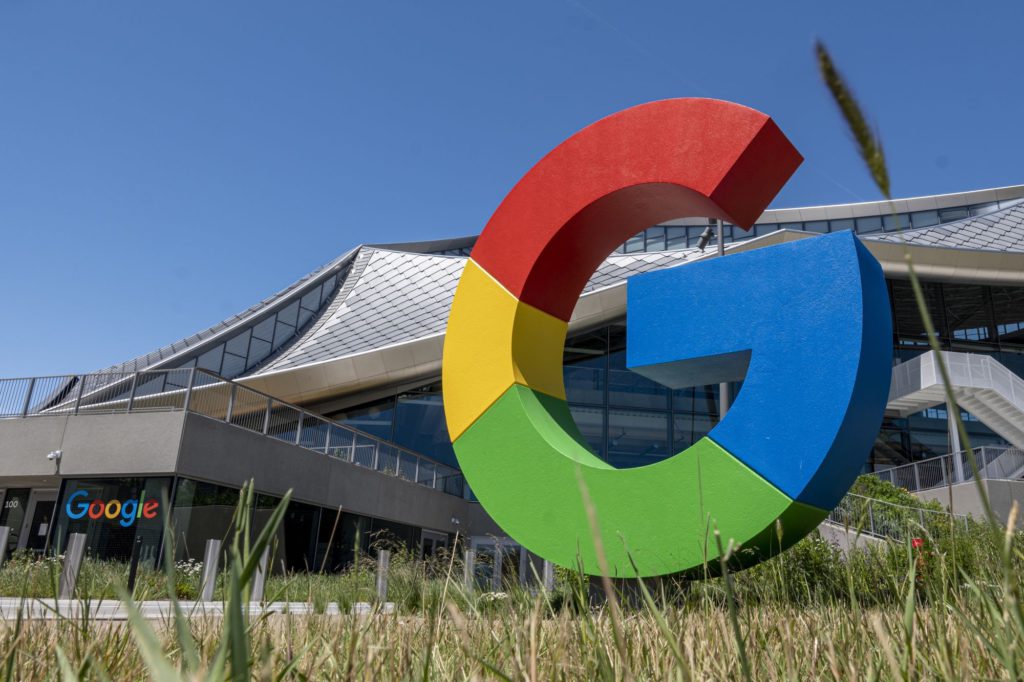
Google Workers Step Up Protests of $1.2 Billion Israeli Contract

(Bloomberg) — Google employees are ratcheting up pressure on the internet-search giant to abandon its artificial intelligence work with the Israeli government, planning public demonstrations to draw greater attention to the controversial cloud-computing contract.

Half a dozen current and former workers will speak on Wednesday alongside Palestinian rights activists in San Francisco to call for the Alphabet Inc.-owned company to end Project Nimbus, a $1.2 billion contract through which Google and Amazon.com Inc. provide the Israeli government with AI and cloud services. The seven-year contract went into effect in July 2021. A petition protesting the agreement has received 800 signatures from Google employees, according to one of the organizers.

Additional demonstrations are planned on Sept. 8 in New York, the San Francisco Bay Area and Seattle, according to a statement from the Alphabet Workers Union, which represents some of the employees involved.

Google hasn’t provided specific details of the cloud services it has committed to providing Israel through Project Nimbus, but training materials reviewed by The Intercept showed that the company had touted the capabilities of its image analysis tools to detect faces, facial landmarks and emotions, and to track objects in videos.

“We are proud that Google Cloud has been selected by the Israeli government to provide public cloud services to help digitally transform the country,” said Shannon Newberry, a Google spokesperson. “The project includes making Google Cloud Platform available to government agencies for everyday workloads such as finance, health care, transportation and education, but it is not directed to highly sensitive or classified workloads.”

Newberry said the company doesn’t make general purpose facial recognition commercially available and Google remains committed to responsible AI innovation.

But 15 Google employees who posted testimonials online said the company’s unwillingness to listen to their protestations of opaque military contracts with state actors was disappointing. “We need to ask ourselves: Do we want to give the nationalist armies of the world our technology?” said Gabriel Schubiner, a Google software engineer. “Or do we need to stand by the original theory behind Google: that we can make money without doing evil.”

The planned public demonstrations follow the resignation on Tuesday of Ariel Koren, a Google staffer who had publicly criticized Google’s work with the Israeli government. Koren said the company relocated her role overseas shortly after she went public with her objections, effectively forcing her to resign.

“Unfortunately, right now we are at a place where the only real accountability that big tech has to the public comes from workers speaking out,” Koren said in an interview. “Google needs to affirm that workers have that right.”

Google says it prohibits retaliation against employees who speak out against wrongdoing in the workplace, and publicly shares its conduct policies. “We thoroughly investigated this employee’s claim, as we do when any concerns are raised,” said Newberry, the Google spokesperson. “Our investigation found there was no retaliation here.” She added that the National Labor Relations Board also investigated Koren’s complaint and dismissed it.

In recent years, Google has faced a wave of activism by workers challenging the company’s treatment of contract workers, handling of sexual harassment claims and work with governments, among other issues. In 2019, Google fired five employees who had been involved in organizing at the company, and the NLRB ruled that two of those firings were illegal, while others had faced unlawful surveillance and retaliation.

The backlash to Google’s involvement in Project Nimbus has stretched beyond its employee base. Earlier this year, Alphabet shareholders proposed that the company’s board issue a report reassessing its role in the Israeli contract. In June, the proposal was overwhelmingly voted down, in line with the Alphabet board’s recommendation to oppose it.

More stories like this are available on bloomberg.com

©2022 Bloomberg L.P.

Close Bitnami banner
Bitnami