Bloomberg

Uber Sues New York’s Taxi Commission Over Rate Hikes for Drivers

(Bloomberg) — Uber Technologies Inc. sued the New York City Taxi & Limousine Commission to block an increase in rates it must pay drivers that was approved last month, calling them “dramatic, unprecedented and unsupported hikes.” 

The commission on Nov. 15 approved the first increase in fares since 2012, including increases in per-mile and per-minute rates for Uber and Lyft Inc. drivers. In a lawsuit filed on Friday in New York state court, Uber said it would be forced to spend an additional $21 million to $23 million a month if the rule goes into effect on Dec. 19, which it wouldn’t be able to recover unless it raised rider fares. 

“Such a significant fare hike, right before the holidays, would irreparably damage Uber’s reputation, impair goodwill, and risk permanent loss of business and customers,” Uber said in its suit. The company said the commission suddenly switched to a “volatile inflation index for a one-time increase that makes no sense, and that is a drastic departure from the Commission’s past practice or any rational approach.”

The city didn’t immediately respond to requests for comment on the lawsuit.

Uber and Lyft driver pay rates will increase by 7% per minute and 24% per mile under the commission’s plan. A sample trip of 30 minutes and 7.5 miles will require a minimum payment of $27.15. The suit is seeking a court order declaring the increases invalid and to block their implementation while the litigation proceeds.

“With this latest rulemaking, on top of the annual inflation adjustment, the TLC is choosing to invent a new methodology that locks in this summer’s high gas prices in perpetuity with a ‘mid-year’ adjustment that takes place 12 days before the end of the year,” an Uber spokesman said in a statement. He added that the TLC “should have followed its usual annual adjustment and instituted a temporary gas surcharge when gas prices were actually elevated.”

The case is Uber USA LLC v. New York City Taxi & Limousine Commission, 160451/2022, New York State Supreme Court, New York County (Manhattan).

–With assistance from Jackie Davalos.

More stories like this are available on bloomberg.com

©2022 Bloomberg L.P.

Stocks on Shaky Ground After Mixed Economic Data: Markets Wrap

(Bloomberg) — Stocks faced a lot of instability, with traders weighing mixed economic numbers amid bets they won’t be enough to sway the Federal Reserve from reducing the pace of tightening next week as recently signaled.

The S&P 500 wavered as an unexpected drop in short-term inflation expectations tempered worries with a hotter-than-expected producer-price reading. Swaps signaled markets betting officials will raise rates by 50 basis points Wednesday, following four consecutive 75 basis-point hikes.

“With traders on edge, any indication that prices remain elevated and that inflation is more sticky than currently believed, is a negative for markets,” said Chris Zaccarelli, chief investment officer for Independent Advisor Alliance. “It is likely that the Fed will move ahead with their plans of reducing the rate hike down from 75 bps per meeting to 50 bps per meeting, but if there is any chance of a Santa Claus rally this year, it will hinge on the inflation data next Tuesday coming in lower than expected.”

On the eve of Wednesday’s Fed decision, all eyes will be on consumer inflation figures. US central bankers, including Chair Jerome Powell, have been signaling a slowdown in the pace of rate hikes while stressing borrowing costs will need to keep rising and remain restrictive for some time to beat inflation.

“Month-over-month PPI rising slightly and coming in just over expectations is yet another reminder of how sticky inflation is,” said Mike Loewengart at Morgan Stanley Global Investment Office. “Though keep in mind compared to where we were a year ago, we are in a better place and headed in the right direction. It’s unlikely today’s hotter-than-expected report would be enough to push the Fed to stick with the 75 basis point hikes next week, but any negative news on the inflation front is a thorn in the side of both the Fed and investors.”

The Fed is set to disappoint Wall Street as it keeps rates at their peak throughout 2023, dashing hopes markets have priced in for rate cuts in the second half and making a recession very likely. 

Read: The S&P 500’s Next Record May Be Three Years Away: Taking Stock

While many investors are impatient for the Fed to deliver its last rate hike, history shows they should be wary of doing so while inflation remains elevated, according to Bank of America Corp. strategists.

An analysis by Michael Hartnett and his team showed that stocks outperformed after the Fed stopped increasing rates during periods of disinflation in the past 30 years. However, during the era of high inflation in the 1970s and 1980s, equities had fallen after the last hike, they wrote in a note. In the current cycle, they expect the Fed to raise rates for the last time in March 2023.

The International Monetary Fund, World Bank and others raised concerns about a worsening global outlook, while hopeful that China’s reopening will help support world growth. IMF Managing Director Kristalina Georgieva said indicators show further downgrades to global growth are likely. The institution currently forecasts global growth will be 2.7% next year, slowing from 3.2% this year.

Some of the world’s biggest investors predict that stocks will see low double-digit gains next year, which would bring relief after global equities suffered their worst loss since 2008.

Amid recent optimism that inflation has peaked — and that the Fed could soon start to change its tone — 71% of respondents in a Bloomberg News survey expect equities to rise, versus 19% forecasting declines. For those seeing gains, the average response was a 10% return.

There are no borrowers looking to sell fresh US investment-grade bonds on Friday, according to an informal survey of debt underwriters.

The market was anxiously awaiting producer price index data, a key reading of inflation, which came in hotter than expected. It’s unclear whether a company that stood down on Wednesday and Thursday will return for another look next week, but it appears there aren’t many other deals lined up for the remainder of December.

Elsewhere, oil climbed after President Vladimir Putin said Russia may cut its output.

Some of the main moves in markets:

Stocks

  • The S&P 500 was little changed as of 10:37 a.m. New York time
  • The Nasdaq 100 rose 0.1%
  • The Dow Jones Industrial Average fell 0.2%
  • The Stoxx Europe 600 rose 0.7%
  • The MSCI World index rose 0.3%

Currencies

  • The Bloomberg Dollar Spot Index was little changed
  • The euro fell 0.2% to $1.0537
  • The British pound rose 0.4% to $1.2286
  • The Japanese yen was little changed at 136.74 per dollar

Cryptocurrencies

  • Bitcoin was little changed at $17,183.42
  • Ether fell 0.2% to $1,276.28

Bonds

  • The yield on 10-year Treasuries advanced six basis points to 3.55%
  • Germany’s 10-year yield advanced 11 basis points to 1.93%
  • Britain’s 10-year yield advanced eight basis points to 3.17%

Commodities

  • West Texas Intermediate crude rose 1.3% to $72.40 a barrel
  • Gold futures rose 0.2% to $1,806 an ounce

This story was produced with the assistance of Bloomberg Automation.

More stories like this are available on bloomberg.com

©2022 Bloomberg L.P.

Kyrsten Sinema Switches to Independent, Diluting Democratic-Led Senate

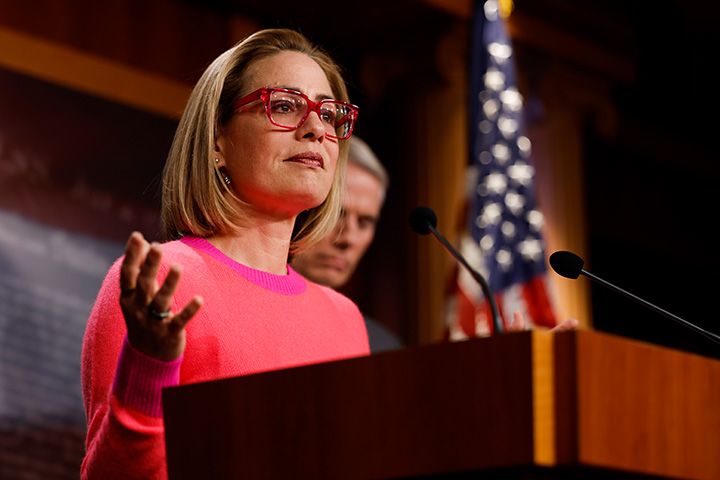
(Bloomberg) — Arizona Senator Kyrsten Sinema declared as an independent Friday but made clear she intends to continue to caucus with Democrats, maintaining the party’s newly expanded control of the chamber, committee subpoena power and ability to advance judicial nominees.

Sinema, who has been a swing vote on key issues, said she would continue her centrist voting record, which has angered Democrats in her home state. The move allows her to dodge a certain primary challenge if she seeks reelection in 2024.

“Becoming an independent won’t change my work in the Senate; my service to Arizona remains the same,” she wrote in an op-ed in the Arizona Republic. 

Sinema, 46, was first elected to the Senate in 2018 and was censured by the state party in January. The White House, however, stressed on Friday Sinema’s work this year on the bipartisan infrastructure bill and legislation to boost the domestic semiconductor industry. 

“We understand that her decision to register as an independent in Arizona does not change the new Democratic majority control of the Senate, and we have every reason to expect that we will continue to work successfully with her,” White House press secretary Karine Jean-Pierre said in a statement. 

Sinema’s move comes with risks, however, since a three-way general election race in 2024 likely would benefit Republicans in her narrowly divided state.

Sinema switching party affiliation won’t affect the overall control of the Senate next year. Her office said she intends to keep her committee assignments from the Democratic majority. And she doesn’t intend to caucus with the Republicans.

Jessica Taylor, the Senate editor of Cook Political Report noted that Democrats will still have the 51-49 seat control they secured earlier this week with Senator Raphael Warnock’s reelection in Georgia. 

“Democrats have more cushion than they had before,” Taylor said.

That majority gives Democrats expanded subpoena power next year that they intend to use to investigate corporations.

Democrats will still either need Sinema’s backing on votes to confirm important nominees opposed by the GOP, or the vote of West Virginia Senator Joe Manchin, the conservative Democrat who also would face voters next year if he runs for reelection. 

That means the duo will continue to hold significant power in a divided Washington where President Joe Biden’s executive authority will play a big role with little prospect for progressive legislation.

Both Sinema and Manchin have reliably voted with their party for Biden’s judicial nominees. Senate Majority Leader Chuck Schumer said this week that a key focus on the chamber next year will be moving more of Biden’s picks to the bench. 

Manchin has repeatedly insisted he does not intend to become a Republican. Becoming an independent would likely dilute his support and weaken his reelection chances. At 75, Manchin has not said whether he will run.  

Sinema notified Senate Majority Leader Chuck Schumer about her decision on Thursday, according to a Democratic aide. Schumer’s office didn’t immediately respond to a request for comment.

Despite breaks with Democrats on a few key issues, including raising corporate taxes, Sinema has voted with the party 97% of the time, according to data compiled by Bloomberg Government. She also has been a consistent vote in favor of President Joe Biden’s judicial nominees.

Her refusal to vote against the filibuster rule in order to pass gun control and voting rights legislation triggered the Arizona Democratic Party’s censure.

A political action committee dedicated to removing her, called “Primary Sinema,” said in a statement that her move confirmed that she is “simply out for herself.”

“In one way, Sinema just made our jobs easier by bowing out of a Democratic primary she knew she couldn’t win. Now, we’ll beat her in the general election with a real Democrat,” the group said in a statement.

Last month, Democrats won in key races across the once-reliably Republican state, including governor, secretary of state and Arizona’s other US Senate seat. 

On Tuesday, Democrats secured a 51-seat majority in the Senate when Warnock was reelected. That gives them firmer control of committees than the 50-50 balance of the last two years, which Democrats controlled only through tie-breaking votes by Vice President Kamala Harris. 

There are two other independents in the Senate, Bernie Sanders of Vermont and Angus King of Maine. They have divergent political stands but both caucus with Democrats on matters of the chamber’s organization and consistently vote with the party. 

The most consequential switch in recent times was Republican Jim Jeffords of Vermont becoming an independent and caucusing with Democrats in 2001, giving them the Senate majority. And after Senator Joseph I. Lieberman lost his Democratic primary in 2006, he won reelection anyway, and caucused with Democrats as an “independent Democrat.”

(Updates with new detail starting in 13th paragraph)

More stories like this are available on bloomberg.com

©2022 Bloomberg L.P.

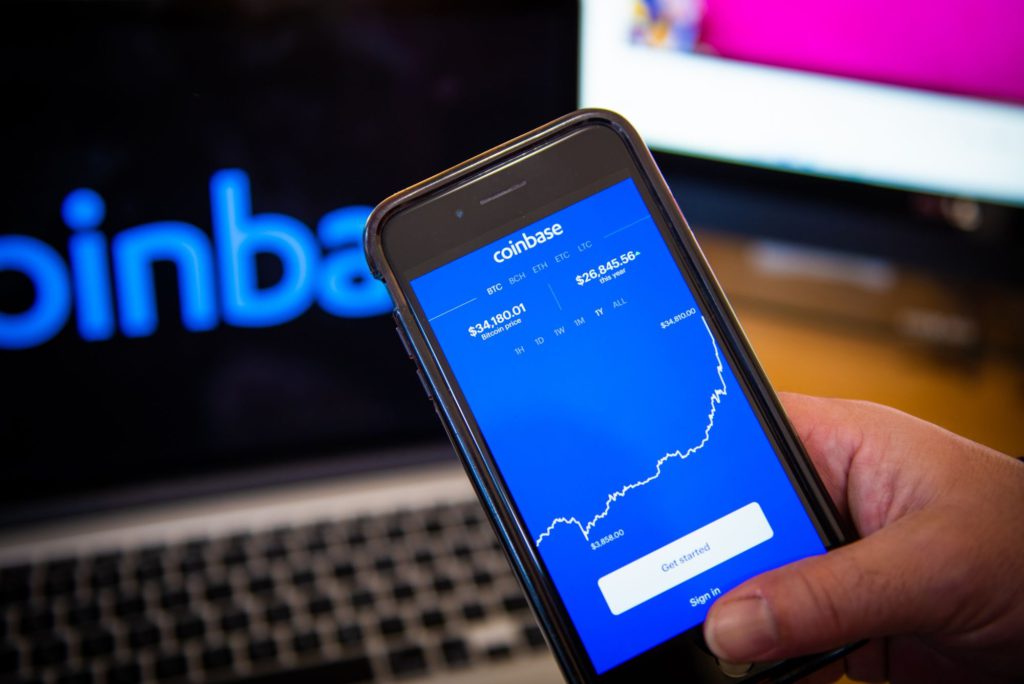
Coinbase to Waive Fees for Converting Tether Stablecoins to USDC

(Bloomberg) — Coinbase Global Inc. waived fees for converting Tether Holdings Ltd.’s stablecoin USDT for the token Coinbase backs, as competition heats up among the three biggest issuers of such digital assets. 

In a blog post on Friday, Coinbase sought to portray stablecoin USDC as a safer asset amid the turmoil unleashed by the collapse of crypto exchange FTX a month ago. USDC, which Coinbase co-founded together with Circle Internet Financial Plc in 2018, has seen its circulation drop by almost $10 billion since early September, data from CoinGecko show. 

“Now more than ever, stability and trust are of the utmost importance to customers,” Coinbase said. “However, the events of the past few weeks have put some stablecoins to the test and we’ve seen a flight to safety.”

Coinbase had already waived fees for converting fiat currencies into USDC, and in July merged its order books for US dollars and the stablecoin. Circle, which oversees USDC, last month attributed the drop in circulation to a September move by Binance Holdings Ltd. to bolster its own stablecoin, called BUSD. 

  • Read more: Binance’s Stablecoin Move May Be a Land Grab: Bloomberg Crypto

The implosion of Sam Bankman-Fried’s FTX in early November initially caused a rush to redeem Tether’s USDT, which has long been dogged by questions around the quality of assets backing it. But USDT’s circulation has bounced back slightly in the past two weeks and now stands at $65.7 billion, compared with $42.8 billion for USDC. 

Both stablecoins are pegged 1-to-1 to the dollar, and claim to be backed by highly liquid assets like Treasury bills. A spokesperson for Tether said “we believe lower fees are always better for the customer” and described the Coinbase move as “wildly inappropriate.” USDT was trading at $1 on Friday, data compiled by Bloomberg show. 

On Curve’s 3pool, a platform where users can swap between USDT, USDC and crypto-backed stablecoin DAI at par, USDT’s share stood at 30.1% on Friday, up from 27.4% on Dec. 5. USDC and DAI’s share of the pool both dipped slightly, meaning that on balance, traders have been swapping USDT for the two, albeit not at a dramatic pace. 

Binance on Sept. 5 said it would implement a system which automatically converts USDC and most other stablecoins into BUSD at $1 on its exchange. USDT was left out of Binance’s change.

(Updates with comment from Tether spokesperson in sixth paragraph)

More stories like this are available on bloomberg.com

©2022 Bloomberg L.P.

Spyware Hacks of Federal Workers Could Run Into Hundreds, Lawmaker Says

(Bloomberg) — A US government probe into how many mobile phones belonging to diplomats and government workers have been infected with spyware could “easily run to the hundreds,” according to a member of the House Intelligence Committee.

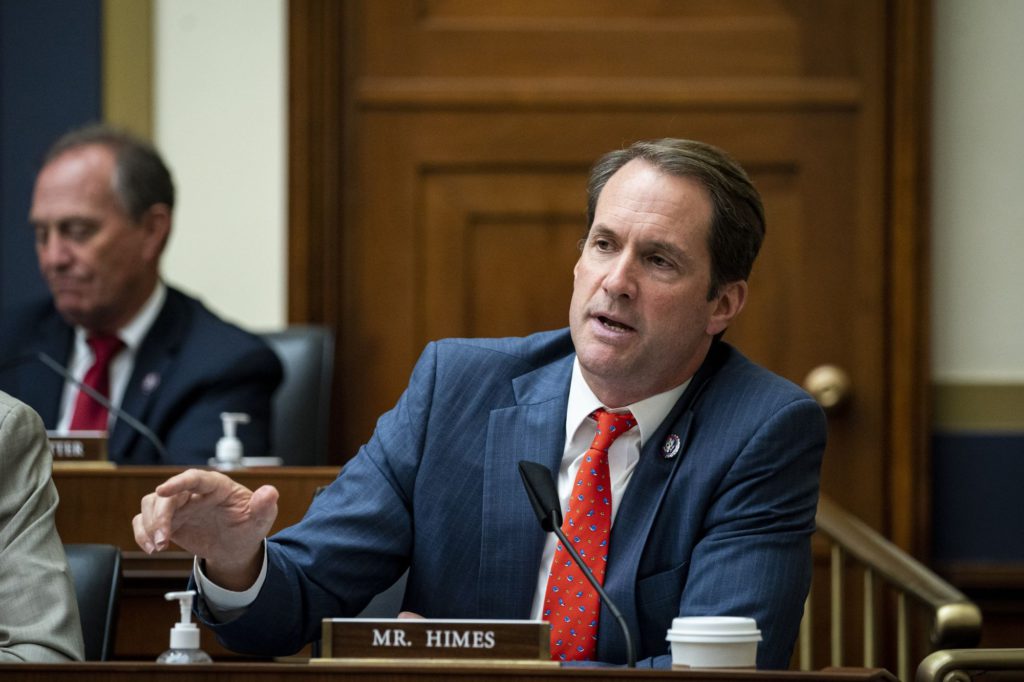
Jim Himes, a Democrat representative from Connecticut, told Bloomberg News that the Biden administration is “just beginning to get an inkling of the magnitude of the problem.” He predicted that the probe could find that spyware was used against “hundreds” of federal personnel in “multiple countries.”

Himes was a lead author of a September letter calling on the federal government to better protect US diplomats overseas from spyware and publicly detail instances of such abuse. He received a letter last month written jointly by the Departments of Commerce and State that confirmed commercial spyware has targeted US government personnel serving overseas. 

“Spyware technology has sort of moved beyond our ability to ensure that the communications of our diplomats are protected, or even the locations and contacts and photographs of our diplomats are protected. And that’s obviously a huge vulnerability,” he said.

The official confirmation follows a Reuters report from last year that the iPhones of at least nine State Department employees were hacked with spyware developed by Israel’s NSO Group. The employees were either based in Uganda or focused on issues related to the country, according to the report.

The inquiry is focused on how many diplomats and other US personnel have been targeted, who is targeting them and which spyware tools were used, according to the letter and two US officials familiar with the matter. Government efforts are also focused on how to prevent US government employees from falling prey to spyware.

NSO Group’s spyware can covertly record emails, phone calls and text messages, track location and record video and audio using the phone’s camera and microphone. The company has been criticized — and blacklisted by the Commerce Department — because its spyware has been used by its government clients to target government officials, journalists, activists and others.

NSO Group has repeatedly said that it sells its technology to law enforcement and government agencies for the purpose of catching criminals and terrorists.

A US government official familiar with the probe said that it’s ongoing and hasn’t yet reached a conclusion on the number of employees who were successfully targeted. A second person, a senior US official familiar with the inquiry, said even a small number of targeted personnel would pose a serious counterintelligence risk. Both officials spoke on the condition of anonymity given the sensitive nature of the probe.  

A new executive order is also in the works that would prohibit government officials from using commercial spyware if it there are risks it could be misused or if poses a counterintelligence or security risks to the US, according to the letter. 

The inquiry underscores the challenges for the State Department as it tries to protect diplomats working abroad from spyware. Many use apps such as Signal and Meta Platforms Inc.’s Facebook and WhatsApp on their official phones as a necessary part of their work, according to Kelly Fletcher, a former Pentagon official who is the State Department’s new chief information officer.

She said, in her first interview since taking the post, that her agency is “actively hardening” its systems and has “robust processes” for detecting intrusions on mobile device operating systems and applications. But she said challenges remain.

At least half of State Department teleworkers are still using their personal laptops for work, she said. “I would love to see every State Department user on a State Department laptop,” she added. 

Fletcher said she wants to give priority to protecting the most valuable five to 10 people at State Department, including the top US diplomat Antony Blinken, describing them as “really rich targets.”

“I believe that there should be separate standards for these very highest-level users,” she said. “What I don’t want these people to do is to like, ‘Oh forget it, I’m just going to use my personal phone.’” 

Fletcher said in a statement that the State Department continues to work with other agencies “to monitor and respond to activity of concern targeting State officials.” But she declined to discuss details of the spyware inquiry “for security reasons and to protect our ongoing investigation.” 

(Updates with comment on inquiry in final paragraph.)

More stories like this are available on bloomberg.com

©2022 Bloomberg L.P.

An Obscure Bank Found Its Key to Success. Then FTX Collapsed

(Bloomberg) — Silvergate Capital Corp. was dealing with the same problem many small US banks face: How do you differentiate yourself when larger competitors do everything you do, only better?

The solution it found was to focus on a sector other banks didn’t want to touch: cryptocurrency. Over the course of a decade, the La Jolla, California-based company transformed itself from a bank catering to small businesses into a publicly traded firm known for providing banking services to major crypto clients such as Coinbase Global Inc. and Gemini Trust Co. — as well as Sam Bankman-Fried’s FTX and Alameda Research.

The arrangement was going well, with Silvergate shares soaring to an all-time high of $222.13 in November 2021 as digital-asset prices set records. Then a painful crypto winter set in, with the value of virtual coins sinking. Capping off what was already a difficult year for the industry, crypto exchange FTX and its sister entities spiraled into bankruptcy last month, and are now facing probes from regulators including the Securities and Exchange Commission, the Commodity Futures Trading Commission and the Department of Justice over missing funds and trading on the platform.

The collapse raised questions about how regulators, investors and the retail traders who lost everything fell for what may have been a scam. But it also raised questions for Silvergate, which held deposits for FTX units and Alameda Research, the hedge fund at the heart of the crypto exchange’s collapse. Now, lawmakers are scrutinizing the bank as short sellers circle, with Silvergate stock slumping to less than $23 a share. They dropped as much as 6.2% in intraday trading Friday.

While Silvergate said this month it has “a resilient balance sheet and ample liquidity,” and analysts call its financials sound, the bank is today contending with a question as difficult as the one that led it to crypto in the first place: whether the experiment was worth it.

The thesis behind Silvergate’s crypto-focused payment platform, known as the Silvergate Exchange Network, is a relatively simple one. Crypto companies that might otherwise have trouble finding a banking partner can put their money on the platform and send it to each other in exchange for digital assets. Silvergate’s network is only for US dollars and euros, and virtual-currency transactions don’t take place on the platform.

Tokens that exist on the blockchain can change hands almost instantly, and companies that swap them for US dollars want a way to complete these fiat-currency transactions at the same speed they carry out their digital ones.

Silvergate’s network lets clients do exactly that — but the deposits placed on the system don’t pay interest, giving the bank an almost-free method of funding its activities. Deposits from digital-currency customers swelled to more than $14 billion at the end of last year from $1.2 billion two years earlier.

“When Silvergate got into this business, it was a commercial bank in Southern California, and the deposit market was competitive, and they just really were trying to explore opportunities for lower-cost funding,” said Michael Perito, an analyst with Keefe, Bruyette & Woods. “When you have a low-cost deposit base, you can make good return on acceptable risk. It’s not rocket science.”

One hitch is that banks historically have been squeamish about dealing with crypto firms, given the absence of clear regulations governing a sector infamous for fraud and financial malfeasance. 

Silvergate introduced its crypto payments platform in early 2018, according to a filing tied to the bank’s initial public offering. In November of that year, the company sold its small-business-lending division and a retail branch to HomeStreet Bank as part of an effort to “increase its focus on its digital-currency initiative and its specialty-lending competencies,” according to a regulatory filing.

Silvergate hasn’t been charged with any wrongdoing. Neither has Bankman-Fried, but federal prosecutors in Manhattan have begun investigating FTX’s collapse due in part to an unexplained $8 billion shortfall in funds. Other probes into FTX and related entities are ongoing.

‘Difficult’ Weeks

A Silvergate representative, in response to a request for comment, referred to a Dec. 5 message from Chief Executive Officer Alan Lane, in which he said that it’s “been a very difficult few weeks for the digital-asset industry, as we have all come to terms with the apparent misuse of customer assets and other lapses of judgment by FTX and Alameda Research.”

Silvergate “monitors transaction activity for every account and identifies activity outside of the expected usage. When we identify certain kinds of activity, we are required to file suspicious activity reports, and we do so routinely,” Lane wrote. “Silvergate conducted significant due diligence on FTX and its related entities, including Alameda Research, both during the onboarding process and through ongoing monitoring, in accordance with our risk-management policies” and legal requirements.

In a letter to Lane, lawmakers including Senator Elizabeth Warren, a Democrat from Massachusetts, raised questions about the bank’s controls, including anti-money-laundering practices. The senators suggested those measures should have caught allegedly suspicious transactions between Alameda Research and FTX, which they said should have been reported to the Financial Crimes Enforcement Network.

‘Egregious Failure’

“Your bank’s involvement in the transfer of FTX customer funds to Alameda reveals what appears to be an egregious failure of your bank’s responsibility to monitor for and report suspicious financial activity carried out by its clients,” Warren and fellow Senators John Kennedy and Roger Marshall wrote in the Dec. 5 letter. “The public is owed a full accounting of the financial activities that may have led to the loss of billions in customer assets, and any role that Silvergate may have played in these losses.”

The lawmakers cited reporting by Bloomberg News that indicated FTX customers were directed to wire funds to a Silvergate bank account belonging to Alameda.

“We have received Senator Warren’s letter and are reviewing it,” Silvergate said in a statement.

Red Flags

Those transactions wouldn’t necessarily raise red flags because of how banks look for fraud and suspicious activity, according to Joseph Silvia, an attorney with Dickinson Wright who advises banks and doesn’t work with Silvergate. Bankman-Fried has attributed the loss of customer funds to loose accounting practices, and the exchange’s new CEO has cited weak controls throughout the organization.

Amid the turmoil in the crypto industry, Silvergate has been targeted by short-sellers betting against the company’s stock. As of Thursday, about 29% of the bank’s shares available for trading were sold short, up from 11% a month ago. Silvergate shares have plunged 85% this year.

Silvergate is now valued at roughly half its book value, compared with an average multiple of 1.5 for comparable banks, data compiled by Bloomberg show. In February 2021, Silvergate’s price-to-book valuation of 11 was almost six times that of its peers.

If FTX directed clients to send funds to an Alameda account on the Silvergate Exchange Network, the bank wouldn’t typically have visibility into the relationship between the parties transacting or the reasons for the transactions, Silvia said. There’s a limit on how closely a bank can investigate its clients, he added.

‘Rabbit Hole’

“At some point, you ask so many questions and you go down the investigative rabbit hole with your own customers, and they don’t stay your customers,” Silvia said. “They just move on.”

One question raised by the implosion of FTX is how a firm with such shoddy book-keeping gained access to the traditional financial system in the first place. Bankman-Fried has said it took longer for his exchange to secure a bank account than it took Alameda Research. And regulators tend to shy away from telling banks not to do business with firms unless they’re engaged in illegal activity.

“There’s been a big controversy generally about whether regulators should tell banks, ‘You just can’t do business with certain entities,’” former Federal Deposit Insurance Corp. Chair Sheila Bair said in a Bloomberg Television interview earlier this month. Bair is on the board of Paxos, a stablecoin project listed as a Silvergate client in the bank’s prospectus. “If a business is legal, then to tell a bank not to have dealings with them I think is hard, and I am unaware that any of the entities doing business with US banks were illegal.”

Growing Pains

Silvergate pushed into the world of crypto in the years after the global financial crisis. CEO Lane has said that he bought his first Bitcoin in 2013, and that curiosity propelled him and the bank deeper and deeper into the world of digital assets.

“Recognizing that neither the US dollar nor Bitcoin were likely to disappear anytime soon, connecting these two worlds has been my profession and passion ever since,” Lane said in a Nov. 21 letter to customers.

Building a deposit base off of an industry known for volatility and uncertain regulatory regimes in the US and elsewhere wasn’t a painless process. Former Silvergate employees said it was challenging to expand the bank quickly enough to keep up with the rapid growth in deposits from digital-asset customers. The burgeoning workloads brought on by the sudden expansion contributed to high turnover, said the former employees, who asked not to be identified discussing private matters at the bank.

The bank’s workforce grew to 279 full-time employees at the end of last year from 208 two years earlier. Among the firm’s executives are Chief Technology Officer Chris Lane — the CEO’s son — and Jason Brenier, manager of correspondent banking, a son-in-law of the CEO. Another son-in-law, Tyler Pearson, previously held the title of chief risk officer.

A Silvergate representative declined to comment on the expansion challenges or family ties among the bank’s management. Silvergate’s CEO “does not directly supervise or evaluate the performance” of his family members, the bank said in a regulatory filing.

Signature’s Move

Not everyone who has taken the plunge into digital assets is willing to continue stomaching the risk. Signature Bank said earlier this week that it plans to cap the overall share of its deposit base contributed by digital-asset customers and limit the percentage of deposits from individual crypto clients.

In a note, BTIG analysts led by Mark Palmer identified the move as a potential opportunity for Silvergate to capture more market share.

Signature Bank’s “pivot away from crypto is also likely to have a negative impact on the network effects” offered by its Signet payments platform, the analysts wrote. “At the same time, the potential influx of new clients to the Silvergate Exchange Network that have been using Signet could serve as an accelerant for its network effects.”

–With assistance from Matt Turner and Philip Lagerkranser.

(Updates with share price in fourth paragraph, price-to-book multiple under Red Flags subheadline.)

More stories like this are available on bloomberg.com

©2022 Bloomberg L.P.

Tesla to Suspend Output at China Factory Later This Month

(Bloomberg) — Tesla Inc. will suspend output in stages at its Shanghai electric car factory from the end of the month until as long as early January, according to people familiar with the matter, amid production line upgrades and slowing consumer demand.

Most workers on both the Model Y and Model 3 assembly lines won’t be required in the last week of December, the people said, asking not to be identified because they’re not authorized to speak publicly. Model Y output disruptions could extend through early January, one of the people said.

Production of the Model 3 sedan may again be suspended during Chinese New Year, which in 2023 falls in late January, to allow for further upgrades and equipment maintenance to cater for the model’s revamped version, another person said.

Tesla representatives in China didn’t immediately respond to a request for comment. Reuters earlier Friday reported that Model Y assembly would be suspended between Dec. 25 and Jan. 1, citing people it didn’t identify.

Read more: Tesla Falls on Plan to Cut Output of EVs at Shanghai Factory 

Tesla’s shares rose 3.3% at 9:45 a.m. in New York, bouncing back after four consecutive days of declines. The stock tumbled 51% this year through Thursday’s close.

Consumer demand for cars in China has been dented by the country’s still strict approach to Covid, which has resulted in snap lockdowns and kept buyers away from showrooms. Retail sales of all passenger vehicles in the nation slipped in November, sinking almost 11% from October, Passenger Car Association data released Thursday showed.

The muted demand comes right after Tesla in August underwent an upgrade of the Shanghai factory to boost capacity to around 1 million vehicles a year. The US EV pioneer also lowered prices and embarked on a marketing blitz. More than 100,000 EVs were shipped from the facility in November, a record, and about 70% of them were Model Y sports utility vehicles.

Now however lead times are shortening drastically, suggesting the company still has inventory on hand. Any Model 3 or Model Y ordered in China today should be delivered within the month, Tesla’s website shows. That lead time is down from as long as four weeks in October and up to 22 weeks earlier this year.

Tesla is also shortening production shifts at the factory as soon as Monday and has delayed the on-boarding of some new hires, other people familiar with the situation said earlier this week — adding to signs demand for the company’s electric cars in China isn’t meeting expectations.

Some production staff who were slated to start in November, including in Tesla’s battery workshops and on vehicle assembly lines, were informed by the company their start dates would be delayed and one of the people said they were told by Tesla’s recruiter to be prepared to start after the Chinese New Year holiday because there isn’t an urgent need for more workers right now.

(Updates with share trading in fifth paragraph.)

More stories like this are available on bloomberg.com

©2022 Bloomberg L.P.
Rapid-Delivery Startup Getir Buys Rival Gorillas in $1.2 Billion Deal

(Bloomberg) — Istanbul-based quick-commerce platform Getir bought its rival Gorillas Technologies GmbH, marking the increasing consolidation of a once-booming industry. 

The deal values Gorillas at $1.2 billion, according to people familiar with the matter. Last year, Gorillas raised funds valuing the company at about $3 billion but has been exploring its options after investors became more cautious over the industry’s path to profitability. 

Getir will now gain access to Gorillas customers across the six countries in which it operates, according to a statement on Friday.  

“Markets go up and down, but consumers love our service and convenience is here to stay,” said Getir founder Nazim Salur.

Gorillas, a Berlin-based startup, quickly attracted capital after it was founded in 2020, as consumers tapped into its promise of rapid, convenient delivery while spending more time at home as a result of coronavirus lockdowns. 

The company’s rise culminated in a massive $1 billion funding round in late 2021 but this year the startup has fallen out of favor, struggled to secure more funding and in May, Gorillas had to reduce its office staff by half in a drastic scale-back of operations. 

The combination with Gorillas gives Getir, which is backed by Mubadala Investment Co. and Sequoia Capital, scale in key European markets including the UK and Germany. 

Gorillas had previously held talks with a number of competitors about the prospects for a merger or sale of its business, people familiar with the matter said previously. The industry is consolidating as companies emphasize a shift to profitability. Getir agreed to buy UK startup Weezy in late 2021, while Gorillas acquired France’s Frichti earlier this year. 


More stories like this are available on bloomberg.com

©2022 Bloomberg L.P.
Your Boss Is Debating Whether or Not You Can Watch the World Cup at Work

(Bloomberg) — As World Cup matches play out in dramatic fashion, captivating international attention and even slowing trading volumes on Wall Street, bosses across the globe are faced with a dilemma: Whether or not to let their employees watch at work.

With a projected 5 billion viewers — more than half the world’s population — and many matches played during working hours, the 28-day event has some implications for the working world. Almost 40% of the World Cup hours overlap with work in the UK — defined as Monday to Friday from 9 a.m. to 6 p.m. local time — and almost half conflict with US business hours, according to an analysis by software company InvGate.

On Twitter, hundreds of soccer fans are sharing their glee (or frustration) at being able to watch at work (or not). The platform is overflowing with stories of wayward workers: cashiers with phones propped up to stream the action, colleagues huddled in conference rooms celebrating mutely, and a few bold souls sequestered in bathrooms to tune in with the volume all the way up. 

In Switzerland, employees of the canton of Basel-Landschaft were sent a stern email forbidding them from streaming the World Cup after they crashed its Wi-Fi network during the nation’s opening match against Cameroon, temporarily disrupting government services. In Brazil and Argentina, where soccer is powerful enough to turn match days into unofficial holidays, some expats turned to social media to complain about how that translated into no-school days. “I will now be rooting for a quick elimination for the national team,” one Sao Paulo-based parent joked on Twitter.

On Reddit, one UK-based manager posed the question in a post that’s so far generated over 900 comments. The top comment, with more than 3,000 upvotes: “Happier staff = better workplace. Shame most managers haven’t figured that out.”

As many commenters noted, even if banned from watching during business hours, many employees are likely to skirt such rules by livestreaming games on their work laptops alongside their Excel spreadsheets or Zoom calls, especially if they’re working remotely, or simply calling in sick. (That last strategy could put your job in jeopardy, employment law firms warn.)

Still, productivity-monitoring platform ActivTrak said its data shows employees continue to get work done at near-equal levels to non-World Cup weeks. Data from more than 4,500 US-based workers the day of the US versus Wales matchup, which was held on a Monday afternoon at 2 p.m. New York time, showed no clear departure from business as usual based on the measures watched by ActivTrak.

But even if there’s no change in how much work gets done, there’s some evidence that there’s been a change in when it gets done.

Hive.com, another productivity-tracking system, has seen a major shift toward work getting done later in the day, even though there has been only been a nominal dip in overall activity so far during the tournament. The company has seen productivity surge between 3 p.m. and 6 p.m. New York time, as most games are wrapping up, as well as a modest boost in evening activity. Hive, whose data points include creation and completion of tasks and other status updates, did note a 30% decline in activity across its workspaces as the US team played Iran.

This week, managers got a brief reprieve: no games were scheduled for Wednesday or Thursday. The tournament picks back up with the quarterfinal matches on Friday. The semifinals will be held next Tuesday and Wednesday at 2 p.m. New York time (7 p.m. London time), and the final will be played the following Sunday — a win for managers everywhere.

Lunch break in the UK

Of those planning to watch the World Cup in the UK, almost 16% had said they planned to tune in to the Nov. 21 England versus Iran match — a Monday afternoon contest — at work with their manager’s permission, according to a YouGov survey. Meanwhile, 13% planned to take time off for the match and 9% said they intended to skive off work to watch without telling their boss. (A third of people surveyed said they weren’t scheduled to work at the time of the match, so didn’t have to contend with the conflict.)

While England versus Iran took place at 1 p.m. London time, perfect for a lunch break, last Friday’s Wales versus Iran game was held at the much less convenient 10 a.m. The Guardian advised fans intent on watching at work to practice their poker face, schedule a perfectly timed meeting, use the command-M shortcut on Mac computers to quickly hide open internet tabs, and even invest in a mini rear-view mirror so supervisors wouldn’t catch them by surprise.

Michaela Ricketts, a UK-based recruiter for HackerOne, a global cybersecurity firm, had been seeing the debate play out on LinkedIn: One side saying people shouldn’t watch during work hours and the other side arguing it’s team-building rocket fuel. Ricketts cut through the noise: “If you want to watch it, cool — make sure you book it out on your calendar. If you don’t want to watch it, that’s also cool!” HackerOne operates asynchronously, so its employees get their work done on their own time, communicating to colleagues when they’re working via their calendars. That means they’re free to watch a match in the middle of the day and simply finish tasks earlier or later in the day without worrying about keeping up the appearance of productivity.

Read more: No Longer Tied to Offices, Workers Are Still Bound by the Clock

“You’re a grown-up,” Ricketts said. “You don’t have to hide that you’re watching the World Cup.”

Fun at the office in the US

While the draw of the World Cup is a particularly strong in Europe and Latin America, its popularity in the US is on the rise. Almost 60% of US soccer fans plan to watch this year, according to a Morning Consult survey conducted last month, up from the 45% who reported watching in 2018. As for the US population at large, about one quarter expect to watch “some” or “a lot” this year.

Robin Pou, an executive coach and founder of a leadership development firm based in Dallas, said he recently reached out to 30 leaders he works with to invite them to watch the World Cup, and every single one said no — they were too busy.

“I get it, it was last minute, they may not like soccer, but it just rose up in me this sort of existential question of leadership,” Pou said. “Why are we working so hard?” he said, describing clients who complain of exhaustion and burnout as they maneuver out of a pandemic crisis and into a recession.

It’s short-sighted to worry about productivity lost when taking time to build relationships and have a little fun at the office, Pou tells CEOs. He urges them to think of the two hours it takes to watch a match as an investment in relationships. 

“It’s a real solution to a current-day challenge that I’m hearing from all leaders across all industries and all sizes of organizations,” he said. “It’s useful — not just cute.’’

(Updates with semifinal and final matches in 10th paragraph.)

More stories like this are available on bloomberg.com

©2022 Bloomberg L.P.
Congo Seals Vodacom Offices, Freezes Bank Accounts in Tax Dispute

(Bloomberg) — The Democratic Republic of Congo has sealed parts of Vodacom Group Ltd’s offices and frozen its bank accounts in the country over a tax dispute. 

The disagreement relates to an audit for the years 2016 to 2019 done by the general directorate of taxes that found Vodacom Congo owed $243 million, the company said in an emailed statement on Friday. The tax agency has moved to seize the funds, despite an appeal that reduced the assessment to $165 million, which Vodacom is also appealing, it said.

“On 6 and 7 December 2022, agents of the General Directorate of Taxes presented themselves at our technical, commercial and administrative offices and proceeded with the installation of seals,” according to the statement. 

Congo’s telecommunications regulator didn’t immediately respond to a text message requesting comment, while the nation’s tax agency didn’t immediately respond to two emails seeking comment.

This comes months after the government confiscated the passports of company executives and banned them from traveling, after they refused to agree to a controversial tax levy that the state planned to impose. The documents were returned after an agreement to cap the amount of the additional tax to $65 million in 2023 and $70 million all other years, Bloomberg reported.  

Other mobile-phone operators that had to agree to the tax included Orange SA, Airtel Africa Plc and Africell Holding SAL.

“Vodacom continues to use all the means of recourse provided by the legislation in force to ensure that the law is established and is awaiting the outcome of the procedures underway before the various competent judicial and administrative bodies,” it said on Friday.  

–With assistance from Michael J. Kavanagh.

More stories like this are available on bloomberg.com

©2022 Bloomberg L.P.
Close Bitnami banner
Bitnami