Bloomberg

TSMC Chief Says Penny Chips Are Snarling Supply Chain Segments

(Bloomberg) — An endemic shortage of chips costing anywhere from 50 cents to $10 is slowing down swathes of the $600 billion semiconductor industry, Taiwan Semiconductor Manufacturing Co.’s top executive warned Tuesday.

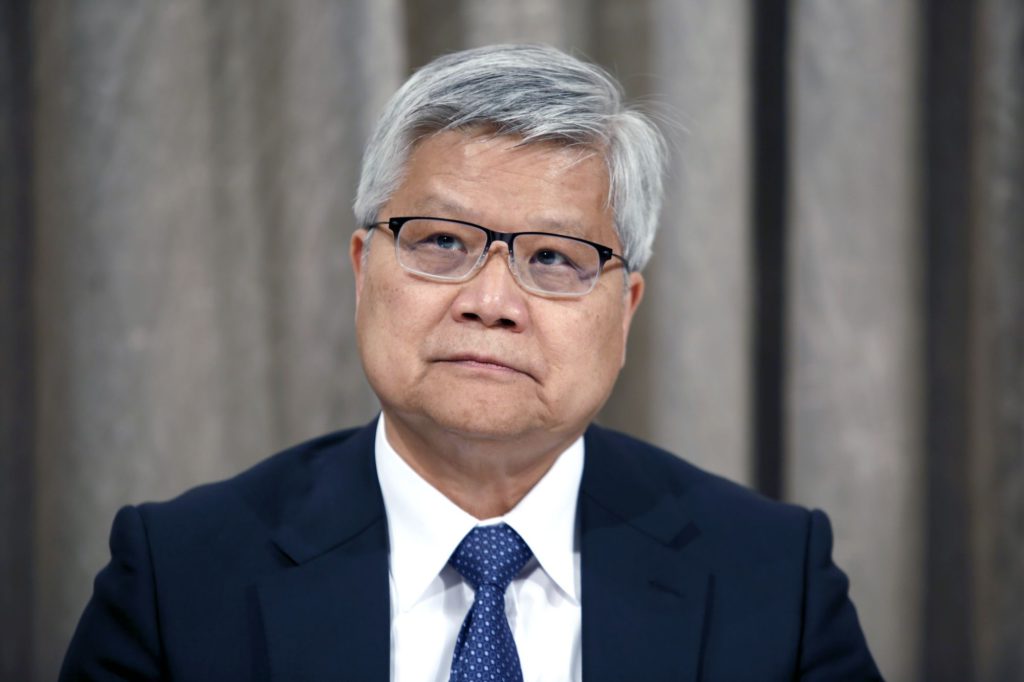
The persistent deficit of such low-end chips is holding up production in key segments of the supply chain, Chief Executive Officer C. C. Wei told attendees at a tech symposium. ASML Holding NV of the Netherlands is struggling to obtain $10 chips for its extreme ultraviolet lithography systems, or EUVs, he said. TSMC has dozens of the machines, which are critical for packing more power onto smaller slivers of silicon. Elsewhere, a 50-cent radio chip has been holding up the production of $50,000 cars, Wei said, without elaborating. 

The world’s largest contract chipmaker can no longer meet demand for low-end chips at legacy factories, and it is building new plants, Wei said, suggesting that even mature chips may cost more in the months ahead. These include a new 28-nanometer factory in China that will begin production in the fourth quarter, according to TSMC Vice President Y. L. Wang. Shortages are showing up as a result of automakers adding more features to cars and increasing the silicon used by 15% every year, while smartphones now require two to three times the number of power management chips they did five years ago, Wei said.

“The age of an efficient, globalized supply system has passed,” he said, noting that production costs are also increasing due to more countries racing to build fabs at home. “Costs are swiftly rising, including inflation.” 

While demand is generally dwindling, logistics snarls and chronic component shortages continue to plague some industry players. Applied Materials Inc. said this month its order backlog is increasing as it struggles to get enough supply of semiconductors to make its equipment, while Nvidia Corp. said it encountered trouble getting support chips including power converters and transceivers to make as many data center products as it wanted to.

It is possible that by the end of the year or early next year, “we are more in control of those supply constraints,” ASML CEO Peter Wennink told analysts after reporting results in July. “Having said that, there are no guarantees there.”

More stories like this are available on bloomberg.com

©2022 Bloomberg L.P.

Shortage of 50-Cent Chips Holds Up $50,000 Cars, TSMC Chief Says

(Bloomberg) — An endemic shortage of chips costing anywhere from 50 cents to $10 is slowing down swathes of the $600 billion semiconductor industry, Taiwan Semiconductor Manufacturing Co.’s top executive warned Tuesday.

The persistent deficit of such low-end chips is holding up production in key segments of the supply chain, Chief Executive Officer C. C. Wei told attendees at a tech symposium. ASML Holding NV of the Netherlands is struggling to obtain $10 chips for its extreme ultraviolet lithography systems, or EUVs, he said. TSMC has dozens of the machines, which are critical for packing more power onto smaller slivers of silicon. Elsewhere, a 50-cent radio chip has been holding up the production of $50,000 cars, Wei said, without elaborating. 

The world’s largest contract chipmaker can no longer meet demand for low-end chips at legacy factories, and it is building new plants, Wei said, suggesting that even mature chips may cost more in the months ahead. These include a new 28-nanometer factory in China that will begin production in the fourth quarter, according to TSMC Vice President Y. L. Wang. Shortages are showing up as a result of automakers adding more features to cars and increasing the silicon used by 15% every year, while smartphones now require two to three times the number of power management chips they did five years ago, Wei said.

“The age of an efficient, globalized supply system has passed,” he said, noting that production costs are also increasing due to more countries racing to build fabs at home. “Costs are swiftly rising, including inflation.” 

While demand is generally dwindling, logistics snarls and chronic component shortages continue to plague some industry players. Applied Materials Inc. said this month its order backlog is increasing as it struggles to get enough supply of semiconductors to make its equipment, while Nvidia Corp. said it encountered trouble getting support chips including power converters and transceivers to make as many data center products as it wanted to.

It is possible that by the end of the year or early next year, “we are more in control of those supply constraints,” ASML CEO Peter Wennink told analysts after reporting results in July. “Having said that, there are no guarantees there.”

More stories like this are available on bloomberg.com

©2022 Bloomberg L.P.

PostEx Buys Rival to Become Top E-Commerce Courier in Pakistan

(Bloomberg) — Pakistani startup PostEx, a provider of courier and financing services to online merchants, acquired logistics company Call Courier in a deal that makes it the nation’s largest e-commerce delivery firm, according to its founder.

The combined entity will be handling about 50,000 orders a day, a scale that makes it profitable, founder Muhammad Omer Khan said without disclosing a value for the deal. The acquisition gives PostEx delivery operations in 500 Pakistani cities, compared with its previous base that consisted of just the three main ones.

“While others are going on the backfoot and slowing down, we plan to become even more aggressive,” Khan, who is PostEx’s chief executive officer, said in an interview in the southern city of Karachi.

Pakistan, whose population of about 230 million makes it the world’s fifth-largest nation, is attracting interest from global investors as its online businesses gain users. The country’s startups raised more than $350 million in 2021, a record, with several global venture funds investing for the first time. PostEx raised $8.6 million last year in one of Pakistan’s largest early-stage funding rounds.

More than 90% of e-commerce deliveries in the South Asian nation are paid for in cash, resulting in long delays before the merchants receive the proceeds for the sale. PostEx offers these businesses upfront payments before deliveries are made, giving them liquidity. The financing services help PostEx stand out from the region’s other delivery companies, Khan said.

Pakistan’s e-commerce industry has lured the most investment in the recent funding rush. The majority of the population still hasn’t switched to online shopping, providing room for the sector to grow and transactions to reach $10 billion before 2025 from about $6 billion now, Khan estimates.

Khan started PostEx in 2019 with a friend, going door-to-door to small shops to convince them to allow the company to handle their deliveries. The acquisition more than triples its number of employees to 2,400.

More stories like this are available on bloomberg.com

©2022 Bloomberg L.P.

China Tech Drop Takes Asia Stocks Off Session High: Markets Wrap

(Bloomberg) — An Asia stock gauge came off session highs Tuesday amid a slide in Hong Kong and subdued sentiment due to the Federal Reserve’s signal of a sustained period of restrictive monetary policy to quell inflation.

A retreat in China tech stocks put Hong Kong into the red in a mixed day for the region that included a jump in Japan. US futures fluctuated after Wall Street equities added to a slump that began Friday when Chair Jerome Powell stressed the Fed is willing to let the economy suffer to cool price pressures.

Treasury yields and the dollar were little changed. Both have been pushed higher in the rethink sparked by Powell’s speech at Jackson Hole last week. Oil was near the highest since late July on potential Libyan production outages. Gold and Bitcoin wavered.

In China, the central bank set a stronger-than-expected yuan fixing for a fifth day, a sign it doesn’t want an excessively weak currency. The move highlights how greenback strength is a challenge for Asia as the region’s currencies slip.

There’s “more pain ahead” for the yuan and a fall to 7 per US dollar looks likely, Divya Devesh, a foreign exchange strategist at Standard Chartered Plc, said on Bloomberg Television.

Powell’s push back against market hopes for a pivot to interest-rate cuts next year is the latest setback in a challenging year for investors. The Fed this week is also set to step up the unwinding of its near-$9 trillion balance sheet. Other risks range from China’s economic slowdown to Europe’s energy crisis as Russia continues its war in Ukraine and chokes gas supplies.

Minneapolis Fed President Neel Kashkari said sharp stock-market losses show investors have got the message that the US central bank is determined to contain inflation. “People now understand the seriousness of our commitment to getting inflation back down to 2%,” he said.

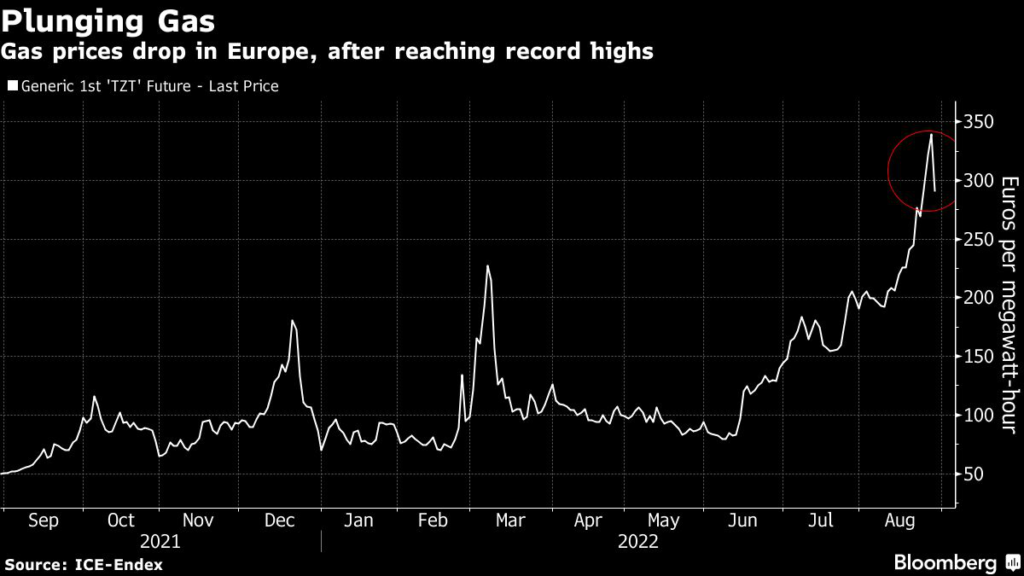
In Europe, natural gas and power prices plunged after Germany said its stores of the fossil fuel are filling up faster than planned. But Germany remains vulnerable in the winter if Russia halts gas flows. The European Union is preparing to step into its energy market to damp soaring power costs.

Here are some key events to watch this week:

  • US consumer confidence, Tuesday
  • New York Fed President John Williams due to speak, Tuesday
  • ECB Governing Council members due to speak at event Tuesday through Sept. 2
  • China PMI, Wednesday
  • Euro-area CPI, Wednesday
  • Russia’s Gazprom set to halt Nord Stream pipeline gas flows for three days of maintenance, Wednesday
  • Cleveland Fed President Loretta Mester due to speak, Wednesday
  • China Caixin manufacturing PMI, Thursday
  • US nonfarm payrolls, Friday
  • UK leadership ballot closes Friday. Winner announced Sept. 5

Some of the main moves in markets:

Stocks

  • S&P 500 futures rose 0.2% as of 12:29 p.m. in Tokyo. The S&P 500 fell 0.7%
  • Nasdaq 100 futures rose 0.2%. The Nasdaq 100 fell 1%
  • Japan’s Topix index rose 1.2%
  • South Korea’s Kospi index gained 0.7%
  • Australia’s S&P/ASX 200 Index climbed 0.5%
  • China’s Shanghai Composite index fell 0.6%
  • Hong Kong’s Hang Seng index fell 1%
  • Euro Stoxx 50 futures added 0.4%

Currencies

  • The Bloomberg Dollar Spot Index was steady
  • The euro was at $0.9991, down 0.1%
  • The Japanese yen was at 138.57 per dollar, up 0.1%
  • The offshore yuan was at 6.9227 per dollar, down 0.1%

Bonds

  • The yield on 10-year Treasuries fell about one basis point to 3.09%
  • Australia’s 10-year bond yield was at about 3.66%

Commodities

  • West Texas Intermediate crude was at $96.63 a barrel, down 0.4%
  • Gold was at $1,736.38 an ounce

More stories like this are available on bloomberg.com

©2022 Bloomberg L.P.

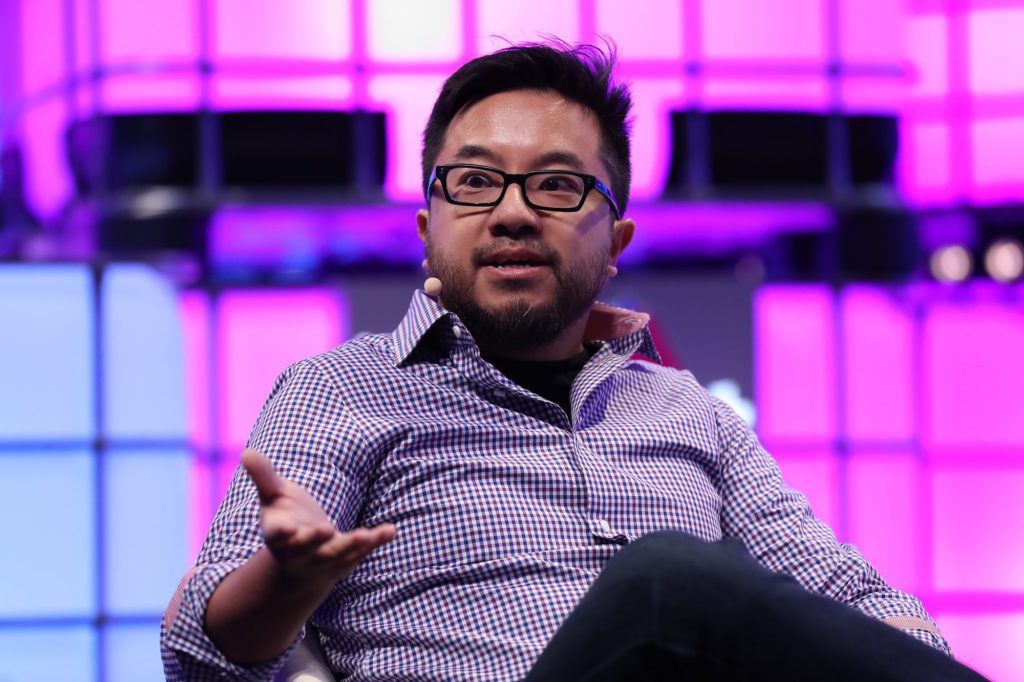
Y Combinator’s Next Chief, Garry Tan, Is Open to Expansion

(Bloomberg) — Y Combinator, the technology industry’s most prestigious business incubator, appointed venture capitalist Garry Tan as its new head. 

Tan, who will be the first Asian American in the role, will take over early next year as president and chief executive officer from Geoff Ralston, 61, who ran the firm since 2019. 

Tan said he’ll wait until he arrives to make plans for Y Combinator, but will entertain the idea of expanding the program. “The value of any network is the square of its nodes,” he said. “If you hold quality constant while increasing the size, that creates a situation where the value of the network multiplies.”

This will be Tan’s second tour of duty at Y Combinator, where he worked as partner until 2015, building the VC firm Initialized Capital at the same time. Tan will leave Initialized Capital, which he co-founded with Reddit’s Alexis Ohanian in 2011. Ohanian departed in 2020 and became a prominent crypto investor.

Initialized said Monday that it promoted two partners, Jen Wolf and Brett Gibson, to managing partners who will help oversee the transition.

Tan compared running the VC firm — which has invested in Coinbase Global Inc., Instacart Inc. and Flexport Inc. among others — to a video game, and said his departure wouldn’t derail the endeavor. “It’s not about the founders doing a single player game,” he said. “This is a massively multiplayer game.”

Initialized raised $700 million at the end of last year. Usually funds and their investors agree that key managers will stay in place for a new fund, a legal provision known as a key man clause. When asked whether investors in Initialized had raised concerns or if the move would trigger a key man clause, Tan said the firm was “working through it.”

Initialized’s 2016 vintage fund has 10 startups worth more than $1 billion, a spokesperson said, an unusually high number of so-called unicorns. Across its six funds, Initialized has 28 unicorns.

Y Combinator was started in 2005, offering teams of aspiring tech entrepreneurs access to investors, advice and seed funding to get their ideas off the ground. Airbnb Inc. and Dropbox Inc. got their starts there. Co-founder Paul Graham became a business guru, a role he still plays on Twitter.

In 2014, Graham named Sam Altman, the current CEO of OpenAI, as his successor, a role he maintained for five years. After Altman, most of Ralston’s tenure at Y Combinator took place during the Covid-19 pandemic and required major adjustments to the program, which traditionally relies on in-person workshops.

In June, Y Combinator announced a return to in-person offerings. It has said it accepts about 2% of the companies that apply, making it more selective than the US’s most prestigious universities.

(Updates with comments from Garry Tan starting in the third paragraph.)

More stories like this are available on bloomberg.com

©2022 Bloomberg L.P.

Ukraine Latest: US Urges ‘Controlled Shutdown’ of Nuclear Plant

(Bloomberg) — A US spokesman said a “controlled shutdown” of the Russian-seized Zaporizhzhia nuclear power plant would be the safest option amid continued shelling around Europe’s largest such facility.

International Atomic Energy Agency Director General Rafael Mariano Grossi will lead an inspection of the plant, with his team expected to reach Kyiv on Monday evening. Ukrainian President Volodymyr Zelenskiy warned over the weekend that the situation at the plant remains dangerous, even after two power units were reconnected to the grid following a power failure.

Zelenskiy accused Russia of trying to create a global sense of fatigue about its invasion, including by restricting the flow of gas to drive energy prices higher.

The European Union is working on “an emergency intervention and a structural reform of the electricity market” to drive down spiking power prices, according to Ursula von der Leyen, the head of the bloc’s executive arm. With power-plant outages further sapping supply, the EU’s energy ministers will meet in Brussels on Sept. 9 to seek a bloc-wide solution.


(See RSAN on the Bloomberg Terminal for the Russian Sanctions Dashboard.)

Key Developments

  • Europe Nears Gas Storage Target Early Despite Russian Supply Cut
  • France, Germany Want to Hit Support for Putin With TikTok, Visas
  • IAEA Monitors Will Visit Zaporizhzhia Nuclear Plant This Week
  • Why Ukraine’s Big Nuclear Plant Raises Worries Again: QuickTake
  • EU to Propose New Training Mission to Boost Ukraine’s Military

On the Ground

The Ukrainian army launched a promised counter-offensive in numerous areas in the south of Ukraine, Natalia Humenyuk, a spokeswoman for the military’s southern command, said. She vowed that “we will lead it to the end.” Officials said two people were killed and 24 injured by Russian missiles in Mykolayiv on the Black Sea. Russia hit Ukraine’s second-largest city of Kharkiv again, regional Governor Oleh Synyehubov said on Telegram, while in Donbas several Russian attempts to conduct assaults in the vicinity of Slovyansk, Bakhmut and Avdiivka were unsuccessful, Ukraine’s General Staff said on Facebook. 

(All times CET)

US Seeks ‘Controlled Shutdown’ of Zaporizhzhia Nuclear Plant (9:49 p.m.)

The US believes that shutting down Ukraine’s Zaporizhzhia nuclear plant is the “safest and least risky option,” National Security Council spokesman John Kirby told reporters, amid renewed reports of shelling around Europe’s largest nuclear facility.

The plant’s reactors were taken offline briefly last week after fires broke out around the plant, which is now under Russian control. Both sides accuse the other of launching dangerous attacks nearby.

The nuclear plant is a major source of Ukraine’s energy although Russia may be trying to shift its output to its own grid.

Zelenskiy Says ‘It Is Time for Russian Soldiers to Run Away’ (9:46 p.m.)

As Ukraine began a promised counter-offensive in the south, President Zelenkskiy says his government won’t be spelling out its strategy or tactics.

“Some want to know what plans we have,” he said in a statement. “You are not going to hear details from any responsible person because this is war and this is how it works. But occupants must know: We will chase them to our borders, the line of which does not change. It is time for Russian soldiers to run away. Go home.”

France, Germany Want to Beat Russian Doctrine With TikTok, Visas (9:16 p.m.)

Germany and France want the European Union to drive a wedge between President Vladimir Putin and the Russian people with a campaign to counter propaganda within Russia and a visa policy that signals Europe is still open to ordinary citizens. 

In an unofficial paper titled “Defending the international order in an age of systemic rivalry: EU-Russia relations,” France and Germany say the EU needs to continue exploring “creative ways” to allow for the dissemination of independent information to and within Russia, according to a copy of the document seen by Bloomberg. 

The countries also call for open channels of communication with the Russian government, even as they urge broadening sanctions against Russian officials and continued financial and military support for Ukraine. 

Read the full story here.

Russian Missiles Hit Mykolayiv, Killing Two, Governor Says (7:02 p.m.)

Russian missile attacks killed two people and injured 24 people in Mykolayiv in the afternoon, regional governor Vitaliy Kim said on Telegram. 

The city, including residential buildings in its central district, was hit by 12 missiles, he said. Mykolayiv is a southern port city on the Black Sea, near the occupied Kherson region.

Ukraine Expects IAEA Team in Kyiv on Monday (6:05 p.m.)

The mission of the International Atomic Energy Agency is expected to arrive in Kyiv on Monday, Foreign Ministry spokesman Oleh Nikolenko said in a statement. The team including 14 international experts will start working at the Zaporizhzhia plant in coming days, he said.

Ukrainian Ex-Lawmaker Collaborating with Russia Is Murdered (5:25 p.m.)

Oleksiy Kovalyov, an ex-lawmaker from President Zelenskiy’s party who left Kyiv to help Russian occupation forces in Ukraine’s south, was murdered Sunday, according to a statement by Russia’s Investigative Committee on Telegram.

Kovalyov, who ran an agriculture business in the Ukrainian city of Kherson, became deputy-head of the Russian-installed authority in the region. Kovalyov, so far the highest-ranking collaborator with Russian forces to be murdered, died in an apparent gun attack at his home together with his partner, the committee said.

Zelenskiy Warns of Global Fatigue From Russian Invasion (4:20 p.m.)

Russia is trying to create a sense of global fatigue over its war in Ukraine, including by successfully pushing energy prices higher by restricting the flows of natural gas, Zelenskiy said.

EU Plans Emergency Intervention to Push Down Power Prices (2:55 p.m.)

The EU is planning urgent steps to force down soaring power prices, von der Leyen said. “The skyrocketing electricity prices are now exposing, for different reasons, the limitations of our current electricity market design,” she said at the Bled Strategic Summit in Slovenia. 

The unprecedented spike in power prices, which have soared almost 10-fold in the past year, has fueled inflation and increased the economic burden on businesses and households recovering from the pandemic.

US Officials, Allies to Meet in Germany Sept. 8 (2:10 p.m.)

Secretary of Defense Lloyd Austin is scheduled to host an in-person Ukraine Defense Contact Group meeting at Ramstein Air Base, Germany, on Sept. 8, the US said in a statement. Austin has invited ministers of defense and senior military officials from around the world to discuss Russia’s attack on Ukraine and various security issues facing allies and partners.

New Training Mission Plan Aims to Bolster Ukraine’s Military (1:35 p.m.)

The EU could offer Ukraine’s armed forces sniper, de-mining and officer training as part of a new mission the bloc’s foreign policy chief plans to propose to member states this week. Josep Borrell is due to suggest an EU training mission for Ukraine, with the aim of clinching political backing from defense ministers when they gather in Prague starting Monday evening.

While Ukraine’s needs are evolving, Kyiv has identified some specific training needs, including for medical, de-mining and sniper missions, as well as various kinds of officer training, according to a document obtained by Bloomberg. 

EU to Hold Emergency Talks on Sept. 9 as Prices Spike (1:25 p.m.)

The Czech Republic, which holds the EU’s rotating presidency, called an extraordinary meeting of energy ministers to discuss a bloc-wide solution to the spike in power markets. 

The meeting, which will take place in Brussels on Sept. 9, will debate concrete measures to tackle the energy crisis, according to Industry and Trade Minister Jozef Sikela. Czech officials are proposing to cap prices of natural gas used for power generation, Sikela said.

Record Number of Refugees Return to Ukraine From Poland (1:15 p.m.)

More than 73,000 people left Poland for Ukraine on Aug. 27-28, a record for any weekend since Russia’s invasion in February, Polish border guards said on Twitter. The return of refugees intensified at the start of the new school year on Sept. 1. Most people who fled the war are women with children.

Poland has been a major destination for people fleeing the war. Since Since Russia’s Feb. 24 invasion, 5.89 million people have entered Poland from Ukraine, while about 4 million crossed the border in the opposite direction.

European Gas Prices Slump (12:20 p.m.)

European natural gas prices plunged the most since March after Germany said its gas stores are filling up faster than planned and some traders took profits following the rally of recent weeks.

Zelenskiy Offers Spare Gas Capacity (12:10 p.m.)

The Ukrainian president offered excess capacity at the country’s gas-storage facilities for the EU to use to build supplies for the winter. Ukraine can also be a contributor to the energy transition, he said via a webcast at the ONS conference in Stavanger, Norway.

Prime Minister Jonas Gahr Store told the same conference Norway aims to spend 2 billion kroner ($205 million) this year to ensure that Ukrainians can buy gas for the winter. The support will be distributed through the European Bank for Reconstruction and Development.

Russia to Ensure IAEA Security on Territory It Controls (12:05 p.m.)

Russia will ensure the security of a mission from the IAEA to the Zaporizhzhia nuclear power plant on the territory it controls in Ukraine, while it will be up to Kyiv to handle it on the other side of the front, according to Kremlin spokesman Dmitry Peskov.

“We’ve been waiting for this mission for a long time and consider it necessary,” he told a conference call. But he said there is “no discussion” of creating a de-militarized zone around the plant at the moment. 

More stories like this are available on bloomberg.com

©2022 Bloomberg L.P.

McKinsey Sees Africa Fintech Sales Surging Eightfold by 2025

(Bloomberg) — Africa’s financial-technology company revenue may soar to $30.3 billion by 2025 — eight times higher than in 2020 — as a growing, young and under-banked population gets more access to internet, McKinsey & Co, said.

The anticipated increase is part of a rapid expansion in financial services income that’s expected to grow to $230 billion from $150 billion over the same period, the consulting company said in a research report published Tuesday.

About two-thirds of Africa’s 1.3 billion people don’t have a bank account or full access to financial services, and 90% of all transactions on the continent are still cash-based, according to the report. That creates a growth opportunity for fintech companies.

“African fintech is emerging as a hotbed for investment, with average deal sizes growing and the proportion of fintech funding in Africa increasing over the past year, bringing jobs and growth to African economies,” McKinsey said. “And the story is only just beginning.”

Financial services revenues in Ghana and francophone West Africa will enjoy the fastest growth, with Nigeria and Egypt the next quickest, it said.

More stories like this are available on bloomberg.com

©2022 Bloomberg L.P.
Musk, Twitter Both Subpoena Bot Whistle-Blower in Buyout Dispute

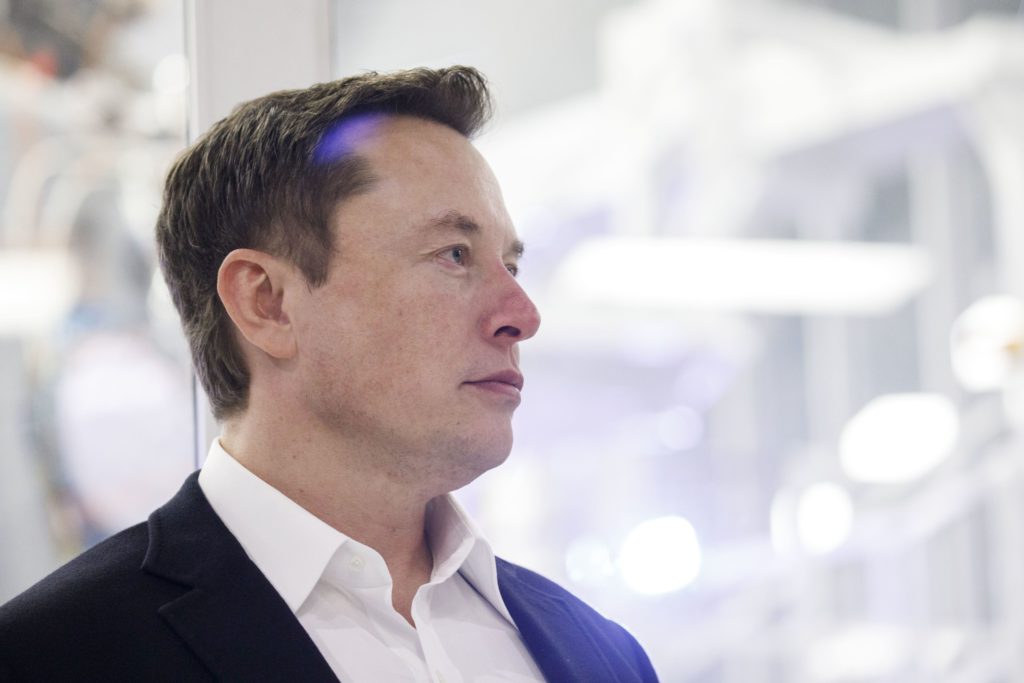
(Bloomberg) — Lawyers for both Elon Musk and Twitter Inc. subpoenaed a whistle-blower who says the social-media platform’s officials didn’t know or care to find out how many accounts were spam or robot accounts as the billionaire seeks to cancel a $44 billion buyout of the company.

Peiter Zatko, Twitter’s ex-head of security, said in a whistle-blower complaint last week that the company had “egregious deficiencies” in its defenses against hackers and lacked concern for privacy issues. Zatko also said he raised concerns to company officials about the number of bots on the system and claimed those apprehensions were ignored.

Musk seeks testimony from Zatko to bolster his legal argument he can walk away from the Twitter deal over the bot issue. Twitter sued Musk in July to force him to complete his proposed acquisition. Since then, more than 100 people, banks, funds and other firms have been subpoenaed in the Delaware suit, with a trial scheduled to begin Oct. 17.

Read More: Musk Gets Potential Boost From Twitter Whistle-Blower Claims

The billionaire filed a court document Monday saying he’d subpoenaed Zatko, followed later in the day with a similar filing by Twitter. Zatko is also scheduled to testify before a US Senate committee Sept. 13 about his allegations.

A Twitter spokesperson declined to comment Monday. Last week, the company called Zatko’s complaint “a false narrative about Twitter and our privacy and data security practices that is riddled with inconsistencies and inaccuracies and lacks important context.” Whistleblower Aid, the group representing Zatko, didn’t immediately respond to a request for comment.

The subpoenas are aimed at getting Zatko to hand over documents about his bot concerns and anything else he knows about Twitter’s metrics for evaluating customers that can be “monetized” for advertising purposes. The information demand also zeros in on what Zatko knows about Twitter’s securities filings, particularly its statements about bots making up about 5% of its customer base, according to court filings.

Musk’s lawyers said last week they’d already subpoenaed Zatko, but no record of the information demand was on the court docket until Monday.

In the complaint, Zatko said Twitter’s “Integrity Team” was reluctant to dig deeply into how many bot accounts were included in the platform’s customer base. That left the former security executive thinking “the company had no appetite to properly measure the prevalence of bots, in part because if the true number became public, it could harm the company’s value and image.”

Musk has argued Twitter’s regulatory disclosures putting spam and bot accounts at no more than 5% of its customer base were misleading. The Tesla Inc. chief executive officer has made public some of his analysis of the issue, which holds that a full third of Twitter’s more than 230 million users may fall into the bot category.

If that’s the case, Musk contends it creates a material adverse event that justifies him cancelling his $54.20-a-share deal under Delaware law. The state is the corporate home of more than half of US public companies, including Twitter and Tesla, along with more than 60% of Fortune 500 firms. Its chancery court judges are business-law experts who hear cases on a fast-track basis.

Also on Monday, depositions were set for Patrick O’Malley and Kristen Salen, two Musk advisers on the Twitter deal, for later this week. O’Malley must appear for in-person questioning at the Wachtell Lipton law firm in New York on Aug. 30, and Salen, a former World Wrestling Entertainment Inc. executive, was set to appear on Aug. 31, court filings show.

The case is Twitter v. Musk, 22-0613, Delaware Chancery Court (Wilmington).

(An earlier version corrected the size of the buyout deal.)

More stories like this are available on bloomberg.com

©2022 Bloomberg L.P.

A Startup Offers Japan’s Aging CEOs a Worry-Free Succession Plan

(Bloomberg) — Like most aging chief executives in Japan, Sadatsugu Kishida had a list of demands before handing over the reins of his company.

“No job cuts. No company name change. You must understand and inherit my philosophy in serving customers,” the 77-year-old said. Having dictated every single decision at Kyowa Seiko for four decades, Kishida said he couldn’t think of anyone who could take over his 30-person metal-processing business on the outskirts of Osaka. Private equity funds would resell the company, outside executives would prioritize their own firms, and his employees and family were not ready, he said.

Last month, Next Generation Technology Group convinced Kishida to let go. The Tokyo-based firm was the only suitor who promised to protect every job, keep Kyowa Seiko’s name and honor its commitments to longtime customers like Kyocera Corp. “My bank suggested I meet with them, and I thought they were all going to be elite, college graduate snobs. But I was wrong,” said Kishida, who accepted NGTG’s bid and didn’t even consider other offers on the table. “It was love at first sight.”

Founded in 2018 by a group of bankers and consultants with little exposure to the factory floor, NGTG’s revenue has grown from zero to 8 billion yen ($59 million) by acquiring small but established manufacturers struggling to find successors in the world’s third-largest economy. NGTG aims to pick up the pace of its acquisitions and go public in 2024, to help boost its enterprise value and eventually buy bigger companies on the scale of industrial technology group Toshiba Corp., said its chief executive officer, Eiichi Arai.

The list of potential acquisitions is long. Every year, tens of thousands of businesses that help support Japan’s deep industrial base close shop, unable to cope when company heads like Kishida retire or fall ill. More than 85% of the 44,377 small-and medium-sized firms that dissolved last year were run by executives 60-years-old or older, while 57% of the total were profitable, according to data company Tokyo Shoko Research.

NGTG styles itself after US conglomerate Danaher Corp., which buys up businesses with standalone, niche expertise to grow. Arai is quick to talk about how the company differs from private equity funds decried as “vultures” in Japan or deal-advisory boutiques like Nihon M&A Center Holdings Inc. that broker deals for aging CEOs, noting it buys and holds companies and operates with a light touch.

“Business owners don’t want to sell company stock to PE funds, and I decided that business model was too tough in Japan,” said Arai, 39, who helped oversee the state-backed Innovation Network Corp. of Japan’s acquisitions of companies including UniCarriers Corp., which was later sold to Mitsubishi Heavy Industries. Instead, Arai is finding low-hanging fruit among presidents prioritizing employees and clients over price.

With small- and medium-sized enterprises employing 70% of Japan’s workforce, the disappearance of companies without succession plans continues to eat away at the economy. Small companies like Kyowa Seiko, which cuts steel parts used in chipmaking equipment, are the bedrock for the country’s manufacturers, which in turn supply semiconductors, materials and components to the world’s biggest companies. 

“Owners of such businesses are too busy to think about succession, and when they do, it’s often too late,” Shinya Matsunaga of Tokyo Shoko Research said. NGTG will not be the only answer to the problem, but “when you think of how demanding many aging company heads are, a company like NGTG offers valuable incentives that will coax executives into passing on the baton.”

Succession issues fester, unresolved, because most of the time only the company chief has a full grasp of business operations. Decisions are rarely made by committee, with the company head usually the one talking to clients, issuing estimates, negotiating prices with suppliers and making sure orders are met on time.

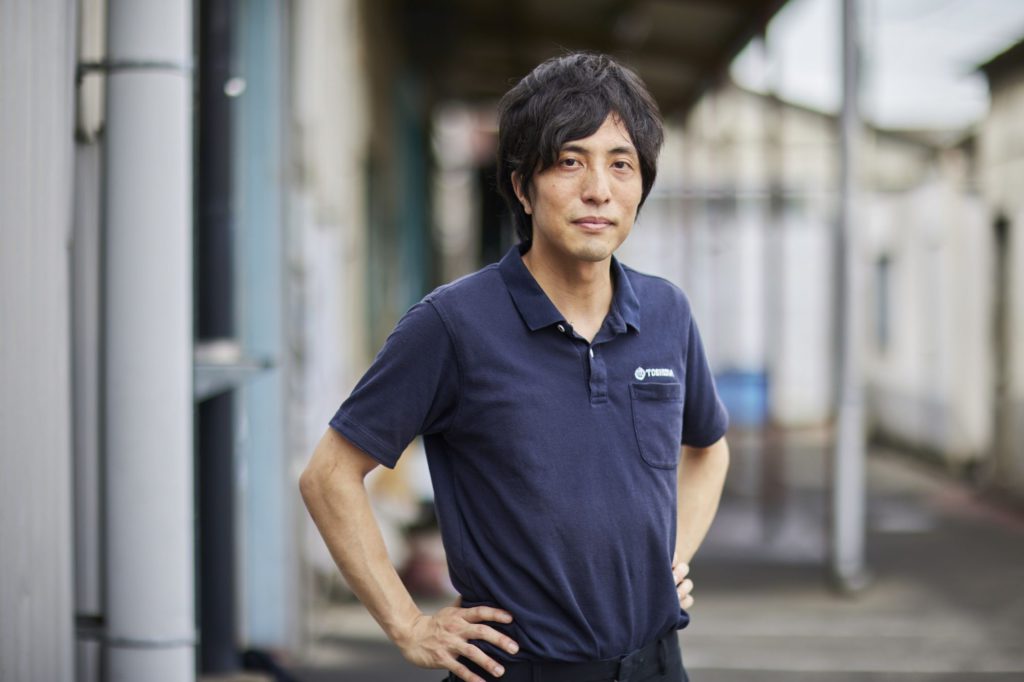
A case in point is Toshima Manufacturing Co., where nobody besides the former owner knew how much revenue each product earned when NGTG bought the thin-film materials maker in 2019. Compensation at the company, which supplies made-to-order materials used in batteries and semiconductors, was haphazard and inconsistent, Arai said.

Arai rented an apartment close to Toshima’s office in Saitama, just outside Tokyo, and spent two years introducing performance-based pay and online tools including Slack, so that employees could better communicate with one another and monitor the company finances. In January, Arai handed the CEO position to longtime Toshima employee Tsugio Saito.

“I was worried because Arai-san has no background in manufacturing,” said Saito, who was one of the company’s three board members just prior to the sale. Arai won his confidence by dressing the same way as the workers every day and committing time to understanding client requests. Starting with limited funds, NGTG has so far bought six companies, all with growing revenues. It plans to buy three to five more companies over the next two years, said Arai.

Arai says basic fixes are usually all that is needed to solve even the most difficult issues at small companies, such as that of finding and securing talent. Many of the companies he’s visited have not implemented even the simplest solutions, including creating an attractive website, following up on candidates expressing interest and increasing compensation for key positions, he said. 

“We only buy good companies,” Arai said. “All that is needed is to spot inefficiencies and fix them.”

For Kyowa Seiko, Arai plans to delegate more tasks to employees by training workers to negotiate with customers and draw up new component blueprints according to their specifications. Arai will also try to create an internet presence for the manufacturer, which has no website and relies heavily on handwritten memos, faxes and phones, as former CEO Kishida has never used email. Kishida will provide advice, so that deliveries continue to be made on time during the transition.

“There will be no overhaul,” said Kishida. “The new management will protect what we’ve built.”


More stories like this are available on bloomberg.com

©2022 Bloomberg L.P.
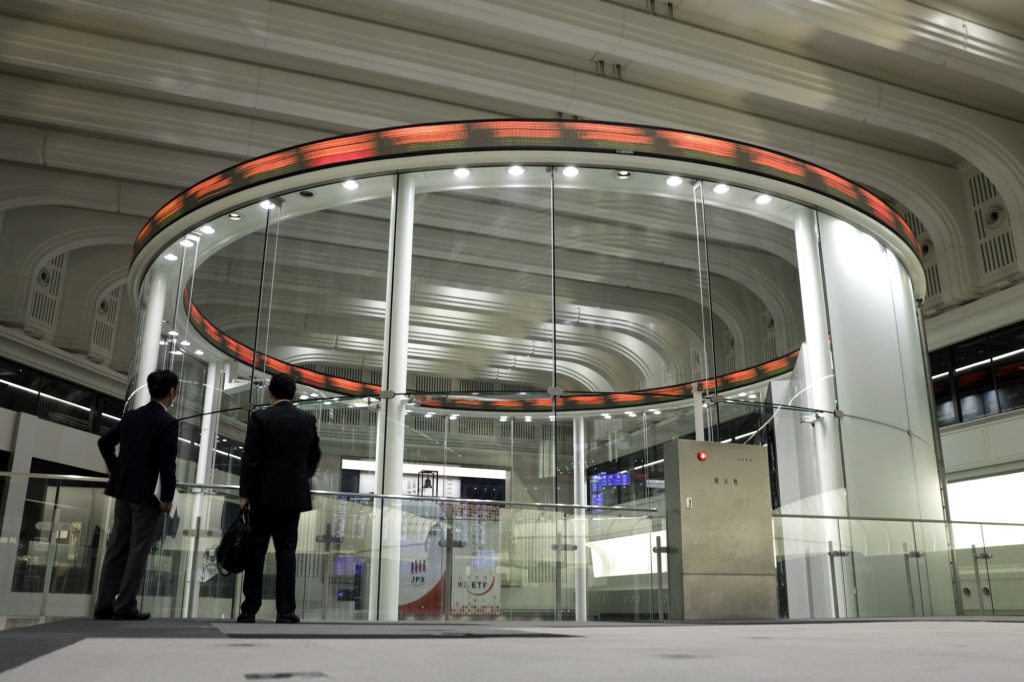
Stocks, Bonds Retreat on Fed’s Tough Rates Message: Markets Wrap

(Bloomberg) — US stocks and Treasuries fell again Monday as the realization that interest rates are likely to remain elevated for an extended period continued to force a repricing across assets. 

The S&P 500 and the Nasdaq 100 dropped a second day, adding to the rout that started Friday when Jerome Powell made it clear the Fed is willing to let the economy suffer as it fights inflation. Treasury yields rose, with the 10-year rate hovering around 3.11%. The two-year yield had climbed to its highest level since 2007 earlier in the day before paring the advance. Oil notched gains on supply risks. 

Powell’s speech during the Jackson Hole symposium underscored that expectations for any reversal of Fed tightening next year was unlikely unless inflation reverted toward the central bank’s long-term target. The latest consumer price reading in the US put inflation above 8%. He had also warned of the potential for economic pain for households and businesses as the central bank continues to be aggressive. 

Read More: Panic Button Is Nowhere in Sight as Memory of 7th S&P Rout Fades

“The Fed Friday took away the punch bowl from the party and equities were the drunkest asset class at the party,” Jeff Schulze, investment strategist at ClearBridge Investments, said in an interview. “We’re going to deal with the hangover as a consequence. So I think investors are reassessing recession risks and are recognizing that the Fed is prioritizing price stability over economic stability.”

Minneapolis Fed President Neel Kashkari said the recent stock-market losses show that investors have understood that Powell and his colleagues are serious about tackling inflation.

Read More: Kashkari ‘Happy’ to See Market Rout in Wake of Jackson Hole

August and September also tend to be the worst months for the S&P 500 Index, with the index averaging declines of 0.6% and 0.7%, respectively, over the past 25 years.

“Since World War II, the S&P 500 posted the worst average monthly price change in September, joining February as the only two months to register declines,” Sam Stovall, chief investment strategist at CFRA wrote in a note. “Yet, September stands alone as the only month in which the market fell more frequently than it rose. What’s more, the best September return places it in the bottom quarter of all months, while its deepest one-month decline was among the four worst.”

Going forward, weaker earnings — not higher interest rates — could pose the largest threat to US stock prices, Morgan Stanley strategists led by Michael J. Wilson said in a research note Monday. The bank’s leading earnings model, which projects a steep fall in earnings per share growth over the next several months, confirms that view.

“The path for stocks from here will be determined by earnings, where we still see material downside,” the strategists said. “As a result, equity investors should be laser focused on this risk, not the Fed.” 

Seema Shah, chief global strategist at Principal Global Investors, echoed the sentiment.

“While earnings season has been positive, persistent challenges indicate an increasingly difficult operating environment, likely limiting profit persistence in the second half of the year,” she wrote.

Here are some key events to watch this week:

  • US consumer confidence, Tuesday
  • New York Fed President John Williams due to speak, Tuesday
  • ECB Governing Council members due to speak at event Tuesday through Sept. 2
  • China PMI, Wednesday
  • Euro-area CPI, Wednesday
  • Russia’s Gazprom set to halt Nord Stream pipeline gas flows for three days of maintenance, Wednesday
  • Cleveland Fed President Loretta Mester due to speak, Wednesday
  • China Caixin manufacturing PMI, Thursday
  • US nonfarm payrolls, Friday
  • UK leadership ballot closes Friday. Winner announced Sept. 5

Some of the main moves in markets:

Stocks

  • The S&P 500 fell 0.7% as of 4 p.m. New York time
  • The Nasdaq 100 fell 1%
  • The Dow Jones Industrial Average fell 0.6%
  • The MSCI World index fell 2.3%

Currencies

  • The Bloomberg Dollar Spot Index rose 0.1%
  • The euro rose 0.3% to $0.9995
  • The British pound fell 0.3% to $1.1703
  • The Japanese yen fell 0.8% to 138.70 per dollar

Bonds

  • The yield on 10-year Treasuries advanced seven basis points to 3.11%
  • Germany’s 10-year yield advanced 11 basis points to 1.50%

Commodities

  • West Texas Intermediate crude rose 4.2% to $96.97 a barrel
  • Gold futures were little changed

More stories like this are available on bloomberg.com

©2022 Bloomberg L.P.
Close Bitnami banner
Bitnami