

Bloomberg

Ukraine Latest: Zelenskiy Says Nuclear Plant Still ‘Very Risky’

(Bloomberg) —

Ukrainian President Volodymyr Zelenskiy said the situation at the Zaporizhzhia nuclear plant “remains very risky, dangerous” even after two power units were reconnected to the country’s energy grid after an outage.

The plant is working “despite provocations by occupying Russian forces,” state-owned operator Energoatom said. Zelenskiy said in a video address that the International Atomic Energy Agency should be allowed to arrive “soonest” to help prevent further incidents.

Several strikes were reported near the plant overnight. Russia’s Tass news agency said they came from Ukrainian forces, while Ukraine’s nuclear inspection agency said they were Russian attacks. The European Union’s foreign policy chief, Josep Borrell, also expressed concern about the situation. 

(See RSAN on the Bloomberg Terminal for the Russian Sanctions Dashboard.)

Key Developments

  • Zelenskiy Reinforces Nuclear Warning After Disruption 
  • Britain Hasn’t Quite Managed to Kick Its Russian Diesel Habit
  • Price of Power Spirals Out of Control in Europe’s Key Markets
  • European Gas Posts Sixth Weekly Gain as Supply Woes Intensify
  • Why Ukraine Debt Relief Isn’t Matching Funding Needs: QuickTake
  • A Corner of Europe Leans to Live With Power Blackouts Again

On the Ground

Russian forces hit several private houses, warehouses and power lines in eastern Ukraine, according to a statement by Ukraine’s General Staff. Russia’s naval group continues reconnaissance and a blockade of civilian shipping in the northwestern part of the Black Sea, Ukraine’s Defense Ministry said. Seven Russian ammunition depots in southern Ukraine were destroyed this week, said Natalia Humenyuk, a Ukrainian military spokeswoman.

(All times CET)

EU Remains Split Over Russian Tourist Visas (2 p.m.)

France and Germany said that the EU should continue to issue visas to Russians not affiliated with the government — particularly students, artists, scholars and professionals — even as countries neighboring Russia, including the Baltic nations and Finland, want the bloc to ban Russian tourists.

“While understanding the concerns of some member states in this context, we should not underestimate the transformative power of experiencing life in democratic systems at first-hand, especially for future generations,” France and Germany wrote in a document seen by Bloomberg ahead of next week’s gathering of EU foreign ministers in Prague.

One compromise plan that ministers are expected to discuss would mean that Russians traveling to the EU pay more and withstand additional bureaucracy to obtain short-term visas.

Read more: Russians Face European Travel Hurdles as EU Mulls Restrictions

Ecuador Diesel Deal Shows Russia Is Finding Alternate Buyers (12:00 p.m.)

Trafigura Group is helping Russian diesel make its way to Latin America as a ban to sell such barrels in Europe looms. 

The commodities trader chartered the vessel Marlin Aventurine to deliver 262,000 barrels of diesel to Ecuador’s state oil company Petroecuador, according to people with knowledge of the situation.

Read more: Trafigura Sells Russian Fuel to Ecuador as EU Ban Approaches

Ukraine Aims to Export 3 Million Tons of Grain by Sea a Month (7 a.m.)

Ukraine exported 1 million tons of grain by sea after last month’s deal brokered by the UN and Turkey, Zelenskiy said in a video address to the nation. Some 44 ships were sent to 15 countries and Ukraine received 70 more requests for ships to be loaded, he said. The country aims to export 3 million tons of grains a month by sea, he said.

IMF Exploring More Options to Help Ukraine, Official Says (6 a.m.)

The International Monetary Fund is looking at ways to help Ukraine beyond the round of emergency financing it provided at the beginning of the war, Gita Gopinath, the bank’s first deputy director, told Bloomberg Television.

“We are looking at other options, many other things that we’ll need to do to help Ukraine — also to make sure that their macro policies are able to keep the economy on track as best possible, prevent hyperinflation,” Gopinath said. “All of these are big concerns we’re trying to work with the authorities to help address.”

Russia Blocks Nuclear Non-Proliferation Treaty Deal (5 a.m.)

Moscow late Friday blocked agreement on the final draft of a review of the UN treaty considered the cornerstone of nuclear disarmament over criticism of its actions in Ukraine, the Associated Press reported.

The four-week talks over updates to the 50-year-old Nuclear Nonproliferation Treaty, already delayed two years by the Covid-19 pandemic, were stymied over wording referencing Russia’s occupation of the Zaporizhzhia nuclear power facility in Ukraine, Europe’s largest.

“We do not have a consensus document because of Russia,” US Undersecretary of State for Arms Control Bonnie Jenkins said on Twitter. 

More stories like this are available on bloomberg.com

©2022 Bloomberg L.P.
Bitcoin Dips Below $20,000, Extending Second Weekly Retreat

(Bloomberg) — Cryptocurrencies mirrored global markets and declined after Jerome Powell warned against prematurely loosening policy, with Bitcoin dipping below the bottom end of the narrow range that it has traded in the past two weeks.

“Powell’s admission that there will be pain before there is relief is rather hawkish,” said Josh Olszewicz, head of research at digital asset fund manager Valkyrie Investments.

The largest cryptocurrency by market shed as much as 3.4% to $19,947.32 on Saturday as of 2:40 p.m. in Singapore, dipping below $20,000 for the first time since July 14 and extending its rout this year to 57%. It has traded in a range between that level and about $22,000 for the past week. 

Ether slid as much as 5.5% to $1,471.41. Solana and Avalanche fared worse, dropping as much as 6.4% and 6.9%.

Even so, some analysts say that the recent trading pattern presents a buying opportunity: 

  • Onchain metrics “signal that the price is at the accumulation zone, which has been historically market bottom formations and value investing,” CryptoQuant said in a report Thursday.
  • “Friday’s break looks important and negative in the short run but should line up with buying opportunities into early September as cycles remain bullish and project higher prices into November 2022,” Mark Newton, technical strategist at Fundstrat, said in a note Friday.

Powell, the Federal Reserve chairman, signaled the US central bank is likely to keep raising interest rates and leave them elevated for a while to stamp out inflation, and he pushed back against any idea that the Fed would soon reverse course. Low rates are seen as one of the catalysts for pushing investor into crypto during the Covid lockdowns. 

Ether had been outperforming the broader crypto market in recent weeks amid optimism over a pending network software upgrade called the Merge. 

More stories like this are available on bloomberg.com

©2022 Bloomberg L.P.
A Chinese Microchip Deal Shows the UK’s Muddled Industrial Plan

(Bloomberg) —

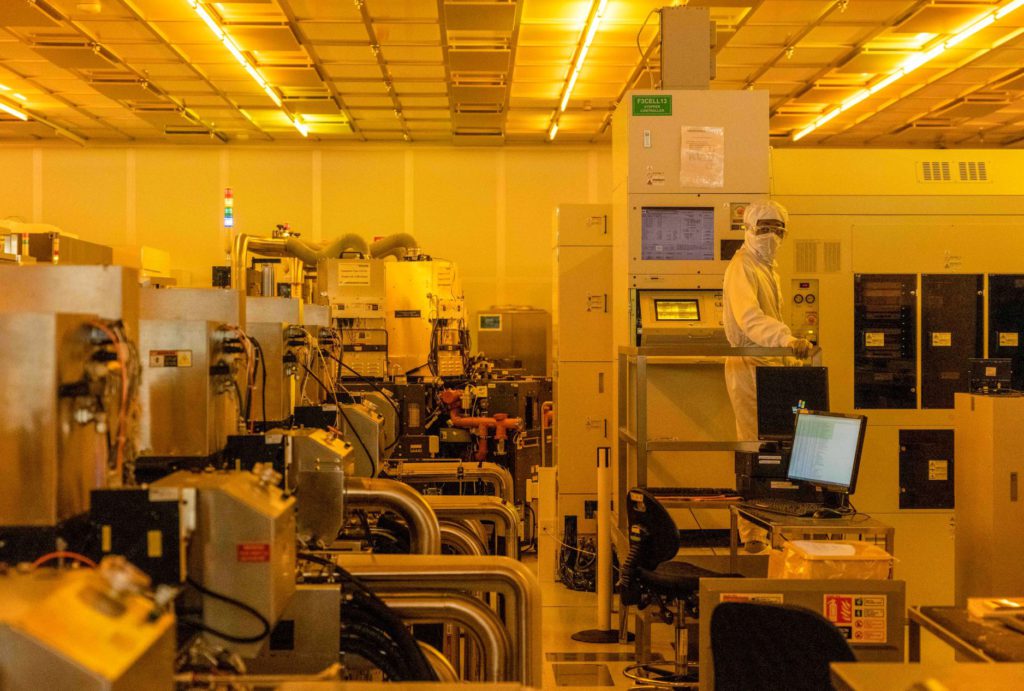
The Newport Wafer Fab near Cardiff in Wales has long churned out wafers for microchips used in cars or kettles. Now the UK government is deliberating whether to block a Chinese company from remaining the new owner, exposing the political dilemma between supporting a key industry and keeping Beijing’s influence in check.

UK Business Secretary Kwasi Kwarteng has spent months weighing his response to Wingtech Technology Co. buying the country’s biggest semiconductor facility, a deal originally backed when the Chinese company announced it last year. A final ruling might arrive in the coming days, after Kwarteng extended his review in early July.

Ripping up the accord could put Newport’s future at risk, dealing a blow to a site that once held a technological promise in so-called compound microchips but lacked the financial or political muscle to push its advantage. 

That’s where Wingtech saw an opening and swooped in. However, the new owner has raised not just political concerns, but also fears that Newport will become a walled-off site serving just one master rather than the center of a technology cluster able attract a wider range of entrepreneurs and academics. 

The site is composed of two main facilities, one for wafers used in silicon microchips, while the other has sat mostly unused for at least the past eight years. But it’s at this unused facility, called Fab 10, where British chip experts had hoped to create the nucleus for compound chips that are used increasingly in areas like electric vehicles, facial recognition and 5G wireless technology.

Proponents of turning Fab 10 into a compound-chip hub say the UK has a better chance of betting on that technology rather than entertaining an expensive and unlikely prospect of catching up with silicon giants like Taiwan Semiconductor Manufacturing Co. The government-backed Compound Semiconductor Applications Catapult estimates Britain has about 9% market share in compounds already today.

Wingtech’s arrival in Newport, via its Dutch Nexperia subsidiary, has laid bare the government’s lack of strategy a key industry. That’s now forced ministers to make uncomfortable choices between granting control of the facility to a foreign entity or making a bet on emerging technologies.

“It is a blow to the cluster — it’s set them back,” said Malcolm Penn, an industry analyst and former director at the Newport site, said of Nexperia’s arrival. “There was absolutely no reason why the UK could not have set itself a strategy at the industrial level to say the UK will have a compound semiconductor leadership position in ten years’ time.”

For now, startups hoping to work on compound chips will need to look elsewhere because Newport only makes chips for its Chinese owner’s specific needs. Nexperia says there was never an open-access compound semiconductor foundry, and that its own business model is best to secure the site’s future. 

Undoing a year of integration by blocking the deal would not help the UK’s semiconductor industry grow, a Nexperia spokesperson said

While there’s still an option to use the Fab 10 site for compound chips, it looks difficult to exercise: Nexperia said it needs a viable business plan with confirmed financing, and that establishing a compound foundry would likely cost more than £120 million. A report by the Policy Exchange think tank said Nexperia could shut down Newport once a much larger fab it’s building in Shanghai is ready, citing opponents of the deal. Nexperia has denied such plans.

Whatever the future of the site, the UK’s muddled response to Newport’s ownership hasn’t helped secure the future of a domestic semiconductor industry, particularly at a time when chips are in high demand and governments are eager to bring more production back home from Asia.

“The government has failed to recognise the strategic importance of the semiconductor industry for years and is now falling behind the EU and the US,” said Darren Jones from the opposition Labour party, who chairs the influential business select committee. “If we’re going to keep the businesses we have, in the areas where we excel, we’re going to need ministers to get much more involved in this vital sector.”

The Newport deal was initially waved through after it was announced last year. Prime Minister Boris Johnson then said his national security adviser would initiate a review, with a public outcome still pending. Some 10 months later, Kwarteng launched a separate probe under the new National Security and Investment Act, which gives Britain the power to impose conditions or unpick transactions in sensitive sectors including semiconductors. 

Ripping up the deal would be a radical, unprecedented step that could spook international investors. But some US and UK lawmakers have urged Britain to veto the deal on security grounds, and other buyers are potentially waiting in the wings, like a consortium led by Ron Black, the former CEO of British chip design firm Imagination Technologies Group Ltd.

The UK boasts global chip champions like Cambridge-based Arm Ltd., but the company specialize in chip design rather than production. Governments have sought to attract hardware producers with subsidies and a promise of political support, like Magdeburg in Germany, the site of a new massive Intel Corp. facility.  

In the US, the Chips Act is offering $52 billion to attract businesses, while the European Union’s own initiative could mean investments worth 45 billion euros ($45.4 billion). 

But the UK hasn’t yet followed suit, and Brexit certainly hasn’t helped: Intel cited the divorce as a reason Britain wouldn’t see its future factory investments, worth as much as $95 billion.


More stories like this are available on bloomberg.com

©2022 Bloomberg L.P.

Meta’s Facebook Agrees to Settle Cambridge Analytica Suit

(Bloomberg) — Meta Platforms Inc. settled a long-running lawsuit that claimed Facebook illegally shared user data with the research firm Cambridge Analytica.

The preliminary settlement, disclosed in a court filing late Friday, follows the revelation last month that Meta Chief Executive Officer Mark Zuckerberg would have to sit for as long as six hours of questioning by plaintiffs’ lawyers. Terms of the agreement weren’t disclosed.

Facebook users sued the company in 2018 after it was revealed that the UK research firm connected to Donald Trump’s 2016 campaign for president gained access to the data of as many as 87 million of the social media network’s subscribers.

In hard-fought battles over pretrial information sharing, lawyers for the consumers have steadily gained leverage to pry into the company’s internal records to back up their claims that Facebook failed to safeguard their personal data. Facebook’s parent company could’ve been on the hook for hundreds of millions of dollars had it lost the case.

The court filing last month also showed Chief Operating Officer Sheryl Sandberg would have to testify. The depositions were scheduled to take place through Sept. 20. 

In Friday’s filing lawyers for both sides asked the judge handling the lawsuit to pause it, to “facilitate the process of finalizing a written settlement agreement” and presenting it to the court for preliminary approval.

Meta declined to comment on the settlement.

Facebook had argued it disclosed its practices in user agreements. It had also said that anyone sharing their information on a social network shouldn’t count on holding onto their privacy.

Read more: Zuckerberg to Testify in Cambridge Analytica Privacy Lawsuit

The case is In Re Facebook Consumer Privacy User Profile Litigation, 18-MD-02843, U.S. District Court, Northern District of California (San Francisco).

(Updates with Meta declining to comment)

More stories like this are available on bloomberg.com

©2022 Bloomberg L.P.
Ex-Bond Star Who Switched to Crypto Career Is Unfazed by Layoffs

(Bloomberg) — The finance professionals who switched from traditional careers to the cryptocurrency sector are now seeing the latter retrench globally, but South Korea’s highest-profile example of such a job move has no regrets.

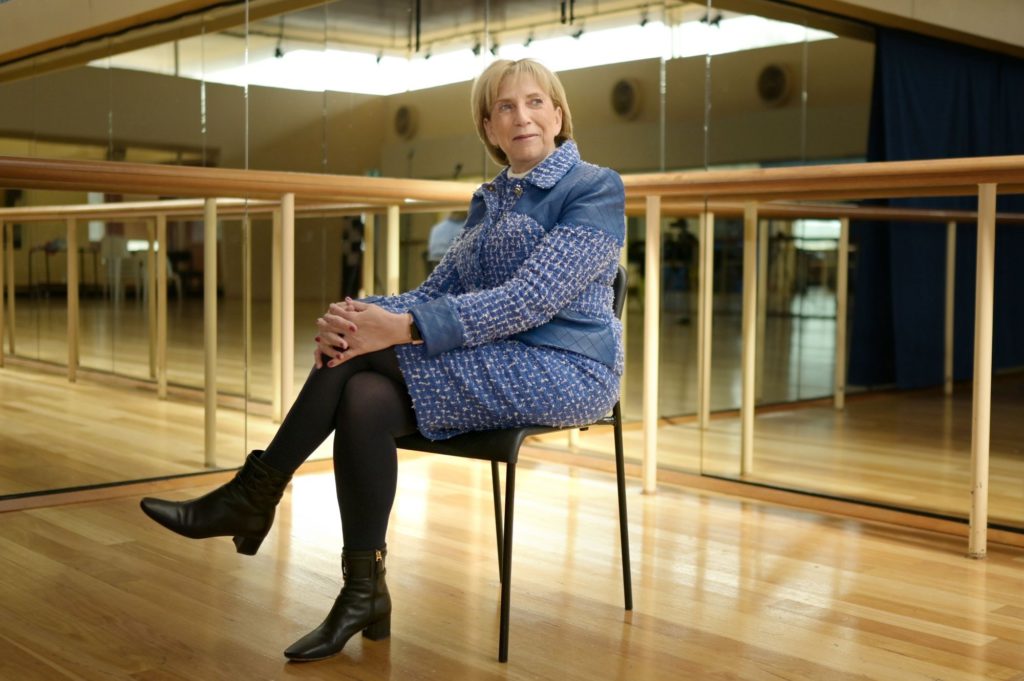
Lee Mi-seon, 39, became research head at eight-year-old crypto exchange Bithumb in March after 12 years as a bond strategist at giant conglomerate Hana Financial Group, where she won media accolades for her forecasts. 

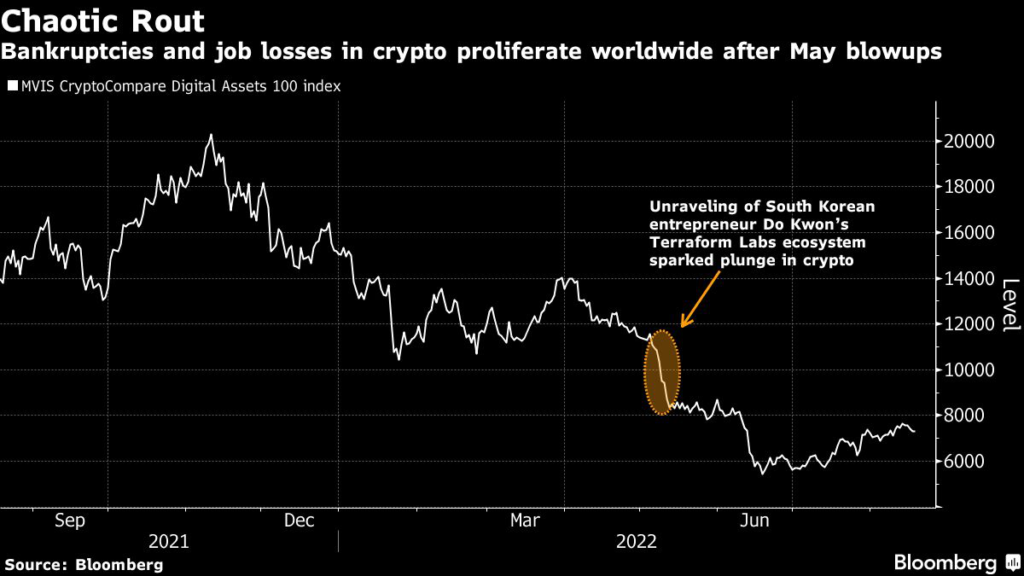
Two months after her move, virtual coins began a chaotic $1 trillion rout sparked partly by the $40 billion implosion of South Korean entrepreneur Do Kwon’s Terraform Labs ecosystem and related algorithmic stablecoin. Bankruptcies and job losses have since proliferated worldwide among digital-asset companies.

“It was kind of terrifying to witness what happened through May and June” as there’s no backstop for crypto unlike in traditional finance, Lee said. But she still sees long-term growth potential in the sector as a whole, and hence “more opportunities for one to continue with his or her career regardless of current job security.”

She argues one reason is because conventional firms will continue to expand into crypto. The extent to which that will happen remains arguable. But just this month BlackRock Inc., the world’s largest asset manager, rolled out a private Bitcoin trust for big institutional clients and partnered with Coinbase Global Inc. to make it easier for institutions to manage and trade the token.

Even so, layoffs are still casting a long shadow across the industry. Exchanges Coinbase and Crypto.com, lending platform BlockFi Inc. and nonfungible-token marketplace OpenSea are among the companies that have cut jobs.

South Korea’s previously enthusiastic embrace of virtual coins has also cooled. As in other nations, regulators are asking more questions after spectacular blowups. Bithumb — which according to CoinGecko data as of Aug. 26 processes a daily average of about $360 million in trades — was among exchanges raided by local prosecutors as part of a probe into Terraform Labs. 

Lee was named best bond analyst by publications such as Maeil Business Newspaper, Yonhap Infomax, Korea Economic Daily and Chosun Biz. She hopes her crypto research can help avert a “dystopian” endpoint for blockchain-based innovation and thinks more jurisdictions can make Bitcoin legal tender.

The token has plunged almost 70% from a record high of just under $69,000 in November lastyear, partly because tightening monetary policy globally sapped liquidity from financial markets.

Lee said Bitcoin is in the process of bottoming out as much of the bubble in crypto has burst and investors have already priced in further interest-rate hikes by the Federal Reserve.

“Trends now suggest that it’s looking more like the time for a rebound for cryptocurrencies,” she said.

More stories like this are available on bloomberg.com

©2022 Bloomberg L.P.
China-Linked Bots Attacking Rare Earths Producer ‘Every Day’

(Bloomberg) —

Fake social media accounts linked to the Chinese Communist Party are posting daily attacks on Lynas Rare Earths Ltd., according to the Australian company.

Cyber-protection experts say the campaign is targeting US and Australian collaboration on critical mineral supply chains. First made public in June, the attacks are focusing on Lynas’ environmental record in Malaysia in an attempt to turn public opinion against a new plant it’s building in Texas with US government funding. 

“We see bot posts on various social media every day, and we report them every day, and it’s quite frustrating,” Lynas Chief Executive Officer Amanda Lacaze said in an interview on Friday. “It’s very easy to see the bot posts and the messages are exactly the same.”

China-connected propagandists have long attempted to leverage social media to influence public opinion on issues ranging from the origin of the coronavirus to the US presidential election, according to cybersecurity firms including Mandiant and Graphika.

The Cyberspace Administration of China didn’t immediately respond to a request for comment.

The bot campaign against Lynas was first identified by Mandiant, which dubbed it “Dragonbridge” and said it was emanating from a “pro-People’s Republic of China (PRC) network.” Mandiant said the campaign was also targeting a Canadian company, Appia Rare Earths & Uranium Corp.

Albert Zhang, a researcher at the Australian Strategic Policy Institute think tank, separately monitored the group and concluded it was a “Chinese Communist Party information operation”. Both Mandiant and Zhang said the attacks were likely to be an attempt to derail President Joe Biden’s efforts to build a US critical minerals industry.

China currently dominates the supply chain of minerals needed in green energy, military equipment and high-tech manufacturing. Rare earths — used in magnets vital for electric vehicles and wind turbines — are among the most important of these. 

China Is Trying to ‘Ransack’ Western Companies, FBI Head Warns

Still, Lacaze said the social media attacks have had no discernible impact on the company’s operations. 

Lynas is the world’s biggest producer of rare earths outside China, with an operating processing plant in Malaysia and two additional facilities being constructed in the US and Australia. On Friday, it reported record full-year net income after tax of A$541 million ($377 million), more than three times last year’s figure.

Lacaze said the result was helped by soaring demand for wind turbines and electric vehicles, adding that consumption would continue to grow. 

“I think the chart goes from the bottom left to the top right with very little deviation from that trajectory,” she said, referring to the long-term demand outlook for rare earths.  

More stories like this are available on bloomberg.com

©2022 Bloomberg L.P.
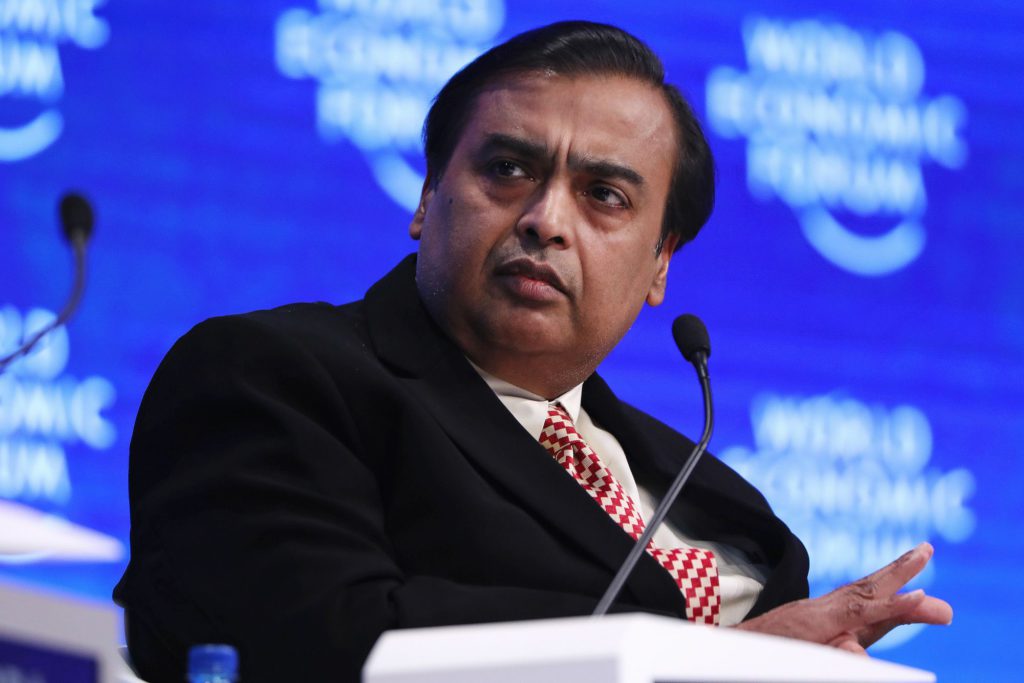
Ambani Succession, Spinoffs in Focus at Reliance’s Investor Meet

(Bloomberg) —  Mukesh Ambani’s once-a-year speech to investors has over time evolved into an eagerly-awaited pronouncement on his $222 billion empire akin to Warren Buffett’s annual letters to Berkshire Hathaway shareholders.

This year, Reliance Industries Ltd.’s investors will be looking for insight on Monday around the company’s 5G rollout, how he plans to unlock the value of his telecom and retail units through separate listings, and when and how his children will take over the reins.

Anticipation is high as the 65-year-old billionaire, who built Reliance into India’s largest company by market value and a powerhouse conglomerate, has used the speech for a series of big announcements. These include the launch of his disruptive telecom service in 2016, Saudi Arabian Oil Co.’s proposed investment in Reliance’s energy business in 2019 and a strategic shift to green energy last year.

This year’s shareholder meeting comes as the refining-to-retail group faces the twin challenges of a global recession and the blistering rise of Gautam Adani, who eclipsed Ambani as Asia’s richest man earlier this year and is emerging as an alternative power center on the corporate landscape.

Reliance investors will have in mind how Adani’s conglomerate split its business into different listings years ago, unlocking value, and will expect “clarity and specific time lines for the next big things” from Ambani’s more-centralized holdings, Kranthi Bathini, equity strategist at WealthMills Securities Pvt Ltd. in Mumbai. Adani’s wealth has surged $58 billion this year riding the stocks rally compared to $3.3 billion rise in Ambani’s.

Here’s where investors are expecting news:

Succession 

The patriarch signaled that succession planning atop Reliance will be expedited in last year’s shareholder meet and reiterated it explicitly in December. His three children — daughter Isha and sons Akash and Anant — are already holding various directorships in the group’s unlisted firms and are becoming more visible in their leadership.

Ambani Looks to Walton Family Playbook on Succession

Ambani stepped down as the chairman of Reliance Jio Infocomm Ltd. in June, making way for his elder son, Akash, who took over the helm at India’s largest wireless operator. As rumors keep swirling around Ambani’s health, investors will look for more concrete steps to be taken in leadership transition, with Isha, Anant and possibly his wife, Nita, taking on more responsibility.

5G Rollout

Reliance Jio Infocomm bought airwaves worth over $11 billion at a local spectrum auction as it sought to cement its edge over the smaller rivals — Bharti Airtel Ltd. and Vodafone Idea Ltd. — in the rollout of speedier 5G networks. That will be key to boosting revenues and luring high-value users.

India Sells $19 Billion of Airwaves With Reliance as Top Buyer

Investors will be looking for proof of the pudding here. The technology is yet to return profits for Asian wireless operations despite investing billions of dollars, even for those in China which have been offering 5G service since 2019. Details like a nationwide rollout date, tariff plans for 5G services as well as where demand lies for the service will be crucial for Reliance Jio to reveal.

The Ambani children may demonstrate some of the key features of the 5G services at the meeting, just as they’ve showcased new telecoms products in the past.

Spinoffs, IPOs

The street has been waiting to get better clarity around the initial public offerings of Reliance Jio and Reliance Retail Ltd. especially after the two consumer businesses raked in $27 billion from marquee global investors in 2020.

Ambani Sold a Tech Dream for $27 Billion. Now He Has to Deliver

Both companies are market leaders in their respective sector with a formidable lead over their rivals. Their listings — or even spinoffs — could propel Ambani’s net worth. “The timelines are crucial to get the mojo back for Reliance stock,” Bathini said. Reliance has gained just about 11% this year compared to the more than 40% rise by top performers in S&P BSE Sensex.

New Energy, Old Energy

The $76 billion pivot toward green energy is the biggest transformation that Ambani is helming currently. It’s also a difficult transition given the conglomerate’s roots in petrochemicals and crude oil refining and the continued out-sized contribution of the fossil fuel-led businesses in Reliance’s yearly revenue.

Ambani Says Green Push to Outshine Other Reliance Businesses

Investors will look for updates around last year’s announced plans to build four giga-factories to make solar modules, hydrogen electrolyzers, fuel cells and storage batteries. Ambani has also been on a tear acquiring small green energy firms globally for expertise and technology. There are also plans to become among the world’s top blue hydrogen makers.

Going Global

Ambani emphasized his vision for the “internationalization of Reliance” in his speech last year. 

In the past year, Reliance has made overtures toward big overseas deals like a potential acquisition of the British drugstore chain Boots, which was never completed. Investors will want to see if the appetite for global acquisitions still exists amid a slowing worldwide economy.

Then there’s always the possibility of a curveball at the meeting, said Bathini. “Never underestimate the power of senior Ambani” to surprise the market, he said.

More stories like this are available on bloomberg.com

©2022 Bloomberg L.P.

Netflix Eyes $7-to-$9 Price for Its New Ad-Supported Plan

(Bloomberg) — Netflix Inc. is considering pricing its new advertising-supported tier at $7 to $9 a month, half as much as its current, most-popular plan, which costs $15.49 monthly with no commercials.

The goal is to attract subscribers who are willing to watch some ads in exchange for a lower monthly rate. As the streaming TV pioneer prepares to introduce advertising for the first time, it’s trying to strike a careful balance between reaching a more cost-conscious consumer while still offering a pleasant experience.

Netflix plans to sell about four minutes of commercials per hour for the ad-supported service, far less than most of its peers, according to people familiar with the company’s plans. The company will show advertisements before and during some programs, but not after. It’s also telling advertisers it wants to make smaller deals upfront so it doesn’t overpromise and overwhelm viewers with the spots, said the people, who declined to be identified because the discussions are private.

Netflix plans to introduce its new cheaper option during the final three months of the year in at least a half dozen markets. The company has said the full rollout may have to wait until early next year. Details of the service have begun to trickle out as Netflix makes its plans and meets with business partners. A lot could change as the company builds out the business.

Netflix has long sold itself as a customer-friendly alternative to cable TV. People could watch TV shows and movies on-demand and without advertising. They can cancel (or sign up) at any time without much hassle and access a deep catalog of programs. But subscriber losses in the first half of this year forced management to finally embrace advertising. They believe the cheaper tier will both attract new price-conscious customers and give those ready to cancel a less-expensive alternative. The new tier could generate $8.5 billion a year globally for Netflix by 2027, including subscription fees and ad sales, according to media consultancy Ampere Analytics. 

Many cable networks feature between 10 and 20 minutes of advertising per hour. Most streaming services offer less than cable. Some, like Hulu, frustrate viewers by showing the same commercial over and over again. 

Netflix is hoping to avoid these complaints about frequency by starting slow. It won’t be using too much targeting to tailor ads to the viewer. Most people will see the same ads. And Netflix wants to make sure the same spots don’t repeat over and over again.

Much of that work will be handled by Microsoft Corp., which won the right to be Netflix’s exclusive advertising technology and sales partner. The tech giant has little experience in streaming TV, but has built a $10 billion advertising business in the last few years. Netflix is handling conversations with film and TV producers, while Microsoft is talking to a lot of the advertising agencies and technology providers. The companies have also met jointly with some ad agencies.

Netflix has declined to comment on any specifics about its plans, and many advertisers, partners and investors still have questions. Netflix hasn’t provided forecasts of  how many people it thinks will sign up for the ad tier, nor has it said when it will start to allow third parties to measure its viewers. Netflix has guarded its audience metrics, which it claims are proprietary and give it a competitive advantage. The company was always able to say those numbers were irrelevant, since it didn’t sell ads. But advertisers will require that Netflix work with an outside firm, like Nielsen, to measure how many people are actually watching.

Netflix is moving into advertising around the same time as Disney+, its biggest rival. While Disney is raising the price on its main plan and keeping the current price for its ad-supported version, Netflix is actually lowering the price of its service.

Leadership at Netflix has begun to make decisions about what programs will and won’t have ads. The company won’t show advertising in kids’ programming, at least not at first. Nor will it include ads during its original movies. The company would like to include advertisements in many of its own TV shows. It’s also pursuing rights to put ads into ones it licenses from partners. Studios like Sony, Universal, Warner Bros. and Paramount are happy to charge Netflix to put ads in old movies or old TV shows that were originally aired with ads. They are less eager to allow ads in newer programs.

Advertisers, meanwhile, are celebrating Netflix’s decision. The growth of ad-free services like Netflix, Amazon Prime Video and Disney+ prompted an existential crisis among marketers. They worried that TV, once the largest advertising sector in the world, was being taken over by services that didn’t run advertising. One agency projected that the amount of time people spent watching ad-supported video would decline 6% by 2025. Now that Netflix and Disney+  are entering the field, they say it will actually go up by 1%.

More stories like this are available on bloomberg.com

©2022 Bloomberg L.P.

Open Text Gets Deal Support From Largest Holder After 14% Tumble

(Bloomberg) — Open Text Corp.’s largest shareholder publicly backed the company’s acquisition of Micro Focus International Plc, saying the deal makes financial sense despite a 99% takeover premium.

Jarislowsky Fraser Ltd., which owns a 5.6% stake in the Canadian enterprise software company, said the price paid for Micro Focus is still appealing for long-term investors. Open Text’s offer values the UK-based target at $6 billion including debt.

“The timing of the acquisition is attractive owing to the actions taken by Micro Focus over the last few years and the valuation paid for the company,” Charles Nadim, head of research and portfolio manager of Canadian equities at Montreal-based Jarislowsky, said by email. “Micro Focus will leverage Open Text’s infrastructure to improve its revenue and profitability outlook.”

Still, investors reacted harshly, driving Open Text shares down 14.4% to $31.89 in New York — the biggest one-day drop since 2006. Canadian Imperial Bank of Commerce analyst Stephanie Price described Micro Focus as a “multiyear turnaround story” and cut her price target to $44 from $51. 

‘Stabilization’ 

Open Text Chief Executive Officer Mark Barrenechea said his company is buying a good business at a reasonable price, despite its recent struggles.

“Micro Focus is on a great path toward stabilization. We’ve known this business for many, many years,” Barrenechea said on BNN Bloomberg Television on Friday. “Open Text can add significant value.”

Open Text Falls as Analysts Mull Micro Focus Deal: Street Wrap

After the merger, Open Text will sell in about 120 countries and have better scale to compete with larger enterprise-software players, Barrenechea said. The deal will make Open Text look more like SAP SE and Oracle Corp. “and that’s good company to be in,” he said. 

RBC Capital Markets analyst Paul Treiber said Micro Focus’s declining revenue is a risk, but the deal valuation of 6.3 times Ebitda represents a low multiple.  

The combined entity would have revenue of more than $6 billion and adjusted earnings before interest, taxes, depreciation and amortization of over $2 billion. 

(Updates with new information from first paragraph)

More stories like this are available on bloomberg.com

©2022 Bloomberg L.P.

Stocks Sink Into US Close With Hawkish Fed Chorus: Markets Wrap

(Bloomberg) — Stocks tumbled as Jerome Powell gave a clear message that rates will likely stay high for some time, throwing cold water on the idea of a Federal Reserve pivot that could jeopardize its war against inflation.

The rout deepened in afternoon New York trading, with the S&P 500 seeing its worst day since mid-June and the Nasdaq 100 tumbling over 4%. Major equity indexes dipped below their 100-day price averages, indicating the potential for more losses, according to some traders. Treasury two-year yields — which are more sensitive to imminent policy moves — rose alongside the dollar.

Hawkish Fedspeak grew louder in the last few weeks as financial conditions eased after a stock rally that began with short covering, restored $7 trillion to values — and ironically was linked to dovish expectations. Another reason cited by traders for Friday’s plunge was the concern that restrictive policy will raise the odds of a recession next year.

To Cliff Hodge at Cornerstone Wealth, the Fed is going to remain aggressive at the expense of growth and traders should expect more volatility and tougher conditions for equities.

“Powell can’t come right out and say that the Fed is fine walking us right into recession in order to crush inflation, but that is what this messaging unequivocally implies,” said Hodge. “What does this mean for markets? Drastically reduces the chance of a soft landing and the bull case for new highs this year.”

The Fed Chief reiterated that another “unusually large” hike could be appropriate next month, though he stopped short of committing to one, adding that the decision will depend on incoming data. Several officials have emphasized the central bank is in no way done, with Kansas City Fed Chief Esther George noting that the destination of the federal funds rate may be higher than markets are currently priced for.

Futures contracts referencing the Fed’s September policy meeting showed roughly even odds of a half-point or three-quarter-point hike. The amount of additional tightening priced in for this year increased slightly, with traders seeing lower chances of rate cuts in 2023.

“Powell wants financial conditions to tighten further and wanted the market to know that the Fed is not ready to declare victory over inflation yet,” said Joe Gilbert, portfolio manager at Integrity Asset Management. “He also renounced any prospects of interest rate cuts soon. The market is repricing this prospect.”

Former US Treasury Secretary Lawrence Summers handed out some rare praise for the Fed saying Powell’s latest pledge to restrain inflation was a “statement of being resolute.” He said the policy maker “did what he needed to do” and that it was clear the Fed’s “overwhelming priority” is pulling back inflation from the fastest pace in four decades.

Investors are rushing out of stocks and bonds alike as they worry about the economic risks from the Fed pressing on with rate hikes, Bank of America Corp. strategists said in a note before Powell’s speech.

Global equity funds had outflows of $5.1 billion in the week through Aug. 24, with US stocks seeing their first redemptions in three weeks, according to a report from the bank, citing EPFR Global data. Rate-sensitive technology funds posted their largest exodus since November 2021, while high-yield bonds led redemptions of $800 million from global bond funds. About $600 million left gold.

Data Friday showed consumer spending rose less than expected as a key inflation metric turned negative. Meantime, consumer sentiment beat estimates, suggesting Americans are growing more optimistic as gas prices continue to drop.

Some of the main moves in markets:

Stocks

  • The S&P 500 fell 3.4% as of 4 p.m. New York time
  • The Nasdaq 100 fell 4.1%
  • The Dow Jones Industrial Average fell 3%
  • The MSCI World index fell 2.5%

Currencies

  • The Bloomberg Dollar Spot Index rose 0.5%
  • The euro fell 0.1% to $0.9965
  • The British pound fell 0.8% to $1.1738
  • The Japanese yen fell 0.7% to 137.42 per dollar

Bonds

  • The yield on 10-year Treasuries was little changed at 3.03%
  • Germany’s 10-year yield advanced seven basis points to 1.39%
  • Britain’s 10-year yield declined one basis point to 2.60%

Commodities

  • West Texas Intermediate crude rose 0.4% to $92.85 a barrel
  • Gold futures fell 1.2% to $1,749.60 an ounce

More stories like this are available on bloomberg.com

©2022 Bloomberg L.P.

Close Bitnami banner
Bitnami