
Bloomberg

Open Text to Buy Software Firm Micro Focus at 99% Premium

(Bloomberg) — Canada’s Open Text Corp. struck a deal to buy UK software firm Micro Focus International Plc for about $6 billion including debt, building on a strategy of growth by acquisition. 

The Waterloo, Ontario-based company is offering 532 pence per Micro Focus share, a 99% premium to Thursday’s closing price. Open Text said it will fund the cash takeover bid with $4.6 billion in new debt, $600 million from an existing credit line and cash on its balance sheet. 

Shares of Micro Focus jumped 93% to 515.6 pence at 8:05 a.m. in London on Friday, the most on record. The stock had fallen 39% in the past year through Thursday’s close. 

The Newbury, UK-based company sells enterprise software to thousands of organizations including Airbus SE, Hewlett Packard Enterprise Co. and Kellogg Co., according to its website. Its products help companies with cybersecurity, IT operations management, communications and messaging. Micro Focus says it does business with a majority of the Fortune Global 500. 

But the company has seen declines in its revenue and adjusted earnings before interest, taxes, depreciation and amortization every fiscal year since 2018. 

Under Chief Executive Officer Mark Barrenechea, Open Text has made a series of deals to bolster its software portfolio in recent years, including email encryption company Zix Corp. and cybersecurity firm Carbonite Inc. The Micro Focus acquisition is notable for its relative size: it’s worth nearly half of Open Text’s current enterprise value of $12.8 billion, according to data compiled by Bloomberg. 

“Micro Focus brings meaningful revenue and operating scale to OpenText, with a combined total addressable market of $170 billion,” Barrenechea said in a statement. “With this scale, we believe we have significant growth opportunities and ability to create upper quartile adjusted Ebitda and free cash flows.”

In an interview with Bloomberg last year, Barrenechea bemoaned the price of deals, saying the company’s desired targets were “too expensive, too overvalued.” The correction in technology stocks has brought valuations down quickly. 

Open Text is paying 2.2 times Micro Focus’s pro forma revenue for the past 12 months. The company said it sees the deal closing in the first quarter of 2023. 

Bloomberg first reported Open Text’s interest in Micro Focus in 2019. 

(Updates with shares in third paragraph.)

More stories like this are available on bloomberg.com

©2022 Bloomberg L.P.
US Futures Dip, Dollar Up as Clock Ticks to Powell: Markets Wrap

(Bloomberg) — US equity futures slipped Friday and the dollar climbed ahead of a much anticipated speech by Federal Reserve Chair Jerome Powell that’s set to shape views on the pace of US monetary tightening.

S&P 500 and Nasdaq 100 contracts were in the red while Europe’s made modest gains. An Asian stock index eked out a climb after a Wall Street rally Thursday. 

Powell may restate the Fed’s resolve to keep hiking interest rates to fight high inflation when he speaks at 10 a.m. Washington time Friday in Jackson Hole, Wyoming. Fed officials gathering for the conference are already singing from a hawkish script, pushing back on expectations of tempered tightening.

Treasuries slipped, taking the US 10-year yield to 3.05%. Oil scaled $93 a barrel. Gold and Bitcoin wavered.

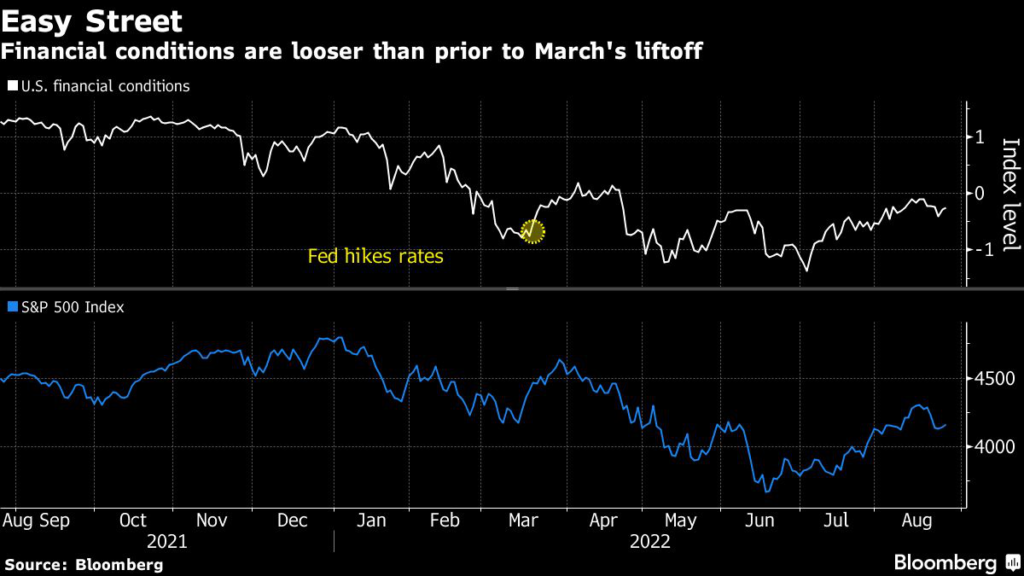
A rebound in stocks and bonds from June lows has left financial conditions at easier levels than before the Fed began its aggressive tightening campaign. The question is whether Powell will try to reset market expectations to ensure that the brakes continue to be applied to economic activity.

“The Fed does have a lot of work to do in terms of just talking markets to price in a potentially higher terminal rate,” Diana Amoa, chief investment officer for long-biased strategies, at Kirkoswald Asset Management LLC, said on Bloomberg Television.

US central bankers at Jackson Hole stressed the need to keep raising rates. Kansas City Fed President Esther George said that a peak higher than 4% can’t be ruled out. The bond market remains divided on whether the Fed will hike by 50 basis points or 75 basis points in September. 

The latest US growth data pointed in different directions in the first half of 2022, adding to the ongoing debate on the health of the economy. Europe’s outlook is darkening due to a continuing surge in energy prices.

MSCI Inc.’s Asia-Pacific equity gauge edged up to a one-week high. Apparent progress on averting the delisting of Chinese shares in the US over an audit dispute helped sentiment.

What to watch this week:

  • Fed Chair Powell speaks at Jackson Hole, Friday
  • US personal income, PCE deflator, University of Michigan consumer sentiment, Friday

Will the meme mania fizzle out? That’s the theme of this week’s MLIV Pulse survey. Click here to participate anonymously.

Some of the main moves in markets:

Stocks

  • S&P 500 futures fell 0.1% as of 7:40 a.m. in London. The S&P 500 rose 1.4%
  • Nasdaq 100 futures shed 0.2%. The Nasdaq 100 rose 1.8%
  • Japan’s Topix index rose 0.2%
  • Australia’s S&P/ASX 200 index added 0.8%
  • South Korea’s Kospi index rose 0.2%
  • Hong Kong’s Hang Seng index increased 0.7%
  • China’s Shanghai Composite index fell 0.3%
  • Euro Stoxx 50 futures climbed 0.5%

Currencies

  • The Bloomberg Dollar Spot Index rose 0.2%
  • The euro was at $0.9963, down 0.1%
  • The Japanese yen was at 136.99 per dollar, down 0.4%
  • The offshore yuan was at 6.8683 per dollar, down 0.3%

Bonds

  • The yield on 10-year Treasuries rose about three basis points to 3.05%
  • Australia’s 10-year yield fell 10 basis points to 3.58%

Commodities

  • West Texas Intermediate crude was at $93.56 a barrel, up 1.1%
  • Gold was at $1,757.91 an ounce, down 0.1%

More stories like this are available on bloomberg.com

©2022 Bloomberg L.P.

Xiaomi in Talks With BAIC to Reach Goal of Making Cars

(Bloomberg) — Xiaomi Corp. is in talks with Beijing Automotive Group Co. to collaborate on producing electric vehicles, according to people familiar with the matter, as the technology company races to fulfill a promise to make its own cars by 2024.

The two giants are exploring different options including Xiaomi buying a stake in Beijing Hyundai No. 2 plant, which is fully licensed to make cars in China, the people said, asking not to be named discussing a private matter. Xiaomi is eyeing a production tie-up as it faces delays in acquiring a license to make cars on its own, according to the people.

Read More: Xiaomi’s $10 Billion Car Project Hits Regulatory Barrier 

The collaboration could see vehicles built by Beijing Automotive’s EV brand, BAIC BluePark New Energy Technology Co. and co-branded with Xiaomi, according to the people. While the aging No. 2 plant needs substantial upgrades to manufacture EVs, BluePark has production capacity that could be used to make Xiaomi-BAIC vehicles, they added.

Shares in BAIC Motor Corp., which counts BAIC Group as its controlling shareholder, surged as much as 30.5%, their biggest intraday increase on record. Xiaomi in Hong Kong erased losses of as much as 0.7% and traded up to 3.3% higher, while BAIC BluePark’s shares in Shanghai jumped by the 10% daily limit.

Deliberations are preliminary and there’s no guarantee that the negotiation would lead to an agreement, the people said. A representative for Xiaomi declined to comment, while BAIC didn’t immediately respond to requests for comment. A representative for Hyundai said the claims were groundless, and declined to comment further.

The collaboration would allow Xiaomi co-founder Lei Jun to salvage a pledge to invest about $10 billion over a decade to make Xiaomi-branded cars in 2024. China has been stepping up scrutiny of EV firms after a raft of companies rushed into the sector, lured by tax breaks and government subsidies. Beijing is encouraging mergers and acquisitions in order to better deploy resources within the industry.

Read More: Deserted Factories Show How China Electric Car Boom Went Too Far

Aspiring EV makers now need to prove their financial and technological capabilities, and non-traditional automakers that are headquartered outside of China or are in the research and development stage are required to meet stringent sales benchmarks. 

BAIC and South Korean automaker Hyundai Motor Co. opened Beijing Hyundai No.2 plant in 2008 as part of their joint venture, according to a press release. Losses at the venture may continue to weigh on BAIC’s earnings, with the partnership’s sales recovery hamstrung by its budget-car brand image while plant-utilization rates struggle to surpass 50%, Bloomberg Intelligence analysts Steve Man and Joanna Chen wrote in March.

Several firms in the Chinese EV sector gained carmaking permits via acquisitions. WM Motor Holdings Ltd., which is considering raising $1 billion in a Hong Kong initial public offering, bought Huanghai Auto in 2017 to obtain its license. Li Auto Inc. gained a license by acquiring Chongqing Lifan Auto Co. for 650 million yuan ($95 million) in 2018.  

(Updates with BAIC Motor, BAIC BluePark moves in fourth paragraph.)

More stories like this are available on bloomberg.com

©2022 Bloomberg L.P.
Singapore Steps Up Crypto Questioning as Firms Brace for Changes

(Bloomberg) — Singapore is intensifying its scrutiny of cryptocurrency-related firms in the city-state ahead of planned regulatory changes, according to people with knowledge of the matter.  

The Monetary Authority of Singapore has sent a questionnaire to some applicants and holders of its digital-payments license seeking highly granular information about their business activity and holdings, the people said, asking not to be identified as the process isn’t public. The questions, which were sent over the last month, focus on gauging the financial soundness of the firms and their interconnectedness, they said, with some adding they’re expected to respond promptly. 

The regulator has asked for data including top tokens owned, top lending and borrowing counterparties and the amount loaned and top tokens staked via decentralized-finance protocols, according to the people and a spreadsheet seen by Bloomberg News that was sent to the firms. The MAS is also checking with local crypto exchanges about the processes they follow to go live after getting a coveted digital payment token service license to better understand the risks, one of the people said. 

The moves come ahead of anticipated changes to crypto regulation in the city-state, where authorities are grappling with encouraging innovation on the one hand, while limiting the fallout from collapsing firms and retail investors getting burnt by the volatility in the market. MAS Managing Director Ravi Menon will seek to address these tensions next week, and has already put the industry on notice that the scope of regulations will be broadened to cover more activities. 

“Licensees and applicants are expected to notify MAS of any events that materially impede or impair the operations of the entity, including any matter which may affect its solvency or ability to meet its financial, statutory, contractual or other obligations,” an MAS spokesperson said in response to queries from Bloomberg News regarding the questions sent to the crypto firms. MAS is unable to share details of dealings with individual firms, citing confidentiality, the spokesperson added. 

So far, the regulator has awarded more than 10 permits to crypto firms who have applied to provide digital payment token services in Singapore, a fraction of almost 200 applicants.

Brace for Change

Singapore was early to study blockchain technology and tout its ambitions as a crypto hub. But the recent defaults of several entities with key operations in the city-state have thrust its regulatory regime for crypto into the spotlight. In particular, the interconnected collapses of companies including hedge fund Three Arrows Capital and platforms Zipmex, Hodlnaut and Vauld have highlighted the lack of extensive risk management rules for digital asset companies.

Digital payment token service providers licensed by MAS under the Payment Services Act are not currently subject to risk-based capital or liquidity requirements, nor are they required to safeguard customer monies or digital tokens from insolvency risk, an approach similar to most jurisdictions. Regulations focus on money laundering and terrorism financing risks as well as technology risks, the MAS has said.

This might soon change, according to legal experts.

“In light of the various insolvencies and counterparty defaults which have plagued the crypto industry recently, the MAS is likely to be assessing the need for additional regulatory measures to mitigate the risks that led to these distressed scenarios,” said Hagen Rooke, a partner at law firm Reed Smith LLP in Singapore. “It is possible that measures under consideration include requirements for MAS-regulated firms to obtain collateral when lending crypto, to conduct due diligence on their counterparties and to comply with liquidity and risk-based capital rules – similar to the requirements which financial institutions in traditional capital markets are subject to.”

MAS may also consider requiring retail investors to pass a suitability test before being allowed to trade cryptocurrencies or enhance mandatory disclosures to improve transparency, added Chris Holland, partner at Singapore advisory firm Holland & Marie.

While specifics on any upcoming changes remain to be seen, some companies have started to express concerns that MAS might crack down too hard. This could lead to burdensome and costly compliance requirements which will make it tough to do business in the country.

“While I appreciate the need for MAS to consider regulating the crypto space more thoroughly, I am concerned about an overreaction now, and taking decisions that potentially could stifle innovation and the country’s ability to be a leader in Web3,” said Daniel Liebau, chief investment officer of the Modular Blockchain Fund at Modular Asset Management.

More stories like this are available on bloomberg.com

©2022 Bloomberg L.P.
Stocks Lifted by Tech; Dollar Firm Ahead of Powell: Markets Wrap

(Bloomberg) — Asian stocks rose Friday, helped by the technology sector, while the dollar was firm before a speech by Federal Reserve Chair Jerome Powell that’s set to shape views on the pace of US monetary tightening.

A regional index hit a one-week high amid gains in Japan and Hong Kong, where a tech gauge extended a rally. S&P 500 and Nasdaq 100 futures were steady after a climb in US shares. European futures added more than 0.5%.

Hong Kong’s bourse is benefiting from apparent progress on averting the delisting of Chinese shares in the US over an audit dispute. Beijing’s efforts to step up stimulus for China’s ailing economy have aided investor sentiment too.

Meanwhile, Fed officials gathering for a conference in Jackson Hole, Wyoming conveyed a chorus of hawkish comments. Powell is expected to restate the Fed’s resolve to keep hiking interest rates to fight elevated inflation when he speaks at 10 a.m. Washington time on Friday.

Treasuries slipped, pushing the US 10-year yield toward 3.05%. Oil scaled $93 a barrel. Gold and Bitcoin edged lower.

A rebound in stocks and bonds from June lows has left financial conditions at easier levels than before the Fed began its aggressive tightening campaign. The question is whether Powell will try to reset market expectations to ensure that the brakes continue to be applied to economic activity.

“The Fed does have a lot of work to do in terms of just talking markets to price in a potentially higher terminal rate,” Diana Amoa, chief investment officer for long-biased strategies, at Kirkoswald Asset Management LLC, said on Bloomberg Television.

US central bankers at Jackson Hole stressed the need to keep raising rates. Kansas City Fed President Esther George said that a peak higher than 4% can’t be ruled out. The bond market remains divided on whether the Fed will hike by 50 basis points or 75 basis points in September. 

Jackson Hole may not be a “negative market shock because expectations are hawkish while exposure still low,” said Dennis DeBusschere, founder of 22V Research. “We thought the market correction would be leading into Jackson Hole, and that has largely played out,” he said.

The latest US growth data pointed in different directions in the first half of 2022, adding to the ongoing debate on the health of the economy.

What to watch this week:

  • Fed Chair Powell speaks at Jackson Hole, Friday
  • US personal income, PCE deflator, University of Michigan consumer sentiment, Friday

Will the meme mania fizzle out? That’s the theme of this week’s MLIV Pulse survey. Click here to participate anonymously.

Some of the main moves in markets:

Stocks

  • S&P 500 futures were steady as of 12:36 p.m. in Tokyo. The S&P 500 rose 1.4%
  • Nasdaq 100 futures were steady. The Nasdaq 100 rose 1.8%
  • Japan’s Topix index rose 0.4%
  • Australia’s S&P/ASX 200 index added 1%
  • South Korea’s Kospi index increased 0.5%
  • Hong Kong’s Hang Seng index increased 0.7%
  • China’s Shanghai Composite index rose 0.1%
  • Euro Stoxx 50 futures climbed 0.6%

Currencies

  • The Bloomberg Dollar Spot Index rose 0.1%
  • The euro was at $0.9972
  • The Japanese yen was at 136.68 per dollar, down 0.1%
  • The offshore yuan was at 6.8601 per dollar, down 0.1%

Bonds

  • The yield on 10-year Treasuries rose about two basis points to 3.04%
  • Australia’s 10-year yield fell nine basis points to 3.58%

Commodities

  • West Texas Intermediate crude was at $93.31 a barrel, up 0.9%
  • Gold was at $1,756.02 an ounce, down 0.2%

More stories like this are available on bloomberg.com

©2022 Bloomberg L.P.
Mask-Wearing by China’s Elite Athletes Sparks Social Media Storm

(Bloomberg) — China’s national women’s volleyball team was struggling in their first Asian Cup set versus Iran until halftime, when they removed the masks they were wearing to protect themselves against Covid-19 and turned things around. After losing the first set, they eventually won the match, three sets to one.  

Despite the win, the episode has sparked a social media furor in China, where strict zero-tolerance pandemic restrictions mandate universal mask-wearing, mandatory quarantines and constant virus testing. But the widespread outrage over the athletes competing in masks reflected a growing unease with the zealotry of the approach, as viewers blamed authorities for sacrificing the players’ health for the sake of the country’s Covid Zero strategy.

China’s volleyball association later apologized on Weibo, saying the players initially wore masks to protect themselves since no clear rules were given on mask-wearing. The group said it failed to remind the players to remove their masks due to lack of experience. 

“We realized wearing masks was bad for athletes’ health in the second half of the first set, and the team promptly reminded the players to take off their masks and finish the rest of the game,” the association said. 

Zero Tolerance

The incident is the latest example of how Covid Zero is being taken to the extreme by some in China, inciting backlash from disgruntled citizens. President Xi Jinping has insisted on the approach throughout the pandemic, even after the rest of the world dropped most or all of their mitigation measures and now lives with the virus as an accepted if unwelcome facet of life.  

While there is no definitive data that shows mask-wearing interferes with breathing or athletic performance, the situation sparked heated and wide-spread discussion among Chinese social-media users. Most found fault with the team’s coaches and managers, saying those in authority chose Covid Zero over their players’ health. 

“Whoever made up this decision should do an intense workout for one hour wearing a mask,” one angry social media user wrote. The hashtag tied to the controversy on Weibo has generated more then 40 million reads.


Hu Xijin, the former chief editor of the Communist Party’s Global Times newspaper, said the incident wasn’t political or tied to Covid Zero. Instead, it developed because of the specific situation at the match. 

“I have always been opposed to excessive virus prevention,” Hu said. “I have seen reports of women volleyball teams wearing masks during games because uncertainties of infections on the field, but wearing masks for strenuous sports is apparently bad for people.”

Numerous scientific reports show that wearing masks during exercise doesn’t significantly affect respiration, heart rate, oxygen levels or athletic performance, although it does alter the perceived level of effort and increases discomfort — especially at high intensity levels. 

More stories like this are available on bloomberg.com

©2022 Bloomberg L.P.
Monkeypox Mushrooms Into Global Contagion in Just Four Months

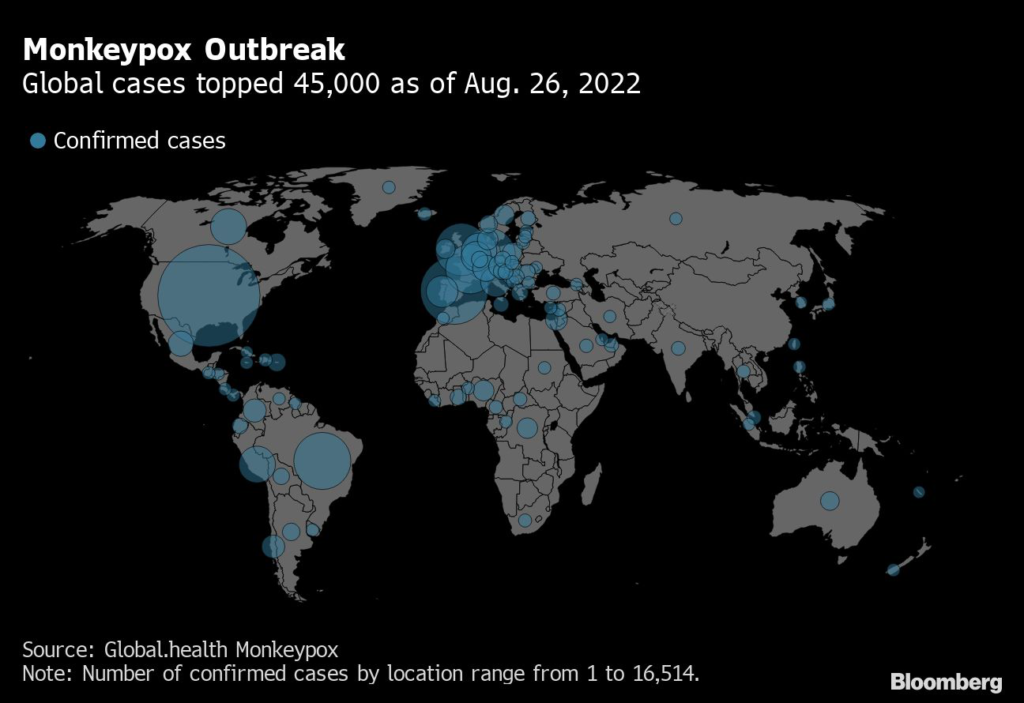
(Bloomberg) — From just a handful of infections in early May, monkeypox has escalated into a global public health emergency, with more than 45,000 cases scattered across 100 or more countries, mostly in Europe and North America.

The disease, which is transmitting predominantly among gay and bisexual men, causes a painful rash. While most cases aren’t life-threatening, the lesions can ulcerate and become infected with other germs and lead to scarring. 

Governments are rushing to inoculate vulnerable groups and secure supplies of antiviral treatments. 

Read more: Understanding Monkeypox and How Outbreaks Spread

More stories like this are available on bloomberg.com

©2022 Bloomberg L.P.
Zipmex Seeks Meeting of Potential Investors With Regulators

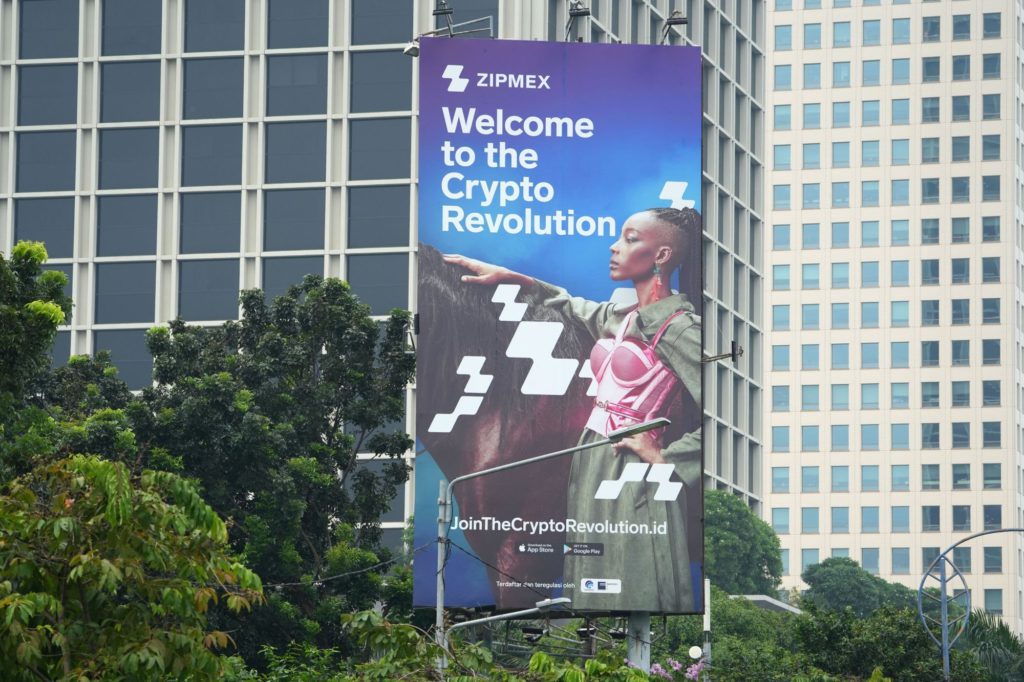
(Bloomberg) — Zipmex, the operator of Asian crypto exchange that has sought protection from creditors, plans to bring together potential investors and regulators before it seals a fund-raising plan. 

Zipmex has asked for meetings with the Securities Exchange Commission in Thailand, where it runs a licensed-exchange, and government agencies to present a recovery plan, it said in a statement. Potential investors will attend the meetings too, it said.

Zipmex ran into a liquidity crunch after its exposure to embattled Babel Finance soured, forcing it to halt withdrawals. Since then it has partially eased some of the token withdrawals. 

Read: Thai Central Bank to Get More Powers in Crypto Law Overhaul

The firm, which also has also operations in Singapore, Indonesia and Australia, is under a moratorium until Dec. 2 that provides it protection from creditors while it finalizes investors for fresh funding. 

Other details from the statement include:

  • Zimpex has appointed KordaMentha Pte. as financial advisor for restructuring process
  • Online townhall meetings to be held within Sept. 15
  • Two investors are near final stages of concluding an agreement

More stories like this are available on bloomberg.com

©2022 Bloomberg L.P.
China Telecom Philippine Partner Sees Profit For Venture By 2026

(Bloomberg) — China Telecommunications Corp.’s Philippine venture expects to post its first profit in as early as four years, the majority shareholder of the Southeast Asian nation’s third mobile-phone provider said.

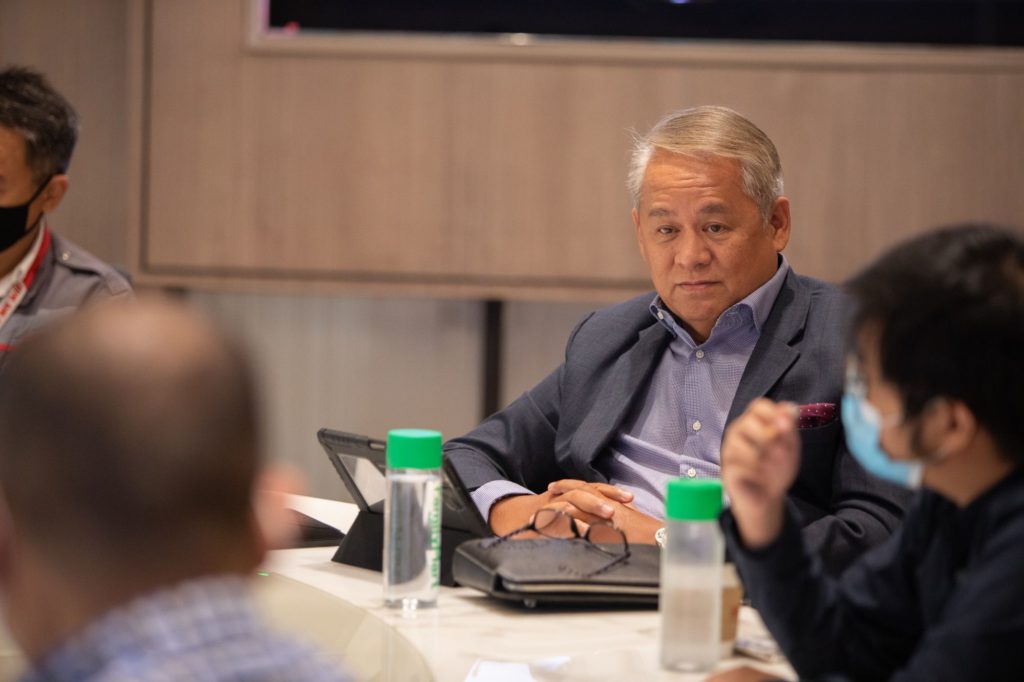
A positive bottomline “will emerge” for DITO Telecommunity Corp. by 2026 or 2027, said Ernesto Alberto, president of DITO CME Holdings Corp. that’s owned by businessman Dennis Uy. 

“We are also on track on the business plan despite two-and-half years of the pandemic,” Alberto said in an interview this week with other officials of Uy’s businesses. The telecom venture’s earnings before interest, taxes, depreciation and amortization is also on track to be positive as early as end-2024 “assuming no event risk,” Alberto said.

DITO CME may sell down its 53% stake in DITO Telecom to raise its equity share to help fund venture’s expansion and has asked banks to find it an “ideal private equity placement partner,” Alberto said.

Still, the DITO CME president said a preferred option is to use its share in DITO Telecom to raise its share of equity component with a 2-3 year loan with balloon payment. “We are confident that the value of shares will be much more — barring of course, event risks — two, three years down the road,” he said, adding that talks are on with foreign and local lenders on this “bridge facility.”

Other Highlights:

  • DITO Telecom is also optimistic that it will complete by November talks with a group of lenders led by Bank of China for a $4.1 billion long term loan to fund rollout of its network which is required to have 84% population coverage by 2024.
  • By 2024, DITO Telecom “will be on even keel competition with the incumbents in terms of capacity but with a much more brand-new network without any legacy baggage,” Alberto said.
  • The mobile-phone provider, which started commercial operations in March 2021, is close to hitting its 12 million customer goal by year-end, with the subscriber count currently nearing 11.5 million.

More stories like this are available on bloomberg.com

©2022 Bloomberg L.P.

Singapore’s Grab Falls After Reporting Wider-Than-Estimated Loss

(Bloomberg) — Grab Holdings Ltd. shares tumbled after it reported a wider loss than analysts had estimated, a sign of the challenges in turning its ride-hailing and delivery businesses profitable.

The Singapore-based company said its net loss for the second quarter was about $547 million, contracting almost 30% from a year earlier. Still, that was more than the $335 million loss analysts had projected, according to data compiled by Bloomberg. Grab shares tumbled 12% in US trading and are now down more than 55% this year. 

Grab’s revenue rose a better-than-expected 79% to $321 million, buoyed by resilient demand from consumers who continued to hail rides and order food despite worsening inflation. That beat the $273.1 million average of analysts’ estimates compiled by Bloomberg. 

Grab, which had been one of Southeast Asia’s hottest startups and is led by Anthony Tan, has struggled since it went public via a merger with a US blank-check company last year. Its shares have dropped since then as losses piled up during pandemic-era lockdowns and money-losing companies have fallen out of favor with investors.

To combat the downturn in ride-hailing, Grab had pivoted to expand into groceries and made a significant investment. But the company said yesterday it decided to shut its dark-store operations in Singapore, Vietnam and the Philippines to cut costs and streamline its deliveries operations, retreating from the earlier strategy.

Now Tan must navigate through an era of rising inflation that could dampen demand just as Grab is trying to emerge from Covid challenges. The company has faced increasing competition from GoTo Group and Sea Ltd.

Grab said its gross merchandise value will expand 21% to 25% this year, compared with 30% to 35% it had projected previously.

Grab anticipates some softening of the food delivery demand, said Chief Executive Officer Tan in a conference call on Thursday. 

“That’s why we lowered our GMV estimates,” he said.

The company reported $2.5 billion in GMV for its delivery arm, which was once touted as a key growth area. That fell short of its own projections of up to $2.65 billion for the quarter as consumers ordered less takeout and groceries online after pandemic-era restrictions receded.

While the company’s overall second quarter results were “solid,” deliveries GMV came in below expectations and total net loss was wider than Citigroup’s estimate, analyst Alicia Yap said in a report. 

Key Insights

  • Second-quarter revenue from Grab’s delivery business almost tripled to $134 million.
  • Revenue from its mobility arm gained 37% to $161 million.
  • Revenue from financial services rose to $13 million.
  • Grab’s cash and cash equivalents fell to $2.8 billion at the end of June from about $3.4 billion at the end of March.
  • Partner incentives climbed 23% to $212 million, while consumer incentives rose 28% to $311 million.
  • Monthly transacting users grew 12% to 32.6 million.

Get More

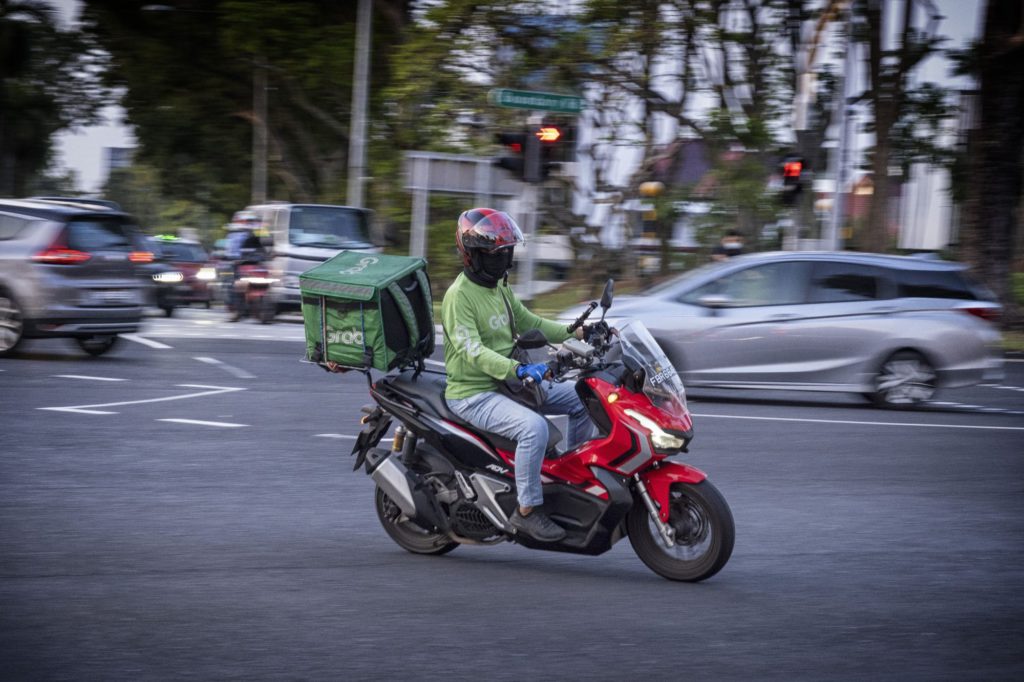
  • Earlier this month, Grab and rivals Foodpanda and Deliveroo Plc formed an unlikely partnership to strengthen their influence with the Singapore government as it considers laws that could transform the gig economy. Legislation that seeks to protect the interest and safety of thousands of drivers could impact companies like Grab, who have benefited from having people work for them without shouldering traditional responsibilities of a direct employer.
  • Grab’s GMV, the sum of transactions flowing through its platform, rose 30% to $5.1 billion.
  • Grab expects deliveries GMV to hit as much as $2.5 billion in the third quarter; mobility GMV to reach up to $1.1 billion; TPV for financial services to rise to as much as $3.9 billion.

Market Reaction

  • Grab shares fell 12% to $3.16.

(Updates with shares from the second paragraph)

More stories like this are available on bloomberg.com

©2022 Bloomberg L.P.

Close Bitnami banner
Bitnami