
Bloomberg

World’s Top Money Managers See Double-Digit Stock Gains in 2023

(Bloomberg) — Some of the world’s biggest investors predict that stocks will see low double-digit gains next year, which would bring relief after global equities suffered their worst loss since 2008.

Amid recent optimism that inflation has peaked — and that the Federal Reserve could soon start to change its tone— 71% of respondents in a Bloomberg News survey expect equities to rise, versus 19% forecasting declines. For those seeing gains, the average response was a 10% return.

The informal survey of 134 fund managers incorporates the views of major investors including BlackRock Inc., Goldman Sachs Asset Management and Amundi SA. It provides an insight into the big themes and hurdles they expect to be grappling with in 2023 after inflation, the war in Ukraine and hawkish central banks battered equity returns this year.

The stock market could be derailed again by stubbornly high inflation or a deep recession, however. Those are the top worries for the upcoming year, cited by 48% and 45% of participants, respectively. Stocks could also reach new lows early in 2023, with many seeing gains skewed to the second half.

“Even though we might face a recession and falling profits, we have already discounted part of it in 2022,” said Pia Haak, chief investment officer at Swedbank Robur, Sweden’s biggest fund manager. “We will have better visibility coming into 2023 and this will hopefully help markets.”

Even after a recent rally, the MSCI All-Country World Index is on track for its worst year since the global financial crisis in 2008. The S&P 500 will probably end 2022 with a similarly poor performance.

The energy crisis in Europe and signs of slower economic growth have kept a lid on stock prices even as China begins to ease some of its tough Covid curbs. Plus, there are growing fears that the slowdown already underway in many economies will eventually take a bite out of earnings.

The Bloomberg survey was conducted by reporters who reached out to fund managers and strategists at major investment firms between Nov. 29 and Dec. 7. Last year, a similar survey predicted that aggressive policy tightening by central banks would be the biggest threat to stocks in 2022.

Tech Comes Back

Hideyuki Ishiguro, senior strategist at Nomura Asset Management, expects 2023 to be the “exact opposite of this year.” Part of that is due to valuations, which have slumped to leave the MSCI ACWI trading near its long-term average forward 12-month price-to-earnings ratio.

When it comes to specific sectors, respondents generally favored companies that can defend earnings through an economic downturn. Dividend payers and insurance, health care and low volatility stocks were among their picks, while some preferred banks and emerging markets including India, Indonesia and Vietnam.

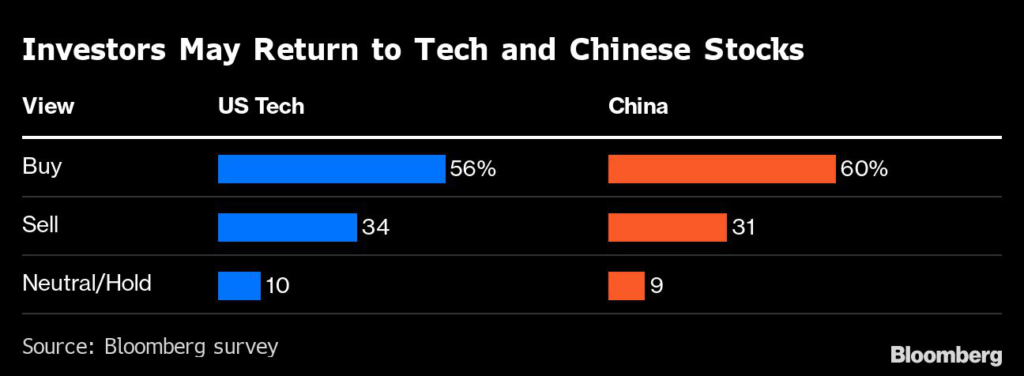
After being hammered this year as interest rates climbed, US technology stocks may also come back in favor, according to the survey. More than half of respondents said they’d selectively buy the sector.

With valuations still relatively cheap despite the recent rally and bond yields expected to fall next year, tech behemoths including Apple Inc., Amazon.com Inc. and Google parent Alphabet Inc. are expected to benefit, fund managers said.

Some are bullish on China, particularly as it moves away from Covid zero. A slump earlier this year has put valuations well below their 20-year average, making them more attractive compared with US or European peers.

Evgenia Molotova, senior investment manager at Pictet Asset Management, said she would be a selective buyer of Chinese shares “at current levels,” preferring industrials, insurance and health care in China.

In the Bloomberg survey, the 10% gain predicted for stocks in 2023 would fall short of previous market rebounds, such as in 2009 and 2019.

For fund managers, better news on inflation and growth could be the catalysts for a stronger performance. Almost 70% of respondents said they were the main potential positive factors. They also cited a full China reopening and a ceasefire in Ukraine as upside triggers.

The emphasis on inflation and growth as the make-or-break elements is in line with the findings of Bank of America Corp.’s latest fund manager survey. It showed recession expectations were at the highest since April 2020, while a “stagflation” scenario of low growth and high inflation was “overwhelmingly” the consensus view.

Such worries look warranted. According to Bloomberg Economics, the global economy is heading for its weakest performance in years, excluding the financial crisis and Covid periods. The IMF said last month the situation is rapidly worsening.

“The outlook from here onward will be influenced by the probability, depth and longevity of recession,” said Fabiana Fedeli, chief investment officer for equities, multi-asset and sustainability at M&G. “There are still pockets of opportunity where companies with strong fundamentals that are able to weather the storm get sold off in times of market panic.”

Heading into year-end, the market direction hinges on two key events coming next week – US inflation data on Tuesday and the Fed policy decision a day later. Some good news has emerged here: price increases have started to cool after hitting a four-decade high and the central bank has signaled it may slow the pace of rate hikes.

“A sustained rally in risk assets isn’t likely until inflation is more firmly downward trending toward target,” said Shoqat Bunglawala, head of multi-asset solutions for EMEA and Asia Pacific at Goldman Sachs Asset Management. He’s maintaining a relatively defensive asset allocation in balanced portfolios.

Ben Powell, chief investment strategist for APAC at the BlackRock Investment Institute, is also cautious, saying stocks aren’t yet reflecting the full impact of tighter monetary policy.

“We’ve had the lightning of policy tightening in 2022 and now the thunder will follow — that is to say, the damage,” he said. “Maybe we’re seeing some signs of the slowdown in exports and housing, but that’s going to become clearer next year and the market needs to price that a bit more effectively.”

–With assistance from Allegra Catelli, Joe Easton, Jonas Ekblom, Janet Freund, Nikolaj Gammeltoft, Ellie Harmsworth, Winnie Hsu, Sarah Jacob, Youkyung Lee, Katrina Lewis, Bailey Lipschultz, Macarena Munoz Montijano, Michael Msika, Alexandra Muller, Lisa Pham, Julien Ponthus, Chiara Remondini, Henry Ren, Ryan Vlastelica, Aya Wagatsuma, Jeran Wittenstein and Charlotte Yang.

More stories like this are available on bloomberg.com

©2022 Bloomberg L.P.
TSMC Revenue Rises 50% in November Despite Covid Challenges

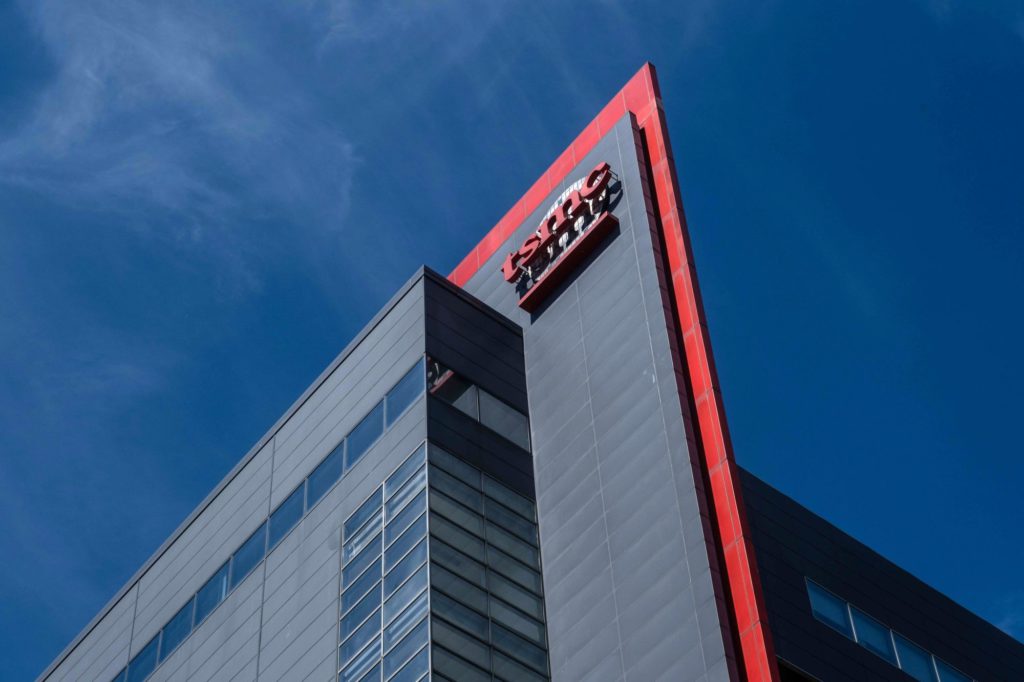
(Bloomberg) — Taiwan Semiconductor Manufacturing Co. reported sales rose by 50% in November, a month challenged by slumping consumer electronics demand and Covid disruptions in China.

The world’s biggest maker of made-to-order chips reported revenue of NT$222.7 billion ($7.3 billion) for the period, adding to a long streak of increasing sales that was supercharged by a spike in demand during the pandemic. The company is also the exclusive supplier of Apple Inc.’s Silicon chips for iPhones and Macs.

Hsinchu-based TSMC, Taiwan’s most valuable company, has been spending heavily to expand its production capacity and handle more orders. This week, it increased its investment in the US state of Arizona to $40 billion and hosted President Joe Biden, Apple Chief Executive Officer Tim Cook, Advanced Micro Devices Inc. CEO Lisa Su and other industry leaders at an event in Phoenix.

Biden Joins Tim Cook to Hail TSMC’s $40 Billion US Chip Venture

TSMC is under pressure to diversify the geographic distribution of its most advanced chipmaking and is working with governments like the US and Japan on developing a more global footprint.

TSMC shares are down more than 20% this year after more than doubling during the pandemic. The global economic slowdown has diminished consumer demand for many products that TSMC chips go into, but the company and its customers still expect the long-term trend in electronics demand to keep going up. TSMC has committed to spending roughly $36 billion in capital expenditure this year.

More stories like this are available on bloomberg.com

©2022 Bloomberg L.P.
Amazon Probed by OSHA Over Retaliation Claims After NYC Fire

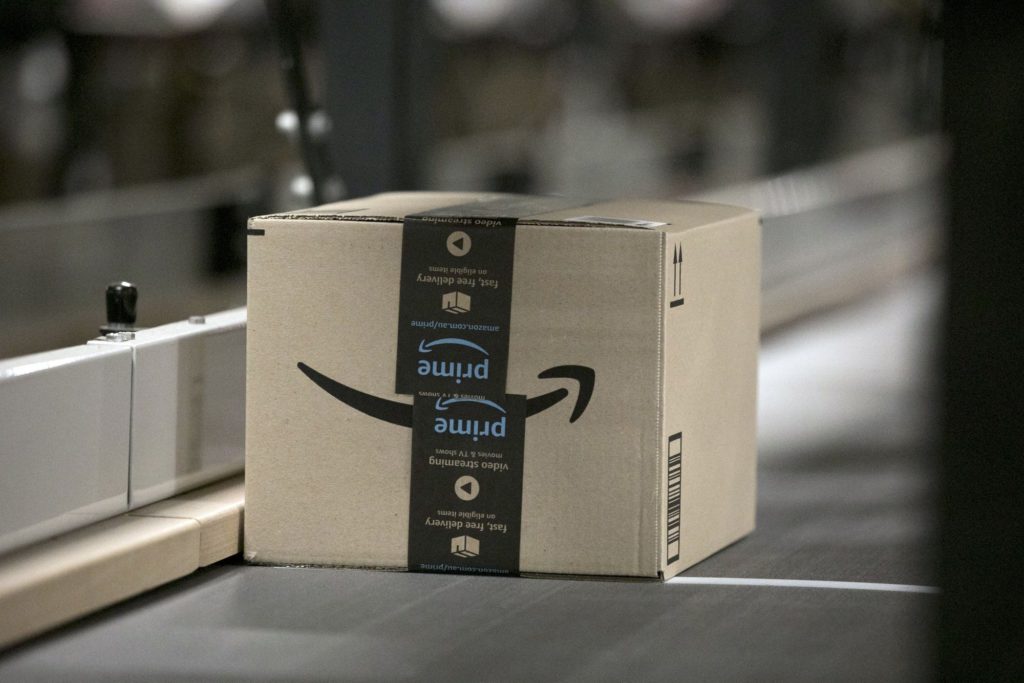
(Bloomberg) — Federal safety officials are investigating Amazon.com Inc. over allegedly retaliating against employees who raised safety concerns after a fire at the company’s unionized New York City warehouse.

The US Occupational Safety and Health Administration is trying “to determine whether Amazon retaliated against employees” who complained to management “about the safety of the working environment following the fire,” a federal Department of Labor spokesperson said via email Thursday. The investigation was triggered by 21 complaints filed with the agency, the spokesperson said.

The probe concerns the e-commerce giant’s suspensions of workers who marched together to confront company Human Resources representatives. They had demanded to be sent home with pay following the fire because they felt unsafe, according to the Amazon Labor Union’s attorney Seth Goldstein.

“The fire occurred, the employees had concerns and the employer’s response is to suspend them,” Goldstein said.

“We do not retaliate against our employees for exercising their federally protected rights,” Amazon spokesperson Mary Kate Paradis said. “These claims have no merit and we believe OSHA will come to the same conclusion.“

The company has previously said it suspended some night-shift workers after “a small group refused to return to work and remained in the building without permission,” even though the fire department had certified the building was safe.

In a separate case at the same warehouse, a US federal judge last month ordered the company to cease and desist from retaliating against employees for workplace activism. Amazon has denied wrongdoing.

–With assistance from Spencer Soper.

(Updates with response from employees’ lawyer)

More stories like this are available on bloomberg.com

©2022 Bloomberg L.P.
Korean Truckers Vote to End Strikes Disrupting Supply Chains

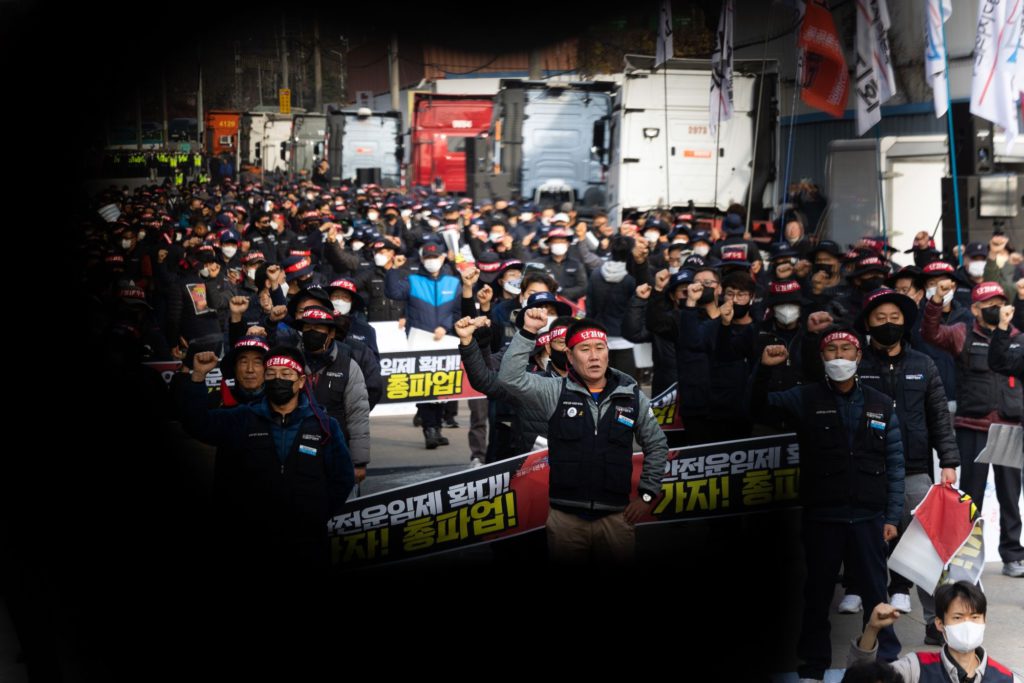
(Bloomberg) — South Korean truck drivers voted to end a two-week strike that has disrupted supply chains of key export industries. 

A majority of union members who voted agreed to return to work, according to an emailed statement Friday. That came after the government on Thursday ordered striking truckers in the steel and petrochemical industries back to work.  

The truckers’ strike has added to worries after South Korea’s exports fell the most in two-and-a-half years in November, dragged down by an economic slowdown in China and cooling demand for semiconductors. The nation is emerging as one of the most visible hot spots for growing labor discontent, as workers around the world demand safer conditions and better wages in the face of soaring food and commodities prices. 

The public appears to be backing the government’s hard-line approach to the strike. President Yoon Suk Yeol’s support rate rose two percentage points to 33% in a weekly tracking poll by Gallup Korea, to reach its highest level since mid-September. Separate polling has shown the public wants truckers to reach a deal and get back to work. 

Since Nov. 24, the truckers have been protesting a lack of progress on wage demands after months of negotiations following a previous work stoppage in June. The union attempted to expand and extend a system that calculates minimum wages based on operating costs, including fuel prices. 

The union demanded the government legislate a three-year extension of the current wage system that is set to expire at the end of 2022. While the government had previously agreed to the extension, Transport Minister Won Hee-ryong said Friday the agreement is no longer valid given the huge economic damage the strike has caused. 

More stories like this are available on bloomberg.com

©2022 Bloomberg L.P.
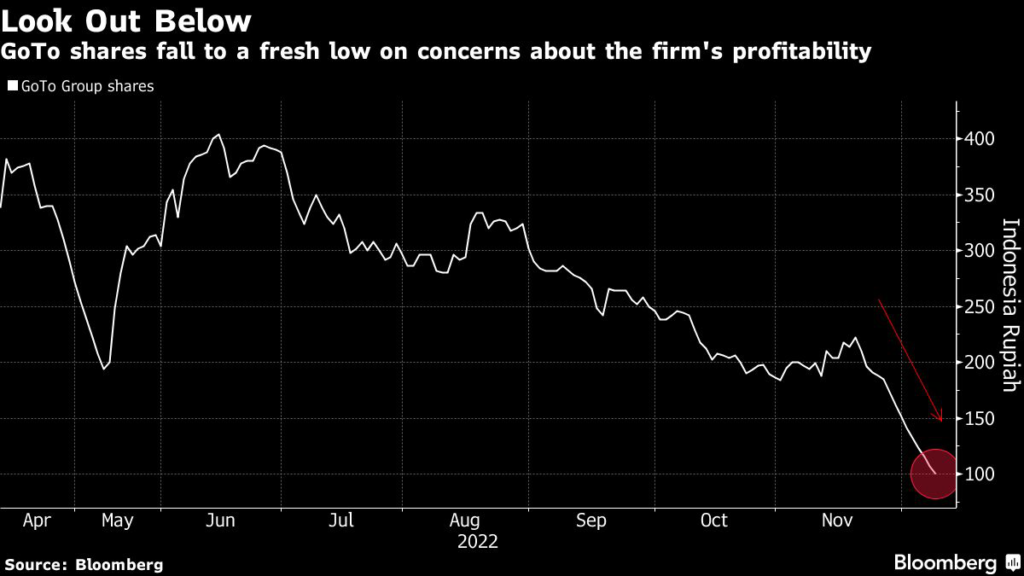
GoTo Slump Continues After Executives Fail to Convince Investors

(Bloomberg) — GoTo Group shares continued their plunge after executives failed to assuage investor concerns about the unprofitable Indonesian internet company’s prospects.

The stock fell for a 15th straight day, hurt by the expiry of a lockup on its major shareholders’ stakes that freed them to reduce their holdings. Management held a meeting with investors on Thursday in which it said it has enough funds to last until it reaches profitability and that it’s considering asset sales — comments that did little to halt the stock’s slide.

The shares dropped by 7% on Friday — the daily limit — to a record low 93 rupiah (less than 1 US cent) in Jakarta trading. Indonesia’s largest tech company now has a market value of about $7 billion.

“The market seems to be concerned that the measures they talked about yesterday such as the disposal of assets may not be enough to stem the cash leak,” said Nirgunan Tiruchelvam, analyst at Aletheia Capital Ltd. “The lock-up expiry, which a vast majority of shareholders were subject to, means that the investors that could sell, are selling.”

Friday’s decline left GoTo’s stock down 72% since its April debut. The ride-hailing and e-commerce provider faces intensifying competition from rivals such as Grab Holdings Ltd. and a deteriorating global economy. GoTo is about six quarters away from a cash crunch, Aletheia said earlier this week, recommending investors sell the stock.

“The main concern is the long way to profit,” said Alexander Yasa, an analyst at Sucor Asset Management. “No matter how cheap the stock is, people are reluctant to buy because its book value continues to decline.”

GoTo said last month it’s cutting 12% of its workforce, or 1,300 jobs, after its losses mounted. Like many technology companies worldwide, GoTo is confronting the effects of stiffer competition, economic slowdown and heightened investor focus on the bottom line. The risk of customers becoming more budget-conscious in the face of an impending recession has triggered job cuts, closures of business units and other measures across the tech industry.

The tough market conditions mean that GoTo may face difficulties in gaining financing through options such as selling more shares or issuing convertible bonds, Tiruchelvam said.

Early backers such as Alibaba Group Holding Ltd. and SoftBank Group Corp. were held to an eight-month lockup expiring Nov. 30 to support the stock price following the company’s initial public offering. GoTo’s plan to facilitate controlled stake sales by pre-IPO backers — aimed at avoiding a bigger selloff at once — didn’t come to fruition.

Formed via a merger of ride-hailing provider Gojek and e-commerce firm Tokopedia, GoTo raised $1.1 billion in one of this year’s largest IPOs.

–With assistance from Ishika Mookerjee and Soraya Permatasari.

More stories like this are available on bloomberg.com

©2022 Bloomberg L.P.
Paytm Shares Jump in Mumbai as Board to Consider Buyback

(Bloomberg) — Shares of One 97 Communications Ltd. surged in Mumbai, with the operator of India’s largest digital payments provider set to explore a buyback.

The company, which operates Paytm, on Thursday said its board is scheduled to meet on Dec. 13 to consider the proposal to repurchase fully paid-up equity shares. The stock climbed as much as 7%, the most in a week.

“The management believes that given the Company’s prevailing liquidity/ financial position, a buyback may be beneficial for our shareholders,” it wrote in an exchange filing.

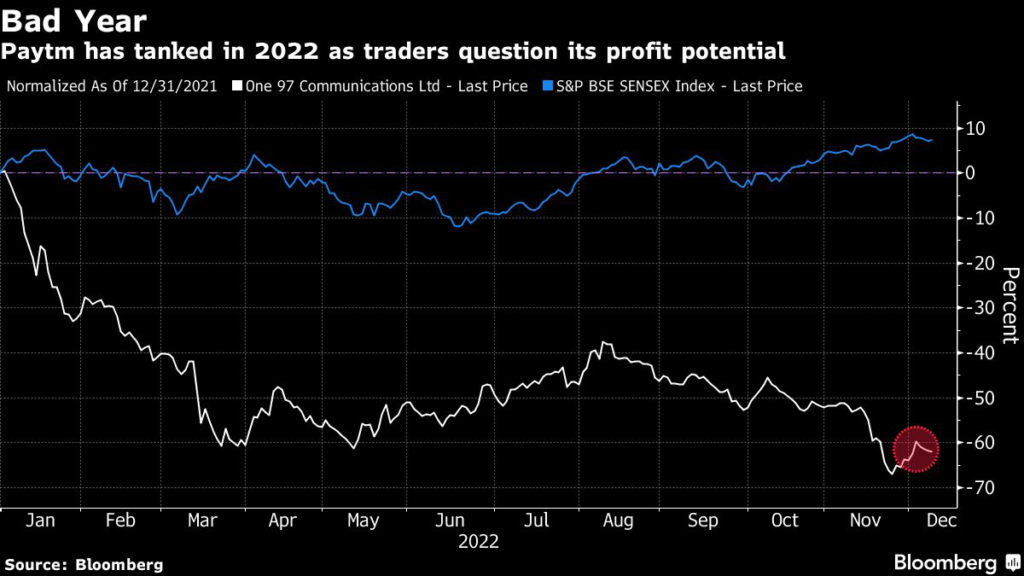
After a much-watched listing late last year, the stock is down 60% in 2022 as questions swirl around profitability, competition and costs related to marketing and employee stock options. The weak performance, worsened by a global tech selloff, is stark compared with the benchmark S&P BSE Sensex Index’s recent rise to a fresh record high.

There are eight buy recommendations on the stock, three holds and one sell rating, according to data compiled by Bloomberg.

(Updates with share-price move.)

More stories like this are available on bloomberg.com

©2022 Bloomberg L.P.
AI-Generated Anime Selfies Propel Beauty App to Top in Japan

(Bloomberg) — The ability to turn a user’s selfie into an anime character has turbocharged the Meitu app to the top of Japan’s download rankings over the past week, spurring a big jump in the company’s shares.

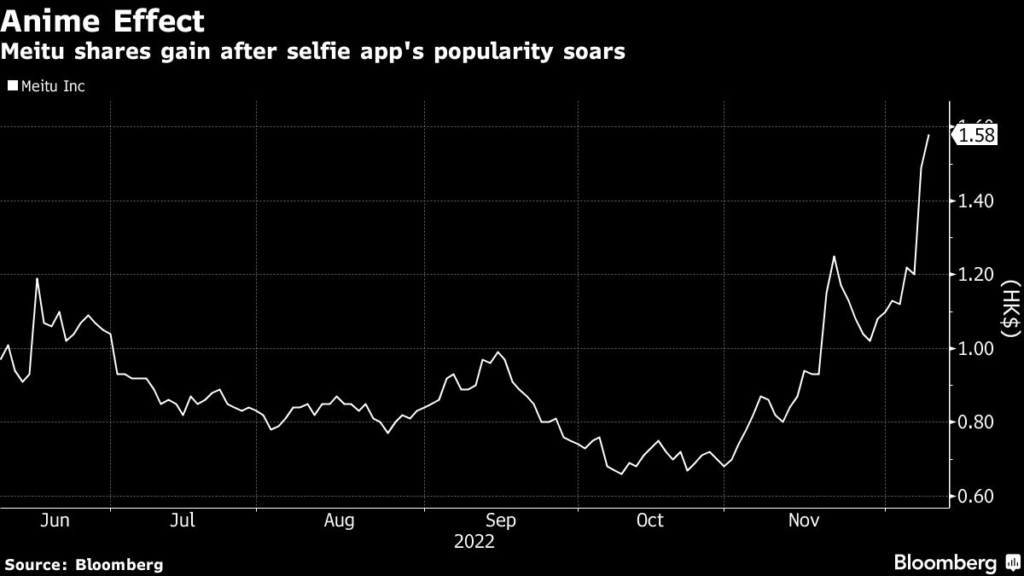
Hong Kong-based Meitu Inc. is up more than 50% over the past couple of weeks, in which time its app has reached the top of Apple Inc.’s free iPhone downloads chart and number 2 on Android’s Google Play in Japan, according to data.ai figures. While not new to the Japanese market, the key novelty in the beauty app was the addition of the option to transform a photo into an anime style with the help of AI.

Meitu has been working on AI photo tools since 2017 and that’s begun to pay off with the anime-style selfies, which were rolled out in China on Nov. 24 and hit global markets like Japan three days later, co-founder and Chief Executive Officer Wu Xinhong told Bloomberg. Since last week, the Meitu app has been among the top 3 most-downloaded on Apple’s App Store in countries including the US, Brazil, Canada, Australia and New Zealand, the CEO said. Global downloads surged 79% in the week commencing Nov. 28, data.ai figures showed.

“We are seeing an explosion of AI-generated content and its huge potential,” Wu said. “It’s an unprecedented opportunity for us, a technological revolution.” 

The use of AI to generate or alter images has taken off in popularity this year with the introduction of text-to-image systems like Midjourney and OpenAI’s Dall-E. The technology is not without its controversy, but its appeal and accessibility have helped it proliferate. Meitu’s approach differs, in applying a style transfer onto an existing image. The company also just rolled out the option to add subtle animations — like falling sakura — to its AI-generated anime avatars.

Japan has proven an eager adopter of this new trend, as University of Tokyo professor Fujio Toriumi has found that 40% of hashtagged AI-generated images on Twitter since June have come from the country. The researcher, whose work includes studying information sharing on Twitter following the 2011 earthquake and tsunami in Japan, collaborated with the Nikkei to analyze the data.

“Japan has a culture of sharing manga on Twitter,” Toriumi said. The novelty of using AI to generate similar pictures is “both a threat and a surprise” to that established audience, but many are embracing it out of curiosity. “For most people, it’s a one-shot, but I think some will continue using it in unique ways.”

At its peak in recent months, the AI art fascination was generating close to 80,000 tweets per day out of Japan, though the current flow is about a third of that, Toriumi said. Still, he anticipates more new uses in the future, including AI-generated fashion models for clothes companies selling gear online and other potential business applications.

–With assistance from Vlad Savov.

(Updates with CEO comments)

More stories like this are available on bloomberg.com

©2022 Bloomberg L.P.
Asian Stocks Rise With Inflation Data in Spotlight: Markets Wrap

(Bloomberg) — Asian stocks climbed after US shares posted their first advance this month, with traders focused on upcoming inflation figures in the US for clues on the path of interest rate hikes.

A benchmark of Asia equities headed for a sixth weekly gain, the longest such stretch in two years. That followed a rebound in the S&P 500 after a rout that put the gauge on the cusp of breaching its average price of the past 100 days.

Shares in Hong Kong rose while mainland gauges fluctuated as data showed China’s factory-gate prices contracted again in November while consumer inflation eased. Chinese property shares were among the biggest gainers amid expectations that authorities may add support for the ailing sector at a key economic meeting next week. 

Investors are taking heart from any signs of softness in prices that may allow central banks to be less hawkish and more supportive of economic growth.  

The dollar dropped versus most of its major counterparts, extending Thursday’s move when geopolitics-driven appetite for haven investments faded. The offshore yuan slightly strengthened.

Treasury yields were little changed, with 10-year yields hovering below 3.5%. Government bond yields moved lower in Australia while those in New Zealand rose. Japan’s benchmark 10-year yields were unchanged.

Oil rose in Asia, but headed for a weekly drop of nearly 10% after a volatile session on Thursday on concerns over economic outlook. Gold steadied.

Friday’s US producer price index for November is one of the final pieces of data Federal Reserve policymakers will see before their Dec. 13-14 policy meeting. The PPI in October cooled more than expected. Meanwhile there are some signs the labor market is cooling, with continuing jobless claims climbing to the highest since early February.

Strategists from Morgan Stanley to JPMorgan Chase & Co. have warned investors against piling back into risk on hopes the Fed is getting close to pivoting to easier policy.

JPMorgan Asset Management sees more room for equities to decline from the current levels. “We still think next year it’s going to be a pretty downbeat outlook for the global economy, given all the tightening we have seen so far this year,” Sylvia Sheng, global  multi-asset strategist, said on Bloomberg Television.

Meanwhile in China, comments from Li Keqiang were supportive sentiment, with the Chinese premier saying economic growth would “keep picking up.” 

JPMorgan strategist Marko Kolanovic said he “remains positive on China, due to favorable monetary conditions as well as an eventual full reopening and end of Covid.”  

Key events this week:

  • US PPI, wholesale inventories, University of Michigan consumer sentiment, Friday

Some of the main moves in markets:

Stocks

  • S&P 500 futures rose 0.2% as of 12:13 p.m. Tokyo time. The S&P 500 rose 0.8%
  • Nasdaq 100 futures rose 0.3%. The Nasdaq 100 rose 1.2%
  • Japan’s Topix index rose 1.2%
  • South Korea’s Kospi index rose 0.7%
  • Hong Kong’s Hang Seng Index rose 1.1%
  • China’s Shanghai Composite Index fell 0.1%
  • Australia’s S&P/ASX 200 index rose 0.5%

Currencies

  • The Bloomberg Dollar Spot Index fell 0.2%
  • The euro rose 0.2% to $1.0580
  • The Japanese yen rose 0.6% to 135.91 per dollar
  • The offshore yuan was little changed at 6.9560 per dollar

Cryptocurrencies

  • Bitcoin rose 0.2% to $17,216.4
  • Ether rose 0.3% to $1,282.18

Bonds

  • The yield on 10-year Treasuries declined two basis points to 3.46%
  • Japan’s 10-year yield was little changed at 0.25%
  • Australia’s 10-year yield declined seven basis points to 3.29%

Commodities

  • West Texas Intermediate crude rose 0.9% to $72.13 a barrel
  • Spot gold rose 0.3% to $1,794.70 an ounce

This story was produced with the assistance of Bloomberg Automation.

–With assistance from Rita Nazareth and Rob Verdonck.

More stories like this are available on bloomberg.com

©2022 Bloomberg L.P.
Musk Says Twitter Will Tell Users If They’ve Been ‘Shadowbanned’

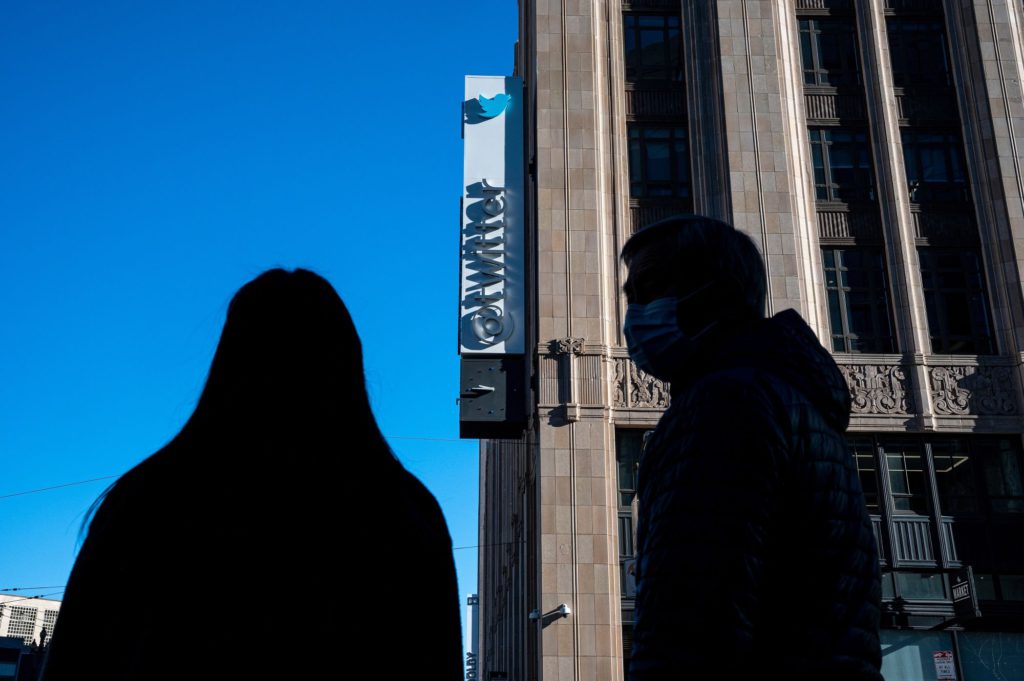
(Bloomberg) — Twitter Inc. owner Elon Musk, continuing a shake-up of the platform he acquired in October for $44 billion, said the company will begin telling users if their posts have been suppressed and give them an avenue to appeal.

The announcement followed a Twitter thread by journalist Bari Weiss, who has been granted access to company documents, saying that conservative commentators had their tweets downplayed by employees — a process known as “shadowbanning.” She and writer Matt Taibbi have been publishing findings from the trove of documents in a series they have called “The Twitter Files” — with Musk cheering them on.

“Twitter is working on a software update that will show your true account status,” Musk said in a tweet on Thursday. “So you know clearly if you’ve been shadowbanned, the reason why and how to appeal.”

Since acquiring Twitter, Musk has said he’s trying to maximize free speech on the platform. But he’s also drawn outcry for allowing slurs and other hateful language to proliferate — a criticism that US Representative Adam Schiff, a Democrat from California, leveled on Thursday. 

Musk said “hate speech impressions” are actually down by a third since he bought the company.

More stories like this are available on bloomberg.com

©2022 Bloomberg L.P.
China, Saudi Arabia Agree to Hold Regular Summits as Ties Warm

(Bloomberg) — China and Saudi Arabia agreed to hold regular summits between their leaders, solidifying ties between the world’s No. 2 economy and its top supplier of oil.

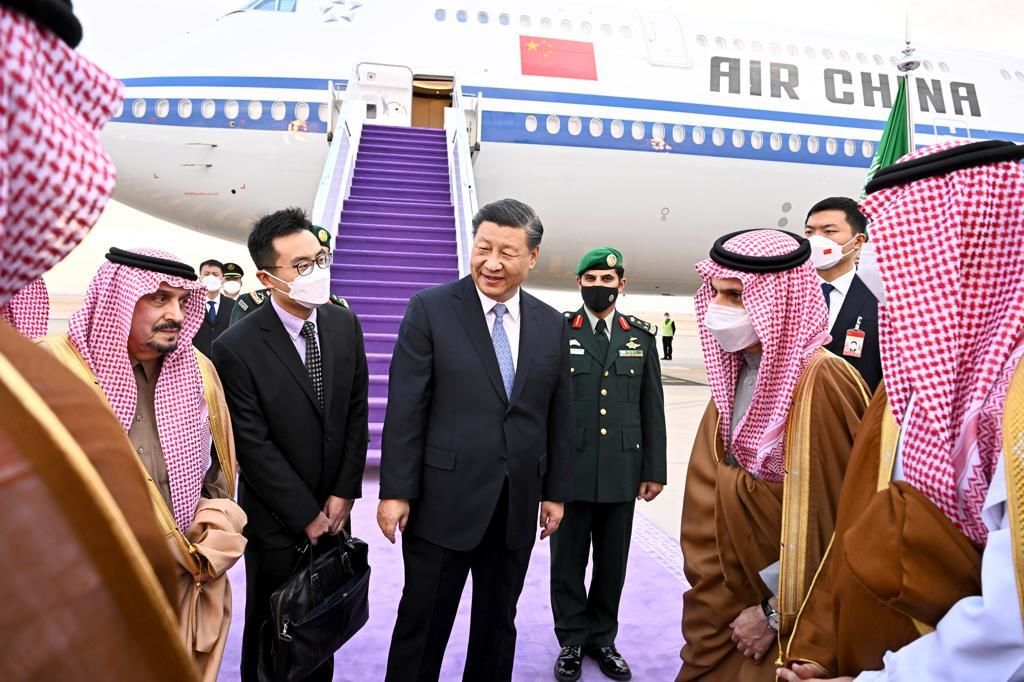
In a meeting in Riyadh on Thursday, Chinese President Xi Jinping and Crown Prince Mohammed bin Salman agreed to hold summits every two years as they upgraded the relationship to a comprehensive strategic partnership, the official Xinhua News Agency reported.

The two nations also signed slew of energy and investment pacts, though details details on those were scant. They announced plans to synchronize Xi’s signature Belt and Road infrastructure program with the kingdom’s Vision 2030, which aims to wean the economy off a reliance on oil.

Xi and Prince Mohammed “reviewed aspects of partnership and joint coordination efforts,” the state-run Saudi Press Agency said. Xinhua said Xi agreed to help boost Chinese tourism to the Middle Eastern nation and expand cultural links. The Chinese leader is set to meet a broader range of Arab leaders on Friday. 

Taken together, the moves show a willingness for the two countries to strengthen relations just as both see ties with the US cool. In October, President Joe Biden accused Riyadh of allying with Russia on oil production cuts, vowing unspecified “consequences.” Total US-Saudi trade shrank from some $76 billion in 2012 to $29 billion last year.

The two countries will strengthen collaboration at the United Nations, the Group of 20 and the Shanghai Cooperation Organization, Xi wrote in an editorial in Saudi newspaper Al Riyadh. 

Saudis Roll Out Red Carpet for Xi Jinping as Gulf Looks Past US 

China’s engagement with the region shows it is illustrating that “an alternative world order” can exist, said Raffaello Pantucci, a senior fellow at the S. Rajaratnam School of International Studies at Nanyang Technological University in Singapore. 

“It suits both Riyadh and Beijing to highlight they have other options to the US, or important partnerships on the world stage that do not include the West,” he said. 

Neither Saudi nor Chinese state news outlets provided many details about the agreements that were signed, beyond saying that others involved sectors such as information technology, cloud services, medical industries and construction.

These included an agreement with China’s Huawei Technologies Co. on cloud computing and high-speed internet complexes in Saudi Arabia. Last month, the Federal Communications Commission moved to seal off Huawei from the US market for telecoms equipment.

EXPLAINER: Understanding the Ups and Downs of US-Saudi Relations

The Saudi investment ministry and Shandong Innovation Group Co. also inked an agreement to build an aluminum plant, and the Saudi government said it signed an MOU to set up a hydrogen cracking project.

Saudi Arabia has started work on a large facility for green hydrogen in Neom, a Red Sea city under construction. Green hydrogen, a fuel seen as crucial to the global transition to cleaner energy, will be generated using solar and wind power.

–With assistance from Rebecca Choong Wilkins.

More stories like this are available on bloomberg.com

©2022 Bloomberg L.P.

Close Bitnami banner
Bitnami
