Bloomberg

Pakistani Wealth Management Startup Draws Venture Funding

(Bloomberg) — Pakistani fintech startup Mahaana Wealth Ltd. raised $2.1 million from venture capital firms VEF AB and SparkLabs Group, as well as local insurer IGI Holdings, riding a surge in investment appetite in the world’s fifth most populous nation. 

The Karachi-based company will invest user funds in stocks and bonds, and plans to launch operations next month. It is targeting workers’ investment needs in a country whose personal savings rate lags significantly behind that of other countries, due to relatively high debt. 

VEF invested $1 million in Mahaana, making it their third fintech investment into the early-stage opportunity market that is Pakistan, it said in a separate statement. 

More than 50% of the population is indebted, spending 30% of monthly income on repaying debts, Mahaana founder and Chief Executive Officer Muhammad Shamoon Tariq said in a statement on Tuesday. Pakistan has an investor base numbering only about 250,000 people, or about 0.02% of its population, it said.

Pakistan is an increasingly popular destination for venture capital, grabbing about $350 million in funding for startups last year. This year, its fintech sector scored the country’s first investments from Sequoia Capital and Bill & Melinda Gates Foundation’s Strategic Investment Fund.

Mahaana is backed by Mattias Martinsson, founder of investment firm Tundra Fonder AB, where Tariq worked as portfolio manager steering investments in frontier markets such as Vietnam and Bangladesh. The company said it plans to work with strategic investor IGI Holdings, which has $100 million in assets under management, to broaden its reach through IGI’s insurance and securities.

(Updates with details about VEF’s investment in third paragraph)

More stories like this are available on bloomberg.com

©2022 Bloomberg L.P.

Rogers Rivals Are Big Winners With Shaw Deal Stuck in Limbo

(Bloomberg) — Rogers Communications Inc. is still waiting to see if it can win regulatory approval for a takeover of a smaller Canadian cable company, 17 months after it was first announced. The situation has handed a huge advantage to its two biggest rivals, according to an industry analyst. 

Canada’s largest wireless and cable firm agreed in March 2021 to a C$20 billion ($15.4 billion) deal to buy Shaw Communications Inc. The country’s antitrust regulator is trying to block the transaction, forcing the companies to extend the deadline. It’s possible it won’t close until early 2023, if it closes at all — causing Rogers to ask holders of M&A bonds on Monday if they’ll agree to relax the terms. 

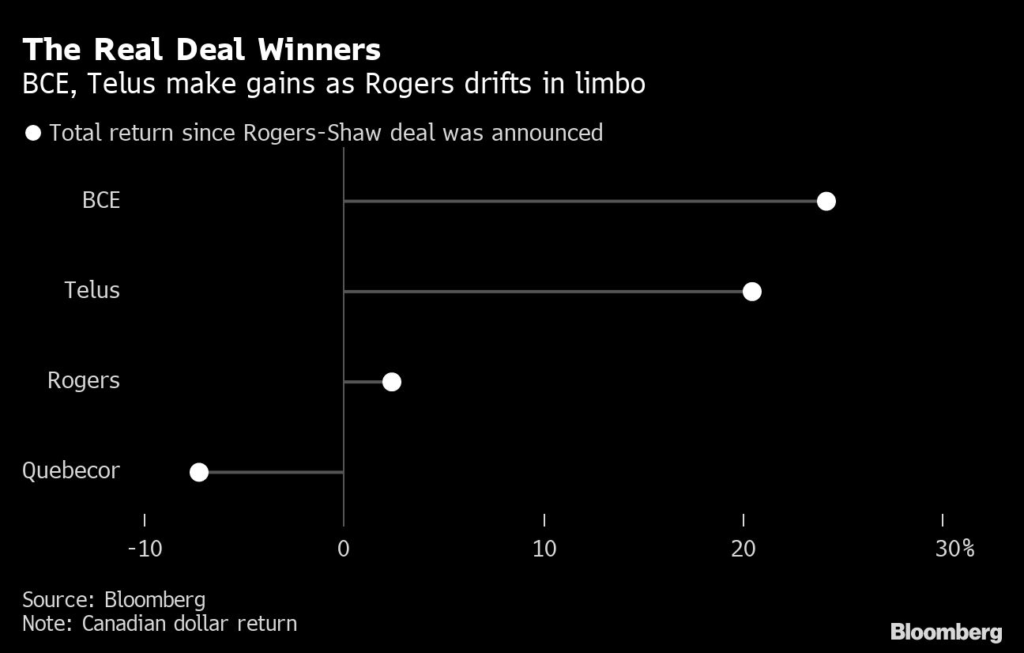
The delay is “disproportionately favorable” to rivals BCE Inc. and Telus Corp., BMO Capital Markets analyst Tim Casey said. It has given them time to improve their 5G wireless and fixed-line networks to compete with Rogers, and their shares have outperformed since the Shaw acquisition was announced, Casey said in a report to investors.  

BCE and Telus “are focused on their core business and are not distracted by the regulatory challenges incurred to date by the cable companies,” Casey wrote. “Investors understand this.”

The question is whether Rogers and Shaw can get their deal across the finish line. Casey argued that they should be able to win approval, despite all the delays and drama. Shaw shares dipped 0.9% Tuesday to C$34.78 as of 9:43 a.m. in Toronto — still far short of the C$40.50-per-share takeover bid. Rogers was also down 0.9%.  

To defuse the antitrust complaint, Rogers and Shaw agreed to sell most of Shaw’s wireless business to Montreal-based Quebecor Inc. for C$2.85 billion. The arrangement is “as good as it gets” for regulators and a federal government that wants to maintain a policy of having a fourth wireless competitor to challenge Rogers, BCE and Telus, according to Casey. 

“In our view, Quebecor represents the best solution available to satisfy the government’s industrial policy. It meets ownership requirements, has an operational track record in the business and enough balance sheet capacity to fund the purchase,” the analyst wrote.

‘Victory Lap’

By combining its wireless business with Shaw’s, Quebecor would have more than 3 million wireless subscribers across Canada’s four most populous provinces. It would also be getting the assets at a reasonable price, Casey said. 

“Quebecor is positioned to be a more competitive and more sustainable fourth wireless player than Shaw proved to be. To us, this is completely aligned with the government’s long-standing wireless policy,” he wrote. 

Canada’s Competition Bureau can take credit for keeping Shaw’s wireless business out of Rogers’s hands and forcing the Quebecor deal, Casey said. “The outstanding question for investors is will it take a victory lap?” 

(Updates fifth paragraph with Tuesday share prices.)

More stories like this are available on bloomberg.com

©2022 Bloomberg L.P.

Congo Bans Telecom Executives’ Travel in Row Over New Tax

(Bloomberg) — The Democratic Republic of Congo has banned some telecommunications executives from leaving the country after they resisted paying a new tax on the industry, according to people familiar with the matter. 

Executives from the country’s four major carriers — Orange SA, Airtel Africa Plc, Vodacom Group and Africell Holding SAL — have been prevented from traveling and some have had their passports taken, the people said, asking not to be identified because they aren’t authorized to talk about the travel bans. 

The carriers initially rejected the new levy as “irregular and therefore unenforceable,” the Federation des Entreprises du Congo, the country’s main business association, said in June after Bloomberg’s initial report. The government decree increases the tax on one carriers’ revenue by 15%, one of the people said. 

Read More: Wireless Firms Receive Notice to Pay About $180 Million to Congo

Orange’s local chief executive officer and Africell’s DRC finance chief were blocked from leaving the country and had their passports confiscated at the Kinshasa airport earlier this month, according to a letter from the FEC to the interior minister that was seen by Bloomberg. A Vodacom executive had her passport taken when she returned from a trip, one of the people said. 

“To this day, no reason has been offered to the executives that justified these actions,” the letter said. The business group said it was “worried” and “strongly concerned by this measure affecting company directors, notably, those of the telecommunications sector.”

Representatives for Orange, Vodacom, Airtel, and Africell declined to comment. 

FEC head Kimona Bononge said the group is engaging with the “highest authorities of the government on this subject,” and declined to comment further. Representatives for the government and telecoms regulator didn’t immediately respond to requests for comment. 

The government is looking for ways to shore up its finances after years of mismanagement left the country without the revenue it needs. President Felix Tshisekedi’s government wants to broaden its tax base and boost its revenue as it undertakes a nationwide infrastructure development plan before elections scheduled for the end of next year.

The operators received invoices for the new tax via a consultancy called 5C Energy, people familiar with the matter said in June. 

Congo last year dropped a plan to tax mobile operators, following opposition from the public as it could lead higher costs.  

(Updates with background about 5C Energy in penultimate paragraph)

More stories like this are available on bloomberg.com

©2022 Bloomberg L.P.

YouTube Bans Influencer Andrew Tate After Sexist Remarks

(Bloomberg) — A YouTube channel associated with Andrew Tate, an online influencer and self-described misogynist, was disabled Monday, as Google’s video website joins a growing list of social media platforms taking action against the personality in the last week.

The list of apps that previously banned Tate, a British-American former kickboxing champion who has been heavily criticized for his sexist commentary, includes Facebook, Instagram, TikTok and Twitter over violations of policies including those around hate speech or ideology. On Monday, after this article’s publication, Tate or an associate removed his channel from Amazon.com Inc.’s video livestreaming site Twitch.

Tate brands himself as a “success coach” for an online program called Hustler’s University. He has said publicly that female sexual assault victims “bear some responsibility” and suggested that men date women who are 18 to “imprint” on them. He has also described himself as “absolutely a misogynist.”

YouTube said on Monday that it terminated channels associated with Tate over “multiple violations” of its community guidelines and its terms of service, including its hate speech policy. “If a channel is terminated, the uploader is unable to use, own or create any other YouTube channels,” said Ivy Choi, a YouTube spokesperson. The company said it first took action against one of Tate’s channels in July because it had posted a video violating YouTube’s Covid-19 medical misinformation policies.

A spokesperson for Tate said, “There is a running contradiction in today’s society where men are encouraged to speak and be open/honest with how they feel but are generally met with a negative response to their truth.” The spokesperson added, “Banning Andrew Tate from these platforms might seem the answer, but it isn’t that simple. Removing Tate’s voice doesn’t allow for a kinder hate-free society.”

Tate’s inflammatory comments have attracted a large audience of both detractors and fans. Tate went viral on TikTok, where videos tagged #AndrewTate have been viewed 13.8 billion times. On Google, searches for the influencer’s name have soared since April. On YouTube, the newly banned account had 768,000 subscribers in August. There is at least one other YouTube account associated with Tate that still appears to be live.

Before its removal, Tate’s channel on Twitch only had 50,000 followers, but he has appeared on channels with as many as 6.4 million followers. Last week, over 100,000 concurrent viewers watched Tate live with top Twitch personality Adin Ross, who streams video games and online crypto gambling. If Twitch chooses to ban Tate, he would be unable to appear on other people’s channels.

“Every single time I do one of these Twitches, we get three, four, five, six thousand new students. Everything is going fantastic for us,” Tate said on Twitch in July. Bloomberg News was unable to confirm Tate’s claim.

Twitch declined to comment. Adin Ross didn’t respond to a request for comment.

Hope Not Hate, a group based in Britain that organizes against far-right extremism, launched a petition in August calling for Tate to be banned from the major social networks. “The effect that Tate’s brand of vitriolic misogyny can have on the young male audience is deeply concerning,” the group said in its petition. “We also know that misogyny can be a gateway to other extreme and discriminatory views.”

(Updates with Twitch reporting starting in the second paragraph.)

More stories like this are available on bloomberg.com

©2022 Bloomberg L.P.

UK Utility Probes Data Centers’ Water Usage During Drought

(Bloomberg) —

A UK utility is reviewing how energy-hungry data centers use water following the country’s driest July in nearly 90 years. 

Thames Water is looking for ways to measure and reduce how much water data centers are using, John Hernon, the group’s strategic development manager, said in a statement on Tuesday. The company is particularly interested in cutting the amount of drinking water used to cool the equipment, he said. 

Read More: Drought Declared in England Amid Extreme Hot Weather

The announcement comes ahead of Thames Water’s planned ban on watering lawns and gardens, which will go into effect across London and the Thames Valley area on Wednesday. Much of the UK and Europe is in a drought after an unusually hot, dry summer, leading the government to look for ways to conserve water and reduce waste. 

The servers produce enormous amounts of heat and can be damaged if the temperatures aren’t regulated. The large volumes of water data centers use has attracted criticism from governments and environmental campaigners worldwide, sparking protests against the big tech companies that demand a large share of often scarce supplies. 

Read More: Google Data Centers’ Secret Cost: Billions of Gallons of Water

“Our guidance has already resulted in a significant reduction in the amount of water requested by these new centers due to guidance on additional storage and cooling procedures,” he said.

Data centers also place pressure on local power grids, in some cases consuming as much electricity as entire towns. John Booth, managing director of Carbon3IT, estimated in 2021 that data centers and co-location facilities account for at least 12% of electricity consumption in the UK, according to an article in Computer Weekly. The Financial Times reported that West London faces a potential ban on new housing projects until 2035 because data centers are straining the grid. 

More stories like this are available on bloomberg.com

©2022 Bloomberg L.P.

Facebook Co-Founder’s Firm to Back Indian Sexual Health Startup

(Bloomberg) — Indian health-tech startup Mojocare has raised $20.6 million in a series A round led by B Capital Group, the venture capital firm set up by Facebook Inc. co-founder Eduardo Saverin and Raj Ganguly.

Existing investors including Sequoia India’s Surge, Chiratae Ventures and Better Capital also participated in the round, according to a press release confirming a Bloomberg News report. The Bangalore-based company plans to use the proceeds for purposes including expanding its teams and further diversifying its product portfolio.

“We will remain focused on specialty wellness — men’s sexual wellness, women’s wellness and fertility, mental wellness, hair and skin care, obesity management,” said Mojocare co-founder Rajat Gupta in an emailed statement. “These are areas which affect nearly half a billion Indians and where the average user experience is very chaotic and broken.”

Started by Ashwin Swaminathan and Gupta in 2021, Mojocare helps consumers address issues including reproductive health and fertility, hair care and weight loss through an online platform that includes product sales and personalized consultations with doctors, therapists and nutritionists, the release shows.

The company’s founders “are solving one of the largest problems in consumer health and wellness and can radically transform the way people think about specialty wellness,” said Karan Mohla, partner at B Capital, in the release. “They are attracting the best talent in the country and their patient experience and care layer is inspiring.”

Founded in 2015 by Saverin and Ganguly, B Capital seeks to help startups gain scale and transform their industries, backing them from seed investments to a potential initial public offering, its website shows. It counts about $6.5 billion in assets under management and more than 125 portfolio companies.

(Adds Gupta quote in third paragraph.)

More stories like this are available on bloomberg.com

©2022 Bloomberg L.P.

Crypto Traders Flock to Hardware Wallets as Hacks Roil Industry

(Bloomberg) — Hacks and bankruptcies continue to roil the digital-asset industry. But these setbacks have become a boon for makers of hardware wallets who have seen their sales spike as customers rush to protect their crypto assets.  

French startup Ledger saw its day-over-day sales balloon 400% in the 24 hours after a $5.2 million hack involving digital wallets based on the Solana blockchain earlier this month, according to the company’s Chief Experience Officer Ian Rogers. Unlike many digital wallets, hardware ones keep a crypto user’s private keys — which are the passwords they need to access their blockchain assets — offline. 

Ellipal, a Hong Kong-based company, saw wallet sales rise 30% and website traffic jump 50% in the days following the Solana wallet hack, according to a company spokesperson. Sales of KeepKey’s hardware wallet also jumped around 30% in the week following that attack, said the firm’s chief technology officer, who goes by the pseudonym “pastaghost.” The hack stemmed from a digital wallet made by Slope Finance, who revealed in a post published earlier this month that there was a security flaw in a third-party service provider it used.

“These things remind people that security and self-custody are important,” Ledger’s Rogers said in an interview. 

While Ledger typically sells most of its wallets on its website, there was a big bump in in-person sales at electronics store Best Buy Co Inc., Rogers said. The device, which resembles a USB stick in size and shape, sold out at locations in multiple regions, he said. Best Buy did not respond to a request for comment. 

The rush at Best Buy shows just how urgently people wanted to get their hands on a hardware wallet, according to Rogers. 

“It’s the only place to get Ledger in less than an hour,” he said.

The collapse of lending platforms such as Voyager Digital Ltd. and Celsius Network Ltd., which included freezing withdrawals for customers, has spooked users, KeepKey’s pastaghost said. This has helped spur interest in hardware wallets like the company’s product, which resembles a small external hard drive, he said. 

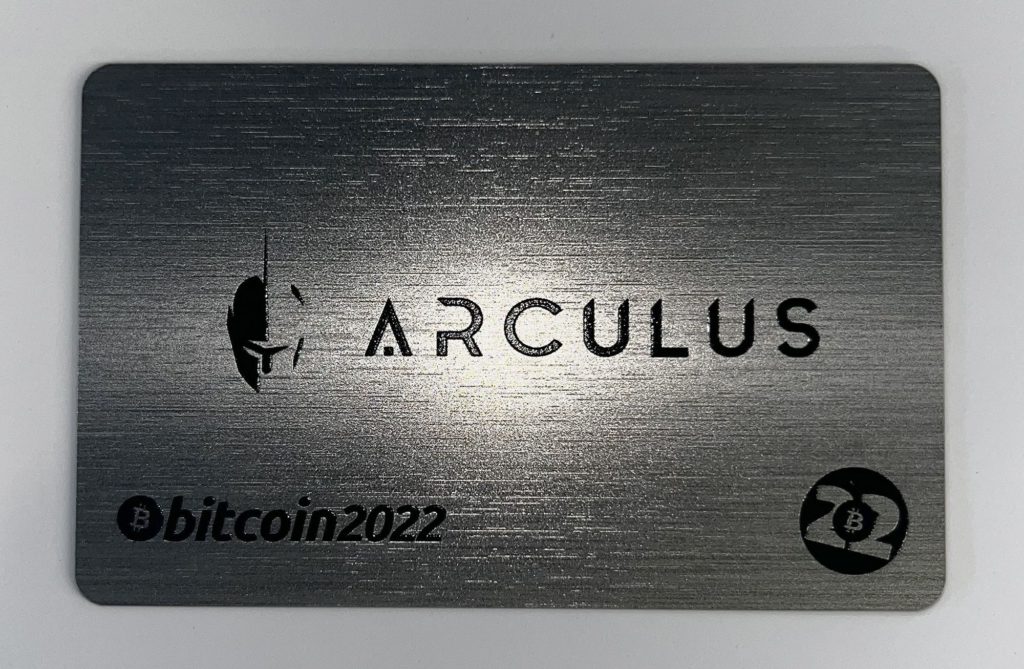
Recent market turbulence has created “elevated awareness for consumers to protect their digital assets,” Adam Lowe, chief product and innovation officer of CompoSecure Inc., said in a statement. The firm, which developed Arculus, a hardware wallet similar to a credit card in size and thickness, saw an uptick in demand between the first and second quarter despite the onset of crypto winter, he said.  

Some centralized crypto exchanges — such as Coinbase Global Inc. and Binance — offer customers digital wallet options, where the keys are controlled by the companies.

“If you’re not managing the keys, you don’t own the funds,” pastaghost said.

Layer of Defense

Using a physical wallet adds another layer of defense against attacks that digital wallets may be susceptible to, said Steve Walbroehl, co-founder and chief information security officer at Halborn, a blockchain security firm. 

Hackers sometimes use malicious links and fake websites that mimic those of actual crypto platforms, as was the case with a $3 million hack involving Bored Ape Yacht Club nonfungible tokens earlier this year. Users unwittingly connected their software wallets, only to have their assets wiped out. 

“The hardware really keeps it protected and out of reach from all of these attacks,” Walbroehl said.

The Solana Foundation echoed this in a post from a official Twitter account after the attack, in which it encouraged users to employ a physical wallet to keep their crypto safe. 

“A hardware wallet is the most secure way to store your crypto and it’s a really good idea for everyone who has serious amounts of wealth, however you define that, in crypto,” Austin Federa, head of communications for the Solana Foundation, said in an interview. 

But, despite the recent uptick in sales, hardware wallets still face obstacles to garnering greater adoption, Walbroehl said. 

Hardware wallets are usually more expensive than digital wallets, which may be the reason some users stick with the latter, he said. While popular digital options such as MetaMask and Phantom are free to download, the price of hardware wallets can range from less than $50 to more than $300. 

“It’s the law of least resistance,” Walbroehl said. “It’s easy to just install an app you get for free.”

More stories like this are available on bloomberg.com

©2022 Bloomberg L.P.

Qatar Wealth Fund Invests in Celonis at $13 Billion Valuation

(Bloomberg) — Celonis, a software company based in Munich and New York, secured $1 billion in funding from backers including the Qatar Investment Authority to build out its business selling software that helps companies make their operations more efficient.

The company was valued at almost $13 billion as part of the round, which was sought amid rising demand for its data analysis products, Co-Chief Executive Officer Alex Rinke said in an interview. Worries about inflation and increasingly complex supply chains were driving new business, he said. 

Sales doubled over the past year as shifts in the broader macro environment drive companies to improve their processes and find savings, Rinke said. 

The company raised $1 billion a little over a year ago, in June 2021, at an $11 billion valuation. 

Founded in 2011, Celonis is one of a number of companies developing “process mining” tools, which businesses use to discover inefficiencies in their operations that the human eye may not spot. For example, the technology can flag that a firm is double-paying an invoice due to a slight difference in spelling. 

Rinke said some of the money raised could be used to acquire other businesses. Celonis completed its fourth acquisition in March, paying $100 million for a startup that expanded its services across Microsoft Corp. products.

Read more: Celonis Buys German Data Startup PAF for $100 Million

The latest funding came as an extension of last year’s Series D investment round and included participation from Activant Capital, Neuberger Berman, Alta Park Capital and Commonfund, alongside existing backers. 

In addition to the $400 million equity funding, Celonis also expanded its revolving credit facility to as much as $600 million led by KeyBanc Capital Markets, according to a statement.

More stories like this are available on bloomberg.com

©2022 Bloomberg L.P.

Amazon Will Show ‘Thursday Night Football’ in Bars in DirecTV Deal

(Bloomberg) — Amazon.com Inc. will show its “Thursday Night Football” broadcast in bars and restaurants as part of a new, multiyear deal with DirecTV.

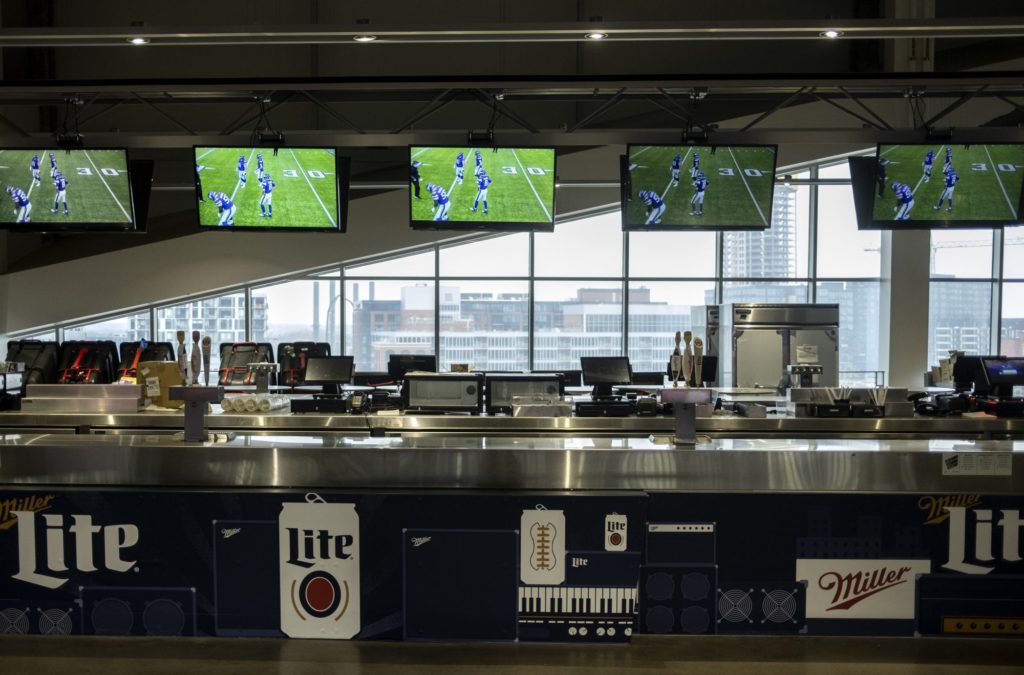
The agreement covers everything from national hotel chains to local sports bars and will begin with the preseason football matchup between the San Francisco 49ers and the Houston Texans on Aug. 25, the companies said in a statement Tuesday. Without this deal, many venues would have faced the expensive prospect of needing to upgrade all their TVs to new ones that allow for streaming video.

The online retailer acquired exclusive rights to the program from the National Football League last year under a long-term deal, representing a major transition of one of America’s premier sports to an online media outlet. Subscribers to Amazon’s Prime Video service will be able to watch the games on smartphones, video-game consoles and connected TVs. The company plans a big splash, including hiring veteran broadcaster Al Michaels as a play-by-play announcer.

More stories like this are available on bloomberg.com

©2022 Bloomberg L.P.
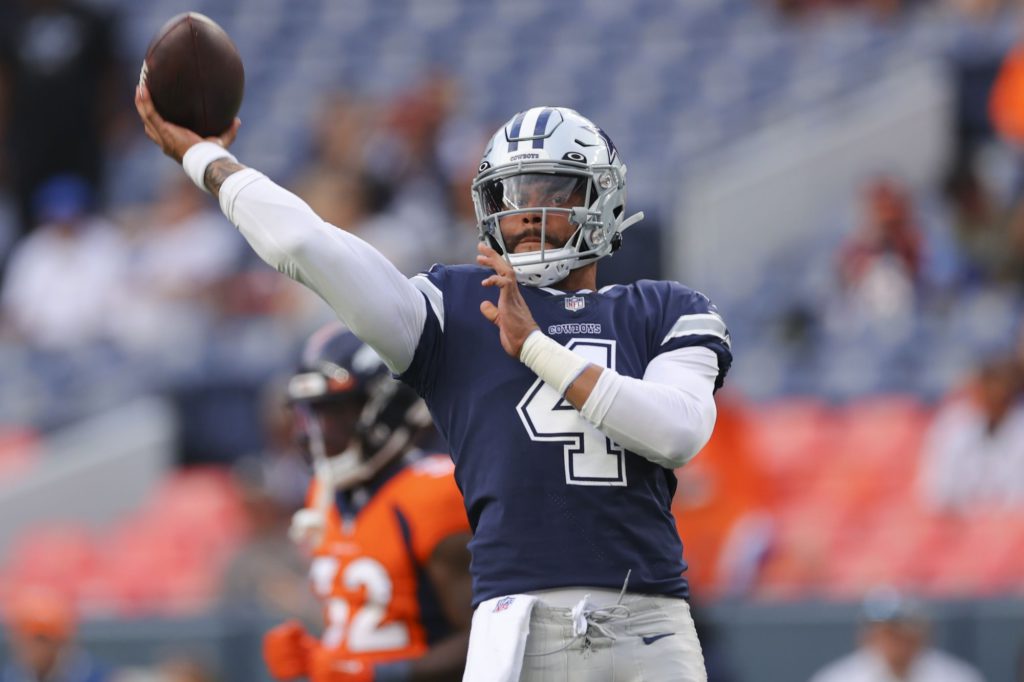
NFL’s Dak Prescott Signs Multiyear Deal With Blockchain.com

(Bloomberg) — Dallas Cowboys quarterback Dak Prescott has signed a multiyear endorsement deal with cryptocurrency firm Blockchain.com as the crypto industry boosts its presence in sports to lure more users.

As part of the agreement, the two-time Pro Bowler will appear in advertisements on television, radio and social media and will make appearances at events. Financial terms weren’t disclosed.

Crypto firms have signed numerous celebrities and athletes over the past year to pitch their brands, with high-profile spots including big names like Tom Brady, Matt Damon and LeBron James, but the industry has drastically cut spending on US TV ads since a crash in the crypto market earlier this year erased trillions of dollars in value. Even so, the deals keep coming.

Blockchain.com has an existing partnership with the Cowboys, the first of its kind in football, as the NFL loosened restrictions on franchises doing business with crypto companies. The league traditionally has been slow to allow new types of sponsors but has opened up to the sports gambling and spirits industries in recent years.

Chief Executive Officer Peter Smith said pro football, as the biggest sport in the US, is going to be crucial for the crypto industry as platforms battle for users. That’s why Blockchain.com signed on with the Cowboys, the league’s most valuable franchise.

“What’s interesting to me about the NFL is that crypto hasn’t really been a part of it at all yet,” Smith said. “It’s something we want to be first in.”

Blockchain.com has had its own woes following the market collapse. In July, it laid off about 25% of its staff, or about 150 people, mirroring cuts across many of the industry’s major players. The company was valued at $14 billion in a funding round in March. Smith said it spends a “very small amount” on marketing, relative to its budget.

Prescott, now entering his seventh season as a pro since the Cowboys drafted him in 2016, has had a range of endorsement deals with brands such as AB InBev NV’s Anheuser-Busch, Nike Inc.’s Jordan, Campbell Soup Co. and Apple Inc.’s Beats by Dre. He’s also made some investments in companies, including Walk-On’s sports bars and workout service OxeFit. 

More stories like this are available on bloomberg.com

©2022 Bloomberg L.P.

Close Bitnami banner
Bitnami