
Bloomberg

Stocks Extend Slide Before Key US Inflation Data: Markets Wrap

(Bloomberg) — Stocks fell in Asia on Wednesday following a Wall Street retreat and caution persisted ahead of US inflation data that will shape investor expectations for further Federal Reserve interest-rate hikes.

A gauge of Asian equities dropped for the second day, with technology stocks the biggest drag. Chinese shares wavered as traders evaluated slower-than-anticipated consumer and factory inflation in the world’s second-largest economy. 

US contracts fluctuated following a drop in the S&P 500 for a fourth session. Micron Technology Inc. became the latest chipmaker to warn about slowing demand, fanning economic concerns and spurring a slide in the technology-heavy Nasdaq 100.

Treasury yields and a dollar gauge were steady, crude oil traded at around $90 a barrel, and both gold and Bitcoin fell. 

The two-year Treasury rate exceeds the 10-year by nearly 50 basis points. The inversion, around deepest since 2000, is viewed as a sign of a looming recession under the Fed’s monetary-tightening campaign to curb inflation. 

A report Wednesday is expected to show headline US consumer-price inflation cooled but stayed elevated in July, while the core reading may have quickened on an annual basis. How the figures affect views on Fed tightening will be key for risk sentiment.

“The FOMC will need to make sure inflation moves back towards target sustainably before contemplating pausing its tightening cycle,” Carol Kong, a strategist at Commonwealth Bank of Australia, wrote in a note. “A strong inflation outcome today will likely reinforce the FOMC is still some way away from that point yet, and see markets readjust higher their expectations for US interest rates.”

Federal Reserve Bank of St. Louis President James Bullard said the Fed will be prepared to hold interest rates “higher for longer” should inflation continue to surprise to the upside.

The Fed “will be driving those short rates higher,” said Gary Schlossberg, a global strategist for Wells Fargo Investment Institute, on Bloomberg Television. “We will be seeing a deepening inversion and a full inversion of the Treasury yield curve.”

In China, consumer price inflation accelerated in July to 2.7%, the highest level in two years, but missed economists’ expectations. The producer price index climbed 4.2%, below the median forecast and down from June.

Elon Musk sold $6.9 billion of shares in Tesla Inc., the billionaire’s biggest sale on record, saying he needed cash in case he is forced to go ahead with his aborted deal to buy Twitter Inc.

Respected for decades for combining decent returns and relatively low volatility, the 60/40 portfolio has generated a 11.5% loss so far this year. Is it time to put the strategy to rest entirely or does it just need a tweak? Have your say in the anonymous MLIV Pulse survey.

What to watch this week:

  • US CPI data, Wednesday
  • Chicago Fed President Charles Evans and his Minneapolis counterpart Neel Kashkari due to speak, Wednesday
  • US PPI, initial jobless claims, Thursday
  • San Francisco Fed President Mary Daly is interviewed on Bloomberg Television, Thursday
  • Euro-area industrial production, Friday
  • US University of Michigan consumer sentiment, Friday

Some of the main moves in markets:

Stocks

  • S&P 500 futures were down 0.1% as of 12:35 p.m. in Tokyo. The S&P 500 fell 0.4%
  • Nasdaq 100 futures fell 0.1%. The Nasdaq 100 fell 1.2%
  • Japan’s Topix index lost 0.3%
  • South Korea’s Kospi index declined 0.8%
  • Hong Kong’s Hang Seng Index slid 2.1%
  • China’s Shanghai Composite Index fell 0.4%
  • Australia’s S&P/ASX 200 index was down 0.1%
  • Euro Stoxx 50 futures lost 0.3%

Currencies

  • The Bloomberg Dollar Spot Index was steady
  • The euro was at $1.0213
  • The Japanese yen was at 135.00 per dollar, up 0.1%
  • The offshore yuan was at 6.7605 per dollar, down 0.1%

Bonds

  • The yield on 10-year Treasuries advanced one basis point to 2.79%
  • Australia’s 10-year yield climbed two basis points to 3.21%

Commodities

  • West Texas Intermediate crude was at $90.15 a barrel, down 0.4%
  • Gold was at $1,792.13 an ounce, down 0.1%

More stories like this are available on bloomberg.com

©2022 Bloomberg L.P.

Elon Musk Sells $6.9 Billion of Tesla to Avoid Twitter Fire Sale

(Bloomberg) — Elon Musk sold $6.9 billion of his shares in Tesla Inc. the billionaire’s biggest sale on record, saying he needed cash in case he is forced to go ahead with his aborted deal to buy Twitter Inc.

“In the (hopefully unlikely) event that Twitter forces this deal to close *and* some equity partners don’t come through, it is important to avoid an emergency sale of Tesla stock,” Musk tweeted late Tuesday after the sales were disclosed in a series of regulatory filings. 

Asked by followers if he was done selling and would buy Tesla stock again if the $44 billion deal doesn’t close, Musk responded: “Yes.”

Tesla’s chief executive officer offloaded about 7.92 million shares on Aug. 5, according to the new filings. The sale comes just four months after the world’s richest person said he had no further plans to sell Tesla shares after disposing of $8.5 billion of stock in the wake of his initial offer to buy Twitter.  

Musk May Keep Selling Tesla, With or Without Twitter: MLIV Pulse

Musk last month said he was terminating the agreement to buy the social network where he has more than 102 million followers and take it private, claiming the company has made “misleading representations” over the number of spam bots on the service. Twitter has since sued to force Musk to consummate the deal, and a trial in the Delaware Chancery Court has been set for October. 

In May, Musk dropped plans to partially fund the purchase with a margin loan tied to his Tesla stake and increased the size of the equity component of the deal to $33.5 billion. He had previously announced that he secured $7.1 billion of equity commitments from investors including billionaire Larry Ellison, Sequoia Capital and Binance. 

“I’ll put the odds at 75% that he’s buying Twitter. I’m shocked,” said Gene Munster, a former technology analyst who’s now a managing partner at venture-capital firm Loup Ventures. “This is going to be a headwind for Tesla in the near term. In the long term, all that matters is deliveries and gross margin.”

At the weekend, Musk tweeted that if Twitter provided its method of sampling accounts to determine the number of bots and how they are confirmed to be real, “the deal should proceed on original terms.” 

Musk, 51, has now sold around $32 billion worth of stock in Tesla over the past 10 months. The disposals started in November after Musk, a prolific Twitter user, polled users of the platform on whether he should trim his stake. The purpose of the latest sales wasn’t immediately clear.  

Tesla shares have risen about 35% from recent lows reached in May, though are still down about 20% this year. 

With a $250.2 billion fortune, Musk is the world’s richest person, according to the Bloomberg Billionaires Index, but his wealth has fallen around $20 billion this year as Tesla shares declined.    

More stories like this are available on bloomberg.com

©2022 Bloomberg L.P.
SoftBank Buyout Talk Resurfaces After Record Loss Piques Market

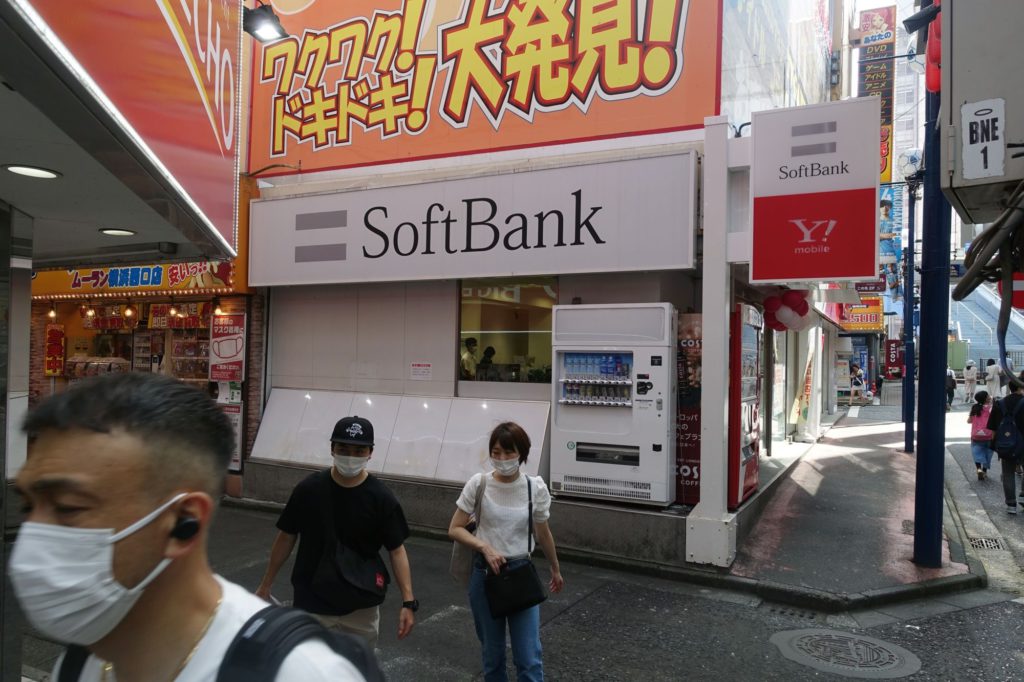
(Bloomberg) — Talk that SoftBank Group Corp. would be better off as a private company has re-surfaced after the Japanese investment powerhouse posted a record $23 billion loss.

SoftBank has evolved rapidly over the last ten years from a telecom company and strategic investor to the world’s biggest pool of tech capital. It’ll look even more like a pure investment house as it continues to buy back its own stock and sell or pare assets, including its stake in Alibaba Group Holding Ltd.

“There is little reason to be listed on the stock market,” SMBC Nikko analyst Satoru Kikuchi wrote. “We think changes in the very form of the company, for example an MBO, could be coming in the not-too-distant future.”

SoftBank founder Masayoshi Son — the company’s top shareholder with a near-28% stake as of end-March — has debated the idea of going private with his inner circle for at least five years. When SoftBank’s shares tumbled in 2020 at the outset of the coronavirus pandemic, he began conversations with advisers and lenders including Elliott Management Corp. and Abu Dhabi sovereign wealth fund Mubadala Investment Co., Bloomberg News has reported. 

That speculation evaporated after Son unveiled plans to sell about $43 billion in assets to pay down debt and buy back stock. The billionaire, who said in February 2020 he thought SoftBank was better off as a public company, is now focused on getting chip linchpin Arm Ltd. publicly listed, a landmark deal that could re-establish SoftBank’s credentials in the ailing global tech market.

Read more: SoftBank Pledges Sweeping Cost Cuts After $23.4 Billion Loss

The company has committed to a series of big buybacks in recent years to bolster its stock price. This week, it said it would buy up to 400 billion yen ($3 billion) of its own shares, on top of a program to buy back up to 1 trillion yen worth of its stock through September. Its stock price is down about 23% from a year ago, against a little-changed benchmark Topix index.

More stories like this are available on bloomberg.com

©2022 Bloomberg L.P.

Troubled Events Startup to Restructure After Sale Effort Fails

(Bloomberg) — Streetteam Software Ltd., the parent company of travel-and-events startup Pollen, is restructuring after attempts to find a buyer collapsed in the wake of its failure to pay vendors and employees.

“The management team have been in ongoing negotiations with a potential buyer for the parent company but have been unable to agree to terms in an appropriate time frame, leaving the board and shareholders agreeing the best option is to restructure the business,” Streetteam said Tuesday in a statement. The closely held London-based company said it hired Kroll LLC to “administer its restructuring.”

Goldman Sachs Group Inc. had been leading the effort to sell the company, according to an email from co-founder and Chief Executive Officer Callum Negus-Fancey to employees that was reviewed by Bloomberg. 

“I am sorry that I wasn’t able to close a deal in which we sold the business in its entirety and kept the whole company together,” Negus-Fancey wrote.

Streetteam has received bids for its consumer-facing subsidiary companies, including Pollen, but its college travel business will become independent from the destination travel and experiences unit, according to the email.

The startup, founded in 2014 by Negus-Fancey and his brother, Liam, works with promoters and music festivals such as Live Nation and Electric Zoo to provide curated experiences combining music, travel and other activities. A typical offering could be a four-day music festival in Malta headlined by American rapper 50 Cent, or a two-day wilderness experience in the Alps led by a former special-forces sniper.

The company attributed its woes to a number of factors, including Covid-19 restrictions in the countries it operates, the downturn global economic conditions and bearish sentiment among startup investors, which combined, “put too much pressure on the business whilst at a critical stage of a startup’s maturity,” according to the statement.

Negus-Fancey attributed the inability to find a buyer for the whole business to a drop in M&A activity, the economic environment and the company’s unprofitability not making it “a big enough priority to buy in this climate,” even by suitors who had previously offered more money.

Pollen has drawn the scorn of customers who have been jilted by canceled events and long wait times for refunds, when they come at all. Tuesday marked another failed event with the cancellation of Drumcode, a festival in Malta planned next month. 

“Over recent weeks it has become clear that Pollen’s arrangements for customers and venue safety, suitable staffing for financial management do not met the requirements of the high quality events we take pride in delivering,” the festival’s promoters wrote on Instagram, adding that a lack of communication from the company “left the delivery of the event compromised.” 

Pollen announced $150 million in new financing earlier this spring from investors such as Northzone and Lansdowne Partners. 

The company reported an operating loss of 51 million pounds ($62 million) on 48 million pounds of sales in 2021, compared with a loss of 39 million pounds the prior year, according to company reports. Meanwhile, operating expenses ballooned to more than 100 million pounds last year and the company owed 84 million pounds to creditors, the reports show.

More stories like this are available on bloomberg.com

©2022 Bloomberg L.P.

Facebook User’s Messages Bring Abortion Charges in Nebraska

(Bloomberg) — A Nebraska woman was charged with two felonies related to an illegal abortion after authorities discovered information about the pregnancy through private messages on Facebook Messenger, according to court documents. The case renewed debate about how law enforcement may use social media accounts in cases involving reproductive choices. 

The messages were collected from Facebook parent company Meta Platforms Inc. using a search warrant after investigators in June requested the woman’s personal information to determine whether she had committed other crimes, including concealing the death of another person.

The warrant from local law enforcement asked for data going back to April 15, including account information, images, audio and visual recordings, private messages and other data. The warrant didn’t mention abortion, but it was related to a series of alleged felonies including illegal burial of a stillborn baby. Police added charges alleging an illegal abortion weeks later, after information received from the social network suggested that the woman, Jessica Burgess, helped her 17-year-old daughter obtain abortion pills. The daughter was more than 20 weeks pregnant, making a termination of the pregnancy illegal in the state. Her daughter is also facing related charges.

In response to the case, Meta spokesman Andy Stone emphasized that the request from law enforcement didn’t discuss abortion. 

“The warrants concerned charges related to a criminal investigation and court documents indicate that police at the time were investigating the case of a stillborn baby who was burned and buried, not a decision to have an abortion,” he said in a series of tweets late Tuesday. “Both of these warrants were originally accompanied by nondisclosure orders, which prevented us from sharing any information about them. The orders have now been lifted.”

Though this case, in Norfolk, Nebraska, is particularly complicated, the incident struck a nerve with abortion-rights advocates who were already questioning how technology platforms plan to handle legal requests for users’ personal information, especially when it comes to private content related to reproductive health. The US Supreme Court’s June reversal of the landmark Roe v. Wade ruling has paved the way for a state-by-state patchwork of newly severe restrictions on abortion access and varying methods for enforcement, leaving technology companies subject to a variety of warrants and subpoenas from investigators looking for a digital trail a patient may have left while trying to access care. 

Web searches, instant messages, emails, geolocation data and conference calls may reveal discussions about ending a pregnancy or actual purchases or visits related to a termination. Even health data protected by the federal Health Insurance Portability and Accountability Act, or HIPAA, can be turned over if there’s a court order signed by a judge. 

In the Burgess case, information about the mother’s role in her daughter’s abortion appears to have been discovered as part of the investigation of other crimes, but still led to multiple criminal charges related to abortion.

So far, the biggest tech companies have declined to say how they might respond when police or courts demand data from them that could relate to the end of a pregnancy. In some cases, the patient, the care they seek, the company and the data itself may reside in different states with varying laws.

Alphabet Inc.’s Google, the most popular internet search engine, said last month it would automatically delete records of user visits to sensitive locations that many people would prefer remain private, including abortion clinics, fertility centers, addiction treatment facilities, weight loss clinics and counseling centers.

Details of the Burgess case were reported earlier by the Lincoln Journal Star and Vice.

(Updates with Meta’s response in fourth paragraph.)

More stories like this are available on bloomberg.com

©2022 Bloomberg L.P.

Crypto Hit by New Security Woes in Incident at DeFi Protocol

(Bloomberg) — Cryptocurrency exchange Curve Finance appeared to have been buffeted by a security incident on Tuesday, adding to a litany of recent breaches afflicting the digital-token sector.

Viewed as one of the most important projects in decentralized finance, Curve tweeted that an “issue has been found and reverted” after earlier warning against using its curve.fi website.

The exchange also retweeted a post suggesting attackers spirited away about $500,000 in stolen funds. Curve faulted a compromised nameserver — nameservers direct internet traffic to the right sites — and said an investigation is ongoing.

Tracker DeFi Llama estimates that $6 billion has been deposited in the Curve protocol, down from some $24 billion at the beginning of the year.

Curve said any contracts approved on its service in the past few hours should be revoked immediately.

This latest incident is likely to add to concerns about security vulnerabilities in the digital-token sector — the past few days alone saw a $190 million hack on crypto bridge Nomad and an attack on the Solana ecosystem.

(Updates with more on the incident in the fifth paragraph.)

More stories like this are available on bloomberg.com

©2022 Bloomberg L.P.
Robot Arms Are Replacing Shelf Stockers in Japan’s Stores

(Bloomberg) — Telexistence Inc. and FamilyMart Co. are rolling out a fleet of AI-driven robots to restock shelves in 300 convenience stores across Japan.

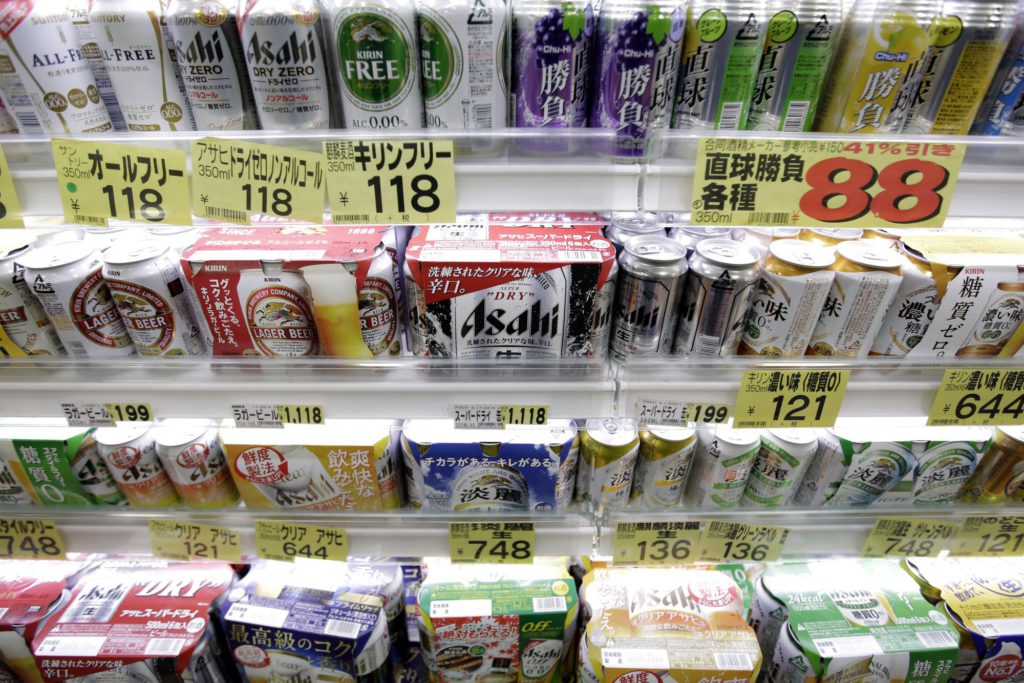
The robot arms are designed to replenish drinks in refrigerators and are now in mass production, Tokyo-based Telexistence said in a statement Wednesday. They’ll be installed in FamilyMart locations across major metropolitan areas later this month and help relieve store workers while also filling the void left by a shrinking workforce in the country.

Dubbed TX SCARA — standing for Selective Compliance Assembly Robot Arm — the machines are largely autonomous, with remote piloting as a fallback option should the artificial intelligence fail or encounter out-of-place items. Each unit can replace one to three hours of human work per day per store, Telexistence said.

“The decline in Japan’s labor population is one of the key management issues for FamilyMart to continue stable store operations,” said Tomohiro Kano, general manager at FamilyMart. “The newly created time can be reallocated to customer service and shop floor enhancement.”

FamilyMart will pay Telexistence a monthly fee for the robot’s labor, its maintenance and the support of remote workers who can pilot the arm using a virtual reality headset when needed. The bots can work without human assistance 98% of the time, Telexistence said.

US tech giants Microsoft Corp. and Nvidia Corp. collaborated with Telexistence on the development and technology of the bots. The SCARA arms use Nvidia’s Jetson AI platform to process information and Microsoft’s Azure cloud infrastructure to record and reference sales data to optimize restocking tasks.

FamilyMart has 16,000 convenience stores, known as conbini in Japan, across its domestic market, but Telexistence and Microsoft both say they want to deliver the technology on a global scale. Telexistence will next target the more than 150,000 convenience stores across the US to expand abroad.

More stories like this are available on bloomberg.com

©2022 Bloomberg L.P.
Micron Is Slowing Hiring But Plans to Steer Clear of Job Cuts

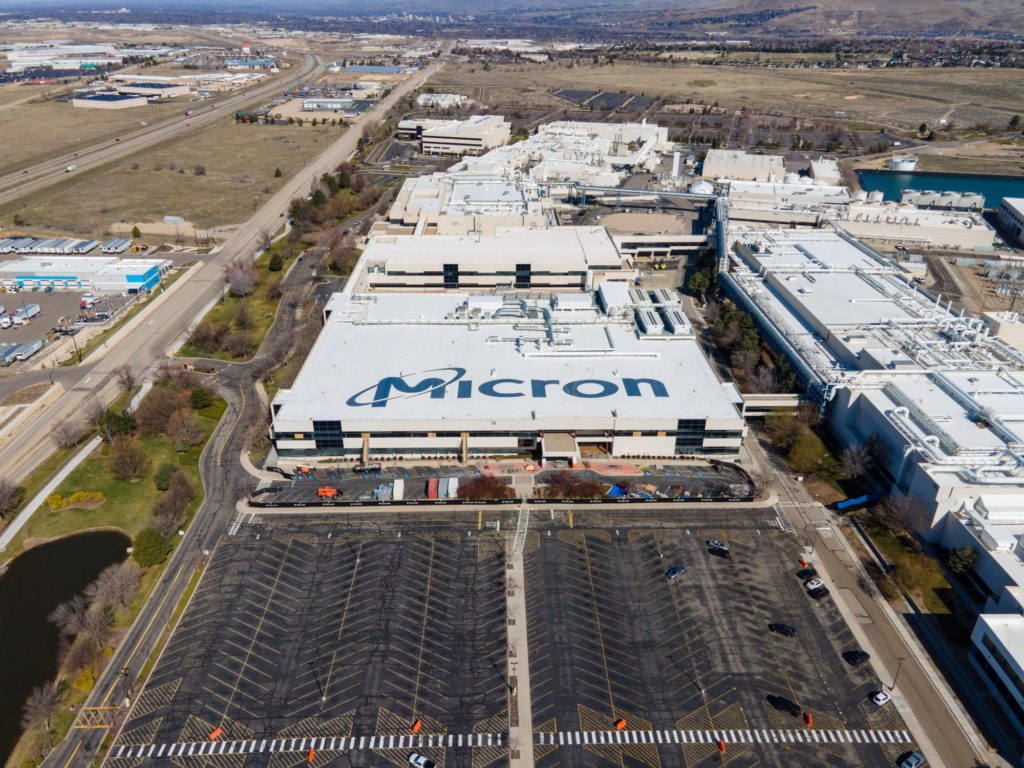
(Bloomberg) — Micron Technology Inc. plans to slow hiring as it copes with a sudden drop in chip demand, but the company joined peers such as Intel Corp. and Nvidia Corp. in deciding that major job cuts aren’t yet necessary. 

The memory-chip maker has no plans to reduce its headcount and won’t be making large-scale layoffs, according to a person familiar with the situation. The assurances come at a time when Micron is cutting its forecast and dealing with a build-up of inventory. The company said earlier Tuesday that fourth-quarter sales are expected to be at the low end of or below its previous guidance.

In a typical downturn, chip companies have relied on layoffs to cope with sluggish results. But the industry just lobbied for passage of the Chips and Science Act, a landmark federal bill that will pump $52 billion into domestic semiconductor production. That’s made it an especially difficult for chip companies to be seen cutting jobs.

Intel assured employees at an all-hands meeting last week that it wouldn’t be eliminating positions across the company. Nvidia made similar assurances this week after warning that revenue was more than $1 billion short of what it expected last quarter. 

In an internal memo, Nvidia Chief Executive Officer Jensen Huang said the company would steer clear of cuts and even give out raises to help employees deal with inflation. He said he remains confident in the opportunities for the chipmaker’s technology, according to the memo. 

Representatives of Intel, Micron and Nvidia declined to comment. Insider previously reported on the Nvidia memo. 

The mood of the industry has darkened considerably since the start of the year, when many executives still believed the chip business was in the early stages of an uninterrupted expansion. With semiconductors going into a wider range of products — from cars to smart appliances — the hope was the industry could rocket toward $1 trillion a year. But then demand in key markets such as personal computers and smartphones began slipping. 

Holding onto workers, particularly engineers, could signal that chip executives are still confident in the industry’s growth prospects. The current slump is seen as an “inventory correction” — a slowdown caused by customers working through their inventory — rather than a more fundamental problem. 

But analysts aren’t optimistic.

“We continue to believe we are entering the worst semiconductor downturn in at least a decade, and possibly since 2001,” Christopher Danely, a Citigroup Inc. analyst, said in report Tuesday. He expects “every end market to experience a correction.”

More stories like this are available on bloomberg.com

©2022 Bloomberg L.P.
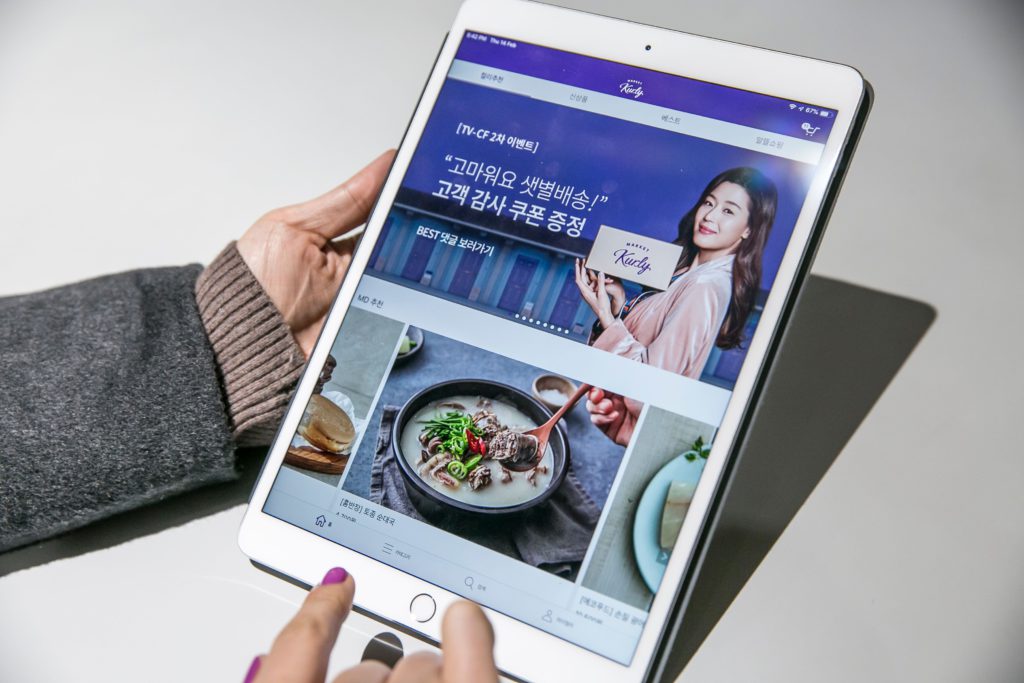
Alibaba Helps Korean Grocery Pioneer Take K-Food to Singapore

(Bloomberg) — Market Kurly became South Korea’s first billion-dollar online grocery app by delivering fresh produce to customers’ doorsteps by dawn the next day. Now it’s expanding to Singapore by offering products on Alibaba Group Holding Ltd.’s RedMart.

Singaporeans will be able to buy Market Kurly’s ready-to-cook and ready-to-eat meals from Wednesday via the app, owned by Alibaba unit Lazada. They include frozen snacks and Korean-style cold soba from Gwanghwamun Mijin, a storied decades-old restaurant in Seoul. The initial launch of 44 products will be gradually expanded to chilled food and possibly non-food daily products in the future, Market Kurly Chief Executive Officer Sophie Kim said.  

“Singapore is a melting pot of culture and food,” Kim told Bloomberg News. Lazada and RedMart’s “nationwide reach allows us to tap their expertise and skills, and the ability for us to use that data for future product roll-outs.”

The move marks the first overseas push for the seven-year-old startup, which is preparing for an initial public offering at home. The company has attracted a total of nearly 1 trillion won ($767 million) in fundraising ahead of the debut, Bloomberg News has reported. Its backers include Millennium Management, Sequoia Capital China and Hillhouse Capital, according to a previous statement.

Read more: Goldman Alum’s Grocery App Said to Seek $1 Billion Korea IPO 

More stories like this are available on bloomberg.com

©2022 Bloomberg L.P.
Unity-IronSource Deal Threatened by $20 Billion AppLovin Bid

(Bloomberg) — AppLovin Corp. made an unsolicited proposal to merge with Unity Software Inc. in an all-stock deal valued at $20 billion, potentially upending Unity’s plan to buy a competitor.

AppLovin, which markets software platforms for app developers to help them find customers and bring in revenue, is offering gaming platform Unity an alternative to its recently announced $4.4 billion deal to buy IronSource. The deal proposed Tuesday is structured as a takeover that allows Unity to run the combined company. 

Unity, whose software underpins many of the most popular video games, agreed last month to buy AppLovin rival IronSource to boost its advertising technology, which has suffered under changes to data tracking by Apple Inc. The merger proposed by AppLovin would be contingent on Unity canceling its agreement with IronSource, according to a statement. 

AppLovin, whose shares are down 62% this year, is seeking to capitalize on the growing demand for three-dimensional gaming, which is a specialty of Unity. The Palo Alto, California-based company proposes that Unity Chief Executive Officer John Riccitiello would be head of the combined business and AppLovin’s CEO Adam Foroughi become chief operating officer.

“We believe that together, AppLovin and Unity create a market leading business that has tremendous growth,” Foroughi said in the statement.

AppLovin shares fell as much as 16% on Tuesday in New York. As of mid-morning, the stock was down to about $36, putting it’s current offer while Unity gained 1.9%. IronSource tumbled 10%. 

Riccitiello, speaking on a conference call after Unity released its results Tuesday, acknowledged that AppLovin’s proposal was received, but declined further comment.

“Given its proposed deal for IronSource, we believe it’s unlikely for Unity Software to accept a seemingly hostile bid from AppLovin,” said Bloomberg Intelligence analyst Mandeep Singh. “A merger between AppLovin and Unity could help increase their first-party data to offset headwinds from Apple’s privacy changes, yet there will likely be a high overlap between IronSource and AppLovin’s ad-tech platforms, and the combined company may have to carry out a large restructuring down the line to cut costs.”

Backed by Sequoia and Silver Lake Partners, Unity hasn’t been immune to the economic forces roiling the broader tech sector and gaming in particular. The industry is seeing a post-pandemic slump as people return to the office and other activities, while there has been a dearth of major new gaming titles this year and new consoles from PlayStation and Xbox have been hard to get due to ongoing supply chain issues. This year has also seen some of the largest video game deals and there are more likely on the way. 

Unity’s advertising and monetization products have been under pressure ever since Apple made it harder for companies to track ad views across mobile devices. In July Unity lowered its annual revenue forecast and its stock is down more than 63% this year. In addition to the dismal earnings report, Unity last month announced plans to cut 4% of its 5,900 employees internationally. IronSource, which competes with AppLovin, provides ad technology and gives game developers tools to find customers, make their games stickier, and earn money faster. 

In July, Riccitiello used harsh words to criticize developers who didn’t begin planning their games with monetization in mind, prompting a severe backlash and forcing him to apologize. 

Riccitiello has led Unity since October 2014. Before that, he was an executive at Electronic Arts Inc., where he was CEO from 2007 to 2013, overseeing a shaky, transformative era for the video game publisher that saw shares fall from a high of $60 at the end of 2007 to $11 in mid- 2012. Under Riccitiello, EA acquired the mobile developer PopCap Games, struck a 10-year deal with Walt Disney Co. for exclusivity to Star Wars console games and launched a digital PC store called Origin that failed to get much market traction. Riccitiello stepped down in March 2013, shortly after the disastrous release of a rebooted SimCity that was criticized for bugs and online failures.

A co-founder of the private equity fund Elevation Partners alongside U2 singer Bono, Riccitiello was also the subject of a lawsuit in 2019 from a former Unity vice president, who accused him of sexual harassment and characterized the company’s culture as “highly sexualized.” Riccitiello and Unity denied the allegations. 

AppLovin is offering $58.85 a share for the gaming technology platform, an 18% premium to Monday’s closing share price. According to terms of the offer, each share of Unity common stock would be exchanged for 1.152 shares of AppLovin Class A voting common stock and 0.314 shares of a newly created non-voting Class C stock. Unity shareholders would control 55% of the combined company and 49% of the voting rights. 

The proposal would allow for AppLovin’s Class B shares, which KKR owns a chunk of, to be converted to Class A shares.

The combination of AppLovin and Unity would generate estimated adjusted earnings before interest, tax, depreciation and amortization of more than $3 billion by the end of 2024, “and would be in the best interest of shareholders of both companies,” Foroughi said in the statement. 

AppLovin is being advised by JPMorgan Chase & Co. and Wilson Sonsini Goodrich & Rosati.

(Updates with comment from CEO in the seventh paragraph.)

More stories like this are available on bloomberg.com

©2022 Bloomberg L.P.

Close Bitnami banner
Bitnami
