
Bloomberg

AsiaInfo’s Largest Shareholder Weighing Sale of Stake, Sources Say

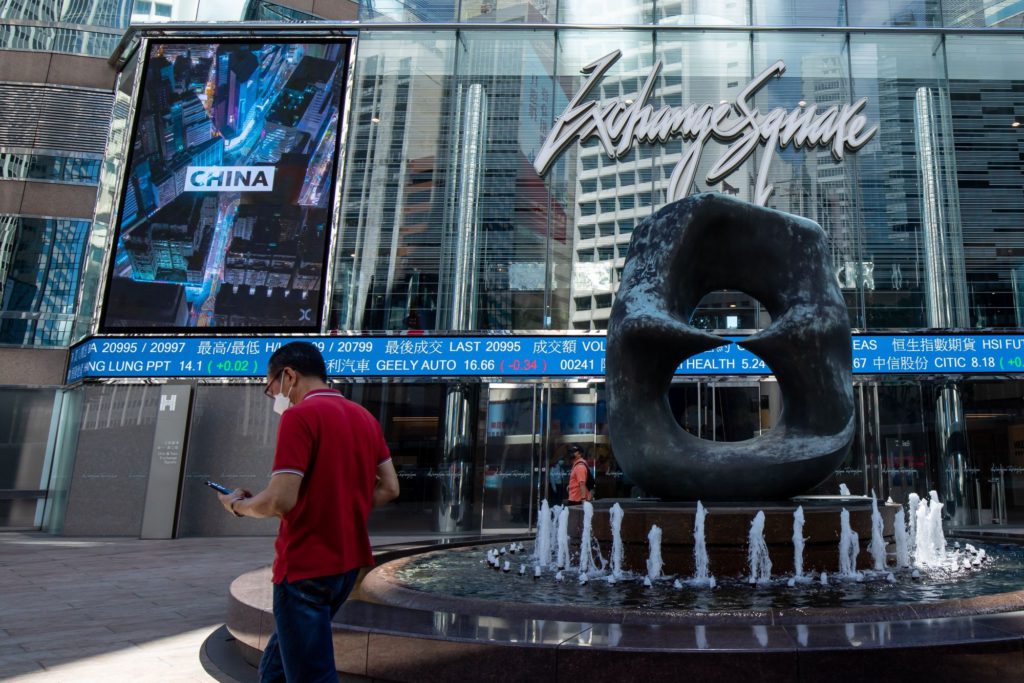
(Bloomberg) — Trustar Capital, a Chinese private equity firm, is considering selling its stake in telecommunications software and IT services provider AsiaInfo Technologies Ltd., according to people familiar with the matter.

The affiliate of Citic Capital Holdings Ltd. is working with advisers on a possible divestment of its holding in Hong Kong-listed AsiaInfo, the people said, asking not to be identified as the information is private. Trustar is AsiaInfo’s biggest shareholder, controlling 23.1% of the Beijing-based company’s shares, its latest annual report shows.

Trustar’s stake in AsiaInfo has attracted interest from potential suitors, the people said. A buyer of the private equity firm’s shares could make a bid for the whole company and relist it in China, one of the people said.

Discussions are at an early stage and the private equity firm could decide not to sell, the people said. A representative for Trustar declined to comment. AsiaInfo said the company will disclose information in a timely manner in accordance with regulations, and declined to comment further.

AsiaInfo has a market value of around HK$11.4 billion ($1.5 billion) as of Monday’s close in Hong Kong, giving Trustar’s stake a value of about $331 million, according to Bloomberg calculations. The company was taken private by Trustar, then called Citic Capital Partners, and delisted from the Nasdaq in 2014, according to AsiaInfo’s website. It raised $119 million in a Hong Kong initial public offering in 2018.

Established in 1993, AsiaInfo offers telecom software products and related services, the website shows. The company provides integrated cloud and network management services, including customer relationship management, billing and accounting, big data, Internet of Things and 5G network intelligence products.

AsiaInfo reported revenue of about 3.1 billion yuan ($459 million) in the first six months of this year, 14.5% higher than the same period in 2021. The company reported net income of 192 million yuan in the first half, a decline of 31% from the year before.

(Updates with company response in fourth pararaph and half-year earnings in last paragraph.)

More stories like this are available on bloomberg.com

©2022 Bloomberg L.P.
Crypto Mixer Tornado Cash’s Accounts Are Disabled After US Sanctions

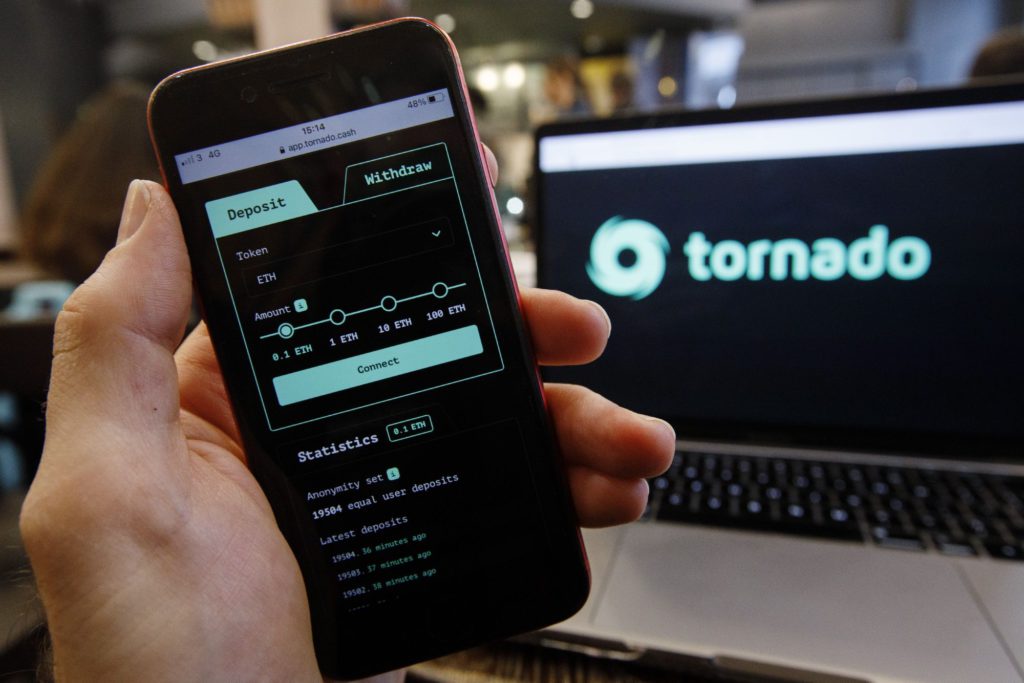
(Bloomberg) — After the US Treasury Department said it had barred American companies and individuals from using a so-called crypto mixer known as Tornado Cash, fans of the service rallied in support of the founders of the popular protocol. Tornado Cash allowed users to obfuscate their crypto transactions; the Treasury alleged that North Korean hackers and other entities had relied on it to launder illicit gains totaling more than $7 billion.

But within hours, those fans (and critics) were reacting to something else: the erasure of accounts and websites linked to Tornado Cash from the internet. 

A GitHub account that previously hosted code related to Tornado Cash returned a “page not found” error, as did the website linked to the project. Emails to the Tornado Cash founders bounced back with the message, “The email account that you tried to reach is disabled.” GitHub, owned by Microsoft, is a way for developers to collaborate on software projects.  

Read more: Crypto Mixer Tornado Cash Sanctioned by US Treasury Department

In an emailed statement, a GitHub spokesperson said that trade laws require GitHub to “restrict users and customers identified as Specially Designated Nationals (SDNs) or other denied or blocked parties, or that may be using GitHub on behalf of blocked parties.”

“We examine government sanctions thoroughly to be certain that users and customers are not impacted beyond what is required by law,” they added.

Google, which was listed as the domain registrar for the Tornado Cash website, did not return a request for comment. 

Tornado Cash co-founder Roman Semenov tweeted that his GitHub account had been suspended. “Is writing an open source code illegal now?” he asked in the tweet about the suspension. Other influential crypto personalities echoed that sentiment. “If software isn’t safe then speech isn’t,” Ryan Sean Adams, who writes a newsletter about crypto with tens of thousands of paid subscribers, said in a tweet posted after the suspensions. 

Other users posted links they described as mirrors of the code originally hosted on GitHub, and to backup versions of the Tornado Cash website itself. Tom Robinson, co-founder of blockchain analytics firm Elliptic, said the suspensions wouldn’t stop the mixer from operating. “The Tornado Cash smart contacts have been deployed on blockchain such as Ethereum and anyone with a wallet is free to use them,” he told Bloomberg News in an emailed statement.

Part of the appeal of cryptocurrency to its users is the supposed ability to evade government censorship and restrictions. This resilience has been tested by bans in countries like China, by the crackdown on ransomware funded by crypto, and by recent sanctions related to Russia. Following Russia’s invasion of Ukraine in February, the US and its allies worked to cut off crypto as a sanctions workaround in response to warnings from regulators and officials. 

Read more: Russian Crypto Trading Falls Even as Doubts Persist on Sanctions

(Adds comment from GitHub)

More stories like this are available on bloomberg.com

©2022 Bloomberg L.P.
‘Bullet Train’ Overcomes Mixed Reviews to Top Box Office

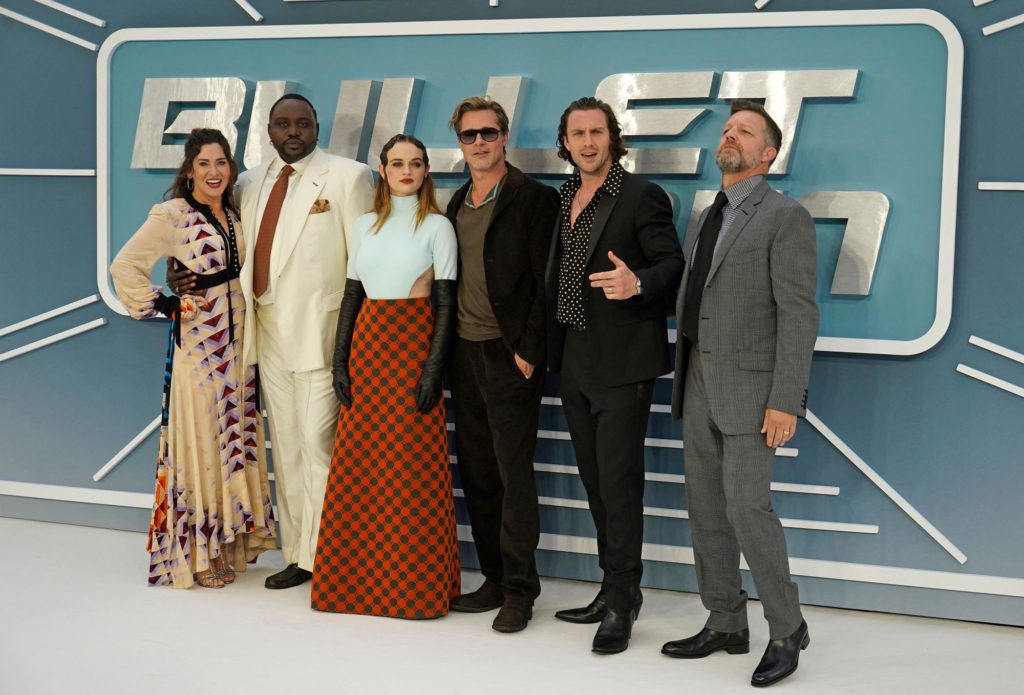
(Bloomberg) — “Bullet Train,” a Sony Group thriller starring Brad Pitt, overcame little competition to top the North American box office this weekend.

  • The movie made $30 million across 4,357 domestic locations, researcher Comscore Inc. said Monday. That’s in line with the $27 million to $36 million forecast from Box Office Pro and the $30 million estimate from Sony.
  • Combined ticket sales from the top 10 movies, which make up the bulk of the weekend market, continued to slide, declining 6.3% to $89 million from a week earlier. Adam Aron, chief executive officer of AMC Entertainment Holdings Inc., said on an earnings call Aug. 4 that business will be slow until October due to a “dearth of big new movie titles” in August and September.

Key Insights

  • “Bullet Train” follows Ladybug, an assassin played by Pitt, as he carries out a mission on a high-speed train. The movie has received mixed reviews, with a 53% critical approval rating on Rotten Tomatoes. The movie cost $90 million to make, according to Sony.
  • Men ages 18 to 45 likely gave ticket sales a boost, according to Box Office Pro’s chief analyst Shawn Robbins. Studios have had a relatively easy time luring male audiences back to theaters after pandemic-related closures with films including “Spider-Man: No Way Home” and “Top Gun: Maverick.” Movies aimed at kids have had a more mixed sales record during the past two years, while older women have mostly skipped releases marketed toward them.
  • “Easter Sunday,” a Universal Pictures comedy that was the only other new movie to open in wide release this weekend, sold $5.45 million in domestic tickets, Comscore said. Box Office Pro forecast it would make $4 million to $8 million.

Get More

  • See the schedule for upcoming releases.
  • See Box Office Pro’s long-range forecast.

(Updates with final box office data starting in first bullet.)

More stories like this are available on bloomberg.com

©2022 Bloomberg L.P.
Australia to Explore Case for Central Bank Digital Currency

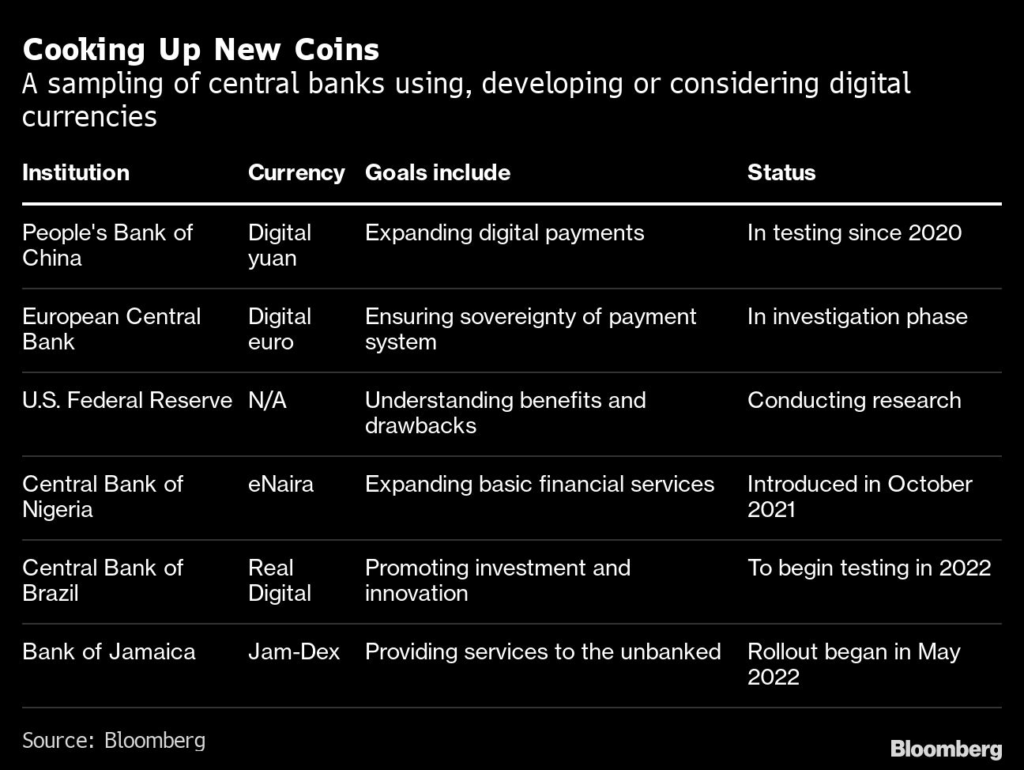
(Bloomberg) — Australia’s top economic agencies are collaborating on a project to review the case for a central bank digital currency in the country.

The Reserve Bank of Australia, Treasury and others will oversee the research effort designed to explore the potential economic benefits of introducing such a currency in Australia, the RBA said in a statement Tuesday. The project is expected to run for about a year.

Central banks worldwide are acting swiftly to ensure they don’t fall behind as money edges toward its biggest reinvention in centuries with alternative concepts like cryptocurrencies taking hold. That new technology, as well as events like the coronavirus pandemic, are among forces pushing consumers to go cashless. 

A paper will be published in the next few months that will explain the objectives and approach of the project in more detail, the RBA said.

Deputy Governor Michele Bullock said the work “is an important next step in our research on CBDC. We are looking forward to engaging with a wide range of industry participants to better understand the potential benefits a CBDC could bring to Australia.” 

The central bank reiterated the research comes in the context of Australia already having “relatively modern and well-functioning payment and settlement systems.” 

The RBA is collaborating with the Digital Finance Cooperative Research Centre in the project, while Treasury is participating as a member of the steering committee. The work will involve development of a “limited-scale pilot that will operate in a ringfenced environment for a period of time.”  

Interested industry participants will be invited to develop specific use cases that demonstrate how the digital currency could be used to provide innovative and value-added payment and settlement services to households and businesses, the RBA added. 

A report on the findings, including an assessment of the various use cases developed, will be published at the conclusion. 

The Digital Finance Cooperative Research Centre is a 10-year, A$180 million ($126 million) research program funded by industry, universities and the Australian government.

More stories like this are available on bloomberg.com

©2022 Bloomberg L.P.

Canoo to Outsource Production of Its First Electric Vans for Walmart

(Bloomberg) — Canoo Inc. will use a third party to build its first electric delivery vans for Walmart Inc., a change from previous plans to begin assembly at the startup’s factory in Bentonville, Arkansas, by the end of this year. 

The fledgling EV company, which scored a big win by reaching a deal with Walmart last month, will use an unspecified contractor for initial output of its debut EV by year’s end, Tony Aquila, Canoo’s chief executive officer, said Monday on a call with analysts. 

Canoo announced in July that Walmart had placed an order for at least 4,500 battery-powered vans, with the option to purchase up to 10,000. Aquila said deliveries to Walmart are on track to start in the first quarter of 2023.

Read more: Walmart Orders 4,500 Vans From Struggling EV Startup Canoo 

The company previously said it would assemble its own vehicles at a small facility in Bentonville — where Walmart is headquartered — while it works on building a dedicated production facility in Pryor, Oklahoma.

In a filing late Monday, Canoo signaled that it has a lot riding on the success of the agreement with Walmart.

“We expect that a substantial portion of our initial revenue will be from one customer,” the company said. “If we are unable to maintain this relationship, or if Walmart purchases significantly fewer vehicles than we currently anticipate or none at all, our business, prospects, financial condition, results of operations, and cash flows could be materially and adversely affected.”

The decision follows a failed 2021 deal with Dutch outfit VDL Nedcar BV to build Canoo’s electric vans. That agreement fell apart near the end of last year.

More stories like this are available on bloomberg.com

©2022 Bloomberg L.P.
Take-Two Shares Drop After Annual Profit Forecast Misses Estimates

(Bloomberg) — Take-Two Interactive Software Inc. missed analysts’ estimates for annual profit after incorporating results from its purchase of mobile-game maker Zynga earlier this year. The shares fell about 4% in extended trading. 

Adjusted earnings per share in fiscal 2023 will be $4.60 to $4.85, the company said, lower than analysts’ average projection for $5.37. 

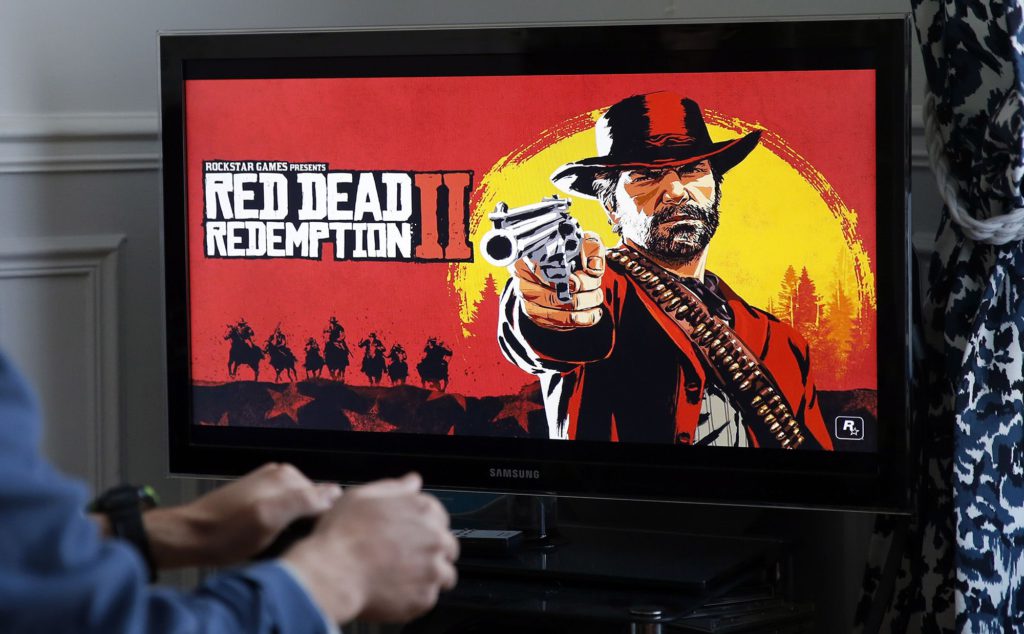
In May, Take-Two completed its $11 billion acquisition of Zynga, allowing the company to break into the fast-growing market for smartphone games. The deal merges the creator of best-selling PC and console games such as Bioshock and Red Dead Redemption with the maker of FarmVille, which flourished years ago on Facebook.

Incorporating results from Zynga for the first time, Take-Two revised its outlook for fiscal year 2023, and said it expects net bookings of $5.8 billion to $5.9 billion. That beat analysts’ average estimate for $5.42 billion. 

“We are seeing some softness in the mobile market,” Chief Executive Officer Strauss Zelnick said Monday in a conference call after the results. Yet, he added, the company is “doing better than most, if not all” in the mobile games market.

Many mobile games are free-to-play and rely on in-game purchases, called microtransactions, to generate revenue, as opposed to console games, which often require an upfront cost. Amid concerns about a recession, some gamers may be opting to spend less, Strauss said.

“If you are feeling the pinch of inflation, specifically with regard to non-discretionary expenditures like fuel and food, you can imagine that if you’re playing a game, you might choose to spend a bit less or spend a bit less frequently,” he said. 

The shares fell to a low of $113.04 in extended trading after closing at $125.51 in New York. The stock has dropped 29% this year.

After a surge in consumer spending and hours played on video games over the pandemic, the industry is struggling to keep players’ interest, especially with rising prices, supply chain issues that are making new consoles hard to come by and a dearth of major new titles on the market. Nvidia Corp., which makes graphics chips for the gaming industry, earlier Monday reported revenue far below its earlier projections, citing “macroeconomic conditions” that it expects to continue. Most of the major gaming companies have reported falling sales or weaker outlooks this year, from PlayStation maker Sony Group Corp. to Microsoft Corp., which sells the Xbox console. Last week, Electronic Arts Inc. gave a forecast for revenue in the current quarter that fell short of analysts’ estimates. 

New York-based Take-Two is the parent company of several video-game labels, including Rockstar Games and 2K. Its biggest hits include the NBA 2K series and Grand Theft Auto V, which has sold nearly 170 million copies and is one of the most lucrative properties in entertainment history. The next installment in the series has been in development in some form since 2014 and people familiar with the project have said they expect the game to be at least two years away. 

Read more about Take-Two’s efforts to remake its Rockstar Studio and Grand Theft Auto VI

Changes in Take-Two’s game production pipeline were “the most meaningful to changes in the guidance,” Chief Financial Officer Lainie Goldstein said during the call. Marvel’s Midnight Suns has been delayed for a second time into 2023, the company announced today. Six announced titles will release next year, as well as an unannounced title, which Goldstein says also impacted the forecast. 

In the spring, Take-Two subsidiary Hanger 13, known for the Mafia series, cut jobs, Bloomberg reported. 

In its earnings report, Take-Two said new titles WWE 2K22 and NBA 2K22 performed well. NBA 2K22 sold 12 million units since its September 2021 release, outselling the prior version of the popular basketball game. 

Adjusted revenue, also known as bookings, which exclude deferred revenue and other adjustments, rose 41% to $1 billion in the period that ended June 30, the company said in a statement on Monday. Analysts had projected $984.1 million on average, according to data compiled by Bloomberg. In the current period, Take-Two said it expects adjusted revenue of $1.5 to $1.55 billion, above analysts’ estimates of $1.51 billion. Recurrent consumer spending rose 48% in the period and accounted for 73% of Take-Two’s net bookings–in part because of in-app purchases from Zynga’s game portfolio.

(Updates with CEO comments beginning in the fifth paragraph.)

More stories like this are available on bloomberg.com

©2022 Bloomberg L.P.
SoFi Shares Fall After SoftBank Says It Will Sell All or Part of Stake

(Bloomberg) — SoftBank Group Corp. is selling at least part of its 9% stake in SoFi Technologies Inc., part of a sweeping effort at the Japanese conglomerate to reduce costs and stem losses in the valuation of its technology-focused Vision Fund investment portfolio.

SoftBank sold about 5.4 million SoFi shares at a weighted average price of $7.99 on Aug. 5, according to a Monday filing with the US Securities and Exchange Commission. It sold an additional 6.7 million shares, at an average price of $8.17, on Monday. A subsidiary of SoftBank owned 83.2 million shares of SoFi as of June 30, according to the filing. 

SoFi shares, which have declined 50% this year, dropped 3.5% in extended trading on the news. The financial technology company’s stock was little changed at $7.98 in New York trading.

SoftBank Chairman and Chief Executive Officer Masayoshi Son earlier Monday said he plans widespread cost cutting at his Tokyo-based company and the Vision Fund, following a record 3.16 trillion yen ($23.4 billion) loss. The Vision Fund has been hammered by a selloff in global technology stocks this year, and SoftBank also reported a $6.1 billion foreign exchange loss because of the weaker yen.

SoftBank’s Vision Fund, the world’s biggest technology investment vehicle, holds large stakes in hundreds of unlisted technology startups. But low valuations have been draining SoftBank’s ability to turn public listings of its portfolio companies into liquidity to fuel further big bets. Among the holdings marked down in value in the Vision Fund were Coupang Inc., SenseTime Group Ltd. and DoorDash Inc. 

The fund was also hit by drops at AutoStore Holdings and WeWork. SoftBank exited its holding in Uber Technologies Inc., the US ride-hailing giant that was supposed to be a star in its portfolio. 

(Updates with details from filing in second paragraph.)

More stories like this are available on bloomberg.com

©2022 Bloomberg L.P.
S&P 500 Finishes Lower After Wiping Out 1% Rally: Markets Wrap

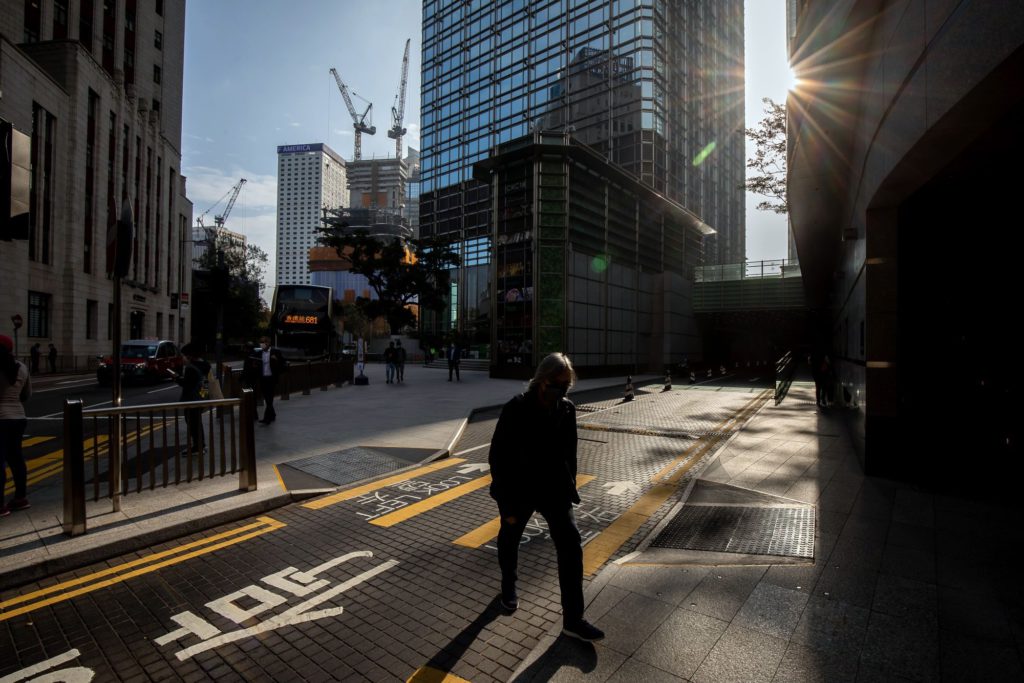
(Bloomberg) — Stocks failed to hold onto gains, with a gloomy forecast from Nvidia Corp. weighing on technology shares and traders awaiting inflation data for clues on the pace of Federal Reserve rate hikes.

The S&P 500 erased a rally that reached 1% earlier in the day, while the Nasdaq 100 underperformed after an advance that briefly drove the tech-heavy gauge 20% above its June low. Nvidia tumbled almost 6.5%, dragging down chipmakers. Treasuries climbed.

Mounting risks to growth have sparked earnings downgrades, with prominent Wall Street voices warning that cuts are only set to ramp up after gross domestic product shrank for a second straight quarter. Meantime, Friday’s blowout jobs report spurred JPMorgan Chase & Co. and Evercore ISI to say bigger rate hikes are in store this year while Citigroup Inc. sees a risk of a 1 percentage-point boost in September.

“The economy still has to digest all this tightening, and that will materially slow things,” wrote Tom Essaye, a former Merrill Lynch trader who founded The Sevens Report newsletter. “That hasn’t even really started to occur yet, so celebrating the resilience of earnings and economic data when we’re still in an expanding economy (regardless of the GDP prints) seems to be the equivalent of a coach declaring victory because the game plan should work.”

Investors should modestly trim stock holdings and shift the money to commodities after equities outpaced other assets amid receding recession fears, according to JPMorgan strategists led by Marko Kolanovic. That doesn’t mean they expect stocks will fall. In fact, they see equities rising through year-end, bolstered by robust corporate earnings.

Morgan Stanley’s Mike Wilson, who correctly predicted this year’s equity selloff, called the recent rebound a “bear-market rally” amid growing fears of a recession. While he believes inflation has peaked and “will probably fall faster than the market currently expects,” that still doesn’t bode well for stocks as it’ll reduce operating leverage and weigh on earnings, he said.

As equities climbed last week, global hedge funds unwound risky bets — highlighting a sentiment gap between professional speculators displaying a risk-off mood and price action in the stock market.

“Countertrend rallies are characteristic of secular bear-market downtrends, and from that perspective, 2022 has been remarkably similar to previous bear markets in history,” said Seema Shah, chief global strategist at Principal Global Investors. “Until inflation abates and the Federal Reserve rebalances its priorities away from inflation and toward growth, tempting rallies are likely to remain unsustainable.”

Consumer expectations for US inflation over the coming years declined sharply in the latest survey by the Fed Bank of New York, with a recent drop in gasoline prices playing a big part in those results and likely contributing to a lower headline rate of inflation for July when the Labor Department releases the data on Wednesday. Still, almost all inflation measures are running well above the Fed’s 2% target.

In other corporate news, Tesla Inc. joined gains in electric-vehicle firms after the US Senate passed a key tax, climate and health-care bill. Retail traders who lurk in forums like Reddit’s WallStreetBets are back to betting against Wall Street pros as rallies for meme stocks like Bed Bath & Beyond Inc. and AMC Entertainment Holdings Inc. show shades of last year’s mania.

What to watch this week:

  • US CPI data, Wednesday
  • Chicago Fed President Charles Evans and his Minneapolis counterpart Neel Kashkari due to speak, Wednesday
  • US PPI, initial jobless claims, Thursday
  • San Francisco Fed President Mary Daly is interviewed on Bloomberg Television, Thursday
  • Euro-area industrial production, Friday
  • US University of Michigan consumer sentiment, Friday

Some of the main moves in markets:

Stocks

  • The S&P 500 fell 0.1% as of 4 p.m. New York time
  • The Nasdaq 100 fell 0.4%
  • The Dow Jones Industrial Average was little changed
  • The MSCI World index rose 0.1%

Currencies

  • The Bloomberg Dollar Spot Index fell 0.2%
  • The euro rose 0.1% to $1.0194
  • The British pound was little changed at $1.2081
  • The Japanese yen was little changed at 135.06 per dollar

Bonds

  • The yield on 10-year Treasuries declined seven basis points to 2.76%
  • Germany’s 10-year yield declined six basis points to 0.90%
  • Britain’s 10-year yield declined 10 basis points to 1.95%

Commodities

  • West Texas Intermediate crude rose 1.7% to $90.54 a barrel
  • Gold futures rose 0.8% to $1,805.40 an ounce

More stories like this are available on bloomberg.com

©2022 Bloomberg L.P.
Whole Foods Co-Founder Is Building Chain of Cafes, Wellness Centers

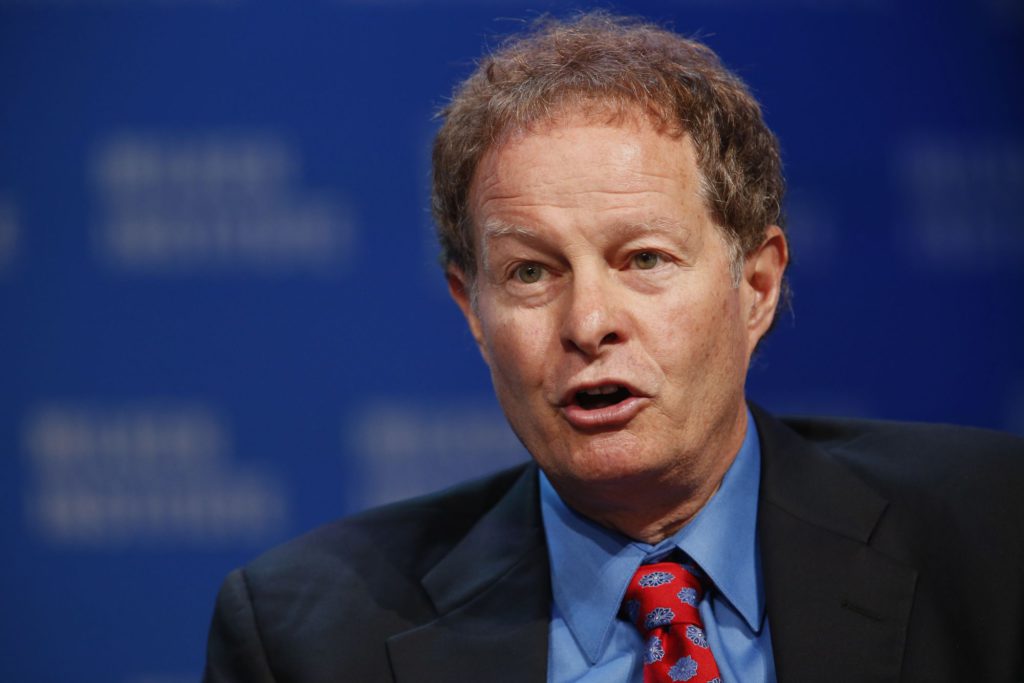
(Bloomberg) — Whole Foods Market co-founder John Mackey is planning a second act when he retires from the Amazon-owned grocer next month: building a chain of plant-based restaurants and wellness centers that offer fitness and spa services.

Corporate records list Mackey, 68, as a partner in Healthy America LLC, a startup that raised about $31 million from investors earlier this year and aims to launch a “national network” of medical wellness centers and vegetarian restaurants.

One now-closed job posting calls the venture “an evidence-based lifestyle company, leading the convergence of culinary, healthcare, and wellness. For the first time ever, we are bringing together all three under one roof, to meaningfully transform the health and wellbeing of individuals.” The posting envisions Healthy America offering both a membership program and a-la-carte public access to its facilities.

Incorporated in 2020, Healthy America is based in Austin, Texas, like Whole Foods and staffed by veterans of the high-end grocer. Its chief executive officer is Betsy Foster, a longtime executive who left Whole Foods in 2020. Walter Robb, Whole Foods’ co-CEO when he departed in 2017, is listed alongside Mackey as a partner. Former executives from Whole Foods’ store development, finance and human-resources departments have also joined the startup, according to their LinkedIn profiles. 

Robin Kelly, a spokesperson for the new venture who previously worked in public relations at Whole Foods, declined to comment.

The first Health America location, under the brand Love Life!, is expected to be in southern California, according to a person familiar with the plans, who requested anonymity because they weren’t authorized to discuss them publicly. A bare-bones Love Life website teases a 2023 launch date and asks visitors to sign up for updates.

Mackey is credited with helping popularize organic foods in the US. He co-founded a natural foods store in 1978 and merged with a rival to form the first Whole Foods two years later. The store grew into a national chain, largely through acquisitions of regional competitors. Mainstream grocers eventually started stocking healthier and organic products, putting an end to Whole Foods’ rapid growth and setting the stage for its sale to Amazon.com Inc. for $13.7 billion in 2017. Last year, Mackey announced that he would retire in September 2022, handing the reins to Chief Operating Officer Jason Buechel.

A longtime vegetarian who went vegan in the 2000s, Mackey has advocated healthy eating with an almost religious devotion and blended that mission into his company’s culture. A libertarian, he has long portrayed health and diet largely as matters of personal choice.

The new venture’s restaurants offer “a broad spectrum of eclectic plant-based dining options, ranging from the most health-promoting to a balanced indulgence,” another job posting says, while the wellness centers are described as “rooted in lifestyle medicine,” featuring “the best of Western and Eastern medicine, alongside wellness, educational and fitness and spa services.”

Florida state records show Healthy America purchased a vegan restaurant in Miami called Love Life Café last year.

(Updated with service offerings in penultimate paragraph.)

More stories like this are available on bloomberg.com

©2022 Bloomberg L.P.
Bitcoin Miner Marathon’s Loss Widened as Coin Prices Tumbled

(Bloomberg) — Marathon Digital Holdings Inc.’s second-quarter loss widened as the price of Bitcoin tumbled and costs related to the exit of a Montana facility climbed.

The net loss for Las Vegas-based miner in the three months ended June 30 was $191.6 million, or $1.75 a share, compared with $108.9 million, or $1.09, a year earlier. Bitcoin’s price fell 59% in the second quarter. Revenue dropped about 15% to $24.9 million. 

Marathon said it turned on previously installed miners at its West Texas facility after receiving confirmation of the tax-exempt status of the wind farm that supplies energy to the 280-megawatt Bitcoin mining facility. 

On a combined basis, digital currencies subject to impairment and digital currencies held in the investment fund resulted in an expense of $207.3 million in the quarter, up from $125.8 million in the prior-year period, the company said in a statement. In April, Marathon announced its intention to transition out of the facility in Hardin, Montana. On July 28, the company terminated its power purchase agreements and commenced the acceleration of its exit from Hardin.

Shares of Marathon fell about 1.5% to $14.22 in post-market trading. The stock has dropped around 56% this year.

More stories like this are available on bloomberg.com

©2022 Bloomberg L.P.

Close Bitnami banner
Bitnami
