
Bloomberg

Revolut Bulks Up Crypto Business With Hiring Spree

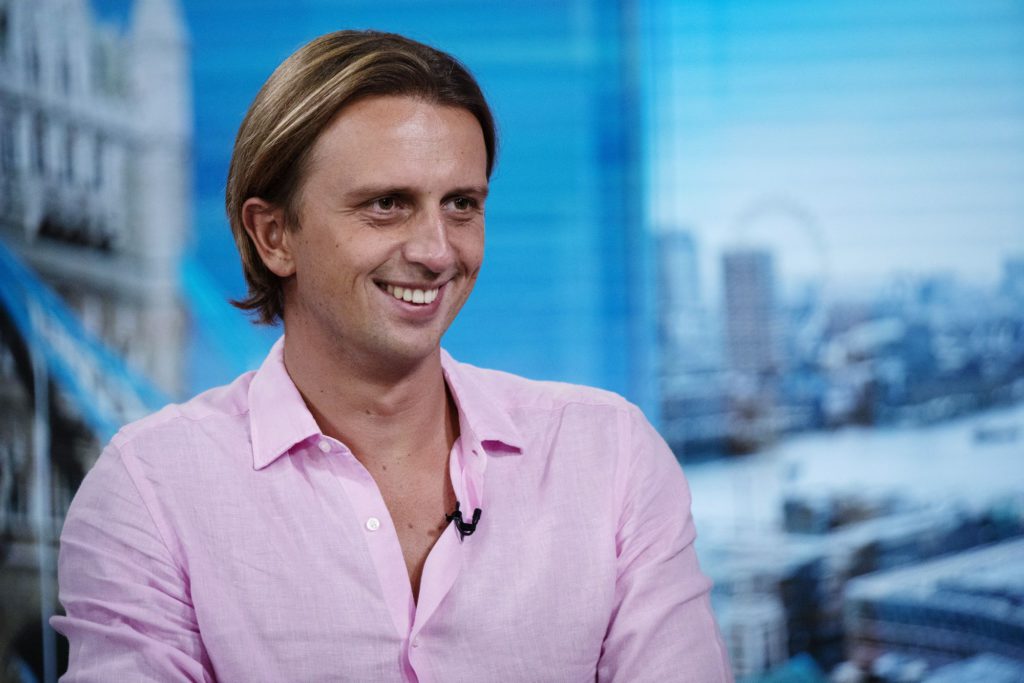
(Bloomberg) — Revolut Ltd. plans to increase its crypto headcount by 20% across Europe, the UK and US over the next six months, a bright spot in the current digital-assets industry downturn and a rare sign of growth against the backdrop of a wider slowdown in hiring by tech firms.

The London-based fintech firm is currently advertising for 13 crypto-focused roles, including in compliance and financial crime prevention, as well as software engineers and professionals with crypto experience working in legal fields. The startup has already hired 43 crypto staff this year, tripling the team’s total headcount since July 2021. The company has more than 230 open positions across all its teams.

“We see crypto as a long-term play and remain bullish on the crypto industry”, Emil Urmanshin, Revolut’s crypto general manager said, adding that the business currently accounts for about 5% to 10% of Revolut’s revenue globally. 

Revolut’s push comes during a sustained slump in cryptocurrency prices, which has led to bankruptcies and layoffs across the sector. Coinbase Global Inc. slashed 1,100 jobs or about 18% of the workforce in June as the “crypto winter” set in. The job eliminations follow similar reductions across the sector, including at Bitpanda, Crypto.com, Gemini Trust Co. and BlockFi Inc. There have also been hiring slow downs in big tech, including at Apple Inc.. Alphabet Inc.’s Google unit and Twitter inc. 

Crypto Expansion

The hiring will help Revolut, one of Europe’s most well-known fintech startups, continue to expand its cryptocurrency offerings. The financial “superapp” announced on Wednesday that it was adding 22 new tokens to its platform, bringing the total number of virtual currencies available to more than 80. Metaverse coin APE and two decentralized-finance tokens are among digital assets now available.

Launched in 2015, Revolut became popular with consumers in Europe for its easy-to-use app and connected debit card that allows users to spend different currencies at the interbank exchange rate with little or no fees. It has since expanded its range of products to include business checking accounts, stock trading, pet insurance, and travel. 

While Revolut’s flagship foreign exchange service took a hit during the Covid-19 outbreak, due to travel restrictions and lower spending, the company’s stock and crypto trading has boomed. 

The number of UK customers buying cryptocurrencies increased by more than 290% between July 2020 and July 2021, while the number of transactions they made increased by over 800%, according to Revolut. Since lockdowns have lifted, the number of UK customers buying cryptocurrencies grew at a slower pace, increasing 30% between July 2021 and July 2022. The number of transactions during that period increased by over 50%,. the firm said.  

“Although there has been turmoil, interest in crypto assets has increased and we still have more customers trading crypto than during July 2021,” Urmanshin said.  

Revolut, which has attracted more than 20 million customers since its launch, is the only crypto-asset firm left on the UK Financial Conduct Authority temporary register. The other 11 that were offered extensions have either been approved, rejected or have withdrawn from the list. Revolut is also still waiting for the FCA to give the final green light to its full banking license, a process that has already taken more than a year-and-a-half. 

More stories like this are available on bloomberg.com

©2022 Bloomberg L.P.
MercadoLibre Jumps After Results Show ‘Profitable Growth’

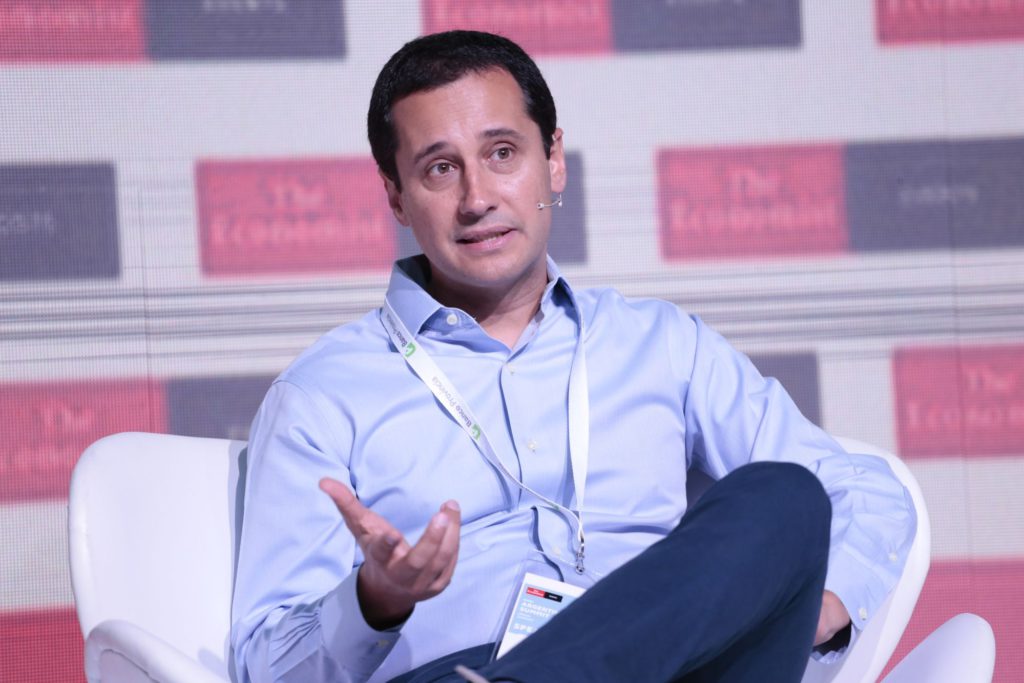
(Bloomberg) — Latin American e-commerce retailer and fintech provider MercadoLibre Inc. is reaping the rewards of its investment across the region over the past years, posting record revenue and better-than-expected profits even as the region’s economies cool down. 

Net sales in the three months through June 30 jumped 53% from a year earlier to $2.6 billion, according to a statement Wednesday, topping the $2.5 billion average estimate of analysts surveyed by Bloomberg. Operating margins fell to 9.6% from 9.8% in the same period last year, while Wall Street was bracing for a sharper contraction to about 7%.

Operations in Mexico had their first profitable quarter since starting up five years ago, Chief Financial Officer Pedro Arnt said in an interview. That’s a key milestone as it’s one of the most competitive markets in the region, he said. 

“This proves the returns on that heavy investment over the last five years,” Arnt said. “We aim to deliver incremental profits for many years to come.”

Shares jumped as much as 22% in New York Thursday, with Morgan Stanley touting the company’s investment thesis of “persistent, profitable growth” in a report published following the results. 

The better-than-expected figures provide somewhat of a buffer to the macroeconomic headwinds expected in coming months as regional growth slows. Retail sales stagnated in Brazil — MercadoLibre’s largest market — in May, signaling the nation might be poised for a recession. E-commerce gains have also decelerated following the pandemic-driven boom, and competition has increased with the expansion of online shopping platforms from Sea Ltd.’s Shopee and Chinese fast-fashion giant Shein. 

Read More: MercadoLibre Surges on Signs of Profitable Growth: Street Wrap

“In a market that’s slowing down, we’re slowing down less than we expected and gaining share at an accelerating pace,” Arnt said. In addition to Mexico, the Buenos Aires-based company’s operations are profitable in Brazil and Argentina. 

Fintech Growth

Meanwhile, the company’s credit portfolio rose to almost $2.7 billion from about $2.4 billion at the end of March, accounting for 46% of total revenue. Even as credit quality deteriorates alongside the tougher economic scenarios in the region, the company “adequately priced” this risk and saw margins improve, Arnt added. 

Earlier this month, MercadoLibre’s fintech arm borrowed $233 million from Goldman Sachs Group Inc. so it could expand credit in Brazil and Mexico. 

The company’s shares have been battered along the wider rout in tech stocks. Shares are down 55% since peaking January 2021, pushing the firm’s market value to below $45 billion.

Other key points from the interview:

  • The company’s fintech segment, MercadoPago, is likely to surpass retail in terms of revenue over the next few quarters, Arnt said
  • Growth in the credit business will drive a “significant increase in monetization” of the fintech arm
  • In the e-commerce segment in Brazil, the company now has a market share of about 33%
  • MercadoLibre is holding on to the crypto it has in its balance sheet, because it believes in the asset class and wants to show users it “eats its own dog food”
  • The company is looking to add “innovative products” tied to crypto in the second half of the year that “will confirm we’re not pulling back because of the volatility”

(Updates with market move in fifth paragraph)

More stories like this are available on bloomberg.com

©2022 Bloomberg L.P.

Top Tier Capital Partners Raises $925 Million in Fresh Funds

(Bloomberg) — Top Tier Capital Partners, known for investing in some of Silicon Valley’s best venture firms, has raised $925 million in fresh capital.

The San Francisco-based firm said in a statement Thursday that the new commitments were for its Top Tier Venture Velocity Fund 4 and a number of separate accounts, including one for co-investing in late-stage climate technology companies.

Garth Timoll, managing director at Top Tier, said in an interview that the firm had chosen to raise new money because a challenging market environment was creating “better discounts, which we think will lead to better returns in the long run.”

Among other investments, it wants to back enterprise software, security, cloud and data analytics businesses that generate $5 million to $15 million in revenue, Timoll said. 

Top Tier looks to invest directly in startups before they go public and has in the past backed the likes of fantasy sports company DraftKings Inc. and mobile therapy provider Talkspace Inc. The new money will also be used to invest in venture capital firms, including via the secondaries market and direct co-investments. 

The latest fundraise takes Top Tier’s assets under management to more than $8.1 billion, according to the statement. The firm has also opened a new office in Boston, Massachusetts.

More stories like this are available on bloomberg.com

©2022 Bloomberg L.P.

US Stocks, Yields Waver as Markets Stay on Edge: Markets Wrap

(Bloomberg) — US stocks wavered on Thursday after the Bank of England joined global central banks in driving interest-rate hikes to quell inflation. The US yield curve remained inverted as recession fears persisted.

The S&P 500 and the Nasdaq 100 fluctuated as thin liquidity in the summer amplified market moves. Both indexes were dragged down by the slump in Apple Inc. and Fortinet Inc.’s shares. The latter fell after trimming its service-revenue forecast. However, Alibaba Group Holding Ltd.’s strong report drove a rally in its tech peers, pushing up some of the Nasdaq 100’s constituents such as JD.com Inc. and Pinduoduo Inc.

Treasury yields wobbled, with the 10-year rate around 2.69% after pushing past 2.80% on Wednesday. US initial jobless claims rose slightly and are holding near the highest level since November, data showed Thursday.

The bond market, especially the persistently inverted Treasury yield curve, is flashing warnings on the economy amid a global wave of monetary tightening. But a rebound in equities, with the S&P 500 enjoying its best start to an earnings season since 1997, has defied the drama in Treasuries. 

“There is a mismatch between what the Fed is saying and what the markets are doing,” said Matt Maley, chief market strategist at Miller Tabak + Co. “One of them is terribly wrong. If it’s the markets who are wrong, the next few months are going to be quite ugly.”

A flurry of economic data that released this week assuaged fears of a downturn while hinting at stabilizing growth. All eyes will be on the US jobs report on Friday for further clues about the Fed’s path of rate hikes.

“There’s an intense tug-of-war happening in the economy and markets,” said Dan Suzuki, deputy chief investment officer at Richard Bernstein Advisors. “On one side, you have a narrative that reasonable growth is going to support continued inflation pressure and keep the Fed hiking. The other narrative is that slowing growth is going to ease inflation and allow the Fed to stop hiking.”

US-China tension remains among the uncertainties clouding the outlook. Taiwan braced for the Chinese military to start firing in exercises being held around the island in response to US House Speaker Nancy Pelosi’s visit.

Oil fell as investors weighed weaker US gasoline demand and rising inventories against a token supply increase from OPEC+. West Texas Intermediate had briefly dropped below $90 a barrel, a level last seen in the weeks leading up to Russia’s invasion of Ukraine. Gold advanced and Bitcoin fell.

This week’s MLIV Pulse survey is asking about your outlook for corporate bonds, mergers and acquisitions and health of US corporate balance sheets through the end of the year. It takes one minute to participate in the MLIV Pulse survey, so please click here to get involved anonymously. 

What to watch this week:

  • Cleveland Fed President Loretta Mester due to speak, Thursday
  • US employment report for July, Friday

Some of the main moves in markets:

Stocks

  • The S&P 500 was little changed as of 11:52 a.m. New York time
  • The Nasdaq 100 was little changed
  • The Dow Jones Industrial Average fell 0.2%
  • The Stoxx Europe 600 rose 0.2%
  • The MSCI World index rose 0.9%

Currencies

  • The Bloomberg Dollar Spot Index fell 0.3%
  • The euro rose 0.5% to $1.0215
  • The British pound fell 0.1% to $1.2135
  • The Japanese yen rose 0.4% to 133.34 per dollar

Bonds

  • The yield on 10-year Treasuries declined one basis point to 2.69%
  • Germany’s 10-year yield declined seven basis points to 0.80%
  • Britain’s 10-year yield declined two basis points to 1.89%

Commodities

  • West Texas Intermediate crude fell 2.6% to $88.28 a barrel
  • Gold futures rose 1.6% to $1,804.90 an ounce

More stories like this are available on bloomberg.com

©2022 Bloomberg L.P.
Sinema’s Demands on Carried Interest, Taxes Imperil Manchin Deal

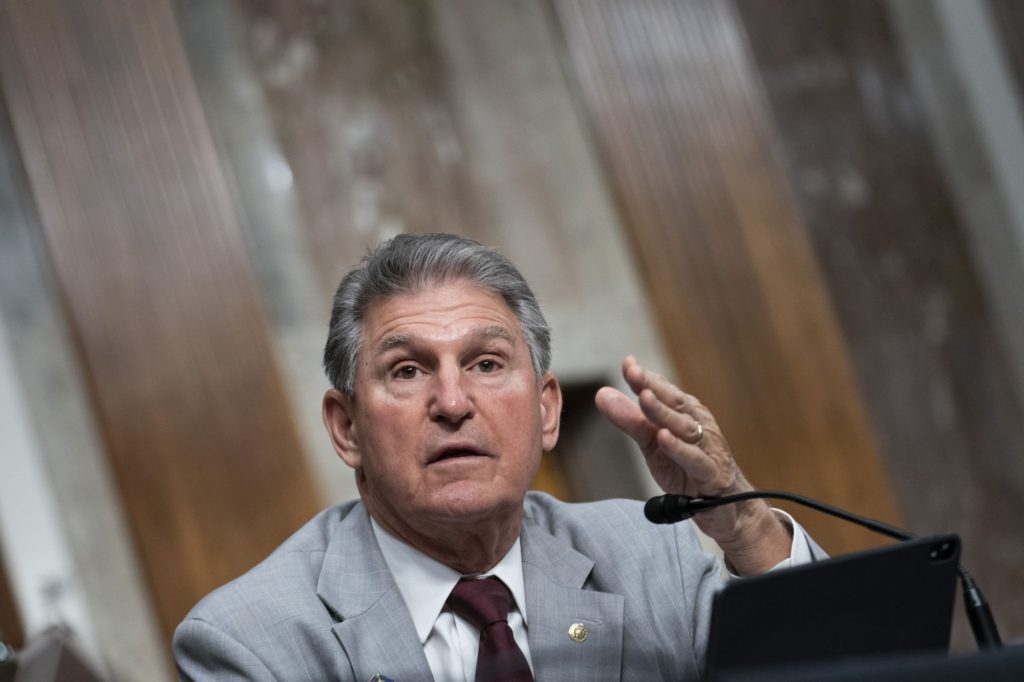
(Bloomberg) — Senator Kyrsten Sinema is privately seeking changes to the party’s tax, health and climate bill, but accommodating her threatens the delicate balance that just last week convinced Senator Joe Manchin to endorse the legislation.

Manchin and Sinema were lead negotiators on last year’s $550 billion bipartisan infrastructure bill and together have thwarted attempts by fellow Democrats to enact many of President Joe Biden’s priorities. Now, as Democrats prepare to vote on a whittled-down version of Biden’s economic plan, they are on a collision course over which taxes to raise and how much to cut the deficit. 

Manchin, a West Virginia Democrat, released a bill last week with a handful of tax increases on private equity and corporations, investments in energy incentives and a drug-pricing deal. Sinema, an Arizona Democrat who has publicly stayed silent on the bill, wasn’t involved in those negotiations and her demands have the potential to sink the bill in the 50-50 Senate in the face of united Republican opposition.

Sinema is looking to cut a provision that would narrow a tax break for private equity, known as carried interest, according to people familiar with the matter. Eliminating that preference for money managers has been a key priority for Manchin for years, though he said he is open to hearing the economic reasoning for retaining the tax break.

Sinema, who has been at the center of talks on other major legislation, was blindsided by the Manchin-Schumer deal. Manchin told reporters that he kept Sinema and others out of the loop because the deal could’ve gone “sideways” at any moment and he didn’t want to get people’s hopes up. He said that no one should view the surprise deal as some kind of “coup” against them. 

Some Democrats, including Manchin, express outrage at the idea of keeping the carried interest break as it is, which benefits the very wealthy.

“Why should you get the same rate he gets just because you’re managing the money with no capital?” Manchin told reporters at the Capitol late Wednesday. “If someone can explain it different, how it really stimulates the market and makes things work, I’m happy to understand.”

Virginia Democratic Senator Tim Kaine told reporters he is insisting that it stay in the deal. Others are questioning why Sinema is going to bat for private equity.

Cutting the carried interest provision from the bill, which the Congressional Budget Office estimates raises $13 billion, wouldn’t derail most of the $739 billion in revenue expected to be raised and probably isn’t a deal-breaker. But there are other, bigger landmines. 

Sinema also wants to scale back a 15% minimum tax on a corporation’s financial statement profits, which is the largest revenue raiser in the Manchin-approved deal. Narrowing that tax hike enough to gain Sinema’s support would likely mean forgoing roughly $100 billion of the projected $313 billion that provision raises. 

Any changes to the corporate minimum tax would have much wider ripple effects, and could cause the bill to run afoul of the Senate’s rules for the fast-track budget reconciliation process, which Democrats are using to pass the bill on a party-line vote. Democrats are required to decrease the deficit in the bill by at least $1 billion, though Manchin wants much bigger reductions.

Sinema’s concerns may be bolstered by a Congressional Budget Office analysis released Thursday in response to questions by Republican Senator Lindsey Graham.

CBO said that the corporate minimum tax would provide a disincentive for investment for business by limiting the value of certain tax breaks and it found that overall the bill has little to no effect on inflation in 2022 and 2023.

On the positive side for Democrats, CBO said it is not yet clear the US is in a recession. Also, earlier this week, the non-partisan scorekeeper for Congress estimated that the bill cuts the deficit by $102 billion over a decade. 

Changing the corporate minimum tax to meet Sinema’s needs would consume much or all of that deficit reduction in the bill. It’s unclear whether Manchin would accept less money to curb the deficit in exchange for Sinema’s support. He said Wednesday he hasn’t yet had detailed discussions about changing the corporate levy.

Resolving these differences could delay the vote on the bill, which Majority Leader Chuck Schumer has said he wants to hold in the coming days. 

The timing of the deal announcement came just hours after the Senate passed a $52 billion semiconductor measure. That chips bill required Republican cooperation which only came forward after Senate minority leader Mitch McConnell came to believe that any tax and climate deal with Manchin was dead. Sinema along with Indiana Republican Todd Young lead a whip operation to get that CHIPS bill through the Senate. The deal announcement left her in the awkward position with Republicans.

More stories like this are available on bloomberg.com

©2022 Bloomberg L.P.
Warren to Target Bank Crypto Offerings in US Regulator Query

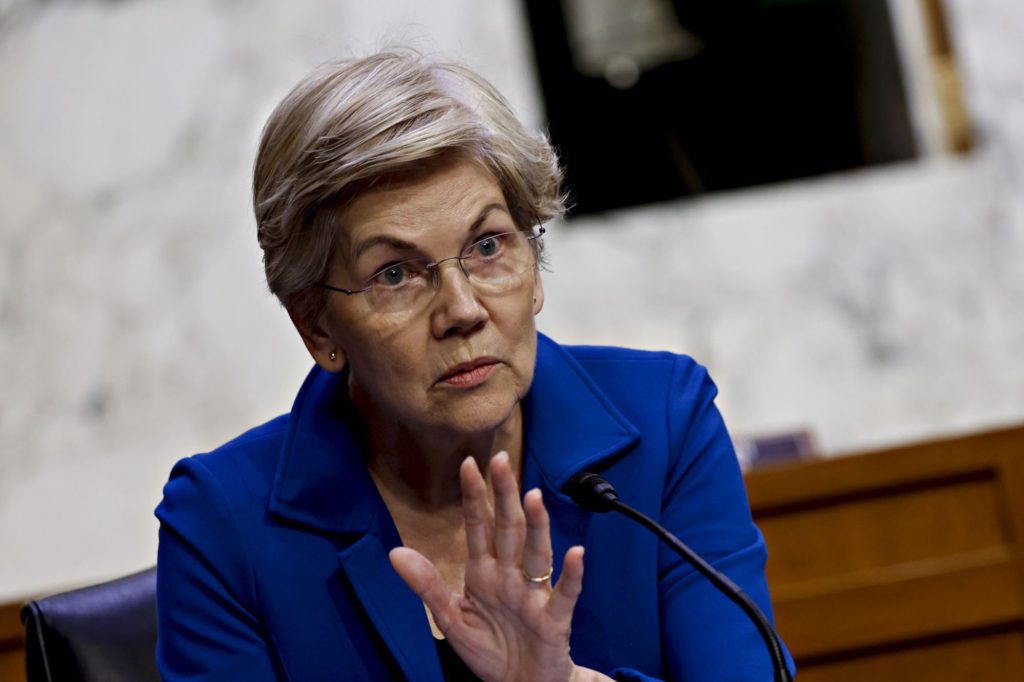
(Bloomberg) — Massachusetts Democrat Elizabeth Warren is circulating a letter among her Senate colleagues that would ask a key US bank regulator to withdraw legal guidance that has underpinned Wall Street’s foray into crypto.

Warren wants the Office of the Comptroller of the Currency to pull a series of Trump-era interpretations that paved the way for banks to offer services like crypto custody for clients. The letter, a draft copy of which was reviewed by Bloomberg News, calls on the OCC to work with the Federal Reserve and the Federal Deposit Insurance Corp. to replace them with an approach “that adequately protects consumers and the safety and soundness of the banking system.” 

Warren is currently asking colleagues to sign on to the letter, and plans to soon send a final version to OCC acting head Michael Hsu, said an aide for the senator. 

When asked about the draft letter on Thursday, Hsu said that he hadn’t yet seen it and that he looked forward to responding.

“I am a very strong believer that anything that comes into the banking system in crypto has to be safe, sound and fair, and we’re going to do what’s necessary in a way that’s sustainable, durable, robust,” he said in an interview at the Philadelphia Federal Reserve’s Sixth Annual Fintech Conference. 

“I think we’re doing a pretty good job. See exhibit A: a whole bunch of stuff just happened, and the banking system is in pretty good shape, knock on wood. I think part of that is the actions we’ve taken,” Hsu added.

After several recent high-profile blowups cost investors billions of dollars, pressure has been mounting for lawmakers and regulators to clamp down on corners of the crypto market. Warren, who’s a member of the Senate Banking Committee, is among the lawmakers who have been most critical of the asset class. 

“Cryptocurrencies are highly volatile assets that offer few, if any, protections to retail investors,” the letter says.

The recent turmoil, including the collapse of the TerraUSD stablecoin and bankruptcies of several digital-asset firms, has increased concern that OCC’s past actions may have exposed the banking system to “unnecessary risk,” the letter says.

The OCC under the Biden administration confirmed in November that banks can participate in certain crypto activities, but only after they’ve obtained written approval from their supervisory office. The letter says that while that updated guidance aimed to rein in risks, it didn’t go far enough to do so. 

“We are concerned that the OCC has failed to properly address the shortcomings of the preceding interpretive letters and the risks associated with crypto-related banking activities, which have grown more severe in recent months,” the letter says.

While Wall Street banks have shown more interest in crypto, they’ve still remained largely on the sidelines in part due to lingering legal questions in the US.  

The letter closes with a series of questions for the regulator, including asking the OCC to name the regulated banks that are currently offering crypto-related services and inquiring about the estimated total dollar volume of those activities. 

(Updates with comments from OCC acting head starting in fourth paragraph.)

More stories like this are available on bloomberg.com

©2022 Bloomberg L.P.

Twitter Subpoenas Ken Griffin Amid Hunt for Musk’s Deal Backers

(Bloomberg) — Ken Griffin, the billionaire founder of hedge fund Citadel, was added to a sweeping list of those Twitter Inc. has subpoenaed in its effort to force Elon Musk to complete his $44 billion purchase of the social media company.

The subpoena notice for Griffin, whose involvement — if any — in Musk’s proposed takeover of the company is unclear, was filed Wednesday as part of a slew of document requests from both sides of the deal. Twitter has sought information from more than a dozen investment firms that committed equity to Musk’s purchase as well as the banks that had advised Musk and pledged billions in financing.

Twitter Subpoenas Musk Deal Investors, Digs Into Andreessen, VCs

Like many hedge funds, Griffin’s Citadel has owned both Tesla and Twitter stock. But the filings in Delaware Chancery Court are addressed to Griffin rather than his company and list Griffin as “an actual or potential” co-investor in the equity financing for the deal. Zia Ahmed, a spokesman for Griffin, declined to comment. The subpoena asks for documents and communications related to Musk and Twitter’s deal proposals, agreements, financing, and much more.

For his part, Musk has requested records from Twitter’s deal advisers, Goldman Sachs Group Inc. and JPMorgan Chase & Co., to gather information on how the two helped steer the company during its negotiations with Musk. His legal team wants documents related to discussions about the proposed merger and analysis of Twitter’s financial conditions, as well as information about any talks “with or about other potential purchasers of Twitter” besides Musk.

Both sides are seeking information to make their case ahead of the Oct. 17 trial in Twitter’s suit seeking to force Musk to complete the $44 billion acquisition. Musk claims he’s trying to cancel the deal because Twitter failed to provide him with information about the number of spam and bot accounts on the platform. Twitter says his bot complaints were a pretext for him to walk away and that it has provided him with its “firehose” of data.

Torrent of Subpoenas

Twitter and Musk have also been fighting over the schedule of the public filing of Musk’s counterclaims against Twitter, with the billionaire saying the social media company was using court confidentiality rules “as a sword and a shield to keep defendants’ side of the story concealed.” On Wednesday a judge ruled that Musk would have to wait until Friday to file a public version of his claims.

In addition to seeking details from deal financiers, Twitter sought information from one — Key Wealth Advisors — about communications with Silicon Valley investors Jason Calacanis, Steve Jurvetson, Joe Lonsdale, Chamath Palihapitiya, Keith Rabois and David Sacks. Jurvetson’s DFJ Growth IV Partners was also served. 

The documents say Twitter tried to serve Griffin at his home and office in New York. The billionaire said in June that he had moved to Miami, where he is establishing new headquarters for his $52 billion firm. The subpoena was received by Griffin’s attorney, according to Ahmed.

Twitter also subpoenaed Musk’s companies, Tesla Inc. and SpaceX. They were asked to turn over any documents about the Twitter deal, including communications with their boss. Twitter also sought information from Musk’s lawyers at Skadden, Arps, Slate, Meagher & Flom and McDermott Will & Emery. 

A unit of crypto-currency exchange Binance was also subpoenaed by Twitter. Binance put $500 million into Musk’s $7.1 billion equity raise for the deal in May. Twitter’s lawyers want to know about investment terms and the billionaire’s efforts to syndicate the package, according to court filings. 

The case is Twitter v. Musk, 22-0613, Delaware Chancery Court (Wilmington).

(Updates with details from Griffin’s subpoena in third paragraph.)

More stories like this are available on bloomberg.com

©2022 Bloomberg L.P.
Reuters US Reporters Are Striking for First Time in Decades

(Bloomberg) — Thomson Reuters Corp. journalists in the US launched a daylong strike Thursday, the first walkout in decades among the media company’s long-unionized staff.

Employees began a 24-hour strike at 6 a.m. New York time Thursday after claiming the company didn’t fairly negotiate pay increases, according to the Communications Workers of America’s NewsGuild, which represents US-based Reuters reporters, photographers and video journalists. The group said about 90% of the 300 or so Reuters employees it represents agreed to participate.

The news organization proposed a three-year contract with guaranteed annual pay increases of 1%, according to the union, which would erode employee spending power against a backdrop of 9% inflation. Members of the guild believe Reuters managers aren’t working with them in good faith, and have also filed a complaint with the US National Labor Relations Board. They join an expanding group of media workers that have recently pushed back against what they characterize as unfair treatment by their employers.

“In 2020 we were all asked to step up,” said energy reporter Tim McLaughlin, a member of the union’s bargaining committee. “Everyone just rose to the occasion, and we thought – wrongly as it turns out – that we would get something in return.”

In an emailed statement, Reuters said it was “fully committed to constructive negotiations with the NewsGuild” to reach a contract. “These conversations are ongoing and we will continue to work with the Guild committee to settle on mutually agreeable terms,” a spokesperson said. The company also said it offers “salary and benefits that are among the best in the journalism industry, including a competitive annual merit-based wage program that all Guild members participate in.”

Reuters employs around 2,500 journalists in close to 200 cities total, according to its website. The guild represents employees at outlets including the Washington Post, Politico, and Bloomberg LP’s subsidiary Bloomberg Industry Group. Bloomberg LP, parent of Bloomberg News, competes with Reuters as a provider of financial news and services.

The Reuters strike comes amid a wave of increased activism and organizing among media workers. The NewsGuild has prevailed in unionization elections in recent years at publications such as the Los Angeles Times. It also mounted strikes during the past year at outlets including Buzzfeed, the Miami Herald and, during Black Friday, the New York Times Co.’s Wirecutter product-review site.

Reuters employees timed Thursday’s walkout to coincide with the company’s second-quarter earnings announcement, hoping to maximize attention from management and customers. While one-day strikes often do more to impact companies’ public image than their operations, the guild said it expects the strike to disrupt Reuters’ newsgathering work by forcing management to rely on reporters abroad or editors to cover the day’s events.

In its statement, Reuters said, “We have extensive contingency plans in place that will minimize this brief disruption and are confident that we will deliver the highest quality of service to all our customers.”

The media company said in its first-quarter earnings report in May that sales and revenue exceeded expectations, with total company revenue up 6% from a year earlier, to $1.67 billion. One of Reuters’ major customers automatically pays more due to increasing inflation, according to its 2021 annual report. The London Stock Exchange Group Plc, which purchased a data business from Reuters in 2019, will pay the media company at least $339 million per year until 2048, and “the contract requires adjustments related to changes in the consumer price index,” according to the report.

In the May earnings announcement, Thomson Reuters Chief Executive Officer Steve Hasker said the company would invest in its business and employees. But guild members, whose most recent union contract expired in late 2020, said the company hasn’t been giving back to the employees who fueled its success. 

“Most media companies are having a hard time, but that ain’t us,” McLaughlin said, adding that the attitude of Reuters employees ranges “from peeved to apoplectic.”

A 1% increase in pay would amount to an 8% decline in purchasing power, according to Heidi Shierholz, president of the Economic Policy Institute, who served as the Labor Department’s chief economist under President Barack Obama. And some economics research suggests inflation won’t ease in the near future.

“It is no surprise that workers are not OK with that,” Shierholz said. “In order to fully offset inflation, right now a big increase will be required.”

(Updates with additional Reuters comment in fifth paragraph)

More stories like this are available on bloomberg.com

©2022 Bloomberg L.P.
Meta to Make Bond-Market Debut as Its Cash Flow Falls

(Bloomberg) — Meta Platforms Inc., one of the few S&P 500 companies without debt, is selling US corporate bonds for the first time on Thursday, as its cash flow and stock price fall.  

The social media giant’s bond sale may be $8 billion to $10 billion, in as many as four parts, according to a person with knowledge of the matter. The longest portion of the offering, a 40-year security, may yield 1.75 to 1.8 percentage points above Treasuries, said the person, who asked not to be identified as the details are private. 

The company’s stance on borrowing may have shifted with the state of its business. Meta just posted its first year-over-year quarterly revenue decline, citing uncertainty in the digital advertising market, which has driven its growth for years.

The parent of Facebook and Instagram is concerned that young people are abandoning its platform for ByteDance Ltd.’s TikTok. And it has big, expensive ambitions to build a whole new version of the internet in the Metaverse, an immersive virtual reality world where Chief Executive Officer Mark Zuckerberg imagines we will communicate, work and shop in the future. 

Share Buybacks

Proceeds from the bond sale can be used for purposes including capital expenditures, stock repurchases, and acquisitions or investments. The company may be more likely to use the money to significantly bolster its share buybacks, and hire and retain talented employees, rather than boost spending on Metaverse investments, according to Bloomberg Intelligence analysts Mandeep Singh and Ashley Kim.

Meta has been using cash to repurchase stock, including $5.1 billion in the second quarter of this year, and had $24.3 billion available for buybacks as of June 30, according to its earnings release last week. Its stock price has more than halved from its high in September to $168.80 as of market close on Wednesday, making the repurchases cheaper.

Its stockpile of cash has dropped $23.6 billion from a year earlier, according to data compiled by Bloomberg. That’s among the biggest cash losses for non-financial S&P 500 corporations during the period. 

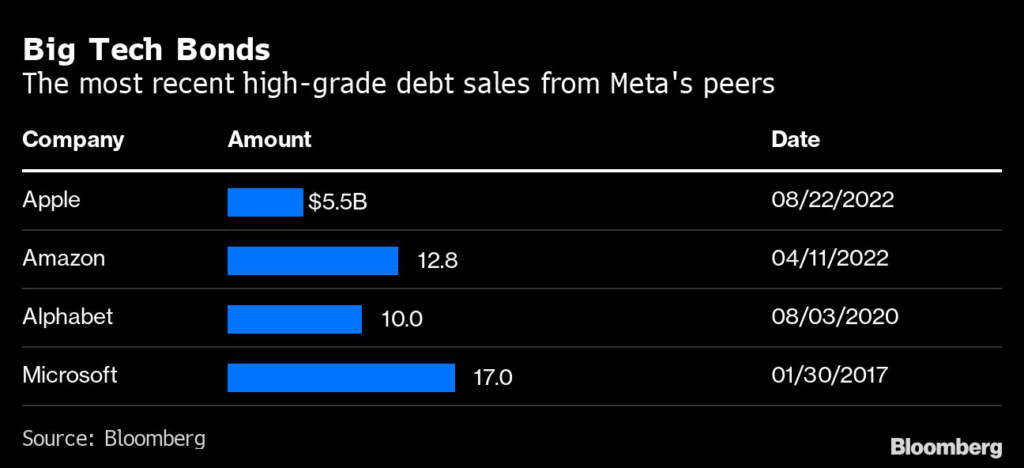
Many of Meta’s large peers in the technology industry have borrowed heavily at low rates despite large cash piles. Including Meta, there are just 18 companies in the S&P 500 without outstanding short or long-term debt, excluding lease liabilities, as of the most recent quarter, according to data compiled by Bloomberg.  

Over the past month, other tech companies including Apple Inc. and Intel Corp. have ridden the rally in credit markets to sell debt. The companies are taking advantage of yields that have been drifting lower after surging all year, offering a moment of relative stability in the market.

S&P Global Ratings has assigned Meta a AA- investment-grade rating, while Moody’s Investors Service gave the tech giant an A1 rating, the equivalent of one step lower.

“The A1 issuer rating is based on Meta’s strong credit profile which reflects the leading global position of its platform brands in social networking, supported by its extensive user base,” Moody’s said in a report. 

Morgan Stanley, JPMorgan Chase & Co., Bank of America Corp. and Barclays Plc are managing the bond sale, the person said. Meta and the banks did a series of fixed-income investor calls Wednesday to market the sale. 

(Updates with cash flow and stock price information starting in first paragraph)

More stories like this are available on bloomberg.com

©2022 Bloomberg L.P.

JD.com Leads China Tech Rally in US After Alibaba Revenue Beat

(Bloomberg) — Chinese tech stocks listed in the US got a fresh dose of good news Thursday morning, after Alibaba Group Holding Ltd. reported a better-than-expected revenue haul for the first quarter despite China’s ongoing economic woes.

Alibaba’s strong report helped drive a rally in its tech peers on Thursday, with JD.com Inc. and Pinduoduo Inc. gaining over 6% and Baidu Inc. higher 2.5%. Shares of the e-commerce giant surged as much as 7.6% in its biggest climb since June and rose on a fourth consecutive day. The Nasdaq Golden Dragon Index advanced 2.5%.

“The company mentioned the business recovery in June which should help other ecommerce players like JD.com and Pinduoduo,” said Henry Guo, an analyst at M Science LLC. “Investors had low expectations on China ADRs before this print but Alibaba reports suggests likely business upsides to expectations for those companies.”

Chinese tech stocks have been through a tumultuous ride for more than a year amid regulatory crackdowns and a series of bruising lockdowns that dampened consumption, and more recently, rising geopolitical tensions. Some analysts have been optimistic about earnings results, with others holding on to their bullish calls on the nation’s stocks. Traders have also been offloading the stocks, with the Nasdaq Golden Dragon China Index down about 17% this year after an 11% decline in July. Still, the benchmark has climbed 38% from a March low.

Now, Alibaba’s sales beat may be a welcome sign for investors even as the stock continues to face a litany of other headwinds, including a struggling Chinese economy and regulatory concerns from authorities in both Beijing and Washington. Last week, the company was added to the US Securities and Exchange Commission’s list of stocks that are at risk of being delisted from American exchanges. That came just days after Alibaba said it would be seeking a primary listing in Hong Kong.

“It is an encouraging start to the earnings season for China tech,” said Bloomberg Intelligence analyst Marvin Chen. “Investors will be looking for guidance that the worst is behind us, and for tech that means from an economic and regulatory perspective.”

All eyes will be on quarterly results due from other Chinese tech giants like Baidu, JD.com and Pinduoduo, which are expected to release their numbers later this month. Baidu’s shares have dropped about 5.1% this year, while JD.com and Pinduoduo fell more than 6% each.

(Updates share moves at open and adds analyst comment)

More stories like this are available on bloomberg.com

©2022 Bloomberg L.P.

Close Bitnami banner
Bitnami
