Bloomberg

Crypto Takes a New Hit as Thousands of Solana Wallets Hacked

(Bloomberg) — Hackers targeted the Solana ecosystem early Wednesday with thousands of wallets affected in the latest hit to the cryptocurrency market after bridge protocol Nomad was attacked at the start of the week.

Estimates of the damage vary. Just over $5.2 million in cryptoassets have been stolen so far from more than 7,900 Solana wallets, according to blockchain forensics firm Elliptic. Security company PeckShield said four Solana wallet addresses drained approximately $8 million from victims.

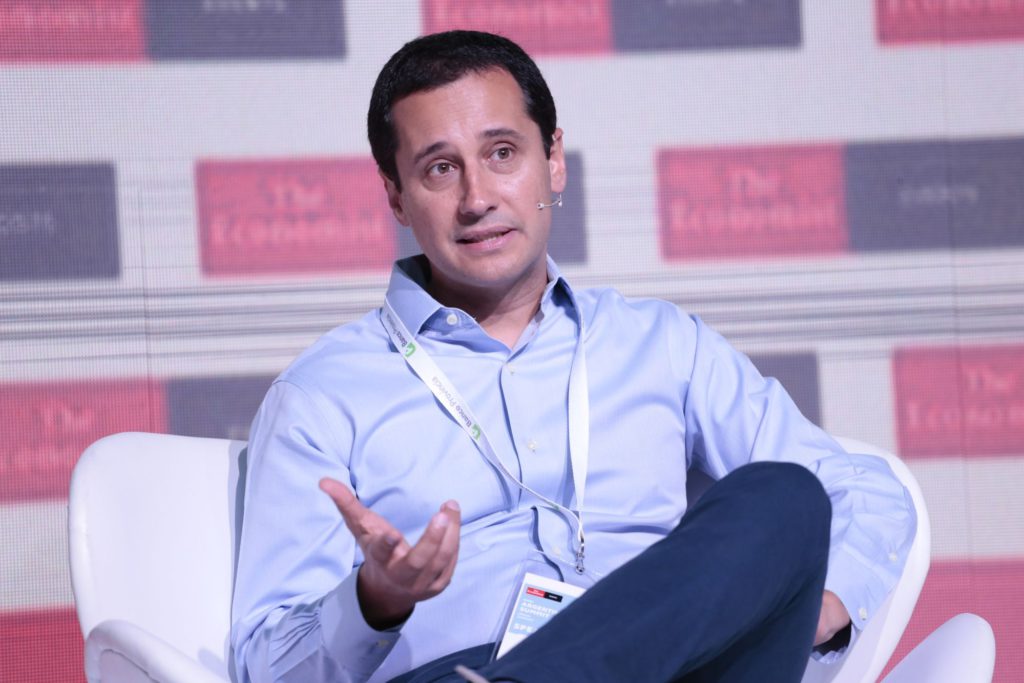
“The root cause is still not clear,” Elliptic’s co-founder Tom Robinson said. “It appears to be due to a flaw in certain wallet software, rather than in the Solana blockchain itself.” 

The attack sent Solana’s SOL token down as much as 7.3% to $38.40 in early trading on Wednesday, its lowest in a week. Bitcoin rose 1.3% to $23,327. 

The exploit affected users of a digital crypto wallet made by Slope Finance, according to a tweet sent Wednesday afternoon by Solana Status, a Twitter account managed by the Solana Foundation. 

“There is no evidence the Solana protocol or its cryptography was compromised,” the tweet said. 

Slope confirmed in an official statement that a group of its wallets had been affected and said that its own founders and staff had lost funds. The startup, which raised $8 million in February in a seed funding round led by Solana Ventures and Jump Crypto, is conducting its own investigation into the cause of the hack. 

Crypto projects are proving a rich vein for hackers and the industry has suffered numerous attacks this year. Solana’s woes come days after Nomad — a bridge protocol for transferring crypto tokens across different blockchains — lost close to $200 million in a security exploit on Monday. More than $1 billion has already been stolen from bridges in 2022, according to a June report by Elliptic.

“Much remains unknown at this point — except that hardware wallets are not impacted,” Solana spokesman Austin Federa said.  

While there’s speculation the incident was a supply-chain attack, the nature of the exploit remains unclear, Federa said. Supply-chain hacks occur when an outside party or provider with access to the victim’s systems and data is infiltrated. 

Solana, which has suffered network outages in the past, is a rival to the Ethereum blockchain. As transaction prices on Ethereum rose last year, chains like Solana, which tout their low transaction fees, emerged as alternatives for minting non-fungible tokens. The code underpinning Solana is also popular with clients looking to build their own decentralized-finance applications. 

Some NFTs were also stolen in the hack — but the full impact of the exploit is still unclear, Elliptic’s Robinson said.

(Updates with new details on wallets affected in the fifth paragrpah.)

More stories like this are available on bloomberg.com

©2022 Bloomberg L.P.

Stocks Snap Two-Day Drop; Treasuries Trim Losses: Markets Wrap

(Bloomberg) — US stocks snapped a two-day decline on Wednesday as corporate earnings and economic data came in better than expected. Treasuries trimmed losses as traders priced in further interest-rate hikes from the Federal Reserve. 

Solid reports from Moderna Inc. and PayPal Holdings Inc. pushed the Nasdaq 100 up as much as 3%, taking it to a level last seen in May. The S&P 500 closed up 1.6%. 

“Now that we’re 70% through the earnings reporting season, we can clearly say that it’s not the earnings Armageddon that many had feared,” said Art Hogan, chief market strategist at B. Riley Wealth. “That’s important.”

The Treasury 10-year yield pushed past 2.80% before falling to 2.70% later in day as investors recalibrated expectations for the Fed’s rate-hike path. Recent data also eased concerns of a broader economic slowdown as growth in the US services sector unexpectedly strengthened to a three-month high in July.

Treasuries had rallied last week after Chair Jerome Powell signaled that the pace of future rate increases may slow later this year, boosting the odds for cuts next year in market-implied measures. But several Fed leaders have since said the central bank is far from done with tightening and remains laser-focused on tamping down price gains that are the hottest in four decades.

Read More: Fed Leaders Pledge Tough Fight to Keep Inflation Credibility

“If there is a change in tone by Fed members, it is similar to a parent that is finally telling the kids that you’ve had enough candy, no more,” wrote Peter Boockvar, chief investment officer at Bleakley Financial Group. “For decades the Fed always gave the markets more candy, especially when the kids cried out for it. Now, the kids are going to have to do without as long as inflation is at the very unsatisfactory levels that it’s pacing at, even with an expected fall.”

Markets are also somewhat calmer as US-China tensions simmered after House Speaker Nancy Pelosi left Taiwan. Her visit had provoked an angry response from China, and markets were on the edge ahead of her arrival on Tuesday. 

Read More: Junk Bond Market Is Signaling the US Will Avoid a Recession

US stocks roared back on Wednesday after a session of many twists and turns the previous day. But equities trading doesn’t reflect the headwinds confronting the market, according to Goldman Sachs Group Inc. strategist Sharon Bell.

“There’s a little bit of complacency in there and markets are not fully taking into account the risks,” Bell said in an interview with Bloomberg TV.

Read More: Stock Bulls Defy Bond Pessimism With Visions of Soft Landing

Thin liquidity during the summer lull also tends to magnify small market moves, said April LaRusse, head of investment specialists at Insight Investments. 

“Sometimes that can make it look more exciting than it probably really is,” she said. 

The Cboe VIX Index also shows price swings are usually prevalent in the summer and early autumn. August and September are historically the two worst months for the S&P 500 Index.

Oil fell after a brief rally as traders mulled the lack of relief for oil markets and a poor demand outlook. The dollar pared gains after hitting a one-week high.

Read More: Oil Plunges to Lowest Since February as US Gasoline Demand Drops


This week’s MLIV Pulse survey is asking about your outlook for corporate bonds, mergers and acquisitions and health of US corporate balance sheets through the end of the year. It takes one minute to participate in the MLIV Pulse survey, so please click here to get involved anonymously. 

What to watch this week:

  • BOE rate decision, Thursday
  • US initial jobless claims, trade, Thursday
  • Cleveland Fed President Loretta Mester due to speak, Thursday
  • US employment report for July, Friday

Some of the main moves in markets:

Stocks

  • The S&P 500 rose 1.6% as of 4 p.m. New York time
  • The Nasdaq 100 rose 2.7%
  • The Dow Jones Industrial Average rose 1.3%
  • The MSCI World index fell 0.8%

Currencies

  • The Bloomberg Dollar Spot Index was little changed
  • The euro was little changed at $1.0169
  • The British pound fell 0.2% to $1.2149
  • The Japanese yen fell 0.6% to 133.94 per dollar

Bonds

  • The yield on 10-year Treasuries declined five basis points to 2.70%
  • Germany’s 10-year yield advanced five basis points to 0.87%
  • Britain’s 10-year yield advanced four basis points to 1.91%

Commodities

  • West Texas Intermediate crude fell 3.7% to $90.97 a barrel
  • Gold futures fell 0.4% to $1,782.10 an ounce

More stories like this are available on bloomberg.com

©2022 Bloomberg L.P.

Weaker Yen May Enable Toyota to Upgrade Operating Profit Outlook

(Bloomberg) — Toyota is scheduled to report April-June quarter results Thursday, with the focus on whether the carmaker will revise upward its profit forecast for the fiscal year through March. 

The yen has been trading above 130 to the dollar since early June, which boosts the value of Toyota’s overseas sales when reported in its home currency. That will probably help Toyota, the worlds largest automaker, make up for any lost production due to semiconductor shortages, higher raw material costs and disruptions in China.

  • Toyota’s current full fiscal-year operating income forecast is 2.4 trillion yen ($18 billion), a large gap from analysts’ average projection for 3.3 trillion yen. The biggest reason for the difference is Toyota’s conservative exchange-rate assumption of 115 yen to the dollar.
  • One yen of weakness translates into about 45 billion yen in additional profit, according to the company. If Toyota revises its rate assumption, that could have a significant impact on the carmaker’s outlook.
  • The negative impact of material price hikes for the fiscal year will probably be 1.45 trillion yen, according to Toyota.
  • In its production plan in May, Toyota described the April-June quarter as an “intentional pause” to sustain growth and set realistic goals. There’s a chance that Toyota will revise its plan to assemble 9.7 million vehicles for the fiscal year due to lockdowns in Shanghai and a water supply shortage in Aichi prefecture, where many Toyota factories are based.
  • Though the upward revision of its full-year forecasts is possible, the effect will be limited if the increase in profit forecast is merely based on the change of exchange rate assumption, said Bloomberg Intelligence analyst Tatsuo Yoshida.
  • Toyota reports quarterly results at 1:25 p.m. local time on Aug. 4; no news conference planned.

More stories like this are available on bloomberg.com

©2022 Bloomberg L.P.

Lucid Motors Slashes 2022 Production Target in Half; Shares Sink

(Bloomberg) — Lucid Group Inc. fell as much as 13% in late trading after the luxury electric-vehicle startup halved its 2022 production target to 6,000 to 7,000 cars.

It’s the second time the Newark, California-based startup has reduced its output goal this year, from an original target of 20,000 cars. Saudi-backed Lucid said it produced 1,405 vehicles in the first half of 2022 and attributed the lower full-year target to “extraordinary supply chain and logistics challenges.” The company delivered just 1,039 cars.

The weak production led Lucid to miss sales estimates. It pulled in just $97.3 million in revenue, well below the $147.5 million consensus compiled by Bloomberg. Its adjusted loss of $414.1 million, leaving out items including interest and taxes, compared with an average estimate of $410.7 million.

Lucid finished the quarter with $4.6 billion in cash and equivalents, which Chief Financial Officer Sherry House said should be sufficient to fund the company “well into 2023.” 

Like other automakers, Lucid has been dealing with supply chain snags and resulting production hiccups. It has brought on new talent to address some of those issues, including a new senior vice president of operations announced Wednesday. Lucid is also still complying with a US Securities and Exchange Commission investigation into its 2021 merger with a special purpose acquisition company, the company said in a Wednesday regulatory filing.

The stock was down 11% to $18.25 as of 4:18 p.m. in New York. The shares have slumped 46% this year.

(Updates with sales figure in fourth paragraph)

More stories like this are available on bloomberg.com

©2022 Bloomberg L.P.

PayPal, Moderna Lead Buyback Frenzy, Giving Stocks a Lift

(Bloomberg) — Investors are debating whether the rebound in US stocks will stick, but corporate America is taking no chances and turning to a favorite old method for juicing the market: Buying back billions of dollars of their own stock.

At least $21 billion in fresh share repurchase programs have been unveiled this week alone, with PayPal Inc. leading the charge and authorizing a new $15 billion buyback plan as it works with Elliott Investment Management to turn around its struggling shares. Moderna Inc., Airbnb Inc. and Marriott International Inc. have also added to or unveiled new programs in the last three days, following a slew of others, including Chevron Corp., Charles Schwab Corp. and Exxon Mobil Corp. that did it last week. 

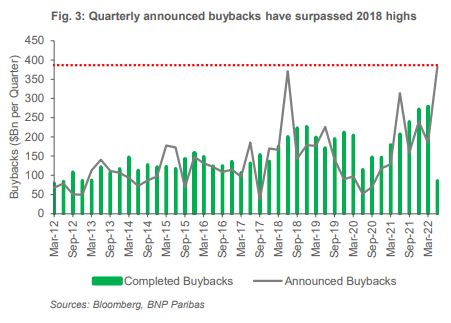
Altogether buyback announcements for the second quarter earnings season have already surpassed 2018 highs, when companies said they planned to repurchase almost $400 billion of their own shares, according to data compiled by BNP Paribas. And the announcements may not be over yet, with more than 50 S&P 500 members still set to report earnings this week. 

The strategy is working. At least for the ones with the largest programs. 

PayPal and Moderna saw outsize share price jumps following their buyback announcements, adding 9.3% and 16% respectively on Wednesday. Shares of Charles Schwab Corp., which announced a $15 billion buyback plan last week, are up 10% since then.

“Buybacks should provide another flow tailwind,” Maxwell Grinacoff, BNP Paribas equity derivatives strategist, wrote in a note on Monday. Announced buybacks have hit the highest in more than a decade, Maxwell added.

For Wall Street strategists schooled in the logic of “buy low, sell high,” buybacks this year likely make complete sense. Companies like PayPal and Moderna have slumped more than 25% amid a boom-to-bust cycle for pandemic winners turned losers. By scooping up shares at a lower value, the company can theoretically resell them later on in a secondary offering, ideally at a higher price, to help raise additional capital.

Smaller companies or less hefty programs don’t always give a meaningful boost to shares. The S&P 500 Buyback Index, which tracks 100 stocks with the highest buyback ratio, has underperformed the broader market since the start of May, falling about 3% compared to a nearly unchanged S&P 500.

One notable exception this season among companies known for supporting robust buybacks are banks. JPMorgan Chase & Co. and Citigroup Inc. announced they would be pausing current share repurchase programs in order to help meet higher capital requirements following the Federal Reserve stress test.

“In the here and now, investors like it when their favorite companies buy back shares. Speculators like it too, because there is a large buyer whom you know will be active in the market,” said Steve Sosnick, chief strategist at Interactive Brokers LLC. “It is quite reasonable to think that buyback announcements have been a key trigger to the recent rally.”

(Updates pricing throughout.)

More stories like this are available on bloomberg.com

©2022 Bloomberg L.P.

EBay Beats Estimates on Sales and Earnings Forecast; Shares Rise

(Bloomberg) — EBay Inc. reported second-quarter revenue that beat expectations and an upbeat profit outlook, evidence that a new focus on luxury items and collectibles is helping offset slowing sales and customer traffic.

The shares rose about 5% in extended trading.

Sales will be $2.29 billion to $2.37 billion in the period ending in September, the San Jose, California-based company said Wednesday in a statement. Analysts, on average, projected $2.3 billion, according to data compiled by Bloomberg. Earnings, excluding some items, will be 89 cents to 95 cents a share, in line with the average estimates of 91 cents.

Chief Executive Officer Jamie Iannone has turned to higher-priced products like watches and brand-name sneakers to try to boost spending on the marketplace and lure more shoppers. In June, the company unveiled the 31,000-square-foot EBay Vault, a temperature-controlled facility where collectors can store valuables, monitor their market value and sell them to other buyers. The move pits EBay against such sites as The RealReal Inc., a members-only consignment shop for luxury goods.

EBay sales decreased 9% to $2.42 billion in the period ended June 30. Analysts, on average, estimated $2.37 billion. Earnings, excluding some items, were 99 cents per share, beating estimates of 90 cents.

Last week, Amazon.com Inc. reported second-quarter revenue that topped estimates, although sales from its online stores fell 4% from a year earlier. 

EBay shares rose to a high of $55.44 in extended trading after closing at $50.48 in New York. The stock has fallen about 27% so far this year, in line with a broader market drop.

EBay ended the quarter with 138 million active buyers, down 12% from a year earlier. Gross merchandise volume, which is the value of all goods sold on the site, fell 18% to $18.55 billion.

More stories like this are available on bloomberg.com

©2022 Bloomberg L.P.

MercadoLibre Sales Top Estimates as Mexico Becomes Profitable

(Bloomberg) — Latin American e-commerce retailer and fintech provider MercadoLibre Inc. is reaping the rewards of its investment across the region over the past years, posting record revenue even as the region’s economies cool down. 

Net sales in the three months through June 30 jumped 53% from a year earlier to $2.6 billion, according to a statement Wednesday, topping the $2.5 billion average estimate of analysts surveyed by Bloomberg. Operating margins fell to 9.6% from 9.8% in the same period last year, while Wall Street was bracing for a sharper contraction to about 7%.

Operations in Mexico had their first profitable quarter since starting up five years ago, Chief Financial Officer Pedro Arnt said in an interview. That’s a key milestone as it’s one of the most competitive markets in the region, he said. 

“This proves the returns on that heavy investment over the last five years,” Arnt said. “We aim to deliver incremental profits for many years to come.”

The better-than-expected figures provide somewhat of a buffer to the macroeconomic headwinds expected in coming months as regional growth slows. Retail sales stagnated in Brazil — MercadoLibre’s largest market — in May, signaling the nation might be poised for a recession. E-commerce gains have also decelerated following the pandemic-driven boom, and competition has increased with the expansion of online shopping platforms from Sea Ltd.’s Shopee and Chinese fast-fashion giant Shein. 

“In a market that’s slowing down, we’re slowing down less than we expected and gaining share at an accelerating pace,” Arnt said. In addition to Mexico, the Buenos Aires-based company’s operations are profitable in Brazil and Argentina. 

Fintech Growth

Meanwhile, the company’s credit portfolio rose to almost $2.7 billion from about $2.4 billion at the end of March, accounting for 46% of total revenue. Even as credit quality deteriorates alongside the tougher economic scenarios in the region, the company “adequately priced” this risk and saw margins improve, Arnt added. 

Earlier this month, MercadoLibre’s fintech arm borrowed $233 million from Goldman Sachs Group Inc. so it could expand credit in Brazil and Mexico. 

The company’s shares have been battered along the wider rout in tech stocks. Shares are down 55% since peaking January 2021, pushing the firm’s market value to below $45 billion.

Other key points from the interview:

  • The company’s fintech segment, MercadoPago, is likely to surpass retail in terms of revenue over the next few quarters, Arnt said
  • Growth in the credit business will drive a “significant increase in monetization” of the fintech arm
  • In the e-commerce segment in Brazil, the company now has a market share of about 33%
  • MercadoLibre is holding on to the crypto it has in its balance sheet, because it believes in the asset class and wants to show users it “eats its own dog food”
  • The company is looking to add “innovative products” tied to crypto in the second half of the year that “will confirm we’re not pulling back because of the volatility”

More stories like this are available on bloomberg.com

©2022 Bloomberg L.P.

Solana Brings Crypto to Real World While Virtual Setbacks Abound

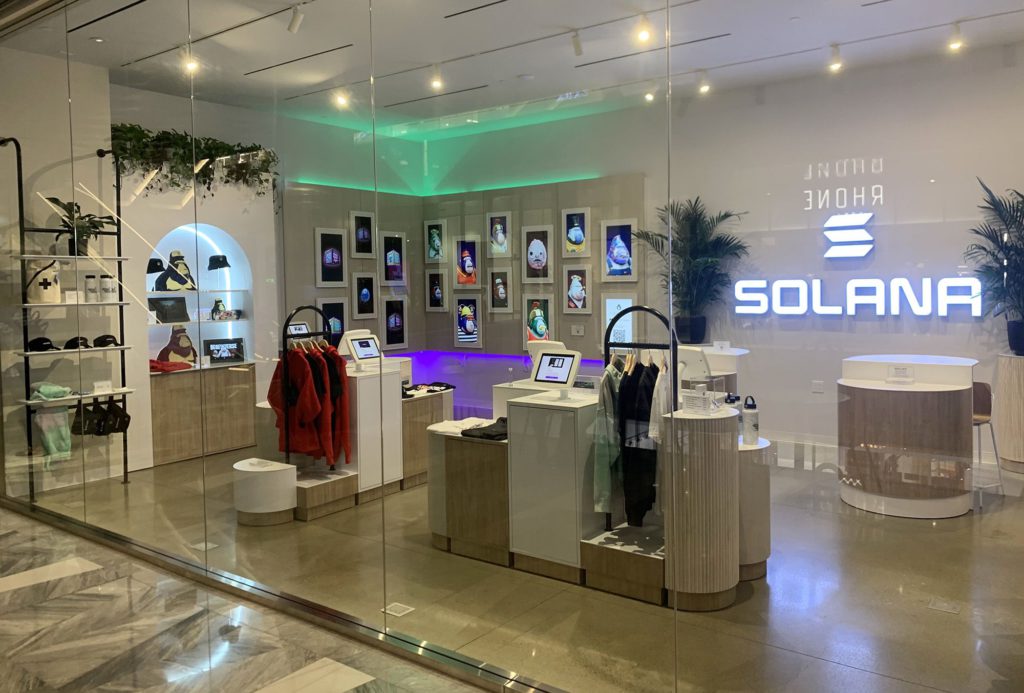
(Bloomberg) — The hack of thousands of digital wallets related to Solana was the talk of the crypto world Wednesday, except at the recently opened retail space dedicated to the blockchain network that is located in New York’s Hudson Yards. 

While Solana Spaces sat largely empty shortly after it opened at 10 a.m., the site saw much more traffic during its inaugural opening last week, with “Solana Spaces Ambassadors” roaming the store eager to help educate the crypto curious. That’s the goal of the IRL, or in real life, experience that operators of the facility want to deliver. The store follows the introduction of Solana Mobile’s Saga, an Android phone.

Solana Spaces Chief Executive Officer Vibhu Norby said that they’ve had over 1,000 tutorials completed, with a lot of interest in the merchandise and rewards handed out in the form of USDC stablecoin tokens and NFTs. 

“The store is very intentionally built, trying to guide you along some kind of path,” Norby said. “This first one is really just kind of a demo and a beta experience of what else we’re doing.”  

Armed with a two-year lease, Norby said that he wasn’t interested in a long-term lease or a pop-up. The retailing veteran said that they are going to announce expansion plans during a Solana conference in November. “With a 100% certainty, there’s another space opening.” Norby said. “We’re gonna put these all over the world.”

The store, boasts an NFT gallery holding “Degen Apes,” merchandise and interestingly enough, a projection of a data visualization which tracked activity in the Solana NFT marketplace. Norby said that while the Solana Foundation provided a “large part” of the funding for Solana Spaces, they don’t own the company. He noted that the hack was unrelated to the giveaways at the store.

“My understanding is a lot of these wallets are older wallets,” Norby said. About 90% of the store visitors “are brand new to Solana, and the USDC and NFTs we gave them are the only things they have in their wallet.”

Solana has positioned itself as an alternative to the Ethereum blockchain, which has been criticized for high fees and slower transaction speeds. However, this has come at the cost of multiple network outages in the past year. 

Mikkel Mørch, executive director at Digital Asset Investment Fund ARK36, said in an email on Wednesday that he sees the recent efforts with Solana’s mobile phone and the Solana Spaces store as emblematic of “Solana’s grand ambitions to become the pioneer of mainstream adoption of web3.” 

“But when the company’s core products — its blockchain and its DeFi ecosystem — regularly suffer from downtime and security problems, you can’t help but think that Solana may have got it all backwards,” Mørch said.

Solana’s SOL token fell about 3% to $40.16 on Wednesday. the cryptocurrency has tumbled about 76% this year.     

More stories like this are available on bloomberg.com

©2022 Bloomberg L.P.

Binance Co-Founder He to Lead $7.5 Billion VC Arm in Shuffle

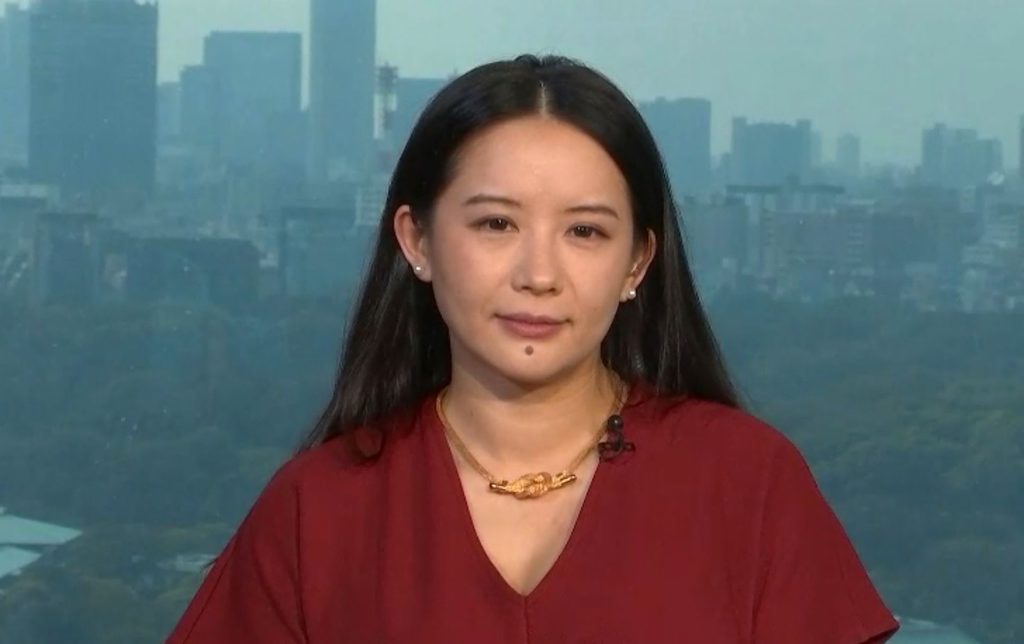
(Bloomberg) — Binance, the world’s biggest crypto exchange, said its co-founder Yi He will serve as the new head of its venture capital arm Binance Labs, replacing Bill Chin, who left earlier this year.  

Binance Labs manages total assets of $7.5 billion. That makes it one of the largest venture capital players in the crypto industry, rivaling giants such as Silicon Valley investment firm Andreessen Horowitz’s digital assets-focused efforts, which total $7.6 billion so far. Since its inception in 2018, Binance Labs says it has made a 2,100% rate of return.

The leadership shuffle shows the importance that Binance places on venture investing during the current market downturn. “Having been through two bear markets, I understand that this is the best time for investing more aggressively,” He said in an interview. She expects to hire more staff for Binance Labs, roughly doubling its size to as many as 40 people. She will focus on projects that will pave the way for wider adoption of crypto and blockchain. 

Binance’s main competitor FTX has been active in bailing out struggling crypto projects. Asked about Binance’s approach, He said, “our style is to be grounded and steady. We are looking at assets globally, but we need to know what’s worth buying.” 

She said that some projects are not only unprofitable but also have a “bottomless hole” in debt due to failure in risk management, and Binance doesn’t provide unsecured debt. 

“We can’t buy something just for the sake of buying it. We don’t need to pump our valuation or tell a story. We need results,” she said. 

He, currently Binance’s chief marketing officer, launched the company with chief executive officer Changpeng “CZ” Zhao after leaving Chinese crypto exchange OKCoin. A former TV host who refashioned herself as a crypto entrepreneur, she was one of the pioneers in China’s blockchain community and has been actively involved with the exchange’s venture capital arm since its early days.

Binance Labs recently closed a $500 million fund backed by investors including DST Global Partners and Breyer Capital. The unit has invested in more than 200 projects ranging from gaming and decentralized-finance platforms to crypto infrastructure, including the Sandbox and STEPN, as well as blockchain startup Aptos Inc. 

“This is the perfect moment for Yi to take on a larger role in Labs as the bear market presents an unparalleled opportunity to identify those projects with the tenacity to thrive in tough market conditions,” CEO Zhao said in a statement. 

Two of Binance’s most significant investments are shrouded by uncertainty. The exchange earlier committed $500 million for Elon Musk’s proposed takeover of Twitter Inc., but the deal is the subject of a legal battle as Musk seeks to rescind his $44 billion offer. Binance also agreed to invest $200 million in Forbes, but the news publisher’s plan to go public via a blank-check company fell through.

(Adds more details from Yi He starting 4th paragraph)

More stories like this are available on bloomberg.com

©2022 Bloomberg L.P.

Tesla’s Stock-Split Proposal Tops a Packed Annual Meeting Agenda

(Bloomberg) —

Tesla hosts its annual meeting — nay, Cyber Roundup — on Thursday from its new plant in Austin, Texas, where the biggest item on the agenda is a likely shoo-in proposal clearing the way for a 3-for-1 stock split.

Elon Musk is of course famously not one for formality, so there’s bound to be more than the perfunctory discussion of management and shareholder measures and sharing of vote results. The chief executive officer uses these meetings to woo and whip up the retail investors he and the company have cultivated for years. Some die-hards who’ve stuck with the stock through dramatic ups and downs are now Teslanaires.

While Musk’s Q&A may well steal the show, there are lots of proposals worth breaking down beforehand. Here’s a guide of what to watch for during this year’s meeting, which is scheduled to begin at 5:30 p.m. New York time:

More Shares to Split

Tesla’s stock surged in late March when the company announced plans to seek investors’ authorization for the company to have more shares outstanding, which would facilitate its second stock split in two years. Bloomberg Opinion columnist Matt Levine explained why the company is taking these steps here and here.

From the acquisition of SolarCity to the unprecedented pay package for Musk, shareholders have followed Tesla’s lead through many controversies. This isn’t another one. The stock soared when the company did a 5-for-1 split in August 2020, so why not try this again?

Directors Staying and Going

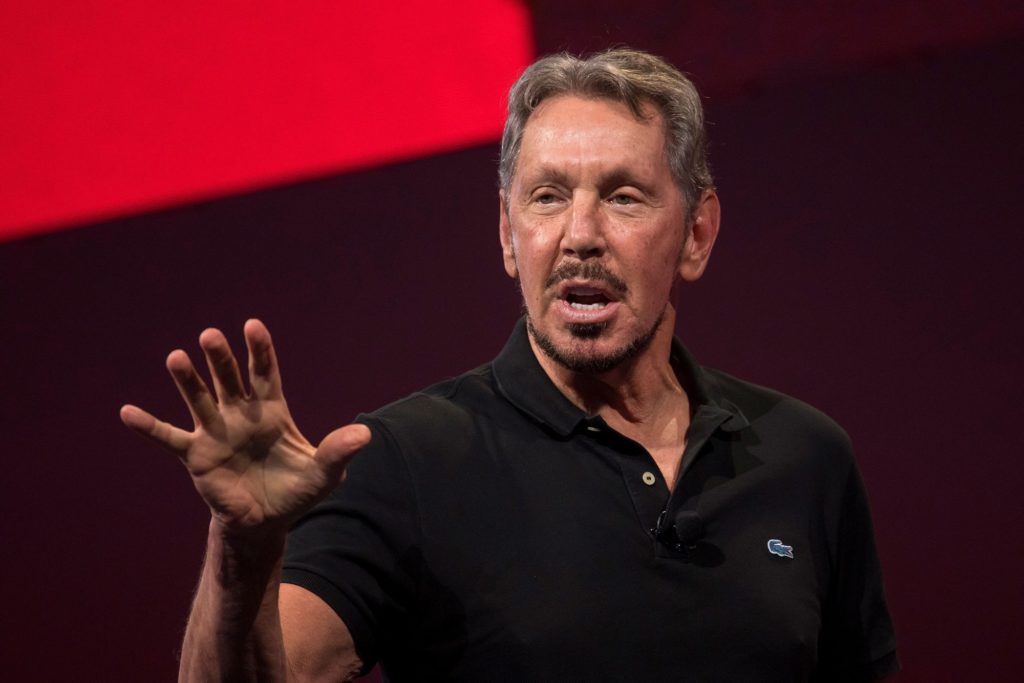
This year’s meeting will mark the end of a short directorship for Larry Ellison, the billionaire co-founder of Oracle and friend of Musk who joined Tesla’s board in the wake of the settlement the company and its CEO reached with the Securities and Exchange Commission in late 2018.

Ellison won’t be replaced, so Tesla’s board will shrink to seven members. Two of them — venture capitalist Ira Ehrenpreis and Kathleen Wilson-Thompson, another director who joined after Musk’s “funding secured” ordeal — are up for re-election. Proxy adviser Institutional Shareholder Services has recommended shareholders vote against both, citing continued concern about the amount of borrowing against Tesla stock that Musk and other directors do, which could put investors at risk if they’re forced to meet a margin call.

Barbarians at the Gate?

Another reason ISS opposes Ehrenpreis and Wilson-Thompson has to do with the response to a proposal last year that each of Tesla’s directors be subject to election annually. While this received the support of 57% of votes cast, Tesla has proposed a half measure: to shorten director terms to two years, from three. ISS called this out as unusual, writing that companies typically declassify their boards when a proposal to do so draws majority support.

Tesla has pushed back against ISS’s criticism, arguing that it will be better able to defend itself from “opportunistic corporate raiders” and “special interests that seek only short-term returns” if its directors only face a vote every two years.

Diversity and Disclosure

Another measure shareholders backed last year called for Tesla to produce an annual report on diversity and inclusion efforts. The company provided detailed data on the racial composition of its US workforce in May, selecting a handful of companies to argue its racial representation compares favorably to others in the tech and automotive industries.

This year, shareholders are after more disclosure and diversity efforts:

  • Proposal 7 calls for Tesla to prepare an annual report on how much money it’s spent on lawsuits and disputes related to abuse, harassment and discrimination, amid state and federal investigations into allegations that racism runs rampant within its workplace.
  • Proposal 8 requests that Tesla report efforts to enhance diversity among its directors. With Ellison’s departure, its board comprises five men, one of whom is Asian, and two women, one of whom is Black.
  • Proposal 9 urges Tesla for the third year in a row to publicly report on its use of mandatory arbitration and how it’s affecting the company’s brand, employees and workplace culture.

The ESG Debate

In the month leading up to this year’s meeting, Musk has loudly criticized environmental, social and governance investing, especially after Tesla lost its spot on the ESG version of the S&P 500 Index.

Proposal 10, which requests that Tesla issue a report on how its lobbying aligns with the goals of the Paris Agreement to limit global warming, may invite another swing at ESG from Musk. The company argues this would be a waste of time — its very mission is to speed up the world’s shift to sustainable energy.

But while Tesla’s electric vehicles, solar roofs and battery products make the company an unquestioned leader with respect to the E- in ESG, two measures up for a vote this year speak to some of its social vulnerabilities.

  • Proposal 12 requests that Tesla report on its progress toward trying to make its batteries cobalt-free in order to eradicate use of child labor in the battery supply chain. The board opposes this and lays out its procurement strategy and supply chain diligence in the company’s  proxy statement.
  • Proposal 13 asks that Tesla assess and report how exposed it is to water supply risks, and calls for the company to be more transparent about water use at its facilities, a particularly hot-button issue for the company in Germany.

Collective Bargaining

Finally, a Canadian nonprofit is urging Tesla to adopt a collective-bargaining policy.

The US prohibits anti-union threats or retaliation while allowing companies to campaign aggressively against unionization. Musk has been a vocal critic of the United Auto Workers, and the National Labor Relations Board ruled last year that he and the company repeatedly violated US labor law by firing a union activist, interrogating pro-union employees and threatening staff against organizing.

This has been a source of tension between Musk and the Biden administration, although there are signs this may be blowing over. The White House recently highlighted Tesla’s investments in the US, while Transportation Secretary Pete Buttigieg credited the company for its EV leadership.

Like getting this newsletter?  Subscribe to  Bloomberg.com  for unlimited access to trusted, data-driven journalism and subscriber-only insights.

(Corrects fifth paragraph to say 5-for-1 stock split)

More stories like this are available on bloomberg.com

©2022 Bloomberg L.P.

Close Bitnami banner
Bitnami